THE NEUROSCIENCE OF DRUG REWARD AND
ADDICTION
Nora D. Volkow, Michael Michaelides, and Ruben Baler
National Institute on Drug Abuse, National Institutes of Health, Bethesda, Maryland
L
Volkow ND, Michaelides M, Baler R. The Neuroscience of Drug Reward and Addic-
tion. Physiol Rev 99: 2115–2140, 2019. Published September 11, 2019; doi:10.
1152/physrev.00014.2018.—Drug consumption is driven by a drug’s pharmacolog-
ical effects, which are experienced as rewarding, and is influenced by genetic, devel-
opmental, and psychosocial factors that mediate drug accessibility, norms, and social
support systems or lack thereof. The reinforcing effects of drugs mostly depend on dopamine
signaling in the nucleus accumbens, and chronic drug exposure triggers glutamatergic-mediated
neuroadaptations in dopamine striato-thalamo-cortical (predominantly in prefrontal cortical regions
including orbitofrontal cortex and anterior cingulate cortex) and limbic pathways (amygdala and
hippocampus) that, in vulnerable individuals, can result in addiction. In parallel, changes in the
extended amygdala result in negative emotional states that perpetuate drug taking as an attempt
to temporarily alleviate them. Counterintuitively, in the addicted person, the actual drug consump-
tion is associated with an attenuated dopamine increase in brain reward regions, which might
contribute to drug-taking behavior to compensate for the difference between the magnitude of the
expected reward triggered by the conditioning to drug cues and the actual experience of it.
Combined, these effects result in an enhanced motivation to “seek the drug” (energized by dopa-
mine increases triggered by drug cues) and an impaired prefrontal top-down self-regulation that
favors compulsive drug-taking against the backdrop of negative emotionality and an enhanced
interoceptive awareness of “drug hunger.” Treatment interventions intended to reverse these
neuroadaptations show promise as therapeutic approaches for addiction.
cannabis; dopamine; glutamate; nucleus accumbens; opioids; substance use disorders
I. INTRODUCTION 2115
II. DRUG REWARD 2116
III. DOPAMINE AND NEUROPLASTICITY 2119
IV. NEUROCIRCUITRY OF ADDICTION 2121
V. VULNERABILITY FACTORS 2126
VI. CLINICAL IMPLICATIONS 2128
VII. CONCLUSIONS 2130
I. INTRODUCTION
There is an inherent need in all sentient beings to seek out
positive and avoid negative stimuli, a universal formula that
has evolved to maximize adaptive fitness and the chances of
survival. The extent to which strategies for attaining or
avoiding such stimuli are successful depends on complex
interactions between an organism and its environment that
are orchestrated by the nervous system. Neurobiology em-
ploys processes refined during evolution, such as homeostasis,
sensory perception, associative and nonassociative learning,
emotions, and decision-making, to shape an organism’s re-
sponse to environmental stimuli and to maximize its ability to
harness their predictable features and to adapt to unpredict-
able ones. Although types of stimuli vary from one species to
another, there are striking similarities among different species,
Neuroscience research has revealed that addiction is a
chronic, relapsing disease of the brain triggered by repeated
exposure to drugs in those who are vulnerable because of
genetics and developmental or adverse social exposures. As
a result, the reward circuit’s capacity to respond to reward
and motivate actions that are not drug related is decreased,
the sensitivity of the emotional circuits to stress is enhanced,
and the capacity to self-regulate is impaired. The result is
compulsive drug seeking and drug taking despite severe
harms and an inability to control the strong urges to con-
sume the drug, even when there is a strong desire to quit.
The changes in the brain responsible for these maladaptive
behaviors can persist for months or even years after drug
discontinuation but are amenable to treatment. Treatment
should be aimed at improving self-regulation; helping to con-
trol craving and the emergence of distressing emotions,
including depression and anxiety; and improving the sensitiv-
ity to alternative reinforcers. Addiction is a chronic disease,
so its treatment should follow a sustained model of interven-
tion, the intensity of which should be adjusted to the stage of
the disease. Treatment should also be personalized and cal-
ibrated to the severity of the addiction, the presence of
comorbidities, and the individual’s support systems. Cru-
cially, addiction can be prevented, and both universal as well
as tailored strategies can significantly reduce substance use
disorder in the individual and in a population.
Physiol Rev 99: 2115–2140, 2019
Published September 11, 2019; doi:10.1152/physrev.00014.2018
2115
0031-9333/19 Copyright © 2019 the American Physiological Society
Downloaded from journals.physiology.org/journal/physrev (070.117.149.253) on January 14, 2022.
in their responses to positive (e.g., food and sex) and negative
(e.g., pain and environmental threats) stimuli. This common
representation, which reflects the critical role of such stimuli in
boosting the odds of survival, is often reflected at the neurobi-
ological level, whereby different species tap into similar brain
structural, neurochemical, and functional strategies to tackle
similar problems (77, 284).
Ingenuity has enabled humans to extract and refine highly
reinforcing stimuli against which naturally occurring rein-
forcers cannot easily compete. The most notable example is
our ability to purify and deliver drugs (e.g., high alcohol
content beverages, cigarettes, syringes for drug injections,
and more recently vaping devices) along with advances in
chemistry that ushered new psychoactive compounds of
unprecedented potency (e.g., synthetic opioids, cannabi-
noids, and stimulants). Access to these highly reinforcing
drugs, when combined with promotive environments (e.g.,
the ubiquity of legal and illegal drugs, chronic stress, peer
pressure) and individual vulnerabilities (e.g., preexisting men-
tal illness, chronic pain, genetic predisposition, gender, young
age), influence drug experimentation as well as the risk and
prevalence of substance use disorders (SUD). The latest exam-
ple of the potential consequences of such drug-promotive en-
vironments is the rising tide of opioid fatalities, initially fueled
by misuse of prescription opioid analgesics, then by heroin,
and now exacerbated by the misuse of very potent synthetic
opioids such as fentanyl. The current opioid epidemic [esti-
mated to have led to over 71,000 opioid overdose fatalities in
2017 (57) and with no signs of abating in 2018 (2)], combined
with the high background mortality rate from alcohol
(~88,000 annual deaths) (56, 310) and tobacco (⬎480,000
annual deaths) (58) use, highlights the devastating impact of
drugs and addiction in our society.
The application of neuroscientific technologies in humans
and laboratory animals has led to remarkable advances in
our understanding of the neurobiological underpinnings of
drug reinforcement and addiction. As a result, addiction,
which has been viewed historically as a “moral deficiency,”
is being increasingly regarded as a chronic relapsing disor-
der characterized by an urge to consume drugs and by the
progressive loss of control over, and escalation in, drug
intake despite repeated (unsuccessful) attempts to resist do-
ing it (334). It is also recognized that addiction emerges in
the context of complex biopsychosocial interactions be-
tween the pharmacological effects of a drug, individual vul-
nerabilities (e.g., genetics/epigenetics, developmental stage,
existing pathology), inadequate social connectivity, and
other sociocultural factors (e.g., normative behaviors re-
garding drug use, affordability and availability of drugs,
legal status). Research on the mechanisms underlying the
modulatory influence of adverse social environments, child-
hood experiences, and genetic variability is fundamental for
helping us understand why not everyone who is exposed
regularly to a drug becomes addicted (54, 231), and why
some addicted individuals can recover while others do not
(47, 210, 287).
II. DRUG REWARD
Dopamine (DA) lies at the center of drug reward (85, 182).
Every drug with addiction potential increases DA, either
through direct or indirect effects on DA neurons in the
ventral tegmental area (VTA) with the consequent release of
DA in the nucleus accumbens (NAc) (357) (FIGURE 1).
Drugs of abuse increase DA through their initial action on
different molecular targets and, depending on their phar-
macological effects (TABLE 1), also engage additional neu-
rotransmitters. Some of these, like the endogenous opioids
(BOX 1) or the endogenous cannabinoids (BOX 2) (FIGURE
2), also contribute to the reinforcing effects of drugs
through modulation of hedonic responses or inhibition of
negative affective states (232). The significance of non-do-
BOX 1. The endogenous opioid system
The endogenous opioid system modulates the mesolimbic DA
system (107, 328) and is implicated in assigning hedonic val-
ues to rewards and in integrating reward᎑related information to
guide decision᎑making and execution of goal᎑directed behaviors
(193). It consists of endogenous opioid peptides and their cog-
nate receptors, namely, ␤-endorphins, enkephalins, and dynor-
phins, which signal preferentially through mu (MOR), delta
(DOR), and kappa (KOR) opioid receptors, respectively. MOR
are responsible for the rewarding effects of opioids and for
analgesia, DOR are implicated in analgesia and anxiolysis, while
KOR are implicated in the dysphorigenic responses associated
with addiction (194) and in stress-induced relapse (136). MOR
in the VTA and NAc, as well as in the basolateral amygdala, are
implicated in opioids’ rewarding effects (FIGURES 1 AND 2).
The opioid system also modulates mood, with stimulation of
MOR and KOR having predominantly antidepressant and dys-
phorigenic effects, respectively (250).
BOX 2. The endogenous cannabinoid system
The endogenous cannabinoid system (ECS) modulates other
neurotransmitter systems including GABA, glutamate, and DA
in key areas along the mesolimbic circuitry (209, 348). The
ECS consists of endogenous cannabinoids [anandamide (AEA)
and 2-arachidonoylglycerol (2-AG)] and their cognate receptors
(CB1R and CB2R) (337). Recent studies corroborate the func-
tional importance of the ECS in modulating reward circuitry
(252). For example, activation of CB1R in cortical glutamater-
gic afferents inhibited DA release in the NAc and blunted re-
ward-driven behaviors (225). In the VTA, 2-AG, and to a lesser
extent AEA, released from DA neurons, retrogradely activate
CB1R at VTA GABA inputs from GABAergic interneurons (FIG-
URE 2), or from pallidum or rostromedial tegmental nuclei
terminals (252, 271). 2-AG also activates CB1Rs at VTA glu-
tamate inputs arising from cortex (252). Cannabinoids also act
in the NAc where medium spiny neurons (MSNs) are modulated
by CB1R expressing GABAergic interneurons, and by CB1R
expressing glutamate terminals originating from amygdala, hip-
pocampus, and prefrontal cortex (3, 79, 152).
VOLKOW ET AL.
2116 Physiol Rev • VOL 99 • OCTOBER 2019 • www.prv.org
Downloaded from journals.physiology.org/journal/physrev (070.117.149.253) on January 14, 2022.
paminergic influences on reward processing has not been as
extensively investigated as DA’s but should not be underes-
timated. In fact, dopamine-deficient (DD) mice showed
conditioned place preference for cocaine [also shown for
morphine in naive rats (157)], which appeared to be medi-
ated by serotonin through a mechanism that involves DA
neurons, presumably through their release of glutamate or
neuropeptides like cholecystokinin and neurotensin (156).
Also, studies in genetically engineered mice have shown that
the mu opioid receptor (MOR) is not only the main target
for heroin and other opioid drugs, but is also essential for
the rewarding properties of nonopioid drugs, like alcohol,
cocaine, and nicotine (62, 153).
In turn, repeated dopaminergic stimulation from drug use
induces neuroadaptations in multiple neurotransmitter sys-
tems, including the glutamatergic system, which enhances
neuronal excitability and modulates neuroplasticity (286);
the GABAergic system, which inhibits action potential
transmission (168); and the opioid, endocannabinoid (232,
337, 351), cholinergic (78, 204), serotonin (36, 215), and
noradrenergic (109) systems, which modulate affective, he-
donic, and aversive circuits in the brain.
Midbrain DA neurons and their projections into the NAc
and the dorsal striatum and their GABAergic outputs are
implicated in motivating and sustaining reinforced behav-
iors (including towards food and drugs) but also in avoiding
aversive stimuli or states (262). DA neurons in the VTA
project to the NAc, which is a central hub of the reward
circuit and a major driver of goal-directed actions that are
sensitive to the current salience (estimated value) of an as-
sociated goal (281). Meanwhile, DA neurons in the sub-
stantia nigra (SN) project to the dorsal striatum and trans-
late recurrent reward signals into habitual actions that be-
come increasingly insensitive to actual or updated goal
values and are selected instead based on prior experience
with the reinforcement associated with that action. The
repeated reward-associated behavior, over time, can even-
tually result in the emergence of habits (103), as the dorsal
striatum gradually takes over from the ventral striatum.
Additionally, following repeated drug exposures, habits
ECB
ECB
NAc
VTA
Opioid
peptides
Opioid
peptides
GABA
Nicotine
Alcohol
Stimulants
BLA
CTX
Glutamate
Glutamate
MSN
Alcohol
Alcohol
Nicotine
Opiates
CBs
CBs
CBs
DA
GABA
Opiates
Opiates
Hypothalamus
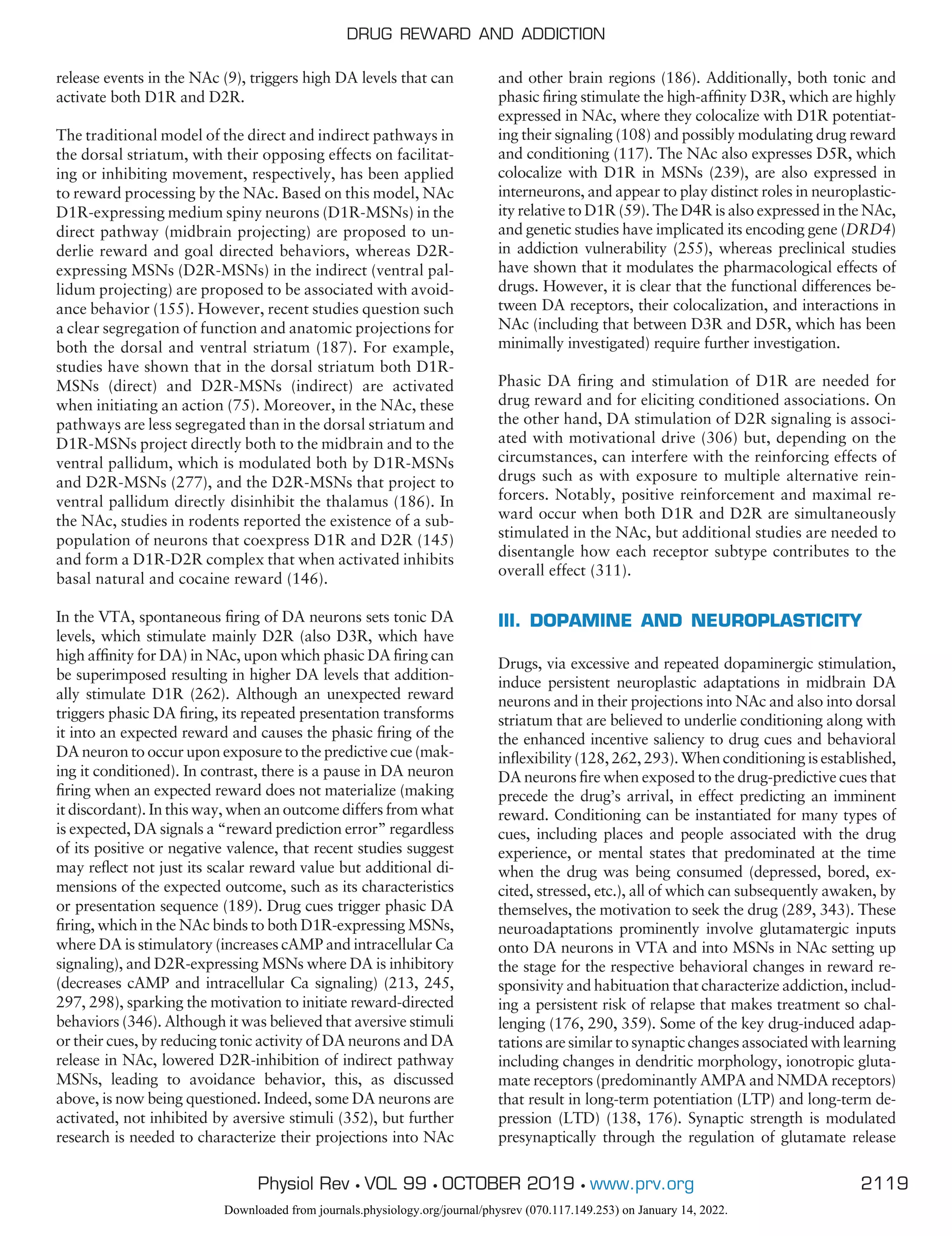
FIGURE 1. Schematic representation of key target sites for various drugs of abuse across the reward
circuitry. Ventral tegmental area (VTA) dopamine (DA)ergic neurons project to forebrain targets such as the
basolateral amygdala (BLA), medial prefrontal area of the cortex (CTX) or mPFC, and nucleus accumbens
(NAc). These neurons receive excitatory synaptic inputs from the mPFC (but also from lateral hypothalamus
and pedunculopontine tegmental nucleus/dorsolateral tegmental nucleus; not shown). GABAergic neurons in
the VTA target neighboring DAergic neurons as well as projecting to the mPFC and NAc (other inhibitory inputs
to these DAergic neurons are likely to arise from extended amygdala output structures; not shown). GABAergic
medium spiny neurons (MSNs) in the NAc, which project to either the globus pallidus externus/ventral pallidum
(VP) predominantly via D2R-expressing but also D1R-expressing neurons or to the VTA/SN via D1R-expressing
neurons, receive dopaminergic input from the VTA. They also receive excitatory inputs from the mPFC and the
basolateral amygdala (BLA) (but also from the hippocampus and thalamus). The activity of MSNs is modulated
by both cholinergic and fast-spiking GABAergic interneurons (not shown) (312). Drugs of abuse, despite
diverse initial actions, produce some common effects on the VTA and NAc. Stimulants directly increase
dopaminergic transmission in the NAc. Opiates increase DA indirectly by inhibiting GABAergic interneurons in
the VTA, disinhibiting them and by stimulating mu opioid receptors (MOR) on NAc neurons (244). Nicotine
stimulates DA neuron firing by its effects on ionotropic (nicotinic) acetylcholine receptors (314). Alcohol,
among other effects, increases the firing of VTA DA neurons projecting to NAc via their disinhibition through
the inhibition of GABA neurons (238). Cannabinoids (CBs) disrupt the normal endocannabinoid (ECB) signaling–
from DAergic neurons on nearby glutamatergic (via retrograde suppression of excitation) and GABAergic (via
retrograde suppression of inhibition) terminals–that is responsible for fine-tuning the activity of mesolimbic
dopamine projections (31). [Modified from Nestler (244), with permission from Springer Nature.]
DRUG REWARD AND ADDICTION
2117
Physiol Rev • VOL 99 • OCTOBER 2019 • www.prv.org
Downloaded from journals.physiology.org/journal/physrev (070.117.149.253) on January 14, 2022.
might also result from a reduction in inputs from prefrontal
cortex (PFC) into striatum that disrupt the control over
action selection (269). However, the notion that “habit”
formation is necessary for the establishment of addiction
was recently questioned by a study that showed that rodents
who had to solve an original problem before gaining access
to cocaine did not transfer behavioral control from ventral
to dorsal striatum even though they expressed addiction-
like behaviors (300). The results from this study are consis-
tent with observations that addicted individuals can display
very creative solutions to procure the drug, while falling
into ritualistic behaviors once they are consuming them.
This indicates that behaviors in addiction are likely a com-
plex combination of adaptive (mostly to procure the drug)
and automatic stimulus responding.
VTA DA neurons also project to amygdala and hippocam-
pus, which mediate emotional and memory associations,
and to PFC regions, which mediate salience attribution and
self-regulation, all of which participate in the reinforcing
and conditioning that follow chronic drug consumption.
DA neurons in VTA and SN are influenced by projections
from multiple brain areas that control their tonic and phasic
firing (112). Recent evidence points to significant diversity
within the population of VTA DA neurons with respect to
their afferent and efferent connectivity (235), their co-re-
lease of GABA or glutamate (or both), and the presynaptic
receptors expressed in their terminals, which differentially
modulate DA release in the presence of other neurotransmit-
ters like GABA or acetylcholine (228). Diversity is also appar-
ent in the cytoarchitectonic, neurochemical, and electrophysi-
ological features of VTA DA neurons as well as in their sensi-
tivity to rewarding versus aversive stimuli (159). Generally,
tonic firing of DA neurons (1–8 Hz) sets the background do-
paminergic tone, which is sufficient to stimulate the high-af-
finity DA D2 receptors (D2R), whereas phasic firing (⬍500
ms; ⬎15 Hz) encodes responses to salient stimuli (rewarding,
unexpected, novel, aversive) and results in higher DA levels
(120) that are able to stimulate the low-affinity DA D1 recep-
tors (D1R). Thus a drug like cocaine that blocks DA transport
back into the terminal, promoting its accumulation in the ex-
tracellular space, while also increasing the frequency of DA
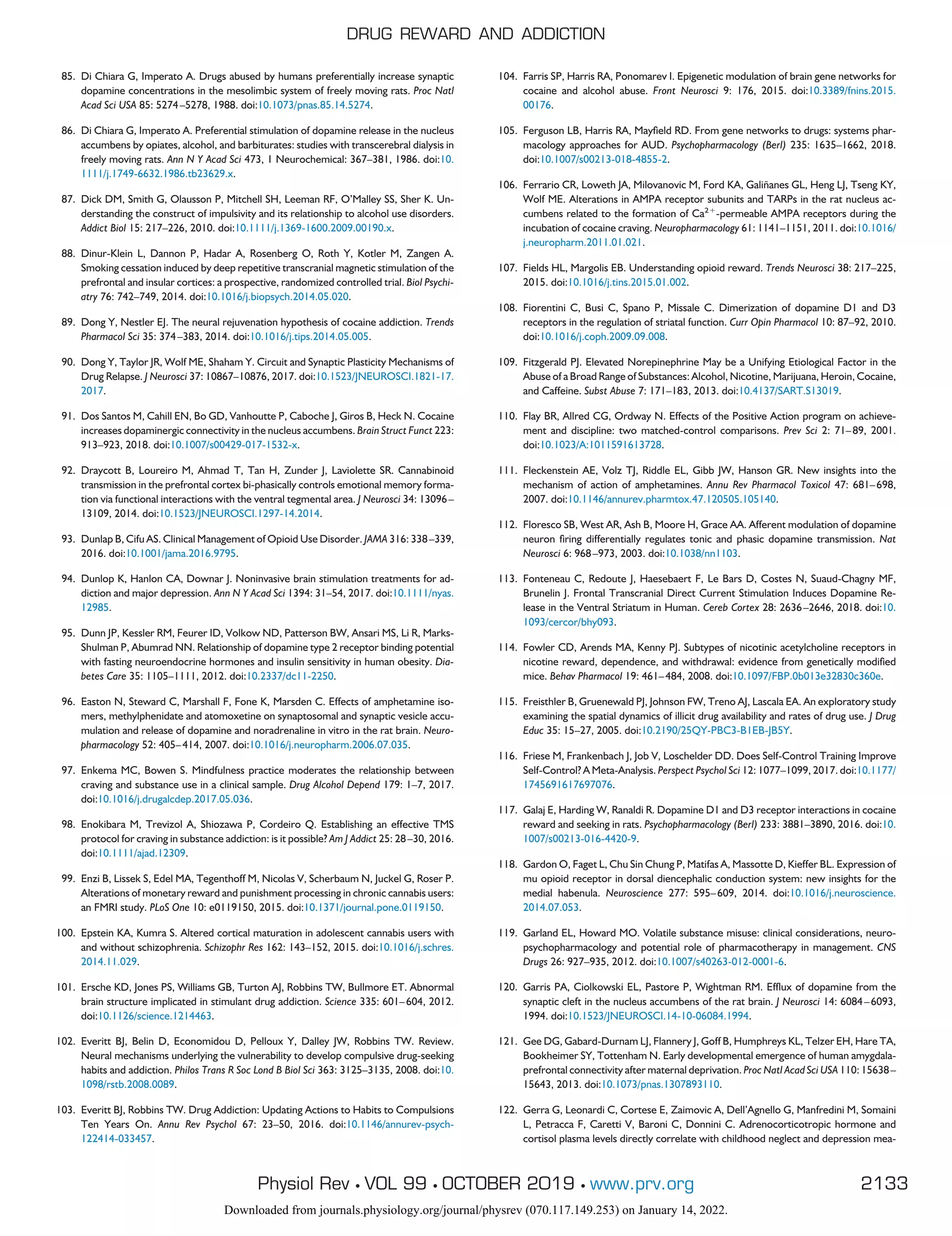
Table 1. Pharmacological targets of main classes of drugs of abuse
Drug Class NT Mediators Mechanism
Opioids MOR ¡ GABA2 ¡ DA1 Opioids, like morphine, heroin, or fentanyl, are agonists at MOR (214). Opioid
stimulation of MOR in the VTA increases striatal DA release.
Alcohol EtOH ¡ MOR1, NMDA2,
DA1, GABA1, ECS1
Unlike most addictive drugs that target specific receptors and transporters,
EtOH affects a wide range of targets and indirectly increases DA in NAc
(354).
Nicotine nAChRs ¡ DA1 Nicotine’s interaction with specific nAChRs (i.e., ␣4␤2) leads to NAc DA
release directly by increasing neuronal activity in VTA DA neurons (13, 24)
or indirectly by activating modulatory (i.e., GABA or Glu) neurons in VTA
(76, 114).
Stimulants DAT/VMAT2 ¡ DA1 Amphetamines block DAT and the VMAT2 (11, 96, 111), which increase
synaptic levels of extracellular DA by DAT reversal and depletion of
vesicular DA stores, which promotes DA release. Cocaine and
methylphenidate block DAT inhibiting DA reuptake, thus increasing DA in
NAc (171).
Cannabis THC ¡ Glu/GABA ¡
DA12
THC activation of CB1 receptors regulates the presynaptic release of both
GABA and glutamate, influencing the activity states of the mesolimbic DA
system (92, 299) (see FIGURE 1)
Classic hallucinogens 5-HT2ARs ⬎ DA1;
5-HT2CRs ⬎ DA2
Indolamines (e.g., psilocybin, LSD, Mescaline) that display high-affinity agonist
activity at serotonin 5-HT2 G protein-coupled receptor subtypes (5-HT2A,
5-HT2B, and 5-HT2C) (51). These drugs do not trigger compulsive drug
taking and are therefore not considered addictive. Instead, these drugs are
predominantly used to alter mental state.
Inhalants Multiple agents and targets,
including volatile
substances like toluene,
which modulates
NMDA2, 5-HT31, Gly1,
GABAA1, nACh2, and
DA1 (39, 119, 249)
Abused inhalants (other than nitrites) have a wide range of effects on
neurotransmitter release and receptors, with a few similar actions as
those of benzodiazepines, alcohol, and barbiturates (15) and have been
shown to enhance striatal DA release and have direct reinforcing effects
(166).
Benzodiazepines and
barbiturates
GABA1 ⬎ DA1 Benzodiazepines and barbiturates enhance GABA by increasing the frequency
or the duration of the chloride ion channel opening at the GABAA receptor,
respectively. Both drugs can increase the firing rate of DA neurons in VTA
through disinhibition (86, 318).
MOR, mu opioid receptors; VTA, ventral tegmental area; DA, dopamine; NMDA, N-methyl-D-aspartate; ECS, endogenous cannabinoid system;
NAc, nucleus accumbens; nAChRs, nicotinic acetylcholine receptors; DAT, dopamine transporter; VMAT2, vesicular monoamine transporter
2; THC, tetrahydrocannabinol.
VOLKOW ET AL.
2118 Physiol Rev • VOL 99 • OCTOBER 2019 • www.prv.org
Downloaded from journals.physiology.org/journal/physrev (070.117.149.253) on January 14, 2022.
release events in the NAc (9), triggers high DA levels that can
activate both D1R and D2R.
The traditional model of the direct and indirect pathways in
the dorsal striatum, with their opposing effects on facilitat-
ing or inhibiting movement, respectively, has been applied
to reward processing by the NAc. Based on this model, NAc
D1R-expressing medium spiny neurons (D1R-MSNs) in the
direct pathway (midbrain projecting) are proposed to un-
derlie reward and goal directed behaviors, whereas D2R-
expressing MSNs (D2R-MSNs) in the indirect (ventral pal-
lidum projecting) are proposed to be associated with avoid-
ance behavior (155). However, recent studies question such
a clear segregation of function and anatomic projections for
both the dorsal and ventral striatum (187). For example,
studies have shown that in the dorsal striatum both D1R-
MSNs (direct) and D2R-MSNs (indirect) are activated
when initiating an action (75). Moreover, in the NAc, these
pathways are less segregated than in the dorsal striatum and
D1R-MSNs project directly both to the midbrain and to the
ventral pallidum, which is modulated both by D1R-MSNs
and D2R-MSNs (277), and the D2R-MSNs that project to
ventral pallidum directly disinhibit the thalamus (186). In
the NAc, studies in rodents reported the existence of a sub-
population of neurons that coexpress D1R and D2R (145)
and form a D1R-D2R complex that when activated inhibits
basal natural and cocaine reward (146).
In the VTA, spontaneous firing of DA neurons sets tonic DA
levels, which stimulate mainly D2R (also D3R, which have
high affinity for DA) in NAc, upon which phasic DA firing can
be superimposed resulting in higher DA levels that addition-
ally stimulate D1R (262). Although an unexpected reward
triggers phasic DA firing, its repeated presentation transforms
it into an expected reward and causes the phasic firing of the
DA neuron to occur upon exposure to the predictive cue (mak-
ing it conditioned). In contrast, there is a pause in DA neuron
firing when an expected reward does not materialize (making
it discordant). In this way, when an outcome differs from what
is expected, DA signals a “reward prediction error” regardless
of its positive or negative valence, that recent studies suggest
may reflect not just its scalar reward value but additional di-
mensions of the expected outcome, such as its characteristics
or presentation sequence (189). Drug cues trigger phasic DA
firing, which in the NAc binds to both D1R-expressing MSNs,
where DA is stimulatory (increases cAMP and intracellular Ca
signaling), and D2R-expressing MSNs where DA is inhibitory
(decreases cAMP and intracellular Ca signaling) (213, 245,
297, 298), sparking the motivation to initiate reward-directed
behaviors (346). Although it was believed that aversive stimuli
or their cues, by reducing tonic activity of DA neurons and DA
release in NAc, lowered D2R-inhibition of indirect pathway
MSNs, leading to avoidance behavior, this, as discussed
above, is now being questioned. Indeed, some DA neurons are
activated, not inhibited by aversive stimuli (352), but further
research is needed to characterize their projections into NAc
and other brain regions (186). Additionally, both tonic and
phasic firing stimulate the high-affinity D3R, which are highly
expressed in NAc, where they colocalize with D1R potentiat-
ing their signaling (108) and possibly modulating drug reward
and conditioning (117). The NAc also expresses D5R, which
colocalize with D1R in MSNs (239), are also expressed in
interneurons, and appear to play distinct roles in neuroplastic-
ity relative to D1R (59). The D4R is also expressed in the NAc,
and genetic studies have implicated its encoding gene (DRD4)
in addiction vulnerability (255), whereas preclinical studies
have shown that it modulates the pharmacological effects of
drugs. However, it is clear that the functional differences be-
tween DA receptors, their colocalization, and interactions in
NAc (including that between D3R and D5R, which has been
minimally investigated) require further investigation.
Phasic DA firing and stimulation of D1R are needed for
drug reward and for eliciting conditioned associations. On
the other hand, DA stimulation of D2R signaling is associ-
ated with motivational drive (306) but, depending on the
circumstances, can interfere with the reinforcing effects of
drugs such as with exposure to multiple alternative rein-
forcers. Notably, positive reinforcement and maximal re-
ward occur when both D1R and D2R are simultaneously
stimulated in the NAc, but additional studies are needed to
disentangle how each receptor subtype contributes to the
overall effect (311).
III. DOPAMINE AND NEUROPLASTICITY
Drugs, via excessive and repeated dopaminergic stimulation,
induce persistent neuroplastic adaptations in midbrain DA
neurons and in their projections into NAc and also into dorsal
striatum that are believed to underlie conditioning along with
the enhanced incentive saliency to drug cues and behavioral
inflexibility (128, 262, 293). When conditioning is established,
DA neurons fire when exposed to the drug-predictive cues that
precede the drug’s arrival, in effect predicting an imminent
reward. Conditioning can be instantiated for many types of
cues, including places and people associated with the drug
experience, or mental states that predominated at the time
when the drug was being consumed (depressed, bored, ex-
cited, stressed, etc.), all of which can subsequently awaken, by
themselves, the motivation to seek the drug (289, 343). These
neuroadaptations prominently involve glutamatergic inputs
onto DA neurons in VTA and into MSNs in NAc setting up
the stage for the respective behavioral changes in reward re-
sponsivity and habituation that characterize addiction, includ-
ing a persistent risk of relapse that makes treatment so chal-
lenging (176, 290, 359). Some of the key drug-induced adap-
tations are similar to synaptic changes associated with learning
including changes in dendritic morphology, ionotropic gluta-
mate receptors (predominantly AMPA and NMDA receptors)
that result in long-term potentiation (LTP) and long-term de-
pression (LTD) (138, 176). Synaptic strength is modulated
presynaptically through the regulation of glutamate release
DRUG REWARD AND ADDICTION
2119
Physiol Rev • VOL 99 • OCTOBER 2019 • www.prv.org
Downloaded from journals.physiology.org/journal/physrev (070.117.149.253) on January 14, 2022.
and postsynaptically by the insertion or removal of transmem-
brane glutamate ionotropic receptors (NMDA and AMPA)
and by changes in their subunit composition, which modifies
their efficacy. Glutamate release in NAc is decreased by acti-
vation of metabotropic glutamate receptors mGluA2/3 (362),
adenosine A1 receptors (37), D2R (154), or cannabinoid
CB1R (272, 316). Postsynaptically, trafficking of AMPA and
NMDA receptors is regulated by D1R activation, which pro-
mote AMPA surface expression. The insertion of high cal-
cium-permeable AMPA receptors that lack the GluA2 subunit
is necessary for the expression of incubation of cocaine craving
(106). Increases in NMDA receptors containing the GluN2B
subunit have also been associated with neuroplasticity after
chronic cocaine or heroin (160, 294, 349). Postsynaptic
mGluR1 produce an LTD that reverses cocaine-induced in-
creases of high calcium-permeable AMPA receptors in VTA
(220) and in NAc where it reduced cue-induced cocaine crav-
ing (211).
Morphological changes occur in parallel to the strengthen-
ing of excitatory synapses, which is associated with larger
synapses, whereas weakening results in smaller synapses
and reduced dendritic spine density. In addition, recent
studies in transgenic mice indicate that chronic administra-
tion of cocaine is also associated with specific structural
plasticity in dopaminergic boutons in the NAc shell (91)
(FIGURE 3).
However, our understanding of drug-induced neuroplas-
ticity is evolving. For example, with the use of a modified
reinstatement protocol, it was shown that cocaine-in-
duced neuroplastic changes in dendritic spine morphol-
ogy and AMPA/NMDA ratios were temporarily reversed
by cocaine use (308). Also, while most glutamatergic
synapses contain both AMPA and NMDA receptors, a
small number of so-called silent (also referred to as
“AMPA silent” or immature) synapses express NMDA
receptors exclusively (203), and have been associated
with chronic stress (315) and with addictive and neuro-
degenerative disorders (144). For example, silent syn-
apses are produced in response to cocaine (in NAc) (89)
and alcohol (in dentate gyrus) (23). However, these syn-
apses do not contribute significantly to stimulus (i.e.,
drug) evoked excitatory postsynaptic currents. Thus it
has been hypothesized that, by recapitulating some key
aspects of the immature yet more “teachable” developing
brain (89), silent synapses might provide a “metaplastic-
ity” signal and prime the circuitry for any needed subse-
quent plastic changes (e.g., LTP or LTD) (217).
NAc
VTA
Gabaergic MSNs
Cholinergic
or
Opposes IP3
-induced
Ca2+
signals
Facilitates IP3
-induced
Ca2+
signals
cAMP/
PKA
cAMP/
PKA
Gabaergic
Gabaergic
MAGL
MAGL MOR
CB1R
AEA
AEA
AEA
2-AG
2-AG
AEA
Glutamatergic
MOR
CB1R
2-AG
2-AG
2-AG
2-AG
2-AG
2-AG
2-AG
2-AG
2-AG
2-AG
2-AG
2-AG
2-AG
DAGL NAPE-PLD
Dopaminergic
DAG NAPE
ABHD6 FAAH
AA
Glycerol
AA
Ethanolamide
and
CB1R
mGluA1/5
iGlur
GabaR
AChR (i+m)
D2R
D1R
MOR
Dopamine
Acetyl Choline
2-AG
AA + G
Opioidergic
Opioidergic
Opioidergic
VOLKOW ET AL.
2120 Physiol Rev • VOL 99 • OCTOBER 2019 • www.prv.org
Downloaded from journals.physiology.org/journal/physrev (070.117.149.253) on January 14, 2022.
Furthermore, the identification of Maged1, implicated in the
modulation of dendritic spine density and learning in the hip-
pocampus (363), as a gene whose expression in PFC is essen-
tial for both extracellular DA release in NAc and behavioral
sensitization to cocaine (82), illustrates another molecular pro-
cess involved both in learning and in drug-induced neuroplas-
ticity in PFC and NAc. Similarly, synapses from hippocampal
glutamatergic terminals into the NAc were shown to also un-
dergo LTP, which was necessary for the formation of reward-
related contextual memories, although these neuroplastic
changes did not appear to be DA-dependent (196).
There is also increasing evidence that in addition to Heb-
bian neuroplasticity, some forms of drug-induced neuro-
plasticity in NAc are homeostatic and interact with Heb-
bian neuroplastic changes (90, 161, 172, 290). For exam-
ple, increases in synaptic strength following repeated
cocaine exposure trigger homeostatic changes in membrane
excitability in MSNs in the NAc, which appear to contrib-
ute to incubation of cocaine craving (349).
IV. NEUROCIRCUITRY OF ADDICTION
The percentage of laboratory animals that show addictive-
like behaviors, or of people that become addicted to a drug
after repeated exposure, varies as a function of the drug,
being higher for drugs like heroin or methamphetamine and
lower for drugs like alcohol or cannabis. For example, only
between 15 and 20% of rats chronically exposed to cocaine
will continue to compulsively prefer cocaine over other re-
warding options (52), whereas the percentage of heroin-
preferring rats can go as high as 50% under similar exper-
imental conditions (198). These percentages, however, do
vary across different rat strains, highlighting the role of
genetics in modulating drugs’ effects. Epidemiological data
are generally consistent with this picture. According to the
best available estimates, the odds, in lifetime drug users, of
ever becoming addicted to alcohol, cannabis, cocaine, or
opioids (heroin) are ~1.5, 9, 17, and 23%, respectively (7).
As of now, it is not clear what determines the transition
from drug experimentation to addiction, which emerges
when individuals lose their ability to overcome the strong
urge to take the drug despite a conscious awareness of not
wanting to do so and the recognition of their potentially
catastrophic consequences. However, we do know this
transition is associated with measurable disruptions in sev-
eral brain circuits including those involved with condition-
ing, reward sensitivity, incentive motivation, self-monitor-
ing/regulation, mood, and interoception. In this review, we
use the term addiction in correspondence with the dimen-
sional definition of moderate to severe SUD as per the Di-
agnostic and Statistical Manual of Mental Disorders
(DSM-5) (TABLE 2).
A. Conditioning
A key process that initiates the transition into addiction and
helps perpetuate it is the consolidation of conditioning to
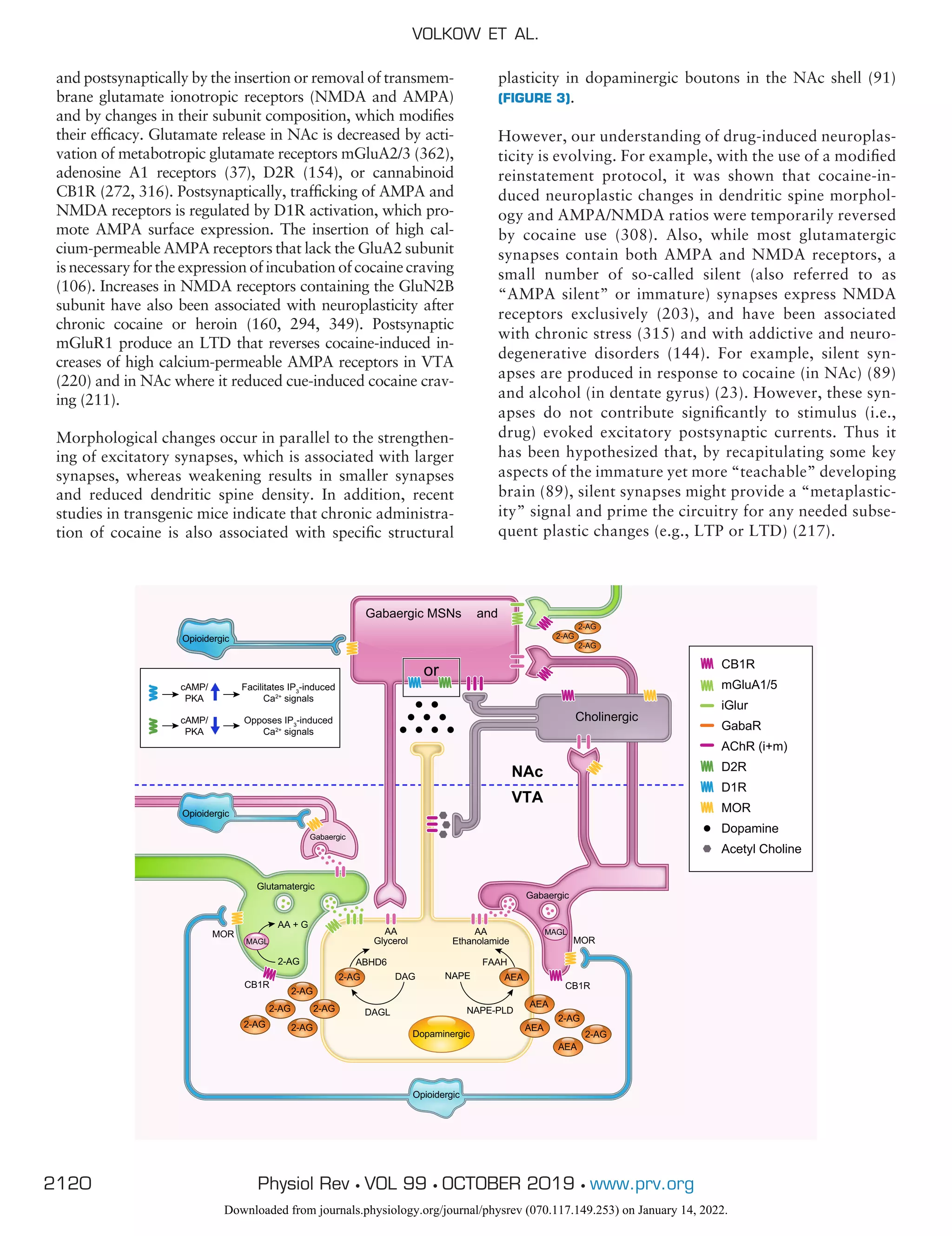
FIGURE 2. Schematic simplified cartoon showing some of the indirect modulatory effects of midbrain (ventral tegmental area, VTA) opioid and
endocannabinoid signals on dopaminergic transmission in nucleus accumbens (NAc). Reward-related stimuli conveyed through glutamatergic
afferents (green) promote burst firing of dopamine (DA) neurons (yellow) mainly driven by ionotropic glutamate receptor (iGluR) binding activation
at the dopaminergic cell. The level of activation is normally kept in check by GABAergic counterbalancing inputs (pink), but also by direct inhibitory
GABAergic input inhibiting presynaptic glutamate release (66). Endogenous [released from opioidergic neurons (light blue), mostly projecting
from the hypothalamus] or exogenous (natural or synthetic opioid like molecules) opioids activate endogenous mu opioid receptors (MOR) on
GABAergic interneurons. The MOR is coupled to inhibitory G proteins, whose activation (by an endogenous peptide like endorphin or exogenous
agonists like morphine and fentanyl) leads to a dissociation between the G␣ and G␤␥ subunits and the activation of intracellular effector pathways.
One such pathway leads to the inhibition of GABA release as a result of increased conduction of potassium ions, which hyperpolarizes the cell
making it less responsive to depolarizing inputs and inhibiting calcium influx (123). In addition, activation of MOR increases mitogen-activated
protein kinase (MAPK) signaling while their phosphorylation activates the arrestin pathway (5), which has the ability to desensitize, activate, and
control the trafficking of G protein-coupled receptors (GPCR) (140). A drop in GABAergic tone causes a net disinhibition of the neighboring
dopaminergic neuron and the release of excess dopamine (black dots) onto direct and indirect medium spiny neurons [pink medium spiny neuron
(MSN)], which reinforces the euphorigenic effects of opioids. Ionotropic GluR-mediated activation of the DA neuron leads to Ca2⫹
influx (via
voltage-gated calcium channels), which is either facilitated or hampered in D1R vs D2R expressing MSN populations, respectively (317) (inset),
leading to their differential roles in plasticity. At the same time, the Ca2⫹
influx, combined with activation of mGluA1/5, triggers the “on demand”
production of 2-arachidonoylglycerol (2-AG) from diacylglycerol (DAG) [or anandamide (AEA) from N-acyl-phosphatidylethanolamines (NAPE)].
Retrograde 2-AG transmission through CB1 receptor binding on monoacylglycerol lipase (MAGL) containing afferent (GABA and Glu) neurons
has the net effect of disinhibiting dopamine neurons and facilitating phasic DA release (63). This is because cannabinoids (e.g., tetrahydrocan-
nabinol, 2-AG) operate as full agonists at GABA terminals [that display a high CB1R to vesicles ratio (188)] but as partial agonists at Glu terminals
[where the CB1R-to-vesicles ratio is much lower (295, 296)]. As shown, AEA is assumed to be retrograde in spite of data showing that FAAH
is predominately postsynaptic while NAPE PLD is presynaptic. The true nature of AEA neurotransmission remains unclear partly because there
are other pathways for AEA synthesis. In the NAc, GABAergic projections, sent by the VTA, also synapse onto cholinergic interneurons (dark
gray), thus inhibiting their excitatory input onto DA terminals. Activation of either CB1 or MOR on these GABA neurons can stimulate DA
terminals (independently of VTA DA neuron activation) by disinhibiting ACh release while activation of these receptors, which are also expressed
on ACh interneurons, could in theory have the opposite effect on DA levels in the accumbens (351). GABAergic and glutamatergic terminals in
the NAc also have the capacity to modulate accumbal DA activity onto MSNs directly. Since these neurons also express MOR [but some also
CB1R (226, 361)], their activation on GABA inputs could enhance DA release, while their inhibitory effects on glutamatergic inputs could reduce
accumbal release of DA.
DRUG REWARD AND ADDICTION
2121
Physiol Rev • VOL 99 • OCTOBER 2019 • www.prv.org
Downloaded from journals.physiology.org/journal/physrev (070.117.149.253) on January 14, 2022.
the drug. As addiction develops there is an expansion in the
number of stimuli that become experientially linked (con-
ditioned) to the drug, and thus a greater likelihood of being
exposed to a drug-predictive cue. Any encounter with these
cues can trigger bursts of DA in the NAc (259) and lead to
further consolidation in dorsal striatum; this directs the
attention to the drug-predictive cue and engenders the mo-
tivation to procure the drug. As a result, the motivational
drive toward the drug now occurs before the drug is con-
sumed and is triggered by the exposure to the drug-predic-
tive cue. Upon drug consumption, the continued DA stim-
ulation from the drug’s pharmacological effects promotes
continued ingestion while further strengthening condi-
tioned learning, thus perpetuating the cycle of relapse and
drug-taking.
One of the changes believed to contribute to enhanced re-
activity to drug-predictive cues in addiction is the disrup-
tion of the balance between D1R and D2R signaling in the
ventral striatum. Overall, rodent studies provide support to
the notion that strengthening of D1R-MSNs in NAc en-
hances cocaine reward, whereas strengthening of D2R-
MSNs suppresses it (49, 208, 323). Similarly, a recent study
reported that cue-induced reinstatement was intensified by
either activating D1R-MSNs or reducing the activity of
D2R-MSNs (151). Combined, the studies suggest that the
motivation to take the drug in addiction is energized by
drug-predictive cues and by drug-induced transient DA-
induced stimulation of D1R (activating D1R-MSNs) con-
comitant to a weakening of signaling from D2R that is
insufficient to counterbalance D1R-MSNs, thus facilitating
compulsive intake. Using optical imaging in transgenic
mice, we showed that in the dorsal striatum of naive mice,
acute cocaine led to fast [Ca2⫹
] increase in D1R-MSNs and
to progressive [Ca2⫹
] decreases in D2R-MSNs, consistent
with DA stimulating D1R-MSNs and inhibiting D2R-
MSNs (213). In contrast, in mice chronically exposed to
cocaine, the [Ca2⫹
] responses to acute cocaine were blunted
but to a significantly greater extent in D2R-MSNs than in
D1R-MSNs, unbalancing the relative signaling towards a
*
*
*
Drugs
NAc
Hipp
Amy
PFC
DA Glu
Glu
Short term
(Gene networks)
Medium term
(Neuronal signaling)
Longer term
(Neuroadaptations)
Persistent
(Addictive behavior)
Minutes
to days
Days
to months
Months to
years
VTA
Glu
NMDA AMPA
LTP
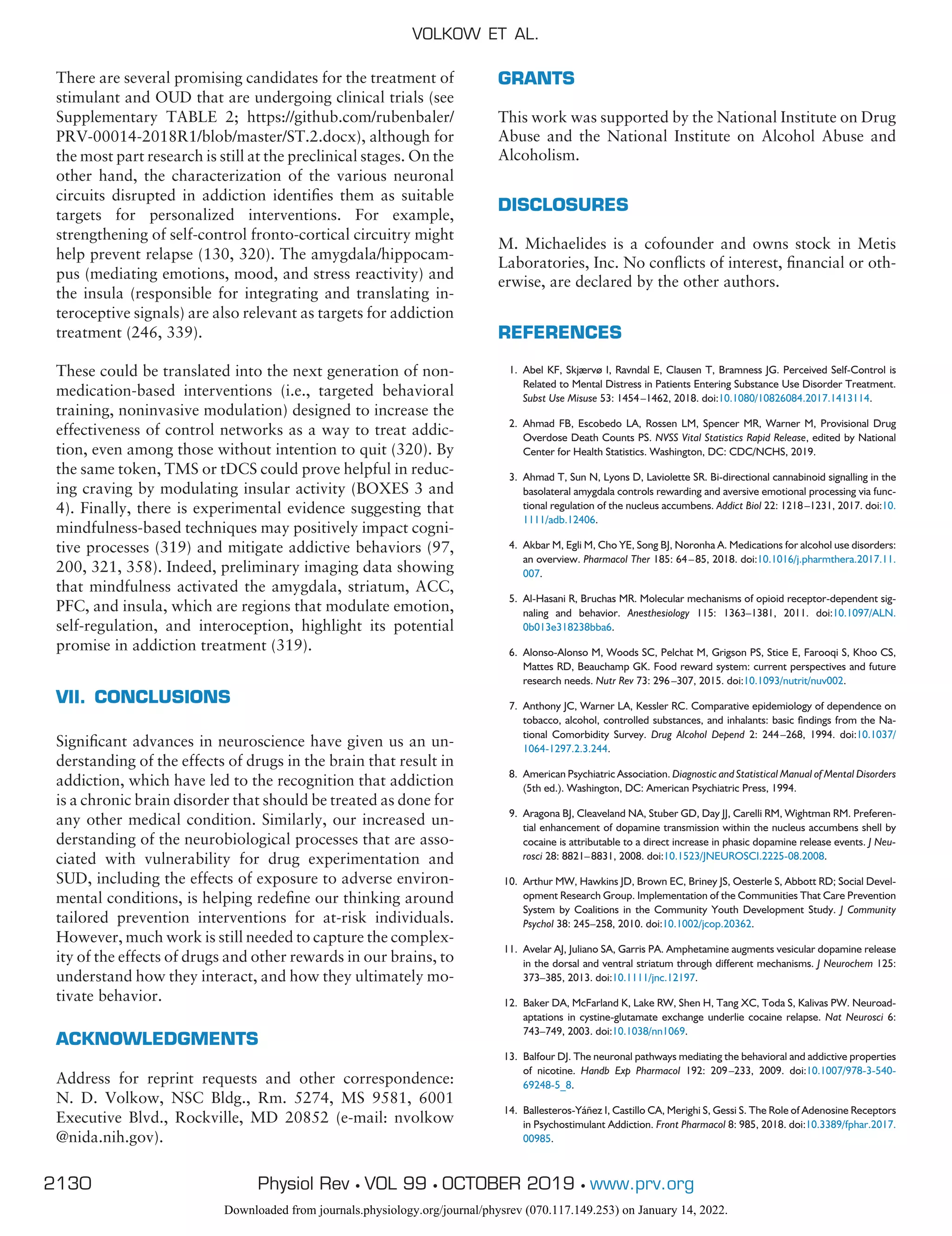
FIGURE 3. Leading hypothesis of how a temporally coordinated cascade of drug-induced changes in synaptic
activity hijack multipurpose learning processes to engender maladaptive and persistent addictive behaviors.
VTA, ventral tegmental area; DA, dopamine; PFC, prefrontal cortex; Amy, amygdala; Hipp, hippocampus.
Bottom figures depict (from left to right) a heat map of genes upregulated (*) in the nucleus accumbens (NAc)
1 h after acute cocaine administration to naive animals (275); examples of such transient transcription and
epigenetic modulatory events include regulatory and signaling genes like fosB, ⌬FosB, NF␬B, CdK5, and MEF2.
[From Robison and Nestler (275), with permission from Springer Nature.] Drug-induced changes in neuronal
activity (e.g., changes in NMDA/AMPA receptor balance) lead to synaptic plasticity (e.g., LTP) in the reward
circuitry (169). [From Jones and Bonci (169), with permission from Elsevier.] Morphological and functional
changes, like increased dendritic spine density, which, if sustained, can lead to cytoskeletal and circuit
remodeling, a phenomenon that correlates with synaptic strength and the strength of drug-associated
memories in vivo, which, over a period of months and years, contributes to the orchestration and cementing
of stereotypical addictive behaviors. [From Nestler. Dialogues Clin Neurosci 15: 431–443, 2013.]
VOLKOW ET AL.
2122 Physiol Rev • VOL 99 • OCTOBER 2019 • www.prv.org
Downloaded from journals.physiology.org/journal/physrev (070.117.149.253) on January 14, 2022.
predominance of D1R-MSNs over D2R-MSNs (251).
However, studies are needed to assess if similar changes
occur in NAc and their association with compulsive drug
taking, particularly since there is evidence that in the NAc
there is coexpression of D1R and D2R and of projections of
both D1R-MSNs and D2R-MSNs into ventral pallidum.
Unbalancing D1R over D2R signaling with repeated drug
exposure would favor cue-induced phasic DA firing and
D1R signaling (driving drug-seeking) while undermining
tonic DA firing and D2R signaling (which opposes prepo-
tent responses). Specifically, upregulation of the low-affin-
ity D1R would favor signaling from phasic DA responses,
while decreasing the sensitivity to tonic DA responses due to
a downregulation of the high-affinity D2R. In contrast, an
upregulation of D2R would enhance the sensitivity to tonic
DA release while attenuating phasic DA release via D2R
autoreceptor inhibition and might explain why D2R up-
regulation inhibits compulsive cocaine taking (323). Unbal-
ancing D1R over D2R would enhance the reinforcing val-
ues of drugs and drug-predictive cues while undermining
the capacity for behavioral control, facilitating impulsive
and compulsive drug consumption (213). In clinical studies,
the enhanced sensitivity to conditioned drug-predictive cues
has been associated with addiction severity (343) and with
worse clinical outcomes (68, 185). Thus a better under-
standing of the relationship between D1R and D2R dynam-
ics in NAc and dorsal striatum has significant translational
implications for addiction treatment. For example, a rodent
study that showed that optogenetic activation of glutama-
tergic inputs onto accumbal D2R-MSNs reduced cocaine
self-administration suggests that strengthening signaling
through D2R-MSNs could be beneficial for the treatment of
addiction (34).
B. Reward and Motivation
In parallel to the enhanced sensitivity to the expectation of
the drug’s rewarding effects (due to conditioning), there is a
reduced sensitivity of the DA reward circuit to the actual
consumption of the reward, which has been observed in
drug addicted individuals and interestingly also among
some obese individuals who display some phenotypic traits
consistent with “food addiction” (326). This reduced sen-
sitivity in drug-addicted individuals extends to non-drug
rewards with the concomitant decrease in their motiva-
tional value, which contributes to the lack of interest in
non-drug-associated activities characteristic of addiction.
Brain imaging studies of drug-addicted individuals have
helped characterize these adaptations by revealing de-
creased D2R expression and DA release in the striatum
(both dorsal and ventral regions) (339; though see negative
studies in Refs. 95, 175). Very few studies have evaluated
D1R in addiction or in animal models of addiction, and the
results are inconsistent. For example, chronic cocaine in
non-human primates has been reported to decrease D1R in
a specific subregion of the ventral striatum that encom-
passes the NAc (234), although they appear to recover after
90 days of abstinence (25), whereas neither electrophysio-
logical studies in cocaine-exposed rats (227) nor brain im-
aging of cocaine users have found changes in D1R (224),
even though the levels were predictive of cocaine intake in
cocaine users (224). On the other hand, postmortem studies
in methamphetamine users reported significant increases in
D1R in NAc (360), whereas brain imaging studies showed
no differences in D1R availability (247). These inconsisten-
cies likely reflect in part the paucity of data, differences
between methodologies (in vitro vs. in vivo measures), and
differences in species and animal models used. Moreover,
DA is a neuromodulator, so its effects are state-dependent,
which may account in part for why DA stimulation can
result in opposite effects depending on the context in which
it occurs (291).
Imaging studies have also revealed decreased activation of
brain reward regions to receipt of non-drug rewards, such
as food, sexual stimuli, or money, in individuals addicted to
drugs compared with controls (6, 33, 53, 99, 253). Such a
reduced sensitivity to non-drug rewards is likely to impair
an addicted individual’s capacity to be incentivized by nat-
urally pleasurable activities and stimuli. Intriguingly, there
is also a reduced reactivity of striatal and prefrontal regions
to negative reinforcers, which is associated with worse out-
comes (30). Decreased sensitivity to negative reinforcers
could impair the capacity of the addicted person to feel
deterred by negative outcomes (e.g., incarceration, loss of
child custody).
C. Self-Regulation
The development of the powerful cue-conditioned cravings
outlined above becomes even more deleterious when com-
Table 2. Diagnostic criteria for substance use disorder based
on DSM-5
DSM 5 SUD Criteria
1. Hazardous use
2. Social/interpersonal problem related to use
3. Neglected major roles because of use
4. Withdrawal
5. Tolerance
6. Used larger amounts/longer
7. Repeated attempts to quit/control use
8. Much time spent using
9. Physical/psychological problems related to use
10. Activities given up in order to use
11. Craving
A mild substance use disorder (SUD) is diagnosed with 2–3 criteria,
moderate with 4–5, and severe 6–7 criteria (147). DSM-5, Diag-
nostic and Statistical Manual of Mental Disorders.
DRUG REWARD AND ADDICTION
2123
Physiol Rev • VOL 99 • OCTOBER 2019 • www.prv.org
Downloaded from journals.physiology.org/journal/physrev (070.117.149.253) on January 14, 2022.
bined with growing deficits in the brain’s ability to inhibit
maladaptive behaviors and prepotent responses. This is be-
cause deficits in self-control can contribute greatly to an
individual’s inability to avoid risky or self-destructive be-
haviors, resist temptation (such as taking drugs), or delay
gratifications (such as future payoff of engaging in a long-
term recovery program), and thus increasing his/her vulner-
ability to addiction (335).
There is both preclinical and clinical evidence consistent
with the notion that the weakening of self-control mecha-
nisms correlates with impaired performance in PFC circuits
secondary to drug-induced adaptations in striatal networks
or sometimes by direct harm to PFC (320, 356). Brain im-
aging studies in humans have shown that, in the striatum,
D2Rs are positively associated with baseline metabolic ac-
tivity (marker of brain function) in frontal cortical regions
and inversely associated with the sensitivity to the reward-
ing effects of psychostimulant drugs (102, 341, 342),
whereas preclinical studies in rodents have shown that D2R
upregulation interferes with drug consumption (323, 324).
Clinical imaging studies also show that the reduced striatal
D2R seen in human addiction is associated with decreased
baseline metabolic activity in prefrontal regions including
the orbitofrontal cortex (OFC), anterior cingulate cortex
(ACC), and dorsolateral prefrontal cortex (DLPFC) (re-
viewed in Ref. 345; see also Refs. 333, 336, 340, 344). Since
OFC, ACC, and DLPFC are implicated in salience attribu-
tion, inhibitory control/emotion regulation, and decision-
making, respectively, it is reasonable to hypothesize that
faulty modulation of these regions by striatal D2R is likely
to underlie the enhanced motivational value of drugs, the
significant loss of control over drug intake among addicted
individuals (335), and the compulsive and impulsive drug
intake seen in addiction (129). Moreover, subjects at high
risk for alcoholism (positive family history) but who did not
suffer from alcoholism showed upregulation of striatal
D2R that was associated with normal baseline activity of
the OFC, ACC, and DLPFC. This finding stands in sharp
contrast to the hypoactivity seen in these same frontal re-
gions of individuals affected by alcoholism and other addic-
tions, prompting the hypothesis that striatal D2R upregu-
lation could have protected unaffected individuals against
alcoholism by regulating circuits involved in self-regulation
(340). Indeed, prospective imaging studies of brain devel-
opment are increasingly revealing that abnormalities in PFC
constitute a vulnerability risk for SUD (see sect. V) (170).
Animal studies also corroborate the presence of neuroad-
aptations in mesocortical DA synapses in the PFC as well as
in corticofugal glutamate synapses in the NAc in rodents
withdrawn from chronic cocaine exposure (173). The for-
mer appears to involve a partial decoupling between Gi␣
and D2R (40), and may contribute to an exaggerated reac-
tivity towards drugs and drug-predictive cues and to a
blunted response towards natural rewards. The latter relies
on cellular adaptations leading to reduced levels of extra-
cellular glutamate in NAc (12) that might also contribute to
compulsive drug seeking.
The stimulation of D2R, through tonic DA firing (impli-
cated in motivation), without concomitant phasic firing
(implicated in associative learning) (142), can oppose drug
consumption through its modulation of PFC regions in-
volved with self-regulation (149). It is recognized that do-
paminergic signaling via D2R in the PFC modulates its
function, including inhibitory control and cognitive flexi-
bility, where D2R signaling appears to be dependent not
only on Gi but also Gs (enhancing the excitability of cortical
pyramidal neurons) (274). Indeed, optogenetic stimulation
of the prelimbic cortex in cocaine-exposed rats prevented
compulsive cocaine seeking, whereas its inhibition en-
hanced it (64). Similarly, induction of tonic activity in VTA
DA neurons, which project to infralimbic and prelimbic
PFC, reduced ethanol self-administration (17). Moreover,
the function of the PFC in addicted individuals has been
shown to predict clinical outcomes, a disrupted connectiv-
ity between PFC and striatal regions being a consistent find-
ing among individuals addicted to various drug classes
(326). The importance of PFC regulation of striatal activity
in addiction phenotype in rodents was recently shown in an
optogenetic study that showed that increased connectivity
between the OFC [presumably infralimbic PFC (192)] and
the dorsal striatum predicted compulsive self-stimulation of
VTA DA neurons despite receiving noxious electric shocks
(254). In this study, optogenetic inhibition of the OFC pro-
jecting terminals into the dorsal striatum inhibited compul-
sive self-administration. The distinct projections from the
various PFC regions to the dorsal and ventral striatum are
likely to account for why, in contrast to these findings, the
optogenetic stimulation of the prelimbic PFC decreased
compulsive cocaine consumption, whereas its inhibition in-
creased it (64). As such, the PFC has been a target of trans-
cranial magnetic stimulation (TMS) (BOX 3) and transcra-
nial direct electrical stimulation (tDCS) (BOX 4) interven-
tions for the treatment of SUD, most of which have targeted
the DLPFC. The PFC is also the target for behavioral inter-
ventions aimed at strengthening executive function and de-
creasing the incentive salience of drugs and drug cues, in
part via exposure to alternative reinforcers as a means to
facilitate and support recovery.
D. Negative Mood and Stress Reactivity
An important component of the addicted state is the behav-
ioral shift that is typically observed from seeking the reward
for its positive reinforcing value towards seeking it to avoid
negative reinforcement (338). This state, which has been
described as the “dark side” of addiction, is most evident
during acute drug withdrawal and is associated with a high
risk of relapse as a means to temporarily escape the experi-
ence of intense distress and negative emotionality (184).
VOLKOW ET AL.
2124 Physiol Rev • VOL 99 • OCTOBER 2019 • www.prv.org
Downloaded from journals.physiology.org/journal/physrev (070.117.149.253) on January 14, 2022.
This distress is associated with reduced DA signaling in
response to rewards (anhedonia) but also with an enhanced
sensitivity of the brain’s stress system, including the ex-
tended amygdala, habenula, and hypothalamus (183, 273).
Negative emotional states have been characterized in hu-
mans during acute and protracted abstinence from all major
drugs of abuse (8), a phenomenon consistently replicated in
animal studies (reviewed in Ref. 183) that contributes to the
relapsing nature of addiction and likely also to its high
comorbidity with depression, anxiety, and suicidality (1,
276).
Similar to typical stressors, like childhood neglect (122),
acute exposure to drugs activates the hypothalamus-pitu-
itary-adrenal (HPA) axis via the corticotropin releasing fac-
tor (CRF) (reviewed in Ref. 273), which stimulates produc-
tion of ACTH in the anterior pituitary and, secondarily,
cortisol by the adrenal cortex. In turn, HPA axis activation
influences brain circuits involved in drug reward and the
acquisition of drug-seeking behavior. Stress induces rein-
statement of drug-seeking behavior in animal models of
drug consumption, exemplifying the link between reward
and stress systems (221). Molecules implicated in the regu-
lation of stress-induced reinstatement include CRF, norepi-
nephrine, DA, glutamate, dynorphin, hypocretin, neuro-
peptide Y, and others (221). These messengers act at vari-
ous sites that include the bed nucleus of the stria terminalis
(BNST), central amygdala, VTA, NAc, habenula (38, 266),
dorsal raphe, locus coeruleus, and several PFC regions
(221). CRF activation can translate an aversive event (e.g.,
social defeat, foot-shock) into robust DA increases in NAc,
which though seemingly paradoxical, reflect the fact that
CRF acts on a specific subset of DA VTA neurons (158) that
are tuned to aversive rather than rewarding stimuli (159).
E. Interoceptive Awareness
The transition from flexible, goal-directed to reflexive, com-
pulsive behaviors is also influenced by interoceptive and
exteroceptive inputs. The insula, particularly its most ante-
rior region, plays a major role in interoception through its
involvement in sensing and integrating information about
the internal physiological state (in the context of ongoing
activity) and conveying it to the ACC, ventral striatum, and
ventral medial PFC to initiate adaptive responses (256). The
bidirectional communication between the insula and these
limbic regions suggests a role in the integration of auto-
nomic and visceral information (including information con-
veyed from the vagal nerve to the nucleus tractus solitarius)
with emotive and motivational information that enables the
conscious awareness of internal urges.
The relevance of the insula to addiction first emerged with a
seminal study that showed that smokers with insular lesions
(due to stroke) were able to quit smoking with remarkable
ease, without cravings or relapse (243). Since then, multiple
imaging studies have shown differential activation of the an-
terior insula during craving for nicotine (236), cocaine (278),
and alcohol (285) and of the middle insula with cocaine and
BOX 3. TMS as a potential addiction treatment
TMS is a noninvasive technique with the potential to reduce the
long-term neurophysiological (and behavioral) changes induced
by chronic drug use. Although it is premature to judge its
effectiveness, initial results are encouraging. For example, in
one pilot study (open label), high-frequency (excitatory) TMS
delivered to the left DLPFC of patients with cocaine use disorder
led to significant reductions in cocaine use and craving (322).
Other preliminary results also support the idea that TMS could
help patients control their cravings (263, 267) and cocaine
consumption (35). The few studies exploring the use of TMS for
the treatment of methamphetamine addiction have yielded
promising but somewhat less consistent results (201, 206,
313). In addition, a recent smoking cessation trial using TMS
targeting the DLPFC and insula, bilaterally, resulted in signifi-
cantly reduced cigarette consumption and nicotine dependence
scores that acted synergistically with concomitant cue expo-
sure therapy (88). Clearly, more research and larger clinical
studies will be needed to identify the source of some conflicting
results (98), optimize TMS parameters for different indications,
and ascertain the full therapeutic potential of TMS in addiction.
However, the clear antidepressive properties of high-frequency
TMS to the left DLPFC (45, 260), and the promise of low-
frequency TMS (to OFC or supplementary motor area) for treat-
ing obsessive compulsive disorders (22), highlight its therapeu-
tic potential for addiction, which shares key nosological features
with these conditions. For these reasons, TMS has also
emerged as a promising technique to treat patients with co-
morbid SUD and other mental illnesses (73, 325, 331).
BOX 4. tDCS as a potential addiction treatment
tDCS is an alternative noninvasive brain modulation technique
with therapeutic potential whereby some (hard to assess) por-
tion of the current penetrates through the scalp affecting cor-
tical excitability. Six of seven tDCS studies found significant
reductions in alcohol-related craving or consumption after the
treatment, whereas five of eight studies found significant reduc-
tions in nicotine cravings and/or consumption (reviewed in Ref.
70). Only two proof of principle studies investigated PFC target-
ing tDCS for reducing cocaine (18, 80) and while results were
positive, the sample sizes were too small (11 and 17 subjects,
respectively) and replication is needed. Reductions in craving
were also reported in a study of 20 heroin-addicted individuals
treated with tDCS targeting the fronto-temporal-parietal area
(350). Similarly, bilateral tDCS targeting the DLPFC of meth-
amphetamine users significantly decreased craving while mod-
ulating the functional connectivity of brain networks (DMN, ex-
ecutive control, and salience) (292).
Neuroimaging studies suggest the therapeutic effects of tDCS
(as well as of TMS) could be mediated through its ability to mod-
ulate DA (69) in some of the brain areas where DA dysregulation
could lead to impaired executive function and reward (113). How-
ever, much more work is required for understanding the mecha-
nisms of action of transcranial stimulation techniques and their
potential for treating addiction, including optimization of therapeu-
tic protocols (stimulation frequency, dosing, location) and the pos-
sibility of personalized interventions based on the specific brain
circuitry dysfunction of the addicted individual.
DRUG REWARD AND ADDICTION
2125
Physiol Rev • VOL 99 • OCTOBER 2019 • www.prv.org
Downloaded from journals.physiology.org/journal/physrev (070.117.149.253) on January 14, 2022.
cigarette craving (20, 216). As such, insular reactivity has been
proposed to offer a potential biomarker for relapse risk (164)
and a target for TMS and tDCS as addiction treatments (94,
218) (BOXES 3 and 4).
The enhanced engagement of interoceptive processes in ad-
diction also recruits the default mode network (DMN),
which is also modulated by DA (242, 327). The DMN is
involved in self-awareness and mind wandering, and its
enhanced activation in the addictive state might redirect
exaggerated attention towards the internal state of craving
or discomfort. Not unexpectedly, imaging studies have re-
vealed that addiction is associated with impairment within
regions that are part of the DMN as well as between the
DMN and other functional brain networks (364). This in-
cludes studies showing disrupted activity or connectivity of
the ACC (part of the anterior DMN) and insula (202, 243).
Additionally, neuroimaging studies have also revealed al-
terations in the precuneus (increased activation to drug-
predictive cues and connectivity), a key region within the
posterior DMN involved with the internal awareness of the
perception of environmental stimuli (exteroception) and for
self-monitoring in addicted individuals (84).
V. VULNERABILITY FACTORS
Repeated exposure to a drug of abuse is a prerequisite for
the development of drug addiction, but its overt clinical
manifestation depends heavily on interacting biological, en-
vironmental, and psychosocial factors.
A. Genetics and Epigenetics
Genetic variation plays a significant role in establishing in-
terindividual differences in addiction risk. Studies focused
on variability among identical and nonidentical siblings
have produced a rough estimate of ~50% for the contribu-
tion of genetic differences to overall addiction risk. Genetic
studies have reported an overlap in genetic variants that
influence risk towards different classes of drugs (332), and
the largest study to date on 1.2 million individuals that
assessed common genes in alcohol and nicotine use has
identified genes involved with dopaminergic and glutama-
tergic neurotransmission, genes involved with transcription
and translation, and with brain development (205). They
have also revealed that an important genetic contributor to
SUDs appears to operate through a general purpose under-
lying mechanism (i.e., a shared predisposition) that influ-
ences a vulnerability for disorders characterized by patho-
logical tendencies to violate social norms or to engage in
oppositional behaviors (clustered as disorders with exter-
nalizing tendencies) (178), providing a link to the heteroge-
neous construct referred to as impulsivity (87). However,
common genetic vulnerability has also been reported for
SUD and internalizing disorders (282), providing a link for
the frequent comorbidity between SUD and anxiety and
depression (207, 268). In addition to these common genetic
factors, studies have also identified genetic variants that are
mostly specific for a given drug. Most notable are the ge-
netic variants that encode for the alcohol dehydrogenase
(ADH) and aldehyde dehydrogenase (ALDH) enzymes that
lead to impaired metabolism of alcohol and that provide
protection against alcoholism (74).
Multiple genome-wide association studies (GWAS) have
identified genetic variants associated with specific drug ad-
dictions (28, 143, 279) (see Supplemental Table 1; https://
github.com/rubenbaler/PRV-00014-2018R1/blob/master/
ST.1.docx). However, like other complex biobehavioral
disorders, addiction is a polygenic disease likely hinging on
multiple genes and genetic networks (205, 229). Addiction-
associated gene variants can impact the risk of abuse and
addiction via direct or indirect influences on neurotransmit-
ter systems, drug metabolic pathways, neural circuitry, cel-
lular physiology, brain development, and personalities and
traits (e.g., novelty seeking, impulsivity) that influence the
behavioral responses to environmental stimuli. Although
genetic research of addiction has not yet translated into
novel therapeutics for SUD (105, 199, 261), there has been
steady progress towards the identification of genetic bio-
markers with translational potential for nicotine addiction
(21, 29) and opioid use disorders (OUD) (32). Because ge-
netic background can dramatically alter the phenotypic ex-
pressivity of different sets of genes, studies are needed to
tease out modifier loci in diverse populations and the epige-
netic modifications regulating them (104, 261, 264). More-
over, genetic findings offer clues as to which molecular net-
works might underlie the associations with addiction, thus
expanding the array of potential targets for therapeutics
development. This, coupled with systems biology analyses
that examine Gene ⫻ Gene, Gene ⫻ Environment, and
Gene ⫻ Environment ⫻ Development interactions are
promising future strategies for therapeutics development
and for identification of biomarkers.
Genetic studies have helped advance our understanding of
the neurobiological processes involved in addiction. For
example, the finding that a polymorphism in the ␣5 nico-
tinic receptor is associated with an increased risk of nicotine
addiction triggered attention to the role of the habenula,
which displays a substantial concentration of ␣5 nicotinic
receptors (197) and also of MOR (118). This has revealed
that the habenula is not only implicated in nicotine addic-
tion but that it also participates in the negative affective
states associated with the chronic use of various drugs of
abuse, including alcohol (174) and opioids (222).
Our expanded understanding of how epigenetic modifica-
tions regulate the enhancement or silencing of gene expres-
sion has also led to studies that are beginning to character-
ize the effects of drugs on epigenetic marks in various brain
VOLKOW ET AL.
2126 Physiol Rev • VOL 99 • OCTOBER 2019 • www.prv.org
Downloaded from journals.physiology.org/journal/physrev (070.117.149.253) on January 14, 2022.
regions as well as their involvement in the addiction process
(261, 347). Arguably, much of the information comes from
studies focused on the effects of repeated cocaine exposure
on DNA methylation and posttranslational modifications
of histone proteins that regulate the accessibility of DNA to
the transcription machinery via a dynamic process of chro-
matin remodeling. For example, systemic administration of
sodium butyrate, a general histone deacetylase (HDAC) in-
hibitor, facilitates extinction of a previously established co-
caine-conditioned place preference in a mouse model of
addiction (219). This result is consistent with previous stud-
ies showing that some of the behavioral effects of chronic
cocaine are associated with the recruitment of HDACs to
reduce histone acetylation and gene activity (270). Some of
the drug effects in the modulation of gene expression are
rather generalized, while others are gene and/or paradigm
specific. For example, in the striatum, hyperacetylation of
H4 at specific chromatin locations along the cFos gene pro-
moter (with its concurrent transcriptional activation) oc-
curs after acute but not chronic cocaine administration. In
contrast, hyperacetylation of H3 at the Bdnf and Cdk5
promoters (with their concurrent transcriptional activa-
tion) is seen after chronic but not acute cocaine. Interest-
ingly, the levels of H4 and H3 acetylation were found to
increase in the NAc shell (not the core) after chronic but not
acute cocaine self-administration (190). Epigenetic changes
appear to contribute to different components of the addic-
tion trajectory that might serve to uncover new candidates
for medications development. Any targeted manipulation
of epigenetic marks for therapeutic purposes, however, is
presently a distant and challenging prospect.
B. Development
The transition from initial drug exposure to repeated use
and subsequently to addiction depends, to a considerable
extent, on age and developmental stage. While drug expo-
sure alters brain function, the outcomes of that interaction
change as a function of ongoing developmental and aging
processes (126, 150). Certain ages and developmental peri-
ods (e.g., fetal, childhood, and adolescence) are character-
ized by broader or more rapid changes than others and,
accordingly, exposure to drugs or adverse environmental
stimuli during such critical time windows can have dire
consequences for normal brain development and addiction
vulnerability. A critical factor in the susceptibility of ado-
lescents to risky behaviors, including drug-taking, pertains
to the fact that PFC circuitry, which is necessary for self-
regulation, is not fully developed until early adulthood
(127). The neurobiological underpinnings of this critical
transition are not fully understood, but an outline of signif-
icant and malleable events during brain development is be-
ginning to emerge.
For example, the protracted period encompassing child-
hood and adolescence is characterized by increases in white
matter volume and organization (195), while cortical gray
matter shows a bimodal curve, increasing in volume until
the onset of adolescence and then starting to decrease again
(127). Brain maturation is also associated with an increased
ability to synchronize neural oscillations in several fre-
quency bands (329), and the trajectories of these processes
are predictive of brain performance and cognitive abilities
(83, 179, 329). Drugs of abuse can perturb these processes,
an effect that has been most widely investigated in associa-
tion with alcohol (139, 307) and cannabis (19, 100, 302)
use. Delays in maturation of PFC networks due to drug
exposures, genetics, or social deprivation appear to increase
risky behaviors in adolescents (including drug-taking). In-
deed, brain imaging studies in adolescents have begun to
associate abnormalities in PFC function and structure with
a higher risk for SUD, consistent with the role of PFC in
self-regulation and its disruption as a factor contributing to
vulnerability for drug use (170, 216).
C. Social Environment
Epidemiological studies have consistently recognized that
environments with a high level of social stressors and poor
social support (16, 48, 50, 330) along with easy accessibil-
ity to drugs (115, 124, 125) and lack of alternative reinforc-
ers (180) lead to an elevated risk for drug experimentation
and addiction. Neuroscientific studies have started to unveil
how adverse social environments and lack of opportunities
affect the human brain (46) and why early developmental
stages may be the most sensitive to such detrimental influ-
ences. It is now recognized that brain development is influ-
enced not just by genetic factors but also by environmental
exposures (81, 181, 303). Adverse social environments dur-
ing early childhood have been consistently associated with
delayed maturation of prefrontal-limbic connectivity (133).
For example, children with a history of early adversity dis-
play atypical coupling between amygdala and medial PFC.
This abnormal connectivity pattern is partly driven by the
actions of the stress hormone cortisol (121) and likely con-
tributes to increased impulsivity (101) and SUD risk (233).
The type of persistent social stress that can be triggered by
having a subordinate rank among non-human primates
(237) or by having poor social support systems in humans
(355) has been associated with reduced striatal D2R expres-
sion and linked to higher risk for impulsivity and drug use
(223, 237, 355). And, as already mentioned, easy access to
drugs is an essential contributor to early drug experimentation
and repeated consumption (115, 124, 125). Results of both
animal (55, 288) and human (60, 309) studies provide com-
pelling evidence that when exposure to drugs occurs during
childhood or adolescence it can interfere with developmental
brain trajectories, thus exacerbating adverse outcomes (72).
To better ascertain the effects of early drug exposure and
the social environment upon developmental brain trajecto-
ries, National Institute on Drug Abuse and National Insti-
DRUG REWARD AND ADDICTION
2127
Physiol Rev • VOL 99 • OCTOBER 2019 • www.prv.org
Downloaded from journals.physiology.org/journal/physrev (070.117.149.253) on January 14, 2022.
tute on Alcohol Abuse and Alcoholism, together with other
institutes at the National Institutes of Health, recently
launched the Adolescent Brain Cognitive Development
(ABCD) study, which will follow over 10,000 youth in the
United States as they transition from childhood to adoles-
cence to adulthood, while monitoring their physical and
mental health, neurocognition, social environment, sub-
stance use, genetic and other biomarkers, and their struc-
tural and functional brain development (167).
VI. CLINICAL IMPLICATIONS
A. Prevention
Evidence suggests that prevention of SUDs must include
universal components (TABLE 3), including the enhance-
ment of protective factors (e.g., parental support, educa-
tion) and reverse or reduce risk factors (e.g., deviant behav-
ior, drug abusing peers, social neglect) (10, 148) and should
address all forms of drug misuse, including underage use of
legal (e.g., tobacco or alcohol), prescription (e.g., stimulant
medications), and illicit (230) drugs. Such programs can be
implemented in the family, school, and/or community envi-
ronments.
In addition, tailored prevention interventions should ad-
dress the specific circumstances of those at higher risk, in-
cluding people suffering from other mental illnesses or
specific disadvantaged conditions. The strengthening of
self-control is one example of a promising tailored individ-
ual-based intervention. When assessed early in life, poor
self-control is a personal characteristic predictive of higher
vulnerability for SUD as well as worse physical health,
lower economic wealth, and greater criminal involvement
(233). Importantly, various training approaches have been
identified that can help enhance self-control and other di-
mensions of executive function when implemented among
school-aged children; their usefulness when applied to
adults, however, is unclear (116). Effective approaches in-
clude enhanced social-emotional and language-literacy pro-
grams (283), music education (165), and specific sports pro-
grams designed to build individual competences and pro-
mote enjoyment (162). A recent summary report paints a
promising picture vis á vis the benefits of such interventions
for improving self-control circuitry and function as a uni-
versal prevention strategy (241). Another promising pre-
vention intervention is the use of mindfulness training to
improve self-control, emotional regulation, and stress reac-
tivity, which could also be harnessed for therapeutic pur-
poses (see Ref. 321 and below). An exciting development in
prevention research is the recent report that positive parent-
ing (i.e., enhanced supportive parenting style) can overcome
the negative effects of childhood poverty on brain develop-
ment (43). This intervention, a randomized trial of the
“Strong African American Families” program among par-
ents and their 11-yr-old children blunted the reductions in
specific brain volumes (e.g., left dentate gyrus and CA3
hippocampal subfields and left amygdala) previously asso-
ciated with childhood poverty (212). This result suggests
that enhanced early caregiving (like supportive parenting)
could help buffer some of the detrimental effects of adverse
social environments (43).
Several studies have also shown that it is possible to target
abnormal stress reactivity in children impacted by early
adversity and mitigate its impact. For example, studies of
children at developmental risk (e.g., in foster care, mal-
treated, or who suffered parental depression or death) con-
sistently show that psychosocial interventions (e.g., en-
riched environment, caregiver/parental training) can lower
cortisol levels towards the range seen in a low-risk compar-
ison group (304). Similarly, compared with institutional
care as usual, high-quality foster care had a positive impact
on the integrity of several white matter tracts (27), including
those in the external capsule and corpus callosum, whose
abnormalities had been associated with neglect-associated
emergence of internalizing symptoms in middle childhood
or early adolescence (26).
B. Treatment
Medications approved for the treatment of SUD are limited
to opioid, nicotine, and alcohol use disorders (TABLE 4).
Table 3. Prevention matrix
Risk Factors Domain Protective Factors Reference Nos.
Early aggressive behavior, dysregulated stress response,
positive attitudes toward substance use, genetic risk,
psychiatric disorder
Individual Social competence, self-regulatory skills,
school readiness, supportive
parenting
41, 61, 135, 137,
233, 257, 258,
301
Harsh or absent parenting Family Positive parenting 42, 248
Antisocial influence Peer Positive peer networks 305
Poor classroom management, poor control of drug
availability
School Positive school environment, teacher
behavior management competence
20, 110, 177,
191
Laws, policies, and perceived norms for substance use Community Community-level strategies to prevent
substance use
44, 141
VOLKOW ET AL.
2128 Physiol Rev • VOL 99 • OCTOBER 2019 • www.prv.org
Downloaded from journals.physiology.org/journal/physrev (070.117.149.253) on January 14, 2022.
Table
4.
Current
FDA-approved
pharmacological
treatments
for
SUD
SUD
Current
Status
FDA-Approved
Medication
Promising
Targets
Reference
Nos.
Opioids
(OUD)
Mu
opioid
receptor
(MOR)
drugs
with
different
properties
have
been
approved
by
the
FDA
and
are
recommended
as
first-line
interventions,
supported
by
high-quality
evidence.
Despite
their
effectiveness,
relapse
rates
are
very
high
(50%
within
6
mo).
Maintenance
medications:
buprenorphine
(partial
agonist),
methadone
(full
agonist),
naltrexone
(antagonist).
Reverse
opioid
overdoses:
naloxone.
Control
opioid
withdrawal:
lofexidine.
93,
134,
353
␣
-Adrenergic
agonists
for
opioid
withdrawal.
Nicotine
There
are
FDA-approved
pharmacotherapies
for
smoking
cessation.
Despite
their
effectiveness,
relapse
rates
are
very
high
(75%
within
1
yr).
Nicotine
replacement
therapies:
patches,
oral
and
nasal
sprays,
inhalers,
and
lozenges.
Bupropion,
varenicline.
Nortriptyline,
clonidine
131,
265
Alcohol
(AUD)
There
are
three
FDA-approved
medications
for
the
treatment
of
AUD,
displaying
different
mechanisms
of
action.
Disulfiram
is
an
ADH
inhibitor
that
blocks
the
breakdown
of
alcohol
leading
to
a
buildup
of
acetaldehyde
that
results
in
unpleasant
side
effects.
Naltrexone
is
a
MOR
and
KOR
antagonist
that
reduces
the
pleasure
a
person
with
AUD
can
experience
while
drinking.
Acamprosate
is
an
NMDA
receptor
function
booster
that
appears
to
reduce
or
stop
severe
alcohol
withdrawal
symptoms
during
detoxification.
Anticonvulsants:
gabapentin,
topiramate,
and
pregabalin.
Antipsychotics:
quetiapine
and
aripiprazole.
Antidepressants:
duloxetine
and
venlafaxine.
Others:
baclofen,
ondansetron,
and
nalmefene.
4
Stimulants
No
FDA-approved
medications
NMDAR
antagonist
ketamine,
A2AR
antagonists,
5-HT
2C
R
agonist
lorcaserin,
N-acetylcysteine,
D3R
antagonists,
cannabidiol
14,
71,
163
Cannabis
(CUD)
No
FDA-approved
medications
CB1R
agonists,
gabapentin,
N-
acetylcysteine,
FAAH
inhibitors
132,
280
Current
United
States
Food
and
Drug
Administration
(FDA)-approved
pharmacological
treatments
for
substance
use
disorder
(SUD)
and
other
promising
medications
chosen
based
on
reproducible
preclinical
findings
that
interfered
with
drug
consumption,
prevented
relapse,
or
inhibited
craving
and/or
on
pilot
clinical
studies
showing
positive
results
in
interfering
with
subjective
drug
reward,
drug
consumption,
reducing
craving,
or
withdrawal.
DRUG REWARD AND ADDICTION
2129
Physiol Rev • VOL 99 • OCTOBER 2019 • www.prv.org
Downloaded from journals.physiology.org/journal/physrev (070.117.149.253) on January 14, 2022.
There are several promising candidates for the treatment of
stimulant and OUD that are undergoing clinical trials (see
Supplementary TABLE 2; https://github.com/rubenbaler/
PRV-00014-2018R1/blob/master/ST.2.docx), although for
the most part research is still at the preclinical stages. On the
other hand, the characterization of the various neuronal
circuits disrupted in addiction identifies them as suitable
targets for personalized interventions. For example,
strengthening of self-control fronto-cortical circuitry might
help prevent relapse (130, 320). The amygdala/hippocam-
pus (mediating emotions, mood, and stress reactivity) and
the insula (responsible for integrating and translating in-
teroceptive signals) are also relevant as targets for addiction
treatment (246, 339).
These could be translated into the next generation of non-
medication-based interventions (i.e., targeted behavioral
training, noninvasive modulation) designed to increase the
effectiveness of control networks as a way to treat addic-
tion, even among those without intention to quit (320). By
the same token, TMS or tDCS could prove helpful in reduc-
ing craving by modulating insular activity (BOXES 3 and
4). Finally, there is experimental evidence suggesting that
mindfulness-based techniques may positively impact cogni-
tive processes (319) and mitigate addictive behaviors (97,
200, 321, 358). Indeed, preliminary imaging data showing
that mindfulness activated the amygdala, striatum, ACC,
PFC, and insula, which are regions that modulate emotion,
self-regulation, and interoception, highlight its potential
promise in addiction treatment (319).
VII. CONCLUSIONS
Significant advances in neuroscience have given us an un-
derstanding of the effects of drugs in the brain that result in
addiction, which have led to the recognition that addiction
is a chronic brain disorder that should be treated as done for
any other medical condition. Similarly, our increased un-
derstanding of the neurobiological processes that are asso-
ciated with vulnerability for drug experimentation and
SUD, including the effects of exposure to adverse environ-
mental conditions, is helping redefine our thinking around
tailored prevention interventions for at-risk individuals.
However, much work is still needed to capture the complex-
ity of the effects of drugs and other rewards in our brains, to
understand how they interact, and how they ultimately mo-
tivate behavior.
ACKNOWLEDGMENTS
Address for reprint requests and other correspondence:
N. D. Volkow, NSC Bldg., Rm. 5274, MS 9581, 6001
Executive Blvd., Rockville, MD 20852 (e-mail: nvolkow
@nida.nih.gov).
GRANTS
This work was supported by the National Institute on Drug
Abuse and the National Institute on Alcohol Abuse and
Alcoholism.
DISCLOSURES
M. Michaelides is a cofounder and owns stock in Metis
Laboratories, Inc. No conflicts of interest, financial or oth-
erwise, are declared by the other authors.
REFERENCES
1. Abel KF, Skjærvø I, Ravndal E, Clausen T, Bramness JG. Perceived Self-Control is
Related to Mental Distress in Patients Entering Substance Use Disorder Treatment.
Subst Use Misuse 53: 1454–1462, 2018. doi:10.1080/10826084.2017.1413114.
2. Ahmad FB, Escobedo LA, Rossen LM, Spencer MR, Warner M, Provisional Drug
Overdose Death Counts PS. NVSS Vital Statistics Rapid Release, edited by National
Center for Health Statistics. Washington, DC: CDC/NCHS, 2019.
3. Ahmad T, Sun N, Lyons D, Laviolette SR. Bi-directional cannabinoid signalling in the
basolateral amygdala controls rewarding and aversive emotional processing via func-
tional regulation of the nucleus accumbens. Addict Biol 22: 1218–1231, 2017. doi:10.
1111/adb.12406.
4. Akbar M, Egli M, Cho YE, Song BJ, Noronha A. Medications for alcohol use disorders:
an overview. Pharmacol Ther 185: 64–85, 2018. doi:10.1016/j.pharmthera.2017.11.
007.
5. Al-Hasani R, Bruchas MR. Molecular mechanisms of opioid receptor-dependent sig-
naling and behavior. Anesthesiology 115: 1363–1381, 2011. doi:10.1097/ALN.
0b013e318238bba6.
6. Alonso-Alonso M, Woods SC, Pelchat M, Grigson PS, Stice E, Farooqi S, Khoo CS,
Mattes RD, Beauchamp GK. Food reward system: current perspectives and future
research needs. Nutr Rev 73: 296–307, 2015. doi:10.1093/nutrit/nuv002.
7. Anthony JC, Warner LA, Kessler RC. Comparative epidemiology of dependence on
tobacco, alcohol, controlled substances, and inhalants: basic findings from the Na-
tional Comorbidity Survey. Drug Alcohol Depend 2: 244–268, 1994. doi:10.1037/
1064-1297.2.3.244.
8. American Psychiatric Association. Diagnostic and Statistical Manual of Mental Disorders
(5th ed.). Washington, DC: American Psychiatric Press, 1994.
9. Aragona BJ, Cleaveland NA, Stuber GD, Day JJ, Carelli RM, Wightman RM. Preferen-
tial enhancement of dopamine transmission within the nucleus accumbens shell by
cocaine is attributable to a direct increase in phasic dopamine release events. J Neu-
rosci 28: 8821–8831, 2008. doi:10.1523/JNEUROSCI.2225-08.2008.
10. Arthur MW, Hawkins JD, Brown EC, Briney JS, Oesterle S, Abbott RD; Social Devel-
opment Research Group. Implementation of the Communities That Care Prevention
System by Coalitions in the Community Youth Development Study. J Community
Psychol 38: 245–258, 2010. doi:10.1002/jcop.20362.
11. Avelar AJ, Juliano SA, Garris PA. Amphetamine augments vesicular dopamine release
in the dorsal and ventral striatum through different mechanisms. J Neurochem 125:
373–385, 2013. doi:10.1111/jnc.12197.
12. Baker DA, McFarland K, Lake RW, Shen H, Tang XC, Toda S, Kalivas PW. Neuroad-
aptations in cystine-glutamate exchange underlie cocaine relapse. Nat Neurosci 6:
743–749, 2003. doi:10.1038/nn1069.
13. Balfour DJ. The neuronal pathways mediating the behavioral and addictive properties
of nicotine. Handb Exp Pharmacol 192: 209–233, 2009. doi:10.1007/978-3-540-
69248-5_8.
14. Ballesteros-Yáñez I, Castillo CA, Merighi S, Gessi S. The Role of Adenosine Receptors
in Psychostimulant Addiction. Front Pharmacol 8: 985, 2018. doi:10.3389/fphar.2017.
00985.
VOLKOW ET AL.
2130 Physiol Rev • VOL 99 • OCTOBER 2019 • www.prv.org
Downloaded from journals.physiology.org/journal/physrev (070.117.149.253) on January 14, 2022.
15. Balster RL. Neural basis of inhalant abuse. Drug Alcohol Depend 51: 207–214, 1998.
doi:10.1016/S0376-8716(98)00078-7.
16. Barton AW, Brody GH, Zapolski TCB, Goings TC, Kogan SM, Windle M, Yu T.
Trajectory classes of cannabis use and heavy drinking among rural African American
adolescents: multi-level predictors of class membership. Addiction 113: 1439–1449,
2018. doi:10.1111/add.14200.
17. Bass CE, Grinevich VP, Gioia D, Day-Brown JD, Bonin KD, Stuber GD, Weiner JL,
Budygin EA. Optogenetic stimulation of VTA dopamine neurons reveals that tonic but
not phasic patterns of dopamine transmission reduce ethanol self-administration.
Front Behav Neurosci 7: 173, 2013. doi:10.3389/fnbeh.2013.00173.
18. Batista EK, Klauss J, Fregni F, Nitsche MA, Nakamura-Palacios EM. A Randomized
Placebo-Controlled Trial of Targeted Prefrontal Cortex Modulation with Bilateral
tDCS in Patients with Crack-Cocaine Dependence. Int J Neuropsychopharmacol 18:
pyv066, 2015. doi:10.1093/ijnp/pyv066.
19. Becker MP, Collins PF, Lim KO, Muetzel RL, Luciana M. Longitudinal changes in white
matter microstructure after heavy cannabis use. Dev Cogn Neurosci 16: 23–35, 2015.
doi:10.1016/j.dcn.2015.10.004.
20. Beets MW, Flay BR, Vuchinich S, Snyder FJ, Acock A, Li KK, Burns K, Washburn IJ,
Durlak J. Use of a social and character development program to prevent substance
use, violent behaviors, and sexual activity among elementary-school students in Ha-
waii. Am J Public Health 99: 1438–1445, 2009. doi:10.2105/AJPH.2008.142919.
21. Belsky DW, Moffitt TE, Baker TB, Biddle AK, Evans JP, Harrington H, Houts R, Meier
M, Sugden K, Williams B, Poulton R, Caspi A. Polygenic risk and the developmental
progression to heavy, persistent smoking and nicotine dependence: evidence from a
4-decade longitudinal study. JAMA Psychiatry 70: 534–542, 2013. doi:10.1001/
jamapsychiatry.2013.736.
22. Berlim MT, Neufeld NH, Van den Eynde F. Repetitive transcranial magnetic stimula-
tion (rTMS) for obsessive-compulsive disorder (OCD): an exploratory meta-analysis
of randomized and sham-controlled trials. J Psychiatr Res 47: 999–1006, 2013. doi:10.
1016/j.jpsychires.2013.03.022.
23. Beroun A, Nalberczak-Skóra M, Harda Z, Piechota M, Ziółkowska M, Cały A, Pagano
R, Radwanska K. Generation of silent synapses in dentate gyrus correlates with de-
velopment of alcohol addiction. Neuropsychopharmacology 43: 1989–1999, 2018. doi:
10.1038/s41386-018-0119-4.
24. Bertrand D, Terry AV Jr. The wonderland of neuronal nicotinic acetylcholine recep-
tors. Biochem Pharmacol 151: 214–225, 2018. doi:10.1016/j.bcp.2017.12.008.
25. Beveridge TJ, Smith HR, Nader MA, Porrino LJ. Abstinence from chronic cocaine
self-administration alters striatal dopamine systems in rhesus monkeys. Neuropsycho-
pharmacology 34: 1162–1171, 2009. doi:10.1038/npp.2008.135.
26. Bick J, Fox N, Zeanah C, Nelson CA. Early deprivation, atypical brain development,
and internalizing symptoms in late childhood. Neuroscience 342: 140–153, 2017.
doi:10.1016/j.neuroscience.2015.09.026.
27. Bick J, Zhu T, Stamoulis C, Fox NA, Zeanah C, Nelson CA. Effect of early institution-
alization and foster care on long-term white matter development: a randomized
clinical trial. JAMA Pediatr 169: 211–219, 2015. doi:10.1001/jamapediatrics.2014.
3212.
28. Bierut LJ, Madden PA, Breslau N, Johnson EO, Hatsukami D, Pomerleau OF, Swan
GE, Rutter J, Bertelsen S, Fox L, Fugman D, Goate AM, Hinrichs AL, Konvicka K,
Martin NG, Montgomery GW, Saccone NL, Saccone SF, Wang JC, Chase GA, Rice JP,
Ballinger DG. Novel genes identified in a high-density genome wide association study
for nicotine dependence. Hum Mol Genet 16: 24–35, 2007. doi:10.1093/hmg/ddl441.
29. Bierut LJ, Tyndale RF. Preparing the Way: Exploiting Genomic Medicine to Stop
Smoking. Trends Mol Med 24: 187–196, 2018. doi:10.1016/j.molmed.2017.12.001.
30. Blair MA, Stewart JL, May AC, Reske M, Tapert SF, Paulus MP. Blunted Frontostriatal
Blood Oxygen Level-Dependent Signals Predict Stimulant and Marijuana Use. Biol
Psychiatry Cogn Neurosci Neuroimaging 3: 947–958, 2018. doi:10.1016/j.bpsc.2018.03.
005.
31. Bloomfield MA, Ashok AH, Volkow ND, Howes OD. The effects of ⌬9
-tetrahydro-
cannabinol on the dopamine system. Nature 539: 369–377, 2016. doi:10.1038/
nature20153.
32. Blum K, Chen ALC, Thanos PK, Febo M, Demetrovics Z, Dushaj K, Kovoor A, Baron
D, Smith DE, Roy AK III, Fried L, Chen TJH, Chapman E Sr, Modestino EJ, Steinberg
B, Badgaiyan RD. Genetic addiction risk score (GARS)™, a predictor of vulnerability to
opioid dependence. Front Biosci (Elite Ed) 10: 175–196, 2018. doi:10.2741/e816.
33. Blum K, Gardner E, Oscar-Berman M, Gold M. “Liking” and “wanting” linked to
Reward Deficiency Syndrome (RDS): hypothesizing differential responsivity in
brain reward circuitry. Curr Pharm Des 18: 113–118, 2012. doi:10.2174/
138161212798919110.
34. Bock R, Shin JH, Kaplan AR, Dobi A, Markey E, Kramer PF, Gremel CM, Christensen
CH, Adrover MF, Alvarez VA. Strengthening the accumbal indirect pathway pro-
motes resilience to compulsive cocaine use. Nat Neurosci 16: 632–638, 2013. doi:10.
1038/nn.3369.
35. Bolloni C, Panella R, Pedetti M, Frascella AG, Gambelunghe C, Piccoli T, Maniaci G,
Brancato A, Cannizzaro C, Diana M. Bilateral Transcranial Magnetic Stimulation of the
Prefrontal Cortex Reduces Cocaine Intake: A Pilot Study. Front Psychiatry 7: 133,
2016. doi:10.3389/fpsyt.2016.00133.
36. Borroto-Escuela DO, Carlsson J, Ambrogini P, Narváez M, Wydra K, Tarakanov AO,
Li X, Millón C, Ferraro L, Cuppini R, Tanganelli S, Liu F, Filip M, Diaz-Cabiale Z, Fuxe
K. Understanding the Role of GPCR Heteroreceptor Complexes in Modulating the
Brain Networks in Health and Disease. Front Cell Neurosci 11: 37, 2017. doi:10.3389/
fncel.2017.00037.
37. Borycz J, Pereira MF, Melani A, Rodrigues RJ, Köfalvi A, Panlilio L, Pedata F, Goldberg
SR, Cunha RA, Ferré S. Differential glutamate-dependent and glutamate-independent
adenosine A1 receptor-mediated modulation of dopamine release in different striatal
compartments. J Neurochem 101: 355–363, 2007. doi:10.1111/j.1471-4159.2006.
04386.x.
38. Boulos LJ, Darcq E, Kieffer BL. Translating the Habenula-From Rodents to Humans.
Biol Psychiatry 81: 296–305, 2017. doi:10.1016/j.biopsych.2016.06.003.
39. Bowen SE, Batis JC, Paez-Martinez N, Cruz SL. The last decade of solvent research in
animal models of abuse: mechanistic and behavioral studies. Neurotoxicol Teratol 28:
636–647, 2006. doi:10.1016/j.ntt.2006.09.005.
40. Bowers MS, McFarland K, Lake RW, Peterson YK, Lapish CC, Gregory ML, Lanier SM,
Kalivas PW. Activator of G protein signaling 3: a gatekeeper of cocaine sensitization
and drug seeking. Neuron 42: 269–281, 2004. doi:10.1016/S0896-6273(04)00159-X.
41. Brennan LM, Shaw DS, Dishion TJ, Wilson MN. The Predictive Utility of Early Child-
hood Disruptive Behaviors for School-Age Social Functioning. J Abnorm Child Psychol
43: 1187–1199, 2015. doi:10.1007/s10802-014-9967-5.
42. Brody GH, Chen YF, Beach SR, Philibert RA, Kogan SM. Participation in a family-
centered prevention program decreases genetic risk for adolescents’ risky behaviors.
Pediatrics 124: 911–917, 2009. doi:10.1542/peds.2008-3464.
43. Brody GH, Gray JC, Yu T, Barton AW, Beach SR, Galván A, MacKillop J, Windle M,
Chen E, Miller GE, Sweet LH. Protective Prevention Effects on the Association of
Poverty With Brain Development. JAMA Pediatr 171: 46–52, 2017. doi:10.1001/
jamapediatrics.2016.2988.
44. Brown EC, Hawkins JD, Rhew IC, Shapiro VB, Abbott RD, Oesterle S, Arthur MW,
Briney JS, Catalano RF. Prevention system mediation of communities that care effects
on youth outcomes. Prev Sci 15: 623–632, 2014. doi:10.1007/s11121-013-0413-7.
45. Brunelin J, Poulet E, Boeuve C, Zeroug-vial H, d’Amato T, Saoud M. [Efficacy of
repetitive transcranial magnetic stimulation (rTMS) in major depression: a review].
Encephale 33: 126–134, 2007. doi:10.1016/S0013-7006(07)91542-0.
46. Bucci M, Marques SS, Oh D, Harris NB. Toxic Stress in Children and Adolescents. Adv
Pediatr 63: 403–428, 2016. doi:10.1016/j.yapd.2016.04.002.
47. Calabria B, Degenhardt L, Briegleb C, Vos T, Hall W, Lynskey M, Callaghan B, Rana U,
McLaren J. Systematic review of prospective studies investigating “remission” from
amphetamine, cannabis, cocaine or opioid dependence. Addict Behav 35: 741–749,
2010. doi:10.1016/j.addbeh.2010.03.019.
48. Calcaterra SL, Beaty B, Mueller SR, Min SJ, Binswanger IA. The association between
social stressors and drug use/hazardous drinking among former prison inmates. J Subst
Abuse Treat 47: 41–49, 2014. doi:10.1016/j.jsat.2014.02.002.
49. Calipari ES, Bagot RC, Purushothaman I, Davidson TJ, Yorgason JT, Peña CJ, Walker
DM, Pirpinias ST, Guise KG, Ramakrishnan C, Deisseroth K, Nestler EJ. In vivo
imaging identifies temporal signature of D1 and D2 medium spiny neurons in cocaine
reward. Proc Natl Acad Sci USA 113: 2726–2731, 2016. doi:10.1073/pnas.
1521238113.
DRUG REWARD AND ADDICTION
2131
Physiol Rev • VOL 99 • OCTOBER 2019 • www.prv.org
Downloaded from journals.physiology.org/journal/physrev (070.117.149.253) on January 14, 2022.
50. Campbell-Sills L, Ursano RJ, Kessler RC, Sun X, Heeringa SG, Nock MK, Sampson NA,
Jain S, Stein MB. Prospective risk factors for post-deployment heavy drinking and
alcohol or substance use disorder among US Army soldiers. Psychol Med 48: 1624–
1633, 2018. doi:10.1017/S0033291717003105.
51. Canal CE, Murnane KS. The serotonin 5-HT2C receptor and the non-addictive nature
of classic hallucinogens. J Psychopharmacol 31: 127–143, 2017. doi:10.1177/
0269881116677104.
52. Cantin L, Lenoir M, Augier E, Vanhille N, Dubreucq S, Serre F, Vouillac C, Ahmed SH.
Cocaine is low on the value ladder of rats: possible evidence for resilience to addic-
tion. PLoS One 5: e11592, 2010. doi:10.1371/journal.pone.0011592.
53. Carelli RM, West EA. When a good taste turns bad: neural mechanisms underlying the
emergence of negative affect and associated natural reward devaluation by cocaine.
Neuropharmacology 76, Pt B: 360–369, 2014. doi:10.1016/j.neuropharm.2013.04.
025.
54. Carim-Todd L, Mitchell SH, Oken BS. Impulsivity and Stress Response in Nondepen-
dent Smokers (Tobacco Chippers) in Comparison to Heavy Smokers and Nonsmok-
ers. Nicotine Tob Res 18: 547–556, 2016. doi:10.1093/ntr/ntv210.
55. Carvalho AF, Reyes BA, Ramalhosa F, Sousa N, Van Bockstaele EJ. Repeated admin-
istration of a synthetic cannabinoid receptor agonist differentially affects cortical and
accumbal neuronal morphology in adolescent and adult rats. Brain Struct Funct 221:
407–419, 2016. doi:10.1007/s00429-014-0914-6.
56. Centers for Disease Control and Prevention. Alcohol-Related Disease Impact (ARDI).
https://www.cdc.gov/alcohol/fact-sheets/alcohol-use.htm.
57. Centers for Disease Control and Prevention. Provisional Drug Overdose Death Counts
Atlanta, GA 30329–4027 USA. https://www.cdc.gov/drugoverdose/data/statedeaths.
html.
58. Centers for Disease Control and Prevention. Smoking & Tobacco Use: Tobacco-Related
Mortality. https://www.cdc.gov/tobacco/data_statistics/fact_sheets/health_effects/
tobacco_related_mortality/index.htm.
59. Centonze D, Grande C, Saulle E, Martin AB, Gubellini P, Pavón N, Pisani A, Bernardi
G, Moratalla R, Calabresi P. Distinct roles of D1 and D5 dopamine receptors in motor
activity and striatal synaptic plasticity. J Neurosci 23: 8506–8512, 2003. doi:10.1523/
JNEUROSCI.23-24-08506.2003.
60. Chadwick B, Miller ML, Hurd YL. Cannabis Use During Adolescent Development:
Susceptibility to Psychiatric Illness. Front Psychiatry 4: 129, 2013. doi:10.3389/fpsyt.
2013.00129.
61. Chang H, Shaw DS, Dishion TJ, Gardner F, Wilson MN. Direct and indirect effects of
the family check-up on self-regulation from toddlerhood to early school-age. J Abnorm
Child Psychol 42: 1117–1128, 2014. doi:10.1007/s10802-014-9859-8.
62. Charbogne P, Kieffer BL, Befort K. 15 years of genetic approaches in vivo for addiction
research: ppioid receptor and peptide gene knockout in mouse models of drug abuse.
Neuropharmacology 76, Pt B: 204–217, 2014. doi:10.1016/j.neuropharm.2013.08.
028.
63. Cheer JF, Wassum KM, Sombers LA, Heien ML, Ariansen JL, Aragona BJ, Phillips PE,
Wightman RM. Phasic dopamine release evoked by abused substances requires can-
nabinoid receptor activation. J Neurosci 27: 791–795, 2007. doi:10.1523/JNEUROSCI.
4152-06.2007.
64. Chen BT, Yau HJ, Hatch C, Kusumoto-Yoshida I, Cho SL, Hopf FW, Bonci A. Rescuing
cocaine-induced prefrontal cortex hypoactivity prevents compulsive cocaine seeking.
Nature 496: 359–362, 2013. doi:10.1038/nature12024.
65. Chen J, Papies EK, Barsalou LW. A core eating network and its modulations underlie
diverse eating phenomena. Brain Cogn 110: 20–42, 2016. doi:10.1016/j.bandc.2016.
04.004.
66. Chen M, Zhao Y, Yang H, Luan W, Song J, Cui D, Dong Y, Lai B, Ma L, Zheng P.
Morphine disinhibits glutamatergic input to VTA dopamine neurons and promotes
dopamine neuron excitation. eLife 4: e09275, 2015. doi:10.7554/eLife.09275.
67. Chhatbar PY, Kautz SA, Takacs I, Rowland NC, Revuelta GJ, George MS, Bikson M,
Feng W. Evidence of transcranial direct current stimulation-generated electric fields
at subthalamic level in human brain in vivo. Brain Stimul 11: 727–733, 2018. doi:10.
1016/j.brs.2018.03.006.
68. Childress AR, McLellan AT, Ehrman R, O’Brien CP. Classically conditioned responses
in opioid and cocaine dependence: a role in relapse? NIDA Res Monogr 84: 25–43,
1988.
69. Cho SS, Strafella AP. rTMS of the left dorsolateral prefrontal cortex modulates dopa-
mine release in the ipsilateral anterior cingulate cortex and orbitofrontal cortex. PLoS
One 4: e6725, 2009. doi:10.1371/journal.pone.0006725.
70. Coles AS, Kozak K, George TP. A review of brain stimulation methods to treat
substance use disorders. Am J Addict 27: 71–91, 2018. doi:10.1111/ajad.12674.
71. Collins GT, Gerak LR, France CP. The behavioral pharmacology and therapeutic
potential of lorcaserin for substance use disorders. Neuropharmacology 142: 63–71,
2018. doi:10.1016/j.neuropharm.2017.12.023.
72. Conrod PJ, Nikolaou K. Annual Research Review: On the developmental neuropsy-
chology of substance use disorders. J Child Psychol Psychiatry 57: 371–394, 2016.
doi:10.1111/jcpp.12516.
73. Conway KP, Green VR, Kasza KA, Silveira ML, Borek N, Kimmel HL, Sargent JD,
Stanton C, Lambert E, Hilmi N, Reissig CJ, Jackson KJ, Tanski SE, Maklan D, Hyland AJ,
Compton WM. Co-occurrence of tobacco product use, substance use, and mental
health problems among adults: Findings from Wave 1 (2013-2014) of the Population
Assessment of Tobacco and Health (PATH) Study. Drug Alcohol Depend 177: 104–
111, 2017. doi:10.1016/j.drugalcdep.2017.03.032.
74. Crabb DW, Matsumoto M, Chang D, You M. Overview of the role of alcohol dehy-
drogenase and aldehyde dehydrogenase and their variants in the genesis of alcohol-
related pathology. Proc Nutr Soc 63: 49–63, 2004. doi:10.1079/PNS2003327.
75. Cui G, Jun SB, Jin X, Pham MD, Vogel SS, Lovinger DM, Costa RM. Concurrent
activation of striatal direct and indirect pathways during action initiation. Nature 494:
238–242, 2013. doi:10.1038/nature11846.
76. D’Souza MS, Markou A. Neuronal mechanisms underlying development of nicotine
dependence: implications for novel smoking-cessation treatments. Addict Sci Clin
Pract 6: 4–16, 2011.
77. Daniel R, Pollmann S. A universal role of the ventral striatum in reward-based learning:
evidence from human studies. Neurobiol Learn Mem 114: 90–100, 2014. doi:10.1016/
j.nlm.2014.05.002.
78. Dautan D, Souza AS, Huerta-Ocampo I, Valencia M, Assous M, Witten IB, Deisseroth
K, Tepper JM, Bolam JP, Gerdjikov TV, Mena-Segovia J. Segregated cholinergic trans-
mission modulates dopamine neurons integrated in distinct functional circuits. Nat
Neurosci 19: 1025–1033, 2016. doi:10.1038/nn.4335.
79. Davis MI, Crittenden JR, Feng AY, Kupferschmidt DA, Naydenov A, Stella N, Graybiel
AM, Lovinger DM. The cannabinoid-1 receptor is abundantly expressed in striatal
striosomes and striosome-dendron bouquets of the substantia nigra. PLoS One 13:
e0191436, 2018. doi:10.1371/journal.pone.0191436.
80. De Almeida Ramos R, Taiar I, Trevizol AP, Shiozawa P, Cordeiro Q. Effect of a
Ten-Day Prefrontal Transcranial Direct Current Stimulation Protocol for Crack Crav-
ing: A Proof-of-Concept Trial. J ECT 32: e8–e9, 2016. doi:10.1097/YCT.
0000000000000302.
81. De Araújo Costa Folha OA, Bahia CP, de Aguiar GPS, Herculano AM, Coelho NLG,
de Sousa MBC, Shiramizu VKM, de Menezes Galvão AC, de Carvalho WA, Pereira A.
Effect of chronic stress during adolescence in prefrontal cortex structure and func-
tion. Behav Brain Res 326: 44–51, 2017. doi:10.1016/j.bbr.2017.02.033.
82. De Backer JF, Monlezun S, Detraux B, Gazan A, Vanopdenbosch L, Cheron J, Can-
nazza G, Valverde S, Cantacorps L, Nassar M, Venance L, Valverde O, Faure P, Zoli M,
De Backer O, Gall D, Schiffmann SN, de Kerchove d’Exaerde A. Deletion of Maged1
in mice abolishes locomotor and reinforcing effects of cocaine. EMBO Rep 19: e45089,
2018. doi:10.15252/embr.201745089.
83. Deoni SC, O’Muircheartaigh J, Elison JT, Walker L, Doernberg E, Waskiewicz N,
Dirks H, Piryatinsky I, Dean DC III, Jumbe NL. White matter maturation profiles
through early childhood predict general cognitive ability. Brain Struct Funct 221:
1189–1203, 2016. doi:10.1007/s00429-014-0947-x.
84. DeWitt SJ, Ketcherside A, McQueeny TM, Dunlop JP, Filbey FM. The hyper-sentient
addict: an exteroception model of addiction. Am J Drug Alcohol Abuse 41: 374–381,
2015. doi:10.3109/00952990.2015.1049701.
VOLKOW ET AL.
2132 Physiol Rev • VOL 99 • OCTOBER 2019 • www.prv.org
Downloaded from journals.physiology.org/journal/physrev (070.117.149.253) on January 14, 2022.
85. Di Chiara G, Imperato A. Drugs abused by humans preferentially increase synaptic
dopamine concentrations in the mesolimbic system of freely moving rats. Proc Natl
Acad Sci USA 85: 5274–5278, 1988. doi:10.1073/pnas.85.14.5274.
86. Di Chiara G, Imperato A. Preferential stimulation of dopamine release in the nucleus
accumbens by opiates, alcohol, and barbiturates: studies with transcerebral dialysis in
freely moving rats. Ann N Y Acad Sci 473, 1 Neurochemical: 367–381, 1986. doi:10.
1111/j.1749-6632.1986.tb23629.x.
87. Dick DM, Smith G, Olausson P, Mitchell SH, Leeman RF, O’Malley SS, Sher K. Un-
derstanding the construct of impulsivity and its relationship to alcohol use disorders.
Addict Biol 15: 217–226, 2010. doi:10.1111/j.1369-1600.2009.00190.x.
88. Dinur-Klein L, Dannon P, Hadar A, Rosenberg O, Roth Y, Kotler M, Zangen A.
Smoking cessation induced by deep repetitive transcranial magnetic stimulation of the
prefrontal and insular cortices: a prospective, randomized controlled trial. Biol Psychi-
atry 76: 742–749, 2014. doi:10.1016/j.biopsych.2014.05.020.
89. Dong Y, Nestler EJ. The neural rejuvenation hypothesis of cocaine addiction. Trends
Pharmacol Sci 35: 374–383, 2014. doi:10.1016/j.tips.2014.05.005.
90. Dong Y, Taylor JR, Wolf ME, Shaham Y. Circuit and Synaptic Plasticity Mechanisms of
Drug Relapse. J Neurosci 37: 10867–10876, 2017. doi:10.1523/JNEUROSCI.1821-17.
2017.
91. Dos Santos M, Cahill EN, Bo GD, Vanhoutte P, Caboche J, Giros B, Heck N. Cocaine
increases dopaminergic connectivity in the nucleus accumbens. Brain Struct Funct 223:
913–923, 2018. doi:10.1007/s00429-017-1532-x.
92. Draycott B, Loureiro M, Ahmad T, Tan H, Zunder J, Laviolette SR. Cannabinoid
transmission in the prefrontal cortex bi-phasically controls emotional memory forma-
tion via functional interactions with the ventral tegmental area. J Neurosci 34: 13096–
13109, 2014. doi:10.1523/JNEUROSCI.1297-14.2014.
93. Dunlap B, Cifu AS. Clinical Management of Opioid Use Disorder. JAMA 316: 338–339,
2016. doi:10.1001/jama.2016.9795.
94. Dunlop K, Hanlon CA, Downar J. Noninvasive brain stimulation treatments for ad-
diction and major depression. Ann N Y Acad Sci 1394: 31–54, 2017. doi:10.1111/nyas.
12985.
95. Dunn JP, Kessler RM, Feurer ID, Volkow ND, Patterson BW, Ansari MS, Li R, Marks-
Shulman P, Abumrad NN. Relationship of dopamine type 2 receptor binding potential
with fasting neuroendocrine hormones and insulin sensitivity in human obesity. Dia-
betes Care 35: 1105–1111, 2012. doi:10.2337/dc11-2250.
96. Easton N, Steward C, Marshall F, Fone K, Marsden C. Effects of amphetamine iso-
mers, methylphenidate and atomoxetine on synaptosomal and synaptic vesicle accu-
mulation and release of dopamine and noradrenaline in vitro in the rat brain. Neuro-
pharmacology 52: 405–414, 2007. doi:10.1016/j.neuropharm.2006.07.035.
97. Enkema MC, Bowen S. Mindfulness practice moderates the relationship between
craving and substance use in a clinical sample. Drug Alcohol Depend 179: 1–7, 2017.
doi:10.1016/j.drugalcdep.2017.05.036.
98. Enokibara M, Trevizol A, Shiozawa P, Cordeiro Q. Establishing an effective TMS
protocol for craving in substance addiction: is it possible? Am J Addict 25: 28–30, 2016.
doi:10.1111/ajad.12309.
99. Enzi B, Lissek S, Edel MA, Tegenthoff M, Nicolas V, Scherbaum N, Juckel G, Roser P.
Alterations of monetary reward and punishment processing in chronic cannabis users:
an FMRI study. PLoS One 10: e0119150, 2015. doi:10.1371/journal.pone.0119150.
100. Epstein KA, Kumra S. Altered cortical maturation in adolescent cannabis users with
and without schizophrenia. Schizophr Res 162: 143–152, 2015. doi:10.1016/j.schres.
2014.11.029.
101. Ersche KD, Jones PS, Williams GB, Turton AJ, Robbins TW, Bullmore ET. Abnormal
brain structure implicated in stimulant drug addiction. Science 335: 601–604, 2012.
doi:10.1126/science.1214463.
102. Everitt BJ, Belin D, Economidou D, Pelloux Y, Dalley JW, Robbins TW. Review.
Neural mechanisms underlying the vulnerability to develop compulsive drug-seeking
habits and addiction. Philos Trans R Soc Lond B Biol Sci 363: 3125–3135, 2008. doi:10.
1098/rstb.2008.0089.
103. Everitt BJ, Robbins TW. Drug Addiction: Updating Actions to Habits to Compulsions
Ten Years On. Annu Rev Psychol 67: 23–50, 2016. doi:10.1146/annurev-psych-
122414-033457.
104. Farris SP, Harris RA, Ponomarev I. Epigenetic modulation of brain gene networks for
cocaine and alcohol abuse. Front Neurosci 9: 176, 2015. doi:10.3389/fnins.2015.
00176.
105. Ferguson LB, Harris RA, Mayfield RD. From gene networks to drugs: systems phar-
macology approaches for AUD. Psychopharmacology (Berl) 235: 1635–1662, 2018.
doi:10.1007/s00213-018-4855-2.
106. Ferrario CR, Loweth JA, Milovanovic M, Ford KA, Galiñanes GL, Heng LJ, Tseng KY,
Wolf ME. Alterations in AMPA receptor subunits and TARPs in the rat nucleus ac-
cumbens related to the formation of Ca2⫹
-permeable AMPA receptors during the
incubation of cocaine craving. Neuropharmacology 61: 1141–1151, 2011. doi:10.1016/
j.neuropharm.2011.01.021.
107. Fields HL, Margolis EB. Understanding opioid reward. Trends Neurosci 38: 217–225,
2015. doi:10.1016/j.tins.2015.01.002.
108. Fiorentini C, Busi C, Spano P, Missale C. Dimerization of dopamine D1 and D3
receptors in the regulation of striatal function. Curr Opin Pharmacol 10: 87–92, 2010.
doi:10.1016/j.coph.2009.09.008.
109. Fitzgerald PJ. Elevated Norepinephrine May be a Unifying Etiological Factor in the
Abuse of a Broad Range of Substances: Alcohol, Nicotine, Marijuana, Heroin, Cocaine,
and Caffeine. Subst Abuse 7: 171–183, 2013. doi:10.4137/SART.S13019.
110. Flay BR, Allred CG, Ordway N. Effects of the Positive Action program on achieve-
ment and discipline: two matched-control comparisons. Prev Sci 2: 71–89, 2001.
doi:10.1023/A:1011591613728.
111. Fleckenstein AE, Volz TJ, Riddle EL, Gibb JW, Hanson GR. New insights into the
mechanism of action of amphetamines. Annu Rev Pharmacol Toxicol 47: 681–698,
2007. doi:10.1146/annurev.pharmtox.47.120505.105140.
112. Floresco SB, West AR, Ash B, Moore H, Grace AA. Afferent modulation of dopamine
neuron firing differentially regulates tonic and phasic dopamine transmission. Nat
Neurosci 6: 968–973, 2003. doi:10.1038/nn1103.
113. Fonteneau C, Redoute J, Haesebaert F, Le Bars D, Costes N, Suaud-Chagny MF,
Brunelin J. Frontal Transcranial Direct Current Stimulation Induces Dopamine Re-
lease in the Ventral Striatum in Human. Cereb Cortex 28: 2636–2646, 2018. doi:10.
1093/cercor/bhy093.
114. Fowler CD, Arends MA, Kenny PJ. Subtypes of nicotinic acetylcholine receptors in
nicotine reward, dependence, and withdrawal: evidence from genetically modified
mice. Behav Pharmacol 19: 461–484, 2008. doi:10.1097/FBP.0b013e32830c360e.
115. Freisthler B, Gruenewald PJ, Johnson FW, Treno AJ, Lascala EA. An exploratory study
examining the spatial dynamics of illicit drug availability and rates of drug use. J Drug
Educ 35: 15–27, 2005. doi:10.2190/25QY-PBC3-B1EB-JB5Y.
116. Friese M, Frankenbach J, Job V, Loschelder DD. Does Self-Control Training Improve
Self-Control? A Meta-Analysis. Perspect Psychol Sci 12: 1077–1099, 2017. doi:10.1177/
1745691617697076.
117. Galaj E, Harding W, Ranaldi R. Dopamine D1 and D3 receptor interactions in cocaine
reward and seeking in rats. Psychopharmacology (Berl) 233: 3881–3890, 2016. doi:10.
1007/s00213-016-4420-9.
118. Gardon O, Faget L, Chu Sin Chung P, Matifas A, Massotte D, Kieffer BL. Expression of
mu opioid receptor in dorsal diencephalic conduction system: new insights for the
medial habenula. Neuroscience 277: 595–609, 2014. doi:10.1016/j.neuroscience.
2014.07.053.
119. Garland EL, Howard MO. Volatile substance misuse: clinical considerations, neuro-
psychopharmacology and potential role of pharmacotherapy in management. CNS
Drugs 26: 927–935, 2012. doi:10.1007/s40263-012-0001-6.
120. Garris PA, Ciolkowski EL, Pastore P, Wightman RM. Efflux of dopamine from the
synaptic cleft in the nucleus accumbens of the rat brain. J Neurosci 14: 6084–6093,
1994. doi:10.1523/JNEUROSCI.14-10-06084.1994.
121. Gee DG, Gabard-Durnam LJ, Flannery J, Goff B, Humphreys KL, Telzer EH, Hare TA,
Bookheimer SY, Tottenham N. Early developmental emergence of human amygdala-
prefrontal connectivity after maternal deprivation. Proc Natl Acad Sci USA 110: 15638–
15643, 2013. doi:10.1073/pnas.1307893110.
122. Gerra G, Leonardi C, Cortese E, Zaimovic A, Dell’Agnello G, Manfredini M, Somaini
L, Petracca F, Caretti V, Baroni C, Donnini C. Adrenocorticotropic hormone and
cortisol plasma levels directly correlate with childhood neglect and depression mea-
DRUG REWARD AND ADDICTION
2133
Physiol Rev • VOL 99 • OCTOBER 2019 • www.prv.org
Downloaded from journals.physiology.org/journal/physrev (070.117.149.253) on January 14, 2022.
sures in addicted patients. Addict Biol 13: 95–104, 2008. doi:10.1111/j.1369-1600.
2007.00086.x.
123. Ghelardini C, Di Cesare Mannelli L, Bianchi E. The pharmacological basis of opioids.
Clin Cases Miner Bone Metab 12: 219–221, 2015. doi:10.11138/ccmbm/2015.12.3.
219.
124. Gillespie NA, Kendler KS, Prescott CA, Aggen SH, Gardner CO Jr, Jacobson K, Neale
MC. Longitudinal modeling of genetic and environmental influences on self-reported
availability of psychoactive substances: alcohol, cigarettes, marijuana, cocaine and
stimulants. Psychol Med 37: 947–959, 2007. doi:10.1017/S0033291707009920.
125. Gillespie NA, Neale MC, Kendler KS. Pathways to cannabis abuse: a multi-stage
model from cannabis availability, cannabis initiation and progression to abuse. Addic-
tion 104: 430–438, 2009. doi:10.1111/j.1360-0443.2008.02456.x.
126. Glisky EL. Changes in Cognitive Function in Human Aging. In: Brain Aging: Models,
Methods, and Mechanisms, edited by Riddle DR. Boca Raton, FL: CRC, 2007.
127. Gogtay N, Giedd JN, Lusk L, Hayashi KM, Greenstein D, Vaituzis AC, Nugent TF III,
Herman DH, Clasen LS, Toga AW, Rapoport JL, Thompson PM. Dynamic mapping of
human cortical development during childhood through early adulthood. Proc Natl
Acad Sci USA 101: 8174–8179, 2004. doi:10.1073/pnas.0402680101.
128. Golden SA, Russo SJ. Mechanisms of psychostimulant-induced structural plasticity.
Cold Spring Harb Perspect Med 2: a011957, 2012. doi:10.1101/cshperspect.a011957.
129. Goldstein RZ, Volkow ND. Drug addiction and its underlying neurobiological basis:
neuroimaging evidence for the involvement of the frontal cortex. Am J Psychiatry 159:
1642–1652, 2002. doi:10.1176/appi.ajp.159.10.1642.
130. Goldstein RZ, Volkow ND. Oral methylphenidate normalizes cingulate activity and
decreases impulsivity in cocaine addiction during an emotionally salient cognitive task.
Neuropsychopharmacology 36: 366–367, 2011. doi:10.1038/npp.2010.145.
131. Gómez-Coronado N, Walker AJ, Berk M, Dodd S. Current and Emerging Pharmaco-
therapies for Cessation of Tobacco Smoking. Pharmacotherapy 38: 235–258, 2018.
doi:10.1002/phar.2073.
132. Gorelick DA. Pharmacological Treatment of Cannabis-Related Disorders: A
Narrative Review. Curr Pharm Des 22: 6409–6419, 2016. doi:10.2174/
1381612822666160822150822.
133. Govindan RM, Behen ME, Helder E, Makki MI, Chugani HT. Altered water diffusivity
in cortical association tracts in children with early deprivation identified with Tract-
Based Spatial Statistics (TBSS). Cereb Cortex 20: 561–569, 2010. doi:10.1093/cercor/
bhp122.
134. Gowing L, Farrell M, Ali R, White JM. Alpha2-adrenergic agonists for the management
of opioid withdrawal. Cochrane Database Syst Rev 5: CD002024, 2016.
135. Graham AM, Pears KC, Kim HK, Bruce J, Fisher PA. Effects of a school readiness
intervention on hypothalamus-pituitary-adrenal axis functioning and school adjust-
ment for children in foster care. Dev Psychopathol 30: 651–664, 2018. doi:10.1017/
S0954579417001171.
136. Graziane NM, Polter AM, Briand LA, Pierce RC, Kauer JA. Kappa opioid receptors
regulate stress-induced cocaine seeking and synaptic plasticity. Neuron 77: 942–954,
2013. doi:10.1016/j.neuron.2012.12.034.
137. Gross HE, Shaw DS, Moilanen KL, Dishion TJ, Wilson MN. Reciprocal models of child
behavior and depressive symptoms in mothers and fathers in a sample of children at
risk for early conduct problems. J Fam Psychol 22: 742–751, 2008. doi:10.1037/
a0013514.
138. Grueter BA, Rothwell PE, Malenka RC. Integrating synaptic plasticity and striatal
circuit function in addiction. Curr Opin Neurobiol 22: 545–551, 2012. doi:10.1016/j.
conb.2011.09.009.
139. Guerri C, Pascual M. Mechanisms involved in the neurotoxic, cognitive, and neurobe-
havioral effects of alcohol consumption during adolescence. Alcohol 44: 15–26, 2010.
doi:10.1016/j.alcohol.2009.10.003.
140. Gurevich VV, Gurevich EV. GPCR Signaling Regulation: The Role of GRKs and Arres-
tins. Front Pharmacol 10: 125, 2019. doi:10.3389/fphar.2019.00125.
141. Guttmannova K, Skinner ML, Oesterle S, White HR, Catalano RF, Hawkins JD. The
Interplay Between Marijuana-Specific Risk Factors and Marijuana Use Over the
Course of Adolescence. Prev Sci 20: 235–245, 2019. doi:10.1007/s11121-018-0882-9.
142. Hamid AA, Pettibone JR, Mabrouk OS, Hetrick VL, Schmidt R, Vander Weele CM,
Kennedy RT, Aragona BJ, Berke JD. Mesolimbic dopamine signals the value of work.
Nat Neurosci 19: 117–126, 2016. doi:10.1038/nn.4173.
143. Hancock DB, Markunas CA, Bierut LJ, Johnson EO. Human Genetics of Addiction:
New Insights and Future Directions. Curr Psychiatry Rep 20: 8, 2018. doi:10.1007/
s11920-018-0873-3.
144. Hanse E, Seth H, Riebe I. AMPA-silent synapses in brain development and pathology.
Nat Rev Neurosci 14: 839–850, 2013. doi:10.1038/nrn3642.
145. Hasbi A, O’Dowd BF, George SR. Heteromerization of dopamine D2 receptors with
dopamine D1 or D5 receptors generates intracellular calcium signaling by different
mechanisms. Curr Opin Pharmacol 10: 93–99, 2010. doi:10.1016/j.coph.2009.09.011.
146. Hasbi A, Perreault ML, Shen MYF, Fan T, Nguyen T, Alijaniaram M, Banasikowski TJ,
Grace AA, O’Dowd BF, Fletcher PJ, George SR. Activation of Dopamine D1-D2
Receptor Complex Attenuates Cocaine Reward and Reinstatement of Cocaine-Seek-
ing through Inhibition of DARPP-32, ERK, and ⌬FosB. Front Pharmacol 8: 924, 2018.
doi:10.3389/fphar.2017.00924.
147. Hasin DS, O’Brien CP, Auriacombe M, Borges G, Bucholz K, Budney A, Compton
WM, Crowley T, Ling W, Petry NM, Schuckit M, Grant BF. DSM-5 criteria for sub-
stance use disorders: recommendations and rationale. Am J Psychiatry 170: 834–851,
2013. doi:10.1176/appi.ajp.2013.12060782.
148. Hawkins JD, Catalano RF, Arthur MW. Promoting science-based prevention in com-
munities. Addict Behav 27: 951–976, 2002. doi:10.1016/S0306-4603(02)00298-8.
149. Heatherton TF, Wagner DD. Cognitive neuroscience of self-regulation failure. Trends
Cogn Sci 15: 132–139, 2011. doi:10.1016/j.tics.2010.12.005.
150. Hedman AM, van Haren NE, Schnack HG, Kahn RS, Hulshoff Pol HE. Human brain
changes across the life span: a review of 56 longitudinal magnetic resonance imaging
studies. Hum Brain Mapp 33: 1987–2002, 2012. doi:10.1002/hbm.21334.
151. Heinsbroek JA, Neuhofer DN, Griffin WC III, Siegel GS, Bobadilla AC, Kupchik YM,
Kalivas PW. Loss of Plasticity in the D2-Accumbens Pallidal Pathway Promotes Co-
caine Seeking. J Neurosci 37: 757–767, 2017. doi:10.1523/JNEUROSCI.2659-16.
2016.
152. Hernandez G, Cheer JF. Effect of CB1 receptor blockade on food-reinforced re-
sponding and associated nucleus accumbens neuronal activity in rats. J Neurosci 32:
11467–11477, 2012. doi:10.1523/JNEUROSCI.1833-12.2012.
153. Herz A. Endogenous opioid systems and alcohol addiction. Psychopharmacology (Berl)
129: 99–111, 1997. doi:10.1007/s002130050169.
154. Higley MJ, Sabatini BL. Competitive regulation of synaptic Ca2⫹
influx by D2 dopa-
mine and A2A adenosine receptors. Nat Neurosci 13: 958–966, 2010. doi:10.1038/
nn.2592.
155. Hikida T, Kimura K, Wada N, Funabiki K, Nakanishi S. Distinct roles of synaptic
transmission in direct and indirect striatal pathways to reward and aversive behavior.
Neuron 66: 896–907, 2010. doi:10.1016/j.neuron.2010.05.011.
156. Hnasko TS, Sotak BN, Palmiter RD. Cocaine-conditioned place preference by dop-
amine-deficient mice is mediated by serotonin. J Neurosci 27: 12484–12488, 2007.
doi:10.1523/JNEUROSCI.3133-07.2007.
157. Hnasko TS, Sotak BN, Palmiter RD. Morphine reward in dopamine-deficient mice.
Nature 438: 854–857, 2005. doi:10.1038/nature04172.
158. Holly EN, DeBold JF, Miczek KA. Increased mesocorticolimbic dopamine during
acute and repeated social defeat stress: modulation by corticotropin releasing factor
receptors in the ventral tegmental area. Psychopharmacology (Berl) 232: 4469–4479,
2015. doi:10.1007/s00213-015-4082-z.
159. Holly EN, Miczek KA. Ventral tegmental area dopamine revisited: effects of acute and
repeated stress. Psychopharmacology (Berl) 233: 163–186, 2016. doi:10.1007/s00213-
015-4151-3.
160. Huang YH, Lin Y, Mu P, Lee BR, Brown TE, Wayman G, Marie H, Liu W, Yan Z, Sorg
BA, Schlüter OM, Zukin RS, Dong Y. In vivo cocaine experience generates silent
synapses. Neuron 63: 40–47, 2009. doi:10.1016/j.neuron.2009.06.007.
161. Huang YH, Schlüter OM, Dong Y. Cocaine-induced homeostatic regulation and dys-
regulation of nucleus accumbens neurons. Behav Brain Res 216: 9–18, 2011. doi:10.
1016/j.bbr.2010.07.039.
VOLKOW ET AL.
2134 Physiol Rev • VOL 99 • OCTOBER 2019 • www.prv.org
Downloaded from journals.physiology.org/journal/physrev (070.117.149.253) on January 14, 2022.
162. Ishihara T, Mizuno M. Effects of tennis play on executive function in 6–11-year-old
children: a 12-month longitudinal study. [Corrigendum in Eur J Sport Sci 18: 1045–
1046, 2018.] Eur J Sport Sci 18: 741–752, 2018. doi:10.1080/17461391.2018.1444792.
163. Ivan Ezquerra-Romano I, Lawn W, Krupitsky E, Morgan CJA. Ketamine for the treat-
ment of addiction: evidence and potential mechanisms. Neuropharmacology 142: 72–
82, 2018. doi:10.1016/j.neuropharm.2018.01.017.
164. Janes AC, Pizzagalli DA, Richardt S, Frederick BB, Chuzi S, Pachas G, Culhane MA,
Holmes AJ, Fava M, Evins AE, Kaufman MJ. Brain reactivity to smoking cues prior to
smoking cessation predicts ability to maintain tobacco abstinence. Biol Psychiatry 67:
722–729, 2010. doi:10.1016/j.biopsych.2009.12.034.
165. Jaschke AC, Honing H, Scherder EJA. Longitudinal Analysis of Music Education on
Executive Functions in Primary School Children. Front Neurosci 12: 103, 2018. doi:
10.3389/fnins.2018.00103.
166. Jeon SY, Kim YJ, Kim YH, Shin J, Yun J, Han K, Park HK, Kim HS, Cha HJ. Abuse
potential and dopaminergic effect of alkyl nitrites. Neurosci Lett 629: 68–72, 2016.
doi:10.1016/j.neulet.2016.06.057.
167. Jernigan TL, Brown SA; ABCD Consortium Coordinators. Introduction. Dev Cogn
Neurosci 32: 1–3, 2018. doi:10.1016/j.dcn.2018.02.002.
168. Jewett BE, Sharma S. Physiology, GABA. Treasure Island, FL: StatPearls, 2018.
168a.Johnston LD, Miech RA, O’Malley PM,Bachman JG, Schulenberg JE, Patrick ME. Mon-
itoring the Future. National Survey Results on Drug Use: 1975–2017. Overview: Key
Findings on Adolescent Drug Use. Ann Arbor, MI: Univ. of Michigan Institue for Social
Research, 2018.
169. Jones S, Bonci A. Synaptic plasticity and drug addiction. Curr Opin Pharmacol 5: 20–25,
2005. doi:10.1016/j.coph.2004.08.011.
170. Jones SA, Morales AM, Lavine JB, Nagel BJ. Convergent neurobiological predictors of
emergent psychopathology during adolescence. Birth Defects Res 109: 1613–1622,
2017. doi:10.1002/bdr2.1176.
171. Kahlig KM, Galli A. Regulation of dopamine transporter function and plasma mem-
brane expression by dopamine, amphetamine, and cocaine. Eur J Pharmacol 479:
153–158, 2003. doi:10.1016/j.ejphar.2003.08.065.
172. Kalivas PW. How do we determine which drug-induced neuroplastic changes are
important? Nat Neurosci 8: 1440–1441, 2005. doi:10.1038/nn1105-1440.
173. Kalivas PW, Volkow N, Seamans J. Unmanageable motivation in addiction: a pathology
in prefrontal-accumbens glutamate transmission. Neuron 45: 647–650, 2005. doi:10.
1016/j.neuron.2005.02.005.
174. Kang S, Li J, Zuo W, Fu R, Gregor D, Krnjevic K, Bekker A, Ye JH. Ethanol Withdrawal
Drives Anxiety-Related Behaviors by Reducing M-type Potassium Channel Activity in
the Lateral Habenula. Neuropsychopharmacology 42: 1813–1824, 2017. doi:10.1038/
npp.2017.68.
175. Karlsson HK, Tuominen L, Tuulari JJ, Hirvonen J, Parkkola R, Helin S, Salminen P,
Nuutila P, Nummenmaa L. Obesity is associated with decreased ␮-opioid but unal-
tered dopamine D2 receptor availability in the brain. J Neurosci 35: 3959–3965, 2015.
doi:10.1523/JNEUROSCI.4744-14.2015.
176. Kauer JA, Malenka RC. Synaptic plasticity and addiction. Nat Rev Neurosci 8: 844–858,
2007. doi:10.1038/nrn2234.
177. Kellam SG, Brown CH, Poduska JM, Ialongo NS, Wang W, Toyinbo P, Petras H, Ford
C, Windham A, Wilcox HC. Effects of a universal classroom behavior management
program in first and second grades on young adult behavioral, psychiatric, and social
outcomes. Drug Alcohol Depend 95, Suppl 1: S5–S28, 2008. doi:10.1016/j.drugalcdep.
2008.01.004.
178. Kendler KS, Jacobson KC, Prescott CA, Neale MC. Specificity of genetic and environ-
mental risk factors for use and abuse/dependence of cannabis, cocaine, hallucinogens,
sedatives, stimulants, and opiates in male twins. Am J Psychiatry 160: 687–695, 2003.
doi:10.1176/appi.ajp.160.4.687.
179. Kharitonova M, Martin RE, Gabrieli JD, Sheridan MA. Cortical gray-matter thinning is
associated with age-related improvements on executive function tasks. Dev Cogn
Neurosci 6: 61–71, 2013. doi:10.1016/j.dcn.2013.07.002.
180. Khoddam R, Cho J, Jackson NJ, Leventhal AM. Diminished alternative reinforcement
as a mechanism linking conduct problems and substance use in adolescence: a longi-
tudinal examination. Addiction 113: 1139–1148, 2018. doi:10.1111/add.14160.
181. Kolb B, Mychasiuk R, Muhammad A, Li Y, Frost DO, Gibb R. Experience and the
developing prefrontal cortex. Proc Natl Acad Sci USA 109, Suppl 2: 17186–17193,
2012. doi:10.1073/pnas.1121251109.
182. Koob GF, Bloom FE. Cellular and molecular mechanisms of drug dependence. Science
242: 715–723, 1988. doi:10.1126/science.2903550.
183. Koob GF, Buck CL, Cohen A, Edwards S, Park PE, Schlosburg JE, Schmeichel B,
Vendruscolo LF, Wade CL, Whitfield TW Jr, George O. Addiction as a stress surfeit
disorder. Neuropharmacology 76, Pt B: 370–382, 2014. doi:10.1016/j.neuropharm.
2013.05.024.
184. Koob GF, Le Moal M. Plasticity of reward neurocircuitry and the ‘dark side’ of drug
addiction. Nat Neurosci 8: 1442–1444, 2005. doi:10.1038/nn1105-1442.
185. Koob GF, Volkow ND. Neurocircuitry of addiction. [Erratum in Neuropsychopharma-
cology 35: 1051, 2010.] Neuropsychopharmacology 35: 217–238, 2010. doi:10.1038/
npp.2009.110.
186. Kupchik YM, Brown RM, Heinsbroek JA, Lobo MK, Schwartz DJ, Kalivas PW. Coding
the direct/indirect pathways by D1 and D2 receptors is not valid for accumbens
projections. Nat Neurosci 18: 1230–1232, 2015. doi:10.1038/nn.4068.
187. Kupchik YM, Kalivas PW. The Direct and Indirect Pathways of the Nucleus Accum-
bens Are Not What You Think. Neuropsychopharmacology 42: 369–370, 2017. doi:10.
1038/npp.2016.160.
188. Laaris N, Good CH, Lupica CR. Delta9-tetrahydrocannabinol is a full agonist at CB1
receptors on GABA neuron axon terminals in the hippocampus. Neuropharmacology
59: 121–127, 2010. doi:10.1016/j.neuropharm.2010.04.013.
189. Langdon AJ, Sharpe MJ, Schoenbaum G, Niv Y. Model-based predictions for dopa-
mine. Curr Opin Neurobiol 49: 1–7, 2018. doi:10.1016/j.conb.2017.10.006.
190. LaPlant Q, Nestler EJ. CRACKing the histone code: cocaine’s effects on chromatin
structure and function. Horm Behav 59: 321–330, 2011. doi:10.1016/j.yhbeh.2010.05.
015.
191. Lau C, Wong M, Dudovitz R. School Disciplinary Style and Adolescent Health. J
Adolesc Health 62: 136–142, 2018. doi:10.1016/j.jadohealth.2017.08.011.
192. Laubach M, Amarante LM, Swanson K, White SR. What, If Anything, Is Rodent Pre-
frontal Cortex? eNeuro 5: ENEURO.0315-18.2018, 2018. doi:10.1523/ENEURO.
0315-18.2018.
193. Laurent V, Morse AK, Balleine BW. The role of opioid processes in reward and
decision-making. Br J Pharmacol 172: 449–459, 2015. doi:10.1111/bph.12818.
194. Le Merrer J, Becker JA, Befort K, Kieffer BL. Reward processing by the opioid system
in the brain. Physiol Rev 89: 1379–1412, 2009. doi:10.1152/physrev.00005.2009.
195. Lebel C, Deoni S. The development of brain white matter microstructure. Neuroim-
age 182: 207–218, 2018. doi:10.1016/j.neuroimage.2017.12.097.
196. LeGates TA, Kvarta MD, Tooley JR, Francis TC, Lobo MK, Creed MC, Thompson SM.
Reward behaviour is regulated by the strength of hippocampus-nucleus accumbens
synapses. Nature 564: 258–262, 2018. doi:10.1038/s41586-018-0740-8.
197. Lein ES, Hawrylycz MJ, Ao N, Ayres M, Bensinger A, Bernard A, Boe AF, Boguski MS,
Brockway KS, Byrnes EJ, Chen L, Chen L, Chen TM, Chin MC, Chong J, Crook BE,
Czaplinska A, Dang CN, Datta S, Dee NR, Desaki AL, Desta T, Diep E, Dolbeare TA,
Donelan MJ, Dong HW, Dougherty JG, Duncan BJ, Ebbert AJ, Eichele G, Estin LK,
Faber C, Facer BA, Fields R, Fischer SR, Fliss TP, Frensley C, Gates SN, Glattfelder KJ,
Halverson KR, Hart MR, Hohmann JG, Howell MP, Jeung DP, Johnson RA, Karr PT,
Kawal R, Kidney JM, Knapik RH, Kuan CL, Lake JH, Laramee AR, Larsen KD, Lau C,
Lemon TA, Liang AJ, Liu Y, Luong LT, Michaels J, Morgan JJ, Morgan RJ, Mortrud MT,
Mosqueda NF, Ng LL, Ng R, Orta GJ, Overly CC, Pak TH, Parry SE, Pathak SD,
Pearson OC, Puchalski RB, Riley ZL, Rockett HR, Rowland SA, Royall JJ, Ruiz MJ,
Sarno NR, Schaffnit K, Shapovalova NV, Sivisay T, Slaughterbeck CR, Smith SC, Smith
KA, Smith BI, Sodt AJ, Stewart NN, Stumpf KR, Sunkin SM, Sutram M, Tam A, Teemer
CD, Thaller C, Thompson CL, Varnam LR, Visel A, Whitlock RM, Wohnoutka PE,
Wolkey CK, Wong VY, Wood M, Yaylaoglu MB, Young RC, Youngstrom BL, Yuan XF,
Zhang B, Zwingman TA, Jones AR. Genome-wide atlas of gene expression in the adult
mouse brain. Nature 445: 168–176, 2007. doi:10.1038/nature05453.
198. Lenoir M, Cantin L, Vanhille N, Serre F, Ahmed SH. Extended heroin access increases
heroin choices over a potent nondrug alternative. Neuropsychopharmacology 38:
1209–1220, 2013. doi:10.1038/npp.2013.17.
DRUG REWARD AND ADDICTION
2135
Physiol Rev • VOL 99 • OCTOBER 2019 • www.prv.org
Downloaded from journals.physiology.org/journal/physrev (070.117.149.253) on January 14, 2022.
199. Li MD, Wang J, Niu T, Ma JZ, Seneviratne C, Ait-Daoud N, Saadvandi J, Morris R,
Weiss D, Campbell J, Haning W, Mawhinney DJ, Weis D, McCann M, Stock C, Kahn
R, Iturriaga E, Yu E, Elkashef A, Johnson BA. Transcriptome profiling and pathway
analysis of genes expressed differentially in participants with or without a positive
response to topiramate treatment for methamphetamine addiction. BMC Med
Genomics 7: 65, 2014. doi:10.1186/s12920-014-0065-x.
200. Li W, Garland EL, Howard MO. Therapeutic mechanisms of Mindfulness-Oriented
Recovery Enhancement for internet gaming disorder: reducing craving and addictive
behavior by targeting cognitive processes. J Addict Dis 37: 5–13, 2018. doi:10.1080/
10550887.2018.1442617.
201. Li X, Du L, Sahlem GL, Badran BW, Henderson S, George MS. Repetitive transcranial
magnetic stimulation (rTMS) of the dorsolateral prefrontal cortex reduces resting-
state insula activity and modulates functional connectivity of the orbitofrontal cortex
in cigarette smokers. Drug Alcohol Depend 174: 98–105, 2017. doi:10.1016/j.
drugalcdep.2017.02.002.
202. Liang X, He Y, Salmeron BJ, Gu H, Stein EA, Yang Y. Interactions between the salience
and default-mode networks are disrupted in cocaine addiction. J Neurosci 35: 8081–
8090, 2015. doi:10.1523/JNEUROSCI.3188-14.2015.
203. Liao D, Hessler NA, Malinow R. Activation of postsynaptically silent synapses during
pairing-induced LTP in CA1 region of hippocampal slice. Nature 375: 400–404, 1995.
doi:10.1038/375400a0.
204. Lim SA, Kang UJ, McGehee DS. Striatal cholinergic interneuron regulation and circuit
effects. Front Synaptic Neurosci 6: 22, 2014. doi:10.3389/fnsyn.2014.00022.
205. Liu M, Jiang Y, Wedow R, Li Y, Brazel DM, Chen F, Datta G, Davila-Velderrain J,
McGuire D, Tian C, Zhan X, Choquet H, Docherty AR, Faul JD, Foerster JR, Fritsche
LG, Gabrielsen ME, Gordon SD, Haessler J, Hottenga JJ, Huang H, Jang SK, Jansen PR,
Ling Y, Mägi R, Matoba N, McMahon G, Mulas A, Orrù V, Palviainen T, Pandit A,
Reginsson GW, Skogholt AH, Smith JA, Taylor AE, Turman C, Willemsen G, Young H,
Young KA, Zajac GJM, Zhao W, Zhou W, Bjornsdottir G, Boardman JD, Boehnke M,
Boomsma DI, Chen C, Cucca F, Davies GE, Eaton CB, Ehringer MA, Esko T, Fiorillo
E, Gillespie NA, Gudbjartsson DF, Haller T, Harris KM, Heath AC, Hewitt JK, Hickie
IB, Hokanson JE, Hopfer CJ, Hunter DJ, Iacono WG, Johnson EO, Kamatani Y, Kardia
SLR, Keller MC, Kellis M, Kooperberg C, Kraft P, Krauter KS, Laakso M, Lind PA,
Loukola A, Lutz SM, Madden PAF, Martin NG, McGue M, McQueen MB, Medland SE,
Metspalu A, Mohlke KL, Nielsen JB, Okada Y, Peters U, Polderman TJC, Posthuma D,
Reiner AP, Rice JP, Rimm E, Rose RJ, Runarsdottir V, Stallings MC, Stančáková A,
Stefansson H, Thai KK, Tindle HA, Tyrfingsson T, Wall TL, Weir DR, Weisner C,
Whitfield JB, Winsvold BS, Yin J, Zuccolo L, Bierut LJ, Hveem K, Lee JJ, Munafò MR,
Saccone NL, Willer CJ, Cornelis MC, David SP, Hinds DA, Jorgenson E, Kaprio J,
Stitzel JA, Stefansson K, Thorgeirsson TE, Abecasis G, Liu DJ, Vrieze S; 23andMe
Research Team; HUNT All-In Psychiatry. Association studies of up to 1.2 million
individuals yield new insights into the genetic etiology of tobacco and alcohol use. Nat
Genet 51: 237–244, 2019. doi:10.1038/s41588-018-0307-5.
206. Liu Q, Shen Y, Cao X, Li Y, Chen Y, Yang W, Yuan TF. Either at left or right, both high
and low frequency rTMS of dorsolateral prefrontal cortex decreases cue induced
craving for methamphetamine. Am J Addict 26: 776–779, 2017. doi:10.1111/ajad.
12638.
207. Lo MT, Hinds DA, Tung JY, Franz C, Fan CC, Wang Y, Smeland OB, Schork A, Holland
D, Kauppi K, Sanyal N, Escott-Price V, Smith DJ, O’Donovan M, Stefansson H, Bjorn-
sdottir G, Thorgeirsson TE, Stefansson K, McEvoy LK, Dale AM, Andreassen OA,
Chen CH. Genome-wide analyses for personality traits identify six genomic loci and
show correlations with psychiatric disorders. Nat Genet 49: 152–156, 2017. doi:10.
1038/ng.3736.
208. Lobo MK, Covington HE III, Chaudhury D, Friedman AK, Sun H, Damez-Werno D,
Dietz DM, Zaman S, Koo JW, Kennedy PJ, Mouzon E, Mogri M, Neve RL, Deisseroth
K, Han MH, Nestler EJ. Cell type-specific loss of BDNF signaling mimics optogenetic
control of cocaine reward. Science 330: 385–390, 2010. doi:10.1126/science.
1188472.
209. López-Moreno JA, González-Cuevas G, Moreno G, Navarro M. The pharmacology of
the endocannabinoid system: functional and structural interactions with other neu-
rotransmitter systems and their repercussions in behavioral addiction. Addict Biol 13:
160–187, 2008. doi:10.1111/j.1369-1600.2008.00105.x.
210. Lopez-Quintero C, Hasin DS, de Los Cobos JP, Pines A, Wang S, Grant BF, Blanco C.
Probability and predictors of remission from life-time nicotine, alcohol, cannabis or
cocaine dependence: results from the National Epidemiologic Survey on Alcohol and
Related Conditions. Addiction 106: 657–669, 2011. doi:10.1111/j.1360-0443.2010.
03194.x.
211. Loweth JA, Scheyer AF, Milovanovic M, LaCrosse AL, Flores-Barrera E, Werner CT,
Li X, Ford KA, Le T, Olive MF, Szumlinski KK, Tseng KY, Wolf ME. Synaptic depres-
sion via mGluR1 positive allosteric modulation suppresses cue-induced cocaine crav-
ing. Nat Neurosci 17: 73–80, 2014. doi:10.1038/nn.3590.
212. Luby J, Belden A, Botteron K, Marrus N, Harms MP, Babb C, Nishino T, Barch D. The
effects of poverty on childhood brain development: the mediating effect of caregiving
and stressful life events. JAMA Pediatr 167: 1135–1142, 2013. doi:10.1001/
jamapediatrics.2013.3139.
213. Luo Z, Volkow ND, Heintz N, Pan Y, Du C. Acute cocaine induces fast activation of
D1 receptor and progressive deactivation of D2 receptor striatal neurons: in vivo
optical microprobe [Ca2⫹
]i imaging. J Neurosci 31: 13180–13190, 2011. doi:10.1523/
JNEUROSCI.2369-11.2011.
214. Macey TA, Lowe JD, Chavkin C. Mu opioid receptor activation of ERK1/2 is GRK3 and
arrestin dependent in striatal neurons. J Biol Chem 281: 34515–34524, 2006. doi:10.
1074/jbc.M604278200.
215. Macoveanu J. Serotonergic modulation of reward and punishment: evidence from
pharmacological fMRI studies. Brain Res 1556: 19–27, 2014. doi:10.1016/j.brainres.
2014.02.003.
216. Mahmood OM, Goldenberg D, Thayer R, Migliorini R, Simmons AN, Tapert SF.
Adolescents’ fMRI activation to a response inhibition task predicts future substance
use. Addict Behav 38: 1435–1441, 2013. doi:10.1016/j.addbeh.2012.07.012.
217. Malenka RC, Bear MF. LTP and LTD: an embarrassment of riches. Neuron 44: 5–21,
2004. doi:10.1016/j.neuron.2004.09.012.
218. Malik S, Jacobs M, Cho SS, Boileau I, Blumberger D, Heilig M, Wilson A, Daskalakis ZJ,
Strafella AP, Zangen A, Le Foll B. Deep TMS of the insula using the H-coil modulates
dopamine release: a crossover [11
C]PHNO-PET pilot trial in healthy humans. Brain
Imaging Behav 12: 1306–1317, 2018. doi:10.1007/s11682-017-9800-1.
219. Malvaez M, Sanchis-Segura C, Vo D, Lattal KM, Wood MA. Modulation of chromatin
modification facilitates extinction of cocaine-induced conditioned place preference.
Biol Psychiatry 67: 36–43, 2010. doi:10.1016/j.biopsych.2009.07.032.
220. Mameli M, Halbout B, Creton C, Engblom D, Parkitna JR, Spanagel R, Lüscher C.
Cocaine-evoked synaptic plasticity: persistence in the VTA triggers adaptations in the
NAc. Nat Neurosci 12: 1036–1041, 2009. doi:10.1038/nn.2367.
221. Mantsch JR, Baker DA, Funk D, Lê AD, Shaham Y. Stress-Induced Reinstatement of
Drug Seeking: 20 Years of Progress. Neuropsychopharmacology 41: 335–356, 2016.
doi:10.1038/npp.2015.142.
222. Margolis EB, Fields HL. Mu Opioid Receptor Actions in the Lateral Habenula. PLoS
One 11: e0159097, 2016. doi:10.1371/journal.pone.0159097.
223. Martinez D, Orlowska D, Narendran R, Slifstein M, Liu F, Kumar D, Broft A, Van
Heertum R, Kleber HD. Dopamine type 2/3 receptor availability in the striatum and
social status in human volunteers. Biol Psychiatry 67: 275–278, 2010. doi:10.1016/j.
biopsych.2009.07.037.
224. Martinez D, Slifstein M, Narendran R, Foltin RW, Broft A, Hwang DR, Perez A,
Abi-Dargham A, Fischman MW, Kleber HD, Laruelle M. Dopamine D1 receptors in
cocaine dependence measured with PET and the choice to self-administer cocaine.
Neuropsychopharmacology 34: 1774–1782, 2009. doi:10.1038/npp.2008.235.
225. Mateo Y, Johnson KA, Covey DP, Atwood BK, Wang HL, Zhang S, Gildish I, Cachope
R, Bellocchio L, Guzmán M, Morales M, Cheer JF, Lovinger DM. Endocannabinoid
Actions on Cortical Terminals Orchestrate Local Modulation of Dopamine Release in
the Nucleus Accumbens. Neuron 96: 1112–1126.e5, 2017. doi:10.1016/j.neuron.
2017.11.012.
226. Mátyás F, Watanabe M, Mackie K, Katona I, Freund TF. Molecular architecture of the
cannabinoid signaling system in the core of the nucleus accumbens. Ideggyogy Sz 60:
187–191, 2007.
227. Mayfield RD, Larson G, Zahniser NR. Cocaine-induced behavioral sensitization and
D1 dopamine receptor function in rat nucleus accumbens and striatum. Brain Res 573:
331–335, 1992. doi:10.1016/0006-8993(92)90783-6.
228. Melchior JR, Ferris MJ, Stuber GD, Riddle DR, Jones SR. Optogenetic versus electrical
stimulation of dopamine terminals in the nucleus accumbens reveals local modulation
of presynaptic release. J Neurochem 134: 833–844, 2015. doi:10.1111/jnc.13177.
VOLKOW ET AL.
2136 Physiol Rev • VOL 99 • OCTOBER 2019 • www.prv.org
Downloaded from journals.physiology.org/journal/physrev (070.117.149.253) on January 14, 2022.
229. Merikangas KR, Avenevoli S. Implications of genetic epidemiology for the prevention
of substance use disorders. Addict Behav 25: 807–820, 2000. doi:10.1016/S0306-
4603(00)00129-5.
231. Miller PM, Hersen M, Eisler RM, Hilsman G. Effects of social stress on operant
drinking of alcoholics and social drinkers. Behav Res Ther 12: 67–72, 1974. doi:10.
1016/0005-7967(74)90094-1.
232. Mitchell MR, Berridge KC, Mahler SV. Endocannabinoid-Enhanced “Liking” in Nu-
cleus Accumbens Shell Hedonic Hotspot Requires Endogenous Opioid Signals. Can-
nabis Cannabinoid Res 3: 166–170, 2018. doi:10.1089/can.2018.0021.
233. Moffitt TE, Arseneault L, Belsky D, Dickson N, Hancox RJ, Harrington H, Houts R,
Poulton R, Roberts BW, Ross S, Sears MR, Thomson WM, Caspi A. A gradient of
childhood self-control predicts health, wealth, and public safety. Proc Natl Acad Sci
USA 108: 2693–2698, 2011. doi:10.1073/pnas.1010076108.
234. Moore RJ, Vinsant SL, Nader MA, Porrino LJ, Friedman DP. Effect of cocaine self-
administration on striatal dopamine D1 receptors in rhesus monkeys. Synapse 28: 1–9,
1998. doi:10.1002/(SICI)1098-2396(199801)28:1⬍1:AID-SYN1⬎3.0.CO;2-G.
235. Morales M, Margolis EB. Ventral tegmental area: cellular heterogeneity, connectivity
and behaviour. Nat Rev Neurosci 18: 73–85, 2017. doi:10.1038/nrn.2016.165.
236. Moran-Santa Maria MM, Hartwell KJ, Hanlon CA, Canterberry M, Lematty T, Owens
M, Brady KT, George MS. Right anterior insula connectivity is important for cue-
induced craving in nicotine-dependent smokers. Addict Biol 20: 407–414, 2015. doi:
10.1111/adb.12124.
237. Morgan D, Grant KA, Gage HD, Mach RH, Kaplan JR, Prioleau O, Nader SH, Buch-
heimer N, Ehrenkaufer RL, Nader MA. Social dominance in monkeys: dopamine D2
receptors and cocaine self-administration. Nat Neurosci 5: 169–174, 2002. doi:10.
1038/nn798.
238. Morikawa H, Morrisett RA. Ethanol action on dopaminergic neurons in the ventral
tegmental area: interaction with intrinsic ion channels and neurotransmitter inputs. Int
Rev Neurobiol 91: 235–288, 2010. doi:10.1016/S0074-7742(10)91008-8.
239. Muly EC, Maddox M, Khan ZU. Distribution of D1 and D5 dopamine receptors in the
primate nucleus accumbens. Neuroscience 169: 1557–1566, 2010. doi:10.1016/j.
neuroscience.2010.06.025.
240. Muñoz-Cuevas FJ, Athilingam J, Piscopo D, Wilbrecht L. Cocaine-induced structural
plasticity in frontal cortex correlates with conditioned place preference. Nat Neurosci
16: 1367–1369, 2013. doi:10.1038/nn.3498.
241. Murray DW, Rosanbalm K, Christopoulos C. Self-Regulation and Toxic Stress Report 3:
A Comprehensive Review of Self Regulation Interventions from Birth Through Young Adult-
hood, edited by Office of Planning RaE. Washington, DC: Administration for Children
and Families, U.S. Department of Health and Human Services, 2016.
242. Nagano-Saito A, Liu J, Doyon J, Dagher A. Dopamine modulates default mode net-
work deactivation in elderly individuals during the Tower of London task. Neurosci
Lett 458: 1–5, 2009. doi:10.1016/j.neulet.2009.04.025.
243. Naqvi NH, Bechara A. The hidden island of addiction: the insula. Trends Neurosci 32:
56–67, 2009. doi:10.1016/j.tins.2008.09.009.
244. Nestler EJ. Is there a common molecular pathway for addiction? Nat Neurosci 8:
1445–1449, 2005. doi:10.1038/nn1578.
245. Neve KA, Seamans JK, Trantham-Davidson H. Dopamine receptor signaling. J Recept
Signal Transduct Res 24: 165–205, 2004. doi:10.1081/RRS-200029981.
246. Noël X, Brevers D, Bechara A. A triadic neurocognitive approach to addiction for
clinical interventions. Front Psychiatry 4: 179, 2013. doi:10.3389/fpsyt.2013.00179.
247. Okita K, Morales AM, Dean AC, Johnson MC, Lu V, Farahi J, Mandelkern MA, London
ED. Striatal dopamine D1-type receptor availability: no difference from control but
association with cortical thickness in methamphetamine users. Mol Psychiatry 23:
1320–1327, 2018. doi:10.1038/mp.2017.172.
248. Osgood DW, Feinberg ME, Gest SD, Moody J, Ragan DT, Spoth R, Greenberg M,
Redmond C. Effects of PROSPER on the influence potential of prosocial versus anti-
social youth in adolescent friendship networks. J Adolesc Health 53: 174–179, 2013.
doi:10.1016/j.jadohealth.2013.02.013.
249. Páez-Martínez N, Ambrosio E, García-Lecumberri C, Rocha L, Montoya GL, Cruz SL.
Toluene and TCE decrease binding to mu-opioid receptors, but not to benzodiaz-
epine and NMDA receptors in mouse brain. Ann N Y Acad Sci 1139: 390–401, 2008.
doi:10.1196/annals.1432.031.
250. Pan ZZ. mu-Opposing actions of the kappa-opioid receptor. Trends Pharmacol Sci 19:
94–98, 1998. doi:10.1016/S0165-6147(98)01169-9.
251. Park K, Volkow ND, Pan Y, Du C. Chronic cocaine dampens dopamine signaling
during cocaine intoxication and unbalances D1 over D2 receptor signaling. J Neurosci
33: 15827–15836, 2013. doi:10.1523/JNEUROSCI.1935-13.2013.
252. Parsons LH, Hurd YL. Endocannabinoid signalling in reward and addiction. Nat Rev
Neurosci 16: 579–594, 2015. doi:10.1038/nrn4004.
253. Parvaz MA, Maloney T, Moeller SJ, Woicik PA, Alia-Klein N, Telang F, Wang GJ,
Squires NK, Volkow ND, Goldstein RZ. Sensitivity to monetary reward is most
severely compromised in recently abstaining cocaine addicted individuals: a cross-
sectional ERP study. Psychiatry Res 203: 75–82, 2012. doi:10.1016/j.pscychresns.
2012.01.001.
254. Pascoli V, Hiver A, Van Zessen R, Loureiro M, Achargui R, Harada M, Flakowski J,
Lüscher C. Stochastic synaptic plasticity underlying compulsion in a model of addic-
tion. Nature 564: 366–371, 2018. doi:10.1038/s41586-018-0789-4.
255. Patriquin MA, Bauer IE, Soares JC, Graham DP, Nielsen DA. Addiction pharmacoge-
netics: a systematic review of the genetic variation of the dopaminergic system.
Psychiatr Genet 25: 181–193, 2015. doi:10.1097/YPG.0000000000000095.
256. Paulus MP, Tapert SF, Schulteis G. The role of interoception and alliesthesia in addic-
tion. Pharmacol Biochem Behav 94: 1–7, 2009. doi:10.1016/j.pbb.2009.08.005.
257. Pears KC, Kim HK, Fisher PA. Decreasing Risk Factors for Later Alcohol Use and
Antisocial Behaviors in Children in Foster Care by Increasing Early Promotive Factors.
Child Youth Serv Rev 65: 156–165, 2016. doi:10.1016/j.childyouth.2016.04.005.
258. Pears KC, Kim HK, Fisher PA, Yoerger K. Increasing pre-kindergarten early literacy
skills in children with developmental disabilities and delays. J Sch Psychol 57: 15–27,
2016. doi:10.1016/j.jsp.2016.05.004.
259. Peciña S, Berridge KC. Dopamine or opioid stimulation of nucleus accumbens simi-
larly amplify cue-triggered ‘wanting’ for reward: entire core and medial shell mapped
as substrates for PIT enhancement. Eur J Neurosci 37: 1529–1540, 2013. doi:10.1111/
ejn.12174.
260. Perera T, George MS, Grammer G, Janicak PG, Pascual-Leone A, Wirecki TS. The
Clinical TMS Society Consensus Review and Treatment Recommendations for TMS
Therapy for Major Depressive Disorder. Brain Stimul 9: 336–346, 2016. doi:10.1016/
j.brs.2016.03.010.
261. Pierce RC, Fant B, Swinford-Jackson SE, Heller EA, Berrettini WH, Wimmer ME.
Environmental, genetic and epigenetic contributions to cocaine addiction. Neuropsy-
chopharmacology 43: 1471–1480, 2018. doi:10.1038/s41386-018-0008-x.
262. Pignatelli M, Bonci A. Role of Dopamine Neurons in Reward and Aversion: A Synaptic
Plasticity Perspective. Neuron 86: 1145–1157, 2015. doi:10.1016/j.neuron.2015.04.
015.
263. Politi E, Fauci E, Santoro A, Smeraldi E. Daily sessions of transcranial magnetic stim-
ulation to the left prefrontal cortex gradually reduce cocaine craving. Am J Addict 17:
345–346, 2008. doi:10.1080/10550490802139283.
264. Ponomarev I, Wang S, Zhang L, Harris RA, Mayfield RD. Gene coexpression networks
in human brain identify epigenetic modifications in alcohol dependence. J Neurosci 32:
1884–1897, 2012. doi:10.1523/JNEUROSCI.3136-11.2012.
265. Prochaska JJ, Benowitz NL. The Past, Present, and Future of Nicotine Addiction
Therapy. Annu Rev Med 67: 467–486, 2016. doi:10.1146/annurev-med-111314-
033712.
266. Proulx CD, Hikosaka O, Malinow R. Reward processing by the lateral habenula in
normal and depressive behaviors. Nat Neurosci 17: 1146–1152, 2014. doi:10.1038/
nn.3779.
267. Rapinesi C, Del Casale A, Di Pietro S, Ferri VR, Piacentino D, Sani G, Raccah RN,
Zangen A, Ferracuti S, Vento AE, Angeletti G, Brugnoli R, Kotzalidis GD, Girardi P.
Add-on high frequency deep transcranial magnetic stimulation (dTMS) to bilateral
prefrontal cortex reduces cocaine craving in patients with cocaine use disorder. Neu-
rosci Lett 629: 43–47, 2016. doi:10.1016/j.neulet.2016.06.049.
DRUG REWARD AND ADDICTION
2137
Physiol Rev • VOL 99 • OCTOBER 2019 • www.prv.org
Downloaded from journals.physiology.org/journal/physrev (070.117.149.253) on January 14, 2022.
268. Regier DA, Rae DS, Narrow WE, Kaelber CT, Schatzberg AF. Prevalence of anxiety
disorders and their comorbidity with mood and addictive disorders. Br J Psychiatry
Suppl 173, S34: 24–28, 1998. doi:10.1192/S0007125000293483.
269. Renteria R, Baltz ET, Gremel CM. Chronic alcohol exposure disrupts top-down
control over basal ganglia action selection to produce habits. Nat Commun 9: 211,
2018. doi:10.1038/s41467-017-02615-9.
270. Renthal W, Nestler EJ. Epigenetic mechanisms in drug addiction. Trends Mol Med 14:
341–350, 2008. doi:10.1016/j.molmed.2008.06.004.
271. Riegel AC, Lupica CR. Independent presynaptic and postsynaptic mechanisms regu-
late endocannabinoid signaling at multiple synapses in the ventral tegmental area. J
Neurosci 24: 11070–11078, 2004. doi:10.1523/JNEUROSCI.3695-04.2004.
272. Robbe D, Kopf M, Remaury A, Bockaert J, Manzoni OJ. Endogenous cannabinoids
mediate long-term synaptic depression in the nucleus accumbens. Proc Natl Acad Sci
USA 99: 8384–8388, 2002. doi:10.1073/pnas.122149199.
273. Roberto M, Spierling SR, Kirson D, Zorrilla EP. Corticotropin-Releasing Factor (CRF)
and Addictive Behaviors. Int Rev Neurobiol 136: 5–51, 2017. doi:10.1016/bs.irn.2017.
06.004.
274. Robinson SE, Sohal VS. Dopamine D2 Receptors Modulate Pyramidal Neurons in
Mouse Medial Prefrontal Cortex through a Stimulatory G-Protein Pathway. J Neurosci
37: 10063–10073, 2017. doi:10.1523/JNEUROSCI.1893-17.2017.
275. Robison AJ, Nestler EJ. Transcriptional and epigenetic mechanisms of addiction. Nat
Rev Neurosci 12: 623–637, 2011. doi:10.1038/nrn3111.
276. Roncero C, de Miguel A, Fumero A, Abad AC, Martín R, Bethencourt JM, Grau-López
L, Rodríguez-Cintas L, Daigre C. Anxiety and Depression in Drug-Dependent Patients
with Cluster C Personality Disorders. Front Psychiatry 9: 19, 2018. doi:10.3389/fpsyt.
2018.00019.
277. Root DH, Melendez RI, Zaborszky L, Napier TC. The ventral pallidum: subregion-
specific functional anatomy and roles in motivated behaviors. Prog Neurobiol 130:
29–70, 2015. doi:10.1016/j.pneurobio.2015.03.005.
278. Rotge JY, Cocker PJ, Daniel ML, Belin-Rauscent A, Everitt BJ, Belin D. Bidirectional
regulation over the development and expression of loss of control over cocaine intake
by the anterior insula. Psychopharmacology (Berl) 234: 1623–1631, 2017. doi:10.1007/
s00213-017-4593-x.
279. Rutter JL. Symbiotic relationship of pharmacogenetics and drugs of abuse. AAPS J 8:
E174–E184, 2006. doi:10.1208/aapsj080121.
280. Sabioni P, Le Foll B. Psychosocial and pharmacological interventions for the treatment
of cannabis use disorder. F1000 Res 7: 173, 2018. doi:10.12688/f1000research.
11191.1.
281. Salamone JD, Correa M. The mysterious motivational functions of mesolimbic dopa-
mine. Neuron 76: 470–485, 2012. doi:10.1016/j.neuron.2012.10.021.
282. Saraceno L, Munafó M, Heron J, Craddock N, van den Bree MB. Genetic and non-
genetic influences on the development of co-occurring alcohol problem use and
internalizing symptomatology in adolescence: a review. Addiction 104: 1100–1121,
2009. doi:10.1111/j.1360-0443.2009.02571.x.
283. Sasser TR, Bierman KL, Heinrichs B, Nix RL. Preschool Intervention Can Promote
Sustained Growth in the Executive-Function Skills of Children Exhibiting Early Defi-
cits. Psychol Sci 28: 1719–1730, 2017. doi:10.1177/0956797617711640.
284. Scaplen KM, Kaun KR. Reward from bugs to bipeds: a comparative approach to
understanding how reward circuits function. J Neurogenet 30: 133–148, 2016. doi:10.
1080/01677063.2016.1180385.
285. Schacht JP, Anton RF, Myrick H. Functional neuroimaging studies of alcohol cue
reactivity: a quantitative meta-analysis and systematic review. Addict Biol 18: 121–133,
2013. doi:10.1111/j.1369-1600.2012.00464.x.
286. Scheefhals N, MacGillavry HD. Functional organization of postsynaptic glutamate
receptors. Mol Cell Neurosci 91: 82–94, 2018. doi:10.1016/j.mcn.2018.05.002.
287. Scherbaum N, Specka M. Factors influencing the course of opiate addiction. Int J
Methods Psychiatr Res 17, Suppl 1: S39–S44, 2008. doi:10.1002/mpr.244.
288. Schindler AG, Tsutsui KT, Clark JJ. Chronic alcohol intake during adolescence, but not
adulthood, promotes persistent deficits in risk-based decision making. Alcohol Clin Exp
Res 38: 1622–1629, 2014. doi:10.1111/acer.12404.
289. Schultz W. Predictive reward signal of dopamine neurons. J Neurophysiol 80: 1–27,
1998. doi:10.1152/jn.1998.80.1.1.
290. Scofield MD, Heinsbroek JA, Gipson CD, Kupchik YM, Spencer S, Smith AC, Roberts-
Wolfe D, Kalivas PW. The Nucleus Accumbens: Mechanisms of Addiction across Drug
Classes Reflect the Importance of Glutamate Homeostasis. Pharmacol Rev 68: 816–
871, 2016. doi:10.1124/pr.116.012484.
291. Seamans JK, Yang CR. The principal features and mechanisms of dopamine modula-
tion in the prefrontal cortex. Prog Neurobiol 74: 1–58, 2004. doi:10.1016/j.pneurobio.
2004.05.006.
292. Shahbabaie A, Ebrahimpoor M, Hariri A, Nitsche MA, Hatami J, Fatemizadeh E,
Oghabian MA, Ekhtiari H. Transcranial DC stimulation modifies functional connectiv-
ity of large-scale brain networks in abstinent methamphetamine users. Brain Behav 8:
e00922, 2018. doi:10.1002/brb3.922.
293. Shan Q, Ge M, Christie MJ, Balleine BW. The acquisition of goal-directed actions
generates opposing plasticity in direct and indirect pathways in dorsomedial striatum.
J Neurosci 34: 9196–9201, 2014. doi:10.1523/JNEUROSCI.0313-14.2014.
294. Shen H, Moussawi K, Zhou W, Toda S, Kalivas PW. Heroin relapse requires long-term
potentiation-like plasticity mediated by NMDA2b-containing receptors. Proc Natl
Acad Sci USA 108: 19407–19412, 2011. doi:10.1073/pnas.1112052108.
295. Shen M, Piser TM, Seybold VS, Thayer SA. Cannabinoid receptor agonists inhibit
glutamatergic synaptic transmission in rat hippocampal cultures. J Neurosci 16: 4322–
4334, 1996. doi:10.1523/JNEUROSCI.16-14-04322.1996.
296. Shen M, Thayer SA. Delta9-tetrahydrocannabinol acts as a partial agonist to modulate
glutamatergic synaptic transmission between rat hippocampal neurons in culture. Mol
Pharmacol 55: 8–13, 1999. doi:10.1124/mol.55.1.8.
297. Shen W, Flajolet M, Greengard P, Surmeier DJ. Dichotomous dopaminergic control of
striatal synaptic plasticity. Science 321: 848–851, 2008. doi:10.1126/science.
1160575.
298. Sibley DR, Monsma FJ Jr, Shen Y. Molecular neurobiology of dopaminergic receptors.
Int Rev Neurobiol 35: 391–415, 1993. doi:10.1016/S0074-7742(08)60573-5.
299. Silveira MM, Arnold JC, Laviolette SR, Hillard CJ, Celorrio M, Aymerich MS, Adams
WK. Seeing through the smoke: human and animal studies of cannabis use and endo-
cannabinoid signalling in corticolimbic networks. Neurosci Biobehav Rev 76, Pt B:
380–395, 2017. doi:10.1016/j.neubiorev.2016.09.007.
300. Singer BF, Fadanelli M, Kawa AB, Robinson TE. Are Cocaine-Seeking “Habits” Nec-
essary for the Development of Addiction-Like Behavior in Rats? J Neurosci 38: 60–73,
2018. doi:10.1523/JNEUROSCI.2458-17.2017.
301. Sitnick SL, Shaw DS, Gill A, Dishion T, Winter C, Waller R, Gardner F, Wilson M.
Parenting and the Family Check-Up: Changes in Observed Parent-Child Interaction
Following Early Childhood Intervention. J Clin Child Adolesc Psychol 44: 970–984,
2015. doi:10.1080/15374416.2014.940623.
302. Skosnik PD, Cortes-Briones JA, Hajós M. It’s All in the Rhythm: The Role of Canna-
binoids in Neural Oscillations and Psychosis. Biol Psychiatry 79: 568–577, 2016. doi:
10.1016/j.biopsych.2015.12.011.
303. Slaker M, Barnes J, Sorg BA, Grimm JW. Impact of Environmental Enrichment on
Perineuronal Nets in the Prefrontal Cortex following Early and Late Abstinence from
Sucrose Self-Administration in Rats. PLoS One 11: e0168256, 2016. doi:10.1371/
journal.pone.0168256.
304. Slopen N, McLaughlin KA, Shonkoff JP. Interventions to improve cortisol regulation in
children: a systematic review. Pediatrics 133: 312–326, 2014. doi:10.1542/peds.2013-
1632.
305. Snyder F, Flay B, Vuchinich S, Acock A, Washburn I, Beets M, Li KK. Impact of a
social-emotional and character development program on school-level indicators of
academic achievement, absenteeism, and disciplinary outcomes: a matched-pair, clus-
ter randomized, controlled trial. J Res Educ Eff 3: 26–55, 2010. doi:10.1080/
19345740903353436.
306. Soares-Cunha C, Coimbra B, David-Pereira A, Borges S, Pinto L, Costa P, Sousa N,
Rodrigues AJ. Activation of D2 dopamine receptor-expressing neurons in the nucleus
accumbens increases motivation. Nat Commun 7: 11829, 2016. doi:10.1038/
ncomms11829.
VOLKOW ET AL.
2138 Physiol Rev • VOL 99 • OCTOBER 2019 • www.prv.org
Downloaded from journals.physiology.org/journal/physrev (070.117.149.253) on January 14, 2022.
307. Spear LP. Effects of adolescent alcohol consumption on the brain and behaviour.
[Correction in Nat Rev Neurosci 19: 439, 2018.] Nat Rev Neurosci 19: 197–214, 2018.
doi:10.1038/nrn.2018.10.
308. Spencer S, Garcia-Keller C, Roberts-Wolfe D, Heinsbroek JA, Mulvaney M, Sorrell A,
Kalivas PW. Cocaine Use Reverses Striatal Plasticity Produced During Cocaine Seek-
ing. Biol Psychiatry 81: 616–624, 2017. doi:10.1016/j.biopsych.2016.08.033.
309. Squeglia LM, Tapert SF, Sullivan EV, Jacobus J, Meloy MJ, Rohlfing T, Pfefferbaum A.
Brain development in heavy-drinking adolescents. Am J Psychiatry 172: 531–542,
2015. doi:10.1176/appi.ajp.2015.14101249.
310. Stahre M, Roeber J, Kanny D, Brewer RD, Zhang X. Contribution of excessive alcohol
consumption to deaths and years of potential life lost in the United States. Prev Chronic
Dis 11: 130293, 2014. doi:10.5888/pcd11.130293.
311. Steinberg EE, Boivin JR, Saunders BT, Witten IB, Deisseroth K, Janak PH. Positive
reinforcement mediated by midbrain dopamine neurons requires D1 and D2 recep-
tor activation in the nucleus accumbens. PLoS One 9: e94771, 2014. doi:10.1371/
journal.pone.0094771.
312. Stuber GD, Britt JP, Bonci A. Optogenetic modulation of neural circuits that underlie
reward seeking. Biol Psychiatry 71: 1061–1067, 2012. doi:10.1016/j.biopsych.2011.
11.010.
313. Su H, Zhong N, Gan H, Wang J, Han H, Chen T, Li X, Ruan X, Zhu Y, Jiang H, Zhao
M. High frequency repetitive transcranial magnetic stimulation of the left dorsolateral
prefrontal cortex for methamphetamine use disorders: a randomised clinical trial.
Drug Alcohol Depend 175: 84–91, 2017. doi:10.1016/j.drugalcdep.2017.01.037.
314. Subramaniyan M, Dani JA. Dopaminergic and cholinergic learning mechanisms in
nicotine addiction. Ann N Y Acad Sci 1349: 46–63, 2015. doi:10.1111/nyas.12871.
315. Suvrathan A, Bennur S, Ghosh S, Tomar A, Anilkumar S, Chattarji S. Stress enhances
fear by forming new synapses with greater capacity for long-term potentiation in the
amygdala. Philos Trans R Soc Lond B Biol Sci 369: 20130151, 2014. doi:10.1098/rstb.
2013.0151.
316. Swanson CJ, Baker DA, Carson D, Worley PF, Kalivas PW. Repeated cocaine admin-
istration attenuates group I metabotropic glutamate receptor-mediated glutamate
release and behavioral activation: a potential role for Homer. J Neurosci 21: 9043–
9052, 2001. doi:10.1523/JNEUROSCI.21-22-09043.2001.
317. Swapna I, Bondy B, Morikawa H. Differential Dopamine Regulation of Ca(2⫹) Signal-
ing and Its Timing Dependence in the Nucleus Accumbens. Cell Rep 15: 563–573,
2016. doi:10.1016/j.celrep.2016.03.055.
318. Tan KR, Brown M, Labouèbe G, Yvon C, Creton C, Fritschy JM, Rudolph U, Lüscher
C. Neural bases for addictive properties of benzodiazepines. Nature 463: 769–774,
2010. doi:10.1038/nature08758.
319. Tang YY, Hölzel BK, Posner MI. The neuroscience of mindfulness meditation. [Erra-
tum in Nat Rev Neurosci 16: 312, 2015.] Nat Rev Neurosci 16: 213–225, 2015. doi:10.
1038/nrn3916.
320. Tang YY, Posner MI, Rothbart MK, Volkow ND. Circuitry of self-control and its role
in reducing addiction. Trends Cogn Sci 19: 439–444, 2015. doi:10.1016/j.tics.2015.06.
007.
321. Tang YY, Tang R, Posner MI. Mindfulness meditation improves emotion regulation
and reduces drug abuse. Drug Alcohol Depend 163, Suppl 1: S13–S18, 2016. doi:10.
1016/j.drugalcdep.2015.11.041.
322. Terraneo A, Leggio L, Saladini M, Ermani M, Bonci A, Gallimberti L. Transcranial
magnetic stimulation of dorsolateral prefrontal cortex reduces cocaine use: a pilot
study. Eur Neuropsychopharmacol 26: 37–44, 2016. doi:10.1016/j.euroneuro.2015.11.
011.
323. Thanos PK, Michaelides M, Umegaki H, Volkow ND. D2R DNA transfer into the
nucleus accumbens attenuates cocaine self-administration in rats. Synapse 62: 481–
486, 2008. doi:10.1002/syn.20523.
324. Thanos PK, Volkow ND, Freimuth P, Umegaki H, Ikari H, Roth G, Ingram DK,
Hitzemann R. Overexpression of dopamine D2 receptors reduces alcohol self-admin-
istration. J Neurochem 78: 1094–1103, 2001. doi:10.1046/j.1471-4159.2001.00492.x.
325. Tirado Muñoz J, Farré A, Mestre-Pintó J, Szerman N, Torrens M. Dual diagnosis in
depression: treatment recommendations. Adicciones 30: 66–76, 2018. doi:10.20882/
adicciones.868.
326. Tomasi D, Volkow ND. Striatocortical pathway dysfunction in addiction and obesity:
differences and similarities. Crit Rev Biochem Mol Biol 48: 1–19, 2013. doi:10.3109/
10409238.2012.735642.
327. Tomasi D, Volkow ND, Wang R, Telang F, Wang GJ, Chang L, Ernst T, Fowler JS.
Dopamine transporters in striatum correlate with deactivation in the default mode
network during visuospatial attention. PLoS One 4: e6102, 2009. doi:10.1371/journal.
pone.0006102.
328. Trigo JM, Martin-García E, Berrendero F, Robledo P, Maldonado R. The endogenous
opioid system: a common substrate in drug addiction. Drug Alcohol Depend 108:
183–194, 2010. doi:10.1016/j.drugalcdep.2009.10.011.
329. Uhlhaas PJ, Roux F, Singer W, Haenschel C, Sireteanu R, Rodriguez E. The develop-
ment of neural synchrony reflects late maturation and restructuring of functional
networks in humans. Proc Natl Acad Sci USA 106: 9866–9871, 2009. doi:10.1073/pnas.
0900390106.
330. Valentine SE, Shipherd JC. A systematic review of social stress and mental health
among transgender and gender non-conforming people in the United States. Clin
Psychol Rev 66: 24–38, 2018. doi:10.1016/j.cpr.2018.03.003.
331. Van Emmerik-van Oortmerssen K, van de Glind G, Koeter MW, Allsop S, Auriacombe
M, Barta C, Bu ET, Burren Y, Carpentier PJ, Carruthers S, Casas M, Demetrovics Z,
Dom G, Faraone SV, Fatseas M, Franck J, Johnson B, Kapitány-Fövény M, Kaye S,
Konstenius M, Levin FR, Moggi F, Møller M, Ramos-Quiroga JA, Schillinger A, Skutle A,
Verspreet S, van den Brink W, Schoevers RA; IASP Research Group. Psychiatric
comorbidity in treatment-seeking substance use disorder patients with and without
attention deficit hyperactivity disorder: results of the IASP study. Addiction 109: 262–
272, 2014. doi:10.1111/add.12370.
332. Vink JM. Genetics of Addiction: Future Focus on Gene ⫻ Environment Interaction? J
Stud Alcohol Drugs 77: 684–687, 2016. doi:10.15288/jsad.2016.77.684.
333. Volkow ND, Chang L, Wang GJ, Fowler JS, Ding YS, Sedler M, Logan J, Franceschi D,
Gatley J, Hitzemann R, Gifford A, Wong C, Pappas N. Low level of brain dopamine D2
receptors in methamphetamine abusers: association with metabolism in the orbito-
frontal cortex. Am J Psychiatry 158: 2015–2021, 2001. doi:10.1176/appi.ajp.158.12.
2015.
334. Volkow ND, Collins FS. The Role of Science in Addressing the Opioid Crisis. N Engl J
Med 377: 391–394, 2017. doi:10.1056/NEJMsr1706626.
335. Volkow ND, Fowler JS. Addiction, a disease of compulsion and drive: involvement of
the orbitofrontal cortex. Cereb Cortex 10: 318–325, 2000. doi:10.1093/cercor/10.3.
318.
336. Volkow ND, Fowler JS, Wang GJ, Hitzemann R, Logan J, Schlyer DJ, Dewey SL, Wolf
AP. Decreased dopamine D2 receptor availability is associated with reduced frontal
metabolism in cocaine abusers. Synapse 14: 169–177, 1993. doi:10.1002/syn.
890140210.
337. Volkow ND, Hampson AJ, Baler RD. Don’t Worry, Be Happy: Endocannabinoids and
Cannabis at the Intersection of Stress and Reward. Annu Rev Pharmacol Toxicol 57:
285–308, 2017. doi:10.1146/annurev-pharmtox-010716-104615.
338. Volkow ND, Koob GF, McLellan AT. Neurobiologic Advances from the Brain Disease
Model of Addiction. N Engl J Med 374: 363–371, 2016. doi:10.1056/NEJMra1511480.
339. Volkow ND, Morales M. The Brain on Drugs: From Reward to Addiction. Cell 162:
712–725, 2015. doi:10.1016/j.cell.2015.07.046.
340. Volkow ND, Wang GJ, Begleiter H, Porjesz B, Fowler JS, Telang F, Wong C, Ma Y,
Logan J, Goldstein R, Alexoff D, Thanos PK. High levels of dopamine D2 receptors in
unaffected members of alcoholic families: possible protective factors. Arch Gen Psy-
chiatry 63: 999–1008, 2006. doi:10.1001/archpsyc.63.9.999.
341. Volkow ND, Wang GJ, Fowler JS, Logan J, Gatley SJ, Gifford A, Hitzemann R, Ding YS,
Pappas N. Prediction of reinforcing responses to psychostimulants in humans by brain
dopamine D2 receptor levels. Am J Psychiatry 156: 1440–1443, 1999.
342. Volkow ND, Wang GJ, Fowler JS, Thanos PP, Logan J, Gatley SJ, Gifford A, Ding YS,
Wong C, Pappas N. Brain DA D2 receptors predict reinforcing effects of stimulants in
humans: replication study [Correction in Synapse 47: 295, 2003.]. Synapse 46: 79–82,
2002. doi:10.1002/syn.10137.
343. Volkow ND, Wang GJ, Telang F, Fowler JS, Logan J, Childress AR, Jayne M, Ma Y,
Wong C. Cocaine cues and dopamine in dorsal striatum: mechanism of craving in
DRUG REWARD AND ADDICTION
2139
Physiol Rev • VOL 99 • OCTOBER 2019 • www.prv.org
Downloaded from journals.physiology.org/journal/physrev (070.117.149.253) on January 14, 2022.
cocaine addiction. J Neurosci 26: 6583–6588, 2006. doi:10.1523/JNEUROSCI.1544-
06.2006.
344. Volkow ND, Wang GJ, Telang F, Fowler JS, Thanos PK, Logan J, Alexoff D, Ding YS,
Wong C, Ma Y, Pradhan K. Low dopamine striatal D2 receptors are associated with
prefrontal metabolism in obese subjects: possible contributing factors. Neuroimage
42: 1537–1543, 2008. doi:10.1016/j.neuroimage.2008.06.002.
345. Volkow ND, Wang GJ, Tomasi D, Baler RD. Unbalanced neuronal circuits in addic-
tion. Curr Opin Neurobiol 23: 639–648, 2013. doi:10.1016/j.conb.2013.01.002.
346. Volkow ND, Wise RA, Baler R. The dopamine motive system: implications for drug
and food addiction. Nat Rev Neurosci 18: 741–752, 2017. doi:10.1038/nrn.2017.130.
347. Walker DM, Nestler EJ. Neuroepigenetics and addiction. Handb Clin Neurol 148:
747–765, 2018. doi:10.1016/B978-0-444-64076-5.00048-X.
348. Wang H, Lupica CR. Release of endogenous cannabinoids from ventral tegmental area
dopamine neurons and the modulation of synaptic processes. Prog Neuropsychophar-
macol Biol Psychiatry 52: 24–27, 2014. doi:10.1016/j.pnpbp.2014.01.019.
349. Wang J, Ishikawa M, Yang Y, Otaka M, Kim JY, Gardner GR, Stefanik MT, Milovanovic
M, Huang YH, Hell JW, Wolf ME, Schlüter OM, Dong Y. Cascades of Homeostatic
Dysregulation Promote Incubation of Cocaine Craving. J Neurosci 38: 4316–4328,
2018. doi:10.1523/JNEUROSCI.3291-17.2018.
350. Wang Y, Shen Y, Cao X, Shan C, Pan J, He H, Ma Y, Yuan TF. Transcranial direct
current stimulation of the frontal-parietal-temporal area attenuates cue-induced crav-
ing for heroin. J Psychiatr Res 79: 1–3, 2016. doi:10.1016/j.jpsychires.2016.04.001.
351. Wenzel JM, Cheer JF. Endocannabinoid Regulation of Reward and Reinforcement
through Interaction with Dopamine and Endogenous Opioid Signaling. Neuropsycho-
pharmacology 43: 103–115, 2018. doi:10.1038/npp.2017.126.
352. Wenzel JM, Rauscher NA, Cheer JF, Oleson EB. A role for phasic dopamine release
within the nucleus accumbens in encoding aversion: a review of the neurochemical
literature. ACS Chem Neurosci 6: 16–26, 2015. doi:10.1021/cn500255p.
353. Wheeler E, Jones TS, Gilbert MK, Davidson PJ; Centers for Disease Control and
Prevention (CDC). Opioid Overdose Prevention Programs Providing Naloxone to
Laypersons - United States, 2014. MMWR Morb Mortal Wkly Rep 64: 631–635,
2015.
354. Wiers CE, Cabrera E, Skarda E, Volkow ND, Wang GJ. PET imaging for addiction
medicine: from neural mechanisms to clinical considerations. Prog Brain Res 224:
175–201, 2016. doi:10.1016/bs.pbr.2015.07.016.
355. Wiers CE, Shokri-Kojori E, Cabrera E, Cunningham S, Wong C, Tomasi D, Wang GJ,
Volkow ND. Socioeconomic status is associated with striatal dopamine D2/D3 recep-
tors in healthy volunteers but not in cocaine abusers. Neurosci Lett 617: 27–31, 2016.
doi:10.1016/j.neulet.2016.01.056.
356. Winstanley CA, Olausson P, Taylor JR, Jentsch JD. Insight into the relationship be-
tween impulsivity and substance abuse from studies using animal models. Alcohol Clin
Exp Res 34: 1306–1318, 2010. doi:10.1111/j.1530-0277.2010.01215.x.
357. Wise RA. Dopamine and reward: the anhedonia hypothesis 30 years on. Neurotox Res
14: 169–183, 2008. doi:10.1007/BF03033808.
358. Witkiewitz K, Bowen S, Harrop EN, Douglas H, Enkema M, Sedgwick C. Mindfulness-
based treatment to prevent addictive behavior relapse: theoretical models and hy-
pothesized mechanisms of change. Subst Use Misuse 49: 513–524, 2014. doi:10.3109/
10826084.2014.891845.
359. Wolf ME. Synaptic mechanisms underlying persistent cocaine craving. Nat Rev Neu-
rosci 17: 351–365, 2016. doi:10.1038/nrn.2016.39.
360. Worsley JN, Moszczynska A, Falardeau P, Kalasinsky KS, Schmunk G, Guttman M,
Furukawa Y, Ang L, Adams V, Reiber G, Anthony RA, Wickham D, Kish SJ. Dopamine
D1 receptor protein is elevated in nucleus accumbens of human, chronic metham-
phetamine users. Mol Psychiatry 5: 664–672, 2000. doi:10.1038/sj.mp.4000760.
361. Wright WJ, Schlüter OM, Dong Y. A Feedforward Inhibitory Circuit Mediated by
CB1-Expressing Fast-Spiking Interneurons in the Nucleus Accumbens. Neuropsycho-
pharmacology 42: 1146–1156, 2017. doi:10.1038/npp.2016.275.
362. Xi ZX, Baker DA, Shen H, Carson DS, Kalivas PW. Group II metabotropic glutamate
receptors modulate extracellular glutamate in the nucleus accumbens. J Pharmacol Exp
Ther 300: 162–171, 2002. doi:10.1124/jpet.300.1.162.
363. Yang J, Lai B, Xu A, Liu Y, Li X, Zhao Y, Li W, Ji M, Hu G, Gao X, Gao J. Maged1
co-interacting with CREB through a hexapeptide repeat domain regulates learning
and memory in mice. Mol Neurobiol 51: 8–18, 2015. doi:10.1007/s12035-014-8677-x.
364. Zhang R, Volkow ND. Brain default-mode network dysfunction in addiction. Neuro-
image 200: 313–331, 2019.
VOLKOW ET AL.
2140 Physiol Rev • VOL 99 • OCTOBER 2019 • www.prv.org
Downloaded from journals.physiology.org/journal/physrev (070.117.149.253) on January 14, 2022.

Volkow addictions

  • 1.
    THE NEUROSCIENCE OFDRUG REWARD AND ADDICTION Nora D. Volkow, Michael Michaelides, and Ruben Baler National Institute on Drug Abuse, National Institutes of Health, Bethesda, Maryland L Volkow ND, Michaelides M, Baler R. The Neuroscience of Drug Reward and Addic- tion. Physiol Rev 99: 2115–2140, 2019. Published September 11, 2019; doi:10. 1152/physrev.00014.2018.—Drug consumption is driven by a drug’s pharmacolog- ical effects, which are experienced as rewarding, and is influenced by genetic, devel- opmental, and psychosocial factors that mediate drug accessibility, norms, and social support systems or lack thereof. The reinforcing effects of drugs mostly depend on dopamine signaling in the nucleus accumbens, and chronic drug exposure triggers glutamatergic-mediated neuroadaptations in dopamine striato-thalamo-cortical (predominantly in prefrontal cortical regions including orbitofrontal cortex and anterior cingulate cortex) and limbic pathways (amygdala and hippocampus) that, in vulnerable individuals, can result in addiction. In parallel, changes in the extended amygdala result in negative emotional states that perpetuate drug taking as an attempt to temporarily alleviate them. Counterintuitively, in the addicted person, the actual drug consump- tion is associated with an attenuated dopamine increase in brain reward regions, which might contribute to drug-taking behavior to compensate for the difference between the magnitude of the expected reward triggered by the conditioning to drug cues and the actual experience of it. Combined, these effects result in an enhanced motivation to “seek the drug” (energized by dopa- mine increases triggered by drug cues) and an impaired prefrontal top-down self-regulation that favors compulsive drug-taking against the backdrop of negative emotionality and an enhanced interoceptive awareness of “drug hunger.” Treatment interventions intended to reverse these neuroadaptations show promise as therapeutic approaches for addiction. cannabis; dopamine; glutamate; nucleus accumbens; opioids; substance use disorders I. INTRODUCTION 2115 II. DRUG REWARD 2116 III. DOPAMINE AND NEUROPLASTICITY 2119 IV. NEUROCIRCUITRY OF ADDICTION 2121 V. VULNERABILITY FACTORS 2126 VI. CLINICAL IMPLICATIONS 2128 VII. CONCLUSIONS 2130 I. INTRODUCTION There is an inherent need in all sentient beings to seek out positive and avoid negative stimuli, a universal formula that has evolved to maximize adaptive fitness and the chances of survival. The extent to which strategies for attaining or avoiding such stimuli are successful depends on complex interactions between an organism and its environment that are orchestrated by the nervous system. Neurobiology em- ploys processes refined during evolution, such as homeostasis, sensory perception, associative and nonassociative learning, emotions, and decision-making, to shape an organism’s re- sponse to environmental stimuli and to maximize its ability to harness their predictable features and to adapt to unpredict- able ones. Although types of stimuli vary from one species to another, there are striking similarities among different species, Neuroscience research has revealed that addiction is a chronic, relapsing disease of the brain triggered by repeated exposure to drugs in those who are vulnerable because of genetics and developmental or adverse social exposures. As a result, the reward circuit’s capacity to respond to reward and motivate actions that are not drug related is decreased, the sensitivity of the emotional circuits to stress is enhanced, and the capacity to self-regulate is impaired. The result is compulsive drug seeking and drug taking despite severe harms and an inability to control the strong urges to con- sume the drug, even when there is a strong desire to quit. The changes in the brain responsible for these maladaptive behaviors can persist for months or even years after drug discontinuation but are amenable to treatment. Treatment should be aimed at improving self-regulation; helping to con- trol craving and the emergence of distressing emotions, including depression and anxiety; and improving the sensitiv- ity to alternative reinforcers. Addiction is a chronic disease, so its treatment should follow a sustained model of interven- tion, the intensity of which should be adjusted to the stage of the disease. Treatment should also be personalized and cal- ibrated to the severity of the addiction, the presence of comorbidities, and the individual’s support systems. Cru- cially, addiction can be prevented, and both universal as well as tailored strategies can significantly reduce substance use disorder in the individual and in a population. Physiol Rev 99: 2115–2140, 2019 Published September 11, 2019; doi:10.1152/physrev.00014.2018 2115 0031-9333/19 Copyright © 2019 the American Physiological Society Downloaded from journals.physiology.org/journal/physrev (070.117.149.253) on January 14, 2022.
  • 2.
    in their responsesto positive (e.g., food and sex) and negative (e.g., pain and environmental threats) stimuli. This common representation, which reflects the critical role of such stimuli in boosting the odds of survival, is often reflected at the neurobi- ological level, whereby different species tap into similar brain structural, neurochemical, and functional strategies to tackle similar problems (77, 284). Ingenuity has enabled humans to extract and refine highly reinforcing stimuli against which naturally occurring rein- forcers cannot easily compete. The most notable example is our ability to purify and deliver drugs (e.g., high alcohol content beverages, cigarettes, syringes for drug injections, and more recently vaping devices) along with advances in chemistry that ushered new psychoactive compounds of unprecedented potency (e.g., synthetic opioids, cannabi- noids, and stimulants). Access to these highly reinforcing drugs, when combined with promotive environments (e.g., the ubiquity of legal and illegal drugs, chronic stress, peer pressure) and individual vulnerabilities (e.g., preexisting men- tal illness, chronic pain, genetic predisposition, gender, young age), influence drug experimentation as well as the risk and prevalence of substance use disorders (SUD). The latest exam- ple of the potential consequences of such drug-promotive en- vironments is the rising tide of opioid fatalities, initially fueled by misuse of prescription opioid analgesics, then by heroin, and now exacerbated by the misuse of very potent synthetic opioids such as fentanyl. The current opioid epidemic [esti- mated to have led to over 71,000 opioid overdose fatalities in 2017 (57) and with no signs of abating in 2018 (2)], combined with the high background mortality rate from alcohol (~88,000 annual deaths) (56, 310) and tobacco (⬎480,000 annual deaths) (58) use, highlights the devastating impact of drugs and addiction in our society. The application of neuroscientific technologies in humans and laboratory animals has led to remarkable advances in our understanding of the neurobiological underpinnings of drug reinforcement and addiction. As a result, addiction, which has been viewed historically as a “moral deficiency,” is being increasingly regarded as a chronic relapsing disor- der characterized by an urge to consume drugs and by the progressive loss of control over, and escalation in, drug intake despite repeated (unsuccessful) attempts to resist do- ing it (334). It is also recognized that addiction emerges in the context of complex biopsychosocial interactions be- tween the pharmacological effects of a drug, individual vul- nerabilities (e.g., genetics/epigenetics, developmental stage, existing pathology), inadequate social connectivity, and other sociocultural factors (e.g., normative behaviors re- garding drug use, affordability and availability of drugs, legal status). Research on the mechanisms underlying the modulatory influence of adverse social environments, child- hood experiences, and genetic variability is fundamental for helping us understand why not everyone who is exposed regularly to a drug becomes addicted (54, 231), and why some addicted individuals can recover while others do not (47, 210, 287). II. DRUG REWARD Dopamine (DA) lies at the center of drug reward (85, 182). Every drug with addiction potential increases DA, either through direct or indirect effects on DA neurons in the ventral tegmental area (VTA) with the consequent release of DA in the nucleus accumbens (NAc) (357) (FIGURE 1). Drugs of abuse increase DA through their initial action on different molecular targets and, depending on their phar- macological effects (TABLE 1), also engage additional neu- rotransmitters. Some of these, like the endogenous opioids (BOX 1) or the endogenous cannabinoids (BOX 2) (FIGURE 2), also contribute to the reinforcing effects of drugs through modulation of hedonic responses or inhibition of negative affective states (232). The significance of non-do- BOX 1. The endogenous opioid system The endogenous opioid system modulates the mesolimbic DA system (107, 328) and is implicated in assigning hedonic val- ues to rewards and in integrating reward᎑related information to guide decision᎑making and execution of goal᎑directed behaviors (193). It consists of endogenous opioid peptides and their cog- nate receptors, namely, ␤-endorphins, enkephalins, and dynor- phins, which signal preferentially through mu (MOR), delta (DOR), and kappa (KOR) opioid receptors, respectively. MOR are responsible for the rewarding effects of opioids and for analgesia, DOR are implicated in analgesia and anxiolysis, while KOR are implicated in the dysphorigenic responses associated with addiction (194) and in stress-induced relapse (136). MOR in the VTA and NAc, as well as in the basolateral amygdala, are implicated in opioids’ rewarding effects (FIGURES 1 AND 2). The opioid system also modulates mood, with stimulation of MOR and KOR having predominantly antidepressant and dys- phorigenic effects, respectively (250). BOX 2. The endogenous cannabinoid system The endogenous cannabinoid system (ECS) modulates other neurotransmitter systems including GABA, glutamate, and DA in key areas along the mesolimbic circuitry (209, 348). The ECS consists of endogenous cannabinoids [anandamide (AEA) and 2-arachidonoylglycerol (2-AG)] and their cognate receptors (CB1R and CB2R) (337). Recent studies corroborate the func- tional importance of the ECS in modulating reward circuitry (252). For example, activation of CB1R in cortical glutamater- gic afferents inhibited DA release in the NAc and blunted re- ward-driven behaviors (225). In the VTA, 2-AG, and to a lesser extent AEA, released from DA neurons, retrogradely activate CB1R at VTA GABA inputs from GABAergic interneurons (FIG- URE 2), or from pallidum or rostromedial tegmental nuclei terminals (252, 271). 2-AG also activates CB1Rs at VTA glu- tamate inputs arising from cortex (252). Cannabinoids also act in the NAc where medium spiny neurons (MSNs) are modulated by CB1R expressing GABAergic interneurons, and by CB1R expressing glutamate terminals originating from amygdala, hip- pocampus, and prefrontal cortex (3, 79, 152). VOLKOW ET AL. 2116 Physiol Rev • VOL 99 • OCTOBER 2019 • www.prv.org Downloaded from journals.physiology.org/journal/physrev (070.117.149.253) on January 14, 2022.
  • 3.
    paminergic influences onreward processing has not been as extensively investigated as DA’s but should not be underes- timated. In fact, dopamine-deficient (DD) mice showed conditioned place preference for cocaine [also shown for morphine in naive rats (157)], which appeared to be medi- ated by serotonin through a mechanism that involves DA neurons, presumably through their release of glutamate or neuropeptides like cholecystokinin and neurotensin (156). Also, studies in genetically engineered mice have shown that the mu opioid receptor (MOR) is not only the main target for heroin and other opioid drugs, but is also essential for the rewarding properties of nonopioid drugs, like alcohol, cocaine, and nicotine (62, 153). In turn, repeated dopaminergic stimulation from drug use induces neuroadaptations in multiple neurotransmitter sys- tems, including the glutamatergic system, which enhances neuronal excitability and modulates neuroplasticity (286); the GABAergic system, which inhibits action potential transmission (168); and the opioid, endocannabinoid (232, 337, 351), cholinergic (78, 204), serotonin (36, 215), and noradrenergic (109) systems, which modulate affective, he- donic, and aversive circuits in the brain. Midbrain DA neurons and their projections into the NAc and the dorsal striatum and their GABAergic outputs are implicated in motivating and sustaining reinforced behav- iors (including towards food and drugs) but also in avoiding aversive stimuli or states (262). DA neurons in the VTA project to the NAc, which is a central hub of the reward circuit and a major driver of goal-directed actions that are sensitive to the current salience (estimated value) of an as- sociated goal (281). Meanwhile, DA neurons in the sub- stantia nigra (SN) project to the dorsal striatum and trans- late recurrent reward signals into habitual actions that be- come increasingly insensitive to actual or updated goal values and are selected instead based on prior experience with the reinforcement associated with that action. The repeated reward-associated behavior, over time, can even- tually result in the emergence of habits (103), as the dorsal striatum gradually takes over from the ventral striatum. Additionally, following repeated drug exposures, habits ECB ECB NAc VTA Opioid peptides Opioid peptides GABA Nicotine Alcohol Stimulants BLA CTX Glutamate Glutamate MSN Alcohol Alcohol Nicotine Opiates CBs CBs CBs DA GABA Opiates Opiates Hypothalamus FIGURE 1. Schematic representation of key target sites for various drugs of abuse across the reward circuitry. Ventral tegmental area (VTA) dopamine (DA)ergic neurons project to forebrain targets such as the basolateral amygdala (BLA), medial prefrontal area of the cortex (CTX) or mPFC, and nucleus accumbens (NAc). These neurons receive excitatory synaptic inputs from the mPFC (but also from lateral hypothalamus and pedunculopontine tegmental nucleus/dorsolateral tegmental nucleus; not shown). GABAergic neurons in the VTA target neighboring DAergic neurons as well as projecting to the mPFC and NAc (other inhibitory inputs to these DAergic neurons are likely to arise from extended amygdala output structures; not shown). GABAergic medium spiny neurons (MSNs) in the NAc, which project to either the globus pallidus externus/ventral pallidum (VP) predominantly via D2R-expressing but also D1R-expressing neurons or to the VTA/SN via D1R-expressing neurons, receive dopaminergic input from the VTA. They also receive excitatory inputs from the mPFC and the basolateral amygdala (BLA) (but also from the hippocampus and thalamus). The activity of MSNs is modulated by both cholinergic and fast-spiking GABAergic interneurons (not shown) (312). Drugs of abuse, despite diverse initial actions, produce some common effects on the VTA and NAc. Stimulants directly increase dopaminergic transmission in the NAc. Opiates increase DA indirectly by inhibiting GABAergic interneurons in the VTA, disinhibiting them and by stimulating mu opioid receptors (MOR) on NAc neurons (244). Nicotine stimulates DA neuron firing by its effects on ionotropic (nicotinic) acetylcholine receptors (314). Alcohol, among other effects, increases the firing of VTA DA neurons projecting to NAc via their disinhibition through the inhibition of GABA neurons (238). Cannabinoids (CBs) disrupt the normal endocannabinoid (ECB) signaling– from DAergic neurons on nearby glutamatergic (via retrograde suppression of excitation) and GABAergic (via retrograde suppression of inhibition) terminals–that is responsible for fine-tuning the activity of mesolimbic dopamine projections (31). [Modified from Nestler (244), with permission from Springer Nature.] DRUG REWARD AND ADDICTION 2117 Physiol Rev • VOL 99 • OCTOBER 2019 • www.prv.org Downloaded from journals.physiology.org/journal/physrev (070.117.149.253) on January 14, 2022.
  • 4.
    might also resultfrom a reduction in inputs from prefrontal cortex (PFC) into striatum that disrupt the control over action selection (269). However, the notion that “habit” formation is necessary for the establishment of addiction was recently questioned by a study that showed that rodents who had to solve an original problem before gaining access to cocaine did not transfer behavioral control from ventral to dorsal striatum even though they expressed addiction- like behaviors (300). The results from this study are consis- tent with observations that addicted individuals can display very creative solutions to procure the drug, while falling into ritualistic behaviors once they are consuming them. This indicates that behaviors in addiction are likely a com- plex combination of adaptive (mostly to procure the drug) and automatic stimulus responding. VTA DA neurons also project to amygdala and hippocam- pus, which mediate emotional and memory associations, and to PFC regions, which mediate salience attribution and self-regulation, all of which participate in the reinforcing and conditioning that follow chronic drug consumption. DA neurons in VTA and SN are influenced by projections from multiple brain areas that control their tonic and phasic firing (112). Recent evidence points to significant diversity within the population of VTA DA neurons with respect to their afferent and efferent connectivity (235), their co-re- lease of GABA or glutamate (or both), and the presynaptic receptors expressed in their terminals, which differentially modulate DA release in the presence of other neurotransmit- ters like GABA or acetylcholine (228). Diversity is also appar- ent in the cytoarchitectonic, neurochemical, and electrophysi- ological features of VTA DA neurons as well as in their sensi- tivity to rewarding versus aversive stimuli (159). Generally, tonic firing of DA neurons (1–8 Hz) sets the background do- paminergic tone, which is sufficient to stimulate the high-af- finity DA D2 receptors (D2R), whereas phasic firing (⬍500 ms; ⬎15 Hz) encodes responses to salient stimuli (rewarding, unexpected, novel, aversive) and results in higher DA levels (120) that are able to stimulate the low-affinity DA D1 recep- tors (D1R). Thus a drug like cocaine that blocks DA transport back into the terminal, promoting its accumulation in the ex- tracellular space, while also increasing the frequency of DA Table 1. Pharmacological targets of main classes of drugs of abuse Drug Class NT Mediators Mechanism Opioids MOR ¡ GABA2 ¡ DA1 Opioids, like morphine, heroin, or fentanyl, are agonists at MOR (214). Opioid stimulation of MOR in the VTA increases striatal DA release. Alcohol EtOH ¡ MOR1, NMDA2, DA1, GABA1, ECS1 Unlike most addictive drugs that target specific receptors and transporters, EtOH affects a wide range of targets and indirectly increases DA in NAc (354). Nicotine nAChRs ¡ DA1 Nicotine’s interaction with specific nAChRs (i.e., ␣4␤2) leads to NAc DA release directly by increasing neuronal activity in VTA DA neurons (13, 24) or indirectly by activating modulatory (i.e., GABA or Glu) neurons in VTA (76, 114). Stimulants DAT/VMAT2 ¡ DA1 Amphetamines block DAT and the VMAT2 (11, 96, 111), which increase synaptic levels of extracellular DA by DAT reversal and depletion of vesicular DA stores, which promotes DA release. Cocaine and methylphenidate block DAT inhibiting DA reuptake, thus increasing DA in NAc (171). Cannabis THC ¡ Glu/GABA ¡ DA12 THC activation of CB1 receptors regulates the presynaptic release of both GABA and glutamate, influencing the activity states of the mesolimbic DA system (92, 299) (see FIGURE 1) Classic hallucinogens 5-HT2ARs ⬎ DA1; 5-HT2CRs ⬎ DA2 Indolamines (e.g., psilocybin, LSD, Mescaline) that display high-affinity agonist activity at serotonin 5-HT2 G protein-coupled receptor subtypes (5-HT2A, 5-HT2B, and 5-HT2C) (51). These drugs do not trigger compulsive drug taking and are therefore not considered addictive. Instead, these drugs are predominantly used to alter mental state. Inhalants Multiple agents and targets, including volatile substances like toluene, which modulates NMDA2, 5-HT31, Gly1, GABAA1, nACh2, and DA1 (39, 119, 249) Abused inhalants (other than nitrites) have a wide range of effects on neurotransmitter release and receptors, with a few similar actions as those of benzodiazepines, alcohol, and barbiturates (15) and have been shown to enhance striatal DA release and have direct reinforcing effects (166). Benzodiazepines and barbiturates GABA1 ⬎ DA1 Benzodiazepines and barbiturates enhance GABA by increasing the frequency or the duration of the chloride ion channel opening at the GABAA receptor, respectively. Both drugs can increase the firing rate of DA neurons in VTA through disinhibition (86, 318). MOR, mu opioid receptors; VTA, ventral tegmental area; DA, dopamine; NMDA, N-methyl-D-aspartate; ECS, endogenous cannabinoid system; NAc, nucleus accumbens; nAChRs, nicotinic acetylcholine receptors; DAT, dopamine transporter; VMAT2, vesicular monoamine transporter 2; THC, tetrahydrocannabinol. VOLKOW ET AL. 2118 Physiol Rev • VOL 99 • OCTOBER 2019 • www.prv.org Downloaded from journals.physiology.org/journal/physrev (070.117.149.253) on January 14, 2022.
  • 5.
    release events inthe NAc (9), triggers high DA levels that can activate both D1R and D2R. The traditional model of the direct and indirect pathways in the dorsal striatum, with their opposing effects on facilitat- ing or inhibiting movement, respectively, has been applied to reward processing by the NAc. Based on this model, NAc D1R-expressing medium spiny neurons (D1R-MSNs) in the direct pathway (midbrain projecting) are proposed to un- derlie reward and goal directed behaviors, whereas D2R- expressing MSNs (D2R-MSNs) in the indirect (ventral pal- lidum projecting) are proposed to be associated with avoid- ance behavior (155). However, recent studies question such a clear segregation of function and anatomic projections for both the dorsal and ventral striatum (187). For example, studies have shown that in the dorsal striatum both D1R- MSNs (direct) and D2R-MSNs (indirect) are activated when initiating an action (75). Moreover, in the NAc, these pathways are less segregated than in the dorsal striatum and D1R-MSNs project directly both to the midbrain and to the ventral pallidum, which is modulated both by D1R-MSNs and D2R-MSNs (277), and the D2R-MSNs that project to ventral pallidum directly disinhibit the thalamus (186). In the NAc, studies in rodents reported the existence of a sub- population of neurons that coexpress D1R and D2R (145) and form a D1R-D2R complex that when activated inhibits basal natural and cocaine reward (146). In the VTA, spontaneous firing of DA neurons sets tonic DA levels, which stimulate mainly D2R (also D3R, which have high affinity for DA) in NAc, upon which phasic DA firing can be superimposed resulting in higher DA levels that addition- ally stimulate D1R (262). Although an unexpected reward triggers phasic DA firing, its repeated presentation transforms it into an expected reward and causes the phasic firing of the DA neuron to occur upon exposure to the predictive cue (mak- ing it conditioned). In contrast, there is a pause in DA neuron firing when an expected reward does not materialize (making it discordant). In this way, when an outcome differs from what is expected, DA signals a “reward prediction error” regardless of its positive or negative valence, that recent studies suggest may reflect not just its scalar reward value but additional di- mensions of the expected outcome, such as its characteristics or presentation sequence (189). Drug cues trigger phasic DA firing, which in the NAc binds to both D1R-expressing MSNs, where DA is stimulatory (increases cAMP and intracellular Ca signaling), and D2R-expressing MSNs where DA is inhibitory (decreases cAMP and intracellular Ca signaling) (213, 245, 297, 298), sparking the motivation to initiate reward-directed behaviors (346). Although it was believed that aversive stimuli or their cues, by reducing tonic activity of DA neurons and DA release in NAc, lowered D2R-inhibition of indirect pathway MSNs, leading to avoidance behavior, this, as discussed above, is now being questioned. Indeed, some DA neurons are activated, not inhibited by aversive stimuli (352), but further research is needed to characterize their projections into NAc and other brain regions (186). Additionally, both tonic and phasic firing stimulate the high-affinity D3R, which are highly expressed in NAc, where they colocalize with D1R potentiat- ing their signaling (108) and possibly modulating drug reward and conditioning (117). The NAc also expresses D5R, which colocalize with D1R in MSNs (239), are also expressed in interneurons, and appear to play distinct roles in neuroplastic- ity relative to D1R (59). The D4R is also expressed in the NAc, and genetic studies have implicated its encoding gene (DRD4) in addiction vulnerability (255), whereas preclinical studies have shown that it modulates the pharmacological effects of drugs. However, it is clear that the functional differences be- tween DA receptors, their colocalization, and interactions in NAc (including that between D3R and D5R, which has been minimally investigated) require further investigation. Phasic DA firing and stimulation of D1R are needed for drug reward and for eliciting conditioned associations. On the other hand, DA stimulation of D2R signaling is associ- ated with motivational drive (306) but, depending on the circumstances, can interfere with the reinforcing effects of drugs such as with exposure to multiple alternative rein- forcers. Notably, positive reinforcement and maximal re- ward occur when both D1R and D2R are simultaneously stimulated in the NAc, but additional studies are needed to disentangle how each receptor subtype contributes to the overall effect (311). III. DOPAMINE AND NEUROPLASTICITY Drugs, via excessive and repeated dopaminergic stimulation, induce persistent neuroplastic adaptations in midbrain DA neurons and in their projections into NAc and also into dorsal striatum that are believed to underlie conditioning along with the enhanced incentive saliency to drug cues and behavioral inflexibility (128, 262, 293). When conditioning is established, DA neurons fire when exposed to the drug-predictive cues that precede the drug’s arrival, in effect predicting an imminent reward. Conditioning can be instantiated for many types of cues, including places and people associated with the drug experience, or mental states that predominated at the time when the drug was being consumed (depressed, bored, ex- cited, stressed, etc.), all of which can subsequently awaken, by themselves, the motivation to seek the drug (289, 343). These neuroadaptations prominently involve glutamatergic inputs onto DA neurons in VTA and into MSNs in NAc setting up the stage for the respective behavioral changes in reward re- sponsivity and habituation that characterize addiction, includ- ing a persistent risk of relapse that makes treatment so chal- lenging (176, 290, 359). Some of the key drug-induced adap- tations are similar to synaptic changes associated with learning including changes in dendritic morphology, ionotropic gluta- mate receptors (predominantly AMPA and NMDA receptors) that result in long-term potentiation (LTP) and long-term de- pression (LTD) (138, 176). Synaptic strength is modulated presynaptically through the regulation of glutamate release DRUG REWARD AND ADDICTION 2119 Physiol Rev • VOL 99 • OCTOBER 2019 • www.prv.org Downloaded from journals.physiology.org/journal/physrev (070.117.149.253) on January 14, 2022.
  • 6.
    and postsynaptically bythe insertion or removal of transmem- brane glutamate ionotropic receptors (NMDA and AMPA) and by changes in their subunit composition, which modifies their efficacy. Glutamate release in NAc is decreased by acti- vation of metabotropic glutamate receptors mGluA2/3 (362), adenosine A1 receptors (37), D2R (154), or cannabinoid CB1R (272, 316). Postsynaptically, trafficking of AMPA and NMDA receptors is regulated by D1R activation, which pro- mote AMPA surface expression. The insertion of high cal- cium-permeable AMPA receptors that lack the GluA2 subunit is necessary for the expression of incubation of cocaine craving (106). Increases in NMDA receptors containing the GluN2B subunit have also been associated with neuroplasticity after chronic cocaine or heroin (160, 294, 349). Postsynaptic mGluR1 produce an LTD that reverses cocaine-induced in- creases of high calcium-permeable AMPA receptors in VTA (220) and in NAc where it reduced cue-induced cocaine crav- ing (211). Morphological changes occur in parallel to the strengthen- ing of excitatory synapses, which is associated with larger synapses, whereas weakening results in smaller synapses and reduced dendritic spine density. In addition, recent studies in transgenic mice indicate that chronic administra- tion of cocaine is also associated with specific structural plasticity in dopaminergic boutons in the NAc shell (91) (FIGURE 3). However, our understanding of drug-induced neuroplas- ticity is evolving. For example, with the use of a modified reinstatement protocol, it was shown that cocaine-in- duced neuroplastic changes in dendritic spine morphol- ogy and AMPA/NMDA ratios were temporarily reversed by cocaine use (308). Also, while most glutamatergic synapses contain both AMPA and NMDA receptors, a small number of so-called silent (also referred to as “AMPA silent” or immature) synapses express NMDA receptors exclusively (203), and have been associated with chronic stress (315) and with addictive and neuro- degenerative disorders (144). For example, silent syn- apses are produced in response to cocaine (in NAc) (89) and alcohol (in dentate gyrus) (23). However, these syn- apses do not contribute significantly to stimulus (i.e., drug) evoked excitatory postsynaptic currents. Thus it has been hypothesized that, by recapitulating some key aspects of the immature yet more “teachable” developing brain (89), silent synapses might provide a “metaplastic- ity” signal and prime the circuitry for any needed subse- quent plastic changes (e.g., LTP or LTD) (217). NAc VTA Gabaergic MSNs Cholinergic or Opposes IP3 -induced Ca2+ signals Facilitates IP3 -induced Ca2+ signals cAMP/ PKA cAMP/ PKA Gabaergic Gabaergic MAGL MAGL MOR CB1R AEA AEA AEA 2-AG 2-AG AEA Glutamatergic MOR CB1R 2-AG 2-AG 2-AG 2-AG 2-AG 2-AG 2-AG 2-AG 2-AG 2-AG 2-AG 2-AG 2-AG DAGL NAPE-PLD Dopaminergic DAG NAPE ABHD6 FAAH AA Glycerol AA Ethanolamide and CB1R mGluA1/5 iGlur GabaR AChR (i+m) D2R D1R MOR Dopamine Acetyl Choline 2-AG AA + G Opioidergic Opioidergic Opioidergic VOLKOW ET AL. 2120 Physiol Rev • VOL 99 • OCTOBER 2019 • www.prv.org Downloaded from journals.physiology.org/journal/physrev (070.117.149.253) on January 14, 2022.
  • 7.
    Furthermore, the identificationof Maged1, implicated in the modulation of dendritic spine density and learning in the hip- pocampus (363), as a gene whose expression in PFC is essen- tial for both extracellular DA release in NAc and behavioral sensitization to cocaine (82), illustrates another molecular pro- cess involved both in learning and in drug-induced neuroplas- ticity in PFC and NAc. Similarly, synapses from hippocampal glutamatergic terminals into the NAc were shown to also un- dergo LTP, which was necessary for the formation of reward- related contextual memories, although these neuroplastic changes did not appear to be DA-dependent (196). There is also increasing evidence that in addition to Heb- bian neuroplasticity, some forms of drug-induced neuro- plasticity in NAc are homeostatic and interact with Heb- bian neuroplastic changes (90, 161, 172, 290). For exam- ple, increases in synaptic strength following repeated cocaine exposure trigger homeostatic changes in membrane excitability in MSNs in the NAc, which appear to contrib- ute to incubation of cocaine craving (349). IV. NEUROCIRCUITRY OF ADDICTION The percentage of laboratory animals that show addictive- like behaviors, or of people that become addicted to a drug after repeated exposure, varies as a function of the drug, being higher for drugs like heroin or methamphetamine and lower for drugs like alcohol or cannabis. For example, only between 15 and 20% of rats chronically exposed to cocaine will continue to compulsively prefer cocaine over other re- warding options (52), whereas the percentage of heroin- preferring rats can go as high as 50% under similar exper- imental conditions (198). These percentages, however, do vary across different rat strains, highlighting the role of genetics in modulating drugs’ effects. Epidemiological data are generally consistent with this picture. According to the best available estimates, the odds, in lifetime drug users, of ever becoming addicted to alcohol, cannabis, cocaine, or opioids (heroin) are ~1.5, 9, 17, and 23%, respectively (7). As of now, it is not clear what determines the transition from drug experimentation to addiction, which emerges when individuals lose their ability to overcome the strong urge to take the drug despite a conscious awareness of not wanting to do so and the recognition of their potentially catastrophic consequences. However, we do know this transition is associated with measurable disruptions in sev- eral brain circuits including those involved with condition- ing, reward sensitivity, incentive motivation, self-monitor- ing/regulation, mood, and interoception. In this review, we use the term addiction in correspondence with the dimen- sional definition of moderate to severe SUD as per the Di- agnostic and Statistical Manual of Mental Disorders (DSM-5) (TABLE 2). A. Conditioning A key process that initiates the transition into addiction and helps perpetuate it is the consolidation of conditioning to FIGURE 2. Schematic simplified cartoon showing some of the indirect modulatory effects of midbrain (ventral tegmental area, VTA) opioid and endocannabinoid signals on dopaminergic transmission in nucleus accumbens (NAc). Reward-related stimuli conveyed through glutamatergic afferents (green) promote burst firing of dopamine (DA) neurons (yellow) mainly driven by ionotropic glutamate receptor (iGluR) binding activation at the dopaminergic cell. The level of activation is normally kept in check by GABAergic counterbalancing inputs (pink), but also by direct inhibitory GABAergic input inhibiting presynaptic glutamate release (66). Endogenous [released from opioidergic neurons (light blue), mostly projecting from the hypothalamus] or exogenous (natural or synthetic opioid like molecules) opioids activate endogenous mu opioid receptors (MOR) on GABAergic interneurons. The MOR is coupled to inhibitory G proteins, whose activation (by an endogenous peptide like endorphin or exogenous agonists like morphine and fentanyl) leads to a dissociation between the G␣ and G␤␥ subunits and the activation of intracellular effector pathways. One such pathway leads to the inhibition of GABA release as a result of increased conduction of potassium ions, which hyperpolarizes the cell making it less responsive to depolarizing inputs and inhibiting calcium influx (123). In addition, activation of MOR increases mitogen-activated protein kinase (MAPK) signaling while their phosphorylation activates the arrestin pathway (5), which has the ability to desensitize, activate, and control the trafficking of G protein-coupled receptors (GPCR) (140). A drop in GABAergic tone causes a net disinhibition of the neighboring dopaminergic neuron and the release of excess dopamine (black dots) onto direct and indirect medium spiny neurons [pink medium spiny neuron (MSN)], which reinforces the euphorigenic effects of opioids. Ionotropic GluR-mediated activation of the DA neuron leads to Ca2⫹ influx (via voltage-gated calcium channels), which is either facilitated or hampered in D1R vs D2R expressing MSN populations, respectively (317) (inset), leading to their differential roles in plasticity. At the same time, the Ca2⫹ influx, combined with activation of mGluA1/5, triggers the “on demand” production of 2-arachidonoylglycerol (2-AG) from diacylglycerol (DAG) [or anandamide (AEA) from N-acyl-phosphatidylethanolamines (NAPE)]. Retrograde 2-AG transmission through CB1 receptor binding on monoacylglycerol lipase (MAGL) containing afferent (GABA and Glu) neurons has the net effect of disinhibiting dopamine neurons and facilitating phasic DA release (63). This is because cannabinoids (e.g., tetrahydrocan- nabinol, 2-AG) operate as full agonists at GABA terminals [that display a high CB1R to vesicles ratio (188)] but as partial agonists at Glu terminals [where the CB1R-to-vesicles ratio is much lower (295, 296)]. As shown, AEA is assumed to be retrograde in spite of data showing that FAAH is predominately postsynaptic while NAPE PLD is presynaptic. The true nature of AEA neurotransmission remains unclear partly because there are other pathways for AEA synthesis. In the NAc, GABAergic projections, sent by the VTA, also synapse onto cholinergic interneurons (dark gray), thus inhibiting their excitatory input onto DA terminals. Activation of either CB1 or MOR on these GABA neurons can stimulate DA terminals (independently of VTA DA neuron activation) by disinhibiting ACh release while activation of these receptors, which are also expressed on ACh interneurons, could in theory have the opposite effect on DA levels in the accumbens (351). GABAergic and glutamatergic terminals in the NAc also have the capacity to modulate accumbal DA activity onto MSNs directly. Since these neurons also express MOR [but some also CB1R (226, 361)], their activation on GABA inputs could enhance DA release, while their inhibitory effects on glutamatergic inputs could reduce accumbal release of DA. DRUG REWARD AND ADDICTION 2121 Physiol Rev • VOL 99 • OCTOBER 2019 • www.prv.org Downloaded from journals.physiology.org/journal/physrev (070.117.149.253) on January 14, 2022.
  • 8.
    the drug. Asaddiction develops there is an expansion in the number of stimuli that become experientially linked (con- ditioned) to the drug, and thus a greater likelihood of being exposed to a drug-predictive cue. Any encounter with these cues can trigger bursts of DA in the NAc (259) and lead to further consolidation in dorsal striatum; this directs the attention to the drug-predictive cue and engenders the mo- tivation to procure the drug. As a result, the motivational drive toward the drug now occurs before the drug is con- sumed and is triggered by the exposure to the drug-predic- tive cue. Upon drug consumption, the continued DA stim- ulation from the drug’s pharmacological effects promotes continued ingestion while further strengthening condi- tioned learning, thus perpetuating the cycle of relapse and drug-taking. One of the changes believed to contribute to enhanced re- activity to drug-predictive cues in addiction is the disrup- tion of the balance between D1R and D2R signaling in the ventral striatum. Overall, rodent studies provide support to the notion that strengthening of D1R-MSNs in NAc en- hances cocaine reward, whereas strengthening of D2R- MSNs suppresses it (49, 208, 323). Similarly, a recent study reported that cue-induced reinstatement was intensified by either activating D1R-MSNs or reducing the activity of D2R-MSNs (151). Combined, the studies suggest that the motivation to take the drug in addiction is energized by drug-predictive cues and by drug-induced transient DA- induced stimulation of D1R (activating D1R-MSNs) con- comitant to a weakening of signaling from D2R that is insufficient to counterbalance D1R-MSNs, thus facilitating compulsive intake. Using optical imaging in transgenic mice, we showed that in the dorsal striatum of naive mice, acute cocaine led to fast [Ca2⫹ ] increase in D1R-MSNs and to progressive [Ca2⫹ ] decreases in D2R-MSNs, consistent with DA stimulating D1R-MSNs and inhibiting D2R- MSNs (213). In contrast, in mice chronically exposed to cocaine, the [Ca2⫹ ] responses to acute cocaine were blunted but to a significantly greater extent in D2R-MSNs than in D1R-MSNs, unbalancing the relative signaling towards a * * * Drugs NAc Hipp Amy PFC DA Glu Glu Short term (Gene networks) Medium term (Neuronal signaling) Longer term (Neuroadaptations) Persistent (Addictive behavior) Minutes to days Days to months Months to years VTA Glu NMDA AMPA LTP FIGURE 3. Leading hypothesis of how a temporally coordinated cascade of drug-induced changes in synaptic activity hijack multipurpose learning processes to engender maladaptive and persistent addictive behaviors. VTA, ventral tegmental area; DA, dopamine; PFC, prefrontal cortex; Amy, amygdala; Hipp, hippocampus. Bottom figures depict (from left to right) a heat map of genes upregulated (*) in the nucleus accumbens (NAc) 1 h after acute cocaine administration to naive animals (275); examples of such transient transcription and epigenetic modulatory events include regulatory and signaling genes like fosB, ⌬FosB, NF␬B, CdK5, and MEF2. [From Robison and Nestler (275), with permission from Springer Nature.] Drug-induced changes in neuronal activity (e.g., changes in NMDA/AMPA receptor balance) lead to synaptic plasticity (e.g., LTP) in the reward circuitry (169). [From Jones and Bonci (169), with permission from Elsevier.] Morphological and functional changes, like increased dendritic spine density, which, if sustained, can lead to cytoskeletal and circuit remodeling, a phenomenon that correlates with synaptic strength and the strength of drug-associated memories in vivo, which, over a period of months and years, contributes to the orchestration and cementing of stereotypical addictive behaviors. [From Nestler. Dialogues Clin Neurosci 15: 431–443, 2013.] VOLKOW ET AL. 2122 Physiol Rev • VOL 99 • OCTOBER 2019 • www.prv.org Downloaded from journals.physiology.org/journal/physrev (070.117.149.253) on January 14, 2022.
  • 9.
    predominance of D1R-MSNsover D2R-MSNs (251). However, studies are needed to assess if similar changes occur in NAc and their association with compulsive drug taking, particularly since there is evidence that in the NAc there is coexpression of D1R and D2R and of projections of both D1R-MSNs and D2R-MSNs into ventral pallidum. Unbalancing D1R over D2R signaling with repeated drug exposure would favor cue-induced phasic DA firing and D1R signaling (driving drug-seeking) while undermining tonic DA firing and D2R signaling (which opposes prepo- tent responses). Specifically, upregulation of the low-affin- ity D1R would favor signaling from phasic DA responses, while decreasing the sensitivity to tonic DA responses due to a downregulation of the high-affinity D2R. In contrast, an upregulation of D2R would enhance the sensitivity to tonic DA release while attenuating phasic DA release via D2R autoreceptor inhibition and might explain why D2R up- regulation inhibits compulsive cocaine taking (323). Unbal- ancing D1R over D2R would enhance the reinforcing val- ues of drugs and drug-predictive cues while undermining the capacity for behavioral control, facilitating impulsive and compulsive drug consumption (213). In clinical studies, the enhanced sensitivity to conditioned drug-predictive cues has been associated with addiction severity (343) and with worse clinical outcomes (68, 185). Thus a better under- standing of the relationship between D1R and D2R dynam- ics in NAc and dorsal striatum has significant translational implications for addiction treatment. For example, a rodent study that showed that optogenetic activation of glutama- tergic inputs onto accumbal D2R-MSNs reduced cocaine self-administration suggests that strengthening signaling through D2R-MSNs could be beneficial for the treatment of addiction (34). B. Reward and Motivation In parallel to the enhanced sensitivity to the expectation of the drug’s rewarding effects (due to conditioning), there is a reduced sensitivity of the DA reward circuit to the actual consumption of the reward, which has been observed in drug addicted individuals and interestingly also among some obese individuals who display some phenotypic traits consistent with “food addiction” (326). This reduced sen- sitivity in drug-addicted individuals extends to non-drug rewards with the concomitant decrease in their motiva- tional value, which contributes to the lack of interest in non-drug-associated activities characteristic of addiction. Brain imaging studies of drug-addicted individuals have helped characterize these adaptations by revealing de- creased D2R expression and DA release in the striatum (both dorsal and ventral regions) (339; though see negative studies in Refs. 95, 175). Very few studies have evaluated D1R in addiction or in animal models of addiction, and the results are inconsistent. For example, chronic cocaine in non-human primates has been reported to decrease D1R in a specific subregion of the ventral striatum that encom- passes the NAc (234), although they appear to recover after 90 days of abstinence (25), whereas neither electrophysio- logical studies in cocaine-exposed rats (227) nor brain im- aging of cocaine users have found changes in D1R (224), even though the levels were predictive of cocaine intake in cocaine users (224). On the other hand, postmortem studies in methamphetamine users reported significant increases in D1R in NAc (360), whereas brain imaging studies showed no differences in D1R availability (247). These inconsisten- cies likely reflect in part the paucity of data, differences between methodologies (in vitro vs. in vivo measures), and differences in species and animal models used. Moreover, DA is a neuromodulator, so its effects are state-dependent, which may account in part for why DA stimulation can result in opposite effects depending on the context in which it occurs (291). Imaging studies have also revealed decreased activation of brain reward regions to receipt of non-drug rewards, such as food, sexual stimuli, or money, in individuals addicted to drugs compared with controls (6, 33, 53, 99, 253). Such a reduced sensitivity to non-drug rewards is likely to impair an addicted individual’s capacity to be incentivized by nat- urally pleasurable activities and stimuli. Intriguingly, there is also a reduced reactivity of striatal and prefrontal regions to negative reinforcers, which is associated with worse out- comes (30). Decreased sensitivity to negative reinforcers could impair the capacity of the addicted person to feel deterred by negative outcomes (e.g., incarceration, loss of child custody). C. Self-Regulation The development of the powerful cue-conditioned cravings outlined above becomes even more deleterious when com- Table 2. Diagnostic criteria for substance use disorder based on DSM-5 DSM 5 SUD Criteria 1. Hazardous use 2. Social/interpersonal problem related to use 3. Neglected major roles because of use 4. Withdrawal 5. Tolerance 6. Used larger amounts/longer 7. Repeated attempts to quit/control use 8. Much time spent using 9. Physical/psychological problems related to use 10. Activities given up in order to use 11. Craving A mild substance use disorder (SUD) is diagnosed with 2–3 criteria, moderate with 4–5, and severe 6–7 criteria (147). DSM-5, Diag- nostic and Statistical Manual of Mental Disorders. DRUG REWARD AND ADDICTION 2123 Physiol Rev • VOL 99 • OCTOBER 2019 • www.prv.org Downloaded from journals.physiology.org/journal/physrev (070.117.149.253) on January 14, 2022.
  • 10.
    bined with growingdeficits in the brain’s ability to inhibit maladaptive behaviors and prepotent responses. This is be- cause deficits in self-control can contribute greatly to an individual’s inability to avoid risky or self-destructive be- haviors, resist temptation (such as taking drugs), or delay gratifications (such as future payoff of engaging in a long- term recovery program), and thus increasing his/her vulner- ability to addiction (335). There is both preclinical and clinical evidence consistent with the notion that the weakening of self-control mecha- nisms correlates with impaired performance in PFC circuits secondary to drug-induced adaptations in striatal networks or sometimes by direct harm to PFC (320, 356). Brain im- aging studies in humans have shown that, in the striatum, D2Rs are positively associated with baseline metabolic ac- tivity (marker of brain function) in frontal cortical regions and inversely associated with the sensitivity to the reward- ing effects of psychostimulant drugs (102, 341, 342), whereas preclinical studies in rodents have shown that D2R upregulation interferes with drug consumption (323, 324). Clinical imaging studies also show that the reduced striatal D2R seen in human addiction is associated with decreased baseline metabolic activity in prefrontal regions including the orbitofrontal cortex (OFC), anterior cingulate cortex (ACC), and dorsolateral prefrontal cortex (DLPFC) (re- viewed in Ref. 345; see also Refs. 333, 336, 340, 344). Since OFC, ACC, and DLPFC are implicated in salience attribu- tion, inhibitory control/emotion regulation, and decision- making, respectively, it is reasonable to hypothesize that faulty modulation of these regions by striatal D2R is likely to underlie the enhanced motivational value of drugs, the significant loss of control over drug intake among addicted individuals (335), and the compulsive and impulsive drug intake seen in addiction (129). Moreover, subjects at high risk for alcoholism (positive family history) but who did not suffer from alcoholism showed upregulation of striatal D2R that was associated with normal baseline activity of the OFC, ACC, and DLPFC. This finding stands in sharp contrast to the hypoactivity seen in these same frontal re- gions of individuals affected by alcoholism and other addic- tions, prompting the hypothesis that striatal D2R upregu- lation could have protected unaffected individuals against alcoholism by regulating circuits involved in self-regulation (340). Indeed, prospective imaging studies of brain devel- opment are increasingly revealing that abnormalities in PFC constitute a vulnerability risk for SUD (see sect. V) (170). Animal studies also corroborate the presence of neuroad- aptations in mesocortical DA synapses in the PFC as well as in corticofugal glutamate synapses in the NAc in rodents withdrawn from chronic cocaine exposure (173). The for- mer appears to involve a partial decoupling between Gi␣ and D2R (40), and may contribute to an exaggerated reac- tivity towards drugs and drug-predictive cues and to a blunted response towards natural rewards. The latter relies on cellular adaptations leading to reduced levels of extra- cellular glutamate in NAc (12) that might also contribute to compulsive drug seeking. The stimulation of D2R, through tonic DA firing (impli- cated in motivation), without concomitant phasic firing (implicated in associative learning) (142), can oppose drug consumption through its modulation of PFC regions in- volved with self-regulation (149). It is recognized that do- paminergic signaling via D2R in the PFC modulates its function, including inhibitory control and cognitive flexi- bility, where D2R signaling appears to be dependent not only on Gi but also Gs (enhancing the excitability of cortical pyramidal neurons) (274). Indeed, optogenetic stimulation of the prelimbic cortex in cocaine-exposed rats prevented compulsive cocaine seeking, whereas its inhibition en- hanced it (64). Similarly, induction of tonic activity in VTA DA neurons, which project to infralimbic and prelimbic PFC, reduced ethanol self-administration (17). Moreover, the function of the PFC in addicted individuals has been shown to predict clinical outcomes, a disrupted connectiv- ity between PFC and striatal regions being a consistent find- ing among individuals addicted to various drug classes (326). The importance of PFC regulation of striatal activity in addiction phenotype in rodents was recently shown in an optogenetic study that showed that increased connectivity between the OFC [presumably infralimbic PFC (192)] and the dorsal striatum predicted compulsive self-stimulation of VTA DA neurons despite receiving noxious electric shocks (254). In this study, optogenetic inhibition of the OFC pro- jecting terminals into the dorsal striatum inhibited compul- sive self-administration. The distinct projections from the various PFC regions to the dorsal and ventral striatum are likely to account for why, in contrast to these findings, the optogenetic stimulation of the prelimbic PFC decreased compulsive cocaine consumption, whereas its inhibition in- creased it (64). As such, the PFC has been a target of trans- cranial magnetic stimulation (TMS) (BOX 3) and transcra- nial direct electrical stimulation (tDCS) (BOX 4) interven- tions for the treatment of SUD, most of which have targeted the DLPFC. The PFC is also the target for behavioral inter- ventions aimed at strengthening executive function and de- creasing the incentive salience of drugs and drug cues, in part via exposure to alternative reinforcers as a means to facilitate and support recovery. D. Negative Mood and Stress Reactivity An important component of the addicted state is the behav- ioral shift that is typically observed from seeking the reward for its positive reinforcing value towards seeking it to avoid negative reinforcement (338). This state, which has been described as the “dark side” of addiction, is most evident during acute drug withdrawal and is associated with a high risk of relapse as a means to temporarily escape the experi- ence of intense distress and negative emotionality (184). VOLKOW ET AL. 2124 Physiol Rev • VOL 99 • OCTOBER 2019 • www.prv.org Downloaded from journals.physiology.org/journal/physrev (070.117.149.253) on January 14, 2022.
  • 11.
    This distress isassociated with reduced DA signaling in response to rewards (anhedonia) but also with an enhanced sensitivity of the brain’s stress system, including the ex- tended amygdala, habenula, and hypothalamus (183, 273). Negative emotional states have been characterized in hu- mans during acute and protracted abstinence from all major drugs of abuse (8), a phenomenon consistently replicated in animal studies (reviewed in Ref. 183) that contributes to the relapsing nature of addiction and likely also to its high comorbidity with depression, anxiety, and suicidality (1, 276). Similar to typical stressors, like childhood neglect (122), acute exposure to drugs activates the hypothalamus-pitu- itary-adrenal (HPA) axis via the corticotropin releasing fac- tor (CRF) (reviewed in Ref. 273), which stimulates produc- tion of ACTH in the anterior pituitary and, secondarily, cortisol by the adrenal cortex. In turn, HPA axis activation influences brain circuits involved in drug reward and the acquisition of drug-seeking behavior. Stress induces rein- statement of drug-seeking behavior in animal models of drug consumption, exemplifying the link between reward and stress systems (221). Molecules implicated in the regu- lation of stress-induced reinstatement include CRF, norepi- nephrine, DA, glutamate, dynorphin, hypocretin, neuro- peptide Y, and others (221). These messengers act at vari- ous sites that include the bed nucleus of the stria terminalis (BNST), central amygdala, VTA, NAc, habenula (38, 266), dorsal raphe, locus coeruleus, and several PFC regions (221). CRF activation can translate an aversive event (e.g., social defeat, foot-shock) into robust DA increases in NAc, which though seemingly paradoxical, reflect the fact that CRF acts on a specific subset of DA VTA neurons (158) that are tuned to aversive rather than rewarding stimuli (159). E. Interoceptive Awareness The transition from flexible, goal-directed to reflexive, com- pulsive behaviors is also influenced by interoceptive and exteroceptive inputs. The insula, particularly its most ante- rior region, plays a major role in interoception through its involvement in sensing and integrating information about the internal physiological state (in the context of ongoing activity) and conveying it to the ACC, ventral striatum, and ventral medial PFC to initiate adaptive responses (256). The bidirectional communication between the insula and these limbic regions suggests a role in the integration of auto- nomic and visceral information (including information con- veyed from the vagal nerve to the nucleus tractus solitarius) with emotive and motivational information that enables the conscious awareness of internal urges. The relevance of the insula to addiction first emerged with a seminal study that showed that smokers with insular lesions (due to stroke) were able to quit smoking with remarkable ease, without cravings or relapse (243). Since then, multiple imaging studies have shown differential activation of the an- terior insula during craving for nicotine (236), cocaine (278), and alcohol (285) and of the middle insula with cocaine and BOX 3. TMS as a potential addiction treatment TMS is a noninvasive technique with the potential to reduce the long-term neurophysiological (and behavioral) changes induced by chronic drug use. Although it is premature to judge its effectiveness, initial results are encouraging. For example, in one pilot study (open label), high-frequency (excitatory) TMS delivered to the left DLPFC of patients with cocaine use disorder led to significant reductions in cocaine use and craving (322). Other preliminary results also support the idea that TMS could help patients control their cravings (263, 267) and cocaine consumption (35). The few studies exploring the use of TMS for the treatment of methamphetamine addiction have yielded promising but somewhat less consistent results (201, 206, 313). In addition, a recent smoking cessation trial using TMS targeting the DLPFC and insula, bilaterally, resulted in signifi- cantly reduced cigarette consumption and nicotine dependence scores that acted synergistically with concomitant cue expo- sure therapy (88). Clearly, more research and larger clinical studies will be needed to identify the source of some conflicting results (98), optimize TMS parameters for different indications, and ascertain the full therapeutic potential of TMS in addiction. However, the clear antidepressive properties of high-frequency TMS to the left DLPFC (45, 260), and the promise of low- frequency TMS (to OFC or supplementary motor area) for treat- ing obsessive compulsive disorders (22), highlight its therapeu- tic potential for addiction, which shares key nosological features with these conditions. For these reasons, TMS has also emerged as a promising technique to treat patients with co- morbid SUD and other mental illnesses (73, 325, 331). BOX 4. tDCS as a potential addiction treatment tDCS is an alternative noninvasive brain modulation technique with therapeutic potential whereby some (hard to assess) por- tion of the current penetrates through the scalp affecting cor- tical excitability. Six of seven tDCS studies found significant reductions in alcohol-related craving or consumption after the treatment, whereas five of eight studies found significant reduc- tions in nicotine cravings and/or consumption (reviewed in Ref. 70). Only two proof of principle studies investigated PFC target- ing tDCS for reducing cocaine (18, 80) and while results were positive, the sample sizes were too small (11 and 17 subjects, respectively) and replication is needed. Reductions in craving were also reported in a study of 20 heroin-addicted individuals treated with tDCS targeting the fronto-temporal-parietal area (350). Similarly, bilateral tDCS targeting the DLPFC of meth- amphetamine users significantly decreased craving while mod- ulating the functional connectivity of brain networks (DMN, ex- ecutive control, and salience) (292). Neuroimaging studies suggest the therapeutic effects of tDCS (as well as of TMS) could be mediated through its ability to mod- ulate DA (69) in some of the brain areas where DA dysregulation could lead to impaired executive function and reward (113). How- ever, much more work is required for understanding the mecha- nisms of action of transcranial stimulation techniques and their potential for treating addiction, including optimization of therapeu- tic protocols (stimulation frequency, dosing, location) and the pos- sibility of personalized interventions based on the specific brain circuitry dysfunction of the addicted individual. DRUG REWARD AND ADDICTION 2125 Physiol Rev • VOL 99 • OCTOBER 2019 • www.prv.org Downloaded from journals.physiology.org/journal/physrev (070.117.149.253) on January 14, 2022.
  • 12.
    cigarette craving (20,216). As such, insular reactivity has been proposed to offer a potential biomarker for relapse risk (164) and a target for TMS and tDCS as addiction treatments (94, 218) (BOXES 3 and 4). The enhanced engagement of interoceptive processes in ad- diction also recruits the default mode network (DMN), which is also modulated by DA (242, 327). The DMN is involved in self-awareness and mind wandering, and its enhanced activation in the addictive state might redirect exaggerated attention towards the internal state of craving or discomfort. Not unexpectedly, imaging studies have re- vealed that addiction is associated with impairment within regions that are part of the DMN as well as between the DMN and other functional brain networks (364). This in- cludes studies showing disrupted activity or connectivity of the ACC (part of the anterior DMN) and insula (202, 243). Additionally, neuroimaging studies have also revealed al- terations in the precuneus (increased activation to drug- predictive cues and connectivity), a key region within the posterior DMN involved with the internal awareness of the perception of environmental stimuli (exteroception) and for self-monitoring in addicted individuals (84). V. VULNERABILITY FACTORS Repeated exposure to a drug of abuse is a prerequisite for the development of drug addiction, but its overt clinical manifestation depends heavily on interacting biological, en- vironmental, and psychosocial factors. A. Genetics and Epigenetics Genetic variation plays a significant role in establishing in- terindividual differences in addiction risk. Studies focused on variability among identical and nonidentical siblings have produced a rough estimate of ~50% for the contribu- tion of genetic differences to overall addiction risk. Genetic studies have reported an overlap in genetic variants that influence risk towards different classes of drugs (332), and the largest study to date on 1.2 million individuals that assessed common genes in alcohol and nicotine use has identified genes involved with dopaminergic and glutama- tergic neurotransmission, genes involved with transcription and translation, and with brain development (205). They have also revealed that an important genetic contributor to SUDs appears to operate through a general purpose under- lying mechanism (i.e., a shared predisposition) that influ- ences a vulnerability for disorders characterized by patho- logical tendencies to violate social norms or to engage in oppositional behaviors (clustered as disorders with exter- nalizing tendencies) (178), providing a link to the heteroge- neous construct referred to as impulsivity (87). However, common genetic vulnerability has also been reported for SUD and internalizing disorders (282), providing a link for the frequent comorbidity between SUD and anxiety and depression (207, 268). In addition to these common genetic factors, studies have also identified genetic variants that are mostly specific for a given drug. Most notable are the ge- netic variants that encode for the alcohol dehydrogenase (ADH) and aldehyde dehydrogenase (ALDH) enzymes that lead to impaired metabolism of alcohol and that provide protection against alcoholism (74). Multiple genome-wide association studies (GWAS) have identified genetic variants associated with specific drug ad- dictions (28, 143, 279) (see Supplemental Table 1; https:// github.com/rubenbaler/PRV-00014-2018R1/blob/master/ ST.1.docx). However, like other complex biobehavioral disorders, addiction is a polygenic disease likely hinging on multiple genes and genetic networks (205, 229). Addiction- associated gene variants can impact the risk of abuse and addiction via direct or indirect influences on neurotransmit- ter systems, drug metabolic pathways, neural circuitry, cel- lular physiology, brain development, and personalities and traits (e.g., novelty seeking, impulsivity) that influence the behavioral responses to environmental stimuli. Although genetic research of addiction has not yet translated into novel therapeutics for SUD (105, 199, 261), there has been steady progress towards the identification of genetic bio- markers with translational potential for nicotine addiction (21, 29) and opioid use disorders (OUD) (32). Because ge- netic background can dramatically alter the phenotypic ex- pressivity of different sets of genes, studies are needed to tease out modifier loci in diverse populations and the epige- netic modifications regulating them (104, 261, 264). More- over, genetic findings offer clues as to which molecular net- works might underlie the associations with addiction, thus expanding the array of potential targets for therapeutics development. This, coupled with systems biology analyses that examine Gene ⫻ Gene, Gene ⫻ Environment, and Gene ⫻ Environment ⫻ Development interactions are promising future strategies for therapeutics development and for identification of biomarkers. Genetic studies have helped advance our understanding of the neurobiological processes involved in addiction. For example, the finding that a polymorphism in the ␣5 nico- tinic receptor is associated with an increased risk of nicotine addiction triggered attention to the role of the habenula, which displays a substantial concentration of ␣5 nicotinic receptors (197) and also of MOR (118). This has revealed that the habenula is not only implicated in nicotine addic- tion but that it also participates in the negative affective states associated with the chronic use of various drugs of abuse, including alcohol (174) and opioids (222). Our expanded understanding of how epigenetic modifica- tions regulate the enhancement or silencing of gene expres- sion has also led to studies that are beginning to character- ize the effects of drugs on epigenetic marks in various brain VOLKOW ET AL. 2126 Physiol Rev • VOL 99 • OCTOBER 2019 • www.prv.org Downloaded from journals.physiology.org/journal/physrev (070.117.149.253) on January 14, 2022.
  • 13.
    regions as wellas their involvement in the addiction process (261, 347). Arguably, much of the information comes from studies focused on the effects of repeated cocaine exposure on DNA methylation and posttranslational modifications of histone proteins that regulate the accessibility of DNA to the transcription machinery via a dynamic process of chro- matin remodeling. For example, systemic administration of sodium butyrate, a general histone deacetylase (HDAC) in- hibitor, facilitates extinction of a previously established co- caine-conditioned place preference in a mouse model of addiction (219). This result is consistent with previous stud- ies showing that some of the behavioral effects of chronic cocaine are associated with the recruitment of HDACs to reduce histone acetylation and gene activity (270). Some of the drug effects in the modulation of gene expression are rather generalized, while others are gene and/or paradigm specific. For example, in the striatum, hyperacetylation of H4 at specific chromatin locations along the cFos gene pro- moter (with its concurrent transcriptional activation) oc- curs after acute but not chronic cocaine administration. In contrast, hyperacetylation of H3 at the Bdnf and Cdk5 promoters (with their concurrent transcriptional activa- tion) is seen after chronic but not acute cocaine. Interest- ingly, the levels of H4 and H3 acetylation were found to increase in the NAc shell (not the core) after chronic but not acute cocaine self-administration (190). Epigenetic changes appear to contribute to different components of the addic- tion trajectory that might serve to uncover new candidates for medications development. Any targeted manipulation of epigenetic marks for therapeutic purposes, however, is presently a distant and challenging prospect. B. Development The transition from initial drug exposure to repeated use and subsequently to addiction depends, to a considerable extent, on age and developmental stage. While drug expo- sure alters brain function, the outcomes of that interaction change as a function of ongoing developmental and aging processes (126, 150). Certain ages and developmental peri- ods (e.g., fetal, childhood, and adolescence) are character- ized by broader or more rapid changes than others and, accordingly, exposure to drugs or adverse environmental stimuli during such critical time windows can have dire consequences for normal brain development and addiction vulnerability. A critical factor in the susceptibility of ado- lescents to risky behaviors, including drug-taking, pertains to the fact that PFC circuitry, which is necessary for self- regulation, is not fully developed until early adulthood (127). The neurobiological underpinnings of this critical transition are not fully understood, but an outline of signif- icant and malleable events during brain development is be- ginning to emerge. For example, the protracted period encompassing child- hood and adolescence is characterized by increases in white matter volume and organization (195), while cortical gray matter shows a bimodal curve, increasing in volume until the onset of adolescence and then starting to decrease again (127). Brain maturation is also associated with an increased ability to synchronize neural oscillations in several fre- quency bands (329), and the trajectories of these processes are predictive of brain performance and cognitive abilities (83, 179, 329). Drugs of abuse can perturb these processes, an effect that has been most widely investigated in associa- tion with alcohol (139, 307) and cannabis (19, 100, 302) use. Delays in maturation of PFC networks due to drug exposures, genetics, or social deprivation appear to increase risky behaviors in adolescents (including drug-taking). In- deed, brain imaging studies in adolescents have begun to associate abnormalities in PFC function and structure with a higher risk for SUD, consistent with the role of PFC in self-regulation and its disruption as a factor contributing to vulnerability for drug use (170, 216). C. Social Environment Epidemiological studies have consistently recognized that environments with a high level of social stressors and poor social support (16, 48, 50, 330) along with easy accessibil- ity to drugs (115, 124, 125) and lack of alternative reinforc- ers (180) lead to an elevated risk for drug experimentation and addiction. Neuroscientific studies have started to unveil how adverse social environments and lack of opportunities affect the human brain (46) and why early developmental stages may be the most sensitive to such detrimental influ- ences. It is now recognized that brain development is influ- enced not just by genetic factors but also by environmental exposures (81, 181, 303). Adverse social environments dur- ing early childhood have been consistently associated with delayed maturation of prefrontal-limbic connectivity (133). For example, children with a history of early adversity dis- play atypical coupling between amygdala and medial PFC. This abnormal connectivity pattern is partly driven by the actions of the stress hormone cortisol (121) and likely con- tributes to increased impulsivity (101) and SUD risk (233). The type of persistent social stress that can be triggered by having a subordinate rank among non-human primates (237) or by having poor social support systems in humans (355) has been associated with reduced striatal D2R expres- sion and linked to higher risk for impulsivity and drug use (223, 237, 355). And, as already mentioned, easy access to drugs is an essential contributor to early drug experimentation and repeated consumption (115, 124, 125). Results of both animal (55, 288) and human (60, 309) studies provide com- pelling evidence that when exposure to drugs occurs during childhood or adolescence it can interfere with developmental brain trajectories, thus exacerbating adverse outcomes (72). To better ascertain the effects of early drug exposure and the social environment upon developmental brain trajecto- ries, National Institute on Drug Abuse and National Insti- DRUG REWARD AND ADDICTION 2127 Physiol Rev • VOL 99 • OCTOBER 2019 • www.prv.org Downloaded from journals.physiology.org/journal/physrev (070.117.149.253) on January 14, 2022.
  • 14.
    tute on AlcoholAbuse and Alcoholism, together with other institutes at the National Institutes of Health, recently launched the Adolescent Brain Cognitive Development (ABCD) study, which will follow over 10,000 youth in the United States as they transition from childhood to adoles- cence to adulthood, while monitoring their physical and mental health, neurocognition, social environment, sub- stance use, genetic and other biomarkers, and their struc- tural and functional brain development (167). VI. CLINICAL IMPLICATIONS A. Prevention Evidence suggests that prevention of SUDs must include universal components (TABLE 3), including the enhance- ment of protective factors (e.g., parental support, educa- tion) and reverse or reduce risk factors (e.g., deviant behav- ior, drug abusing peers, social neglect) (10, 148) and should address all forms of drug misuse, including underage use of legal (e.g., tobacco or alcohol), prescription (e.g., stimulant medications), and illicit (230) drugs. Such programs can be implemented in the family, school, and/or community envi- ronments. In addition, tailored prevention interventions should ad- dress the specific circumstances of those at higher risk, in- cluding people suffering from other mental illnesses or specific disadvantaged conditions. The strengthening of self-control is one example of a promising tailored individ- ual-based intervention. When assessed early in life, poor self-control is a personal characteristic predictive of higher vulnerability for SUD as well as worse physical health, lower economic wealth, and greater criminal involvement (233). Importantly, various training approaches have been identified that can help enhance self-control and other di- mensions of executive function when implemented among school-aged children; their usefulness when applied to adults, however, is unclear (116). Effective approaches in- clude enhanced social-emotional and language-literacy pro- grams (283), music education (165), and specific sports pro- grams designed to build individual competences and pro- mote enjoyment (162). A recent summary report paints a promising picture vis á vis the benefits of such interventions for improving self-control circuitry and function as a uni- versal prevention strategy (241). Another promising pre- vention intervention is the use of mindfulness training to improve self-control, emotional regulation, and stress reac- tivity, which could also be harnessed for therapeutic pur- poses (see Ref. 321 and below). An exciting development in prevention research is the recent report that positive parent- ing (i.e., enhanced supportive parenting style) can overcome the negative effects of childhood poverty on brain develop- ment (43). This intervention, a randomized trial of the “Strong African American Families” program among par- ents and their 11-yr-old children blunted the reductions in specific brain volumes (e.g., left dentate gyrus and CA3 hippocampal subfields and left amygdala) previously asso- ciated with childhood poverty (212). This result suggests that enhanced early caregiving (like supportive parenting) could help buffer some of the detrimental effects of adverse social environments (43). Several studies have also shown that it is possible to target abnormal stress reactivity in children impacted by early adversity and mitigate its impact. For example, studies of children at developmental risk (e.g., in foster care, mal- treated, or who suffered parental depression or death) con- sistently show that psychosocial interventions (e.g., en- riched environment, caregiver/parental training) can lower cortisol levels towards the range seen in a low-risk compar- ison group (304). Similarly, compared with institutional care as usual, high-quality foster care had a positive impact on the integrity of several white matter tracts (27), including those in the external capsule and corpus callosum, whose abnormalities had been associated with neglect-associated emergence of internalizing symptoms in middle childhood or early adolescence (26). B. Treatment Medications approved for the treatment of SUD are limited to opioid, nicotine, and alcohol use disorders (TABLE 4). Table 3. Prevention matrix Risk Factors Domain Protective Factors Reference Nos. Early aggressive behavior, dysregulated stress response, positive attitudes toward substance use, genetic risk, psychiatric disorder Individual Social competence, self-regulatory skills, school readiness, supportive parenting 41, 61, 135, 137, 233, 257, 258, 301 Harsh or absent parenting Family Positive parenting 42, 248 Antisocial influence Peer Positive peer networks 305 Poor classroom management, poor control of drug availability School Positive school environment, teacher behavior management competence 20, 110, 177, 191 Laws, policies, and perceived norms for substance use Community Community-level strategies to prevent substance use 44, 141 VOLKOW ET AL. 2128 Physiol Rev • VOL 99 • OCTOBER 2019 • www.prv.org Downloaded from journals.physiology.org/journal/physrev (070.117.149.253) on January 14, 2022.
  • 15.
    Table 4. Current FDA-approved pharmacological treatments for SUD SUD Current Status FDA-Approved Medication Promising Targets Reference Nos. Opioids (OUD) Mu opioid receptor (MOR) drugs with different properties have been approved by the FDA and are recommended as first-line interventions, supported by high-quality evidence. Despite their effectiveness, relapse rates are very high (50% within 6 mo). Maintenance medications: buprenorphine (partial agonist), methadone (full agonist), naltrexone (antagonist). Reverse opioid overdoses: naloxone. Control opioid withdrawal: lofexidine. 93, 134, 353 ␣ -Adrenergic agonists for opioid withdrawal. Nicotine There are FDA-approved pharmacotherapies for smoking cessation. Despite their effectiveness, relapse rates are very high (75% within 1 yr). Nicotine replacement therapies: patches, oral and nasal sprays, inhalers, and lozenges. Bupropion, varenicline. Nortriptyline, clonidine 131, 265 Alcohol (AUD) There are three FDA-approved medications for the treatment of AUD, displaying different mechanisms of action. Disulfiram is an ADH inhibitor that blocks the breakdown of alcohol leading to a buildup of acetaldehyde that results in unpleasant side effects. Naltrexone is a MOR and KOR antagonist that reduces the pleasure a person with AUD can experience while drinking. Acamprosate is an NMDA receptor function booster that appears to reduce or stop severe alcohol withdrawal symptoms during detoxification. Anticonvulsants: gabapentin, topiramate, and pregabalin. Antipsychotics: quetiapine and aripiprazole. Antidepressants: duloxetine and venlafaxine. Others: baclofen, ondansetron, and nalmefene. 4 Stimulants No FDA-approved medications NMDAR antagonist ketamine, A2AR antagonists, 5-HT 2C R agonist lorcaserin, N-acetylcysteine, D3R antagonists, cannabidiol 14, 71, 163 Cannabis (CUD) No FDA-approved medications CB1R agonists, gabapentin, N- acetylcysteine, FAAH inhibitors 132, 280 Current United States Food and Drug Administration (FDA)-approved pharmacological treatments for substance use disorder (SUD) and other promising medications chosen based on reproducible preclinical findings that interfered with drug consumption, prevented relapse, or inhibited craving and/or on pilot clinical studies showing positive results in interfering with subjective drug reward, drug consumption, reducing craving, or withdrawal. DRUG REWARD ANDADDICTION 2129 Physiol Rev • VOL 99 • OCTOBER 2019 • www.prv.org Downloaded from journals.physiology.org/journal/physrev (070.117.149.253) on January 14, 2022.
  • 16.
    There are severalpromising candidates for the treatment of stimulant and OUD that are undergoing clinical trials (see Supplementary TABLE 2; https://github.com/rubenbaler/ PRV-00014-2018R1/blob/master/ST.2.docx), although for the most part research is still at the preclinical stages. On the other hand, the characterization of the various neuronal circuits disrupted in addiction identifies them as suitable targets for personalized interventions. For example, strengthening of self-control fronto-cortical circuitry might help prevent relapse (130, 320). The amygdala/hippocam- pus (mediating emotions, mood, and stress reactivity) and the insula (responsible for integrating and translating in- teroceptive signals) are also relevant as targets for addiction treatment (246, 339). These could be translated into the next generation of non- medication-based interventions (i.e., targeted behavioral training, noninvasive modulation) designed to increase the effectiveness of control networks as a way to treat addic- tion, even among those without intention to quit (320). By the same token, TMS or tDCS could prove helpful in reduc- ing craving by modulating insular activity (BOXES 3 and 4). Finally, there is experimental evidence suggesting that mindfulness-based techniques may positively impact cogni- tive processes (319) and mitigate addictive behaviors (97, 200, 321, 358). Indeed, preliminary imaging data showing that mindfulness activated the amygdala, striatum, ACC, PFC, and insula, which are regions that modulate emotion, self-regulation, and interoception, highlight its potential promise in addiction treatment (319). VII. CONCLUSIONS Significant advances in neuroscience have given us an un- derstanding of the effects of drugs in the brain that result in addiction, which have led to the recognition that addiction is a chronic brain disorder that should be treated as done for any other medical condition. Similarly, our increased un- derstanding of the neurobiological processes that are asso- ciated with vulnerability for drug experimentation and SUD, including the effects of exposure to adverse environ- mental conditions, is helping redefine our thinking around tailored prevention interventions for at-risk individuals. However, much work is still needed to capture the complex- ity of the effects of drugs and other rewards in our brains, to understand how they interact, and how they ultimately mo- tivate behavior. ACKNOWLEDGMENTS Address for reprint requests and other correspondence: N. D. Volkow, NSC Bldg., Rm. 5274, MS 9581, 6001 Executive Blvd., Rockville, MD 20852 (e-mail: nvolkow @nida.nih.gov). GRANTS This work was supported by the National Institute on Drug Abuse and the National Institute on Alcohol Abuse and Alcoholism. DISCLOSURES M. Michaelides is a cofounder and owns stock in Metis Laboratories, Inc. No conflicts of interest, financial or oth- erwise, are declared by the other authors. REFERENCES 1. Abel KF, Skjærvø I, Ravndal E, Clausen T, Bramness JG. Perceived Self-Control is Related to Mental Distress in Patients Entering Substance Use Disorder Treatment. Subst Use Misuse 53: 1454–1462, 2018. doi:10.1080/10826084.2017.1413114. 2. Ahmad FB, Escobedo LA, Rossen LM, Spencer MR, Warner M, Provisional Drug Overdose Death Counts PS. NVSS Vital Statistics Rapid Release, edited by National Center for Health Statistics. Washington, DC: CDC/NCHS, 2019. 3. Ahmad T, Sun N, Lyons D, Laviolette SR. Bi-directional cannabinoid signalling in the basolateral amygdala controls rewarding and aversive emotional processing via func- tional regulation of the nucleus accumbens. Addict Biol 22: 1218–1231, 2017. doi:10. 1111/adb.12406. 4. Akbar M, Egli M, Cho YE, Song BJ, Noronha A. Medications for alcohol use disorders: an overview. Pharmacol Ther 185: 64–85, 2018. doi:10.1016/j.pharmthera.2017.11. 007. 5. Al-Hasani R, Bruchas MR. Molecular mechanisms of opioid receptor-dependent sig- naling and behavior. Anesthesiology 115: 1363–1381, 2011. doi:10.1097/ALN. 0b013e318238bba6. 6. Alonso-Alonso M, Woods SC, Pelchat M, Grigson PS, Stice E, Farooqi S, Khoo CS, Mattes RD, Beauchamp GK. Food reward system: current perspectives and future research needs. Nutr Rev 73: 296–307, 2015. doi:10.1093/nutrit/nuv002. 7. Anthony JC, Warner LA, Kessler RC. Comparative epidemiology of dependence on tobacco, alcohol, controlled substances, and inhalants: basic findings from the Na- tional Comorbidity Survey. Drug Alcohol Depend 2: 244–268, 1994. doi:10.1037/ 1064-1297.2.3.244. 8. American Psychiatric Association. Diagnostic and Statistical Manual of Mental Disorders (5th ed.). Washington, DC: American Psychiatric Press, 1994. 9. Aragona BJ, Cleaveland NA, Stuber GD, Day JJ, Carelli RM, Wightman RM. Preferen- tial enhancement of dopamine transmission within the nucleus accumbens shell by cocaine is attributable to a direct increase in phasic dopamine release events. J Neu- rosci 28: 8821–8831, 2008. doi:10.1523/JNEUROSCI.2225-08.2008. 10. Arthur MW, Hawkins JD, Brown EC, Briney JS, Oesterle S, Abbott RD; Social Devel- opment Research Group. Implementation of the Communities That Care Prevention System by Coalitions in the Community Youth Development Study. J Community Psychol 38: 245–258, 2010. doi:10.1002/jcop.20362. 11. Avelar AJ, Juliano SA, Garris PA. Amphetamine augments vesicular dopamine release in the dorsal and ventral striatum through different mechanisms. J Neurochem 125: 373–385, 2013. doi:10.1111/jnc.12197. 12. Baker DA, McFarland K, Lake RW, Shen H, Tang XC, Toda S, Kalivas PW. Neuroad- aptations in cystine-glutamate exchange underlie cocaine relapse. Nat Neurosci 6: 743–749, 2003. doi:10.1038/nn1069. 13. Balfour DJ. The neuronal pathways mediating the behavioral and addictive properties of nicotine. Handb Exp Pharmacol 192: 209–233, 2009. doi:10.1007/978-3-540- 69248-5_8. 14. Ballesteros-Yáñez I, Castillo CA, Merighi S, Gessi S. The Role of Adenosine Receptors in Psychostimulant Addiction. Front Pharmacol 8: 985, 2018. doi:10.3389/fphar.2017. 00985. VOLKOW ET AL. 2130 Physiol Rev • VOL 99 • OCTOBER 2019 • www.prv.org Downloaded from journals.physiology.org/journal/physrev (070.117.149.253) on January 14, 2022.
  • 17.
    15. Balster RL.Neural basis of inhalant abuse. Drug Alcohol Depend 51: 207–214, 1998. doi:10.1016/S0376-8716(98)00078-7. 16. Barton AW, Brody GH, Zapolski TCB, Goings TC, Kogan SM, Windle M, Yu T. Trajectory classes of cannabis use and heavy drinking among rural African American adolescents: multi-level predictors of class membership. Addiction 113: 1439–1449, 2018. doi:10.1111/add.14200. 17. Bass CE, Grinevich VP, Gioia D, Day-Brown JD, Bonin KD, Stuber GD, Weiner JL, Budygin EA. Optogenetic stimulation of VTA dopamine neurons reveals that tonic but not phasic patterns of dopamine transmission reduce ethanol self-administration. Front Behav Neurosci 7: 173, 2013. doi:10.3389/fnbeh.2013.00173. 18. Batista EK, Klauss J, Fregni F, Nitsche MA, Nakamura-Palacios EM. A Randomized Placebo-Controlled Trial of Targeted Prefrontal Cortex Modulation with Bilateral tDCS in Patients with Crack-Cocaine Dependence. Int J Neuropsychopharmacol 18: pyv066, 2015. doi:10.1093/ijnp/pyv066. 19. Becker MP, Collins PF, Lim KO, Muetzel RL, Luciana M. Longitudinal changes in white matter microstructure after heavy cannabis use. Dev Cogn Neurosci 16: 23–35, 2015. doi:10.1016/j.dcn.2015.10.004. 20. Beets MW, Flay BR, Vuchinich S, Snyder FJ, Acock A, Li KK, Burns K, Washburn IJ, Durlak J. Use of a social and character development program to prevent substance use, violent behaviors, and sexual activity among elementary-school students in Ha- waii. Am J Public Health 99: 1438–1445, 2009. doi:10.2105/AJPH.2008.142919. 21. Belsky DW, Moffitt TE, Baker TB, Biddle AK, Evans JP, Harrington H, Houts R, Meier M, Sugden K, Williams B, Poulton R, Caspi A. Polygenic risk and the developmental progression to heavy, persistent smoking and nicotine dependence: evidence from a 4-decade longitudinal study. JAMA Psychiatry 70: 534–542, 2013. doi:10.1001/ jamapsychiatry.2013.736. 22. Berlim MT, Neufeld NH, Van den Eynde F. Repetitive transcranial magnetic stimula- tion (rTMS) for obsessive-compulsive disorder (OCD): an exploratory meta-analysis of randomized and sham-controlled trials. J Psychiatr Res 47: 999–1006, 2013. doi:10. 1016/j.jpsychires.2013.03.022. 23. Beroun A, Nalberczak-Skóra M, Harda Z, Piechota M, Ziółkowska M, Cały A, Pagano R, Radwanska K. Generation of silent synapses in dentate gyrus correlates with de- velopment of alcohol addiction. Neuropsychopharmacology 43: 1989–1999, 2018. doi: 10.1038/s41386-018-0119-4. 24. Bertrand D, Terry AV Jr. The wonderland of neuronal nicotinic acetylcholine recep- tors. Biochem Pharmacol 151: 214–225, 2018. doi:10.1016/j.bcp.2017.12.008. 25. Beveridge TJ, Smith HR, Nader MA, Porrino LJ. Abstinence from chronic cocaine self-administration alters striatal dopamine systems in rhesus monkeys. Neuropsycho- pharmacology 34: 1162–1171, 2009. doi:10.1038/npp.2008.135. 26. Bick J, Fox N, Zeanah C, Nelson CA. Early deprivation, atypical brain development, and internalizing symptoms in late childhood. Neuroscience 342: 140–153, 2017. doi:10.1016/j.neuroscience.2015.09.026. 27. Bick J, Zhu T, Stamoulis C, Fox NA, Zeanah C, Nelson CA. Effect of early institution- alization and foster care on long-term white matter development: a randomized clinical trial. JAMA Pediatr 169: 211–219, 2015. doi:10.1001/jamapediatrics.2014. 3212. 28. Bierut LJ, Madden PA, Breslau N, Johnson EO, Hatsukami D, Pomerleau OF, Swan GE, Rutter J, Bertelsen S, Fox L, Fugman D, Goate AM, Hinrichs AL, Konvicka K, Martin NG, Montgomery GW, Saccone NL, Saccone SF, Wang JC, Chase GA, Rice JP, Ballinger DG. Novel genes identified in a high-density genome wide association study for nicotine dependence. Hum Mol Genet 16: 24–35, 2007. doi:10.1093/hmg/ddl441. 29. Bierut LJ, Tyndale RF. Preparing the Way: Exploiting Genomic Medicine to Stop Smoking. Trends Mol Med 24: 187–196, 2018. doi:10.1016/j.molmed.2017.12.001. 30. Blair MA, Stewart JL, May AC, Reske M, Tapert SF, Paulus MP. Blunted Frontostriatal Blood Oxygen Level-Dependent Signals Predict Stimulant and Marijuana Use. Biol Psychiatry Cogn Neurosci Neuroimaging 3: 947–958, 2018. doi:10.1016/j.bpsc.2018.03. 005. 31. Bloomfield MA, Ashok AH, Volkow ND, Howes OD. The effects of ⌬9 -tetrahydro- cannabinol on the dopamine system. Nature 539: 369–377, 2016. doi:10.1038/ nature20153. 32. Blum K, Chen ALC, Thanos PK, Febo M, Demetrovics Z, Dushaj K, Kovoor A, Baron D, Smith DE, Roy AK III, Fried L, Chen TJH, Chapman E Sr, Modestino EJ, Steinberg B, Badgaiyan RD. Genetic addiction risk score (GARS)™, a predictor of vulnerability to opioid dependence. Front Biosci (Elite Ed) 10: 175–196, 2018. doi:10.2741/e816. 33. Blum K, Gardner E, Oscar-Berman M, Gold M. “Liking” and “wanting” linked to Reward Deficiency Syndrome (RDS): hypothesizing differential responsivity in brain reward circuitry. Curr Pharm Des 18: 113–118, 2012. doi:10.2174/ 138161212798919110. 34. Bock R, Shin JH, Kaplan AR, Dobi A, Markey E, Kramer PF, Gremel CM, Christensen CH, Adrover MF, Alvarez VA. Strengthening the accumbal indirect pathway pro- motes resilience to compulsive cocaine use. Nat Neurosci 16: 632–638, 2013. doi:10. 1038/nn.3369. 35. Bolloni C, Panella R, Pedetti M, Frascella AG, Gambelunghe C, Piccoli T, Maniaci G, Brancato A, Cannizzaro C, Diana M. Bilateral Transcranial Magnetic Stimulation of the Prefrontal Cortex Reduces Cocaine Intake: A Pilot Study. Front Psychiatry 7: 133, 2016. doi:10.3389/fpsyt.2016.00133. 36. Borroto-Escuela DO, Carlsson J, Ambrogini P, Narváez M, Wydra K, Tarakanov AO, Li X, Millón C, Ferraro L, Cuppini R, Tanganelli S, Liu F, Filip M, Diaz-Cabiale Z, Fuxe K. Understanding the Role of GPCR Heteroreceptor Complexes in Modulating the Brain Networks in Health and Disease. Front Cell Neurosci 11: 37, 2017. doi:10.3389/ fncel.2017.00037. 37. Borycz J, Pereira MF, Melani A, Rodrigues RJ, Köfalvi A, Panlilio L, Pedata F, Goldberg SR, Cunha RA, Ferré S. Differential glutamate-dependent and glutamate-independent adenosine A1 receptor-mediated modulation of dopamine release in different striatal compartments. J Neurochem 101: 355–363, 2007. doi:10.1111/j.1471-4159.2006. 04386.x. 38. Boulos LJ, Darcq E, Kieffer BL. Translating the Habenula-From Rodents to Humans. Biol Psychiatry 81: 296–305, 2017. doi:10.1016/j.biopsych.2016.06.003. 39. Bowen SE, Batis JC, Paez-Martinez N, Cruz SL. The last decade of solvent research in animal models of abuse: mechanistic and behavioral studies. Neurotoxicol Teratol 28: 636–647, 2006. doi:10.1016/j.ntt.2006.09.005. 40. Bowers MS, McFarland K, Lake RW, Peterson YK, Lapish CC, Gregory ML, Lanier SM, Kalivas PW. Activator of G protein signaling 3: a gatekeeper of cocaine sensitization and drug seeking. Neuron 42: 269–281, 2004. doi:10.1016/S0896-6273(04)00159-X. 41. Brennan LM, Shaw DS, Dishion TJ, Wilson MN. The Predictive Utility of Early Child- hood Disruptive Behaviors for School-Age Social Functioning. J Abnorm Child Psychol 43: 1187–1199, 2015. doi:10.1007/s10802-014-9967-5. 42. Brody GH, Chen YF, Beach SR, Philibert RA, Kogan SM. Participation in a family- centered prevention program decreases genetic risk for adolescents’ risky behaviors. Pediatrics 124: 911–917, 2009. doi:10.1542/peds.2008-3464. 43. Brody GH, Gray JC, Yu T, Barton AW, Beach SR, Galván A, MacKillop J, Windle M, Chen E, Miller GE, Sweet LH. Protective Prevention Effects on the Association of Poverty With Brain Development. JAMA Pediatr 171: 46–52, 2017. doi:10.1001/ jamapediatrics.2016.2988. 44. Brown EC, Hawkins JD, Rhew IC, Shapiro VB, Abbott RD, Oesterle S, Arthur MW, Briney JS, Catalano RF. Prevention system mediation of communities that care effects on youth outcomes. Prev Sci 15: 623–632, 2014. doi:10.1007/s11121-013-0413-7. 45. Brunelin J, Poulet E, Boeuve C, Zeroug-vial H, d’Amato T, Saoud M. [Efficacy of repetitive transcranial magnetic stimulation (rTMS) in major depression: a review]. Encephale 33: 126–134, 2007. doi:10.1016/S0013-7006(07)91542-0. 46. Bucci M, Marques SS, Oh D, Harris NB. Toxic Stress in Children and Adolescents. Adv Pediatr 63: 403–428, 2016. doi:10.1016/j.yapd.2016.04.002. 47. Calabria B, Degenhardt L, Briegleb C, Vos T, Hall W, Lynskey M, Callaghan B, Rana U, McLaren J. Systematic review of prospective studies investigating “remission” from amphetamine, cannabis, cocaine or opioid dependence. Addict Behav 35: 741–749, 2010. doi:10.1016/j.addbeh.2010.03.019. 48. Calcaterra SL, Beaty B, Mueller SR, Min SJ, Binswanger IA. The association between social stressors and drug use/hazardous drinking among former prison inmates. J Subst Abuse Treat 47: 41–49, 2014. doi:10.1016/j.jsat.2014.02.002. 49. Calipari ES, Bagot RC, Purushothaman I, Davidson TJ, Yorgason JT, Peña CJ, Walker DM, Pirpinias ST, Guise KG, Ramakrishnan C, Deisseroth K, Nestler EJ. In vivo imaging identifies temporal signature of D1 and D2 medium spiny neurons in cocaine reward. Proc Natl Acad Sci USA 113: 2726–2731, 2016. doi:10.1073/pnas. 1521238113. DRUG REWARD AND ADDICTION 2131 Physiol Rev • VOL 99 • OCTOBER 2019 • www.prv.org Downloaded from journals.physiology.org/journal/physrev (070.117.149.253) on January 14, 2022.
  • 18.
    50. Campbell-Sills L,Ursano RJ, Kessler RC, Sun X, Heeringa SG, Nock MK, Sampson NA, Jain S, Stein MB. Prospective risk factors for post-deployment heavy drinking and alcohol or substance use disorder among US Army soldiers. Psychol Med 48: 1624– 1633, 2018. doi:10.1017/S0033291717003105. 51. Canal CE, Murnane KS. The serotonin 5-HT2C receptor and the non-addictive nature of classic hallucinogens. J Psychopharmacol 31: 127–143, 2017. doi:10.1177/ 0269881116677104. 52. Cantin L, Lenoir M, Augier E, Vanhille N, Dubreucq S, Serre F, Vouillac C, Ahmed SH. Cocaine is low on the value ladder of rats: possible evidence for resilience to addic- tion. PLoS One 5: e11592, 2010. doi:10.1371/journal.pone.0011592. 53. Carelli RM, West EA. When a good taste turns bad: neural mechanisms underlying the emergence of negative affect and associated natural reward devaluation by cocaine. Neuropharmacology 76, Pt B: 360–369, 2014. doi:10.1016/j.neuropharm.2013.04. 025. 54. Carim-Todd L, Mitchell SH, Oken BS. Impulsivity and Stress Response in Nondepen- dent Smokers (Tobacco Chippers) in Comparison to Heavy Smokers and Nonsmok- ers. Nicotine Tob Res 18: 547–556, 2016. doi:10.1093/ntr/ntv210. 55. Carvalho AF, Reyes BA, Ramalhosa F, Sousa N, Van Bockstaele EJ. Repeated admin- istration of a synthetic cannabinoid receptor agonist differentially affects cortical and accumbal neuronal morphology in adolescent and adult rats. Brain Struct Funct 221: 407–419, 2016. doi:10.1007/s00429-014-0914-6. 56. Centers for Disease Control and Prevention. Alcohol-Related Disease Impact (ARDI). https://www.cdc.gov/alcohol/fact-sheets/alcohol-use.htm. 57. Centers for Disease Control and Prevention. Provisional Drug Overdose Death Counts Atlanta, GA 30329–4027 USA. https://www.cdc.gov/drugoverdose/data/statedeaths. html. 58. Centers for Disease Control and Prevention. Smoking & Tobacco Use: Tobacco-Related Mortality. https://www.cdc.gov/tobacco/data_statistics/fact_sheets/health_effects/ tobacco_related_mortality/index.htm. 59. Centonze D, Grande C, Saulle E, Martin AB, Gubellini P, Pavón N, Pisani A, Bernardi G, Moratalla R, Calabresi P. Distinct roles of D1 and D5 dopamine receptors in motor activity and striatal synaptic plasticity. J Neurosci 23: 8506–8512, 2003. doi:10.1523/ JNEUROSCI.23-24-08506.2003. 60. Chadwick B, Miller ML, Hurd YL. Cannabis Use During Adolescent Development: Susceptibility to Psychiatric Illness. Front Psychiatry 4: 129, 2013. doi:10.3389/fpsyt. 2013.00129. 61. Chang H, Shaw DS, Dishion TJ, Gardner F, Wilson MN. Direct and indirect effects of the family check-up on self-regulation from toddlerhood to early school-age. J Abnorm Child Psychol 42: 1117–1128, 2014. doi:10.1007/s10802-014-9859-8. 62. Charbogne P, Kieffer BL, Befort K. 15 years of genetic approaches in vivo for addiction research: ppioid receptor and peptide gene knockout in mouse models of drug abuse. Neuropharmacology 76, Pt B: 204–217, 2014. doi:10.1016/j.neuropharm.2013.08. 028. 63. Cheer JF, Wassum KM, Sombers LA, Heien ML, Ariansen JL, Aragona BJ, Phillips PE, Wightman RM. Phasic dopamine release evoked by abused substances requires can- nabinoid receptor activation. J Neurosci 27: 791–795, 2007. doi:10.1523/JNEUROSCI. 4152-06.2007. 64. Chen BT, Yau HJ, Hatch C, Kusumoto-Yoshida I, Cho SL, Hopf FW, Bonci A. Rescuing cocaine-induced prefrontal cortex hypoactivity prevents compulsive cocaine seeking. Nature 496: 359–362, 2013. doi:10.1038/nature12024. 65. Chen J, Papies EK, Barsalou LW. A core eating network and its modulations underlie diverse eating phenomena. Brain Cogn 110: 20–42, 2016. doi:10.1016/j.bandc.2016. 04.004. 66. Chen M, Zhao Y, Yang H, Luan W, Song J, Cui D, Dong Y, Lai B, Ma L, Zheng P. Morphine disinhibits glutamatergic input to VTA dopamine neurons and promotes dopamine neuron excitation. eLife 4: e09275, 2015. doi:10.7554/eLife.09275. 67. Chhatbar PY, Kautz SA, Takacs I, Rowland NC, Revuelta GJ, George MS, Bikson M, Feng W. Evidence of transcranial direct current stimulation-generated electric fields at subthalamic level in human brain in vivo. Brain Stimul 11: 727–733, 2018. doi:10. 1016/j.brs.2018.03.006. 68. Childress AR, McLellan AT, Ehrman R, O’Brien CP. Classically conditioned responses in opioid and cocaine dependence: a role in relapse? NIDA Res Monogr 84: 25–43, 1988. 69. Cho SS, Strafella AP. rTMS of the left dorsolateral prefrontal cortex modulates dopa- mine release in the ipsilateral anterior cingulate cortex and orbitofrontal cortex. PLoS One 4: e6725, 2009. doi:10.1371/journal.pone.0006725. 70. Coles AS, Kozak K, George TP. A review of brain stimulation methods to treat substance use disorders. Am J Addict 27: 71–91, 2018. doi:10.1111/ajad.12674. 71. Collins GT, Gerak LR, France CP. The behavioral pharmacology and therapeutic potential of lorcaserin for substance use disorders. Neuropharmacology 142: 63–71, 2018. doi:10.1016/j.neuropharm.2017.12.023. 72. Conrod PJ, Nikolaou K. Annual Research Review: On the developmental neuropsy- chology of substance use disorders. J Child Psychol Psychiatry 57: 371–394, 2016. doi:10.1111/jcpp.12516. 73. Conway KP, Green VR, Kasza KA, Silveira ML, Borek N, Kimmel HL, Sargent JD, Stanton C, Lambert E, Hilmi N, Reissig CJ, Jackson KJ, Tanski SE, Maklan D, Hyland AJ, Compton WM. Co-occurrence of tobacco product use, substance use, and mental health problems among adults: Findings from Wave 1 (2013-2014) of the Population Assessment of Tobacco and Health (PATH) Study. Drug Alcohol Depend 177: 104– 111, 2017. doi:10.1016/j.drugalcdep.2017.03.032. 74. Crabb DW, Matsumoto M, Chang D, You M. Overview of the role of alcohol dehy- drogenase and aldehyde dehydrogenase and their variants in the genesis of alcohol- related pathology. Proc Nutr Soc 63: 49–63, 2004. doi:10.1079/PNS2003327. 75. Cui G, Jun SB, Jin X, Pham MD, Vogel SS, Lovinger DM, Costa RM. Concurrent activation of striatal direct and indirect pathways during action initiation. Nature 494: 238–242, 2013. doi:10.1038/nature11846. 76. D’Souza MS, Markou A. Neuronal mechanisms underlying development of nicotine dependence: implications for novel smoking-cessation treatments. Addict Sci Clin Pract 6: 4–16, 2011. 77. Daniel R, Pollmann S. A universal role of the ventral striatum in reward-based learning: evidence from human studies. Neurobiol Learn Mem 114: 90–100, 2014. doi:10.1016/ j.nlm.2014.05.002. 78. Dautan D, Souza AS, Huerta-Ocampo I, Valencia M, Assous M, Witten IB, Deisseroth K, Tepper JM, Bolam JP, Gerdjikov TV, Mena-Segovia J. Segregated cholinergic trans- mission modulates dopamine neurons integrated in distinct functional circuits. Nat Neurosci 19: 1025–1033, 2016. doi:10.1038/nn.4335. 79. Davis MI, Crittenden JR, Feng AY, Kupferschmidt DA, Naydenov A, Stella N, Graybiel AM, Lovinger DM. The cannabinoid-1 receptor is abundantly expressed in striatal striosomes and striosome-dendron bouquets of the substantia nigra. PLoS One 13: e0191436, 2018. doi:10.1371/journal.pone.0191436. 80. De Almeida Ramos R, Taiar I, Trevizol AP, Shiozawa P, Cordeiro Q. Effect of a Ten-Day Prefrontal Transcranial Direct Current Stimulation Protocol for Crack Crav- ing: A Proof-of-Concept Trial. J ECT 32: e8–e9, 2016. doi:10.1097/YCT. 0000000000000302. 81. De Araújo Costa Folha OA, Bahia CP, de Aguiar GPS, Herculano AM, Coelho NLG, de Sousa MBC, Shiramizu VKM, de Menezes Galvão AC, de Carvalho WA, Pereira A. Effect of chronic stress during adolescence in prefrontal cortex structure and func- tion. Behav Brain Res 326: 44–51, 2017. doi:10.1016/j.bbr.2017.02.033. 82. De Backer JF, Monlezun S, Detraux B, Gazan A, Vanopdenbosch L, Cheron J, Can- nazza G, Valverde S, Cantacorps L, Nassar M, Venance L, Valverde O, Faure P, Zoli M, De Backer O, Gall D, Schiffmann SN, de Kerchove d’Exaerde A. Deletion of Maged1 in mice abolishes locomotor and reinforcing effects of cocaine. EMBO Rep 19: e45089, 2018. doi:10.15252/embr.201745089. 83. Deoni SC, O’Muircheartaigh J, Elison JT, Walker L, Doernberg E, Waskiewicz N, Dirks H, Piryatinsky I, Dean DC III, Jumbe NL. White matter maturation profiles through early childhood predict general cognitive ability. Brain Struct Funct 221: 1189–1203, 2016. doi:10.1007/s00429-014-0947-x. 84. DeWitt SJ, Ketcherside A, McQueeny TM, Dunlop JP, Filbey FM. The hyper-sentient addict: an exteroception model of addiction. Am J Drug Alcohol Abuse 41: 374–381, 2015. doi:10.3109/00952990.2015.1049701. VOLKOW ET AL. 2132 Physiol Rev • VOL 99 • OCTOBER 2019 • www.prv.org Downloaded from journals.physiology.org/journal/physrev (070.117.149.253) on January 14, 2022.
  • 19.
    85. Di ChiaraG, Imperato A. Drugs abused by humans preferentially increase synaptic dopamine concentrations in the mesolimbic system of freely moving rats. Proc Natl Acad Sci USA 85: 5274–5278, 1988. doi:10.1073/pnas.85.14.5274. 86. Di Chiara G, Imperato A. Preferential stimulation of dopamine release in the nucleus accumbens by opiates, alcohol, and barbiturates: studies with transcerebral dialysis in freely moving rats. Ann N Y Acad Sci 473, 1 Neurochemical: 367–381, 1986. doi:10. 1111/j.1749-6632.1986.tb23629.x. 87. Dick DM, Smith G, Olausson P, Mitchell SH, Leeman RF, O’Malley SS, Sher K. Un- derstanding the construct of impulsivity and its relationship to alcohol use disorders. Addict Biol 15: 217–226, 2010. doi:10.1111/j.1369-1600.2009.00190.x. 88. Dinur-Klein L, Dannon P, Hadar A, Rosenberg O, Roth Y, Kotler M, Zangen A. Smoking cessation induced by deep repetitive transcranial magnetic stimulation of the prefrontal and insular cortices: a prospective, randomized controlled trial. Biol Psychi- atry 76: 742–749, 2014. doi:10.1016/j.biopsych.2014.05.020. 89. Dong Y, Nestler EJ. The neural rejuvenation hypothesis of cocaine addiction. Trends Pharmacol Sci 35: 374–383, 2014. doi:10.1016/j.tips.2014.05.005. 90. Dong Y, Taylor JR, Wolf ME, Shaham Y. Circuit and Synaptic Plasticity Mechanisms of Drug Relapse. J Neurosci 37: 10867–10876, 2017. doi:10.1523/JNEUROSCI.1821-17. 2017. 91. Dos Santos M, Cahill EN, Bo GD, Vanhoutte P, Caboche J, Giros B, Heck N. Cocaine increases dopaminergic connectivity in the nucleus accumbens. Brain Struct Funct 223: 913–923, 2018. doi:10.1007/s00429-017-1532-x. 92. Draycott B, Loureiro M, Ahmad T, Tan H, Zunder J, Laviolette SR. Cannabinoid transmission in the prefrontal cortex bi-phasically controls emotional memory forma- tion via functional interactions with the ventral tegmental area. J Neurosci 34: 13096– 13109, 2014. doi:10.1523/JNEUROSCI.1297-14.2014. 93. Dunlap B, Cifu AS. Clinical Management of Opioid Use Disorder. JAMA 316: 338–339, 2016. doi:10.1001/jama.2016.9795. 94. Dunlop K, Hanlon CA, Downar J. Noninvasive brain stimulation treatments for ad- diction and major depression. Ann N Y Acad Sci 1394: 31–54, 2017. doi:10.1111/nyas. 12985. 95. Dunn JP, Kessler RM, Feurer ID, Volkow ND, Patterson BW, Ansari MS, Li R, Marks- Shulman P, Abumrad NN. Relationship of dopamine type 2 receptor binding potential with fasting neuroendocrine hormones and insulin sensitivity in human obesity. Dia- betes Care 35: 1105–1111, 2012. doi:10.2337/dc11-2250. 96. Easton N, Steward C, Marshall F, Fone K, Marsden C. Effects of amphetamine iso- mers, methylphenidate and atomoxetine on synaptosomal and synaptic vesicle accu- mulation and release of dopamine and noradrenaline in vitro in the rat brain. Neuro- pharmacology 52: 405–414, 2007. doi:10.1016/j.neuropharm.2006.07.035. 97. Enkema MC, Bowen S. Mindfulness practice moderates the relationship between craving and substance use in a clinical sample. Drug Alcohol Depend 179: 1–7, 2017. doi:10.1016/j.drugalcdep.2017.05.036. 98. Enokibara M, Trevizol A, Shiozawa P, Cordeiro Q. Establishing an effective TMS protocol for craving in substance addiction: is it possible? Am J Addict 25: 28–30, 2016. doi:10.1111/ajad.12309. 99. Enzi B, Lissek S, Edel MA, Tegenthoff M, Nicolas V, Scherbaum N, Juckel G, Roser P. Alterations of monetary reward and punishment processing in chronic cannabis users: an FMRI study. PLoS One 10: e0119150, 2015. doi:10.1371/journal.pone.0119150. 100. Epstein KA, Kumra S. Altered cortical maturation in adolescent cannabis users with and without schizophrenia. Schizophr Res 162: 143–152, 2015. doi:10.1016/j.schres. 2014.11.029. 101. Ersche KD, Jones PS, Williams GB, Turton AJ, Robbins TW, Bullmore ET. Abnormal brain structure implicated in stimulant drug addiction. Science 335: 601–604, 2012. doi:10.1126/science.1214463. 102. Everitt BJ, Belin D, Economidou D, Pelloux Y, Dalley JW, Robbins TW. Review. Neural mechanisms underlying the vulnerability to develop compulsive drug-seeking habits and addiction. Philos Trans R Soc Lond B Biol Sci 363: 3125–3135, 2008. doi:10. 1098/rstb.2008.0089. 103. Everitt BJ, Robbins TW. Drug Addiction: Updating Actions to Habits to Compulsions Ten Years On. Annu Rev Psychol 67: 23–50, 2016. doi:10.1146/annurev-psych- 122414-033457. 104. Farris SP, Harris RA, Ponomarev I. Epigenetic modulation of brain gene networks for cocaine and alcohol abuse. Front Neurosci 9: 176, 2015. doi:10.3389/fnins.2015. 00176. 105. Ferguson LB, Harris RA, Mayfield RD. From gene networks to drugs: systems phar- macology approaches for AUD. Psychopharmacology (Berl) 235: 1635–1662, 2018. doi:10.1007/s00213-018-4855-2. 106. Ferrario CR, Loweth JA, Milovanovic M, Ford KA, Galiñanes GL, Heng LJ, Tseng KY, Wolf ME. Alterations in AMPA receptor subunits and TARPs in the rat nucleus ac- cumbens related to the formation of Ca2⫹ -permeable AMPA receptors during the incubation of cocaine craving. Neuropharmacology 61: 1141–1151, 2011. doi:10.1016/ j.neuropharm.2011.01.021. 107. Fields HL, Margolis EB. Understanding opioid reward. Trends Neurosci 38: 217–225, 2015. doi:10.1016/j.tins.2015.01.002. 108. Fiorentini C, Busi C, Spano P, Missale C. Dimerization of dopamine D1 and D3 receptors in the regulation of striatal function. Curr Opin Pharmacol 10: 87–92, 2010. doi:10.1016/j.coph.2009.09.008. 109. Fitzgerald PJ. Elevated Norepinephrine May be a Unifying Etiological Factor in the Abuse of a Broad Range of Substances: Alcohol, Nicotine, Marijuana, Heroin, Cocaine, and Caffeine. Subst Abuse 7: 171–183, 2013. doi:10.4137/SART.S13019. 110. Flay BR, Allred CG, Ordway N. Effects of the Positive Action program on achieve- ment and discipline: two matched-control comparisons. Prev Sci 2: 71–89, 2001. doi:10.1023/A:1011591613728. 111. Fleckenstein AE, Volz TJ, Riddle EL, Gibb JW, Hanson GR. New insights into the mechanism of action of amphetamines. Annu Rev Pharmacol Toxicol 47: 681–698, 2007. doi:10.1146/annurev.pharmtox.47.120505.105140. 112. Floresco SB, West AR, Ash B, Moore H, Grace AA. Afferent modulation of dopamine neuron firing differentially regulates tonic and phasic dopamine transmission. Nat Neurosci 6: 968–973, 2003. doi:10.1038/nn1103. 113. Fonteneau C, Redoute J, Haesebaert F, Le Bars D, Costes N, Suaud-Chagny MF, Brunelin J. Frontal Transcranial Direct Current Stimulation Induces Dopamine Re- lease in the Ventral Striatum in Human. Cereb Cortex 28: 2636–2646, 2018. doi:10. 1093/cercor/bhy093. 114. Fowler CD, Arends MA, Kenny PJ. Subtypes of nicotinic acetylcholine receptors in nicotine reward, dependence, and withdrawal: evidence from genetically modified mice. Behav Pharmacol 19: 461–484, 2008. doi:10.1097/FBP.0b013e32830c360e. 115. Freisthler B, Gruenewald PJ, Johnson FW, Treno AJ, Lascala EA. An exploratory study examining the spatial dynamics of illicit drug availability and rates of drug use. J Drug Educ 35: 15–27, 2005. doi:10.2190/25QY-PBC3-B1EB-JB5Y. 116. Friese M, Frankenbach J, Job V, Loschelder DD. Does Self-Control Training Improve Self-Control? A Meta-Analysis. Perspect Psychol Sci 12: 1077–1099, 2017. doi:10.1177/ 1745691617697076. 117. Galaj E, Harding W, Ranaldi R. Dopamine D1 and D3 receptor interactions in cocaine reward and seeking in rats. Psychopharmacology (Berl) 233: 3881–3890, 2016. doi:10. 1007/s00213-016-4420-9. 118. Gardon O, Faget L, Chu Sin Chung P, Matifas A, Massotte D, Kieffer BL. Expression of mu opioid receptor in dorsal diencephalic conduction system: new insights for the medial habenula. Neuroscience 277: 595–609, 2014. doi:10.1016/j.neuroscience. 2014.07.053. 119. Garland EL, Howard MO. Volatile substance misuse: clinical considerations, neuro- psychopharmacology and potential role of pharmacotherapy in management. CNS Drugs 26: 927–935, 2012. doi:10.1007/s40263-012-0001-6. 120. Garris PA, Ciolkowski EL, Pastore P, Wightman RM. Efflux of dopamine from the synaptic cleft in the nucleus accumbens of the rat brain. J Neurosci 14: 6084–6093, 1994. doi:10.1523/JNEUROSCI.14-10-06084.1994. 121. Gee DG, Gabard-Durnam LJ, Flannery J, Goff B, Humphreys KL, Telzer EH, Hare TA, Bookheimer SY, Tottenham N. Early developmental emergence of human amygdala- prefrontal connectivity after maternal deprivation. Proc Natl Acad Sci USA 110: 15638– 15643, 2013. doi:10.1073/pnas.1307893110. 122. Gerra G, Leonardi C, Cortese E, Zaimovic A, Dell’Agnello G, Manfredini M, Somaini L, Petracca F, Caretti V, Baroni C, Donnini C. Adrenocorticotropic hormone and cortisol plasma levels directly correlate with childhood neglect and depression mea- DRUG REWARD AND ADDICTION 2133 Physiol Rev • VOL 99 • OCTOBER 2019 • www.prv.org Downloaded from journals.physiology.org/journal/physrev (070.117.149.253) on January 14, 2022.
  • 20.
    sures in addictedpatients. Addict Biol 13: 95–104, 2008. doi:10.1111/j.1369-1600. 2007.00086.x. 123. Ghelardini C, Di Cesare Mannelli L, Bianchi E. The pharmacological basis of opioids. Clin Cases Miner Bone Metab 12: 219–221, 2015. doi:10.11138/ccmbm/2015.12.3. 219. 124. Gillespie NA, Kendler KS, Prescott CA, Aggen SH, Gardner CO Jr, Jacobson K, Neale MC. Longitudinal modeling of genetic and environmental influences on self-reported availability of psychoactive substances: alcohol, cigarettes, marijuana, cocaine and stimulants. Psychol Med 37: 947–959, 2007. doi:10.1017/S0033291707009920. 125. Gillespie NA, Neale MC, Kendler KS. Pathways to cannabis abuse: a multi-stage model from cannabis availability, cannabis initiation and progression to abuse. Addic- tion 104: 430–438, 2009. doi:10.1111/j.1360-0443.2008.02456.x. 126. Glisky EL. Changes in Cognitive Function in Human Aging. In: Brain Aging: Models, Methods, and Mechanisms, edited by Riddle DR. Boca Raton, FL: CRC, 2007. 127. Gogtay N, Giedd JN, Lusk L, Hayashi KM, Greenstein D, Vaituzis AC, Nugent TF III, Herman DH, Clasen LS, Toga AW, Rapoport JL, Thompson PM. Dynamic mapping of human cortical development during childhood through early adulthood. Proc Natl Acad Sci USA 101: 8174–8179, 2004. doi:10.1073/pnas.0402680101. 128. Golden SA, Russo SJ. Mechanisms of psychostimulant-induced structural plasticity. Cold Spring Harb Perspect Med 2: a011957, 2012. doi:10.1101/cshperspect.a011957. 129. Goldstein RZ, Volkow ND. Drug addiction and its underlying neurobiological basis: neuroimaging evidence for the involvement of the frontal cortex. Am J Psychiatry 159: 1642–1652, 2002. doi:10.1176/appi.ajp.159.10.1642. 130. Goldstein RZ, Volkow ND. Oral methylphenidate normalizes cingulate activity and decreases impulsivity in cocaine addiction during an emotionally salient cognitive task. Neuropsychopharmacology 36: 366–367, 2011. doi:10.1038/npp.2010.145. 131. Gómez-Coronado N, Walker AJ, Berk M, Dodd S. Current and Emerging Pharmaco- therapies for Cessation of Tobacco Smoking. Pharmacotherapy 38: 235–258, 2018. doi:10.1002/phar.2073. 132. Gorelick DA. Pharmacological Treatment of Cannabis-Related Disorders: A Narrative Review. Curr Pharm Des 22: 6409–6419, 2016. doi:10.2174/ 1381612822666160822150822. 133. Govindan RM, Behen ME, Helder E, Makki MI, Chugani HT. Altered water diffusivity in cortical association tracts in children with early deprivation identified with Tract- Based Spatial Statistics (TBSS). Cereb Cortex 20: 561–569, 2010. doi:10.1093/cercor/ bhp122. 134. Gowing L, Farrell M, Ali R, White JM. Alpha2-adrenergic agonists for the management of opioid withdrawal. Cochrane Database Syst Rev 5: CD002024, 2016. 135. Graham AM, Pears KC, Kim HK, Bruce J, Fisher PA. Effects of a school readiness intervention on hypothalamus-pituitary-adrenal axis functioning and school adjust- ment for children in foster care. Dev Psychopathol 30: 651–664, 2018. doi:10.1017/ S0954579417001171. 136. Graziane NM, Polter AM, Briand LA, Pierce RC, Kauer JA. Kappa opioid receptors regulate stress-induced cocaine seeking and synaptic plasticity. Neuron 77: 942–954, 2013. doi:10.1016/j.neuron.2012.12.034. 137. Gross HE, Shaw DS, Moilanen KL, Dishion TJ, Wilson MN. Reciprocal models of child behavior and depressive symptoms in mothers and fathers in a sample of children at risk for early conduct problems. J Fam Psychol 22: 742–751, 2008. doi:10.1037/ a0013514. 138. Grueter BA, Rothwell PE, Malenka RC. Integrating synaptic plasticity and striatal circuit function in addiction. Curr Opin Neurobiol 22: 545–551, 2012. doi:10.1016/j. conb.2011.09.009. 139. Guerri C, Pascual M. Mechanisms involved in the neurotoxic, cognitive, and neurobe- havioral effects of alcohol consumption during adolescence. Alcohol 44: 15–26, 2010. doi:10.1016/j.alcohol.2009.10.003. 140. Gurevich VV, Gurevich EV. GPCR Signaling Regulation: The Role of GRKs and Arres- tins. Front Pharmacol 10: 125, 2019. doi:10.3389/fphar.2019.00125. 141. Guttmannova K, Skinner ML, Oesterle S, White HR, Catalano RF, Hawkins JD. The Interplay Between Marijuana-Specific Risk Factors and Marijuana Use Over the Course of Adolescence. Prev Sci 20: 235–245, 2019. doi:10.1007/s11121-018-0882-9. 142. Hamid AA, Pettibone JR, Mabrouk OS, Hetrick VL, Schmidt R, Vander Weele CM, Kennedy RT, Aragona BJ, Berke JD. Mesolimbic dopamine signals the value of work. Nat Neurosci 19: 117–126, 2016. doi:10.1038/nn.4173. 143. Hancock DB, Markunas CA, Bierut LJ, Johnson EO. Human Genetics of Addiction: New Insights and Future Directions. Curr Psychiatry Rep 20: 8, 2018. doi:10.1007/ s11920-018-0873-3. 144. Hanse E, Seth H, Riebe I. AMPA-silent synapses in brain development and pathology. Nat Rev Neurosci 14: 839–850, 2013. doi:10.1038/nrn3642. 145. Hasbi A, O’Dowd BF, George SR. Heteromerization of dopamine D2 receptors with dopamine D1 or D5 receptors generates intracellular calcium signaling by different mechanisms. Curr Opin Pharmacol 10: 93–99, 2010. doi:10.1016/j.coph.2009.09.011. 146. Hasbi A, Perreault ML, Shen MYF, Fan T, Nguyen T, Alijaniaram M, Banasikowski TJ, Grace AA, O’Dowd BF, Fletcher PJ, George SR. Activation of Dopamine D1-D2 Receptor Complex Attenuates Cocaine Reward and Reinstatement of Cocaine-Seek- ing through Inhibition of DARPP-32, ERK, and ⌬FosB. Front Pharmacol 8: 924, 2018. doi:10.3389/fphar.2017.00924. 147. Hasin DS, O’Brien CP, Auriacombe M, Borges G, Bucholz K, Budney A, Compton WM, Crowley T, Ling W, Petry NM, Schuckit M, Grant BF. DSM-5 criteria for sub- stance use disorders: recommendations and rationale. Am J Psychiatry 170: 834–851, 2013. doi:10.1176/appi.ajp.2013.12060782. 148. Hawkins JD, Catalano RF, Arthur MW. Promoting science-based prevention in com- munities. Addict Behav 27: 951–976, 2002. doi:10.1016/S0306-4603(02)00298-8. 149. Heatherton TF, Wagner DD. Cognitive neuroscience of self-regulation failure. Trends Cogn Sci 15: 132–139, 2011. doi:10.1016/j.tics.2010.12.005. 150. Hedman AM, van Haren NE, Schnack HG, Kahn RS, Hulshoff Pol HE. Human brain changes across the life span: a review of 56 longitudinal magnetic resonance imaging studies. Hum Brain Mapp 33: 1987–2002, 2012. doi:10.1002/hbm.21334. 151. Heinsbroek JA, Neuhofer DN, Griffin WC III, Siegel GS, Bobadilla AC, Kupchik YM, Kalivas PW. Loss of Plasticity in the D2-Accumbens Pallidal Pathway Promotes Co- caine Seeking. J Neurosci 37: 757–767, 2017. doi:10.1523/JNEUROSCI.2659-16. 2016. 152. Hernandez G, Cheer JF. Effect of CB1 receptor blockade on food-reinforced re- sponding and associated nucleus accumbens neuronal activity in rats. J Neurosci 32: 11467–11477, 2012. doi:10.1523/JNEUROSCI.1833-12.2012. 153. Herz A. Endogenous opioid systems and alcohol addiction. Psychopharmacology (Berl) 129: 99–111, 1997. doi:10.1007/s002130050169. 154. Higley MJ, Sabatini BL. Competitive regulation of synaptic Ca2⫹ influx by D2 dopa- mine and A2A adenosine receptors. Nat Neurosci 13: 958–966, 2010. doi:10.1038/ nn.2592. 155. Hikida T, Kimura K, Wada N, Funabiki K, Nakanishi S. Distinct roles of synaptic transmission in direct and indirect striatal pathways to reward and aversive behavior. Neuron 66: 896–907, 2010. doi:10.1016/j.neuron.2010.05.011. 156. Hnasko TS, Sotak BN, Palmiter RD. Cocaine-conditioned place preference by dop- amine-deficient mice is mediated by serotonin. J Neurosci 27: 12484–12488, 2007. doi:10.1523/JNEUROSCI.3133-07.2007. 157. Hnasko TS, Sotak BN, Palmiter RD. Morphine reward in dopamine-deficient mice. Nature 438: 854–857, 2005. doi:10.1038/nature04172. 158. Holly EN, DeBold JF, Miczek KA. Increased mesocorticolimbic dopamine during acute and repeated social defeat stress: modulation by corticotropin releasing factor receptors in the ventral tegmental area. Psychopharmacology (Berl) 232: 4469–4479, 2015. doi:10.1007/s00213-015-4082-z. 159. Holly EN, Miczek KA. Ventral tegmental area dopamine revisited: effects of acute and repeated stress. Psychopharmacology (Berl) 233: 163–186, 2016. doi:10.1007/s00213- 015-4151-3. 160. Huang YH, Lin Y, Mu P, Lee BR, Brown TE, Wayman G, Marie H, Liu W, Yan Z, Sorg BA, Schlüter OM, Zukin RS, Dong Y. In vivo cocaine experience generates silent synapses. Neuron 63: 40–47, 2009. doi:10.1016/j.neuron.2009.06.007. 161. Huang YH, Schlüter OM, Dong Y. Cocaine-induced homeostatic regulation and dys- regulation of nucleus accumbens neurons. Behav Brain Res 216: 9–18, 2011. doi:10. 1016/j.bbr.2010.07.039. VOLKOW ET AL. 2134 Physiol Rev • VOL 99 • OCTOBER 2019 • www.prv.org Downloaded from journals.physiology.org/journal/physrev (070.117.149.253) on January 14, 2022.
  • 21.
    162. Ishihara T,Mizuno M. Effects of tennis play on executive function in 6–11-year-old children: a 12-month longitudinal study. [Corrigendum in Eur J Sport Sci 18: 1045– 1046, 2018.] Eur J Sport Sci 18: 741–752, 2018. doi:10.1080/17461391.2018.1444792. 163. Ivan Ezquerra-Romano I, Lawn W, Krupitsky E, Morgan CJA. Ketamine for the treat- ment of addiction: evidence and potential mechanisms. Neuropharmacology 142: 72– 82, 2018. doi:10.1016/j.neuropharm.2018.01.017. 164. Janes AC, Pizzagalli DA, Richardt S, Frederick BB, Chuzi S, Pachas G, Culhane MA, Holmes AJ, Fava M, Evins AE, Kaufman MJ. Brain reactivity to smoking cues prior to smoking cessation predicts ability to maintain tobacco abstinence. Biol Psychiatry 67: 722–729, 2010. doi:10.1016/j.biopsych.2009.12.034. 165. Jaschke AC, Honing H, Scherder EJA. Longitudinal Analysis of Music Education on Executive Functions in Primary School Children. Front Neurosci 12: 103, 2018. doi: 10.3389/fnins.2018.00103. 166. Jeon SY, Kim YJ, Kim YH, Shin J, Yun J, Han K, Park HK, Kim HS, Cha HJ. Abuse potential and dopaminergic effect of alkyl nitrites. Neurosci Lett 629: 68–72, 2016. doi:10.1016/j.neulet.2016.06.057. 167. Jernigan TL, Brown SA; ABCD Consortium Coordinators. Introduction. Dev Cogn Neurosci 32: 1–3, 2018. doi:10.1016/j.dcn.2018.02.002. 168. Jewett BE, Sharma S. Physiology, GABA. Treasure Island, FL: StatPearls, 2018. 168a.Johnston LD, Miech RA, O’Malley PM,Bachman JG, Schulenberg JE, Patrick ME. Mon- itoring the Future. National Survey Results on Drug Use: 1975–2017. Overview: Key Findings on Adolescent Drug Use. Ann Arbor, MI: Univ. of Michigan Institue for Social Research, 2018. 169. Jones S, Bonci A. Synaptic plasticity and drug addiction. Curr Opin Pharmacol 5: 20–25, 2005. doi:10.1016/j.coph.2004.08.011. 170. Jones SA, Morales AM, Lavine JB, Nagel BJ. Convergent neurobiological predictors of emergent psychopathology during adolescence. Birth Defects Res 109: 1613–1622, 2017. doi:10.1002/bdr2.1176. 171. Kahlig KM, Galli A. Regulation of dopamine transporter function and plasma mem- brane expression by dopamine, amphetamine, and cocaine. Eur J Pharmacol 479: 153–158, 2003. doi:10.1016/j.ejphar.2003.08.065. 172. Kalivas PW. How do we determine which drug-induced neuroplastic changes are important? Nat Neurosci 8: 1440–1441, 2005. doi:10.1038/nn1105-1440. 173. Kalivas PW, Volkow N, Seamans J. Unmanageable motivation in addiction: a pathology in prefrontal-accumbens glutamate transmission. Neuron 45: 647–650, 2005. doi:10. 1016/j.neuron.2005.02.005. 174. Kang S, Li J, Zuo W, Fu R, Gregor D, Krnjevic K, Bekker A, Ye JH. Ethanol Withdrawal Drives Anxiety-Related Behaviors by Reducing M-type Potassium Channel Activity in the Lateral Habenula. Neuropsychopharmacology 42: 1813–1824, 2017. doi:10.1038/ npp.2017.68. 175. Karlsson HK, Tuominen L, Tuulari JJ, Hirvonen J, Parkkola R, Helin S, Salminen P, Nuutila P, Nummenmaa L. Obesity is associated with decreased ␮-opioid but unal- tered dopamine D2 receptor availability in the brain. J Neurosci 35: 3959–3965, 2015. doi:10.1523/JNEUROSCI.4744-14.2015. 176. Kauer JA, Malenka RC. Synaptic plasticity and addiction. Nat Rev Neurosci 8: 844–858, 2007. doi:10.1038/nrn2234. 177. Kellam SG, Brown CH, Poduska JM, Ialongo NS, Wang W, Toyinbo P, Petras H, Ford C, Windham A, Wilcox HC. Effects of a universal classroom behavior management program in first and second grades on young adult behavioral, psychiatric, and social outcomes. Drug Alcohol Depend 95, Suppl 1: S5–S28, 2008. doi:10.1016/j.drugalcdep. 2008.01.004. 178. Kendler KS, Jacobson KC, Prescott CA, Neale MC. Specificity of genetic and environ- mental risk factors for use and abuse/dependence of cannabis, cocaine, hallucinogens, sedatives, stimulants, and opiates in male twins. Am J Psychiatry 160: 687–695, 2003. doi:10.1176/appi.ajp.160.4.687. 179. Kharitonova M, Martin RE, Gabrieli JD, Sheridan MA. Cortical gray-matter thinning is associated with age-related improvements on executive function tasks. Dev Cogn Neurosci 6: 61–71, 2013. doi:10.1016/j.dcn.2013.07.002. 180. Khoddam R, Cho J, Jackson NJ, Leventhal AM. Diminished alternative reinforcement as a mechanism linking conduct problems and substance use in adolescence: a longi- tudinal examination. Addiction 113: 1139–1148, 2018. doi:10.1111/add.14160. 181. Kolb B, Mychasiuk R, Muhammad A, Li Y, Frost DO, Gibb R. Experience and the developing prefrontal cortex. Proc Natl Acad Sci USA 109, Suppl 2: 17186–17193, 2012. doi:10.1073/pnas.1121251109. 182. Koob GF, Bloom FE. Cellular and molecular mechanisms of drug dependence. Science 242: 715–723, 1988. doi:10.1126/science.2903550. 183. Koob GF, Buck CL, Cohen A, Edwards S, Park PE, Schlosburg JE, Schmeichel B, Vendruscolo LF, Wade CL, Whitfield TW Jr, George O. Addiction as a stress surfeit disorder. Neuropharmacology 76, Pt B: 370–382, 2014. doi:10.1016/j.neuropharm. 2013.05.024. 184. Koob GF, Le Moal M. Plasticity of reward neurocircuitry and the ‘dark side’ of drug addiction. Nat Neurosci 8: 1442–1444, 2005. doi:10.1038/nn1105-1442. 185. Koob GF, Volkow ND. Neurocircuitry of addiction. [Erratum in Neuropsychopharma- cology 35: 1051, 2010.] Neuropsychopharmacology 35: 217–238, 2010. doi:10.1038/ npp.2009.110. 186. Kupchik YM, Brown RM, Heinsbroek JA, Lobo MK, Schwartz DJ, Kalivas PW. Coding the direct/indirect pathways by D1 and D2 receptors is not valid for accumbens projections. Nat Neurosci 18: 1230–1232, 2015. doi:10.1038/nn.4068. 187. Kupchik YM, Kalivas PW. The Direct and Indirect Pathways of the Nucleus Accum- bens Are Not What You Think. Neuropsychopharmacology 42: 369–370, 2017. doi:10. 1038/npp.2016.160. 188. Laaris N, Good CH, Lupica CR. Delta9-tetrahydrocannabinol is a full agonist at CB1 receptors on GABA neuron axon terminals in the hippocampus. Neuropharmacology 59: 121–127, 2010. doi:10.1016/j.neuropharm.2010.04.013. 189. Langdon AJ, Sharpe MJ, Schoenbaum G, Niv Y. Model-based predictions for dopa- mine. Curr Opin Neurobiol 49: 1–7, 2018. doi:10.1016/j.conb.2017.10.006. 190. LaPlant Q, Nestler EJ. CRACKing the histone code: cocaine’s effects on chromatin structure and function. Horm Behav 59: 321–330, 2011. doi:10.1016/j.yhbeh.2010.05. 015. 191. Lau C, Wong M, Dudovitz R. School Disciplinary Style and Adolescent Health. J Adolesc Health 62: 136–142, 2018. doi:10.1016/j.jadohealth.2017.08.011. 192. Laubach M, Amarante LM, Swanson K, White SR. What, If Anything, Is Rodent Pre- frontal Cortex? eNeuro 5: ENEURO.0315-18.2018, 2018. doi:10.1523/ENEURO. 0315-18.2018. 193. Laurent V, Morse AK, Balleine BW. The role of opioid processes in reward and decision-making. Br J Pharmacol 172: 449–459, 2015. doi:10.1111/bph.12818. 194. Le Merrer J, Becker JA, Befort K, Kieffer BL. Reward processing by the opioid system in the brain. Physiol Rev 89: 1379–1412, 2009. doi:10.1152/physrev.00005.2009. 195. Lebel C, Deoni S. The development of brain white matter microstructure. Neuroim- age 182: 207–218, 2018. doi:10.1016/j.neuroimage.2017.12.097. 196. LeGates TA, Kvarta MD, Tooley JR, Francis TC, Lobo MK, Creed MC, Thompson SM. Reward behaviour is regulated by the strength of hippocampus-nucleus accumbens synapses. Nature 564: 258–262, 2018. doi:10.1038/s41586-018-0740-8. 197. Lein ES, Hawrylycz MJ, Ao N, Ayres M, Bensinger A, Bernard A, Boe AF, Boguski MS, Brockway KS, Byrnes EJ, Chen L, Chen L, Chen TM, Chin MC, Chong J, Crook BE, Czaplinska A, Dang CN, Datta S, Dee NR, Desaki AL, Desta T, Diep E, Dolbeare TA, Donelan MJ, Dong HW, Dougherty JG, Duncan BJ, Ebbert AJ, Eichele G, Estin LK, Faber C, Facer BA, Fields R, Fischer SR, Fliss TP, Frensley C, Gates SN, Glattfelder KJ, Halverson KR, Hart MR, Hohmann JG, Howell MP, Jeung DP, Johnson RA, Karr PT, Kawal R, Kidney JM, Knapik RH, Kuan CL, Lake JH, Laramee AR, Larsen KD, Lau C, Lemon TA, Liang AJ, Liu Y, Luong LT, Michaels J, Morgan JJ, Morgan RJ, Mortrud MT, Mosqueda NF, Ng LL, Ng R, Orta GJ, Overly CC, Pak TH, Parry SE, Pathak SD, Pearson OC, Puchalski RB, Riley ZL, Rockett HR, Rowland SA, Royall JJ, Ruiz MJ, Sarno NR, Schaffnit K, Shapovalova NV, Sivisay T, Slaughterbeck CR, Smith SC, Smith KA, Smith BI, Sodt AJ, Stewart NN, Stumpf KR, Sunkin SM, Sutram M, Tam A, Teemer CD, Thaller C, Thompson CL, Varnam LR, Visel A, Whitlock RM, Wohnoutka PE, Wolkey CK, Wong VY, Wood M, Yaylaoglu MB, Young RC, Youngstrom BL, Yuan XF, Zhang B, Zwingman TA, Jones AR. Genome-wide atlas of gene expression in the adult mouse brain. Nature 445: 168–176, 2007. doi:10.1038/nature05453. 198. Lenoir M, Cantin L, Vanhille N, Serre F, Ahmed SH. Extended heroin access increases heroin choices over a potent nondrug alternative. Neuropsychopharmacology 38: 1209–1220, 2013. doi:10.1038/npp.2013.17. DRUG REWARD AND ADDICTION 2135 Physiol Rev • VOL 99 • OCTOBER 2019 • www.prv.org Downloaded from journals.physiology.org/journal/physrev (070.117.149.253) on January 14, 2022.
  • 22.
    199. Li MD,Wang J, Niu T, Ma JZ, Seneviratne C, Ait-Daoud N, Saadvandi J, Morris R, Weiss D, Campbell J, Haning W, Mawhinney DJ, Weis D, McCann M, Stock C, Kahn R, Iturriaga E, Yu E, Elkashef A, Johnson BA. Transcriptome profiling and pathway analysis of genes expressed differentially in participants with or without a positive response to topiramate treatment for methamphetamine addiction. BMC Med Genomics 7: 65, 2014. doi:10.1186/s12920-014-0065-x. 200. Li W, Garland EL, Howard MO. Therapeutic mechanisms of Mindfulness-Oriented Recovery Enhancement for internet gaming disorder: reducing craving and addictive behavior by targeting cognitive processes. J Addict Dis 37: 5–13, 2018. doi:10.1080/ 10550887.2018.1442617. 201. Li X, Du L, Sahlem GL, Badran BW, Henderson S, George MS. Repetitive transcranial magnetic stimulation (rTMS) of the dorsolateral prefrontal cortex reduces resting- state insula activity and modulates functional connectivity of the orbitofrontal cortex in cigarette smokers. Drug Alcohol Depend 174: 98–105, 2017. doi:10.1016/j. drugalcdep.2017.02.002. 202. Liang X, He Y, Salmeron BJ, Gu H, Stein EA, Yang Y. Interactions between the salience and default-mode networks are disrupted in cocaine addiction. J Neurosci 35: 8081– 8090, 2015. doi:10.1523/JNEUROSCI.3188-14.2015. 203. Liao D, Hessler NA, Malinow R. Activation of postsynaptically silent synapses during pairing-induced LTP in CA1 region of hippocampal slice. Nature 375: 400–404, 1995. doi:10.1038/375400a0. 204. Lim SA, Kang UJ, McGehee DS. Striatal cholinergic interneuron regulation and circuit effects. Front Synaptic Neurosci 6: 22, 2014. doi:10.3389/fnsyn.2014.00022. 205. Liu M, Jiang Y, Wedow R, Li Y, Brazel DM, Chen F, Datta G, Davila-Velderrain J, McGuire D, Tian C, Zhan X, Choquet H, Docherty AR, Faul JD, Foerster JR, Fritsche LG, Gabrielsen ME, Gordon SD, Haessler J, Hottenga JJ, Huang H, Jang SK, Jansen PR, Ling Y, Mägi R, Matoba N, McMahon G, Mulas A, Orrù V, Palviainen T, Pandit A, Reginsson GW, Skogholt AH, Smith JA, Taylor AE, Turman C, Willemsen G, Young H, Young KA, Zajac GJM, Zhao W, Zhou W, Bjornsdottir G, Boardman JD, Boehnke M, Boomsma DI, Chen C, Cucca F, Davies GE, Eaton CB, Ehringer MA, Esko T, Fiorillo E, Gillespie NA, Gudbjartsson DF, Haller T, Harris KM, Heath AC, Hewitt JK, Hickie IB, Hokanson JE, Hopfer CJ, Hunter DJ, Iacono WG, Johnson EO, Kamatani Y, Kardia SLR, Keller MC, Kellis M, Kooperberg C, Kraft P, Krauter KS, Laakso M, Lind PA, Loukola A, Lutz SM, Madden PAF, Martin NG, McGue M, McQueen MB, Medland SE, Metspalu A, Mohlke KL, Nielsen JB, Okada Y, Peters U, Polderman TJC, Posthuma D, Reiner AP, Rice JP, Rimm E, Rose RJ, Runarsdottir V, Stallings MC, Stančáková A, Stefansson H, Thai KK, Tindle HA, Tyrfingsson T, Wall TL, Weir DR, Weisner C, Whitfield JB, Winsvold BS, Yin J, Zuccolo L, Bierut LJ, Hveem K, Lee JJ, Munafò MR, Saccone NL, Willer CJ, Cornelis MC, David SP, Hinds DA, Jorgenson E, Kaprio J, Stitzel JA, Stefansson K, Thorgeirsson TE, Abecasis G, Liu DJ, Vrieze S; 23andMe Research Team; HUNT All-In Psychiatry. Association studies of up to 1.2 million individuals yield new insights into the genetic etiology of tobacco and alcohol use. Nat Genet 51: 237–244, 2019. doi:10.1038/s41588-018-0307-5. 206. Liu Q, Shen Y, Cao X, Li Y, Chen Y, Yang W, Yuan TF. Either at left or right, both high and low frequency rTMS of dorsolateral prefrontal cortex decreases cue induced craving for methamphetamine. Am J Addict 26: 776–779, 2017. doi:10.1111/ajad. 12638. 207. Lo MT, Hinds DA, Tung JY, Franz C, Fan CC, Wang Y, Smeland OB, Schork A, Holland D, Kauppi K, Sanyal N, Escott-Price V, Smith DJ, O’Donovan M, Stefansson H, Bjorn- sdottir G, Thorgeirsson TE, Stefansson K, McEvoy LK, Dale AM, Andreassen OA, Chen CH. Genome-wide analyses for personality traits identify six genomic loci and show correlations with psychiatric disorders. Nat Genet 49: 152–156, 2017. doi:10. 1038/ng.3736. 208. Lobo MK, Covington HE III, Chaudhury D, Friedman AK, Sun H, Damez-Werno D, Dietz DM, Zaman S, Koo JW, Kennedy PJ, Mouzon E, Mogri M, Neve RL, Deisseroth K, Han MH, Nestler EJ. Cell type-specific loss of BDNF signaling mimics optogenetic control of cocaine reward. Science 330: 385–390, 2010. doi:10.1126/science. 1188472. 209. López-Moreno JA, González-Cuevas G, Moreno G, Navarro M. The pharmacology of the endocannabinoid system: functional and structural interactions with other neu- rotransmitter systems and their repercussions in behavioral addiction. Addict Biol 13: 160–187, 2008. doi:10.1111/j.1369-1600.2008.00105.x. 210. Lopez-Quintero C, Hasin DS, de Los Cobos JP, Pines A, Wang S, Grant BF, Blanco C. Probability and predictors of remission from life-time nicotine, alcohol, cannabis or cocaine dependence: results from the National Epidemiologic Survey on Alcohol and Related Conditions. Addiction 106: 657–669, 2011. doi:10.1111/j.1360-0443.2010. 03194.x. 211. Loweth JA, Scheyer AF, Milovanovic M, LaCrosse AL, Flores-Barrera E, Werner CT, Li X, Ford KA, Le T, Olive MF, Szumlinski KK, Tseng KY, Wolf ME. Synaptic depres- sion via mGluR1 positive allosteric modulation suppresses cue-induced cocaine crav- ing. Nat Neurosci 17: 73–80, 2014. doi:10.1038/nn.3590. 212. Luby J, Belden A, Botteron K, Marrus N, Harms MP, Babb C, Nishino T, Barch D. The effects of poverty on childhood brain development: the mediating effect of caregiving and stressful life events. JAMA Pediatr 167: 1135–1142, 2013. doi:10.1001/ jamapediatrics.2013.3139. 213. Luo Z, Volkow ND, Heintz N, Pan Y, Du C. Acute cocaine induces fast activation of D1 receptor and progressive deactivation of D2 receptor striatal neurons: in vivo optical microprobe [Ca2⫹ ]i imaging. J Neurosci 31: 13180–13190, 2011. doi:10.1523/ JNEUROSCI.2369-11.2011. 214. Macey TA, Lowe JD, Chavkin C. Mu opioid receptor activation of ERK1/2 is GRK3 and arrestin dependent in striatal neurons. J Biol Chem 281: 34515–34524, 2006. doi:10. 1074/jbc.M604278200. 215. Macoveanu J. Serotonergic modulation of reward and punishment: evidence from pharmacological fMRI studies. Brain Res 1556: 19–27, 2014. doi:10.1016/j.brainres. 2014.02.003. 216. Mahmood OM, Goldenberg D, Thayer R, Migliorini R, Simmons AN, Tapert SF. Adolescents’ fMRI activation to a response inhibition task predicts future substance use. Addict Behav 38: 1435–1441, 2013. doi:10.1016/j.addbeh.2012.07.012. 217. Malenka RC, Bear MF. LTP and LTD: an embarrassment of riches. Neuron 44: 5–21, 2004. doi:10.1016/j.neuron.2004.09.012. 218. Malik S, Jacobs M, Cho SS, Boileau I, Blumberger D, Heilig M, Wilson A, Daskalakis ZJ, Strafella AP, Zangen A, Le Foll B. Deep TMS of the insula using the H-coil modulates dopamine release: a crossover [11 C]PHNO-PET pilot trial in healthy humans. Brain Imaging Behav 12: 1306–1317, 2018. doi:10.1007/s11682-017-9800-1. 219. Malvaez M, Sanchis-Segura C, Vo D, Lattal KM, Wood MA. Modulation of chromatin modification facilitates extinction of cocaine-induced conditioned place preference. Biol Psychiatry 67: 36–43, 2010. doi:10.1016/j.biopsych.2009.07.032. 220. Mameli M, Halbout B, Creton C, Engblom D, Parkitna JR, Spanagel R, Lüscher C. Cocaine-evoked synaptic plasticity: persistence in the VTA triggers adaptations in the NAc. Nat Neurosci 12: 1036–1041, 2009. doi:10.1038/nn.2367. 221. Mantsch JR, Baker DA, Funk D, Lê AD, Shaham Y. Stress-Induced Reinstatement of Drug Seeking: 20 Years of Progress. Neuropsychopharmacology 41: 335–356, 2016. doi:10.1038/npp.2015.142. 222. Margolis EB, Fields HL. Mu Opioid Receptor Actions in the Lateral Habenula. PLoS One 11: e0159097, 2016. doi:10.1371/journal.pone.0159097. 223. Martinez D, Orlowska D, Narendran R, Slifstein M, Liu F, Kumar D, Broft A, Van Heertum R, Kleber HD. Dopamine type 2/3 receptor availability in the striatum and social status in human volunteers. Biol Psychiatry 67: 275–278, 2010. doi:10.1016/j. biopsych.2009.07.037. 224. Martinez D, Slifstein M, Narendran R, Foltin RW, Broft A, Hwang DR, Perez A, Abi-Dargham A, Fischman MW, Kleber HD, Laruelle M. Dopamine D1 receptors in cocaine dependence measured with PET and the choice to self-administer cocaine. Neuropsychopharmacology 34: 1774–1782, 2009. doi:10.1038/npp.2008.235. 225. Mateo Y, Johnson KA, Covey DP, Atwood BK, Wang HL, Zhang S, Gildish I, Cachope R, Bellocchio L, Guzmán M, Morales M, Cheer JF, Lovinger DM. Endocannabinoid Actions on Cortical Terminals Orchestrate Local Modulation of Dopamine Release in the Nucleus Accumbens. Neuron 96: 1112–1126.e5, 2017. doi:10.1016/j.neuron. 2017.11.012. 226. Mátyás F, Watanabe M, Mackie K, Katona I, Freund TF. Molecular architecture of the cannabinoid signaling system in the core of the nucleus accumbens. Ideggyogy Sz 60: 187–191, 2007. 227. Mayfield RD, Larson G, Zahniser NR. Cocaine-induced behavioral sensitization and D1 dopamine receptor function in rat nucleus accumbens and striatum. Brain Res 573: 331–335, 1992. doi:10.1016/0006-8993(92)90783-6. 228. Melchior JR, Ferris MJ, Stuber GD, Riddle DR, Jones SR. Optogenetic versus electrical stimulation of dopamine terminals in the nucleus accumbens reveals local modulation of presynaptic release. J Neurochem 134: 833–844, 2015. doi:10.1111/jnc.13177. VOLKOW ET AL. 2136 Physiol Rev • VOL 99 • OCTOBER 2019 • www.prv.org Downloaded from journals.physiology.org/journal/physrev (070.117.149.253) on January 14, 2022.
  • 23.
    229. Merikangas KR,Avenevoli S. Implications of genetic epidemiology for the prevention of substance use disorders. Addict Behav 25: 807–820, 2000. doi:10.1016/S0306- 4603(00)00129-5. 231. Miller PM, Hersen M, Eisler RM, Hilsman G. Effects of social stress on operant drinking of alcoholics and social drinkers. Behav Res Ther 12: 67–72, 1974. doi:10. 1016/0005-7967(74)90094-1. 232. Mitchell MR, Berridge KC, Mahler SV. Endocannabinoid-Enhanced “Liking” in Nu- cleus Accumbens Shell Hedonic Hotspot Requires Endogenous Opioid Signals. Can- nabis Cannabinoid Res 3: 166–170, 2018. doi:10.1089/can.2018.0021. 233. Moffitt TE, Arseneault L, Belsky D, Dickson N, Hancox RJ, Harrington H, Houts R, Poulton R, Roberts BW, Ross S, Sears MR, Thomson WM, Caspi A. A gradient of childhood self-control predicts health, wealth, and public safety. Proc Natl Acad Sci USA 108: 2693–2698, 2011. doi:10.1073/pnas.1010076108. 234. Moore RJ, Vinsant SL, Nader MA, Porrino LJ, Friedman DP. Effect of cocaine self- administration on striatal dopamine D1 receptors in rhesus monkeys. Synapse 28: 1–9, 1998. doi:10.1002/(SICI)1098-2396(199801)28:1⬍1:AID-SYN1⬎3.0.CO;2-G. 235. Morales M, Margolis EB. Ventral tegmental area: cellular heterogeneity, connectivity and behaviour. Nat Rev Neurosci 18: 73–85, 2017. doi:10.1038/nrn.2016.165. 236. Moran-Santa Maria MM, Hartwell KJ, Hanlon CA, Canterberry M, Lematty T, Owens M, Brady KT, George MS. Right anterior insula connectivity is important for cue- induced craving in nicotine-dependent smokers. Addict Biol 20: 407–414, 2015. doi: 10.1111/adb.12124. 237. Morgan D, Grant KA, Gage HD, Mach RH, Kaplan JR, Prioleau O, Nader SH, Buch- heimer N, Ehrenkaufer RL, Nader MA. Social dominance in monkeys: dopamine D2 receptors and cocaine self-administration. Nat Neurosci 5: 169–174, 2002. doi:10. 1038/nn798. 238. Morikawa H, Morrisett RA. Ethanol action on dopaminergic neurons in the ventral tegmental area: interaction with intrinsic ion channels and neurotransmitter inputs. Int Rev Neurobiol 91: 235–288, 2010. doi:10.1016/S0074-7742(10)91008-8. 239. Muly EC, Maddox M, Khan ZU. Distribution of D1 and D5 dopamine receptors in the primate nucleus accumbens. Neuroscience 169: 1557–1566, 2010. doi:10.1016/j. neuroscience.2010.06.025. 240. Muñoz-Cuevas FJ, Athilingam J, Piscopo D, Wilbrecht L. Cocaine-induced structural plasticity in frontal cortex correlates with conditioned place preference. Nat Neurosci 16: 1367–1369, 2013. doi:10.1038/nn.3498. 241. Murray DW, Rosanbalm K, Christopoulos C. Self-Regulation and Toxic Stress Report 3: A Comprehensive Review of Self Regulation Interventions from Birth Through Young Adult- hood, edited by Office of Planning RaE. Washington, DC: Administration for Children and Families, U.S. Department of Health and Human Services, 2016. 242. Nagano-Saito A, Liu J, Doyon J, Dagher A. Dopamine modulates default mode net- work deactivation in elderly individuals during the Tower of London task. Neurosci Lett 458: 1–5, 2009. doi:10.1016/j.neulet.2009.04.025. 243. Naqvi NH, Bechara A. The hidden island of addiction: the insula. Trends Neurosci 32: 56–67, 2009. doi:10.1016/j.tins.2008.09.009. 244. Nestler EJ. Is there a common molecular pathway for addiction? Nat Neurosci 8: 1445–1449, 2005. doi:10.1038/nn1578. 245. Neve KA, Seamans JK, Trantham-Davidson H. Dopamine receptor signaling. J Recept Signal Transduct Res 24: 165–205, 2004. doi:10.1081/RRS-200029981. 246. Noël X, Brevers D, Bechara A. A triadic neurocognitive approach to addiction for clinical interventions. Front Psychiatry 4: 179, 2013. doi:10.3389/fpsyt.2013.00179. 247. Okita K, Morales AM, Dean AC, Johnson MC, Lu V, Farahi J, Mandelkern MA, London ED. Striatal dopamine D1-type receptor availability: no difference from control but association with cortical thickness in methamphetamine users. Mol Psychiatry 23: 1320–1327, 2018. doi:10.1038/mp.2017.172. 248. Osgood DW, Feinberg ME, Gest SD, Moody J, Ragan DT, Spoth R, Greenberg M, Redmond C. Effects of PROSPER on the influence potential of prosocial versus anti- social youth in adolescent friendship networks. J Adolesc Health 53: 174–179, 2013. doi:10.1016/j.jadohealth.2013.02.013. 249. Páez-Martínez N, Ambrosio E, García-Lecumberri C, Rocha L, Montoya GL, Cruz SL. Toluene and TCE decrease binding to mu-opioid receptors, but not to benzodiaz- epine and NMDA receptors in mouse brain. Ann N Y Acad Sci 1139: 390–401, 2008. doi:10.1196/annals.1432.031. 250. Pan ZZ. mu-Opposing actions of the kappa-opioid receptor. Trends Pharmacol Sci 19: 94–98, 1998. doi:10.1016/S0165-6147(98)01169-9. 251. Park K, Volkow ND, Pan Y, Du C. Chronic cocaine dampens dopamine signaling during cocaine intoxication and unbalances D1 over D2 receptor signaling. J Neurosci 33: 15827–15836, 2013. doi:10.1523/JNEUROSCI.1935-13.2013. 252. Parsons LH, Hurd YL. Endocannabinoid signalling in reward and addiction. Nat Rev Neurosci 16: 579–594, 2015. doi:10.1038/nrn4004. 253. Parvaz MA, Maloney T, Moeller SJ, Woicik PA, Alia-Klein N, Telang F, Wang GJ, Squires NK, Volkow ND, Goldstein RZ. Sensitivity to monetary reward is most severely compromised in recently abstaining cocaine addicted individuals: a cross- sectional ERP study. Psychiatry Res 203: 75–82, 2012. doi:10.1016/j.pscychresns. 2012.01.001. 254. Pascoli V, Hiver A, Van Zessen R, Loureiro M, Achargui R, Harada M, Flakowski J, Lüscher C. Stochastic synaptic plasticity underlying compulsion in a model of addic- tion. Nature 564: 366–371, 2018. doi:10.1038/s41586-018-0789-4. 255. Patriquin MA, Bauer IE, Soares JC, Graham DP, Nielsen DA. Addiction pharmacoge- netics: a systematic review of the genetic variation of the dopaminergic system. Psychiatr Genet 25: 181–193, 2015. doi:10.1097/YPG.0000000000000095. 256. Paulus MP, Tapert SF, Schulteis G. The role of interoception and alliesthesia in addic- tion. Pharmacol Biochem Behav 94: 1–7, 2009. doi:10.1016/j.pbb.2009.08.005. 257. Pears KC, Kim HK, Fisher PA. Decreasing Risk Factors for Later Alcohol Use and Antisocial Behaviors in Children in Foster Care by Increasing Early Promotive Factors. Child Youth Serv Rev 65: 156–165, 2016. doi:10.1016/j.childyouth.2016.04.005. 258. Pears KC, Kim HK, Fisher PA, Yoerger K. Increasing pre-kindergarten early literacy skills in children with developmental disabilities and delays. J Sch Psychol 57: 15–27, 2016. doi:10.1016/j.jsp.2016.05.004. 259. Peciña S, Berridge KC. Dopamine or opioid stimulation of nucleus accumbens simi- larly amplify cue-triggered ‘wanting’ for reward: entire core and medial shell mapped as substrates for PIT enhancement. Eur J Neurosci 37: 1529–1540, 2013. doi:10.1111/ ejn.12174. 260. Perera T, George MS, Grammer G, Janicak PG, Pascual-Leone A, Wirecki TS. The Clinical TMS Society Consensus Review and Treatment Recommendations for TMS Therapy for Major Depressive Disorder. Brain Stimul 9: 336–346, 2016. doi:10.1016/ j.brs.2016.03.010. 261. Pierce RC, Fant B, Swinford-Jackson SE, Heller EA, Berrettini WH, Wimmer ME. Environmental, genetic and epigenetic contributions to cocaine addiction. Neuropsy- chopharmacology 43: 1471–1480, 2018. doi:10.1038/s41386-018-0008-x. 262. Pignatelli M, Bonci A. Role of Dopamine Neurons in Reward and Aversion: A Synaptic Plasticity Perspective. Neuron 86: 1145–1157, 2015. doi:10.1016/j.neuron.2015.04. 015. 263. Politi E, Fauci E, Santoro A, Smeraldi E. Daily sessions of transcranial magnetic stim- ulation to the left prefrontal cortex gradually reduce cocaine craving. Am J Addict 17: 345–346, 2008. doi:10.1080/10550490802139283. 264. Ponomarev I, Wang S, Zhang L, Harris RA, Mayfield RD. Gene coexpression networks in human brain identify epigenetic modifications in alcohol dependence. J Neurosci 32: 1884–1897, 2012. doi:10.1523/JNEUROSCI.3136-11.2012. 265. Prochaska JJ, Benowitz NL. The Past, Present, and Future of Nicotine Addiction Therapy. Annu Rev Med 67: 467–486, 2016. doi:10.1146/annurev-med-111314- 033712. 266. Proulx CD, Hikosaka O, Malinow R. Reward processing by the lateral habenula in normal and depressive behaviors. Nat Neurosci 17: 1146–1152, 2014. doi:10.1038/ nn.3779. 267. Rapinesi C, Del Casale A, Di Pietro S, Ferri VR, Piacentino D, Sani G, Raccah RN, Zangen A, Ferracuti S, Vento AE, Angeletti G, Brugnoli R, Kotzalidis GD, Girardi P. Add-on high frequency deep transcranial magnetic stimulation (dTMS) to bilateral prefrontal cortex reduces cocaine craving in patients with cocaine use disorder. Neu- rosci Lett 629: 43–47, 2016. doi:10.1016/j.neulet.2016.06.049. DRUG REWARD AND ADDICTION 2137 Physiol Rev • VOL 99 • OCTOBER 2019 • www.prv.org Downloaded from journals.physiology.org/journal/physrev (070.117.149.253) on January 14, 2022.
  • 24.
    268. Regier DA,Rae DS, Narrow WE, Kaelber CT, Schatzberg AF. Prevalence of anxiety disorders and their comorbidity with mood and addictive disorders. Br J Psychiatry Suppl 173, S34: 24–28, 1998. doi:10.1192/S0007125000293483. 269. Renteria R, Baltz ET, Gremel CM. Chronic alcohol exposure disrupts top-down control over basal ganglia action selection to produce habits. Nat Commun 9: 211, 2018. doi:10.1038/s41467-017-02615-9. 270. Renthal W, Nestler EJ. Epigenetic mechanisms in drug addiction. Trends Mol Med 14: 341–350, 2008. doi:10.1016/j.molmed.2008.06.004. 271. Riegel AC, Lupica CR. Independent presynaptic and postsynaptic mechanisms regu- late endocannabinoid signaling at multiple synapses in the ventral tegmental area. J Neurosci 24: 11070–11078, 2004. doi:10.1523/JNEUROSCI.3695-04.2004. 272. Robbe D, Kopf M, Remaury A, Bockaert J, Manzoni OJ. Endogenous cannabinoids mediate long-term synaptic depression in the nucleus accumbens. Proc Natl Acad Sci USA 99: 8384–8388, 2002. doi:10.1073/pnas.122149199. 273. Roberto M, Spierling SR, Kirson D, Zorrilla EP. Corticotropin-Releasing Factor (CRF) and Addictive Behaviors. Int Rev Neurobiol 136: 5–51, 2017. doi:10.1016/bs.irn.2017. 06.004. 274. Robinson SE, Sohal VS. Dopamine D2 Receptors Modulate Pyramidal Neurons in Mouse Medial Prefrontal Cortex through a Stimulatory G-Protein Pathway. J Neurosci 37: 10063–10073, 2017. doi:10.1523/JNEUROSCI.1893-17.2017. 275. Robison AJ, Nestler EJ. Transcriptional and epigenetic mechanisms of addiction. Nat Rev Neurosci 12: 623–637, 2011. doi:10.1038/nrn3111. 276. Roncero C, de Miguel A, Fumero A, Abad AC, Martín R, Bethencourt JM, Grau-López L, Rodríguez-Cintas L, Daigre C. Anxiety and Depression in Drug-Dependent Patients with Cluster C Personality Disorders. Front Psychiatry 9: 19, 2018. doi:10.3389/fpsyt. 2018.00019. 277. Root DH, Melendez RI, Zaborszky L, Napier TC. The ventral pallidum: subregion- specific functional anatomy and roles in motivated behaviors. Prog Neurobiol 130: 29–70, 2015. doi:10.1016/j.pneurobio.2015.03.005. 278. Rotge JY, Cocker PJ, Daniel ML, Belin-Rauscent A, Everitt BJ, Belin D. Bidirectional regulation over the development and expression of loss of control over cocaine intake by the anterior insula. Psychopharmacology (Berl) 234: 1623–1631, 2017. doi:10.1007/ s00213-017-4593-x. 279. Rutter JL. Symbiotic relationship of pharmacogenetics and drugs of abuse. AAPS J 8: E174–E184, 2006. doi:10.1208/aapsj080121. 280. Sabioni P, Le Foll B. Psychosocial and pharmacological interventions for the treatment of cannabis use disorder. F1000 Res 7: 173, 2018. doi:10.12688/f1000research. 11191.1. 281. Salamone JD, Correa M. The mysterious motivational functions of mesolimbic dopa- mine. Neuron 76: 470–485, 2012. doi:10.1016/j.neuron.2012.10.021. 282. Saraceno L, Munafó M, Heron J, Craddock N, van den Bree MB. Genetic and non- genetic influences on the development of co-occurring alcohol problem use and internalizing symptomatology in adolescence: a review. Addiction 104: 1100–1121, 2009. doi:10.1111/j.1360-0443.2009.02571.x. 283. Sasser TR, Bierman KL, Heinrichs B, Nix RL. Preschool Intervention Can Promote Sustained Growth in the Executive-Function Skills of Children Exhibiting Early Defi- cits. Psychol Sci 28: 1719–1730, 2017. doi:10.1177/0956797617711640. 284. Scaplen KM, Kaun KR. Reward from bugs to bipeds: a comparative approach to understanding how reward circuits function. J Neurogenet 30: 133–148, 2016. doi:10. 1080/01677063.2016.1180385. 285. Schacht JP, Anton RF, Myrick H. Functional neuroimaging studies of alcohol cue reactivity: a quantitative meta-analysis and systematic review. Addict Biol 18: 121–133, 2013. doi:10.1111/j.1369-1600.2012.00464.x. 286. Scheefhals N, MacGillavry HD. Functional organization of postsynaptic glutamate receptors. Mol Cell Neurosci 91: 82–94, 2018. doi:10.1016/j.mcn.2018.05.002. 287. Scherbaum N, Specka M. Factors influencing the course of opiate addiction. Int J Methods Psychiatr Res 17, Suppl 1: S39–S44, 2008. doi:10.1002/mpr.244. 288. Schindler AG, Tsutsui KT, Clark JJ. Chronic alcohol intake during adolescence, but not adulthood, promotes persistent deficits in risk-based decision making. Alcohol Clin Exp Res 38: 1622–1629, 2014. doi:10.1111/acer.12404. 289. Schultz W. Predictive reward signal of dopamine neurons. J Neurophysiol 80: 1–27, 1998. doi:10.1152/jn.1998.80.1.1. 290. Scofield MD, Heinsbroek JA, Gipson CD, Kupchik YM, Spencer S, Smith AC, Roberts- Wolfe D, Kalivas PW. The Nucleus Accumbens: Mechanisms of Addiction across Drug Classes Reflect the Importance of Glutamate Homeostasis. Pharmacol Rev 68: 816– 871, 2016. doi:10.1124/pr.116.012484. 291. Seamans JK, Yang CR. The principal features and mechanisms of dopamine modula- tion in the prefrontal cortex. Prog Neurobiol 74: 1–58, 2004. doi:10.1016/j.pneurobio. 2004.05.006. 292. Shahbabaie A, Ebrahimpoor M, Hariri A, Nitsche MA, Hatami J, Fatemizadeh E, Oghabian MA, Ekhtiari H. Transcranial DC stimulation modifies functional connectiv- ity of large-scale brain networks in abstinent methamphetamine users. Brain Behav 8: e00922, 2018. doi:10.1002/brb3.922. 293. Shan Q, Ge M, Christie MJ, Balleine BW. The acquisition of goal-directed actions generates opposing plasticity in direct and indirect pathways in dorsomedial striatum. J Neurosci 34: 9196–9201, 2014. doi:10.1523/JNEUROSCI.0313-14.2014. 294. Shen H, Moussawi K, Zhou W, Toda S, Kalivas PW. Heroin relapse requires long-term potentiation-like plasticity mediated by NMDA2b-containing receptors. Proc Natl Acad Sci USA 108: 19407–19412, 2011. doi:10.1073/pnas.1112052108. 295. Shen M, Piser TM, Seybold VS, Thayer SA. Cannabinoid receptor agonists inhibit glutamatergic synaptic transmission in rat hippocampal cultures. J Neurosci 16: 4322– 4334, 1996. doi:10.1523/JNEUROSCI.16-14-04322.1996. 296. Shen M, Thayer SA. Delta9-tetrahydrocannabinol acts as a partial agonist to modulate glutamatergic synaptic transmission between rat hippocampal neurons in culture. Mol Pharmacol 55: 8–13, 1999. doi:10.1124/mol.55.1.8. 297. Shen W, Flajolet M, Greengard P, Surmeier DJ. Dichotomous dopaminergic control of striatal synaptic plasticity. Science 321: 848–851, 2008. doi:10.1126/science. 1160575. 298. Sibley DR, Monsma FJ Jr, Shen Y. Molecular neurobiology of dopaminergic receptors. Int Rev Neurobiol 35: 391–415, 1993. doi:10.1016/S0074-7742(08)60573-5. 299. Silveira MM, Arnold JC, Laviolette SR, Hillard CJ, Celorrio M, Aymerich MS, Adams WK. Seeing through the smoke: human and animal studies of cannabis use and endo- cannabinoid signalling in corticolimbic networks. Neurosci Biobehav Rev 76, Pt B: 380–395, 2017. doi:10.1016/j.neubiorev.2016.09.007. 300. Singer BF, Fadanelli M, Kawa AB, Robinson TE. Are Cocaine-Seeking “Habits” Nec- essary for the Development of Addiction-Like Behavior in Rats? J Neurosci 38: 60–73, 2018. doi:10.1523/JNEUROSCI.2458-17.2017. 301. Sitnick SL, Shaw DS, Gill A, Dishion T, Winter C, Waller R, Gardner F, Wilson M. Parenting and the Family Check-Up: Changes in Observed Parent-Child Interaction Following Early Childhood Intervention. J Clin Child Adolesc Psychol 44: 970–984, 2015. doi:10.1080/15374416.2014.940623. 302. Skosnik PD, Cortes-Briones JA, Hajós M. It’s All in the Rhythm: The Role of Canna- binoids in Neural Oscillations and Psychosis. Biol Psychiatry 79: 568–577, 2016. doi: 10.1016/j.biopsych.2015.12.011. 303. Slaker M, Barnes J, Sorg BA, Grimm JW. Impact of Environmental Enrichment on Perineuronal Nets in the Prefrontal Cortex following Early and Late Abstinence from Sucrose Self-Administration in Rats. PLoS One 11: e0168256, 2016. doi:10.1371/ journal.pone.0168256. 304. Slopen N, McLaughlin KA, Shonkoff JP. Interventions to improve cortisol regulation in children: a systematic review. Pediatrics 133: 312–326, 2014. doi:10.1542/peds.2013- 1632. 305. Snyder F, Flay B, Vuchinich S, Acock A, Washburn I, Beets M, Li KK. Impact of a social-emotional and character development program on school-level indicators of academic achievement, absenteeism, and disciplinary outcomes: a matched-pair, clus- ter randomized, controlled trial. J Res Educ Eff 3: 26–55, 2010. doi:10.1080/ 19345740903353436. 306. Soares-Cunha C, Coimbra B, David-Pereira A, Borges S, Pinto L, Costa P, Sousa N, Rodrigues AJ. Activation of D2 dopamine receptor-expressing neurons in the nucleus accumbens increases motivation. Nat Commun 7: 11829, 2016. doi:10.1038/ ncomms11829. VOLKOW ET AL. 2138 Physiol Rev • VOL 99 • OCTOBER 2019 • www.prv.org Downloaded from journals.physiology.org/journal/physrev (070.117.149.253) on January 14, 2022.
  • 25.
    307. Spear LP.Effects of adolescent alcohol consumption on the brain and behaviour. [Correction in Nat Rev Neurosci 19: 439, 2018.] Nat Rev Neurosci 19: 197–214, 2018. doi:10.1038/nrn.2018.10. 308. Spencer S, Garcia-Keller C, Roberts-Wolfe D, Heinsbroek JA, Mulvaney M, Sorrell A, Kalivas PW. Cocaine Use Reverses Striatal Plasticity Produced During Cocaine Seek- ing. Biol Psychiatry 81: 616–624, 2017. doi:10.1016/j.biopsych.2016.08.033. 309. Squeglia LM, Tapert SF, Sullivan EV, Jacobus J, Meloy MJ, Rohlfing T, Pfefferbaum A. Brain development in heavy-drinking adolescents. Am J Psychiatry 172: 531–542, 2015. doi:10.1176/appi.ajp.2015.14101249. 310. Stahre M, Roeber J, Kanny D, Brewer RD, Zhang X. Contribution of excessive alcohol consumption to deaths and years of potential life lost in the United States. Prev Chronic Dis 11: 130293, 2014. doi:10.5888/pcd11.130293. 311. Steinberg EE, Boivin JR, Saunders BT, Witten IB, Deisseroth K, Janak PH. Positive reinforcement mediated by midbrain dopamine neurons requires D1 and D2 recep- tor activation in the nucleus accumbens. PLoS One 9: e94771, 2014. doi:10.1371/ journal.pone.0094771. 312. Stuber GD, Britt JP, Bonci A. Optogenetic modulation of neural circuits that underlie reward seeking. Biol Psychiatry 71: 1061–1067, 2012. doi:10.1016/j.biopsych.2011. 11.010. 313. Su H, Zhong N, Gan H, Wang J, Han H, Chen T, Li X, Ruan X, Zhu Y, Jiang H, Zhao M. High frequency repetitive transcranial magnetic stimulation of the left dorsolateral prefrontal cortex for methamphetamine use disorders: a randomised clinical trial. Drug Alcohol Depend 175: 84–91, 2017. doi:10.1016/j.drugalcdep.2017.01.037. 314. Subramaniyan M, Dani JA. Dopaminergic and cholinergic learning mechanisms in nicotine addiction. Ann N Y Acad Sci 1349: 46–63, 2015. doi:10.1111/nyas.12871. 315. Suvrathan A, Bennur S, Ghosh S, Tomar A, Anilkumar S, Chattarji S. Stress enhances fear by forming new synapses with greater capacity for long-term potentiation in the amygdala. Philos Trans R Soc Lond B Biol Sci 369: 20130151, 2014. doi:10.1098/rstb. 2013.0151. 316. Swanson CJ, Baker DA, Carson D, Worley PF, Kalivas PW. Repeated cocaine admin- istration attenuates group I metabotropic glutamate receptor-mediated glutamate release and behavioral activation: a potential role for Homer. J Neurosci 21: 9043– 9052, 2001. doi:10.1523/JNEUROSCI.21-22-09043.2001. 317. Swapna I, Bondy B, Morikawa H. Differential Dopamine Regulation of Ca(2⫹) Signal- ing and Its Timing Dependence in the Nucleus Accumbens. Cell Rep 15: 563–573, 2016. doi:10.1016/j.celrep.2016.03.055. 318. Tan KR, Brown M, Labouèbe G, Yvon C, Creton C, Fritschy JM, Rudolph U, Lüscher C. Neural bases for addictive properties of benzodiazepines. Nature 463: 769–774, 2010. doi:10.1038/nature08758. 319. Tang YY, Hölzel BK, Posner MI. The neuroscience of mindfulness meditation. [Erra- tum in Nat Rev Neurosci 16: 312, 2015.] Nat Rev Neurosci 16: 213–225, 2015. doi:10. 1038/nrn3916. 320. Tang YY, Posner MI, Rothbart MK, Volkow ND. Circuitry of self-control and its role in reducing addiction. Trends Cogn Sci 19: 439–444, 2015. doi:10.1016/j.tics.2015.06. 007. 321. Tang YY, Tang R, Posner MI. Mindfulness meditation improves emotion regulation and reduces drug abuse. Drug Alcohol Depend 163, Suppl 1: S13–S18, 2016. doi:10. 1016/j.drugalcdep.2015.11.041. 322. Terraneo A, Leggio L, Saladini M, Ermani M, Bonci A, Gallimberti L. Transcranial magnetic stimulation of dorsolateral prefrontal cortex reduces cocaine use: a pilot study. Eur Neuropsychopharmacol 26: 37–44, 2016. doi:10.1016/j.euroneuro.2015.11. 011. 323. Thanos PK, Michaelides M, Umegaki H, Volkow ND. D2R DNA transfer into the nucleus accumbens attenuates cocaine self-administration in rats. Synapse 62: 481– 486, 2008. doi:10.1002/syn.20523. 324. Thanos PK, Volkow ND, Freimuth P, Umegaki H, Ikari H, Roth G, Ingram DK, Hitzemann R. Overexpression of dopamine D2 receptors reduces alcohol self-admin- istration. J Neurochem 78: 1094–1103, 2001. doi:10.1046/j.1471-4159.2001.00492.x. 325. Tirado Muñoz J, Farré A, Mestre-Pintó J, Szerman N, Torrens M. Dual diagnosis in depression: treatment recommendations. Adicciones 30: 66–76, 2018. doi:10.20882/ adicciones.868. 326. Tomasi D, Volkow ND. Striatocortical pathway dysfunction in addiction and obesity: differences and similarities. Crit Rev Biochem Mol Biol 48: 1–19, 2013. doi:10.3109/ 10409238.2012.735642. 327. Tomasi D, Volkow ND, Wang R, Telang F, Wang GJ, Chang L, Ernst T, Fowler JS. Dopamine transporters in striatum correlate with deactivation in the default mode network during visuospatial attention. PLoS One 4: e6102, 2009. doi:10.1371/journal. pone.0006102. 328. Trigo JM, Martin-García E, Berrendero F, Robledo P, Maldonado R. The endogenous opioid system: a common substrate in drug addiction. Drug Alcohol Depend 108: 183–194, 2010. doi:10.1016/j.drugalcdep.2009.10.011. 329. Uhlhaas PJ, Roux F, Singer W, Haenschel C, Sireteanu R, Rodriguez E. The develop- ment of neural synchrony reflects late maturation and restructuring of functional networks in humans. Proc Natl Acad Sci USA 106: 9866–9871, 2009. doi:10.1073/pnas. 0900390106. 330. Valentine SE, Shipherd JC. A systematic review of social stress and mental health among transgender and gender non-conforming people in the United States. Clin Psychol Rev 66: 24–38, 2018. doi:10.1016/j.cpr.2018.03.003. 331. Van Emmerik-van Oortmerssen K, van de Glind G, Koeter MW, Allsop S, Auriacombe M, Barta C, Bu ET, Burren Y, Carpentier PJ, Carruthers S, Casas M, Demetrovics Z, Dom G, Faraone SV, Fatseas M, Franck J, Johnson B, Kapitány-Fövény M, Kaye S, Konstenius M, Levin FR, Moggi F, Møller M, Ramos-Quiroga JA, Schillinger A, Skutle A, Verspreet S, van den Brink W, Schoevers RA; IASP Research Group. Psychiatric comorbidity in treatment-seeking substance use disorder patients with and without attention deficit hyperactivity disorder: results of the IASP study. Addiction 109: 262– 272, 2014. doi:10.1111/add.12370. 332. Vink JM. Genetics of Addiction: Future Focus on Gene ⫻ Environment Interaction? J Stud Alcohol Drugs 77: 684–687, 2016. doi:10.15288/jsad.2016.77.684. 333. Volkow ND, Chang L, Wang GJ, Fowler JS, Ding YS, Sedler M, Logan J, Franceschi D, Gatley J, Hitzemann R, Gifford A, Wong C, Pappas N. Low level of brain dopamine D2 receptors in methamphetamine abusers: association with metabolism in the orbito- frontal cortex. Am J Psychiatry 158: 2015–2021, 2001. doi:10.1176/appi.ajp.158.12. 2015. 334. Volkow ND, Collins FS. The Role of Science in Addressing the Opioid Crisis. N Engl J Med 377: 391–394, 2017. doi:10.1056/NEJMsr1706626. 335. Volkow ND, Fowler JS. Addiction, a disease of compulsion and drive: involvement of the orbitofrontal cortex. Cereb Cortex 10: 318–325, 2000. doi:10.1093/cercor/10.3. 318. 336. Volkow ND, Fowler JS, Wang GJ, Hitzemann R, Logan J, Schlyer DJ, Dewey SL, Wolf AP. Decreased dopamine D2 receptor availability is associated with reduced frontal metabolism in cocaine abusers. Synapse 14: 169–177, 1993. doi:10.1002/syn. 890140210. 337. Volkow ND, Hampson AJ, Baler RD. Don’t Worry, Be Happy: Endocannabinoids and Cannabis at the Intersection of Stress and Reward. Annu Rev Pharmacol Toxicol 57: 285–308, 2017. doi:10.1146/annurev-pharmtox-010716-104615. 338. Volkow ND, Koob GF, McLellan AT. Neurobiologic Advances from the Brain Disease Model of Addiction. N Engl J Med 374: 363–371, 2016. doi:10.1056/NEJMra1511480. 339. Volkow ND, Morales M. The Brain on Drugs: From Reward to Addiction. Cell 162: 712–725, 2015. doi:10.1016/j.cell.2015.07.046. 340. Volkow ND, Wang GJ, Begleiter H, Porjesz B, Fowler JS, Telang F, Wong C, Ma Y, Logan J, Goldstein R, Alexoff D, Thanos PK. High levels of dopamine D2 receptors in unaffected members of alcoholic families: possible protective factors. Arch Gen Psy- chiatry 63: 999–1008, 2006. doi:10.1001/archpsyc.63.9.999. 341. Volkow ND, Wang GJ, Fowler JS, Logan J, Gatley SJ, Gifford A, Hitzemann R, Ding YS, Pappas N. Prediction of reinforcing responses to psychostimulants in humans by brain dopamine D2 receptor levels. Am J Psychiatry 156: 1440–1443, 1999. 342. Volkow ND, Wang GJ, Fowler JS, Thanos PP, Logan J, Gatley SJ, Gifford A, Ding YS, Wong C, Pappas N. Brain DA D2 receptors predict reinforcing effects of stimulants in humans: replication study [Correction in Synapse 47: 295, 2003.]. Synapse 46: 79–82, 2002. doi:10.1002/syn.10137. 343. Volkow ND, Wang GJ, Telang F, Fowler JS, Logan J, Childress AR, Jayne M, Ma Y, Wong C. Cocaine cues and dopamine in dorsal striatum: mechanism of craving in DRUG REWARD AND ADDICTION 2139 Physiol Rev • VOL 99 • OCTOBER 2019 • www.prv.org Downloaded from journals.physiology.org/journal/physrev (070.117.149.253) on January 14, 2022.
  • 26.
    cocaine addiction. JNeurosci 26: 6583–6588, 2006. doi:10.1523/JNEUROSCI.1544- 06.2006. 344. Volkow ND, Wang GJ, Telang F, Fowler JS, Thanos PK, Logan J, Alexoff D, Ding YS, Wong C, Ma Y, Pradhan K. Low dopamine striatal D2 receptors are associated with prefrontal metabolism in obese subjects: possible contributing factors. Neuroimage 42: 1537–1543, 2008. doi:10.1016/j.neuroimage.2008.06.002. 345. Volkow ND, Wang GJ, Tomasi D, Baler RD. Unbalanced neuronal circuits in addic- tion. Curr Opin Neurobiol 23: 639–648, 2013. doi:10.1016/j.conb.2013.01.002. 346. Volkow ND, Wise RA, Baler R. The dopamine motive system: implications for drug and food addiction. Nat Rev Neurosci 18: 741–752, 2017. doi:10.1038/nrn.2017.130. 347. Walker DM, Nestler EJ. Neuroepigenetics and addiction. Handb Clin Neurol 148: 747–765, 2018. doi:10.1016/B978-0-444-64076-5.00048-X. 348. Wang H, Lupica CR. Release of endogenous cannabinoids from ventral tegmental area dopamine neurons and the modulation of synaptic processes. Prog Neuropsychophar- macol Biol Psychiatry 52: 24–27, 2014. doi:10.1016/j.pnpbp.2014.01.019. 349. Wang J, Ishikawa M, Yang Y, Otaka M, Kim JY, Gardner GR, Stefanik MT, Milovanovic M, Huang YH, Hell JW, Wolf ME, Schlüter OM, Dong Y. Cascades of Homeostatic Dysregulation Promote Incubation of Cocaine Craving. J Neurosci 38: 4316–4328, 2018. doi:10.1523/JNEUROSCI.3291-17.2018. 350. Wang Y, Shen Y, Cao X, Shan C, Pan J, He H, Ma Y, Yuan TF. Transcranial direct current stimulation of the frontal-parietal-temporal area attenuates cue-induced crav- ing for heroin. J Psychiatr Res 79: 1–3, 2016. doi:10.1016/j.jpsychires.2016.04.001. 351. Wenzel JM, Cheer JF. Endocannabinoid Regulation of Reward and Reinforcement through Interaction with Dopamine and Endogenous Opioid Signaling. Neuropsycho- pharmacology 43: 103–115, 2018. doi:10.1038/npp.2017.126. 352. Wenzel JM, Rauscher NA, Cheer JF, Oleson EB. A role for phasic dopamine release within the nucleus accumbens in encoding aversion: a review of the neurochemical literature. ACS Chem Neurosci 6: 16–26, 2015. doi:10.1021/cn500255p. 353. Wheeler E, Jones TS, Gilbert MK, Davidson PJ; Centers for Disease Control and Prevention (CDC). Opioid Overdose Prevention Programs Providing Naloxone to Laypersons - United States, 2014. MMWR Morb Mortal Wkly Rep 64: 631–635, 2015. 354. Wiers CE, Cabrera E, Skarda E, Volkow ND, Wang GJ. PET imaging for addiction medicine: from neural mechanisms to clinical considerations. Prog Brain Res 224: 175–201, 2016. doi:10.1016/bs.pbr.2015.07.016. 355. Wiers CE, Shokri-Kojori E, Cabrera E, Cunningham S, Wong C, Tomasi D, Wang GJ, Volkow ND. Socioeconomic status is associated with striatal dopamine D2/D3 recep- tors in healthy volunteers but not in cocaine abusers. Neurosci Lett 617: 27–31, 2016. doi:10.1016/j.neulet.2016.01.056. 356. Winstanley CA, Olausson P, Taylor JR, Jentsch JD. Insight into the relationship be- tween impulsivity and substance abuse from studies using animal models. Alcohol Clin Exp Res 34: 1306–1318, 2010. doi:10.1111/j.1530-0277.2010.01215.x. 357. Wise RA. Dopamine and reward: the anhedonia hypothesis 30 years on. Neurotox Res 14: 169–183, 2008. doi:10.1007/BF03033808. 358. Witkiewitz K, Bowen S, Harrop EN, Douglas H, Enkema M, Sedgwick C. Mindfulness- based treatment to prevent addictive behavior relapse: theoretical models and hy- pothesized mechanisms of change. Subst Use Misuse 49: 513–524, 2014. doi:10.3109/ 10826084.2014.891845. 359. Wolf ME. Synaptic mechanisms underlying persistent cocaine craving. Nat Rev Neu- rosci 17: 351–365, 2016. doi:10.1038/nrn.2016.39. 360. Worsley JN, Moszczynska A, Falardeau P, Kalasinsky KS, Schmunk G, Guttman M, Furukawa Y, Ang L, Adams V, Reiber G, Anthony RA, Wickham D, Kish SJ. Dopamine D1 receptor protein is elevated in nucleus accumbens of human, chronic metham- phetamine users. Mol Psychiatry 5: 664–672, 2000. doi:10.1038/sj.mp.4000760. 361. Wright WJ, Schlüter OM, Dong Y. A Feedforward Inhibitory Circuit Mediated by CB1-Expressing Fast-Spiking Interneurons in the Nucleus Accumbens. Neuropsycho- pharmacology 42: 1146–1156, 2017. doi:10.1038/npp.2016.275. 362. Xi ZX, Baker DA, Shen H, Carson DS, Kalivas PW. Group II metabotropic glutamate receptors modulate extracellular glutamate in the nucleus accumbens. J Pharmacol Exp Ther 300: 162–171, 2002. doi:10.1124/jpet.300.1.162. 363. Yang J, Lai B, Xu A, Liu Y, Li X, Zhao Y, Li W, Ji M, Hu G, Gao X, Gao J. Maged1 co-interacting with CREB through a hexapeptide repeat domain regulates learning and memory in mice. Mol Neurobiol 51: 8–18, 2015. doi:10.1007/s12035-014-8677-x. 364. Zhang R, Volkow ND. Brain default-mode network dysfunction in addiction. Neuro- image 200: 313–331, 2019. VOLKOW ET AL. 2140 Physiol Rev • VOL 99 • OCTOBER 2019 • www.prv.org Downloaded from journals.physiology.org/journal/physrev (070.117.149.253) on January 14, 2022.