Vatican II: Tales of the
Unexpected
A personal view
by one privileged to be in Rome
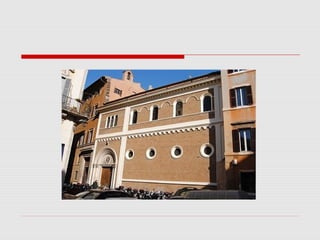
October 1962
 A great adventure
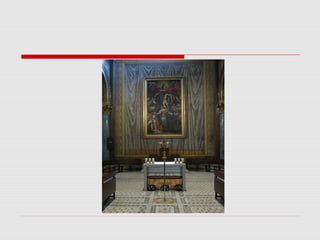
 Venerable English College, Rome
Seminary Regime 1962
 Monastic model
 College Retreat
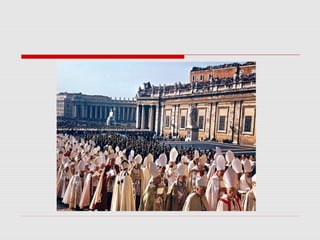
 Arrival of Bishops
 Procession of Prayer
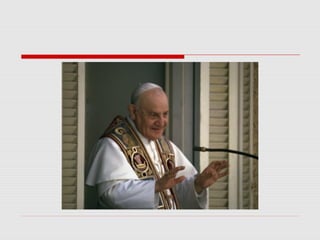
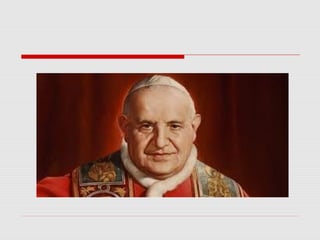
John XXIII
 Angelo Roncalli, ‘caretaker pope’
 “When on 28 October 1958, the Cardinals
chose me at 77 years of age, everyone was
convinced that I would be a provisional and
transitional Pope. Yet here I am, on the eve
of the 4th
year of my pontificate, with an
immense programme of work in front of me
to be carried out before the eyes of the
whole world, which is watching and
waiting.”
Inspiration for a Council
 “As regards the initiative for the great event
which gathers us here, it will suffice to repeat
our personal account of the first sudden bringing
up in our heart and lips of the simple words
“Ecumenical Council”
 Public on 25th
Jan 1959: “It was completely
unexpected, like a flash of heavenly light,
shedding sweetness in eyes and hearts…it gave
rise to a great fervour throughout the world in
expectation of the holding of the Council.”
Yves Congar, OP
 “Lay People in the Church” (1951)
 Forbidden to teach, write or publish
(1954)
 Roncalli had copy of “Reform of the
Church”
 He wrote in margin: “Is it possible?”
Why a Council?
 “to let fresh air into the Church”
 Aggiornamento
 “to read the signs of the times”
Context of the Council
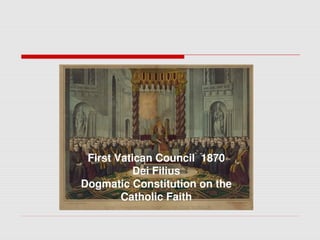
 The Church after Vatican I
 Bishop de Smedt of Bruges: 3
complaints:
 In describing its mission, Church
must avoid “triumphalism”
 Its own life must be rid of
“clericalism”
 It must make no concession to
“juridicalism”
The World in 1962
 What was the world like in 1962?
 What were “the signs of the times” to
which the Church needed to respond?
The World
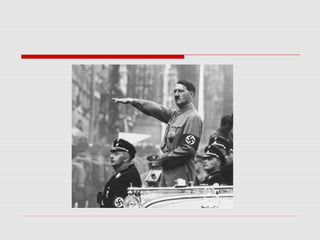
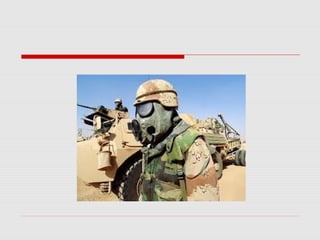
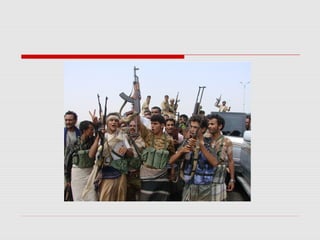
 Two devestating World Wars
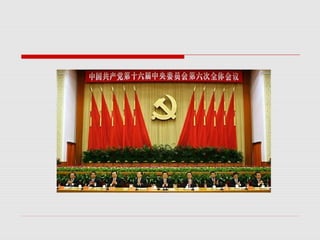
 The spread of atheistic Communism
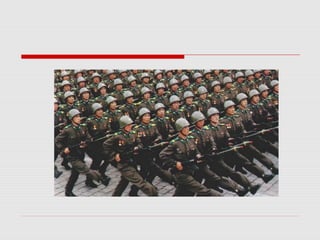
 The Cold War
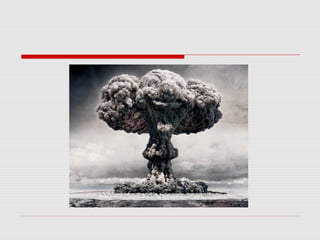
 The atomic bomb
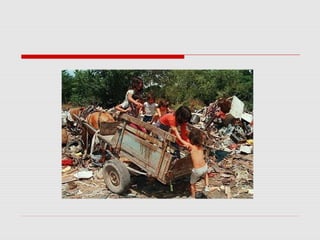
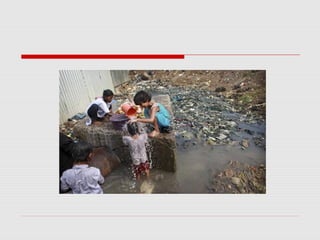
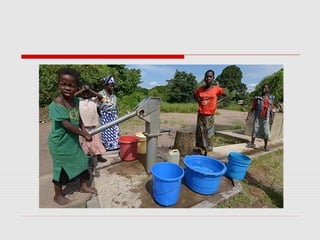
 Poverty, injustice and the developing
world
 Progress of science and technology
 Spiritual poverty
Church relates to the Peoples of the
World
 Remember where John XXIII had
been: Bulgaria, Turkey & Greece,
France
 Extra Ecclesiam nulla salus
 To whom did the Church need to
relate in new ways?
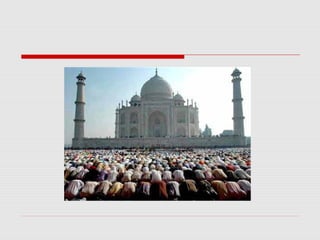
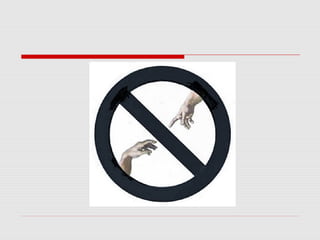
A Pastoral Council
 John XXIII wanted the Church to
examine how it relates to all people,
within and outside the Church
 Hierarchy – religious – laity
 Other Christians of all denominations
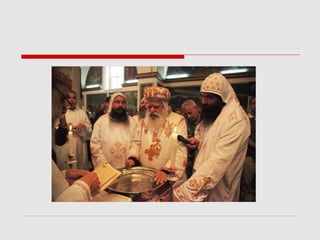
 Monotheistic faiths
 Other faiths
 People who do not share faith but
good will
Preparation for the Council
 Consultation with Cardinals, Bishops,
heads of Religious Orders, Curia
giving subjects for thorough study
 Preparatory commissions wrote draft
documents to be submitted to Fathers
 Expectation of Bishops like Bp Cyril!
Prayer of Pope John XXIII
 Renew your wonders in our time,
Divine Spirit, as though for a new
Pentecost, and grant that the holy
Church, preserving unanimous and
continuous prayer together with
Mary, and also under the guidance of
St Peter, may increase the reign of
the Divine Saviour, the reign of truth
and justice, the reign of love and
peace. Amen.
11th
October 1962
 “We sometimes have to listen to
voices of persons who though burning
with zeal, see nothing in these
modern times but prevarication and
ruin. Our era is getting worse. We
feel we must disagree with these
prophets of doom who are always
forecasting disaster. Divine
Providence is leading us to a new
order of human relations.”
Christian Doctrine to be guarded
and taught more efficaciously
 “Our duty is not only to guard the precious
treasure of sacred doctrine, but to dedicate
ourselves to that work which our era
demands of us”
 “The substance of the deposit of faith is one
thing, and the way in which it is presented
is another.”
 The Council is pastoral in character, to take
a step forward in “doctrinal penetration”.
Surprises of the First Session
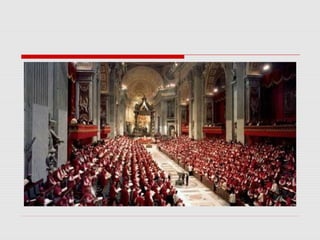
 Committee Chairmen, prepared by
the Curia, presented for automatic
approval: French and German Bps
ask for recess to discuss: applause
from all the Fathers!
 The Council was going to be a
Council!
Rejection of the Draft Constitutions
 Bp Cyril was not proved correct!
 Several rejections in Oct and Nov
 Climax on 20 November on the
schema for “Revelation”
 Ratzinger: “A vote was taken in a
rather unfortunate form”
 1368 voted for interruption, 822
against: just short of 2/3 against
schema
Intervention of John XXIII
 Pope removed schema from the
agenda of the Council, and appointed
a new “Mixed Commission” headed by
Cdls Ottaviani and Bea to draw up a
new schema.
 A decisive moment
 New work commissioned at end of
first session: John would not see the
2nd
Session, but the die was cast.
Talks by Theological Experts
 Bernard Lonergan SJ: Four types of
Consciousness
 “Classical Consciousness”: there exists a
static, perfect world in which there is a
‘right’ way to do everything, to believe,
to think.
 The next generation must be taught the
right way, the classic way, without
questioning.
 Emphasis on authority and obedience
Historical Consciousness
 Man is not static – customs evolve and
change
 Travel brings us contact with other ways of
thinking, believing, acting
 We need to question: why do we believe,
think and act in this way?
 Could it change?
 How might we understand things better
and communicate them more effectively?
Pre-Vatican II Church
 A Church of “classical consciousness”
 Catechism gave us our belief, in simple
formulas to be learned, and told us what to
do, and not to do!
 Catholic “practice” clearly defined
 All rules seemed equal (mortal sins brought
equal punishment)
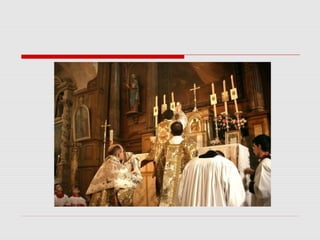
 Liturgy fixed by ‘Tridentine Rite’, rubrics for
‘correct’ and ‘valid’ clebration
Advent of “Historical
Consciousness”
 Liturgical Movement
 Impetus of Pius X (frequent HC, music,
psalms)
 Society of St Gregory (1929) promoted
active lay participation (music, dialogue
Mass, English Scripture)
 Historical research (eg Joseph Jungman SJ)
 Pius XII: Mediator Dei and reform of the
Holy Week Liturgy
Biblical Renewal
 19th
Century challenges from science and
liberal protestantism
 Catholic “Modernism” and rejection by Pius
X
 Historical research sees Scripture as a
living Word, rather than texts ‘proving’
Catholic doctrine
 Pius XII: Divino Afflante Spiritu encourages
study of languages, archeology, literary
forms
Vatican II: An exercise of
“Historical Consciousness”
 Process of Council: 4 years of real
theological debate: “faith seeking
understanding”
 Debates underpinned by fresh
understanding which were fruits of the
biblical, liturgical, ecumenical
movements, and experience of the
missionary church
 A real exercise of collegiality
Death of John XXIII
 “The moment has come to discern the signs
of the times, to seize the opportunity and
to look far ahead. It is not that the Gospel
has changed, it is that we have begun to
understand it better”
 “We have no reason to be afraid, fear
comes only from a lack of faith. When it
comes to a Council, we are all novices. The
Holy Spirit will be present when the Bishops
assemble; we’ll see.”
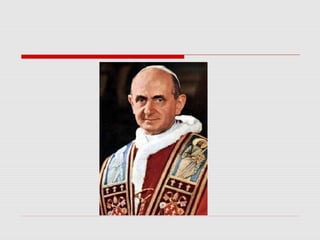
Paul VI and Vatican II
 John Baptist Montini: “pensive,
reflective, careful Paul”
 “The pre-eminent part of our
pontificate will be occupied with the
continuation of 2nd
Vatican Ecumenical
Council. All men of good will look to
it.”
 Angelus on Sunday: Cdl Suenens at
his side
Cdl Leo Joseph Suenens
 Importance of the Ecclesia ad extra –
the Church as a “Sign lifted up for the
nations” (Is 11:12): how is the
Church to be seen by others?
 The Pastoral intent of the Council (ad
extra) requires revitalisation and
reform of the Church’s own life
(ecclesia ad intra)
Karl Rahner SJ on Vat II
 The Church’s fundamental understanding of
itself: Lumen Gentium (Constitution on
Church)
 Inner Life of the Church:
 Work of Sanctifying: Liturgy
 Teaching: Revelation & Christian Education
 Ruling: Bishops & Eastern Catholic
Churches
 States of life: Priests, Priestly Formation,
Religious Life, Apostolate of the Laity
Church in its relations Ad Extra
 Relations to non-Roman Catholic
Christians: Ecumenism & Eastern Catholic
Churches
 Relations to non-Christians: Non-Christian
Religions, Missionary Activity
 Relations to Contemporary World: Church
in Modern World, Social Communication
 Relations to Pluralism of the times:
Religious Freedom
A Privilege
 To hear daily reports, to discuss with
Bishops and theologians: a huge
learning curve!
 To be studying Theology 1965-69 and
unpacking all the documents
 An influence for life!
Themes to explore and live
 Pilgrim People of God
 Full, conscious active participation in
the Liturgy
 Collegiality
 Infallibility of the Church
 Lay Apostolate
 Biblical Spirituality
 Grace active in world
Tasks to be addressed
 Within the Church: in Dioceses,
religious orders, seminaries
 In ecumenical and inter-faith dialogue
 Peace and Justice and Development
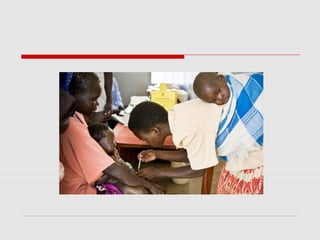
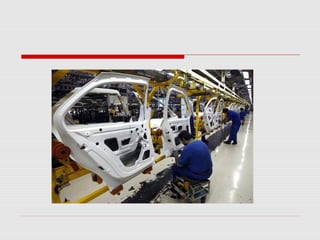
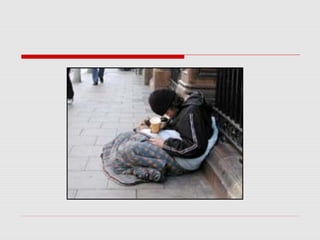
 Engagement with the world (eg
rulers, scientists and philosophers,
artists, women, poor, sick and
suffering, workers, youth)
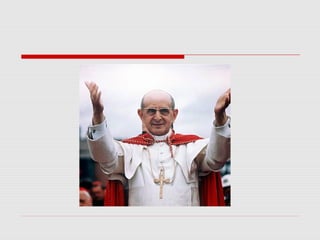
Pope Paul ends Council
 “In a few moments you are about to
leave the Council assembly to go out
to meet mankind, and to bring the
Good News of the Gospel of Christ
and of the renovation of His Church
at which we have been working
together for four years. This is a
unique moment, a moment of
incomparable significance and riches.”
Vatican ii

Vatican ii

  • 1.
    Vatican II: Talesof the Unexpected A personal view by one privileged to be in Rome
  • 2.
    October 1962  Agreat adventure  Venerable English College, Rome
  • 5.
    Seminary Regime 1962 Monastic model  College Retreat  Arrival of Bishops  Procession of Prayer
  • 6.
    John XXIII  AngeloRoncalli, ‘caretaker pope’  “When on 28 October 1958, the Cardinals chose me at 77 years of age, everyone was convinced that I would be a provisional and transitional Pope. Yet here I am, on the eve of the 4th year of my pontificate, with an immense programme of work in front of me to be carried out before the eyes of the whole world, which is watching and waiting.”
  • 8.
    Inspiration for aCouncil  “As regards the initiative for the great event which gathers us here, it will suffice to repeat our personal account of the first sudden bringing up in our heart and lips of the simple words “Ecumenical Council”  Public on 25th Jan 1959: “It was completely unexpected, like a flash of heavenly light, shedding sweetness in eyes and hearts…it gave rise to a great fervour throughout the world in expectation of the holding of the Council.”
  • 9.
    Yves Congar, OP “Lay People in the Church” (1951)  Forbidden to teach, write or publish (1954)  Roncalli had copy of “Reform of the Church”  He wrote in margin: “Is it possible?”
  • 10.
    Why a Council? “to let fresh air into the Church”  Aggiornamento  “to read the signs of the times”
  • 11.
    Context of theCouncil  The Church after Vatican I  Bishop de Smedt of Bruges: 3 complaints:  In describing its mission, Church must avoid “triumphalism”  Its own life must be rid of “clericalism”  It must make no concession to “juridicalism”
  • 14.
    The World in1962  What was the world like in 1962?  What were “the signs of the times” to which the Church needed to respond?
  • 29.
    The World  Twodevestating World Wars  The spread of atheistic Communism  The Cold War  The atomic bomb  Poverty, injustice and the developing world  Progress of science and technology  Spiritual poverty
  • 30.
    Church relates tothe Peoples of the World  Remember where John XXIII had been: Bulgaria, Turkey & Greece, France  Extra Ecclesiam nulla salus  To whom did the Church need to relate in new ways?
  • 40.
    A Pastoral Council John XXIII wanted the Church to examine how it relates to all people, within and outside the Church  Hierarchy – religious – laity  Other Christians of all denominations  Monotheistic faiths  Other faiths  People who do not share faith but good will
  • 41.
    Preparation for theCouncil  Consultation with Cardinals, Bishops, heads of Religious Orders, Curia giving subjects for thorough study  Preparatory commissions wrote draft documents to be submitted to Fathers  Expectation of Bishops like Bp Cyril!
  • 42.
    Prayer of PopeJohn XXIII  Renew your wonders in our time, Divine Spirit, as though for a new Pentecost, and grant that the holy Church, preserving unanimous and continuous prayer together with Mary, and also under the guidance of St Peter, may increase the reign of the Divine Saviour, the reign of truth and justice, the reign of love and peace. Amen.
  • 45.
    11th October 1962  “Wesometimes have to listen to voices of persons who though burning with zeal, see nothing in these modern times but prevarication and ruin. Our era is getting worse. We feel we must disagree with these prophets of doom who are always forecasting disaster. Divine Providence is leading us to a new order of human relations.”
  • 46.
    Christian Doctrine tobe guarded and taught more efficaciously  “Our duty is not only to guard the precious treasure of sacred doctrine, but to dedicate ourselves to that work which our era demands of us”  “The substance of the deposit of faith is one thing, and the way in which it is presented is another.”  The Council is pastoral in character, to take a step forward in “doctrinal penetration”.
  • 47.
    Surprises of theFirst Session  Committee Chairmen, prepared by the Curia, presented for automatic approval: French and German Bps ask for recess to discuss: applause from all the Fathers!  The Council was going to be a Council!
  • 49.
    Rejection of theDraft Constitutions  Bp Cyril was not proved correct!  Several rejections in Oct and Nov  Climax on 20 November on the schema for “Revelation”  Ratzinger: “A vote was taken in a rather unfortunate form”  1368 voted for interruption, 822 against: just short of 2/3 against schema
  • 50.
    Intervention of JohnXXIII  Pope removed schema from the agenda of the Council, and appointed a new “Mixed Commission” headed by Cdls Ottaviani and Bea to draw up a new schema.  A decisive moment  New work commissioned at end of first session: John would not see the 2nd Session, but the die was cast.
  • 51.
    Talks by TheologicalExperts  Bernard Lonergan SJ: Four types of Consciousness  “Classical Consciousness”: there exists a static, perfect world in which there is a ‘right’ way to do everything, to believe, to think.  The next generation must be taught the right way, the classic way, without questioning.  Emphasis on authority and obedience
  • 52.
    Historical Consciousness  Manis not static – customs evolve and change  Travel brings us contact with other ways of thinking, believing, acting  We need to question: why do we believe, think and act in this way?  Could it change?  How might we understand things better and communicate them more effectively?
  • 53.
    Pre-Vatican II Church A Church of “classical consciousness”  Catechism gave us our belief, in simple formulas to be learned, and told us what to do, and not to do!  Catholic “practice” clearly defined  All rules seemed equal (mortal sins brought equal punishment)  Liturgy fixed by ‘Tridentine Rite’, rubrics for ‘correct’ and ‘valid’ clebration
  • 57.
    Advent of “Historical Consciousness” Liturgical Movement  Impetus of Pius X (frequent HC, music, psalms)  Society of St Gregory (1929) promoted active lay participation (music, dialogue Mass, English Scripture)  Historical research (eg Joseph Jungman SJ)  Pius XII: Mediator Dei and reform of the Holy Week Liturgy
  • 60.
    Biblical Renewal  19th Centurychallenges from science and liberal protestantism  Catholic “Modernism” and rejection by Pius X  Historical research sees Scripture as a living Word, rather than texts ‘proving’ Catholic doctrine  Pius XII: Divino Afflante Spiritu encourages study of languages, archeology, literary forms
  • 61.
    Vatican II: Anexercise of “Historical Consciousness”  Process of Council: 4 years of real theological debate: “faith seeking understanding”  Debates underpinned by fresh understanding which were fruits of the biblical, liturgical, ecumenical movements, and experience of the missionary church  A real exercise of collegiality
  • 62.
    Death of JohnXXIII  “The moment has come to discern the signs of the times, to seize the opportunity and to look far ahead. It is not that the Gospel has changed, it is that we have begun to understand it better”  “We have no reason to be afraid, fear comes only from a lack of faith. When it comes to a Council, we are all novices. The Holy Spirit will be present when the Bishops assemble; we’ll see.”
  • 64.
    Paul VI andVatican II  John Baptist Montini: “pensive, reflective, careful Paul”  “The pre-eminent part of our pontificate will be occupied with the continuation of 2nd Vatican Ecumenical Council. All men of good will look to it.”  Angelus on Sunday: Cdl Suenens at his side
  • 65.
    Cdl Leo JosephSuenens  Importance of the Ecclesia ad extra – the Church as a “Sign lifted up for the nations” (Is 11:12): how is the Church to be seen by others?  The Pastoral intent of the Council (ad extra) requires revitalisation and reform of the Church’s own life (ecclesia ad intra)
  • 66.
    Karl Rahner SJon Vat II  The Church’s fundamental understanding of itself: Lumen Gentium (Constitution on Church)  Inner Life of the Church:  Work of Sanctifying: Liturgy  Teaching: Revelation & Christian Education  Ruling: Bishops & Eastern Catholic Churches  States of life: Priests, Priestly Formation, Religious Life, Apostolate of the Laity
  • 67.
    Church in itsrelations Ad Extra  Relations to non-Roman Catholic Christians: Ecumenism & Eastern Catholic Churches  Relations to non-Christians: Non-Christian Religions, Missionary Activity  Relations to Contemporary World: Church in Modern World, Social Communication  Relations to Pluralism of the times: Religious Freedom
  • 68.
    A Privilege  Tohear daily reports, to discuss with Bishops and theologians: a huge learning curve!  To be studying Theology 1965-69 and unpacking all the documents  An influence for life!
  • 69.
    Themes to exploreand live  Pilgrim People of God  Full, conscious active participation in the Liturgy  Collegiality  Infallibility of the Church  Lay Apostolate  Biblical Spirituality  Grace active in world
  • 70.
    Tasks to beaddressed  Within the Church: in Dioceses, religious orders, seminaries  In ecumenical and inter-faith dialogue  Peace and Justice and Development  Engagement with the world (eg rulers, scientists and philosophers, artists, women, poor, sick and suffering, workers, youth)
  • 72.
    Pope Paul endsCouncil  “In a few moments you are about to leave the Council assembly to go out to meet mankind, and to bring the Good News of the Gospel of Christ and of the renovation of His Church at which we have been working together for four years. This is a unique moment, a moment of incomparable significance and riches.”