URINARY TRACT INFECTION
DR.HAMISI MKINDI,MD.
TO DOWNLOAD CONTACT: hermyc@live.com
OUTLINE
anatomy
epidemiology
Classification
Risk factor
Pathology
Clinical presentation
investigation
Treatment
complication
Prevention
Article review
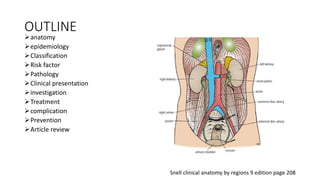
Snell clinical anatomy by regions 9 edition page 208
Objectives
At the end of the session, you should be able to:
1.Describe various methods of classifying UTI
2.Comprehend the risk factors associated with UTI
3.Describe the pathogenesis of UTI
4.Describe type of urine samples for laboratory diagnosis, indications
for sample collection, methods of sample collection, transport and
analysis relevant for patients’ management
5.Critically discuss the choice of antimicrobial agents for specific
treatment of UTI, using available local research information
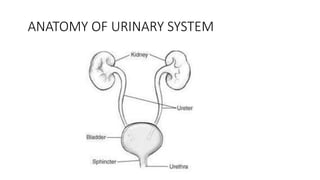
ANATOMY OF URINARY SYSTEM
Introduction and epidemiology
Urinary tract infection are the inflammatory disorders of urinary tract
caused by growth of pathogens.
Urinary tract infection are most common bacterial infection, affecting
150mil ppl each yr globally.(stamm et al 2001)
It account of 22.3% of UTI in Bushenyi district Uganda (martin odoki et
al 2019)
Prevalence of 14.6% among pregnancy women attending bugando
hospital ( Masinde et al 2009)
Classification
severity
• Un complicated
• Complicated
Clinical presentation
• Asymptomatic
• symptomatic
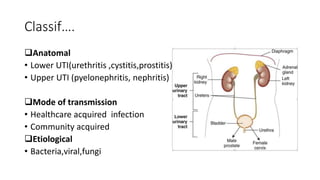
Classif….
Anatomal
• Lower UTI(urethritis ,cystitis,prostitis)
• Upper UTI (pyelonephritis, nephritis)
Mode of transmission
• Healthcare acquired infection
• Community acquired
Etiological
• Bacteria,viral,fungi
Risk factor :-
Female
immunocompromised ie diabetics, pregnancy
Previous UTI
sexually activity,
Estrogen deficiency
Foreign bodies: catheter
Underlying co-morbidity ie Bladder outlet obstruction ie enlarged
prostate, renal stone, prostate ca
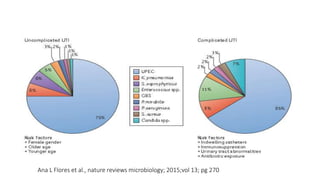
Ana L Flores et al., nature reviews microbiology; 2015;vol 13; pg 270
• Escherichia coli, commonest pathogen for UTI ( 80-90) % cause of UTI
in pregnancy. Follow klebsiella pneumonia, enterobacter, proteus
species and gram positive bacteria. (millar et al 1997 , gilstrap et al.
2001, delzell et al 2000)
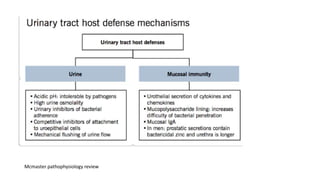
Mcmaster pathophysiology review
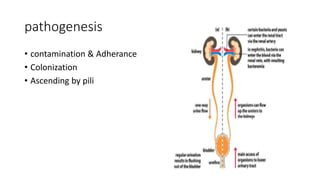
pathogenesis
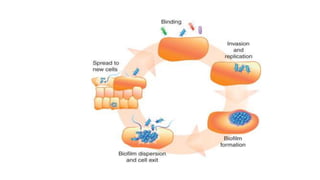
• contamination & Adherance
• Colonization
• Ascending by pili
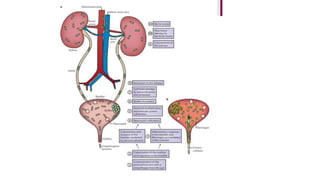
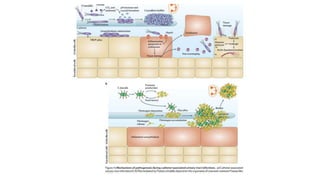
Pathogenesis of urinary tract infections
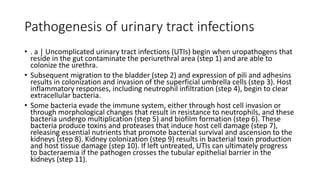
• . a | Uncomplicated urinary tract infections (UTIs) begin when uropathogens that
reside in the gut contaminate the periurethral area (step 1) and are able to
colonize the urethra.
• Subsequent migration to the bladder (step 2) and expression of pili and adhesins
results in colonization and invasion of the superficial umbrella cells (step 3). Host
inflammatory responses, including neutrophil infiltration (step 4), begin to clear
extracellular bacteria.
• Some bacteria evade the immune system, either through host cell invasion or
through morphological changes that result in resistance to neutrophils, and these
bacteria undergo multiplication (step 5) and biofilm formation (step 6). These
bacteria produce toxins and proteases that induce host cell damage (step 7),
releasing essential nutrients that promote bacterial survival and ascension to the
kidneys (step 8). Kidney colonization (step 9) results in bacterial toxin production
and host tissue damage (step 10). If left untreated, UTIs can ultimately progress
to bacteraemia if the pathogen crosses the tubular epithelial barrier in the
kidneys (step 11).
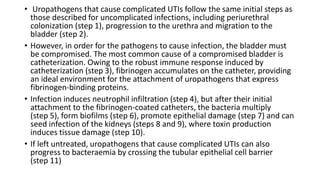
• Uropathogens that cause complicated UTIs follow the same initial steps as
those described for uncomplicated infections, including periurethral
colonization (step 1), progression to the urethra and migration to the
bladder (step 2).
• However, in order for the pathogens to cause infection, the bladder must
be compromised. The most common cause of a compromised bladder is
catheterization. Owing to the robust immune response induced by
catheterization (step 3), fibrinogen accumulates on the catheter, providing
an ideal environment for the attachment of uropathogens that express
fibrinogen-binding proteins.
• Infection induces neutrophil infiltration (step 4), but after their initial
attachment to the fibrinogen-coated catheters, the bacteria multiply
(step 5), form biofilms (step 6), promote epithelial damage (step 7) and can
seed infection of the kidneys (steps 8 and 9), where toxin production
induces tissue damage (step 10).
• If left untreated, uropathogens that cause complicated UTIs can also
progress to bacteraemia by crossing the tubular epithelial cell barrier
(step 11)
Origins and Virulence Mechanisms of Uropathogenic
Escherichia coli
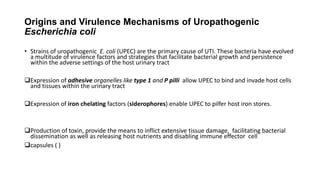
• Strains of uropathogenic E. coli (UPEC) are the primary cause of UTI. These bacteria have evolved
a multitude of virulence factors and strategies that facilitate bacterial growth and persistence
within the adverse settings of the host urinary tract
Expression of adhesive organelles like type 1 and P pilli allow UPEC to bind and invade host cells
and tissues within the urinary tract
Expression of iron chelating factors (siderophores) enable UPEC to pilfer host iron stores.
Production of toxin, provide the means to inflict extensive tissue damage, facilitating bacterial
dissemination as well as releasing host nutrients and disabling immune effector cell
capsules ( )
Clinical presentation
• Fever
• Pain urination,
• persistence urge to urinate
• Pelvic pain and
• burning sensation on urination
• Passing frequent small amount of urine
Sample collection
Possible urine sample for
Suprapubic aspirate urine if patient is bedridden and can not be
catheterized or when sterile specimen is required:-
i. Urogenital stricture
ii. Phimosis
iii. Urine retention secondary to BPH
Straight catheter urine for patient who cant manage the process of
mid stream urine
i. BPH
Mid stream urine
INVESTIGATION
Urinarysis
Bacterial can be detected microscopically using
gram staining of uncentrifude or centrifuged urine specimen
Advantantage
It provide immediate information that will guide in appropriate choice of empirical
antibiotic
Disadvantage
Consider positive only concentration of bacteria colonies10 ^5cfu/ml
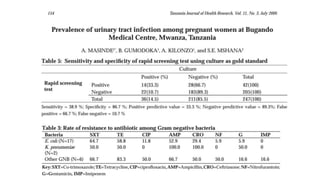
on study done at bugando. found sensitivity 38.9% , specificity 86.7% (Masinde et
al 2009)
NB :-urine should be send immediately or refrigerated because bacterial grow
rapidly when sample is left at room temp causing overestimate of infection
severity
• Dip stick urine test
• Bacteriuria can be detected by kits that can detect nitrites,
leukocytes esterase, ph and blood
• Bacteria present in urine convert nitrates to nitrites it take 6 hr..
Morning urine it specificity is greater than 90% ..
• it has limitation some bacterial don’t convert nitrates to nitrites eg
pseudomonas, enterococus
• It has positive predictor value of 33.3%( Masinde et al 2009)
Dipstick cont..
• Leukocyte esterase identifies the wbcs in urine. Wbc release the
leukocytes
• this has limitation wbc can found in bladder when there other reason
like inflammation
• Normal urine PH is slight acid 4.5-8 normal range. Increasing ph
indicate a urea splitting organism such as proteus, klebsiella :-high ph
on asymptomatic pt should be considered as infection
• Bacterial infection of transition line of bladder can cause bleeding
culture
• It s a gold standard in detection of UTIs, It should be done for
reccurent infection and complicated UTIs .as it can identify infecting
organism and ant microbial drug susceptibility can be tested.
• Kass quantitative culture
• Culture media includes
• Blood agar, Mac Conkey Agar (McA) and Cystine Lactose
Electrolyte Deficient (CLED) medium.
Use a standard loop to streak to agar plate then incubate at 37°C
for18 to 24 hours then quantify.
Standard loop will assist in quantification of bacteria colonies in
culture media (i.e. Colony forming unit per milliliter of urine=
CFU/ml)
culture cont..
Collection of urine is key to minimize error:-
presence of lactobacilli and squamous cell indicate
contamination
Value of 10^4 is considered positive in mid stem
urine clean catch, any growth from supra pubic is
consider significant, pregnant women with
asymptomatic who have lower value 10^2- 10^3
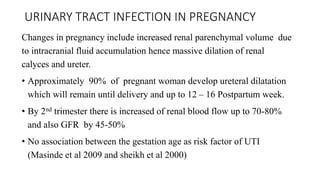
URINARY TRACT INFECTION IN PREGNANCY
Changes in pregnancy include increased renal parenchymal volume due
to intracranial fluid accumulation hence massive dilation of renal
calyces and ureter.
• Approximately 90% of pregnant woman develop ureteral dilatation
which will remain until delivery and up to 12 – 16 Postpartum week.
• By 2nd trimester there is increased of renal blood flow up to 70-80%
and also GFR by 45-50%
• No association between the gestation age as risk factor of UTI
(Masinde et al 2009 and sheikh et al 2000)
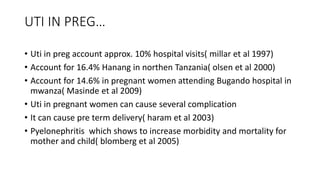
UTI IN PREG…
• Uti in preg account approx. 10% hospital visits( millar et al 1997)
• Account for 16.4% Hanang in northen Tanzania( olsen et al 2000)
• Account for 14.6% in pregnant women attending Bugando hospital in
mwanza( Masinde et al 2009)
• Uti in pregnant women can cause several complication
• It can cause pre term delivery( haram et al 2003)
• Pyelonephritis which shows to increase morbidity and mortality for
mother and child( blomberg et al 2005)
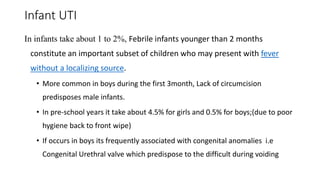
Infant UTI
In infants take about 1 to 2%, Febrile infants younger than 2 months
constitute an important subset of children who may present with fever
without a localizing source.
• More common in boys during the first 3month, Lack of circumcision
predisposes male infants.
• In pre-school years it take about 4.5% for girls and 0.5% for boys;(due to poor
hygiene back to front wipe)
• If occurs in boys its frequently associated with congenital anomalies i.e
Congenital Urethral valve which predispose to the difficult during voiding
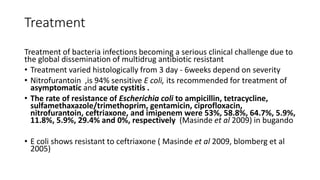
Treatment
Treatment of bacteria infections becoming a serious clinical challenge due to
the global dissemination of multidrug antibiotic resistant
• Treatment varied histologically from 3 day - 6weeks depend on severity
• Nitrofurantoin ,is 94% sensitive E coli, its recommended for treatment of
asymptomatic and acute cystitis .
• The rate of resistance of Escherichia coli to ampicillin, tetracycline,
sulfamethaxazole/trimethoprim, gentamicin, ciprofloxacin,
nitrofurantoin, ceftriaxone, and imipenem were 53%, 58.8%, 64.7%, 5.9%,
11.8%, 5.9%, 29.4% and 0%, respectively (Masinde et al 2009) in bugando
• E coli shows resistant to ceftriaxone ( Masinde et al 2009, blomberg et al
2005)
Treatment cont..
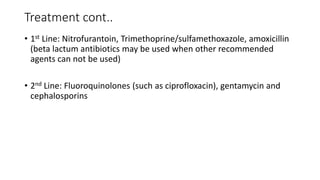
• 1st Line: Nitrofurantoin, Trimethoprine/sulfamethoxazole, amoxicillin
(beta lactum antibiotics may be used when other recommended
agents can not be used)
• 2nd Line: Fluoroquinolones (such as ciprofloxacin), gentamycin and
cephalosporins
complication
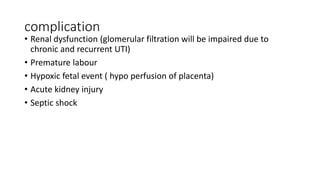
• Renal dysfunction (glomerular filtration will be impaired due to
chronic and recurrent UTI)
• Premature labour
• Hypoxic fetal event ( hypo perfusion of placenta)
• Acute kidney injury
• Septic shock
prevention
• Drinking cranberries juice(marcelo hisano et al)
• Empty bladder fully when urinating and don't delay urinating when
the need arises
• Wipe from front to back after urination or using toilet
• Drink a lot of water
• urinate after sex to flash out all bacteria
• Encourage the use of squatting type toilet to minimize infection
• Early removal of catheter, catheterization should adhere to IPC
Conclusion
• The prevalence of SB among pregnant women in this large
multicentre study was high (17.7%).
• The most common bacterial species were E. coli, Klebsiella spp. and S.
aureus.
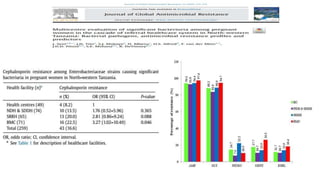
• Third-generation cephalosporin resistance among members of the
family Enterobacteriaceae was found to be significantly higher in
strains from BMC tertiary hospital compared with lower HCFs.
• Strengthening of routine culture and AST in antenatal clinics is
recommended to ensure specific management.
• Pregnant women with no formal occupation, inpatients and those
with co-morbidities should be specific target groups for preventive
measures against SB. A prospective study will be of interest in the
future to assess pregnancy outcomes
references
• Nat Rev Microbiol. 2015 May Urinary tract infections: epidemiology, mechanisms of
infection and treatment options; 13(5): 269–284
• A. Masinde, B. Gumodoka, a. Kilonzo, and S.E. Mshana. Tanzania Journal of Health
Research, Vol. 11, No. 3, July 2009 Prevalence of urinary tract infection among pregnant
women at Bugando Medical Centre, Mwanza, Tanzania,.
• Mandell Principles and Practice of infectious diseases, chapter 19Urinary tract
infections: epidemiology, mechanisms of infection and treatment options
• Ana L. Flores-Mireles, Jennifer N. Walker, Michael Caparon and Scott J. Hultgren Urinary
tract infections: epidemiology, mechanisms of infection and treatment options
• J. Senia,b, , J.N. Titoa , S.J. Makoyea , H. Mbenac , H.S. Alfredd , F. van der Meere, J.D.D.
Pitoutb, S.E. Mshana, R. DeVinneyb, Multicentre evaluation of significant bacteriuria
among pregnant women in the cascade of referral healthcare system in North-western
Tanzania: Bacterial pathogens, antimicrobial resistance profiles and predictors
• Marcelo hisano et al ,cranberries and lower tract infection prevention
THANK YOU FOR LISTENING

URINARY TRACT INFECTION (2).pptx

  • 1.
    URINARY TRACT INFECTION DR.HAMISIMKINDI,MD. TO DOWNLOAD CONTACT: hermyc@live.com
  • 2.
  • 3.
    Objectives At the endof the session, you should be able to: 1.Describe various methods of classifying UTI 2.Comprehend the risk factors associated with UTI 3.Describe the pathogenesis of UTI 4.Describe type of urine samples for laboratory diagnosis, indications for sample collection, methods of sample collection, transport and analysis relevant for patients’ management 5.Critically discuss the choice of antimicrobial agents for specific treatment of UTI, using available local research information
  • 4.
  • 5.
    Introduction and epidemiology Urinarytract infection are the inflammatory disorders of urinary tract caused by growth of pathogens. Urinary tract infection are most common bacterial infection, affecting 150mil ppl each yr globally.(stamm et al 2001) It account of 22.3% of UTI in Bushenyi district Uganda (martin odoki et al 2019) Prevalence of 14.6% among pregnancy women attending bugando hospital ( Masinde et al 2009)
  • 6.
    Classification severity • Un complicated •Complicated Clinical presentation • Asymptomatic • symptomatic
  • 7.
    Classif…. Anatomal • Lower UTI(urethritis,cystitis,prostitis) • Upper UTI (pyelonephritis, nephritis) Mode of transmission • Healthcare acquired infection • Community acquired Etiological • Bacteria,viral,fungi
  • 8.
    Risk factor :- Female immunocompromisedie diabetics, pregnancy Previous UTI sexually activity, Estrogen deficiency Foreign bodies: catheter Underlying co-morbidity ie Bladder outlet obstruction ie enlarged prostate, renal stone, prostate ca
  • 9.
    Ana L Floreset al., nature reviews microbiology; 2015;vol 13; pg 270
  • 10.
    • Escherichia coli,commonest pathogen for UTI ( 80-90) % cause of UTI in pregnancy. Follow klebsiella pneumonia, enterobacter, proteus species and gram positive bacteria. (millar et al 1997 , gilstrap et al. 2001, delzell et al 2000)
  • 11.
  • 12.
    pathogenesis • contamination &Adherance • Colonization • Ascending by pili
  • 14.
    Pathogenesis of urinarytract infections • . a | Uncomplicated urinary tract infections (UTIs) begin when uropathogens that reside in the gut contaminate the periurethral area (step 1) and are able to colonize the urethra. • Subsequent migration to the bladder (step 2) and expression of pili and adhesins results in colonization and invasion of the superficial umbrella cells (step 3). Host inflammatory responses, including neutrophil infiltration (step 4), begin to clear extracellular bacteria. • Some bacteria evade the immune system, either through host cell invasion or through morphological changes that result in resistance to neutrophils, and these bacteria undergo multiplication (step 5) and biofilm formation (step 6). These bacteria produce toxins and proteases that induce host cell damage (step 7), releasing essential nutrients that promote bacterial survival and ascension to the kidneys (step 8). Kidney colonization (step 9) results in bacterial toxin production and host tissue damage (step 10). If left untreated, UTIs can ultimately progress to bacteraemia if the pathogen crosses the tubular epithelial barrier in the kidneys (step 11).
  • 15.
    • Uropathogens thatcause complicated UTIs follow the same initial steps as those described for uncomplicated infections, including periurethral colonization (step 1), progression to the urethra and migration to the bladder (step 2). • However, in order for the pathogens to cause infection, the bladder must be compromised. The most common cause of a compromised bladder is catheterization. Owing to the robust immune response induced by catheterization (step 3), fibrinogen accumulates on the catheter, providing an ideal environment for the attachment of uropathogens that express fibrinogen-binding proteins. • Infection induces neutrophil infiltration (step 4), but after their initial attachment to the fibrinogen-coated catheters, the bacteria multiply (step 5), form biofilms (step 6), promote epithelial damage (step 7) and can seed infection of the kidneys (steps 8 and 9), where toxin production induces tissue damage (step 10). • If left untreated, uropathogens that cause complicated UTIs can also progress to bacteraemia by crossing the tubular epithelial cell barrier (step 11)
  • 16.
    Origins and VirulenceMechanisms of Uropathogenic Escherichia coli • Strains of uropathogenic E. coli (UPEC) are the primary cause of UTI. These bacteria have evolved a multitude of virulence factors and strategies that facilitate bacterial growth and persistence within the adverse settings of the host urinary tract Expression of adhesive organelles like type 1 and P pilli allow UPEC to bind and invade host cells and tissues within the urinary tract Expression of iron chelating factors (siderophores) enable UPEC to pilfer host iron stores. Production of toxin, provide the means to inflict extensive tissue damage, facilitating bacterial dissemination as well as releasing host nutrients and disabling immune effector cell capsules ( )
  • 19.
    Clinical presentation • Fever •Pain urination, • persistence urge to urinate • Pelvic pain and • burning sensation on urination • Passing frequent small amount of urine
  • 20.
    Sample collection Possible urinesample for Suprapubic aspirate urine if patient is bedridden and can not be catheterized or when sterile specimen is required:- i. Urogenital stricture ii. Phimosis iii. Urine retention secondary to BPH Straight catheter urine for patient who cant manage the process of mid stream urine i. BPH Mid stream urine
  • 21.
    INVESTIGATION Urinarysis Bacterial can bedetected microscopically using gram staining of uncentrifude or centrifuged urine specimen Advantantage It provide immediate information that will guide in appropriate choice of empirical antibiotic Disadvantage Consider positive only concentration of bacteria colonies10 ^5cfu/ml on study done at bugando. found sensitivity 38.9% , specificity 86.7% (Masinde et al 2009) NB :-urine should be send immediately or refrigerated because bacterial grow rapidly when sample is left at room temp causing overestimate of infection severity
  • 22.
    • Dip stickurine test • Bacteriuria can be detected by kits that can detect nitrites, leukocytes esterase, ph and blood • Bacteria present in urine convert nitrates to nitrites it take 6 hr.. Morning urine it specificity is greater than 90% .. • it has limitation some bacterial don’t convert nitrates to nitrites eg pseudomonas, enterococus • It has positive predictor value of 33.3%( Masinde et al 2009)
  • 23.
    Dipstick cont.. • Leukocyteesterase identifies the wbcs in urine. Wbc release the leukocytes • this has limitation wbc can found in bladder when there other reason like inflammation • Normal urine PH is slight acid 4.5-8 normal range. Increasing ph indicate a urea splitting organism such as proteus, klebsiella :-high ph on asymptomatic pt should be considered as infection • Bacterial infection of transition line of bladder can cause bleeding
  • 24.
    culture • It sa gold standard in detection of UTIs, It should be done for reccurent infection and complicated UTIs .as it can identify infecting organism and ant microbial drug susceptibility can be tested. • Kass quantitative culture • Culture media includes • Blood agar, Mac Conkey Agar (McA) and Cystine Lactose Electrolyte Deficient (CLED) medium. Use a standard loop to streak to agar plate then incubate at 37°C for18 to 24 hours then quantify. Standard loop will assist in quantification of bacteria colonies in culture media (i.e. Colony forming unit per milliliter of urine= CFU/ml)
  • 25.
    culture cont.. Collection ofurine is key to minimize error:- presence of lactobacilli and squamous cell indicate contamination Value of 10^4 is considered positive in mid stem urine clean catch, any growth from supra pubic is consider significant, pregnant women with asymptomatic who have lower value 10^2- 10^3
  • 26.
    URINARY TRACT INFECTIONIN PREGNANCY Changes in pregnancy include increased renal parenchymal volume due to intracranial fluid accumulation hence massive dilation of renal calyces and ureter. • Approximately 90% of pregnant woman develop ureteral dilatation which will remain until delivery and up to 12 – 16 Postpartum week. • By 2nd trimester there is increased of renal blood flow up to 70-80% and also GFR by 45-50% • No association between the gestation age as risk factor of UTI (Masinde et al 2009 and sheikh et al 2000)
  • 27.
    UTI IN PREG… •Uti in preg account approx. 10% hospital visits( millar et al 1997) • Account for 16.4% Hanang in northen Tanzania( olsen et al 2000) • Account for 14.6% in pregnant women attending Bugando hospital in mwanza( Masinde et al 2009) • Uti in pregnant women can cause several complication • It can cause pre term delivery( haram et al 2003) • Pyelonephritis which shows to increase morbidity and mortality for mother and child( blomberg et al 2005)
  • 28.
    Infant UTI In infantstake about 1 to 2%, Febrile infants younger than 2 months constitute an important subset of children who may present with fever without a localizing source. • More common in boys during the first 3month, Lack of circumcision predisposes male infants. • In pre-school years it take about 4.5% for girls and 0.5% for boys;(due to poor hygiene back to front wipe) • If occurs in boys its frequently associated with congenital anomalies i.e Congenital Urethral valve which predispose to the difficult during voiding
  • 29.
    Treatment Treatment of bacteriainfections becoming a serious clinical challenge due to the global dissemination of multidrug antibiotic resistant • Treatment varied histologically from 3 day - 6weeks depend on severity • Nitrofurantoin ,is 94% sensitive E coli, its recommended for treatment of asymptomatic and acute cystitis . • The rate of resistance of Escherichia coli to ampicillin, tetracycline, sulfamethaxazole/trimethoprim, gentamicin, ciprofloxacin, nitrofurantoin, ceftriaxone, and imipenem were 53%, 58.8%, 64.7%, 5.9%, 11.8%, 5.9%, 29.4% and 0%, respectively (Masinde et al 2009) in bugando • E coli shows resistant to ceftriaxone ( Masinde et al 2009, blomberg et al 2005)
  • 30.
    Treatment cont.. • 1stLine: Nitrofurantoin, Trimethoprine/sulfamethoxazole, amoxicillin (beta lactum antibiotics may be used when other recommended agents can not be used) • 2nd Line: Fluoroquinolones (such as ciprofloxacin), gentamycin and cephalosporins
  • 33.
    complication • Renal dysfunction(glomerular filtration will be impaired due to chronic and recurrent UTI) • Premature labour • Hypoxic fetal event ( hypo perfusion of placenta) • Acute kidney injury • Septic shock
  • 34.
    prevention • Drinking cranberriesjuice(marcelo hisano et al) • Empty bladder fully when urinating and don't delay urinating when the need arises • Wipe from front to back after urination or using toilet • Drink a lot of water • urinate after sex to flash out all bacteria • Encourage the use of squatting type toilet to minimize infection • Early removal of catheter, catheterization should adhere to IPC
  • 35.
    Conclusion • The prevalenceof SB among pregnant women in this large multicentre study was high (17.7%). • The most common bacterial species were E. coli, Klebsiella spp. and S. aureus. • Third-generation cephalosporin resistance among members of the family Enterobacteriaceae was found to be significantly higher in strains from BMC tertiary hospital compared with lower HCFs. • Strengthening of routine culture and AST in antenatal clinics is recommended to ensure specific management. • Pregnant women with no formal occupation, inpatients and those with co-morbidities should be specific target groups for preventive measures against SB. A prospective study will be of interest in the future to assess pregnancy outcomes
  • 36.
    references • Nat RevMicrobiol. 2015 May Urinary tract infections: epidemiology, mechanisms of infection and treatment options; 13(5): 269–284 • A. Masinde, B. Gumodoka, a. Kilonzo, and S.E. Mshana. Tanzania Journal of Health Research, Vol. 11, No. 3, July 2009 Prevalence of urinary tract infection among pregnant women at Bugando Medical Centre, Mwanza, Tanzania,. • Mandell Principles and Practice of infectious diseases, chapter 19Urinary tract infections: epidemiology, mechanisms of infection and treatment options • Ana L. Flores-Mireles, Jennifer N. Walker, Michael Caparon and Scott J. Hultgren Urinary tract infections: epidemiology, mechanisms of infection and treatment options • J. Senia,b, , J.N. Titoa , S.J. Makoyea , H. Mbenac , H.S. Alfredd , F. van der Meere, J.D.D. Pitoutb, S.E. Mshana, R. DeVinneyb, Multicentre evaluation of significant bacteriuria among pregnant women in the cascade of referral healthcare system in North-western Tanzania: Bacterial pathogens, antimicrobial resistance profiles and predictors • Marcelo hisano et al ,cranberries and lower tract infection prevention
  • 37.
    THANK YOU FORLISTENING