

Urban technical networks and
sustainability
Contemporary and future dynamics
of the networked society
Concluding remarks
• Time for some concluding remarks on the
course
• The next two sessions will be for your oral
presentations & group work
• My remarks will be around the future of
networks, in relation to matters of
sustainability/resilience--- the future of the
city
Our networked society
• Society that is shaped by, and dependent on
networked systems
• These are everywhere and part of all aspects of
life
• Though often hidden from view, repressed even
• This explains that some of their social and
environmental impacts are not always obvious to
us
• Thus, what we have done here in the course is
trying to open our eyes to these systems
UTN as gateway to wider questions
• UTN are an entry point into a wide range of
questions about the constitution and
functioning of societies, and their relations to
science, technology and the environment
• They are the basis for questions about what
society is and how it functions today
Shaping the way we are in society
• Networks shape physical and mental maps of the
world we live in by laying down pathways that it
is hard to avoid or deviate from: roads, telecom
networks, transport systems etc.
• determine to a certain degree our ways of
circulating in the world
• Indeed, people who wish to live without
networks, or cannot afford the services, are
quickly called eccentric or marginal—the use of
networks has become a social standard
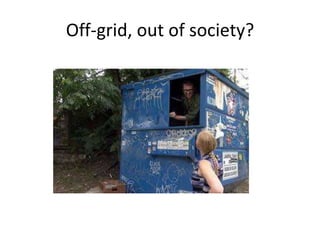
Off-grid, out of society?
Dumpster living
• https://www.youtube.com/watch?v=MKr5Ku7
9doo&feature=youtu.be
• The dumpster project, by Professor Jeff
Wilson, a radical experiment in sustainability
• “The average American has 12 pairs of shoes
and the average American house is 2480-
square-feet,” he said. “We can happily live
with much less than that.”
• Dumpster is 1% size of average US home…
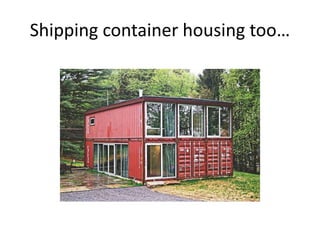
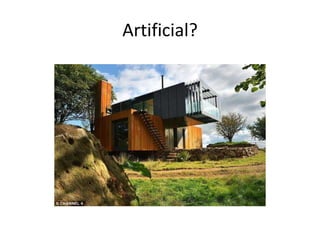
Shipping container housing too…
STS studies
• Science, technology and society studies (STS)
offer a theoretical gateway into studying the
interactions between tech, nature, society
• Approaches such as ANT, urban political
ecology…
• They all discuss our relationships to
technologies, science, the material world,
nature.
• At the junction of sociology, anthropology and
history of science/tech
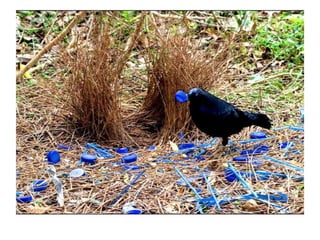
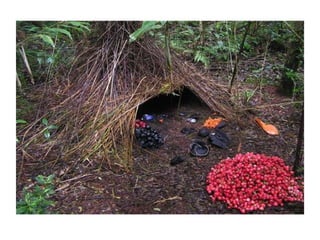
Challenging the ‘unnaturalness’ of
cities
• Cities are where we live, our habitat
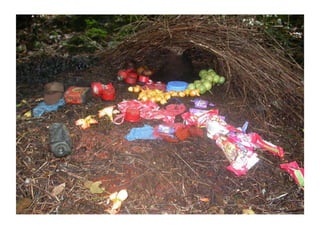
• In that sense, why are they less ‘natural’ than
an anthill or termites’ nest?
• Many other species build, and transform the
‘natural’ into something else
• Can you mention some, and what they do?
Challenging the naturalness of ‘nature’
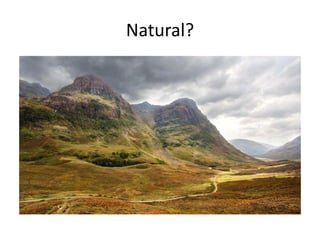
• A good place to start is the Scottish
countryside
• The hills and mountains were once covered in
forest, however they are now more or less
barren
• This is due to human activity and
transformation over millennia
• Yet, we see these places as ‘nature’ and often
include them in ‘natural reserves’, as
something to be ‘protected’
Natural?
Artificial?
How UTNs transform ‘natural’ into
‘social’, and vice-versa
• UTNs ,an interface between ‘nature’ and
‘society’
• These systems transform natural resources
into the built environment
• Also create social relations (of domination,
control, customer/provider etc.)
• These socio-political relations are naturalised,
solidified (reified) through the links created by
networks
Example: water
• Key resource as it is essential to life
• Seen as ‘free’ as it ‘falls from the sky’ but it’s actually a
highly transformed product
• It needs to be collected, stored, treated, distributed,
and then wastewater needs to be evacuated, with
sometimes stringent environmental/health regulations
• In this sense, water as we know it in our cities is as
much a socio-technical construct as it is ‘natural’!
• wastewater contains a myriad of chemicals from
chlorine, to antibiotics, contraceptives and other
elements
• there is no ‘purity’ here, but, again, an entanglement
of natural, social, technological
Not just the physical aspect
• These transformations are not only on the
material level, a whole range of political and
social relations are also created and transformed:
• One is the customer/provider relationship: how
do we govern, regulate this? Fairness or profit?
• Another is the labour relations in the various
water companies, regulators’ offices etc.
• Yet another are the political issues stemming
from the control of resources, and these can be
extremely tricky and fraught, culminating in
international conflict
Southern California water system
(reminder)
• Water brought in from hundreds of miles away
• Some water is desalinated, from the ocean, and
therefore highly processed
• Tens and tens of water agencies, from the
local/municipal level, to county, state, federal
• Thus, the water system is an extremely complex
combination of natural, social, technological,
admin, political etc.
• It is a set of relations between people and the
natural/built environments
Open to change?
• Such systems can become very hard to reform
or transform in the face of challenges, such as
sustainability and resilience, or social change
• Notion of path dependency
• An interesting example is that of networks and
their operation/governance in
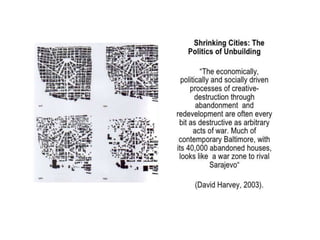
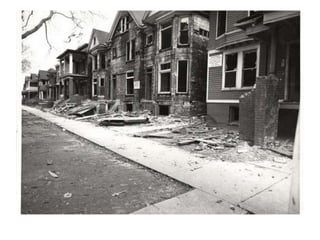
shrinking/decaying cities
• Former East German cities
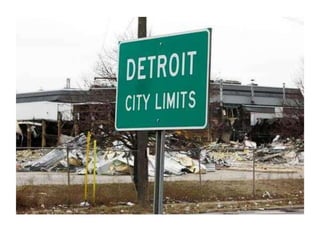
• Detroit and other rustbelt cities in USA
• http://michiganradio.org/post/detroits-
infrastructure-crumbling-while-city-has-
trouble-collecting-cash#stream/0
• Shrinking/decaying cities are now a big topic
in planning
• Economic shocks, such as recent 2008 crisis
• Slow death of old industries
• Ageing populations
• Throughout history, cities have grown and
shrunk, have been born and died…
• How do we deal with this process in new
ways?
• How do shrinking, declining cities adapt their
networked systems to the new reality?
• Do we abandon, destroy, or reconvert existing
infrastructure?
• Is old infrastructure destined to become just
waste, or can it form part of cities’ future in
creative ways?
• Can it be an opportunity to build a more
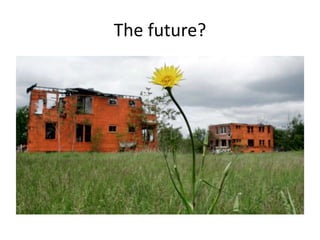
sustainable future on the ruins of the MII?
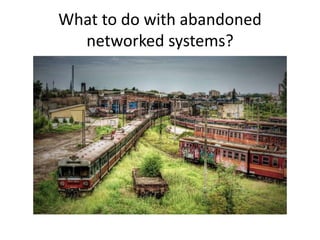
What to do with abandoned
networked systems?
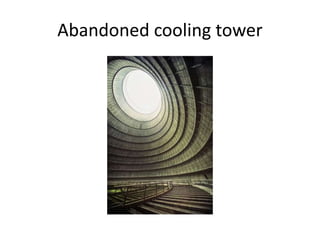
Abandoned cooling tower
Urbex
• Urban explorers find the beauty in abandoned
spaces and infrastructure
• It is one way of engaging creatively with
decline, of accepting the death of cities and
their ever-changing nature
• Many websites are devoted to this
• http://www.ukurbex.com/
•
Reconversion of infrastructure
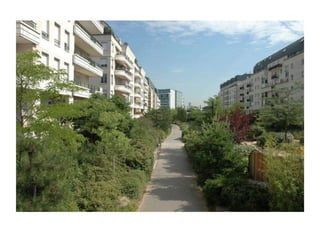
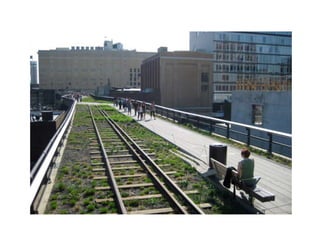
• Into new, green infrastructure, which many of
our cities are lacking in
• E.G. Recent Glasgow plans
• http://www.theguardian.com/uk-
news/scotland-blog/2015/nov/16/glasgow-
could-get-greener-by-reclaiming-its-
motorways
• https://vimeo.com/138758190
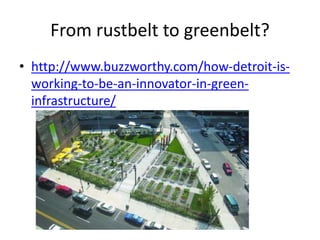
From rustbelt to greenbelt?
• http://www.buzzworthy.com/how-detroit-is-
working-to-be-an-innovator-in-green-
infrastructure/
Not just green, but blue
• Blue infrastructure is often neglected, but has
similar benefits than green infra in climate,
beauty and wellbeing terms
• Managing urban water in new ways that work
with the natural environment
• http://www.grabs-eu.org/casestudies.php
Adaptive infrastructure
• Shrinking cities need to adapt their
infrastructure to the new demographic and
economic realities
• Otherwise, this infrastructure can become a
liability, such as fostering criminality in
abandoned homes and streets
• Potential liabilities need to be turned into
opportunities for new models of urban living
The future?
Changing relationships
• Over the last 3 decades or so, new modes of
governance, new technologies
• Neoliberalism, privatisations, unbundling etc.
• Increasingly commodified and commercialised
systems
• https://youtu.be/HwuZtjcPOeA
Links with urban dynamics
• City growth
• City form
• Integration/fragmentation
• All are linked to networks and their
governance
And also with questions of
sustainability, resilience etc.
• UTNs are directly linked to our cities’ metabolisms,
they allow us to tap into natural resources on a scale
which is impossible without them
• They are therefore connected to our societies’ high
resource consumption patterns—they embed these
into our daily lives, create path dependency and habits,
daily routines of high resource use
• This also produces a certain rigidity in living and
production patterns, undermining cities’ resilience, for
instance in the case of catastrophic events that knock
out the networks
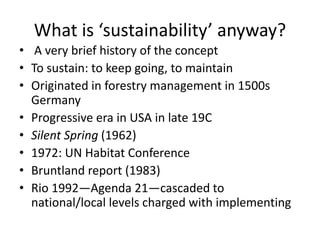
What is ‘sustainability’ anyway?
• A very brief history of the concept
• To sustain: to keep going, to maintain
• Originated in forestry management in 1500s
Germany
• Progressive era in USA in late 19C
• Silent Spring (1962)
• 1972: UN Habitat Conference
• Bruntland report (1983)
• Rio 1992—Agenda 21—cascaded to
national/local levels charged with implementing
3 pillars
• Economy, society, environment
• Harmonising the three, must grow together
• Development today that doesn’t preclude
development tomorrow
• Notion of intergenerational and interspecies
solidarity/responsibility
Critiquing the notion
• Exactly what is being sustained, by whom and for
whom?
• Too often blind to race, gender and other issues;
environmental realities need to be replaced in
their socio-spatial and historical context
• E.g. Apartheid South Africa: very ‘sustainable’ for
those dominating society
• Today, domination of the 1% seems very
sustainable to them…and could go on indefinitely
• The notion is showing some fatigue
• It has been coopted by politicians and
industry, and is becoming empty of meaning
rapidly
• It has become a parody of itself, to a degree
• E.g. ecological modernization and related
currents of thought
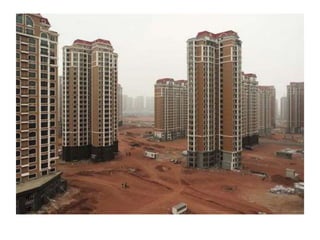
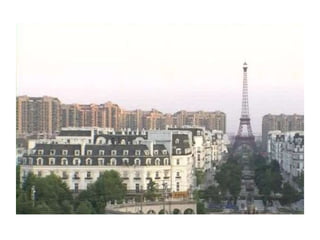
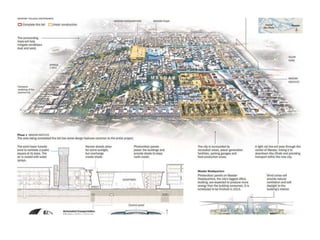
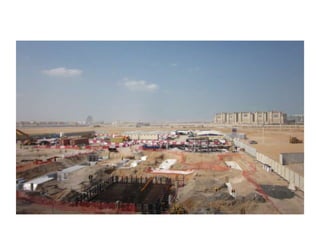
• The craziness of some ‘sustainable’ projects
that don’t take into account wider socio-
spatial realities, e.g. Chinese ‘eco-villages’ or
Masdar City in Abu Dhabi
The turn to ‘resilience’
• The last 10-15 years roughly
• The capacity to bounce back; flexible, does
not break
• Takes into account the reality of risks, shocks
and catastrophes that affect cities
• How can they best deal with this state of
affairs? Maybe even turn shocks into
opportunities?
So how do we harness UTNs for
greater sustainability/resilience?
• As we have seen technology is not neutral, but
neither is it deterministic
• Technologies can be harnessed in different ways
to produce different outcomes
• What are the options to reconfigure urban tech
networks so they are less resource intensive, less
waste generating, more flexible and resilient?
• Could they also accomplish socio-political goals,
such as fairness and equity?
Make the network a component of
sustainability
• E.g. green and blue spaces: both networks and
places of beauty, enjoyment, providing
support for other species
• Re-use of obsolete networks in creative ways
De-centralised systems
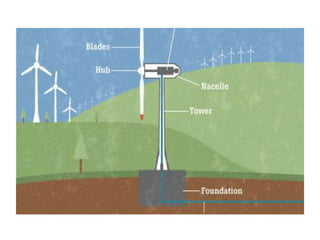
• Wind, solar, biomass etc. are forms of energy
production that are de-centralised
• Greater resilience in case of catastrophe
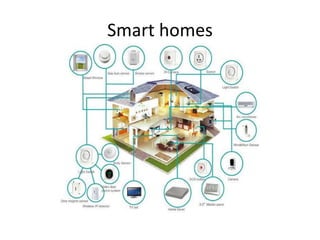
• Use of modern technologies, such as
smart/connected homes to optimise energy
use
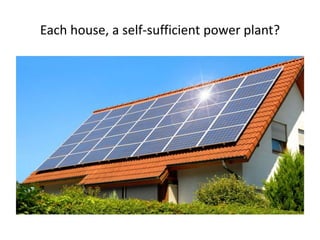
Each house, a self-sufficient power plant?
‘re-wired’ houses
• Dual plumbing systems in houses to optimise
water use and save high quality potable water
• Smart meters, smart appliances etc.
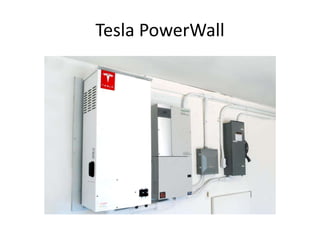
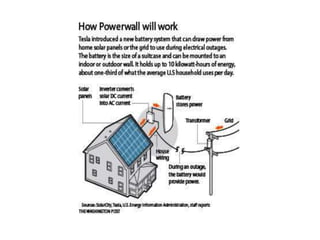
• New energy technologies, such as Tesla home
batteries
• These allow to imagine more consumer insight
into energy use, and less dependence on
networked systems, for instance in case of
catastrophe
Smart meters: much more information
Smart homes
Tesla PowerWall
Not just technological changes
• Remember, tech is never ‘neutral’ or ‘just a
tool’
• It fits within socio-political systems that it also
shapes, and is shaped by
• Therefore, tech changes require, and will lead
to, social and political changes
Community involvement/management
• The Fordist, networked society is an inherently
hierarchical and centralised one
• The engineer is a god in this system, and is
flanked by the bureaucrat (and then the
architect)
• People are expected to shut up and do what’s
‘good for them’
• Community involvement in responding to
social and individual needs, instead of relying
on networked systems and ‘the system’ more
generally
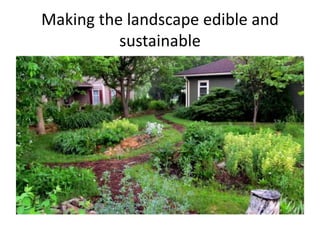
• Permaculture/ urban gardens
• (Local) loops rather than (centralised) linear
metabolism
Making the landscape edible and
sustainable
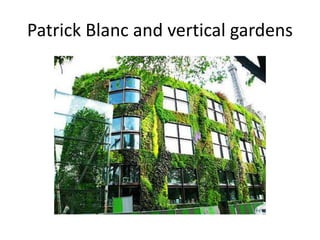
Patrick Blanc and vertical gardens
• All surfaces can be greened and made useful for
food production, storm water collection, animal
habitat…
• Buildings become part of a continuous green
infrastructure
• At the same time, they reduce the dependence
on traditional networked systems, as food,
energy can be locally dealt with
• Likewise, waste can be minimised at the point of
production, reducing the dependence on sewage
systems and water reprocessing systems
• All these elements, cumulatively, increase the
sustainability and resilience of the city
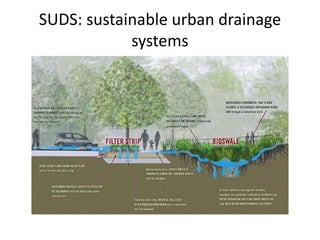
SUDS: sustainable urban drainage
systems
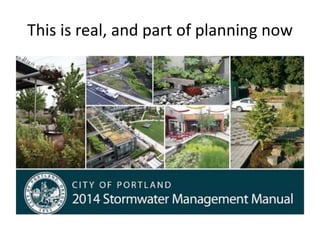
This is real, and part of planning now
A move towards a post-network
society?
• With a combination of technological, social
and political changes, we can imagine less
dependence on the centralised networks that
we are familiar with
• This can help boost sustainability and
resilience, and reconnect us with the local
Your thoughts
• Take a few minutes and reflect on the course
and your readings
• What paths are possible to make the
networked society more sustainable/
resilient?
• Think of the environmental, but also economic
and social dimensions of sustainability (cf.
Bruntland)
• Are we moving towards a post-network
society? Or are changes just marginal?

Urban technical networks and sustainability

  • 1.
    Urban technical networksand sustainability Contemporary and future dynamics of the networked society Concluding remarks
  • 2.
    • Time forsome concluding remarks on the course • The next two sessions will be for your oral presentations & group work • My remarks will be around the future of networks, in relation to matters of sustainability/resilience--- the future of the city
  • 3.
    Our networked society •Society that is shaped by, and dependent on networked systems • These are everywhere and part of all aspects of life • Though often hidden from view, repressed even • This explains that some of their social and environmental impacts are not always obvious to us • Thus, what we have done here in the course is trying to open our eyes to these systems
  • 4.
    UTN as gatewayto wider questions • UTN are an entry point into a wide range of questions about the constitution and functioning of societies, and their relations to science, technology and the environment • They are the basis for questions about what society is and how it functions today
  • 5.
    Shaping the waywe are in society • Networks shape physical and mental maps of the world we live in by laying down pathways that it is hard to avoid or deviate from: roads, telecom networks, transport systems etc. • determine to a certain degree our ways of circulating in the world • Indeed, people who wish to live without networks, or cannot afford the services, are quickly called eccentric or marginal—the use of networks has become a social standard
  • 6.
  • 7.
    Dumpster living • https://www.youtube.com/watch?v=MKr5Ku7 9doo&feature=youtu.be •The dumpster project, by Professor Jeff Wilson, a radical experiment in sustainability • “The average American has 12 pairs of shoes and the average American house is 2480- square-feet,” he said. “We can happily live with much less than that.” • Dumpster is 1% size of average US home…
  • 9.
  • 10.
    STS studies • Science,technology and society studies (STS) offer a theoretical gateway into studying the interactions between tech, nature, society • Approaches such as ANT, urban political ecology… • They all discuss our relationships to technologies, science, the material world, nature. • At the junction of sociology, anthropology and history of science/tech
  • 11.
    Challenging the ‘unnaturalness’of cities • Cities are where we live, our habitat • In that sense, why are they less ‘natural’ than an anthill or termites’ nest? • Many other species build, and transform the ‘natural’ into something else • Can you mention some, and what they do?
  • 15.
    Challenging the naturalnessof ‘nature’ • A good place to start is the Scottish countryside • The hills and mountains were once covered in forest, however they are now more or less barren • This is due to human activity and transformation over millennia • Yet, we see these places as ‘nature’ and often include them in ‘natural reserves’, as something to be ‘protected’
  • 16.
  • 17.
  • 18.
    How UTNs transform‘natural’ into ‘social’, and vice-versa • UTNs ,an interface between ‘nature’ and ‘society’ • These systems transform natural resources into the built environment • Also create social relations (of domination, control, customer/provider etc.) • These socio-political relations are naturalised, solidified (reified) through the links created by networks
  • 19.
    Example: water • Keyresource as it is essential to life • Seen as ‘free’ as it ‘falls from the sky’ but it’s actually a highly transformed product • It needs to be collected, stored, treated, distributed, and then wastewater needs to be evacuated, with sometimes stringent environmental/health regulations • In this sense, water as we know it in our cities is as much a socio-technical construct as it is ‘natural’! • wastewater contains a myriad of chemicals from chlorine, to antibiotics, contraceptives and other elements • there is no ‘purity’ here, but, again, an entanglement of natural, social, technological
  • 20.
    Not just thephysical aspect • These transformations are not only on the material level, a whole range of political and social relations are also created and transformed: • One is the customer/provider relationship: how do we govern, regulate this? Fairness or profit? • Another is the labour relations in the various water companies, regulators’ offices etc. • Yet another are the political issues stemming from the control of resources, and these can be extremely tricky and fraught, culminating in international conflict
  • 21.
    Southern California watersystem (reminder) • Water brought in from hundreds of miles away • Some water is desalinated, from the ocean, and therefore highly processed • Tens and tens of water agencies, from the local/municipal level, to county, state, federal • Thus, the water system is an extremely complex combination of natural, social, technological, admin, political etc. • It is a set of relations between people and the natural/built environments
  • 22.
    Open to change? •Such systems can become very hard to reform or transform in the face of challenges, such as sustainability and resilience, or social change • Notion of path dependency • An interesting example is that of networks and their operation/governance in shrinking/decaying cities
  • 23.
    • Former EastGerman cities • Detroit and other rustbelt cities in USA • http://michiganradio.org/post/detroits- infrastructure-crumbling-while-city-has- trouble-collecting-cash#stream/0
  • 24.
    • Shrinking/decaying citiesare now a big topic in planning • Economic shocks, such as recent 2008 crisis • Slow death of old industries • Ageing populations • Throughout history, cities have grown and shrunk, have been born and died… • How do we deal with this process in new ways?
  • 25.
    • How doshrinking, declining cities adapt their networked systems to the new reality? • Do we abandon, destroy, or reconvert existing infrastructure? • Is old infrastructure destined to become just waste, or can it form part of cities’ future in creative ways? • Can it be an opportunity to build a more sustainable future on the ruins of the MII?
  • 29.
    What to dowith abandoned networked systems?
  • 30.
  • 31.
    Urbex • Urban explorersfind the beauty in abandoned spaces and infrastructure • It is one way of engaging creatively with decline, of accepting the death of cities and their ever-changing nature • Many websites are devoted to this • http://www.ukurbex.com/ •
  • 32.
    Reconversion of infrastructure •Into new, green infrastructure, which many of our cities are lacking in • E.G. Recent Glasgow plans • http://www.theguardian.com/uk- news/scotland-blog/2015/nov/16/glasgow- could-get-greener-by-reclaiming-its- motorways • https://vimeo.com/138758190
  • 33.
    From rustbelt togreenbelt? • http://www.buzzworthy.com/how-detroit-is- working-to-be-an-innovator-in-green- infrastructure/
  • 36.
    Not just green,but blue • Blue infrastructure is often neglected, but has similar benefits than green infra in climate, beauty and wellbeing terms • Managing urban water in new ways that work with the natural environment • http://www.grabs-eu.org/casestudies.php
  • 37.
    Adaptive infrastructure • Shrinkingcities need to adapt their infrastructure to the new demographic and economic realities • Otherwise, this infrastructure can become a liability, such as fostering criminality in abandoned homes and streets • Potential liabilities need to be turned into opportunities for new models of urban living
  • 38.
  • 39.
    Changing relationships • Overthe last 3 decades or so, new modes of governance, new technologies • Neoliberalism, privatisations, unbundling etc. • Increasingly commodified and commercialised systems • https://youtu.be/HwuZtjcPOeA
  • 40.
    Links with urbandynamics • City growth • City form • Integration/fragmentation • All are linked to networks and their governance
  • 41.
    And also withquestions of sustainability, resilience etc. • UTNs are directly linked to our cities’ metabolisms, they allow us to tap into natural resources on a scale which is impossible without them • They are therefore connected to our societies’ high resource consumption patterns—they embed these into our daily lives, create path dependency and habits, daily routines of high resource use • This also produces a certain rigidity in living and production patterns, undermining cities’ resilience, for instance in the case of catastrophic events that knock out the networks
  • 42.
    What is ‘sustainability’anyway? • A very brief history of the concept • To sustain: to keep going, to maintain • Originated in forestry management in 1500s Germany • Progressive era in USA in late 19C • Silent Spring (1962) • 1972: UN Habitat Conference • Bruntland report (1983) • Rio 1992—Agenda 21—cascaded to national/local levels charged with implementing
  • 43.
    3 pillars • Economy,society, environment • Harmonising the three, must grow together • Development today that doesn’t preclude development tomorrow • Notion of intergenerational and interspecies solidarity/responsibility
  • 44.
    Critiquing the notion •Exactly what is being sustained, by whom and for whom? • Too often blind to race, gender and other issues; environmental realities need to be replaced in their socio-spatial and historical context • E.g. Apartheid South Africa: very ‘sustainable’ for those dominating society • Today, domination of the 1% seems very sustainable to them…and could go on indefinitely
  • 45.
    • The notionis showing some fatigue • It has been coopted by politicians and industry, and is becoming empty of meaning rapidly • It has become a parody of itself, to a degree • E.g. ecological modernization and related currents of thought • The craziness of some ‘sustainable’ projects that don’t take into account wider socio- spatial realities, e.g. Chinese ‘eco-villages’ or Masdar City in Abu Dhabi
  • 50.
    The turn to‘resilience’ • The last 10-15 years roughly • The capacity to bounce back; flexible, does not break • Takes into account the reality of risks, shocks and catastrophes that affect cities • How can they best deal with this state of affairs? Maybe even turn shocks into opportunities?
  • 51.
    So how dowe harness UTNs for greater sustainability/resilience? • As we have seen technology is not neutral, but neither is it deterministic • Technologies can be harnessed in different ways to produce different outcomes • What are the options to reconfigure urban tech networks so they are less resource intensive, less waste generating, more flexible and resilient? • Could they also accomplish socio-political goals, such as fairness and equity?
  • 52.
    Make the networka component of sustainability • E.g. green and blue spaces: both networks and places of beauty, enjoyment, providing support for other species • Re-use of obsolete networks in creative ways
  • 53.
    De-centralised systems • Wind,solar, biomass etc. are forms of energy production that are de-centralised • Greater resilience in case of catastrophe • Use of modern technologies, such as smart/connected homes to optimise energy use
  • 55.
    Each house, aself-sufficient power plant?
  • 56.
    ‘re-wired’ houses • Dualplumbing systems in houses to optimise water use and save high quality potable water • Smart meters, smart appliances etc. • New energy technologies, such as Tesla home batteries • These allow to imagine more consumer insight into energy use, and less dependence on networked systems, for instance in case of catastrophe
  • 57.
    Smart meters: muchmore information
  • 58.
  • 59.
  • 61.
    Not just technologicalchanges • Remember, tech is never ‘neutral’ or ‘just a tool’ • It fits within socio-political systems that it also shapes, and is shaped by • Therefore, tech changes require, and will lead to, social and political changes
  • 62.
    Community involvement/management • TheFordist, networked society is an inherently hierarchical and centralised one • The engineer is a god in this system, and is flanked by the bureaucrat (and then the architect) • People are expected to shut up and do what’s ‘good for them’
  • 63.
    • Community involvementin responding to social and individual needs, instead of relying on networked systems and ‘the system’ more generally • Permaculture/ urban gardens • (Local) loops rather than (centralised) linear metabolism
  • 64.
    Making the landscapeedible and sustainable
  • 65.
    Patrick Blanc andvertical gardens
  • 66.
    • All surfacescan be greened and made useful for food production, storm water collection, animal habitat… • Buildings become part of a continuous green infrastructure • At the same time, they reduce the dependence on traditional networked systems, as food, energy can be locally dealt with • Likewise, waste can be minimised at the point of production, reducing the dependence on sewage systems and water reprocessing systems • All these elements, cumulatively, increase the sustainability and resilience of the city
  • 67.
    SUDS: sustainable urbandrainage systems
  • 68.
    This is real,and part of planning now
  • 69.
    A move towardsa post-network society? • With a combination of technological, social and political changes, we can imagine less dependence on the centralised networks that we are familiar with • This can help boost sustainability and resilience, and reconnect us with the local
  • 70.
    Your thoughts • Takea few minutes and reflect on the course and your readings • What paths are possible to make the networked society more sustainable/ resilient? • Think of the environmental, but also economic and social dimensions of sustainability (cf. Bruntland) • Are we moving towards a post-network society? Or are changes just marginal?