Downloaded 12 times
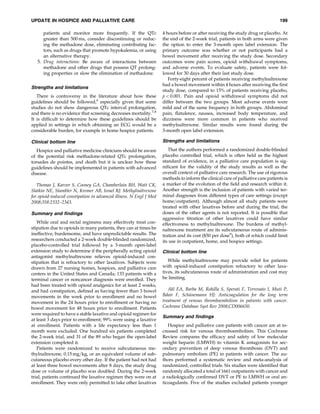
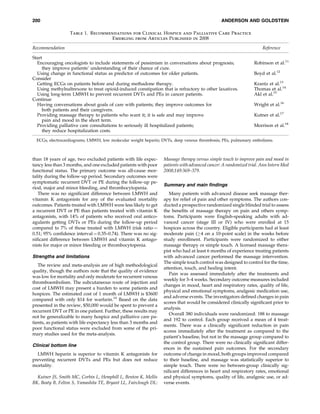
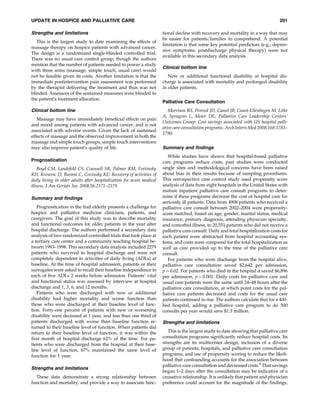
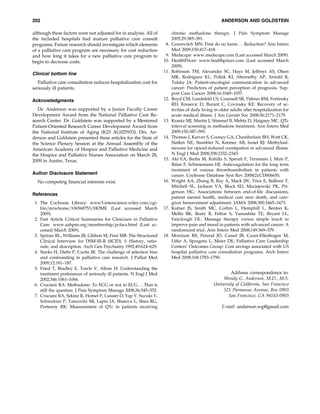

This randomized controlled trial found that subcutaneous methylnaltrexone effectively treated opioid-induced constipation in terminally ill patients. 48% of patients receiving methylnaltrexone had a bowel movement within 4 hours, compared to 15% of placebo patients. Pain scores and adverse events were similar between groups. While an effective treatment, methylnaltrexone's subcutaneous route and cost may limit its use in some settings like home hospice care. The study demonstrates the value of rigorous research methods to inform palliative care practice.


![Nutricion oncologicos[1]](https://cdn.slidesharecdn.com/ss_thumbnails/nutriciononcologicos1-111014153745-phpapp02-thumbnail.jpg?width=640&height=640&fit=bounds)


![Capacitacion nutricional corregida[1]](https://cdn.slidesharecdn.com/ss_thumbnails/capacitacionnutricionalcorregida1-111014153646-phpapp02-thumbnail.jpg?width=640&height=640&fit=bounds)


