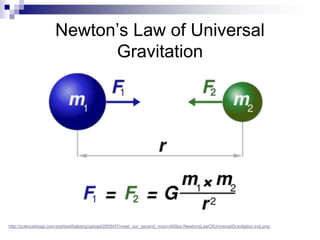
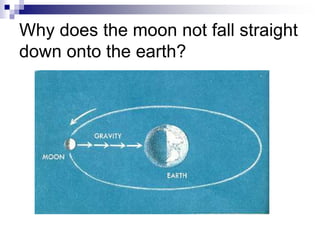
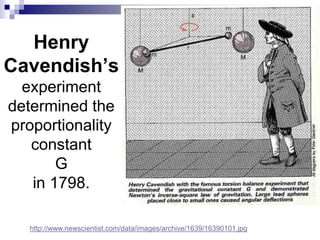
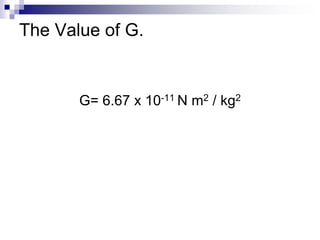
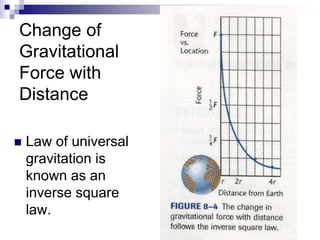
Newton proposed his law of universal gravitation, which states that every object in the universe attracts every other object with a force proportional to the product of their masses and inversely proportional to the square of the distance between them. This law explained the force keeping the planets in orbit around the sun and the moon orbiting the Earth. Later experiments determined the proportionality constant in Newton's equation.



![Polymer [ बहुलक ] Chemistry Notes PDF - Irfanullah Mehar - JJ Sir Chemistry.pdf](https://cdn.slidesharecdn.com/ss_thumbnails/polymerchemistrynotespdf-irfanullahmehar-jjsirchemistry-260210172118-3f9b37f7-thumbnail.jpg?width=640&height=640&fit=bounds)


