Sign of the Beaver
unit by Janee’ Lowrance
printables by Molly Boulter,
Tara Mitchell, and Janee’ Lowrance

Chapter 1

SOCIAL STUDIES
History: Log Cabins
Matt and his dad had built a log cabin to live in. Research log cabins. How were
they made? What did they place between the logs? Why? Make a miniature log
cabin from sticks outside. Make the roof removable if you want so you can make
things for the inside like chairs and tables, or beds, a cook stove, clay food,
however detailed you would like.
History/Geography
Mark the year 1768 on your timeline.
Find Maine on the map; find Massachusetts (Quincy) on a map. Try to locate the
Penobscot River.
Discussion: Heirlooms
Discuss the significance of the watch. Do you have anything that has been
passed down? Now is a good time to talk about that.
History: Guns
Dad said there was plenty of powder if you do not waste it. Talk about how guns
had the powder separate from the lead. Show a bullet now and how it is
together. Show where the powder is and the lead. Shoot a gun with the above
bullet. Show the empty casing. You can also discuss the fact that BB guns and
pellet guns use air not gun powder. A good go along book is The Matchlock
Gun.
LANGUAGE ARTS
Genre: Fiction vs. Non-fiction
Is this book fiction or non-fiction? Who is telling the story? (Discuss point of
view)
Maybe an older student would like to rewrite a part of this chapter and tell it
from Dad's point of view.
Descriptive Language
“It coiled around Matt and reached into his stomach to settle there in a hard
knot.” This is very descriptive language. She could have just said, "Matt was
nervous and scared." Try describing a feeling you once had, or even a place you
like to be using descriptive language. Remember to use your thesaurus.
Try writing the following sentences with descriptive language:
1.
2.
3.
4.

She was sad.
The puppy was excited.
This made his father very angry.
His mother was overwhelmed with her fussy baby.

SCIENCE
Oiled paper- explain that historically they could not always afford glass so they
used oiled paper. Put oil over a piece of white paper- what happens? Does this
paper let more light through? Now sprinkle it with water. What happens to the
water?
You could use this as a springboard to discuss finances and how they did
not/could not simply go to the store and use a credit card. They had to learn to
make due. If they did not have the cash, they usually just did without an item
(although sometimes a storeowner would give you credit).

MATH
Keeping track of days- why did he put 7 notches on a stick? How many days
were on 7 sticks? On 8? On 10? If 7 sticks would be August what month was it
then?
Chapter 2

SOCIAL STUDIES
Talk about him having to depend on his gun to keep his stomach filled (pg 8).
Do we have to do that today? Why not? Could your family do that if needed? Do
you know how to field dress an animal? Cut up a whole chicken? If your family
has a way, try going on a hunting trip. Do not forget about the cleaning and
skinning (field dressing) aspect of the hunt. If hunting is not possible, you may
have a local place where you can buy a chicken to pluck dress and eat, or try
catching fish for dinner.

SCIENCE
Try making a fire the way Matt did. Even using matches with no starter can be
tricky. Learn to make a fire- if possible try to keep it going overnight.
Chapter 3

SOCIAL STUDIES
Discussion: Instincts
Matt had an uneasy feeling about his visitor, but he ignored it. Was this wise?
God gave us the warning/instincts and we should follow them when we feel
people or situations are “not right” even if we are unsure why we feel that way.
French and Indian War
Ben mentions “the war” (pg 15) Do you know which war he is referring to? Mark
it on your timeline. Do a little research on the French and Indian war. Have older
students write a report on it.
Chapter 4

SCIENCE
Bears
A bear had gotten into the cabin. Can you determine what kind of bear it was?
Read more about bears and use the bear notebook page to record what you
learn. If your student is interested in learning more about bears, try this Bear
Lapbook.
You could also write a short report on bears including information on there
habitat, foods, care of young, lifespan, etc… The Biography of a Grizzly is a
good go-along book to read.
Chapter 5

HISTORY/SCIENCE
Bees
Pa said there were no bees in America till colonists brought them here. Is that
true? Research and find out. Read a book about bees and complete bee
notebook page.
Honey Bee Lapbook at HSS
Has your student ever tasted honey? Maybe re-read The Bee Tree (from FIAR Vol.
3) for fun. If you think it is appropriate, discuss bee attacks and appropriate
health/safety measure that need taken when one is stung by a bee.
Chapter 6

SOCIAL STUDIES
Indian Culture
Buy a kit from the craft store and make moccasins together. They are about $8 a
kit. If that would not work for you try getting a book from the library that shows
you how and buying the leather cloths you use to dry your car (in automotive
section) with for the material.
Gift Giving
Matt knew that the man had given him much and wanted to give him
something in return. He was willing to give him the only book he owned. The
fact that he did not have much and was willing to give it was quite a
sacrifice. While doing this my son mentioned that it reminded him of the Bible
verse, John 3:16.
SCIENCE
Consumer Science
Corn was a very important part of Colonial American diet. Research to find out
why. Is corn still an important part of our diet? How much corn is grown in the
United States? How many products are made from corn? Try making corn cakes
or hasty pudding.
Hasty Pudding- This dish was an absolute staple in Colonial times. It was called
hasty because it takes only about 40 minutes to make . . . and in terms of early
cooking techniques that was a very short time. It could be prepared quickly and
served just with gravy. That was often the whole meal. Or it could be served as a
side vegetable dish. The colonists would even sprinkle it with sugar and top
with milk for dessert . . . or breakfast. Finally, it could be fried.
Recipe for Hasty Pudding
6 cup boiling water
1 teaspoon salt
1 cup yellow cornmeal

Bring the water to a rapid boil in a heavy covered pot. Add the salt and slowly
add the meal to the boiling water, stirring all the time. I use a wire whisk for this.
Continue stirring until the cornmeal thickens, about 5 minutes. Turn the heat
down low and cover the pot. Continue to simmer lightly, stirring the pudding
several times, for 30 minutes more.
Chapter 7

SCIENCE
Mosquitoes
Indians used grease to keep mosquitoes off. What do we use? Read up on
mosquitoes and use the mosquito notebook page to record what you learn.
LANGUAGE ARTS
Matt’s only book is Robinson Crusoe. Have you ever read that book? Maybe
now is a good time to introduce it. There is also a version called The Robinson
Crusoe Reader for your younger student. See what you can find out about this
book. Mark the year it was written on your timeline.
Chapter 8

LANGUAGE ARTS
Learning to Read- Discussion
Why do you think Matt skipped the reading lesson and went on to reading the
book? What do you think is more important- loving to read or learning to read?
Sometimes parents kill the love of reading trying to teach reading. If it takes
someone else longer to learn to read then you does that make you smarter?
Listmaking/Vocabulary
Try keeping a list from now on of all the Indian words you encounter in the text
(and their meanings). You may even want to create a small Indian Vocabulary
book. Using brown paper sacks (like grocery bags), wrinkle and crease and rub
the material against each other until you have what looks like faux leather. Use
two pieces of this for your cover. Place white paper inside (to write your words
and definitions on). Punch three holes through the covers and the paper with a
small hole punch. Use pieces of leather strung with pony beads to bind the end
of the book-- stringing them through each hole. You may want to decorate your
cover with feathers or smaller beads. Write My Indian Word Dictionary on the
front.
Abenaki-Penobscot is an Algonkian language once spoken by two related tribes,
the Abenaki (Abnaki) and the Penobscot. Today only a handful of Canadian
Abenakis still speak the Western Abenaki language. The last fully fluent speaker
of Eastern Abnaki/Penobscot has passed on, but several Penobscot elders still
speak some of the language and are working to revive its use in the Penobscot
Nation today.
List of Penobscot words used in Sign of the Beaver
CHAPTER #6
nda -- no
nkweniss -- grandson
seba -- tomorrow

CHAPTER #11
aremus - dog
piz wat -- good for nothing
kogw -- porcupine
qwa bit -- beaver

CHAPTER #13
ehe -- yes
chakwa -- this morning

CHAPTER #15
sigwan -- the season of spring

CHAPTER #16
kweh -- a greeting
ta ho -- That is the way it should be??? (found on-line)
ye hye hye -- ??? (could not find on-line)

CHAPTER #20
manitou -- dream spirit

CHAPTER #22
medabe -- white brother

Other Abenaki-Penobscot words your student might enjoy learning
Chapter 9

SOCIAL STUDIES
Indiana Culture
Attean shows Matt how to make a snare. Learn how to make a snare and try it
out. A good book for Indian crafts is the Indian How book
This chapter mentions cannibalism. You may want to discuss this or chose to
skip it.

LANGUAGE ARTS
Vocabulary Words
sapling
contemptuous
spliced
mercilessly
stout
cannibal
beckoned
nonchalantly
bewildered
Look these up in a dictionary and write the definitions. Then, try using them in
sentences.
Paragraph Writing/Critical Thinking
The last paragraph says he thought it was natural and right for the wild man to
be the white man's slave. Discuss this- write a short essay on your opinion of
this.
Chapter 10

SOCIAL STUDIES
Human Relationships: Pride
Matt’s pride was hurt when they went fishing together. Do you think Attean was
doing this to make him feel inferior or to help him learn. Write a short essay on
why you believe this.
Resourcefulness
Attean could make all that he needed. Colonists were good at “making do”. How
do you think Americans are now at being resourceful? Do you think we are too
dependent on stores and outside sources for our own well being?

LANGUAGE ARTS
Vocabulary
solemnly
incomprehensible
lunged
glare
scowl
Look these up in the dictionary. Use them in a sentence.

SCIENCE
Survival Skills
Try making a fire from a stone. Were you successful? Why or why not?
Can you roast a fish you caught (or bought) over a fire outside?
Chapter 11

LANGUAGE ARTS
Descriptive Writing
look at the way the author describes Dog. Describe your pet using descriptive
language.

SCIENCE
Animals
Read more about beavers and use the beaver notebook page to record what
you learn. If your student is interested in learning more about bears, try this
Beaver Lapbook.
SOCIAL STUDIES
Map Skills
Attean taught Matt how to find his way home. Can your student lead the way
home from church? The store? What about in the woods? Try going to a state
park or nature center and letting your student lead on one of the trails.
Chapter 12

SOCIAL STUDIES
Indiana Culture: Make a bow/arrow
Matt and Attean made a bow and arrows. Does your student have an interest in
making things like the Indians did? The Indian How Book is a good source of
ideas.

SCIENCE
Think of the possible reasons for rubbing oil on the wood. Do a science
experiment to see what happens. Don’t forget to write it up with your
hypothesis, method, and conclusion.

LANGUAGE ARTS
Vocabulary
sinew
envious
chagrined
Look these up in the dictionary, then use them in a sentence.
Point of View
Discuss that this story is written in Matt’s point of view. Have your student
rewrite this chapter (or just a paragraph) from Attean’s point of view.
Chapter 13

SOCIAL STUDIES
Discussion Questions
Do you think it was right or wrong to leave the fox in the trap? Why?
Even today people hunt only for furs or mounts or antlers and do not eat what
they kill. This is sometimes called trophy hunting. What are your views on this?
Discuss respect. Why was it so important to Matt to earn Attean’s respect?

LANGUAGE ARTS
Vocabulary
shrewd
pity
Look these up in the dictionary, then use them in a sentence.
Indian Dictionary of Words
Remember to keep working on this!

SCIENCE
Herbs and Plants
This chapter talks about a small orange flower with milky juice in its stem used
for bites or poison ivy- do you know what it is? Find out if you can. Try looking
in a encyclopedia of herbs such as Rodale’s Illustrated Encyclopedia of Herbs.
What about the plant with brownish flowers that thickens stews and makes it
more nourishing?
You also may want to discuss the gathering of wild food.
Chapter 14

LANGUAGE ARTS
Vocabulary
inspiration
Reading and Storytelling
How we read aloud or tell a story (voice inflection, sound effects, exclamation,
drama, etc.) affects how interesting it is. Have your child practice telling a
favorite story or poem. You could also have them retell one of the Bible stories
mentioned in this chapter.

BIBLE
Story of Noah
See if you can find an Indian (or another culture's) tale of the flood. How does
your student think this story has crossed so many cultures?
Different Beliefs
Talk about Indian tribes and different beliefs. Prayer Guide for American
Indians from Sonlight could be helpful. Maybe you could also find them in
Window on the World.
Chapter 15

LANGUAGE ARTS
Vocabulary
halted
Descriptive Writing
Use of descriptive words. Notice the author does not use the same words over
and over. She chooses interesting verbs and adjectives to describe things. Make
a list of adjectives and verbs used on page 71 (or entire chapter) See if you can
use them in sentences of your own.

SCIENCE
Why should Matt not have run from the bear? Do you live where your child
might meet a dangerous animal? Don’t forget about neighborhood dogs. Talk
about what they should do in dangerous circumstances.

SOCIAL STUDIES
It says in Attean’s world everything killed must be used. This was a time of
beaver trappers trapping and killing beavers for the fur only. Colonists and
Englishman loved beaver fur hats- they were very stylish. Research the ways
that Indians used the entire animal as a resource.
Chapter 16

SOCIAL STUDIES
Indian Culture: Wigwams
Attean’s people lived in wigwams. Look at a picture of a wigwam and discuss
how they are made.
If you are ambitious, you may even want to try to Make a Wigwam.
Indian Culture: Dance
Indians used dances for a lot of ceremonies. Do some research on the different
kind of Indian dances (rain dance, hunting dances, wedding dances, feast
dances)? Try to find a video that shows an Indian dance. An excerpt from the
movie Dances with Wolves may be appropriate to watch here also. I cannot
specifically remember anything I do not want my children to see, but it has been
along time since I watched this movie so please preview it.
Chapter 17

SOCIAL STUDIES
This chapter discusses the trouble between settlers and Indians. Discuss it. Why
were the Indians upset? Why were the settlers? You can read a story of Indian
Captive. This is an especially good point of view book. If you do not read the
whole book just the first three chapters make a good settlers point of view.
Chapter 18

MATH
Story Problem
Ten sticks = ten weeks. How many days is that? How many months?

LANGUAGE ARTS
Vocabulary
placid
frenzied
Look these up in the dictionary, then use them in a sentence.
SCIENCE
Attean’s grandmother was afraid that the cut from the trap would “make
poison”. What was she talking about? How do we prevent it now? If it does get
infected how do we treat it now?
Chapter 19

LANGUAGE ARTS
Vocabulary
grim
crouched
awkward
forfeit
ruefully
Look these up in the dictionary, then use them in a sentence.

CONSUMER SCIENCE
Indians ground corn to flour on stones. Try this with popcorn kernels. Is it easy?
If you can get some whole corn kernels (co-op, health food store, whole food
store, etc.), see if you can grind enough corn to make something (cornbread or
hasty pudding). If your student is interested in Indian culture, try drying some
fruit, too.

SOCIAL STUDIES
Indian Culture
In Attean’s tribe the women did not eat until the men were finished. Do you
know why?
Find a book about Indian games and try playing a few.
Matt’s father had forbid him to gamble. Discuss why - is it okay in your
family? What does the Bible say about gambling?
Chapter 20

BIBLE
Discuss how Indians thought if you prepare, go away, and fast (not eat) then a
“vision” would come to you. Is this what Christians believe?

LANGUAGE ARTS
Vocabulary
resolved
Chapter 21

SOCIAL STUDIES
Discussion
Why did Matt say no to Sakmis and stay? What would you have done?
He thought about how white men had stayed with the Indians and chosen not
to go back to live with the whites. “Moccasin Trail” has this theme as does
“Indian Captive” - both of which we have enjoyed this unit.
Another great book to read is Moccasin Trail

LANGUAGE ARTS
Vocabulary
boisterous
comrade
Look these up in the dictionary, then use them in a sentence.
Chapter 22

SOCIAL STUDIES
Discussion
1. Some people say we took this land and had no right. Others say it was given
to us by God (a land of milk and honey) Which do you believe and why?
2. Talk about how much that watch meant to Matt since he may never see his
father again. Why did he give it to Attean?
Chapter 23
Make a list of all the food listed. How was it to be preserved? Remember, they
had no electricity- that means no electric refrigerator.

LIFESKILLS
Matt made many things from wood. Maybe your student wants to try.
Make a Cornhusk Doll
Chapter 24

SCIENCE
Discuss snow. Why does it snow? What makes a blizzard? How long are the
seasons in Maine? Have you ever used snowshoes? Look at a picture of them or
if you have them look at the real thing. Discuss how they work to keep you on
top of the snow.
Chapter 25

SCIENCE
Health: Disease- Typhus
Learn about typhus. Write a short report about what it is, how you get it, and if it
is still around.
At the end of this unit, you may want to watch A Promise to Keep. Compare the
video to the book (what's the same, what's different).
Printables
Chapter 1 - Book Information, Descriptive Language
Chapter 2- French & Indian War, Treaty of Paris
Chapter 3- Habitat Venn Diagram Mini Book
Chapter 4- Bear Notebook Page
Chapter 5- Bee Notebook Page
Chapter 6- Corn Notebook Page
Chapter 7- Mosquito Notebook Page
Chapter 9- Bear Mini Books
Chapter 9- Essay Stationary
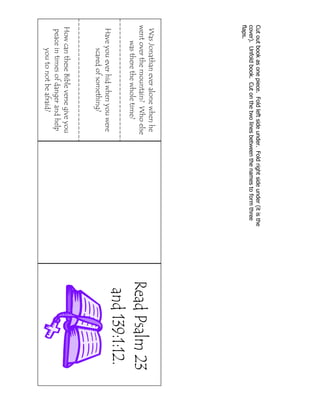
Chapter 10- Bible Flap Book
Chapter 10- Newbery Award Flap Book
Chapter 11- Beaver Notebook Page
Chapter 12- Experiment
Chapter 12 - Point of View
Chapter 15- Adjectives
Chapter 23- Preservation of Food
Penobscot Lapbook
Title:

Author:

Point of View:

Fiction
Non-fiction
Descriptive writing
She was sad.

The puppy was excited.

This made his father very angry.

His mother was overwhelmed with a fussy baby.
French and Indian War

__________________________________
__________________________________
__________________________________
__________________________________
__________________________________
__________________________________
__________________________________
__________________________________
__________________________________
Treaty of Paris

What year was the Treaty of Paris signed?_______________
Locate the Mississippi River. Draw it with a blue pencil.
What area did the Treaty give to Britain?_______________

__________________________________________

What area did the Treaty give to France?_______________

__________________________________________

Name two lasting results from the French and Indian War
that led to the American Revolution.
1._________________________________________________
2._________________________________________________
Both

Cut out book as one piece. Fold in half on the black line. Cut on the dotted lines to form three flaps.

Farm
Habitat

Woodland
Habitat
bear
bee
Corn
Products Made from Corn:
______________________

_______________________

______________________

_______________________

______________________

_______________________

______________________

_______________________

______________________

_______________________

______________________

_______________________

Corn grown in
the United States
mosquito
Cut books out on solid lines; fold on dotted lines.

What do black
bears eat?

Bear Senses

Are bears “true”
hibernators?

Where do black
bears live?
__________________________________________
__________________________________________
__________________________________________
__________________________________________
__________________________________________
__________________________________________
__________________________________________
__________________________________________
__________________________________________
__________________________________________
__________________________________________
__________________________________________
__________________________________________
__________________________________________
__________________________________________
__________________________________________
__________________
__________________
__________________
__________________
__________________
__________________
__________________
__________________
_________________________
_________________________
_________________________
_________________________
_________________________
_________________________
__________________________________________
__________________________________________
__________________________________________
__________________________________________
__________________________________________
__________________________________________
__________________________________________
__________________________________________
__________________________________________
__________________________________________
__________________________________________
__________________________________________
__________________________________________
__________________________________________
__________________________________________
__________________________________________
Cut out book as one piece. Fold left side under. Fold right side under (it is the
cover). Unfold book. Cut on the two lines between the names to form three
flaps.

Was Jonathan ever alone when he
went over the mountain? Who else
was there the whole time?
Have you ever hid when you were
scared of something?

How can these Bible verse give you
peace in times of danger and help
you to not be afraid?
Cut out book as one piece. Fold left side in. Fold right side in. Open book. Cut on dotted line to form two flaps. Refold book.

Who is this award
named after?

What is this
awarded for?
beaver
Hypothesis

Method

Conclusion
ADJECTIVES
Foods

Method of Preservation

BOOK STUDY UNIT ONE

  • 1.
    Sign of theBeaver unit by Janee’ Lowrance printables by Molly Boulter, Tara Mitchell, and Janee’ Lowrance Chapter 1 SOCIAL STUDIES History: Log Cabins Matt and his dad had built a log cabin to live in. Research log cabins. How were they made? What did they place between the logs? Why? Make a miniature log cabin from sticks outside. Make the roof removable if you want so you can make things for the inside like chairs and tables, or beds, a cook stove, clay food, however detailed you would like. History/Geography Mark the year 1768 on your timeline. Find Maine on the map; find Massachusetts (Quincy) on a map. Try to locate the Penobscot River. Discussion: Heirlooms Discuss the significance of the watch. Do you have anything that has been passed down? Now is a good time to talk about that. History: Guns Dad said there was plenty of powder if you do not waste it. Talk about how guns had the powder separate from the lead. Show a bullet now and how it is together. Show where the powder is and the lead. Shoot a gun with the above bullet. Show the empty casing. You can also discuss the fact that BB guns and pellet guns use air not gun powder. A good go along book is The Matchlock Gun.
  • 2.
    LANGUAGE ARTS Genre: Fictionvs. Non-fiction Is this book fiction or non-fiction? Who is telling the story? (Discuss point of view) Maybe an older student would like to rewrite a part of this chapter and tell it from Dad's point of view. Descriptive Language “It coiled around Matt and reached into his stomach to settle there in a hard knot.” This is very descriptive language. She could have just said, "Matt was nervous and scared." Try describing a feeling you once had, or even a place you like to be using descriptive language. Remember to use your thesaurus. Try writing the following sentences with descriptive language: 1. 2. 3. 4. She was sad. The puppy was excited. This made his father very angry. His mother was overwhelmed with her fussy baby. SCIENCE Oiled paper- explain that historically they could not always afford glass so they used oiled paper. Put oil over a piece of white paper- what happens? Does this paper let more light through? Now sprinkle it with water. What happens to the water? You could use this as a springboard to discuss finances and how they did not/could not simply go to the store and use a credit card. They had to learn to make due. If they did not have the cash, they usually just did without an item (although sometimes a storeowner would give you credit). MATH Keeping track of days- why did he put 7 notches on a stick? How many days
  • 3.
    were on 7sticks? On 8? On 10? If 7 sticks would be August what month was it then? Chapter 2 SOCIAL STUDIES Talk about him having to depend on his gun to keep his stomach filled (pg 8). Do we have to do that today? Why not? Could your family do that if needed? Do you know how to field dress an animal? Cut up a whole chicken? If your family has a way, try going on a hunting trip. Do not forget about the cleaning and skinning (field dressing) aspect of the hunt. If hunting is not possible, you may have a local place where you can buy a chicken to pluck dress and eat, or try catching fish for dinner. SCIENCE Try making a fire the way Matt did. Even using matches with no starter can be tricky. Learn to make a fire- if possible try to keep it going overnight. Chapter 3 SOCIAL STUDIES Discussion: Instincts Matt had an uneasy feeling about his visitor, but he ignored it. Was this wise? God gave us the warning/instincts and we should follow them when we feel people or situations are “not right” even if we are unsure why we feel that way. French and Indian War Ben mentions “the war” (pg 15) Do you know which war he is referring to? Mark it on your timeline. Do a little research on the French and Indian war. Have older students write a report on it. Chapter 4 SCIENCE Bears A bear had gotten into the cabin. Can you determine what kind of bear it was? Read more about bears and use the bear notebook page to record what you
  • 4.
    learn. If yourstudent is interested in learning more about bears, try this Bear Lapbook. You could also write a short report on bears including information on there habitat, foods, care of young, lifespan, etc… The Biography of a Grizzly is a good go-along book to read. Chapter 5 HISTORY/SCIENCE Bees Pa said there were no bees in America till colonists brought them here. Is that true? Research and find out. Read a book about bees and complete bee notebook page. Honey Bee Lapbook at HSS Has your student ever tasted honey? Maybe re-read The Bee Tree (from FIAR Vol. 3) for fun. If you think it is appropriate, discuss bee attacks and appropriate health/safety measure that need taken when one is stung by a bee. Chapter 6 SOCIAL STUDIES Indian Culture Buy a kit from the craft store and make moccasins together. They are about $8 a kit. If that would not work for you try getting a book from the library that shows you how and buying the leather cloths you use to dry your car (in automotive section) with for the material. Gift Giving Matt knew that the man had given him much and wanted to give him something in return. He was willing to give him the only book he owned. The fact that he did not have much and was willing to give it was quite a sacrifice. While doing this my son mentioned that it reminded him of the Bible verse, John 3:16.
  • 5.
    SCIENCE Consumer Science Corn wasa very important part of Colonial American diet. Research to find out why. Is corn still an important part of our diet? How much corn is grown in the United States? How many products are made from corn? Try making corn cakes or hasty pudding. Hasty Pudding- This dish was an absolute staple in Colonial times. It was called hasty because it takes only about 40 minutes to make . . . and in terms of early cooking techniques that was a very short time. It could be prepared quickly and served just with gravy. That was often the whole meal. Or it could be served as a side vegetable dish. The colonists would even sprinkle it with sugar and top with milk for dessert . . . or breakfast. Finally, it could be fried. Recipe for Hasty Pudding 6 cup boiling water 1 teaspoon salt 1 cup yellow cornmeal Bring the water to a rapid boil in a heavy covered pot. Add the salt and slowly add the meal to the boiling water, stirring all the time. I use a wire whisk for this. Continue stirring until the cornmeal thickens, about 5 minutes. Turn the heat down low and cover the pot. Continue to simmer lightly, stirring the pudding several times, for 30 minutes more. Chapter 7 SCIENCE Mosquitoes Indians used grease to keep mosquitoes off. What do we use? Read up on mosquitoes and use the mosquito notebook page to record what you learn.
  • 6.
    LANGUAGE ARTS Matt’s onlybook is Robinson Crusoe. Have you ever read that book? Maybe now is a good time to introduce it. There is also a version called The Robinson Crusoe Reader for your younger student. See what you can find out about this book. Mark the year it was written on your timeline. Chapter 8 LANGUAGE ARTS Learning to Read- Discussion Why do you think Matt skipped the reading lesson and went on to reading the book? What do you think is more important- loving to read or learning to read? Sometimes parents kill the love of reading trying to teach reading. If it takes someone else longer to learn to read then you does that make you smarter? Listmaking/Vocabulary Try keeping a list from now on of all the Indian words you encounter in the text (and their meanings). You may even want to create a small Indian Vocabulary book. Using brown paper sacks (like grocery bags), wrinkle and crease and rub the material against each other until you have what looks like faux leather. Use two pieces of this for your cover. Place white paper inside (to write your words and definitions on). Punch three holes through the covers and the paper with a small hole punch. Use pieces of leather strung with pony beads to bind the end of the book-- stringing them through each hole. You may want to decorate your cover with feathers or smaller beads. Write My Indian Word Dictionary on the front. Abenaki-Penobscot is an Algonkian language once spoken by two related tribes, the Abenaki (Abnaki) and the Penobscot. Today only a handful of Canadian Abenakis still speak the Western Abenaki language. The last fully fluent speaker of Eastern Abnaki/Penobscot has passed on, but several Penobscot elders still speak some of the language and are working to revive its use in the Penobscot Nation today. List of Penobscot words used in Sign of the Beaver CHAPTER #6
  • 7.
    nda -- no nkweniss-- grandson seba -- tomorrow CHAPTER #11 aremus - dog piz wat -- good for nothing kogw -- porcupine qwa bit -- beaver CHAPTER #13 ehe -- yes chakwa -- this morning CHAPTER #15 sigwan -- the season of spring CHAPTER #16 kweh -- a greeting ta ho -- That is the way it should be??? (found on-line) ye hye hye -- ??? (could not find on-line) CHAPTER #20 manitou -- dream spirit CHAPTER #22 medabe -- white brother Other Abenaki-Penobscot words your student might enjoy learning
  • 8.
    Chapter 9 SOCIAL STUDIES IndianaCulture Attean shows Matt how to make a snare. Learn how to make a snare and try it out. A good book for Indian crafts is the Indian How book This chapter mentions cannibalism. You may want to discuss this or chose to skip it. LANGUAGE ARTS Vocabulary Words sapling contemptuous spliced mercilessly stout cannibal beckoned nonchalantly bewildered Look these up in a dictionary and write the definitions. Then, try using them in sentences. Paragraph Writing/Critical Thinking The last paragraph says he thought it was natural and right for the wild man to be the white man's slave. Discuss this- write a short essay on your opinion of this. Chapter 10 SOCIAL STUDIES Human Relationships: Pride Matt’s pride was hurt when they went fishing together. Do you think Attean was
  • 9.
    doing this tomake him feel inferior or to help him learn. Write a short essay on why you believe this. Resourcefulness Attean could make all that he needed. Colonists were good at “making do”. How do you think Americans are now at being resourceful? Do you think we are too dependent on stores and outside sources for our own well being? LANGUAGE ARTS Vocabulary solemnly incomprehensible lunged glare scowl Look these up in the dictionary. Use them in a sentence. SCIENCE Survival Skills Try making a fire from a stone. Were you successful? Why or why not? Can you roast a fish you caught (or bought) over a fire outside? Chapter 11 LANGUAGE ARTS Descriptive Writing look at the way the author describes Dog. Describe your pet using descriptive language. SCIENCE Animals Read more about beavers and use the beaver notebook page to record what you learn. If your student is interested in learning more about bears, try this Beaver Lapbook.
  • 10.
    SOCIAL STUDIES Map Skills Atteantaught Matt how to find his way home. Can your student lead the way home from church? The store? What about in the woods? Try going to a state park or nature center and letting your student lead on one of the trails. Chapter 12 SOCIAL STUDIES Indiana Culture: Make a bow/arrow Matt and Attean made a bow and arrows. Does your student have an interest in making things like the Indians did? The Indian How Book is a good source of ideas. SCIENCE Think of the possible reasons for rubbing oil on the wood. Do a science experiment to see what happens. Don’t forget to write it up with your hypothesis, method, and conclusion. LANGUAGE ARTS Vocabulary sinew envious chagrined Look these up in the dictionary, then use them in a sentence. Point of View Discuss that this story is written in Matt’s point of view. Have your student rewrite this chapter (or just a paragraph) from Attean’s point of view. Chapter 13 SOCIAL STUDIES
  • 11.
    Discussion Questions Do youthink it was right or wrong to leave the fox in the trap? Why? Even today people hunt only for furs or mounts or antlers and do not eat what they kill. This is sometimes called trophy hunting. What are your views on this? Discuss respect. Why was it so important to Matt to earn Attean’s respect? LANGUAGE ARTS Vocabulary shrewd pity Look these up in the dictionary, then use them in a sentence. Indian Dictionary of Words Remember to keep working on this! SCIENCE Herbs and Plants This chapter talks about a small orange flower with milky juice in its stem used for bites or poison ivy- do you know what it is? Find out if you can. Try looking in a encyclopedia of herbs such as Rodale’s Illustrated Encyclopedia of Herbs. What about the plant with brownish flowers that thickens stews and makes it more nourishing? You also may want to discuss the gathering of wild food. Chapter 14 LANGUAGE ARTS Vocabulary inspiration Reading and Storytelling How we read aloud or tell a story (voice inflection, sound effects, exclamation, drama, etc.) affects how interesting it is. Have your child practice telling a
  • 12.
    favorite story orpoem. You could also have them retell one of the Bible stories mentioned in this chapter. BIBLE Story of Noah See if you can find an Indian (or another culture's) tale of the flood. How does your student think this story has crossed so many cultures? Different Beliefs Talk about Indian tribes and different beliefs. Prayer Guide for American Indians from Sonlight could be helpful. Maybe you could also find them in Window on the World. Chapter 15 LANGUAGE ARTS Vocabulary halted Descriptive Writing Use of descriptive words. Notice the author does not use the same words over and over. She chooses interesting verbs and adjectives to describe things. Make a list of adjectives and verbs used on page 71 (or entire chapter) See if you can use them in sentences of your own. SCIENCE Why should Matt not have run from the bear? Do you live where your child might meet a dangerous animal? Don’t forget about neighborhood dogs. Talk about what they should do in dangerous circumstances. SOCIAL STUDIES It says in Attean’s world everything killed must be used. This was a time of beaver trappers trapping and killing beavers for the fur only. Colonists and Englishman loved beaver fur hats- they were very stylish. Research the ways that Indians used the entire animal as a resource.
  • 13.
    Chapter 16 SOCIAL STUDIES IndianCulture: Wigwams Attean’s people lived in wigwams. Look at a picture of a wigwam and discuss how they are made. If you are ambitious, you may even want to try to Make a Wigwam. Indian Culture: Dance Indians used dances for a lot of ceremonies. Do some research on the different kind of Indian dances (rain dance, hunting dances, wedding dances, feast dances)? Try to find a video that shows an Indian dance. An excerpt from the movie Dances with Wolves may be appropriate to watch here also. I cannot specifically remember anything I do not want my children to see, but it has been along time since I watched this movie so please preview it. Chapter 17 SOCIAL STUDIES This chapter discusses the trouble between settlers and Indians. Discuss it. Why were the Indians upset? Why were the settlers? You can read a story of Indian Captive. This is an especially good point of view book. If you do not read the whole book just the first three chapters make a good settlers point of view. Chapter 18 MATH Story Problem Ten sticks = ten weeks. How many days is that? How many months? LANGUAGE ARTS Vocabulary placid frenzied Look these up in the dictionary, then use them in a sentence.
  • 14.
    SCIENCE Attean’s grandmother wasafraid that the cut from the trap would “make poison”. What was she talking about? How do we prevent it now? If it does get infected how do we treat it now? Chapter 19 LANGUAGE ARTS Vocabulary grim crouched awkward forfeit ruefully Look these up in the dictionary, then use them in a sentence. CONSUMER SCIENCE Indians ground corn to flour on stones. Try this with popcorn kernels. Is it easy? If you can get some whole corn kernels (co-op, health food store, whole food store, etc.), see if you can grind enough corn to make something (cornbread or hasty pudding). If your student is interested in Indian culture, try drying some fruit, too. SOCIAL STUDIES Indian Culture In Attean’s tribe the women did not eat until the men were finished. Do you know why? Find a book about Indian games and try playing a few. Matt’s father had forbid him to gamble. Discuss why - is it okay in your family? What does the Bible say about gambling?
  • 15.
    Chapter 20 BIBLE Discuss howIndians thought if you prepare, go away, and fast (not eat) then a “vision” would come to you. Is this what Christians believe? LANGUAGE ARTS Vocabulary resolved Chapter 21 SOCIAL STUDIES Discussion Why did Matt say no to Sakmis and stay? What would you have done? He thought about how white men had stayed with the Indians and chosen not to go back to live with the whites. “Moccasin Trail” has this theme as does “Indian Captive” - both of which we have enjoyed this unit. Another great book to read is Moccasin Trail LANGUAGE ARTS Vocabulary boisterous comrade Look these up in the dictionary, then use them in a sentence. Chapter 22 SOCIAL STUDIES Discussion 1. Some people say we took this land and had no right. Others say it was given to us by God (a land of milk and honey) Which do you believe and why?
  • 16.
    2. Talk abouthow much that watch meant to Matt since he may never see his father again. Why did he give it to Attean? Chapter 23 Make a list of all the food listed. How was it to be preserved? Remember, they had no electricity- that means no electric refrigerator. LIFESKILLS Matt made many things from wood. Maybe your student wants to try. Make a Cornhusk Doll Chapter 24 SCIENCE Discuss snow. Why does it snow? What makes a blizzard? How long are the seasons in Maine? Have you ever used snowshoes? Look at a picture of them or if you have them look at the real thing. Discuss how they work to keep you on top of the snow. Chapter 25 SCIENCE Health: Disease- Typhus Learn about typhus. Write a short report about what it is, how you get it, and if it is still around. At the end of this unit, you may want to watch A Promise to Keep. Compare the video to the book (what's the same, what's different).
  • 17.
    Printables Chapter 1 -Book Information, Descriptive Language Chapter 2- French & Indian War, Treaty of Paris Chapter 3- Habitat Venn Diagram Mini Book Chapter 4- Bear Notebook Page Chapter 5- Bee Notebook Page Chapter 6- Corn Notebook Page Chapter 7- Mosquito Notebook Page Chapter 9- Bear Mini Books Chapter 9- Essay Stationary Chapter 10- Bible Flap Book Chapter 10- Newbery Award Flap Book Chapter 11- Beaver Notebook Page Chapter 12- Experiment Chapter 12 - Point of View Chapter 15- Adjectives Chapter 23- Preservation of Food Penobscot Lapbook
  • 18.
  • 19.
    Descriptive writing She wassad. The puppy was excited. This made his father very angry. His mother was overwhelmed with a fussy baby.
  • 20.
    French and IndianWar __________________________________ __________________________________ __________________________________ __________________________________ __________________________________ __________________________________ __________________________________ __________________________________ __________________________________
  • 21.
    Treaty of Paris Whatyear was the Treaty of Paris signed?_______________ Locate the Mississippi River. Draw it with a blue pencil. What area did the Treaty give to Britain?_______________ __________________________________________ What area did the Treaty give to France?_______________ __________________________________________ Name two lasting results from the French and Indian War that led to the American Revolution. 1._________________________________________________ 2._________________________________________________
  • 22.
    Both Cut out bookas one piece. Fold in half on the black line. Cut on the dotted lines to form three flaps. Farm Habitat Woodland Habitat
  • 23.
  • 24.
  • 25.
    Corn Products Made fromCorn: ______________________ _______________________ ______________________ _______________________ ______________________ _______________________ ______________________ _______________________ ______________________ _______________________ ______________________ _______________________ Corn grown in the United States
  • 26.
  • 27.
    Cut books outon solid lines; fold on dotted lines. What do black bears eat? Bear Senses Are bears “true” hibernators? Where do black bears live?
  • 28.
    __________________________________________ __________________________________________ __________________________________________ __________________________________________ __________________________________________ __________________________________________ __________________________________________ __________________________________________ __________________________________________ __________________________________________ __________________________________________ __________________________________________ __________________________________________ __________________________________________ __________________________________________ __________________________________________ __________________ __________________ __________________ __________________ __________________ __________________ __________________ __________________
  • 29.
    _________________________ _________________________ _________________________ _________________________ _________________________ _________________________ __________________________________________ __________________________________________ __________________________________________ __________________________________________ __________________________________________ __________________________________________ __________________________________________ __________________________________________ __________________________________________ __________________________________________ __________________________________________ __________________________________________ __________________________________________ __________________________________________ __________________________________________ __________________________________________
  • 30.
    Cut out bookas one piece. Fold left side under. Fold right side under (it is the cover). Unfold book. Cut on the two lines between the names to form three flaps. Was Jonathan ever alone when he went over the mountain? Who else was there the whole time? Have you ever hid when you were scared of something? How can these Bible verse give you peace in times of danger and help you to not be afraid?
  • 31.
    Cut out bookas one piece. Fold left side in. Fold right side in. Open book. Cut on dotted line to form two flaps. Refold book. Who is this award named after? What is this awarded for?
  • 32.
  • 33.
  • 36.
  • 37.