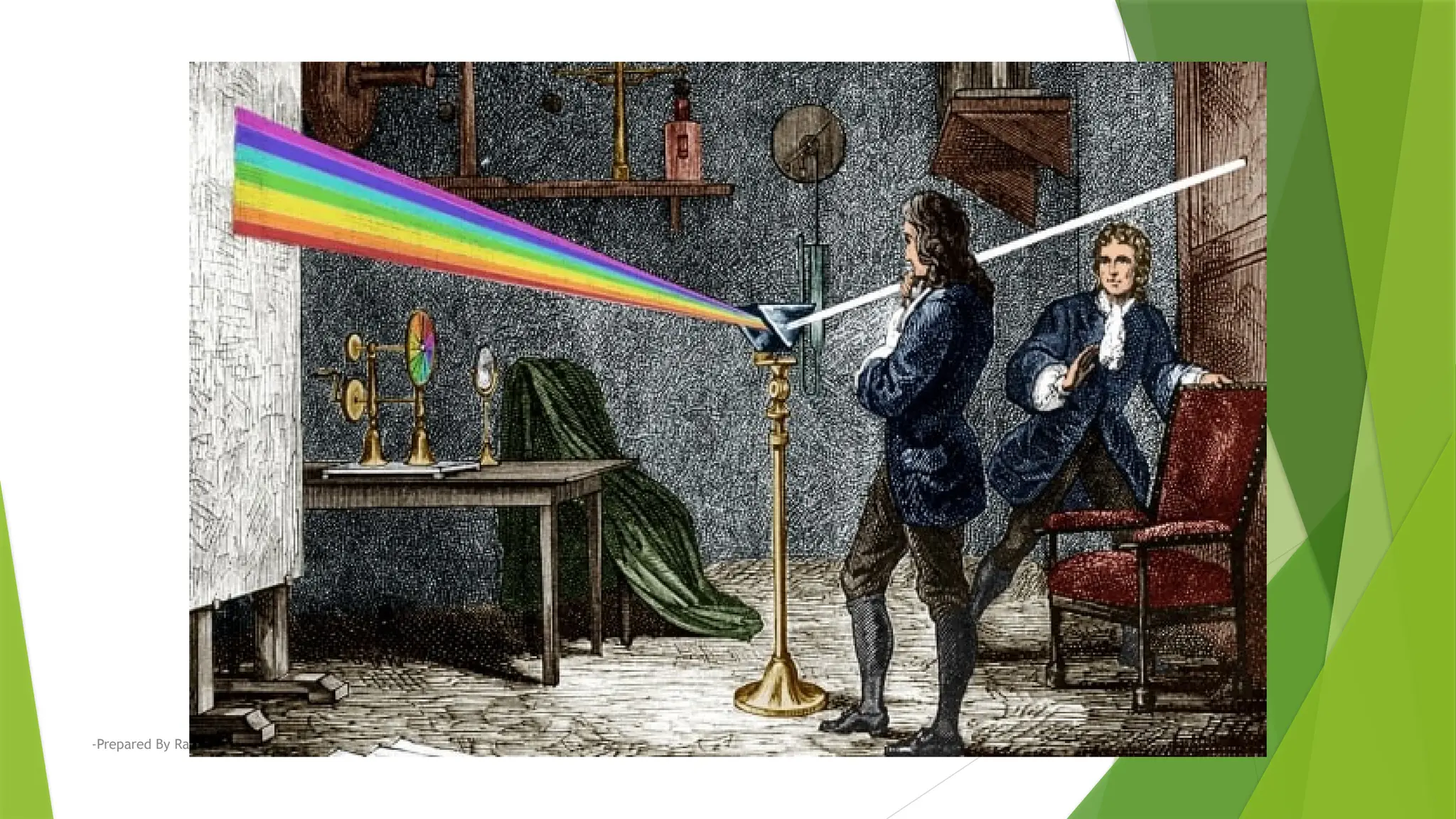
This presentation offers a comprehensive journey through the History of Photography, tracing its evolution from early optical experiments to the digital age. Beginning with the camera obscura and progressing through early photographic processes like the daguerreotype, calotype, and wet plate collodion, it highlights how technological innovations shaped the way we capture and interpret the world.
The presentation explores the work of pioneering photographers such as Joseph Nicéphore Niépce, Louis Daguerre, William Henry Fox Talbot, and Julia Margaret Cameron, and their contributions to both the artistic and documentary traditions of photography. It also covers the shift from monochrome to color photography, the rise of photojournalism, and the emergence of photography as a fine art medium.
From bulky cameras and glass plates to compact digital devices and smartphones, this presentation explains how the democratization of photography has influenced media, communication, and culture. It also reflects on the profound impact photography has had on visual storytelling, memory, and historical documentation.
Ideal for students, educators, and photography enthusiasts, this presentation serves as an engaging guide to understanding photography not just as a technology, but as a transformative force in modern history.