Environmental and occupational respiratory disorders
Analysis of the structure and allergenicity
of recombinant pro- and mature Der p 1 and
Der f 1: Major conformational IgE epitopes
blocked by prodomains
Toshiro Takai, PhD,a
Takeshi Kato, BS,a
Hiroshi Yasueda, PhD,b
Ko Okumura, MD, PhD,a,c
and Hideoki Ogawa, MD, PhDa,d
Tokyo and Kanagawa, Japan
Background: The major house dust mite group 1 allergens
Der p 1 and Der f 1, which belong to the papain-like cysteine
protease family, are the most potent of indoor allergens.
However, little information is available on the location of IgE
epitopes.
Objective: We investigated the allergenicities of recombinant
proforms and mature forms of Der p 1 and Der f 1 to
compare them with natural Der p 1 and Der f 1 and to
obtain information on the conformational IgE-binding
epitopes.
Methods: Secreted pro-Der p 1 and pro-Der f 1 and their
mutants without hyperglycosylation expressed in yeast were
converted to mature forms. We purified the proforms and
mature forms and analyzed their apparent molecular sizes and
secondary structures by means of gel-filtration and circular
dichroism analysis and their allergenicities by means of assays
for IgE binding, IgE-binding inhibition, and basophil histamine
release. The tertiary structure of pro-Der f 1 was predicted
by molecular modeling.
Results: The recombinant mature forms exhibited similar
molecular sizes, secondary structures, and allergenicities as
their natural types. On the other hand, their proforms
exhibited different secondary structures and less allergenicities
than the mature forms in all sera and volunteers tested.
Molecular modeling revealed that the prosegment is anchored
at the prosegment-binding loop and the substrate-binding cleft
on the surface of the mature portion.
Conclusions: Our studies indicate that the prodomains of Der p 1
and Der f 1 reduce allergenicity and that the major
conformational IgE epitopes commonly found in a broad
population of patients exist within the 2 regions blocked by the
prosegments. Recombinant Der p 1 and Der f 1 and the findingsin
the present study will be the basis for allergen standardization
and the design of safer and more effective allergen vaccines.
(J Allergy Clin Immunol 2005;115:555-63.)
Key words: House dust mite, Der p 1, Der f 1, recombinant
allergen, conformational IgE epitopes, prodomain, proform, mature
form, cysteine protease, molecular modeling
House dust mites of 2 species of Dermatophagoides
(Dermatophagoides pteronyssinus and Dermatophagoides
farinae) associated with allergic diseases, such as bronchial
asthma, rhinitis, and atopic dermatitis, are the most im-
portant causative factor among indoor allergens.1
Group 1
and group 2 allergens are major allergens derived from
house dust mites on the basis of the frequency of patients
sensitized, amount of specific IgE, and content in mite ex-
tract.2
Group 1 allergens (Der p 1 and Der f 1) are the most
clinically relevant allergen proteins because they exist in
abundance in mite fecal pellets and account for more than
50% of IgE antibodies against total mite extract. They
belong to the papain-like cysteine protease family.3,4
The
enzymatic activity of Der p 1 has been suggested to be
involved in the pathogenesis of allergy.5-9
The cDNAs for Der p 1 and Der f 1 were isolated when
cDNA cloning of allergens began.3,4
They encode signal
peptides of 18 amino acid residues responsible for
secretion, 80 residue propeptides, and 222 residue mature
portions for Der p 1 and 223 residues for Der f 1. Mature
Der p 1 and Der f 1 have 82% sequence homology with
each other. Although molecular modeling of mature Der p
1 on the basis of the tertiary structures of plant cysteine
proteases has been performed,10
its structure has not been
determined by means of x-ray crystallography.
Molecular analysis of the IgE-binding epitopes of
Der p 1 and Der f 1 using correctly folded and fully active
recombinant proteins has not been reported. Synthetic
peptides and recombinant fragments expressed in
Escherichia coli show little or no IgE-binding activity
compared with that of natural allergens,11-14
and therefore
little information is available on conformational IgE-
binding epitopes. We and others reported on efficient
From a
the Atopy (Allergy) Research Center, c
the Department of Immunology,
and d
the Department of Dermatology, Juntendo University School of
Medicine, Tokyo, and b
the Clinical Research Center, National Sagamihara
Hospital, Kanagawa.
Supported in part by a Health and Labour Sciences Research Grant for
Research on Allergic Disease and Immunology from the Ministry of Health,
Labour, and Welfare, Japan, and a Grant-in-Aid for Scientific Research from
the Ministry of Education, Culture, Sports, Science and Technology, Japan
(to T.T.).
Received for publication August 11, 2004; revised October 17, 2004; accepted
for publication November 9, 2004.
Available online January 24, 2005.
Reprint requests: Toshiro Takai, PhD, Atopy (Allergy) Research Center,
Juntendo University School of Medicine, 2-1-1 Hongo, Bunkyo-ku, Tokyo
113-8421, Japan. E-mail: t-takai@med.juntendo.ac.jp.
0091-6749/$30.00
Ó 2005 American Academy of Allergy, Asthma and Immunology
doi:10.1016/j.jaci.2004.11.024
555
Environmental
and
occupational
respiratory
disorders
Abbreviation used
CD: Circular dichroism
systems that can be used to produce recombinant mature
Der f 115-18
and Der p 1.15,19
Although they were mod-
ified with hyperglycosylation when expressed in
yeast,15,16,18,19
we successfully produced mutants without
the hyperglycosylation and with IgE binding and pro-
teolytic activities by means of acid treatment of the
proforms.15-17
These systems enable the analysis of IgE
epitopes and pathogenic proteolytic activity, which are
dependent on the tertiary structure of the allergens. They
can also be a basis for allergen standardization and the
design of safer and more effective allergen vaccines for
allergen-specific immunotherapy.20,21
Prosegments of papain-like cysteine proteases block
enzymatic activity and assist in the folding of mature
segments. Recently, a research group analyzed allerge-
nicity of pro-Der p 1, but it was hyperglycosylated and not
spontaneously converted to the active mature form, and
therefore it was compared with natural Der p 1 but not with
its appropriate counterpart, recombinant mature Der p 1.22
We also reported on decreased allergenicity of pro-Der f 1
in a patient, but this contained unfolded forms, aggregated
forms, or both.16,17
In the present study we investigated
the allergenicities of highly purified and correctly folded
recombinant pro- and mature Der p 1 and Der f 1. We
found that the prodomains of these proteases function to
reduce allergenicity in a broad population of patients. We
also defined the locations of major conformational IgE-
binding epitopes blocked by the prosegments by inter-
preting our experimental results on the basis of the tertiary
structure of pro-Der f 1 predicted from the crystal
structures of the proforms and mature forms of homolo-
gous cysteine proteases.
METHODS
Preparation of recombinant proforms and
mature forms of Der p 1 and Der f 1
A method described previously was followed, with some modi-
fications.15,16
Briefly, recombinant proforms were secreted into the
culture supernatant of yeast Pichia pastoris transfectant cells and
converted into the prosequence-removed mature forms by means of
dialysis against an acidic buffer. The mature forms were purified by
anion-exchange and size-exclusion column chromatography. The
proforms were purified by means of the same methods as the mature
forms but without activation by dialysis against the acidic buffer. The
purities were checked by using SDS-PAGE, and protein concen-
trations were determined by means of the Bradford procedure with
a protein assay kit (Bio Rad, Richmond, Calif), with bovine IgG (Bio-
Rad) as the standard.
Natural Der p 1 and Der f 1
Natural Der p 1 and Der f 1 used for gel-filtration, IgE-binding,
inhibition, and histamine-releasing assays were purified from whole
culture extracts of the house dust mites D pteronyssinus and
D farinae, respectively, as previously described by Yasueda et al.23
For circular dichroism (CD) analysis, commercially available natural
Der p 1 (Indoor Biotechnologies, Charlottesville, Va) and Der f 1
(Asahi Breweries, Ltd, Tokyo, Japan) were used.
Gel-filtration analysis
Purified recombinant and natural Der p 1 and Der f 1 (0.1 mL, 0.5
mg/mL) were subjected to gel-filtration chromatography on Protein-
Pak 125 (0.78 cm 3 30 cm; Waters, Milford, Mass) at 0.5 mL/min
with 0.1 M potassium phosphate buffer (pH 6.5) containing 0.01%
sodium azide, and the absorbances at 280 nm were monitored.
Molecular weight standards for gel filtration used for the estimation
of the apparent molecular sizes were as follows: carbonic anhydrase,
25 kd (Wako, Osaka, Japan); bovine pancreas chymotrypsinogen A,
25 kd; hen egg ovalbumin, 43 kd; and BSA, 67 kd (Amersham
Biosciences, Uppsala, Sweden).
CD
CD spectra were measured on a JASCO J-820 spectropolarimeter
(Japan Spectroscopic Co, Ltd, Tokyo, Japan) by using a 0.1-cm cell at
25°C over 190 to 260 nm. Samples at 0.1 mg/mL were dialysed
against 10 mM potassium phosphate buffer (pH 7.5). The experi-
mental parameters were as follows: bandwidth of 1.0 nm, except for
natural and recombinant mature Der f 1 (0.5 nm); sensitivity of 100
millidegrees; 0.5 nm/datum step resolution; 50 nm/min scan speed;
and 10 scans. The protein concentrations were determined on the
basis of their absorbances at 280 nm or the Bradford procedure by
using the protein assay kit, with BSA (Bio-Rad) as the standard. The
fractions of helical structures were estimated by using the mean
residual ellipticity at 222 nm.24
RAST–enzyme immunoassay
Sera were obtained from mite-sensitive atopic patients with
bronchial asthma, allergic rhinitis, and/or atopic dermatitis who had
positive skin prick test responses. IgE reactivities were measured by
means of RAST–enzyme immunoassay, as previously described.25
Briefly, the diluted serum of each allergic patient was incubated with
paper discs coupled with the allergens. Then IgE that bound to the
disc was detected with b-galactosidase–conjugated anti-human IgE
antibodies by measuring the fluorescence. The values calculated by
subtracting the background of the paper discs without the coupling of
allergen from the original values were used as the IgE reactivities.
Inhibition assay
The method used was previously described.26
Briefly, the diluted
serum of each allergic patient was incubated with inhibitors, and then
the solution was added to paper discs coupled with natural Der p 1 and
Der f 1. IgE that boundto the discswas detectedwith b-galactosidase–
conjugated anti-human IgE antibodies. The percentage of inhibition
was expressed as the relative reduction of the fluorescence intensity in
each sample to that when no inhibitors were added.
Histamine release
The method used was as described in the literature27
with an
HRT-Shionogi (Shionogi and Co, Ltd, Osaka, Japan), with some
modifications. The percentage of released histamine was calculated as
the relative amount of histamine in the supernatant to the total
histamine content. The amount of released histamine after incubation
with 0.2 mg/mL digitonin was used as the total histamine content for
the calculation.
J ALLERGY CLIN IMMUNOL
MARCH 2005
556 Takai et al
Environmental
and
occupational
respiratory
disorders
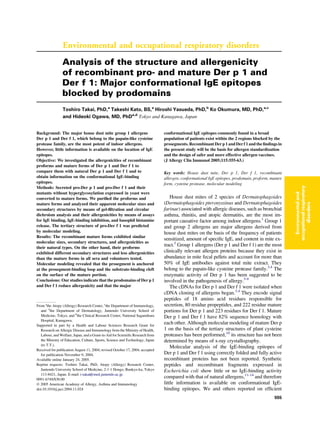
FIG 1. Molecular sizes and secondary structures of purified recombinant proforms and mature forms and
natural types of Der p 1 (A, C, and E) and Der f 1 (B, D, and F). Fig 1, A-D, Gel-filtration analysis. The fractions
shown as 1 through 8 in Fig 1, A and B, were subjected to SDS-PAGE (15% to 25%) under nonreducing
conditions and silver stained and are shown in Fig 1, C and D, respectively. Fig 1, E and F, CD spectra.
J ALLERGY CLIN IMMUNOL
VOLUME 115, NUMBER 3
Takai et al 557
Environmental
and
occupational
respiratory
disorders
Homology modeling
The tertiary structure of pro-Der f 1 was modeled on the basis of
the crystal structures of 3 homologues, procaricain (1pciC),28
human
procathepsin K (7pckC),29
and mature cruzain (1aim_),30
by using the
automated comparative protein modeling server SWISS-MODEL.31
RESULTS
Expression and purification of recombinant
Der p 1 and Der f 1
Der p 1 and Der f 1 have an N-glycosylation motif in
their mature amino acid sequences, and therefore re-
combinant forms designated Der p 1-WT and Der f 1-WT
with wild-type sequences are modified with yeast-derived
hyperglycosylation. To obtain recombinant proteins with-
out hyperglycosylation, we generated mutants designated
Der p 1-N52Q and Der f 1-N53Q, in which the N-
glycosylation motif within the mature sequence was
disrupted. Although productivity of pro-Der p 1-N52Q
and pro-Der f 1-N53Q was lower than that of pro-Der p 1-
WT and pro-Der f 1-WT, we optimized culture conditions
and achieved preparation of the highly purified proforms
and mature forms. The sizes of the recombinant mature
forms without N-glycosylation and the natural types,
which have a theoretic molecular weight of 25 kd, were
identical to each other and estimated to be 17 to 18 kd (Fig 1,
A and B).
On SDS-PAGE for each fraction, 2 bands were detected
for pro-Der p 1-N52Q, and the one with a lower molecular
weight showed similar mobility with pro-Der f 1-N53Q,
revealing that the slight broadness of the gel-filtration peak
for pro-Der p 1-N52Q was attributed to differential
modifications of the N-glycosylation motif in the Der p 1
propeptide (Fig 1, C). Bands associated with the recom-
binant forms were smeared when the mature portions were
glycosylated, suggesting heterogeneity in the size of the
sugar chain (Fig 1, C and D). The results of gel filtration
and SDS-PAGE showed that all recombinant Der p 1 and
Der f 1 was monomeric and highly purified and that the
molecular sizes of Der p 1-N52Q and Der f 1-N53Q were
identical to those of natural types purified from the mite
cultures.
Secondary structures of recombinant
Der p 1 and Der f 1
CD spectra of recombinant mature Der p 1 and Der f 1
were identical to those of the natural types, showing that
their secondarystructures wereidentical to each other (Fig 1,
E and F, upper panels). N-glycosylation of the mature
forms did not affect the spectra. The proforms showed
small but obvious differences from the mature forms
(Fig 1, E and F, lower panels). The calculated values of the
helical content are as follows: recombinant mature forms
and natural types, 19% to 21%; pro-Der p 1-WT, 25%; and
pro-Der f 1-WT, 21%.
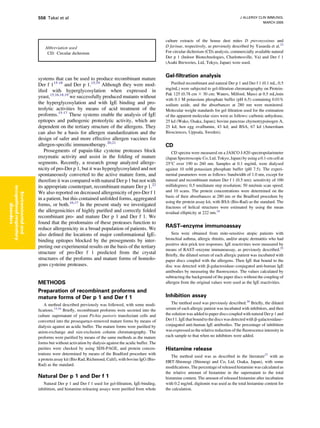
FIG 2. Comparison of direct IgE-binding capacity among recombinant and natural Der p 1 and Der f 1. The
serum dilution was 1:8. The concentration of allergens in the immobilization step was 50 nM.
J ALLERGY CLIN IMMUNOL
MARCH 2005
558 Takai et al
Environmental
and
occupational
respiratory
disorders
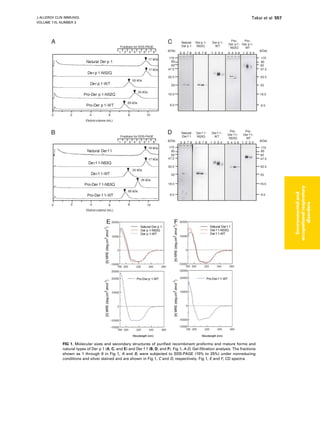
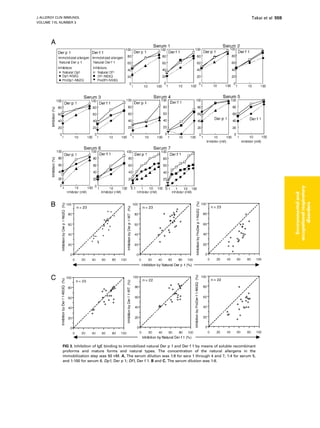
FIG 3. Inhibition of IgE binding to immobilized natural Der p 1 and Der f 1 by means of soluble recombinant
proforms and mature forms and natural types. The concentration of the natural allergens in the
immobilization step was 50 nM. A, The serum dilution was 1:8 for sera 1 through 4 and 7, 1:4 for serum 5,
and 1:100 for serum 6. Dp1, Der p 1; Df1, Der f 1. B and C, The serum dilution was 1:8.
J ALLERGY CLIN IMMUNOL
VOLUME 115, NUMBER 3
Takai et al 559
Environmental
and
occupational
respiratory
disorders
Direct IgE-binding capacity of recombinant
and natural Der p 1 and Der f 1
Seventeen or 18 individual sera from patients with mite
allergy were tested to compare direct IgE binding to
immobilized Der p 1-N52Q, Der f 1-N53Q, and the natural
types (Fig 2). Close correlations of IgE binding between
the recombinant mature forms and natural types (Fig 2, A
and B) and between Der p 1 and Der f 1 (Fig 2, C and D)
were observed.
Activities of recombinant Der p 1 and
Der f 1 for the inhibition of IgE binding
to immobilized natural allergens
For further analysis of IgE-binding capacity, the
activities of the recombinant proforms and mature forms
responsible for competitive inhibition of IgE binding to
immobilized natural allergens were analyzed (Fig 3, A).
For 5 of the 7 sera, the efficiency of inhibition by the
recombinant mature forms was similar to that of the natural
types. However,forsera 4 and 7for Der p 1and sera 3and 7
for Der f 1, inhibition by the recombinant mature forms
was lower than that of the natural types. Inhibition by the
proforms was lower than that of the recombinant mature
forms and the natural types for all tested sera.
Furthermore, we examined 22 or 23 sera for similar
analysis at an inhibitor concentration of 10 nM. On
average, inhibition by the recombinant mature forms
with or without yeast-derived N-glycosylation of the
mature portions was almost equivalent to that of the
natural types, although some individual sera showed
greater or lesser inhibition for the recombinant mature
forms than for the natural types (Fig. 3, B and C, left and
middle panels). On the other hand, proforms exhibited less
inhibition than the recombinant mature forms and
the natural types for almost all sera (Fig 3, B and C,
right panels). A paired t test showed significant dif-
ferences between the proforms and recombinant mature
forms and between the proforms and natural types
(P < .0001).
Biologic activity of recombinant Der p 1
and Der f 1 in stimulating histamine
release by basophils
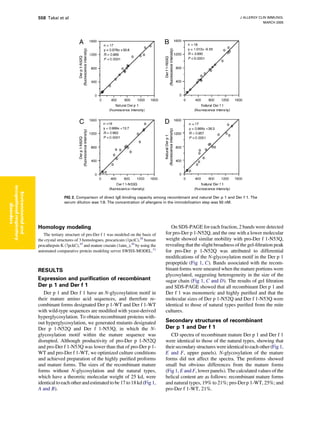
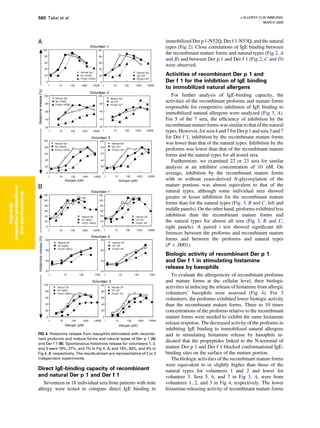
To evaluate the allergenicity of recombinant proforms
and mature forms at the cellular level, their biologic
activities in inducing the release of histamine from allergic
volunteers’ basophils were assessed (Fig 4). For 3
volunteers, the proforms exhibited lower biologic activity
than the recombinant mature forms. Three to 10 times
concentrations of the proforms relative to the recombinant
mature forms were needed to exhibit the same histamine
release response. The decreased activity of the proforms in
inhibiting IgE binding to immobilized natural allergens
and in stimulating histamine release by basophils in-
dicated that the propeptides linked to the N-terminal of
mature Der p 1 and Der f 1 blocked conformational IgE-
binding sites on the surface of the mature portion.
The biologic activities of the recombinant mature forms
were equivalent to or slightly higher than those of the
natural types for volunteers 1 and 2 and lower for
volunteer 3. Sera 5, 6, and 7 in Fig 3, A, were from
volunteers 1, 2, and 3 in Fig 4, respectively. The lower
histamine-releasing activity of recombinant mature forms
FIG 4. Histamine release from basophils stimulated with recombi-
nant proforms and mature forms and natural types of Der p 1 (A)
and Der f 1 (B). Spontaneous histamine release for volunteers 1, 2,
and 3 were 19%, 27%, and 7% in Fig 4, A, and 19%, 30%, and 4% in
Fig 4, B, respectively. The results shown are representative of 2 or 3
independent experiments.
J ALLERGY CLIN IMMUNOL
MARCH 2005
560 Takai et al
Environmental
and
occupational
respiratory
disorders
from volunteer 3 (Fig 4) was consistent with the sig-
nificantly lower inhibitory activity for IgE binding for the
corresponding serum 7 (Fig 3, A).
Molecular modeling of the proform of Der f 1
Molecular modeling of pro-Der f 1 was performed on
the basis of the crystal structures of other cysteine
proteases to obtain information on the location of IgE-
binding sites blocked by the propeptides. In the predicted
tertiary structure (Fig 5),32
the Der f 1 prosegment
consisted of an N-terminal domain-structure followed by
a C-terminal extended loop.28,29,33
The prosegment was
tightly anchored at 2 regions of the mature enzyme, the
prosegment binding loop and the substrate binding cleft
surrounding the catalytic residue Cys35. Asn53, the
potential N-glycosylation site in mature Der f 1, was
located on the surface distant from the catalytic site and the
prosegment.
The predicted structure has 19% a-helix character for
the mature portion and 26% for the whole proform. These
values were almost identical to the values for recombinant
and natural Der p 1 and Der f 1 calculated from their CD
spectra (Fig 1, E and F), except for pro-Der f 1-WT. The
N-terminal sequence of the purified pro-Der f 1-WT was
determined to start from 280 just after the putative signal-
cleavage site and from 259, which was at the N-terminal
of the second helix (a2) in the predicted structure, and we
determined that approximately 75% of pro-Der f 1-WT
was composed of the truncated proform starting from
259.15
The helical content of the a1-truncated pro-Der f 1
was 22% in the modeled structure. This explains why the
helical content of pro-Der f 1-WT (21%) calculated from
the CD spectrum was less than that for the model of full-
length pro-Der f 1 (26%).
DISCUSSION
We showed that the allergenicities of the proforms were
less than those of the mature forms in a broad population
of patients and that recombinant mature Der p 1 and Der f
1 are similar to the natural types in their structures and
allergenicities and retain proteolytic activities. Further-
more, we disclosed how the prosegments inhibit the
allergenicity by using a predicted 3-dimensional model of
pro-Der f 1. Less allergenicity of the proforms than the
mature forms indicates the importance of the 2 regions on
the molecular surface of the mature portion blocked by the
prosegments as major conformational IgE epitopes.
Equivalency for direct IgE binding suggested equiva-
lency of the IgE epitopes between the recombinant and
natural types. Equivalency for IgE binding between
Der p 1 and Der f 1 correlated with reports on the high
cross-reactivity between Der p 1 and Der f 1.34-36
We
assume that the results of the competitive inhibition assay
reflect differences in affinity for IgE between the recombi-
nant mature forms and natural types rather than differ-
ences in the numbers of IgE epitopes because of the
equivalency seen for direct IgE binding. Such differences
in affinity might result from sequence polymorphisms in
FIG 5. Homology modeling of the tertiary structure of pro-Der f 1. A, Front view. B, View from the right side of
Fig 5, A. The prosegment, mature portion, and the N-glycosylation site Asn53 are shown in blue, red, and
green, respectively. The catalytic center, Cys35, is shown as a space-filling model in yellow. These figures
were produced by using the RasMol program.32
J ALLERGY CLIN IMMUNOL
VOLUME 115, NUMBER 3
Takai et al 561
Environmental
and
occupational
respiratory
disorders
natural Der p 1 and Der f 1. Because at least 12 isoforms
with different amino acid sequences for Der p 137
and 2 for
Der f 14,14
have been identified, patients could be
sensitized to different isoforms by the environment.
Differences in the composition of isoforms of these
allergens because of the regions where the patients live
could explain the nonassociation of IgE-binding inhibi-
tion activity between the natural allergens composed of
several isoforms and the cloned recombinant one in these
patients.
We indicated that the prodomains of Der p 1 and Der f 1
reduce allergenicity in addition to functioning as prodo-
mains of papain-like cysteine proteases, which block
proteolytic activity and assist in the correct folding of
the mature portions. Proforms of Der p 1 and Der f 1
showed less allergenicities than the recombinant mature
forms for almost all tested sera and volunteers. We
observed that direct IgE binding to immobilized proforms
was higher than or equivalent to binding to the mature
forms (unpublished observation), suggesting that the
proforms were more efficiently immobilized than the
mature forms, that IgE epitopes blocked by the proseg-
ments in solution structure of the proforms were exposed
when immobilized and could be recognized by IgE, or
both. In the 3-dimensional model of pro-Der f 1, the
prosegment interacts with the mature protein at 2 regions.
This suggests that these regions are major conformational
IgE epitopes of Der p 1 and Der f 1. The C-terminal
extended loop region of the prosegment, which is
followed by the N-terminal of the mature portion, might
also contribute to the inhibition of IgE binding by means
of steric hindrance. N-glycosylation of Asn52 and Asn53
in recombinant Der p 1 and Der f 1, respectively, caused
no significant effect on their allergenicities. This suggests
that regions near these residues do not contain major IgE
epitopes. It was reported that phage peptides screened with
an inhibitory anti-Der p 1 mouse mAb had a sequential
motif in common with a Der p 1 sequence 147-160.38
Their results do not conflict with our conclusion because
the corresponding sequence 148-161 in Der f 1 is located
at the prosegment binding loop of our pro-Der f 1 model.
In summary, we characterized the allergenicities of
structurally folded and highly purified recombinant pro-
forms and mature forms of Der p 1 and Der f 1 and
interpreted the results on the basis of their secondary and
predicted 3-dimensional structures for the first time.
Recombinant mature Der p 1 and Der f 1 retained overall
identity to their natural types in terms of structure and
allergenicity and showed proteolytic activities. On the
other hand, the allergenicities of the proforms were less
than those of the mature forms. Molecular modeling of
pro-Der f 1 suggested that the 2 regions in which the
prosegment is anchored are major IgE-binding epitopes.
Recombinant Der p 1 and Der f 1, and the findings
regarding the conformational IgE epitopes in the present
study, will be the basis for allergen standardization and the
design of safer and more effective allergen vaccines. For
example, determination of tertiary structure and analysis
by site-directed mutagenesis would give detailed infor-
mation of the structure and function of these allergens in
future studies.
We thank Drs Hirokazu Okudaira (Department of Allergy and
Rheumatology, University of Tokyo), Kenji Izuhara, Yasuhisa
Sakata (Saga Medical School), Teruyuki Nagamune, Hiroshi Ueda,
Satoshi Yamaguchi (Department of Chemistry and Biotechnology,
University of Tokyo), Reiko Mineki, Kimie Murayama (Juntendo
University School of Medicine), and Etsuji Masuda (Shionogi and
Co, Ltd) for technical advice, technical assistance, or provision of
supplementary reagents.
REFERENCES
1. Platts-Mills TA, Chapman MD. Dust mites: immunology, allergic
disease, and environmental control. J Allergy Clin Immunol 1987;80:
755-75.
2. Thomas WR, Smith WA, Hales BJ, Mills KL, O’Brien RM. Character-
ization and immunobiology of house dust mite allergens. Int Arch
Allergy Immunol 2002;129:1-18.
3. Chua KY, Stewart GA, Thomas WR, Simpson RJ, Dilworth RJ, Plozza
TM, et al. Sequence analysis of cDNA coding for a major house dust
mite allergen, Der p 1. Homology with cysteine proteases. J Exp Med
1988;167:175-82.
4. Dilworth RJ, Chua KY, Thomas WR. Sequence analysis of cDNA
coding for a major house dust mite allergen, Der f I. Clin Exp Allergy
1991;21:25-32.
5. Herbert CA, King CM, Ring PC, Holgate ST, Stewart GA, Thompson
PJ, et al. Augmentation of permeability in the bronchial epithelium by
the house dust mite allergen Der p1. Am J Respir Cell Mol Biol 1995;12:
369-78.
6. Wan H, Winton HL, Soeller C, Tovey ER, Gruenert DC, Thompson PJ,
et al. Der p 1 facilitates transepithelial allergen delivery by disruption of
tight junctions. J Clin Invest 1999;104:123-33.
7. Shakib F, Schulz O, Sewell H. A mite subversive: cleavage of CD23 and
CD25 by Der p 1 enhances allergenicity. Immunol Today 1998;19:
313-6.
8. Asokananthan N, Graham PT, Stewart DJ, Bakker AJ, Eidne KA,
Thompson PJ, et al. House dust mite allergens induce proinflammatory
cytokines from respiratory epithelial cells: the cysteine protease allergen,
Der p 1, activates protease-activated receptor (PAR)-2 and inactivates
PAR-1. J Immunol 2002;169:4572-8.
9. Sakata Y, Arima K, Takai T, Sakurai W, Masumoto K, Yuyama N, et al.
The squamous cell carcinoma antigen 2 inhibits the cysteine proteinase
activity of a major mite allergen, Der p 1. J Biol Chem 2004;279:5081-7.
10. Topham CM, Srinivasan N, Thorpe CJ, Overington JP, Kalsheker NA.
Comparative modelling of major house dust mite allergen Der p I:
structure validation using an extended environmental amino acid pro-
pensity table. Protein Eng 1994;7:869-94.
11. Collins SP, Ball G, Vonarx E, Hosking C, Shelton M, Hill D, et al.
Absence of continuous epitopes in the house dust mite major allergens
Der p I from Dermatophagoides pteronyssinus and Der f I from
Dermatophagoides farinae. Clin Exp Allergy 1996;26:36-42.
12. Greene WK, Cyster JG, Chua KY, O’Brien RM, Thomas WR. IgE and
IgG binding of peptides expressed from fragments of cDNA encoding
the major house dust mite allergen Der p I. J Immunol 1991;147:
3768-73.
13. Greene WK, Thomas WR. IgE binding structures of the major house dust
mite allergen Der p I. Mol Immunol 1992;29:257-62.
14. Yasuhara T, Takai T, Yuuki T, Okudaira H, Okumura Y. Cloning and
expression of cDNA encoding the complete prepro-form of an isoform of
Der f 1, the major group 1 allergen from house dust mite Dermatopha-
goides farinae. Biosci Biotechnol Biochem 2001;65:563-9.
15. Takai T, Mineki R, Nakazawa T, Takaoka M, Yasueda H, Murayama K,
et al. Maturation of the activities of recombinant mite allergens Der p 1
and Der f 1, and its implication in the blockade of proteolytic activity.
FEBS Lett 2002;531:265-72.
16. Yasuhara T, Takai T, Yuuki T, Okudaira H, Okumura Y. Biologically
active recombinant forms of a major house dust mite group 1 allergen
J ALLERGY CLIN IMMUNOL
MARCH 2005
562 Takai et al
Environmental
and
occupational
respiratory
disorders
Der f 1 with full activities of both cysteine protease and IgE binding. Clin
Exp Allergy 2001;31:116-24.
17. Takahashi K, Takai T, Yasuhara T, Yuuki T, Ohtake Y, Yokota T, et al.
Production of enzymatically and immunologically active Der f 1 in
Escherichia coli. Int Arch Allergy Immunol 2000;122:108-14.
18. Best EA, Stedman KE, Bozic CM, Hunter SW, Vailes L, Chapman MD,
et al. A recombinant group 1 house dust mite allergen, rDer f 1, with
biological activities similar to those of the native allergen. Protein Expr
Purif 2000;20:462-71.
19. Jacquet A, Magi M, Petry H, Bollen A. High-level expression of
recombinant house dust mite allergen Der p 1 in Pichia pastoris. Clin
Exp Allergy 2002;32:1048-53.
20. Valenta R. The future of antigen-specific immunotherapy of allergy. Nat
Rev Immunol 2002;2:446-53.
21. Takai T, Yokota T, Yasue M, Nishiyama C, Yuuki T, Mori A, et al.
Engineering of the major house dust mite allergen Der f 2 for allergen-
specific immunotherapy. Nat Biotechnol 1997;15:754-8.
22. van Oort E, de Heer PG, van Leeuwen WA, Derksen NI, Muller M,
Huveneers S, et al. Maturation of Pichia pastoris-derived recombinant
pro-Der p 1 induced by deglycosylation and by the natural cysteine
protease Der p 1 from house dust mite. Eur J Biochem 2002;269:671-9.
23. Yasueda H, Mita H, Yui Y, Shida T. Isolation and characterization of two
allergens from Dermatophagoides farinae. Int Arch Allergy Appl
Immunol 1986;81:214-23.
24. Chen YH, Yang JT, Martinez HM. Determination of the secondary
structures of proteins by circular dichroism and optical rotatory
dispersion. Biochemistry 1972;11:4120-31.
25. Takai T, Mori A, Yuuki T, Okudaira H, Okumura Y. Non-anaphylactic
combination of partially deleted fragments of the major house dust mite
allergen Der f 2 for allergen-specific immunotherapy. Mol Immunol
1999;36:1055-65.
26. Takai T, Ichikawa S, Hatanaka H, Inagaki F, Okumura Y. Effects of
proline mutations in the major house dust mite allergen Der f 2 on IgE-
binding and histamine-releasing activity. Eur J Biochem 2000;267:6650-6.
27. Nishi H, Nishimura S, Higashiura M, Ikeya N, Ohta H, Tsuji T, et al.
A new method for histamine release from purified peripheral blood
basophils using monoclonal antibody-coated magnetic beads. J Immunol
Methods 2000;240:39-46.
28. Groves MR, Taylor MA, Scott M, Cummings NJ, Pickersgill RW, Jenkins
JA. The prosequence of procaricain forms an a-helical domain that
prevents access to the substrate-binding cleft. Structure 1996;4:1193-203.
29. LaLonde JM, Zhao B, Janson CA, D’Alessio KJ, McQueney MS, Orsini
MJ, et al. The crystal structure of human procathepsin K. Biochemistry
1999;38:862-9.
30. McGrath ME, Eakin AE, Engel JC, McKerrow JH, Craik CS, Fletterick
RJ. The crystal structure of cruzain: a therapeutic target for Chagas’
disease. J Mol Biol 1995;247:251-9.
31. Schwede T, Kopp J, Guex N, Peitsch MC. SWISS-MODEL: an automated
protein homology-modeling server. Nucleic Acids Res 2003;31:3381-5.
32. Sayle RA, Milner-White EJ. RASMOL: biomolecular graphics for all.
Trends Biochem Sci 1995;20:374.
33. Coulombe R, Grochulski P, Sivaraman J, Menard R, Mort JS, Cygler M.
Structure of human procathepsin L reveals the molecular basis of
inhibition by the prosegment. EMBO J 1996;15:5492-503.
34. Yasueda H, Mita H, Yui Y, Shida T. Comparative analysis of
physicochemical and immunochemical properties of the two major
allergens from Dermatophagoides pteronyssinus and the corresponding
allergens from Dermatophagoides farinae. Int Arch Allergy Appl
Immunol 1989;88:402-7.
35. Heymann PW, Chapman MD, Platts-Mills TA. Antigen Der f I from the
dust mite Dermatophagoides farinae: structural comparison with Der p I
from Dermatophagoides pteronyssinus and epitope specificity of murine
IgG and human IgE antibodies. J Immunol 1986;137:2841-7.
36. Lind P, Hansen OC, Horn N. The binding of mouse hybridoma and
human IgE antibodies to the major fecal allergen, Der p I, of
Dermatophagoides pteronyssinus. Relative binding site location and
species specificity studied by solid-phase inhibition assays with radio-
labeled antigen. J Immunol 1988;140:4256-62.
37. Smith WA, Hales BJ, Jarnicki AG, Thomas WR. Allergens of wild house
dust mites: environmental Der p 1 and Der p 2 sequence polymorphisms.
J Allergy Clin Immunol 2001;107:985-92.
38. Furmonaviciene R, Tighe PJ, Clark MR, Sewell HF, Shakib F. The use
of phage-peptide libraries to define the epitope specificity of a mouse
monoclonal anti-Der p 1 antibody representative of a major component
of the human immunoglobulin E anti-Der p 1 response. Clin Exp Allergy
1999;29:1563-71.
J ALLERGY CLIN IMMUNOL
VOLUME 115, NUMBER 3
Takai et al 563
Environmental
and
occupational
respiratory
disorders

Takai2005

  • 1.
    Environmental and occupationalrespiratory disorders Analysis of the structure and allergenicity of recombinant pro- and mature Der p 1 and Der f 1: Major conformational IgE epitopes blocked by prodomains Toshiro Takai, PhD,a Takeshi Kato, BS,a Hiroshi Yasueda, PhD,b Ko Okumura, MD, PhD,a,c and Hideoki Ogawa, MD, PhDa,d Tokyo and Kanagawa, Japan Background: The major house dust mite group 1 allergens Der p 1 and Der f 1, which belong to the papain-like cysteine protease family, are the most potent of indoor allergens. However, little information is available on the location of IgE epitopes. Objective: We investigated the allergenicities of recombinant proforms and mature forms of Der p 1 and Der f 1 to compare them with natural Der p 1 and Der f 1 and to obtain information on the conformational IgE-binding epitopes. Methods: Secreted pro-Der p 1 and pro-Der f 1 and their mutants without hyperglycosylation expressed in yeast were converted to mature forms. We purified the proforms and mature forms and analyzed their apparent molecular sizes and secondary structures by means of gel-filtration and circular dichroism analysis and their allergenicities by means of assays for IgE binding, IgE-binding inhibition, and basophil histamine release. The tertiary structure of pro-Der f 1 was predicted by molecular modeling. Results: The recombinant mature forms exhibited similar molecular sizes, secondary structures, and allergenicities as their natural types. On the other hand, their proforms exhibited different secondary structures and less allergenicities than the mature forms in all sera and volunteers tested. Molecular modeling revealed that the prosegment is anchored at the prosegment-binding loop and the substrate-binding cleft on the surface of the mature portion. Conclusions: Our studies indicate that the prodomains of Der p 1 and Der f 1 reduce allergenicity and that the major conformational IgE epitopes commonly found in a broad population of patients exist within the 2 regions blocked by the prosegments. Recombinant Der p 1 and Der f 1 and the findingsin the present study will be the basis for allergen standardization and the design of safer and more effective allergen vaccines. (J Allergy Clin Immunol 2005;115:555-63.) Key words: House dust mite, Der p 1, Der f 1, recombinant allergen, conformational IgE epitopes, prodomain, proform, mature form, cysteine protease, molecular modeling House dust mites of 2 species of Dermatophagoides (Dermatophagoides pteronyssinus and Dermatophagoides farinae) associated with allergic diseases, such as bronchial asthma, rhinitis, and atopic dermatitis, are the most im- portant causative factor among indoor allergens.1 Group 1 and group 2 allergens are major allergens derived from house dust mites on the basis of the frequency of patients sensitized, amount of specific IgE, and content in mite ex- tract.2 Group 1 allergens (Der p 1 and Der f 1) are the most clinically relevant allergen proteins because they exist in abundance in mite fecal pellets and account for more than 50% of IgE antibodies against total mite extract. They belong to the papain-like cysteine protease family.3,4 The enzymatic activity of Der p 1 has been suggested to be involved in the pathogenesis of allergy.5-9 The cDNAs for Der p 1 and Der f 1 were isolated when cDNA cloning of allergens began.3,4 They encode signal peptides of 18 amino acid residues responsible for secretion, 80 residue propeptides, and 222 residue mature portions for Der p 1 and 223 residues for Der f 1. Mature Der p 1 and Der f 1 have 82% sequence homology with each other. Although molecular modeling of mature Der p 1 on the basis of the tertiary structures of plant cysteine proteases has been performed,10 its structure has not been determined by means of x-ray crystallography. Molecular analysis of the IgE-binding epitopes of Der p 1 and Der f 1 using correctly folded and fully active recombinant proteins has not been reported. Synthetic peptides and recombinant fragments expressed in Escherichia coli show little or no IgE-binding activity compared with that of natural allergens,11-14 and therefore little information is available on conformational IgE- binding epitopes. We and others reported on efficient From a the Atopy (Allergy) Research Center, c the Department of Immunology, and d the Department of Dermatology, Juntendo University School of Medicine, Tokyo, and b the Clinical Research Center, National Sagamihara Hospital, Kanagawa. Supported in part by a Health and Labour Sciences Research Grant for Research on Allergic Disease and Immunology from the Ministry of Health, Labour, and Welfare, Japan, and a Grant-in-Aid for Scientific Research from the Ministry of Education, Culture, Sports, Science and Technology, Japan (to T.T.). Received for publication August 11, 2004; revised October 17, 2004; accepted for publication November 9, 2004. Available online January 24, 2005. Reprint requests: Toshiro Takai, PhD, Atopy (Allergy) Research Center, Juntendo University School of Medicine, 2-1-1 Hongo, Bunkyo-ku, Tokyo 113-8421, Japan. E-mail: t-takai@med.juntendo.ac.jp. 0091-6749/$30.00 Ó 2005 American Academy of Allergy, Asthma and Immunology doi:10.1016/j.jaci.2004.11.024 555 Environmental and occupational respiratory disorders
  • 2.
    Abbreviation used CD: Circulardichroism systems that can be used to produce recombinant mature Der f 115-18 and Der p 1.15,19 Although they were mod- ified with hyperglycosylation when expressed in yeast,15,16,18,19 we successfully produced mutants without the hyperglycosylation and with IgE binding and pro- teolytic activities by means of acid treatment of the proforms.15-17 These systems enable the analysis of IgE epitopes and pathogenic proteolytic activity, which are dependent on the tertiary structure of the allergens. They can also be a basis for allergen standardization and the design of safer and more effective allergen vaccines for allergen-specific immunotherapy.20,21 Prosegments of papain-like cysteine proteases block enzymatic activity and assist in the folding of mature segments. Recently, a research group analyzed allerge- nicity of pro-Der p 1, but it was hyperglycosylated and not spontaneously converted to the active mature form, and therefore it was compared with natural Der p 1 but not with its appropriate counterpart, recombinant mature Der p 1.22 We also reported on decreased allergenicity of pro-Der f 1 in a patient, but this contained unfolded forms, aggregated forms, or both.16,17 In the present study we investigated the allergenicities of highly purified and correctly folded recombinant pro- and mature Der p 1 and Der f 1. We found that the prodomains of these proteases function to reduce allergenicity in a broad population of patients. We also defined the locations of major conformational IgE- binding epitopes blocked by the prosegments by inter- preting our experimental results on the basis of the tertiary structure of pro-Der f 1 predicted from the crystal structures of the proforms and mature forms of homolo- gous cysteine proteases. METHODS Preparation of recombinant proforms and mature forms of Der p 1 and Der f 1 A method described previously was followed, with some modi- fications.15,16 Briefly, recombinant proforms were secreted into the culture supernatant of yeast Pichia pastoris transfectant cells and converted into the prosequence-removed mature forms by means of dialysis against an acidic buffer. The mature forms were purified by anion-exchange and size-exclusion column chromatography. The proforms were purified by means of the same methods as the mature forms but without activation by dialysis against the acidic buffer. The purities were checked by using SDS-PAGE, and protein concen- trations were determined by means of the Bradford procedure with a protein assay kit (Bio Rad, Richmond, Calif), with bovine IgG (Bio- Rad) as the standard. Natural Der p 1 and Der f 1 Natural Der p 1 and Der f 1 used for gel-filtration, IgE-binding, inhibition, and histamine-releasing assays were purified from whole culture extracts of the house dust mites D pteronyssinus and D farinae, respectively, as previously described by Yasueda et al.23 For circular dichroism (CD) analysis, commercially available natural Der p 1 (Indoor Biotechnologies, Charlottesville, Va) and Der f 1 (Asahi Breweries, Ltd, Tokyo, Japan) were used. Gel-filtration analysis Purified recombinant and natural Der p 1 and Der f 1 (0.1 mL, 0.5 mg/mL) were subjected to gel-filtration chromatography on Protein- Pak 125 (0.78 cm 3 30 cm; Waters, Milford, Mass) at 0.5 mL/min with 0.1 M potassium phosphate buffer (pH 6.5) containing 0.01% sodium azide, and the absorbances at 280 nm were monitored. Molecular weight standards for gel filtration used for the estimation of the apparent molecular sizes were as follows: carbonic anhydrase, 25 kd (Wako, Osaka, Japan); bovine pancreas chymotrypsinogen A, 25 kd; hen egg ovalbumin, 43 kd; and BSA, 67 kd (Amersham Biosciences, Uppsala, Sweden). CD CD spectra were measured on a JASCO J-820 spectropolarimeter (Japan Spectroscopic Co, Ltd, Tokyo, Japan) by using a 0.1-cm cell at 25°C over 190 to 260 nm. Samples at 0.1 mg/mL were dialysed against 10 mM potassium phosphate buffer (pH 7.5). The experi- mental parameters were as follows: bandwidth of 1.0 nm, except for natural and recombinant mature Der f 1 (0.5 nm); sensitivity of 100 millidegrees; 0.5 nm/datum step resolution; 50 nm/min scan speed; and 10 scans. The protein concentrations were determined on the basis of their absorbances at 280 nm or the Bradford procedure by using the protein assay kit, with BSA (Bio-Rad) as the standard. The fractions of helical structures were estimated by using the mean residual ellipticity at 222 nm.24 RAST–enzyme immunoassay Sera were obtained from mite-sensitive atopic patients with bronchial asthma, allergic rhinitis, and/or atopic dermatitis who had positive skin prick test responses. IgE reactivities were measured by means of RAST–enzyme immunoassay, as previously described.25 Briefly, the diluted serum of each allergic patient was incubated with paper discs coupled with the allergens. Then IgE that bound to the disc was detected with b-galactosidase–conjugated anti-human IgE antibodies by measuring the fluorescence. The values calculated by subtracting the background of the paper discs without the coupling of allergen from the original values were used as the IgE reactivities. Inhibition assay The method used was previously described.26 Briefly, the diluted serum of each allergic patient was incubated with inhibitors, and then the solution was added to paper discs coupled with natural Der p 1 and Der f 1. IgE that boundto the discswas detectedwith b-galactosidase– conjugated anti-human IgE antibodies. The percentage of inhibition was expressed as the relative reduction of the fluorescence intensity in each sample to that when no inhibitors were added. Histamine release The method used was as described in the literature27 with an HRT-Shionogi (Shionogi and Co, Ltd, Osaka, Japan), with some modifications. The percentage of released histamine was calculated as the relative amount of histamine in the supernatant to the total histamine content. The amount of released histamine after incubation with 0.2 mg/mL digitonin was used as the total histamine content for the calculation. J ALLERGY CLIN IMMUNOL MARCH 2005 556 Takai et al Environmental and occupational respiratory disorders
  • 3.
    FIG 1. Molecularsizes and secondary structures of purified recombinant proforms and mature forms and natural types of Der p 1 (A, C, and E) and Der f 1 (B, D, and F). Fig 1, A-D, Gel-filtration analysis. The fractions shown as 1 through 8 in Fig 1, A and B, were subjected to SDS-PAGE (15% to 25%) under nonreducing conditions and silver stained and are shown in Fig 1, C and D, respectively. Fig 1, E and F, CD spectra. J ALLERGY CLIN IMMUNOL VOLUME 115, NUMBER 3 Takai et al 557 Environmental and occupational respiratory disorders
  • 4.
    Homology modeling The tertiarystructure of pro-Der f 1 was modeled on the basis of the crystal structures of 3 homologues, procaricain (1pciC),28 human procathepsin K (7pckC),29 and mature cruzain (1aim_),30 by using the automated comparative protein modeling server SWISS-MODEL.31 RESULTS Expression and purification of recombinant Der p 1 and Der f 1 Der p 1 and Der f 1 have an N-glycosylation motif in their mature amino acid sequences, and therefore re- combinant forms designated Der p 1-WT and Der f 1-WT with wild-type sequences are modified with yeast-derived hyperglycosylation. To obtain recombinant proteins with- out hyperglycosylation, we generated mutants designated Der p 1-N52Q and Der f 1-N53Q, in which the N- glycosylation motif within the mature sequence was disrupted. Although productivity of pro-Der p 1-N52Q and pro-Der f 1-N53Q was lower than that of pro-Der p 1- WT and pro-Der f 1-WT, we optimized culture conditions and achieved preparation of the highly purified proforms and mature forms. The sizes of the recombinant mature forms without N-glycosylation and the natural types, which have a theoretic molecular weight of 25 kd, were identical to each other and estimated to be 17 to 18 kd (Fig 1, A and B). On SDS-PAGE for each fraction, 2 bands were detected for pro-Der p 1-N52Q, and the one with a lower molecular weight showed similar mobility with pro-Der f 1-N53Q, revealing that the slight broadness of the gel-filtration peak for pro-Der p 1-N52Q was attributed to differential modifications of the N-glycosylation motif in the Der p 1 propeptide (Fig 1, C). Bands associated with the recom- binant forms were smeared when the mature portions were glycosylated, suggesting heterogeneity in the size of the sugar chain (Fig 1, C and D). The results of gel filtration and SDS-PAGE showed that all recombinant Der p 1 and Der f 1 was monomeric and highly purified and that the molecular sizes of Der p 1-N52Q and Der f 1-N53Q were identical to those of natural types purified from the mite cultures. Secondary structures of recombinant Der p 1 and Der f 1 CD spectra of recombinant mature Der p 1 and Der f 1 were identical to those of the natural types, showing that their secondarystructures wereidentical to each other (Fig 1, E and F, upper panels). N-glycosylation of the mature forms did not affect the spectra. The proforms showed small but obvious differences from the mature forms (Fig 1, E and F, lower panels). The calculated values of the helical content are as follows: recombinant mature forms and natural types, 19% to 21%; pro-Der p 1-WT, 25%; and pro-Der f 1-WT, 21%. FIG 2. Comparison of direct IgE-binding capacity among recombinant and natural Der p 1 and Der f 1. The serum dilution was 1:8. The concentration of allergens in the immobilization step was 50 nM. J ALLERGY CLIN IMMUNOL MARCH 2005 558 Takai et al Environmental and occupational respiratory disorders
  • 5.
    FIG 3. Inhibitionof IgE binding to immobilized natural Der p 1 and Der f 1 by means of soluble recombinant proforms and mature forms and natural types. The concentration of the natural allergens in the immobilization step was 50 nM. A, The serum dilution was 1:8 for sera 1 through 4 and 7, 1:4 for serum 5, and 1:100 for serum 6. Dp1, Der p 1; Df1, Der f 1. B and C, The serum dilution was 1:8. J ALLERGY CLIN IMMUNOL VOLUME 115, NUMBER 3 Takai et al 559 Environmental and occupational respiratory disorders
  • 6.
    Direct IgE-binding capacityof recombinant and natural Der p 1 and Der f 1 Seventeen or 18 individual sera from patients with mite allergy were tested to compare direct IgE binding to immobilized Der p 1-N52Q, Der f 1-N53Q, and the natural types (Fig 2). Close correlations of IgE binding between the recombinant mature forms and natural types (Fig 2, A and B) and between Der p 1 and Der f 1 (Fig 2, C and D) were observed. Activities of recombinant Der p 1 and Der f 1 for the inhibition of IgE binding to immobilized natural allergens For further analysis of IgE-binding capacity, the activities of the recombinant proforms and mature forms responsible for competitive inhibition of IgE binding to immobilized natural allergens were analyzed (Fig 3, A). For 5 of the 7 sera, the efficiency of inhibition by the recombinant mature forms was similar to that of the natural types. However,forsera 4 and 7for Der p 1and sera 3and 7 for Der f 1, inhibition by the recombinant mature forms was lower than that of the natural types. Inhibition by the proforms was lower than that of the recombinant mature forms and the natural types for all tested sera. Furthermore, we examined 22 or 23 sera for similar analysis at an inhibitor concentration of 10 nM. On average, inhibition by the recombinant mature forms with or without yeast-derived N-glycosylation of the mature portions was almost equivalent to that of the natural types, although some individual sera showed greater or lesser inhibition for the recombinant mature forms than for the natural types (Fig. 3, B and C, left and middle panels). On the other hand, proforms exhibited less inhibition than the recombinant mature forms and the natural types for almost all sera (Fig 3, B and C, right panels). A paired t test showed significant dif- ferences between the proforms and recombinant mature forms and between the proforms and natural types (P < .0001). Biologic activity of recombinant Der p 1 and Der f 1 in stimulating histamine release by basophils To evaluate the allergenicity of recombinant proforms and mature forms at the cellular level, their biologic activities in inducing the release of histamine from allergic volunteers’ basophils were assessed (Fig 4). For 3 volunteers, the proforms exhibited lower biologic activity than the recombinant mature forms. Three to 10 times concentrations of the proforms relative to the recombinant mature forms were needed to exhibit the same histamine release response. The decreased activity of the proforms in inhibiting IgE binding to immobilized natural allergens and in stimulating histamine release by basophils in- dicated that the propeptides linked to the N-terminal of mature Der p 1 and Der f 1 blocked conformational IgE- binding sites on the surface of the mature portion. The biologic activities of the recombinant mature forms were equivalent to or slightly higher than those of the natural types for volunteers 1 and 2 and lower for volunteer 3. Sera 5, 6, and 7 in Fig 3, A, were from volunteers 1, 2, and 3 in Fig 4, respectively. The lower histamine-releasing activity of recombinant mature forms FIG 4. Histamine release from basophils stimulated with recombi- nant proforms and mature forms and natural types of Der p 1 (A) and Der f 1 (B). Spontaneous histamine release for volunteers 1, 2, and 3 were 19%, 27%, and 7% in Fig 4, A, and 19%, 30%, and 4% in Fig 4, B, respectively. The results shown are representative of 2 or 3 independent experiments. J ALLERGY CLIN IMMUNOL MARCH 2005 560 Takai et al Environmental and occupational respiratory disorders
  • 7.
    from volunteer 3(Fig 4) was consistent with the sig- nificantly lower inhibitory activity for IgE binding for the corresponding serum 7 (Fig 3, A). Molecular modeling of the proform of Der f 1 Molecular modeling of pro-Der f 1 was performed on the basis of the crystal structures of other cysteine proteases to obtain information on the location of IgE- binding sites blocked by the propeptides. In the predicted tertiary structure (Fig 5),32 the Der f 1 prosegment consisted of an N-terminal domain-structure followed by a C-terminal extended loop.28,29,33 The prosegment was tightly anchored at 2 regions of the mature enzyme, the prosegment binding loop and the substrate binding cleft surrounding the catalytic residue Cys35. Asn53, the potential N-glycosylation site in mature Der f 1, was located on the surface distant from the catalytic site and the prosegment. The predicted structure has 19% a-helix character for the mature portion and 26% for the whole proform. These values were almost identical to the values for recombinant and natural Der p 1 and Der f 1 calculated from their CD spectra (Fig 1, E and F), except for pro-Der f 1-WT. The N-terminal sequence of the purified pro-Der f 1-WT was determined to start from 280 just after the putative signal- cleavage site and from 259, which was at the N-terminal of the second helix (a2) in the predicted structure, and we determined that approximately 75% of pro-Der f 1-WT was composed of the truncated proform starting from 259.15 The helical content of the a1-truncated pro-Der f 1 was 22% in the modeled structure. This explains why the helical content of pro-Der f 1-WT (21%) calculated from the CD spectrum was less than that for the model of full- length pro-Der f 1 (26%). DISCUSSION We showed that the allergenicities of the proforms were less than those of the mature forms in a broad population of patients and that recombinant mature Der p 1 and Der f 1 are similar to the natural types in their structures and allergenicities and retain proteolytic activities. Further- more, we disclosed how the prosegments inhibit the allergenicity by using a predicted 3-dimensional model of pro-Der f 1. Less allergenicity of the proforms than the mature forms indicates the importance of the 2 regions on the molecular surface of the mature portion blocked by the prosegments as major conformational IgE epitopes. Equivalency for direct IgE binding suggested equiva- lency of the IgE epitopes between the recombinant and natural types. Equivalency for IgE binding between Der p 1 and Der f 1 correlated with reports on the high cross-reactivity between Der p 1 and Der f 1.34-36 We assume that the results of the competitive inhibition assay reflect differences in affinity for IgE between the recombi- nant mature forms and natural types rather than differ- ences in the numbers of IgE epitopes because of the equivalency seen for direct IgE binding. Such differences in affinity might result from sequence polymorphisms in FIG 5. Homology modeling of the tertiary structure of pro-Der f 1. A, Front view. B, View from the right side of Fig 5, A. The prosegment, mature portion, and the N-glycosylation site Asn53 are shown in blue, red, and green, respectively. The catalytic center, Cys35, is shown as a space-filling model in yellow. These figures were produced by using the RasMol program.32 J ALLERGY CLIN IMMUNOL VOLUME 115, NUMBER 3 Takai et al 561 Environmental and occupational respiratory disorders
  • 8.
    natural Der p1 and Der f 1. Because at least 12 isoforms with different amino acid sequences for Der p 137 and 2 for Der f 14,14 have been identified, patients could be sensitized to different isoforms by the environment. Differences in the composition of isoforms of these allergens because of the regions where the patients live could explain the nonassociation of IgE-binding inhibi- tion activity between the natural allergens composed of several isoforms and the cloned recombinant one in these patients. We indicated that the prodomains of Der p 1 and Der f 1 reduce allergenicity in addition to functioning as prodo- mains of papain-like cysteine proteases, which block proteolytic activity and assist in the correct folding of the mature portions. Proforms of Der p 1 and Der f 1 showed less allergenicities than the recombinant mature forms for almost all tested sera and volunteers. We observed that direct IgE binding to immobilized proforms was higher than or equivalent to binding to the mature forms (unpublished observation), suggesting that the proforms were more efficiently immobilized than the mature forms, that IgE epitopes blocked by the proseg- ments in solution structure of the proforms were exposed when immobilized and could be recognized by IgE, or both. In the 3-dimensional model of pro-Der f 1, the prosegment interacts with the mature protein at 2 regions. This suggests that these regions are major conformational IgE epitopes of Der p 1 and Der f 1. The C-terminal extended loop region of the prosegment, which is followed by the N-terminal of the mature portion, might also contribute to the inhibition of IgE binding by means of steric hindrance. N-glycosylation of Asn52 and Asn53 in recombinant Der p 1 and Der f 1, respectively, caused no significant effect on their allergenicities. This suggests that regions near these residues do not contain major IgE epitopes. It was reported that phage peptides screened with an inhibitory anti-Der p 1 mouse mAb had a sequential motif in common with a Der p 1 sequence 147-160.38 Their results do not conflict with our conclusion because the corresponding sequence 148-161 in Der f 1 is located at the prosegment binding loop of our pro-Der f 1 model. In summary, we characterized the allergenicities of structurally folded and highly purified recombinant pro- forms and mature forms of Der p 1 and Der f 1 and interpreted the results on the basis of their secondary and predicted 3-dimensional structures for the first time. Recombinant mature Der p 1 and Der f 1 retained overall identity to their natural types in terms of structure and allergenicity and showed proteolytic activities. On the other hand, the allergenicities of the proforms were less than those of the mature forms. Molecular modeling of pro-Der f 1 suggested that the 2 regions in which the prosegment is anchored are major IgE-binding epitopes. Recombinant Der p 1 and Der f 1, and the findings regarding the conformational IgE epitopes in the present study, will be the basis for allergen standardization and the design of safer and more effective allergen vaccines. For example, determination of tertiary structure and analysis by site-directed mutagenesis would give detailed infor- mation of the structure and function of these allergens in future studies. We thank Drs Hirokazu Okudaira (Department of Allergy and Rheumatology, University of Tokyo), Kenji Izuhara, Yasuhisa Sakata (Saga Medical School), Teruyuki Nagamune, Hiroshi Ueda, Satoshi Yamaguchi (Department of Chemistry and Biotechnology, University of Tokyo), Reiko Mineki, Kimie Murayama (Juntendo University School of Medicine), and Etsuji Masuda (Shionogi and Co, Ltd) for technical advice, technical assistance, or provision of supplementary reagents. REFERENCES 1. Platts-Mills TA, Chapman MD. Dust mites: immunology, allergic disease, and environmental control. J Allergy Clin Immunol 1987;80: 755-75. 2. Thomas WR, Smith WA, Hales BJ, Mills KL, O’Brien RM. Character- ization and immunobiology of house dust mite allergens. Int Arch Allergy Immunol 2002;129:1-18. 3. Chua KY, Stewart GA, Thomas WR, Simpson RJ, Dilworth RJ, Plozza TM, et al. Sequence analysis of cDNA coding for a major house dust mite allergen, Der p 1. Homology with cysteine proteases. J Exp Med 1988;167:175-82. 4. Dilworth RJ, Chua KY, Thomas WR. Sequence analysis of cDNA coding for a major house dust mite allergen, Der f I. Clin Exp Allergy 1991;21:25-32. 5. Herbert CA, King CM, Ring PC, Holgate ST, Stewart GA, Thompson PJ, et al. Augmentation of permeability in the bronchial epithelium by the house dust mite allergen Der p1. Am J Respir Cell Mol Biol 1995;12: 369-78. 6. Wan H, Winton HL, Soeller C, Tovey ER, Gruenert DC, Thompson PJ, et al. Der p 1 facilitates transepithelial allergen delivery by disruption of tight junctions. J Clin Invest 1999;104:123-33. 7. Shakib F, Schulz O, Sewell H. A mite subversive: cleavage of CD23 and CD25 by Der p 1 enhances allergenicity. Immunol Today 1998;19: 313-6. 8. Asokananthan N, Graham PT, Stewart DJ, Bakker AJ, Eidne KA, Thompson PJ, et al. House dust mite allergens induce proinflammatory cytokines from respiratory epithelial cells: the cysteine protease allergen, Der p 1, activates protease-activated receptor (PAR)-2 and inactivates PAR-1. J Immunol 2002;169:4572-8. 9. Sakata Y, Arima K, Takai T, Sakurai W, Masumoto K, Yuyama N, et al. The squamous cell carcinoma antigen 2 inhibits the cysteine proteinase activity of a major mite allergen, Der p 1. J Biol Chem 2004;279:5081-7. 10. Topham CM, Srinivasan N, Thorpe CJ, Overington JP, Kalsheker NA. Comparative modelling of major house dust mite allergen Der p I: structure validation using an extended environmental amino acid pro- pensity table. Protein Eng 1994;7:869-94. 11. Collins SP, Ball G, Vonarx E, Hosking C, Shelton M, Hill D, et al. Absence of continuous epitopes in the house dust mite major allergens Der p I from Dermatophagoides pteronyssinus and Der f I from Dermatophagoides farinae. Clin Exp Allergy 1996;26:36-42. 12. Greene WK, Cyster JG, Chua KY, O’Brien RM, Thomas WR. IgE and IgG binding of peptides expressed from fragments of cDNA encoding the major house dust mite allergen Der p I. J Immunol 1991;147: 3768-73. 13. Greene WK, Thomas WR. IgE binding structures of the major house dust mite allergen Der p I. Mol Immunol 1992;29:257-62. 14. Yasuhara T, Takai T, Yuuki T, Okudaira H, Okumura Y. Cloning and expression of cDNA encoding the complete prepro-form of an isoform of Der f 1, the major group 1 allergen from house dust mite Dermatopha- goides farinae. Biosci Biotechnol Biochem 2001;65:563-9. 15. Takai T, Mineki R, Nakazawa T, Takaoka M, Yasueda H, Murayama K, et al. Maturation of the activities of recombinant mite allergens Der p 1 and Der f 1, and its implication in the blockade of proteolytic activity. FEBS Lett 2002;531:265-72. 16. Yasuhara T, Takai T, Yuuki T, Okudaira H, Okumura Y. Biologically active recombinant forms of a major house dust mite group 1 allergen J ALLERGY CLIN IMMUNOL MARCH 2005 562 Takai et al Environmental and occupational respiratory disorders
  • 9.
    Der f 1with full activities of both cysteine protease and IgE binding. Clin Exp Allergy 2001;31:116-24. 17. Takahashi K, Takai T, Yasuhara T, Yuuki T, Ohtake Y, Yokota T, et al. Production of enzymatically and immunologically active Der f 1 in Escherichia coli. Int Arch Allergy Immunol 2000;122:108-14. 18. Best EA, Stedman KE, Bozic CM, Hunter SW, Vailes L, Chapman MD, et al. A recombinant group 1 house dust mite allergen, rDer f 1, with biological activities similar to those of the native allergen. Protein Expr Purif 2000;20:462-71. 19. Jacquet A, Magi M, Petry H, Bollen A. High-level expression of recombinant house dust mite allergen Der p 1 in Pichia pastoris. Clin Exp Allergy 2002;32:1048-53. 20. Valenta R. The future of antigen-specific immunotherapy of allergy. Nat Rev Immunol 2002;2:446-53. 21. Takai T, Yokota T, Yasue M, Nishiyama C, Yuuki T, Mori A, et al. Engineering of the major house dust mite allergen Der f 2 for allergen- specific immunotherapy. Nat Biotechnol 1997;15:754-8. 22. van Oort E, de Heer PG, van Leeuwen WA, Derksen NI, Muller M, Huveneers S, et al. Maturation of Pichia pastoris-derived recombinant pro-Der p 1 induced by deglycosylation and by the natural cysteine protease Der p 1 from house dust mite. Eur J Biochem 2002;269:671-9. 23. Yasueda H, Mita H, Yui Y, Shida T. Isolation and characterization of two allergens from Dermatophagoides farinae. Int Arch Allergy Appl Immunol 1986;81:214-23. 24. Chen YH, Yang JT, Martinez HM. Determination of the secondary structures of proteins by circular dichroism and optical rotatory dispersion. Biochemistry 1972;11:4120-31. 25. Takai T, Mori A, Yuuki T, Okudaira H, Okumura Y. Non-anaphylactic combination of partially deleted fragments of the major house dust mite allergen Der f 2 for allergen-specific immunotherapy. Mol Immunol 1999;36:1055-65. 26. Takai T, Ichikawa S, Hatanaka H, Inagaki F, Okumura Y. Effects of proline mutations in the major house dust mite allergen Der f 2 on IgE- binding and histamine-releasing activity. Eur J Biochem 2000;267:6650-6. 27. Nishi H, Nishimura S, Higashiura M, Ikeya N, Ohta H, Tsuji T, et al. A new method for histamine release from purified peripheral blood basophils using monoclonal antibody-coated magnetic beads. J Immunol Methods 2000;240:39-46. 28. Groves MR, Taylor MA, Scott M, Cummings NJ, Pickersgill RW, Jenkins JA. The prosequence of procaricain forms an a-helical domain that prevents access to the substrate-binding cleft. Structure 1996;4:1193-203. 29. LaLonde JM, Zhao B, Janson CA, D’Alessio KJ, McQueney MS, Orsini MJ, et al. The crystal structure of human procathepsin K. Biochemistry 1999;38:862-9. 30. McGrath ME, Eakin AE, Engel JC, McKerrow JH, Craik CS, Fletterick RJ. The crystal structure of cruzain: a therapeutic target for Chagas’ disease. J Mol Biol 1995;247:251-9. 31. Schwede T, Kopp J, Guex N, Peitsch MC. SWISS-MODEL: an automated protein homology-modeling server. Nucleic Acids Res 2003;31:3381-5. 32. Sayle RA, Milner-White EJ. RASMOL: biomolecular graphics for all. Trends Biochem Sci 1995;20:374. 33. Coulombe R, Grochulski P, Sivaraman J, Menard R, Mort JS, Cygler M. Structure of human procathepsin L reveals the molecular basis of inhibition by the prosegment. EMBO J 1996;15:5492-503. 34. Yasueda H, Mita H, Yui Y, Shida T. Comparative analysis of physicochemical and immunochemical properties of the two major allergens from Dermatophagoides pteronyssinus and the corresponding allergens from Dermatophagoides farinae. Int Arch Allergy Appl Immunol 1989;88:402-7. 35. Heymann PW, Chapman MD, Platts-Mills TA. Antigen Der f I from the dust mite Dermatophagoides farinae: structural comparison with Der p I from Dermatophagoides pteronyssinus and epitope specificity of murine IgG and human IgE antibodies. J Immunol 1986;137:2841-7. 36. Lind P, Hansen OC, Horn N. The binding of mouse hybridoma and human IgE antibodies to the major fecal allergen, Der p I, of Dermatophagoides pteronyssinus. Relative binding site location and species specificity studied by solid-phase inhibition assays with radio- labeled antigen. J Immunol 1988;140:4256-62. 37. Smith WA, Hales BJ, Jarnicki AG, Thomas WR. Allergens of wild house dust mites: environmental Der p 1 and Der p 2 sequence polymorphisms. J Allergy Clin Immunol 2001;107:985-92. 38. Furmonaviciene R, Tighe PJ, Clark MR, Sewell HF, Shakib F. The use of phage-peptide libraries to define the epitope specificity of a mouse monoclonal anti-Der p 1 antibody representative of a major component of the human immunoglobulin E anti-Der p 1 response. Clin Exp Allergy 1999;29:1563-71. J ALLERGY CLIN IMMUNOL VOLUME 115, NUMBER 3 Takai et al 563 Environmental and occupational respiratory disorders