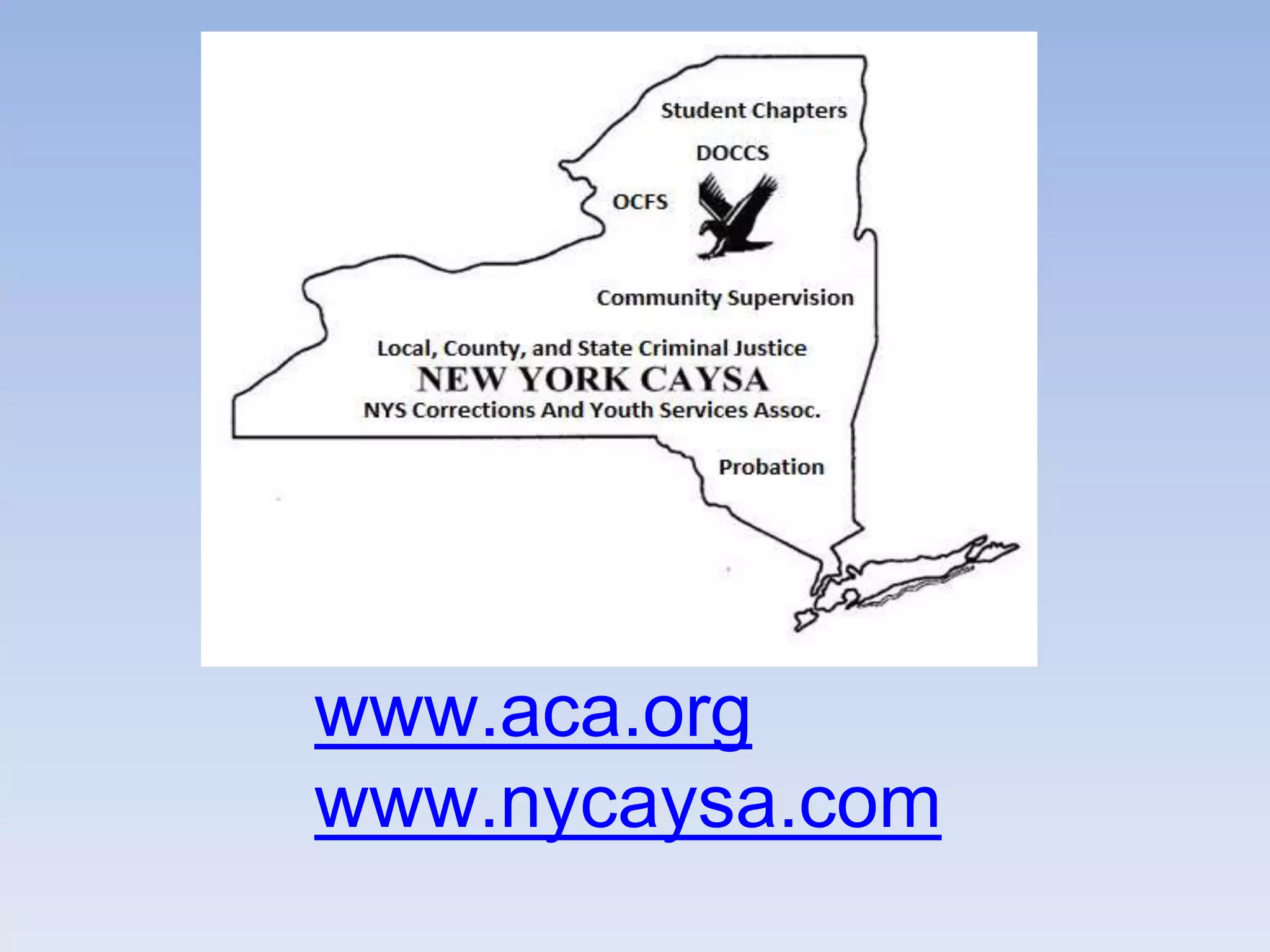
www.aca.org 
www.nycaysa.com
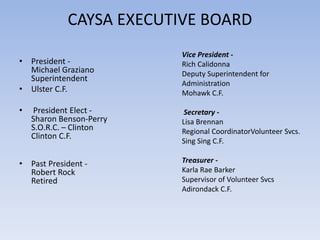
CAYSA EXECUTIVE BOARD 
• President - 
Michael Graziano 
Superintendent 
• Ulster C.F. 
• President Elect - 
Sharon Benson-Perry 
S.O.R.C. – Clinton 
Clinton C.F. 
• Past President - 
Robert Rock 
Retired 
Vice President - 
Rich Calidonna 
Deputy Superintendent for 
Administration 
Mohawk C.F. 
Secretary - 
Lisa Brennan 
Regional CoordinatorVolunteer Svcs. 
Sing Sing C.F. 
Treasurer - 
Karla Rae Barker 
Supervisor of Volunteer Svcs 
Adirondack C.F.
• 
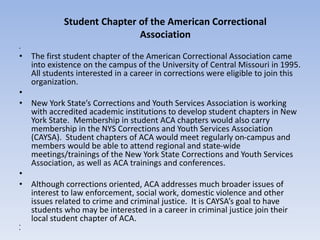
• The first student chapter of the American Correctional Association came 
into existence on the campus of the University of Central Missouri in 1995. 
All students interested in a career in corrections were eligible to join this 
organization. 
• 
• New York State’s Corrections and Youth Services Association is working 
with accredited academic institutions to develop student chapters in New 
York State. Membership in student ACA chapters would also carry 
membership in the NYS Corrections and Youth Services Association 
(CAYSA). Student chapters of ACA would meet regularly on-campus and 
members would be able to attend regional and state-wide 
meetings/trainings of the New York State Corrections and Youth Services 
Association, as well as ACA trainings and conferences. 

• 
• Although corrections oriented, ACA addresses much broader issues of 
interest to law enforcement, social work, domestic violence and other 
issues related to crime and criminal justice. It is CAYSA’s goal to have 
students who may be interested in a career in criminal justice join their 
local student chapter of ACA. 
• 
• 
Student Chapter of the American Correctional 
Association
• ABOUT ACA-SAC 
• ACA-SAC is the Student Affairs Committee of the American Correctional 
Association. The ACA has begun a student chapter program in order to help 
future practitioners in the field network with current career practitioners, 
share information on the field and to enhance the educational experience of 
students in criminal justice. The goal of the ACA-SAC focuses on organizing 
student chapters in colleges and high schools to encourage developing 
experience in all areas of corrections, which includes security, 
administration, business and accounting, technology, education, counseling, 
and more. The ACA-SAC can assist in organizing a student chapter, including 
providing sample bylaws and constitutions used by other schools. At the 
local level, ACA student chapters organize tours of prisons and other criminal 
justice institutions, guest speakers, community service activities, and other 
events that expand on familiarizion with the range of corrections. At the 
national level, the SAC encourages participation in the ACA Conferences that 
includes meeting other students and professionals. The ACA-SAC also 
sponsors poster sessions at each conference to provide students and 
opportunity to present papers and share ideas.
Student Chapters of ACA 
• SUNY/Albany (Albany, NY) - Criminal Justice Association 
• Appalachian State University (Boone, NC) - ACA Student Chapter 
• Arizona State University - (Tempe/Phoenix AZ) Criminal Justice Club 
• Bellmont High School (Decatur, IN) 
• Brown Mackie College (Indianapolis, IN) 
• Champlain Valley Technical Services High School (Plattsburgh, NY) 
• Clayton State University (Morrow, GA) - Justice Society 
• Columbia-Greene Community College (Hudson, NY) 
• Concordia University (Chicago, IL)- Sociology of Law & Justice 
• Eastern Kentucky Univ. (Richmond, KY) - Corrections & Juv. Just. Student Organization 
• ITT Technical Institute (Spokane, WA) 
• Ivy Tech Community College (Terre Haute, IN)- Brach Student Chapter 
• Moraine Park Technical College (Fond du Lac, WI) - Corrections Club 
• Northern Illinois University (DeKalb, IL) - Academic Criminal Justice Association 
• Pierce College Criminal Justice Club 
• Richmond Community College (Hamlet, NC) - Student Chapter of ACA 
• St. Augustine College Student Chapter of the ACA 
• University of Central Missouri (Warrensburg, MO) - Student Chapter of ACA 
• University of Illinois/Chicago (Chicago, IL) - Criminal Justice Society 
• Washburn University (Kansas) - Criminal Justice Association/Corrections Group 
• Western Illinois University (Macomb, IL) - Corrections Club 
• Westwood College/River Oaks (Chicago, IL) 
• Wisconsin Indianhead Technical College (New Richmond, WI)
ACA-SAC FREQUENTLY ASKED 
QUESTIONS 
• QUESTION 1: WHAT IS ACA-SAC? 
• The ACA-SAC is the Student Affairs 
Committee of the American Correctional 
Association. It is comprised of committee 
members appointed by the ACA and the ACA 
student chapters.
QUESTION 2: WHAT DOES THE ACA-SAC DO? 
• The ACA-SAC encourages the development of 
student chapters at high schools, colleges, 
and universities across the country. The goal 
is to provide students with a background in 
all forms of criminal justice, not just 
corrections. Student chapters plan activities 
that promote scholarship, community service, 
and practical experience in some area of 
criminal justice.
QUESTION 3: WHAT IS THE ACA? 
• The ACA is the oldest and largest correctional 
association in the world. It serves all 
disciplines in corrections and other criminal 
justice fields.
QUESTION 4: WHAT IF I'M NOT INTERESTED IN 
PRISONS? 
• Prisons are a like a small town. They employ 
correctional officers, accountants, personnel 
managers, researchers, information 
technologists, medical staff, and much more. 
Corrections includes counselors and therapists, 
canine specialists, substance abuse 
professionals, researchers, computer specialists, 
law enforcement, legal professionals, teachers, 
and anything else you would find in a city. 
Despite the label "Corrections," the ACA 
addresses issues relevant to any discipline or 
profession.
QUESTION 5: HOW CAN WE START A STUDENT 
CHAPTER? 
• Becoming a student chapter member is quite easy. Visit 
the ACA's instructions. If you already have an existing 
criminal justice club, it's even easier. All you have to do is 
sign up 10 members to join the ACA at very inexpensive 
student rates, and send in your student charter and 
bylaws to the ACA. Because different schools have 
different requirements and names for constitutions, 
bylaws, and charter, these may vary between schools. The 
ACA simply needs confirmation of the organization's 
recognition approval by the school and a list of the 
members who have joined. When sending in 
memberships, it is usually easiest if the faculty advisor or 
some other representative sends them in together with a 
note to the ACA indicating that they are for your chapter.
QUESTION 6: CAN I PARTICIPATE EVEN IF OUR 
SCHOOL DOESN'T HAVE A STUDENT CHAPTER? 
• ABSOLUTELY! You can join ACA on your own 
for the low student/associate membership 
dues. You can attend ACA conferences (twice 
a year) at reduced rates, meet with students 
at the conference, be on the ACA-SAC email 
lists and be a part of the ACA action.
Cost 
• Associate ($25.00 annually) 
•For full time students not currently working 
within the field of corrections, retired 
•Professionals, volunteers and interested 
citizens (subject to verification). 
•One year subscription to Corrections Today 
and On the Line 
•20% discount on all correspondence courses.
Being a member can also give you access to 
these services sometimes at a discount: 
• •Publications 
•Correspondence Courses 
•Award-winning Periodicals 
•Videos and other training materials 
•Professional Development 
•Training Resources 
•National Workshops 
•On-Site Workshops 
•Technical Assistance 
•Correspondence Courses 
•Grants 
•Conventions 
•Winter Conference 
•Summer Congress 
•Advertising 
•Corrections Today 
•ACA Directories 
•Conference Exhibitor & Attendee Guides 
•Standards & Accreditation Auditor Information 
•ACA Government Affairs 
•Legislative Liaison 
•Information About Legislative Affairs Effecting Corrections
Advantages of Membership 
• Excellent training opportunities 
• Networking 
• Able to keep up with current trends that are 
evolving in the Criminal Justice Field 
• Resume building 
• Education 
• Community Service/Special Projects 
• Travel
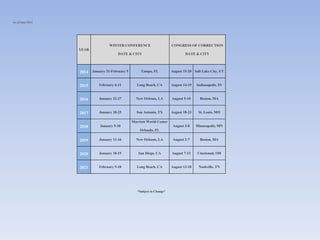
As of June 2014 
YEAR 
WINTER CONFERENCE 
DATE & CITY 
CONGRESS OF CORRECTION 
DATE & CITY 
2014 January 31-February 5 Tampa, FL August 15-20 Salt Lake City, UT 
2015 February 6-11 Long Beach, CA August 14-19 Indianapolis, IN 
2016 January 22-27 New Orleans, LA August 5-10 Boston, MA 
2017 January 20-25 San Antonio, TX August 18-23 St. Louis, MO 
2018 January 5-10 
Marriott World Center 
Orlando, FL 
August 3-8 Minneapolis, MN 
2019 January 11-16 New Orleans, LA August 2-7 Boston, MA 
2020 January 10-15 San Diego, CA August 7-12 Cincinnati, OH 
2021 February 5-10 Long Beach, CA August 13-18 Nashville, TN 
*Subject to Change* 

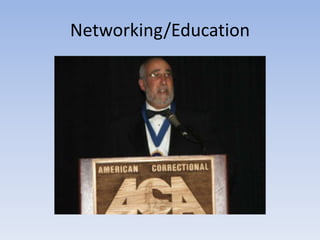
Networking/Education
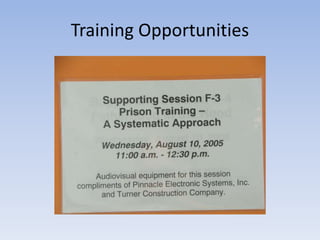
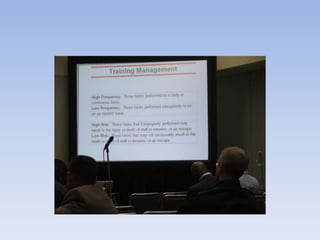
Training Opportunities
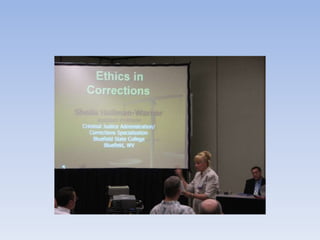
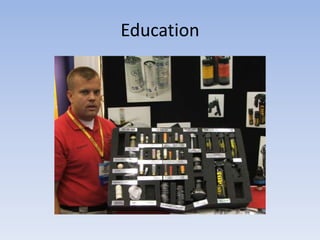
Education
Great Guest Speakers
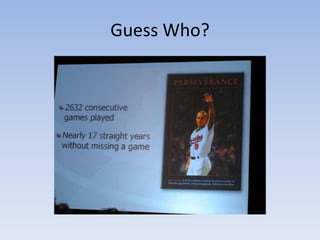
Guess Who?
INSPIRATION
Travel 
Nashville
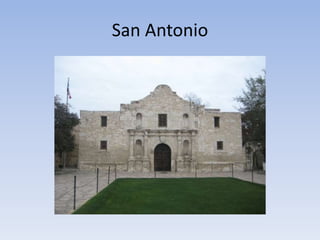
San Antonio
Networking And Renewing Friendships
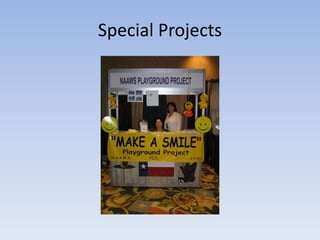
Special Projects
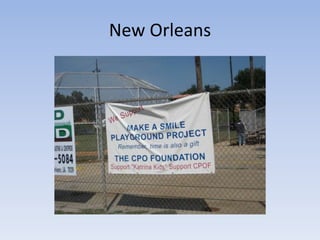
New Orleans
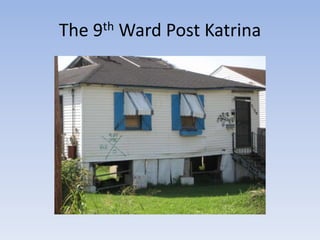
The 9th Ward Post Katrina
Work Crew From All Over The Country
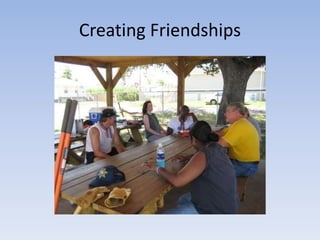
Creating Friendships
Help From Our Little Friends
Pride
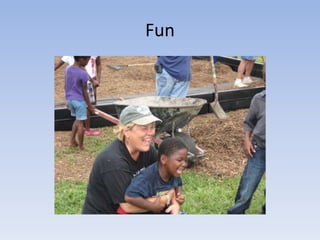
Fun
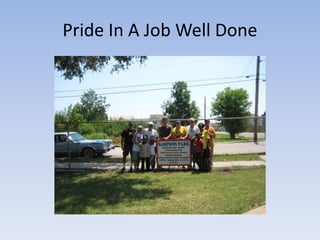
Pride In A Job Well Done
Statewide CAYSA 
• Each year Statewide CAYSA hosts a symposium 
in one of the regions, which is similar to the 
ACA conferences. 
• It provides an invaluable opportunity to 
network with individuals from all over the 
state. 
• Also the training sessions are informative and 
offer insight into the current trends of the 
field of criminal justice.
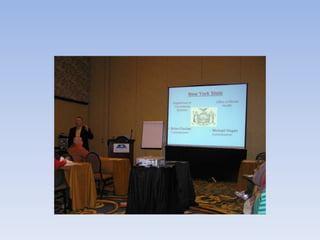
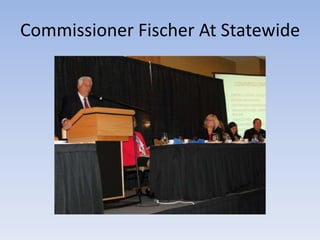
Commissioner Fischer At Statewide
Keeping Up With Current Trends
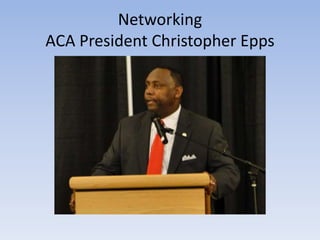
Networking 
ACA President Christopher Epps
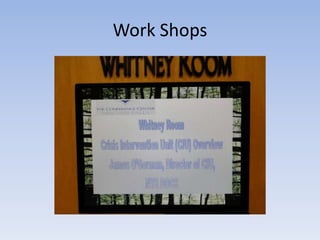
Work Shops
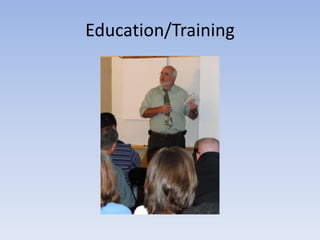
Education/Training
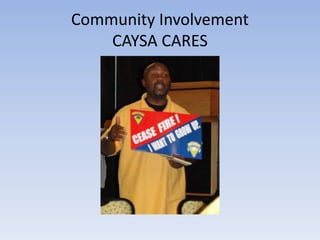
Community Involvement 
CAYSA CARES
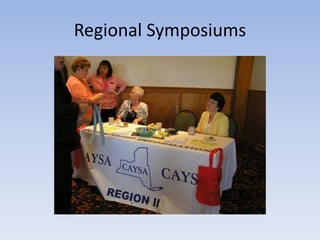
Regional Symposiums
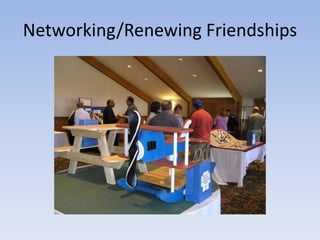
Networking/Renewing Friendships
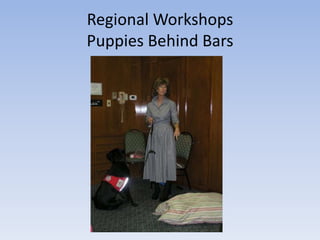
Regional Workshops 
Puppies Behind Bars
Education
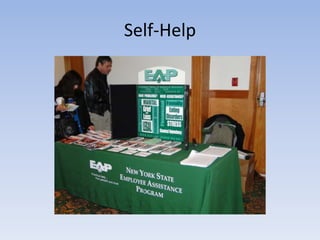
Self-Help
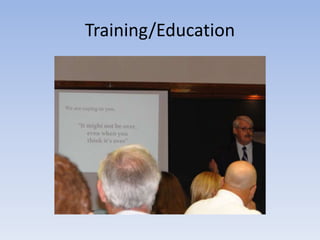
Training/Education
From The People That Live it
Education/Networking 
Moses Robinson, Rochester PD
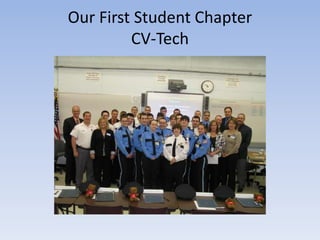
Our First Student Chapter 
CV-Tech
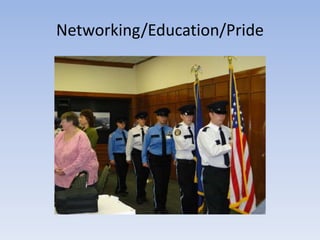
Networking/Education/Pride
Advantages of Membership 
• Excellent training opportunities 
• Networking 
• Able to keep up with current trends that are 
evolving in the Criminal Justice Field 
• Resume building 
• Education 
• Community Service/Special Projects 
• Travel
www.aca.org 
www.nycaysa.com
Thank You

Student chapters

  • 1.
  • 3.
    CAYSA EXECUTIVE BOARD • President - Michael Graziano Superintendent • Ulster C.F. • President Elect - Sharon Benson-Perry S.O.R.C. – Clinton Clinton C.F. • Past President - Robert Rock Retired Vice President - Rich Calidonna Deputy Superintendent for Administration Mohawk C.F. Secretary - Lisa Brennan Regional CoordinatorVolunteer Svcs. Sing Sing C.F. Treasurer - Karla Rae Barker Supervisor of Volunteer Svcs Adirondack C.F.
  • 4.
    • • Thefirst student chapter of the American Correctional Association came into existence on the campus of the University of Central Missouri in 1995. All students interested in a career in corrections were eligible to join this organization. • • New York State’s Corrections and Youth Services Association is working with accredited academic institutions to develop student chapters in New York State. Membership in student ACA chapters would also carry membership in the NYS Corrections and Youth Services Association (CAYSA). Student chapters of ACA would meet regularly on-campus and members would be able to attend regional and state-wide meetings/trainings of the New York State Corrections and Youth Services Association, as well as ACA trainings and conferences. • • Although corrections oriented, ACA addresses much broader issues of interest to law enforcement, social work, domestic violence and other issues related to crime and criminal justice. It is CAYSA’s goal to have students who may be interested in a career in criminal justice join their local student chapter of ACA. • • Student Chapter of the American Correctional Association
  • 5.
    • ABOUT ACA-SAC • ACA-SAC is the Student Affairs Committee of the American Correctional Association. The ACA has begun a student chapter program in order to help future practitioners in the field network with current career practitioners, share information on the field and to enhance the educational experience of students in criminal justice. The goal of the ACA-SAC focuses on organizing student chapters in colleges and high schools to encourage developing experience in all areas of corrections, which includes security, administration, business and accounting, technology, education, counseling, and more. The ACA-SAC can assist in organizing a student chapter, including providing sample bylaws and constitutions used by other schools. At the local level, ACA student chapters organize tours of prisons and other criminal justice institutions, guest speakers, community service activities, and other events that expand on familiarizion with the range of corrections. At the national level, the SAC encourages participation in the ACA Conferences that includes meeting other students and professionals. The ACA-SAC also sponsors poster sessions at each conference to provide students and opportunity to present papers and share ideas.
  • 6.
    Student Chapters ofACA • SUNY/Albany (Albany, NY) - Criminal Justice Association • Appalachian State University (Boone, NC) - ACA Student Chapter • Arizona State University - (Tempe/Phoenix AZ) Criminal Justice Club • Bellmont High School (Decatur, IN) • Brown Mackie College (Indianapolis, IN) • Champlain Valley Technical Services High School (Plattsburgh, NY) • Clayton State University (Morrow, GA) - Justice Society • Columbia-Greene Community College (Hudson, NY) • Concordia University (Chicago, IL)- Sociology of Law & Justice • Eastern Kentucky Univ. (Richmond, KY) - Corrections & Juv. Just. Student Organization • ITT Technical Institute (Spokane, WA) • Ivy Tech Community College (Terre Haute, IN)- Brach Student Chapter • Moraine Park Technical College (Fond du Lac, WI) - Corrections Club • Northern Illinois University (DeKalb, IL) - Academic Criminal Justice Association • Pierce College Criminal Justice Club • Richmond Community College (Hamlet, NC) - Student Chapter of ACA • St. Augustine College Student Chapter of the ACA • University of Central Missouri (Warrensburg, MO) - Student Chapter of ACA • University of Illinois/Chicago (Chicago, IL) - Criminal Justice Society • Washburn University (Kansas) - Criminal Justice Association/Corrections Group • Western Illinois University (Macomb, IL) - Corrections Club • Westwood College/River Oaks (Chicago, IL) • Wisconsin Indianhead Technical College (New Richmond, WI)
  • 7.
    ACA-SAC FREQUENTLY ASKED QUESTIONS • QUESTION 1: WHAT IS ACA-SAC? • The ACA-SAC is the Student Affairs Committee of the American Correctional Association. It is comprised of committee members appointed by the ACA and the ACA student chapters.
  • 8.
    QUESTION 2: WHATDOES THE ACA-SAC DO? • The ACA-SAC encourages the development of student chapters at high schools, colleges, and universities across the country. The goal is to provide students with a background in all forms of criminal justice, not just corrections. Student chapters plan activities that promote scholarship, community service, and practical experience in some area of criminal justice.
  • 9.
    QUESTION 3: WHATIS THE ACA? • The ACA is the oldest and largest correctional association in the world. It serves all disciplines in corrections and other criminal justice fields.
  • 10.
    QUESTION 4: WHATIF I'M NOT INTERESTED IN PRISONS? • Prisons are a like a small town. They employ correctional officers, accountants, personnel managers, researchers, information technologists, medical staff, and much more. Corrections includes counselors and therapists, canine specialists, substance abuse professionals, researchers, computer specialists, law enforcement, legal professionals, teachers, and anything else you would find in a city. Despite the label "Corrections," the ACA addresses issues relevant to any discipline or profession.
  • 11.
    QUESTION 5: HOWCAN WE START A STUDENT CHAPTER? • Becoming a student chapter member is quite easy. Visit the ACA's instructions. If you already have an existing criminal justice club, it's even easier. All you have to do is sign up 10 members to join the ACA at very inexpensive student rates, and send in your student charter and bylaws to the ACA. Because different schools have different requirements and names for constitutions, bylaws, and charter, these may vary between schools. The ACA simply needs confirmation of the organization's recognition approval by the school and a list of the members who have joined. When sending in memberships, it is usually easiest if the faculty advisor or some other representative sends them in together with a note to the ACA indicating that they are for your chapter.
  • 12.
    QUESTION 6: CANI PARTICIPATE EVEN IF OUR SCHOOL DOESN'T HAVE A STUDENT CHAPTER? • ABSOLUTELY! You can join ACA on your own for the low student/associate membership dues. You can attend ACA conferences (twice a year) at reduced rates, meet with students at the conference, be on the ACA-SAC email lists and be a part of the ACA action.
  • 13.
    Cost • Associate($25.00 annually) •For full time students not currently working within the field of corrections, retired •Professionals, volunteers and interested citizens (subject to verification). •One year subscription to Corrections Today and On the Line •20% discount on all correspondence courses.
  • 14.
    Being a membercan also give you access to these services sometimes at a discount: • •Publications •Correspondence Courses •Award-winning Periodicals •Videos and other training materials •Professional Development •Training Resources •National Workshops •On-Site Workshops •Technical Assistance •Correspondence Courses •Grants •Conventions •Winter Conference •Summer Congress •Advertising •Corrections Today •ACA Directories •Conference Exhibitor & Attendee Guides •Standards & Accreditation Auditor Information •ACA Government Affairs •Legislative Liaison •Information About Legislative Affairs Effecting Corrections
  • 15.
    Advantages of Membership • Excellent training opportunities • Networking • Able to keep up with current trends that are evolving in the Criminal Justice Field • Resume building • Education • Community Service/Special Projects • Travel
  • 16.
    As of June2014 YEAR WINTER CONFERENCE DATE & CITY CONGRESS OF CORRECTION DATE & CITY 2014 January 31-February 5 Tampa, FL August 15-20 Salt Lake City, UT 2015 February 6-11 Long Beach, CA August 14-19 Indianapolis, IN 2016 January 22-27 New Orleans, LA August 5-10 Boston, MA 2017 January 20-25 San Antonio, TX August 18-23 St. Louis, MO 2018 January 5-10 Marriott World Center Orlando, FL August 3-8 Minneapolis, MN 2019 January 11-16 New Orleans, LA August 2-7 Boston, MA 2020 January 10-15 San Diego, CA August 7-12 Cincinnati, OH 2021 February 5-10 Long Beach, CA August 13-18 Nashville, TN *Subject to Change* 
  • 17.
  • 18.
  • 22.
  • 24.
  • 25.
  • 26.
  • 27.
  • 28.
  • 29.
  • 30.
  • 31.
  • 32.
    The 9th WardPost Katrina
  • 33.
    Work Crew FromAll Over The Country
  • 34.
  • 35.
    Help From OurLittle Friends
  • 36.
  • 37.
  • 39.
    Pride In AJob Well Done
  • 40.
    Statewide CAYSA •Each year Statewide CAYSA hosts a symposium in one of the regions, which is similar to the ACA conferences. • It provides an invaluable opportunity to network with individuals from all over the state. • Also the training sessions are informative and offer insight into the current trends of the field of criminal justice.
  • 41.
  • 42.
    Keeping Up WithCurrent Trends
  • 43.
    Networking ACA PresidentChristopher Epps
  • 44.
  • 45.
  • 46.
  • 48.
  • 49.
  • 50.
  • 51.
  • 52.
  • 53.
  • 54.
    From The PeopleThat Live it
  • 55.
  • 56.
    Our First StudentChapter CV-Tech
  • 57.
  • 58.
    Advantages of Membership • Excellent training opportunities • Networking • Able to keep up with current trends that are evolving in the Criminal Justice Field • Resume building • Education • Community Service/Special Projects • Travel
  • 59.
  • 60.