STATE OF THE
YOUTH IN EL
SALVADOR
Iris Huezo
PST 1 YD
2014
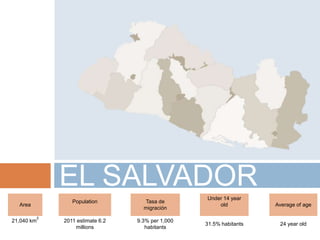
EL SALVADOR
Area
Population Tasa de
migración
Under 14 year
old Average of age
21,040 km
2
2011 estimate 6.2
millions
9.3% per 1,000
habitants
31.5% habitants 24 year old
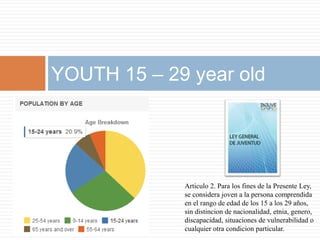
YOUTH 15 – 29 year old
Articulo 2. Para los fines de la Presente Ley,
se considera joven a la persona comprendida
en el rango de edad de los 15 a los 29 años,
sin distincion de nacionalidad, etnia, genero,
discapacidad, situaciones de vulnerabilidad o
cualquier otra condicion particular.
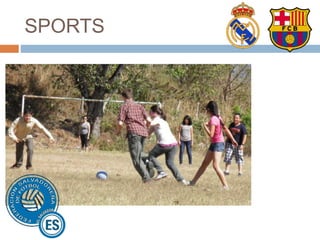
SPORTS
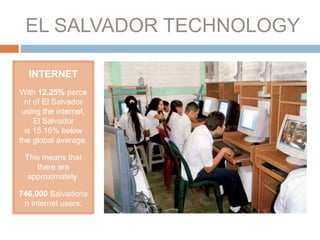
EL SALVADOR TECHNOLOGY
INTERNET
With 12.25% perce
nt of El Salvador
using the internet,
El Salvador
is 15.16% below
the global average.
This means that
there are
approximately
746,000 Salvadoria
n internet users.
EDUCATION
EDUCATION
Percentage of repeaters,
primary
6%
Primary to secondary transition
rate
92%
Survival rate to grade 9 82%
KINDER
PRIMARIA
SECUNDARIA
TERCER
CICLO
BACHILLERAT
O
UNIVERSIDAD
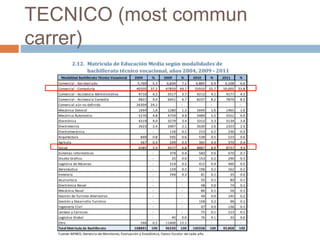
TECNICO (most commun
carrer)
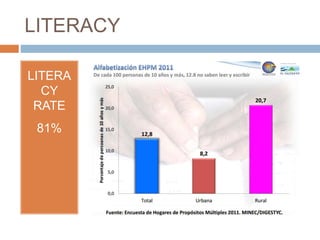
LITERACY
LITERA
CY
RATE
81%
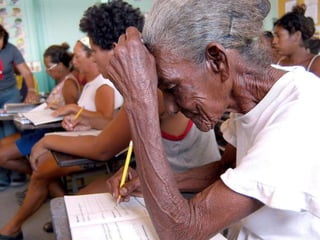
 The majority of Youth are NOT going to school
 “Education is for the rich and priveledged”
mentality
 Earning a high school degree is HUGE
 The quality of education available in rural areas is
inferior to what’s available in urban areas
 Educating young women is NOT a priority
 Poverty is the #1 obstacle to receiving a good
education
 The new challenge is to mantein kids at the
School, Parent’s are afraid of gangs members.
WORLD OF WORK
What Does it All Mean?
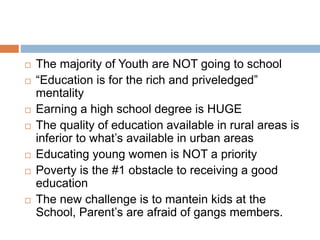
 ...want professional jobs
but lack of the academic
preparation needed to
obtain them
 ...lack of knowledge in
terms of how to find jobs
and prepare themselves
for the job force
 ...are most likely to
participate in non-formal
labor activities which
provide no legal protection
Urban youth…
OTHERS….
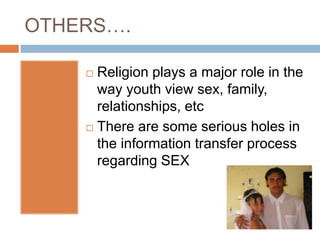
 Religion plays a major role in the
way youth view sex, family,
relationships, etc
 There are some serious holes in
the information transfer process
regarding SEX
WORLD OF WORK
What Does it All Mean?
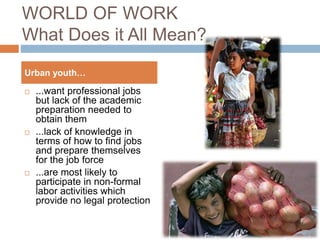
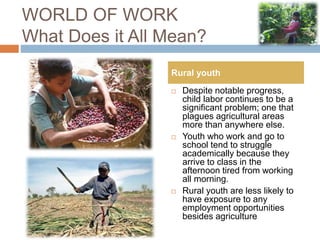
 Despite notable progress,
child labor continues to be a
significant problem; one that
plagues agricultural areas
more than anywhere else.
 Youth who work and go to
school tend to struggle
academically because they
arrive to class in the
afternoon tired from working
all morning.
 Rural youth are less likely to
have exposure to any
employment opportunities
besides agriculture
Rural youth
FAMILY
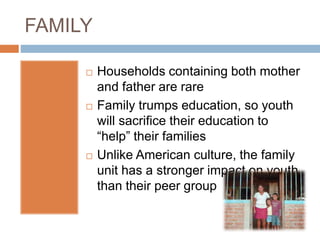
 Households containing both mother
and father are rare
 Family trumps education, so youth
will sacrifice their education to
“help” their families
 Unlike American culture, the family
unit has a stronger impact on youth
than their peer group
Stateofthe youth2014updated

Stateofthe youth2014updated

  • 1.
    STATE OF THE YOUTHIN EL SALVADOR Iris Huezo PST 1 YD 2014
  • 3.
    EL SALVADOR Area Population Tasade migración Under 14 year old Average of age 21,040 km 2 2011 estimate 6.2 millions 9.3% per 1,000 habitants 31.5% habitants 24 year old
  • 8.
    YOUTH 15 –29 year old Articulo 2. Para los fines de la Presente Ley, se considera joven a la persona comprendida en el rango de edad de los 15 a los 29 años, sin distincion de nacionalidad, etnia, genero, discapacidad, situaciones de vulnerabilidad o cualquier otra condicion particular.
  • 10.
  • 11.
    EL SALVADOR TECHNOLOGY INTERNET With12.25% perce nt of El Salvador using the internet, El Salvador is 15.16% below the global average. This means that there are approximately 746,000 Salvadoria n internet users.
  • 12.
  • 13.
    EDUCATION Percentage of repeaters, primary 6% Primaryto secondary transition rate 92% Survival rate to grade 9 82% KINDER PRIMARIA SECUNDARIA TERCER CICLO BACHILLERAT O UNIVERSIDAD
  • 14.
  • 15.
  • 17.
     The majorityof Youth are NOT going to school  “Education is for the rich and priveledged” mentality  Earning a high school degree is HUGE  The quality of education available in rural areas is inferior to what’s available in urban areas  Educating young women is NOT a priority  Poverty is the #1 obstacle to receiving a good education  The new challenge is to mantein kids at the School, Parent’s are afraid of gangs members.
  • 18.
    WORLD OF WORK WhatDoes it All Mean?  ...want professional jobs but lack of the academic preparation needed to obtain them  ...lack of knowledge in terms of how to find jobs and prepare themselves for the job force  ...are most likely to participate in non-formal labor activities which provide no legal protection Urban youth…
  • 19.
    OTHERS….  Religion playsa major role in the way youth view sex, family, relationships, etc  There are some serious holes in the information transfer process regarding SEX
  • 20.
    WORLD OF WORK WhatDoes it All Mean?  Despite notable progress, child labor continues to be a significant problem; one that plagues agricultural areas more than anywhere else.  Youth who work and go to school tend to struggle academically because they arrive to class in the afternoon tired from working all morning.  Rural youth are less likely to have exposure to any employment opportunities besides agriculture Rural youth
  • 21.
    FAMILY  Households containingboth mother and father are rare  Family trumps education, so youth will sacrifice their education to “help” their families  Unlike American culture, the family unit has a stronger impact on youth than their peer group

Editor's Notes

  • #9 http://country-facts.findthedata.org/l/69/El-Salvador