
©2010
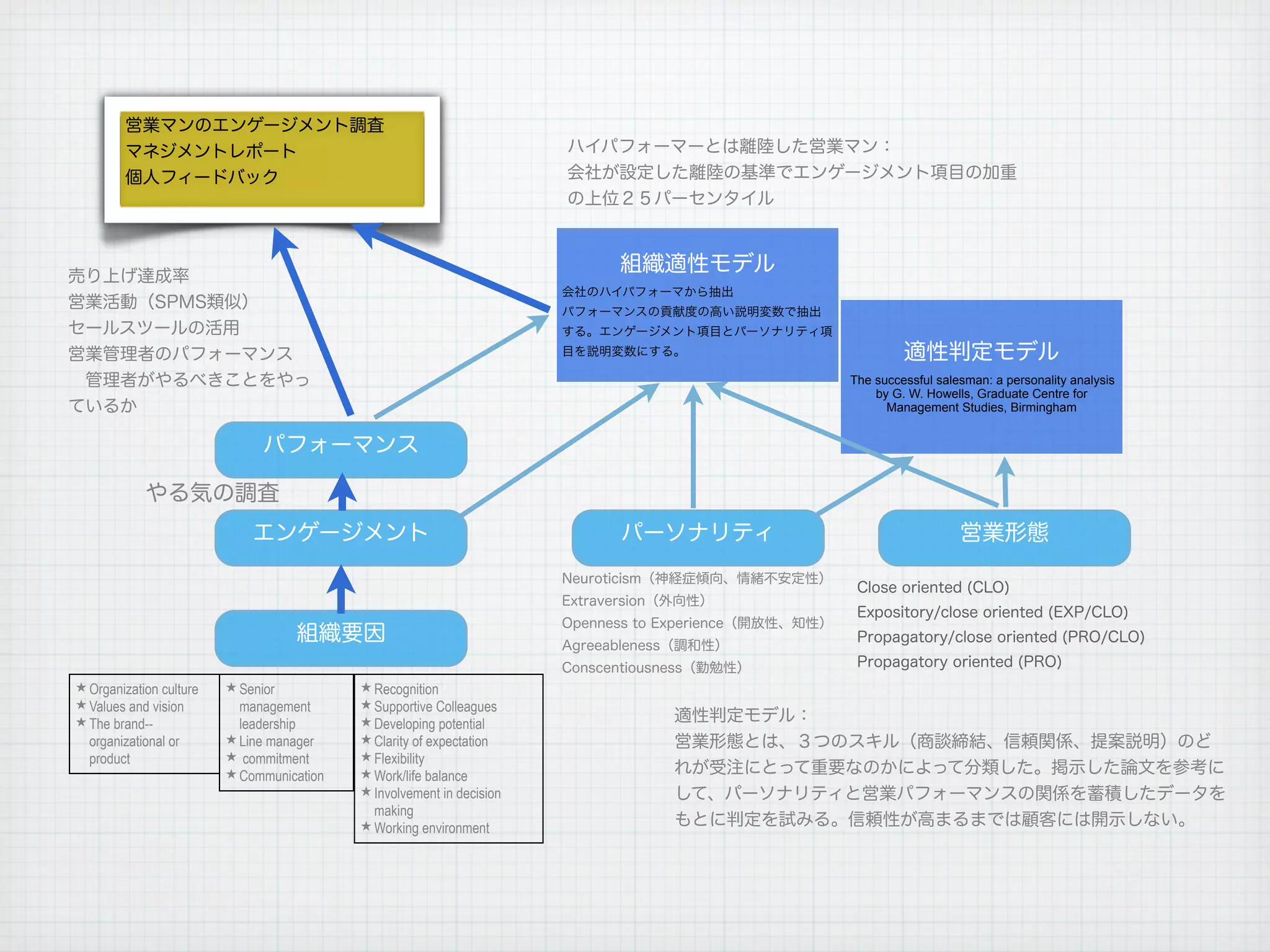
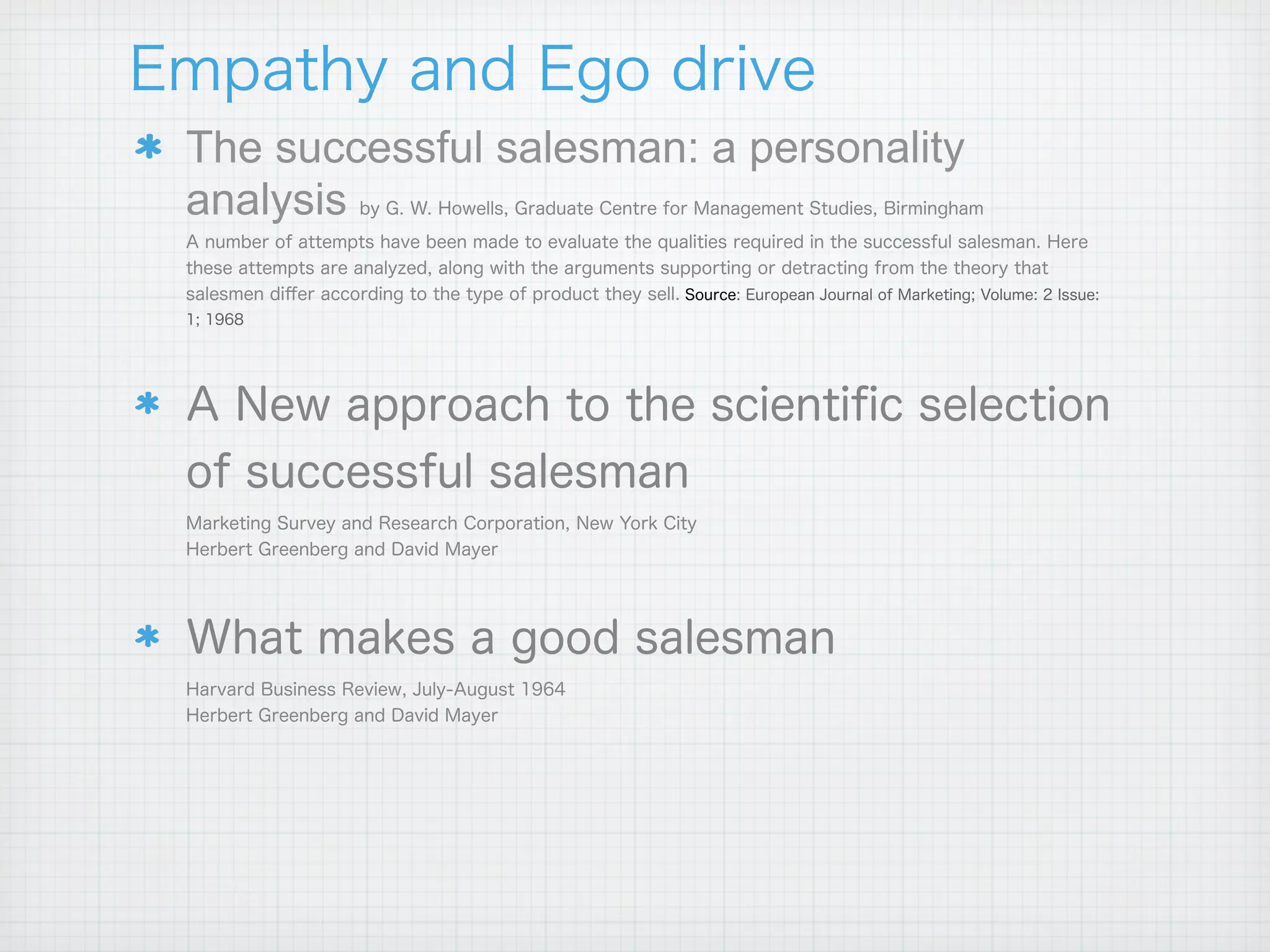
The successful salesman: a personality analysis
                                                                           by G. W. Howells, Graduate Centre for
                                                                             Management Studies, Birmingham


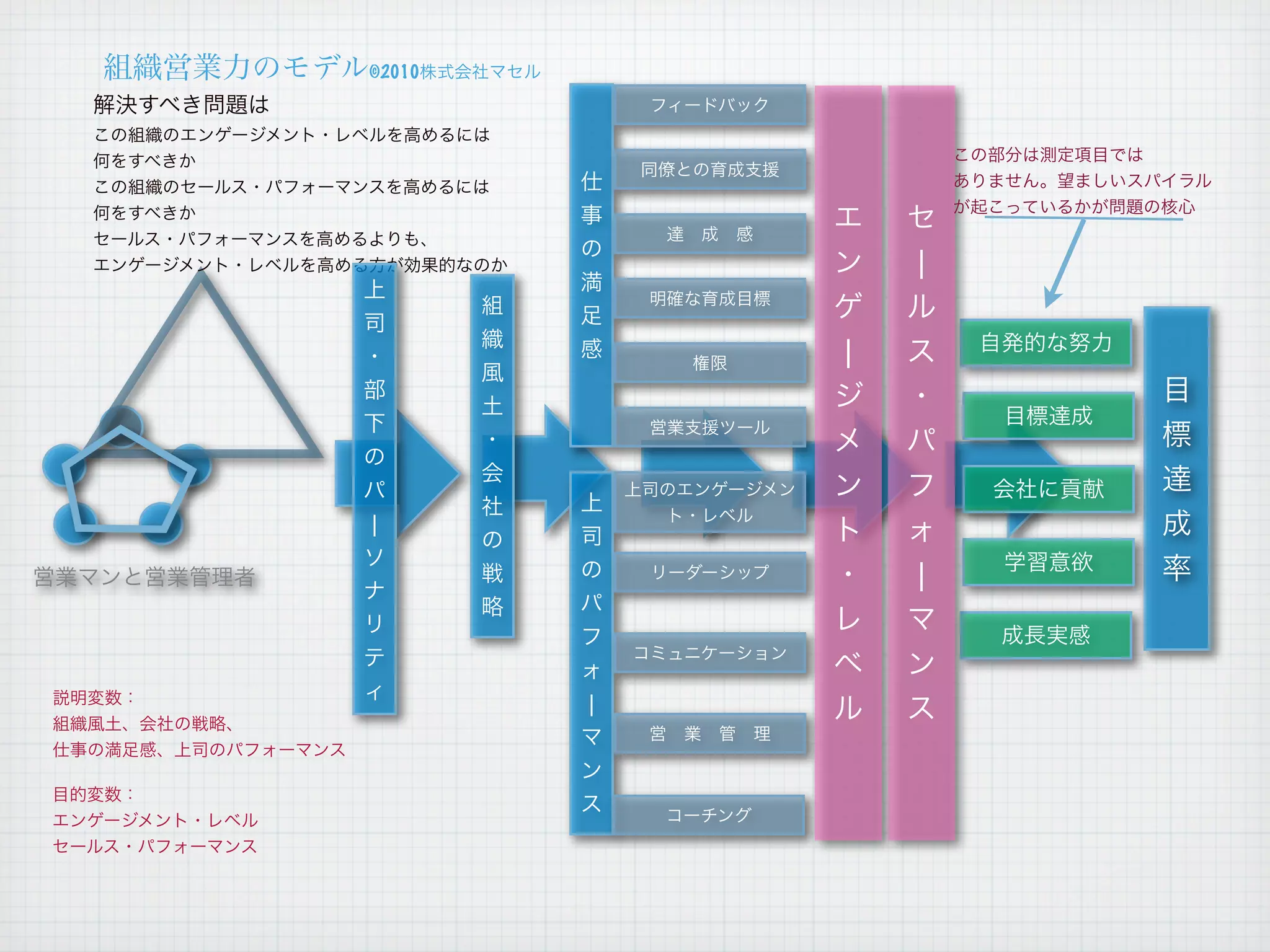
★ Organization culture   ★ Senior          ★ Recognition
★ Values and vision        management      ★ Supportive Colleagues
★ The brand--              leadership      ★ Developing potential
  organizational or      ★ Line manager    ★ Clarity of expectation
  product                ★ commitment      ★ Flexibility
                         ★ Communication   ★ Work/life balance
                                           ★ Involvement in decision
                                             making
                                           ★ Working environment
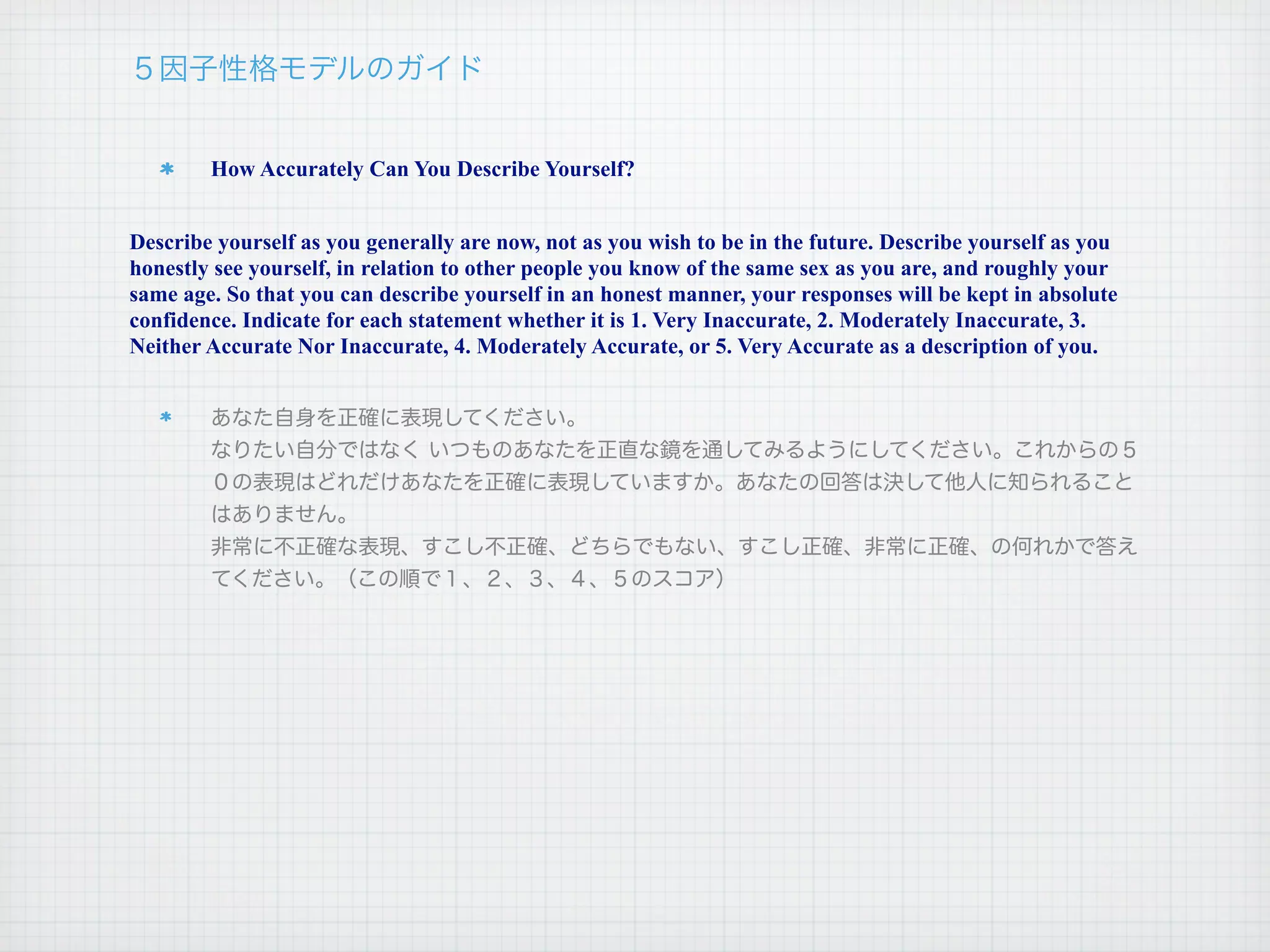
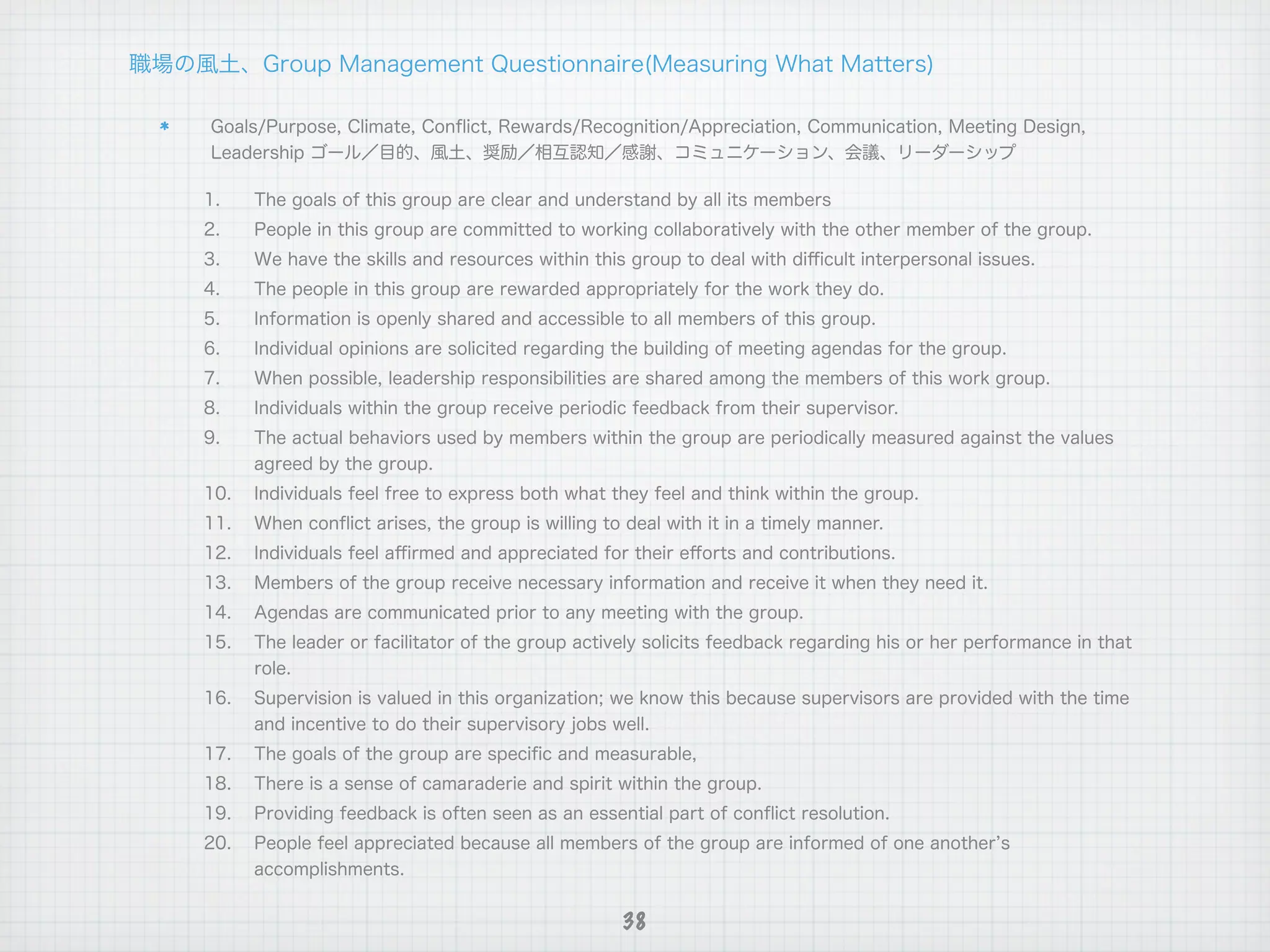
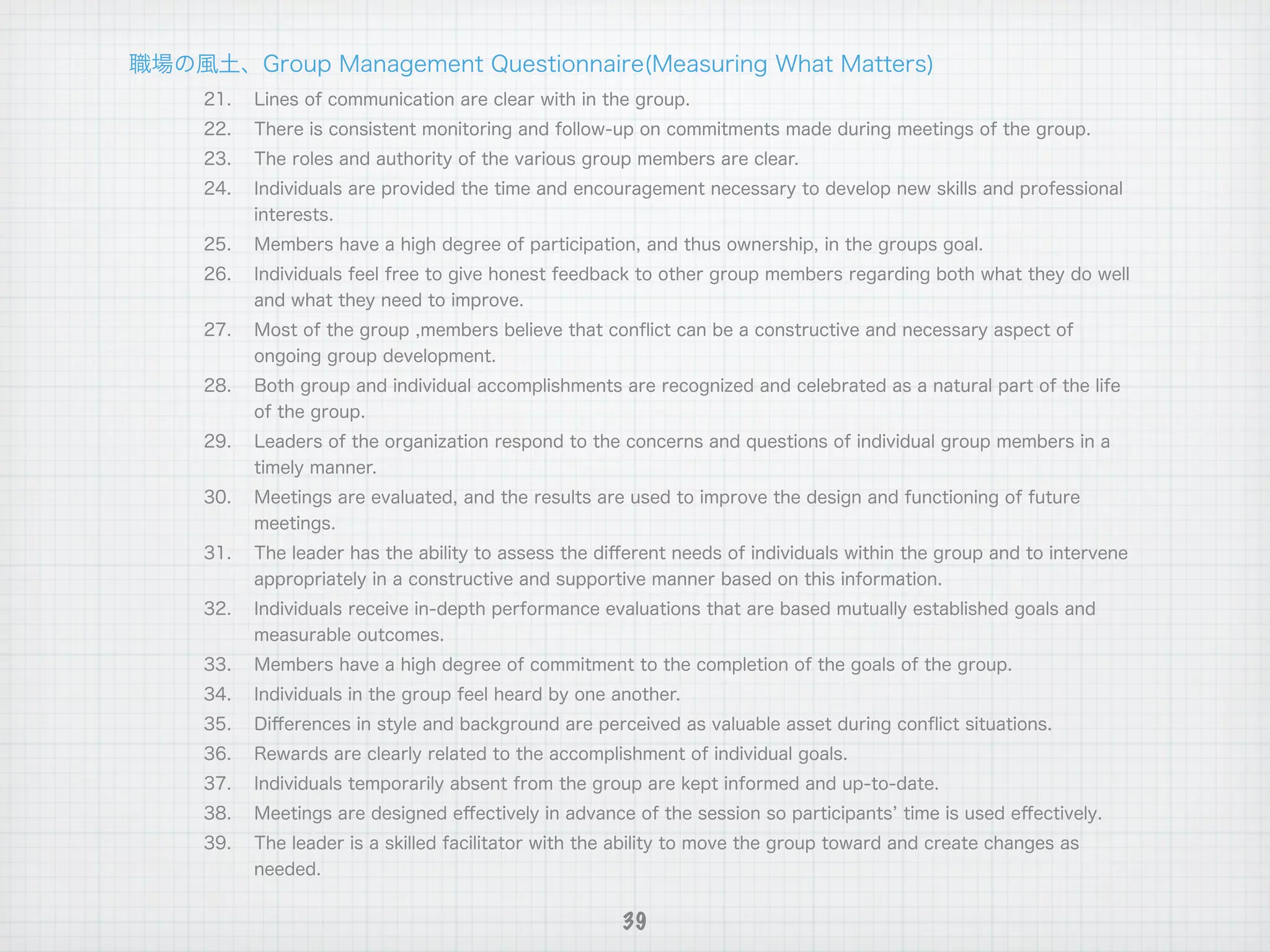
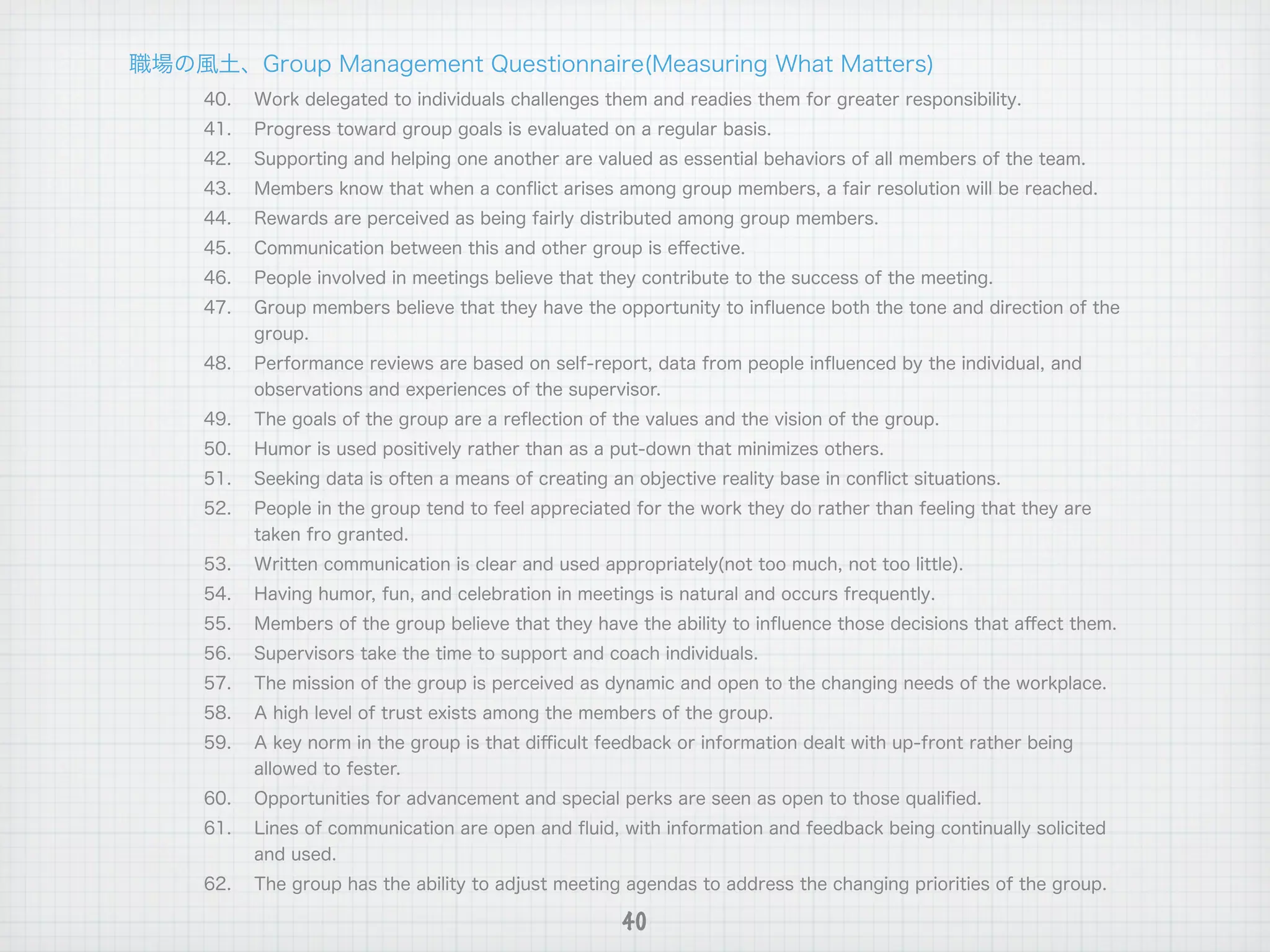
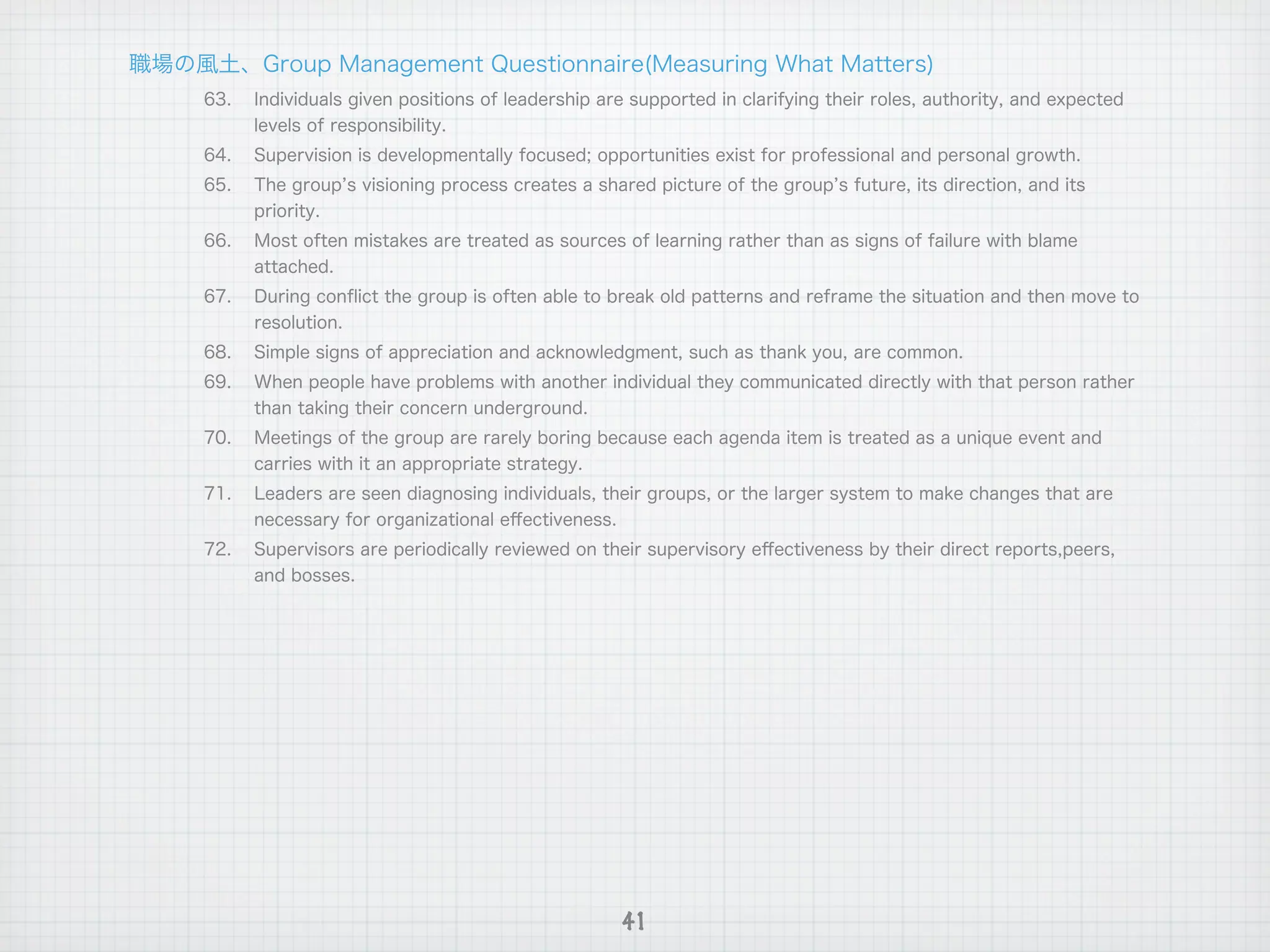
How Accurately Can You Describe Yourself?


Describe yourself as you generally are now, not as you wish to be in the future. Describe yourself as you
honestly see yourself, in relation to other people you know of the same sex as you are, and roughly your
same age. So that you can describe yourself in an honest manner, your responses will be kept in absolute
confidence. Indicate for each statement whether it is 1. Very Inaccurate, 2. Moderately Inaccurate, 3.
Neither Accurate Nor Inaccurate, 4. Moderately Accurate, or 5. Very Accurate as a description of you.
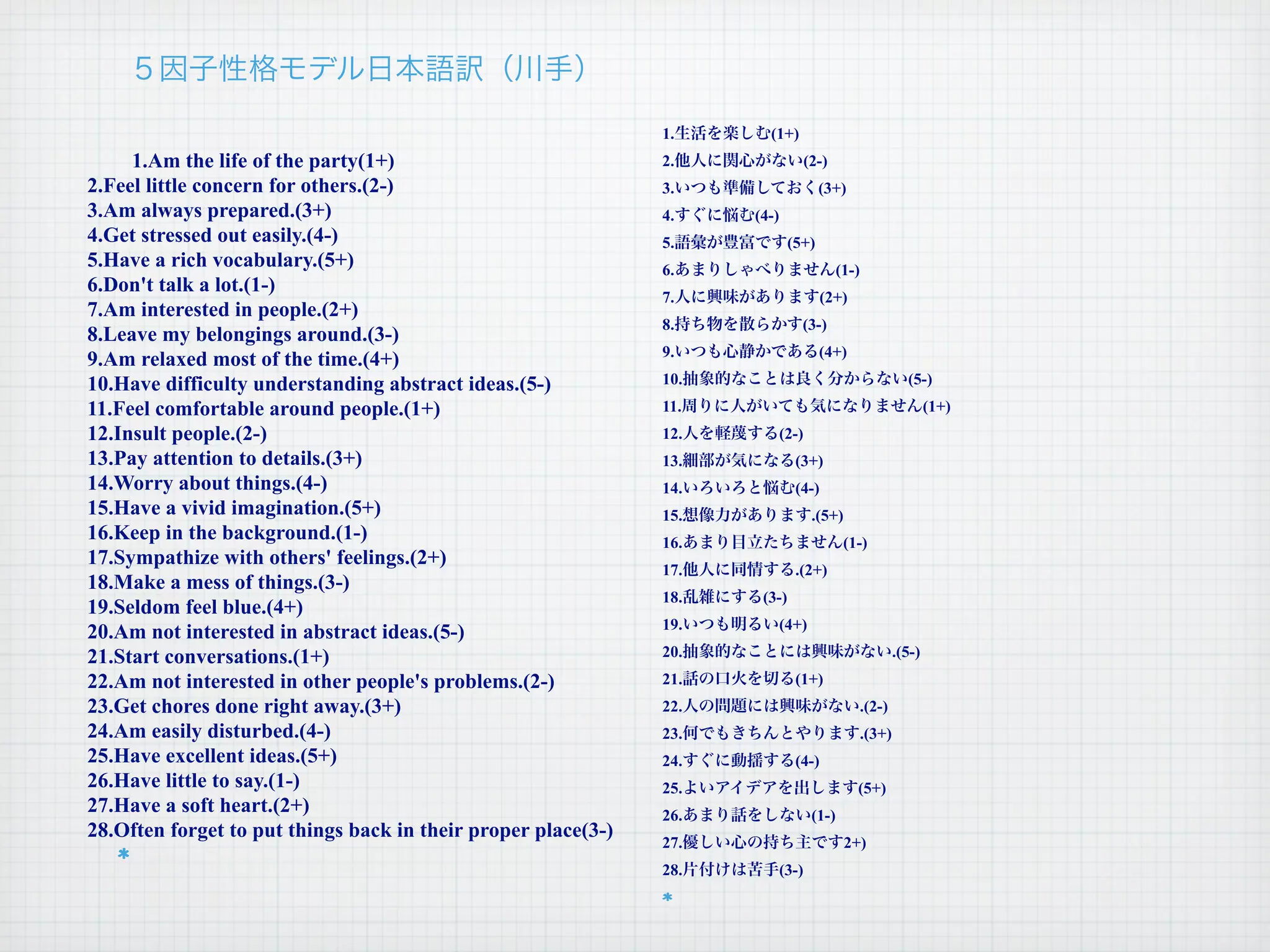
1.      (1+)
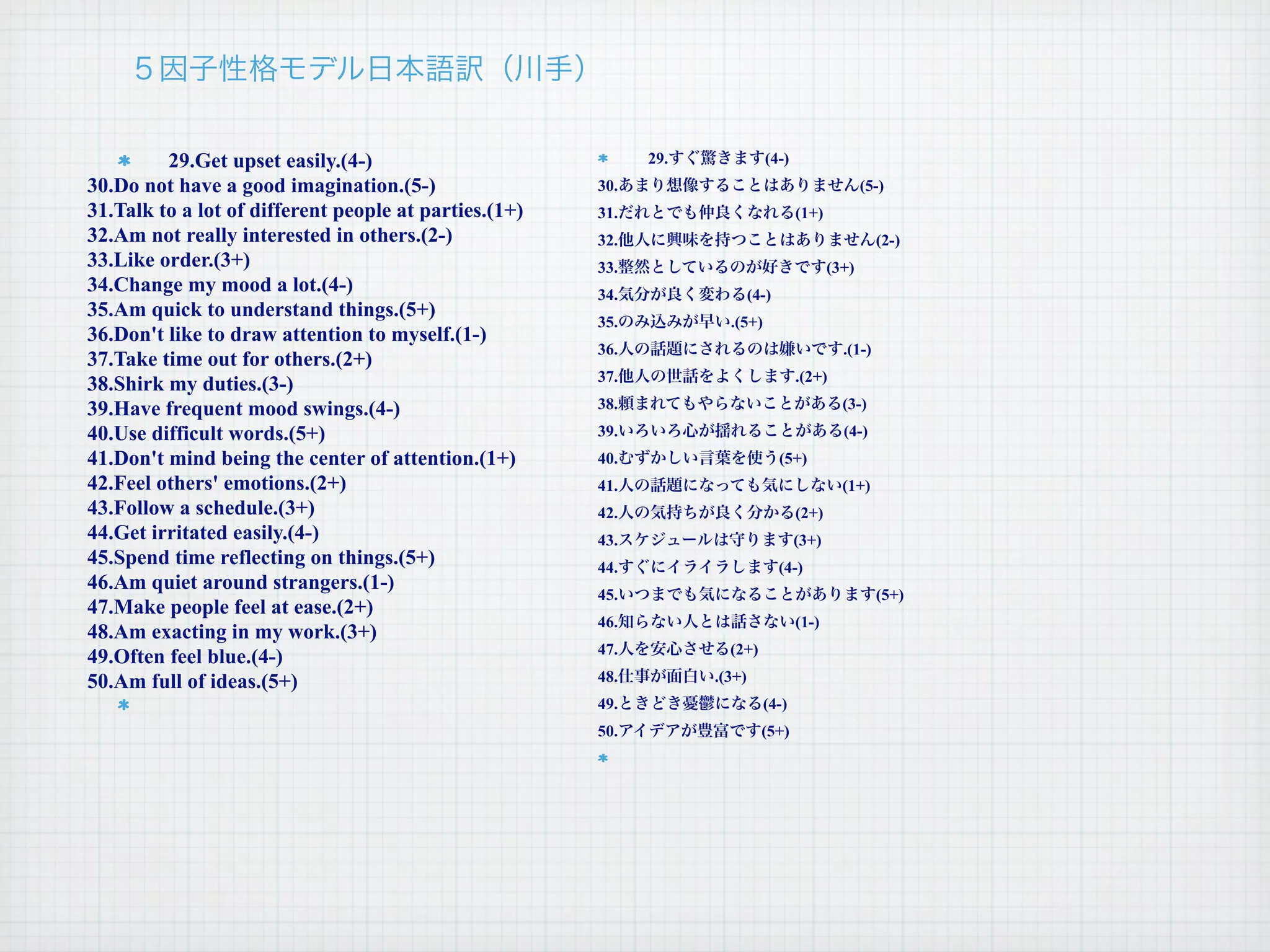
     1.Am the life of the party(1+)                            2.                  (2-)
2.Feel little concern for others.(2-)                          3.                    (3+)
3.Am always prepared.(3+)                                      4.    (4-)
4.Get stressed out easily.(4-)                                 5.            (5+)
5.Have a rich vocabulary.(5+)                                  6.                          (1-)
6.Don't talk a lot.(1-)
                                                               7.                    (2+)
7.Am interested in people.(2+)
                                                               8.              (3-)
8.Leave my belongings around.(3-)
                                                               9.                    (4+)
9.Am relaxed most of the time.(4+)
10.Have difficulty understanding abstract ideas.(5-)           10.                                          (5-)
11.Feel comfortable around people.(1+)                         11.                                                (1+)
12.Insult people.(2-)                                          12.          (2-)
13.Pay attention to details.(3+)                               13.            (3+)
14.Worry about things.(4-)                                     14.            (4-)
15.Have a vivid imagination.(5+)                               15.                  .(5+)
16.Keep in the background.(1-)                                 16.                          (1-)
17.Sympathize with others' feelings.(2+)
                                                               17.            .(2+)
18.Make a mess of things.(3-)
                                                               18.    (3-)
19.Seldom feel blue.(4+)
                                                               19.          (4+)
20.Am not interested in abstract ideas.(5-)
21.Start conversations.(1+)                                    20.                                        .(5-)
22.Am not interested in other people's problems.(2-)           21.            (1+)
23.Get chores done right away.(3+)                             22.                                .(2-)
24.Am easily disturbed.(4-)                                    23.                                .(3+)
25.Have excellent ideas.(5+)                                   24.            (4-)
26.Have little to say.(1-)                                     25.                            (5+)
27.Have a soft heart.(2+)                                      26.                  (1-)
28.Often forget to put things back in their proper place(3-)
                                                               27.                          2+)
                                                               28.          (3-)
29.Get upset easily.(4-)                            29.             (4-)
30.Do not have a good imagination.(5-)                 30.                                        (5-)
31.Talk to a lot of different people at parties.(1+)   31.                          (1+)
32.Am not really interested in others.(2-)             32.                                           (2-)
33.Like order.(3+)                                     33.                                 (3+)
34.Change my mood a lot.(4-)                           34.                 (4-)
35.Am quick to understand things.(5+)
                                                       35.           .(5+)
36.Don't like to draw attention to myself.(1-)
                                                       36.                                   .(1-)
37.Take time out for others.(2+)
                                                       37.                          .(2+)
38.Shirk my duties.(3-)
39.Have frequent mood swings.(4-)                      38.                                   (3-)
40.Use difficult words.(5+)                            39.                                   (4-)
41.Don't mind being the center of attention.(1+)       40.                        (5+)
42.Feel others' emotions.(2+)                          41.                                   (1+)
43.Follow a schedule.(3+)                              42.                          (2+)
44.Get irritated easily.(4-)                           43.                          (3+)
45.Spend time reflecting on things.(5+)                44.                        (4-)
46.Am quiet around strangers.(1-)
                                                       45.                                           (5+)
47.Make people feel at ease.(2+)
                                                       46.                          (1-)
48.Am exacting in my work.(3+)
                                                       47.           (2+)
49.Often feel blue.(4-)
50.Am full of ideas.(5+)                               48.         .(3+)
                                                       49.                   (4-)
                                                       50.                   (5+)
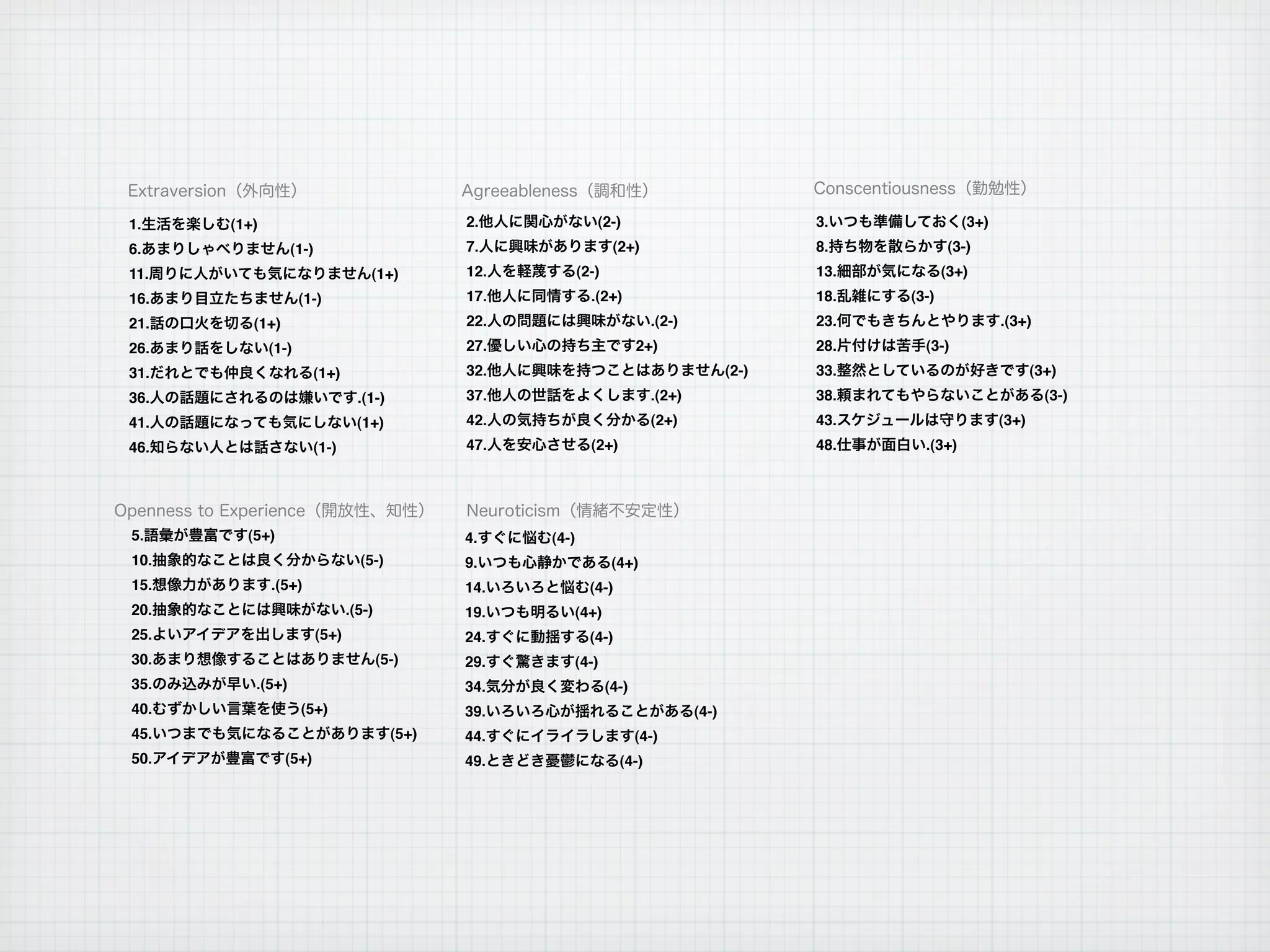
1.    (1+)                                      2.              (2-)                               3.              (3+)
6.               (1-)                           7.                   (2+)                          8.           (3-)
11.                                (1+)         12.          (2-)                                  13.          (3+)
16.                 (1-)                        17.            .(2+)                               18.   (3-)
21.      (1+)                                   22.                          .(2-)                 23.                    .(3+)
26.          (1-)                               27.                        2+)                     28.     (3-)
31.                     (1+)                    32.                                         (2-)   33.                           (3+)
36.                              .(1-)          37.                          .(2+)                 38.                             (3-)
41.                              (1+)           42.                          (2+)                  43.                    (3+)
46.                     (1-)                    47.            (2+)                                48.     .(3+)


5.      (5+)                                    4.    (4-)
10.                              (5-)           9.                   (4+)
15.          .(5+)                              14.            (4-)
20.                            .(5-)            19.          (4+)
25.                     (5+)                    24.            (4-)
30.                                    (5-)     29.          (4-)
35.      .(5+)                                  34.                 (4-)
40.                 (5+)                        39.                                  (4-)
45.                                      (5+)   44.                        (4-)
50.             (5+)                            49.                   (4-)
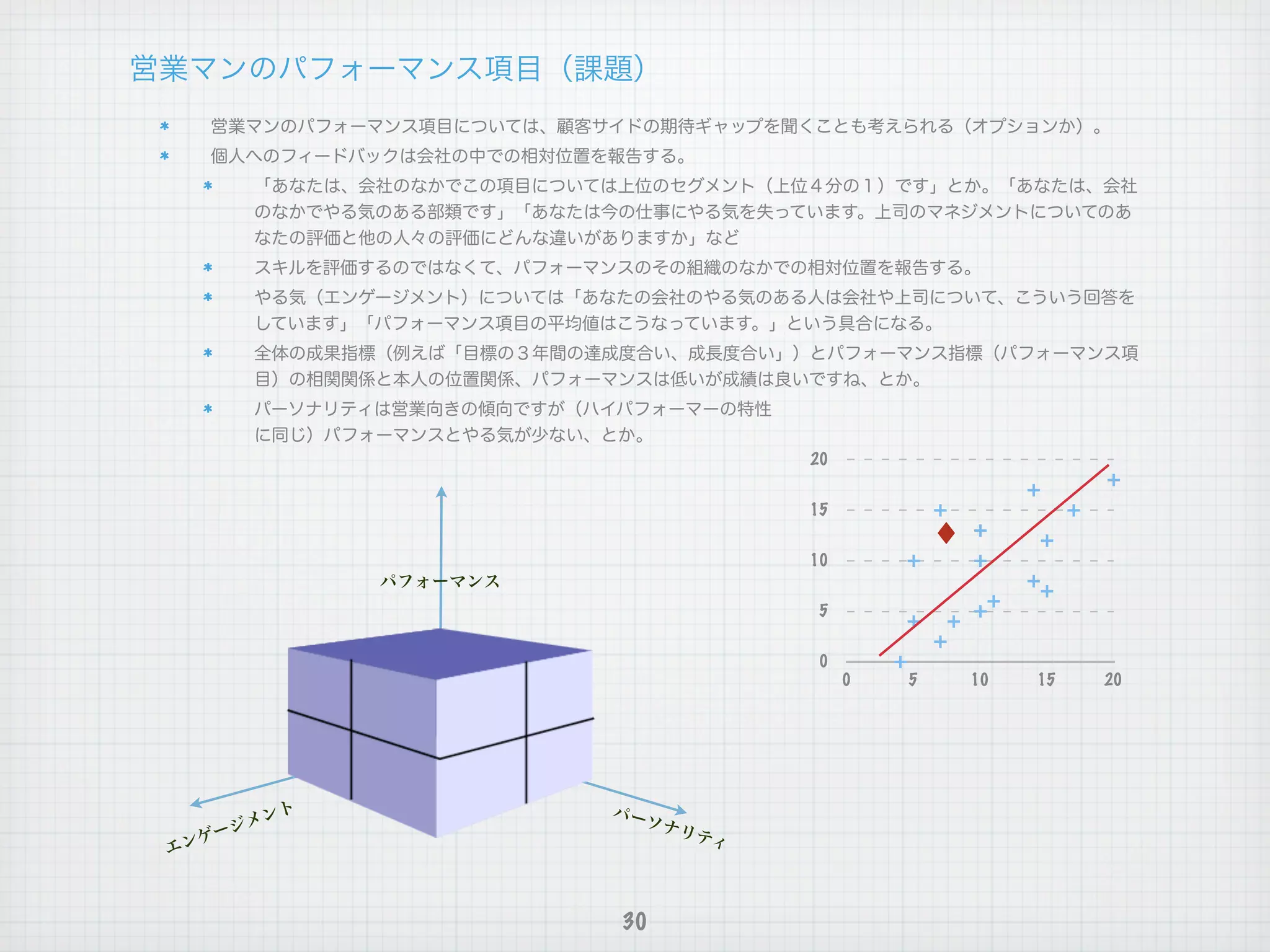
26
27
28
29
20


     15


     10


      5


      0
          0   5   10   15   20


30
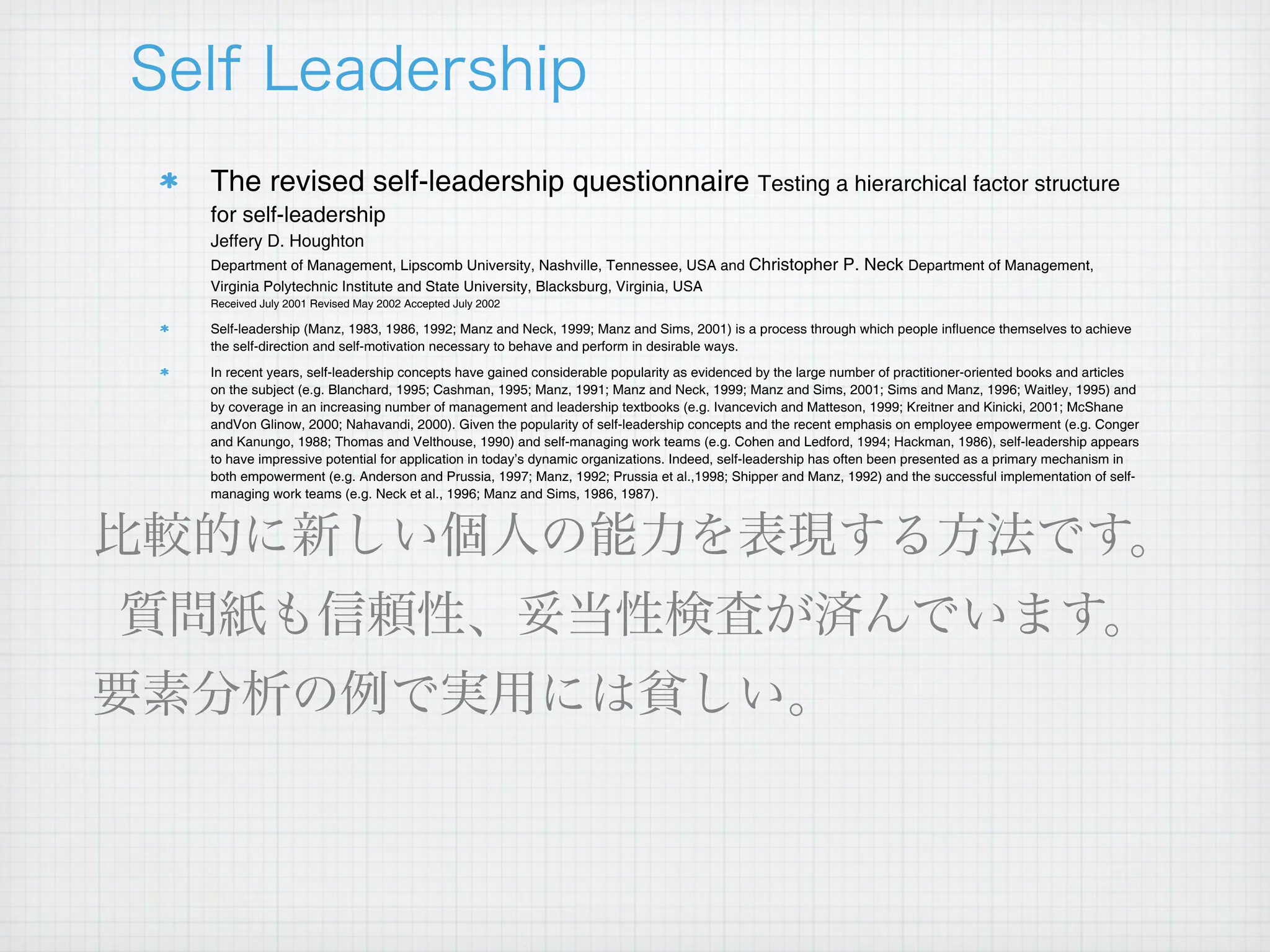
The revised self-leadership questionnaire Testing a hierarchical factor structure
for self-leadership
Jeffery D. Houghton
Department of Management, Lipscomb University, Nashville, Tennessee, USA and Christopher P. Neck Department of Management,
Virginia Polytechnic Institute and State University, Blacksburg, Virginia, USA
Received July 2001 Revised May 2002 Accepted July 2002

Self-leadership (Manz, 1983, 1986, 1992; Manz and Neck, 1999; Manz and Sims, 2001) is a process through which people influence themselves to achieve
the self-direction and self-motivation necessary to behave and perform in desirable ways.
In recent years, self-leadership concepts have gained considerable popularity as evidenced by the large number of practitioner-oriented books and articles
on the subject (e.g. Blanchard, 1995; Cashman, 1995; Manz, 1991; Manz and Neck, 1999; Manz and Sims, 2001; Sims and Manz, 1996; Waitley, 1995) and
by coverage in an increasing number of management and leadership textbooks (e.g. Ivancevich and Matteson, 1999; Kreitner and Kinicki, 2001; McShane
andVon Glinow, 2000; Nahavandi, 2000). Given the popularity of self-leadership concepts and the recent emphasis on employee empowerment (e.g. Conger
and Kanungo, 1988; Thomas and Velthouse, 1990) and self-managing work teams (e.g. Cohen and Ledford, 1994; Hackman, 1986), self-leadership appears
to have impressive potential for application in today’s dynamic organizations. Indeed, self-leadership has often been presented as a primary mechanism in
both empowerment (e.g. Anderson and Prussia, 1997; Manz, 1992; Prussia et al.,1998; Shipper and Manz, 1992) and the successful implementation of self-
managing work teams (e.g. Neck et al., 1996; Manz and Sims, 1986, 1987).
(
The successful salesman: a personality
analysis
The reason why some experts advocate this quality is that every time a salesman fails to sell, his self picture diminshes. He
            must, therefore, have an ego which is strong enough to withstand such failures. He must ever remain enthusiastic on his
            job. In this sense, enthusiasm is linked up with he ego drive. An enthusiastic salesman makes the buyer enthusiastic to
            buy.


             Perhaps it is not possible to change the “types” of one's personality from subjective but person can, for example, increase
            his knowledge, cultivate his voice and speech, improve his manners and mannerisms, dress in good taste and develop
            certain attributes. A person may not possess all the qualities that are present in the best salesman but he can strive to
            compensate for those that are lacking. It cannot be denied that personality can be improved by conscientious efforts. The
            modern tendency amongst sales managers is that they realise the possibility of developing the sales personality of the
            salesman by proper management procedure. Sales Managers today believe that firing a salesman is generally an
            unnecessary expense. This is because the ability to sell as well as the development of selling poise can be developed
            whereas the undesirable weaknesses of character difficult to remove are discernible before the salesman is employed. Thus
            a salesman should strive to improve his personality for advancement in the profession. Knowledge of the goods, of the
            channels of distribution and of the customer are no doubt very necessary to the salesman but the power and driving force
            which makes the machine move in selling is the salesman's “PERSONALITY”.

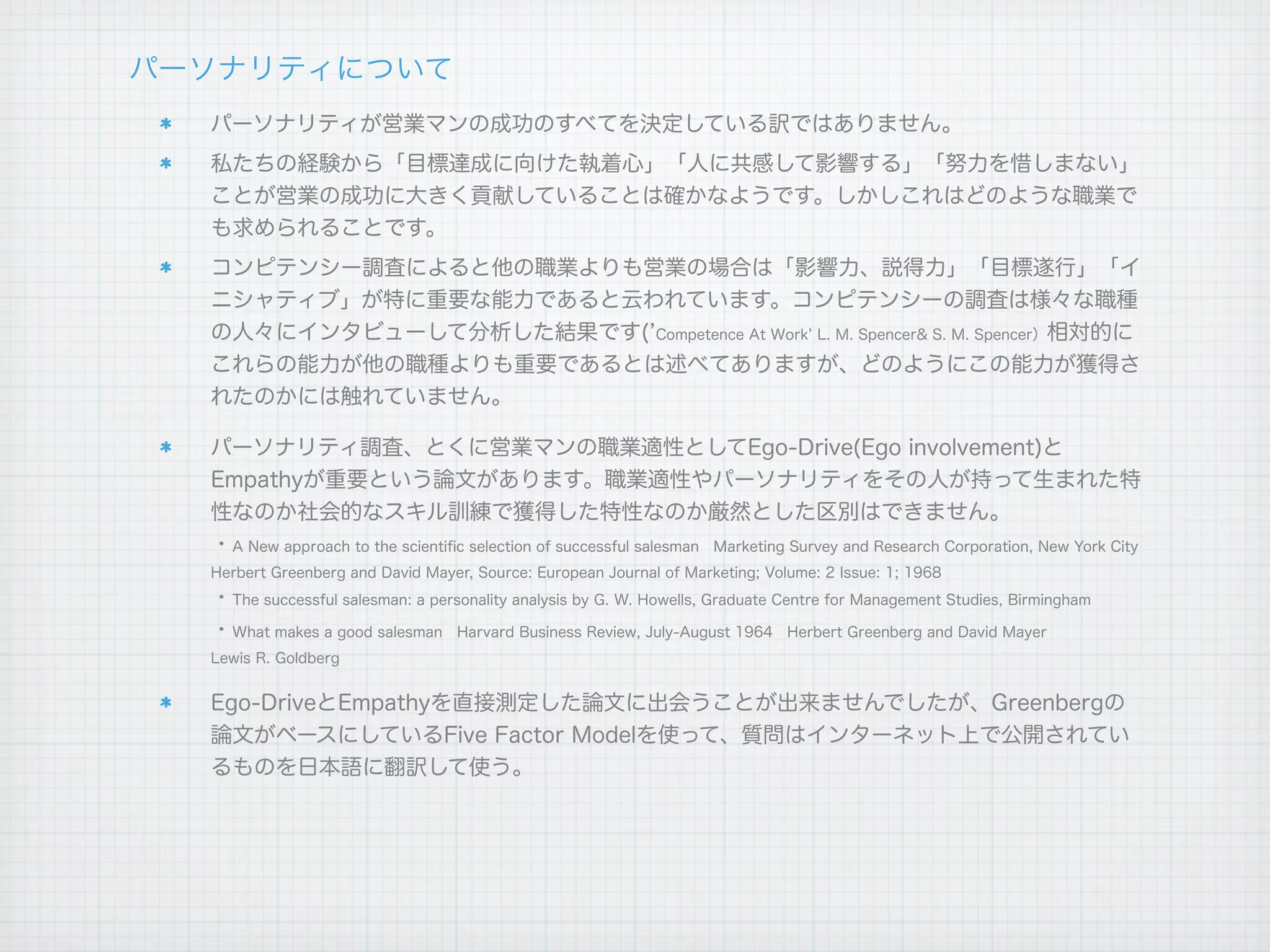
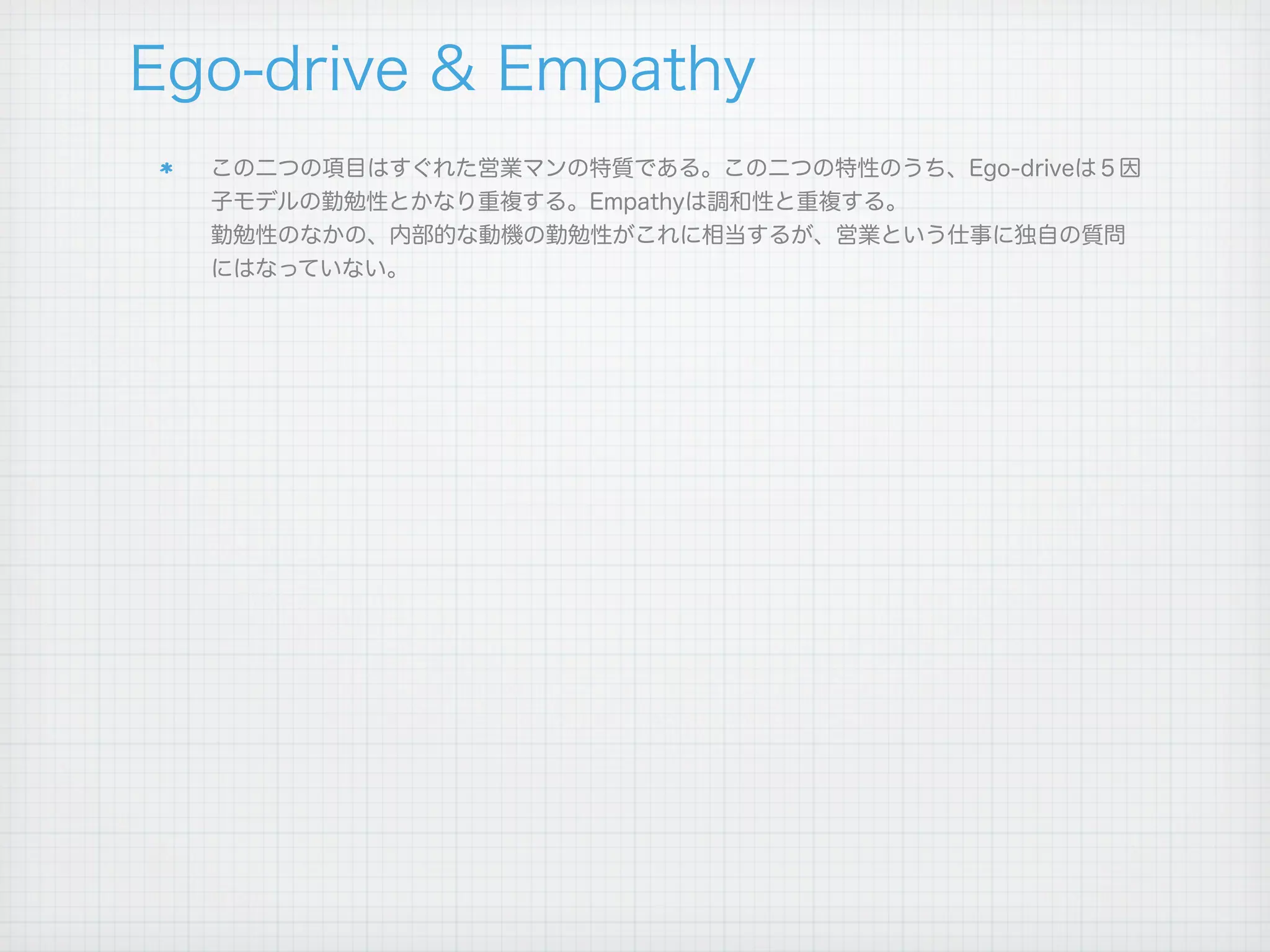
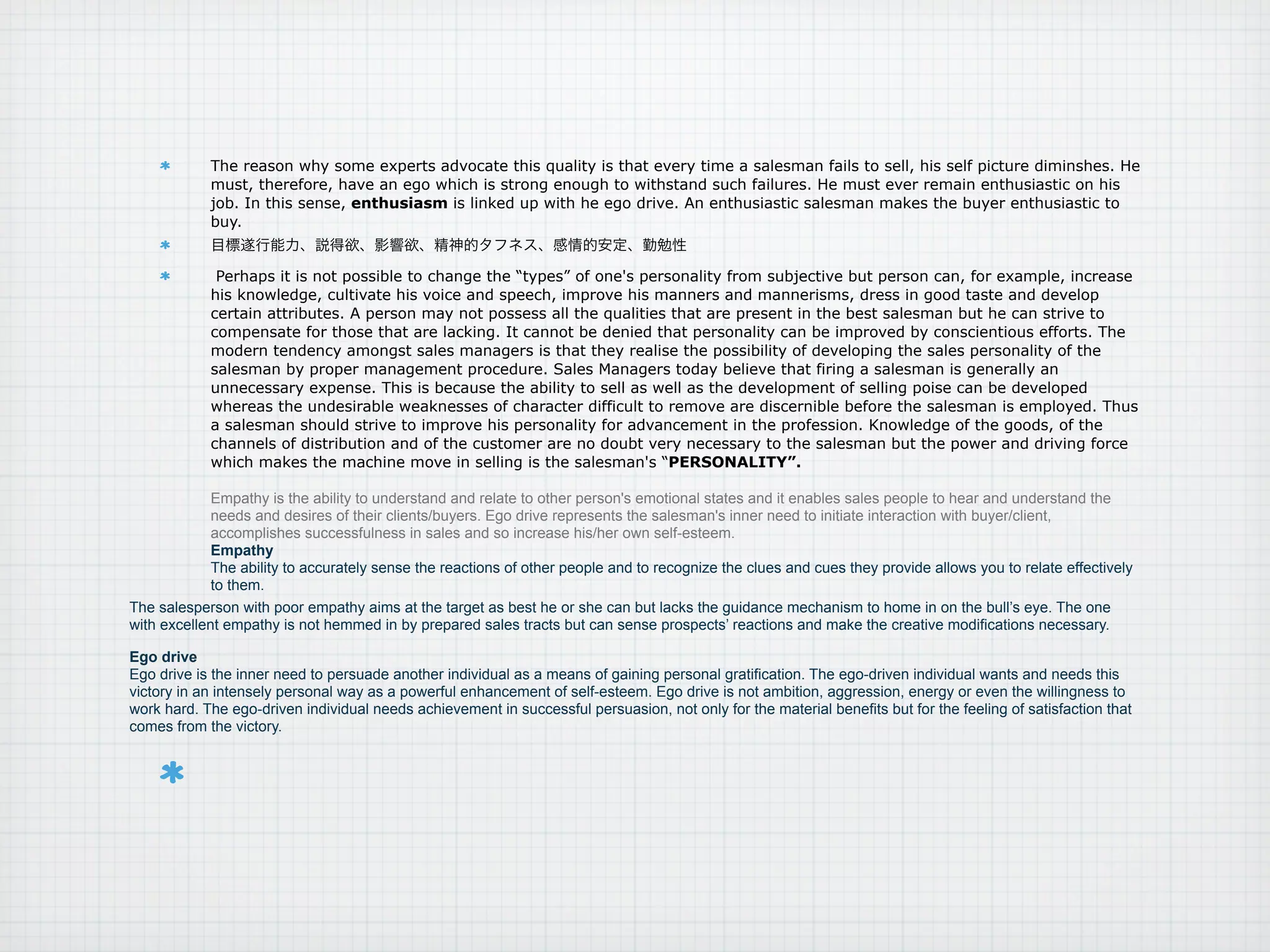
             Empathy is the ability to understand and relate to other person's emotional states and it enables sales people to hear and understand the
             needs and desires of their clients/buyers. Ego drive represents the salesman's inner need to initiate interaction with buyer/client,
             accomplishes successfulness in sales and so increase his/her own self-esteem.
             Empathy
             The ability to accurately sense the reactions of other people and to recognize the clues and cues they provide allows you to relate effectively
             to them.
The salesperson with poor empathy aims at the target as best he or she can but lacks the guidance mechanism to home in on the bull’s eye. The one
with excellent empathy is not hemmed in by prepared sales tracts but can sense prospects’ reactions and make the creative modifications necessary.

Ego drive
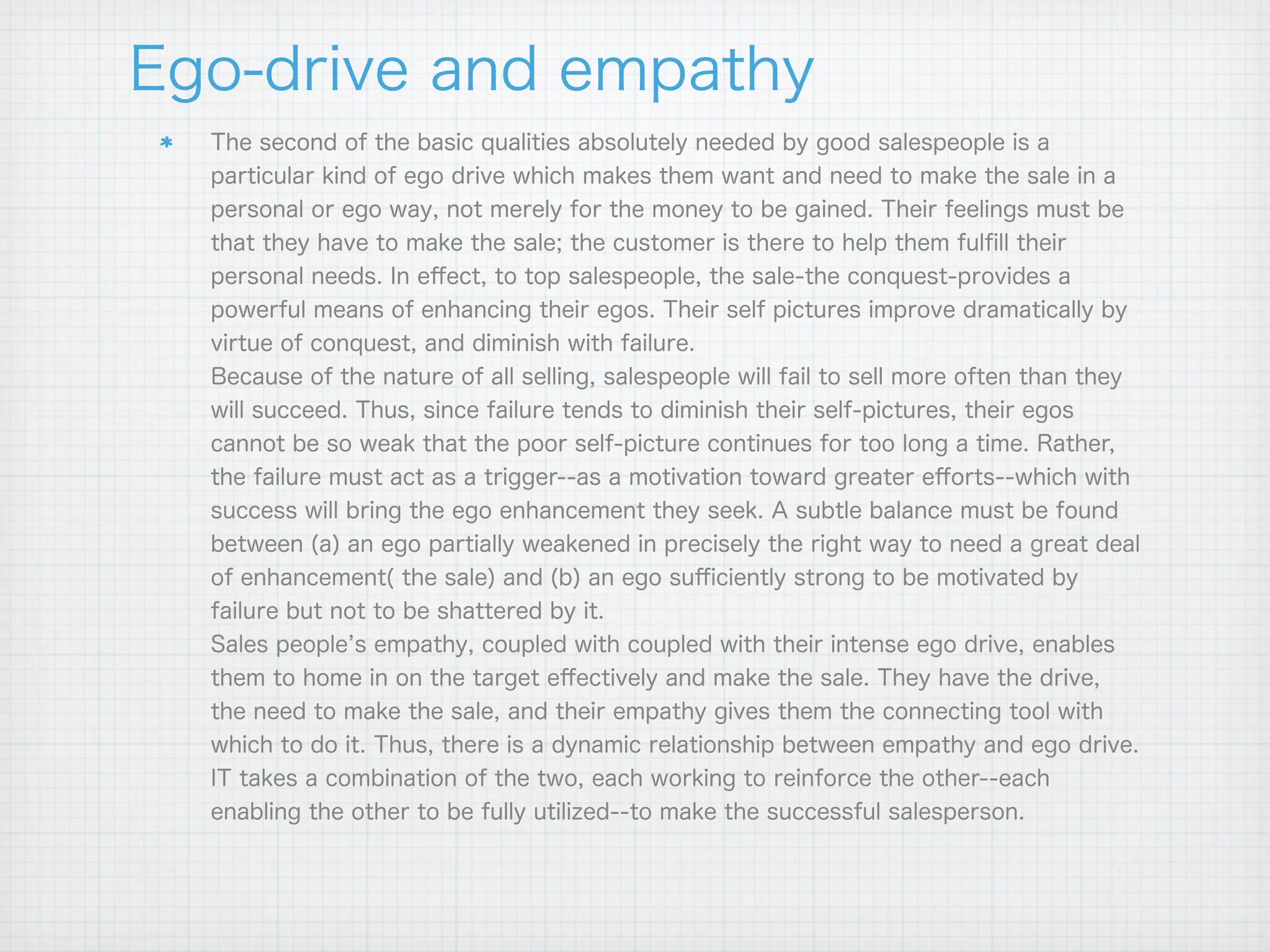
Ego drive is the inner need to persuade another individual as a means of gaining personal gratification. The ego-driven individual wants and needs this
victory in an intensely personal way as a powerful enhancement of self-esteem. Ego drive is not ambition, aggression, energy or even the willingness to
work hard. The ego-driven individual needs achievement in successful persuasion, not only for the material benefits but for the feeling of satisfaction that
comes from the victory.
38
39
40
41
42
43
44
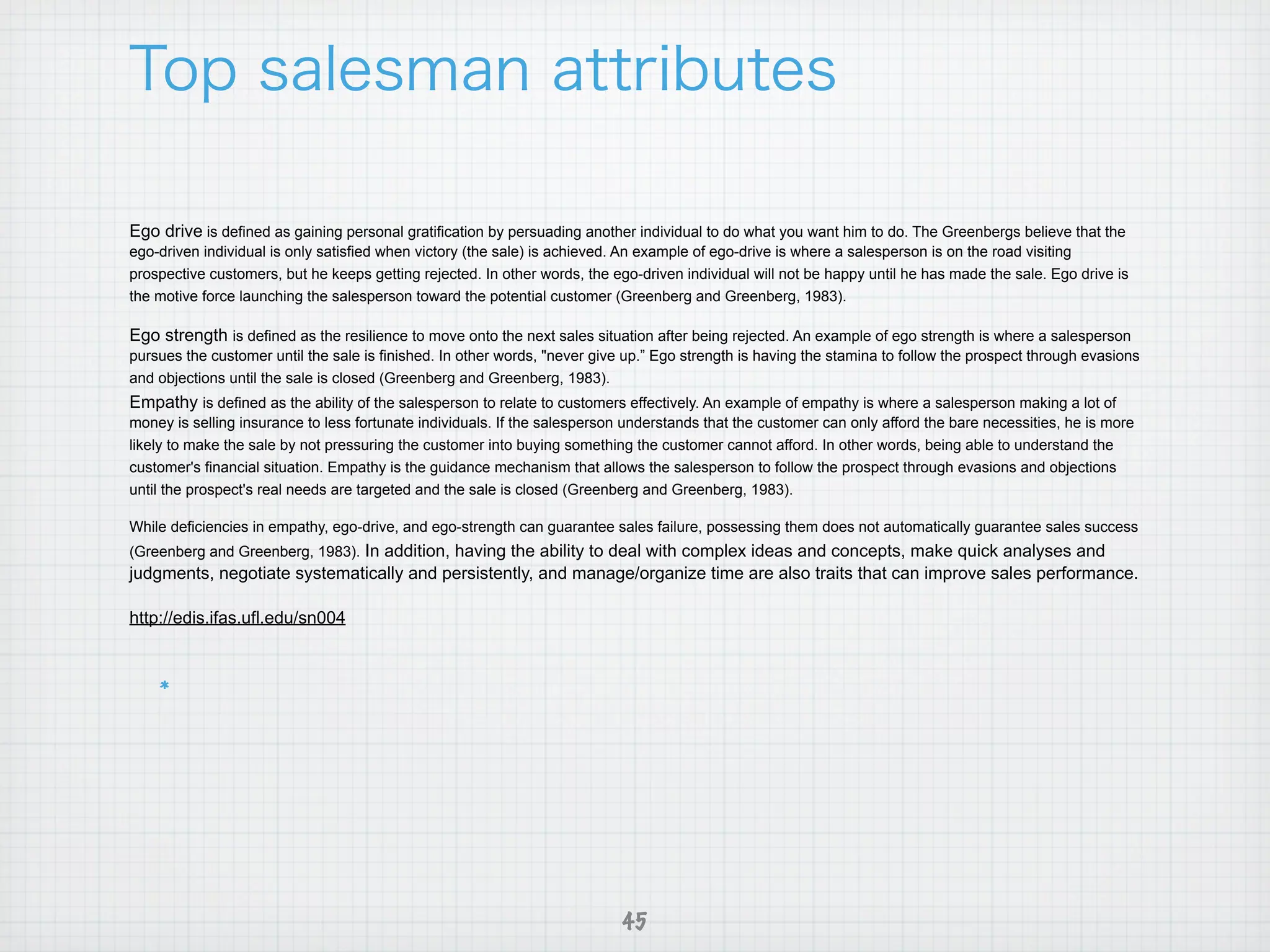
Ego drive is defined as gaining personal gratification by persuading another individual to do what you want him to do. The Greenbergs believe that the
ego-driven individual is only satisfied when victory (the sale) is achieved. An example of ego-drive is where a salesperson is on the road visiting
prospective customers, but he keeps getting rejected. In other words, the ego-driven individual will not be happy until he has made the sale. Ego drive is
the motive force launching the salesperson toward the potential customer (Greenberg and Greenberg, 1983).

Ego strength is defined as the resilience to move onto the next sales situation after being rejected. An example of ego strength is where a salesperson
pursues the customer until the sale is finished. In other words, "never give up.” Ego strength is having the stamina to follow the prospect through evasions
and objections until the sale is closed (Greenberg and Greenberg, 1983).
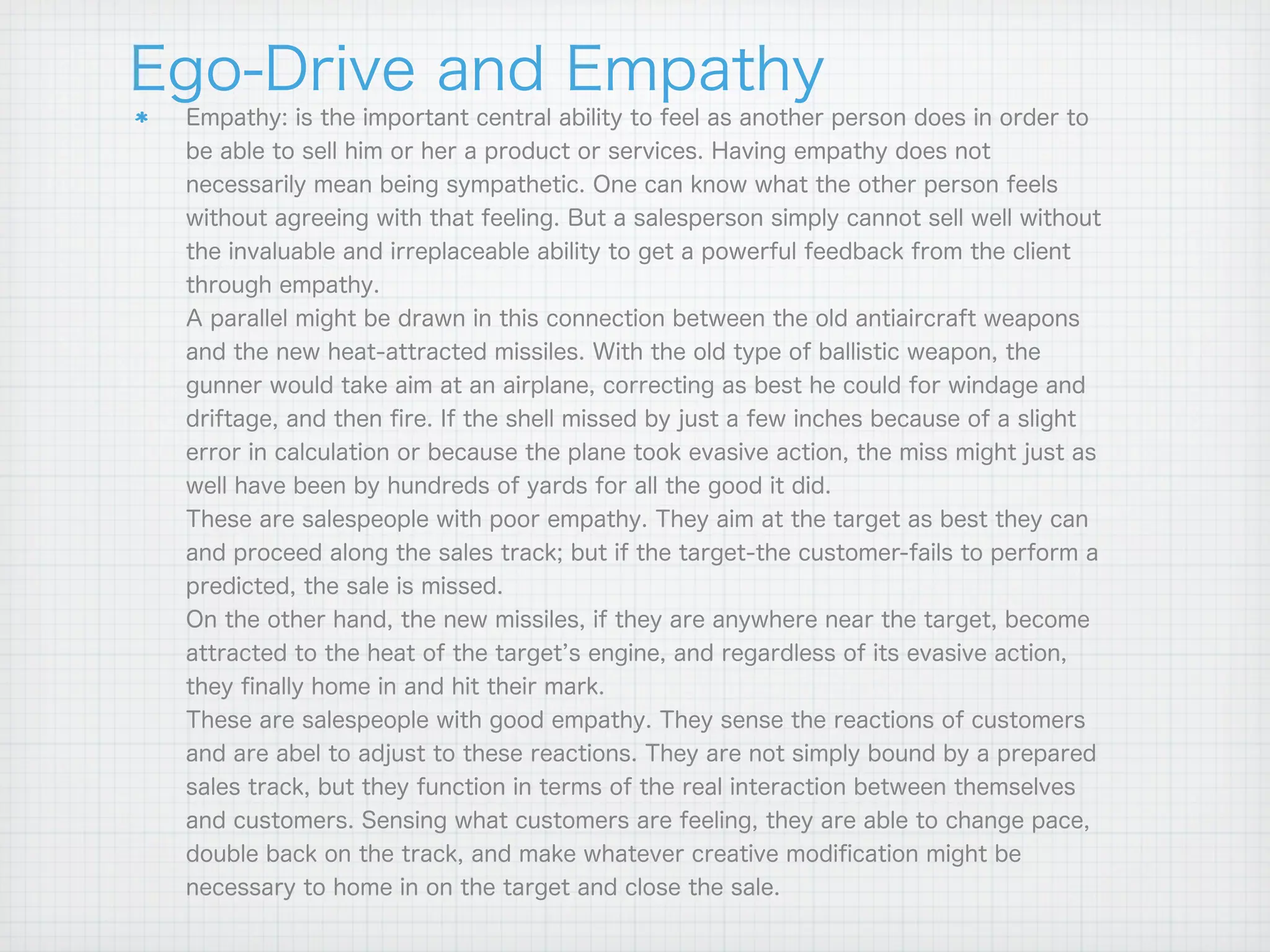
Empathy is defined as the ability of the salesperson to relate to customers effectively. An example of empathy is where a salesperson making a lot of
money is selling insurance to less fortunate individuals. If the salesperson understands that the customer can only afford the bare necessities, he is more
likely to make the sale by not pressuring the customer into buying something the customer cannot afford. In other words, being able to understand the
customer's financial situation. Empathy is the guidance mechanism that allows the salesperson to follow the prospect through evasions and objections
until the prospect's real needs are targeted and the sale is closed (Greenberg and Greenberg, 1983).

While deficiencies in empathy, ego-drive, and ego-strength can guarantee sales failure, possessing them does not automatically guarantee sales success
(Greenberg and Greenberg, 1983). In addition, having the ability to deal with complex ideas and concepts, make quick analyses and
judgments, negotiate systematically and persistently, and manage/organize time are also traits that can improve sales performance.

http://edis.ifas.ufl.edu/sn004


                                                                            45

営業力調査開発資料

  • 2.
  • 12.
    The successful salesman:a personality analysis by G. W. Howells, Graduate Centre for Management Studies, Birmingham ★ Organization culture ★ Senior ★ Recognition ★ Values and vision management ★ Supportive Colleagues ★ The brand-- leadership ★ Developing potential organizational or ★ Line manager ★ Clarity of expectation product ★ commitment ★ Flexibility ★ Communication ★ Work/life balance ★ Involvement in decision making ★ Working environment
  • 19.
    How Accurately CanYou Describe Yourself? Describe yourself as you generally are now, not as you wish to be in the future. Describe yourself as you honestly see yourself, in relation to other people you know of the same sex as you are, and roughly your same age. So that you can describe yourself in an honest manner, your responses will be kept in absolute confidence. Indicate for each statement whether it is 1. Very Inaccurate, 2. Moderately Inaccurate, 3. Neither Accurate Nor Inaccurate, 4. Moderately Accurate, or 5. Very Accurate as a description of you.
  • 21.
    1. (1+) 1.Am the life of the party(1+) 2. (2-) 2.Feel little concern for others.(2-) 3. (3+) 3.Am always prepared.(3+) 4. (4-) 4.Get stressed out easily.(4-) 5. (5+) 5.Have a rich vocabulary.(5+) 6. (1-) 6.Don't talk a lot.(1-) 7. (2+) 7.Am interested in people.(2+) 8. (3-) 8.Leave my belongings around.(3-) 9. (4+) 9.Am relaxed most of the time.(4+) 10.Have difficulty understanding abstract ideas.(5-) 10. (5-) 11.Feel comfortable around people.(1+) 11. (1+) 12.Insult people.(2-) 12. (2-) 13.Pay attention to details.(3+) 13. (3+) 14.Worry about things.(4-) 14. (4-) 15.Have a vivid imagination.(5+) 15. .(5+) 16.Keep in the background.(1-) 16. (1-) 17.Sympathize with others' feelings.(2+) 17. .(2+) 18.Make a mess of things.(3-) 18. (3-) 19.Seldom feel blue.(4+) 19. (4+) 20.Am not interested in abstract ideas.(5-) 21.Start conversations.(1+) 20. .(5-) 22.Am not interested in other people's problems.(2-) 21. (1+) 23.Get chores done right away.(3+) 22. .(2-) 24.Am easily disturbed.(4-) 23. .(3+) 25.Have excellent ideas.(5+) 24. (4-) 26.Have little to say.(1-) 25. (5+) 27.Have a soft heart.(2+) 26. (1-) 28.Often forget to put things back in their proper place(3-) 27. 2+) 28. (3-)
  • 22.
    29.Get upset easily.(4-) 29. (4-) 30.Do not have a good imagination.(5-) 30. (5-) 31.Talk to a lot of different people at parties.(1+) 31. (1+) 32.Am not really interested in others.(2-) 32. (2-) 33.Like order.(3+) 33. (3+) 34.Change my mood a lot.(4-) 34. (4-) 35.Am quick to understand things.(5+) 35. .(5+) 36.Don't like to draw attention to myself.(1-) 36. .(1-) 37.Take time out for others.(2+) 37. .(2+) 38.Shirk my duties.(3-) 39.Have frequent mood swings.(4-) 38. (3-) 40.Use difficult words.(5+) 39. (4-) 41.Don't mind being the center of attention.(1+) 40. (5+) 42.Feel others' emotions.(2+) 41. (1+) 43.Follow a schedule.(3+) 42. (2+) 44.Get irritated easily.(4-) 43. (3+) 45.Spend time reflecting on things.(5+) 44. (4-) 46.Am quiet around strangers.(1-) 45. (5+) 47.Make people feel at ease.(2+) 46. (1-) 48.Am exacting in my work.(3+) 47. (2+) 49.Often feel blue.(4-) 50.Am full of ideas.(5+) 48. .(3+) 49. (4-) 50. (5+)
  • 23.
    1. (1+) 2. (2-) 3. (3+) 6. (1-) 7. (2+) 8. (3-) 11. (1+) 12. (2-) 13. (3+) 16. (1-) 17. .(2+) 18. (3-) 21. (1+) 22. .(2-) 23. .(3+) 26. (1-) 27. 2+) 28. (3-) 31. (1+) 32. (2-) 33. (3+) 36. .(1-) 37. .(2+) 38. (3-) 41. (1+) 42. (2+) 43. (3+) 46. (1-) 47. (2+) 48. .(3+) 5. (5+) 4. (4-) 10. (5-) 9. (4+) 15. .(5+) 14. (4-) 20. .(5-) 19. (4+) 25. (5+) 24. (4-) 30. (5-) 29. (4-) 35. .(5+) 34. (4-) 40. (5+) 39. (4-) 45. (5+) 44. (4-) 50. (5+) 49. (4-)
  • 26.
  • 27.
  • 28.
  • 29.
  • 30.
    20 15 10 5 0 0 5 10 15 20 30
  • 31.
    The revised self-leadershipquestionnaire Testing a hierarchical factor structure for self-leadership Jeffery D. Houghton Department of Management, Lipscomb University, Nashville, Tennessee, USA and Christopher P. Neck Department of Management, Virginia Polytechnic Institute and State University, Blacksburg, Virginia, USA Received July 2001 Revised May 2002 Accepted July 2002 Self-leadership (Manz, 1983, 1986, 1992; Manz and Neck, 1999; Manz and Sims, 2001) is a process through which people influence themselves to achieve the self-direction and self-motivation necessary to behave and perform in desirable ways. In recent years, self-leadership concepts have gained considerable popularity as evidenced by the large number of practitioner-oriented books and articles on the subject (e.g. Blanchard, 1995; Cashman, 1995; Manz, 1991; Manz and Neck, 1999; Manz and Sims, 2001; Sims and Manz, 1996; Waitley, 1995) and by coverage in an increasing number of management and leadership textbooks (e.g. Ivancevich and Matteson, 1999; Kreitner and Kinicki, 2001; McShane andVon Glinow, 2000; Nahavandi, 2000). Given the popularity of self-leadership concepts and the recent emphasis on employee empowerment (e.g. Conger and Kanungo, 1988; Thomas and Velthouse, 1990) and self-managing work teams (e.g. Cohen and Ledford, 1994; Hackman, 1986), self-leadership appears to have impressive potential for application in today’s dynamic organizations. Indeed, self-leadership has often been presented as a primary mechanism in both empowerment (e.g. Anderson and Prussia, 1997; Manz, 1992; Prussia et al.,1998; Shipper and Manz, 1992) and the successful implementation of self- managing work teams (e.g. Neck et al., 1996; Manz and Sims, 1986, 1987).
  • 32.
  • 33.
    The successful salesman:a personality analysis
  • 37.
    The reason whysome experts advocate this quality is that every time a salesman fails to sell, his self picture diminshes. He must, therefore, have an ego which is strong enough to withstand such failures. He must ever remain enthusiastic on his job. In this sense, enthusiasm is linked up with he ego drive. An enthusiastic salesman makes the buyer enthusiastic to buy. Perhaps it is not possible to change the “types” of one's personality from subjective but person can, for example, increase his knowledge, cultivate his voice and speech, improve his manners and mannerisms, dress in good taste and develop certain attributes. A person may not possess all the qualities that are present in the best salesman but he can strive to compensate for those that are lacking. It cannot be denied that personality can be improved by conscientious efforts. The modern tendency amongst sales managers is that they realise the possibility of developing the sales personality of the salesman by proper management procedure. Sales Managers today believe that firing a salesman is generally an unnecessary expense. This is because the ability to sell as well as the development of selling poise can be developed whereas the undesirable weaknesses of character difficult to remove are discernible before the salesman is employed. Thus a salesman should strive to improve his personality for advancement in the profession. Knowledge of the goods, of the channels of distribution and of the customer are no doubt very necessary to the salesman but the power and driving force which makes the machine move in selling is the salesman's “PERSONALITY”. Empathy is the ability to understand and relate to other person's emotional states and it enables sales people to hear and understand the needs and desires of their clients/buyers. Ego drive represents the salesman's inner need to initiate interaction with buyer/client, accomplishes successfulness in sales and so increase his/her own self-esteem. Empathy The ability to accurately sense the reactions of other people and to recognize the clues and cues they provide allows you to relate effectively to them. The salesperson with poor empathy aims at the target as best he or she can but lacks the guidance mechanism to home in on the bull’s eye. The one with excellent empathy is not hemmed in by prepared sales tracts but can sense prospects’ reactions and make the creative modifications necessary. Ego drive Ego drive is the inner need to persuade another individual as a means of gaining personal gratification. The ego-driven individual wants and needs this victory in an intensely personal way as a powerful enhancement of self-esteem. Ego drive is not ambition, aggression, energy or even the willingness to work hard. The ego-driven individual needs achievement in successful persuasion, not only for the material benefits but for the feeling of satisfaction that comes from the victory.
  • 38.
  • 39.
  • 40.
  • 41.
  • 42.
  • 43.
  • 44.
  • 45.
    Ego drive isdefined as gaining personal gratification by persuading another individual to do what you want him to do. The Greenbergs believe that the ego-driven individual is only satisfied when victory (the sale) is achieved. An example of ego-drive is where a salesperson is on the road visiting prospective customers, but he keeps getting rejected. In other words, the ego-driven individual will not be happy until he has made the sale. Ego drive is the motive force launching the salesperson toward the potential customer (Greenberg and Greenberg, 1983). Ego strength is defined as the resilience to move onto the next sales situation after being rejected. An example of ego strength is where a salesperson pursues the customer until the sale is finished. In other words, "never give up.” Ego strength is having the stamina to follow the prospect through evasions and objections until the sale is closed (Greenberg and Greenberg, 1983). Empathy is defined as the ability of the salesperson to relate to customers effectively. An example of empathy is where a salesperson making a lot of money is selling insurance to less fortunate individuals. If the salesperson understands that the customer can only afford the bare necessities, he is more likely to make the sale by not pressuring the customer into buying something the customer cannot afford. In other words, being able to understand the customer's financial situation. Empathy is the guidance mechanism that allows the salesperson to follow the prospect through evasions and objections until the prospect's real needs are targeted and the sale is closed (Greenberg and Greenberg, 1983). While deficiencies in empathy, ego-drive, and ego-strength can guarantee sales failure, possessing them does not automatically guarantee sales success (Greenberg and Greenberg, 1983). In addition, having the ability to deal with complex ideas and concepts, make quick analyses and judgments, negotiate systematically and persistently, and manage/organize time are also traits that can improve sales performance. http://edis.ifas.ufl.edu/sn004 45