PROJECT NO-
X-CLUDE:
Motion Gaming
For Everyone
Eric Maly

University of Advancing Technology

October 22, 2011
Sprint 1 Retrospective
 SIP
    Objective: Project No-Xclude reworks
 the Kinect’s motion algorithm for
 accurate recognition of players in a
 seated position.
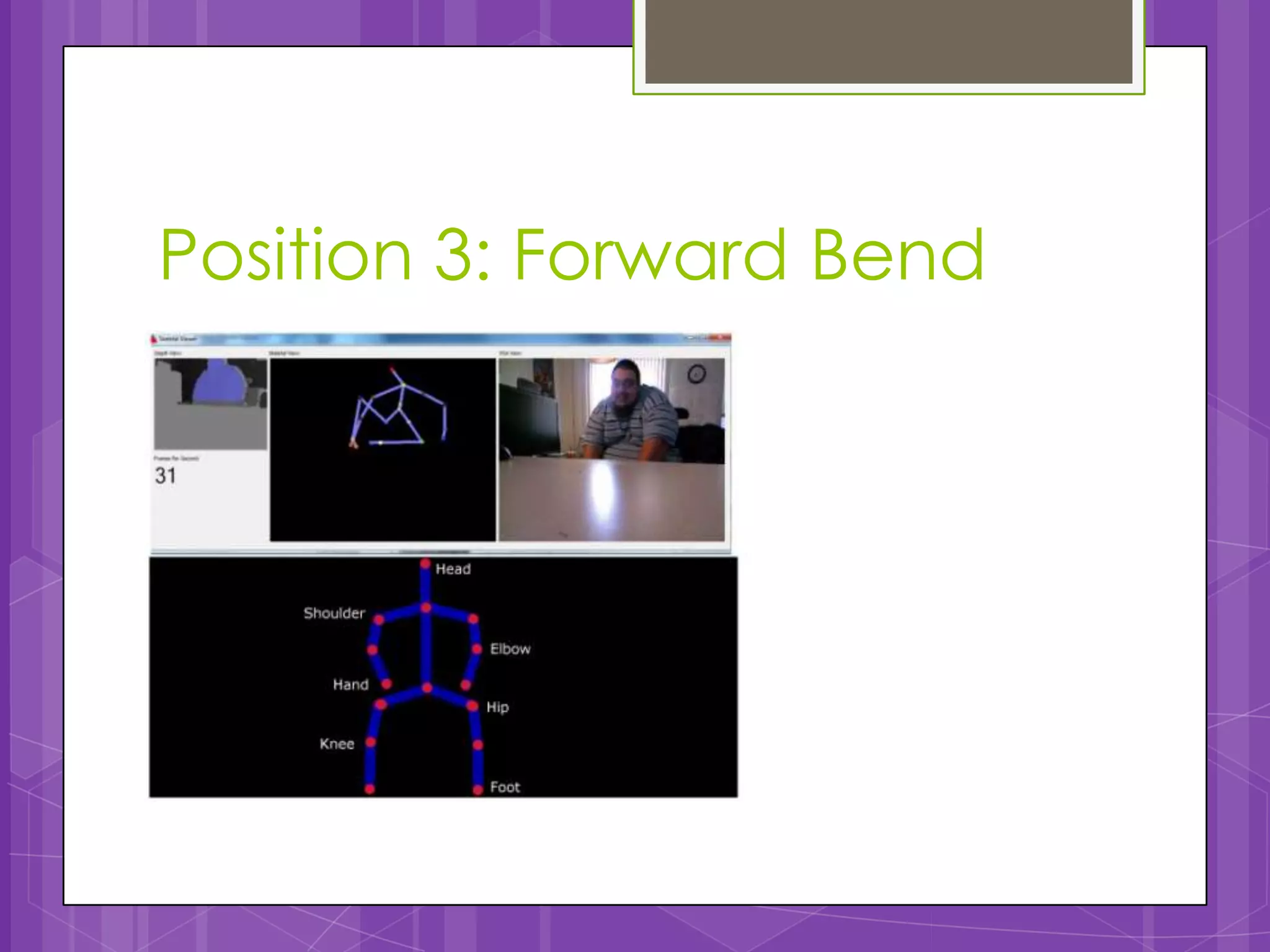
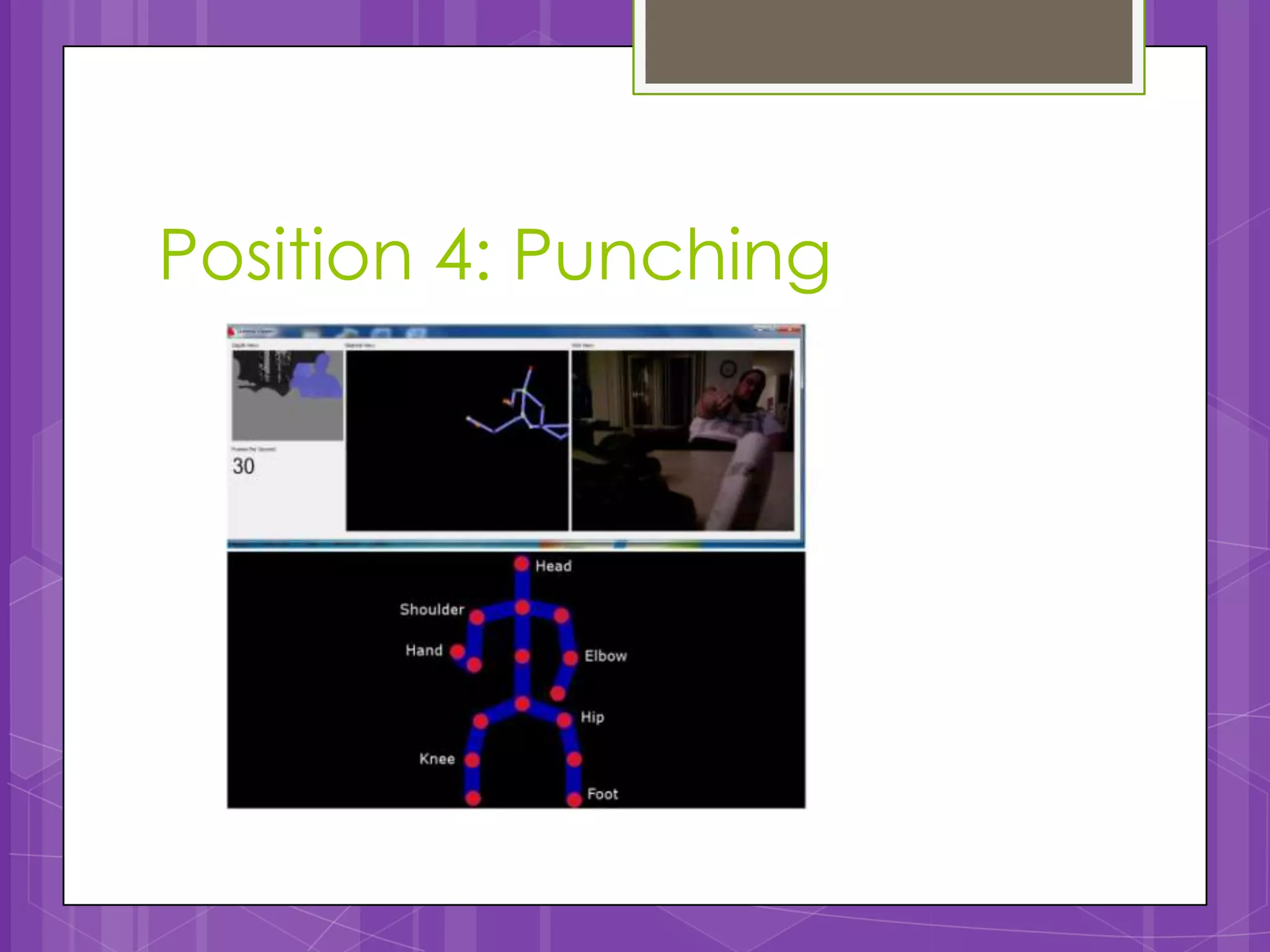
 Sprint Objective: To sketch out several of
 the positions that the finished project will
 be able to accommodate. This will
 provide perspective and guide specific
 areas of further research (i.e. pathfinding).
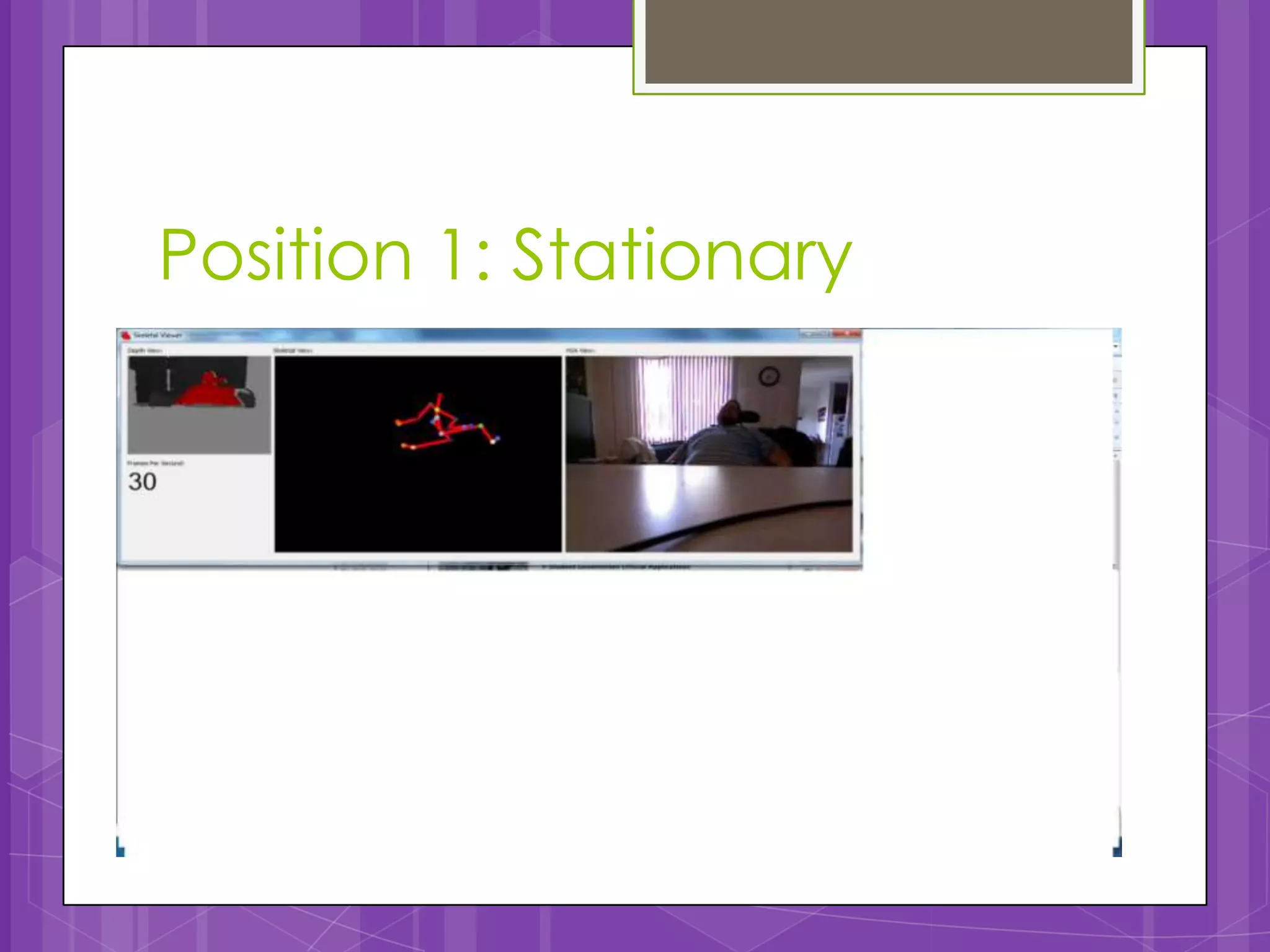
Position 1: Stationary
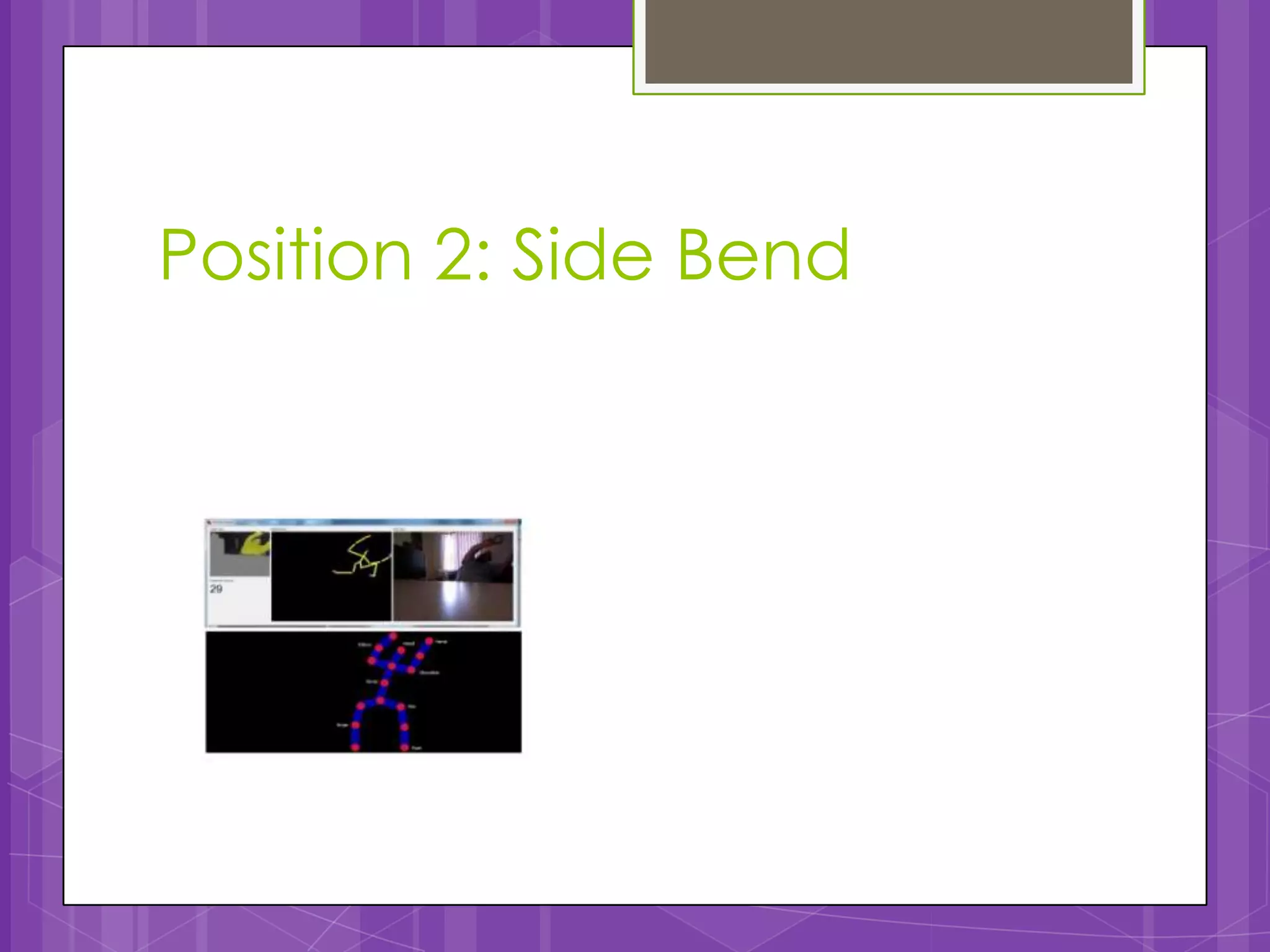
Position 2: Side Bend
Position 3: Forward Bend
Position 4: Punching
Six Thinking Hats Analysis
 Red Hat– I feel the project is making satisfactory progress;
some of the major positions that the final algorithm will support
have been determined
 Green Hat – One of the things I will attempt to do to stabilize
  the skeletal image is to speed up the frame rate of the
  program
 Yellow Hat – I got some experience using the skeletal viewer
  example program; it allowed me to identify the interference
  that may be causing recognition problems
 Black Hat –2D graphics programs do not accurately represent
  the ideal positions (or I don’t have the graph knowledge to do
  so)
 Blue Hat – I spent too much time trying to get the graphics to
  show what they needed to; perhaps next time I’ll call in some
  help with that part (or consult some books if absolutely
  necessary)

Sprint one retrospective

  • 1.
    PROJECT NO- X-CLUDE: Motion Gaming ForEveryone Eric Maly University of Advancing Technology October 22, 2011
  • 2.
    Sprint 1 Retrospective SIP Objective: Project No-Xclude reworks the Kinect’s motion algorithm for accurate recognition of players in a seated position.  Sprint Objective: To sketch out several of the positions that the finished project will be able to accommodate. This will provide perspective and guide specific areas of further research (i.e. pathfinding).
  • 3.
  • 4.
  • 5.
  • 6.
  • 7.
    Six Thinking HatsAnalysis  Red Hat– I feel the project is making satisfactory progress; some of the major positions that the final algorithm will support have been determined  Green Hat – One of the things I will attempt to do to stabilize the skeletal image is to speed up the frame rate of the program  Yellow Hat – I got some experience using the skeletal viewer example program; it allowed me to identify the interference that may be causing recognition problems  Black Hat –2D graphics programs do not accurately represent the ideal positions (or I don’t have the graph knowledge to do so)  Blue Hat – I spent too much time trying to get the graphics to show what they needed to; perhaps next time I’ll call in some help with that part (or consult some books if absolutely necessary)