
Downloaded 191 times
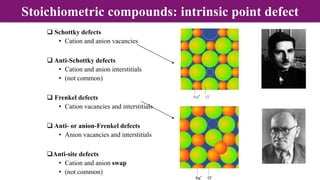
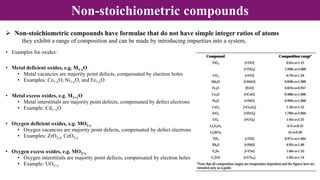
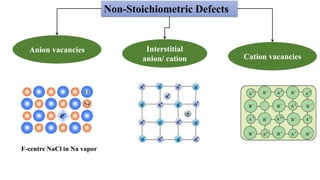
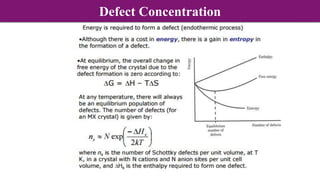
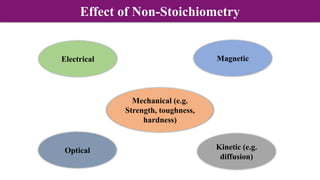
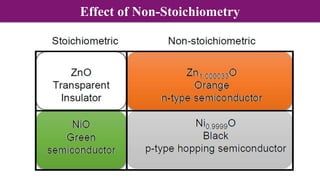
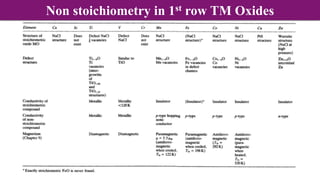
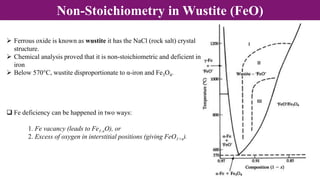
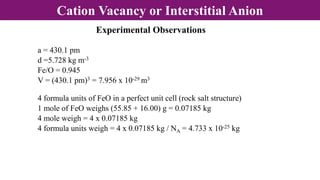
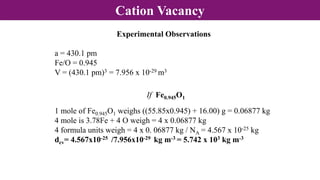
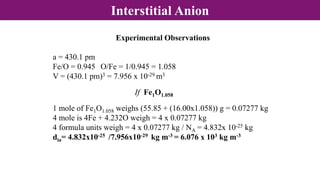
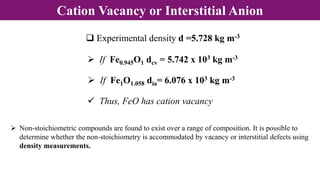
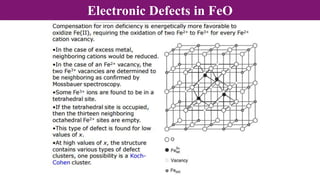
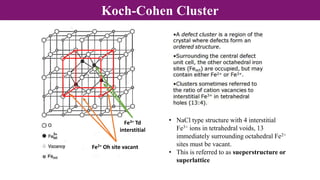
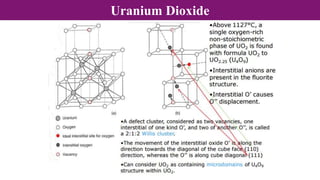
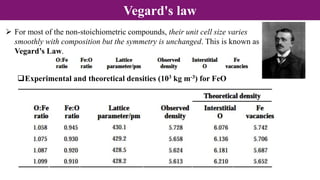
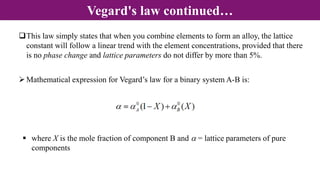
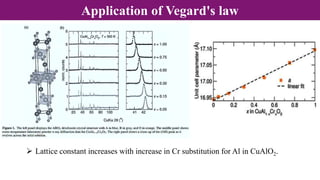
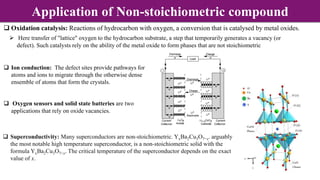
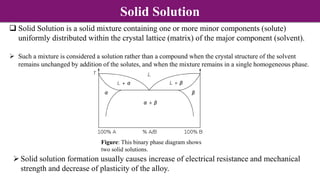
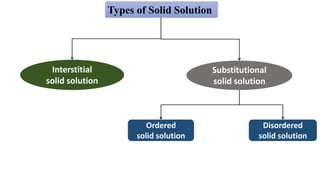
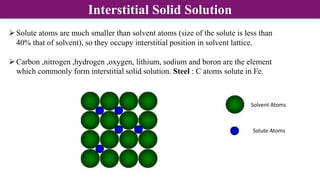
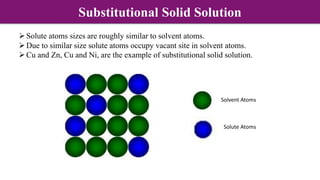
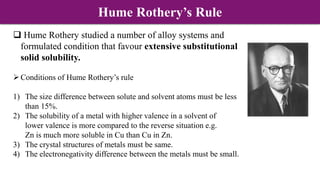
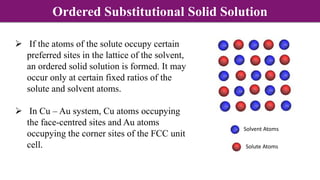
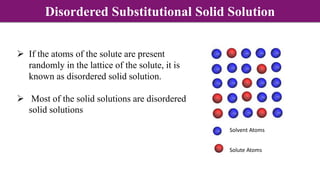
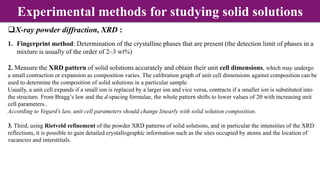
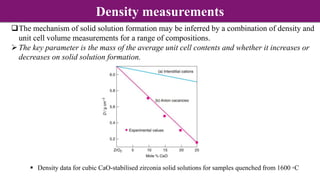
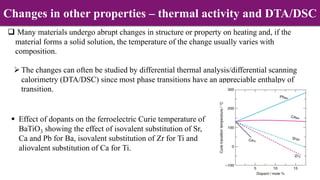
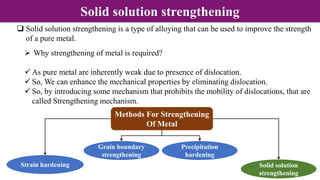
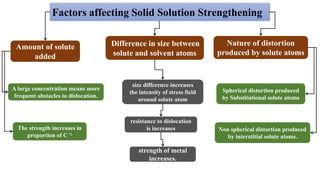
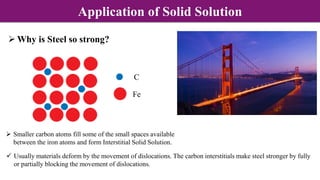
Non-Stoichiometry & Solid Solution The document discusses various types of point defects that can occur in non-stoichiometric compounds including Schottky defects, Frenkel defects, and anti-site defects. It provides examples of intrinsic point defects in metal-deficient, metal-excess, oxygen-deficient, and oxygen-excess metal oxides. Solid solutions are formed when one or more minor components dissolve uniformly within the crystal lattice of a major component. Types of solid solutions include interstitial, substitutional, ordered, and disordered solutions. Experimental techniques like X-ray diffraction and density measurements can be used to study properties of non-stoichiometric compounds and solid solutions.


![ANIMAL_CELL_,_TISSUE_AND_ORGAN_CULTURE[1].pptx](https://cdn.slidesharecdn.com/ss_thumbnails/animalcelltissueandorganculture1-260204172026-4462b440-thumbnail.jpg?width=640&height=640&fit=bounds)