1
Social Network ของแวดวงวิชาการระดับโลก
ดร.ชูชาติ หฤไชยะศักดิ์
ห้องปฏิบัติการวิจัยเทคโนโลยีเสียง
ศูนย์เทคโนโลยีอิเล็กทรอนิกส์และคอมพิวเตอร์แห่งชาติ (เนคเทค)
สำนักงานพัฒนาวิทยาศาสตร์และเทคโนโลยีแห่งชาติ (สวทช)
In t e l l i g en t In f o r ma t i c s R e s e ar c h U n i t
2.
2
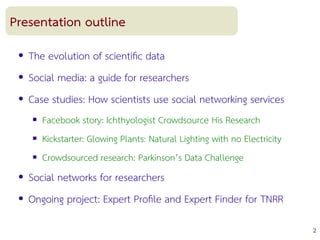
Presentation outline
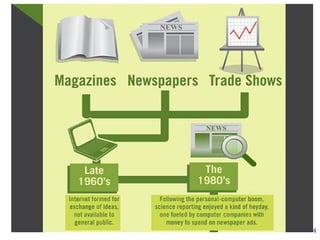
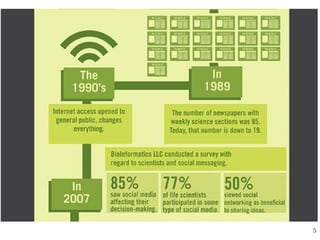
● Theevolution of scientifc data
● Social media: a guide for researchers
● Case studies: How scientists use social networking services
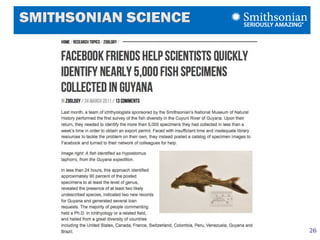
Facebook story: Ichthyologist Crowdsource His Research
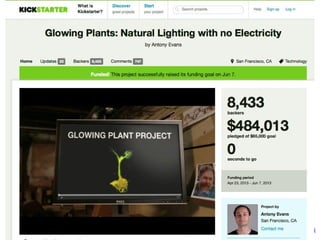
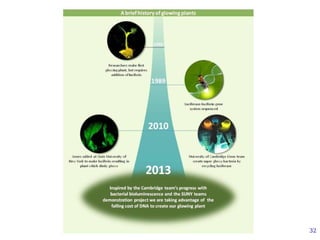
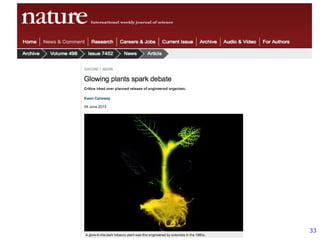
Kickstarter: Glowing Plants: Natural Lighting with no Electricity
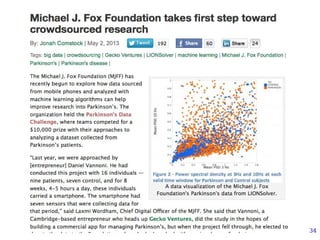
Crowdsourced research: Parkinson’s Data Challenge
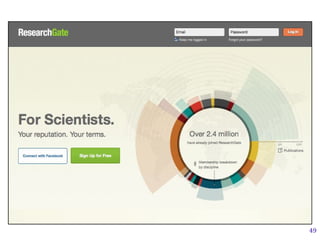
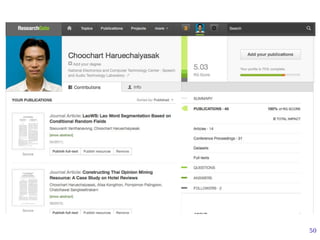
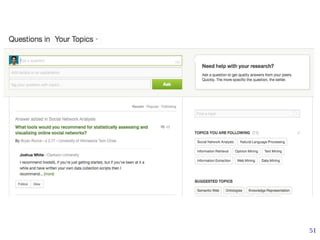
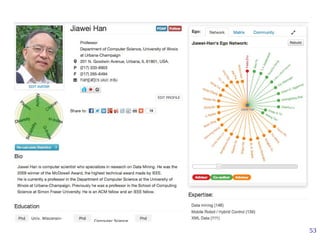
● Social networks for researchers
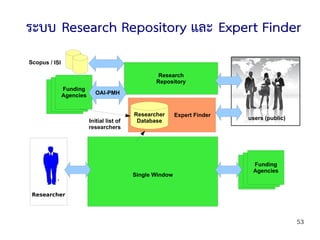
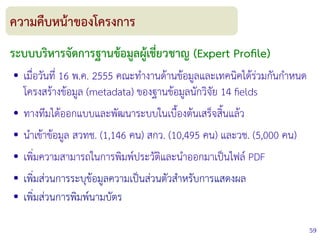
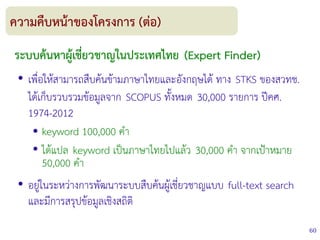
● Ongoing project: Expert Profle and Expert Finder for TNRR
3.
3
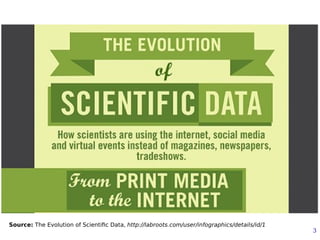
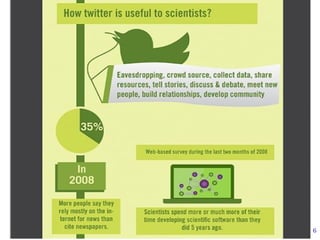
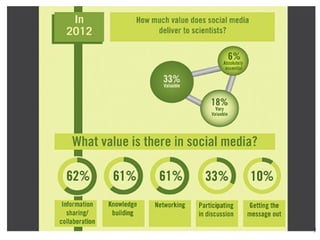
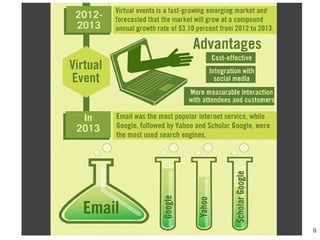
Source: The Evolutionof Scientifc Data, http://labroots.com/user/infographics/details/id/1
13
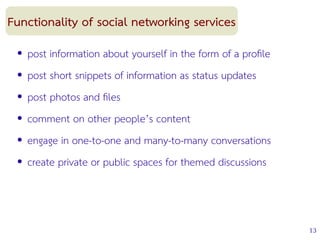
Functionality of socialnetworking services
● post information about yourself in the form of a profle
● post short snippets of information as status updates
● post photos and fles
● comment on other people’s content
● engage in one-to-one and many-to-many conversations
● create private or public spaces for themed discussions
14.
14
Consuming social media
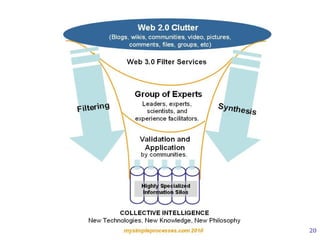
●Due to the large volume of social media,
● For some people this can be overwhelming
● Lead to a feeling of information overload
● However, people typically use social media in a way which
uses their social or professional networks to flter the vast
array of information down to something that is manageable.
● Once you have built a network of people with interests
similar to yours, you can use them to identify resources that
you are likely to be interested in.
15.
15
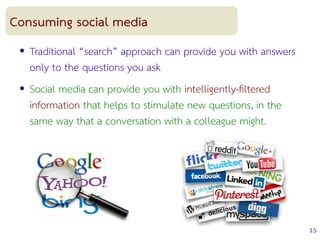
Consuming social media
●Traditional “search” approach can provide you with answers
only to the questions you ask
● Social media can provide you with intelligently-fltered
information that helps to stimulate new questions, in the
same way that a conversation with a colleague might.
17
Producing social media
●The idea of being a participant in a community is very
important in social media.
● Participating in social media does not necessarily mean that
you have to be a major producer of content.
● Could be just tagging, ‘liking’ and posting some comments
● If your engagement with social media is limited to only
consuming what other people post it is not that different
from any other web content.
● Once you begin to produce your own content, you will start
to participate in conversations on issues that interest you.
24
Issues and concerns
●Privacy
● For researchers, putting your professional life online can feel exposing,
particularly if you express opinions and ideas that have not been subject to
the normal process of peer review.
● Loss of an authoritative perspective
● Traditional publishing aims to provide a flter for quality whereas social
media allow everyone to publish anything that they have to say.
● Work/life balance
● social media has the potential to extend your working day and blur the
distinction between work and other aspects of your life.