Download as ODP, PPTX
![Thomas Bahn [email_address] +49/4307/900-401 assono GmbH http://www.assono.de http://www.assono.de/blog](https://image.slidesharecdn.com/simply-oop-simply-1213141253941038-9/75/Simply-OOP-Simply-2-2048.jpg)









![The end Ask questions now — or later Blog: www.assono.de/blog Email: [email_address] Phone: +49/4307/900-401](https://image.slidesharecdn.com/simply-oop-simply-1213141253941038-9/75/Simply-OOP-Simply-36-2048.jpg)

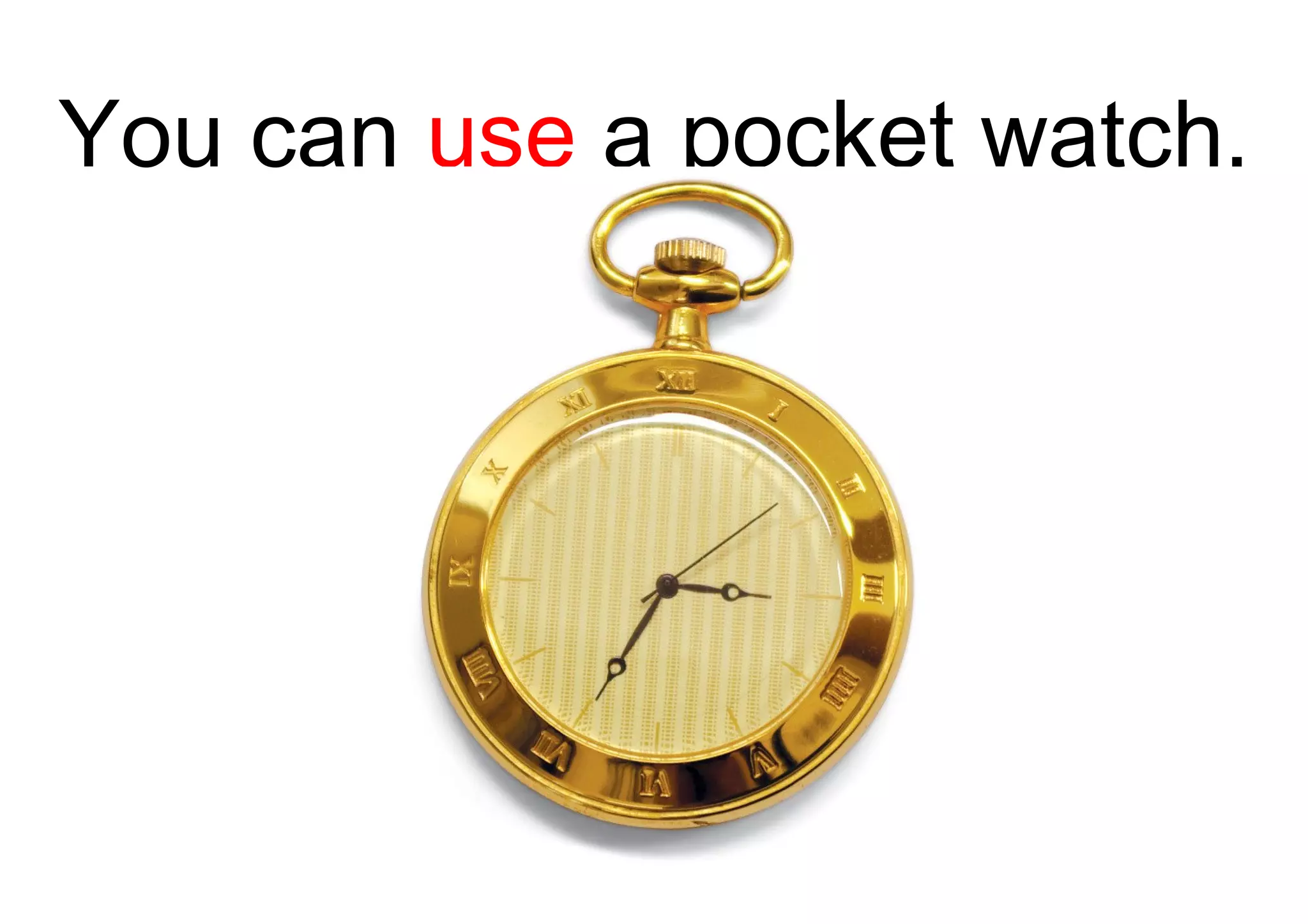
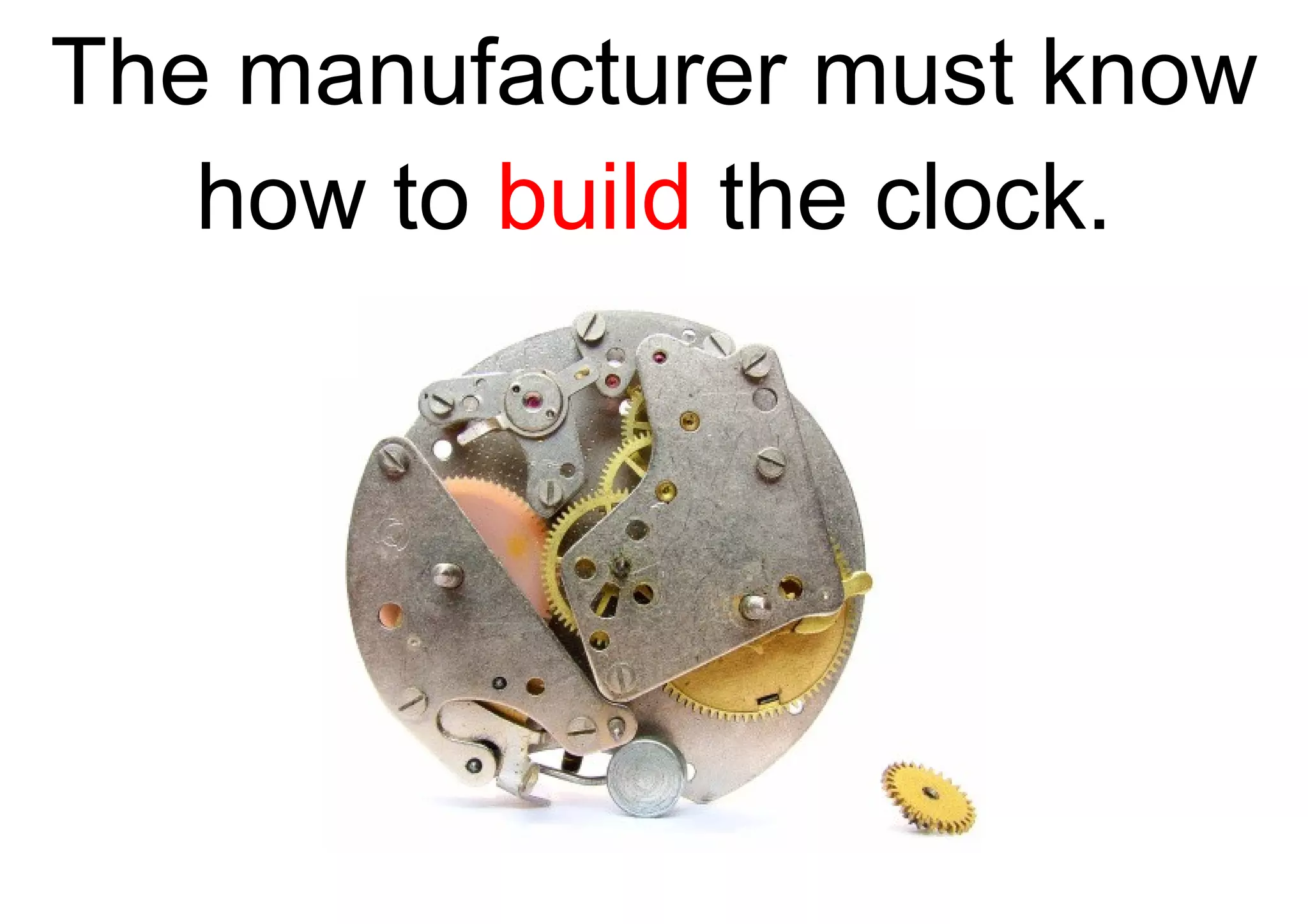
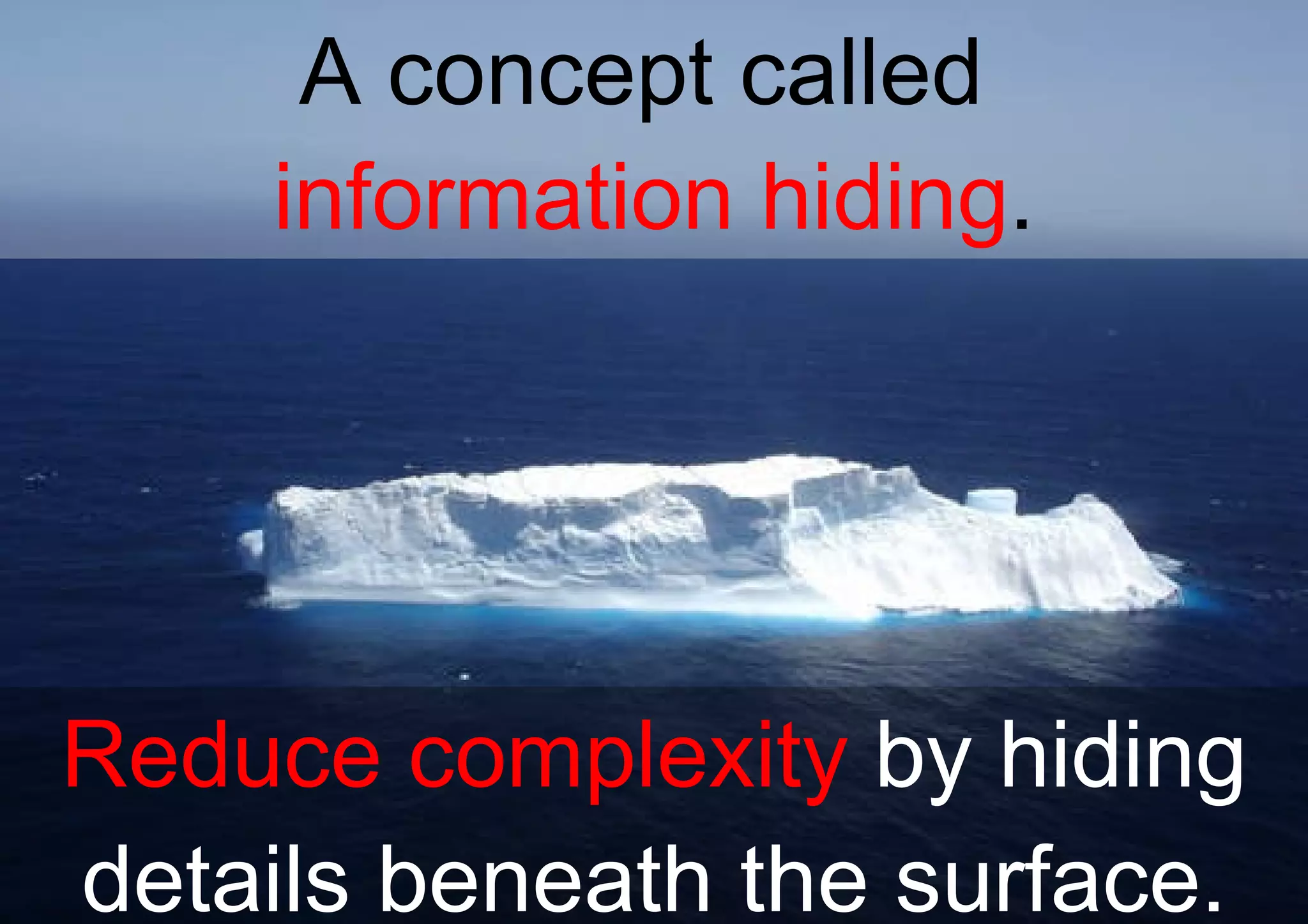
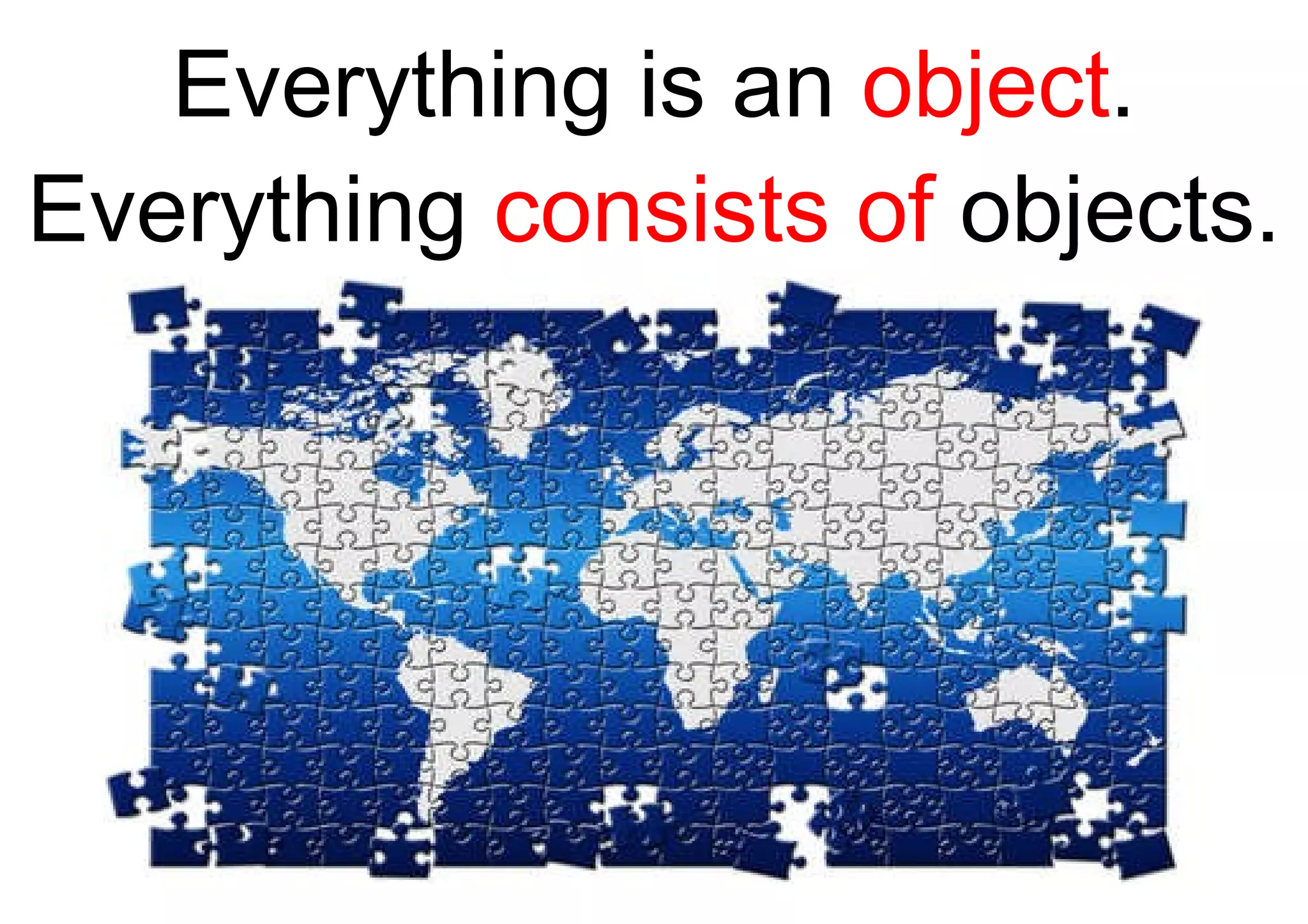
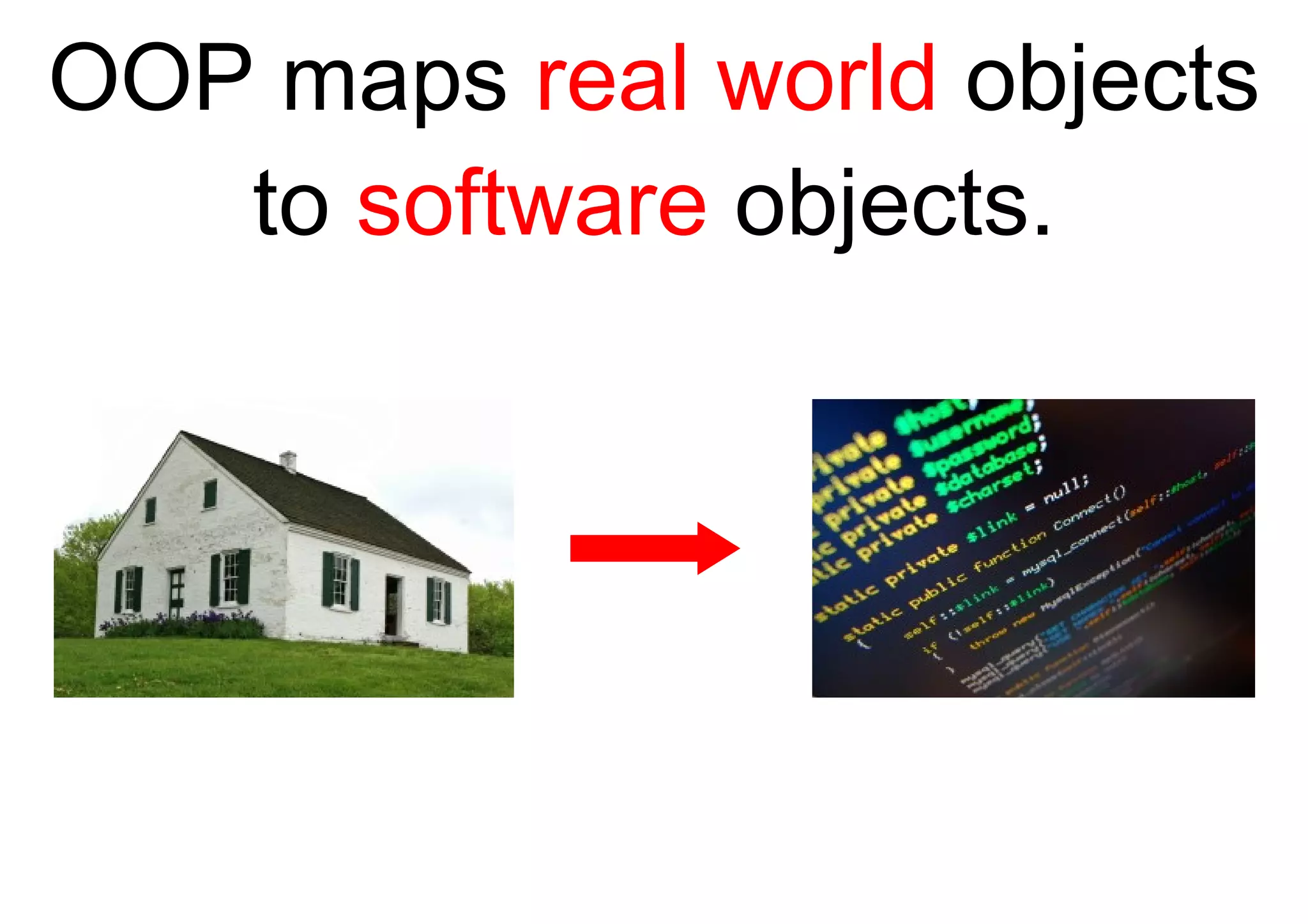
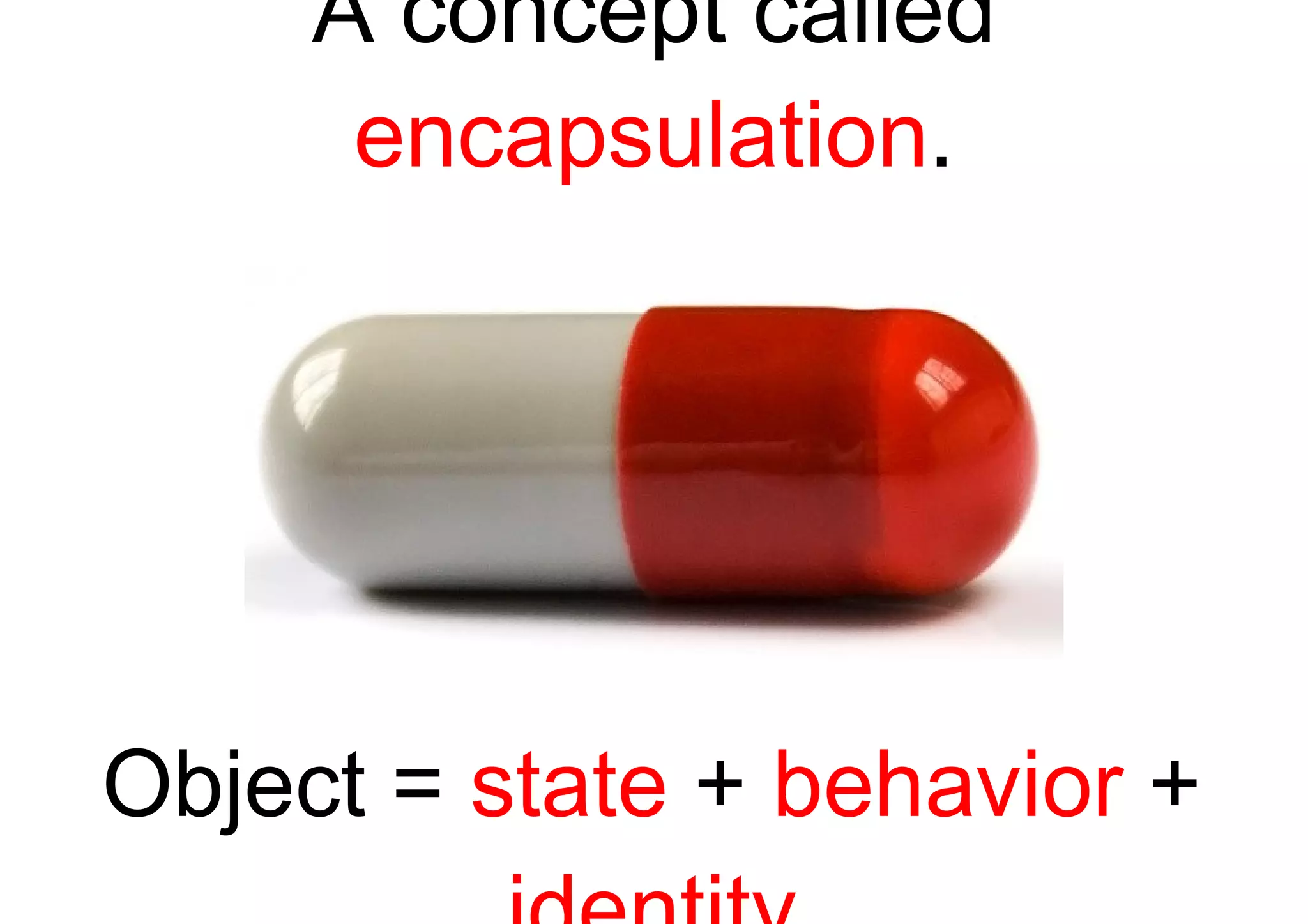
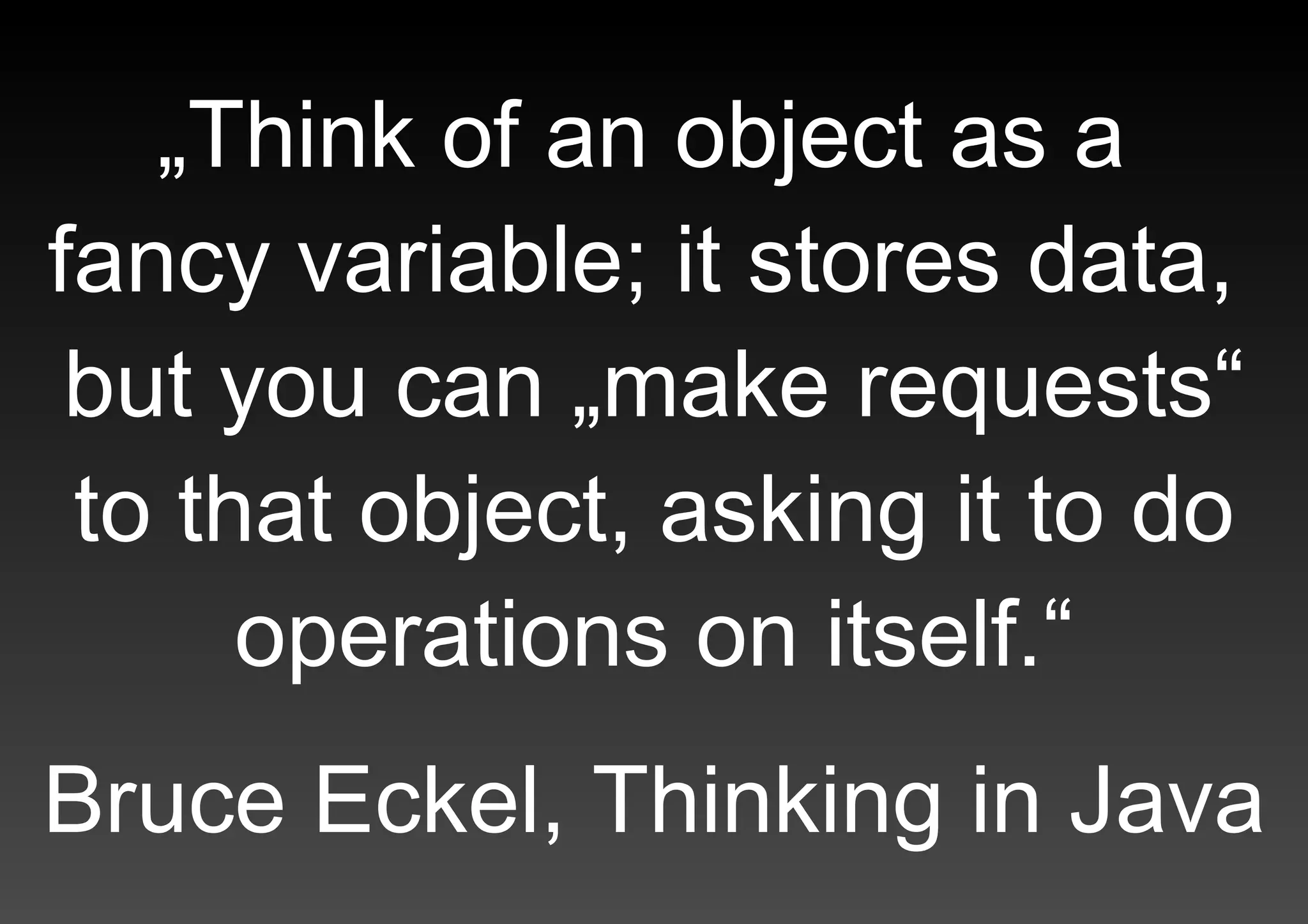
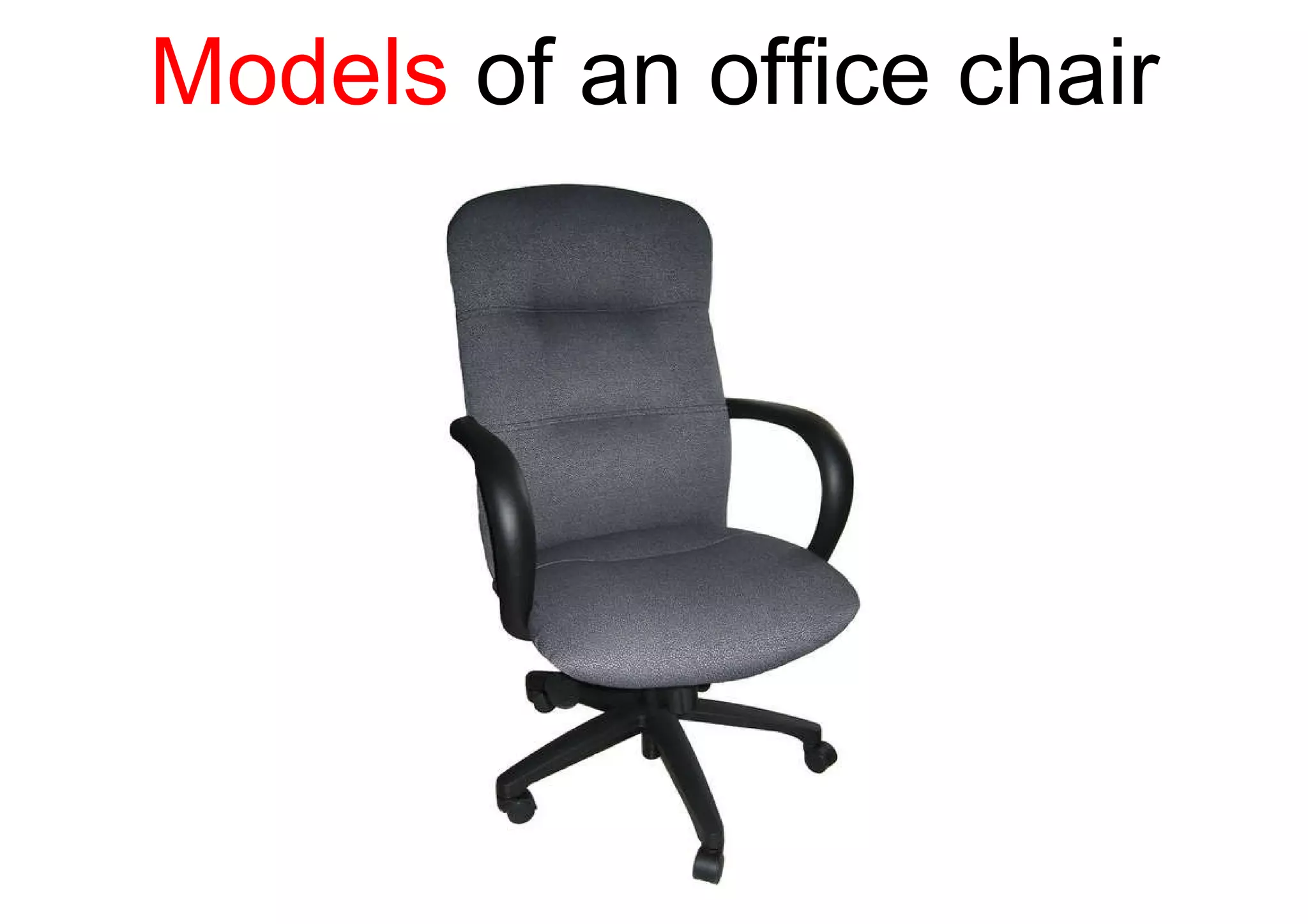
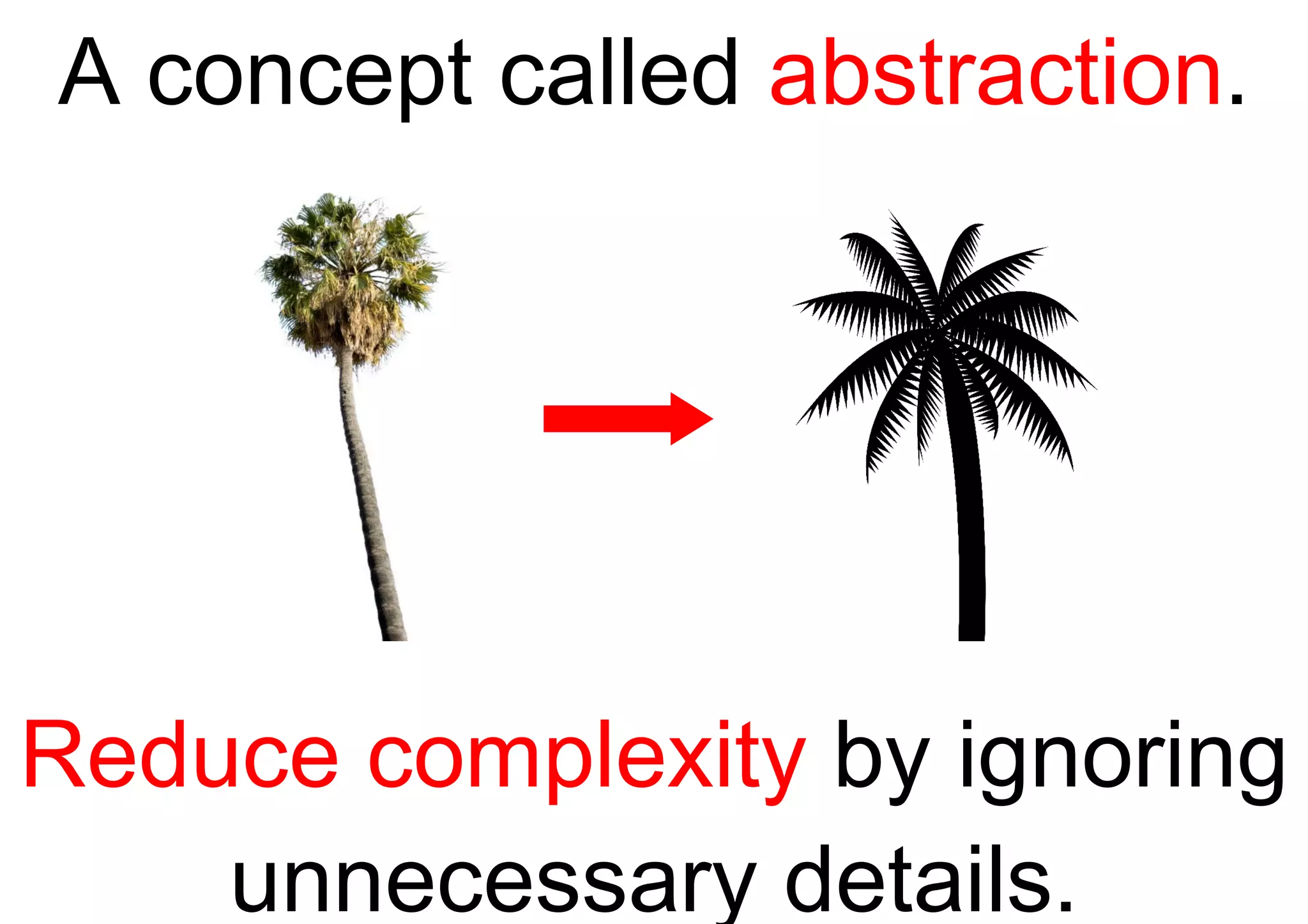
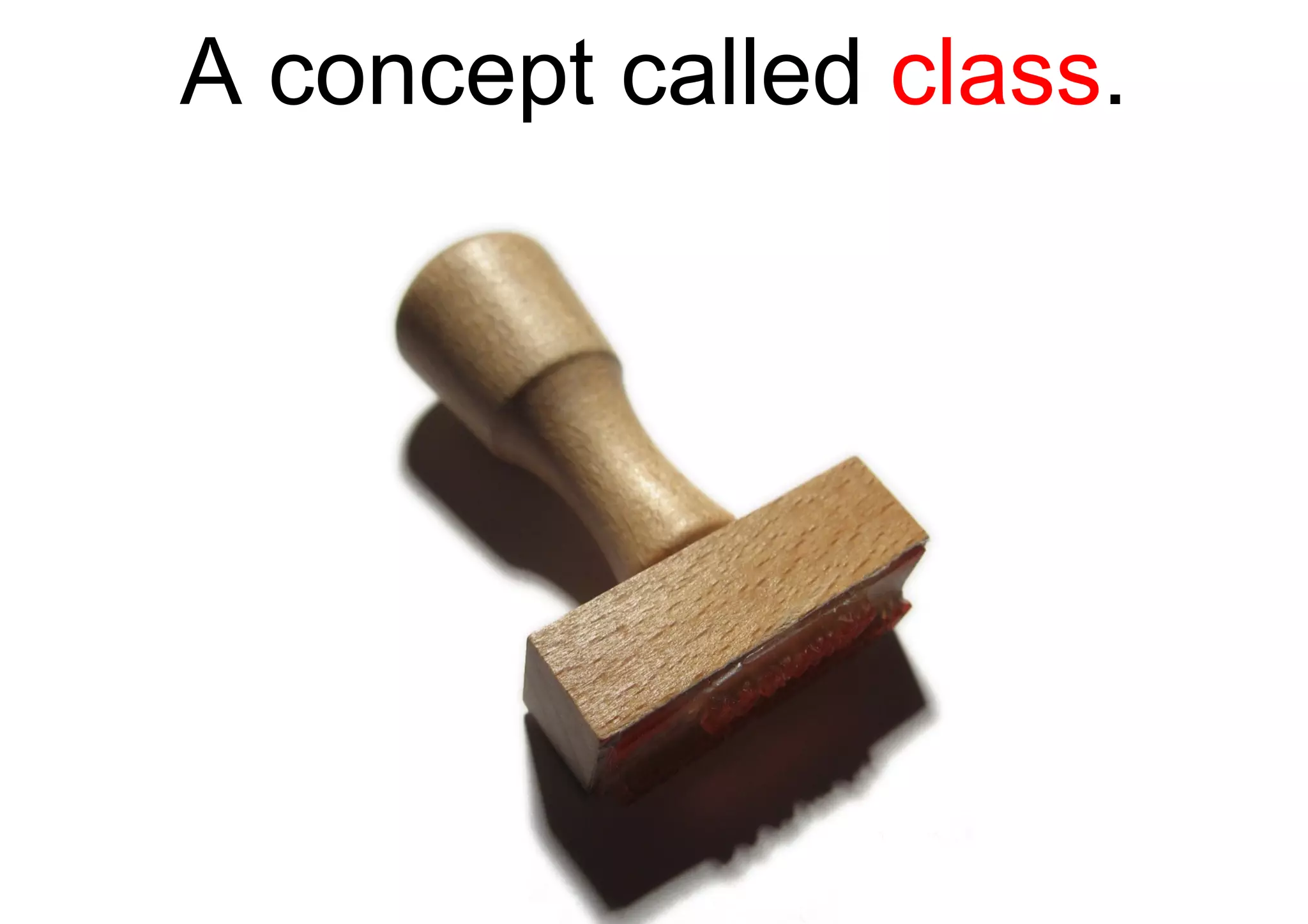
The document discusses the concepts of object-oriented programming (OOP), emphasizing key principles such as information hiding, encapsulation, abstraction, inheritance, polymorphism, and delegation. It highlights the importance of reducing complexity, maintaining small public interfaces, and promoting unit testing. Additionally, it mentions practical applications in LotusScript and concludes with an invitation for questions.


![Coded Agents – with UiPath SDK + LangGraph [Virtual Hands-on Workshop]](https://cdn.slidesharecdn.com/ss_thumbnails/codedagentsdeck-251215155422-5497c599-thumbnail.jpg?width=640&height=640&fit=bounds)


![Vibe Coding vs. Spec-Driven Development [Free Meetup]](https://cdn.slidesharecdn.com/ss_thumbnails/vibecodingvsspecdrivendevelopment-251209105622-43f455e7-thumbnail.jpg?width=640&height=640&fit=bounds)


