MY PORSCHE
AGILE GUILD
Agile Maturity Model
CHRISTOPHER NEUWIRTH
JANOS ANSEL
HOW TO IMPROVE TEAMS
RETROSPECTIVES
LESSONS LEARNED
POST MORTEMS
MEASURING VELOCITY
WHY
AGILE
MATURITY
MODEL
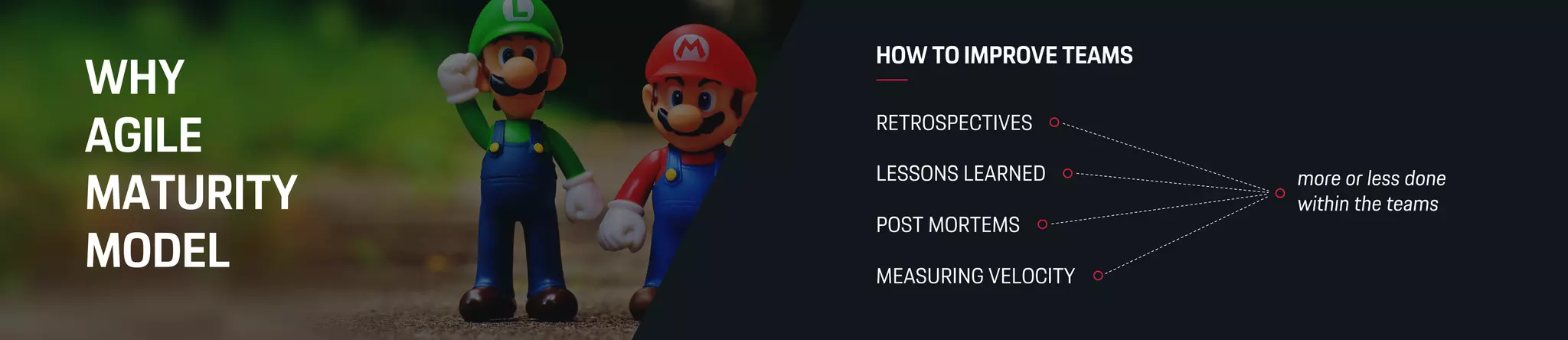
HOW TO IMPROVE TEAMS
RETROSPECTIVES
LESSONS LEARNED
POST MORTEMS
MEASURING VELOCITY
more or less done
within the teams
WHY
AGILE
MATURITY
MODEL
IMPROVEMENTS COME WITH A BASELINE AND
REPRODUCABLE MEASUREMENTS
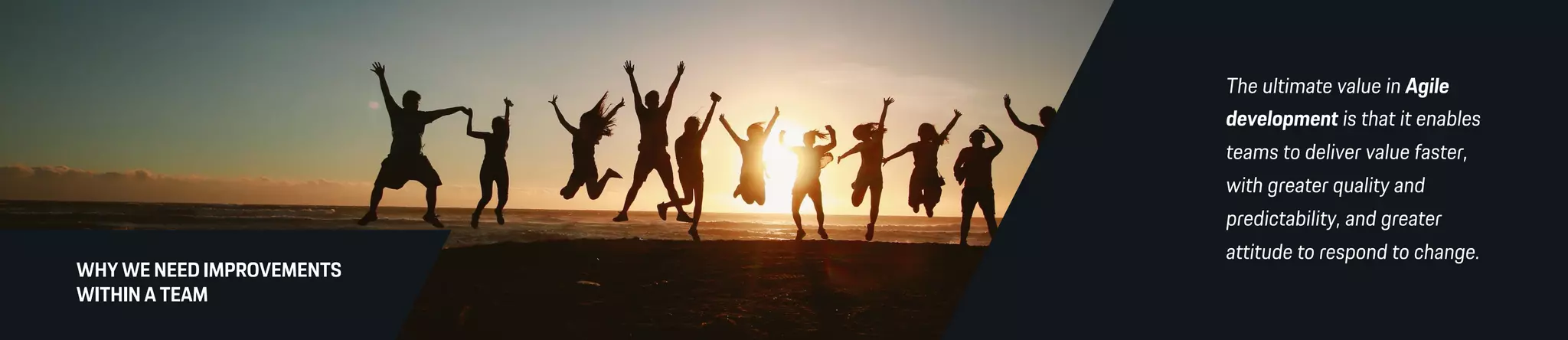
WHY WE NEED IMPROVEMENTS
WITHIN A TEAM
The ultimate value in Agile
development is that it enables
teams to deliver value faster,
with greater quality and
predictability, and greater
attitude to respond to change.
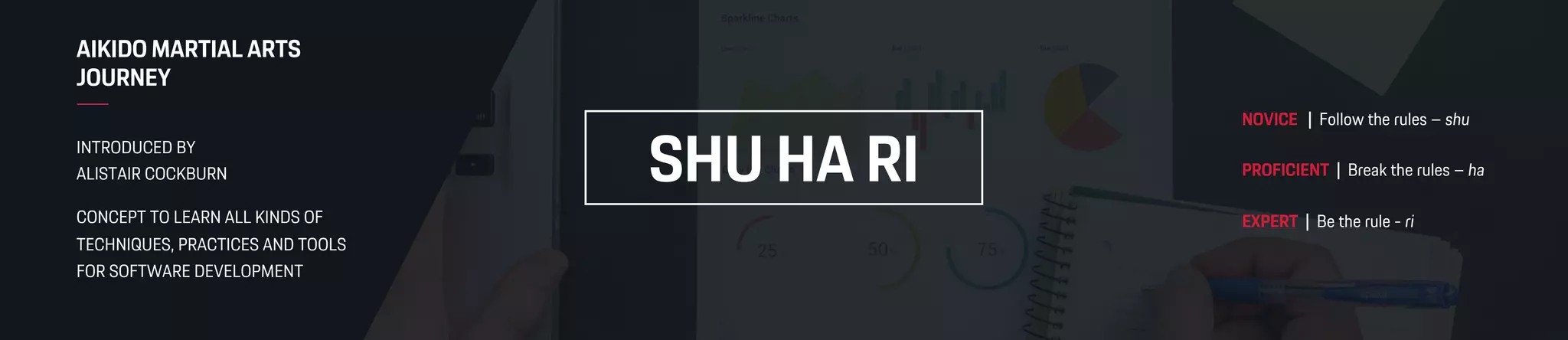
AIKIDO MARTIAL ARTS
JOURNEY
INTRODUCED BY
ALISTAIR COCKBURN
CONCEPT TO LEARN ALL KINDS OF
TECHNIQUES, PRACTICES AND TOOLS
FOR SOFTWARE DEVELOPMENT
SHU HA RI
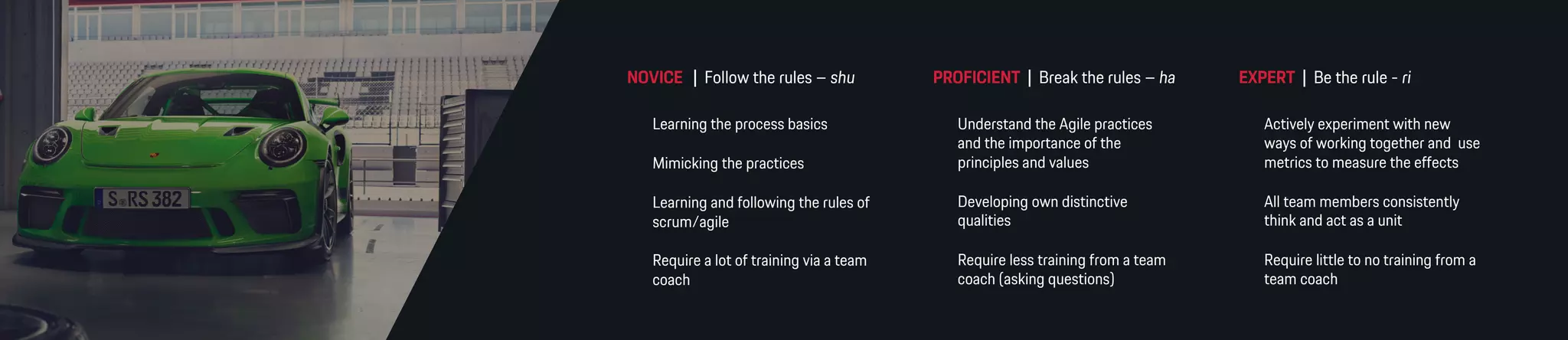
NOVICE | Follow the rules – shu
PROFICIENT | Break the rules – ha
EXPERT | Be the rule - ri
NOVICE | Follow the rules – shu PROFICIENT | Break the rules – ha EXPERT | Be the rule - ri
Learning the process basics
Mimicking the practices
Learning and following the rules of
scrum/agile
Require a lot of training via a team
coach
Understand the Agile practices
and the importance of the
principles and values
Developing own distinctive
qualities
Require less training from a team
coach (asking questions)
Actively experiment with new
ways of working together and use
metrics to measure the effects
All team members consistently
think and act as a unit
Require little to no training from a
team coach
HOW
DO WE
GET
THERE?
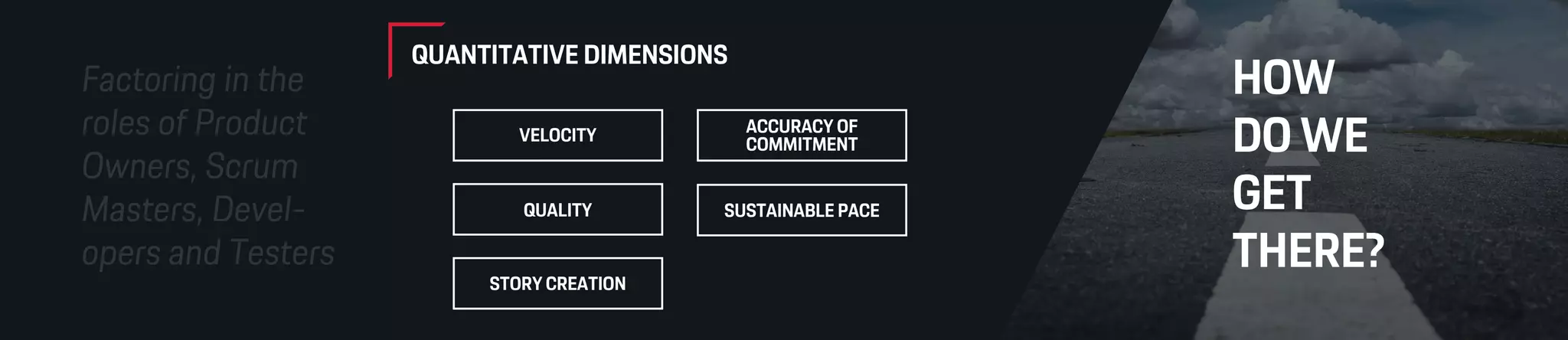
QUANTITATIVE DIMENSIONS
VELOCITY
QUALITY
STORY CREATION
ACCURACY OF
COMMITMENT
SUSTAINABLE PACE
HOW
DO WE
GET
THERE?
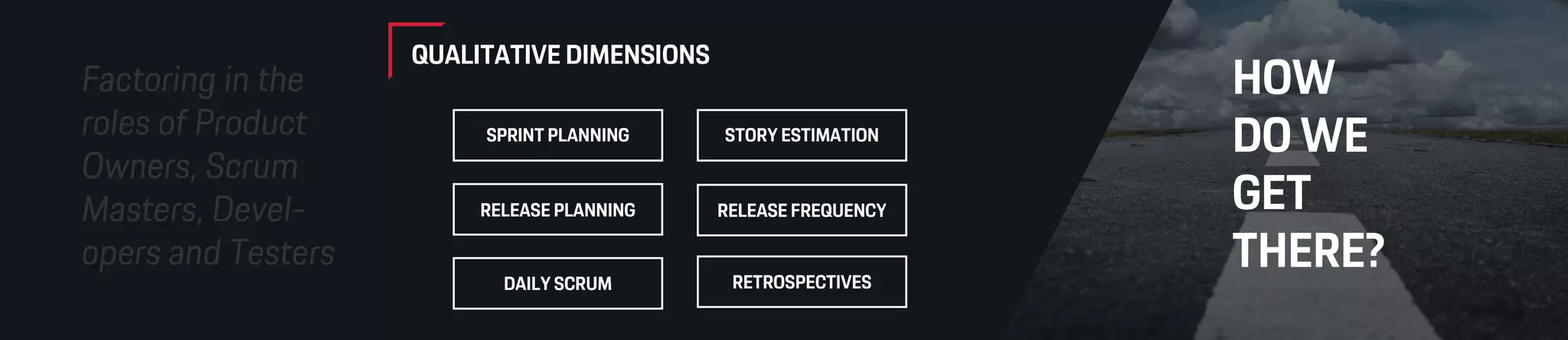
QUALITATIVE DIMENSIONS
SPRINT PLANNING
RELEASE PLANNING
DAILY SCRUM
STORY ESTIMATION
RELEASE FREQUENCY
RETROSPECTIVES
HOW
TO
MEASURE
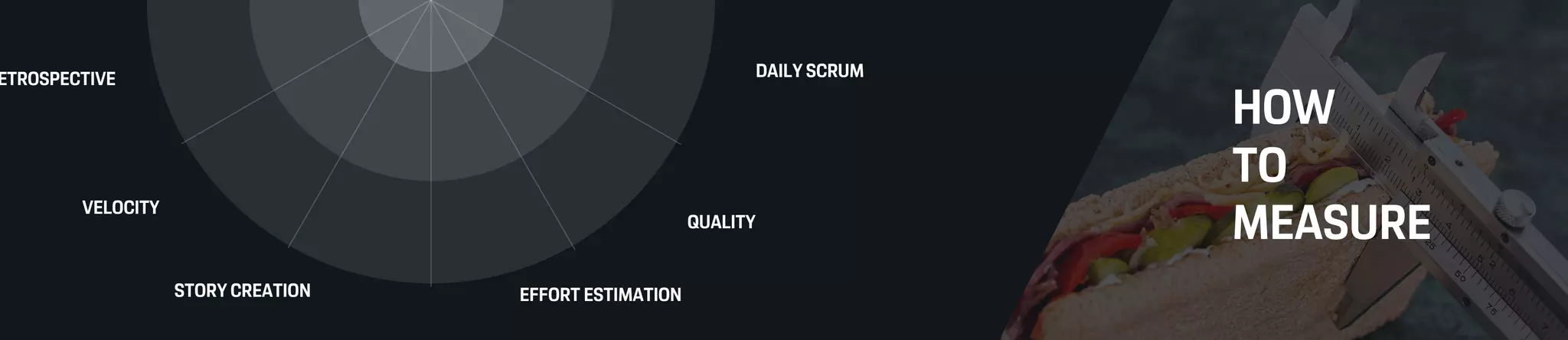
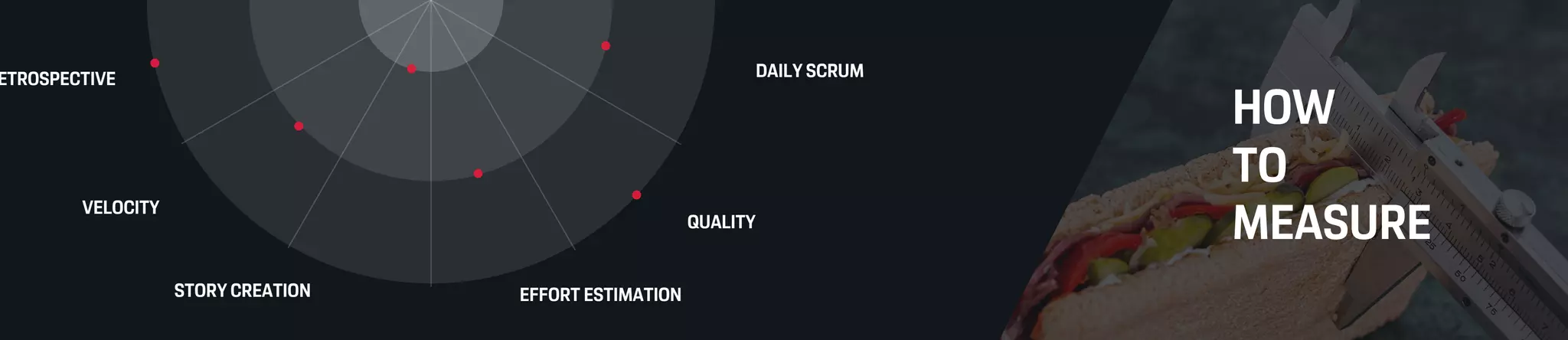
DAILY SCRUM
QUALITY
VELOCITY
ETROSPECTIVE
EFFORT ESTIMATIONSTORY CREATION
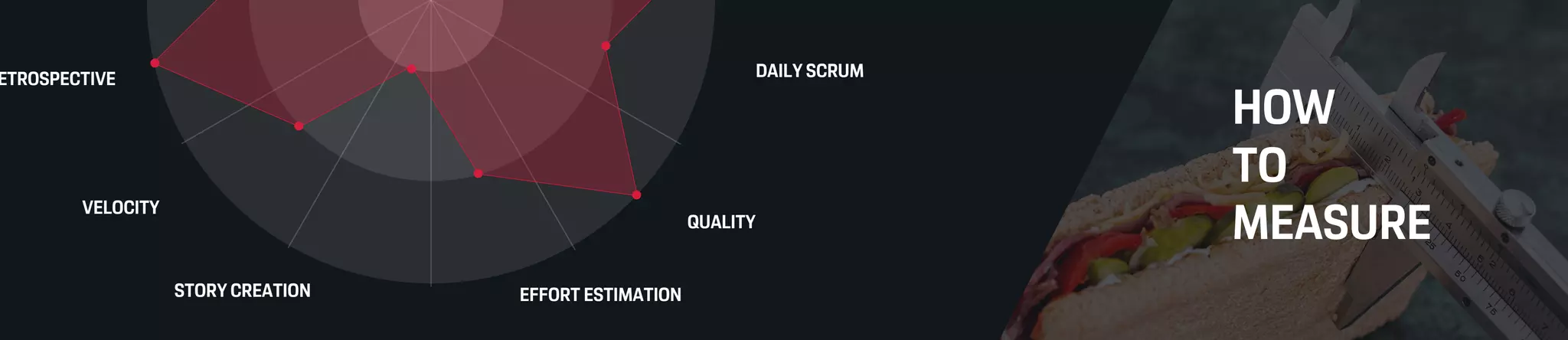
HOW
TO
MEASURE
DAILY SCRUM
QUALITY
EFFORT ESTIMATIONSTORY CREATION
VELOCITY
ETROSPECTIVE
HOW
TO
MEASURE
DAILY SCRUM
QUALITY
EFFORT ESTIMATIONSTORY CREATION
VELOCITY
ETROSPECTIVE
ASSESSMENT BY THE EXAMPLE
OF ONE MY PORSCHE TEAM
PRIME
DIRECTIVE
Regardless of what we discover, we understand and
truly believe that everyone did the best job they
could, given what they knew at the time, their skills
and abilities, the resources available, and the
situation at hand.
– Norm Kerth
Project Retrospectives:
A Handbook for Team Review
FRAMEWORK
CONDITIONS HOW TO RUNEXPLAIN WHYTAKES 60 MINUTES
ITERATION* PLANNING
Our target scenario “high” (3) is, a team has everything or similar out of this:
Planning happens before each iteration and the team work on it collectively.
Team is comfortable with the process, they break the stories into tasks, confident in their estimations, is able to do
planning for a 2 week iteration in 3-4 hours and the entire team believe the plan is achievable.
Team identifies available capacity for the next iteration. Team considers previous velocity indications to do iteration
planning.
Team actively experiments with new methodologies and practices and is using metrics to measure the effects.
If not (or just some parts of it), place yourself at “middle” (2) or “low” (1).
ESTIMATION
We have extremes, to the “low” (1) side we’d see examples like:
The team struggles gaining consensus on estimates and are dominated by experts. Meeting takes a long time and
estimates are frequently revised.
For “middle” (2) we’d expect this to be in place, like:
Team shares a common understanding of size relations. Team is able to estimate and can recognise when a story is too
big to estimate and takes appropriate action. Initial estimates for an iteration are within 25% of actuals.
For “high” (3) we’d expect this to be in place, like:
The team uses a common understanding of size relations and an effective approach to estimating work. Initial estimates
for an iteration are within 10% of actuals. Team make an effort to continuously check for improvements of this process.
GATHER
DATA
Shu (1) | 30%
Ha (2) | 5%
Ri (3) | 65%
STORY CREATION PROCESS
Data gathering can be done in
precense or by using digital
tools.
INTERESTING
INSIGHTS
1 3
EXTREMES
1 3
OUTLIERS
THE ASSESSMENT IS JUST
YOUR STARTING POINT
After you made visible where
you stand it‘s time to go deeper
and find out why these values
occured.
ROOT CAUSES
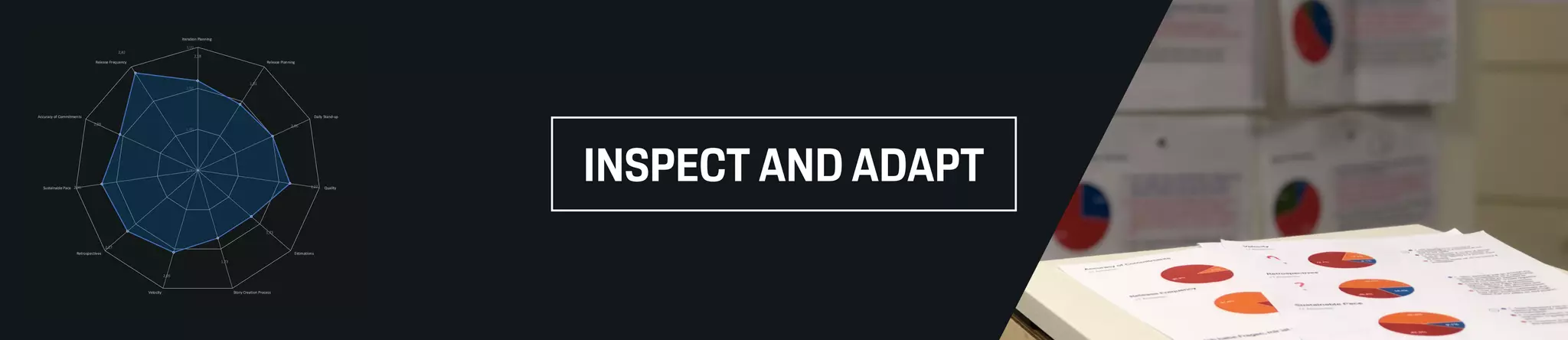
INSPECT AND ADAPT
SKILLS
EVOLVE.
TEAMS
CHANGE.REPEAT
CHRISTOPHER
NEUWIRTH
/in/christopher-neuwirth/ AGILE MATURITY MODEL
HOP IN AND STEP ON
JANOS
ANSEL
/in/janosansel/

ShuHaRi Agile Maturity Model | agile at Porsche

  • 1.
    MY PORSCHE AGILE GUILD AgileMaturity Model CHRISTOPHER NEUWIRTH JANOS ANSEL
  • 2.
    HOW TO IMPROVETEAMS RETROSPECTIVES LESSONS LEARNED POST MORTEMS MEASURING VELOCITY WHY AGILE MATURITY MODEL
  • 3.
    HOW TO IMPROVETEAMS RETROSPECTIVES LESSONS LEARNED POST MORTEMS MEASURING VELOCITY more or less done within the teams WHY AGILE MATURITY MODEL
  • 4.
    IMPROVEMENTS COME WITHA BASELINE AND REPRODUCABLE MEASUREMENTS
  • 5.
    WHY WE NEEDIMPROVEMENTS WITHIN A TEAM The ultimate value in Agile development is that it enables teams to deliver value faster, with greater quality and predictability, and greater attitude to respond to change.
  • 6.
    AIKIDO MARTIAL ARTS JOURNEY INTRODUCEDBY ALISTAIR COCKBURN CONCEPT TO LEARN ALL KINDS OF TECHNIQUES, PRACTICES AND TOOLS FOR SOFTWARE DEVELOPMENT SHU HA RI NOVICE | Follow the rules – shu PROFICIENT | Break the rules – ha EXPERT | Be the rule - ri
  • 7.
    NOVICE | Followthe rules – shu PROFICIENT | Break the rules – ha EXPERT | Be the rule - ri Learning the process basics Mimicking the practices Learning and following the rules of scrum/agile Require a lot of training via a team coach Understand the Agile practices and the importance of the principles and values Developing own distinctive qualities Require less training from a team coach (asking questions) Actively experiment with new ways of working together and use metrics to measure the effects All team members consistently think and act as a unit Require little to no training from a team coach
  • 8.
    HOW DO WE GET THERE? QUANTITATIVE DIMENSIONS VELOCITY QUALITY STORYCREATION ACCURACY OF COMMITMENT SUSTAINABLE PACE
  • 9.
    HOW DO WE GET THERE? QUALITATIVE DIMENSIONS SPRINTPLANNING RELEASE PLANNING DAILY SCRUM STORY ESTIMATION RELEASE FREQUENCY RETROSPECTIVES
  • 10.
  • 11.
  • 12.
  • 13.
    ASSESSMENT BY THEEXAMPLE OF ONE MY PORSCHE TEAM
  • 14.
    PRIME DIRECTIVE Regardless of whatwe discover, we understand and truly believe that everyone did the best job they could, given what they knew at the time, their skills and abilities, the resources available, and the situation at hand. – Norm Kerth Project Retrospectives: A Handbook for Team Review
  • 15.
    FRAMEWORK CONDITIONS HOW TORUNEXPLAIN WHYTAKES 60 MINUTES
  • 16.
    ITERATION* PLANNING Our targetscenario “high” (3) is, a team has everything or similar out of this: Planning happens before each iteration and the team work on it collectively. Team is comfortable with the process, they break the stories into tasks, confident in their estimations, is able to do planning for a 2 week iteration in 3-4 hours and the entire team believe the plan is achievable. Team identifies available capacity for the next iteration. Team considers previous velocity indications to do iteration planning. Team actively experiments with new methodologies and practices and is using metrics to measure the effects. If not (or just some parts of it), place yourself at “middle” (2) or “low” (1).
  • 17.
    ESTIMATION We have extremes,to the “low” (1) side we’d see examples like: The team struggles gaining consensus on estimates and are dominated by experts. Meeting takes a long time and estimates are frequently revised. For “middle” (2) we’d expect this to be in place, like: Team shares a common understanding of size relations. Team is able to estimate and can recognise when a story is too big to estimate and takes appropriate action. Initial estimates for an iteration are within 25% of actuals. For “high” (3) we’d expect this to be in place, like: The team uses a common understanding of size relations and an effective approach to estimating work. Initial estimates for an iteration are within 10% of actuals. Team make an effort to continuously check for improvements of this process.
  • 18.
    GATHER DATA Shu (1) |30% Ha (2) | 5% Ri (3) | 65% STORY CREATION PROCESS Data gathering can be done in precense or by using digital tools.
  • 19.
  • 20.
    THE ASSESSMENT ISJUST YOUR STARTING POINT After you made visible where you stand it‘s time to go deeper and find out why these values occured. ROOT CAUSES
  • 21.
  • 22.
  • 23.
    CHRISTOPHER NEUWIRTH /in/christopher-neuwirth/ AGILE MATURITYMODEL HOP IN AND STEP ON JANOS ANSEL /in/janosansel/