





MARKET SEGMENTATION, TARGETING
AND POSITIONING IN TOURISM
OBJECTIVES
 Explain market segmentation and identify several possible bases for
segmenting markets
 List and distinguish among the requirements for effective
segmentation
 Explain marketing mix
 Illustrate the concept of marketing mix
MARKET SEGMENTATION
 Identifying tourism customers and deciding on how to meet
their wants and needs
 Learn more about the customers
 Making the heterogenous market into a homogenous market
MARKET SEGMENTATION
 The process through which the potential customers with
similar needs and characteristics are grouped together so that
the tourism organisation can apply marketing strategies for
the selected market segment efficiently
CLASSIFICATION OF TOURISM MARKET
SEGMENTATION
 Geodemographic Segmentation
 Psychographic Segmentation
 Behavior Segmentation
 Multivariable Segmentation
GEODEMOGRAPHIC SEGMENTATION
 Geodemographic segmentation may be defined as the
process of combining geographic and demographic
segmentation variables to analyse tourism consumers by
where they live
 This clustering technique groups households on the basis of
information such as type of accommodation, occupation,
number and age of children and ethnicity
 The same technique can also be used to identify the
demographic characteristics of particular “neighbourhoods”
PSYCHOGRAPHIC SEGMENTATION
 Psychographic segmentation attempts to group people
according to their life style and personality characteristics
 It involves correlating intangible personality and lifestyle
variables such as beliefs, interest, opinions, attitudes and
aspirations of potential visitors or tourism consumers
BEHAVIOURISTIC SEGMENTATION
 This form of segmentation has several dimensions but, in
general, it aims to group consumers in terms of their
relationship with the destination product or service
 For example, whether they are first time or regular visitors, the
purpose of their visit, loyalty and their attitudes to the
destination before segmenting on the basis of behaviour or
benefits sought
MULTIVARIABLE SEGMENTATION
 Multivariable segmentation uses a number of different
variables to develop a rich profile of a target group customers
 As with all segmentation approaches, a multivariable
segmentation strategy requires that tourist consumers are
clustered according to their background, needs and wants
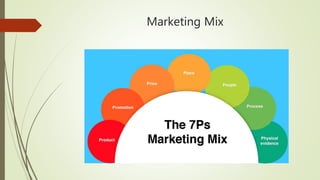
TOURISM MARKETING MIX
MARKETING MIX
 Marketing Mix is a term describing the key elements used by
an organisation that helps to meet its marketing objectives
Marketing Mix
PRODUCT
 Product in tourism is basically the experience and hospitality
provided by the service provided. In general the experience
has to be expressed in such a way that the tourists see a value
in them
PROMOTION
 Like other services the promotion should address, the
accurate and timely information helping to decide whether to
visit target audience, the image to be created for the
organization, objectives, budget, timing of campaign, media
to be selected, and evaluation methods
PRICE
The price of tourism services depends on
 Business and target market objectives
 Cost of producing, delivering and promoting the product
 Willingness of the target prices charged by competitors
offering similar product/service to the same target markets,
availability and prices of substitute product/services, and
economic climate
PLACE
The place and time in tourism is,
 Providing directions and maps
 Providing estimates of travel time and distances from different
market areas, recommending direct and scenic travel routes
 Identifying attractions and support facilities along different
travel routes and informing potential customers of alternative
travel methods to the area such as airlines and railroads
PEOPLE
 People are the centre for the tourism. It is more than a human
intensive sector
 For hospitality and guest relations it is very important to focus
on people
 It also plays a role in quality control, personal selling and
employee morale
PROCESS
The process in tourism include
 Trip planning and anticipation
 Travel to the site or area
 Recollection
 Trip planning packages which includes maps and routes
 Information regarding lodging, food, quality souvenirs and
momentoes
PHYSICAL EVIDENCE
In tourism the physical evidence is basically depends on
 Travel experience
 Stay and comfort
THANK YOU

Segmentation, Targeting and Positioning in Tourism ppt

  • 1.
    MARKET SEGMENTATION, TARGETING ANDPOSITIONING IN TOURISM
  • 2.
    OBJECTIVES  Explain marketsegmentation and identify several possible bases for segmenting markets  List and distinguish among the requirements for effective segmentation  Explain marketing mix  Illustrate the concept of marketing mix
  • 3.
    MARKET SEGMENTATION  Identifyingtourism customers and deciding on how to meet their wants and needs  Learn more about the customers  Making the heterogenous market into a homogenous market
  • 4.
    MARKET SEGMENTATION  Theprocess through which the potential customers with similar needs and characteristics are grouped together so that the tourism organisation can apply marketing strategies for the selected market segment efficiently
  • 5.
    CLASSIFICATION OF TOURISMMARKET SEGMENTATION  Geodemographic Segmentation  Psychographic Segmentation  Behavior Segmentation  Multivariable Segmentation
  • 6.
    GEODEMOGRAPHIC SEGMENTATION  Geodemographicsegmentation may be defined as the process of combining geographic and demographic segmentation variables to analyse tourism consumers by where they live  This clustering technique groups households on the basis of information such as type of accommodation, occupation, number and age of children and ethnicity  The same technique can also be used to identify the demographic characteristics of particular “neighbourhoods”
  • 7.
    PSYCHOGRAPHIC SEGMENTATION  Psychographicsegmentation attempts to group people according to their life style and personality characteristics  It involves correlating intangible personality and lifestyle variables such as beliefs, interest, opinions, attitudes and aspirations of potential visitors or tourism consumers
  • 8.
    BEHAVIOURISTIC SEGMENTATION  Thisform of segmentation has several dimensions but, in general, it aims to group consumers in terms of their relationship with the destination product or service  For example, whether they are first time or regular visitors, the purpose of their visit, loyalty and their attitudes to the destination before segmenting on the basis of behaviour or benefits sought
  • 9.
    MULTIVARIABLE SEGMENTATION  Multivariablesegmentation uses a number of different variables to develop a rich profile of a target group customers  As with all segmentation approaches, a multivariable segmentation strategy requires that tourist consumers are clustered according to their background, needs and wants
  • 10.
  • 11.
    MARKETING MIX  MarketingMix is a term describing the key elements used by an organisation that helps to meet its marketing objectives
  • 12.
  • 13.
    PRODUCT  Product intourism is basically the experience and hospitality provided by the service provided. In general the experience has to be expressed in such a way that the tourists see a value in them
  • 14.
    PROMOTION  Like otherservices the promotion should address, the accurate and timely information helping to decide whether to visit target audience, the image to be created for the organization, objectives, budget, timing of campaign, media to be selected, and evaluation methods
  • 15.
    PRICE The price oftourism services depends on  Business and target market objectives  Cost of producing, delivering and promoting the product  Willingness of the target prices charged by competitors offering similar product/service to the same target markets, availability and prices of substitute product/services, and economic climate
  • 16.
    PLACE The place andtime in tourism is,  Providing directions and maps  Providing estimates of travel time and distances from different market areas, recommending direct and scenic travel routes  Identifying attractions and support facilities along different travel routes and informing potential customers of alternative travel methods to the area such as airlines and railroads
  • 17.
    PEOPLE  People arethe centre for the tourism. It is more than a human intensive sector  For hospitality and guest relations it is very important to focus on people  It also plays a role in quality control, personal selling and employee morale
  • 18.
    PROCESS The process intourism include  Trip planning and anticipation  Travel to the site or area  Recollection  Trip planning packages which includes maps and routes  Information regarding lodging, food, quality souvenirs and momentoes
  • 19.
    PHYSICAL EVIDENCE In tourismthe physical evidence is basically depends on  Travel experience  Stay and comfort
  • 20.