Fiduciaries: Friend or Foe? A
Discussion of Powers of Attorney
and Guardianships
Sara E. Shade
with assistance from P. Gregory Cross
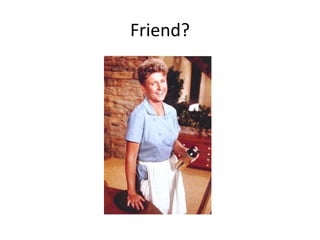
Friend?
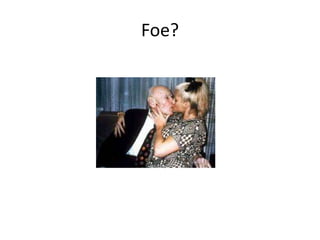
Foe?
Power of Attorney: An instrument granting
someone authority to act as agent or attorney-
in-fact for the grantor. An ordinary power of
attorney is revocable and automatically
terminates upon the death or incapacity of the
principal.
Durable Power of Attorney: A power of
attorney that remains in effect during the
grantor’s incompetency.
Common Law Rules
1. In Indiana, various legal and domestic relationships create a
“presumption of trust and confidence” as to subordinate parties on one hand
and the dominant party on the other.
2. These relationships include those of guardian and ward,
parent and child, attorney and client, and principal and attorney-in fact.
3. When such a relationship exists, and transactions involving
the two parties result in the conveyance of a benefit to the dominant party in
whom the subordinate party had “reposed both trust and confidence” then
the law will impose “a presumption that the transaction was the result of
undue influence exerted by the dominant party, constructively fraudulent,
and thus void.”
4. In such circumstances it is incumbent upon the dominant
party, in this instance the attorney-in-fact, to prove by clear and convincing
evidence that the transaction under scrutiny was not tainted.
In re: Estate of Wade, 768 N.E.2d. 957, 962 (Ind. App. 2002), trans. denied.
I.C. 32-17-11-18. Ownership of accounts at death of party,
original payee, or trustee
________________________________________________
Sec. 18. (A) Sums remaining on deposit at the death of a
party to a joint account belong to the surviving party or
parties as against the estate of the decedent unless there
is clear and convincing evidence of a different intention at
the time the account is created
I.C. 30-5-9-2 Attorney-in-fact benefiting from act; individual or conflicting
interests
_____________________________________________________________
Sec. 2. (a) An attorney-in-fact who acts with due care for the benefit of the
principal is not liable or limited only because the attorney-in-fact:
(1) also benefits from the act;
(2) has individual or conflicting interests in relation to the property,
care, or affairs of the principal; or
(3) acts in a different manner with respect to the principal's and the
attorney-in-fact's individual interests.
(b) A gift, bequest, transfer, or transaction is not presumed to be valid or
invalid if the gift, bequest, transfer, or transaction:
(1) is:
(A) made by the principal taking action; and
(B) not made by an attorney-in-fact acting for the principal
under a power of attorney; and
(2) benefits the principal's attorney-in-fact.
In re Estate of Harry Rickert,
934 N.E.2d 726 (2010)
•Caregiver/Patient relationship
•Attorney in Fact created accounts without evidence of
principal’s involvement
•Non-probate estate significantly larger than probate estate
•Special Personal Representative appointed
• Four years of litigation ensued
In re Estate of Harry Rickert,
934 N.E.2d 726 (2010)
• “Classic example of self-dealing by a fiduciary”
• On the face of the transactions [AIF] used her
position for [principal] to transfer an interest
to herself
• If undue influence is presumed, burden “then
shifts to the dominant party to demonstrate,
by clear and unequivocal proof, that the
transaction was voluntary and fair.”
I.C. 30-5-6-4. Records of transactions; accounting
______________________________________________
Sec. 4. (a) The attorney in fact shall keep complete records of all
transactions entered into by the attorney in fact on behalf of the principal:
(1) for six (6) years after the date of transaction; or
(2) until the records are delivered to the successor attorney in fact;
whichever comes first.
(b) Except as otherwise stated in the power of attorney, the
attorney in fact is not required to render an accounting. The attorney in fact
shall render a written accounting if an accounting is ordered by a court,
requested by the principal, a guardian appointed for the principal, a child of
the principal, or, upon the death of the principal, the personal
representative of the principal’s estate, or an heir or legatee of the principal.
(c) An attorney in fact shall deliver an accounting requested under
subsection (b) to:
(1) the principal;
(2) a guardian appointed for the principal;
(3) the personal representative of the principal’s estate;
(4) an heir of the principal after the death of the principal; or
(5) a legatee of the principal after the death of the principal;
not later than sixty (60) days after the date the attorney in fact receives the
written request for an accounting. In the event of the principal’s death, an
accounting under this subsection must be requested not later than nine (9)
months after the date of the principal’s death.
(e) If an attorney in fact fails to deliver an accounting as required under
subsection (c), the person requesting the accounting may initiate an action
in mandamus to compel the attorney in fact to render the accounting. The
court may award the attorney’s fees and the court costs incurred under this
subsection to the person requesting the accounting if the court finds that
the attorney in fact failed to render an accounting as required under this
section without just cause.
I.C. 29-3-3-4 Emergencies; appointment of temporary guardian; suspension
of guardian; exemptions
_______________________________________________________________
Sec. 4. (a) If:
(1) a guardian has not been appointed for an incapacitated person or
minor;
(2) an emergency exists;
(3) the welfare of the incapacitated person or minor requires immediate
action; and
(4) no other person appears to have authority to act in the
circumstances;
the court, on petition by any person or on its own motion, may appoint a
temporary guardian for the incapacitated person or minor for a specified
period not to exceed ninety (90) days. No such appointment shall be made
except after notice and hearing unless it is alleged and found by the court
that immediate and irreparable injury to the person or injury, loss, or
damage to the property of the alleged incapacitated person or minor may
result before the alleged incapacitated person or minor can be heard in
response to the petition. . .
I.C. 29-3-3-7 Designation of standby guardian
_____________________________________
Sec. 7. (a) Subject to subsection (e), a parent of a
minor or the guardian of a protected person may
designate a standby guardian by making a written
declaration naming the individual designated to
serve as a standby guardian. A declarant may
name an alternate to the designated standby
guardian if the designated standby guardian is
unable to serve, refuses to serve, renounces the
appointment, dies, or becomes incapacitated
after the death of the declarant. (2010)
Friend?
Foe?

Fiduciaries: Friend or Foe? A Discussion of Power of Attorney and Guardianships

  • 1.
    Fiduciaries: Friend orFoe? A Discussion of Powers of Attorney and Guardianships Sara E. Shade with assistance from P. Gregory Cross
  • 2.
  • 3.
  • 4.
    Power of Attorney:An instrument granting someone authority to act as agent or attorney- in-fact for the grantor. An ordinary power of attorney is revocable and automatically terminates upon the death or incapacity of the principal.
  • 5.
    Durable Power ofAttorney: A power of attorney that remains in effect during the grantor’s incompetency.
  • 6.
    Common Law Rules 1.In Indiana, various legal and domestic relationships create a “presumption of trust and confidence” as to subordinate parties on one hand and the dominant party on the other. 2. These relationships include those of guardian and ward, parent and child, attorney and client, and principal and attorney-in fact. 3. When such a relationship exists, and transactions involving the two parties result in the conveyance of a benefit to the dominant party in whom the subordinate party had “reposed both trust and confidence” then the law will impose “a presumption that the transaction was the result of undue influence exerted by the dominant party, constructively fraudulent, and thus void.” 4. In such circumstances it is incumbent upon the dominant party, in this instance the attorney-in-fact, to prove by clear and convincing evidence that the transaction under scrutiny was not tainted. In re: Estate of Wade, 768 N.E.2d. 957, 962 (Ind. App. 2002), trans. denied.
  • 7.
    I.C. 32-17-11-18. Ownershipof accounts at death of party, original payee, or trustee ________________________________________________ Sec. 18. (A) Sums remaining on deposit at the death of a party to a joint account belong to the surviving party or parties as against the estate of the decedent unless there is clear and convincing evidence of a different intention at the time the account is created
  • 8.
    I.C. 30-5-9-2 Attorney-in-factbenefiting from act; individual or conflicting interests _____________________________________________________________ Sec. 2. (a) An attorney-in-fact who acts with due care for the benefit of the principal is not liable or limited only because the attorney-in-fact: (1) also benefits from the act; (2) has individual or conflicting interests in relation to the property, care, or affairs of the principal; or (3) acts in a different manner with respect to the principal's and the attorney-in-fact's individual interests. (b) A gift, bequest, transfer, or transaction is not presumed to be valid or invalid if the gift, bequest, transfer, or transaction: (1) is: (A) made by the principal taking action; and (B) not made by an attorney-in-fact acting for the principal under a power of attorney; and (2) benefits the principal's attorney-in-fact.
  • 9.
    In re Estateof Harry Rickert, 934 N.E.2d 726 (2010) •Caregiver/Patient relationship •Attorney in Fact created accounts without evidence of principal’s involvement •Non-probate estate significantly larger than probate estate •Special Personal Representative appointed • Four years of litigation ensued
  • 10.
    In re Estateof Harry Rickert, 934 N.E.2d 726 (2010) • “Classic example of self-dealing by a fiduciary” • On the face of the transactions [AIF] used her position for [principal] to transfer an interest to herself • If undue influence is presumed, burden “then shifts to the dominant party to demonstrate, by clear and unequivocal proof, that the transaction was voluntary and fair.”
  • 11.
    I.C. 30-5-6-4. Recordsof transactions; accounting ______________________________________________ Sec. 4. (a) The attorney in fact shall keep complete records of all transactions entered into by the attorney in fact on behalf of the principal: (1) for six (6) years after the date of transaction; or (2) until the records are delivered to the successor attorney in fact; whichever comes first. (b) Except as otherwise stated in the power of attorney, the attorney in fact is not required to render an accounting. The attorney in fact shall render a written accounting if an accounting is ordered by a court, requested by the principal, a guardian appointed for the principal, a child of the principal, or, upon the death of the principal, the personal representative of the principal’s estate, or an heir or legatee of the principal.
  • 12.
    (c) An attorneyin fact shall deliver an accounting requested under subsection (b) to: (1) the principal; (2) a guardian appointed for the principal; (3) the personal representative of the principal’s estate; (4) an heir of the principal after the death of the principal; or (5) a legatee of the principal after the death of the principal; not later than sixty (60) days after the date the attorney in fact receives the written request for an accounting. In the event of the principal’s death, an accounting under this subsection must be requested not later than nine (9) months after the date of the principal’s death. (e) If an attorney in fact fails to deliver an accounting as required under subsection (c), the person requesting the accounting may initiate an action in mandamus to compel the attorney in fact to render the accounting. The court may award the attorney’s fees and the court costs incurred under this subsection to the person requesting the accounting if the court finds that the attorney in fact failed to render an accounting as required under this section without just cause.
  • 13.
    I.C. 29-3-3-4 Emergencies;appointment of temporary guardian; suspension of guardian; exemptions _______________________________________________________________ Sec. 4. (a) If: (1) a guardian has not been appointed for an incapacitated person or minor; (2) an emergency exists; (3) the welfare of the incapacitated person or minor requires immediate action; and (4) no other person appears to have authority to act in the circumstances; the court, on petition by any person or on its own motion, may appoint a temporary guardian for the incapacitated person or minor for a specified period not to exceed ninety (90) days. No such appointment shall be made except after notice and hearing unless it is alleged and found by the court that immediate and irreparable injury to the person or injury, loss, or damage to the property of the alleged incapacitated person or minor may result before the alleged incapacitated person or minor can be heard in response to the petition. . .
  • 14.
    I.C. 29-3-3-7 Designationof standby guardian _____________________________________ Sec. 7. (a) Subject to subsection (e), a parent of a minor or the guardian of a protected person may designate a standby guardian by making a written declaration naming the individual designated to serve as a standby guardian. A declarant may name an alternate to the designated standby guardian if the designated standby guardian is unable to serve, refuses to serve, renounces the appointment, dies, or becomes incapacitated after the death of the declarant. (2010)
  • 15.
  • 16.