RING
SYSTE
M
Amsterdam’s water source
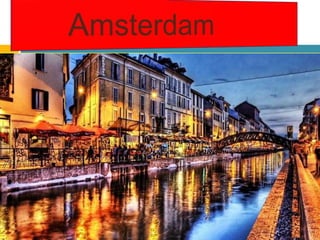
 Amsterdam, capital of the Netherlands, has more than one
hundred kilometers of canals, about 90 islands and
1,500 bridges. The three main
canals, Herengracht, Prinsengracht, and Keizersgracht, dug in
the 17th century during the Dutch Golden Age, form concentric
belts around the city, known as the Grachtengordel. Alongside
the main canals are 1550 monumental buildings.The 17th-
century canal ring area, including the Prinsengracht,
Keizersgracht, Herengracht and Jordaan.
Amsteel river
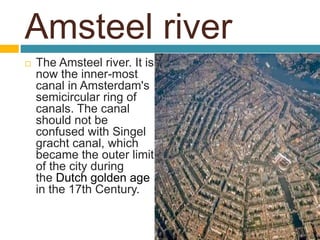
 The Amsteel river. It is
now the inner-most
canal in Amsterdam's
semicircular ring of
canals. The canal
should not be
confused with Singel
gracht canal, which
became the outer limit
of the city during
the Dutch golden age
in the 17th Century.
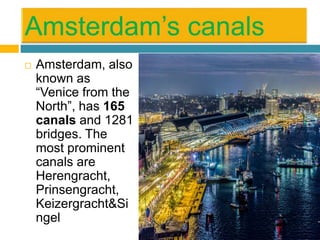
 Amsterdam, also
known as
“Venice from the
North”, has 165
canals and 1281
bridges. The
most prominent
canals are
Herengracht,
Prinsengracht,
Keizergracht&Si
ngel
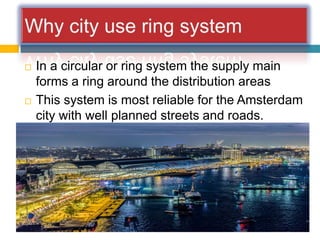
 In a circular or ring system the supply main
forms a ring around the distribution areas
 This system is most reliable for the Amsterdam
city with well planned streets and roads.
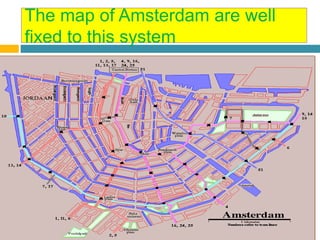
The map of Amsterdam are well
fixed to this system
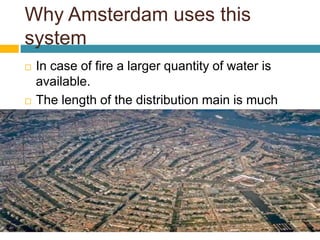
Why Amsterdam uses this
system
 In case of fire a larger quantity of water is
available.
 The length of the distribution main is much
higher
Amount of water they distribute
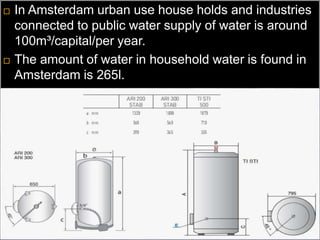
 In Amsterdam urban use house holds and industries
connected to public water supply of water is around
100m³/capital/per year.
 The amount of water in household water is found in
Amsterdam is 265l.
Types and location
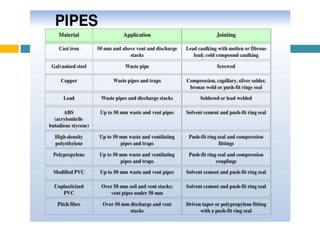
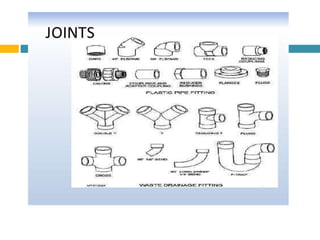
PIPES TYPES
 Amsterdam water pipe is a thick glass bong
with sturdy construction and elegant stem
plastic
polythene
PVC pipes
 Height: 260mm; 10.2 in
 Weight ; 220 g; 7.7 oz
 Tube diameter 32 mm, 1.6inch
 Joint size 14.5mm , .57inch
 Joint type glass on glass
 Steam length 80mm, 3.15inch
WASTE WATER, IS ANY WATER THAT
HAS BEEN ADVERSELY AFFECTED IN
QUALITY BY ANTHROPOGENIC
INFLUENCE. WASTEWATER CAN
ORIGINATE FROM A COMBINATION OF
DOMESTIC, INDUSTRIAL, COMMERCIAL
OR AGRICULTURAL ACTIVITIES,
SURFACE RUNOFF OR STORM WATER,
AND FROM SEWER INFLOW OR
INFILTRATION.
Waste water
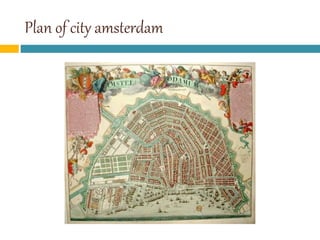
Plan of city amsterdam
Waste water
 the City of Amsterdam Wastewater Treatment
Facility is located just east of the city off Rt. 5 on
Quist Road. Influent is conveyed there by three
main pump stations: Kline St., River St. and
John Street. The west side and south-side pump
stations collect their areas wastewater and
everything goes to the eastside station where
the total flow of the system is sent on to the
treatment plant.
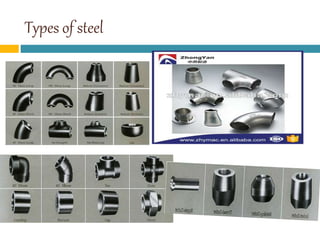
Steel pipes
 Steel pipe is a building material made from an
alloy of iron and carbon. It is widely used in the

construction industry, but can also be found in
a variety of manufacturing and industrial
applications. In plumbing systems, steel pipe
can be used to transport liquids and gases for
commercial and residential buildings
Types of steel pipes
 1.alloy steel pipe use industrial
 2.carbon steel pipe use steel casing pipes
 3.iron steel pipe use structure pipes
 4.black steel use oil and gas
Types of steel
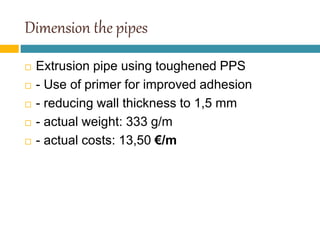
Dimension the pipes
 Extrusion pipe using toughened PPS
 - Use of primer for improved adhesion
 - reducing wall thickness to 1,5 mm
 - actual weight: 333 g/m
 - actual costs: 13,50 €/m
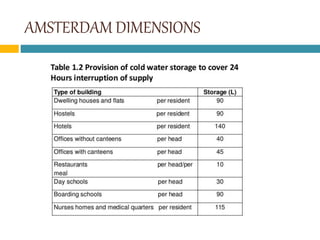
AMSTERDAM DIMENSIONS
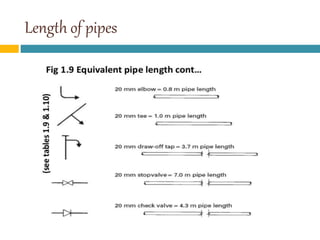
Length of pipes
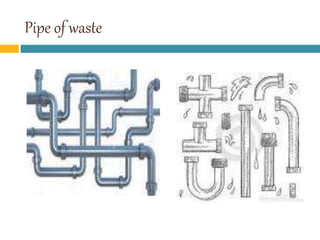
Pipe of waste
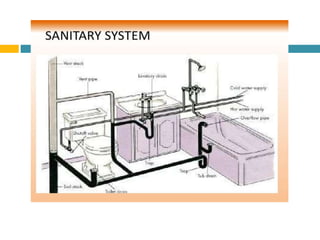
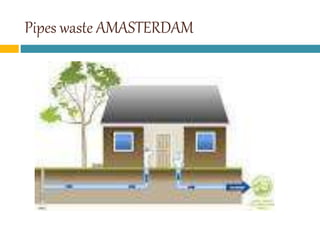
Pipes waste AMASTERDAM
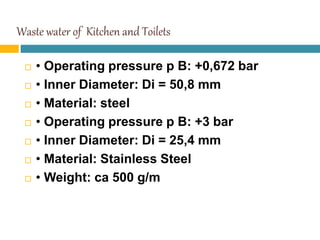
Waste water of Kitchen and Toilets
 • Operating pressure p B: +0,672 bar
 • Inner Diameter: Di = 50,8 mm
 • Material: steel
 • Operating pressure p B: +3 bar
 • Inner Diameter: Di = 25,4 mm
 • Material: Stainless Steel
 • Weight: ca 500 g/m
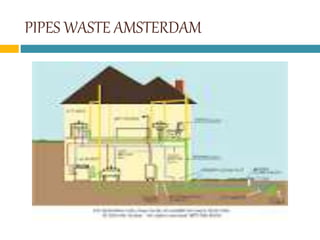
PIPES WASTE AMSTERDAM

Ring system

  • 1.
  • 3.
    Amsterdam’s water source Amsterdam, capital of the Netherlands, has more than one hundred kilometers of canals, about 90 islands and 1,500 bridges. The three main canals, Herengracht, Prinsengracht, and Keizersgracht, dug in the 17th century during the Dutch Golden Age, form concentric belts around the city, known as the Grachtengordel. Alongside the main canals are 1550 monumental buildings.The 17th- century canal ring area, including the Prinsengracht, Keizersgracht, Herengracht and Jordaan.

  • 4.
    Amsteel river  TheAmsteel river. It is now the inner-most canal in Amsterdam's semicircular ring of canals. The canal should not be confused with Singel gracht canal, which became the outer limit of the city during the Dutch golden age in the 17th Century.
  • 5.
     Amsterdam, also knownas “Venice from the North”, has 165 canals and 1281 bridges. The most prominent canals are Herengracht, Prinsengracht, Keizergracht&Si ngel
  • 6.
     In acircular or ring system the supply main forms a ring around the distribution areas  This system is most reliable for the Amsterdam city with well planned streets and roads.
  • 7.
    The map ofAmsterdam are well fixed to this system
  • 8.
    Why Amsterdam usesthis system  In case of fire a larger quantity of water is available.  The length of the distribution main is much higher
  • 9.
    Amount of waterthey distribute
  • 11.
     In Amsterdamurban use house holds and industries connected to public water supply of water is around 100m³/capital/per year.  The amount of water in household water is found in Amsterdam is 265l.
  • 12.
  • 13.
    PIPES TYPES  Amsterdamwater pipe is a thick glass bong with sturdy construction and elegant stem plastic polythene PVC pipes
  • 14.
     Height: 260mm;10.2 in  Weight ; 220 g; 7.7 oz  Tube diameter 32 mm, 1.6inch  Joint size 14.5mm , .57inch  Joint type glass on glass  Steam length 80mm, 3.15inch
  • 39.
    WASTE WATER, ISANY WATER THAT HAS BEEN ADVERSELY AFFECTED IN QUALITY BY ANTHROPOGENIC INFLUENCE. WASTEWATER CAN ORIGINATE FROM A COMBINATION OF DOMESTIC, INDUSTRIAL, COMMERCIAL OR AGRICULTURAL ACTIVITIES, SURFACE RUNOFF OR STORM WATER, AND FROM SEWER INFLOW OR INFILTRATION. Waste water
  • 40.
    Plan of cityamsterdam
  • 41.
    Waste water  theCity of Amsterdam Wastewater Treatment Facility is located just east of the city off Rt. 5 on Quist Road. Influent is conveyed there by three main pump stations: Kline St., River St. and John Street. The west side and south-side pump stations collect their areas wastewater and everything goes to the eastside station where the total flow of the system is sent on to the treatment plant.
  • 42.
    Steel pipes  Steelpipe is a building material made from an alloy of iron and carbon. It is widely used in the construction industry, but can also be found in a variety of manufacturing and industrial applications. In plumbing systems, steel pipe can be used to transport liquids and gases for commercial and residential buildings
  • 43.
    Types of steelpipes  1.alloy steel pipe use industrial  2.carbon steel pipe use steel casing pipes  3.iron steel pipe use structure pipes  4.black steel use oil and gas
  • 44.
  • 45.
    Dimension the pipes Extrusion pipe using toughened PPS  - Use of primer for improved adhesion  - reducing wall thickness to 1,5 mm  - actual weight: 333 g/m  - actual costs: 13,50 €/m
  • 46.
  • 47.
  • 48.
  • 49.
  • 50.
    Waste water ofKitchen and Toilets  • Operating pressure p B: +0,672 bar  • Inner Diameter: Di = 50,8 mm  • Material: steel  • Operating pressure p B: +3 bar  • Inner Diameter: Di = 25,4 mm  • Material: Stainless Steel  • Weight: ca 500 g/m
  • 51.