Rain Flooding
Rain Flooding
What is Rain flooding?
Rain Flooding is one of the most common causes of home damage after a storm.
Rain flooding happens when rainwater runs off from land into streams, rivers, creeks,
ponds, and even ditches. This usually happens when there is heavy rainfall at night
and then a period of heavy downpour during the morning hours. As soon as any area
gets saturated with water, it begins to expand. And this expansion forces the water to
move towards low areas where the ground is already wet due to previous rain. In
some cases, the floodwater may rise above its banks and enter basements, garages,
crawl spaces, and attics. So, what are the best ways to prevent rain flooding and
protect your home from getting damaged?
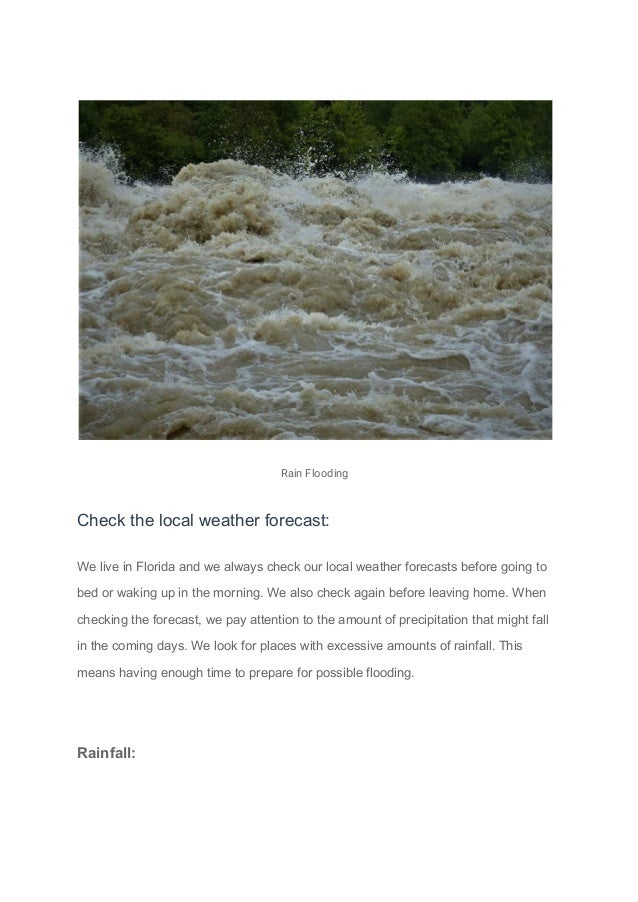
Rain Flooding
Check the local weather forecast:
We live in Florida and we always check our local weather forecasts before going to
bed or waking up in the morning. We also check again before leaving home. When
checking the forecast, we pay attention to the amount of precipitation that might fall
in the coming days. We look for places with excessive amounts of rainfall. This
means having enough time to prepare for possible flooding.
Rainfall:
It should be noted that rainfall levels differ from location to location but usually, a
certain amount of rain falls per year. Of course, this amount varies depending on
whether we are talking about tropical rain forests, desert regions, mountain ranges,
or plains. Generally speaking though, it takes around 200 millimeters of rain per
month to sustain a healthy ecosystem. However, some ecosystems require even
higher amounts of rainfall ranging from 300mm to 500mm per month.
Flooding:
The problem with floods is that they occur irregularly, although some areas are
prone to flooding while others are practically immune. This means that the only safe
option is prevention. The best thing to do is to ensure that your home is well
protected against water damage. A good first step would be to install a sump pump
at your house. The sump pump is basically a drainage system that prevents flood
waters from entering your property. It operates automatically when any water enters
the area. As soon as the area becomes saturated, it drains accumulated water
through pipes into the ground. There are plenty of different types of pumps available
on the market today. You should choose a pump based on its size, weight, capacity,
and functionality.
Severe weather:
Even though the probability of severe weather occurring anywhere in the world is
relatively small, it does happen. Whether or not you live in an area where heavy
downpours are common is irrelevant because you will always be vulnerable to
stormy conditions.
Water Damage:
Water damage is one of the most common problems facing homeowners today.
Water damage may result from natural disasters like floods, hurricanes, tornadoes,
earthquakes, and snowstorms. Or it may occur due to human error like burst pipes or
broken appliances. Regardless of the cause, most people experience some form of
water damage during their lifetime. If left untreated, water damage can lead to
serious health issues.
Fix any small leaks around your property:
The first thing you should be aware of is that rainwater doesn’t drain well through
pipes. It goes straight into the ground and becomes stagnant. You should ensure that
there aren’t any small holes or cracks that allow water to seep in. You should also fix
any broken gutters that could cause water to run down your roof.
Keep soil dry:
If there isn’t much vegetation on your property, it will absorb the rainwater and turn it
into mud that would eventually soak into the ground. You should remove all trees and
shrubs from your yard because they act like sponges. They hold moisture in their
roots and leaves, making the surrounding soil very soggy.
How to Create a Rain Barrel?
A rain barrel is a container to collect water from the roof of your house and store it
for later use. They are quite common in areas where water resources are scarce,
and they are even used in some parts of Canada and the United States. A rain barrel
collects rainfall from the roof and stores it either underground or in a wooden tank
that can hold several gallons of water. It is usually placed near the downspouts to
catch runoff water, but it does not have to be directly connected to the drainpipe.
Ways to Catch Rainwater:
There are many ways to catch rainwater. One simple way is to attach a bucket to a
hose and place it under a downspout to catch the water. Other methods include
hanging buckets above a sink or shower head or installing an underground storage
tank inside the house. There are also special rain barrels that can be purchased from
a building supply store that automatically fill themselves without any effort on your
behalf.
Where Do I Find a Rain Barrel?
You can purchase a rain barrel at any home improvement store. However, if you
want the best value for your dollar, then look online. There are plenty of websites that
offer rain barrels for sale, some of which will ship worldwide. Most rain barrels sold
on the Internet are inexpensive, ranging between $20-$100. The price depends on
what type of materials are used, how much capacity the barrel can hold, and where
the shipping destination happens to be.
Keep your lawn clear of leaves from trees and bushes
The first step you should take is to cut down any tree branches or shrubs that are
close to your home. This may seem obvious, but some homeowners forget this step.
Leaves from trees and bushes can cause problems when they fall into storm drains.
They clog the pipes and prevent the water from draining away. When the rain comes,
these clogged pipes can flood your yard and basement.
Clear debris off your property:
Debris, like rocks, can damage your foundation and cause structural issues.
Remove any debris around your house. Remember, the longer the debris stays
outside, the worse the situation becomes. Debris also attracts pests that could enter
your home, causing health issues.
Drain your gutters:
When rain hits a roof covered with snow, ice, or sleet, the weight causes the
shingles to tear. If the roof isn’t properly drained, this pressure builds up inside the
roofing material and eventually leads to leaks. To fix this problem, drain your gutter
system in order to stop the accumulation of water.
How to prepare for a flood?
In order to protect yourself from any possible damages caused by rain flooding, it is
advisable to take certain precautions. A flood is defined as a sudden rise in water
level in a low-lying area, usually after heavy rainfall. Rain flooding is one of the worst
floods because it can cause extensive damage to property, land, roads, and
buildings. This type of flooding occurs when excess rainwater flows through drainage
channels into rivers, streams, and creeks. When this happens, the flow rate
increases rapidly causing a rapid increase in the height of water in those areas.
Flooding can occur anywhere. However, some places are at greater risk than others.
Here are some tips for anyone who lives in or visits a place where they could
possibly experience rain flooding:
• Know what time of day the rains are likely to occur.
• Make sure your home is properly ventilated, especially before showers begin.
• Keep windows closed and doors shut during storms.
• Check underground pipes for leaks.
• Install automatic sprinkler systems around your home.
• Avoid using electrical appliances while it is raining. They can create sparks and
electrocution hazards.

Rain Flooding.pdf

  • 1.
    Rain Flooding Rain Flooding Whatis Rain flooding? Rain Flooding is one of the most common causes of home damage after a storm. Rain flooding happens when rainwater runs off from land into streams, rivers, creeks, ponds, and even ditches. This usually happens when there is heavy rainfall at night and then a period of heavy downpour during the morning hours. As soon as any area gets saturated with water, it begins to expand. And this expansion forces the water to move towards low areas where the ground is already wet due to previous rain. In some cases, the floodwater may rise above its banks and enter basements, garages, crawl spaces, and attics. So, what are the best ways to prevent rain flooding and protect your home from getting damaged?
  • 2.
    Rain Flooding Check thelocal weather forecast: We live in Florida and we always check our local weather forecasts before going to bed or waking up in the morning. We also check again before leaving home. When checking the forecast, we pay attention to the amount of precipitation that might fall in the coming days. We look for places with excessive amounts of rainfall. This means having enough time to prepare for possible flooding. Rainfall:
  • 3.
    It should benoted that rainfall levels differ from location to location but usually, a certain amount of rain falls per year. Of course, this amount varies depending on whether we are talking about tropical rain forests, desert regions, mountain ranges, or plains. Generally speaking though, it takes around 200 millimeters of rain per month to sustain a healthy ecosystem. However, some ecosystems require even higher amounts of rainfall ranging from 300mm to 500mm per month. Flooding: The problem with floods is that they occur irregularly, although some areas are prone to flooding while others are practically immune. This means that the only safe option is prevention. The best thing to do is to ensure that your home is well protected against water damage. A good first step would be to install a sump pump at your house. The sump pump is basically a drainage system that prevents flood waters from entering your property. It operates automatically when any water enters the area. As soon as the area becomes saturated, it drains accumulated water through pipes into the ground. There are plenty of different types of pumps available on the market today. You should choose a pump based on its size, weight, capacity, and functionality. Severe weather: Even though the probability of severe weather occurring anywhere in the world is relatively small, it does happen. Whether or not you live in an area where heavy downpours are common is irrelevant because you will always be vulnerable to stormy conditions. Water Damage: Water damage is one of the most common problems facing homeowners today. Water damage may result from natural disasters like floods, hurricanes, tornadoes,
  • 4.
    earthquakes, and snowstorms.Or it may occur due to human error like burst pipes or broken appliances. Regardless of the cause, most people experience some form of water damage during their lifetime. If left untreated, water damage can lead to serious health issues. Fix any small leaks around your property: The first thing you should be aware of is that rainwater doesn’t drain well through pipes. It goes straight into the ground and becomes stagnant. You should ensure that there aren’t any small holes or cracks that allow water to seep in. You should also fix any broken gutters that could cause water to run down your roof. Keep soil dry: If there isn’t much vegetation on your property, it will absorb the rainwater and turn it into mud that would eventually soak into the ground. You should remove all trees and shrubs from your yard because they act like sponges. They hold moisture in their roots and leaves, making the surrounding soil very soggy. How to Create a Rain Barrel? A rain barrel is a container to collect water from the roof of your house and store it for later use. They are quite common in areas where water resources are scarce, and they are even used in some parts of Canada and the United States. A rain barrel collects rainfall from the roof and stores it either underground or in a wooden tank that can hold several gallons of water. It is usually placed near the downspouts to catch runoff water, but it does not have to be directly connected to the drainpipe.
  • 5.
    Ways to CatchRainwater: There are many ways to catch rainwater. One simple way is to attach a bucket to a hose and place it under a downspout to catch the water. Other methods include hanging buckets above a sink or shower head or installing an underground storage tank inside the house. There are also special rain barrels that can be purchased from a building supply store that automatically fill themselves without any effort on your behalf. Where Do I Find a Rain Barrel? You can purchase a rain barrel at any home improvement store. However, if you want the best value for your dollar, then look online. There are plenty of websites that offer rain barrels for sale, some of which will ship worldwide. Most rain barrels sold on the Internet are inexpensive, ranging between $20-$100. The price depends on what type of materials are used, how much capacity the barrel can hold, and where the shipping destination happens to be. Keep your lawn clear of leaves from trees and bushes The first step you should take is to cut down any tree branches or shrubs that are close to your home. This may seem obvious, but some homeowners forget this step. Leaves from trees and bushes can cause problems when they fall into storm drains. They clog the pipes and prevent the water from draining away. When the rain comes, these clogged pipes can flood your yard and basement. Clear debris off your property: Debris, like rocks, can damage your foundation and cause structural issues. Remove any debris around your house. Remember, the longer the debris stays
  • 6.
    outside, the worsethe situation becomes. Debris also attracts pests that could enter your home, causing health issues. Drain your gutters: When rain hits a roof covered with snow, ice, or sleet, the weight causes the shingles to tear. If the roof isn’t properly drained, this pressure builds up inside the roofing material and eventually leads to leaks. To fix this problem, drain your gutter system in order to stop the accumulation of water. How to prepare for a flood? In order to protect yourself from any possible damages caused by rain flooding, it is advisable to take certain precautions. A flood is defined as a sudden rise in water level in a low-lying area, usually after heavy rainfall. Rain flooding is one of the worst floods because it can cause extensive damage to property, land, roads, and buildings. This type of flooding occurs when excess rainwater flows through drainage channels into rivers, streams, and creeks. When this happens, the flow rate increases rapidly causing a rapid increase in the height of water in those areas. Flooding can occur anywhere. However, some places are at greater risk than others. Here are some tips for anyone who lives in or visits a place where they could possibly experience rain flooding: • Know what time of day the rains are likely to occur. • Make sure your home is properly ventilated, especially before showers begin. • Keep windows closed and doors shut during storms. • Check underground pipes for leaks. • Install automatic sprinkler systems around your home.
  • 7.
    • Avoid usingelectrical appliances while it is raining. They can create sparks and electrocution hazards.