Click {Here} for an Introduction
FOUNDATIONAL SKILLS
-USE THE MATERIALS AT YOUR TABLE TO
BUILD A STRUCTURE THAT CAN HOLD
THEY WEIGHT OF ONE JUMBO
MARSHMALLOW.
-YOU DO NOT HAVE TO USE ALL OF THE
MATERIALS, ONLY USE WHAT YOU NEED.
-YOU WILL HAVE 10 MINUTES
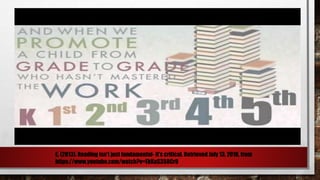
E. (2013). Reading isn't just fundamental- it's critical. Retrieved July 13, 2016, from
https://www.youtube.com/watch?v=EkKaS358Cr0
OUR SCHOOL
0.00%
10.00%
20.00%
30.00%
40.00%
50.00%
60.00%
In Need of Support Close Ready Exceeding
ACT Aspire 2014-2015
Reading DATA
In Need of Support Close Ready Exceeding
52.9%
22.4%
13.9% 10.8%
http://alabamaschoolconnection.org/2016/05/19/the-alabama-reading-initiative-survives-mostly-intact/
I WONDER...
•HOW WOULD ONE DEFINE THE TERM PROFICIENT READER?
•WHAT DOES PROFICIENT READING LOOK LIKE?
•WHAT DOES PROFICIENT READING SOUND LIKE?
•WHAT DO PROFICIENT READERS DO DIFFERENTLY THAN NON-
PROFICIENT READERS?
•HOW DO WE TEACH STUDENTS TO BECOME PROFICIENT READERS?
PROFICIENT READER
•PROFICIENT: “GOOD AT DOING SOMETHING OR WELL
ADVANCED IN AN ART, OCCUPATION, OR BRANCH OF
KNOWLEDGE.”
•A PROFICIENT READER WOULD BE A PERSON WHO IS
GOOD AT OR WELL ADVANCED IN THE ART OF READING.
THE READING PROCESS
• STAGE 1:PREREADING
• STUDENTS ACTIVATE OR BUILD BACKGROUND KNOWLEDGE
• STUDENTS SET PURPOSED FOR READING
• STUDENTS PREVIEW THE TEXT
• STAGE 2: READING
• STUDENTS READ INDEPENDENTLY, WITH A BUDDY, USING SHARED READING,
OR THROUGH GUIDED READING, OR LISTENING TO A READ ALOUD.
• STUDENTS READ THE TEXT FROM BEGINNING TO END OR READ ONE OR
MORE SECTIONS TO LEARN SPECIFIC INFORMATION.
• STUDENTS APPLY STRATEGIES
• STUDENTS READ THE ILLUSTRATIONS, CHARTS, AND DIAGRAMS.
• STAGE 3: RESPONDING
• STUDENTS RESPOND IN READING LOGS
• STUDENTS DISCUSS THE TEXT WITH CLASSMATES AND/OR THE TEACHER
• STAGE 4: EXPLORING
• STUDENTS REREAD AND THINK MORE DEEPLY ABOUT THE TEXT
• STUDENTS EXAMINE THE WRITER’S CRAFT
• STUDENTS LEARN VOCABULARY WORDS.
• STUDENTS PARTICIPATE IN MINILESSONS.
• STAGE 5: APPLYING
• STUDENTS CREATE A PROJECT
• STUDENTS VALUE THE READING EXPERIENCE
Tompkins, G. E. (2016). Language Arts Patterns of Pracitce (9th ed.). Boston: Pearson.
McEwan, E.K., 40 Ways to Support Struggling Readers in Content Classrooms. Grades 6-12, pp.1-6, copyright 2007 by
Corwin Press. Reprinted by permission of Corwin Press, Inc.
THE TEACHER’S ROLE
•INCREASE THE AMOUNT OF SHARED AND INDEPENDENT READING TIME
THROUGHOUT THE SCHOOL DAY.
•MONITOR EACH STUDENT PROGRESS THROUGH AUTHENTIC
ASSESSMENTS.
•DIFFERENTIATE INSTRUCTION BASED ON RESULTS PROVIDED THROUGH
AUTHENTIC ASSESSMENT.
•COMMUNICATE STUDENT PROGRESS TO BOTH STUDENTS AND PARENTS.
REFLECTION
DISCUSS THE FOLLOW 3-2-1 TOPICS WITH YOUR TABLE:
•3 THINGS I LEARNED ABOUT PROFICIENT READERS
•2 STRATEGIES I PLAN TO IMPLEMENT IN MY OWN
CLASSROOM
•1 QUESTION I STILL HAVE ABOUT PROFICIENT READING
REFERENCES
• HTTP://ALABAMASCHOOLCONNECTION.ORG/2016/05/19/THE-ALABAMA-READING-INITIATIVE-
SURVIVES-MOSTLY-INTACT/
• (N.D.). RETRIEVED JULY 13, 2016, FROM HTTP://WWW.MERRIAM-
WEBSTER.COM/DICTIONARY/PROFICIENT
• E. (2013). READING ISN'T JUST FUNDAMENTAL- IT'S CRITICAL. RETRIEVED JULY 13, 2016, FROM
HTTPS://WWW.YOUTUBE.COM/WATCH?V=EKKAS358CR0
• MCEWAN, E.K., 40 WAYS TO SUPPORT STRUGGLING READERS IN CONTENT CLASSROOMS. GRADES 6-12,
PP.1-6, COPYRIGHT 2007 BY CORWIN PRESS. REPRINTED BY PERMISSION OF CORWIN PRESS, INC.
• TOMPKINS, G. E. (2016). LANGUAGE ARTS PATTERNS OF PRACTICE (9TH ED.). BOSTON: PEARSON.

Proficient reader research pd

  • 1.
    Click {Here} foran Introduction
  • 2.
    FOUNDATIONAL SKILLS -USE THEMATERIALS AT YOUR TABLE TO BUILD A STRUCTURE THAT CAN HOLD THEY WEIGHT OF ONE JUMBO MARSHMALLOW. -YOU DO NOT HAVE TO USE ALL OF THE MATERIALS, ONLY USE WHAT YOU NEED. -YOU WILL HAVE 10 MINUTES
  • 3.
    E. (2013). Readingisn't just fundamental- it's critical. Retrieved July 13, 2016, from https://www.youtube.com/watch?v=EkKaS358Cr0
  • 4.
    OUR SCHOOL 0.00% 10.00% 20.00% 30.00% 40.00% 50.00% 60.00% In Needof Support Close Ready Exceeding ACT Aspire 2014-2015 Reading DATA In Need of Support Close Ready Exceeding 52.9% 22.4% 13.9% 10.8% http://alabamaschoolconnection.org/2016/05/19/the-alabama-reading-initiative-survives-mostly-intact/
  • 5.
    I WONDER... •HOW WOULDONE DEFINE THE TERM PROFICIENT READER? •WHAT DOES PROFICIENT READING LOOK LIKE? •WHAT DOES PROFICIENT READING SOUND LIKE? •WHAT DO PROFICIENT READERS DO DIFFERENTLY THAN NON- PROFICIENT READERS? •HOW DO WE TEACH STUDENTS TO BECOME PROFICIENT READERS?
  • 6.
    PROFICIENT READER •PROFICIENT: “GOODAT DOING SOMETHING OR WELL ADVANCED IN AN ART, OCCUPATION, OR BRANCH OF KNOWLEDGE.” •A PROFICIENT READER WOULD BE A PERSON WHO IS GOOD AT OR WELL ADVANCED IN THE ART OF READING.
  • 7.
    THE READING PROCESS •STAGE 1:PREREADING • STUDENTS ACTIVATE OR BUILD BACKGROUND KNOWLEDGE • STUDENTS SET PURPOSED FOR READING • STUDENTS PREVIEW THE TEXT • STAGE 2: READING • STUDENTS READ INDEPENDENTLY, WITH A BUDDY, USING SHARED READING, OR THROUGH GUIDED READING, OR LISTENING TO A READ ALOUD. • STUDENTS READ THE TEXT FROM BEGINNING TO END OR READ ONE OR MORE SECTIONS TO LEARN SPECIFIC INFORMATION. • STUDENTS APPLY STRATEGIES • STUDENTS READ THE ILLUSTRATIONS, CHARTS, AND DIAGRAMS. • STAGE 3: RESPONDING • STUDENTS RESPOND IN READING LOGS • STUDENTS DISCUSS THE TEXT WITH CLASSMATES AND/OR THE TEACHER • STAGE 4: EXPLORING • STUDENTS REREAD AND THINK MORE DEEPLY ABOUT THE TEXT • STUDENTS EXAMINE THE WRITER’S CRAFT • STUDENTS LEARN VOCABULARY WORDS. • STUDENTS PARTICIPATE IN MINILESSONS. • STAGE 5: APPLYING • STUDENTS CREATE A PROJECT • STUDENTS VALUE THE READING EXPERIENCE Tompkins, G. E. (2016). Language Arts Patterns of Pracitce (9th ed.). Boston: Pearson.
  • 8.
    McEwan, E.K., 40Ways to Support Struggling Readers in Content Classrooms. Grades 6-12, pp.1-6, copyright 2007 by Corwin Press. Reprinted by permission of Corwin Press, Inc.
  • 9.
    THE TEACHER’S ROLE •INCREASETHE AMOUNT OF SHARED AND INDEPENDENT READING TIME THROUGHOUT THE SCHOOL DAY. •MONITOR EACH STUDENT PROGRESS THROUGH AUTHENTIC ASSESSMENTS. •DIFFERENTIATE INSTRUCTION BASED ON RESULTS PROVIDED THROUGH AUTHENTIC ASSESSMENT. •COMMUNICATE STUDENT PROGRESS TO BOTH STUDENTS AND PARENTS.
  • 10.
    REFLECTION DISCUSS THE FOLLOW3-2-1 TOPICS WITH YOUR TABLE: •3 THINGS I LEARNED ABOUT PROFICIENT READERS •2 STRATEGIES I PLAN TO IMPLEMENT IN MY OWN CLASSROOM •1 QUESTION I STILL HAVE ABOUT PROFICIENT READING
  • 12.
    REFERENCES • HTTP://ALABAMASCHOOLCONNECTION.ORG/2016/05/19/THE-ALABAMA-READING-INITIATIVE- SURVIVES-MOSTLY-INTACT/ • (N.D.).RETRIEVED JULY 13, 2016, FROM HTTP://WWW.MERRIAM- WEBSTER.COM/DICTIONARY/PROFICIENT • E. (2013). READING ISN'T JUST FUNDAMENTAL- IT'S CRITICAL. RETRIEVED JULY 13, 2016, FROM HTTPS://WWW.YOUTUBE.COM/WATCH?V=EKKAS358CR0 • MCEWAN, E.K., 40 WAYS TO SUPPORT STRUGGLING READERS IN CONTENT CLASSROOMS. GRADES 6-12, PP.1-6, COPYRIGHT 2007 BY CORWIN PRESS. REPRINTED BY PERMISSION OF CORWIN PRESS, INC. • TOMPKINS, G. E. (2016). LANGUAGE ARTS PATTERNS OF PRACTICE (9TH ED.). BOSTON: PEARSON.

Editor's Notes

  • #2 Today we are going to talk about Proficient Reader Research. If you are anything like me, this topic did not jump out as me as an exciting and engaging topic. However, after you see the research and how this information hit close to home- I hope the information will become much more relevant to you.
  • #3 Early childhood education teachers must understand their responsibility in helping students build a solid foundation in all subject areas in order for them to build on their existing knowledge. In order to better illustrate foundational skills each group is going to build a strong or solid foundation. You will find a basket of materials at your table, each table is provided different materials but everyone's task is the same. Each table will have ten minutes to build a structure that will hold the weight of one jumbo marshmallow for at least ten seconds. You do not have to use all of the materials provided- only use what you need. Before we begin I will give you two minutes talk with your group or ask me any questions. Okay, everyone your two minutes it up. Does anyone have any more questions before we begin? (answer any questions) I have a ten minute count down displayed on the screen to help you keep track of your time. You may begin. (start timer) (timer sounds) Time is up, put all materials away at this time. I will come around to each table and let you share your strategy and materials used in building your foundation. Then, we will put your foundation to the test, the marshmallow test. (after all groups have shared and tested there foundation) What I want you to take away from this activity is not matter what you have to work with, the goal is to help each student build a solid foundation in reading. We also know how it feels to give it our best shot but when they are put to the test, they crumble.
  • #4 Check out the statistics provided in this video about students and reading proficiency.
  • #5 According to the Alabama School Connection website, the following information is provided regarding the ACT Aspire DATA from the 2014-2015 school year. These results are for the 3rd graders at Albertville Elementary School. This information directly based on our previous students. This is the information that has teachers running for the door- but don’t just yet. The purpose of displaying these scores is to be realistic about where we are as a school academically and specifically in reading.
  • #6 Now that we see the importance and need for creating proficient readers, next comes the hard part. What do we do now?
  • #7 The term proficient, according to webster, means- good at doing something or well advanced an art, occupation, or branch of knowledge. We can insert the word reading into this definition to read- a proficient reader would be a person who is good at or well advanced in the art of reading. We as teachers also understand that the term reading or reader does not simply refer to a person who can decode or pronounce words but rather one who remembers and understands what has been read.
  • #8 To answer the questions what proficient reading looks like and sounds like we can refer to the reading process. According to the reading process, readers do not simply read a text and comprehend it. Instead they go through these five stages to become more capable readers. “Students learn to identify words, read fluently, expand their vocabularies, and deepen their comprehension as they participate in activities during each stage of the reading process.” ( Tompkins,2016, p 130).
  • #9 To answer the question, what do proficient readers do differently than non-proficient readers we can reference the seven strategies of highly effective readers. (Read through each strategy and allow for comments after each strategy)
  • #10 What role do you, as the teacher play in implementing effective practices that develop proficient readers. The list provided is not an extensive list however these four elements can play a critical part in teaching and developing proficient readers. Research has shown a positive link between the amount of students read and their academic success. Secondly, authentic assessments have five purposes: identify needs and strength prior to instruction, monitor progress (informal), evaluate student learning, determine grades, document milestones. (Tompkins, 2016). Students do not come in a one size fits all, therefore teachers must adjust instruction to meet the needs of learners. Finally, communication with parents and students is crucial is developing proficient readers. Often time we leave parents out when they would like to help, if they new how and what to do. Provide resources and examples for parents to help their child at home.
  • #11 Before we wrap up, I always like to end with a reflection. I can’t tell you how many times I have left of Professional Development with a lot a information but failed to do anything with it. The goal of this reflection is to pin point specific information that was relevant or stood out to you. Please take several minutes to discuss the 3-2-1 topics at your table. (after 5-10 minutes) Ask for volunteers to share about what they learned, what they plan to implement, and what they still wonder about proficient reading.