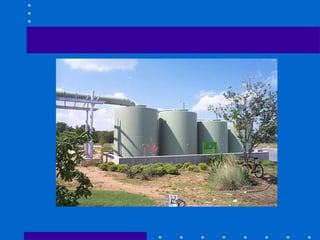
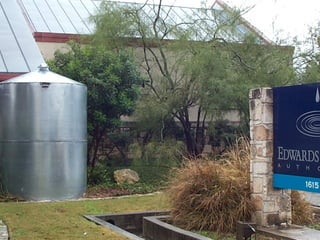
Rainwater Harvesting (RWH)
-A valuable technique for
providing alternate water supplies
Dr. Hari J. Krishna, P.E.
Texas Water Development Board
Austin, Texas
2.
What is RainwaterHarvesting?
It is a system to collect and store
runoff from rainfall, either for
immediate use, or to be used at a
later time.
3.
Types of RWHSystems
a. Runoff from Land Surfaces
(Farm Ponds, Detention Ponds &
Surface Reservoirs)
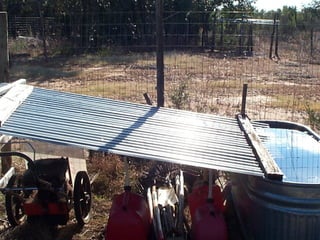
b. Runoff from Roof Surfaces
5.
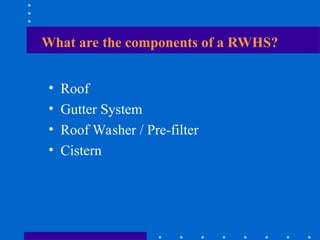
What are thecomponents of a RWHS?
• Roof
• Gutter System
• Roof Washer / Pre-filter
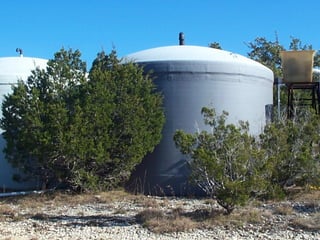
• Cistern
When / wherewould you select RWHS?
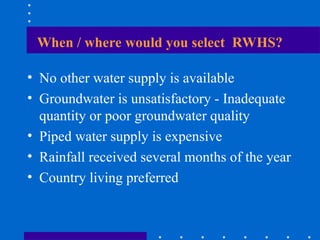
• No other water supply is available
• Groundwater is unsatisfactory - Inadequate
quantity or poor groundwater quality
• Piped water supply is expensive
• Rainfall received several months of the year
• Country living preferred
8.
Advantages of Rainwater
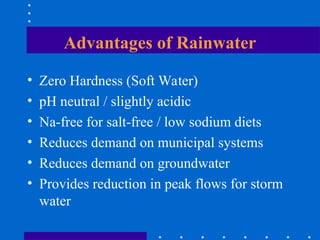
•Zero Hardness (Soft Water)
• pH neutral / slightly acidic
• Na-free for salt-free / low sodium diets
• Reduces demand on municipal systems
• Reduces demand on groundwater
• Provides reduction in peak flows for storm
water
9.
Benefits of RWH
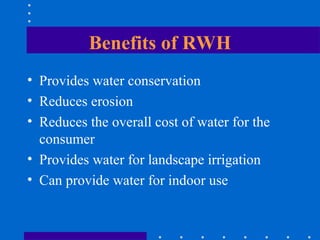
•Provides water conservation
• Reduces erosion
• Reduces the overall cost of water for the
consumer
• Provides water for landscape irrigation
• Can provide water for indoor use
10.
How much watercan you collect ?
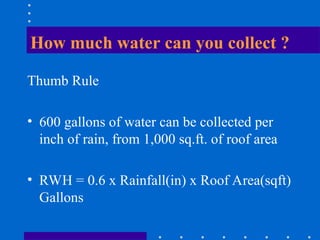
Thumb Rule
• 600 gallons of water can be collected per
inch of rain, from 1,000 sq.ft. of roof area
• RWH = 0.6 x Rainfall(in) x Roof Area(sqft)
Gallons
11.
How much watercan you collect ?
• For Math Lovers :
• RWH (Gallons) = Collection Efficiency x
Rainfall(in)/12 x Roof Area(sq.ft.) x 7.48
gallons/cu.ft.
12.
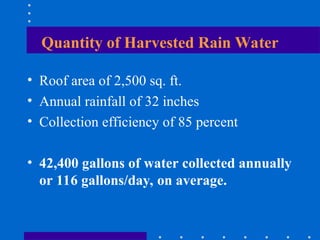
Quantity of HarvestedRain Water
• Roof area of 2,500 sq. ft.
• Annual rainfall of 32 inches
• Collection efficiency of 85 percent
• 42,400 gallons of water collected annually
or 116 gallons/day, on average.
Runoff from largeareas
• A 20,000 sq.ft. parking lot or commercial/
industrial roof in Austin will provide
360,000 gallons of runoff annually, which
is almost 1000 gallons of water/day,
on average.
What is thecost of a RWH system?
• Depends on the size of the system
• < $500 - over $10,000
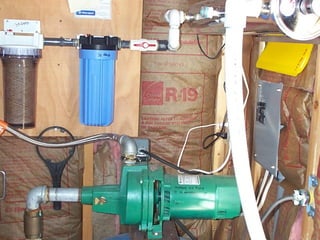
• Complete system for a typical home:
Guttering, 10,000 gallon cistern, roof
washer, pump, filters, and UV light
Approximate cost: $8,500
24.
Water Quality Issues
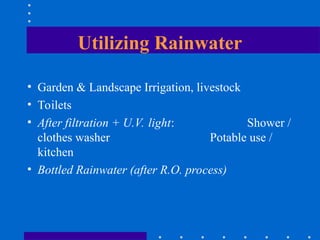
•Landscape Irrigation (No treatment needed)
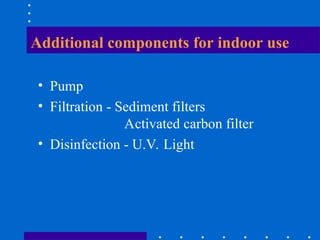
• Indoor Use (Disinfection needed)
– Filtration
– Ultraviolet light
25.
State of Texas- Incentives for RWH
Statutory Tax Exemption
Effective since September 1, 2001:
No Sales Tax on Rainwater Harvesting
equipment or supplies
26.
Other incentives forRWH
• Hays county, Texas (County-level Rebates)
– $100 rebate in application fee w/ RWH
– Smaller size lots permitted if RWH included
– No Property tax on the RWH system
– Link Deposit program to finance RWHS
27.
City of Austin- RWH Rebates
• Cash rebate of up to $450.00 per customer,
for installing a RWH system (based on
$0.15/gallon of storage)
• Cash Rebates of $30.00 per rain barrel
28.
RWH Systems inBuilding Design
• Stand-alone cisterns
• Incorporate into ground floor or basement
• Concrete cistern under patio
• Concrete cistern under garage
29.
Rainwater Harvesting Sites
•President George W. Bush’s ranch home,
Crawford, Texas
• L. B. Johnson Wildflower Research Center,
Austin, Texas
• Numerous homes in Texas
• Supermarkets, Commercial establishments
• TX, WA, OR, AZ, NM, OH, KY, HI, VI…
38.
For a RWHSto succeed…..
• Design and build a system that is
suitable to local conditions and your needs
• Genuine interest in Conservation &
Recycling
• Be able to do minor repairs and properly
maintain the system
39.
RWH Information Resources
•Texas Water Development Board
www.twdb.state.tx.us
• ARCSA - American Rainwater Catchment
Systems Association www.arcsa-usa.org
• Hari.Krishna@twdb.state.tx.us