Poverty, Wellbeing and
system working f
Institute of Health Visiting Conference, 15 Sept 202
Jim McManus, D.Sc, FBPsS, CPsychol, CSci, FFPH
President, Association of Directors of Public Health
Director of Public Health, Hertfordshire County Council
• Microbial uncertainty – viral volatility
• Living with Covid
• Cost of living squeeze for many
• Tough choices
• Social Un-safety
• A false choice between “woke supremacy” on one hand and aggressive populism
harnessing “othering” as a tool for culture war on the other
• Economic challenges
• An atmosphere of vulnerability, threat and uncertainty
• Long Covid impacts - enduring for some
• Readjustment
• The social gradient to most of these
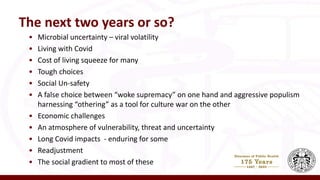
The next two years or so?
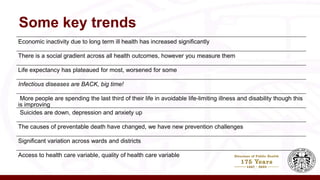
Some key trends
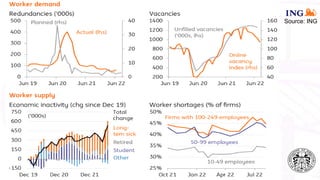
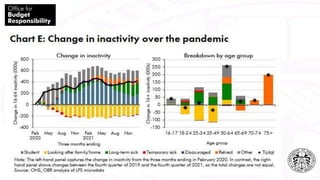
Economic inactivity due to long term ill health has increased significantly
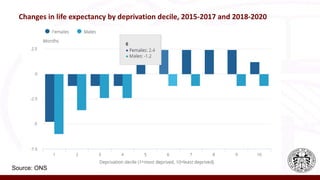
There is a social gradient across all health outcomes, however you measure them
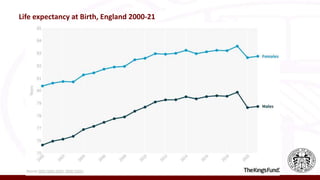
Life expectancy has plateaued for most, worsened for some
Infectious diseases are BACK, big time!
More people are spending the last third of their life in avoidable life-limiting illness and disability though this
is improving
Suicides are down, depression and anxiety up
The causes of preventable death have changed, we have new prevention challenges
Significant variation across wards and districts
Access to health care variable, quality of health care variable
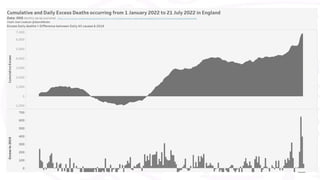
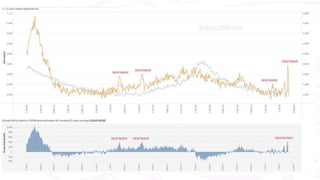
Excess deaths and Heatwaves
Life expectancy at Birth, England 2000-21
Changes in life expectancy by deprivation decile, 2015-2017 and 2018-2020
Source: ONS
Source: ING
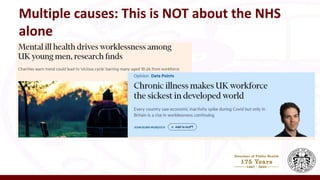
Multiple causes: This is NOT about the NHS
alone
www.adph.org.uk
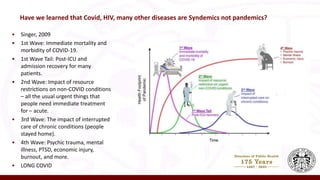
Have we learned that Covid, HIV, many other diseases are Syndemics not pandemics?
• Singer, 2009
• 1st Wave: Immediate mortality and
morbidity of COVID-19.
• 1st Wave Tail: Post-ICU and
admission recovery for many
patients.
• 2nd Wave: Impact of resource
restrictions on non-COVID conditions
– all the usual urgent things that
people need immediate treatment
for – acute.
• 3rd Wave: The impact of interrupted
care of chronic conditions (people
stayed home).
• 4th Wave: Psychic trauma, mental
illness, PTSD, economic injury,
burnout, and more.
• LONG COVID
Have we learned the syndemic impacts of
poverty?
Impacts
• Physical
• Emotional
• Psychological
• Social
Problems
• Our conceptualisation of poverty and
what health and care systems can do
has been far too narrow
• I’d like to ban the word “wholistic” or
“holistic” because it elides too much in
our thinking and replace with a
“systems thinking – what can I do,
what can others do” mindset
www.adph.org.uk
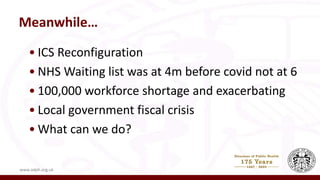
Meanwhile…
• ICS Reconfiguration
• NHS Waiting list was at 4m before covid not at 6
• 100,000 workforce shortage and exacerbating
• Local government fiscal crisis
• What can we do?
www.adph.org.uk
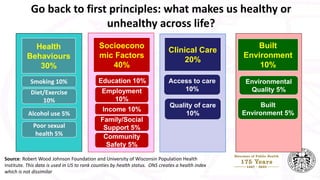
Go back to first principles: what makes us healthy or
unhealthy across life?
Smoking 10%
Diet/Exercise
10%
Alcohol use 5%
Poor sexual
health 5%
Health
Behaviours
30%
Education 10%
Employment
10%
Income 10%
Family/Social
Support 5%
Community
Safety 5%
Socioecono
mic Factors
40%
Access to care
10%
Quality of care
10%
Clinical Care
20%
Environmental
Quality 5%
Built
Environment 5%
Built
Environment
10%
Source: Robert Wood Johnson Foundation and University of Wisconsin Population Health
Institute. This data is used in US to rank counties by health status. ONS creates a health index
which is not dissimilar
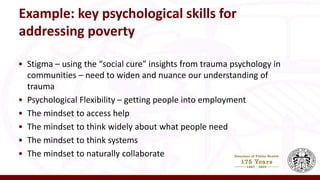
Example: key psychological skills for
addressing poverty
• Stigma – using the “social cure” insights from trauma psychology in
communities – need to widen and nuance our understanding of
trauma
• Psychological Flexibility – getting people into employment
• The mindset to access help
• The mindset to think widely about what people need
• The mindset to think systems
• The mindset to naturally collaborate
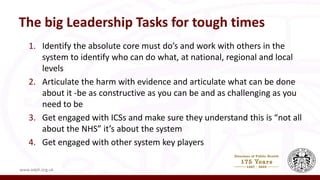
The big Leadership Tasks for tough times
1. Identify the absolute core must do’s and work with others in the
system to identify who can do what, at national, regional and local
levels
2. Articulate the harm with evidence and articulate what can be done
about it -be as constructive as you can be and as challenging as you
need to be
3. Get engaged with ICSs and make sure they understand this is “not all
about the NHS” it’s about the system
4. Get engaged with other system key players
www.adph.org.uk
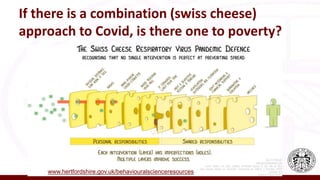
If there is a combination (swiss cheese)
approach to Covid, is there one to poverty?
www.hertfordshire.gov.uk/behaviouralscienceresources
Question
• What are the accumulation of “things” – social,
psychological, practical and economic that can
help people address poverty
• Short Term
• Medium Term
• Long Term – Education and employment
www.adph.org.uk
You already have key systems behaviours in
working together on poverty in your toolkit
Understand my role, understand and signpost to the roles of others
Systems
Address shame and stigma – we have been doing this on other
things. Look at HIV
Confidence
Make access easy, make information accessible, share stories
Access
Don’t just signpost, motivate and affirm people. Normalise taking
up support
Motivate
Help people vision the next two years – i.e. life a year after the
pandemic hopefully.
Advocate
You are no use to anyone unless you can look after yourself
Self Care
Thank you!
www.adph.org.uk

Poverty and integrated working

  • 1.
    Poverty, Wellbeing and systemworking f Institute of Health Visiting Conference, 15 Sept 202 Jim McManus, D.Sc, FBPsS, CPsychol, CSci, FFPH President, Association of Directors of Public Health Director of Public Health, Hertfordshire County Council
  • 2.
    • Microbial uncertainty– viral volatility • Living with Covid • Cost of living squeeze for many • Tough choices • Social Un-safety • A false choice between “woke supremacy” on one hand and aggressive populism harnessing “othering” as a tool for culture war on the other • Economic challenges • An atmosphere of vulnerability, threat and uncertainty • Long Covid impacts - enduring for some • Readjustment • The social gradient to most of these The next two years or so?
  • 3.
    Some key trends Economicinactivity due to long term ill health has increased significantly There is a social gradient across all health outcomes, however you measure them Life expectancy has plateaued for most, worsened for some Infectious diseases are BACK, big time! More people are spending the last third of their life in avoidable life-limiting illness and disability though this is improving Suicides are down, depression and anxiety up The causes of preventable death have changed, we have new prevention challenges Significant variation across wards and districts Access to health care variable, quality of health care variable
  • 5.
  • 6.
    Life expectancy atBirth, England 2000-21
  • 7.
    Changes in lifeexpectancy by deprivation decile, 2015-2017 and 2018-2020 Source: ONS
  • 8.
  • 9.
    Multiple causes: Thisis NOT about the NHS alone
  • 10.
  • 11.
    Have we learnedthat Covid, HIV, many other diseases are Syndemics not pandemics? • Singer, 2009 • 1st Wave: Immediate mortality and morbidity of COVID-19. • 1st Wave Tail: Post-ICU and admission recovery for many patients. • 2nd Wave: Impact of resource restrictions on non-COVID conditions – all the usual urgent things that people need immediate treatment for – acute. • 3rd Wave: The impact of interrupted care of chronic conditions (people stayed home). • 4th Wave: Psychic trauma, mental illness, PTSD, economic injury, burnout, and more. • LONG COVID
  • 12.
    Have we learnedthe syndemic impacts of poverty? Impacts • Physical • Emotional • Psychological • Social Problems • Our conceptualisation of poverty and what health and care systems can do has been far too narrow • I’d like to ban the word “wholistic” or “holistic” because it elides too much in our thinking and replace with a “systems thinking – what can I do, what can others do” mindset www.adph.org.uk
  • 13.
    Meanwhile… • ICS Reconfiguration •NHS Waiting list was at 4m before covid not at 6 • 100,000 workforce shortage and exacerbating • Local government fiscal crisis • What can we do? www.adph.org.uk
  • 14.
    Go back tofirst principles: what makes us healthy or unhealthy across life? Smoking 10% Diet/Exercise 10% Alcohol use 5% Poor sexual health 5% Health Behaviours 30% Education 10% Employment 10% Income 10% Family/Social Support 5% Community Safety 5% Socioecono mic Factors 40% Access to care 10% Quality of care 10% Clinical Care 20% Environmental Quality 5% Built Environment 5% Built Environment 10% Source: Robert Wood Johnson Foundation and University of Wisconsin Population Health Institute. This data is used in US to rank counties by health status. ONS creates a health index which is not dissimilar
  • 15.
    Example: key psychologicalskills for addressing poverty • Stigma – using the “social cure” insights from trauma psychology in communities – need to widen and nuance our understanding of trauma • Psychological Flexibility – getting people into employment • The mindset to access help • The mindset to think widely about what people need • The mindset to think systems • The mindset to naturally collaborate
  • 16.
    The big LeadershipTasks for tough times 1. Identify the absolute core must do’s and work with others in the system to identify who can do what, at national, regional and local levels 2. Articulate the harm with evidence and articulate what can be done about it -be as constructive as you can be and as challenging as you need to be 3. Get engaged with ICSs and make sure they understand this is “not all about the NHS” it’s about the system 4. Get engaged with other system key players www.adph.org.uk
  • 17.
    If there isa combination (swiss cheese) approach to Covid, is there one to poverty? www.hertfordshire.gov.uk/behaviouralscienceresources
  • 18.
    Question • What arethe accumulation of “things” – social, psychological, practical and economic that can help people address poverty • Short Term • Medium Term • Long Term – Education and employment www.adph.org.uk
  • 19.
    You already havekey systems behaviours in working together on poverty in your toolkit Understand my role, understand and signpost to the roles of others Systems Address shame and stigma – we have been doing this on other things. Look at HIV Confidence Make access easy, make information accessible, share stories Access Don’t just signpost, motivate and affirm people. Normalise taking up support Motivate Help people vision the next two years – i.e. life a year after the pandemic hopefully. Advocate You are no use to anyone unless you can look after yourself Self Care
  • 20.