B2.4


       What affects their distribution and
          how can we investigate it?
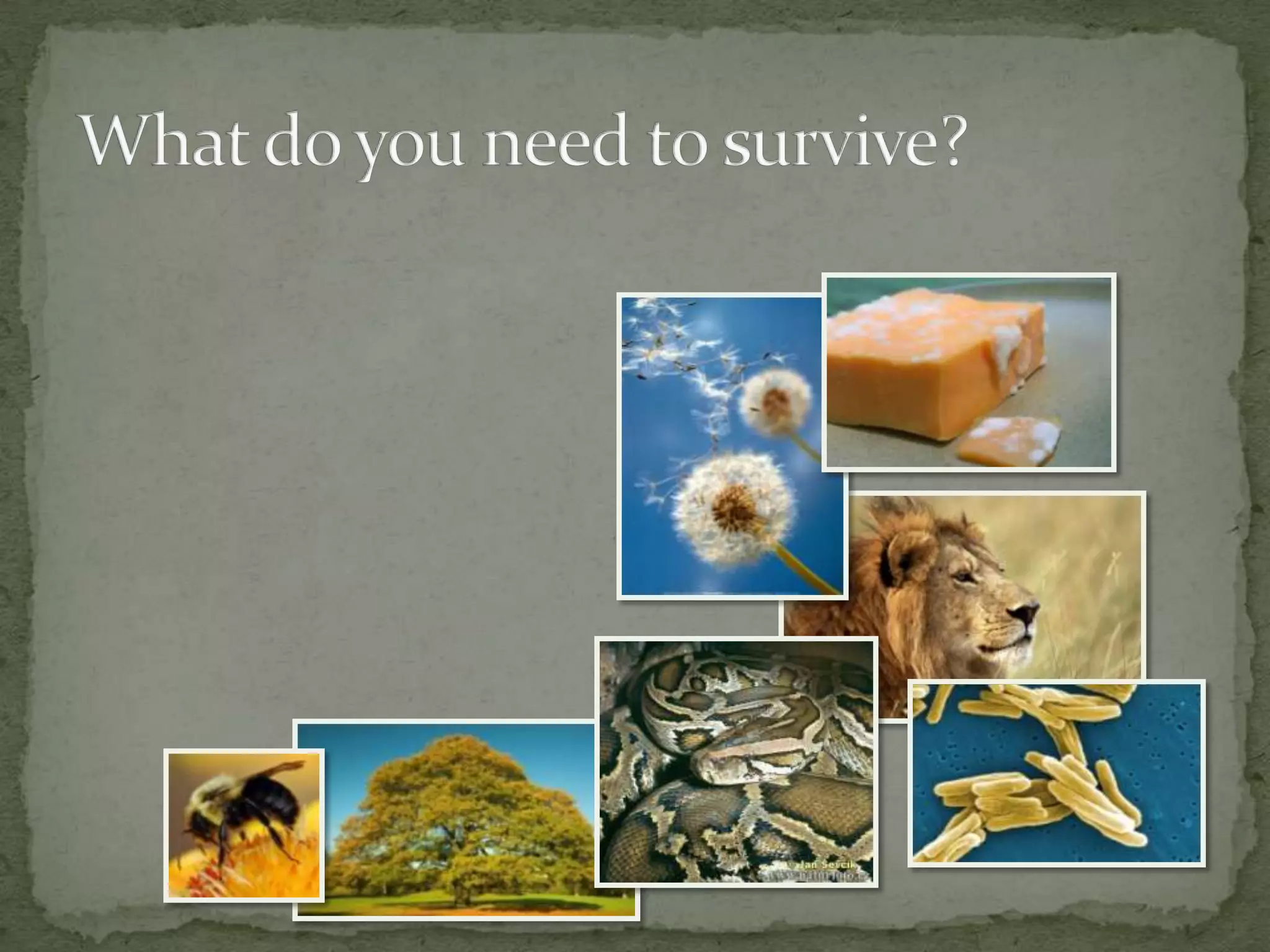
 Physical factors may affect the distribution of
  organisms, including:
   Temperature
   Amount of light
   Availability of:
      Oxygen
      Carbon dioxide
      Water
      Nutrients


 Write these into your notes with a different example
  and organism for each one.
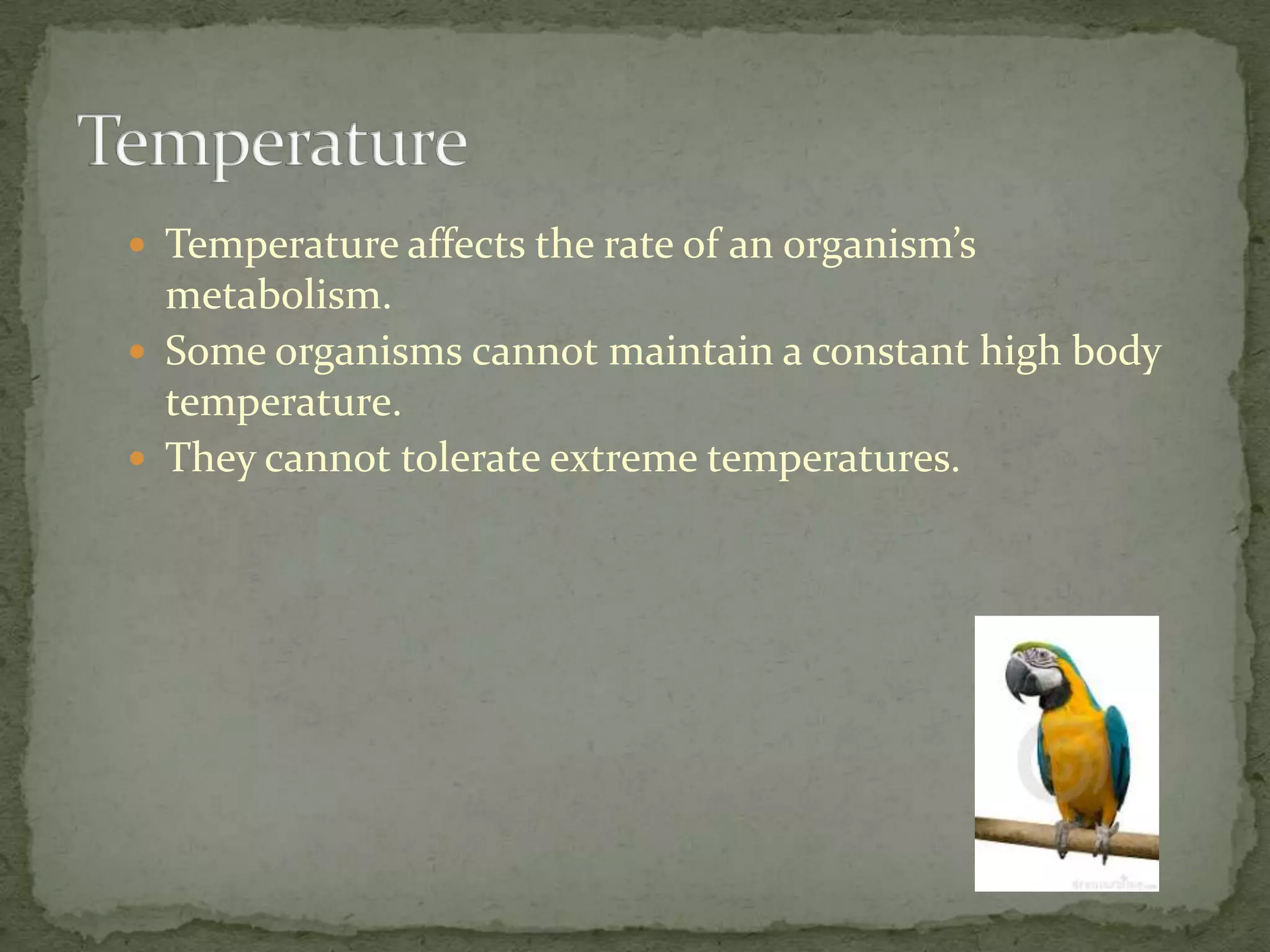
 Temperature affects the rate of an organism’s
  metabolism.
 Some organisms cannot maintain a constant high body
  temperature.
 They cannot tolerate extreme temperatures.
 Nutrients such as nitrates are essential for the growth of
  plants and microorganisms.
 If there is a low concentration of these nutrients, these
  organisms struggle to grow and survive.
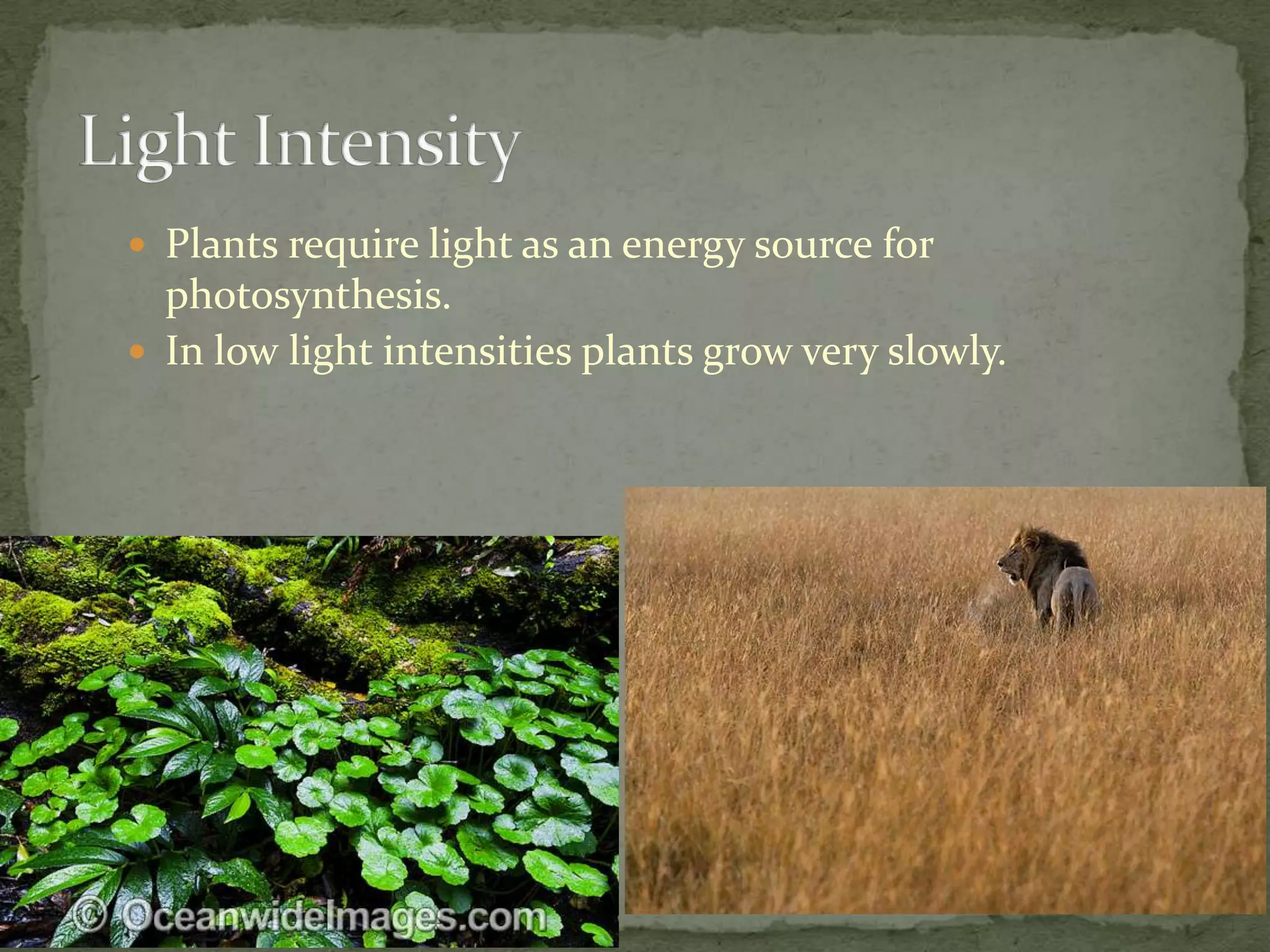
 Plants require light as an energy source for
  photosynthesis.
 In low light intensities plants grow very slowly.
 All organisms require water.
 It is essential because chemical reactions that occur
  inside and outside cells occur in solution in water.
 In the absence of water, cells, and therefore organisms,
  die
 Oxygen is essential for aerobic respiration.
 It can become limited in the soil, so plant roots cannot
  grow and absorb mineral ions and water.
 It can also become limited in water, so aquatic
  organisms struggle to respire and survive.
 Carbon dioxide is essential for photosynthesis.
 This can become limited in an environment where there
  are many plants.
 This will reduce the rate of growth of plants.
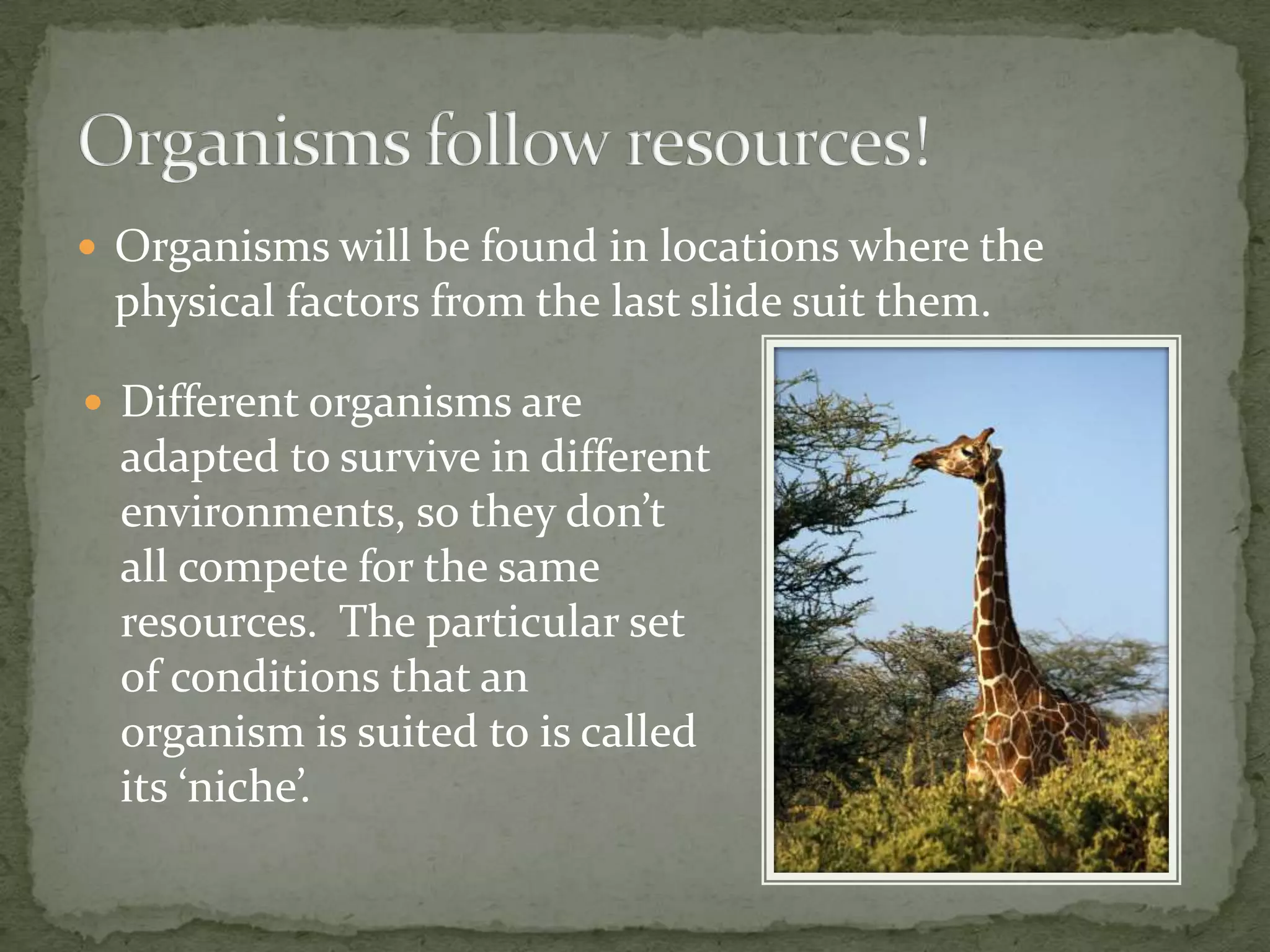
 Organisms will be found in locations where the
 physical factors from the last slide suit them.

 Different organisms are
  adapted to survive in different
  environments, so they don’t
  all compete for the same
  resources. The particular set
  of conditions that an
  organism is suited to is called
  its ‘niche’.
 Define the following       Mean: add up all the numbers
                              and then divide by the number
 terms in as few words as     of numbers (answer: 36/9 = 4)
 possible, then find them
 for these numbers:          Mode: the value that occurs most
                              often (answer: 2)
     249352425
                             Median: the "middle" value in
 Mean                        the list of numbers when they
                              are arranged in numerical order
 Mode                        (answer: 2 2 2 3 4 4 5 5 9)
 Median
                             Range: the difference between
 Range                       the largest and smallest values
                              (answer: 9 – 2 = 7)
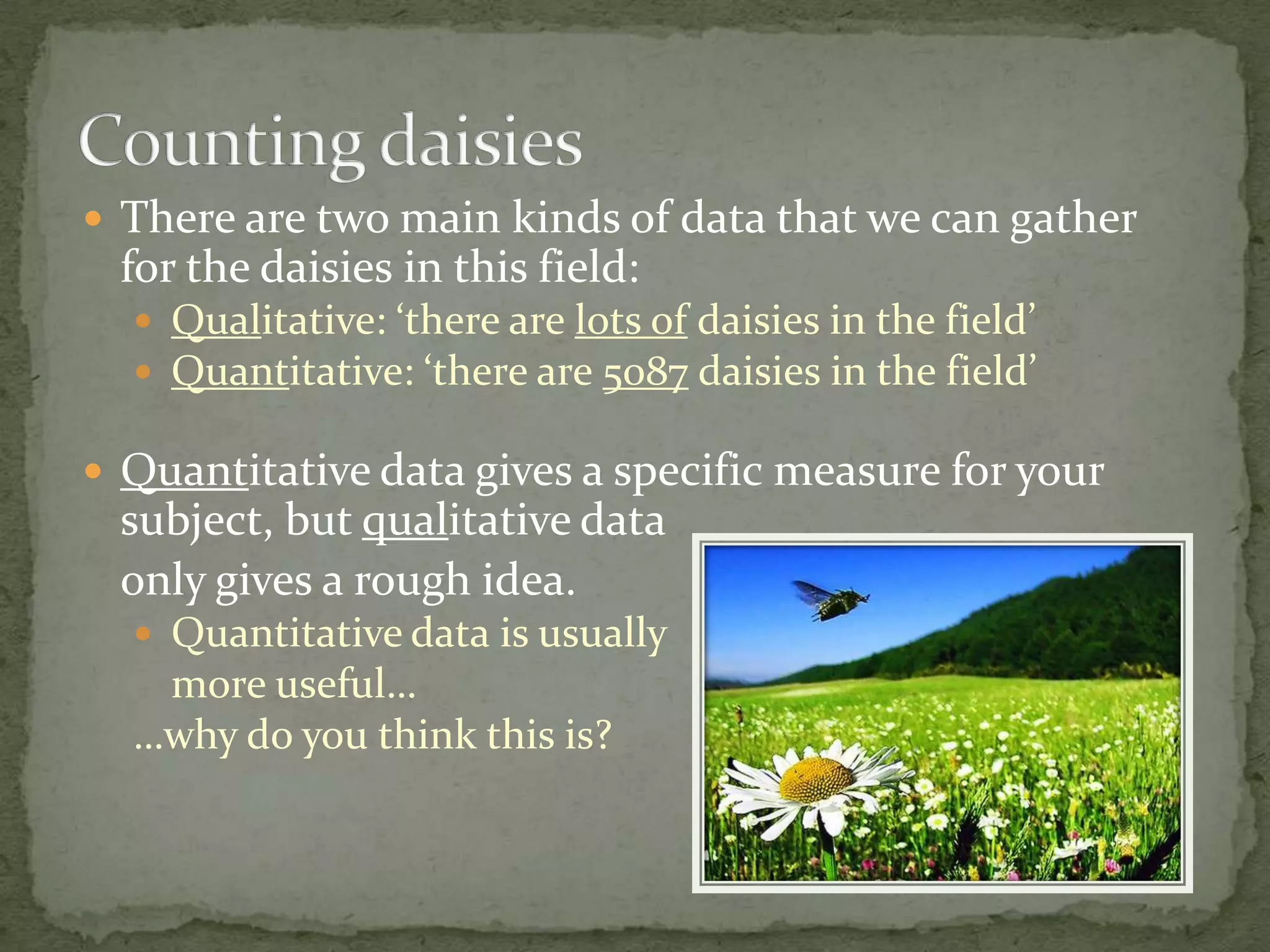
 There are two main kinds of data that we can gather
 for the daisies in this field:
   Qualitative: ‘there are lots of daisies in the field’
   Quantitative: ‘there are 5087 daisies in the field’

 Quantitative data gives a specific measure for your
 subject, but qualitative data
 only gives a rough idea.
   Quantitative data is usually
   more useful…
  …why do you think this is?
 Physical factors may affect the distribution of
  organisms, including:
   water, light, nutrients, oxygen, carbon dioxide and
    temperature

Organisms and their_environment[1]

  • 1.
    B2.4 What affects their distribution and how can we investigate it?
  • 3.
     Physical factorsmay affect the distribution of organisms, including:  Temperature  Amount of light  Availability of:  Oxygen  Carbon dioxide  Water  Nutrients  Write these into your notes with a different example and organism for each one.
  • 4.
     Temperature affectsthe rate of an organism’s metabolism.  Some organisms cannot maintain a constant high body temperature.  They cannot tolerate extreme temperatures.
  • 6.
     Nutrients suchas nitrates are essential for the growth of plants and microorganisms.  If there is a low concentration of these nutrients, these organisms struggle to grow and survive.
  • 7.
     Plants requirelight as an energy source for photosynthesis.  In low light intensities plants grow very slowly.
  • 8.
     All organismsrequire water.  It is essential because chemical reactions that occur inside and outside cells occur in solution in water.  In the absence of water, cells, and therefore organisms, die
  • 9.
     Oxygen isessential for aerobic respiration.  It can become limited in the soil, so plant roots cannot grow and absorb mineral ions and water.  It can also become limited in water, so aquatic organisms struggle to respire and survive.
  • 10.
     Carbon dioxideis essential for photosynthesis.  This can become limited in an environment where there are many plants.  This will reduce the rate of growth of plants.
  • 11.
     Organisms willbe found in locations where the physical factors from the last slide suit them.  Different organisms are adapted to survive in different environments, so they don’t all compete for the same resources. The particular set of conditions that an organism is suited to is called its ‘niche’.
  • 12.
     Define thefollowing  Mean: add up all the numbers and then divide by the number terms in as few words as of numbers (answer: 36/9 = 4) possible, then find them for these numbers:  Mode: the value that occurs most often (answer: 2) 249352425  Median: the "middle" value in  Mean the list of numbers when they are arranged in numerical order  Mode (answer: 2 2 2 3 4 4 5 5 9)  Median  Range: the difference between  Range the largest and smallest values (answer: 9 – 2 = 7)
  • 13.
     There aretwo main kinds of data that we can gather for the daisies in this field:  Qualitative: ‘there are lots of daisies in the field’  Quantitative: ‘there are 5087 daisies in the field’  Quantitative data gives a specific measure for your subject, but qualitative data only gives a rough idea.  Quantitative data is usually more useful… …why do you think this is?
  • 14.
     Physical factorsmay affect the distribution of organisms, including:  water, light, nutrients, oxygen, carbon dioxide and temperature