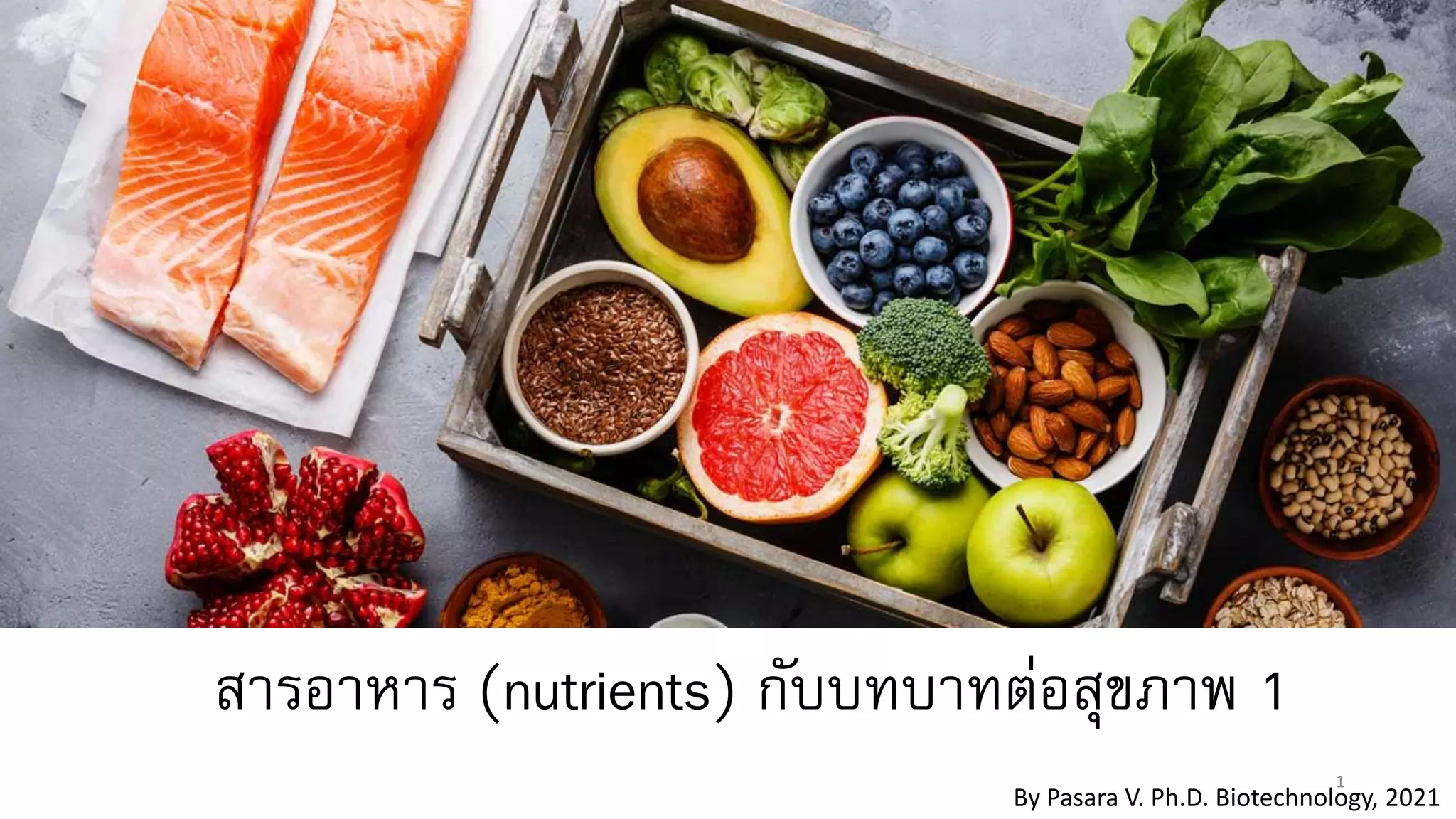
สารอาหาร (nutrients) กับบทบาทต่อสุขภาพ 1
By Pasara V. Ph.D. Biotechnology, 2021
1
1. Define nutrients
2. Classify nutrients
3. Source, Role, functions, deficiency disorder of nutrients
OBJECTIVES
2
• “Nutrients are organic or inorganic substances present or contained in
food which is required or necessary for growth and maintenance of
function of body.” E.g.: Proteins, Vitamins etc.
• “Nutrient “or “food factor” are organic and inorganic complexes
contained in food, which are responsible for the functions of foods and
protect the body from disorders”.
• Nutrients absorbed from the gut are raw materials used in synthesis of
the body’s complex carbohydrates, lipids, proteins, and nucleic acids
• A healthy diet normally provides all nutrients, vitamins, and minerals
necessary to support metabolism
DEFINITION
3
• 1. Energy giving foods: The carbohydrates, fats and the protein are
considered as calorie nutrients those that serve as metabolic substrate
for energy, so that the body can perform the necessary functions. The
vitamins as well as the minerals are considered as non-calorie
nutrients.
• 2. Body building foods (Plastic or structural): Foods such as proteins,
fats and carbohydrates are called as body-building food. They are the
nutrients that form body tissues. Proteins make up the 20 % of the
total body weight. Fat nutrients make up another 20 % of the body
weight while the carbohydrates make up about 1%.
Their function in the body
4
• 3. Protective foods (Regulators): Vitamins and minerals are the
nutrients that function to regulate body processes. The minerals make
up the 4% of the body weight and the vitamins make up about 28
grams of the body weight considering that they are not really a part of
the structural components of the body.
Their function in the body
5
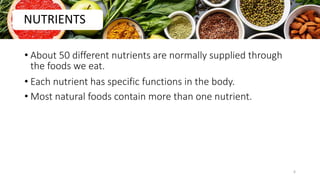
• About 50 different nutrients are normally supplied through
the foods we eat.
• Each nutrient has specific functions in the body.
• Most natural foods contain more than one nutrient.
NUTRIENTS
6
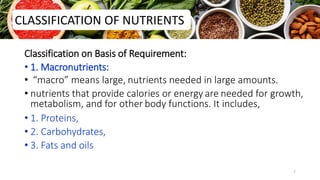
Classification on Basis of Requirement:
• 1. Macronutrients:
• “macro” means large, nutrients needed in large amounts.
• nutrients that provide calories or energy are needed for growth,
metabolism, and for other body functions. It includes,
• 1. Proteins,
• 2. Carbohydrates,
• 3. Fats and oils
CLASSIFICATION OF NUTRIENTS
7
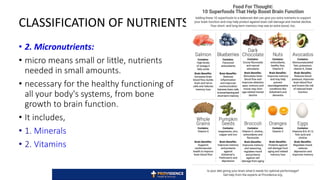
• 2. Micronutrients:
• micro means small or little, nutrients
needed in small amounts.
• necessary for the healthy functioning of
all your body's systems, from bone
growth to brain function.
• It includes,
• 1. Minerals
• 2. Vitamins
CLASSIFICATION OF NUTRIENTS
8
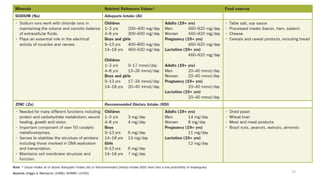
PROTEINS
9
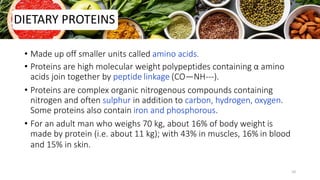
• Made up off smaller units called amino acids.
• Proteins are high molecular weight polypeptides containing α amino
acids join together by peptide linkage (CO—NH---).
• Proteins are complex organic nitrogenous compounds containing
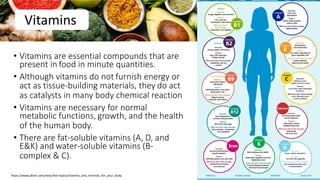
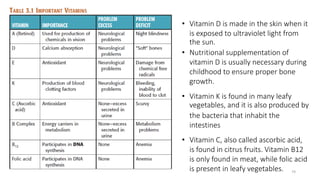
nitrogen and often sulphur in addition to carbon, hydrogen, oxygen.
Some proteins also contain iron and phosphorous.
• For an adult man who weighs 70 kg, about 16% of body weight is
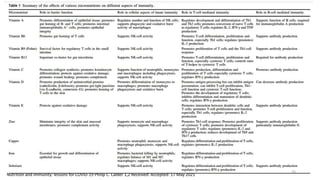
made by protein (i.e. about 11 kg); with 43% in muscles, 16% in blood
and 15% in skin.
DIETARY PROTEINS
10
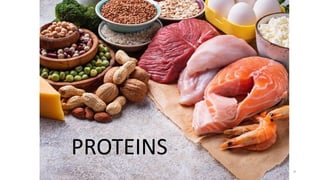
• 1. “Biologically Complete Protein” contains all the amino acids
needed to build new proteins. Animal sources of protein tend
to be complete.
• 2. “Biologically Incomplete Proteins” lack one or more amino
acids that the body can’t make at all or create by modifying
another amino acid.
CLASSIFICATION OF DIETARY PROTEINS
11
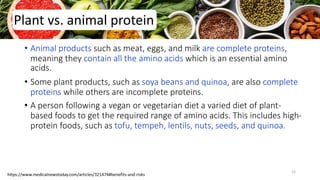
• Animal products such as meat, eggs, and milk are complete proteins,
meaning they contain all the amino acids which is an essential amino
acids.
• Some plant products, such as soya beans and quinoa, are also complete
proteins while others are incomplete proteins.
• A person following a vegan or vegetarian diet a varied diet of plant-
based foods to get the required range of amino acids. This includes high-
protein foods, such as tofu, tempeh, lentils, nuts, seeds, and quinoa.
https://www.medicalnewstoday.com/articles/321474#benefits-and-risks
Plant vs. animal protein
12
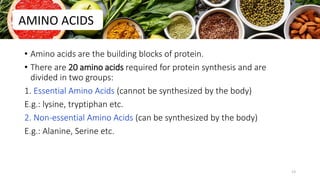
• Amino acids are the building blocks of protein.
• There are 20 amino acids required for protein synthesis and are
divided in two groups:
1. Essential Amino Acids (cannot be synthesized by the body)
E.g.: lysine, tryptiphan etc.
2. Non-essential Amino Acids (can be synthesized by the body)
E.g.: Alanine, Serine etc.
AMINO ACIDS
13
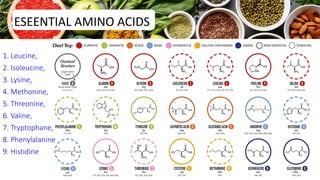
ESEENTIAL AMINO ACIDS
1. Leucine,
2. Isoleucine,
3. Lysine,
4. Methonine,
5. Threonine,
6. Valine,
7. Tryptophane,
8. Phenylalanine
9. Histidine
14
• DAILY REQUIREMENT: 60-65 g/day for adults.
SOURCES
1. Animal sources – milk, meat, eggs, cheese, fish, cheese, poultry.
2. Plant sources-Vegetable sources – pulses, cereals, beans, nuts, oil seeds.
• The Academy of Nutrition and Dietetics recommends a minimum daily
protein intake of 0.8 grams of protein per kilogram of body weight.
• People aiming to build muscle, pregnant or nursing women, and older
adults may need more protein.
PROTEINS
15
i. Growth and development of the body;
ii. Maintenance, repair & replacement of damaged tissues;
iii. Part of metabolic & digestive enzymes and hormones;
iv. Maintenance of osmotic pressure;
v. Protein are essential for immunity;
vi. Protein can also supply energy (4 kcal per gram)
vii. Act as buffers helping to maintain the PH of plasma at a constant
level.
viii. Provide 10-15% of the energy during emergencies e.g., starvation,
inadequate food intake.
FUNCTIONS OF PROTEIN
16
• Protein deficiency during childhood can result in developmental problems
that restrict both mental and physical development.
• Protein deficiencies in adults cause a number of problems, such as
premature aging, problems in fighting infections, and bleeding in joints
and the digestive tract.
• Degeneration of the connective tissue of the gingival and periodontal
ligament.
• Osteoporosis of alveolar bone.
• Delayed wound healing.
(Chawla& Glickman 1951)
PROTEIN DEFICIENCY & PERIODONTAL DISEASE
17
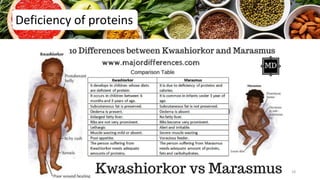
Deficiency of proteins
18
19
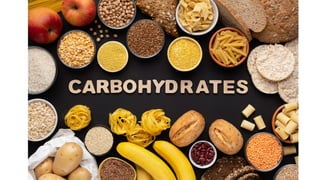
• Carbohydrates (from 'hydrates of carbon') or saccharides (Greek
sakcharon, meaning "sugar")
• Carbohydrates (sugar and starches) are the most efficient sources
of energy and are known as the “fuel of life” providing 4 kcal per
gram.
• They are abundantly found in most plant food sources.
CARBOHYDRATES (CARBS)
20
21
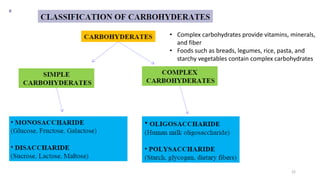
• Complex carbohydrates provide vitamins, minerals,
and fiber
• Foods such as breads, legumes, rice, pasta, and
starchy vegetables contain complex carbohydrates
22
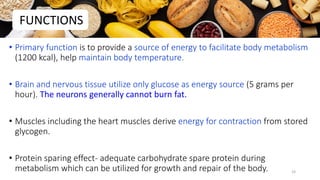
• Primary function is to provide a source of energy to facilitate body metabolism
(1200 kcal), help maintain body temperature.
• Brain and nervous tissue utilize only glucose as energy source (5 grams per
hour). The neurons generally cannot burn fat.
• Muscles including the heart muscles derive energy for contraction from stored
glycogen.
• Protein sparing effect- adequate carbohydrate spare protein during
metabolism which can be utilized for growth and repair of the body.
FUNCTIONS
23
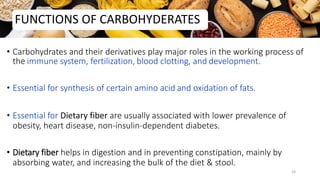
• Carbohydrates and their derivatives play major roles in the working process of
the immune system, fertilization, blood clotting, and development.
• Essential for synthesis of certain amino acid and oxidation of fats.
• Essential for Dietary fiber are usually associated with lower prevalence of
obesity, heart disease, non-insulin-dependent diabetes.
• Dietary fiber helps in digestion and in preventing constipation, mainly by
absorbing water, and increasing the bulk of the diet & stool.
FUNCTIONS OF CARBOHYDERATES
24
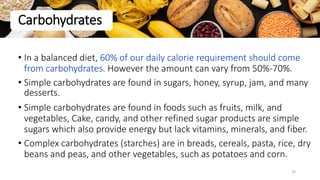
• In a balanced diet, 60% of our daily calorie requirement should come
from carbohydrates. However the amount can vary from 50%-70%.
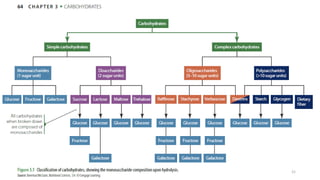
• Simple carbohydrates are found in sugars, honey, syrup, jam, and many
desserts.
• Simple carbohydrates are found in foods such as fruits, milk, and
vegetables, Cake, candy, and other refined sugar products are simple
sugars which also provide energy but lack vitamins, minerals, and fiber.
• Complex carbohydrates (starches) are in breads, cereals, pasta, rice, dry
beans and peas, and other vegetables, such as potatoes and corn.
Carbohydrates
25
27
น้ำตำล (HFCS) ภัยร้ำยใกล้ตัว by
หมอแอมป์
What happens to your body
and brain when you eat too
much sugar
What Does Sugar Actually
Do To Your Body?
16.46 min
Fiber
28
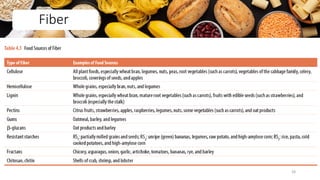
• Soluble fiber dissolves in water, and includes plant pectin and gums.
• Insoluble fiber doesn’t dissolve in water. It includes plant cellulose and
hemicellulose.
• Most plants contain both soluble and insoluble fiber, but in different
amounts.
• Soluble fibers were generally accepted to delay gastric emptying,
increase intestinal transit time (slower movement/takes a longer time to
move through), and decrease nutrient absorption. These effects in turn
positively impact blood glucose and lipid concentrations.
Solubility/Insolubility
29
• In contrast, insoluble fibers
were generally accepted to
decrease intestinal transit
time (speed up/take less
time to move through) and
increase fecal weight to
positively impact laxation.
Solubility/Insolubility
30
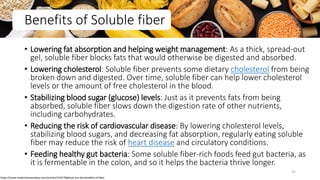
Benefits of Soluble fiber
• Lowering fat absorption and helping weight management: As a thick, spread-out
gel, soluble fiber blocks fats that would otherwise be digested and absorbed.
• Lowering cholesterol: Soluble fiber prevents some dietary cholesterol from being
broken down and digested. Over time, soluble fiber can help lower cholesterol
levels or the amount of free cholesterol in the blood.
• Stabilizing blood sugar (glucose) levels: Just as it prevents fats from being
absorbed, soluble fiber slows down the digestion rate of other nutrients,
including carbohydrates.
• Reducing the risk of cardiovascular disease: By lowering cholesterol levels,
stabilizing blood sugars, and decreasing fat absorption, regularly eating soluble
fiber may reduce the risk of heart disease and circulatory conditions.
• Feeding healthy gut bacteria: Some soluble fiber-rich foods feed gut bacteria, as
it is fermentable in the colon, and so it helps the bacteria thrive longer.
https://www.medicalnewstoday.com/articles/319176#what-are-the-benefits-of-fiber
31
Benefits of Insoluble fiber
• Preventing constipation: As an indigestible material, insoluble fiber sits
in the gastrointestinal tract, absorbing fluid and sticking to other
byproducts of digestion that are ready to be formed into the stool. Its
presence speeds up the movement and processing of waste, helping
prevent gastrointestinal blockage and constipation or reduced bowel
movements.
• Lowering the risk of diverticular disease: By preventing constipation
and intestinal blockages, insoluble fiber helps reduce the risk of
developing small folds and hemorrhoids in the colon. It may also
reduce the risk of colorectal cancer.
https://www.medicalnewstoday.com/articles/319176#what-are-the-benefits-of-fiber
32
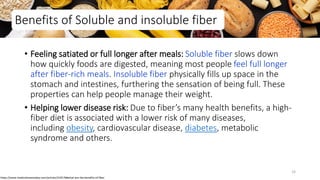
Benefits of Soluble and insoluble fiber
• Feeling satiated or full longer after meals: Soluble fiber slows down
how quickly foods are digested, meaning most people feel full longer
after fiber-rich meals. Insoluble fiber physically fills up space in the
stomach and intestines, furthering the sensation of being full. These
properties can help people manage their weight.
• Helping lower disease risk: Due to fiber’s many health benefits, a high-
fiber diet is associated with a lower risk of many diseases,
including obesity, cardiovascular disease, diabetes, metabolic
syndrome and others.
https://www.medicalnewstoday.com/articles/319176#what-are-the-benefits-of-fiber
33
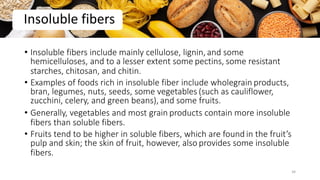
• Insoluble fibers include mainly cellulose, lignin, and some
hemicelluloses, and to a lesser extent some pectins, some resistant
starches, chitosan, and chitin.
• Examples of foods rich in insoluble fiber include wholegrain products,
bran, legumes, nuts, seeds, some vegetables (such as cauliflower,
zucchini, celery, and green beans), and some fruits.
• Generally, vegetables and most grain products contain more insoluble
fibers than soluble fibers.
• Fruits tend to be higher in soluble fibers, which are found in the fruit’s
pulp and skin; the skin of fruit, however, also provides some insoluble
fibers.
Insoluble fibers
34
Cellulose
• Cellulose that is found naturally in foods is not typically degraded by
colonic bacteria. Examples of some cellulose-rich foods include whole
grains, bran, legumes, peas, nuts, root vegetables, vegetables of the
cabbage family, seeds
• Purified, powdered cellulose (usually isolated from wood) and
modified cellulose are added to foods, for example, as a thickening or
texturing agent.
• Some examples of foods to which cellulose or a modified form of
cellulose is added include breads, cake mixes, sauces, sandwich
spreads, dips, frozen meat products (e.g., chicken nuggets), and fruit
juice mixes.
Insoluble fibers
35
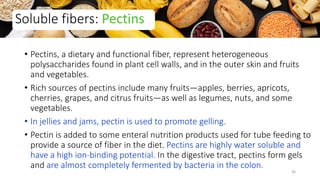
• Pectins, a dietary and functional fiber, represent heterogeneous
polysaccharides found in plant cell walls, and in the outer skin and fruits
and vegetables.
• Rich sources of pectins include many fruits—apples, berries, apricots,
cherries, grapes, and citrus fruits—as well as legumes, nuts, and some
vegetables.
• In jellies and jams, pectin is used to promote gelling.
• Pectin is added to some enteral nutrition products used for tube feeding to
provide a source of fiber in the diet. Pectins are highly water soluble and
have a high ion-binding potential. In the digestive tract, pectins form gels
and are almost completely fermented by bacteria in the colon.
Soluble fibers: Pectins
36
• are secreted at the site of plant injury by specialized secretory cells and can
be exuded from plants.
• Gum arabic is most commonly used as a food additive to promote gelling,
thickening, and stabilizing. It is found in candies such as caramels, gumdrops,
and toffees, as well as in other assorted products.
• Gums are also found naturally in foods such as oatmeal, barley, and legumes.
Soluble fibers : Gums
• Gums are dietary and functional fibers. Gums are fermentable
by colonic bacteria, especially if the gum has been partially
hydrolyzed before being added to a food.
37
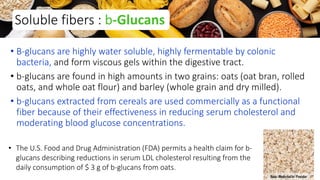
• B-glucans are highly water soluble, highly fermentable by colonic
bacteria, and form viscous gels within the digestive tract.
• b-glucans are found in high amounts in two grains: oats (oat bran, rolled
oats, and whole oat flour) and barley (whole grain and dry milled).
• b-glucans extracted from cereals are used commercially as a functional
fiber because of their effectiveness in reducing serum cholesterol and
moderating blood glucose concentrations.
Soluble fibers : b-Glucans
• The U.S. Food and Drug Administration (FDA) permits a health claim for b-
glucans describing reductions in serum LDL cholesterol resulting from the
daily consumption of $ 3 g of b-glucans from oats. 38
• Mucilages are plant polysaccharides with a structure similar to gums.
• Mucilages are found in the seeds of a variety of plants, including flax and
psyllium, among others. Psyllium, from the husk of psyllium seeds
• The FDA permits a health claim for psyllium, with consumption of 10.2 g
(providing 7 g of viscous fiber) resulting in significant reductions in serum LDL
cholesterol [3].
Soluble fibers : Mucilages (Psyllium)
39
• Fiber reaches the colon undigested by human digestive enzymes.
Colonic bacteria then ferment (degrade to varying degrees) this
undigested mass.
• Fermentation of fiber by colonic bacteria provides energy and
substances for microbial growth as well as products such as short-
chain fatty acids that may be used by the human host.
• Prebiotics is the term used for substrates that are selectively utilized by
host microorganisms and that confer a health benefit.
Fermentability
40
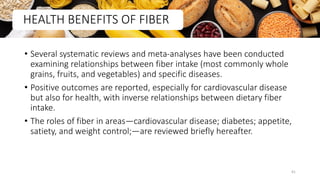
• Several systematic reviews and meta-analyses have been conducted
examining relationships between fiber intake (most commonly whole
grains, fruits, and vegetables) and specific diseases.
• Positive outcomes are reported, especially for cardiovascular disease
but also for health, with inverse relationships between dietary fiber
intake.
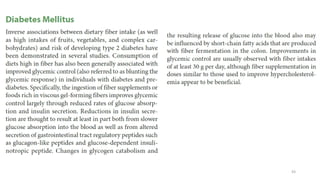
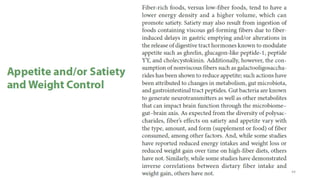
• The roles of fiber in areas—cardiovascular disease; diabetes; appetite,
satiety, and weight control;—are reviewed briefly hereafter.
HEALTH BENEFITS OF FIBER
41
42
43
44
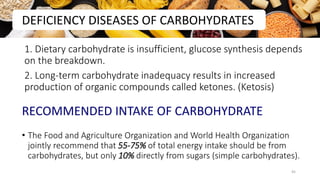
1. Dietary carbohydrate is insufficient, glucose synthesis depends
on the breakdown.
2. Long-term carbohydrate inadequacy results in increased
production of organic compounds called ketones. (Ketosis)
RECOMMENDED INTAKE OF CARBOHYDRATE
• The Food and Agriculture Organization and World Health Organization
jointly recommend that 55-75% of total energy intake should be from
carbohydrates, but only 10% directly from sugars (simple carbohydrates).
DEFICIENCY DISEASES OF CARBOHYDRATES
45
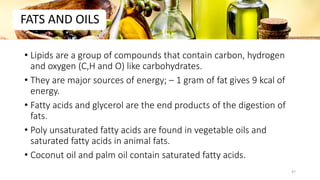
FATS AND OILS
46
• Lipids are a group of compounds that contain carbon, hydrogen
and oxygen (C,H and O) like carbohydrates.
• They are major sources of energy; – 1 gram of fat gives 9 kcal of
energy.
• Fatty acids and glycerol are the end products of the digestion of
fats.
• Poly unsaturated fatty acids are found in vegetable oils and
saturated fatty acids in animal fats.
• Coconut oil and palm oil contain saturated fatty acids.
FATS AND OILS
47
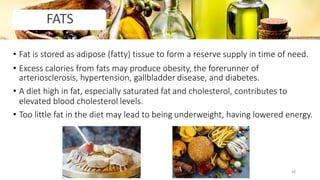
• Fat is stored as adipose (fatty) tissue to form a reserve supply in time of need.
• Excess calories from fats may produce obesity, the forerunner of
arteriosclerosis, hypertension, gallbladder disease, and diabetes.
• A diet high in fat, especially saturated fat and cholesterol, contributes to
elevated blood cholesterol levels.
• Too little fat in the diet may lead to being underweight, having lowered energy.
FATS
48
Fats are classified as;
• Simple Lipids – Triglycerides
• Compound Lipids – Phospholipids
• Derived Lipids – Cholesterol
CLASSIFICATION OF FATS
49
Fatty acids are classified as;
1. Essential Fatty Acids (Can’t be synthesized by body)
2. Non Essential Fatty Acids (Can be synthesized by body)
Fatty acids are classified as;
1. Saturated Fatty Acids (SFA)
2. Un Saturated Fatty Acids:
• a. Mono unsaturated fatty acids (MUFA; possessing one carbon– carbon
double bond): Oleic acid
• b. Poly unsaturated fatty acids (PUFA; having two or more carbon–carbon
double bonds) : Linoleic acid
CLASSIFICATION OF Fatty acid
50
• The human body can synthesize the required SFAs and UFAs with only
one double bond.
• Fatty acids containing two or more double bonds must be obtained from
the diet, and therefore, the latter are called essential fatty acids, among
which linolenic acid and linoleic acid are the most important.
• UFAs play important roles in the human body, such as maintaining the
relative fluidity of cell membranes to ensure the normal physiological
function of cells, esterifying cholesterol, and reducing cholesterol and
triglyceride in the blood (Assmann et al., 2018).
FATTY ACIDS
51
FUNCTIONS OF LIPIDS
• The chief functions of fats are to supply energy and transport fat-
soluble vitamins A, D, E, and K.
• Lipids are required for a range of metabolic and physiological
processes and to maintain the structural and functional integrity of
all cell membranes.
• In addition to enhancing the flavor and palatability of food, lipids
make an important contribution to adequate nutrition.
• Lipids are also the only form in which the body canstore energy for
a prolonged period of time.
52
• Steroids are another type of lipid that have hydrocarbon rings.
Cholesterol is both made in the liver and ingested in food from animal
sources.
• Cholesterol forms the chemical framework of steroid hormones.
• Cholesterol is also found in cell membranes, where it makes them pliable.
• Its presence in the membranes of red blood cells allows the cells to
squeeze through small capillaries.
• Plants have a counterpart to cholesterol called phytosterol, but this
compound cannot be absorbed by humans and does not contribute to
dietary fats.
Steroids
53
• Naturally occurring dietary lipids are derived from a wide
variety of animal and plant sources including
1. Animal sources: Animal adipose tissue (the visible fat on
meat); Eggs; fish oil; Milk and products derived from milk fat
(cream, butter, cheese, and yoghurt);
• A small amount of trans fatty acids are still found naturally in meat
and dairy products from ruminant animals.
2. Plant Sources: Vegetable seeds, coconut and nuts and plant
leaves.
SOURCES OF LIPIDS
54
• For the adults, dietary fat should provide at least 15 - 20%
total energy.
• At least 50% of fat intake should consists of vegetable oils rich
in essential fatty acids.
• Saturated fat intake should be less than 7-10 % of total daily
caloric intake.
• For infants and young children, dietary fat are equally
important. At least until the age of two years, a child’s diet
should contain about 40% of energy from fat.
RECOMMENDED LIPID INTAKE
55
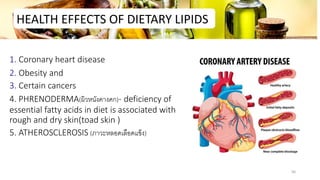
HEALTH EFFECTS OF DIETARY LIPIDS
1. Coronary heart disease
2. Obesity and
3. Certain cancers
4. PHRENODERMA(ผิวหนังคำงคก)- deficiency of
essential fatty acids in diet is associated with
rough and dry skin(toad skin )
5. ATHEROSCLEROSIS (ภำวะหลอดเลือดแข็ง)
56
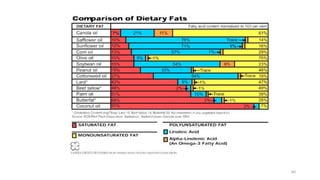
What are plant oils or edible oil plant (EPO)?
• Plant oils are fats taken from plants — usually from plants’
seeds.
• Plant oils are not only provide heat energy and essential fatty
acids for human beings but also endow food with a pleasant
flavor (Tekaya et al., 2018).
• The unique flavor of different EPOs is not formed by one or
several compounds but is formed by the synergy of various
components (Zhang et al., 2012; Yang et al., 2015; Liu et al.,
2017).
57
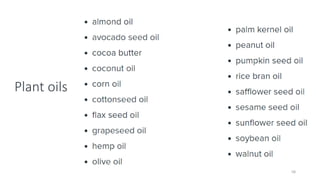
Plant oils
58
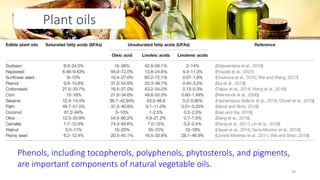
Phenols, including tocopherols, polyphenols, phytosterols, and pigments,
are important components of natural vegetable oils.
Plant oils
59
60
61
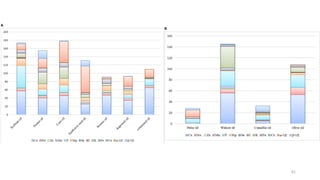
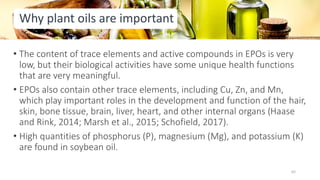
Why plant oils are important
• The content of trace elements and active compounds in EPOs is very
low, but their biological activities have some unique health functions
that are very meaningful.
• EPOs also contain other trace elements, including Cu, Zn, and Mn,
which play important roles in the development and function of the hair,
skin, bone tissue, brain, liver, heart, and other internal organs (Haase
and Rink, 2014; Marsh et al., 2015; Schofield, 2017).
• High quantities of phosphorus (P), magnesium (Mg), and potassium (K)
are found in soybean oil.
62
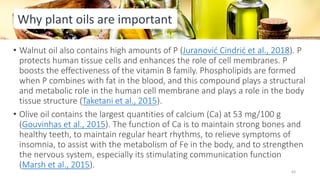
Why plant oils are important
• Walnut oil also contains high amounts of P (Juranović Cindrić et al., 2018). P
protects human tissue cells and enhances the role of cell membranes. P
boosts the effectiveness of the vitamin B family. Phospholipids are formed
when P combines with fat in the blood, and this compound plays a structural
and metabolic role in the human cell membrane and plays a role in the body
tissue structure (Taketani et al., 2015).
• Olive oil contains the largest quantities of calcium (Ca) at 53 mg/100 g
(Gouvinhas et al., 2015). The function of Ca is to maintain strong bones and
healthy teeth, to maintain regular heart rhythms, to relieve symptoms of
insomnia, to assist with the metabolism of Fe in the body, and to strengthen
the nervous system, especially its stimulating communication function
(Marsh et al., 2015).
63
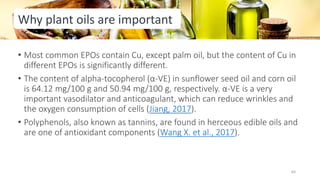
• Most common EPOs contain Cu, except palm oil, but the content of Cu in
different EPOs is significantly different.
• The content of alpha-tocopherol (α-VE) in sunflower seed oil and corn oil
is 64.12 mg/100 g and 50.94 mg/100 g, respectively. α-VE is a very
important vasodilator and anticoagulant, which can reduce wrinkles and
the oxygen consumption of cells (Jiang, 2017).
• Polyphenols, also known as tannins, are found in herceous edible oils and
are one of antioxidant components (Wang X. et al., 2017).
Why plant oils are important
64
• It is required for our basic metabolism as serves as a medium
for all chemical reactions, helps in nutrition processes etc.
• Water serves as the body’s transportation system; distributing
nutrients and essential elements throughout the body.
• Water also works as the transport for body waste removal.
• Water regulates body temperature.
• Daily recommendation for water intake varies in individuals,
related to climate, physical activity, age, body size, and state
of health.
Water
65
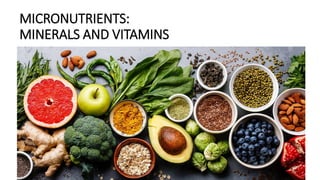
MICRONUTRIENTS:
MINERALS AND VITAMINS
66
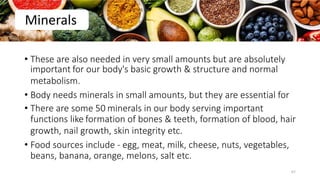
• These are also needed in very small amounts but are absolutely
important for our body's basic growth & structure and normal
metabolism.
• Body needs minerals in small amounts, but they are essential for
• There are some 50 minerals in our body serving important
functions like formation of bones & teeth, formation of blood, hair
growth, nail growth, skin integrity etc.
• Food sources include - egg, meat, milk, cheese, nuts, vegetables,
beans, banana, orange, melons, salt etc.
Minerals
67
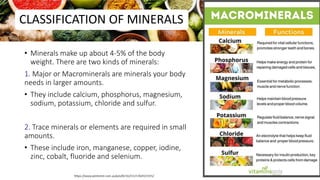
CLASSIFICATION OF MINERALS
• Minerals make up about 4-5% of the body
weight. There are two kinds of minerals:
1. Major or Macrominerals are minerals your body
needs in larger amounts.
• They include calcium, phosphorus, magnesium,
sodium, potassium, chloride and sulfur.
2. Trace minerals or elements are required in small
amounts.
• These include iron, manganese, copper, iodine,
zinc, cobalt, fluoride and selenium.
68
FUNCTIONS OF MINERALS
• Micronutrients perform structural and catalytic role including
activation of enzymes and hormones.
• They also regulate metabolic processes and participate in antioxidant
enzyme system.
• Body needs a small but continuous intake of the minerals to maintain
its structure and functions.
69
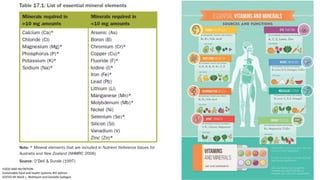
FOOD AND NUTRITION
Sustainable food and health systems 4th edition
EDITED BY Mark L. Wahlqvist and Danielle Gallegos
70
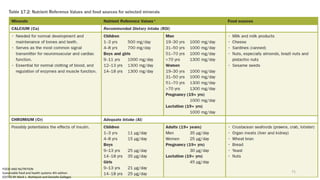
FOOD AND NUTRITION
Sustainable food and health systems 4th edition
EDITED BY Mark L. Wahlqvist and Danielle Gallegos
71
72
Vitamins
• Vitamins are essential compounds that are
present in food in minute quantities.
• Although vitamins do not furnish energy or
act as tissue-building materials, they do act
as catalysts in many body chemical reaction
• Vitamins are necessary for normal
metabolic functions, growth, and the health
of the human body.
• There are fat-soluble vitamins (A, D, and
E&K) and water-soluble vitamins (B-
complex & C).
73
https://www.pfizer.com/news/hot-topics/vitamins_and_minerals_for_your_body
• Vitamin D is made in the skin when it
is exposed to ultraviolet light from
the sun.
• Nutritional supplementation of
vitamin D is usually necessary during
childhood to ensure proper bone
growth.
• Vitamin K is found in many leafy
vegetables, and it is also produced by
the bacteria that inhabit the
intestines
• Vitamin C, also called ascorbic acid,
is found in citrus fruits. Vitamin B12
is only found in meat, while folic acid
is present in leafy vegetables. 74
Nutrition and immunity: lessons for COVID-19 Philip C. Calder 1,2 Received: Accepted: 17 May 2021
75
The role of micronutrients in supporting the immune response
• Nutrition plays multiple roles in supporting the immune system.
• The diet provides: Fuels for the immune system to function.
• Building blocks for the generation of RNA and DNA and for the production of proteins
(antibodies, cytokines, receptors, acute phase proteins etc.) and new cells.
• Specific substrates for the production of immune-active metabolites Regulators of
immune cell metabolism (e.g. vitamin A, zinc).
• Nutrients with specific antibacterial or anti-viral functions (e.g. vitamin D, zinc).
• Regulators that protect the host from oxidative and inflammatory stress (e.g. vitamin C,
vitamin E, zinc, selenium, long-chain omega-3 fatty acids and many plant polyphenols).
• Substrates for the intestinal microbiota which in turn modulates the immune system
Nutrition and immunity: lessons for COVID-19 Philip C. Calder 1,2 Received: Accepted: 17 May 2021 76
77
15 Foods That Boost the Immune System Nutrition and Immunity
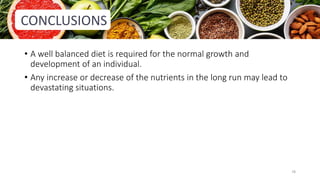
CONCLUSIONS
• A well balanced diet is required for the normal growth and
development of an individual.
• Any increase or decrease of the nutrients in the long run may lead to
devastating situations.
78
REFERENCES
• Digestion and Nutrition (Human Body: How It Works) Library Binding –
Illustrated, February 1, 2009
• Advanced Nutrition and Human Metabolism By (author) Jack Smith ,
By (author) Timothy Carr , By (author) Sareen Gropper Published
2021
• REVIEW article, Front. Plant Sci., 28 August 2020, Edible Plant Oil:
Global Status, Health Issues, and Perspectives, Ying Zhou1†, Weiwei
Zhao1†, Yong Lai1*, Baohong Zhang2* and Dangquan Zhang1*
79

nutrients for human health_64.pdf

  • 1.
  • 2.
    1. Define nutrients 2.Classify nutrients 3. Source, Role, functions, deficiency disorder of nutrients OBJECTIVES 2
  • 3.
    • “Nutrients areorganic or inorganic substances present or contained in food which is required or necessary for growth and maintenance of function of body.” E.g.: Proteins, Vitamins etc. • “Nutrient “or “food factor” are organic and inorganic complexes contained in food, which are responsible for the functions of foods and protect the body from disorders”. • Nutrients absorbed from the gut are raw materials used in synthesis of the body’s complex carbohydrates, lipids, proteins, and nucleic acids • A healthy diet normally provides all nutrients, vitamins, and minerals necessary to support metabolism DEFINITION 3
  • 4.
    • 1. Energygiving foods: The carbohydrates, fats and the protein are considered as calorie nutrients those that serve as metabolic substrate for energy, so that the body can perform the necessary functions. The vitamins as well as the minerals are considered as non-calorie nutrients. • 2. Body building foods (Plastic or structural): Foods such as proteins, fats and carbohydrates are called as body-building food. They are the nutrients that form body tissues. Proteins make up the 20 % of the total body weight. Fat nutrients make up another 20 % of the body weight while the carbohydrates make up about 1%. Their function in the body 4
  • 5.
    • 3. Protectivefoods (Regulators): Vitamins and minerals are the nutrients that function to regulate body processes. The minerals make up the 4% of the body weight and the vitamins make up about 28 grams of the body weight considering that they are not really a part of the structural components of the body. Their function in the body 5
  • 6.
    • About 50different nutrients are normally supplied through the foods we eat. • Each nutrient has specific functions in the body. • Most natural foods contain more than one nutrient. NUTRIENTS 6
  • 7.
    Classification on Basisof Requirement: • 1. Macronutrients: • “macro” means large, nutrients needed in large amounts. • nutrients that provide calories or energy are needed for growth, metabolism, and for other body functions. It includes, • 1. Proteins, • 2. Carbohydrates, • 3. Fats and oils CLASSIFICATION OF NUTRIENTS 7
  • 8.
    • 2. Micronutrients: •micro means small or little, nutrients needed in small amounts. • necessary for the healthy functioning of all your body's systems, from bone growth to brain function. • It includes, • 1. Minerals • 2. Vitamins CLASSIFICATION OF NUTRIENTS 8
  • 9.
  • 10.
    • Made upoff smaller units called amino acids. • Proteins are high molecular weight polypeptides containing α amino acids join together by peptide linkage (CO—NH---). • Proteins are complex organic nitrogenous compounds containing nitrogen and often sulphur in addition to carbon, hydrogen, oxygen. Some proteins also contain iron and phosphorous. • For an adult man who weighs 70 kg, about 16% of body weight is made by protein (i.e. about 11 kg); with 43% in muscles, 16% in blood and 15% in skin. DIETARY PROTEINS 10
  • 11.
    • 1. “BiologicallyComplete Protein” contains all the amino acids needed to build new proteins. Animal sources of protein tend to be complete. • 2. “Biologically Incomplete Proteins” lack one or more amino acids that the body can’t make at all or create by modifying another amino acid. CLASSIFICATION OF DIETARY PROTEINS 11
  • 12.
    • Animal productssuch as meat, eggs, and milk are complete proteins, meaning they contain all the amino acids which is an essential amino acids. • Some plant products, such as soya beans and quinoa, are also complete proteins while others are incomplete proteins. • A person following a vegan or vegetarian diet a varied diet of plant- based foods to get the required range of amino acids. This includes high- protein foods, such as tofu, tempeh, lentils, nuts, seeds, and quinoa. https://www.medicalnewstoday.com/articles/321474#benefits-and-risks Plant vs. animal protein 12
  • 13.
    • Amino acidsare the building blocks of protein. • There are 20 amino acids required for protein synthesis and are divided in two groups: 1. Essential Amino Acids (cannot be synthesized by the body) E.g.: lysine, tryptiphan etc. 2. Non-essential Amino Acids (can be synthesized by the body) E.g.: Alanine, Serine etc. AMINO ACIDS 13
  • 14.
    ESEENTIAL AMINO ACIDS 1.Leucine, 2. Isoleucine, 3. Lysine, 4. Methonine, 5. Threonine, 6. Valine, 7. Tryptophane, 8. Phenylalanine 9. Histidine 14
  • 15.
    • DAILY REQUIREMENT:60-65 g/day for adults. SOURCES 1. Animal sources – milk, meat, eggs, cheese, fish, cheese, poultry. 2. Plant sources-Vegetable sources – pulses, cereals, beans, nuts, oil seeds. • The Academy of Nutrition and Dietetics recommends a minimum daily protein intake of 0.8 grams of protein per kilogram of body weight. • People aiming to build muscle, pregnant or nursing women, and older adults may need more protein. PROTEINS 15
  • 16.
    i. Growth anddevelopment of the body; ii. Maintenance, repair & replacement of damaged tissues; iii. Part of metabolic & digestive enzymes and hormones; iv. Maintenance of osmotic pressure; v. Protein are essential for immunity; vi. Protein can also supply energy (4 kcal per gram) vii. Act as buffers helping to maintain the PH of plasma at a constant level. viii. Provide 10-15% of the energy during emergencies e.g., starvation, inadequate food intake. FUNCTIONS OF PROTEIN 16
  • 17.
    • Protein deficiencyduring childhood can result in developmental problems that restrict both mental and physical development. • Protein deficiencies in adults cause a number of problems, such as premature aging, problems in fighting infections, and bleeding in joints and the digestive tract. • Degeneration of the connective tissue of the gingival and periodontal ligament. • Osteoporosis of alveolar bone. • Delayed wound healing. (Chawla& Glickman 1951) PROTEIN DEFICIENCY & PERIODONTAL DISEASE 17
  • 18.
  • 19.
  • 20.
    • Carbohydrates (from'hydrates of carbon') or saccharides (Greek sakcharon, meaning "sugar") • Carbohydrates (sugar and starches) are the most efficient sources of energy and are known as the “fuel of life” providing 4 kcal per gram. • They are abundantly found in most plant food sources. CARBOHYDRATES (CARBS) 20
  • 21.
  • 22.
    • Complex carbohydratesprovide vitamins, minerals, and fiber • Foods such as breads, legumes, rice, pasta, and starchy vegetables contain complex carbohydrates 22
  • 23.
    • Primary functionis to provide a source of energy to facilitate body metabolism (1200 kcal), help maintain body temperature. • Brain and nervous tissue utilize only glucose as energy source (5 grams per hour). The neurons generally cannot burn fat. • Muscles including the heart muscles derive energy for contraction from stored glycogen. • Protein sparing effect- adequate carbohydrate spare protein during metabolism which can be utilized for growth and repair of the body. FUNCTIONS 23
  • 24.
    • Carbohydrates andtheir derivatives play major roles in the working process of the immune system, fertilization, blood clotting, and development. • Essential for synthesis of certain amino acid and oxidation of fats. • Essential for Dietary fiber are usually associated with lower prevalence of obesity, heart disease, non-insulin-dependent diabetes. • Dietary fiber helps in digestion and in preventing constipation, mainly by absorbing water, and increasing the bulk of the diet & stool. FUNCTIONS OF CARBOHYDERATES 24
  • 25.
    • In abalanced diet, 60% of our daily calorie requirement should come from carbohydrates. However the amount can vary from 50%-70%. • Simple carbohydrates are found in sugars, honey, syrup, jam, and many desserts. • Simple carbohydrates are found in foods such as fruits, milk, and vegetables, Cake, candy, and other refined sugar products are simple sugars which also provide energy but lack vitamins, minerals, and fiber. • Complex carbohydrates (starches) are in breads, cereals, pasta, rice, dry beans and peas, and other vegetables, such as potatoes and corn. Carbohydrates 25
  • 26.
    27 น้ำตำล (HFCS) ภัยร้ำยใกล้ตัวby หมอแอมป์ What happens to your body and brain when you eat too much sugar What Does Sugar Actually Do To Your Body? 16.46 min
  • 27.
  • 28.
    • Soluble fiberdissolves in water, and includes plant pectin and gums. • Insoluble fiber doesn’t dissolve in water. It includes plant cellulose and hemicellulose. • Most plants contain both soluble and insoluble fiber, but in different amounts. • Soluble fibers were generally accepted to delay gastric emptying, increase intestinal transit time (slower movement/takes a longer time to move through), and decrease nutrient absorption. These effects in turn positively impact blood glucose and lipid concentrations. Solubility/Insolubility 29
  • 29.
    • In contrast,insoluble fibers were generally accepted to decrease intestinal transit time (speed up/take less time to move through) and increase fecal weight to positively impact laxation. Solubility/Insolubility 30
  • 30.
    Benefits of Solublefiber • Lowering fat absorption and helping weight management: As a thick, spread-out gel, soluble fiber blocks fats that would otherwise be digested and absorbed. • Lowering cholesterol: Soluble fiber prevents some dietary cholesterol from being broken down and digested. Over time, soluble fiber can help lower cholesterol levels or the amount of free cholesterol in the blood. • Stabilizing blood sugar (glucose) levels: Just as it prevents fats from being absorbed, soluble fiber slows down the digestion rate of other nutrients, including carbohydrates. • Reducing the risk of cardiovascular disease: By lowering cholesterol levels, stabilizing blood sugars, and decreasing fat absorption, regularly eating soluble fiber may reduce the risk of heart disease and circulatory conditions. • Feeding healthy gut bacteria: Some soluble fiber-rich foods feed gut bacteria, as it is fermentable in the colon, and so it helps the bacteria thrive longer. https://www.medicalnewstoday.com/articles/319176#what-are-the-benefits-of-fiber 31
  • 31.
    Benefits of Insolublefiber • Preventing constipation: As an indigestible material, insoluble fiber sits in the gastrointestinal tract, absorbing fluid and sticking to other byproducts of digestion that are ready to be formed into the stool. Its presence speeds up the movement and processing of waste, helping prevent gastrointestinal blockage and constipation or reduced bowel movements. • Lowering the risk of diverticular disease: By preventing constipation and intestinal blockages, insoluble fiber helps reduce the risk of developing small folds and hemorrhoids in the colon. It may also reduce the risk of colorectal cancer. https://www.medicalnewstoday.com/articles/319176#what-are-the-benefits-of-fiber 32
  • 32.
    Benefits of Solubleand insoluble fiber • Feeling satiated or full longer after meals: Soluble fiber slows down how quickly foods are digested, meaning most people feel full longer after fiber-rich meals. Insoluble fiber physically fills up space in the stomach and intestines, furthering the sensation of being full. These properties can help people manage their weight. • Helping lower disease risk: Due to fiber’s many health benefits, a high- fiber diet is associated with a lower risk of many diseases, including obesity, cardiovascular disease, diabetes, metabolic syndrome and others. https://www.medicalnewstoday.com/articles/319176#what-are-the-benefits-of-fiber 33
  • 33.
    • Insoluble fibersinclude mainly cellulose, lignin, and some hemicelluloses, and to a lesser extent some pectins, some resistant starches, chitosan, and chitin. • Examples of foods rich in insoluble fiber include wholegrain products, bran, legumes, nuts, seeds, some vegetables (such as cauliflower, zucchini, celery, and green beans), and some fruits. • Generally, vegetables and most grain products contain more insoluble fibers than soluble fibers. • Fruits tend to be higher in soluble fibers, which are found in the fruit’s pulp and skin; the skin of fruit, however, also provides some insoluble fibers. Insoluble fibers 34
  • 34.
    Cellulose • Cellulose thatis found naturally in foods is not typically degraded by colonic bacteria. Examples of some cellulose-rich foods include whole grains, bran, legumes, peas, nuts, root vegetables, vegetables of the cabbage family, seeds • Purified, powdered cellulose (usually isolated from wood) and modified cellulose are added to foods, for example, as a thickening or texturing agent. • Some examples of foods to which cellulose or a modified form of cellulose is added include breads, cake mixes, sauces, sandwich spreads, dips, frozen meat products (e.g., chicken nuggets), and fruit juice mixes. Insoluble fibers 35
  • 35.
    • Pectins, adietary and functional fiber, represent heterogeneous polysaccharides found in plant cell walls, and in the outer skin and fruits and vegetables. • Rich sources of pectins include many fruits—apples, berries, apricots, cherries, grapes, and citrus fruits—as well as legumes, nuts, and some vegetables. • In jellies and jams, pectin is used to promote gelling. • Pectin is added to some enteral nutrition products used for tube feeding to provide a source of fiber in the diet. Pectins are highly water soluble and have a high ion-binding potential. In the digestive tract, pectins form gels and are almost completely fermented by bacteria in the colon. Soluble fibers: Pectins 36
  • 36.
    • are secretedat the site of plant injury by specialized secretory cells and can be exuded from plants. • Gum arabic is most commonly used as a food additive to promote gelling, thickening, and stabilizing. It is found in candies such as caramels, gumdrops, and toffees, as well as in other assorted products. • Gums are also found naturally in foods such as oatmeal, barley, and legumes. Soluble fibers : Gums • Gums are dietary and functional fibers. Gums are fermentable by colonic bacteria, especially if the gum has been partially hydrolyzed before being added to a food. 37
  • 37.
    • B-glucans arehighly water soluble, highly fermentable by colonic bacteria, and form viscous gels within the digestive tract. • b-glucans are found in high amounts in two grains: oats (oat bran, rolled oats, and whole oat flour) and barley (whole grain and dry milled). • b-glucans extracted from cereals are used commercially as a functional fiber because of their effectiveness in reducing serum cholesterol and moderating blood glucose concentrations. Soluble fibers : b-Glucans • The U.S. Food and Drug Administration (FDA) permits a health claim for b- glucans describing reductions in serum LDL cholesterol resulting from the daily consumption of $ 3 g of b-glucans from oats. 38
  • 38.
    • Mucilages areplant polysaccharides with a structure similar to gums. • Mucilages are found in the seeds of a variety of plants, including flax and psyllium, among others. Psyllium, from the husk of psyllium seeds • The FDA permits a health claim for psyllium, with consumption of 10.2 g (providing 7 g of viscous fiber) resulting in significant reductions in serum LDL cholesterol [3]. Soluble fibers : Mucilages (Psyllium) 39
  • 39.
    • Fiber reachesthe colon undigested by human digestive enzymes. Colonic bacteria then ferment (degrade to varying degrees) this undigested mass. • Fermentation of fiber by colonic bacteria provides energy and substances for microbial growth as well as products such as short- chain fatty acids that may be used by the human host. • Prebiotics is the term used for substrates that are selectively utilized by host microorganisms and that confer a health benefit. Fermentability 40
  • 40.
    • Several systematicreviews and meta-analyses have been conducted examining relationships between fiber intake (most commonly whole grains, fruits, and vegetables) and specific diseases. • Positive outcomes are reported, especially for cardiovascular disease but also for health, with inverse relationships between dietary fiber intake. • The roles of fiber in areas—cardiovascular disease; diabetes; appetite, satiety, and weight control;—are reviewed briefly hereafter. HEALTH BENEFITS OF FIBER 41
  • 41.
  • 42.
  • 43.
  • 44.
    1. Dietary carbohydrateis insufficient, glucose synthesis depends on the breakdown. 2. Long-term carbohydrate inadequacy results in increased production of organic compounds called ketones. (Ketosis) RECOMMENDED INTAKE OF CARBOHYDRATE • The Food and Agriculture Organization and World Health Organization jointly recommend that 55-75% of total energy intake should be from carbohydrates, but only 10% directly from sugars (simple carbohydrates). DEFICIENCY DISEASES OF CARBOHYDRATES 45
  • 45.
  • 46.
    • Lipids area group of compounds that contain carbon, hydrogen and oxygen (C,H and O) like carbohydrates. • They are major sources of energy; – 1 gram of fat gives 9 kcal of energy. • Fatty acids and glycerol are the end products of the digestion of fats. • Poly unsaturated fatty acids are found in vegetable oils and saturated fatty acids in animal fats. • Coconut oil and palm oil contain saturated fatty acids. FATS AND OILS 47
  • 47.
    • Fat isstored as adipose (fatty) tissue to form a reserve supply in time of need. • Excess calories from fats may produce obesity, the forerunner of arteriosclerosis, hypertension, gallbladder disease, and diabetes. • A diet high in fat, especially saturated fat and cholesterol, contributes to elevated blood cholesterol levels. • Too little fat in the diet may lead to being underweight, having lowered energy. FATS 48
  • 48.
    Fats are classifiedas; • Simple Lipids – Triglycerides • Compound Lipids – Phospholipids • Derived Lipids – Cholesterol CLASSIFICATION OF FATS 49
  • 49.
    Fatty acids areclassified as; 1. Essential Fatty Acids (Can’t be synthesized by body) 2. Non Essential Fatty Acids (Can be synthesized by body) Fatty acids are classified as; 1. Saturated Fatty Acids (SFA) 2. Un Saturated Fatty Acids: • a. Mono unsaturated fatty acids (MUFA; possessing one carbon– carbon double bond): Oleic acid • b. Poly unsaturated fatty acids (PUFA; having two or more carbon–carbon double bonds) : Linoleic acid CLASSIFICATION OF Fatty acid 50
  • 50.
    • The humanbody can synthesize the required SFAs and UFAs with only one double bond. • Fatty acids containing two or more double bonds must be obtained from the diet, and therefore, the latter are called essential fatty acids, among which linolenic acid and linoleic acid are the most important. • UFAs play important roles in the human body, such as maintaining the relative fluidity of cell membranes to ensure the normal physiological function of cells, esterifying cholesterol, and reducing cholesterol and triglyceride in the blood (Assmann et al., 2018). FATTY ACIDS 51
  • 51.
    FUNCTIONS OF LIPIDS •The chief functions of fats are to supply energy and transport fat- soluble vitamins A, D, E, and K. • Lipids are required for a range of metabolic and physiological processes and to maintain the structural and functional integrity of all cell membranes. • In addition to enhancing the flavor and palatability of food, lipids make an important contribution to adequate nutrition. • Lipids are also the only form in which the body canstore energy for a prolonged period of time. 52
  • 52.
    • Steroids areanother type of lipid that have hydrocarbon rings. Cholesterol is both made in the liver and ingested in food from animal sources. • Cholesterol forms the chemical framework of steroid hormones. • Cholesterol is also found in cell membranes, where it makes them pliable. • Its presence in the membranes of red blood cells allows the cells to squeeze through small capillaries. • Plants have a counterpart to cholesterol called phytosterol, but this compound cannot be absorbed by humans and does not contribute to dietary fats. Steroids 53
  • 53.
    • Naturally occurringdietary lipids are derived from a wide variety of animal and plant sources including 1. Animal sources: Animal adipose tissue (the visible fat on meat); Eggs; fish oil; Milk and products derived from milk fat (cream, butter, cheese, and yoghurt); • A small amount of trans fatty acids are still found naturally in meat and dairy products from ruminant animals. 2. Plant Sources: Vegetable seeds, coconut and nuts and plant leaves. SOURCES OF LIPIDS 54
  • 54.
    • For theadults, dietary fat should provide at least 15 - 20% total energy. • At least 50% of fat intake should consists of vegetable oils rich in essential fatty acids. • Saturated fat intake should be less than 7-10 % of total daily caloric intake. • For infants and young children, dietary fat are equally important. At least until the age of two years, a child’s diet should contain about 40% of energy from fat. RECOMMENDED LIPID INTAKE 55
  • 55.
    HEALTH EFFECTS OFDIETARY LIPIDS 1. Coronary heart disease 2. Obesity and 3. Certain cancers 4. PHRENODERMA(ผิวหนังคำงคก)- deficiency of essential fatty acids in diet is associated with rough and dry skin(toad skin ) 5. ATHEROSCLEROSIS (ภำวะหลอดเลือดแข็ง) 56
  • 56.
    What are plantoils or edible oil plant (EPO)? • Plant oils are fats taken from plants — usually from plants’ seeds. • Plant oils are not only provide heat energy and essential fatty acids for human beings but also endow food with a pleasant flavor (Tekaya et al., 2018). • The unique flavor of different EPOs is not formed by one or several compounds but is formed by the synergy of various components (Zhang et al., 2012; Yang et al., 2015; Liu et al., 2017). 57
  • 57.
  • 58.
    Phenols, including tocopherols,polyphenols, phytosterols, and pigments, are important components of natural vegetable oils. Plant oils 59
  • 59.
  • 60.
  • 61.
    Why plant oilsare important • The content of trace elements and active compounds in EPOs is very low, but their biological activities have some unique health functions that are very meaningful. • EPOs also contain other trace elements, including Cu, Zn, and Mn, which play important roles in the development and function of the hair, skin, bone tissue, brain, liver, heart, and other internal organs (Haase and Rink, 2014; Marsh et al., 2015; Schofield, 2017). • High quantities of phosphorus (P), magnesium (Mg), and potassium (K) are found in soybean oil. 62
  • 62.
    Why plant oilsare important • Walnut oil also contains high amounts of P (Juranović Cindrić et al., 2018). P protects human tissue cells and enhances the role of cell membranes. P boosts the effectiveness of the vitamin B family. Phospholipids are formed when P combines with fat in the blood, and this compound plays a structural and metabolic role in the human cell membrane and plays a role in the body tissue structure (Taketani et al., 2015). • Olive oil contains the largest quantities of calcium (Ca) at 53 mg/100 g (Gouvinhas et al., 2015). The function of Ca is to maintain strong bones and healthy teeth, to maintain regular heart rhythms, to relieve symptoms of insomnia, to assist with the metabolism of Fe in the body, and to strengthen the nervous system, especially its stimulating communication function (Marsh et al., 2015). 63
  • 63.
    • Most commonEPOs contain Cu, except palm oil, but the content of Cu in different EPOs is significantly different. • The content of alpha-tocopherol (α-VE) in sunflower seed oil and corn oil is 64.12 mg/100 g and 50.94 mg/100 g, respectively. α-VE is a very important vasodilator and anticoagulant, which can reduce wrinkles and the oxygen consumption of cells (Jiang, 2017). • Polyphenols, also known as tannins, are found in herceous edible oils and are one of antioxidant components (Wang X. et al., 2017). Why plant oils are important 64
  • 64.
    • It isrequired for our basic metabolism as serves as a medium for all chemical reactions, helps in nutrition processes etc. • Water serves as the body’s transportation system; distributing nutrients and essential elements throughout the body. • Water also works as the transport for body waste removal. • Water regulates body temperature. • Daily recommendation for water intake varies in individuals, related to climate, physical activity, age, body size, and state of health. Water 65
  • 65.
  • 66.
    • These arealso needed in very small amounts but are absolutely important for our body's basic growth & structure and normal metabolism. • Body needs minerals in small amounts, but they are essential for • There are some 50 minerals in our body serving important functions like formation of bones & teeth, formation of blood, hair growth, nail growth, skin integrity etc. • Food sources include - egg, meat, milk, cheese, nuts, vegetables, beans, banana, orange, melons, salt etc. Minerals 67
  • 67.
    CLASSIFICATION OF MINERALS •Minerals make up about 4-5% of the body weight. There are two kinds of minerals: 1. Major or Macrominerals are minerals your body needs in larger amounts. • They include calcium, phosphorus, magnesium, sodium, potassium, chloride and sulfur. 2. Trace minerals or elements are required in small amounts. • These include iron, manganese, copper, iodine, zinc, cobalt, fluoride and selenium. 68
  • 68.
    FUNCTIONS OF MINERALS •Micronutrients perform structural and catalytic role including activation of enzymes and hormones. • They also regulate metabolic processes and participate in antioxidant enzyme system. • Body needs a small but continuous intake of the minerals to maintain its structure and functions. 69
  • 69.
    FOOD AND NUTRITION Sustainablefood and health systems 4th edition EDITED BY Mark L. Wahlqvist and Danielle Gallegos 70
  • 70.
    FOOD AND NUTRITION Sustainablefood and health systems 4th edition EDITED BY Mark L. Wahlqvist and Danielle Gallegos 71
  • 71.
  • 72.
    Vitamins • Vitamins areessential compounds that are present in food in minute quantities. • Although vitamins do not furnish energy or act as tissue-building materials, they do act as catalysts in many body chemical reaction • Vitamins are necessary for normal metabolic functions, growth, and the health of the human body. • There are fat-soluble vitamins (A, D, and E&K) and water-soluble vitamins (B- complex & C). 73 https://www.pfizer.com/news/hot-topics/vitamins_and_minerals_for_your_body
  • 73.
    • Vitamin Dis made in the skin when it is exposed to ultraviolet light from the sun. • Nutritional supplementation of vitamin D is usually necessary during childhood to ensure proper bone growth. • Vitamin K is found in many leafy vegetables, and it is also produced by the bacteria that inhabit the intestines • Vitamin C, also called ascorbic acid, is found in citrus fruits. Vitamin B12 is only found in meat, while folic acid is present in leafy vegetables. 74
  • 74.
    Nutrition and immunity:lessons for COVID-19 Philip C. Calder 1,2 Received: Accepted: 17 May 2021 75
  • 75.
    The role ofmicronutrients in supporting the immune response • Nutrition plays multiple roles in supporting the immune system. • The diet provides: Fuels for the immune system to function. • Building blocks for the generation of RNA and DNA and for the production of proteins (antibodies, cytokines, receptors, acute phase proteins etc.) and new cells. • Specific substrates for the production of immune-active metabolites Regulators of immune cell metabolism (e.g. vitamin A, zinc). • Nutrients with specific antibacterial or anti-viral functions (e.g. vitamin D, zinc). • Regulators that protect the host from oxidative and inflammatory stress (e.g. vitamin C, vitamin E, zinc, selenium, long-chain omega-3 fatty acids and many plant polyphenols). • Substrates for the intestinal microbiota which in turn modulates the immune system Nutrition and immunity: lessons for COVID-19 Philip C. Calder 1,2 Received: Accepted: 17 May 2021 76
  • 76.
    77 15 Foods ThatBoost the Immune System Nutrition and Immunity
  • 77.
    CONCLUSIONS • A wellbalanced diet is required for the normal growth and development of an individual. • Any increase or decrease of the nutrients in the long run may lead to devastating situations. 78
  • 78.
    REFERENCES • Digestion andNutrition (Human Body: How It Works) Library Binding – Illustrated, February 1, 2009 • Advanced Nutrition and Human Metabolism By (author) Jack Smith , By (author) Timothy Carr , By (author) Sareen Gropper Published 2021 • REVIEW article, Front. Plant Sci., 28 August 2020, Edible Plant Oil: Global Status, Health Issues, and Perspectives, Ying Zhou1†, Weiwei Zhao1†, Yong Lai1*, Baohong Zhang2* and Dangquan Zhang1* 79