Heat transfer enhancement using
nanofluids
Introduction
➢ In general, heat transfer is the most fundamental process applied in numerous
industries and engineering fields such as cooling/heating applications and other
industrial systems.
➢ A mechanistic modification of the convective heat transfer can improve the heat
transfer characteristics with the application of an extension or change in the core
elements of the heat exchanger.
➢ Most studies in this area have aimed to promote convective heat transfer
performance and find the possibility of improving the convective heat transfer
through nanotechnology. Therefore, the methods to increase the heat transfer by
using nanofluid, which has nano-sized nanoparticles, and to overcome the
deficiency in the thermal conductivity of conventional working fluids such as water,
propylene glycol, and ethylene glycol have been actively studied in the literature.
➢ A mixture of nano-sized particles and a conventional heat transfer fluid is called
nanofluid.
Nanofluids are mixtures of traditional fluids (base fluids such as water, propylene
glycol, and ethylene glycol) to which various types and concentrations of
nanoparticles (nanoscale materials <100nm) with high thermal conductivities have
been added.
These nanoparticles can be:
➢ metals (Cu, Al, Fe, Au, Ag, Zn, Ni, Mn, Ti, etc.)
➢ metal oxides (TiO2, Al2O3, SiO2, CuO, Fe3O4),
➢ carbon nanotubes (SWCNT- and MWCNT), or graphene.
When compared to the heat transfer characteristics of conventional liquid or solid–
liquid suspensions, nanofluids possess many advantages.
• First, the nanomaterials have a much higher surface area to volume ratio than that
of more traditionally sized microparticles, which results in more significant surface
interaction between the individual nanoparticles and the surrounding fluid
molecules.
• In addition, the physical properties of the nanoparticles, such as viscosity and
thermal conductivity, can be easily adjusted by many approaches, including surface
modification, applying external stimuli, and using dispersing agents(surfactants) to
achieve desired applications.
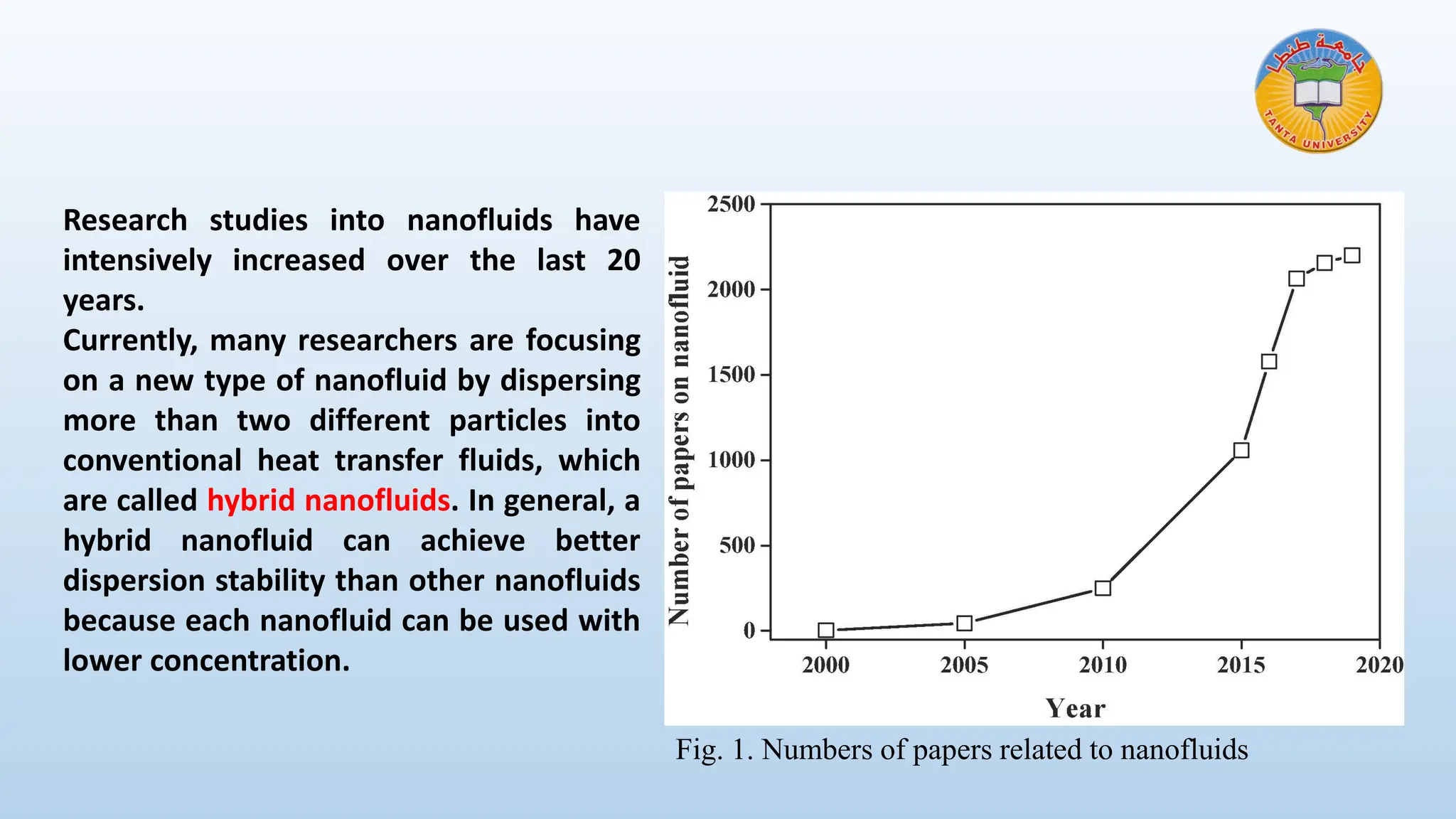
Fig. 1. Numbers of papers related to nanofluids
Research studies into nanofluids have
intensively increased over the last 20
years.
Currently, many researchers are focusing
on a new type of nanofluid by dispersing
more than two different particles into
conventional heat transfer fluids, which
are called hybrid nanofluids. In general, a
hybrid nanofluid can achieve better
dispersion stability than other nanofluids
because each nanofluid can be used with
lower concentration.
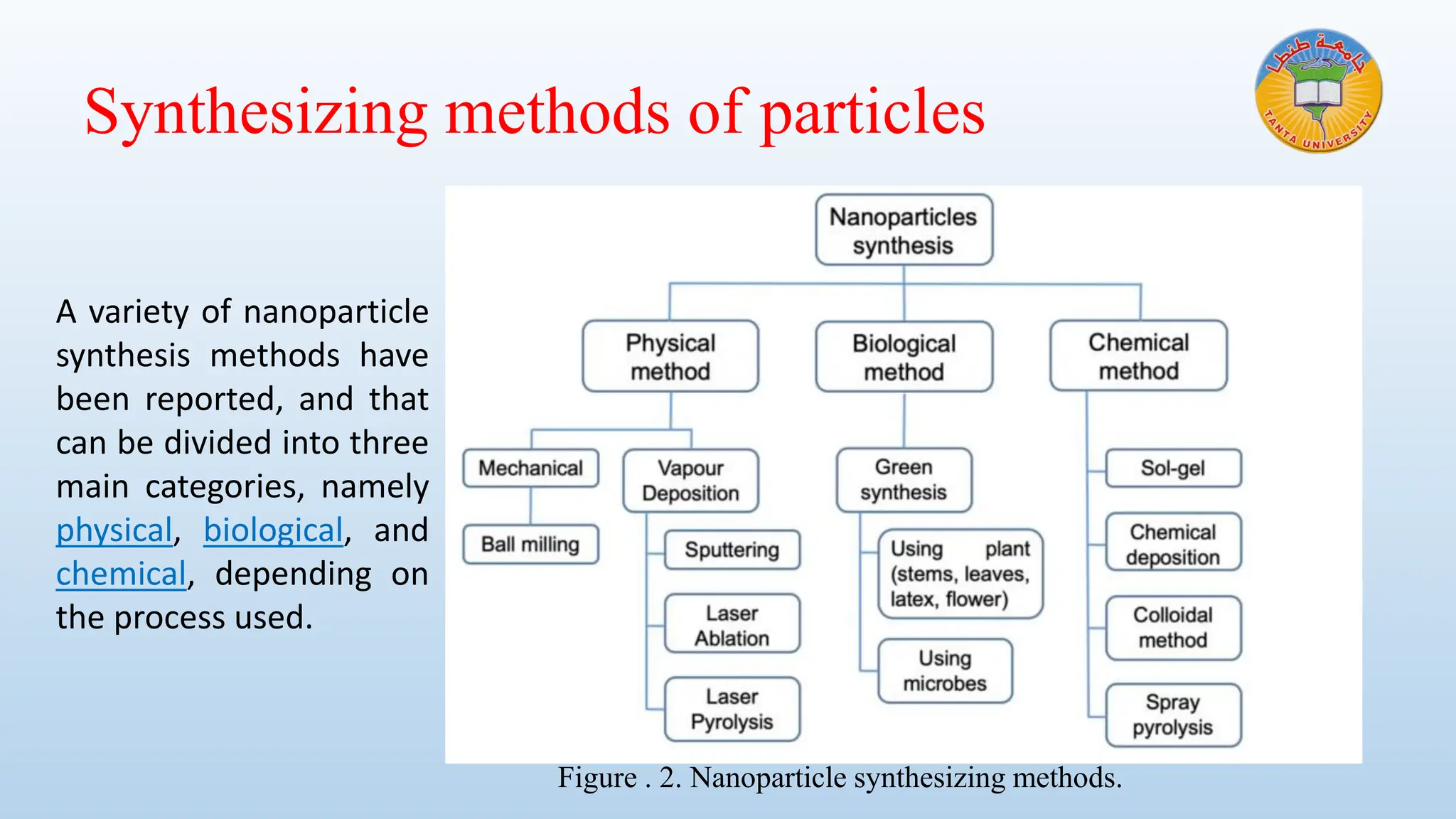
Synthesizing methods of particles
A variety of nanoparticle
synthesis methods have
been reported, and that
can be divided into three
main categories, namely
physical, biological, and
chemical, depending on
the process used.
Figure . 2. Nanoparticle synthesizing methods.
➢ Among the physical methods, mechanical ball milling is widely used to
manufacture dry powder nanoparticles.
➢ In this method, a container filled with hardened metal balls such as steel and
tungsten is used. To create dry powder nanoparticles using a ball milling method,
the bulk material is forced against rotating walls in an inert gas atmosphere at high
speed.
➢ The absence of a chemical solvent during the preparation is one of the main
advantages of a physical method when compared to chemical methods.
➢ Compared to a physical method, a chemical method uses simple techniques that
require inexpensive instrumentation. Besides, a chemical synthesis method can be
used at low temperatures (<350 ◦C) compared to the physical method.
➢ A biological method uses microorganisms such as fungi, yeast, bacteria, and
actinomycetes, which are extracted from plants or enzymes
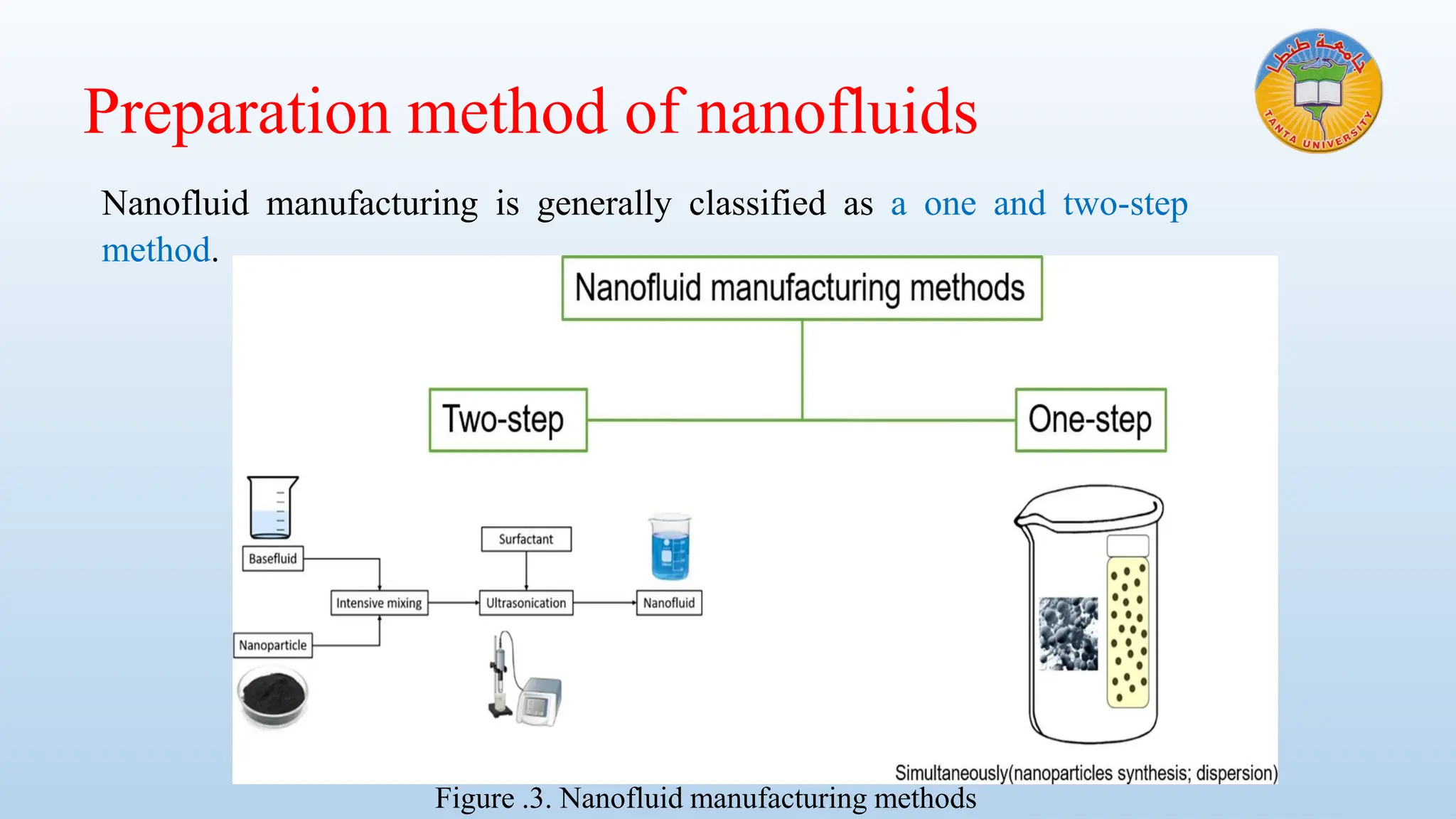
Preparation method of nanofluids
Figure .3. Nanofluid manufacturing methods
Nanofluid manufacturing is generally classified as a one and two-step
method.
❖ The two-step method is the most generally used approach for preparing
nanofluids.
➢ Nano-sized materials with favorable thermal and rheological properties are
prepared as dry powders through a chemical or physical process.
➢ Then, the nanoparticles are dispersed into the base fluid with the help of intensive
mixing methods such as a magnetic agitator, ultrasonic probe sonicator, ball
milling, or high shear-stirring device.
The advantages:
o relatively economical friendliness.
o fewer complications compared with
other manufacturing methods.
The disadvantage:
It is the tendency of easy agglomeration
of particles in the nanofluids. To increase
the dispersion stability of a nanofluid,
chemical agents are used as a surfactant
to decrease the surface tension of the
base fluid.
❖ The one step method was established to resolve the dispersion stability issue of a
two-step manufacturing method.
In one-step method:
o Synthesis and dispersion of the nanoparticles are carried out simultaneously in the
base fluid.
o The drying and storing processes of the nanoparticles are eliminated leading to
minimum sedimentation in the nanofluid.
➢ Owing to the high cost, the one-step manufacturing method of nanofluid cannot be
widely used in the industrial market.
The effect of surfactant.
Surfactants are used to increase the dispersion stability of nanofluids. They are chemical
agents used to decrease the surface tension of the base fluid thus the nanoparticle
surface can be modified as hydrophilic or hydrophobic by adding a surfactant.
Surfactants can be divided into
▪ Anionic: Sodium dodecyl sulfate (SDS).
▪ Cationic: Cetyl trimethyl ammonium bromide (CTAB).
▪ Non-ionic: Gum arabic (GA) and oleic acid.
▪ Amphoteric types: lecithin.
The type of surfactant and the concentration of surfactant play a crucial role in the
nanofluid’s stability and thermal conductivity improvement.
Using excess surfactants can have an inverse effect on the thermal conductivity of the
nanofluids, as the surfactants are nonconductive, so it may block the heat conduction and
works as a barrier that decreases the thermal conductivity.
Thermal conductivity of nanofluids
➢ The thermal conductivity of a fluid is its ability to deliver heat through the
materials.
➢ Nanoparticles with high thermal conductivity are suspended in the base fluid
with low thermal conductivity, which increases the thermal conductivity of
nanofluids.
➢ Several researchers have extensively studied the thermal conductivity of
various nanofluids. Those researchers have mentioned that their proposed
models are more suitable for the prediction of the thermal properties of
nanofluids with a special shape than those of spherical nanoparticles.
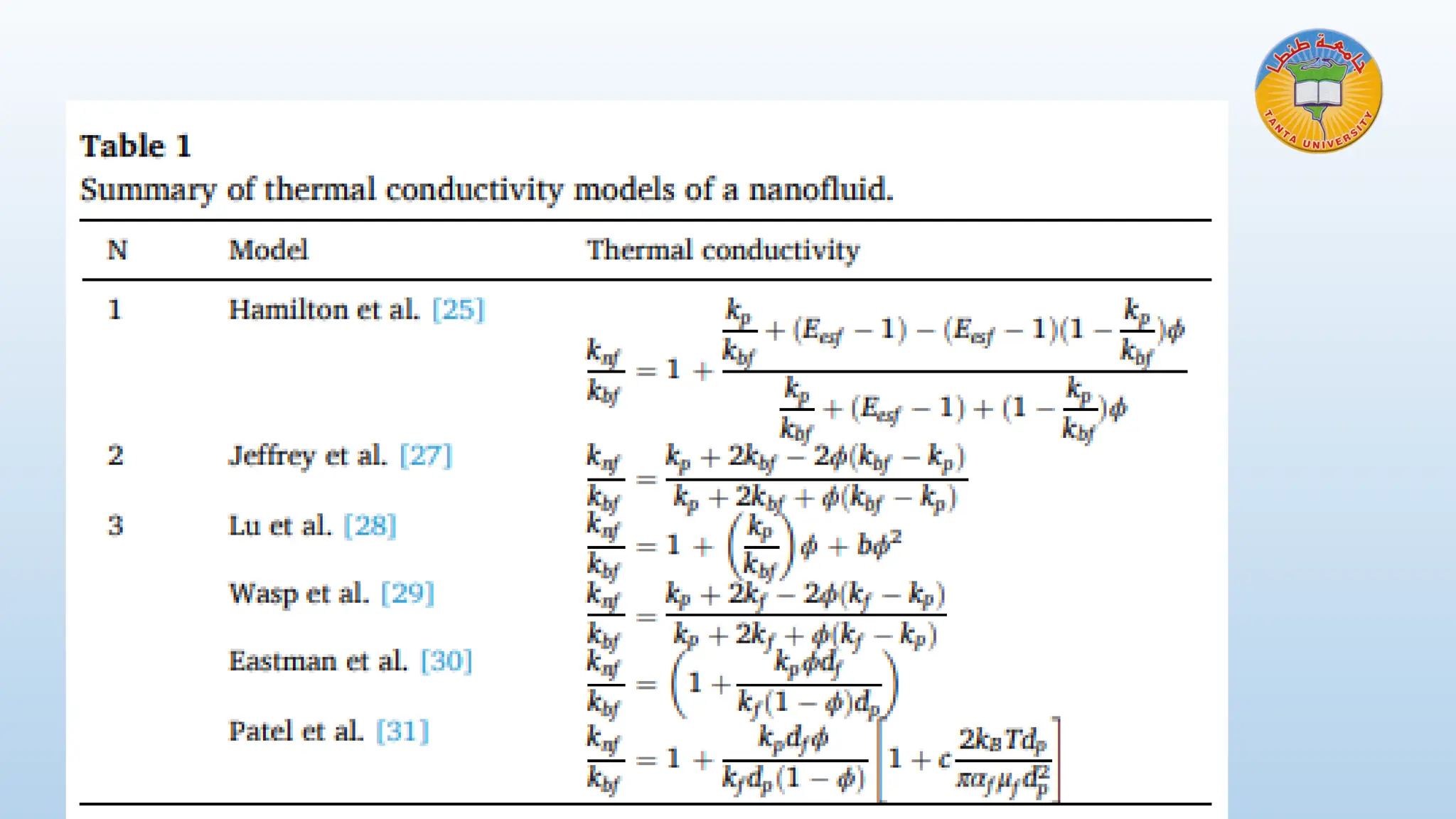
➢ A summary of thermal conductivity models for different nanofluids is shown
in Table. 1.
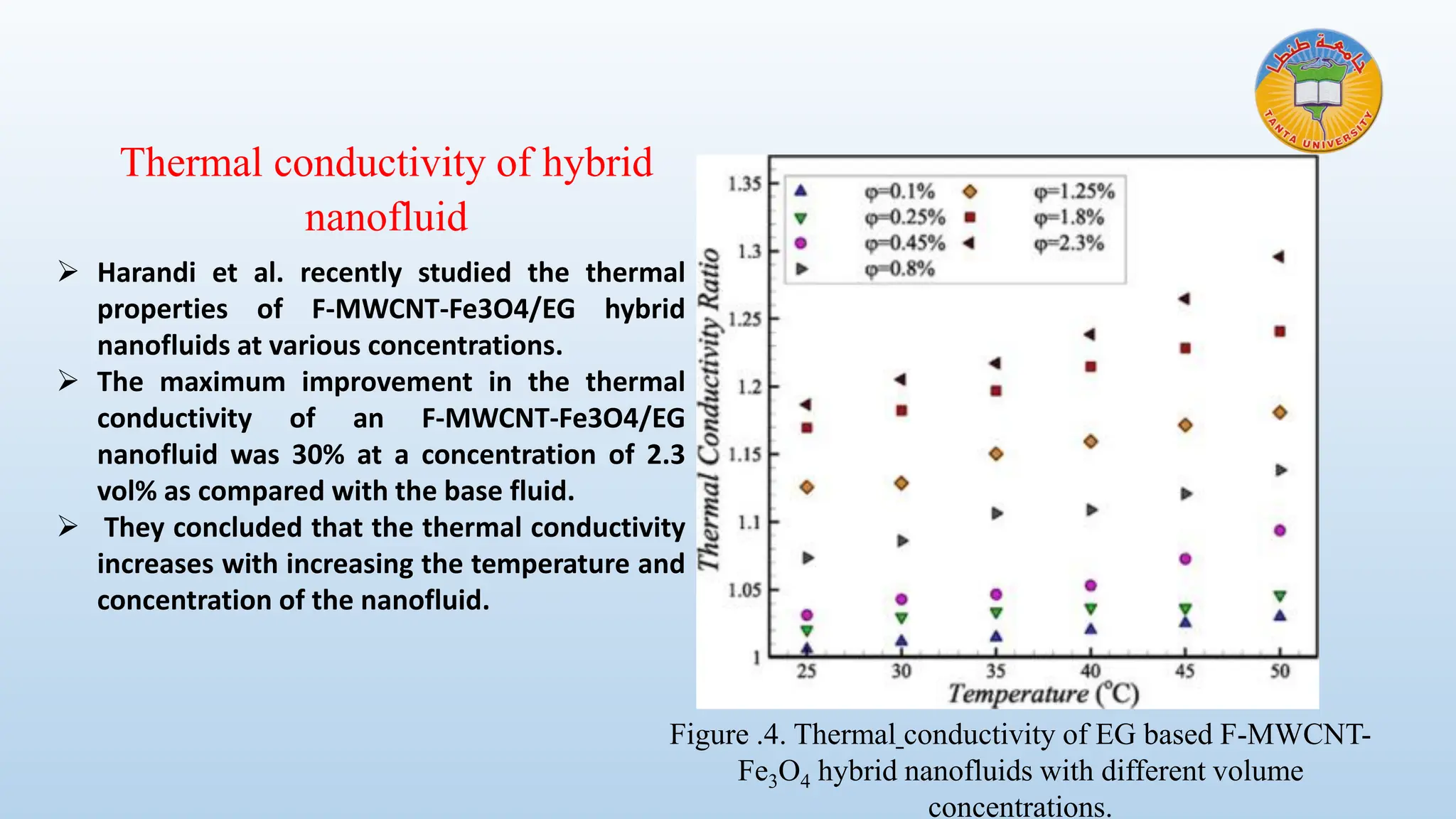
➢ Harandi et al. recently studied the thermal
properties of F-MWCNT-Fe3O4/EG hybrid
nanofluids at various concentrations.
➢ The maximum improvement in the thermal
conductivity of an F-MWCNT-Fe3O4/EG
nanofluid was 30% at a concentration of 2.3
vol% as compared with the base fluid.
➢ They concluded that the thermal conductivity
increases with increasing the temperature and
concentration of the nanofluid.
Figure .4. Thermal conductivity of EG based F-MWCNT-
Fe3O4 hybrid nanofluids with different volume
concentrations.
Thermal conductivity of hybrid
nanofluid
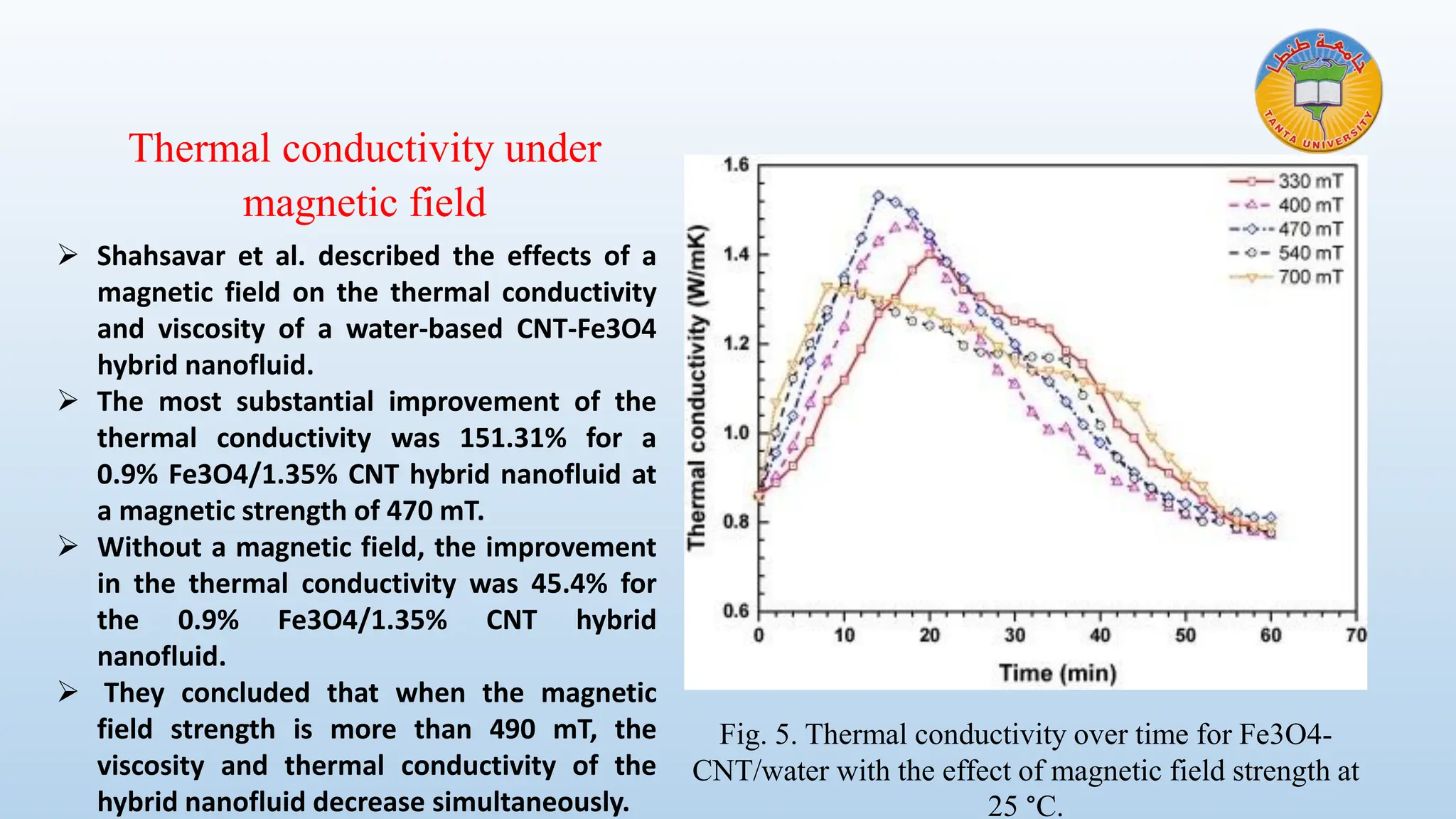
➢ Shahsavar et al. described the effects of a
magnetic field on the thermal conductivity
and viscosity of a water-based CNT-Fe3O4
hybrid nanofluid.
➢ The most substantial improvement of the
thermal conductivity was 151.31% for a
0.9% Fe3O4/1.35% CNT hybrid nanofluid at
a magnetic strength of 470 mT.
➢ Without a magnetic field, the improvement
in the thermal conductivity was 45.4% for
the 0.9% Fe3O4/1.35% CNT hybrid
nanofluid.
➢ They concluded that when the magnetic
field strength is more than 490 mT, the
viscosity and thermal conductivity of the
hybrid nanofluid decrease simultaneously.
Fig. 5. Thermal conductivity over time for Fe3O4-
CNT/water with the effect of magnetic field strength at
25 °C.
Thermal conductivity under
magnetic field
Viscosity of nanofluids
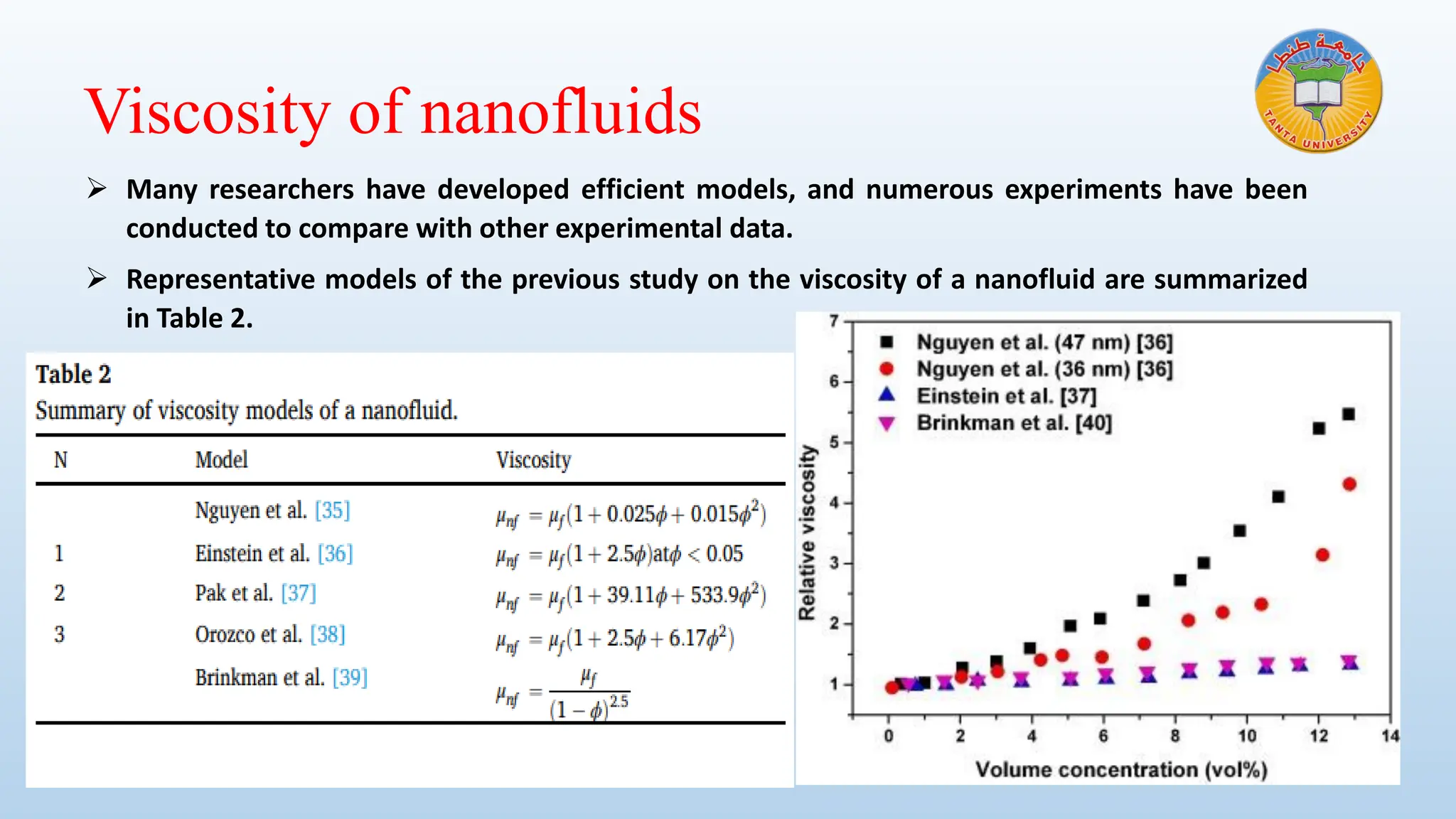
➢ Many researchers have developed efficient models, and numerous experiments have been
conducted to compare with other experimental data.
➢ Representative models of the previous study on the viscosity of a nanofluid are summarized
in Table 2.
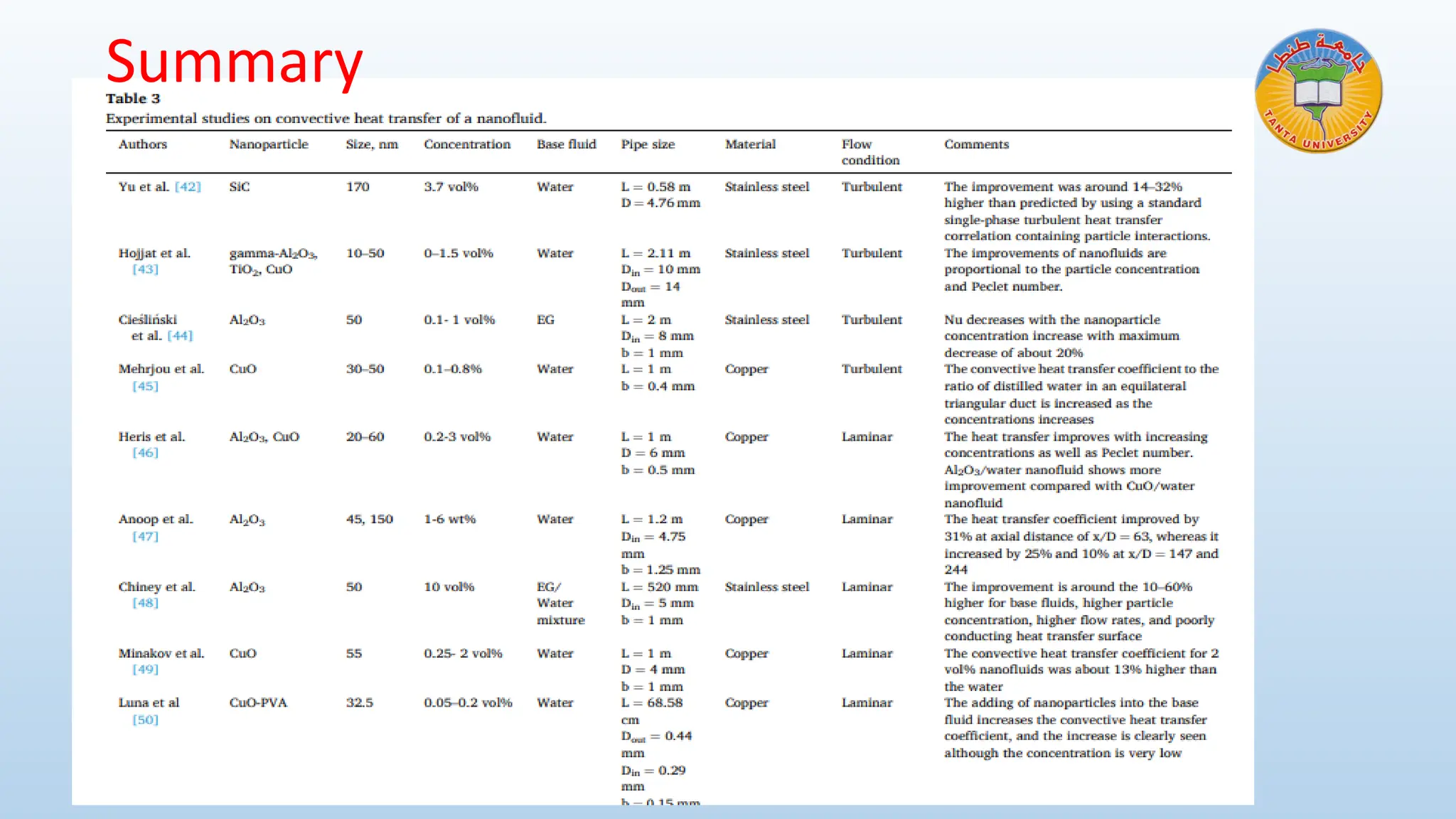
Convective heat transfer of nanofluids
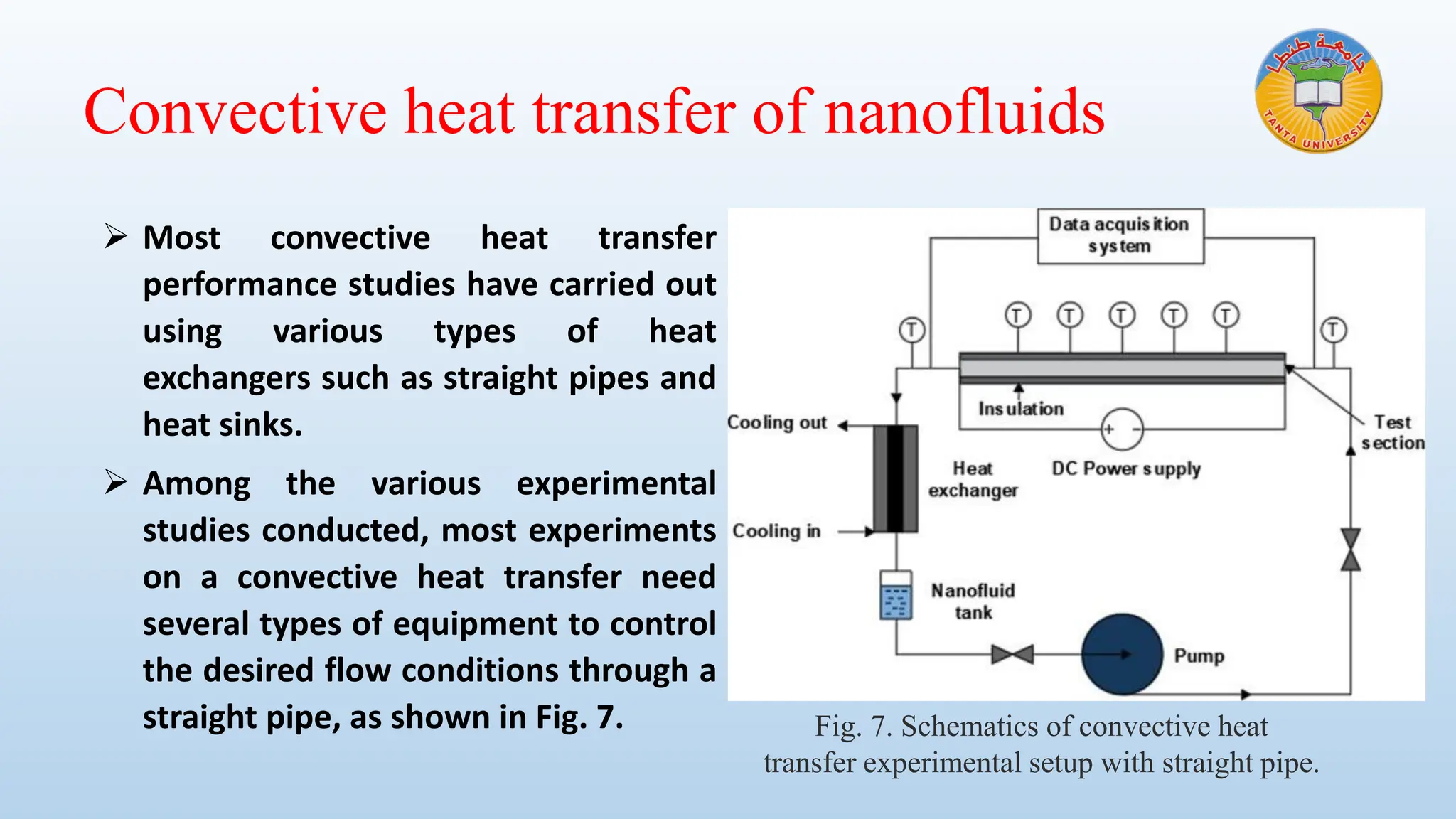
➢ Most convective heat transfer
performance studies have carried out
using various types of heat
exchangers such as straight pipes and
heat sinks.
➢ Among the various experimental
studies conducted, most experiments
on a convective heat transfer need
several types of equipment to control
the desired flow conditions through a
straight pipe, as shown in Fig. 7. Fig. 7. Schematics of convective heat
transfer experimental setup with straight pipe.
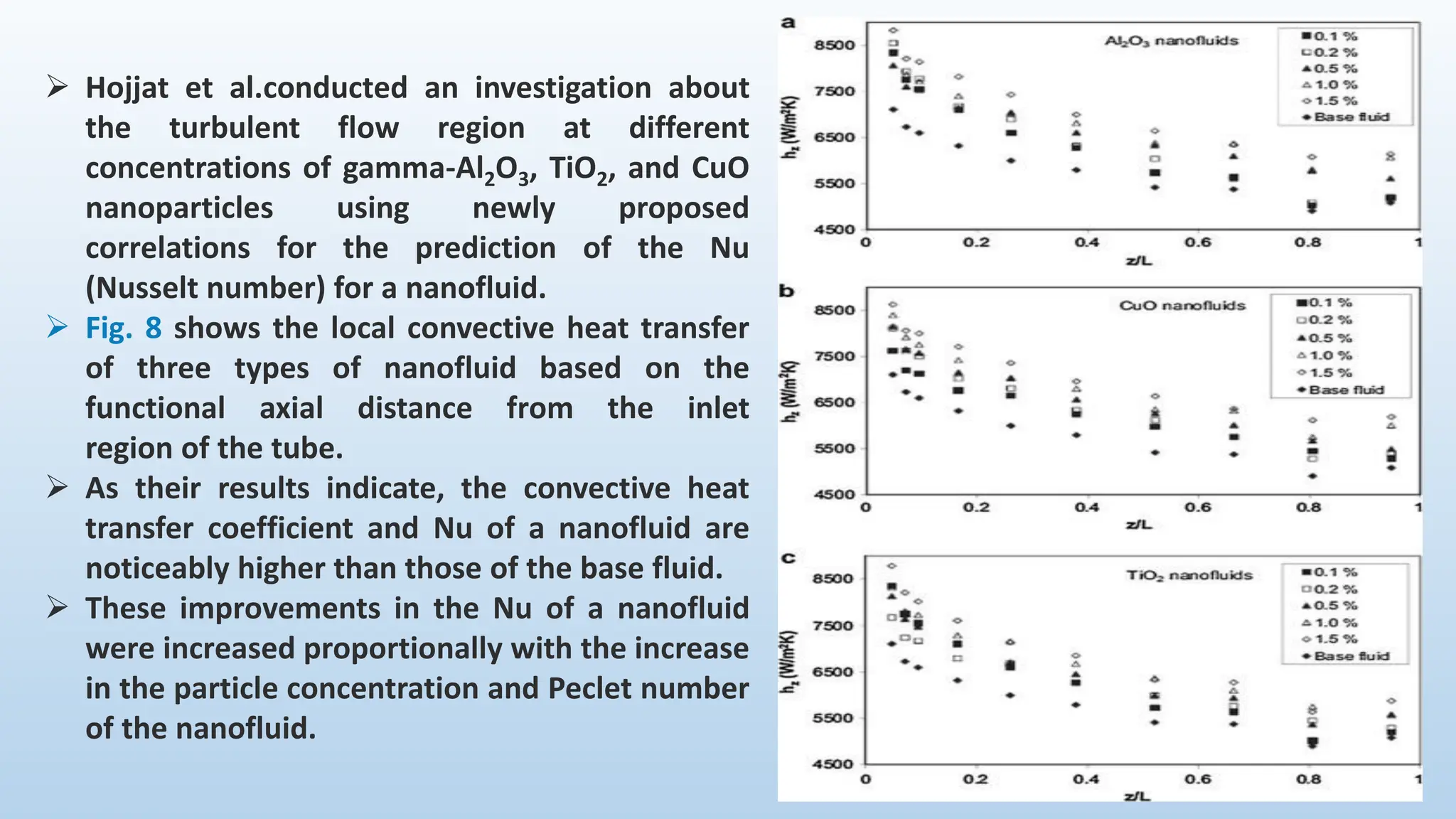
➢ Hojjat et al.conducted an investigation about
the turbulent flow region at different
concentrations of gamma-Al2O3, TiO2, and CuO
nanoparticles using newly proposed
correlations for the prediction of the Nu
(Nusselt number) for a nanofluid.
➢ Fig. 8 shows the local convective heat transfer
of three types of nanofluid based on the
functional axial distance from the inlet
region of the tube.
➢ As their results indicate, the convective heat
transfer coefficient and Nu of a nanofluid are
noticeably higher than those of the base fluid.
➢ These improvements in the Nu of a nanofluid
were increased proportionally with the increase
in the particle concentration and Peclet number
of the nanofluid.
➢ Highly thermal conductive CNT group materials have also been studied in different
research areas.
➢ Amrollahi et al. used a functionalized multi-walled carbon nanotube (f-MWCNT) in a
water-based nanofluid, and their results exhibited that the convective heat transfer
coefficient increased by 33% in a laminar flow and 40% in a turbulent flow at a
concentration and temperature of 0.25 wt% and 20 ◦C, respectively, compared with
those of water.
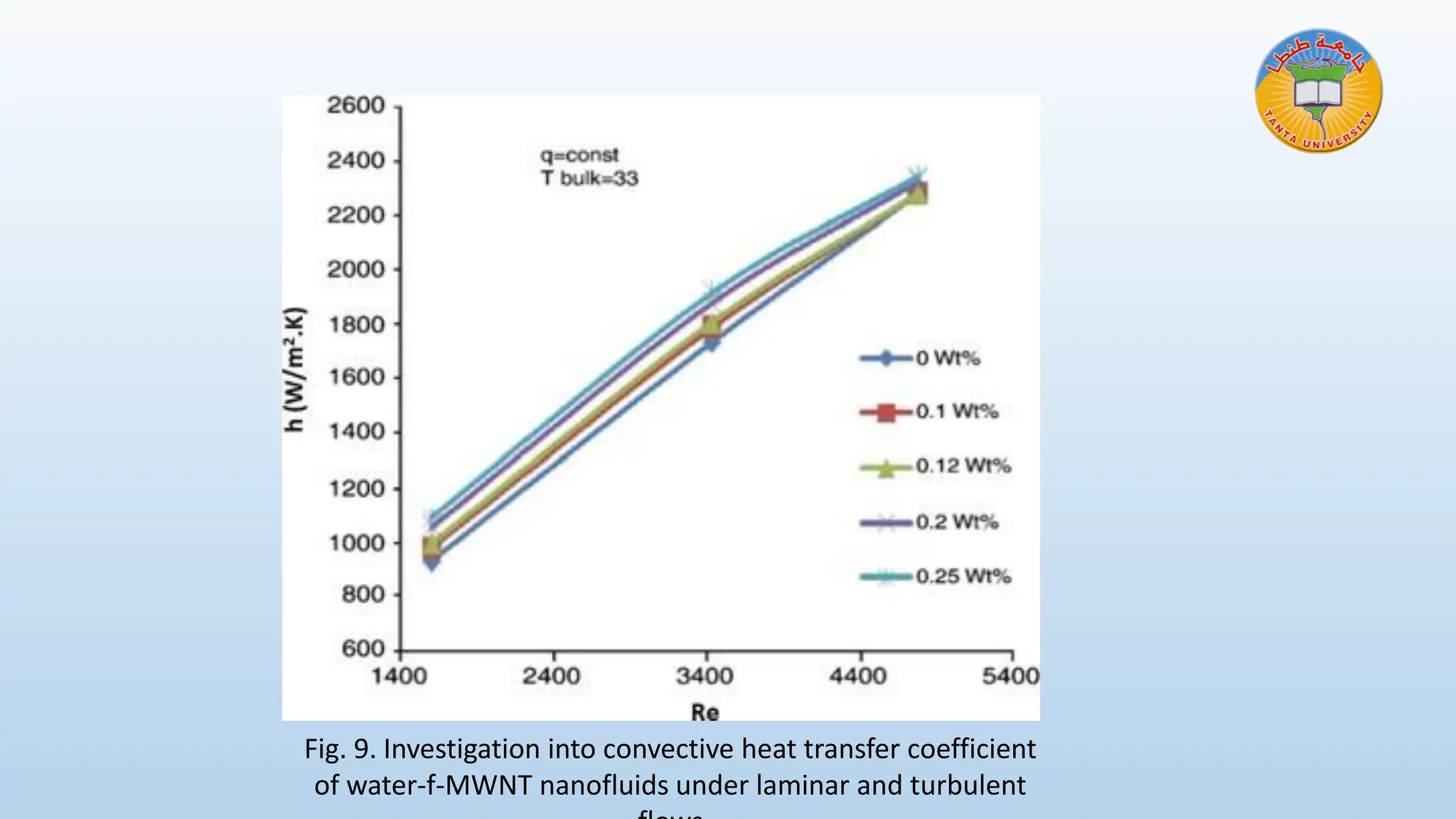
➢ Furthermore, they found that the convective heat transfer coefficient increases with an
increase in the Re. The effect of the nanoparticle concentrations on the convective heat
transfer is shown in Fig. 10. At a concentration of 0.25 wt%, the convective heat transfer
coefficient is higher than that of the base fluid for all temperatures.
➢ the effect of the nanoparticle concentrations on the convective heat transfer is shown
in Fig. 9. At a concentration of 0.25 wt%, the convective heat transfer coefficient is
higher than that of the base fluid for all temperatures.
Fig. 9. Investigation into convective heat transfer coefficient
of water-f-MWNT nanofluids under laminar and turbulent
Summary
References
[1] Z. Narankhishig, J. Ham, H. Lee, H. Cho, Convective heat transfer characteristics of nanofluids including the magnetic
effect on heat transfer enhancement - a review, Appl Therm Eng. 193 (2021) 116987.
https://doi.org/10.1016/J.APPLTHERMALENG.2021.116987.
[2] H. Younes, M. Mao, S.M. Sohel Murshed, D. Lou, H. Hong, G.P. Peterson, Nanofluids: Key parameters to enhance thermal
conductivity and its applications, Appl Therm Eng. 207 (2022) 118202.
https://doi.org/10.1016/J.APPLTHERMALENG.2022.118202.
[3] S. Choi, J. Eastman, Enhancing thermal conductivity of fluids with nanoparticles, 1995. (n.d.).
https://www.osti.gov/biblio/196525 (accessed June 19, 2023).
[4] N. Pantidos, L.E. Horsfall, Biological synthesis of metallic nanoparticles by bacteria, fungi and plants, J Nanomed
Nanotechnol. 5 (2014) 1.
[5] R.L. Hamilton, Thermal conductivity of heterogeneous two-component systems, Industrial and Engineering Chemistry
Fundamentals. 1 (1962) 187–191. https://doi.org/10.1021/I160003A005.
[6] S.M.S. Murshed, K.C. Leong, C. Yang, Enhanced thermal conductivity of TiO2 - Water based nanofluids, International
Journal of Thermal Sciences. 44 (2005) 367–373. https://doi.org/10.1016/j.ijthermalsci.2004.12.005.
[7] J.Y. Jung, E.S. Kim, Y.T. Kang, Stabilizer effect on CHF and boiling heat transfer coefficient of alumina/water nanofluids, Int
J Heat Mass Transf. 55 (2012) 1941–1946. https://doi.org/10.1016/j.ijheatmasstransfer.2011.11.049.
[8] X. Li, Y. Chen, S. Mo, L. Jia, X. Shao, Effect of surface modification on the stability and thermal conductivity of water-based
SiO2-coated graphene nanofluid, Thermochim Acta. 595 (2014) 6–10. https://doi.org/10.1016/j.tca.2014.09.006.
References
[9] H.E. Patel, K.B. Anoop, T. Sundararajan, S.K. Das, A micro-convection model for thermal conductivity of nanofluids, in:
International Heat Transfer Conference 13, Begel House Inc., 2006.
[10] . Hojjat, S.G. Etemad, R. Bagheri, J. Thibault, Convective heat transfer of nonNewtonian nanofluids through a uniformly
heated circular tube, Int. J. Therm. Sci. 50 (4) (2011) 525–531.
[11] . A. Amrollahi, A.M. Rashidi, R. Lotfi, M.E. Meibodi, K. Kashefi, Convection heat transfer of functionalized MWNT in
aqueous fluids in laminar and turbulent flow at entrance region, Int. Commun. Heat Mass Transf. 37 (2010) 717–723.
[12] .W. Yu, D.M. France, S. Smith, D. Singh, E.V. Timofeeva, J.L. Routbort, Heat transfer to a silicon carbide/water nanofluid,
Int. J. Heat Mass Transf. 52 (2009) 2272–2281.
[13] M. Hojjat, S.G. Etemad, R. Bagheri, J. Thibault, Convective heat transfer of nonNewtonian nanofluids through a
uniformly heated circular tube, Int. J. Therm. Sci. 50 (4) (2011) 525–531.
[14] J.T. Cieslinski, P. Kozak, Experimental investigation of forced convection of water/EG-Al2O3 nanofluids inside horizontal
tube, E3S Web Conferences. 70 (2018) 1–5.

NANO fluids brief introduction seminar.pdf

  • 1.
    Heat transfer enhancementusing nanofluids
  • 2.
    Introduction ➢ In general,heat transfer is the most fundamental process applied in numerous industries and engineering fields such as cooling/heating applications and other industrial systems. ➢ A mechanistic modification of the convective heat transfer can improve the heat transfer characteristics with the application of an extension or change in the core elements of the heat exchanger. ➢ Most studies in this area have aimed to promote convective heat transfer performance and find the possibility of improving the convective heat transfer through nanotechnology. Therefore, the methods to increase the heat transfer by using nanofluid, which has nano-sized nanoparticles, and to overcome the deficiency in the thermal conductivity of conventional working fluids such as water, propylene glycol, and ethylene glycol have been actively studied in the literature. ➢ A mixture of nano-sized particles and a conventional heat transfer fluid is called nanofluid.
  • 3.
    Nanofluids are mixturesof traditional fluids (base fluids such as water, propylene glycol, and ethylene glycol) to which various types and concentrations of nanoparticles (nanoscale materials <100nm) with high thermal conductivities have been added. These nanoparticles can be: ➢ metals (Cu, Al, Fe, Au, Ag, Zn, Ni, Mn, Ti, etc.) ➢ metal oxides (TiO2, Al2O3, SiO2, CuO, Fe3O4), ➢ carbon nanotubes (SWCNT- and MWCNT), or graphene.
  • 4.
    When compared tothe heat transfer characteristics of conventional liquid or solid– liquid suspensions, nanofluids possess many advantages. • First, the nanomaterials have a much higher surface area to volume ratio than that of more traditionally sized microparticles, which results in more significant surface interaction between the individual nanoparticles and the surrounding fluid molecules. • In addition, the physical properties of the nanoparticles, such as viscosity and thermal conductivity, can be easily adjusted by many approaches, including surface modification, applying external stimuli, and using dispersing agents(surfactants) to achieve desired applications.
  • 5.
    Fig. 1. Numbersof papers related to nanofluids Research studies into nanofluids have intensively increased over the last 20 years. Currently, many researchers are focusing on a new type of nanofluid by dispersing more than two different particles into conventional heat transfer fluids, which are called hybrid nanofluids. In general, a hybrid nanofluid can achieve better dispersion stability than other nanofluids because each nanofluid can be used with lower concentration.
  • 6.
    Synthesizing methods ofparticles A variety of nanoparticle synthesis methods have been reported, and that can be divided into three main categories, namely physical, biological, and chemical, depending on the process used. Figure . 2. Nanoparticle synthesizing methods.
  • 7.
    ➢ Among thephysical methods, mechanical ball milling is widely used to manufacture dry powder nanoparticles. ➢ In this method, a container filled with hardened metal balls such as steel and tungsten is used. To create dry powder nanoparticles using a ball milling method, the bulk material is forced against rotating walls in an inert gas atmosphere at high speed. ➢ The absence of a chemical solvent during the preparation is one of the main advantages of a physical method when compared to chemical methods. ➢ Compared to a physical method, a chemical method uses simple techniques that require inexpensive instrumentation. Besides, a chemical synthesis method can be used at low temperatures (<350 ◦C) compared to the physical method. ➢ A biological method uses microorganisms such as fungi, yeast, bacteria, and actinomycetes, which are extracted from plants or enzymes
  • 8.
    Preparation method ofnanofluids Figure .3. Nanofluid manufacturing methods Nanofluid manufacturing is generally classified as a one and two-step method.
  • 9.
    ❖ The two-stepmethod is the most generally used approach for preparing nanofluids. ➢ Nano-sized materials with favorable thermal and rheological properties are prepared as dry powders through a chemical or physical process. ➢ Then, the nanoparticles are dispersed into the base fluid with the help of intensive mixing methods such as a magnetic agitator, ultrasonic probe sonicator, ball milling, or high shear-stirring device. The advantages: o relatively economical friendliness. o fewer complications compared with other manufacturing methods. The disadvantage: It is the tendency of easy agglomeration of particles in the nanofluids. To increase the dispersion stability of a nanofluid, chemical agents are used as a surfactant to decrease the surface tension of the base fluid.
  • 10.
    ❖ The onestep method was established to resolve the dispersion stability issue of a two-step manufacturing method. In one-step method: o Synthesis and dispersion of the nanoparticles are carried out simultaneously in the base fluid. o The drying and storing processes of the nanoparticles are eliminated leading to minimum sedimentation in the nanofluid. ➢ Owing to the high cost, the one-step manufacturing method of nanofluid cannot be widely used in the industrial market.
  • 11.
    The effect ofsurfactant. Surfactants are used to increase the dispersion stability of nanofluids. They are chemical agents used to decrease the surface tension of the base fluid thus the nanoparticle surface can be modified as hydrophilic or hydrophobic by adding a surfactant. Surfactants can be divided into ▪ Anionic: Sodium dodecyl sulfate (SDS). ▪ Cationic: Cetyl trimethyl ammonium bromide (CTAB). ▪ Non-ionic: Gum arabic (GA) and oleic acid. ▪ Amphoteric types: lecithin. The type of surfactant and the concentration of surfactant play a crucial role in the nanofluid’s stability and thermal conductivity improvement. Using excess surfactants can have an inverse effect on the thermal conductivity of the nanofluids, as the surfactants are nonconductive, so it may block the heat conduction and works as a barrier that decreases the thermal conductivity.
  • 12.
    Thermal conductivity ofnanofluids ➢ The thermal conductivity of a fluid is its ability to deliver heat through the materials. ➢ Nanoparticles with high thermal conductivity are suspended in the base fluid with low thermal conductivity, which increases the thermal conductivity of nanofluids. ➢ Several researchers have extensively studied the thermal conductivity of various nanofluids. Those researchers have mentioned that their proposed models are more suitable for the prediction of the thermal properties of nanofluids with a special shape than those of spherical nanoparticles. ➢ A summary of thermal conductivity models for different nanofluids is shown in Table. 1.
  • 14.
    ➢ Harandi etal. recently studied the thermal properties of F-MWCNT-Fe3O4/EG hybrid nanofluids at various concentrations. ➢ The maximum improvement in the thermal conductivity of an F-MWCNT-Fe3O4/EG nanofluid was 30% at a concentration of 2.3 vol% as compared with the base fluid. ➢ They concluded that the thermal conductivity increases with increasing the temperature and concentration of the nanofluid. Figure .4. Thermal conductivity of EG based F-MWCNT- Fe3O4 hybrid nanofluids with different volume concentrations. Thermal conductivity of hybrid nanofluid
  • 15.
    ➢ Shahsavar etal. described the effects of a magnetic field on the thermal conductivity and viscosity of a water-based CNT-Fe3O4 hybrid nanofluid. ➢ The most substantial improvement of the thermal conductivity was 151.31% for a 0.9% Fe3O4/1.35% CNT hybrid nanofluid at a magnetic strength of 470 mT. ➢ Without a magnetic field, the improvement in the thermal conductivity was 45.4% for the 0.9% Fe3O4/1.35% CNT hybrid nanofluid. ➢ They concluded that when the magnetic field strength is more than 490 mT, the viscosity and thermal conductivity of the hybrid nanofluid decrease simultaneously. Fig. 5. Thermal conductivity over time for Fe3O4- CNT/water with the effect of magnetic field strength at 25 °C. Thermal conductivity under magnetic field
  • 16.
    Viscosity of nanofluids ➢Many researchers have developed efficient models, and numerous experiments have been conducted to compare with other experimental data. ➢ Representative models of the previous study on the viscosity of a nanofluid are summarized in Table 2.
  • 17.
    Convective heat transferof nanofluids ➢ Most convective heat transfer performance studies have carried out using various types of heat exchangers such as straight pipes and heat sinks. ➢ Among the various experimental studies conducted, most experiments on a convective heat transfer need several types of equipment to control the desired flow conditions through a straight pipe, as shown in Fig. 7. Fig. 7. Schematics of convective heat transfer experimental setup with straight pipe.
  • 18.
    ➢ Hojjat etal.conducted an investigation about the turbulent flow region at different concentrations of gamma-Al2O3, TiO2, and CuO nanoparticles using newly proposed correlations for the prediction of the Nu (Nusselt number) for a nanofluid. ➢ Fig. 8 shows the local convective heat transfer of three types of nanofluid based on the functional axial distance from the inlet region of the tube. ➢ As their results indicate, the convective heat transfer coefficient and Nu of a nanofluid are noticeably higher than those of the base fluid. ➢ These improvements in the Nu of a nanofluid were increased proportionally with the increase in the particle concentration and Peclet number of the nanofluid.
  • 19.
    ➢ Highly thermalconductive CNT group materials have also been studied in different research areas. ➢ Amrollahi et al. used a functionalized multi-walled carbon nanotube (f-MWCNT) in a water-based nanofluid, and their results exhibited that the convective heat transfer coefficient increased by 33% in a laminar flow and 40% in a turbulent flow at a concentration and temperature of 0.25 wt% and 20 ◦C, respectively, compared with those of water. ➢ Furthermore, they found that the convective heat transfer coefficient increases with an increase in the Re. The effect of the nanoparticle concentrations on the convective heat transfer is shown in Fig. 10. At a concentration of 0.25 wt%, the convective heat transfer coefficient is higher than that of the base fluid for all temperatures. ➢ the effect of the nanoparticle concentrations on the convective heat transfer is shown in Fig. 9. At a concentration of 0.25 wt%, the convective heat transfer coefficient is higher than that of the base fluid for all temperatures.
  • 20.
    Fig. 9. Investigationinto convective heat transfer coefficient of water-f-MWNT nanofluids under laminar and turbulent
  • 21.
  • 22.
    References [1] Z. Narankhishig,J. Ham, H. Lee, H. Cho, Convective heat transfer characteristics of nanofluids including the magnetic effect on heat transfer enhancement - a review, Appl Therm Eng. 193 (2021) 116987. https://doi.org/10.1016/J.APPLTHERMALENG.2021.116987. [2] H. Younes, M. Mao, S.M. Sohel Murshed, D. Lou, H. Hong, G.P. Peterson, Nanofluids: Key parameters to enhance thermal conductivity and its applications, Appl Therm Eng. 207 (2022) 118202. https://doi.org/10.1016/J.APPLTHERMALENG.2022.118202. [3] S. Choi, J. Eastman, Enhancing thermal conductivity of fluids with nanoparticles, 1995. (n.d.). https://www.osti.gov/biblio/196525 (accessed June 19, 2023). [4] N. Pantidos, L.E. Horsfall, Biological synthesis of metallic nanoparticles by bacteria, fungi and plants, J Nanomed Nanotechnol. 5 (2014) 1. [5] R.L. Hamilton, Thermal conductivity of heterogeneous two-component systems, Industrial and Engineering Chemistry Fundamentals. 1 (1962) 187–191. https://doi.org/10.1021/I160003A005. [6] S.M.S. Murshed, K.C. Leong, C. Yang, Enhanced thermal conductivity of TiO2 - Water based nanofluids, International Journal of Thermal Sciences. 44 (2005) 367–373. https://doi.org/10.1016/j.ijthermalsci.2004.12.005. [7] J.Y. Jung, E.S. Kim, Y.T. Kang, Stabilizer effect on CHF and boiling heat transfer coefficient of alumina/water nanofluids, Int J Heat Mass Transf. 55 (2012) 1941–1946. https://doi.org/10.1016/j.ijheatmasstransfer.2011.11.049. [8] X. Li, Y. Chen, S. Mo, L. Jia, X. Shao, Effect of surface modification on the stability and thermal conductivity of water-based SiO2-coated graphene nanofluid, Thermochim Acta. 595 (2014) 6–10. https://doi.org/10.1016/j.tca.2014.09.006.
  • 23.
    References [9] H.E. Patel,K.B. Anoop, T. Sundararajan, S.K. Das, A micro-convection model for thermal conductivity of nanofluids, in: International Heat Transfer Conference 13, Begel House Inc., 2006. [10] . Hojjat, S.G. Etemad, R. Bagheri, J. Thibault, Convective heat transfer of nonNewtonian nanofluids through a uniformly heated circular tube, Int. J. Therm. Sci. 50 (4) (2011) 525–531. [11] . A. Amrollahi, A.M. Rashidi, R. Lotfi, M.E. Meibodi, K. Kashefi, Convection heat transfer of functionalized MWNT in aqueous fluids in laminar and turbulent flow at entrance region, Int. Commun. Heat Mass Transf. 37 (2010) 717–723. [12] .W. Yu, D.M. France, S. Smith, D. Singh, E.V. Timofeeva, J.L. Routbort, Heat transfer to a silicon carbide/water nanofluid, Int. J. Heat Mass Transf. 52 (2009) 2272–2281. [13] M. Hojjat, S.G. Etemad, R. Bagheri, J. Thibault, Convective heat transfer of nonNewtonian nanofluids through a uniformly heated circular tube, Int. J. Therm. Sci. 50 (4) (2011) 525–531. [14] J.T. Cieslinski, P. Kozak, Experimental investigation of forced convection of water/EG-Al2O3 nanofluids inside horizontal tube, E3S Web Conferences. 70 (2018) 1–5.