MODERN-DAY
JVM
CONTROVERSIES
MAVEN OR GRADLE?
BACKGROUND
+ CAVEATS
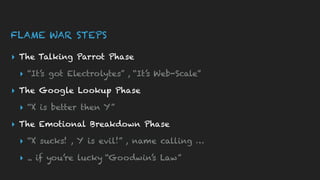
FLAME WAR STEPS
▸ The Talking Parrot Phase
▸ “It’s got Electrolytes” , “It’s Web-Scale”
▸ The Google Lookup Phase
▸ “X is better then Y”
▸ The Emotional Breakdown Phase
▸ “X sucks! , Y is evil!” , name calling …
▸ .. if you’re lucky “Goodwin’s Law”
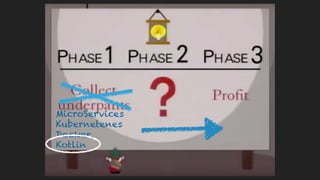
MicroServices
Kubernetenes
Docker
Kotlin
LEVEL SET
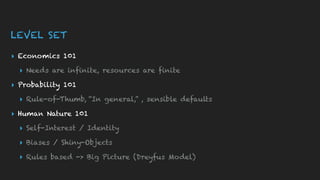
▸ Economics 101
▸ Needs are infinite, resources are finite
▸ Probability 101
▸ Rule-of-Thumb, “In general,” , sensible defaults
▸ Human Nature 101
▸ Self-Interest / Identity
▸ Biases / Shiny-Objects
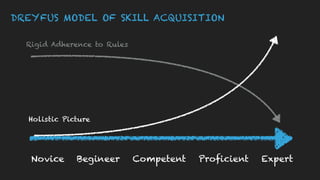
▸ Rules based -> Big Picture (Dreyfus Model)
DREYFUS MODEL OF SKILL ACQUISITION
Novice Begineer Competent Proficient Expert
Rigid Adherence to Rules
Holistic Picture
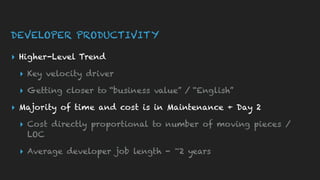
DEVELOPER PRODUCTIVITY
▸ Higher-Level Trend
▸ Key velocity driver
▸ Getting closer to “business value” / “English”
▸ Majority of time and cost is in Maintenance + Day 2
▸ Cost directly proportional to number of moving pieces /
LOC
▸ Average developer job length - ~2 years
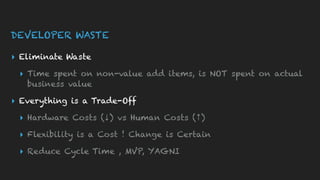
DEVELOPER WASTE
▸ Eliminate Waste
▸ Time spent on non-value add items, is NOT spent on actual
business value
▸ Everything is a Trade-Off
▸ Hardware Costs (↓) vs Human Costs (↑)
▸ Flexibility is a Cost ! Change is Certain
▸ Reduce Cycle Time , MVP, YAGNI
DEVELOPER DECISIONS
▸ Leverage Industry Lessons
▸ What are Startups doing ?
▸ What are the Giants doing?**
▸ Proven tech instead of DIY
▸ Market Trends / Hiring
▸ StackOverflow / Google Trends
▸ Transparency around the Cons / Costs
▸ Include Alternatives!
** Keep in mind you’re NOT operating NetFlix scale!!
CONSTRUCTOR DEPENDENCY INJECTION
▸ Alternatives:
▸ Setter or Field
▸ @Required annotation
▸ More Readable ? Better for Testing?
▸ Less Error-Prone ?
▸ Just Stay Consistent !
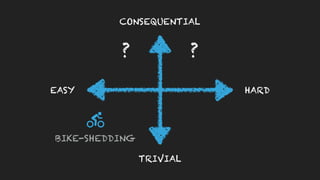
▸ Stop Bike Shedding !!
EASY HARD
TRIVIAL
CONSEQUENTIAL
BIKE-SHEDDING
? ?
SCALA
▸ More succinct then Java, focus on performance
▸ Steep Learning Curve / High Investment
▸ Non-Standard Stack (SBT, Akka, Actors, Play, etc)
▸ IDE Support / Backwards Compatibility Issues
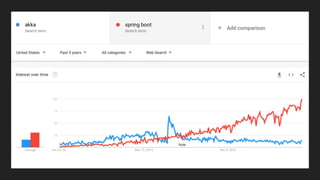
▸ Questionable MarketTrend
▸ Questionable Performance
▸ Justify with real Metrics
KOTLIN
▸ More succinct then Java, focus on developer productivity
▸ True Null-Safety (not Optional!)
▸ Low Learning Curve / Low Investment
▸ Works well with Java EcoSystem
▸ Great IDE Support! Backwards Compatibility !
▸ Positive Developer Productivity Improvements
▸ Positive MarketTrend
▸ Question of Political Capital .. (Esperanto)
DYNAMIC TYPING
▸ Less Code
▸ Not being forced to define full contract (JSON, XML, REST, DB, etc)
▸ SOAP (WSDL) -> REST -> Spring Cloud Contracts
▸ Checked vs Runtime Exceptions
▸ More Error-Prone
▸ Testing was suppose to negate this
▸ Alternatives exist:
▸ XPath, Optional Typing, etc
▸ Upfront Velocity Improvement , Long Term Maintenance Costs
▸ Minimize for Corporate
.NET (C#)
▸ More succinct code (historically)
▸ Lacking ecosystem (historically)
▸ Windows, IIS, Visual Studio, NuGet, OSS Support, Costs!
▸ Still Lagging with Cloud-Native
▸ Would a startup use .NET?
▸ StackOverflow aside!
▸ CEO Friday: Why we don’t hire .NET programmers
▸ Dependant on current developers / code / and market
PAIR PROGRAMMING
▸ Costs:
▸ Developers don’t type twice as fast with someone sitting beside them
▸ Design by Consensus
▸ Mitigates:
▸ Ivory Towers
▸ Knowledge Silos / Information Hoarding
▸ The Elephant in the Room :
▸ Highly Focused Development / Minimized Distractions
▸ Healthy Competition
▸ Give it a try !!
▸ Mandate helps
AUTOMATED TESTS
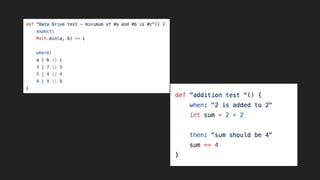
▸ Granular mock heavy Unit Tests, and BDD style (Cucumber Tests)
▸ Costs (often ignored!)
▸ Refactoring Costs / Avoidance
▸ Testing Plumbing instead of Business Value
▸ Additional Layers (BBD Cucumber)
▸ Alternatives Exist:
▸ Smoke Tests / Integration Tests
▸ Monitoring / Alerting
▸ What about TDD?
▸ Focus on ROI + delete Questionable Tests
COMMON CODE BASES
▸ Internal Frameworks, ORM’s, Platforms, Testing Libs, Common-Libs, etc
▸ Costs:
▸ Learning Curves for Developers
▸ Dependency on Current developers
▸ Not writing actual business value!
▸ Maintenance Costs
▸ Multiple Repos / Artifactory / CI requirements complexities
▸ Alternatives:
▸ Embed in Application (first 3 times)
▸ Use 3rd Party (often OSS) solutions, which will almost always be better documented / supported
GRADLE
▸ Benefits:
▸ Easier to Read (no XML), Less LOC
▸ Easier to Extend (instead of Bash scripts!)
▸ Significant Build Time Improvements! (X factor)
▸ Comes down to Political Capital
MULTIPLE SOURCE CODE REPOSITORIES
▸ For Same Team and Same Deliverable
▸ Costs:
▸ Lack of Atomicity between commits
▸ CI/CD overhead
▸ Local Development costs
▸ Would would Jesus Google do ?
MICROSERVICES
▸ Tackles challenges of Monoliths (especially large size ones)
▸ Costs (almost always ignored!)
▸ Performance, DevOps, Transactions, Versioning, Resource Costs, etc
▸ “You must be this tall to use”
▸ Alternatives Exist:
▸ Cookie Cutter Scaling (Easier Scaling!!)
▸ “Decouple” at Project Level
▸ Address fundamental issues first !
▸ Monoliths are not EVIL! - Can scale and cleanly separate / decouple code !
▸ Default to Pizza-Team Sized Services - “Right-Sized Services”
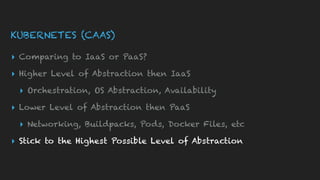
KUBERNETES (CAAS)
▸ Comparing to IaaS or PaaS?
▸ Higher Level of Abstraction then IaaS
▸ Orchestration, OS Abstraction, Availability
▸ Lower Level of Abstraction then PaaS
▸ Networking, Buildpacks, Pods, Docker Files, etc
▸ Stick to the Highest Possible Level of Abstraction
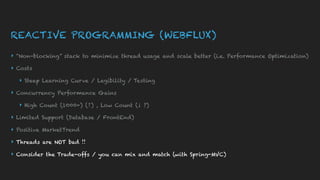
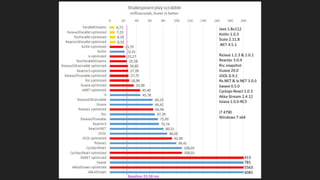
REACTIVE PROGRAMMING (WEBFLUX)
▸ “Non-blocking” stack to minimize thread usage and scale better (i.e. Performance Optimization)
▸ Costs
▸ Steep Learning Curve / Legibility / Testing
▸ Concurrency Performance Gains
▸ High Count (1000+) (↑) , Low Count (↓ ?)
▸ Limited Support (Database / FrontEnd)
▸ Positive MarketTrend
▸ Threads are NOT bad !!
▸ Consider the Trade-offs / you can mix and match (with Spring-MVC)
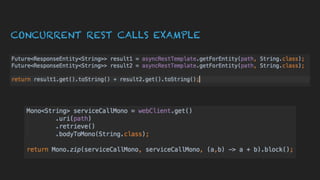
CONCURRENT REST CALLS EXAMPLE
BUZZWORD POT-POURRI
▸ MicroServices
▸ Reactive + Non-Blocking
▸ NoSQL + CQRS + Event Sourcing
▸ Scala + Akka
▸ A “Manifesto” for good measure
LAGOM
▸ New Reactive Microservices Framework
▸ From Typesafe Lightbend
▸ Steep Learning Curve!
▸ Significant Risk + Cost !
▸ Unproven buzzword’y benefits
OTHER ITEMS OF CONTROVERSY
▸ Tabs vs Spaces
▸ EJBS’s
▸ IntelliJ vs Eclipse vs NetBeans
▸ Optionals
▸ Server Side vs Client Side (SPA)
▸ ReactJS vs Angular
▸ 10x Developers
▸ OOP vs Functional vs Procedural
▸ Branching
▸ CPU / Thread Optimization
▸ Immutable Types + “final” on everything
▸ Theory of Constraints
▸ …
KEY POINTS
▸ Think Big Picture + Context
▸ .. instead of Tech X Sucks / is Bad / etc
▸ Rules are great for beginners (pick the right ones!)
▸ Focus on ROI
▸ Trade-offs / Opportunity Costs
▸ Fundamentals
▸ Maintenance Costs (minimize Snowflakes)
▸ Metrics (instead of assumptions) to drive non-standard choices
▸ What’s your Developer “Identity”?
▸ Technologies come and go!
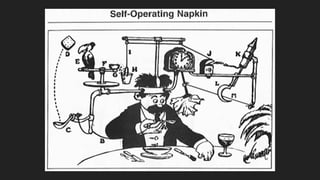
▸ Default to Simplicity instead of Rube-Goldberg Machines
BOOK RECOMMENDATIONS
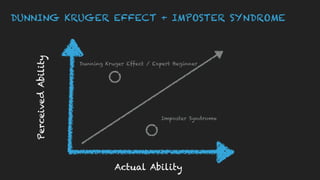
DUNNING KRUGER EFFECT + IMPOSTER SYNDROME
Actual Ability
PerceivedAbility
Dunning Kruger Effect / Expert Beginner
Imposter Syndrome

Modern day jvm controversies

  • 1.
  • 2.
  • 3.
    FLAME WAR STEPS ▸The Talking Parrot Phase ▸ “It’s got Electrolytes” , “It’s Web-Scale” ▸ The Google Lookup Phase ▸ “X is better then Y” ▸ The Emotional Breakdown Phase ▸ “X sucks! , Y is evil!” , name calling … ▸ .. if you’re lucky “Goodwin’s Law”
  • 4.
  • 5.
    LEVEL SET ▸ Economics101 ▸ Needs are infinite, resources are finite ▸ Probability 101 ▸ Rule-of-Thumb, “In general,” , sensible defaults ▸ Human Nature 101 ▸ Self-Interest / Identity ▸ Biases / Shiny-Objects ▸ Rules based -> Big Picture (Dreyfus Model)
  • 6.
    DREYFUS MODEL OFSKILL ACQUISITION Novice Begineer Competent Proficient Expert Rigid Adherence to Rules Holistic Picture
  • 7.
    DEVELOPER PRODUCTIVITY ▸ Higher-LevelTrend ▸ Key velocity driver ▸ Getting closer to “business value” / “English” ▸ Majority of time and cost is in Maintenance + Day 2 ▸ Cost directly proportional to number of moving pieces / LOC ▸ Average developer job length - ~2 years
  • 8.
    DEVELOPER WASTE ▸ EliminateWaste ▸ Time spent on non-value add items, is NOT spent on actual business value ▸ Everything is a Trade-Off ▸ Hardware Costs (↓) vs Human Costs (↑) ▸ Flexibility is a Cost ! Change is Certain ▸ Reduce Cycle Time , MVP, YAGNI
  • 9.
    DEVELOPER DECISIONS ▸ LeverageIndustry Lessons ▸ What are Startups doing ? ▸ What are the Giants doing?** ▸ Proven tech instead of DIY ▸ Market Trends / Hiring ▸ StackOverflow / Google Trends ▸ Transparency around the Cons / Costs ▸ Include Alternatives! ** Keep in mind you’re NOT operating NetFlix scale!!
  • 10.
    CONSTRUCTOR DEPENDENCY INJECTION ▸Alternatives: ▸ Setter or Field ▸ @Required annotation ▸ More Readable ? Better for Testing? ▸ Less Error-Prone ? ▸ Just Stay Consistent ! ▸ Stop Bike Shedding !!
  • 11.
  • 13.
    SCALA ▸ More succinctthen Java, focus on performance ▸ Steep Learning Curve / High Investment ▸ Non-Standard Stack (SBT, Akka, Actors, Play, etc) ▸ IDE Support / Backwards Compatibility Issues ▸ Questionable MarketTrend ▸ Questionable Performance ▸ Justify with real Metrics
  • 15.
    KOTLIN ▸ More succinctthen Java, focus on developer productivity ▸ True Null-Safety (not Optional!) ▸ Low Learning Curve / Low Investment ▸ Works well with Java EcoSystem ▸ Great IDE Support! Backwards Compatibility ! ▸ Positive Developer Productivity Improvements ▸ Positive MarketTrend ▸ Question of Political Capital .. (Esperanto)
  • 16.
    DYNAMIC TYPING ▸ LessCode ▸ Not being forced to define full contract (JSON, XML, REST, DB, etc) ▸ SOAP (WSDL) -> REST -> Spring Cloud Contracts ▸ Checked vs Runtime Exceptions ▸ More Error-Prone ▸ Testing was suppose to negate this ▸ Alternatives exist: ▸ XPath, Optional Typing, etc ▸ Upfront Velocity Improvement , Long Term Maintenance Costs ▸ Minimize for Corporate
  • 17.
    .NET (C#) ▸ Moresuccinct code (historically) ▸ Lacking ecosystem (historically) ▸ Windows, IIS, Visual Studio, NuGet, OSS Support, Costs! ▸ Still Lagging with Cloud-Native ▸ Would a startup use .NET? ▸ StackOverflow aside! ▸ CEO Friday: Why we don’t hire .NET programmers ▸ Dependant on current developers / code / and market
  • 18.
    PAIR PROGRAMMING ▸ Costs: ▸Developers don’t type twice as fast with someone sitting beside them ▸ Design by Consensus ▸ Mitigates: ▸ Ivory Towers ▸ Knowledge Silos / Information Hoarding ▸ The Elephant in the Room : ▸ Highly Focused Development / Minimized Distractions ▸ Healthy Competition ▸ Give it a try !! ▸ Mandate helps
  • 19.
    AUTOMATED TESTS ▸ Granularmock heavy Unit Tests, and BDD style (Cucumber Tests) ▸ Costs (often ignored!) ▸ Refactoring Costs / Avoidance ▸ Testing Plumbing instead of Business Value ▸ Additional Layers (BBD Cucumber) ▸ Alternatives Exist: ▸ Smoke Tests / Integration Tests ▸ Monitoring / Alerting ▸ What about TDD? ▸ Focus on ROI + delete Questionable Tests
  • 22.
    COMMON CODE BASES ▸Internal Frameworks, ORM’s, Platforms, Testing Libs, Common-Libs, etc ▸ Costs: ▸ Learning Curves for Developers ▸ Dependency on Current developers ▸ Not writing actual business value! ▸ Maintenance Costs ▸ Multiple Repos / Artifactory / CI requirements complexities ▸ Alternatives: ▸ Embed in Application (first 3 times) ▸ Use 3rd Party (often OSS) solutions, which will almost always be better documented / supported
  • 23.
    GRADLE ▸ Benefits: ▸ Easierto Read (no XML), Less LOC ▸ Easier to Extend (instead of Bash scripts!) ▸ Significant Build Time Improvements! (X factor) ▸ Comes down to Political Capital
  • 24.
    MULTIPLE SOURCE CODEREPOSITORIES ▸ For Same Team and Same Deliverable ▸ Costs: ▸ Lack of Atomicity between commits ▸ CI/CD overhead ▸ Local Development costs ▸ Would would Jesus Google do ?
  • 25.
    MICROSERVICES ▸ Tackles challengesof Monoliths (especially large size ones) ▸ Costs (almost always ignored!) ▸ Performance, DevOps, Transactions, Versioning, Resource Costs, etc ▸ “You must be this tall to use” ▸ Alternatives Exist: ▸ Cookie Cutter Scaling (Easier Scaling!!) ▸ “Decouple” at Project Level ▸ Address fundamental issues first ! ▸ Monoliths are not EVIL! - Can scale and cleanly separate / decouple code ! ▸ Default to Pizza-Team Sized Services - “Right-Sized Services”
  • 26.
    KUBERNETES (CAAS) ▸ Comparingto IaaS or PaaS? ▸ Higher Level of Abstraction then IaaS ▸ Orchestration, OS Abstraction, Availability ▸ Lower Level of Abstraction then PaaS ▸ Networking, Buildpacks, Pods, Docker Files, etc ▸ Stick to the Highest Possible Level of Abstraction
  • 27.
    REACTIVE PROGRAMMING (WEBFLUX) ▸“Non-blocking” stack to minimize thread usage and scale better (i.e. Performance Optimization) ▸ Costs ▸ Steep Learning Curve / Legibility / Testing ▸ Concurrency Performance Gains ▸ High Count (1000+) (↑) , Low Count (↓ ?) ▸ Limited Support (Database / FrontEnd) ▸ Positive MarketTrend ▸ Threads are NOT bad !! ▸ Consider the Trade-offs / you can mix and match (with Spring-MVC)
  • 28.
  • 30.
    BUZZWORD POT-POURRI ▸ MicroServices ▸Reactive + Non-Blocking ▸ NoSQL + CQRS + Event Sourcing ▸ Scala + Akka ▸ A “Manifesto” for good measure
  • 31.
    LAGOM ▸ New ReactiveMicroservices Framework ▸ From Typesafe Lightbend ▸ Steep Learning Curve! ▸ Significant Risk + Cost ! ▸ Unproven buzzword’y benefits
  • 32.
    OTHER ITEMS OFCONTROVERSY ▸ Tabs vs Spaces ▸ EJBS’s ▸ IntelliJ vs Eclipse vs NetBeans ▸ Optionals ▸ Server Side vs Client Side (SPA) ▸ ReactJS vs Angular ▸ 10x Developers ▸ OOP vs Functional vs Procedural ▸ Branching ▸ CPU / Thread Optimization ▸ Immutable Types + “final” on everything ▸ Theory of Constraints ▸ …
  • 33.
    KEY POINTS ▸ ThinkBig Picture + Context ▸ .. instead of Tech X Sucks / is Bad / etc ▸ Rules are great for beginners (pick the right ones!) ▸ Focus on ROI ▸ Trade-offs / Opportunity Costs ▸ Fundamentals ▸ Maintenance Costs (minimize Snowflakes) ▸ Metrics (instead of assumptions) to drive non-standard choices ▸ What’s your Developer “Identity”? ▸ Technologies come and go! ▸ Default to Simplicity instead of Rube-Goldberg Machines
  • 34.
  • 35.
    DUNNING KRUGER EFFECT+ IMPOSTER SYNDROME Actual Ability PerceivedAbility Dunning Kruger Effect / Expert Beginner Imposter Syndrome