COMMUNICATION AND MEDIA
INFORMATION
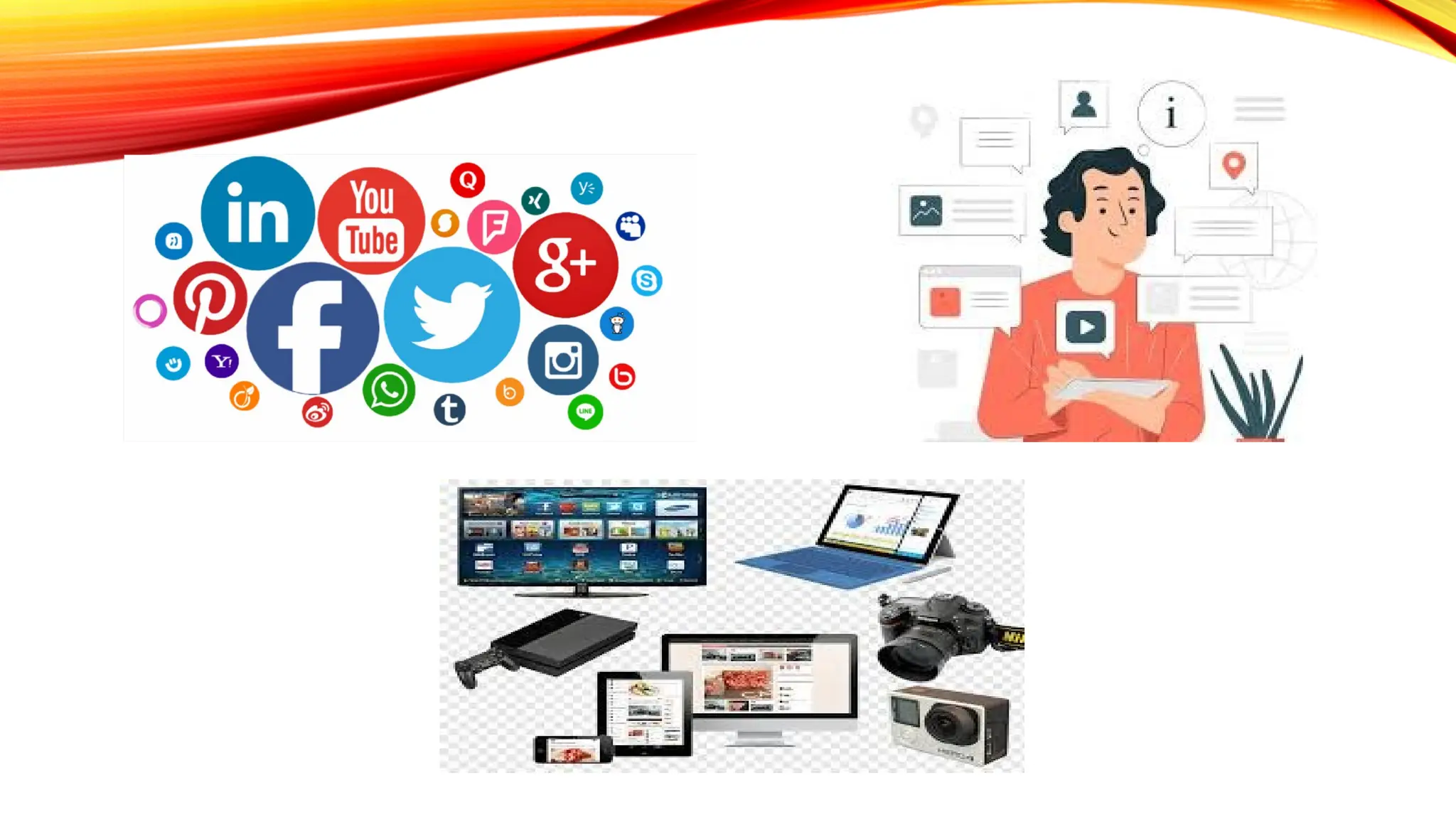
Communication is affected by media and information
because of the advancement of technology and the
availability of different communication services. These
allow us to have access to fast and easy forms of
communication through the use of different media
platforms and social media sites like Facebook,
Messenger, Instagram, Twitter, among others.
MEDIA LITERACY, INFORMATION LITERACY, AND
TECHNOLOGY LITERACY
Media literacy- is the ability to access, analyze, evaluate, and create media
messages across various formats. It empowers individuals to critically assess
media's influence on thoughts and behaviors and to engage thoughtfully
with content.
Information literacy- involves the skills to identify, locate, evaluate, and
effectively use information. It is crucial for making informed decisions and
navigating the vast amounts of data available.
Technology literacy- refers to the ability to effectively use technology tools
and platforms, enabling users to communicate, collaborate, and solve
problems in a digital environment.
RESPONSIBLE USE OF MEDIA AND INFORMATION
The 21st Century is known as the information
age. Now, people are highly dependent on
technology in different aspects of their lives such
as for communication, entertainment, and work-
related activities. Responsible use of media and
information is encouraged especially in
education.
TIPS FOR THE RESPONSIBLE USE OF MEDIA AND
INFORMATION
Ensure personal information safety - Do not display or give away your
personal information on your social media account.
Get permission - When posting videos or pictures of other people on
your social media account, do not forget to ask for the owner's
approval and of the people who appeared in the video or picture.
Think before you click - When posting or sharing on social media,
think first if the information you are going to post or share is accurate,
helpful, informative, nice, and kind to others.
Keep your password safe - Keep an eye on your account;
do not let others know your password. Update your
password often to avoid your account from being hacked
or used by a poser.
Spread positivity - Share positive and uplifting posts to your
friends.
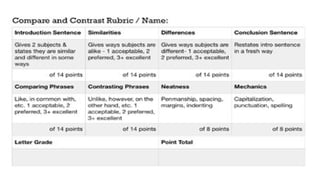
INSTRUCTION:
Compare and Contrast the Media literacy, Information
literacy, and Technology literacy. Each groups will be
given 5 minutes to prepare and another 5 minutes to
present their work.
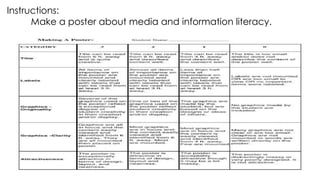
Instructions:
Make a poster about media and information literacy.
ASSIGNMENT:
Create a Media Literacy Campaign

media and information literacy powerpoint

  • 3.
    COMMUNICATION AND MEDIA INFORMATION Communicationis affected by media and information because of the advancement of technology and the availability of different communication services. These allow us to have access to fast and easy forms of communication through the use of different media platforms and social media sites like Facebook, Messenger, Instagram, Twitter, among others.
  • 4.
    MEDIA LITERACY, INFORMATIONLITERACY, AND TECHNOLOGY LITERACY Media literacy- is the ability to access, analyze, evaluate, and create media messages across various formats. It empowers individuals to critically assess media's influence on thoughts and behaviors and to engage thoughtfully with content. Information literacy- involves the skills to identify, locate, evaluate, and effectively use information. It is crucial for making informed decisions and navigating the vast amounts of data available. Technology literacy- refers to the ability to effectively use technology tools and platforms, enabling users to communicate, collaborate, and solve problems in a digital environment.
  • 5.
    RESPONSIBLE USE OFMEDIA AND INFORMATION The 21st Century is known as the information age. Now, people are highly dependent on technology in different aspects of their lives such as for communication, entertainment, and work- related activities. Responsible use of media and information is encouraged especially in education.
  • 6.
    TIPS FOR THERESPONSIBLE USE OF MEDIA AND INFORMATION Ensure personal information safety - Do not display or give away your personal information on your social media account. Get permission - When posting videos or pictures of other people on your social media account, do not forget to ask for the owner's approval and of the people who appeared in the video or picture. Think before you click - When posting or sharing on social media, think first if the information you are going to post or share is accurate, helpful, informative, nice, and kind to others.
  • 7.
    Keep your passwordsafe - Keep an eye on your account; do not let others know your password. Update your password often to avoid your account from being hacked or used by a poser. Spread positivity - Share positive and uplifting posts to your friends.
  • 8.
    INSTRUCTION: Compare and Contrastthe Media literacy, Information literacy, and Technology literacy. Each groups will be given 5 minutes to prepare and another 5 minutes to present their work.
  • 10.
    Instructions: Make a posterabout media and information literacy.
  • 11.
    ASSIGNMENT: Create a MediaLiteracy Campaign