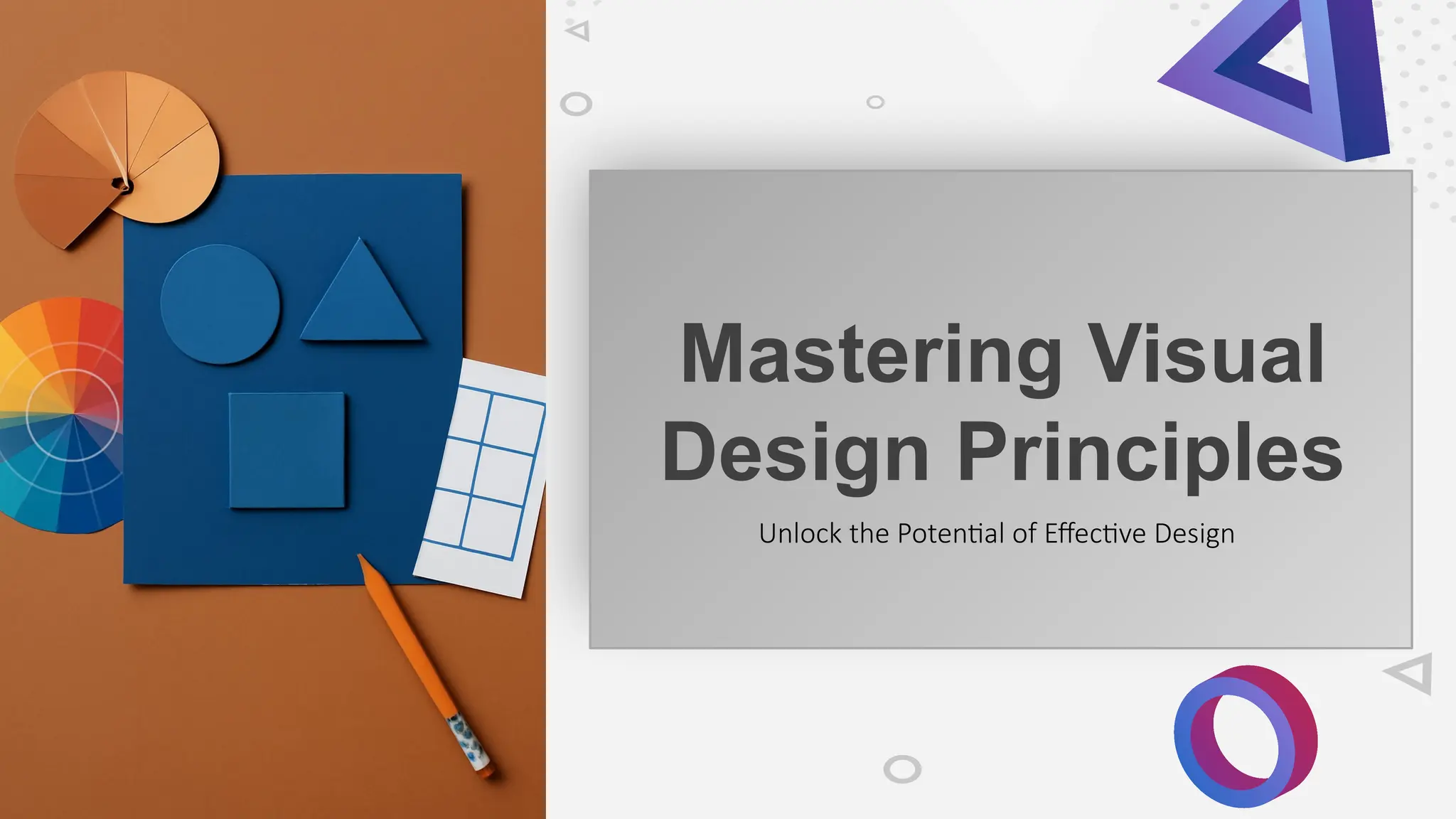
Unlock the Potential of Effective Design
Mastering Visual
Design Principles
Graphic design more than art, it's a strategic tool for communication. It
blends visuals and text to craft compelling messages and evoke emotions,
making it a pivotal element in marketing and media.
Introduction to Graphic Design
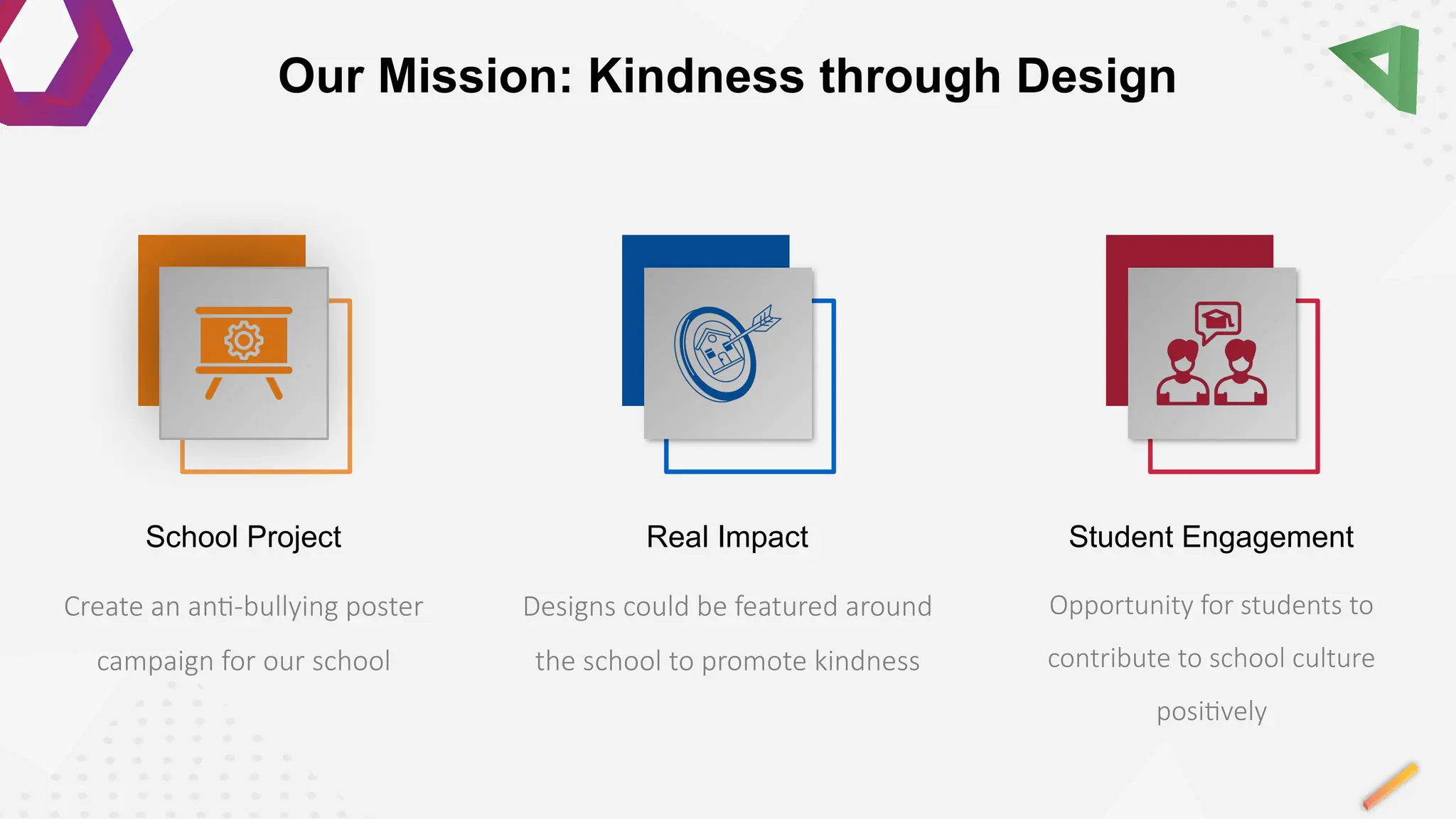
Opportunity for students to
contribute to school culture
positively
Student Engagement
Designs could be featured around
the school to promote kindness
Real Impact
Create an anti-bullying poster
campaign for our school
School Project
Our Mission: Kindness through Design
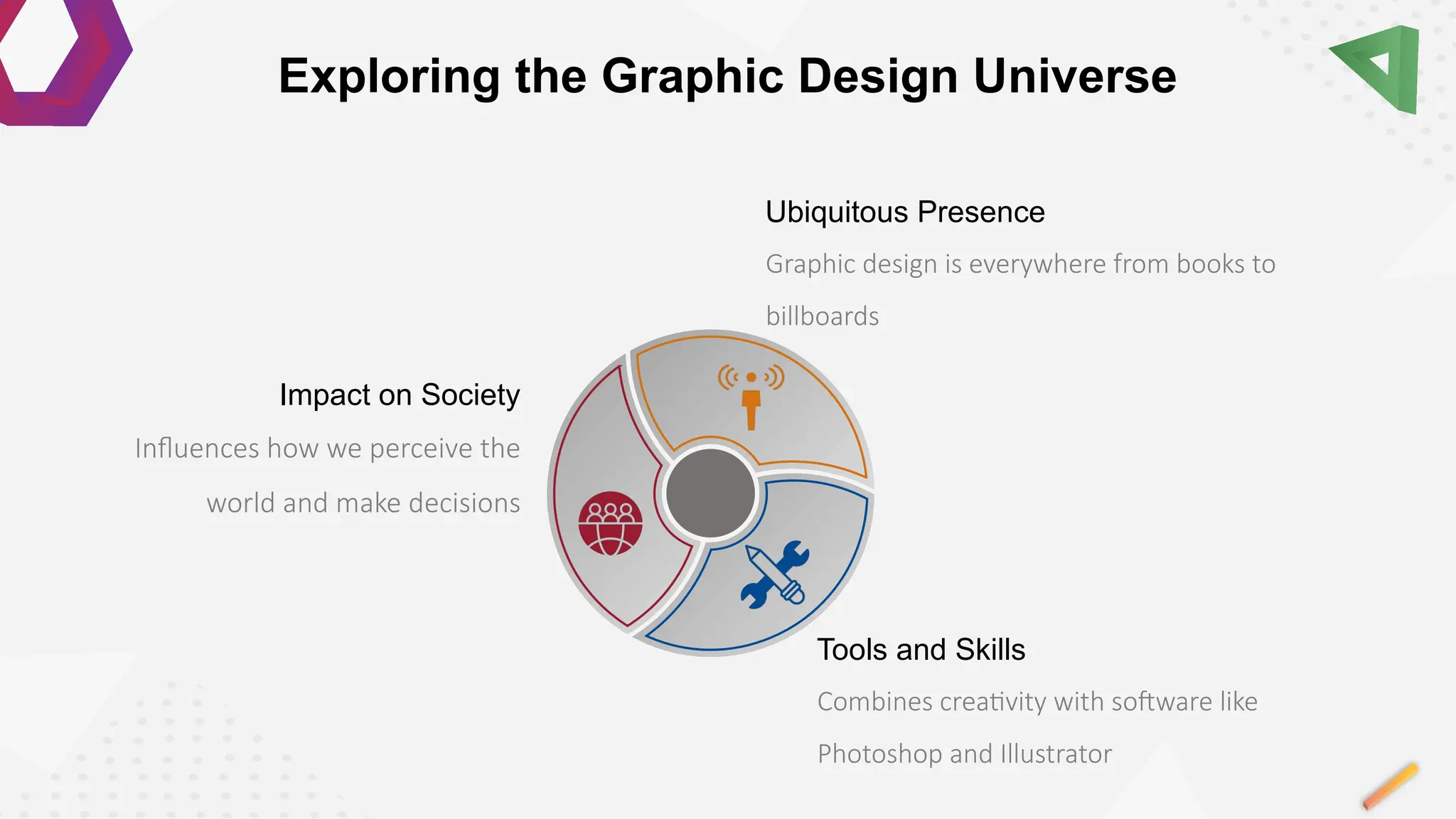
Influences how we perceive the
world and make decisions
Impact on Society
Combines creativity with software like
Photoshop and Illustrator
Tools and Skills
Graphic design is everywhere from books to
billboards
Ubiquitous Presence
Exploring the Graphic Design Universe
2
3
1
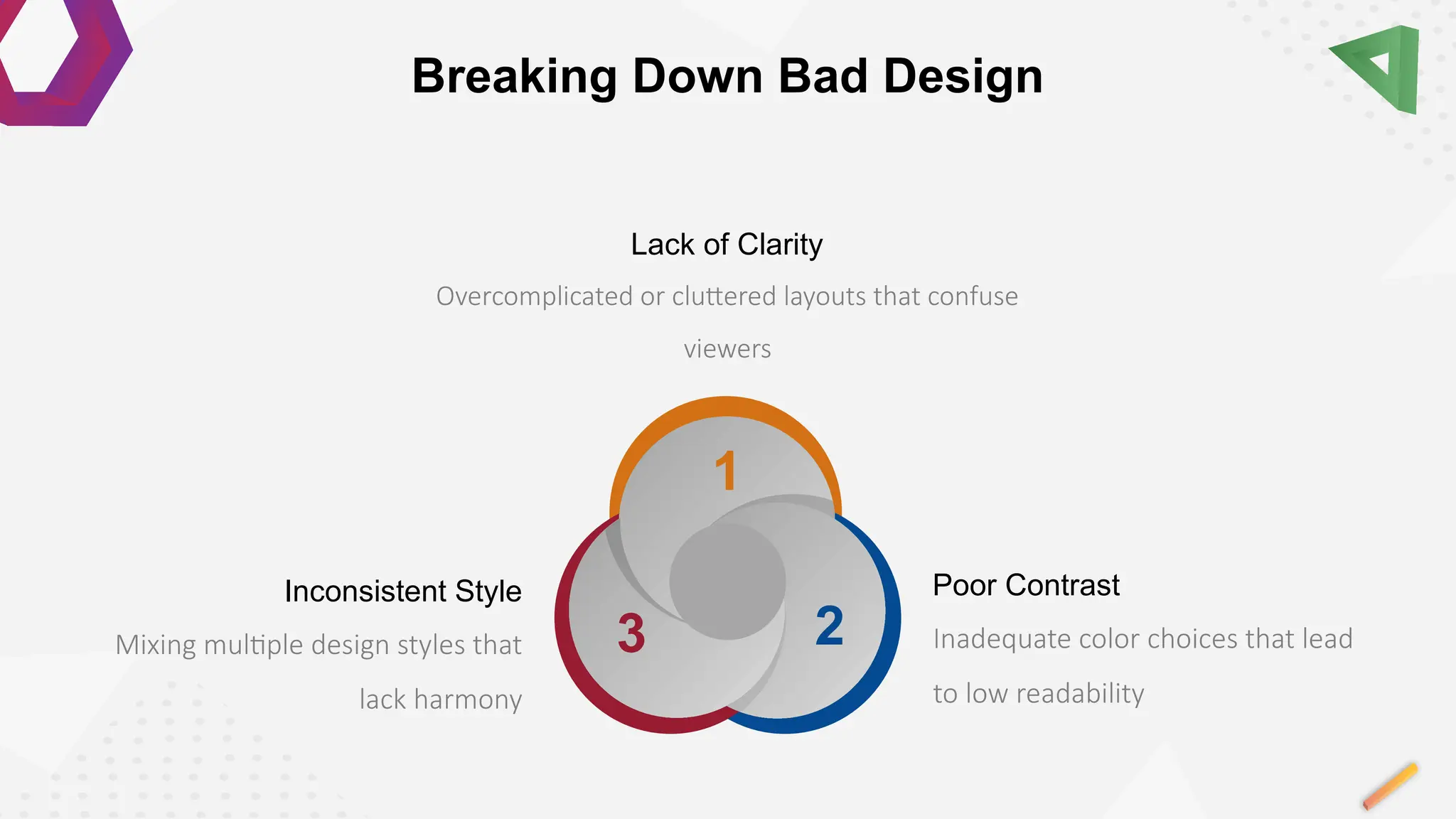
Mixing multiple design styles that
lack harmony
Inconsistent Style
Inadequate color choices that lead
to low readability
Poor Contrast
Overcomplicated or cluttered layouts that confuse
viewers
Lack of Clarity
Breaking Down Bad Design
3
1
2
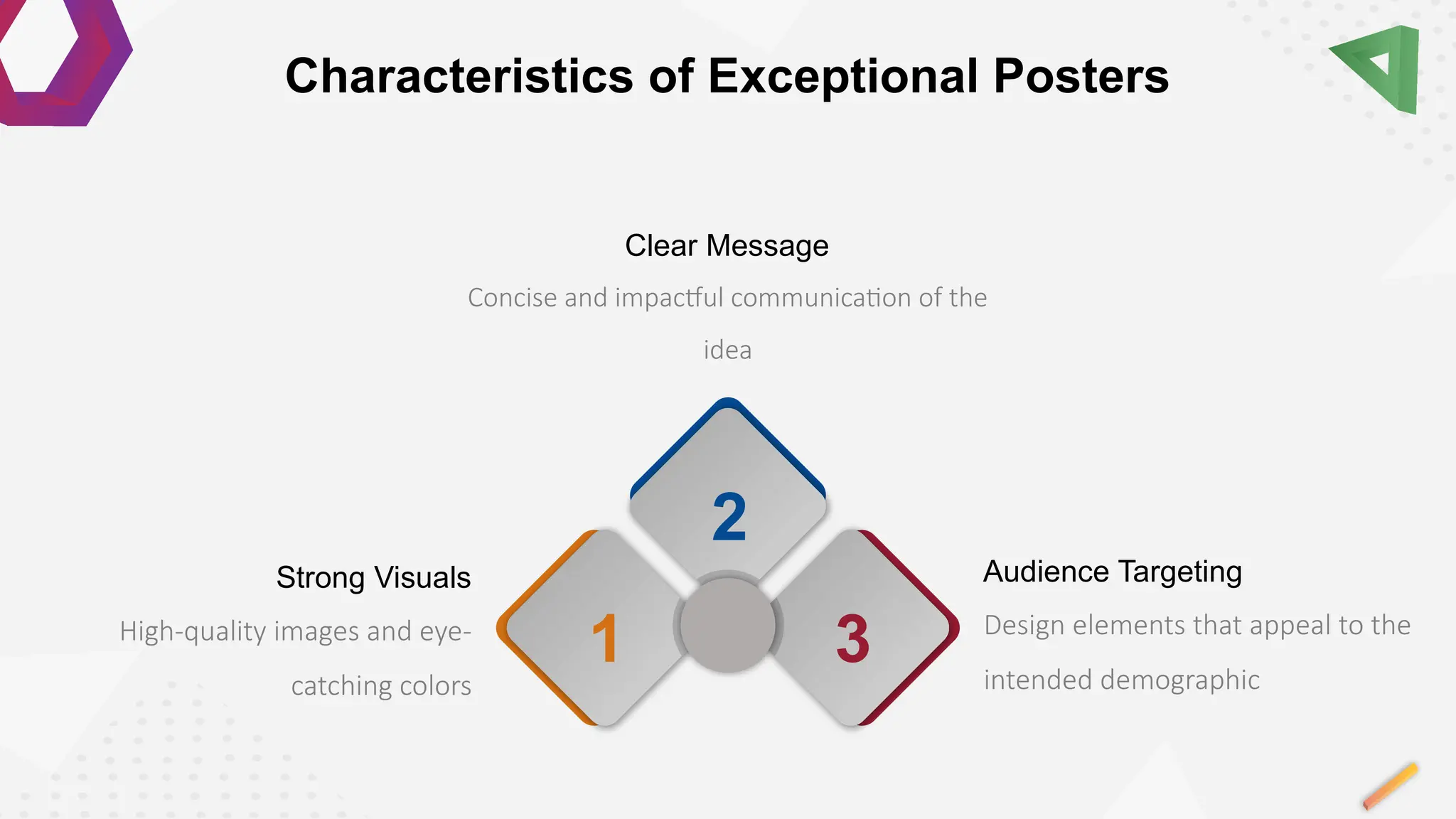
Design elements that appeal to the
intended demographic
Audience Targeting
Concise and impactful communication of the
idea
Clear Message
High-quality images and eye-
catching colors
Strong Visuals
Characteristics of Exceptional Posters
2
3 1
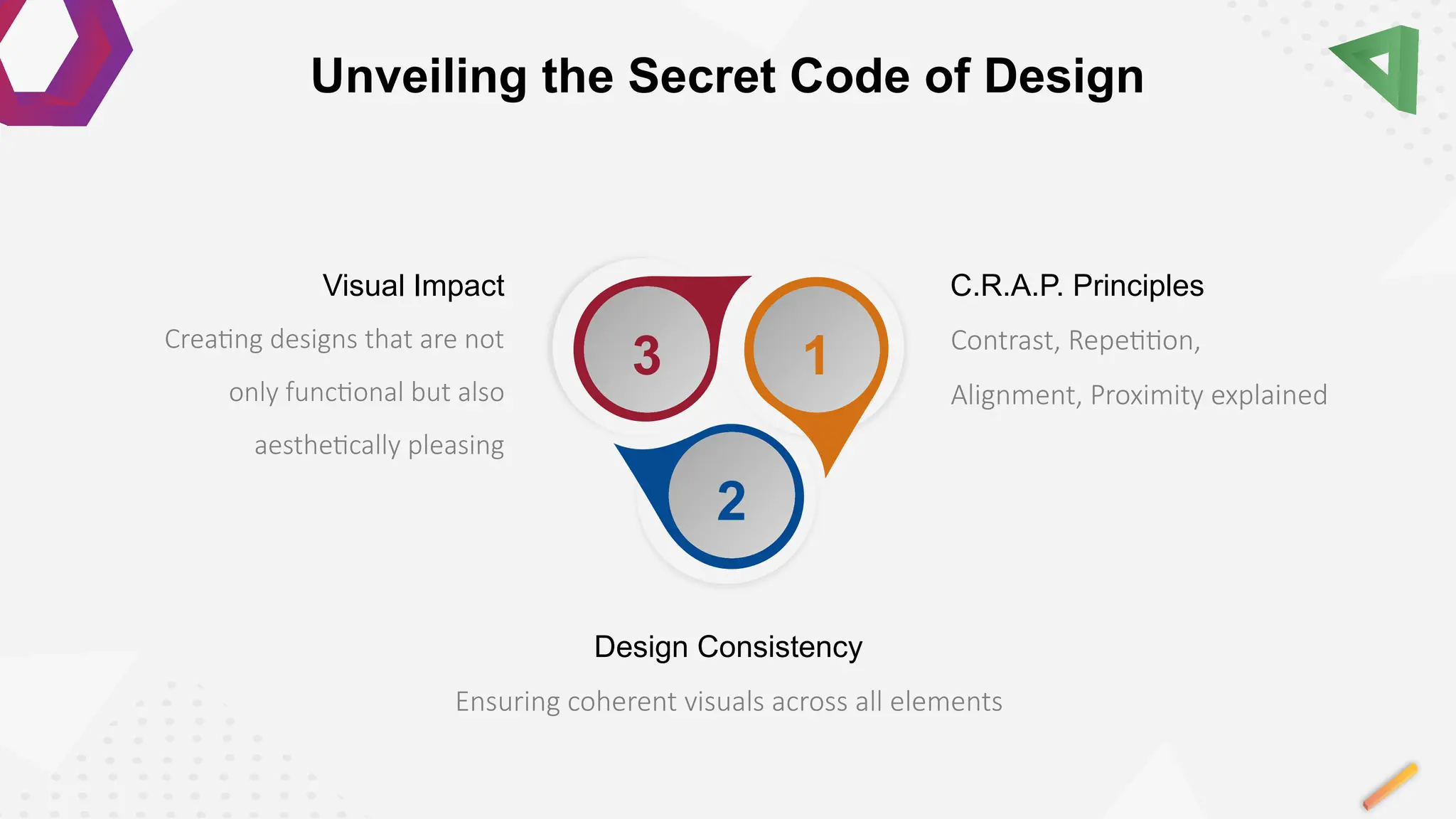
Creating designs that are not
only functional but also
aesthetically pleasing
Visual Impact
Ensuring coherent visuals across all elements
Design Consistency
Contrast, Repetition,
Alignment, Proximity explained
C.R.A.P. Principles
Unveiling the Secret Code of Design
3
1
2
4
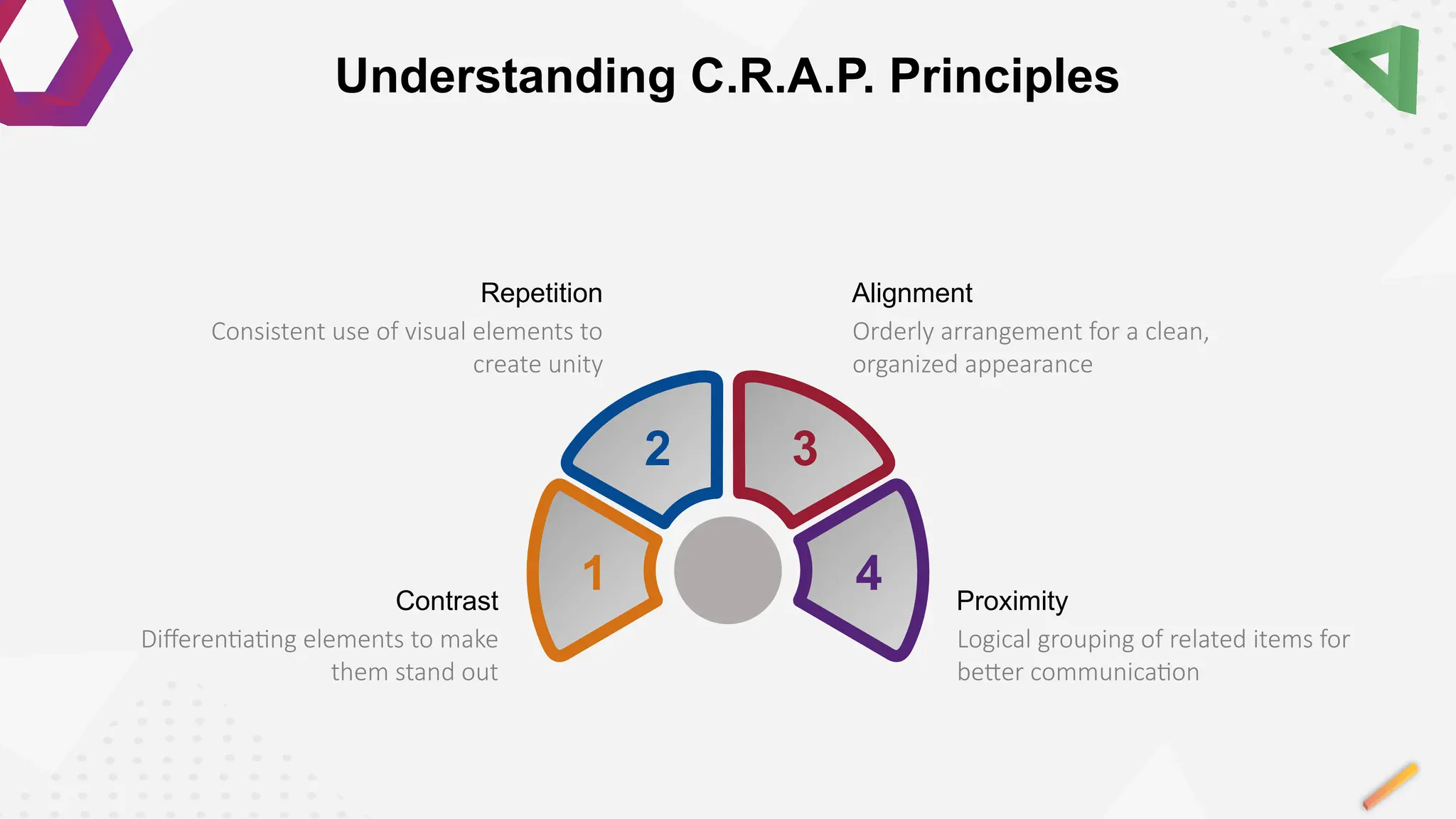
Logical grouping of related items for
better communication
Proximity
Orderly arrangement for a clean,
organized appearance
Alignment
Consistent use of visual elements to
create unity
Repetition
Differentiating elements to make
them stand out
Contrast
Understanding C.R.A.P. Principles
1 2 3
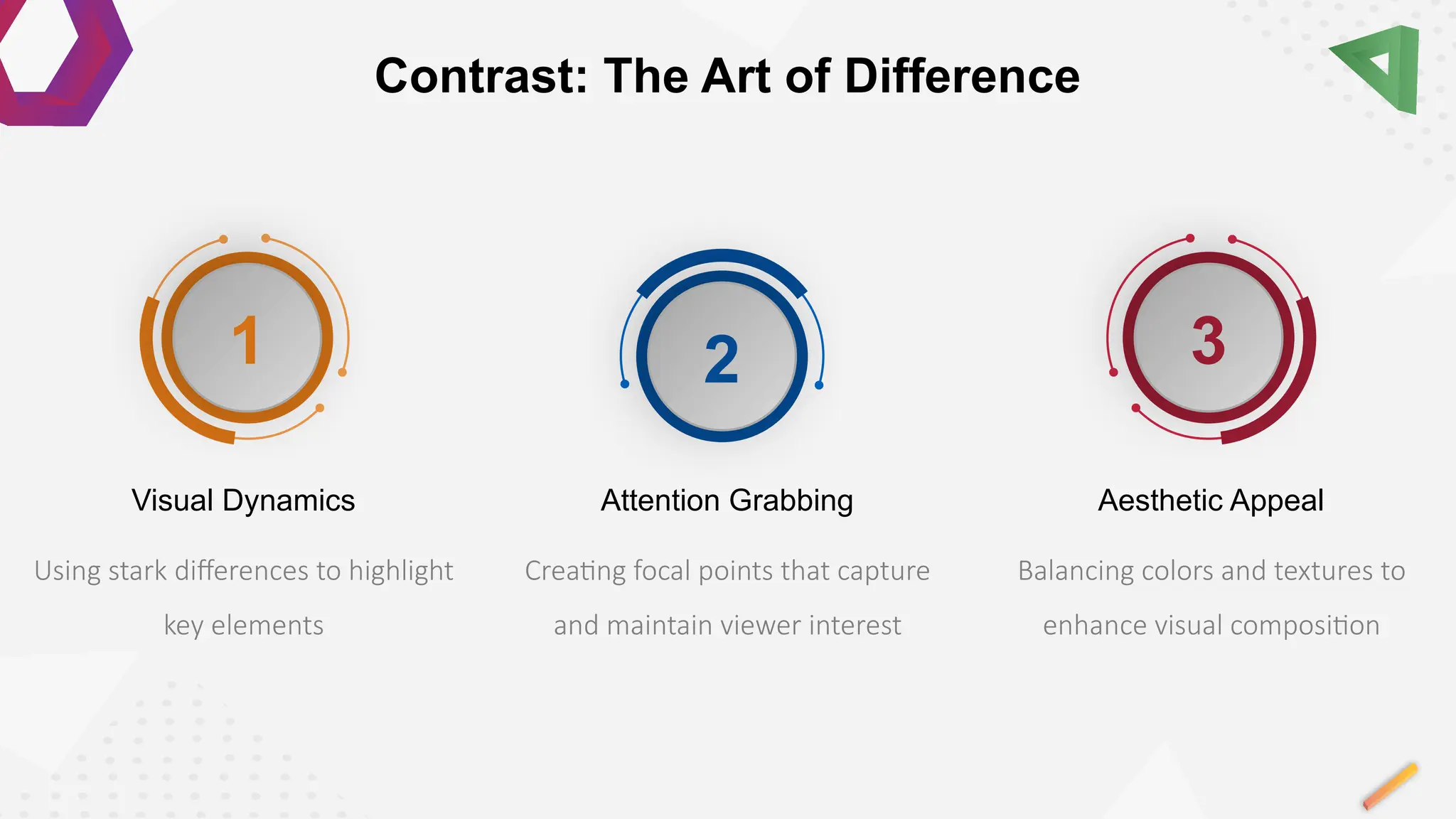
Balancing colors and textures to
enhance visual composition
Aesthetic Appeal
Creating focal points that capture
and maintain viewer interest
Attention Grabbing
Using stark differences to highlight
key elements
Visual Dynamics
Contrast: The Art of Difference
3
1
2
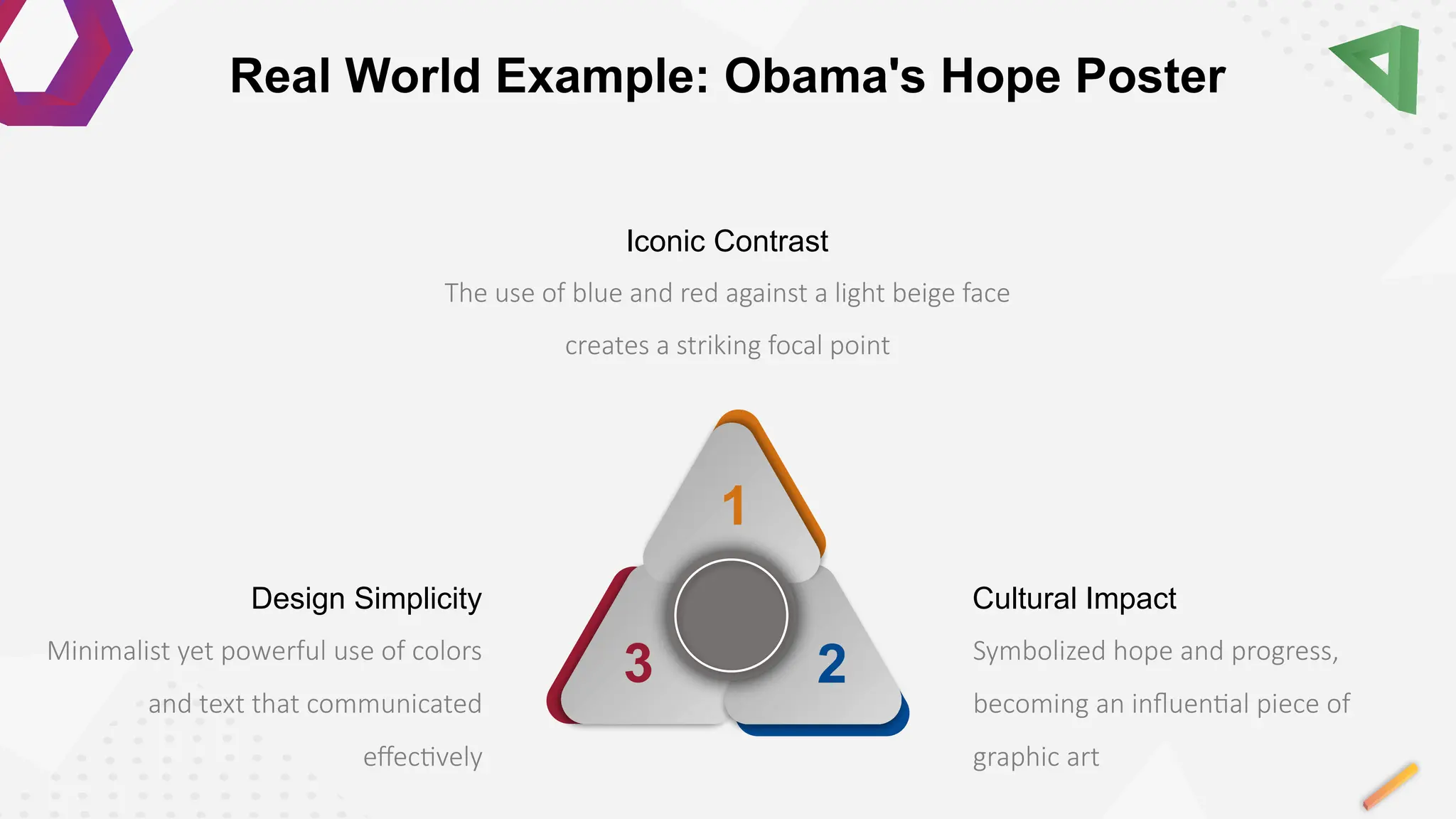
Minimalist yet powerful use of colors
and text that communicated
effectively
Design Simplicity
Symbolized hope and progress,
becoming an influential piece of
graphic art
Cultural Impact
The use of blue and red against a light beige face
creates a striking focal point
Iconic Contrast
Real World Example: Obama's Hope Poster
1
3
2
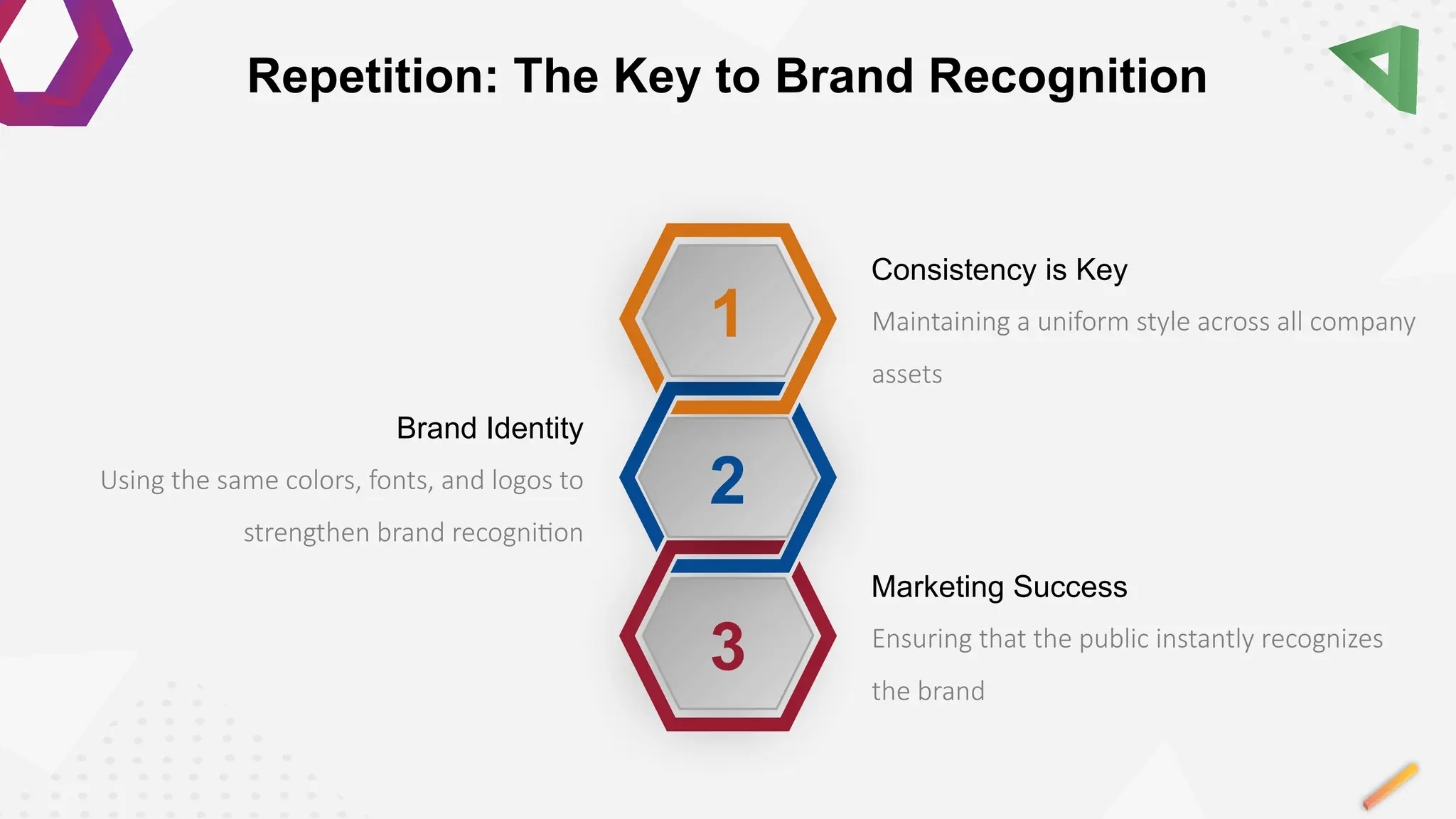
Ensuring that the public instantly recognizes
the brand
Marketing Success
Using the same colors, fonts, and logos to
strengthen brand recognition
Brand Identity
Maintaining a uniform style across all company
assets
Consistency is Key
Repetition: The Key to Brand Recognition
3
1
2
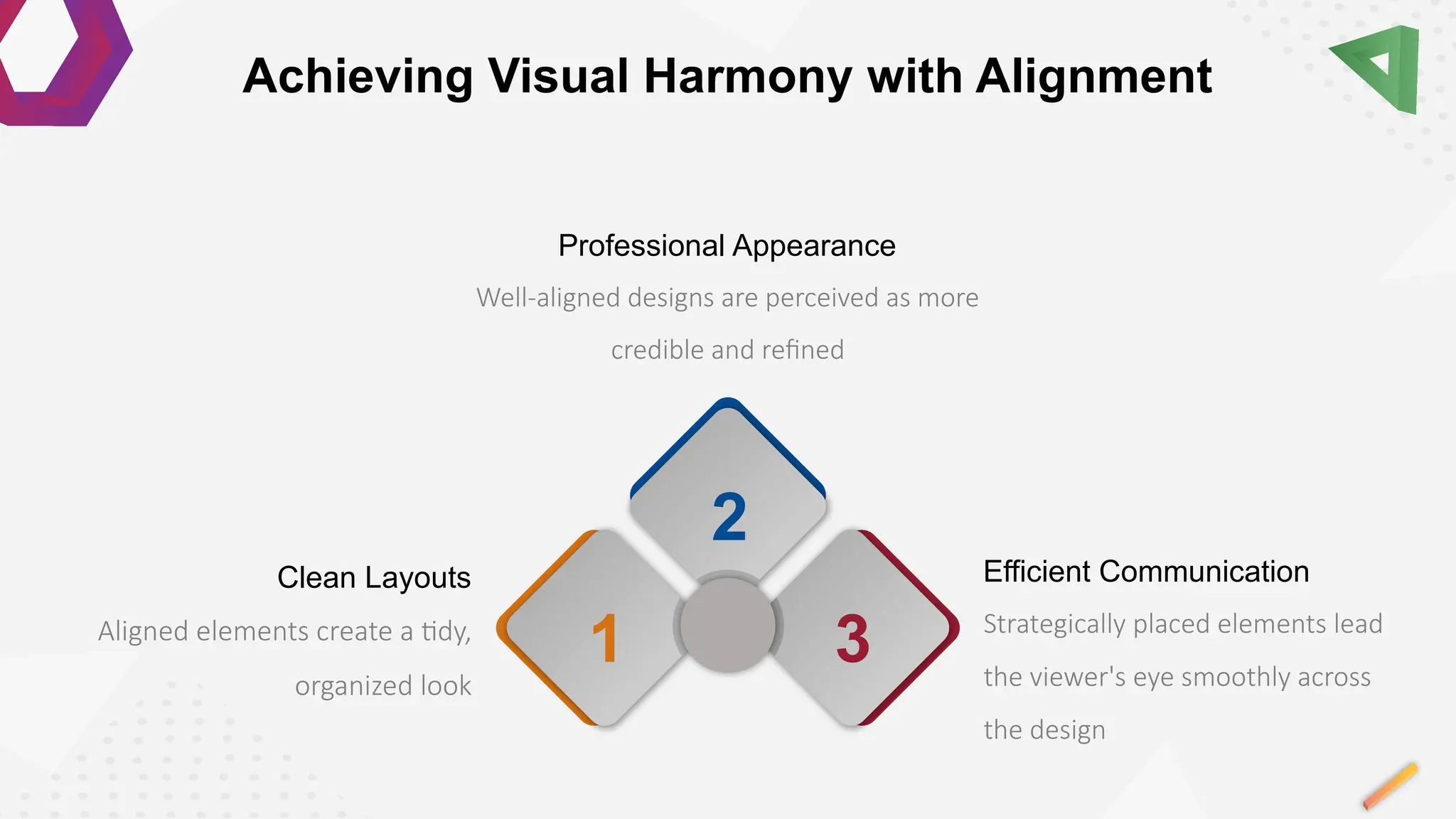
Strategically placed elements lead
the viewer's eye smoothly across
the design
Efficient Communication
Well-aligned designs are perceived as more
credible and refined
Professional Appearance
Aligned elements create a tidy,
organized look
Clean Layouts
Achieving Visual Harmony with Alignment
2
3
1
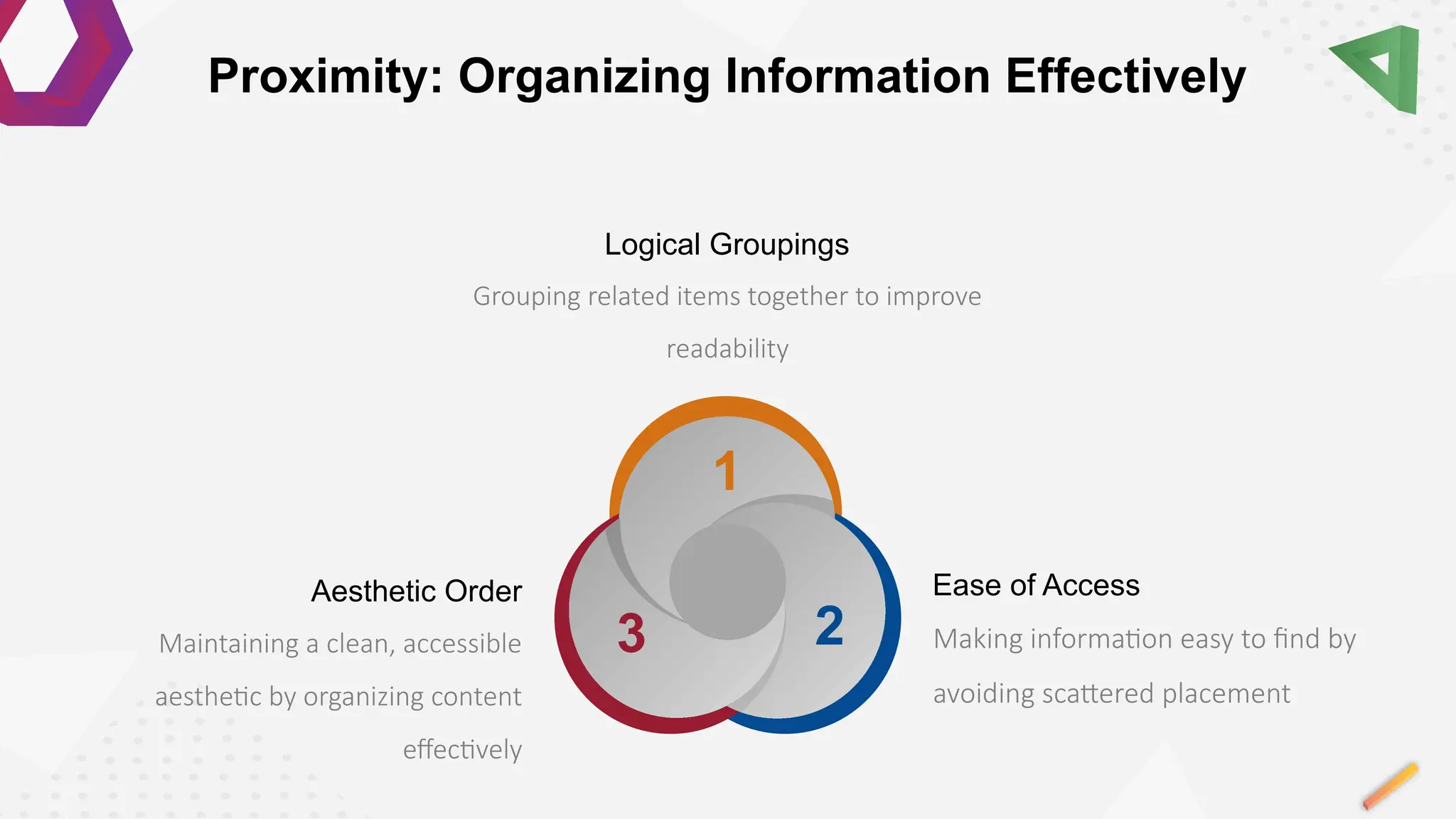
Maintaining a clean, accessible
aesthetic by organizing content
effectively
Aesthetic Order
Making information easy to find by
avoiding scattered placement
Ease of Access
Grouping related items together to improve
readability
Logical Groupings
Proximity: Organizing Information Effectively
3
1
2
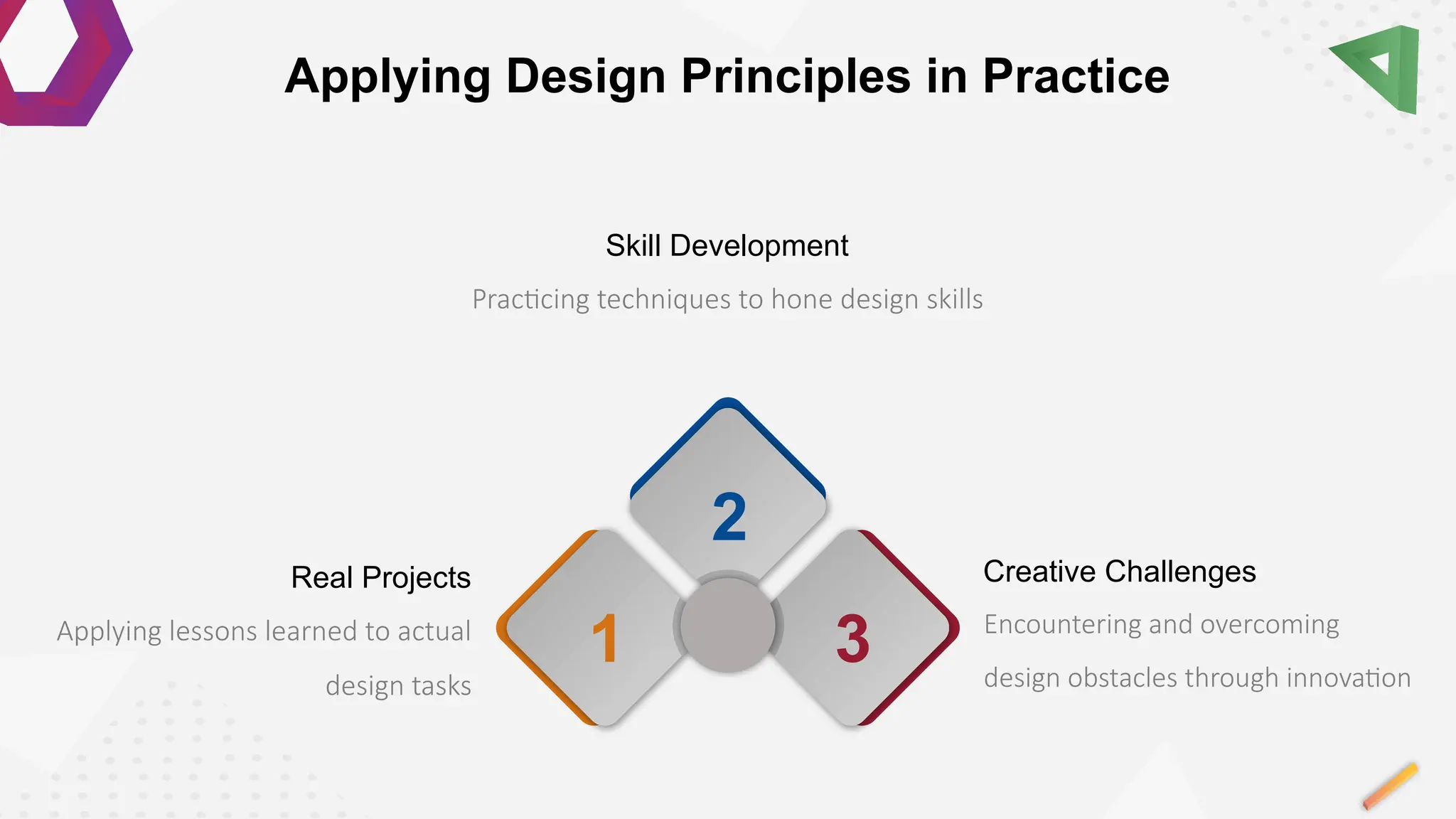
Encountering and overcoming
design obstacles through innovation
Creative Challenges
Practicing techniques to hone design skills
Skill Development
Applying lessons learned to actual
design tasks
Real Projects
Applying Design Principles in Practice
2
3
1
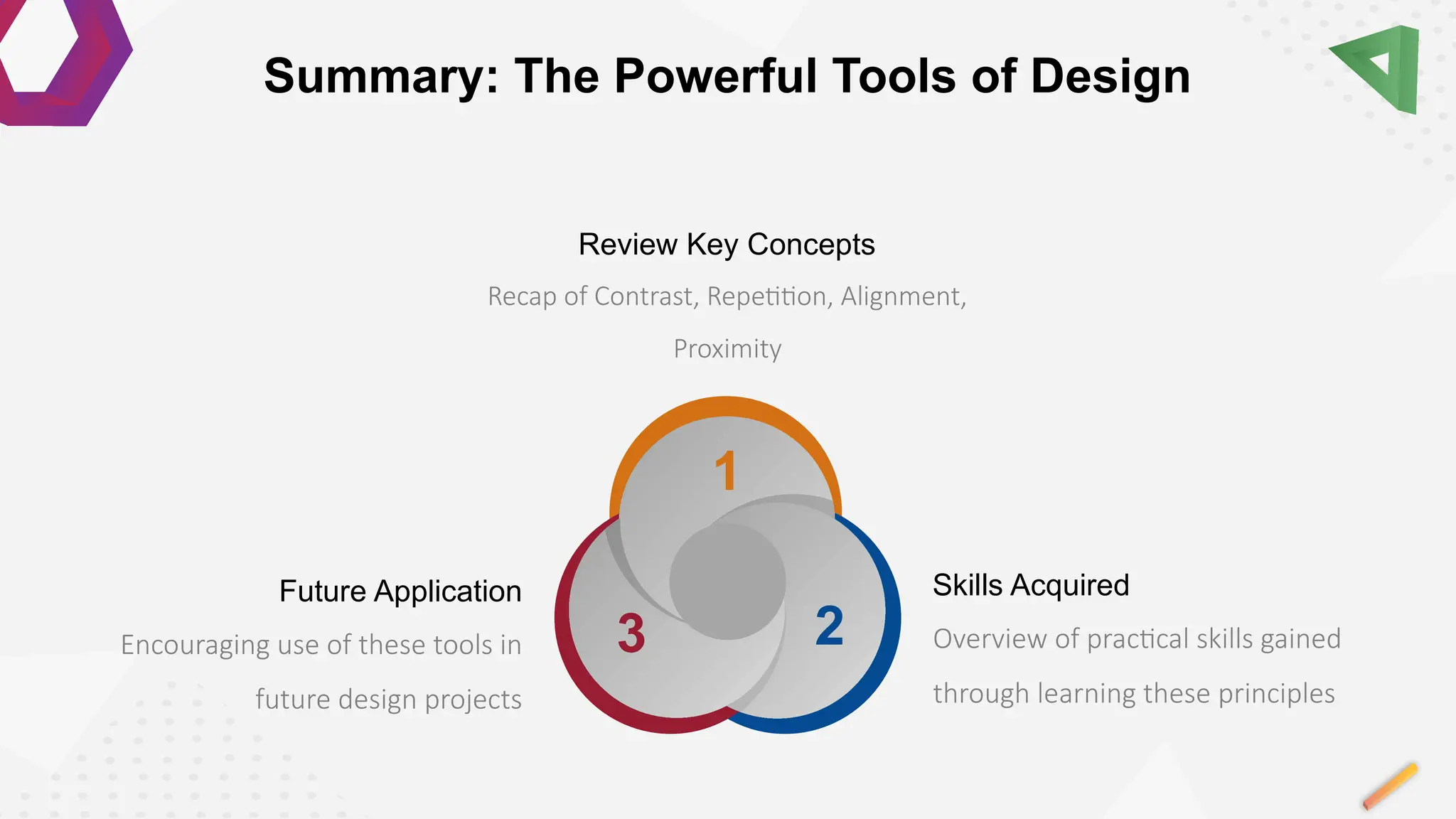
Encouraging use of these tools in
future design projects
Future Application
Overview of practical skills gained
through learning these principles
Skills Acquired
Recap of Contrast, Repetition, Alignment,
Proximity
Review Key Concepts
Summary: The Powerful Tools of Design
3
1
2
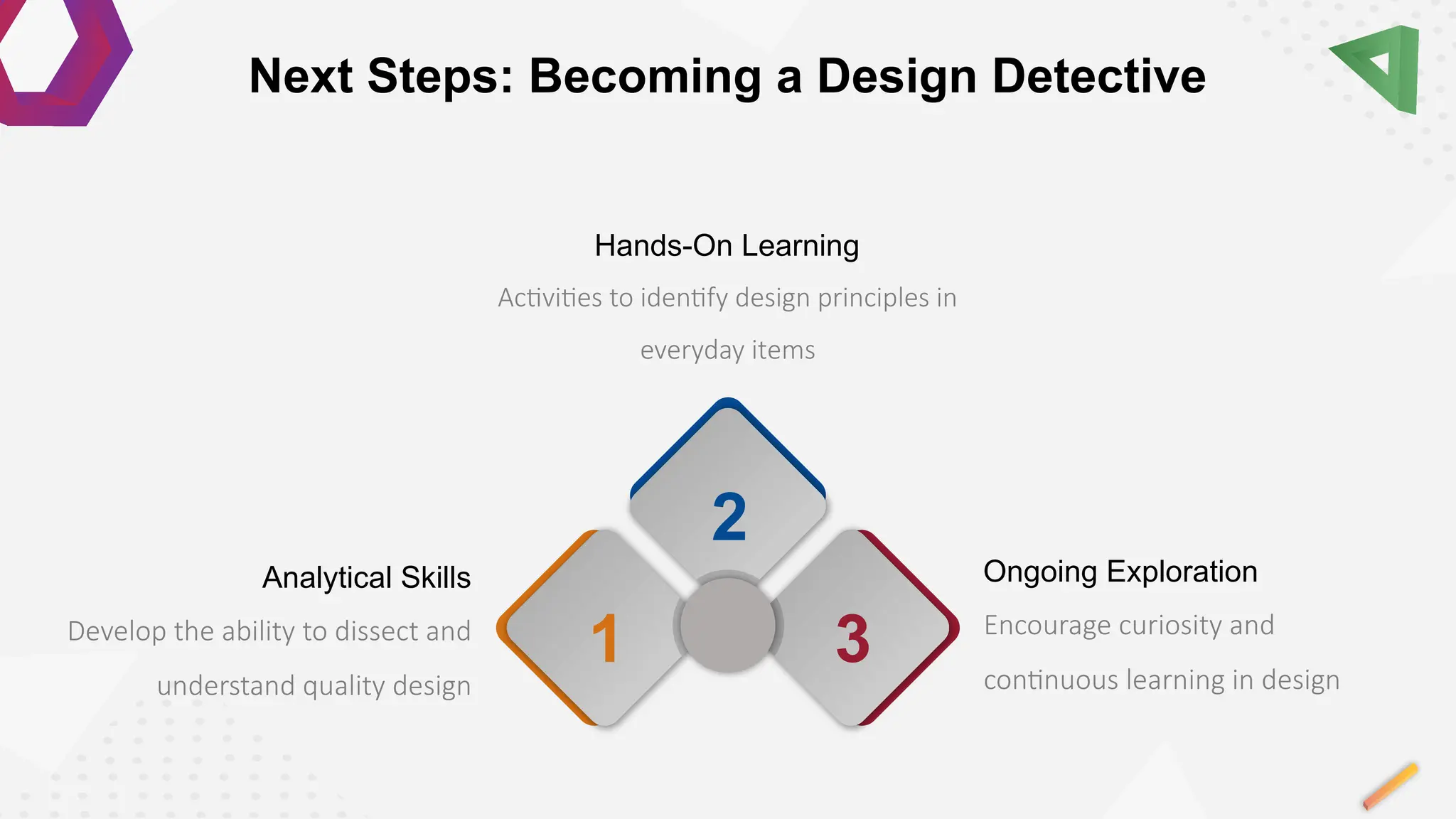
Encourage curiosity and
continuous learning in design
Ongoing Exploration
Activities to identify design principles in
everyday items
Hands-On Learning
Develop the ability to dissect and
understand quality design
Analytical Skills
Next Steps: Becoming a Design Detective
Thank
You

Mastering Visual Design Principles (CRAP)

  • 1.
    Unlock the Potentialof Effective Design Mastering Visual Design Principles
  • 2.
    Graphic design morethan art, it's a strategic tool for communication. It blends visuals and text to craft compelling messages and evoke emotions, making it a pivotal element in marketing and media. Introduction to Graphic Design
  • 3.
    Opportunity for studentsto contribute to school culture positively Student Engagement Designs could be featured around the school to promote kindness Real Impact Create an anti-bullying poster campaign for our school School Project Our Mission: Kindness through Design
  • 4.
    Influences how weperceive the world and make decisions Impact on Society Combines creativity with software like Photoshop and Illustrator Tools and Skills Graphic design is everywhere from books to billboards Ubiquitous Presence Exploring the Graphic Design Universe
  • 5.
    2 3 1 Mixing multiple designstyles that lack harmony Inconsistent Style Inadequate color choices that lead to low readability Poor Contrast Overcomplicated or cluttered layouts that confuse viewers Lack of Clarity Breaking Down Bad Design
  • 6.
    3 1 2 Design elements thatappeal to the intended demographic Audience Targeting Concise and impactful communication of the idea Clear Message High-quality images and eye- catching colors Strong Visuals Characteristics of Exceptional Posters
  • 7.
    2 3 1 Creating designsthat are not only functional but also aesthetically pleasing Visual Impact Ensuring coherent visuals across all elements Design Consistency Contrast, Repetition, Alignment, Proximity explained C.R.A.P. Principles Unveiling the Secret Code of Design
  • 8.
    3 1 2 4 Logical grouping ofrelated items for better communication Proximity Orderly arrangement for a clean, organized appearance Alignment Consistent use of visual elements to create unity Repetition Differentiating elements to make them stand out Contrast Understanding C.R.A.P. Principles
  • 9.
    1 2 3 Balancingcolors and textures to enhance visual composition Aesthetic Appeal Creating focal points that capture and maintain viewer interest Attention Grabbing Using stark differences to highlight key elements Visual Dynamics Contrast: The Art of Difference
  • 10.
    3 1 2 Minimalist yet powerfuluse of colors and text that communicated effectively Design Simplicity Symbolized hope and progress, becoming an influential piece of graphic art Cultural Impact The use of blue and red against a light beige face creates a striking focal point Iconic Contrast Real World Example: Obama's Hope Poster
  • 11.
    1 3 2 Ensuring that thepublic instantly recognizes the brand Marketing Success Using the same colors, fonts, and logos to strengthen brand recognition Brand Identity Maintaining a uniform style across all company assets Consistency is Key Repetition: The Key to Brand Recognition
  • 12.
    3 1 2 Strategically placed elementslead the viewer's eye smoothly across the design Efficient Communication Well-aligned designs are perceived as more credible and refined Professional Appearance Aligned elements create a tidy, organized look Clean Layouts Achieving Visual Harmony with Alignment
  • 13.
    2 3 1 Maintaining a clean,accessible aesthetic by organizing content effectively Aesthetic Order Making information easy to find by avoiding scattered placement Ease of Access Grouping related items together to improve readability Logical Groupings Proximity: Organizing Information Effectively
  • 14.
    3 1 2 Encountering and overcoming designobstacles through innovation Creative Challenges Practicing techniques to hone design skills Skill Development Applying lessons learned to actual design tasks Real Projects Applying Design Principles in Practice
  • 15.
    2 3 1 Encouraging use ofthese tools in future design projects Future Application Overview of practical skills gained through learning these principles Skills Acquired Recap of Contrast, Repetition, Alignment, Proximity Review Key Concepts Summary: The Powerful Tools of Design
  • 16.
    3 1 2 Encourage curiosity and continuouslearning in design Ongoing Exploration Activities to identify design principles in everyday items Hands-On Learning Develop the ability to dissect and understand quality design Analytical Skills Next Steps: Becoming a Design Detective
  • 17.