The ifs, ands, and
butts of littering
in Nova Scotia.
Marian Whitcomb
• Litter has increased 21%
• Kids (55% are already littering)
• Avg. litterer is 15-25 years old
• Apathy/futility
• “Green” generation?
• Where are our values?
The Problem Here at Home
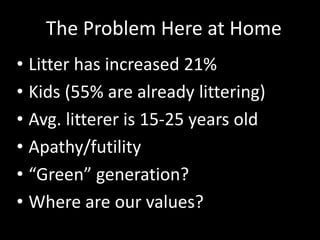
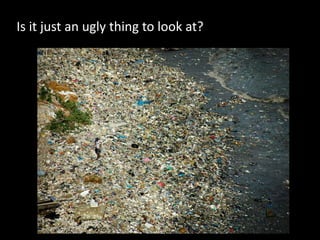
Is it just an ugly thing to look at?
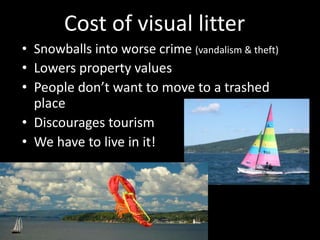
Cost of visual litter
• Snowballs into worse crime (vandalism & theft)
• Lowers property values
• People don’t want to move to a trashed
place
• Discourages tourism
• We have to live in it!
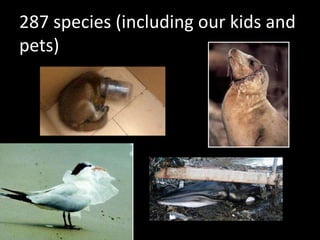
287 species (including our kids and
pets)
“#%^$*&^!! Why doesn’t the government
open up their eyes and do something about
what is happening in our planet?!”
Assumptions:
“I’m giving a job to someone to
clean up after me.”
“There are worse sources of pollution.”
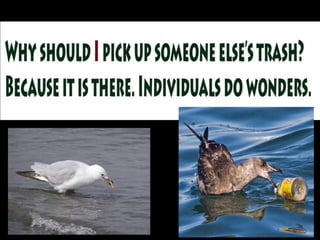
“It is not mine, why should I
pick it up?”
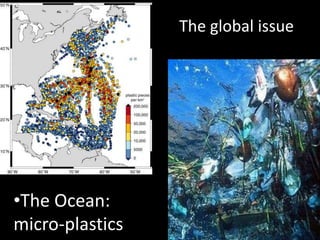
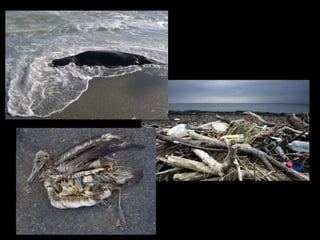
•The Ocean:
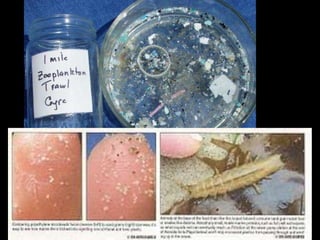
micro-plastics
The global issue
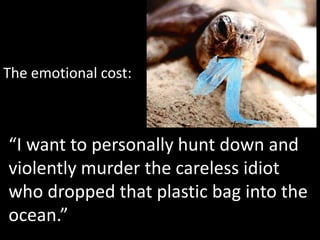
“I want to personally hunt down and
violently murder the careless idiot
who dropped that plastic bag into the
ocean.”
The emotional cost:
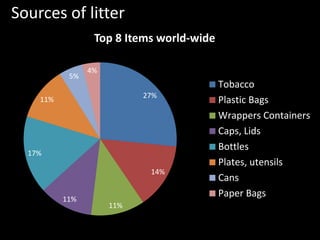
Sources of litter
27%
14%
11%
11%
17%
11%
5%
4%
Top 8 Items world-wide
Tobacco
Plastic Bags
Wrappers Containers
Caps, Lids
Bottles
Plates, utensils
Cans
Paper Bags
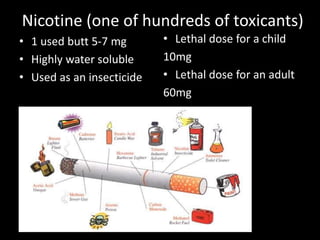
Nicotine (one of hundreds of toxicants)
• 1 used butt 5-7 mg
• Highly water soluble
• Used as an insecticide
• Lethal dose for a child
10mg
• Lethal dose for an adult
60mg
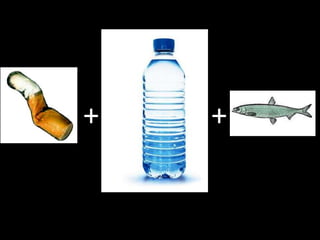
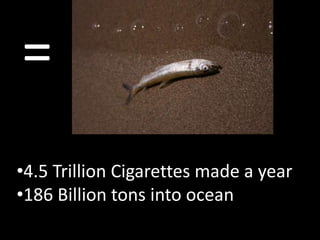
+ +
=
•4.5 Trillion Cigarettes made a year
•186 Billion tons into ocean
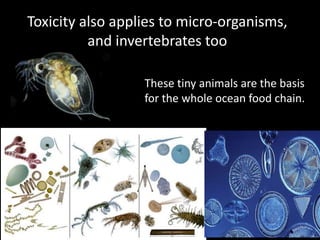
Toxicity also applies to micro-organisms,
and invertebrates too
These tiny animals are the basis
for the whole ocean food chain.
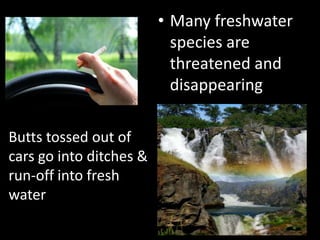
Butts tossed out of
cars go into ditches &
run-off into fresh
water
• Many freshwater
species are
threatened and
disappearing
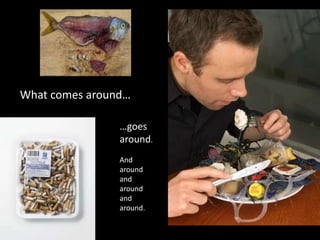
What comes around…
…goes
around.
And
around
and
around
and
around.
Solution
• A Little Less Litter
• This is a social problem
litterally within our reach
• Two pieces a day, a lot of people
• Put it in the garbage at home
• Keep gloves bags in car trunk, do
when walking, tight closing container
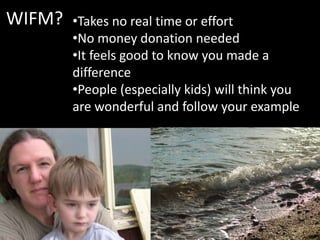
WIFM? •Takes no real time or effort
•No money donation needed
•It feels good to know you made a
difference
•People (especially kids) will think you
are wonderful and follow your example
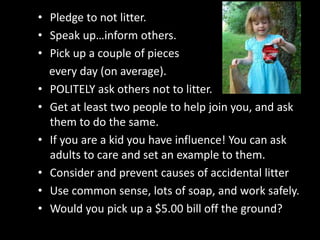
• Pledge to not litter.
• Speak up…inform others.
• Pick up a couple of pieces
every day (on average).
• POLITELY ask others not to litter.
• Get at least two people to help join you, and ask
them to do the same.
• If you are a kid you have influence! You can ask
adults to care and set an example to them.
• Consider and prevent causes of accidental litter
• Use common sense, lots of soap, and work safely.
• Would you pick up a $5.00 bill off the ground?
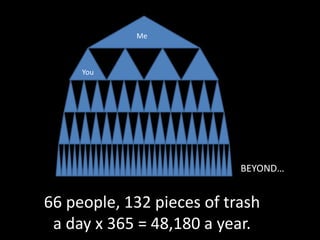
You
Me
BEYOND…
66 people, 132 pieces of trash
a day x 365 = 48,180 a year.
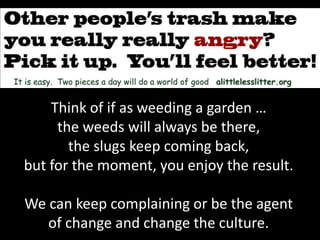
Think of if as weeding a garden …
the weeds will always be there,
the slugs keep coming back,
but for the moment, you enjoy the result.
We can keep complaining or be the agent
of change and change the culture.
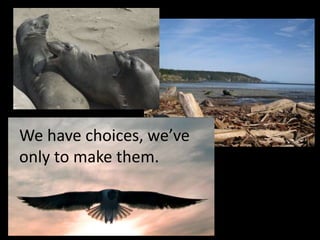
We have choices, we’ve
only to make them.
We must be the change
we wish to see. M. Gandhi
Thank you for
your time.
Questions?

A Little Less Litter, Please, Cape Breton!

  • 1.
    The ifs, ands,and butts of littering in Nova Scotia. Marian Whitcomb
  • 3.
    • Litter hasincreased 21% • Kids (55% are already littering) • Avg. litterer is 15-25 years old • Apathy/futility • “Green” generation? • Where are our values? The Problem Here at Home
  • 4.
    Is it justan ugly thing to look at?
  • 5.
    Cost of visuallitter • Snowballs into worse crime (vandalism & theft) • Lowers property values • People don’t want to move to a trashed place • Discourages tourism • We have to live in it!
  • 6.
    287 species (includingour kids and pets)
  • 7.
    “#%^$*&^!! Why doesn’tthe government open up their eyes and do something about what is happening in our planet?!” Assumptions: “I’m giving a job to someone to clean up after me.” “There are worse sources of pollution.” “It is not mine, why should I pick it up?”
  • 8.
  • 10.
    “I want topersonally hunt down and violently murder the careless idiot who dropped that plastic bag into the ocean.” The emotional cost:
  • 11.
    Sources of litter 27% 14% 11% 11% 17% 11% 5% 4% Top8 Items world-wide Tobacco Plastic Bags Wrappers Containers Caps, Lids Bottles Plates, utensils Cans Paper Bags
  • 12.
    Nicotine (one ofhundreds of toxicants) • 1 used butt 5-7 mg • Highly water soluble • Used as an insecticide • Lethal dose for a child 10mg • Lethal dose for an adult 60mg
  • 13.
  • 14.
    = •4.5 Trillion Cigarettesmade a year •186 Billion tons into ocean
  • 15.
    Toxicity also appliesto micro-organisms, and invertebrates too These tiny animals are the basis for the whole ocean food chain.
  • 16.
    Butts tossed outof cars go into ditches & run-off into fresh water • Many freshwater species are threatened and disappearing
  • 17.
  • 18.
    Solution • A LittleLess Litter • This is a social problem litterally within our reach • Two pieces a day, a lot of people • Put it in the garbage at home • Keep gloves bags in car trunk, do when walking, tight closing container
  • 20.
    WIFM? •Takes noreal time or effort •No money donation needed •It feels good to know you made a difference •People (especially kids) will think you are wonderful and follow your example
  • 21.
    • Pledge tonot litter. • Speak up…inform others. • Pick up a couple of pieces every day (on average). • POLITELY ask others not to litter. • Get at least two people to help join you, and ask them to do the same. • If you are a kid you have influence! You can ask adults to care and set an example to them. • Consider and prevent causes of accidental litter • Use common sense, lots of soap, and work safely. • Would you pick up a $5.00 bill off the ground?
  • 22.
    You Me BEYOND… 66 people, 132pieces of trash a day x 365 = 48,180 a year.
  • 23.
    Think of ifas weeding a garden … the weeds will always be there, the slugs keep coming back, but for the moment, you enjoy the result. We can keep complaining or be the agent of change and change the culture.
  • 25.
    We have choices,we’ve only to make them.
  • 26.
    We must bethe change we wish to see. M. Gandhi
  • 27.
    Thank you for yourtime. Questions?