Download to read offline
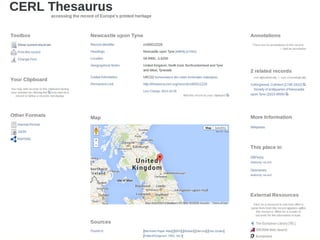
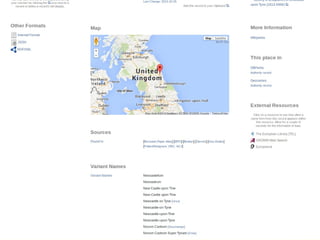
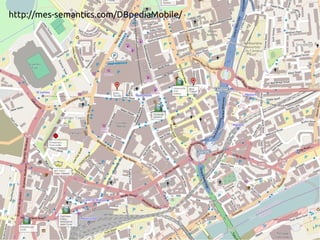
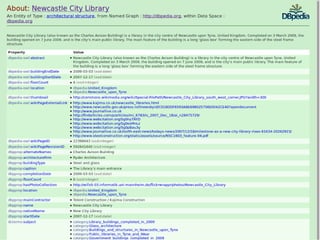
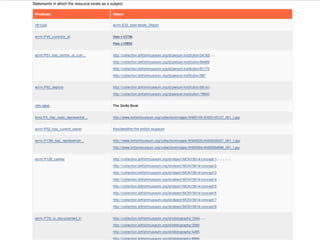
![Linked data example
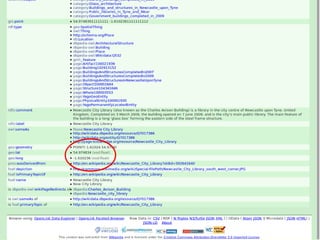
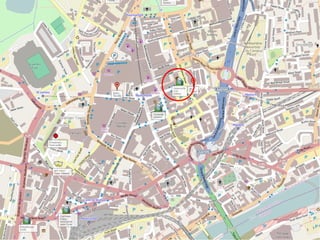
"http://www.w3.org/2003/01/geo/wgs84_pos#lat"
: [ { "type" : "literal", "value" :
54.97483444213867 , "datatype" :
"http://www.w3.org/2001/XMLSchema#float" } ]
,
"http://www.w3.org/2003/01/geo/wgs84_pos#long
" : [ { "type" : "literal", "value" :
1.610236167907715
, "datatype" :
"http://www.w3.org/2001/XMLSchema#float" } ]
,](https://image.slidesharecdn.com/northumbria-presentation-141012140014-conversion-gate01/85/Linked-Open-Data-for-conservation-documentation-37-320.jpg)
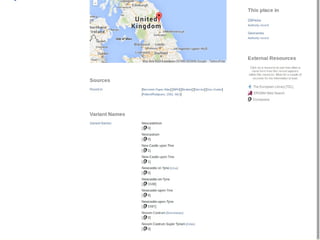
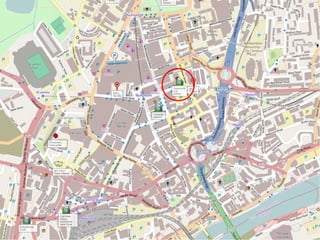
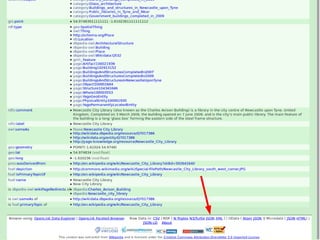
![Linked data example
"http://www.w3.org/2003/01/geo/wgs84_pos#lat"
: [ { "type" : "literal", "value" :
54.97483444213867 , "datatype" :
"http://www.w3.org/2001/XMLSchema#float" } ] ,
"http://www.w3.org/2003/01/geo/wgs84_pos#long"
: [ { "type" : "literal", "value" :
1.610236167907715
, "datatype" :
"http://www.w3.org/2001/XMLSchema#float" } ] ,](https://image.slidesharecdn.com/northumbria-presentation-141012140014-conversion-gate01/85/Linked-Open-Data-for-conservation-documentation-38-320.jpg)

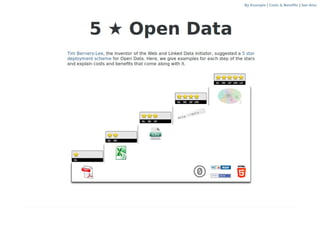
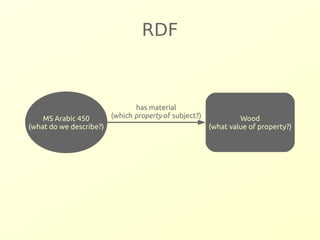
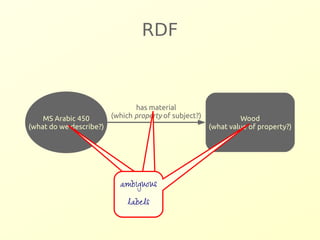
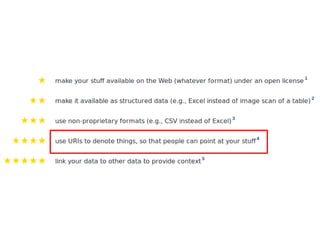
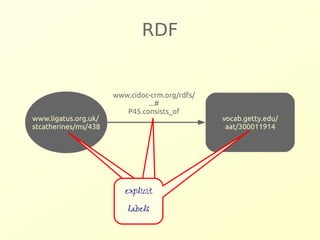
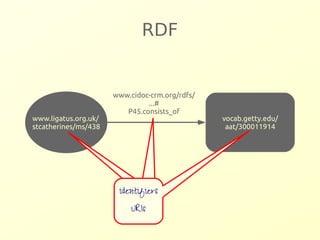
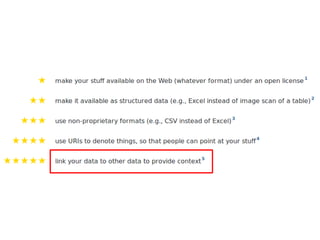
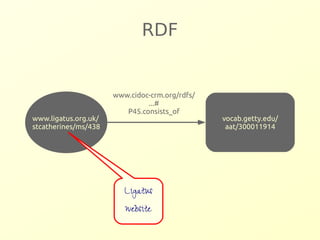
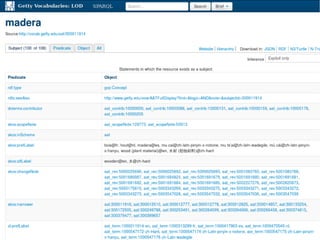
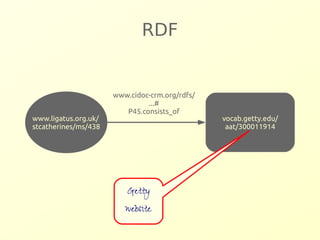
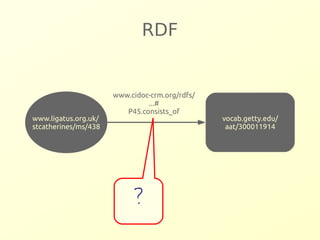
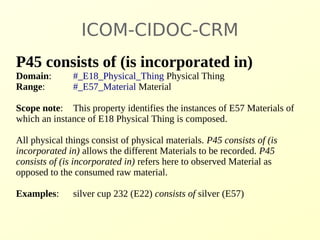
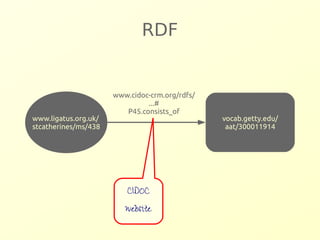
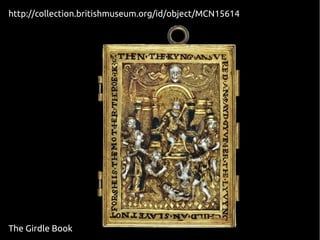
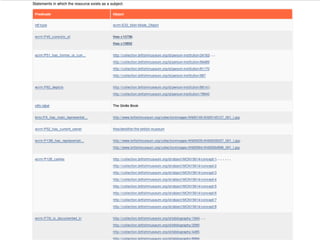
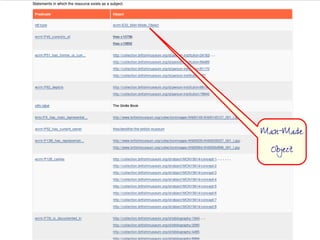
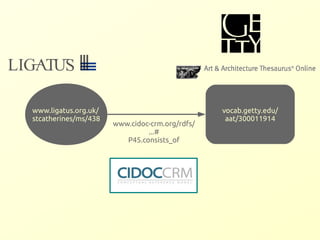
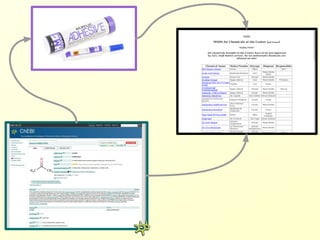
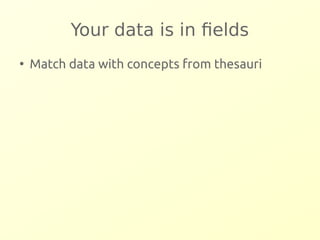



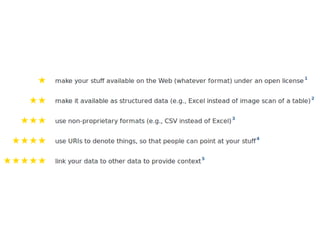
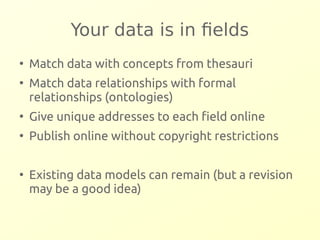
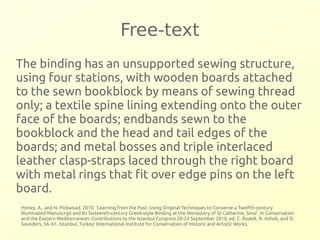




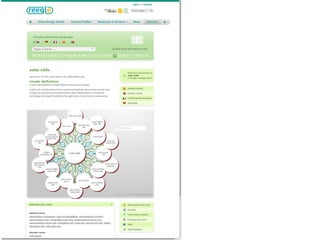
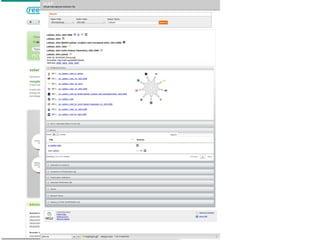
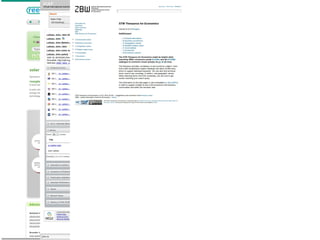
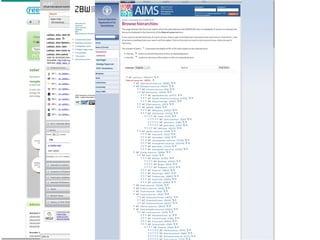
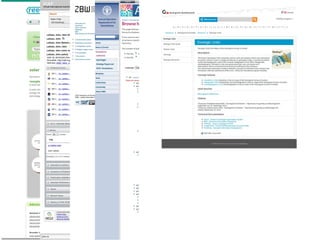
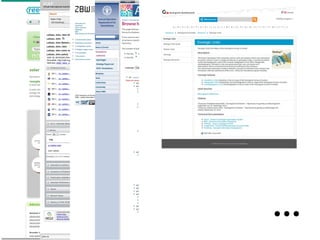
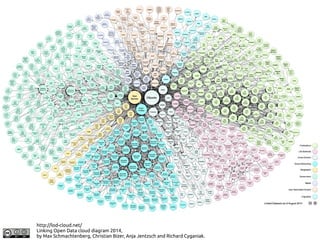

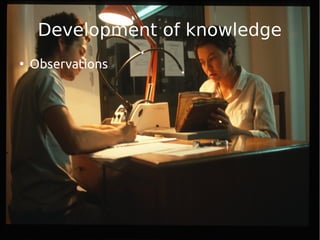
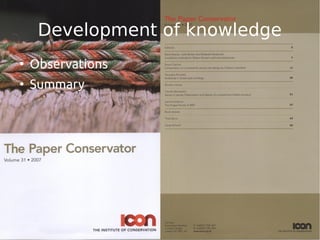
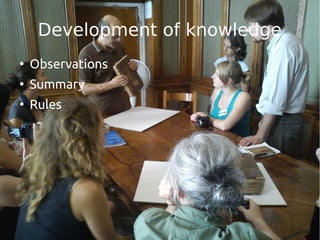
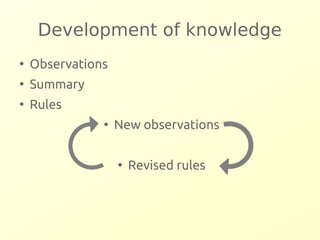
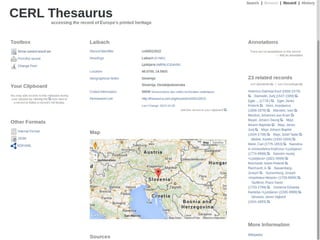
This document discusses the benefits of publishing conservation documentation as Linked Open Data. It begins by explaining how Linked Open Data allows for more representative knowledge development by facilitating the automated sharing, summarization, and revision of observations. It then provides examples of how to publish a database as Linked Open Data by matching data to concepts and relationships from controlled vocabularies and ontologies and assigning unique online identifiers. Finally, it addresses problems with publishing free-text data and describes how ambiguities can be resolved by using structured descriptive fields defined in thesauri.


