Laparoscopic Low
Anterior Resection for
Complicated Diverticulitis:
A case study
Presented by Yasmina Sfeir, Serena Youssef, and
Fadi Wakim
Table of contents
01 Chief Complaint
02 Overview of admissions
03 LAR:
• Introduction
• Indications
• Steps
• Complications
• LAR syndrome
Chief complaint
On 28th of December 2023, our patient presented to the emergency department at LAUMC-RH for:
Severe Abdominal Pain
28/12/2023
● HPI: 60 yo male patient presented to the ER with LLQ pain and abdominal distension
associated with fever of 39°C and dysuria.
● NKFDA
● Medications: Atacand 16 OD, Concor 2.5 OD, Amlor 5 OD
● PMH: Dyslipidemia and hypertension
● PSH: Tonsillectomy, bilateral hernia
● Family History: negative according to file
● Social history: Nonsmoker, nonalcoholic
28/12/2023
PE:
● CCO3
● General inspection: No pallor, jaundice or cyanosis
● Heart: Regular S1 S2, no murmur, no added sounds
● Lungs: GBAE, no added sounds
● Abdomen:
 Inspection: Distended abdomen
 Auscultation: Not reported
 Palpation: Diffuse lower abdominal tenderness
 Percussion: Not reported
● Extremities: No LLE, pedal pulses felt bilaterally
28/12/2023
Vitals:
BP: 128/88
HR: 131
T: 39.2°C
SPO2: 95%
WBC: 10.94
HB: 12.7
HCT: 38.8
MCV: 86.8
Plt: 531
%NEUT: 75.8
%LYM: 12.9
Na: 131
K: 4.9
Cl: 97
CO2: 25
Urea: 26
Crea: 0.87
GGT: 43
ALT: 21
CRP: 84.8
Urinalysis: Negative
Urine culture: no growth
2 Blood cultures: no growth
28/12/2023
28/12/2023
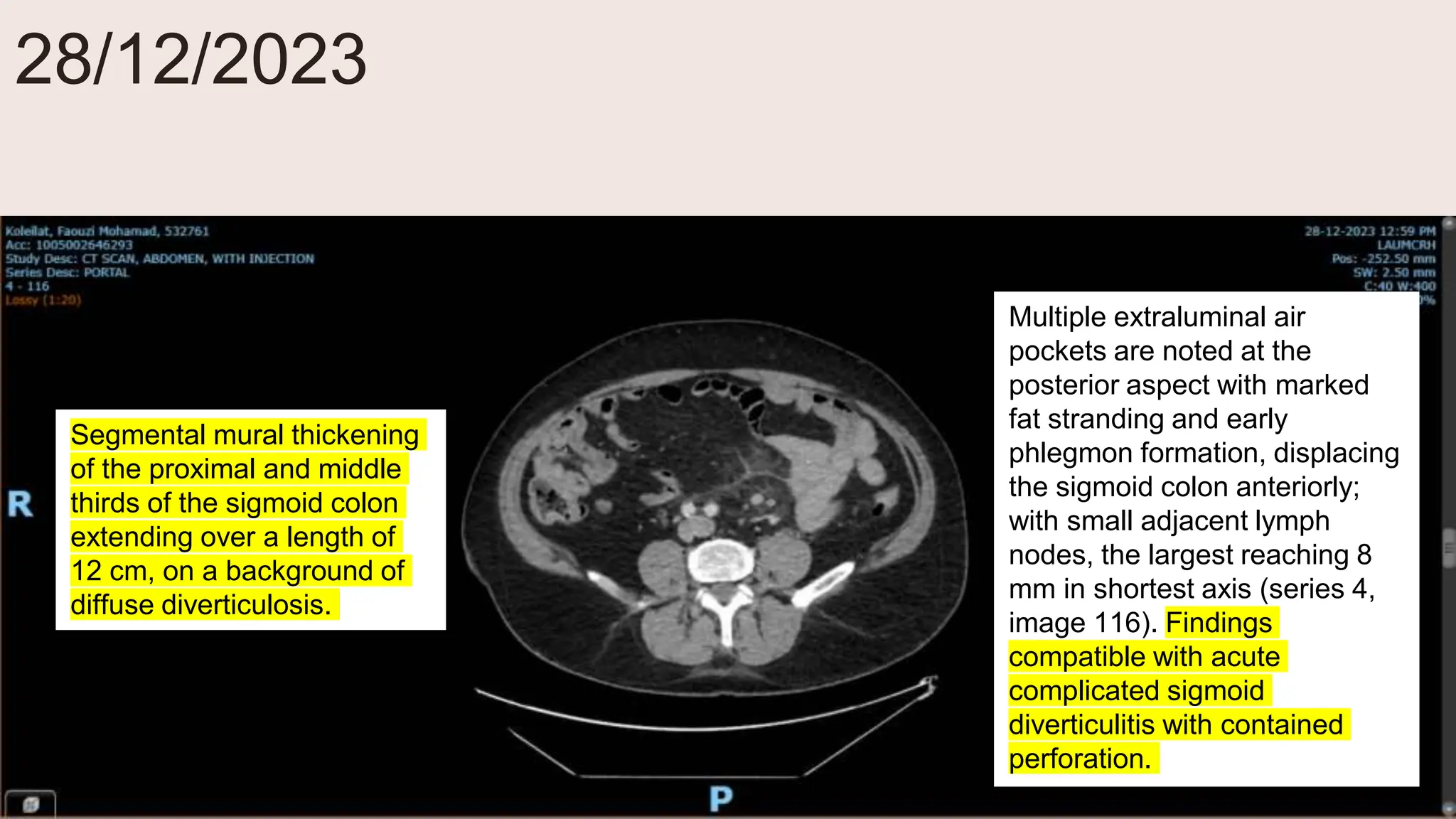
Segmental mural thickening
of the proximal and middle
thirds of the sigmoid colon
extending over a length of
12 cm, on a background of
diffuse diverticulosis.
Multiple extraluminal air
pockets are noted at the
posterior aspect with marked
fat stranding and early
phlegmon formation, displacing
the sigmoid colon anteriorly;
with small adjacent lymph
nodes, the largest reaching 8
mm in shortest axis (series 4,
image 116). Findings
compatible with acute
complicated sigmoid
diverticulitis with contained
perforation.
• Patient discharged on ciprofloxacin 500 BID and flagyl 500 TID, ulcer
prophylaxis, pain management
28/12/2023
9/01/2024
Presented again for fever of 38 deg with myalgia and chills, mild LLQ abdominal pain
CT abdomen/pelvis with IV contrast: segmental mural thickening involving the proximal
and middle thirds of the sigmoid colon, extending over a length of 8cm (findings again
suggestive of complicated diverticulitis with contained perforation and phlegmon).
Patient started on piperacillin/tazobactam later switched to Invanz after finding ESBL in
stools, course continued at home.
17/01/2024
Presented for follow-up, no symptoms since last presentation
CT abdominal/pelvis with IV contrast: Evidence of complicated diverticulitis with
contained perforation and phlegmon with an organizing small abscess.
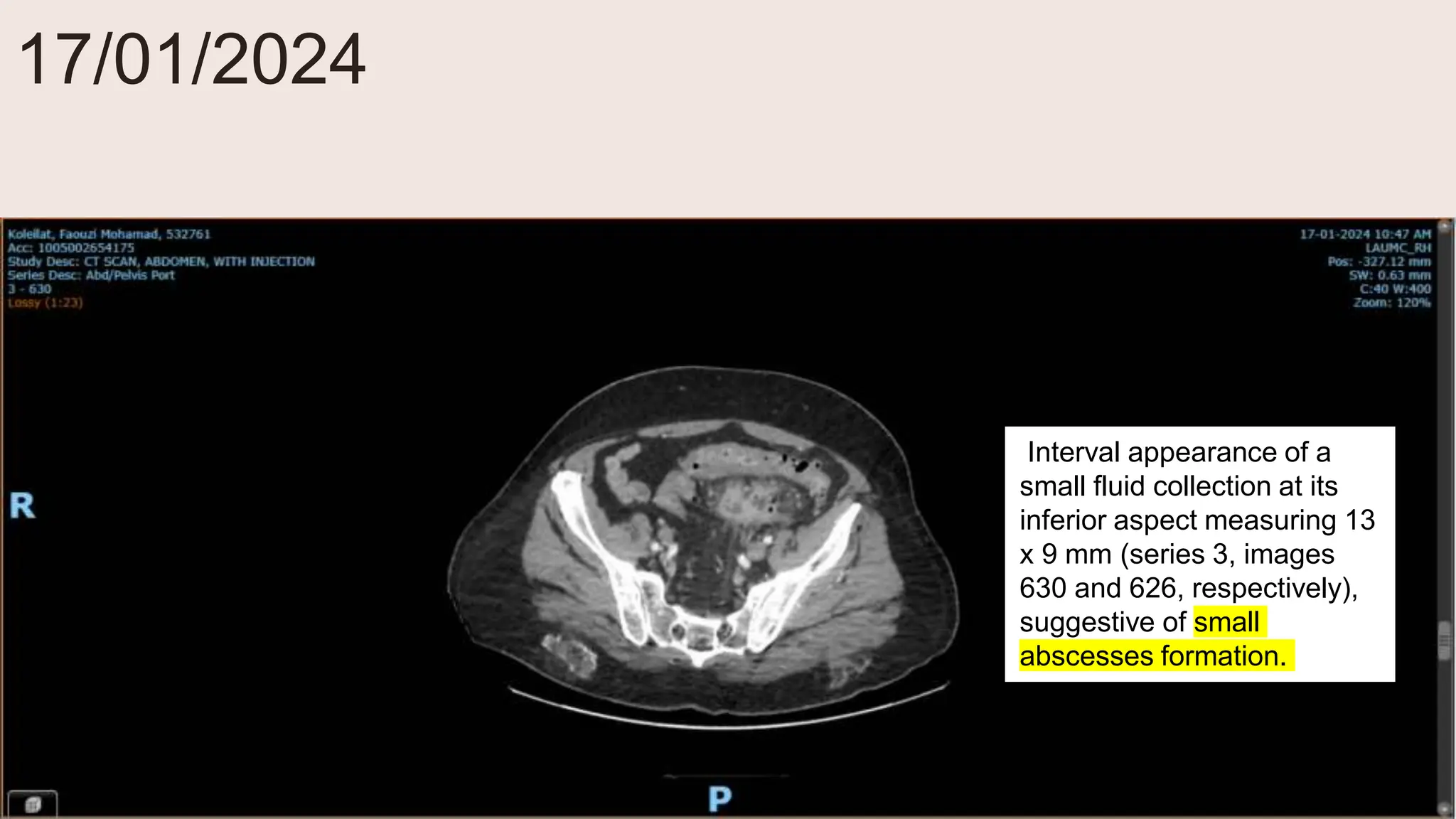
17/01/2024
Interval appearance of a
small fluid collection at its
inferior aspect measuring 13
x 9 mm (series 3, images
630 and 626, respectively),
suggestive of small
abscesses formation.
17/01/2024
Interval appearance of a
small fluid collection at its
inferior aspect measuring 13
x 9 mm (series 3, images
630 and 626, respectively),
suggestive of small
abscesses formation.
17/01/2024
Based on follow-up CT findings, patient was scheduled for a Laparoscopic Low Anterior
Resection.
Pre-op: 25/01/2024
Segmental mural thickening
involving the proximal and
middle thirds of the sigmoid
colon, extending over a
length of 12 cm (series 500,
image 55), grossly
unchanged since prior
exam, in keeping with the
patient's known diverticulitis.
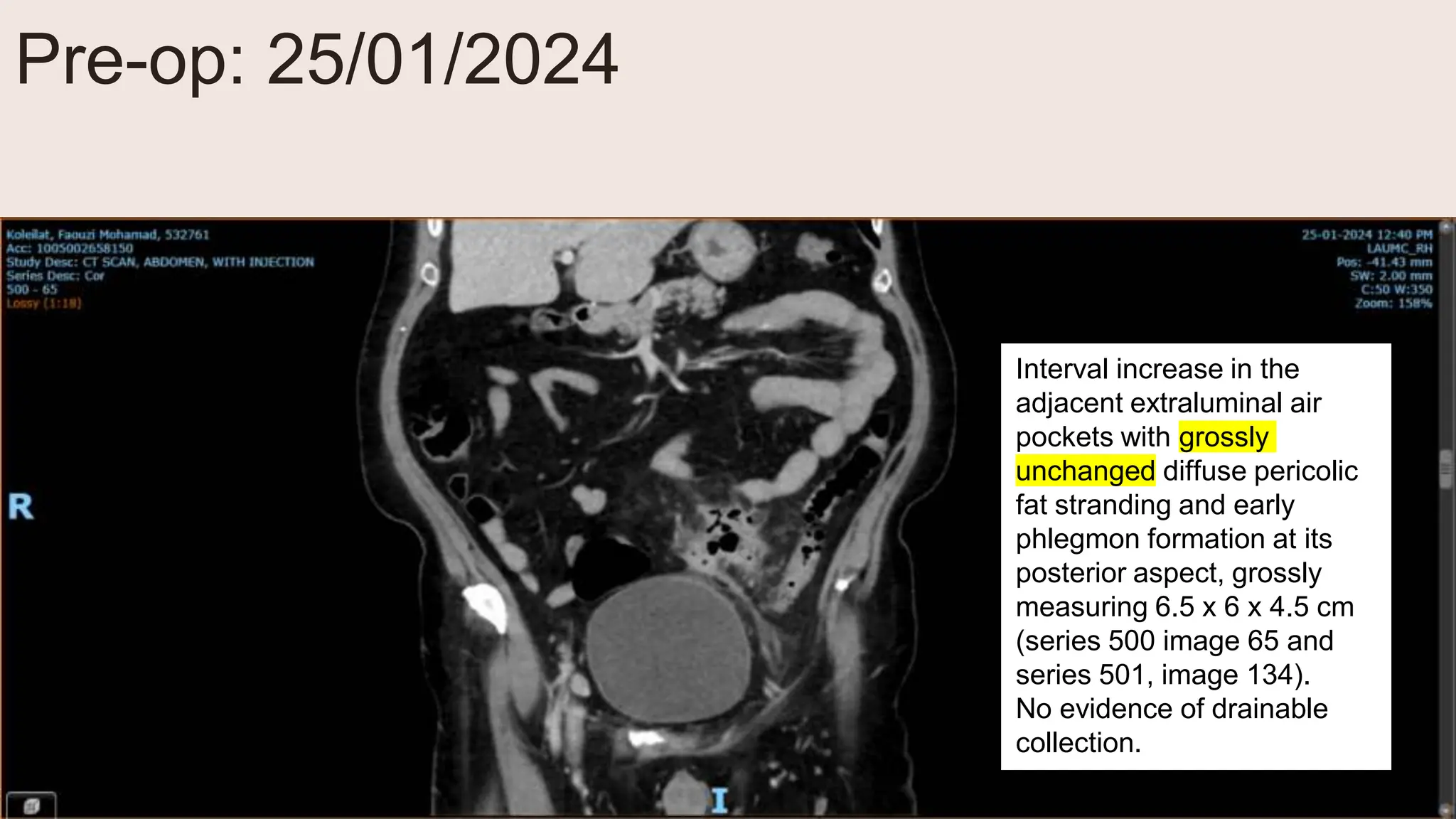
Pre-op: 25/01/2024
Interval increase in the
adjacent extraluminal air
pockets with grossly
unchanged diffuse pericolic
fat stranding and early
phlegmon formation at its
posterior aspect, grossly
measuring 6.5 x 6 x 4.5 cm
(series 500 image 65 and
series 501, image 134).
No evidence of drainable
collection.
Pre-op: 25/01/2024
Interval increase in the
adjacent extraluminal air
pockets with grossly
unchanged diffuse pericolic
fat stranding and early
phlegmon formation at its
posterior aspect, grossly
measuring 6.5 x 6 x 4.5 cm
(series 500 image 65 and
series 501, image 134).
No evidence of drainable
collection.
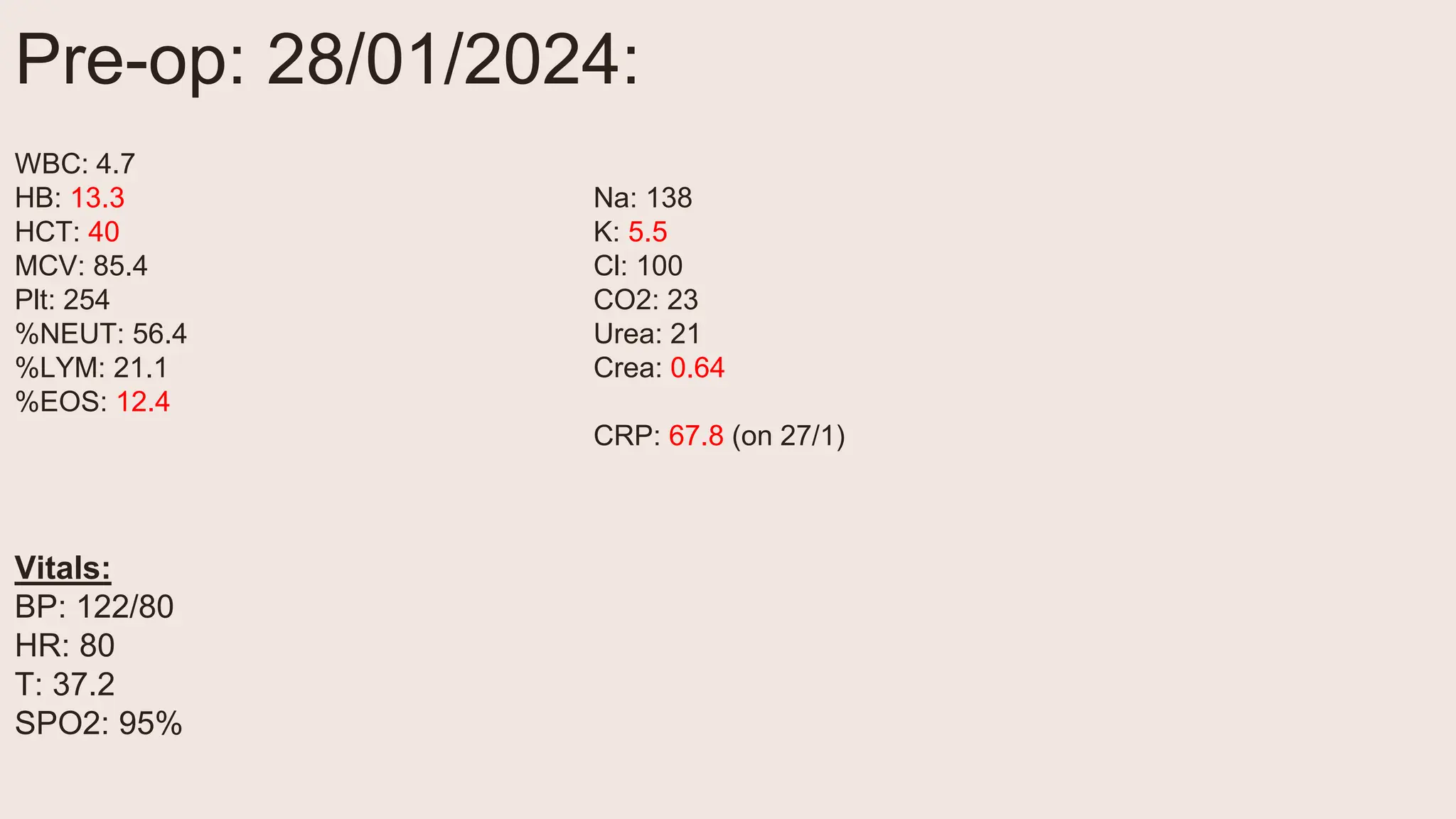
WBC: 4.7
HB: 13.3
HCT: 40
MCV: 85.4
Plt: 254
%NEUT: 56.4
%LYM: 21.1
%EOS: 12.4
Na: 138
K: 5.5
Cl: 100
CO2: 23
Urea: 21
Crea: 0.64
CRP: 67.8 (on 27/1)
Pre-op: 28/01/2024:
Vitals:
BP: 122/80
HR: 80
T: 37.2
SPO2: 95%
Laparoscopic Lower Anterior
Resection:
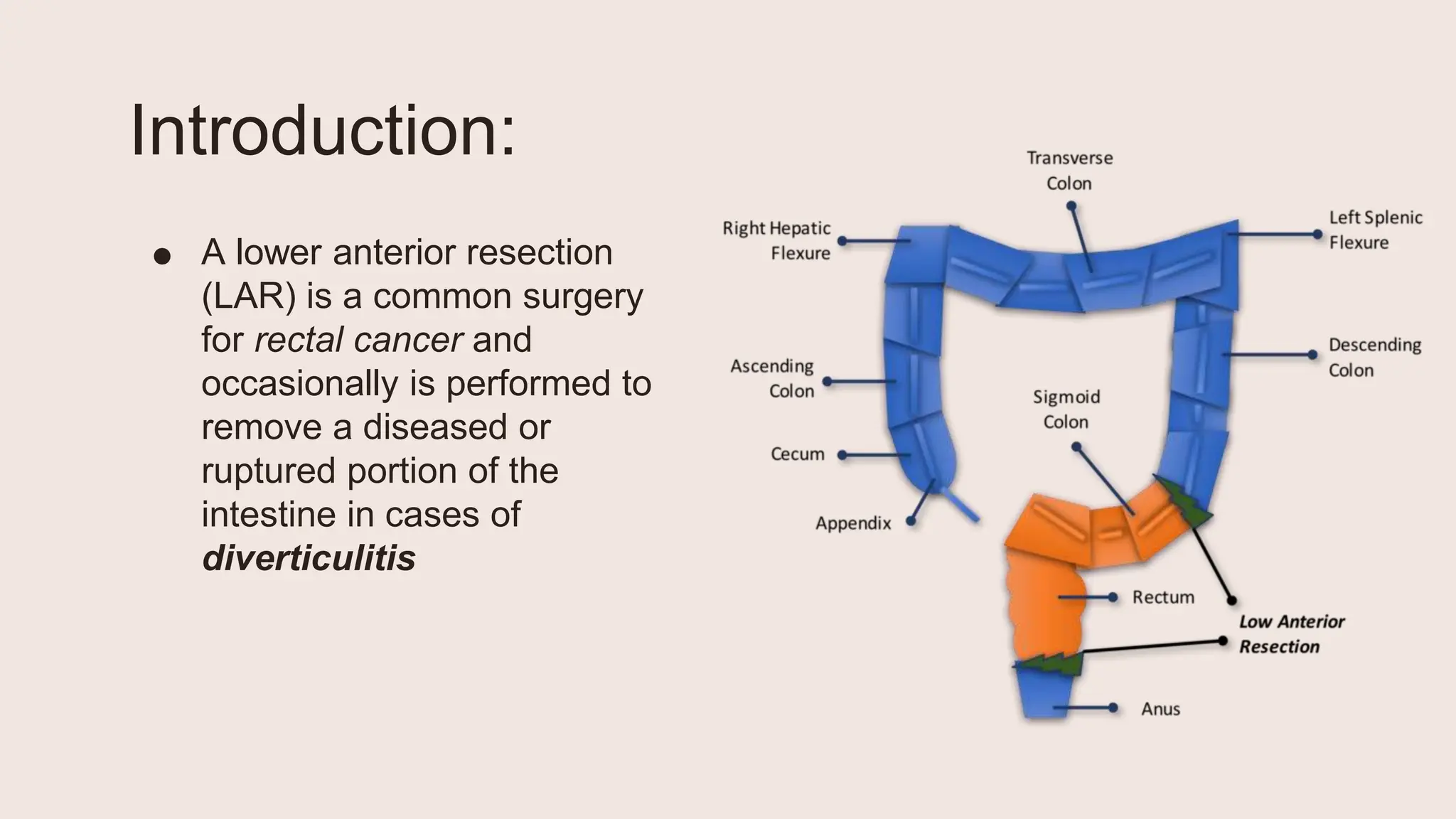
Introduction:
● A lower anterior resection
(LAR) is a common surgery
for rectal cancer and
occasionally is performed to
remove a diseased or
ruptured portion of the
intestine in cases of
diverticulitis
Introduction:
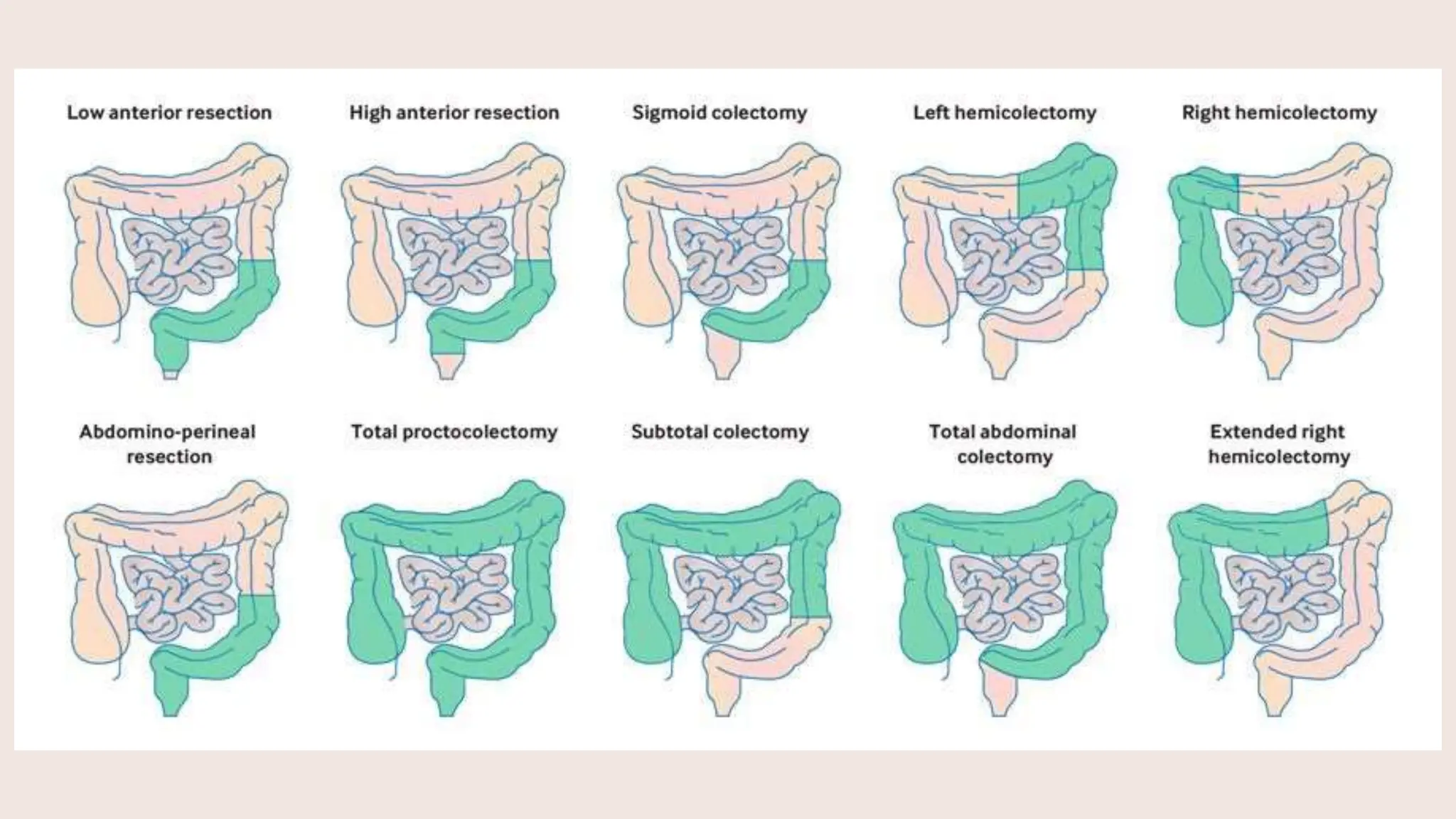
● Two surgical procedures with curative intent
are available to patients with rectal cancer:
1. Lower anterior resection and
2. Abdominoperineal resection
● LARs, generally, give a better quality of life
than abdominoperineal resections (APRs).
APRs lead to a permanent colostomy and
do not spare the sphincters
● Laparoscopic low anterior resection for
rectal cancer has gained wide acceptance
among general surgeons
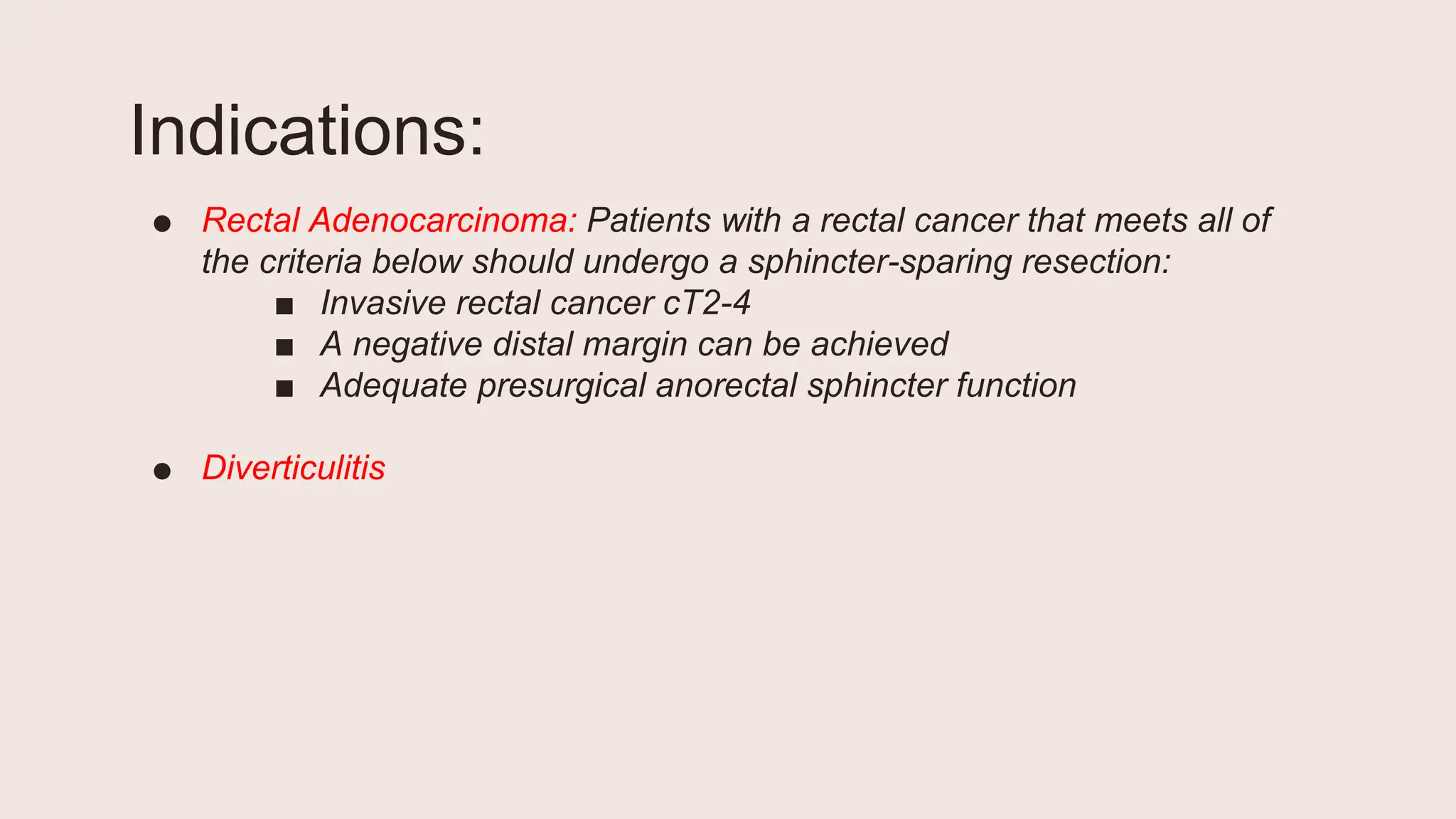
Indications:
● Rectal Adenocarcinoma: Patients with a rectal cancer that meets all of
the criteria below should undergo a sphincter-sparing resection:
■ Invasive rectal cancer cT2-4
■ A negative distal margin can be achieved
■ Adequate presurgical anorectal sphincter function
● Diverticulitis
Outcomes of LAR
• In contemporary series, sphincter-sparing procedures and APR have similar
local recurrence rates of less than 10 percent.
• Lower recurrence rates are generally associated with the use of meticulous
surgical techniques (e.g. achieving adequate margins, performing TME) and/or
adjuvant chemo-radiation therapy.
Complications:
• Anastomotic leak
• Injury to small bowel
• Injury to both ureters
• Laceration of the spleen or tail of the pancreas
• Injury to the hypogastric nerves
• Injury to the posterior wall of the vagina
• Bleeding from the presacral venous plexus
• Injury to left common iliac vessels
• Injury to the rectum itself
• Sexual dysfunction
• Urinary retention
• Stoma-related complications
LAR syndrome:
• LARS is defined by at least one of the following symptoms resulting in at least one
of the following consequences that occur after a sphincter-sparing resection (ie,
anterior resection) of the rectum.
• Symptoms:
- Variable, unpredictable bowel function
- Altered stool consistency
- Increased stool frequency
- Repeated painful stools
- Emptying difficulties
- Urgency
- Incontinence
- Soiling
Treatment:
Medical management with fiber and anti-
peristaltic agents
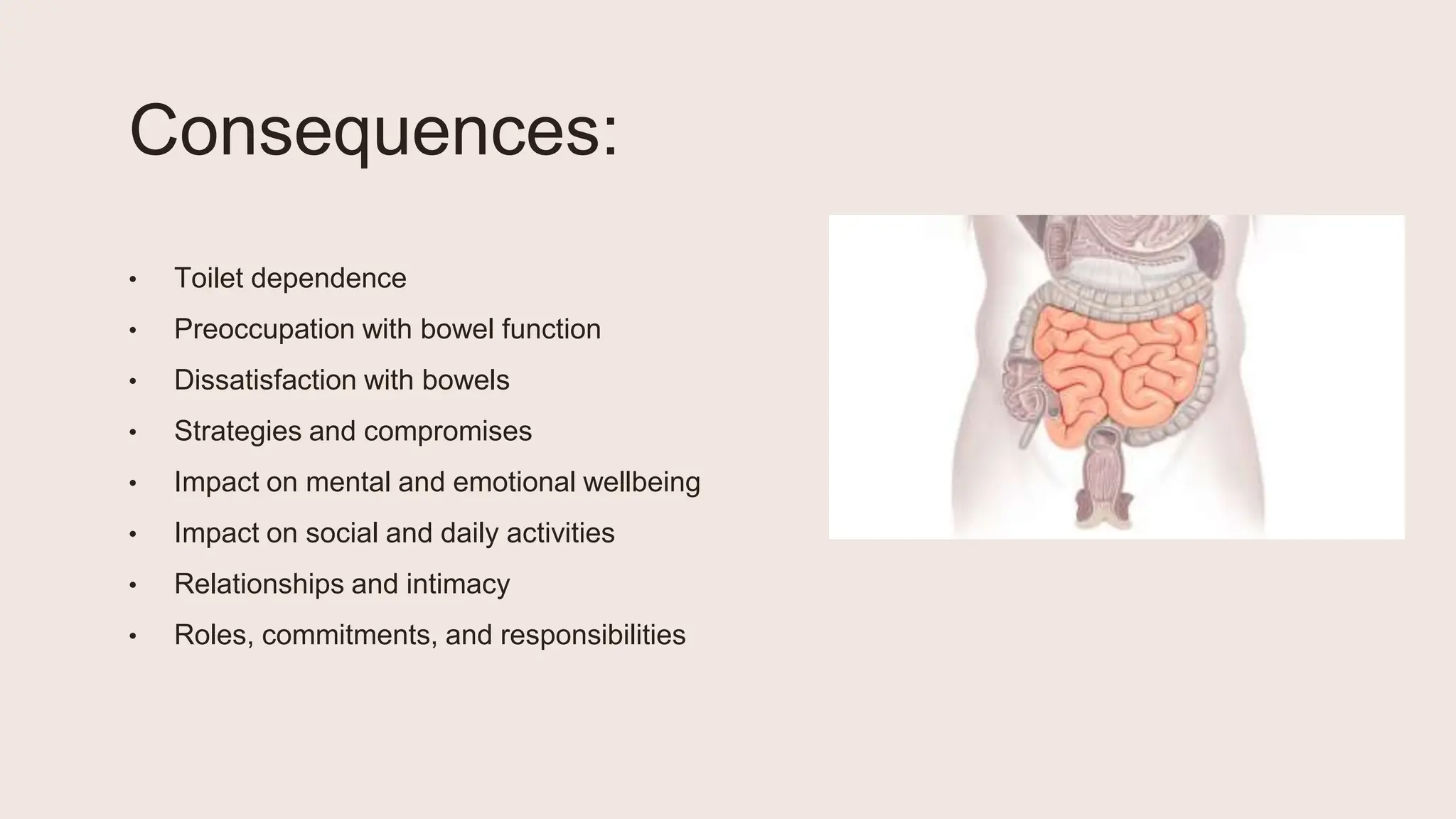
Consequences:
• Toilet dependence
• Preoccupation with bowel function
• Dissatisfaction with bowels
• Strategies and compromises
• Impact on mental and emotional wellbeing
• Impact on social and daily activities
• Relationships and intimacy
• Roles, commitments, and responsibilities
Essential Steps:
1. Preoperative bowel preparation, including PO
antibiotics
2. Trendenlenberg position, both arms kept tucked:
○ The patient is placed supine on the
operating table. After induction of general
anesthesia and insertion of an orogastric
tube and Foley catheter, the legs are placed
in stirrups. The arms are tucked at the
patient's side and the beanbag is aspirated.
The abdomen is prepared with an antiseptic
solution and draped routinely.
3. If not tattooed prior to surgery, perform rigid
proctosigmoidoscopy to identify 2 cm distal to the
tumor
4. Placement of trocars:
- Periumbilical Hasson port
- Two 5-mm trocars in the Right upper
and left lower quadrant
- One 12-mm trocar in the right lower
abdomen (site for diverting ileostomy if needed)
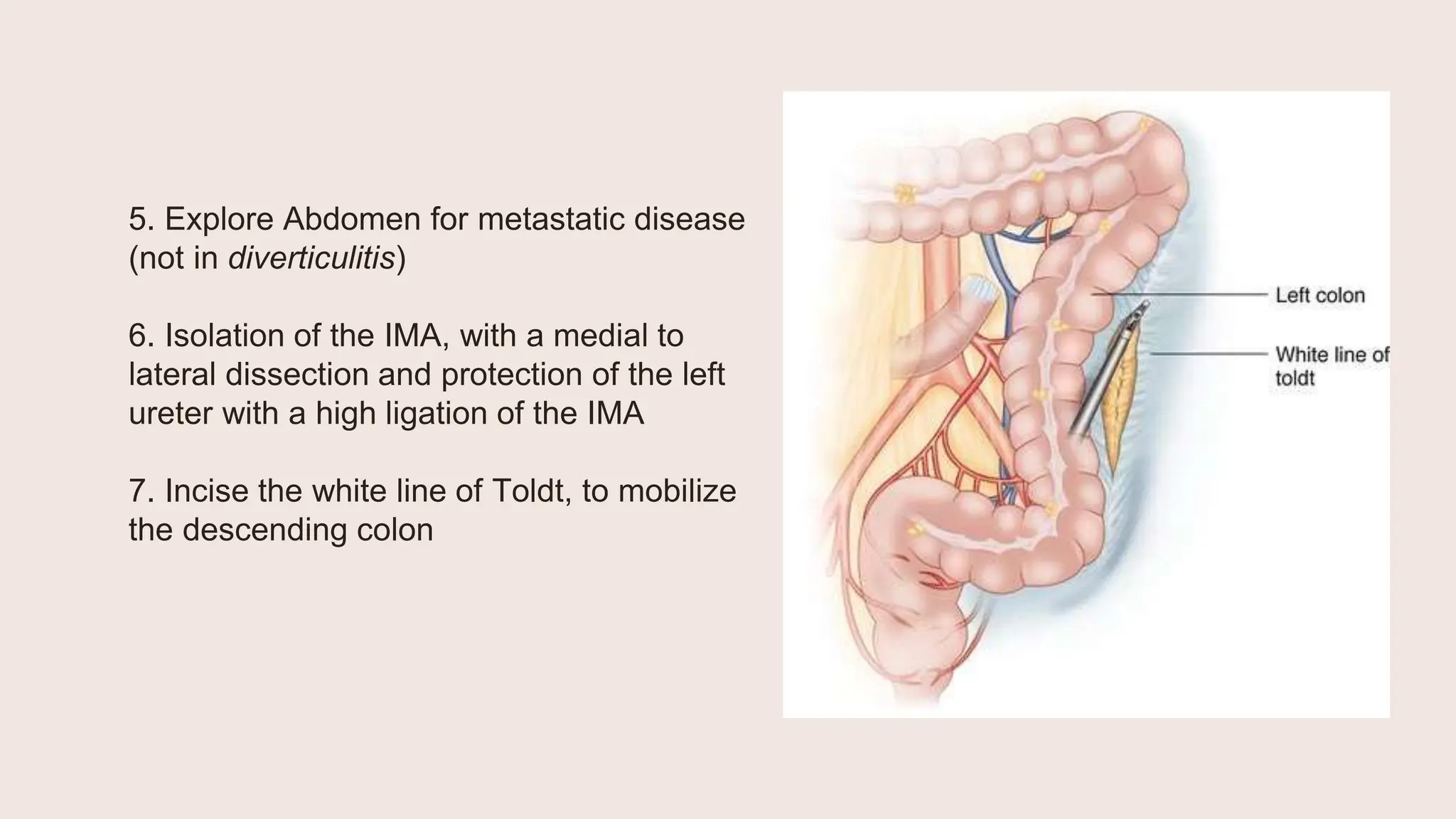
5. Explore Abdomen for metastatic disease
(not in diverticulitis)
6. Isolation of the IMA, with a medial to
lateral dissection and protection of the left
ureter with a high ligation of the IMA
7. Incise the white line of Toldt, to mobilize
the descending colon
8. Retract the rectum and mesorectum anteriorly and perform a posterior
mesorectal dissection with electrocautery or an energy device
9. Identify, isolate, and protect the hypogastric nerves
10. In a female, a stitch may be placed in the uterus to fix the uterus to the anterior
abdominal wall if the uterus obstructs the anterior plane of dissection
11. The dissection is performed circumferentially
12. Take down the lateral attachments of the rectum avoiding injury to the
hypogastric nerves within the lateral stalks
13. Open the peritoneal reflection anteriorly, staying behind Denonvilliers’ fascia,
avoiding injury to the prostate and seminal vesicles in males and to the uterus and
vagina in females
14. Dissect posteriorly close to the posterior colonic wall along Waldeyer’s fascia,
avoiding injury of the sacral venous plexus
15. Divide the rectum using a reticulated laparoscopic stapler at a point distal to
the mass in order to obtain adequate margins
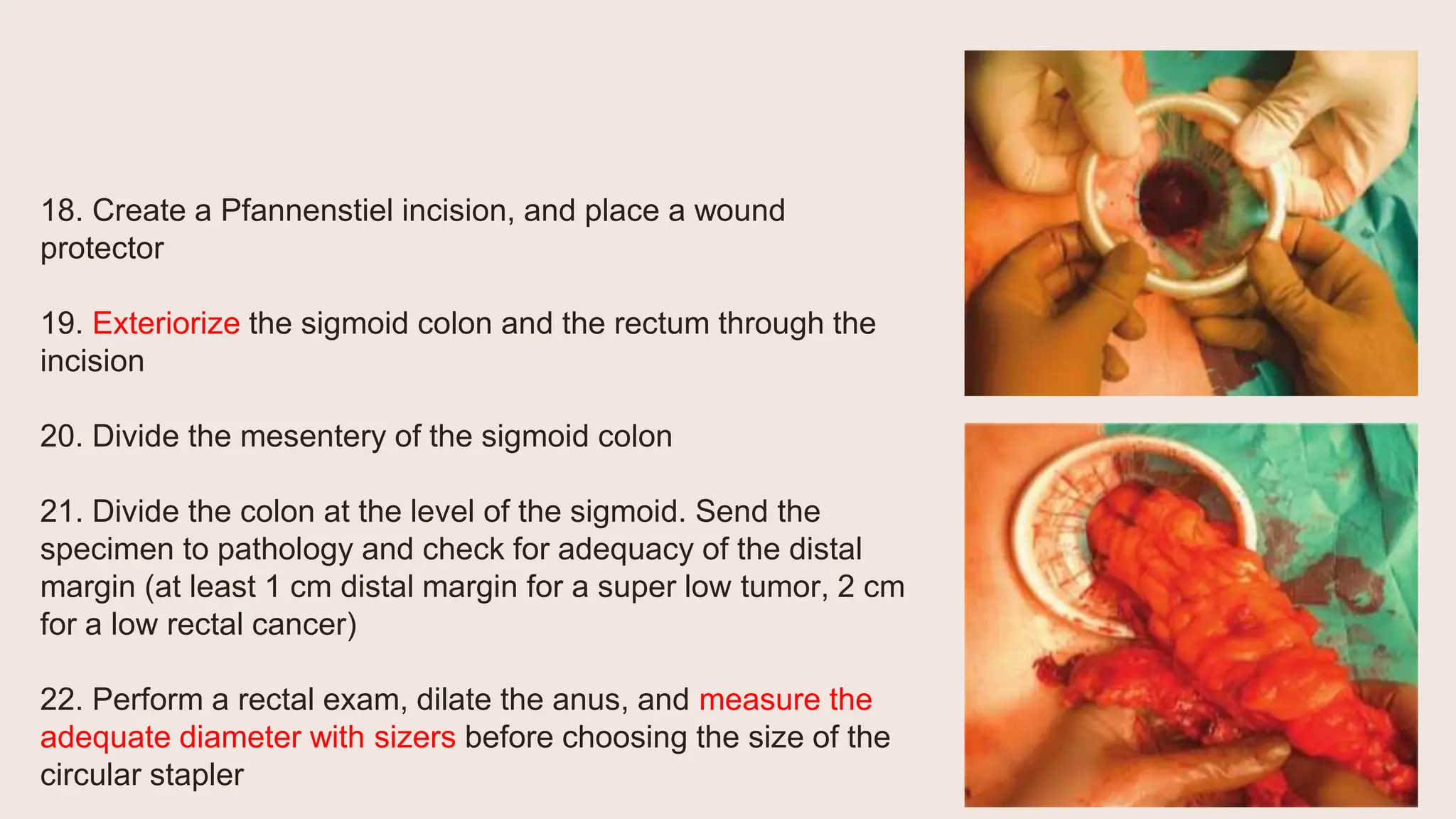
18. Create a Pfannenstiel incision, and place a wound
protector
19. Exteriorize the sigmoid colon and the rectum through the
incision
20. Divide the mesentery of the sigmoid colon
21. Divide the colon at the level of the sigmoid. Send the
specimen to pathology and check for adequacy of the distal
margin (at least 1 cm distal margin for a super low tumor, 2 cm
for a low rectal cancer)
22. Perform a rectal exam, dilate the anus, and measure the
adequate diameter with sizers before choosing the size of the
circular stapler
23. Open the staple line of the proximal colon. Secure the anvil with a double
purse-string stitch
24. Perform a side-to-end or end-to-end anastomosis using the circular end-to-
end anastomosis (EEA) stapler. (Make sure the mesentery is not twisted and the
anastomosis is without tension)
25. Perform a rigid proctosigmoidoscopy and check the anastomotic line. Test the
anastomosis with air insufflation, with the pelvis filled with saline
26. Identify the ileocecal valve at this time
27. If ileostomy is elected (usually for a low colorectal/coloanal anastomosis):
• Run the small bowel proximally and identify a point around 40 cm proximal to
ileocecal valve
• Use the 12-mm trocar site to construct an ileostomy site (site previously
marked by an enterostomal nurse) and exteriorize the small bowel
• Relieve any tension or twist in the mesentery of the small bowel
• Mature the loop ileostomy in regular fashion
28. Check for adequate hemostasis and suction all fluid in the pelvis. Place a drain in
the pelvis if dissection is below the peritoneal reflection
29. Remove all trocars under direct vision
30. Close the Pfannenstiel incision
31. Close skin with a running subcuticular Monocryl suture at all trocar sites and
deep dermal interrupted buried knot sutures at the Pfannenstiel incision
32. Apply a dressing and stoma appliance
33. Extubate patient and transfer to PACU
Note These Variations:
• Cystoscopy with placement of bilateral ureteral stents by urology
• Hand-assisted low anterior resection with a hand port established at the beginning
of the operation through either a Pfannenstiel incision or a low midline incision
• IMA and IMV may be divided at the beginning of the procedure, and the dissection
can be carried medially up to the level of the splenic flexure
• If more length is needed or if the anastomosis is under tension, the IMA/IMV may
be divided and/or the transverse colon can be further mobilized in this situation
• The diverting loop ileostomy is used for low colorectal/coloanal anastomoses
References:
• J.J. Hoballah et al. (eds.), Operative Dictations in General and Vascular
Surgery, DOI 10.1007/978-3-319-44797-1_54
• Ridolfi, T. J., Berger, N., & Ludwig, K. A. (2016). Low Anterior Resection
Syndrome: Current Management and Future Directions. Clinics in colon and
rectal surgery, 29(3), 239–245. https://doi.org/10.1055/s-0036-1584500
• UpToDate

Laparoscopic Low Anterior resection.pptx

  • 1.
    Laparoscopic Low Anterior Resectionfor Complicated Diverticulitis: A case study Presented by Yasmina Sfeir, Serena Youssef, and Fadi Wakim
  • 2.
    Table of contents 01Chief Complaint 02 Overview of admissions 03 LAR: • Introduction • Indications • Steps • Complications • LAR syndrome
  • 3.
    Chief complaint On 28thof December 2023, our patient presented to the emergency department at LAUMC-RH for: Severe Abdominal Pain
  • 4.
    28/12/2023 ● HPI: 60yo male patient presented to the ER with LLQ pain and abdominal distension associated with fever of 39°C and dysuria. ● NKFDA ● Medications: Atacand 16 OD, Concor 2.5 OD, Amlor 5 OD ● PMH: Dyslipidemia and hypertension ● PSH: Tonsillectomy, bilateral hernia ● Family History: negative according to file ● Social history: Nonsmoker, nonalcoholic
  • 5.
    28/12/2023 PE: ● CCO3 ● Generalinspection: No pallor, jaundice or cyanosis ● Heart: Regular S1 S2, no murmur, no added sounds ● Lungs: GBAE, no added sounds ● Abdomen:  Inspection: Distended abdomen  Auscultation: Not reported  Palpation: Diffuse lower abdominal tenderness  Percussion: Not reported ● Extremities: No LLE, pedal pulses felt bilaterally
  • 6.
  • 7.
    WBC: 10.94 HB: 12.7 HCT:38.8 MCV: 86.8 Plt: 531 %NEUT: 75.8 %LYM: 12.9 Na: 131 K: 4.9 Cl: 97 CO2: 25 Urea: 26 Crea: 0.87 GGT: 43 ALT: 21 CRP: 84.8 Urinalysis: Negative Urine culture: no growth 2 Blood cultures: no growth 28/12/2023
  • 8.
    28/12/2023 Segmental mural thickening ofthe proximal and middle thirds of the sigmoid colon extending over a length of 12 cm, on a background of diffuse diverticulosis. Multiple extraluminal air pockets are noted at the posterior aspect with marked fat stranding and early phlegmon formation, displacing the sigmoid colon anteriorly; with small adjacent lymph nodes, the largest reaching 8 mm in shortest axis (series 4, image 116). Findings compatible with acute complicated sigmoid diverticulitis with contained perforation.
  • 9.
    • Patient dischargedon ciprofloxacin 500 BID and flagyl 500 TID, ulcer prophylaxis, pain management 28/12/2023
  • 10.
    9/01/2024 Presented again forfever of 38 deg with myalgia and chills, mild LLQ abdominal pain CT abdomen/pelvis with IV contrast: segmental mural thickening involving the proximal and middle thirds of the sigmoid colon, extending over a length of 8cm (findings again suggestive of complicated diverticulitis with contained perforation and phlegmon). Patient started on piperacillin/tazobactam later switched to Invanz after finding ESBL in stools, course continued at home.
  • 11.
    17/01/2024 Presented for follow-up,no symptoms since last presentation CT abdominal/pelvis with IV contrast: Evidence of complicated diverticulitis with contained perforation and phlegmon with an organizing small abscess.
  • 12.
    17/01/2024 Interval appearance ofa small fluid collection at its inferior aspect measuring 13 x 9 mm (series 3, images 630 and 626, respectively), suggestive of small abscesses formation.
  • 13.
    17/01/2024 Interval appearance ofa small fluid collection at its inferior aspect measuring 13 x 9 mm (series 3, images 630 and 626, respectively), suggestive of small abscesses formation.
  • 14.
    17/01/2024 Based on follow-upCT findings, patient was scheduled for a Laparoscopic Low Anterior Resection.
  • 15.
    Pre-op: 25/01/2024 Segmental muralthickening involving the proximal and middle thirds of the sigmoid colon, extending over a length of 12 cm (series 500, image 55), grossly unchanged since prior exam, in keeping with the patient's known diverticulitis.
  • 16.
    Pre-op: 25/01/2024 Interval increasein the adjacent extraluminal air pockets with grossly unchanged diffuse pericolic fat stranding and early phlegmon formation at its posterior aspect, grossly measuring 6.5 x 6 x 4.5 cm (series 500 image 65 and series 501, image 134). No evidence of drainable collection.
  • 17.
    Pre-op: 25/01/2024 Interval increasein the adjacent extraluminal air pockets with grossly unchanged diffuse pericolic fat stranding and early phlegmon formation at its posterior aspect, grossly measuring 6.5 x 6 x 4.5 cm (series 500 image 65 and series 501, image 134). No evidence of drainable collection.
  • 18.
    WBC: 4.7 HB: 13.3 HCT:40 MCV: 85.4 Plt: 254 %NEUT: 56.4 %LYM: 21.1 %EOS: 12.4 Na: 138 K: 5.5 Cl: 100 CO2: 23 Urea: 21 Crea: 0.64 CRP: 67.8 (on 27/1) Pre-op: 28/01/2024: Vitals: BP: 122/80 HR: 80 T: 37.2 SPO2: 95%
  • 20.
  • 21.
    Introduction: ● A loweranterior resection (LAR) is a common surgery for rectal cancer and occasionally is performed to remove a diseased or ruptured portion of the intestine in cases of diverticulitis
  • 23.
    Introduction: ● Two surgicalprocedures with curative intent are available to patients with rectal cancer: 1. Lower anterior resection and 2. Abdominoperineal resection ● LARs, generally, give a better quality of life than abdominoperineal resections (APRs). APRs lead to a permanent colostomy and do not spare the sphincters ● Laparoscopic low anterior resection for rectal cancer has gained wide acceptance among general surgeons
  • 24.
    Indications: ● Rectal Adenocarcinoma:Patients with a rectal cancer that meets all of the criteria below should undergo a sphincter-sparing resection: ■ Invasive rectal cancer cT2-4 ■ A negative distal margin can be achieved ■ Adequate presurgical anorectal sphincter function ● Diverticulitis
  • 26.
    Outcomes of LAR •In contemporary series, sphincter-sparing procedures and APR have similar local recurrence rates of less than 10 percent. • Lower recurrence rates are generally associated with the use of meticulous surgical techniques (e.g. achieving adequate margins, performing TME) and/or adjuvant chemo-radiation therapy.
  • 27.
    Complications: • Anastomotic leak •Injury to small bowel • Injury to both ureters • Laceration of the spleen or tail of the pancreas • Injury to the hypogastric nerves • Injury to the posterior wall of the vagina • Bleeding from the presacral venous plexus • Injury to left common iliac vessels • Injury to the rectum itself • Sexual dysfunction • Urinary retention • Stoma-related complications
  • 28.
    LAR syndrome: • LARSis defined by at least one of the following symptoms resulting in at least one of the following consequences that occur after a sphincter-sparing resection (ie, anterior resection) of the rectum. • Symptoms: - Variable, unpredictable bowel function - Altered stool consistency - Increased stool frequency - Repeated painful stools - Emptying difficulties - Urgency - Incontinence - Soiling
  • 29.
    Treatment: Medical management withfiber and anti- peristaltic agents
  • 30.
    Consequences: • Toilet dependence •Preoccupation with bowel function • Dissatisfaction with bowels • Strategies and compromises • Impact on mental and emotional wellbeing • Impact on social and daily activities • Relationships and intimacy • Roles, commitments, and responsibilities
  • 31.
    Essential Steps: 1. Preoperativebowel preparation, including PO antibiotics 2. Trendenlenberg position, both arms kept tucked: ○ The patient is placed supine on the operating table. After induction of general anesthesia and insertion of an orogastric tube and Foley catheter, the legs are placed in stirrups. The arms are tucked at the patient's side and the beanbag is aspirated. The abdomen is prepared with an antiseptic solution and draped routinely.
  • 32.
    3. If nottattooed prior to surgery, perform rigid proctosigmoidoscopy to identify 2 cm distal to the tumor 4. Placement of trocars: - Periumbilical Hasson port - Two 5-mm trocars in the Right upper and left lower quadrant - One 12-mm trocar in the right lower abdomen (site for diverting ileostomy if needed)
  • 33.
    5. Explore Abdomenfor metastatic disease (not in diverticulitis) 6. Isolation of the IMA, with a medial to lateral dissection and protection of the left ureter with a high ligation of the IMA 7. Incise the white line of Toldt, to mobilize the descending colon
  • 34.
    8. Retract therectum and mesorectum anteriorly and perform a posterior mesorectal dissection with electrocautery or an energy device 9. Identify, isolate, and protect the hypogastric nerves 10. In a female, a stitch may be placed in the uterus to fix the uterus to the anterior abdominal wall if the uterus obstructs the anterior plane of dissection 11. The dissection is performed circumferentially 12. Take down the lateral attachments of the rectum avoiding injury to the hypogastric nerves within the lateral stalks
  • 35.
    13. Open theperitoneal reflection anteriorly, staying behind Denonvilliers’ fascia, avoiding injury to the prostate and seminal vesicles in males and to the uterus and vagina in females 14. Dissect posteriorly close to the posterior colonic wall along Waldeyer’s fascia, avoiding injury of the sacral venous plexus 15. Divide the rectum using a reticulated laparoscopic stapler at a point distal to the mass in order to obtain adequate margins
  • 36.
    18. Create aPfannenstiel incision, and place a wound protector 19. Exteriorize the sigmoid colon and the rectum through the incision 20. Divide the mesentery of the sigmoid colon 21. Divide the colon at the level of the sigmoid. Send the specimen to pathology and check for adequacy of the distal margin (at least 1 cm distal margin for a super low tumor, 2 cm for a low rectal cancer) 22. Perform a rectal exam, dilate the anus, and measure the adequate diameter with sizers before choosing the size of the circular stapler
  • 37.
    23. Open thestaple line of the proximal colon. Secure the anvil with a double purse-string stitch 24. Perform a side-to-end or end-to-end anastomosis using the circular end-to- end anastomosis (EEA) stapler. (Make sure the mesentery is not twisted and the anastomosis is without tension) 25. Perform a rigid proctosigmoidoscopy and check the anastomotic line. Test the anastomosis with air insufflation, with the pelvis filled with saline 26. Identify the ileocecal valve at this time
  • 38.
    27. If ileostomyis elected (usually for a low colorectal/coloanal anastomosis): • Run the small bowel proximally and identify a point around 40 cm proximal to ileocecal valve • Use the 12-mm trocar site to construct an ileostomy site (site previously marked by an enterostomal nurse) and exteriorize the small bowel • Relieve any tension or twist in the mesentery of the small bowel • Mature the loop ileostomy in regular fashion 28. Check for adequate hemostasis and suction all fluid in the pelvis. Place a drain in the pelvis if dissection is below the peritoneal reflection 29. Remove all trocars under direct vision
  • 39.
    30. Close thePfannenstiel incision 31. Close skin with a running subcuticular Monocryl suture at all trocar sites and deep dermal interrupted buried knot sutures at the Pfannenstiel incision 32. Apply a dressing and stoma appliance 33. Extubate patient and transfer to PACU
  • 40.
    Note These Variations: •Cystoscopy with placement of bilateral ureteral stents by urology • Hand-assisted low anterior resection with a hand port established at the beginning of the operation through either a Pfannenstiel incision or a low midline incision • IMA and IMV may be divided at the beginning of the procedure, and the dissection can be carried medially up to the level of the splenic flexure • If more length is needed or if the anastomosis is under tension, the IMA/IMV may be divided and/or the transverse colon can be further mobilized in this situation • The diverting loop ileostomy is used for low colorectal/coloanal anastomoses
  • 41.
    References: • J.J. Hoballahet al. (eds.), Operative Dictations in General and Vascular Surgery, DOI 10.1007/978-3-319-44797-1_54 • Ridolfi, T. J., Berger, N., & Ludwig, K. A. (2016). Low Anterior Resection Syndrome: Current Management and Future Directions. Clinics in colon and rectal surgery, 29(3), 239–245. https://doi.org/10.1055/s-0036-1584500 • UpToDate

Editor's Notes

  • #4 Specific wording used by the patient
  • #5 9/1/2024: Presented again for high grade fever with myalgia and chills, mild LLQ abdominal pain
  • #6 9/1/2024: Presented again for high grade fever with myalgia and chills, mild LLQ abdominal pain
  • #7 Specific wording used by the patient