BLACK KITE
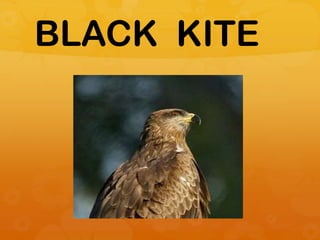
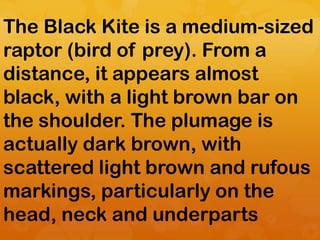
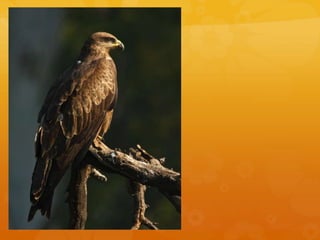
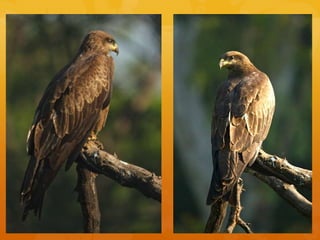
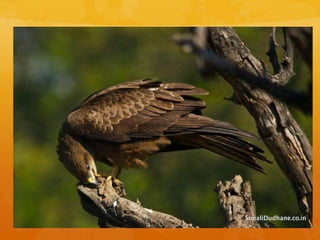
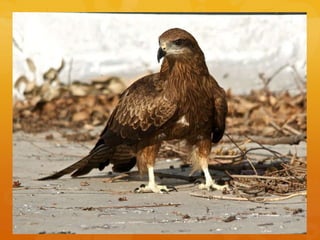
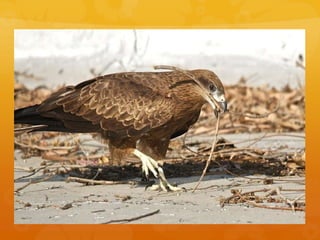
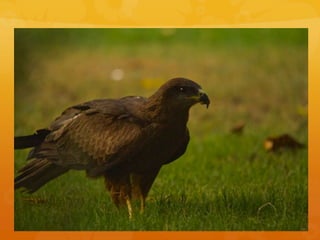
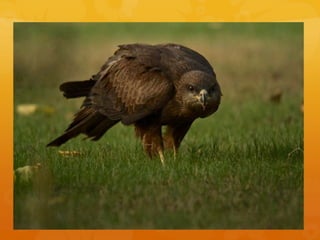
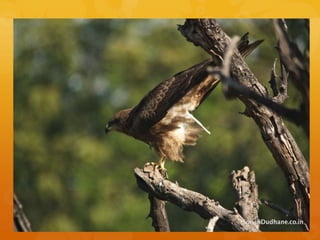
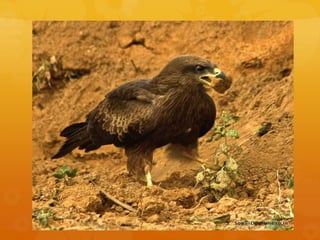
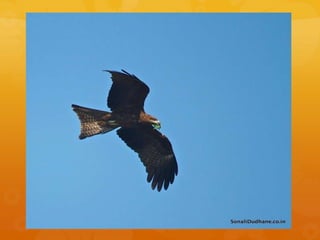
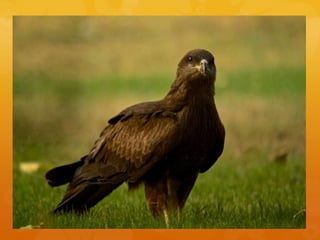
The Black Kite is a medium-sized
raptor (bird of prey). From a
distance, it appears almost
black, with a light brown bar on
the shoulder. The plumage is
actually dark brown, with
scattered light brown and rufous
markings, particularly on the
head, neck and underparts
The Black Kite is found in a
variety of habitats, from
timbered watercourses to
open plains, and is often
observed in and around
outback towns. Although it is
more normally seen in small
groups
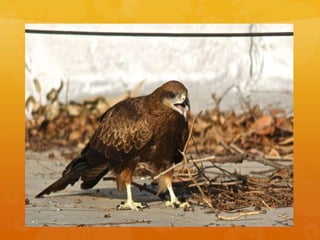
The Black Kite preys on
lizards, small mammals and
insects, especially
grasshoppers. It also is a
scavenger, and frequents tips
in outback towns.
Breeding:
Black Kites nest in isolated pairs or in small,
scattered colonies. As with other raptors, a
ritualised aerial courtship display is
performed by both sexes. This involves loud
calling, grappling of feet (talons), and
tumbling or cartwheeling. The nest is a bulky
cup of sticks, lined with softer material, and is
placed in the fork of a tree branch (generally
close to the trunk). The female incubates the
eggs while the male provides food.

Black Kite

  • 1.
  • 2.
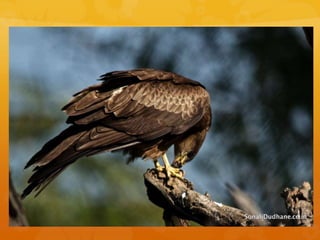
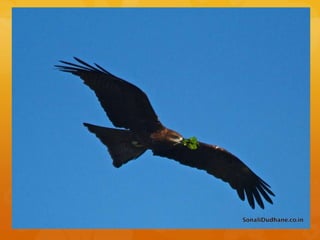
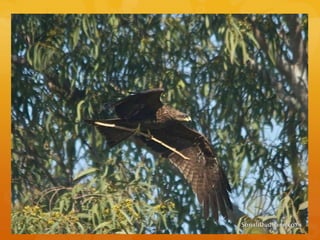
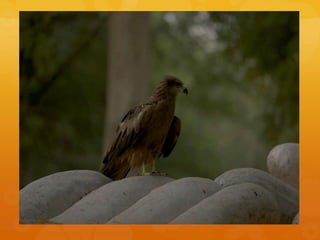
    The Black Kiteis a medium-sized raptor (bird of prey). From a distance, it appears almost black, with a light brown bar on the shoulder. The plumage is actually dark brown, with scattered light brown and rufous markings, particularly on the head, neck and underparts
  • 5.
    The Black Kiteis found in a variety of habitats, from timbered watercourses to open plains, and is often observed in and around outback towns. Although it is more normally seen in small groups
  • 20.
    The Black Kitepreys on lizards, small mammals and insects, especially grasshoppers. It also is a scavenger, and frequents tips in outback towns.
  • 23.
    Breeding: Black Kites nestin isolated pairs or in small, scattered colonies. As with other raptors, a ritualised aerial courtship display is performed by both sexes. This involves loud calling, grappling of feet (talons), and tumbling or cartwheeling. The nest is a bulky cup of sticks, lined with softer material, and is placed in the fork of a tree branch (generally close to the trunk). The female incubates the eggs while the male provides food.