Association of the World War II Finnish Evacuation of Children
With Psychiatric Hospitalization in the Next Generation
Torsten Santavirta, PhD; Nina Santavirta, PhD; Stephen E. Gilman, ScD
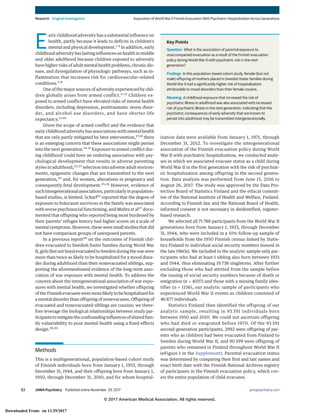
IMPORTANCE Although there is evidence that adverse childhood experiences are associated
with worse mental health in adulthood, scarce evidence is available regarding an emerging
concern that the next generation might also be affected.
OBJECTIVE To compare the risk of psychiatric hospitalization in cousins whose parents were
vs were not exposed to the Finnish evacuation policy that involved a mean 2-year stay with a
Swedish foster family.
DESIGN, SETTING, AND PARTICIPANTS This multigenerational, population-based cohort study
of Finnish individuals and their siblings born between January 1, 1933, and December 31,
1944, analyzed the association of evacuee status as a child during World War II in the first
generation with the risk of psychiatric hospitalization among offspring in the second
generation. Evacuee status during World War II was determined using the Finnish National
Archive’s registry of participants in the Finnish evacuation. Data on evacuee status were
linked to the psychiatric diagnoses in the Finnish Hospital Discharge Register from January 1,
1971, through December 31, 2012, for offspring (n = 93 391) born between January 1, 1950,
and December 31, 2010. Sex-specific Cox proportional hazards regression models were used
to estimate hazard ratios for risk of psychiatric hospitalization during the follow-up period.
Because offspring of evacuees and their nonevacuated siblings are cousins, the Cox
proportional hazards regression models included fixed effects to adjust for confounding
factors in families. Data analysis was performed from June 15, 2016, to August 26, 2017.
EXPOSURES Parental participation in the evacuation during World War II (coded 1 for parents
who were evacuated and placed in foster care and 0 for those not evacuated).
MAIN OUTCOMES AND MEASURES Offspring’s initial admission to the hospital for a psychiatric
disorder, obtained from the Finnish Hospital Discharge Register from January 1, 1971, through
December 31, 2012.
RESULTS Of the 93 391 study persons, 45 955 (49.2%) were women and 47 436 (50.8) were
men; mean (SD) age in 2012 among survivors was 45.4 (6.58) years. Female offspring of
mothers evacuated to Sweden during childhood had an elevated risk of psychiatric
hospitalization (hazard ratio for any type of psychiatric disorder: 2.04 [95% CI, 1.04-4.01];
hazard ratio for mood disorder: 4.68 [95% CI, 1.92-11.42]). There was no excess risk of being
hospitalized for a psychiatric disorder among women whose fathers were exposed to the
Finnish evacuation policy during World War II or among men whose mothers or fathers were
exposed.
CONCLUSIONS AND RELEVANCE In a prior follow-up study of the Finnish evacuees, girls
evacuated to Swedish foster families during World War II were more likely to be hospitalized
for a psychiatric disorder—in particular, a mood disorder—in adulthood than their
nonevacuated sisters. The present study found that the offspring of these individuals were
also at risk for mental health problems that required hospitalization and suggests that
early-life adversities, including war-related exposures, may be associated with mental health
disorders that persist across generations.
JAMA Psychiatry. doi:10.1001/jamapsychiatry.2017.3511
Published online November 29, 2017.
Editorial
Supplemental content
Author Affiliations: Institute for
Housing and Urban Research,
Uppsala University and Swedish
Institute for Social Research,
Stockholm University, Uppsala,
Sweden (T. Santavirta); Department
of Education, Faculty of Educational
Sciences, University of Helsinki,
Helsinki, Finland (N. Santavirta);
Health Behavior Branch, Division of
Intramural Population Health
Research, Eunice Kennedy Shriver
National Institute of Child Health and
Human Development, National
Institutes of Health, Bethesda,
Maryland (Gilman); Department of
Mental Health, Johns Hopkins
Bloomberg School of Public Health,
Baltimore, Maryland (Gilman).
Corresponding Author: Torsten
Santavirta, PhD, Institute for Housing
and Urban Research, Uppsala
University and Swedish Institute for
Social Research, Stockholm
University, PO Box 256,
751 05 Uppsala, Sweden
(torsten.santavirta@ibf.uu.se).
Research
JAMA Psychiatry | Original Investigation
(Reprinted) E1
© 2017 American Medical Association. All rights reserved.
Downloaded From: on 11/29/2017
E
arly childhood adversity has a substantial influence on
health, partly because it leads to deficits in children’s
mental and physical development.1-4
In addition, early
childhood adversity has lasting influences on health in middle
and older adulthood because children exposed to adversity
have higher risks of adult mental health problems, chronic dis-
ease, and dysregulation of physiologic pathways, such as in-
flammation that increases risk for cardiovascular-related
conditions.5-8
One of the major sources of adversity experienced by chil-
dren globally arises from armed conflict.9-12
Children ex-
posed to armed conflict have elevated risks of mental health
disorders, including depression, posttraumatic stress disor-
der, and alcohol use disorders, and have shorter life
expectancy.13-16
Given the scope of armed conflict and the evidence that
early childhood adversity has associations with mental health
that are only partly mitigated by later intervention,17,18
there
is an emerging concern that these associations might persist
into the next generation.19-21
Exposure to armed conflict dur-
ing childhood could have an enduring association with psy-
chological development that results in adverse parenting
styles in adulthood,22,23
selection into adverse adult environ-
ments, epigenetic changes that are transmitted to the next
generation,24
and, for women, alterations in pregnancy and
consequently fetal development.25,26
However, evidence of
suchintergenerationalassociations,particularlyinpopulation-
based studies, is limited. Scharf23
reported that the degree of
exposure to holocaust survivors in the family was associated
with worse psychosocial functioning, and Muhtz et al27
docu-
mented that offspring who reported being most burdened by
their parents’ refugee history had higher scores on a scale of
mental symptoms. However, these were small studies that did
not have comparison groups of unexposed parents.
In a previous report28
on the outcomes of Finnish chil-
dren evacuated to Swedish foster families during World War
II,girls(butnotboys)evacuatedtoSwedenduringthewarwere
more than twice as likely to be hospitalized for a mood disor-
der during adulthood than their nonevacuated siblings, sup-
porting the aforementioned evidence of the long-term asso-
ciation of war exposure with mental health. To address the
concern about the intergenerational association of war expo-
sures with mental health, we investigated whether offspring
of the Finnish evacuees were more likely to be hospitalized for
a mental disorder than offspring of nonevacuees. Offspring of
evacuated and nonevacuated siblings are cousins; we there-
fore leverage the biological relationships between study par-
ticipantstomitigatetheconfoundinginfluencesofsharedfam-
ily vulnerability to poor mental health using a fixed-effects
design.29,30
Methods
This is a multigenerational, population-based cohort study
of Finnish individuals born from January 1, 1933, through
December 31, 1944, and their offspring born from January 1,
1950, through December 31, 2010, and for whom hospital-
ization data were available from January 1, 1971, through
December 31, 2012. To investigate the intergenerational
association of the Finnish evacuation policy during World
War II with psychiatric hospitalization, we conducted analy-
ses in which we associated evacuee status as a child during
World War II in the first generation with the risk of psychiat-
ric hospitalization among offspring in the second genera-
tion. Data analysis was performed from June 15, 2016 to
August 26, 2017. The study was approved by the Data Pro-
tection Board of Statistics Finland and the ethical commit-
tee of the National Institute of Health and Welfare, Finland.
According to Finnish law and the National Board of Health,
informed consent is not necessary in deidentified, register-
based research.
We selected all 71 788 participants from the World War II
generations born from January 1, 1933, through December
31, 1944, who were included in a 10% follow-up sample of
households from the 1950 Finnish census linked by Statis-
tics Finland to individual social security numbers (issued in
the late 1960s). We included in the analytic sample only par-
ticipants who had at least 1 sibling also born between 1933
and 1944, thus eliminating 19 738 singletons. After further
excluding those who had attrited from the sample before
the issuing of social security numbers because of death or
emigration (n = 4037) and those with a missing family iden-
tifier (n = 1136), our analytic sample of participants who
experienced World War II events as children consisted of
46 877 individuals.
Statistics Finland then identified the offspring of our
analytic sample, resulting in 93 391 individuals born
between 1950 and 2010. We could not ascertain offspring
who had died or emigrated before 1970. Of the 93 391
second-generation participants, 2992 were offspring of par-
ents who as children had been evacuated from Finland to
Sweden during World War II, and 90 399 were offspring of
parents who remained in Finland throughout World War II
(eFigure 1 in the Supplement). Parental evacuation status
was determined by comparing their first and last names and
exact birth date with the Finnish National Archives registry
of participants in the Finnish evacuation policy, which cov-
ers the entire population of child evacuees.
Key Points
Question What is the association of parental exposure to
unaccompanied evacuation as a result of the Finnish evacuation
policy during World War II with psychiatric risk in the next
generation?
Findings In this population-based cohort study, female (but not
male) offspring of mothers placed in Swedish foster families during
World War II had a significantly higher risk of hospitalization
attributable to mood disorders than their female cousins.
Meaning A childhood exposure that increased the risk of
psychiatric illness in adulthood was also associated with increased
risk of psychiatric illness in the next generation, indicating that the
psychiatric consequences of early adversity that are known to
persist into adulthood may be transmitted intergenerationally.
Research Original Investigation Association of World War II Finnish Evacuation With Psychiatric Hospitalization Across Generations
E2 JAMA Psychiatry Published online November 29, 2017 (Reprinted) jamapsychiatry.com
© 2017 American Medical Association. All rights reserved.
Downloaded From: on 11/29/2017
Measures
Our main outcome of interest was initial admission to the hos-
pital for a psychiatric disorder between 1971 and 2012 based
on the Finnish Hospital Discharge Register (HDR). The regis-
ter contains information on the date of admission, discharge,
and diagnoses for all inpatient stays. We used primary and sub-
sidiary diagnosis codes from the eighth, ninth, and 10th revi-
sions of the International Classification of Diseases (ICD) and
deaths (ICD codes provided in the eTable in the Supplement).
We investigated admissions for any psychiatric disorder and
substance use, psychotic, mood, and anxiety disorders. The
HDR has satisfactory to high validity, with positive predictive
values for common diagnoses ranging from 75% to 98%.28
Dates of death were obtained from the death cause registry ad-
ministered by Statistics Finland.
Thefamilysociodemographiccharacteristicsofparticipants’
householdsduringWorldWarIIwereobtainedfromthe1950cen-
sus by using the family identifier available in the 1950 census
follow-up sample. The 1950 census contains questions survey-
ingprewarconditionsoffamilies;weusedfamilysocioeconomic
statusbasedongrandfather’soccupationandcountyofresidence
onSeptember1,1939.Educationallevelofgrandparentswasde-
fined by whether the grandfather or the grandmother had con-
tinuedhisorhereducationbeyondprimaryschool.Familysize
before the war was based on the number of children in the fam-
ily as of 1940. Psychopathologic findings in the first generation
were derived from the HDR during 1971 to 2011 using the same
ICDcodesasfortheoffspringgeneration.Toaddresschronicity
of psychopathologic findings in the first generation, we con-
structed a measure that differentiated between parents hospi-
talized once and parents hospitalized 2 or more times.
Statistical Analysis
We fitted Cox proportional hazards regression models with de-
layed entry with estimated hazard ratios (HRs) for psychiatric
hospitalization during the follow-up period and correspond-
ing 95% CIs. The risk set included person-time beginning on
January 1, 1971, until the date of the first hospital admission
for psychiatric disorders for cases or until being censored for
noncases (which occurred at death or the end of the fol-
low-up period [December 31, 2012], when the oldest partici-
pants were aged 52 years).
The primary exposure in the analyses was parental par-
ticipation in the evacuation policy during World War II (coded
1 for parents who were evacuated and placed in foster care and
0 for parents not evacuated). On the basis of previous results28
of higher risk of psychiatric disorders among female evacu-
ees but not males, we differentiated risks of psychiatric hos-
pitalization between offspring of fathers and mothers who had
been evacuated during the war.
We analyzed associations between parental exposure to
evacuationduringWorldWarIIandoffspringpsychiatrichospi-
talizations using conventional cohort analyses and using mod-
els that hold the baseline hazard constant among cousins while
allowing it to differ between those who were not cousins. The
within-cousinanalysesadjustforall(measuredandunmeasured)
factors shared by cousins and thus circumvent potential con-
founding that arises from selection into the evacuation policy
based on family background. Throughout the analyses, we ad-
justed variance estimates to account for nonindependence be-
tween family members. The within-cousin fixed-effects analy-
sis is an extension of sibling comparisons in adult outcomes
reportedinapreviousstudy28
analyzingonlythesampleofwar-
time cohorts (n = 46 877). The fixed-effects design applied ad-
justs for the component of family background shared by cous-
insandlikelyaccountsforfewerpotentialconfoundersthanthe
siblingdesigndoes.Nevertheless,basedontheliteratureonin-
tergenerationaltransmissionofsocioeconomicstatus,weknow
that,forexample,familyincomeiscorrelatedamonggenetically
close relatives. Although the degree of similarities in the family
environmentisgreaterforsiblingsthanfirstcousins,thereisevi-
dence of substantial correlations in labor market outcomes and
educational outcomes for first cousins.31,32
One potential explanation for an association between
evacuation during World War II and offspring psychiatric dis-
order is that former evacuees themselves were more likely to
develop psychiatric disorders (as demonstrated previously),
which is an established risk factor for offspring psychiatric
disorder.33
Accordingly,weextendedtheCoxproportionalhaz-
ards regression models to control for parental psychiatric
hospitalization.Weanalyzedparentalhospitalizationasatime-
varying covariate coded as the cumulative number of hospi-
talizations (0, 1, or ≥2) recorded in the HDR as of each person-
year in the risk set. All analyses were performed using Stata
software, version 14 (StataCorp).
Results
Of the 93 391 study persons, 45 955 (49.2%) were women and
47 436 (50.8) were men; mean (SD) age in 2012 among survi-
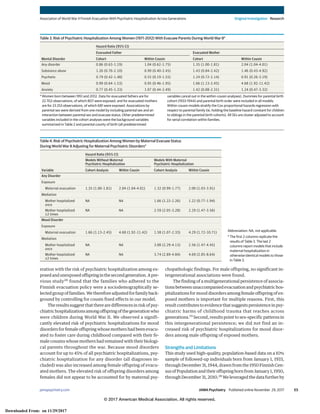
vors was 45.4 (6.58) years. Table 1 presents the characteris-
ticsofparticipantsbyevacuationstatusandsex.Atotalof2992
participants’ parents (3.3%) were evacuated to Sweden dur-
ing World War II. A total of 7495 participants (3614 male) were
hospitalized for psychiatric disorders during the follow-up pe-
riod. A total of 55 516 (59.4%) of the sample was born be-
tween 1961 and 1970 (see eFigure 2 in the Supplement for the
age distribution of the sample at the time of censoring).
Table 2 documents baseline covariates of the exposed par-
ticipants and the unexposed participants. Of note, the par-
ents of the exposed came from larger families and more fre-
quently spoke Swedish as their native language.
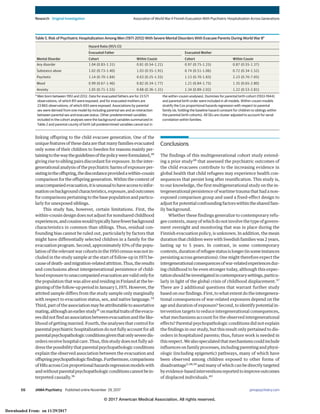
Table3reportsHRsforfemaleparticipantshospitalizedfor
psychiatric disorders by exposure status of either parent from
the cohort analyses by adjusting for measured characteristics
of the parental families (evacuated father: HR, 0.86 [95% CI,
0.63-1.19]; evacuated mother: HR, 1.35 [95% CI, 1.00-1.81]) and
from the within-cousin analyses by adjusting for all mea-
sured and unmeasured family characteristics of the parental
families(evacuatedfather:HR,1.04[95%CI,0.62-1.75];evacu-
ated mother: HR, 2.04; [95% CI, 1.04-4.01]). All baseline co-
variates reported in Table 2 were entered into the models as
categorical variables except for number of children in the fam-
ily as of 1940, which was continuous. In the within-cousin
analysis, having a mother who was evacuated during child-
Association of World War II Finnish Evacuation With Psychiatric Hospitalization Across Generations Original Investigation Research
jamapsychiatry.com (Reprinted) JAMA Psychiatry Published online November 29, 2017 E3
© 2017 American Medical Association. All rights reserved.
Downloaded From: on 11/29/2017
hood was associated with a higher risk of psychiatric hospi-
talization (HR, 2.04; 95% CI, 1.04-4.01). This association ap-
pears to be driven by an elevated risk of being admitted to the
hospital for mood disorders for women whose mothers were
evacuated during childhood compared with their cousins
whose mothers remained with their families throughout the
war (HR, 4.68; 95% CI, 1.92-11.42). This result, combined with
our previously reported elevated risk of admission to the hos-
pital for the mothers who were evacuated as children, sug-
gests intergenerational persistence for women in the psychi-
atric consequences of participation in the Finnish evacuation
induced by the adverse events during World War II.28
Results of models identifying any offspring psychiatric dis-
order and offspring mood disorder when controlling for paren-
talpsychiatrichospitalizationarepresentedinTable4.TheHRs
formaternalevacuationwerelargelyunchangedafteradjusting
for maternal psychiatric hospitalization. In the within-cousin
analyses that adjusted for parental hospitalization, offspring of
parents evacuated to Sweden during World War II were more
likely to be hospitalized for any psychiatric disorder (HR, 2.00;
95%CI,1.03-3.91)orforamooddisorder(HR,4.29;95%CI,1.72-
10.71). Consistent with the established parent-offspring trans-
missionofpsychopathologicconditions,parentalhospitalization
wasassociatedwiththeoffspring’sriskofhospitalizationforany
psychiatric disorder and for a mood disorder, with the greatest
associationforoffspringwhoseparentswerehospitalizedmore
than once (HR for any disorder, 2.29 [95% CI, 1.47-3.56]; HR for
mood disorder, 4.69 [95% CI, 2.85-8.64]).
Among male participants (Table 5), no association was
found between parental evacuation during World War II and
offspringriskofpsychiatrichospitalization.Thisresultisinline
withapreviouslyreportedfinding28
ofnoincreasedriskofpsy-
chiatric hospitalization for men who were evacuated.
Discussion
This study investigated the intergenerational consequences of
psychiatric hospitalizations of the Finnish policy of evacuat-
ing unaccompanied children to foster care in Sweden during
World War II. We conducted analyses in which we associated
evacuee status as a child during World War II in the first gen-
Table 2. Sample Characteristics by Sex and Parental Evacuee Statusa
Characteristic
Nonevacuee Parents Evacuee Parents
Male
(n = 45 932)
Female
(n = 44 467)
Male
(n = 1504)
Female
(n = 1488)
Educational level of grandparentsb
Primary school or less 42 788 (93.2) 41 431 (93.2) 1395 (92.8) 1363 (91.6)
Beyond primary school 3144 (6.8) 3036 (6.8) 109 (7.2) 125 (8.4)
Native language
Finnish 43 640 (95.0) 42 298 (95.1) 1358 (90.3) 1319 (88.6)
Swedish 2292 (5.0) 2169 (4.9) 146 (9.7) 169 (11.4)
No. of children in parental family in
1940, mean (SD)
1.96 (1.81) 1.97 (1.81) 2.71 (1.50) 2.60 (1.46)
Socioeconomic status of grandparents
in 1939c
Entrepreneur 14 305 (31.1) 13 768 (31.0) 200 (13.3) 194 (13.0)
White-collar worker 4306 (9.4) 4098 (9.1) 173 (11.4) 159 (10.7)
Blue-collar worker 13 042 (28.4) 12 617 (28.4) 645 (42.9) 630 (42.3)
Homemaker 3994 (8.7) 4001 (9.0) 52 (3.5) 61 (4.1)
Unemployed 10 285 (22.4) 9983 (22.5) 434 (28.9) 444 (29.8)
a
Data are presented as number
(percentage) of study participants
unless otherwise indicated.
All family background
characteristics refer to parents’
childhood socioeconomic
background before World War II (eg,
educational level referring to
grandparents’ educational level).
b
Highest educational level of
grandmother or grandfather.
c
Occupation based on grandfather’s
occupation in 1939; if missing,
replaced by grandmother’s
education.
Table 1. Sample Size and Frequencies of Disorders by Sex and Parental Evacuee Status
Variable
Children of Nonevacuees With at Least 1 Episode Children of Evacuees With at Least 1 Episode
All
(n = 90 399)
Male
(n = 45 932)
Female
(n = 44 467)
All
(n = 2992)
Male
(n = 1504)
Female
(n = 1488)
Type of diagnosis, No.
Any disorder 7495 3614 3881 271 134 137
Mood disorders 2877 1389 1488 118 52 66
Substance abuse 2948 1571 1377 109 60 49
Psychotic disorders 1759 854 905 51 27 24
Anxiety disorders 2432 1201 1231 92 41 51
Cohort, No. (%)
1951-1960 15 258 (16.9) 7742 (16.8) 7516 (16.9) 791 (26.4) 390 (25.9) 401 (26.9)
1961-1970 53 766 (59.5) 27 449 (59.8) 26 317 (59.2) 1750 (58.5) 888 (59.0) 862 (57.9)
1971-1980 18 352 (20.3) 9226 (20.1) 9126 (20.5) 398 (13.3) 197 (13.1) 201 (13.5)
1981 and later 3022 (3.3) 1515 (3.3) 1507 (3.4) 53 (1.8) 29 (2.0) 24 (1.6)
Research Original Investigation Association of World War II Finnish Evacuation With Psychiatric Hospitalization Across Generations
E4 JAMA Psychiatry Published online November 29, 2017 (Reprinted) jamapsychiatry.com
© 2017 American Medical Association. All rights reserved.
Downloaded From: on 11/29/2017
eration with the risk of psychiatric hospitalization among ex-
posedandunexposedoffspringinthesecondgeneration.Apre-
vious study28
found that the families who adhered to the
Finnish evacuation policy were a sociodemographically se-
lectedgroupoffamilies.Wethereforeadjustedforfamilyback-
ground by controlling for cousin fixed effects in our model.
The results suggest that there are differences in risk of psy-
chiatrichospitalizationsamongoffspringofthegenerationwho
were children during World War II. We observed a signifi-
cantly elevated risk of psychiatric hospitalizations for mood
disorders for female offspring whose mothers had been evacu-
ated to foster care during childhood compared with their fe-
male cousins whose mothers had remained with their biologi-
cal parents throughout the war. Because mood disorders
account for up to 45% of all psychiatric hospitalizations, psy-
chiatric hospitalization for any disorder (all diagnoses in-
cluded) was also increased among female offspring of evacu-
ated mothers. The elevated risk of offspring disorders among
females did not appear to be accounted for by maternal psy-
chopathologic findings. For male offspring, no significant in-
tergenerational associations were found.
The finding of a multigenerational persistence of associa-
tionsbetweenunaccompaniedevacuationandpsychiatrichos-
pitalizations for mood disorders among female offspring of ex-
posed mothers is important for multiple reasons. First, this
result contributes to evidence that suggests persistence in psy-
chiatric harms of childhood trauma that reaches across
generations.19
Second, results point to sex-specific patterns in
this intergenerational persistence; we did not find an in-
creased risk of psychiatric hospitalizations for mood disor-
ders among male offspring of exposed mothers.
Strengths and Limitations
This study used high-quality, population-based data on a 10%
sample of followed-up individuals born from January 1, 1933,
through December 31, 1944, drawn from the 1950 Finnish Cen-
susofPopulationandtheiroffspringbornfromJanuary1,1950,
through December 31, 2010.28
We leveraged the data further by
Table 3. Risk of Psychiatric Hospitalization Among Women (1971-2012) With Evacuee Parents During World War IIa
Mental Disorder
Hazard Ratio (95% CI)
Evacuated Father Evacuated Mother
Cohort Within Cousin Cohort Within Cousin
Any disorder 0.86 (0.63-1.19) 1.04 (0.62-1.75) 1.35 (1.00-1.81) 2.04 (1.04-4.01)
Substance abuse 1.26 (0.76-2.10) 0.99 (0.40-2.45) 1.43 (0.84-2.42) 1.46 (0.43-4.92)
Psychotic 0.79 (0.42-1.48) 0.55 (0.19-1.55) 1.24 (0.72-2.14) 0.91 (0.26-3.19)
Mood 0.99 (0.64-1.53) 0.95 (0.46-1.95) 1.66 (1.13-2.45) 4.68 (1.92-11.42)
Anxiety 0.77 (0.45-1.33) 1.07 (0.44-2.49) 1.42 (0.88-2.31) 1.24 (0.47-3.32)
a
Women born between 1951 and 2012. Data for evacuated fathers are for
22 702 observations, of which 807 were exposed, and for evacuated mothers
are for 23 253 observations, of which 681 were exposed. Associations by
parental sex were derived from one model by including parental sex and an
interaction between parental sex and evacuee status. Other predetermined
variables included in the cohort analyses were the background variables
summarized in Table 2 and parental county of birth (all predetermined
variables cancel out in the within-cousin analyses). Dummies for parental birth
cohort (1933-1944) and parental birth order were included in all models.
Within-cousin models stratify the Cox proportional hazards regression with
respect to parental family (ie, holding the baseline hazard constant for children
to siblings in the parental birth cohorts). All SEs are cluster adjusted to account
for serial correlation within families.
Table 4. Risk of Psychiatric Hospitalization Among Women by Maternal Evacuee Status
During World War II Adjusting for Maternal Psychiatric Disordersa
Variable
Hazard Ratio (95% CI)
Models Without Maternal
Psychiatric Hospitalization
Models With Maternal
Psychiatric Hospitalization
Cohort Analysis Within Cousin Cohort Analysis Within Cousin
Any Disorder
Exposure
Maternal evacuation 1.35 (1.00-1.81) 2.04 (1.04-4.01) 1.32 (0.99-1.77) 2.00 (1.03-3.91)
Mediation
Mother hospitalized
once
NA NA 1.66 (1.22-2.26) 1.22 (0.77-1.94)
Mother hospitalized
≥2 times
NA NA 2.59 (2.05-3.28) 2.29 (1.47-3.56)
Mood Disorder
Exposure
Maternal evacuation 1.66 (1.13-2.45) 4.68 (1.92-11.42) 1.58 (1.07-2.33) 4.29 (1.72-10.71)
Mediation
Mother hospitalized
once
NA NA 3.08 (2.29-4.13) 2.56 (1.47-4.45)
Mother hospitalized
≥2 times
NA NA 3.74 (2.89-4.84) 4.69 (2.85-8.64)
Abbreviation: NA, not applicable.
a
The first 2 columns replicate the
results of Table 3. The last 2
columns report models that include
maternal hospitalization in
otherwise identical models to those
in Table 3.
Association of World War II Finnish Evacuation With Psychiatric Hospitalization Across Generations Original Investigation Research
jamapsychiatry.com (Reprinted) JAMA Psychiatry Published online November 29, 2017 E5
© 2017 American Medical Association. All rights reserved.
Downloaded From: on 11/29/2017
linking offspring to the child evacuee generation. One of the
unique features of these data are that many families evacuated
only some of their children to Sweden for reasons mainly per-
tainingtothewaytheguidelinesofthepolicywereformulated,28
giving rise to sibling pairs discordant for exposure. In the inter-
generational analysis of the psychiatric harms of exposure per-
sistingintheoffspring,thediscordanceprovidedawithin-cousin
comparison for the offspring generation. Within the context of
unaccompaniedevacuation,itisunusualtohaveaccesstoinfor-
mationonbackgroundcharacteristics,exposure,andoutcomes
for comparisons pertaining to the base population and particu-
larly for unexposed siblings.
This study has, however, certain limitations. First, the
within-cousin design does not adjust for nonshared childhood
experiences,andcousinswouldtypicallyhavefewerbackground
characteristics in common than siblings. Thus, residual con-
founding bias cannot be ruled out, particularly by factors that
might have differentially selected children in a family for the
evacuation program. Second, approximately 10% of the popu-
lationoftherelevantwarcohortsinthe1950censuswasnotin-
cluded in the study sample at the start of follow-up in 1971 be-
causeofdeath-andmigration-relatedattrition.Thus,theresults
and conclusions about intergenerational persistence of child-
hoodexposuretounaccompaniedevacuationarevalidonlyfor
the population that was alive and residing in Finland at the be-
ginningofthefollow-upperiodinJanuary1,1971.However,the
attrited sample differs from the study sample only marginally
with respect to evacuation status, sex, and native language.34
Third, part of the association may be attributable to assortative
mating,althoughanearlierstudy35
onmaritaltraitsoftheevacu-
eesdidnotfindanassociationbetweenevacuationandthelike-
lihood of getting married. Fourth, the analyses that control for
parental psychiatric hospitalization do not fully account for all
parentalpsychopathologicconditionsgiventhatonlyseveredis-
orders receive hospital care. Thus, this study does not fully ad-
dress the possibility that parental psychopathologic conditions
explain the observed association between the evacuation and
offspringpsychopathologicfindings.Furthermore,comparisons
ofHRsacrossCoxproportionalhazardsregressionmodelswith
andwithoutparentalpsychopathologicconditionscannotbein-
terpreted causally.36
Conclusions
The findings of this multigenerational cohort study extend-
ing a prior study28
that assessed the psychiatric outcomes of
the child evacuees contribute to the increasing evidence in
global health that child refugees may experience health con-
sequences that persist long after reunification. This study is,
to our knowledge, the first multigenerational study on the in-
tergenerational persistence of wartime trauma that had a non-
exposed comparison group and used a fixed-effect design to
adjustforpotentialconfoundingfactorswithinthesharedfam-
ily background.
Whether these findings generalize to contemporary refu-
gee contexts, many of which do not involve the type of govern-
ment oversight and monitoring that was in place during the
Finnish evacuation policy, is unknown. In addition, the mean
duration that children were with Swedish families was 2 years,
lasting up to 5 years. In contrast, in some contemporary
contexts,durationofrefugeestatusislonger(insomeinstances
persisting across generations). One might therefore expect the
intergenerationalconsequencesofwar-relatedexperiencesdur-
ing childhood to be even stronger today, although this expec-
tationshouldbeinvestigatedincontemporarysettings,particu-
larly in light of the global crisis of childhood displacement.37
There are 2 additional questions that warrant further study
based on our findings. First, to what extent do the intergenera-
tional consequences of war-related exposures depend on the
age and duration of exposure? Second, to identify potential in-
tervention targets to reduce intergenerational consequences,
what mechanisms account for the observed intergenerational
effects? Parental psychopathologic conditions did not explain
the findings in our study, but this result only pertained to dis-
orders in hospitalized parents; thus, future work is needed in
thisrespect.Wealsospeculatedthatmechanismscouldinclude
influences on family processes, including parenting and physi-
ologic (including epigenetic) pathways, many of which have
been observed among children exposed to other forms of
disadvantage5,38,39
and many of which can be directly targeted
byevidence-basedinterventionsreportedtoimproveoutcomes
of displaced individuals.40
Table 5. Risk of Psychiatric Hospitalization Among Men (1971-2012) With Severe Mental Disorders With Evacuee Parents During World War IIa
Mental Disorder
Hazard Ratio (95% CI)
Evacuated Father Evacuated Mother
Cohort Within Cousin Cohort Within Cousin
Any disorder 1.04 (0.83-1.31) 0.81 (0.54-1.21) 0.97 (0.75-1.25) 0.87 (0.55-1.37)
Substance abuse 1.02 (0.73-1.40) 1.03 (0.55-1.91) 0.74 (0.51-1.06) 0.72 (0.34-1.52)
Psychotic 1.14 (0.70-1.84) 0.63 (0.25-1.55) 1.13 (0.70-1.83) 2.23 (0.70-7.05)
Mood 0.99 (0.67-1.46) 0.82 (0.34-1.77) 1.21 (0.84-1.75) 1.35 (0.65-2.80)
Anxiety 1.05 (0.71-1.55) 0.68 (0.36-1.31) 1.34 (0.89-2.02) 1.22 (0.53-2.81)
a
Men born between 1951 and 2012. Data for evacuated fathers are for 23 571
observations, of which 811 were exposed, and for evacuated mothers are
23 865 observations, of which 693 were exposed. Associations by parental
sex were derived from one model by including parental sex and an interaction
between parental sex and evacuee status. Other predetermined variables
included in the cohort analyses were the background variables summarized in
Table 2 and parental county of birth (all predetermined variables cancel out in
the within-cousin analyses). Dummies for parental birth cohort (1933-1944)
and parental birth order were included in all models. Within-cousin models
stratify the Cox proportional hazards regression with respect to parental
family (ie, holding the baseline hazard constant for children to siblings within
the parental birth cohorts). All SEs are cluster adjusted to account for serial
correlation within families.
Research Original Investigation Association of World War II Finnish Evacuation With Psychiatric Hospitalization Across Generations
E6 JAMA Psychiatry Published online November 29, 2017 (Reprinted) jamapsychiatry.com
© 2017 American Medical Association. All rights reserved.
Downloaded From: on 11/29/2017
ARTICLE INFORMATION
Accepted for Publication: September 26, 2017.
Published Online: November 29, 2017.
doi:10.1001/jamapsychiatry.2017.3511
Open Access: This article is published under the
JN-OA license and is free to read on the day of
publication.
Author Contributions: Dr T. Santavirta had full
access to all the data in the study and takes
responsibility for the integrity of the data and the
accuracy of the data analysis.
Study concept and design: All authors.
Acquisition, analysis, or interpretation of data: All
authors.
Drafting of the manuscript: All authors.
Critical revision of the manuscript for important
intellectual content: All authors.
Statistical analysis: T. Santavirta, Gilman.
Obtained funding: N. Santavirta.
Administrative, technical, or material support:
T. Santavirta.
Study supervision: T. Santavirta, N. Santavirta
Conflict of Interest Disclosures: None reported.
Funding/Support: This study was funded by the
Intramural Research Program of the Eunice
Kennedy Shriver National Institute of Child Health
and Human Development (Dr Gilman), Signe and
Ane Gyllenberg Foundation (Dr N. Santavirta), and
Wilhelm and Else Stockmann Foundation
(Dr N. Santavirta).
Role of the Funder/Sponsor: The funding sources
had no role in the design and conduct of the study;
collection, management, analysis, and
interpretation of the data; preparation, review,
or approval of the manuscript; and the decision to
submit the manuscript for publication.
REFERENCES
1. Chin-Lun Hung G, Hahn J, Alamiri B, et al.
Socioeconomic disadvantage and neural
development from infancy through early childhood.
Int J Epidemiol. 2015;44(6):1889-1899.
2. Sheridan MA, Fox NA, Zeanah CH, McLaughlin
KA, Nelson CA III. Variation in neural development
as a result of exposure to institutionalization early
in childhood. Proc Natl Acad Sci U S A. 2012;109(32):
12927-12932.
3. McLaughlin KA, Sheridan MA, Tibu F, Fox NA,
Zeanah CH, Nelson CA III. Causal effects of the early
caregiving environment on development of stress
response systems in children. Proc Natl Acad Sci U S
A. 2015;112(18):5637-5642.
4. Loman MM, Wiik KL, Frenn KA, Pollak SD,
Gunnar MR. Postinstitutionalized children’s
development. J Dev Behav Pediatr. 2009;30(5):
426-434.
5. Slopen N, Loucks EB, Appleton AA, et al. Early
origins of inflammation. Psychoneuroendocrinology.
2015;51:403-413.
6. Gilman SE, Kawachi I, Fitzmaurice GM, Buka L.
Socio-economic status, family disruption and
residential stability in childhood. Psychol Med.
2003;33(8):1341-1355.
7. Gilman SE, Ni MY, Dunn EC, et al. Contributions
of the social environment to first-onset and
recurrent mania. Mol Psychiatry. 2015;20(3):329-336.
8. Hanson MA, Cooper C, Aihie Sayer A, Eendebak
RJ, Clough GF, Beard JR. Developmental aspects of
a life course approach to healthy ageing. J Physiol.
2016;594(8):2147-2160.
9. Slone M, Mann S. Effects of war, terrorism and
armed conflict on young children. Child Psychiatry
Hum Dev. 2016;47(6):950-965.
10. Belsky J. War, trauma and children’s
development: observations from a modern
evolutionary perspective. Int J Behav Dev. 2008;32
(4):260-271.
11. Betancourt TS, Brennan RT, Rubin-Smith J,
Fitzmaurice GM, Gilman SE. Sierra Leone’s former
child soldiers. J Am Acad Child Adolesc Psychiatry.
2010;49(6):606-615.
12. Betancourt TS, Khan KT. The mental health of
children affected by armed conflict. Int Rev
Psychiatry. 2008;20(3):317-328.
13. Bramsen I, Deeg DJ, van der Ploeg E, Fransman
S. Wartime stressors and mental health symptoms
as predictors of late-life mortality in World War II
survivors. J Affect Disord. 2007;103(1-3):121-129.
14. Thabet AA, Karim K, Vostanis P. Trauma
exposure in pre-school children in a war zone. Br J
Psychiatry. 2006;188:154-158.
15. Tol WA, Komproe IH, Jordans MJ, et al.
Outcomes and moderators of a preventive
school-based mental health intervention for
children affected by war in Sri Lanka. World
Psychiatry. 2012;11(2):114-122.
16. Keyes KM, Shmulewitz D, Greenstein E, et al.
Exposure to the Lebanon War of 2006 and effects
on alcohol use disorders. Drug Alcohol Depend.
2014;134:296-303.
17. Pesonen AK, Räikkönen K. The lifespan
consequences of early life stress. Physiol Behav.
2012;106(5):722-727.
18. Shonkoff JP, Garner AS; Committee on
Psychosocial Aspects of Child and Family Health;
Committee on Early Childhood, Adoption, and
Dependent Care; Section on Developmental and
Behavioral Pediatrics. The lifelong effects of early
childhood adversity and toxic stress. Pediatrics.
2012;129(1):e232-e246.
19. Betancourt TS. The intergenerational effect of
war. JAMA Psychiatry. 2015;72(3):199-200.
20. Galler J, Rabinowitz DG. The intergenerational
effects of early adversity. Prog Mol Biol Transl Sci.
2014;128:177-198.
21. Devakumar D, Birch M, Osrin D, Sondorp E,
Wells JC. The intergenerational effects of war on
the health of children. BMC Med. 2014;12:57.
22. Palosaari E, Punamäki RL, Qouta S, Diab M.
Intergenerational effects of war trauma among
Palestinian families mediated via psychological
maltreatment. Child Abuse Negl. 2013;37(11):
955-968.
23. Scharf M. Long-term effects of trauma. Dev
Psychopathol. 2007;19(2):603-622.
24. Yehuda R, Daskalakis NP, Bierer LM, et al.
Holocaust exposure induced intergenerational
effects on FKBP5 methylation. Biol Psychiatry.
2016;80(5):372-380.
25. Neuwald MF, Agranonik M, Portella AK, et al;
MAVAN Study Team. Transgenerational effects of
maternal care interact with fetal growth and
influence attention skills at 18 months of age. Early
Hum Dev. 2014;90(5):241-246.
26. Gilman SE, Hornig M, Ghassabian A, et al.
Socioeconomic disadvantage, gestational immune
activity, and neurodevelopment in early childhood.
Proc Natl Acad Sci U S A. 2017;114(26):6728-6733.
27. Muhtz C, Wittekind C, Godemann K, et al.
Mental health in offspring of traumatized refugees
with and without post-traumatic stress disorder.
Stress Health. 2016;32(4):367-373.
28. Santavirta T, Santavirta N, Betancourt TS,
Gilman SE. Long term mental health outcomes of
Finnish children evacuated to Swedish families
during the second world war and their
non-evacuated siblings. BMJ. 2015;350:g7753.
29. D’Onofrio BM, Lahey BB, Turkheimer E,
Lichtenstein P. Critical need for family-based,
quasi-experimental designs in integrating genetic
and social science research. Am J Public Health.
2013;103(suppl 1):S46-S55.
30. Gilman SE, Loucks EB. Invited commentary:
does the childhood environment influence the
association between every x and every y in
adulthood? Am J Epidemiol. 2012;176(8):684-688.
31. Jaeger MM. The extendend family and
children’s educational success. Am Sociol Rev. 2012;
77:903-922.
32. Hällsten M. Inequality across three and four
generations in egalitarian Sweden. Res Soc
Stratification Mobility. 2014;35:19-33.
33. Weissman MM, Wickramaratne P, Nomura Y,
et al. Families at high and low risk for depression.
Arch Gen Psychiatry. 2005;62(1):29-36.
34. Santavirta T. Unaccompanied evacuation and
adult mortality: evaluating the Finnish policy of
evacuating children to foster care during World War
II. Am J Public Health. 2014;104(9):1759-1765.
35. Santavirta T, Myrskylä M. Reproductive
behavior following evacuation to foster care during
World War II. Demogr Res. 2015;33:1-30.
36. Lange T, Hansen JV. Direct and indirect effects
in a survival context. Epidemiology. 2011;22(4):
575-581.
37. UNICEF. A Child Is a Child: Protecting Children
on the Move From Violence, Abuse and Exploitation.
New York, NY: Division of Data, Research, and
Policy, UNICEF; May 2017.
38. Loucks EB, Huang YT, Agha G, et al. Epigenetic
mediators between childhood socioeconomic
disadvantage and mid-life body mass index.
Psychosom Med. 2016;78(9):1053-1065.
39. Non AL, Román JC, Gross CL, et al. Early
childhood social disadvantage is associated with
poor health behaviours in adulthood. Ann Hum Biol.
2016;43(2):144-153.
40. Annan J, Sim A, Puffer ES, Salhi C, Betancourt
TS. Improving mental health outcomes of Burmese
migrant and displaced children in Thailand
[published online November 17, 2016]. Prev Sci.
Association of World War II Finnish Evacuation With Psychiatric Hospitalization Across Generations Original Investigation Research
jamapsychiatry.com (Reprinted) JAMA Psychiatry Published online November 29, 2017 E7
© 2017 American Medical Association. All rights reserved.
Downloaded From: on 11/29/2017

Jamapsychiatry santavirta 2017_oi_170084

  • 1.
    Association of theWorld War II Finnish Evacuation of Children With Psychiatric Hospitalization in the Next Generation Torsten Santavirta, PhD; Nina Santavirta, PhD; Stephen E. Gilman, ScD IMPORTANCE Although there is evidence that adverse childhood experiences are associated with worse mental health in adulthood, scarce evidence is available regarding an emerging concern that the next generation might also be affected. OBJECTIVE To compare the risk of psychiatric hospitalization in cousins whose parents were vs were not exposed to the Finnish evacuation policy that involved a mean 2-year stay with a Swedish foster family. DESIGN, SETTING, AND PARTICIPANTS This multigenerational, population-based cohort study of Finnish individuals and their siblings born between January 1, 1933, and December 31, 1944, analyzed the association of evacuee status as a child during World War II in the first generation with the risk of psychiatric hospitalization among offspring in the second generation. Evacuee status during World War II was determined using the Finnish National Archive’s registry of participants in the Finnish evacuation. Data on evacuee status were linked to the psychiatric diagnoses in the Finnish Hospital Discharge Register from January 1, 1971, through December 31, 2012, for offspring (n = 93 391) born between January 1, 1950, and December 31, 2010. Sex-specific Cox proportional hazards regression models were used to estimate hazard ratios for risk of psychiatric hospitalization during the follow-up period. Because offspring of evacuees and their nonevacuated siblings are cousins, the Cox proportional hazards regression models included fixed effects to adjust for confounding factors in families. Data analysis was performed from June 15, 2016, to August 26, 2017. EXPOSURES Parental participation in the evacuation during World War II (coded 1 for parents who were evacuated and placed in foster care and 0 for those not evacuated). MAIN OUTCOMES AND MEASURES Offspring’s initial admission to the hospital for a psychiatric disorder, obtained from the Finnish Hospital Discharge Register from January 1, 1971, through December 31, 2012. RESULTS Of the 93 391 study persons, 45 955 (49.2%) were women and 47 436 (50.8) were men; mean (SD) age in 2012 among survivors was 45.4 (6.58) years. Female offspring of mothers evacuated to Sweden during childhood had an elevated risk of psychiatric hospitalization (hazard ratio for any type of psychiatric disorder: 2.04 [95% CI, 1.04-4.01]; hazard ratio for mood disorder: 4.68 [95% CI, 1.92-11.42]). There was no excess risk of being hospitalized for a psychiatric disorder among women whose fathers were exposed to the Finnish evacuation policy during World War II or among men whose mothers or fathers were exposed. CONCLUSIONS AND RELEVANCE In a prior follow-up study of the Finnish evacuees, girls evacuated to Swedish foster families during World War II were more likely to be hospitalized for a psychiatric disorder—in particular, a mood disorder—in adulthood than their nonevacuated sisters. The present study found that the offspring of these individuals were also at risk for mental health problems that required hospitalization and suggests that early-life adversities, including war-related exposures, may be associated with mental health disorders that persist across generations. JAMA Psychiatry. doi:10.1001/jamapsychiatry.2017.3511 Published online November 29, 2017. Editorial Supplemental content Author Affiliations: Institute for Housing and Urban Research, Uppsala University and Swedish Institute for Social Research, Stockholm University, Uppsala, Sweden (T. Santavirta); Department of Education, Faculty of Educational Sciences, University of Helsinki, Helsinki, Finland (N. Santavirta); Health Behavior Branch, Division of Intramural Population Health Research, Eunice Kennedy Shriver National Institute of Child Health and Human Development, National Institutes of Health, Bethesda, Maryland (Gilman); Department of Mental Health, Johns Hopkins Bloomberg School of Public Health, Baltimore, Maryland (Gilman). Corresponding Author: Torsten Santavirta, PhD, Institute for Housing and Urban Research, Uppsala University and Swedish Institute for Social Research, Stockholm University, PO Box 256, 751 05 Uppsala, Sweden (torsten.santavirta@ibf.uu.se). Research JAMA Psychiatry | Original Investigation (Reprinted) E1 © 2017 American Medical Association. All rights reserved. Downloaded From: on 11/29/2017
  • 2.
    E arly childhood adversityhas a substantial influence on health, partly because it leads to deficits in children’s mental and physical development.1-4 In addition, early childhood adversity has lasting influences on health in middle and older adulthood because children exposed to adversity have higher risks of adult mental health problems, chronic dis- ease, and dysregulation of physiologic pathways, such as in- flammation that increases risk for cardiovascular-related conditions.5-8 One of the major sources of adversity experienced by chil- dren globally arises from armed conflict.9-12 Children ex- posed to armed conflict have elevated risks of mental health disorders, including depression, posttraumatic stress disor- der, and alcohol use disorders, and have shorter life expectancy.13-16 Given the scope of armed conflict and the evidence that early childhood adversity has associations with mental health that are only partly mitigated by later intervention,17,18 there is an emerging concern that these associations might persist into the next generation.19-21 Exposure to armed conflict dur- ing childhood could have an enduring association with psy- chological development that results in adverse parenting styles in adulthood,22,23 selection into adverse adult environ- ments, epigenetic changes that are transmitted to the next generation,24 and, for women, alterations in pregnancy and consequently fetal development.25,26 However, evidence of suchintergenerationalassociations,particularlyinpopulation- based studies, is limited. Scharf23 reported that the degree of exposure to holocaust survivors in the family was associated with worse psychosocial functioning, and Muhtz et al27 docu- mented that offspring who reported being most burdened by their parents’ refugee history had higher scores on a scale of mental symptoms. However, these were small studies that did not have comparison groups of unexposed parents. In a previous report28 on the outcomes of Finnish chil- dren evacuated to Swedish foster families during World War II,girls(butnotboys)evacuatedtoSwedenduringthewarwere more than twice as likely to be hospitalized for a mood disor- der during adulthood than their nonevacuated siblings, sup- porting the aforementioned evidence of the long-term asso- ciation of war exposure with mental health. To address the concern about the intergenerational association of war expo- sures with mental health, we investigated whether offspring of the Finnish evacuees were more likely to be hospitalized for a mental disorder than offspring of nonevacuees. Offspring of evacuated and nonevacuated siblings are cousins; we there- fore leverage the biological relationships between study par- ticipantstomitigatetheconfoundinginfluencesofsharedfam- ily vulnerability to poor mental health using a fixed-effects design.29,30 Methods This is a multigenerational, population-based cohort study of Finnish individuals born from January 1, 1933, through December 31, 1944, and their offspring born from January 1, 1950, through December 31, 2010, and for whom hospital- ization data were available from January 1, 1971, through December 31, 2012. To investigate the intergenerational association of the Finnish evacuation policy during World War II with psychiatric hospitalization, we conducted analy- ses in which we associated evacuee status as a child during World War II in the first generation with the risk of psychiat- ric hospitalization among offspring in the second genera- tion. Data analysis was performed from June 15, 2016 to August 26, 2017. The study was approved by the Data Pro- tection Board of Statistics Finland and the ethical commit- tee of the National Institute of Health and Welfare, Finland. According to Finnish law and the National Board of Health, informed consent is not necessary in deidentified, register- based research. We selected all 71 788 participants from the World War II generations born from January 1, 1933, through December 31, 1944, who were included in a 10% follow-up sample of households from the 1950 Finnish census linked by Statis- tics Finland to individual social security numbers (issued in the late 1960s). We included in the analytic sample only par- ticipants who had at least 1 sibling also born between 1933 and 1944, thus eliminating 19 738 singletons. After further excluding those who had attrited from the sample before the issuing of social security numbers because of death or emigration (n = 4037) and those with a missing family iden- tifier (n = 1136), our analytic sample of participants who experienced World War II events as children consisted of 46 877 individuals. Statistics Finland then identified the offspring of our analytic sample, resulting in 93 391 individuals born between 1950 and 2010. We could not ascertain offspring who had died or emigrated before 1970. Of the 93 391 second-generation participants, 2992 were offspring of par- ents who as children had been evacuated from Finland to Sweden during World War II, and 90 399 were offspring of parents who remained in Finland throughout World War II (eFigure 1 in the Supplement). Parental evacuation status was determined by comparing their first and last names and exact birth date with the Finnish National Archives registry of participants in the Finnish evacuation policy, which cov- ers the entire population of child evacuees. Key Points Question What is the association of parental exposure to unaccompanied evacuation as a result of the Finnish evacuation policy during World War II with psychiatric risk in the next generation? Findings In this population-based cohort study, female (but not male) offspring of mothers placed in Swedish foster families during World War II had a significantly higher risk of hospitalization attributable to mood disorders than their female cousins. Meaning A childhood exposure that increased the risk of psychiatric illness in adulthood was also associated with increased risk of psychiatric illness in the next generation, indicating that the psychiatric consequences of early adversity that are known to persist into adulthood may be transmitted intergenerationally. Research Original Investigation Association of World War II Finnish Evacuation With Psychiatric Hospitalization Across Generations E2 JAMA Psychiatry Published online November 29, 2017 (Reprinted) jamapsychiatry.com © 2017 American Medical Association. All rights reserved. Downloaded From: on 11/29/2017
  • 3.
    Measures Our main outcomeof interest was initial admission to the hos- pital for a psychiatric disorder between 1971 and 2012 based on the Finnish Hospital Discharge Register (HDR). The regis- ter contains information on the date of admission, discharge, and diagnoses for all inpatient stays. We used primary and sub- sidiary diagnosis codes from the eighth, ninth, and 10th revi- sions of the International Classification of Diseases (ICD) and deaths (ICD codes provided in the eTable in the Supplement). We investigated admissions for any psychiatric disorder and substance use, psychotic, mood, and anxiety disorders. The HDR has satisfactory to high validity, with positive predictive values for common diagnoses ranging from 75% to 98%.28 Dates of death were obtained from the death cause registry ad- ministered by Statistics Finland. Thefamilysociodemographiccharacteristicsofparticipants’ householdsduringWorldWarIIwereobtainedfromthe1950cen- sus by using the family identifier available in the 1950 census follow-up sample. The 1950 census contains questions survey- ingprewarconditionsoffamilies;weusedfamilysocioeconomic statusbasedongrandfather’soccupationandcountyofresidence onSeptember1,1939.Educationallevelofgrandparentswasde- fined by whether the grandfather or the grandmother had con- tinuedhisorhereducationbeyondprimaryschool.Familysize before the war was based on the number of children in the fam- ily as of 1940. Psychopathologic findings in the first generation were derived from the HDR during 1971 to 2011 using the same ICDcodesasfortheoffspringgeneration.Toaddresschronicity of psychopathologic findings in the first generation, we con- structed a measure that differentiated between parents hospi- talized once and parents hospitalized 2 or more times. Statistical Analysis We fitted Cox proportional hazards regression models with de- layed entry with estimated hazard ratios (HRs) for psychiatric hospitalization during the follow-up period and correspond- ing 95% CIs. The risk set included person-time beginning on January 1, 1971, until the date of the first hospital admission for psychiatric disorders for cases or until being censored for noncases (which occurred at death or the end of the fol- low-up period [December 31, 2012], when the oldest partici- pants were aged 52 years). The primary exposure in the analyses was parental par- ticipation in the evacuation policy during World War II (coded 1 for parents who were evacuated and placed in foster care and 0 for parents not evacuated). On the basis of previous results28 of higher risk of psychiatric disorders among female evacu- ees but not males, we differentiated risks of psychiatric hos- pitalization between offspring of fathers and mothers who had been evacuated during the war. We analyzed associations between parental exposure to evacuationduringWorldWarIIandoffspringpsychiatrichospi- talizations using conventional cohort analyses and using mod- els that hold the baseline hazard constant among cousins while allowing it to differ between those who were not cousins. The within-cousinanalysesadjustforall(measuredandunmeasured) factors shared by cousins and thus circumvent potential con- founding that arises from selection into the evacuation policy based on family background. Throughout the analyses, we ad- justed variance estimates to account for nonindependence be- tween family members. The within-cousin fixed-effects analy- sis is an extension of sibling comparisons in adult outcomes reportedinapreviousstudy28 analyzingonlythesampleofwar- time cohorts (n = 46 877). The fixed-effects design applied ad- justs for the component of family background shared by cous- insandlikelyaccountsforfewerpotentialconfoundersthanthe siblingdesigndoes.Nevertheless,basedontheliteratureonin- tergenerationaltransmissionofsocioeconomicstatus,weknow that,forexample,familyincomeiscorrelatedamonggenetically close relatives. Although the degree of similarities in the family environmentisgreaterforsiblingsthanfirstcousins,thereisevi- dence of substantial correlations in labor market outcomes and educational outcomes for first cousins.31,32 One potential explanation for an association between evacuation during World War II and offspring psychiatric dis- order is that former evacuees themselves were more likely to develop psychiatric disorders (as demonstrated previously), which is an established risk factor for offspring psychiatric disorder.33 Accordingly,weextendedtheCoxproportionalhaz- ards regression models to control for parental psychiatric hospitalization.Weanalyzedparentalhospitalizationasatime- varying covariate coded as the cumulative number of hospi- talizations (0, 1, or ≥2) recorded in the HDR as of each person- year in the risk set. All analyses were performed using Stata software, version 14 (StataCorp). Results Of the 93 391 study persons, 45 955 (49.2%) were women and 47 436 (50.8) were men; mean (SD) age in 2012 among survi- vors was 45.4 (6.58) years. Table 1 presents the characteris- ticsofparticipantsbyevacuationstatusandsex.Atotalof2992 participants’ parents (3.3%) were evacuated to Sweden dur- ing World War II. A total of 7495 participants (3614 male) were hospitalized for psychiatric disorders during the follow-up pe- riod. A total of 55 516 (59.4%) of the sample was born be- tween 1961 and 1970 (see eFigure 2 in the Supplement for the age distribution of the sample at the time of censoring). Table 2 documents baseline covariates of the exposed par- ticipants and the unexposed participants. Of note, the par- ents of the exposed came from larger families and more fre- quently spoke Swedish as their native language. Table3reportsHRsforfemaleparticipantshospitalizedfor psychiatric disorders by exposure status of either parent from the cohort analyses by adjusting for measured characteristics of the parental families (evacuated father: HR, 0.86 [95% CI, 0.63-1.19]; evacuated mother: HR, 1.35 [95% CI, 1.00-1.81]) and from the within-cousin analyses by adjusting for all mea- sured and unmeasured family characteristics of the parental families(evacuatedfather:HR,1.04[95%CI,0.62-1.75];evacu- ated mother: HR, 2.04; [95% CI, 1.04-4.01]). All baseline co- variates reported in Table 2 were entered into the models as categorical variables except for number of children in the fam- ily as of 1940, which was continuous. In the within-cousin analysis, having a mother who was evacuated during child- Association of World War II Finnish Evacuation With Psychiatric Hospitalization Across Generations Original Investigation Research jamapsychiatry.com (Reprinted) JAMA Psychiatry Published online November 29, 2017 E3 © 2017 American Medical Association. All rights reserved. Downloaded From: on 11/29/2017
  • 4.
    hood was associatedwith a higher risk of psychiatric hospi- talization (HR, 2.04; 95% CI, 1.04-4.01). This association ap- pears to be driven by an elevated risk of being admitted to the hospital for mood disorders for women whose mothers were evacuated during childhood compared with their cousins whose mothers remained with their families throughout the war (HR, 4.68; 95% CI, 1.92-11.42). This result, combined with our previously reported elevated risk of admission to the hos- pital for the mothers who were evacuated as children, sug- gests intergenerational persistence for women in the psychi- atric consequences of participation in the Finnish evacuation induced by the adverse events during World War II.28 Results of models identifying any offspring psychiatric dis- order and offspring mood disorder when controlling for paren- talpsychiatrichospitalizationarepresentedinTable4.TheHRs formaternalevacuationwerelargelyunchangedafteradjusting for maternal psychiatric hospitalization. In the within-cousin analyses that adjusted for parental hospitalization, offspring of parents evacuated to Sweden during World War II were more likely to be hospitalized for any psychiatric disorder (HR, 2.00; 95%CI,1.03-3.91)orforamooddisorder(HR,4.29;95%CI,1.72- 10.71). Consistent with the established parent-offspring trans- missionofpsychopathologicconditions,parentalhospitalization wasassociatedwiththeoffspring’sriskofhospitalizationforany psychiatric disorder and for a mood disorder, with the greatest associationforoffspringwhoseparentswerehospitalizedmore than once (HR for any disorder, 2.29 [95% CI, 1.47-3.56]; HR for mood disorder, 4.69 [95% CI, 2.85-8.64]). Among male participants (Table 5), no association was found between parental evacuation during World War II and offspringriskofpsychiatrichospitalization.Thisresultisinline withapreviouslyreportedfinding28 ofnoincreasedriskofpsy- chiatric hospitalization for men who were evacuated. Discussion This study investigated the intergenerational consequences of psychiatric hospitalizations of the Finnish policy of evacuat- ing unaccompanied children to foster care in Sweden during World War II. We conducted analyses in which we associated evacuee status as a child during World War II in the first gen- Table 2. Sample Characteristics by Sex and Parental Evacuee Statusa Characteristic Nonevacuee Parents Evacuee Parents Male (n = 45 932) Female (n = 44 467) Male (n = 1504) Female (n = 1488) Educational level of grandparentsb Primary school or less 42 788 (93.2) 41 431 (93.2) 1395 (92.8) 1363 (91.6) Beyond primary school 3144 (6.8) 3036 (6.8) 109 (7.2) 125 (8.4) Native language Finnish 43 640 (95.0) 42 298 (95.1) 1358 (90.3) 1319 (88.6) Swedish 2292 (5.0) 2169 (4.9) 146 (9.7) 169 (11.4) No. of children in parental family in 1940, mean (SD) 1.96 (1.81) 1.97 (1.81) 2.71 (1.50) 2.60 (1.46) Socioeconomic status of grandparents in 1939c Entrepreneur 14 305 (31.1) 13 768 (31.0) 200 (13.3) 194 (13.0) White-collar worker 4306 (9.4) 4098 (9.1) 173 (11.4) 159 (10.7) Blue-collar worker 13 042 (28.4) 12 617 (28.4) 645 (42.9) 630 (42.3) Homemaker 3994 (8.7) 4001 (9.0) 52 (3.5) 61 (4.1) Unemployed 10 285 (22.4) 9983 (22.5) 434 (28.9) 444 (29.8) a Data are presented as number (percentage) of study participants unless otherwise indicated. All family background characteristics refer to parents’ childhood socioeconomic background before World War II (eg, educational level referring to grandparents’ educational level). b Highest educational level of grandmother or grandfather. c Occupation based on grandfather’s occupation in 1939; if missing, replaced by grandmother’s education. Table 1. Sample Size and Frequencies of Disorders by Sex and Parental Evacuee Status Variable Children of Nonevacuees With at Least 1 Episode Children of Evacuees With at Least 1 Episode All (n = 90 399) Male (n = 45 932) Female (n = 44 467) All (n = 2992) Male (n = 1504) Female (n = 1488) Type of diagnosis, No. Any disorder 7495 3614 3881 271 134 137 Mood disorders 2877 1389 1488 118 52 66 Substance abuse 2948 1571 1377 109 60 49 Psychotic disorders 1759 854 905 51 27 24 Anxiety disorders 2432 1201 1231 92 41 51 Cohort, No. (%) 1951-1960 15 258 (16.9) 7742 (16.8) 7516 (16.9) 791 (26.4) 390 (25.9) 401 (26.9) 1961-1970 53 766 (59.5) 27 449 (59.8) 26 317 (59.2) 1750 (58.5) 888 (59.0) 862 (57.9) 1971-1980 18 352 (20.3) 9226 (20.1) 9126 (20.5) 398 (13.3) 197 (13.1) 201 (13.5) 1981 and later 3022 (3.3) 1515 (3.3) 1507 (3.4) 53 (1.8) 29 (2.0) 24 (1.6) Research Original Investigation Association of World War II Finnish Evacuation With Psychiatric Hospitalization Across Generations E4 JAMA Psychiatry Published online November 29, 2017 (Reprinted) jamapsychiatry.com © 2017 American Medical Association. All rights reserved. Downloaded From: on 11/29/2017
  • 5.
    eration with therisk of psychiatric hospitalization among ex- posedandunexposedoffspringinthesecondgeneration.Apre- vious study28 found that the families who adhered to the Finnish evacuation policy were a sociodemographically se- lectedgroupoffamilies.Wethereforeadjustedforfamilyback- ground by controlling for cousin fixed effects in our model. The results suggest that there are differences in risk of psy- chiatrichospitalizationsamongoffspringofthegenerationwho were children during World War II. We observed a signifi- cantly elevated risk of psychiatric hospitalizations for mood disorders for female offspring whose mothers had been evacu- ated to foster care during childhood compared with their fe- male cousins whose mothers had remained with their biologi- cal parents throughout the war. Because mood disorders account for up to 45% of all psychiatric hospitalizations, psy- chiatric hospitalization for any disorder (all diagnoses in- cluded) was also increased among female offspring of evacu- ated mothers. The elevated risk of offspring disorders among females did not appear to be accounted for by maternal psy- chopathologic findings. For male offspring, no significant in- tergenerational associations were found. The finding of a multigenerational persistence of associa- tionsbetweenunaccompaniedevacuationandpsychiatrichos- pitalizations for mood disorders among female offspring of ex- posed mothers is important for multiple reasons. First, this result contributes to evidence that suggests persistence in psy- chiatric harms of childhood trauma that reaches across generations.19 Second, results point to sex-specific patterns in this intergenerational persistence; we did not find an in- creased risk of psychiatric hospitalizations for mood disor- ders among male offspring of exposed mothers. Strengths and Limitations This study used high-quality, population-based data on a 10% sample of followed-up individuals born from January 1, 1933, through December 31, 1944, drawn from the 1950 Finnish Cen- susofPopulationandtheiroffspringbornfromJanuary1,1950, through December 31, 2010.28 We leveraged the data further by Table 3. Risk of Psychiatric Hospitalization Among Women (1971-2012) With Evacuee Parents During World War IIa Mental Disorder Hazard Ratio (95% CI) Evacuated Father Evacuated Mother Cohort Within Cousin Cohort Within Cousin Any disorder 0.86 (0.63-1.19) 1.04 (0.62-1.75) 1.35 (1.00-1.81) 2.04 (1.04-4.01) Substance abuse 1.26 (0.76-2.10) 0.99 (0.40-2.45) 1.43 (0.84-2.42) 1.46 (0.43-4.92) Psychotic 0.79 (0.42-1.48) 0.55 (0.19-1.55) 1.24 (0.72-2.14) 0.91 (0.26-3.19) Mood 0.99 (0.64-1.53) 0.95 (0.46-1.95) 1.66 (1.13-2.45) 4.68 (1.92-11.42) Anxiety 0.77 (0.45-1.33) 1.07 (0.44-2.49) 1.42 (0.88-2.31) 1.24 (0.47-3.32) a Women born between 1951 and 2012. Data for evacuated fathers are for 22 702 observations, of which 807 were exposed, and for evacuated mothers are for 23 253 observations, of which 681 were exposed. Associations by parental sex were derived from one model by including parental sex and an interaction between parental sex and evacuee status. Other predetermined variables included in the cohort analyses were the background variables summarized in Table 2 and parental county of birth (all predetermined variables cancel out in the within-cousin analyses). Dummies for parental birth cohort (1933-1944) and parental birth order were included in all models. Within-cousin models stratify the Cox proportional hazards regression with respect to parental family (ie, holding the baseline hazard constant for children to siblings in the parental birth cohorts). All SEs are cluster adjusted to account for serial correlation within families. Table 4. Risk of Psychiatric Hospitalization Among Women by Maternal Evacuee Status During World War II Adjusting for Maternal Psychiatric Disordersa Variable Hazard Ratio (95% CI) Models Without Maternal Psychiatric Hospitalization Models With Maternal Psychiatric Hospitalization Cohort Analysis Within Cousin Cohort Analysis Within Cousin Any Disorder Exposure Maternal evacuation 1.35 (1.00-1.81) 2.04 (1.04-4.01) 1.32 (0.99-1.77) 2.00 (1.03-3.91) Mediation Mother hospitalized once NA NA 1.66 (1.22-2.26) 1.22 (0.77-1.94) Mother hospitalized ≥2 times NA NA 2.59 (2.05-3.28) 2.29 (1.47-3.56) Mood Disorder Exposure Maternal evacuation 1.66 (1.13-2.45) 4.68 (1.92-11.42) 1.58 (1.07-2.33) 4.29 (1.72-10.71) Mediation Mother hospitalized once NA NA 3.08 (2.29-4.13) 2.56 (1.47-4.45) Mother hospitalized ≥2 times NA NA 3.74 (2.89-4.84) 4.69 (2.85-8.64) Abbreviation: NA, not applicable. a The first 2 columns replicate the results of Table 3. The last 2 columns report models that include maternal hospitalization in otherwise identical models to those in Table 3. Association of World War II Finnish Evacuation With Psychiatric Hospitalization Across Generations Original Investigation Research jamapsychiatry.com (Reprinted) JAMA Psychiatry Published online November 29, 2017 E5 © 2017 American Medical Association. All rights reserved. Downloaded From: on 11/29/2017
  • 6.
    linking offspring tothe child evacuee generation. One of the unique features of these data are that many families evacuated only some of their children to Sweden for reasons mainly per- tainingtothewaytheguidelinesofthepolicywereformulated,28 giving rise to sibling pairs discordant for exposure. In the inter- generational analysis of the psychiatric harms of exposure per- sistingintheoffspring,thediscordanceprovidedawithin-cousin comparison for the offspring generation. Within the context of unaccompaniedevacuation,itisunusualtohaveaccesstoinfor- mationonbackgroundcharacteristics,exposure,andoutcomes for comparisons pertaining to the base population and particu- larly for unexposed siblings. This study has, however, certain limitations. First, the within-cousin design does not adjust for nonshared childhood experiences,andcousinswouldtypicallyhavefewerbackground characteristics in common than siblings. Thus, residual con- founding bias cannot be ruled out, particularly by factors that might have differentially selected children in a family for the evacuation program. Second, approximately 10% of the popu- lationoftherelevantwarcohortsinthe1950censuswasnotin- cluded in the study sample at the start of follow-up in 1971 be- causeofdeath-andmigration-relatedattrition.Thus,theresults and conclusions about intergenerational persistence of child- hoodexposuretounaccompaniedevacuationarevalidonlyfor the population that was alive and residing in Finland at the be- ginningofthefollow-upperiodinJanuary1,1971.However,the attrited sample differs from the study sample only marginally with respect to evacuation status, sex, and native language.34 Third, part of the association may be attributable to assortative mating,althoughanearlierstudy35 onmaritaltraitsoftheevacu- eesdidnotfindanassociationbetweenevacuationandthelike- lihood of getting married. Fourth, the analyses that control for parental psychiatric hospitalization do not fully account for all parentalpsychopathologicconditionsgiventhatonlyseveredis- orders receive hospital care. Thus, this study does not fully ad- dress the possibility that parental psychopathologic conditions explain the observed association between the evacuation and offspringpsychopathologicfindings.Furthermore,comparisons ofHRsacrossCoxproportionalhazardsregressionmodelswith andwithoutparentalpsychopathologicconditionscannotbein- terpreted causally.36 Conclusions The findings of this multigenerational cohort study extend- ing a prior study28 that assessed the psychiatric outcomes of the child evacuees contribute to the increasing evidence in global health that child refugees may experience health con- sequences that persist long after reunification. This study is, to our knowledge, the first multigenerational study on the in- tergenerational persistence of wartime trauma that had a non- exposed comparison group and used a fixed-effect design to adjustforpotentialconfoundingfactorswithinthesharedfam- ily background. Whether these findings generalize to contemporary refu- gee contexts, many of which do not involve the type of govern- ment oversight and monitoring that was in place during the Finnish evacuation policy, is unknown. In addition, the mean duration that children were with Swedish families was 2 years, lasting up to 5 years. In contrast, in some contemporary contexts,durationofrefugeestatusislonger(insomeinstances persisting across generations). One might therefore expect the intergenerationalconsequencesofwar-relatedexperiencesdur- ing childhood to be even stronger today, although this expec- tationshouldbeinvestigatedincontemporarysettings,particu- larly in light of the global crisis of childhood displacement.37 There are 2 additional questions that warrant further study based on our findings. First, to what extent do the intergenera- tional consequences of war-related exposures depend on the age and duration of exposure? Second, to identify potential in- tervention targets to reduce intergenerational consequences, what mechanisms account for the observed intergenerational effects? Parental psychopathologic conditions did not explain the findings in our study, but this result only pertained to dis- orders in hospitalized parents; thus, future work is needed in thisrespect.Wealsospeculatedthatmechanismscouldinclude influences on family processes, including parenting and physi- ologic (including epigenetic) pathways, many of which have been observed among children exposed to other forms of disadvantage5,38,39 and many of which can be directly targeted byevidence-basedinterventionsreportedtoimproveoutcomes of displaced individuals.40 Table 5. Risk of Psychiatric Hospitalization Among Men (1971-2012) With Severe Mental Disorders With Evacuee Parents During World War IIa Mental Disorder Hazard Ratio (95% CI) Evacuated Father Evacuated Mother Cohort Within Cousin Cohort Within Cousin Any disorder 1.04 (0.83-1.31) 0.81 (0.54-1.21) 0.97 (0.75-1.25) 0.87 (0.55-1.37) Substance abuse 1.02 (0.73-1.40) 1.03 (0.55-1.91) 0.74 (0.51-1.06) 0.72 (0.34-1.52) Psychotic 1.14 (0.70-1.84) 0.63 (0.25-1.55) 1.13 (0.70-1.83) 2.23 (0.70-7.05) Mood 0.99 (0.67-1.46) 0.82 (0.34-1.77) 1.21 (0.84-1.75) 1.35 (0.65-2.80) Anxiety 1.05 (0.71-1.55) 0.68 (0.36-1.31) 1.34 (0.89-2.02) 1.22 (0.53-2.81) a Men born between 1951 and 2012. Data for evacuated fathers are for 23 571 observations, of which 811 were exposed, and for evacuated mothers are 23 865 observations, of which 693 were exposed. Associations by parental sex were derived from one model by including parental sex and an interaction between parental sex and evacuee status. Other predetermined variables included in the cohort analyses were the background variables summarized in Table 2 and parental county of birth (all predetermined variables cancel out in the within-cousin analyses). Dummies for parental birth cohort (1933-1944) and parental birth order were included in all models. Within-cousin models stratify the Cox proportional hazards regression with respect to parental family (ie, holding the baseline hazard constant for children to siblings within the parental birth cohorts). All SEs are cluster adjusted to account for serial correlation within families. Research Original Investigation Association of World War II Finnish Evacuation With Psychiatric Hospitalization Across Generations E6 JAMA Psychiatry Published online November 29, 2017 (Reprinted) jamapsychiatry.com © 2017 American Medical Association. All rights reserved. Downloaded From: on 11/29/2017
  • 7.
    ARTICLE INFORMATION Accepted forPublication: September 26, 2017. Published Online: November 29, 2017. doi:10.1001/jamapsychiatry.2017.3511 Open Access: This article is published under the JN-OA license and is free to read on the day of publication. Author Contributions: Dr T. Santavirta had full access to all the data in the study and takes responsibility for the integrity of the data and the accuracy of the data analysis. Study concept and design: All authors. Acquisition, analysis, or interpretation of data: All authors. Drafting of the manuscript: All authors. Critical revision of the manuscript for important intellectual content: All authors. Statistical analysis: T. Santavirta, Gilman. Obtained funding: N. Santavirta. Administrative, technical, or material support: T. Santavirta. Study supervision: T. Santavirta, N. Santavirta Conflict of Interest Disclosures: None reported. Funding/Support: This study was funded by the Intramural Research Program of the Eunice Kennedy Shriver National Institute of Child Health and Human Development (Dr Gilman), Signe and Ane Gyllenberg Foundation (Dr N. Santavirta), and Wilhelm and Else Stockmann Foundation (Dr N. Santavirta). Role of the Funder/Sponsor: The funding sources had no role in the design and conduct of the study; collection, management, analysis, and interpretation of the data; preparation, review, or approval of the manuscript; and the decision to submit the manuscript for publication. REFERENCES 1. Chin-Lun Hung G, Hahn J, Alamiri B, et al. Socioeconomic disadvantage and neural development from infancy through early childhood. Int J Epidemiol. 2015;44(6):1889-1899. 2. Sheridan MA, Fox NA, Zeanah CH, McLaughlin KA, Nelson CA III. Variation in neural development as a result of exposure to institutionalization early in childhood. Proc Natl Acad Sci U S A. 2012;109(32): 12927-12932. 3. McLaughlin KA, Sheridan MA, Tibu F, Fox NA, Zeanah CH, Nelson CA III. Causal effects of the early caregiving environment on development of stress response systems in children. Proc Natl Acad Sci U S A. 2015;112(18):5637-5642. 4. Loman MM, Wiik KL, Frenn KA, Pollak SD, Gunnar MR. Postinstitutionalized children’s development. J Dev Behav Pediatr. 2009;30(5): 426-434. 5. Slopen N, Loucks EB, Appleton AA, et al. Early origins of inflammation. Psychoneuroendocrinology. 2015;51:403-413. 6. Gilman SE, Kawachi I, Fitzmaurice GM, Buka L. Socio-economic status, family disruption and residential stability in childhood. Psychol Med. 2003;33(8):1341-1355. 7. Gilman SE, Ni MY, Dunn EC, et al. Contributions of the social environment to first-onset and recurrent mania. Mol Psychiatry. 2015;20(3):329-336. 8. Hanson MA, Cooper C, Aihie Sayer A, Eendebak RJ, Clough GF, Beard JR. Developmental aspects of a life course approach to healthy ageing. J Physiol. 2016;594(8):2147-2160. 9. Slone M, Mann S. Effects of war, terrorism and armed conflict on young children. Child Psychiatry Hum Dev. 2016;47(6):950-965. 10. Belsky J. War, trauma and children’s development: observations from a modern evolutionary perspective. Int J Behav Dev. 2008;32 (4):260-271. 11. Betancourt TS, Brennan RT, Rubin-Smith J, Fitzmaurice GM, Gilman SE. Sierra Leone’s former child soldiers. J Am Acad Child Adolesc Psychiatry. 2010;49(6):606-615. 12. Betancourt TS, Khan KT. The mental health of children affected by armed conflict. Int Rev Psychiatry. 2008;20(3):317-328. 13. Bramsen I, Deeg DJ, van der Ploeg E, Fransman S. Wartime stressors and mental health symptoms as predictors of late-life mortality in World War II survivors. J Affect Disord. 2007;103(1-3):121-129. 14. Thabet AA, Karim K, Vostanis P. Trauma exposure in pre-school children in a war zone. Br J Psychiatry. 2006;188:154-158. 15. Tol WA, Komproe IH, Jordans MJ, et al. Outcomes and moderators of a preventive school-based mental health intervention for children affected by war in Sri Lanka. World Psychiatry. 2012;11(2):114-122. 16. Keyes KM, Shmulewitz D, Greenstein E, et al. Exposure to the Lebanon War of 2006 and effects on alcohol use disorders. Drug Alcohol Depend. 2014;134:296-303. 17. Pesonen AK, Räikkönen K. The lifespan consequences of early life stress. Physiol Behav. 2012;106(5):722-727. 18. Shonkoff JP, Garner AS; Committee on Psychosocial Aspects of Child and Family Health; Committee on Early Childhood, Adoption, and Dependent Care; Section on Developmental and Behavioral Pediatrics. The lifelong effects of early childhood adversity and toxic stress. Pediatrics. 2012;129(1):e232-e246. 19. Betancourt TS. The intergenerational effect of war. JAMA Psychiatry. 2015;72(3):199-200. 20. Galler J, Rabinowitz DG. The intergenerational effects of early adversity. Prog Mol Biol Transl Sci. 2014;128:177-198. 21. Devakumar D, Birch M, Osrin D, Sondorp E, Wells JC. The intergenerational effects of war on the health of children. BMC Med. 2014;12:57. 22. Palosaari E, Punamäki RL, Qouta S, Diab M. Intergenerational effects of war trauma among Palestinian families mediated via psychological maltreatment. Child Abuse Negl. 2013;37(11): 955-968. 23. Scharf M. Long-term effects of trauma. Dev Psychopathol. 2007;19(2):603-622. 24. Yehuda R, Daskalakis NP, Bierer LM, et al. Holocaust exposure induced intergenerational effects on FKBP5 methylation. Biol Psychiatry. 2016;80(5):372-380. 25. Neuwald MF, Agranonik M, Portella AK, et al; MAVAN Study Team. Transgenerational effects of maternal care interact with fetal growth and influence attention skills at 18 months of age. Early Hum Dev. 2014;90(5):241-246. 26. Gilman SE, Hornig M, Ghassabian A, et al. Socioeconomic disadvantage, gestational immune activity, and neurodevelopment in early childhood. Proc Natl Acad Sci U S A. 2017;114(26):6728-6733. 27. Muhtz C, Wittekind C, Godemann K, et al. Mental health in offspring of traumatized refugees with and without post-traumatic stress disorder. Stress Health. 2016;32(4):367-373. 28. Santavirta T, Santavirta N, Betancourt TS, Gilman SE. Long term mental health outcomes of Finnish children evacuated to Swedish families during the second world war and their non-evacuated siblings. BMJ. 2015;350:g7753. 29. D’Onofrio BM, Lahey BB, Turkheimer E, Lichtenstein P. Critical need for family-based, quasi-experimental designs in integrating genetic and social science research. Am J Public Health. 2013;103(suppl 1):S46-S55. 30. Gilman SE, Loucks EB. Invited commentary: does the childhood environment influence the association between every x and every y in adulthood? Am J Epidemiol. 2012;176(8):684-688. 31. Jaeger MM. The extendend family and children’s educational success. Am Sociol Rev. 2012; 77:903-922. 32. Hällsten M. Inequality across three and four generations in egalitarian Sweden. Res Soc Stratification Mobility. 2014;35:19-33. 33. Weissman MM, Wickramaratne P, Nomura Y, et al. Families at high and low risk for depression. Arch Gen Psychiatry. 2005;62(1):29-36. 34. Santavirta T. Unaccompanied evacuation and adult mortality: evaluating the Finnish policy of evacuating children to foster care during World War II. Am J Public Health. 2014;104(9):1759-1765. 35. Santavirta T, Myrskylä M. Reproductive behavior following evacuation to foster care during World War II. Demogr Res. 2015;33:1-30. 36. Lange T, Hansen JV. Direct and indirect effects in a survival context. Epidemiology. 2011;22(4): 575-581. 37. UNICEF. A Child Is a Child: Protecting Children on the Move From Violence, Abuse and Exploitation. New York, NY: Division of Data, Research, and Policy, UNICEF; May 2017. 38. Loucks EB, Huang YT, Agha G, et al. Epigenetic mediators between childhood socioeconomic disadvantage and mid-life body mass index. Psychosom Med. 2016;78(9):1053-1065. 39. Non AL, Román JC, Gross CL, et al. Early childhood social disadvantage is associated with poor health behaviours in adulthood. Ann Hum Biol. 2016;43(2):144-153. 40. Annan J, Sim A, Puffer ES, Salhi C, Betancourt TS. Improving mental health outcomes of Burmese migrant and displaced children in Thailand [published online November 17, 2016]. Prev Sci. Association of World War II Finnish Evacuation With Psychiatric Hospitalization Across Generations Original Investigation Research jamapsychiatry.com (Reprinted) JAMA Psychiatry Published online November 29, 2017 E7 © 2017 American Medical Association. All rights reserved. Downloaded From: on 11/29/2017