INTEGRATING CREATIVITY INTO CORE CONTENT
Lisa DaVia Rubenstein, Ph.D.
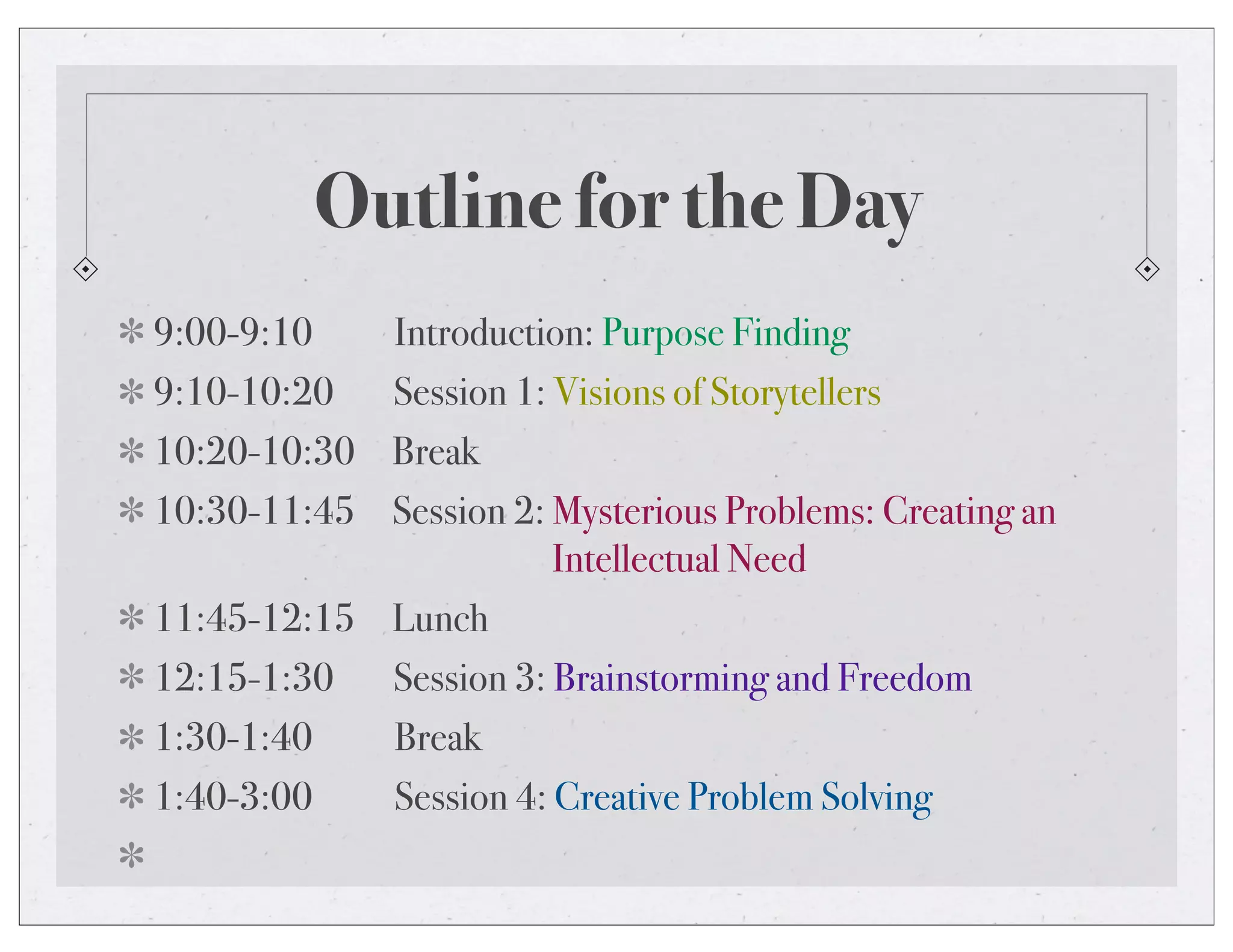
Outline for the Day
9:00-9:10 Introduction: Purpose Finding
9:10-10:20 Session 1: Visions of Storytellers
10:20-10:30 Break
10:30-11:45 Session 2: Mysterious Problems: Creating an
Intellectual Need
11:45-12:15 Lunch
12:15-1:30 Session 3: Brainstorming and Freedom
1:30-1:40 Break
1:40-3:00 Session 4: Creative Problem Solving
Purpose Finding
Picture from: http://www.psmag.com/navigation/health-and-behavior/sense-of-purpose-strengthens-immune-system-63586/
WHAT IS CREATIVITY?
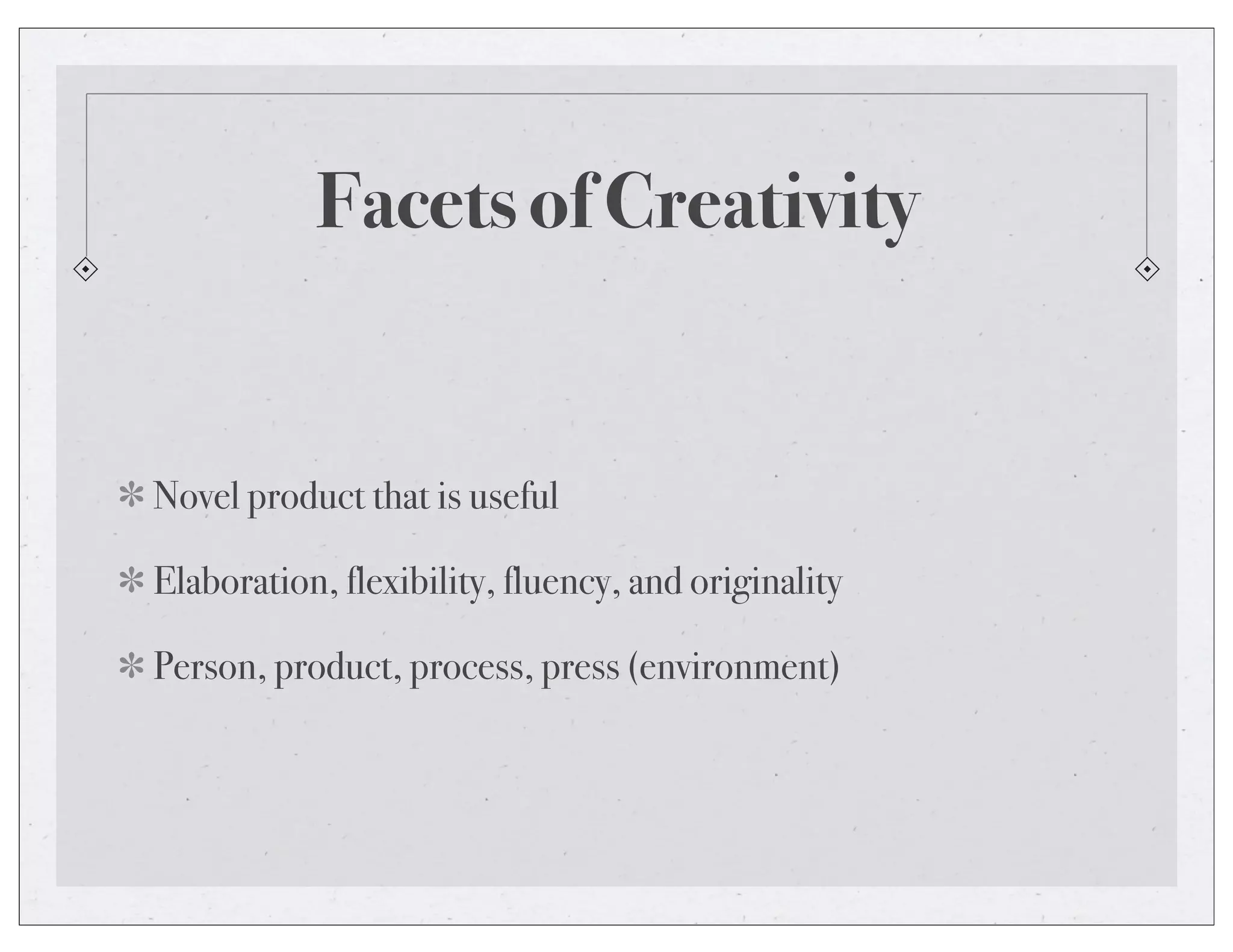
Facets of Creativity
Novel product that is useful
Elaboration, flexibility, fluency, and originality
Person, product, process, press (environment)
IS IT NECESSARY?
CREATIVITY’S SIGNIFICANCE
AND OPPORTUNITIES
IF IT IS IMPORTANT...
ARE WE DEVELOPING IT WITHIN OUR STUDENTS?
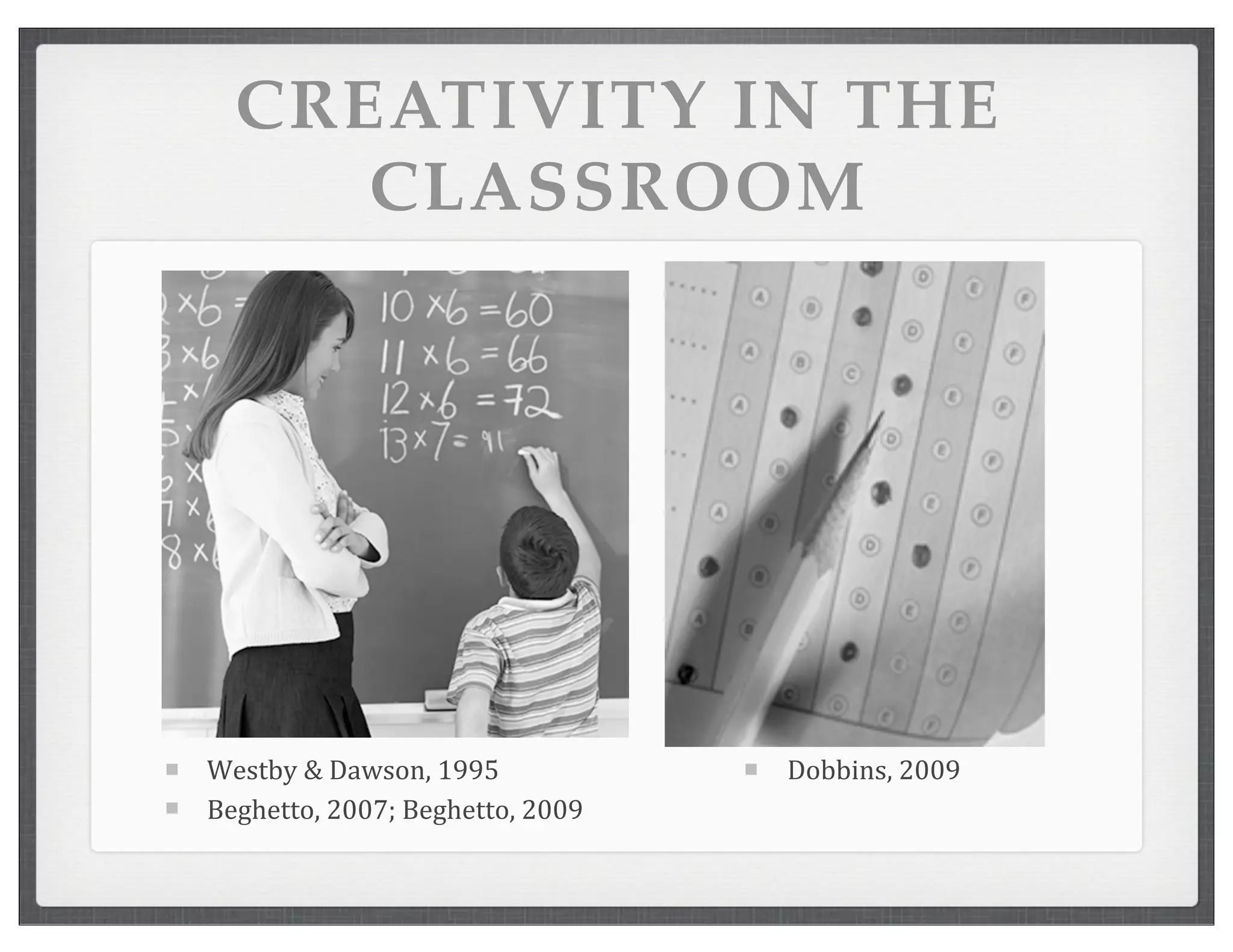
CREATIVITY IN THE
CLASSROOM
Westby	
  &	
  Dawson,	
  1995
Beghetto,	
  2007;	
  Beghetto,	
  2009
Dobbins,	
  2009
Sir Ken Robinson
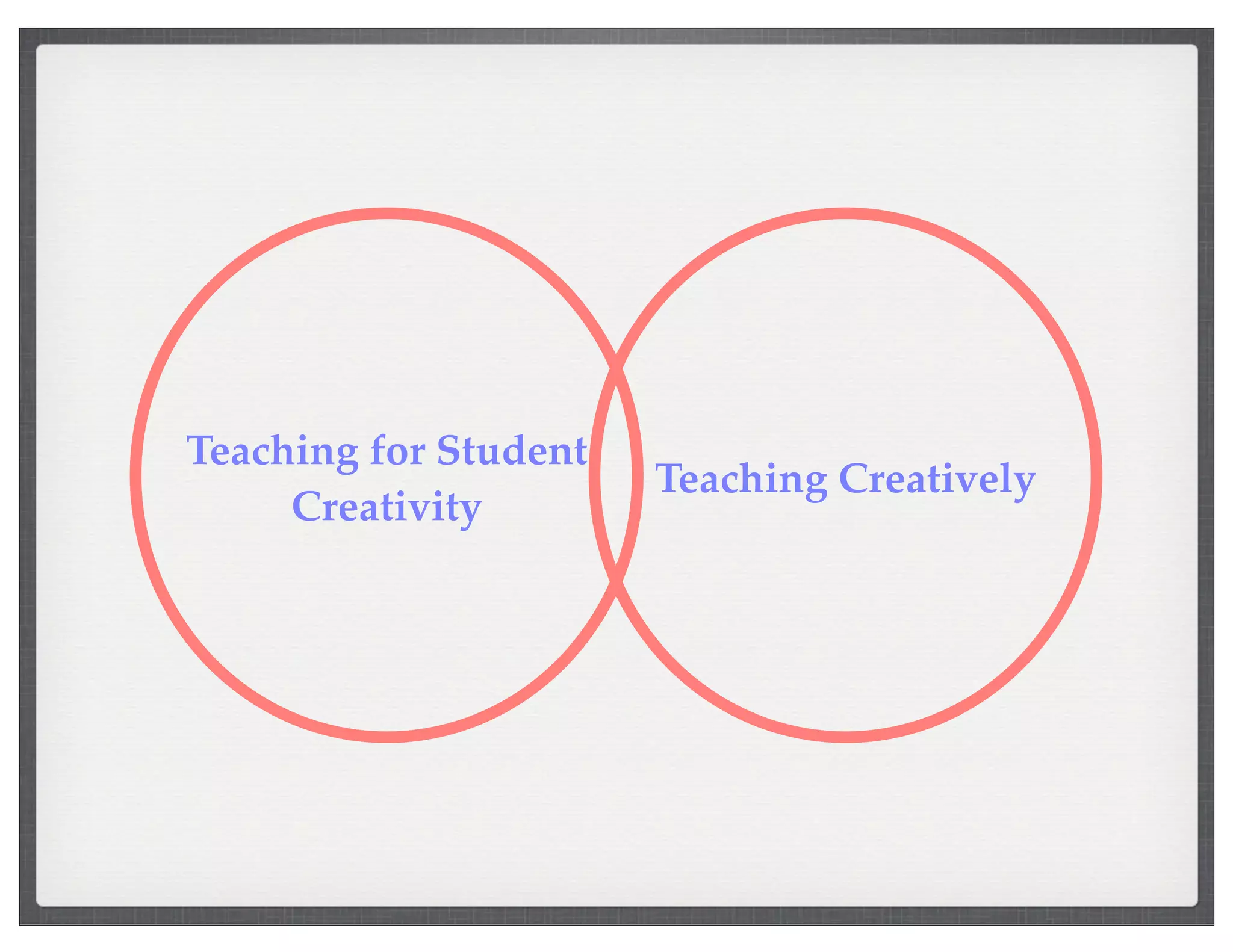
Teaching for Student
Creativity
Teaching Creatively
Visions of Storytellers
Picture from: http://www.brandstories.net/2013/07/27/what-makes-for-an-exceptional-brand-storyteller/
Think about your
favorite movie.
What makes a
movie successful?
What about your
least favorite
Movie?
Can we apply this
to our
classrooms?
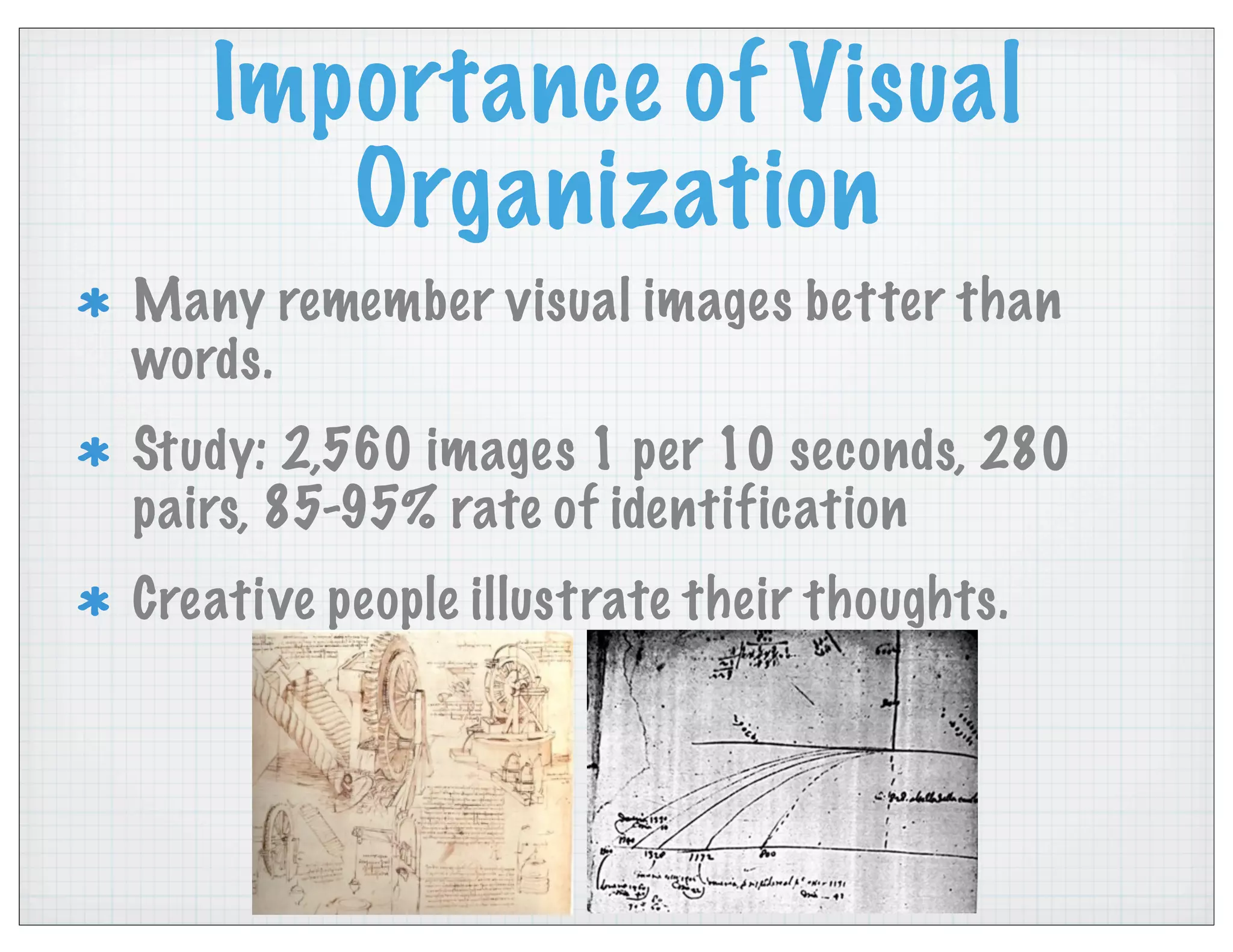
Importance of Visual
Organization
Many remember visual images better than
words.
Study: 2,560 images 1 per 10 seconds, 280
pairs, 85-95% rate of identification
Creative people illustrate their thoughts.
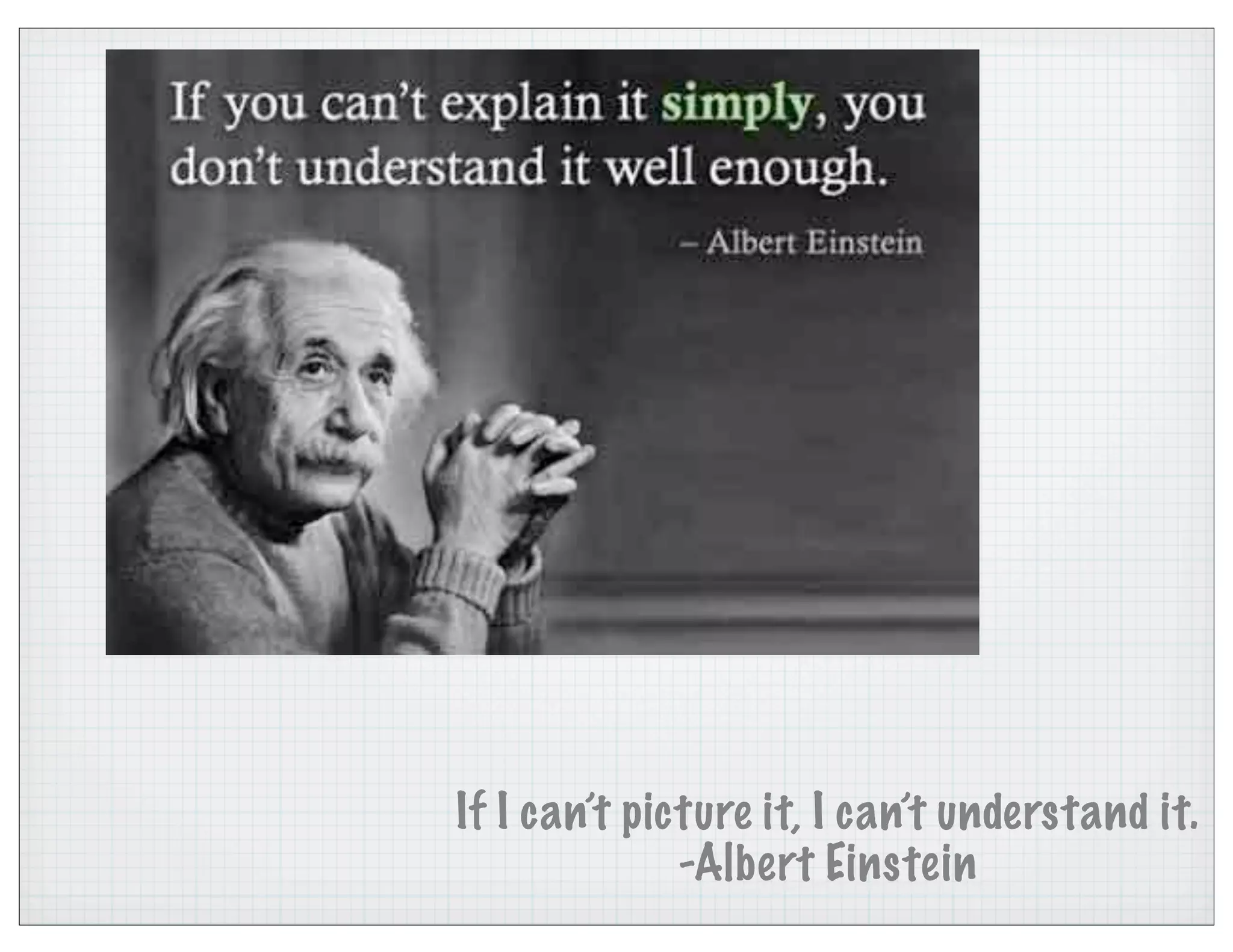
If I can’t picture it, I can’t understand it.
-Albert Einstein
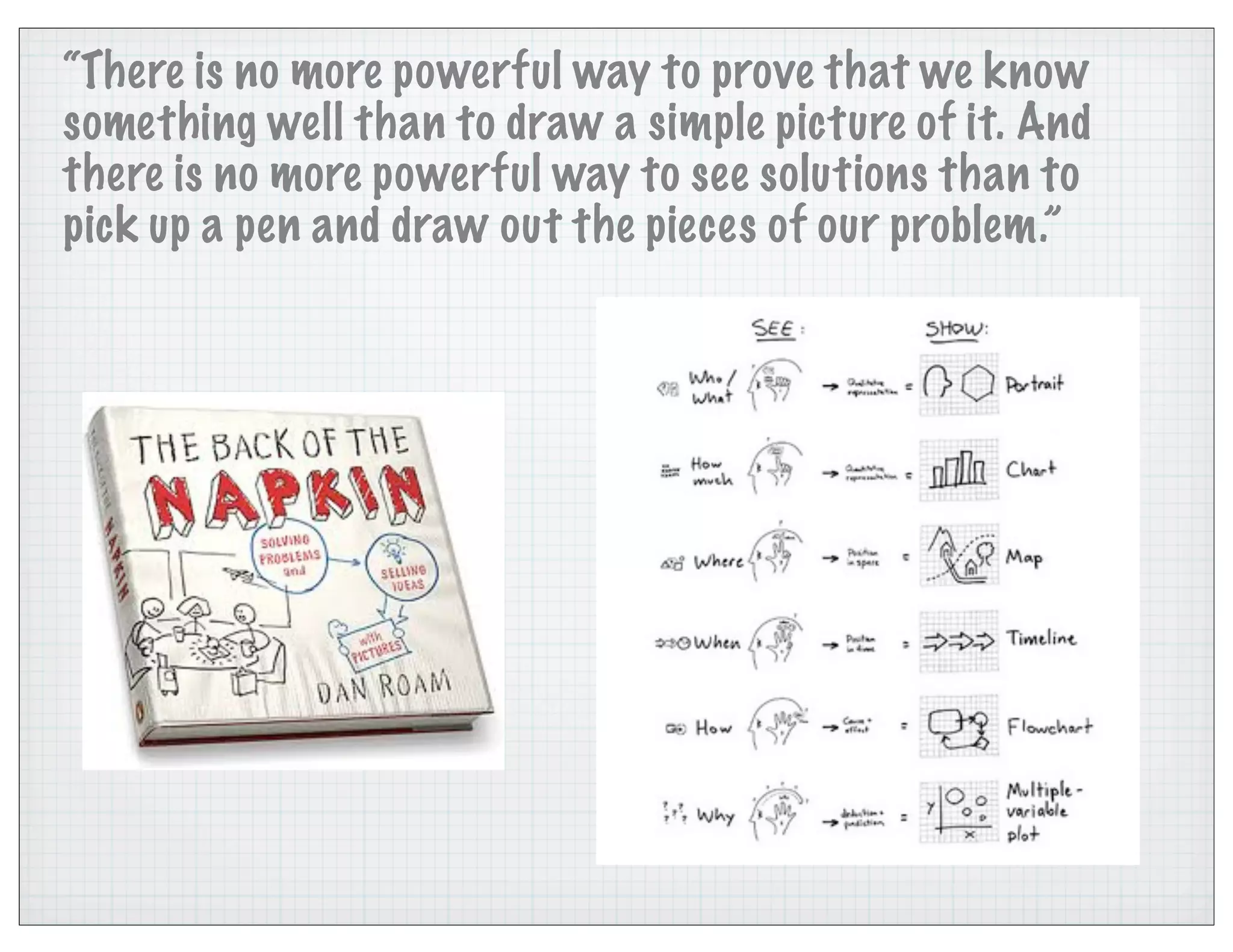
“There is no more powerful way to prove that we know
something well than to draw a simple picture of it. And
there is no more powerful way to see solutions than to
pick up a pen and draw out the pieces of our problem.”
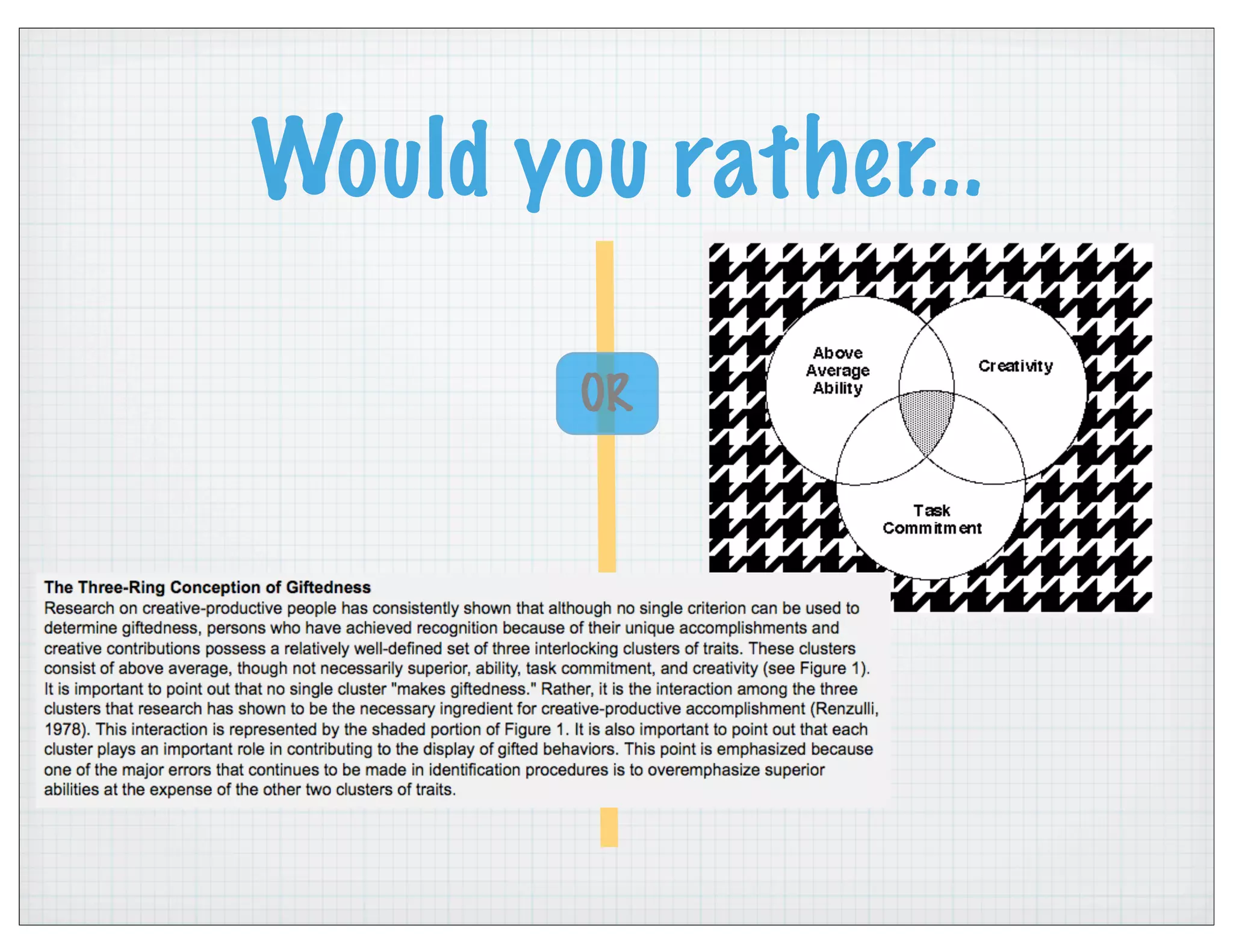
Would you rather...
OR
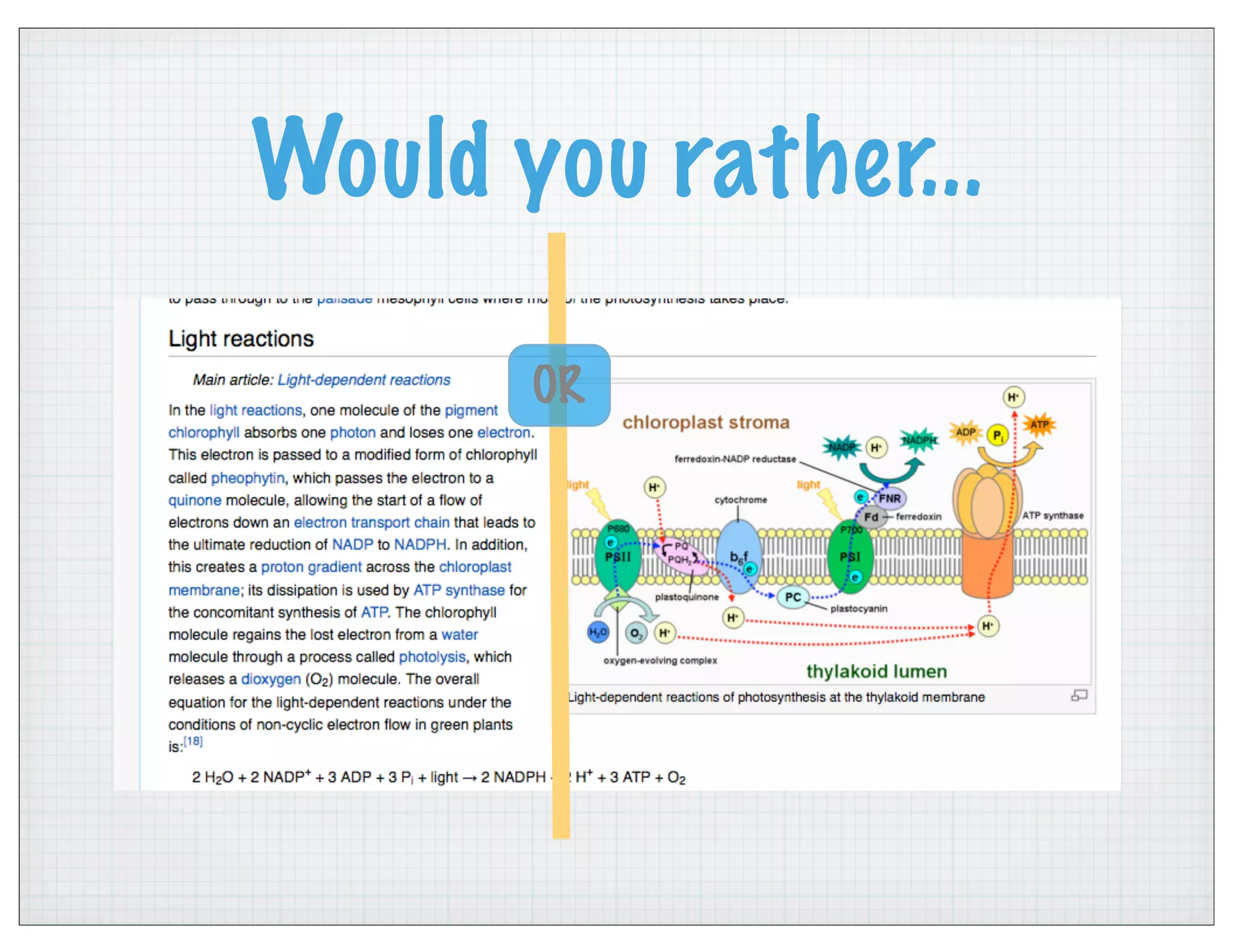
Would you rather...
OR
Visual Thinking
Strategies
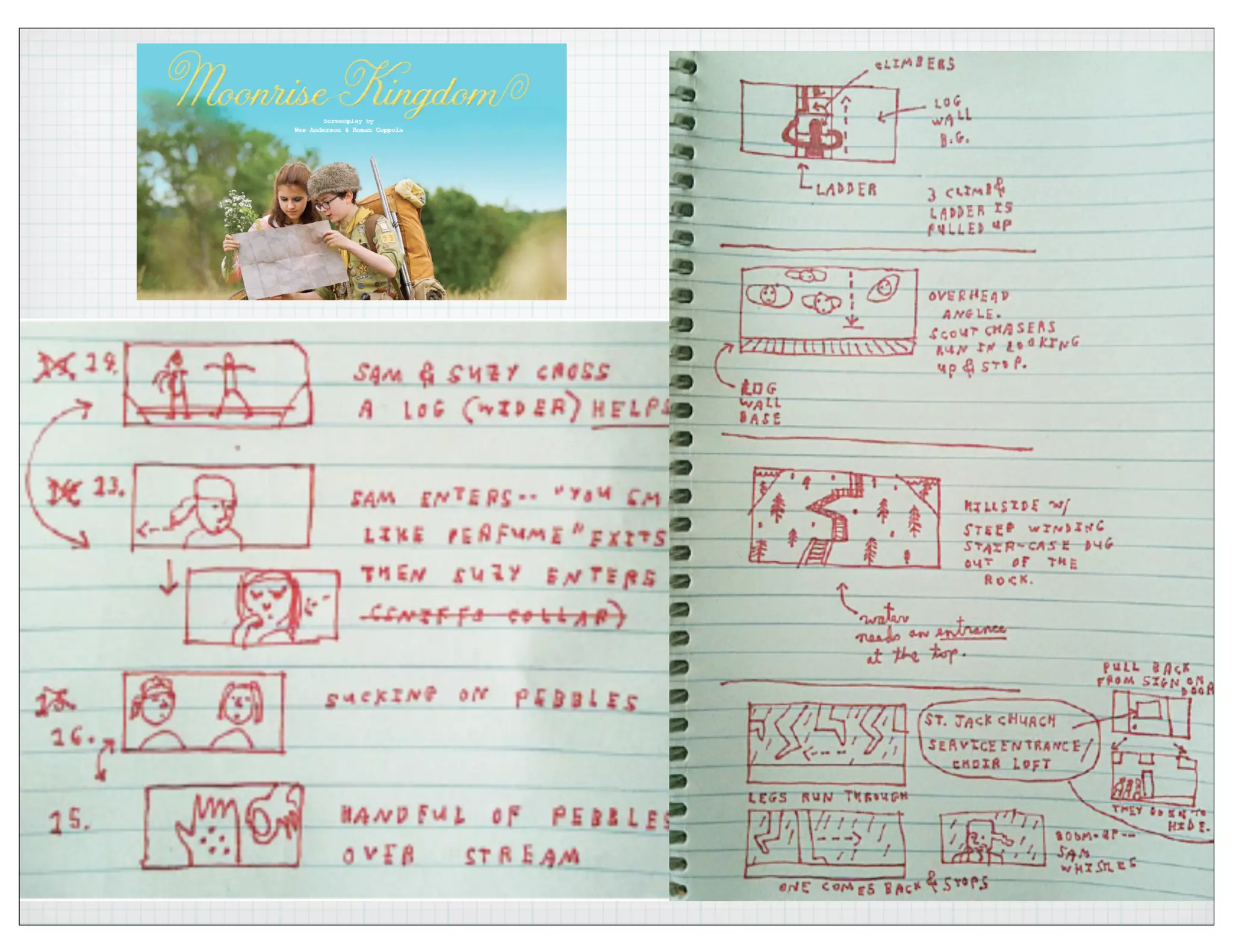
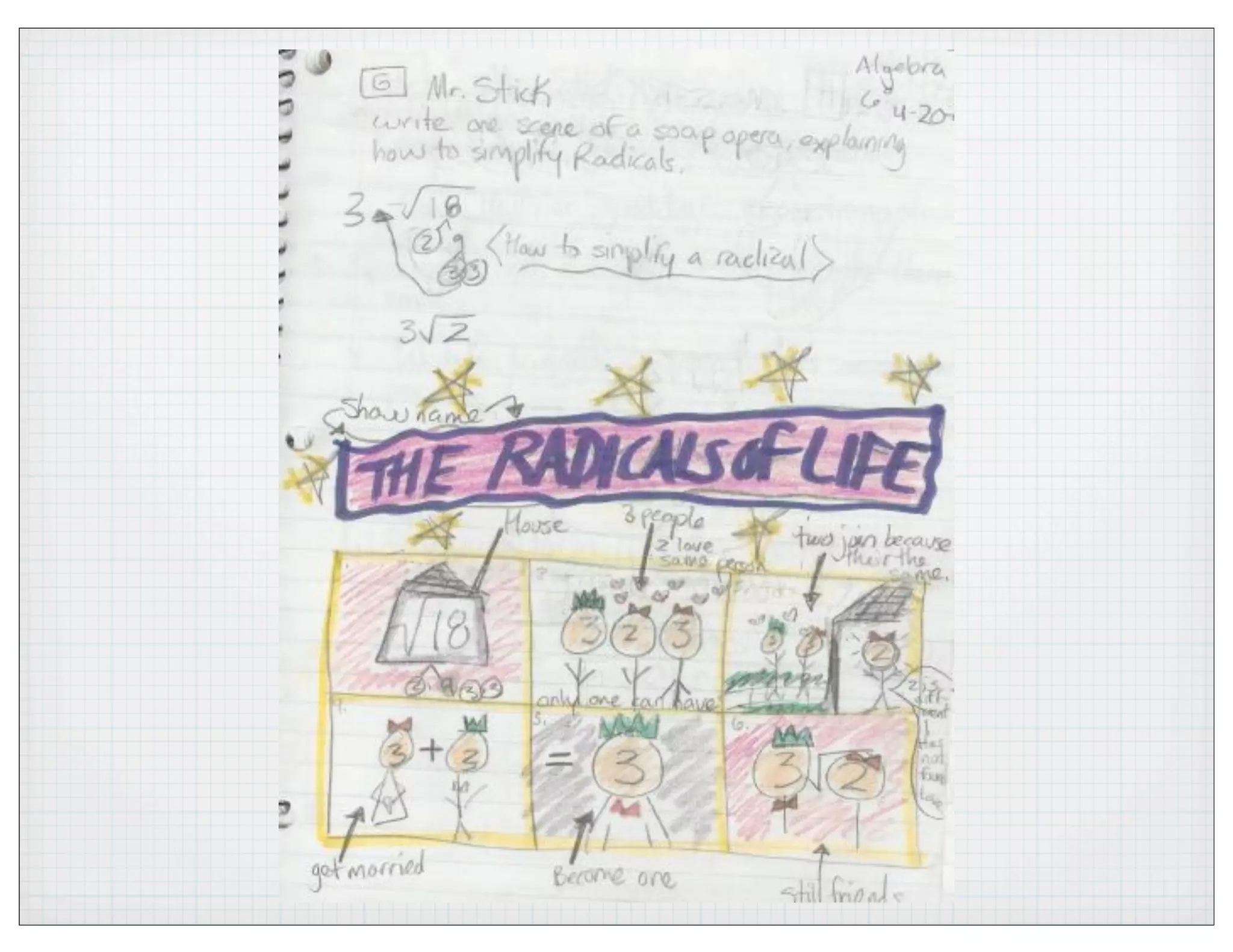
Storyboarding
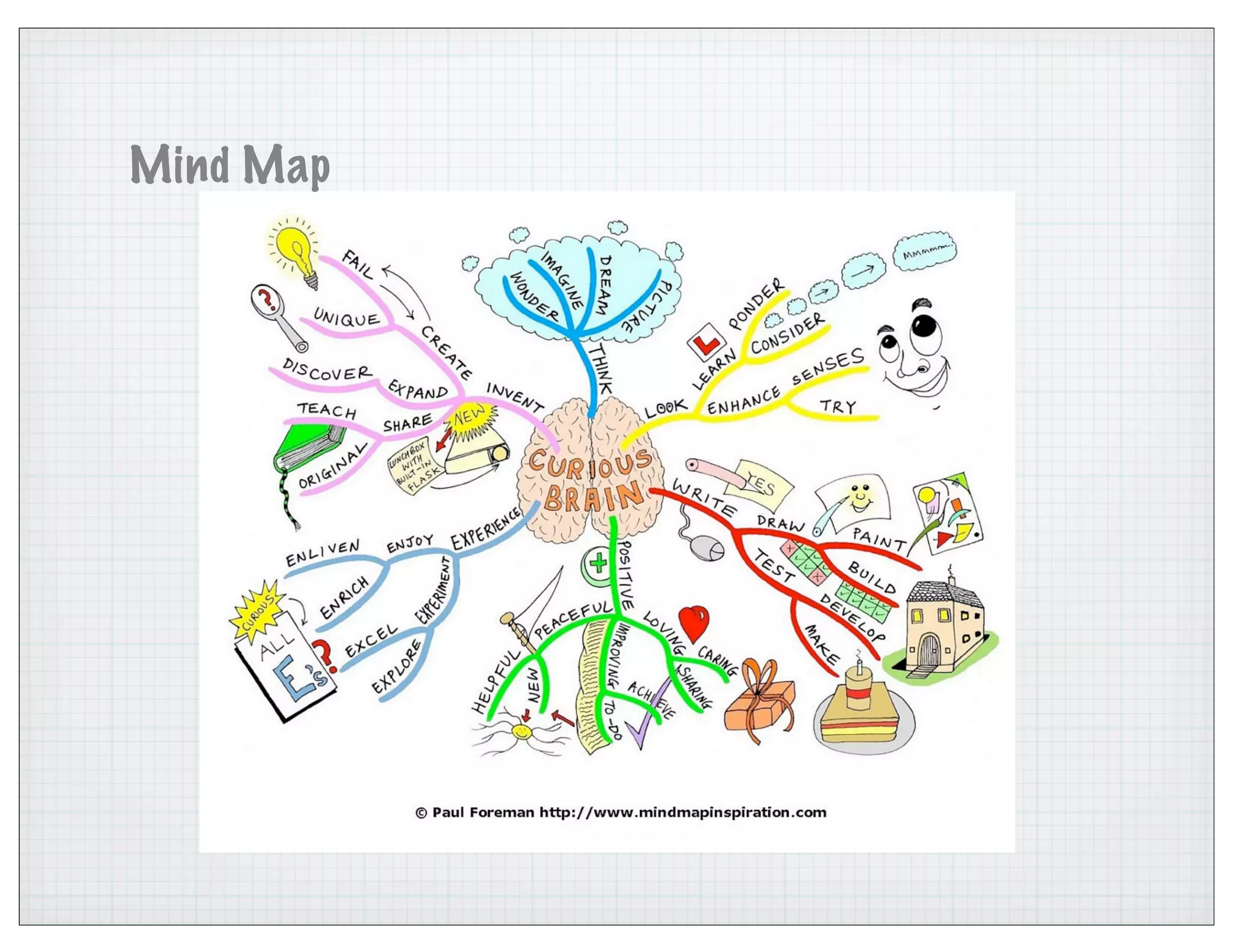
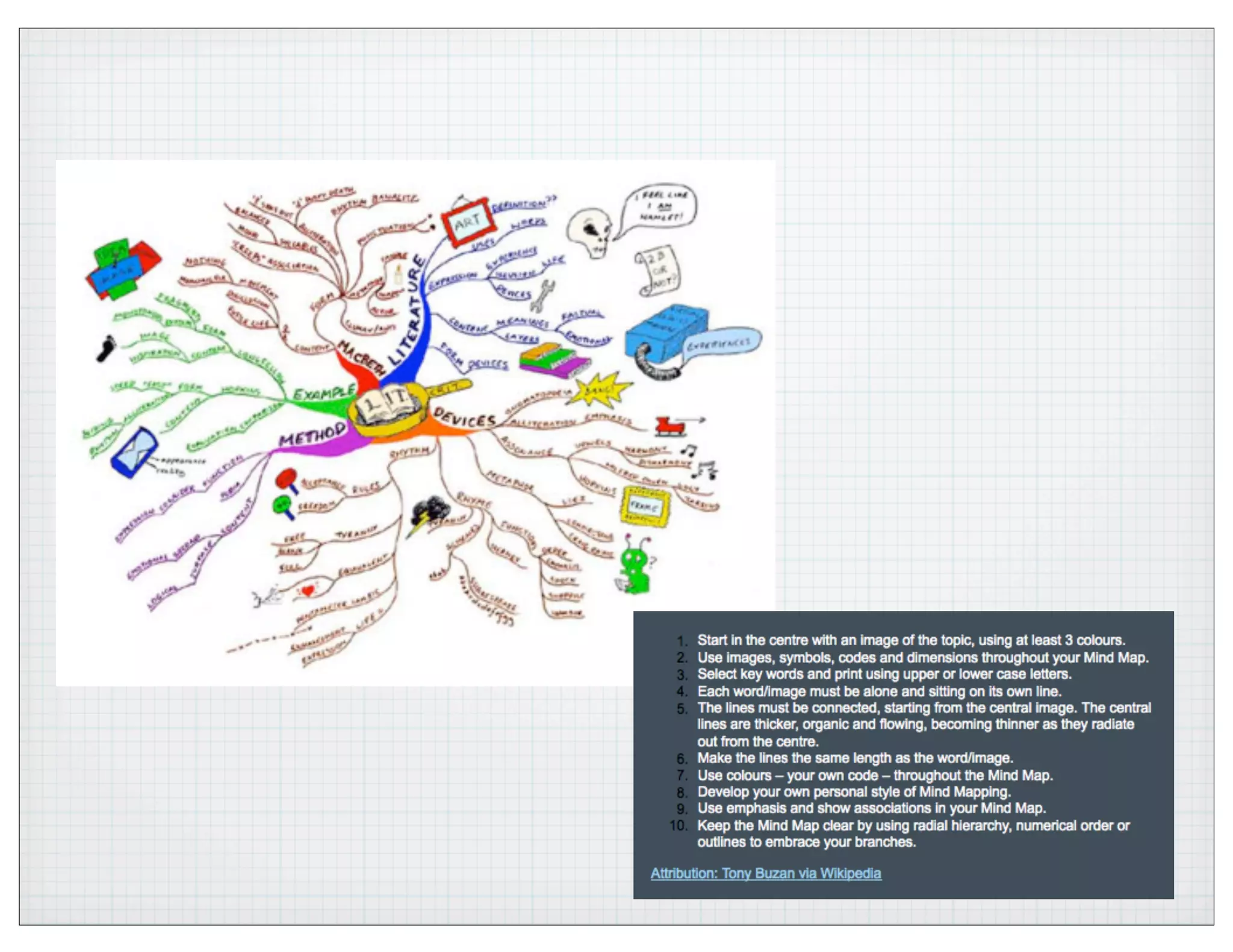
Mind Mapping
Flow Charts, Concept Maps, Graphic
Organizers
From the film industry...
Review of the Shots: http://
www.youtube.com/watch?
feature=endscreen&NR=1&v=DVXMQM
UDlTs
From Pixar and Lord of the Rings:
http://www.youtube.com/watch?
v=t3mAHQuBqQI
Examining 2 Types of
Shots
Stepping
Forward
The
Tease
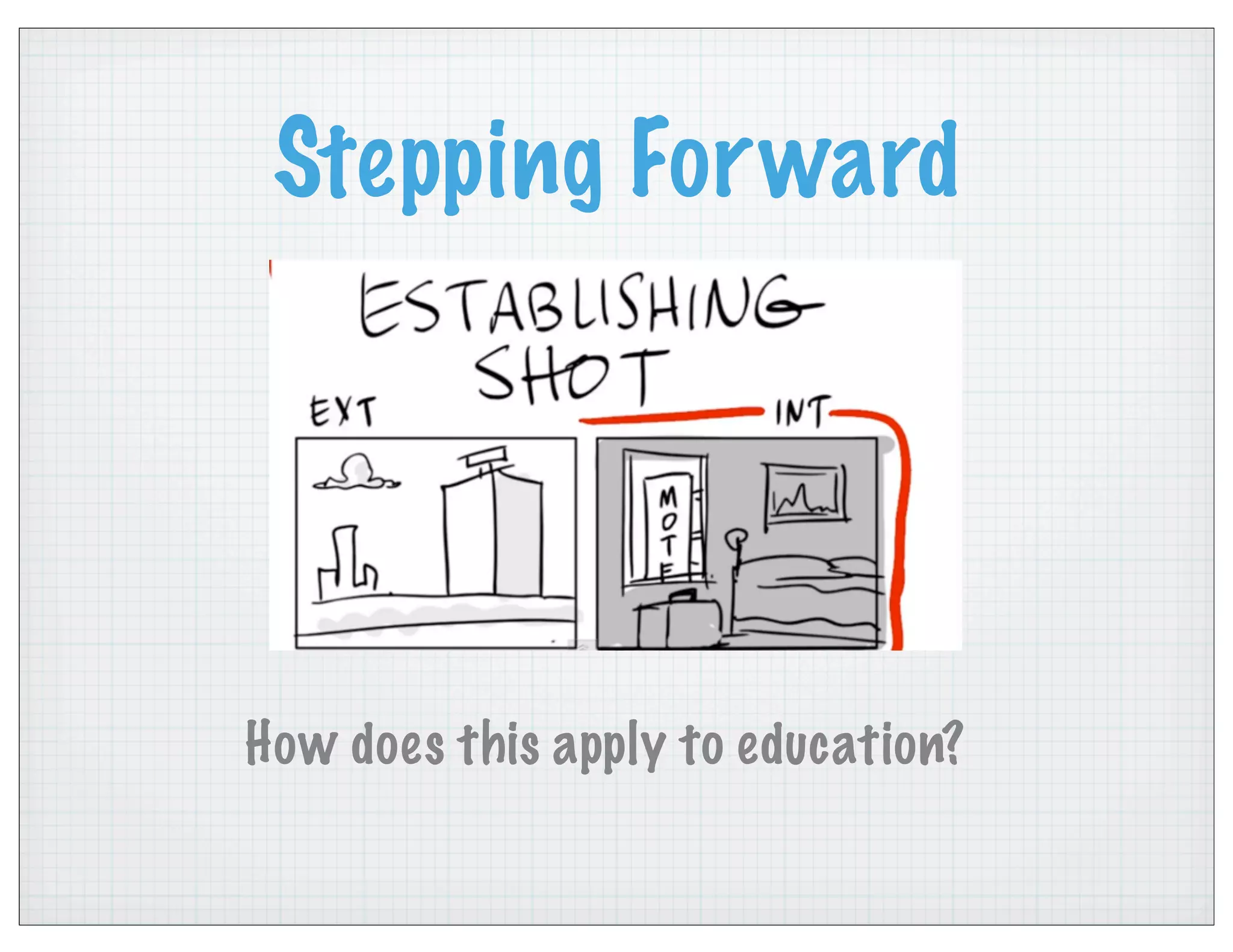
Stepping Forward
How does this apply to education?
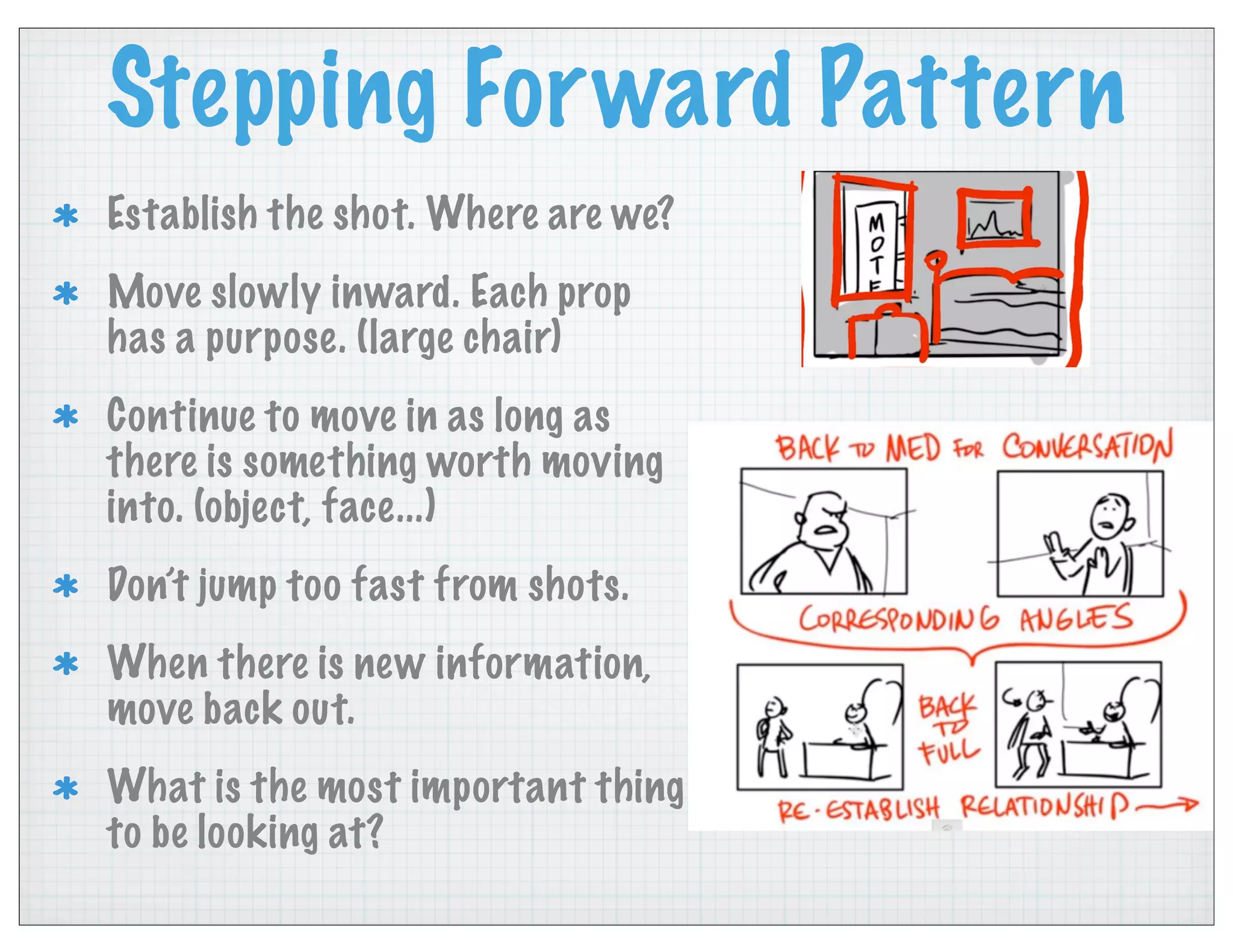
Stepping Forward Pattern
Establish the shot. Where are we?
Move slowly inward. Each prop
has a purpose. (large chair)
Continue to move in as long as
there is something worth moving
into. (object, face...)
Don’t jump too fast from shots.
When there is new information,
move back out.
What is the most important thing
to be looking at?
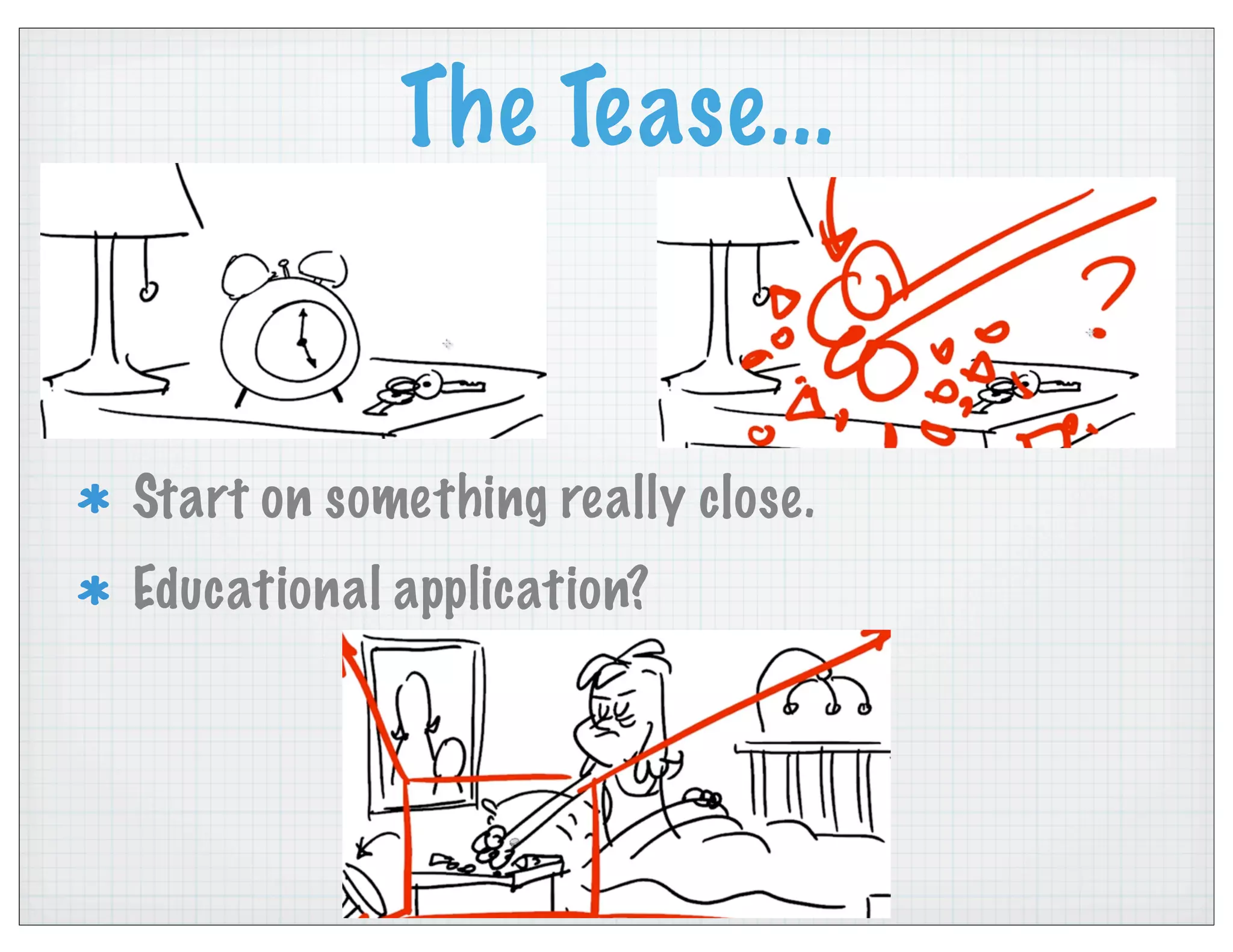
The Tease...
Start on something really close.
Educational application?
There are 5 more if you are curious...
See “The 7 Hidden Patterns of Successful
Storyboards” video.
You have been hired by
Disney to design a
storyboard for a movie
about...
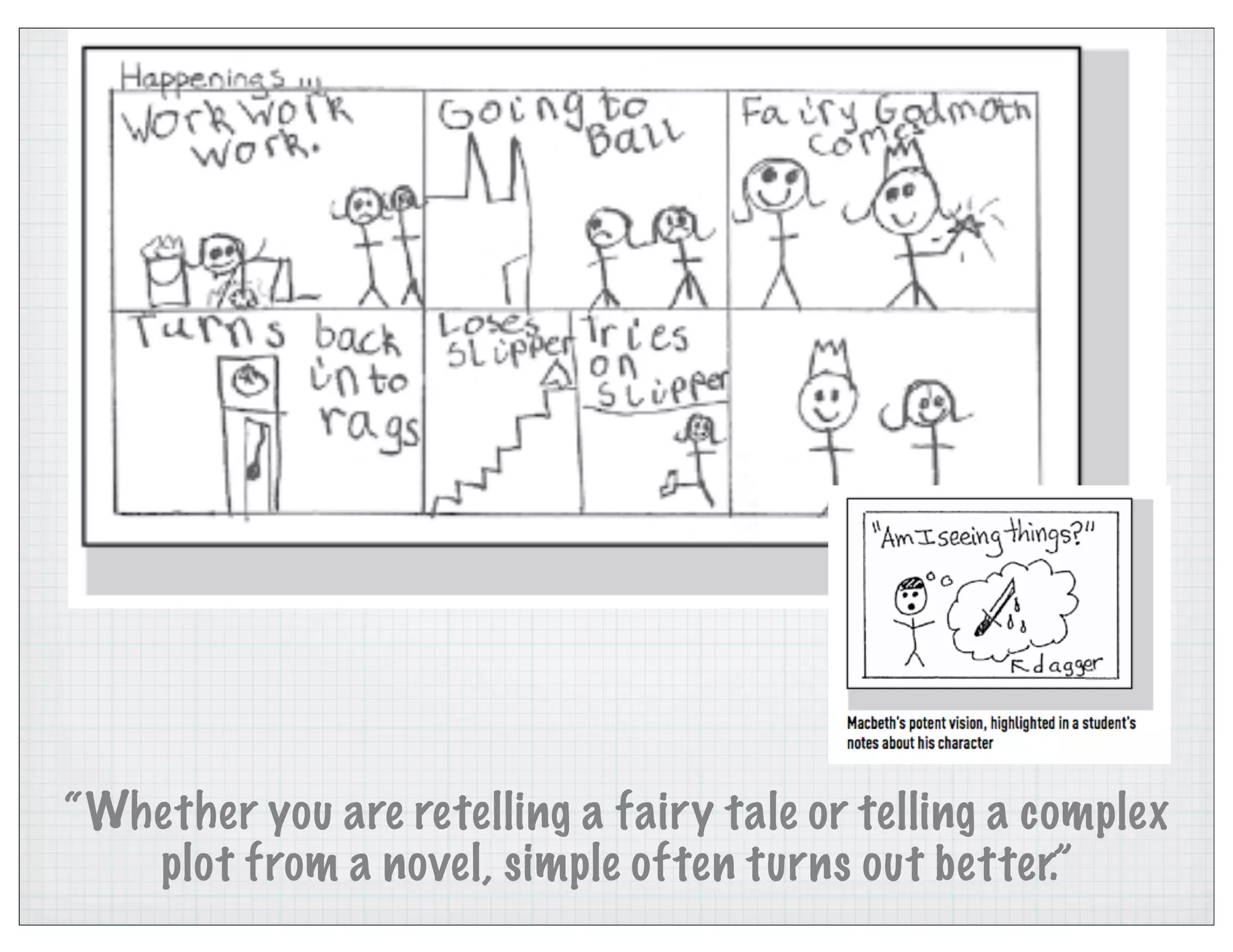
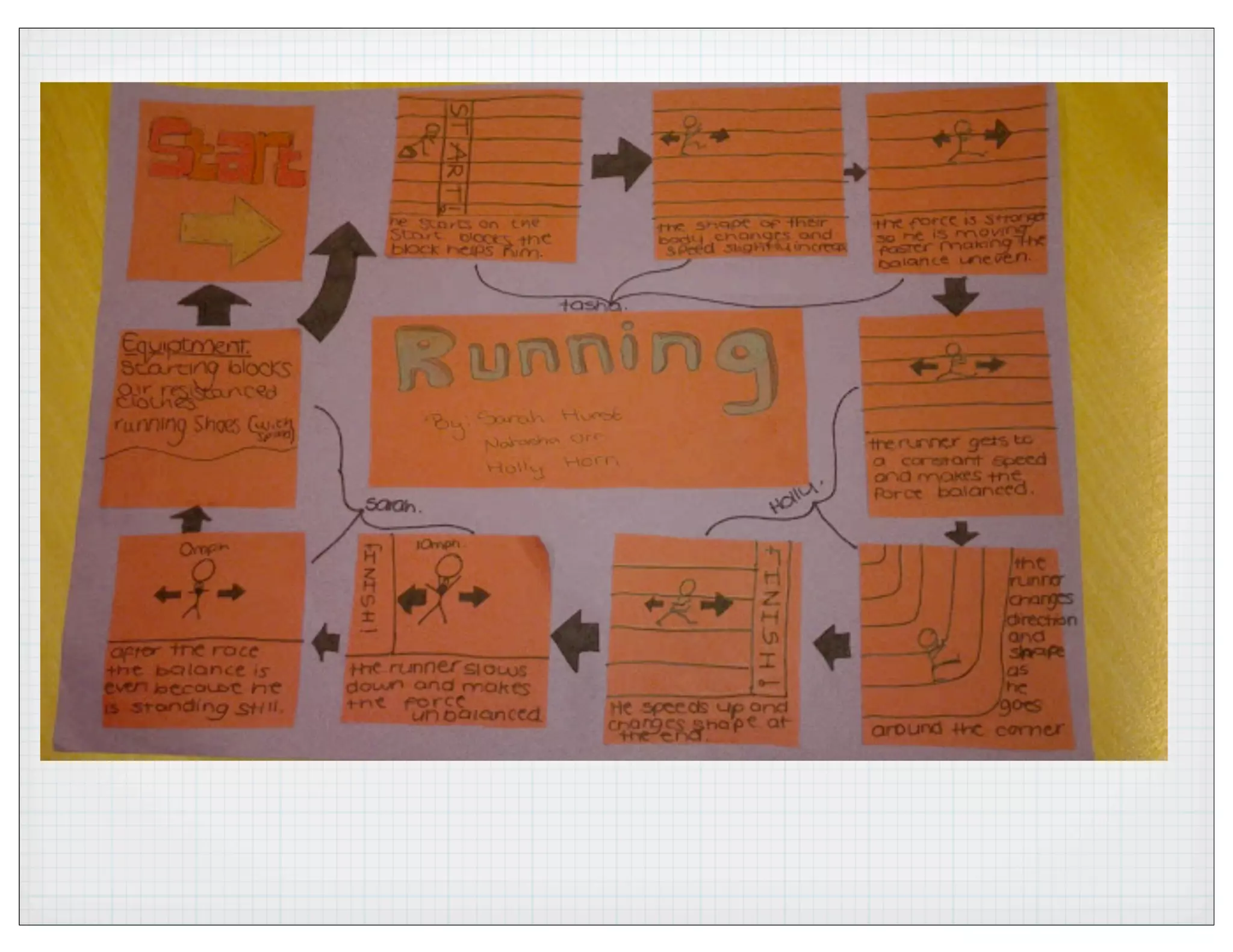
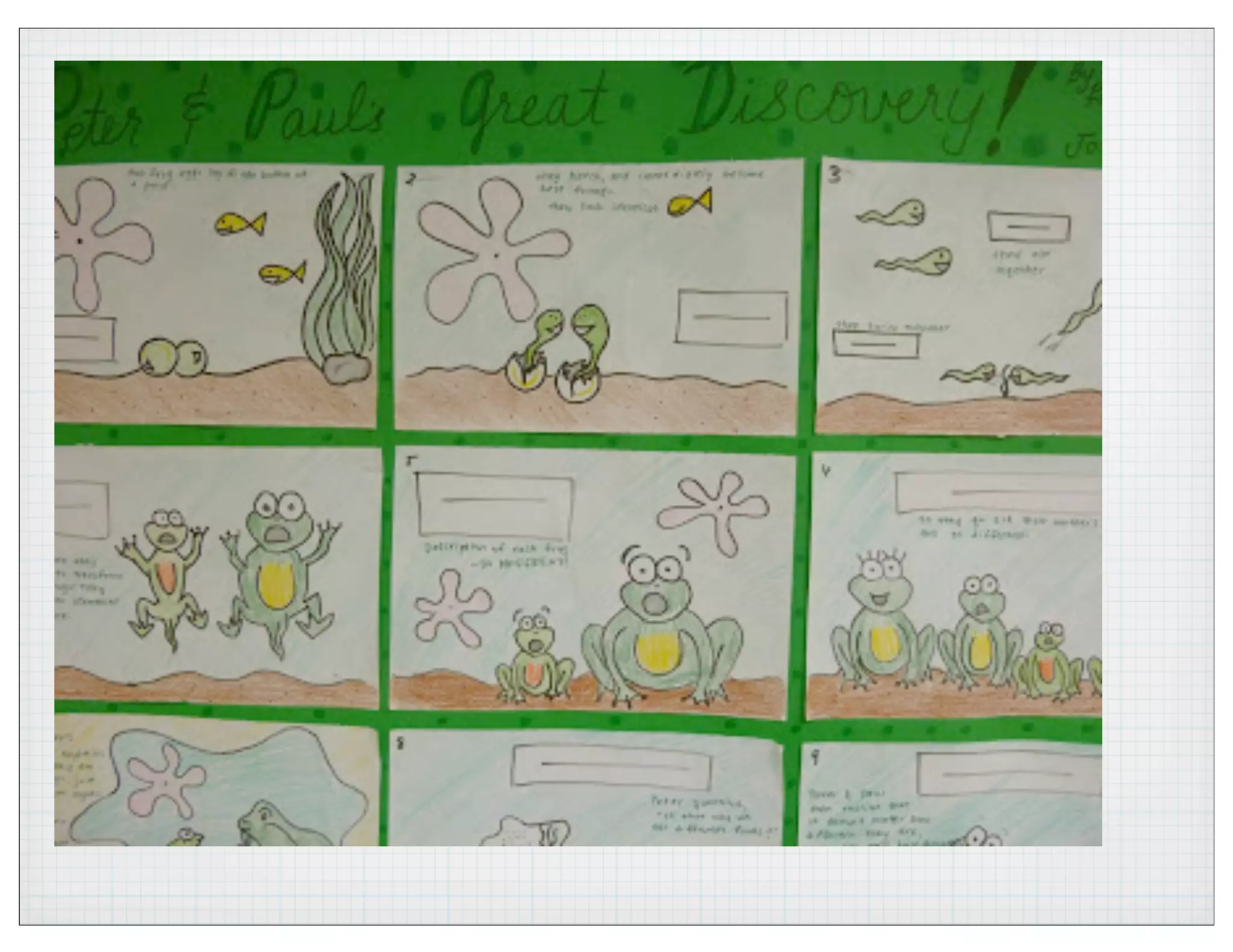
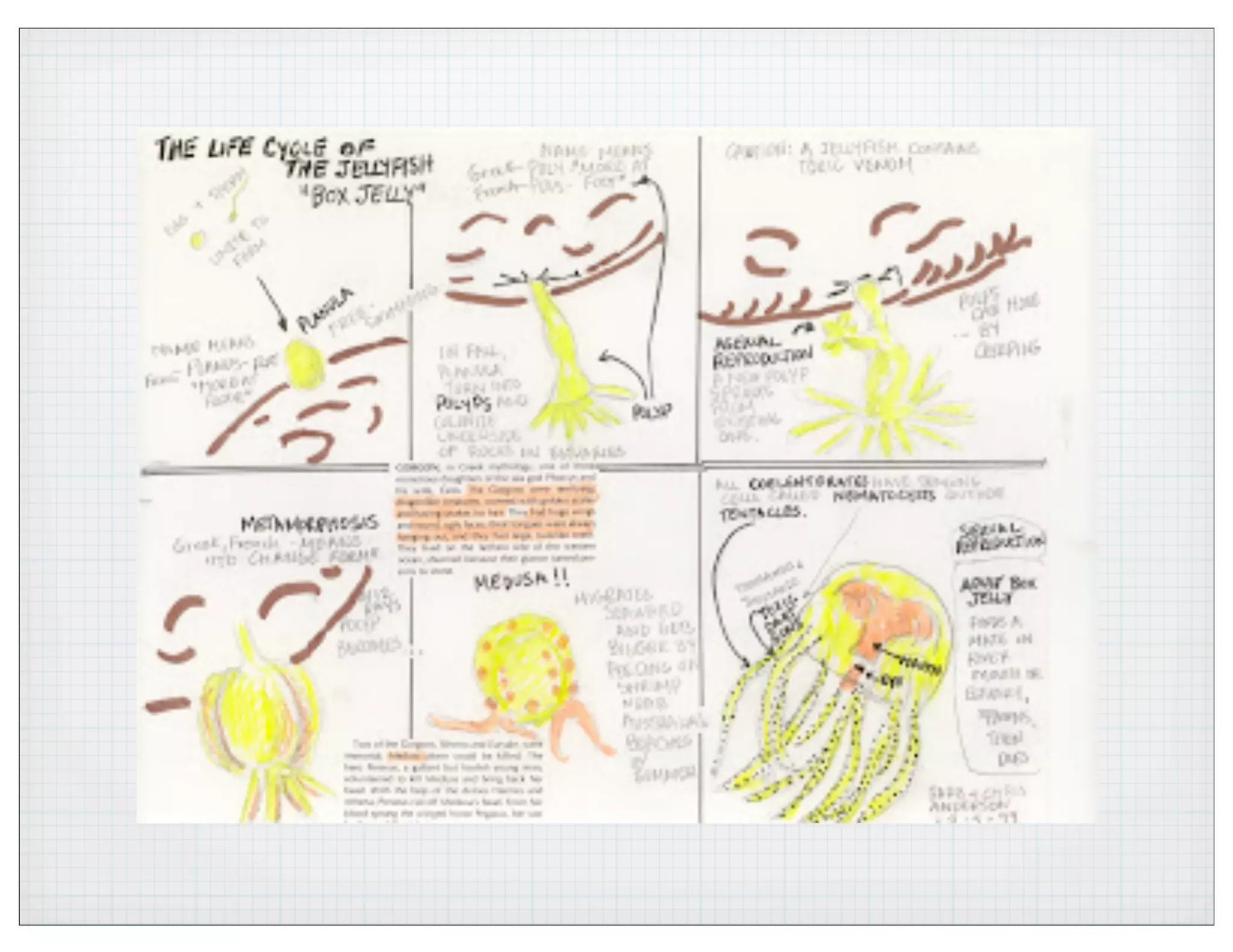
A Few Student
Examples
“Whether you are retelling a fairy tale or telling a complex
plot from a novel, simple often turns out better.”
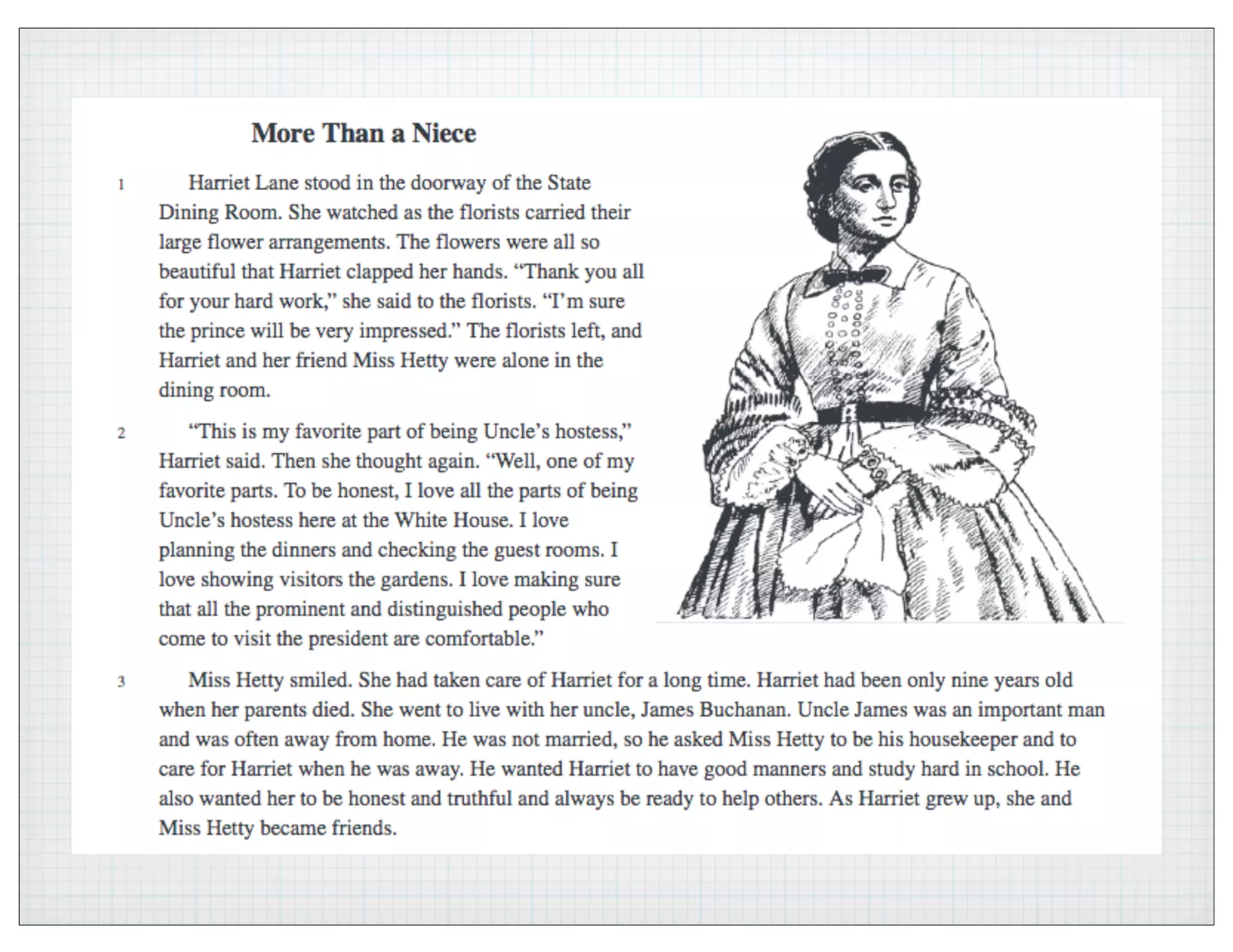
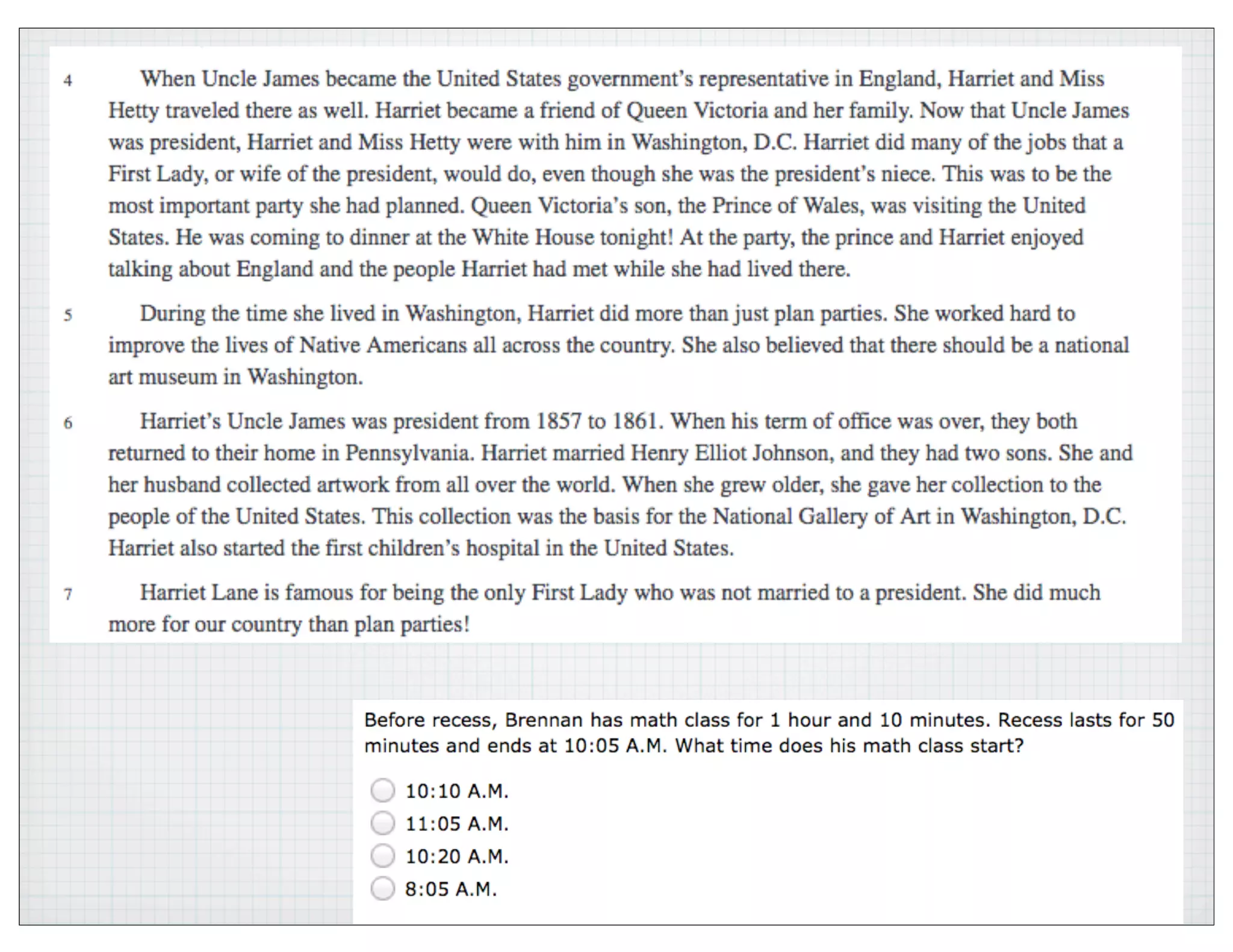
Using storyboards for
standardized tests...
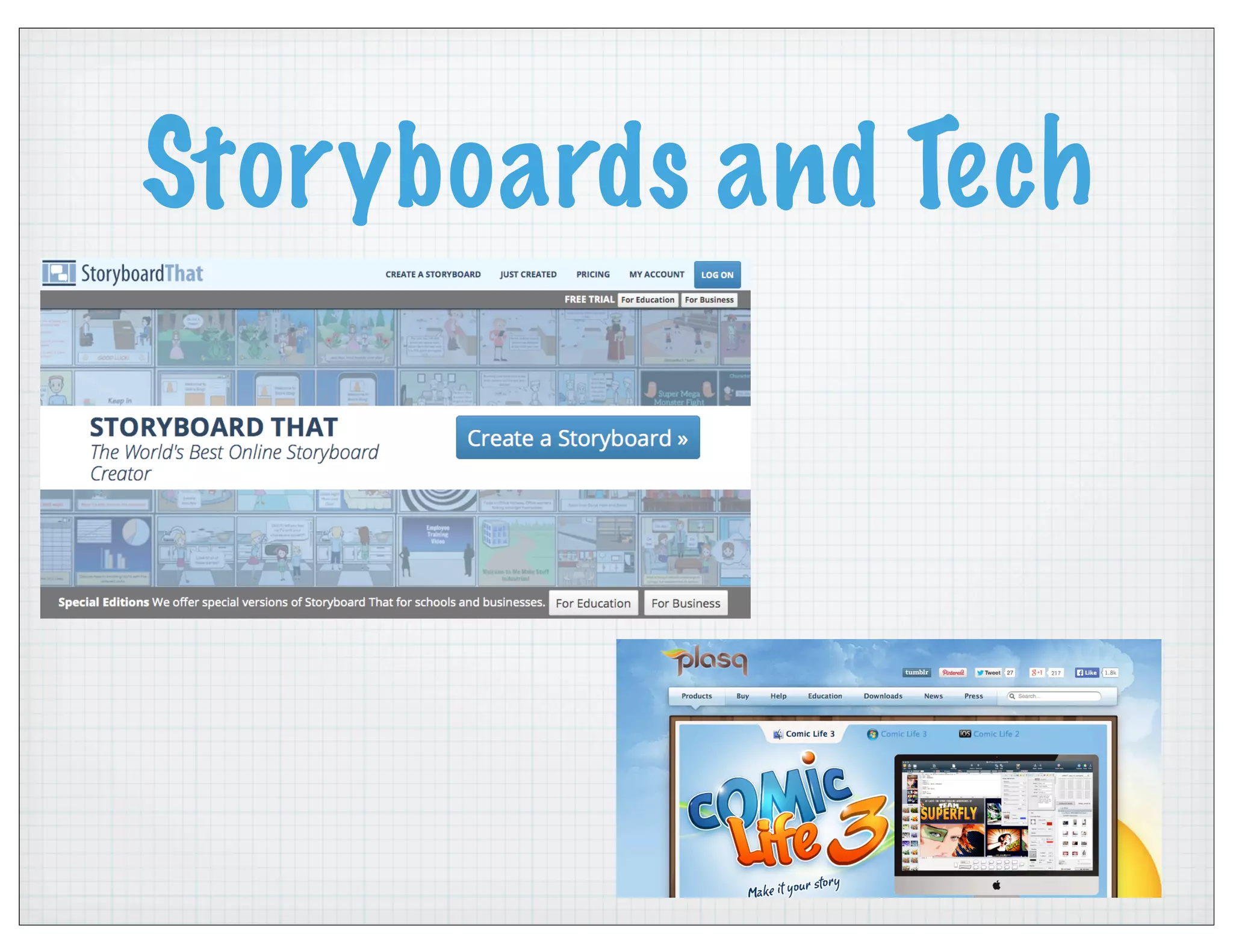
Storyboards and Tech
Why should teachers
think about storyboards?
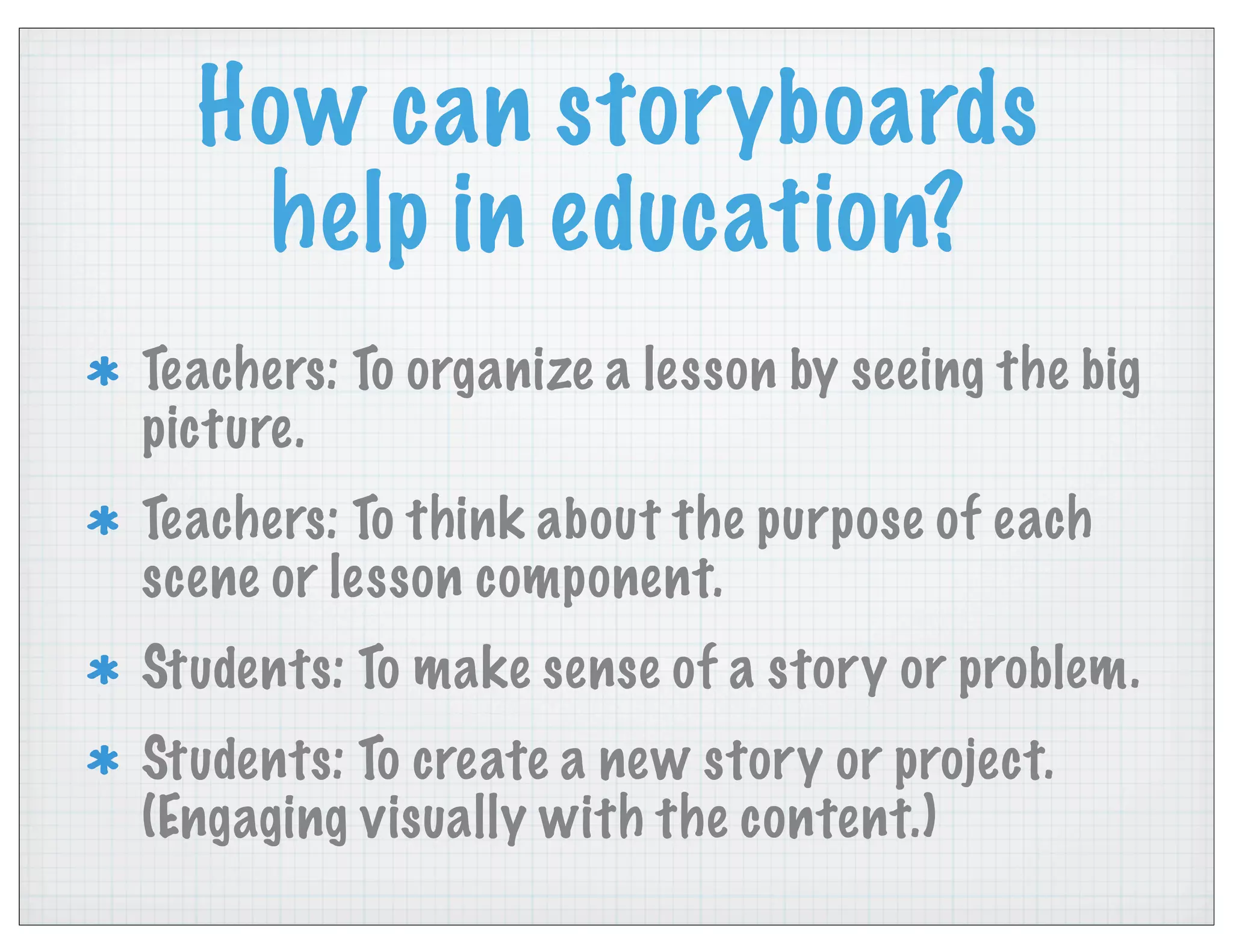
How can storyboards
help in education?
Teachers: To organize a lesson by seeing the big
picture.
Teachers: To think about the purpose of each
scene or lesson component.
Students: To make sense of a story or problem.
Students: To create a new story or project.
(Engaging visually with the content.)
Other Visual Thinking
Strategies
Mind Map
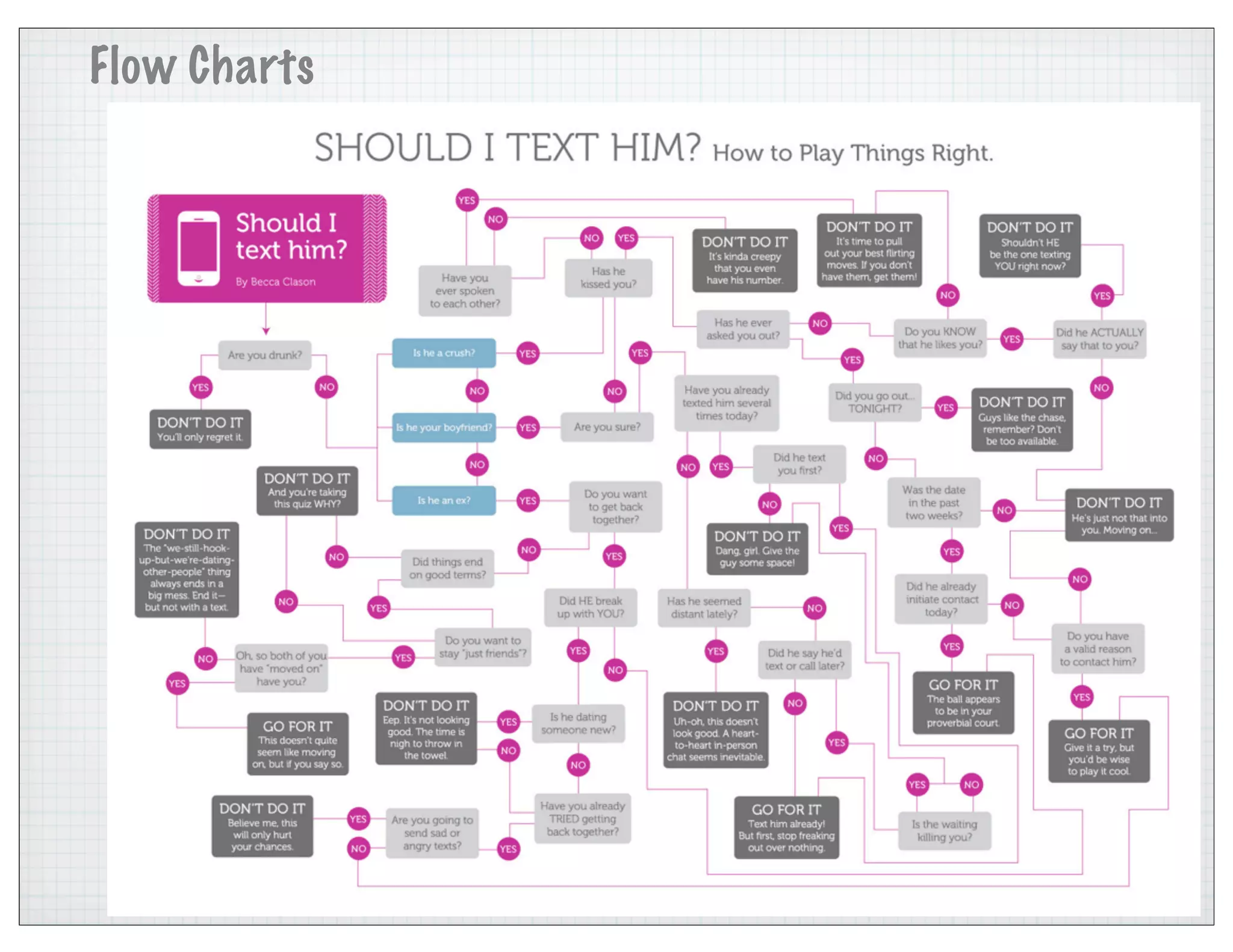
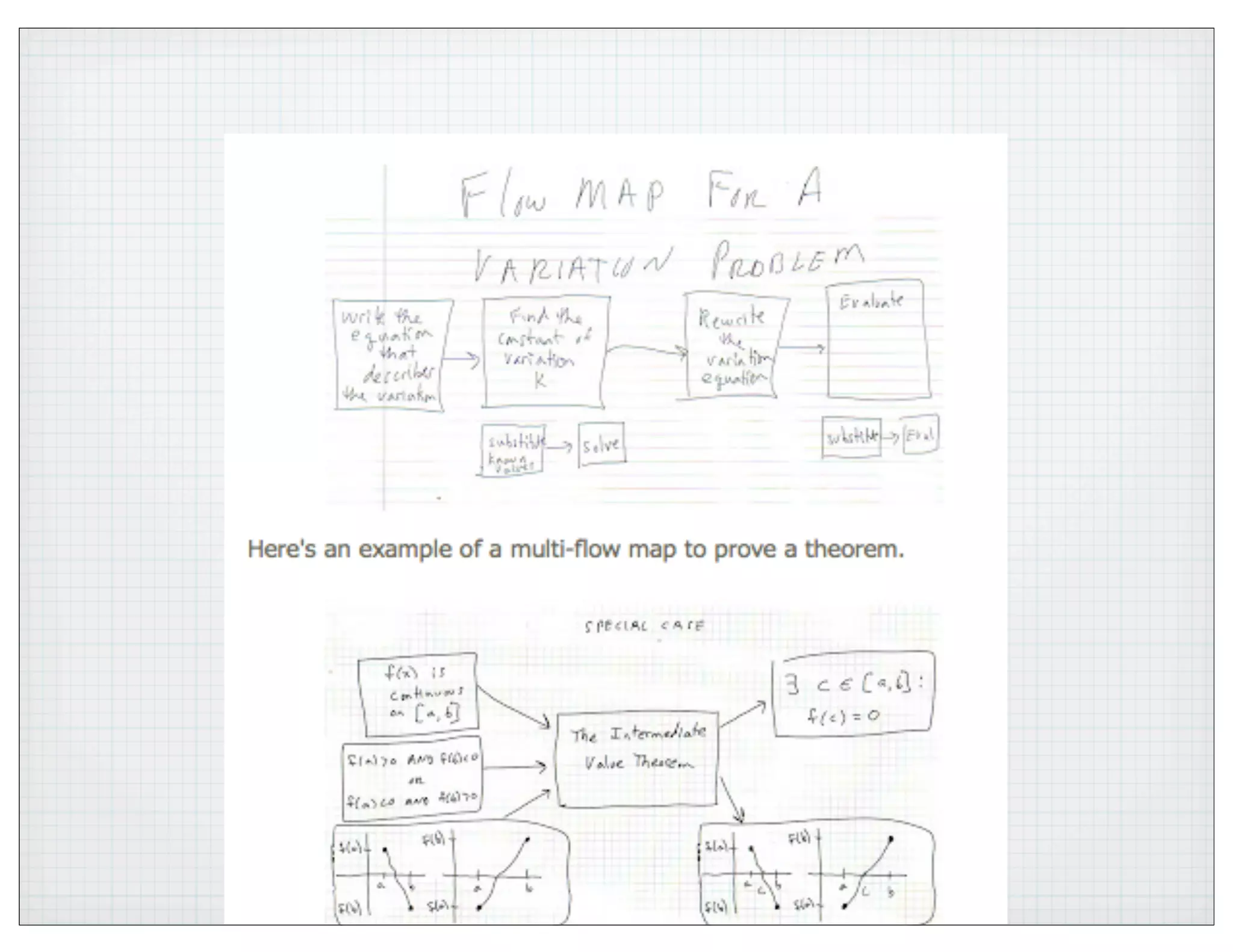
Flow Charts
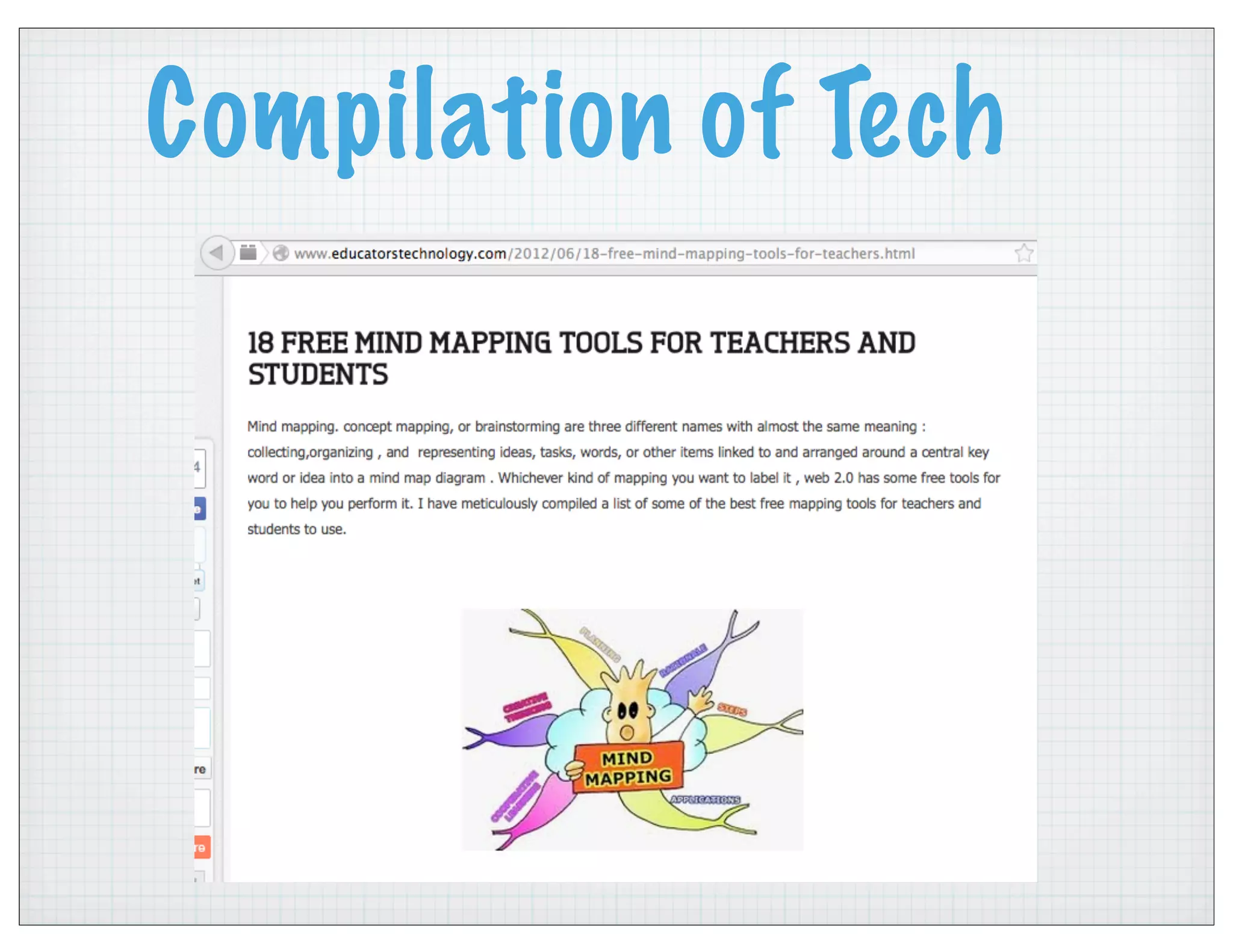
Compilation of Tech
TRY IT...
• Where could students use storyboards to
clarify the story?
• Where could they design their own story?
• Would any of the other visual thinking
strategies work better?
• How could you encourage them to use this
strategy on their own?
Mysterious Problems:
Creating an
Intellectual Need
Picture from: http://titusboy25.deviantart.com/art/Mysterious-Times-169273883
Why are spoilers so
frustrating?
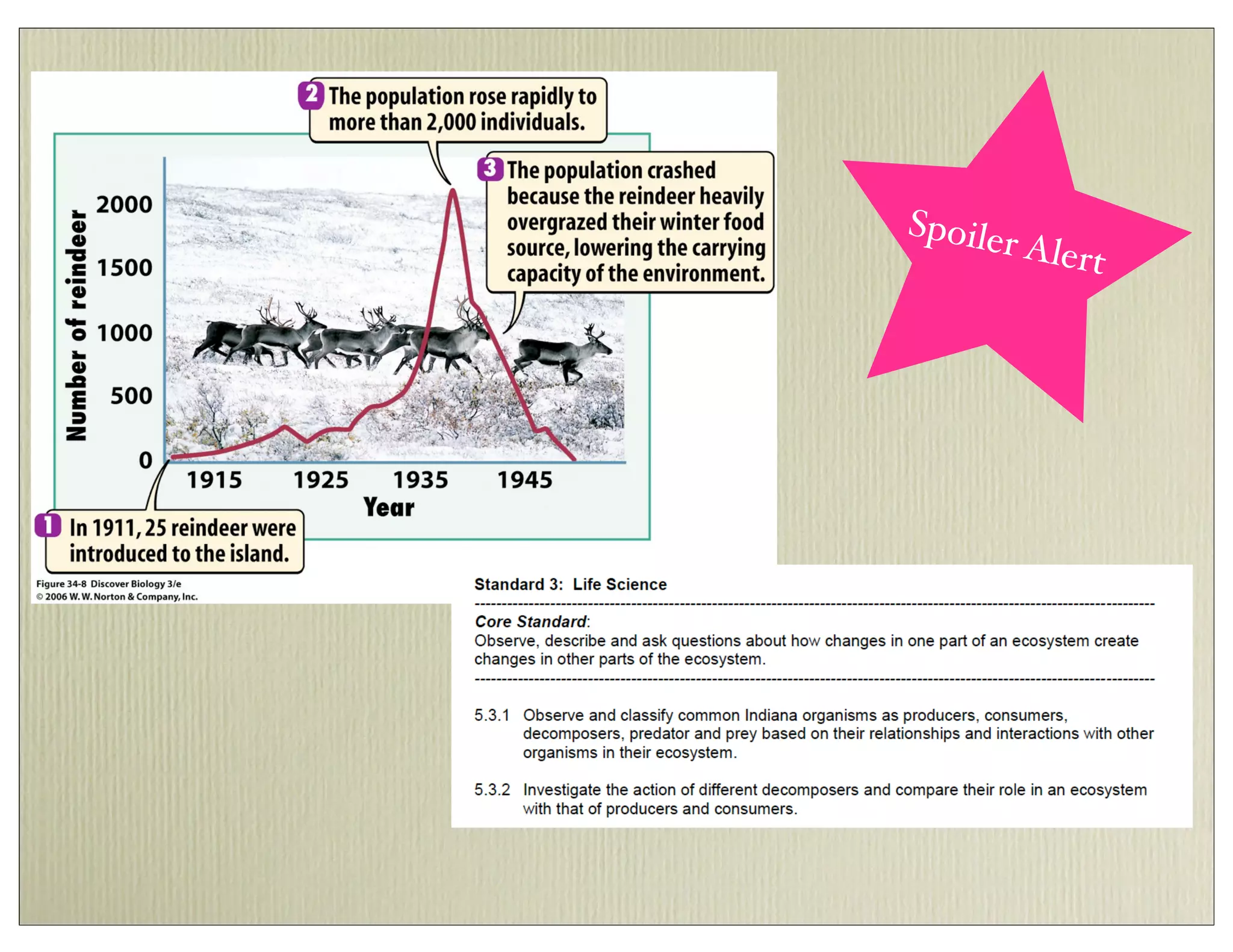
Spoiler Alert
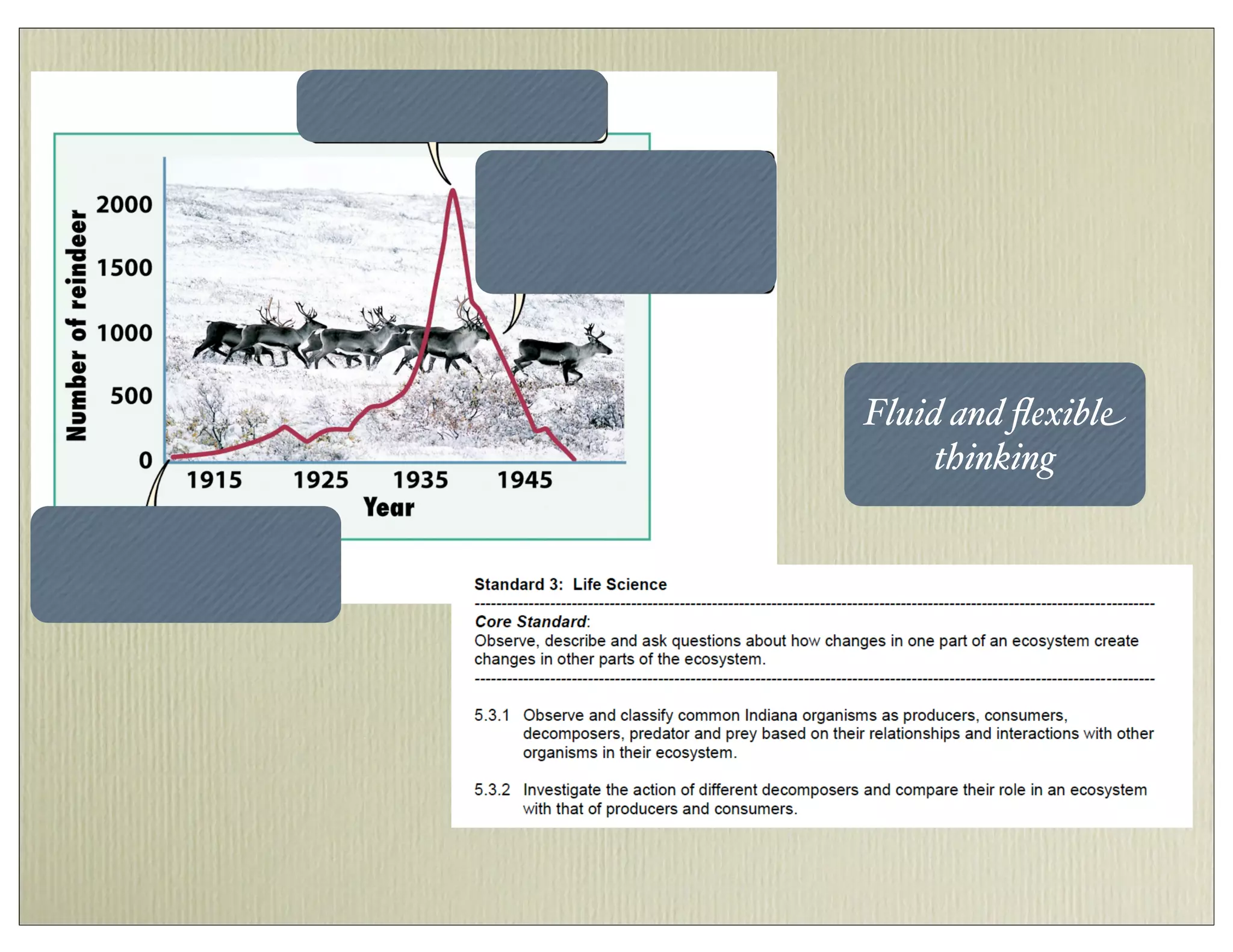
Fluid and flexible
thinking
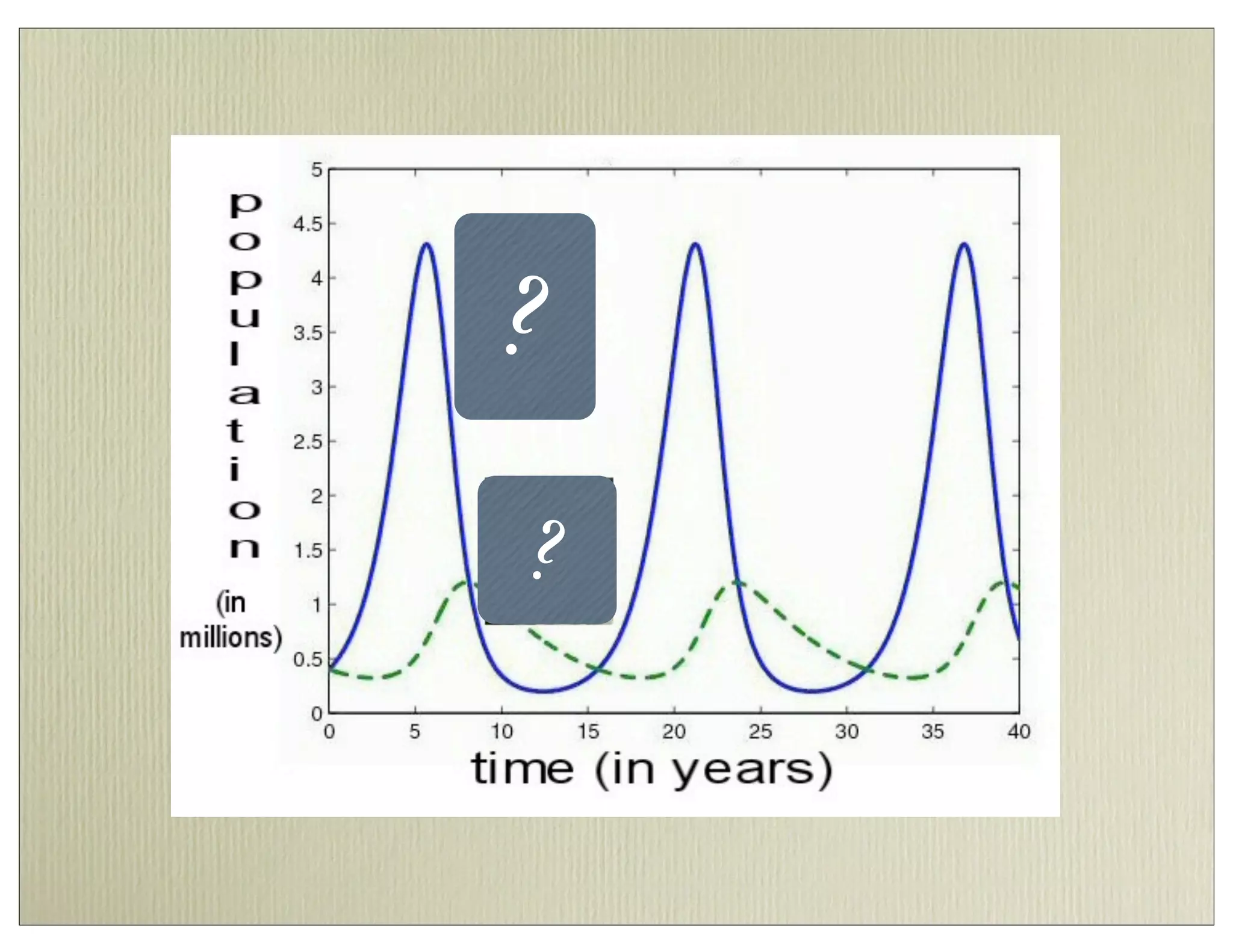
?
?
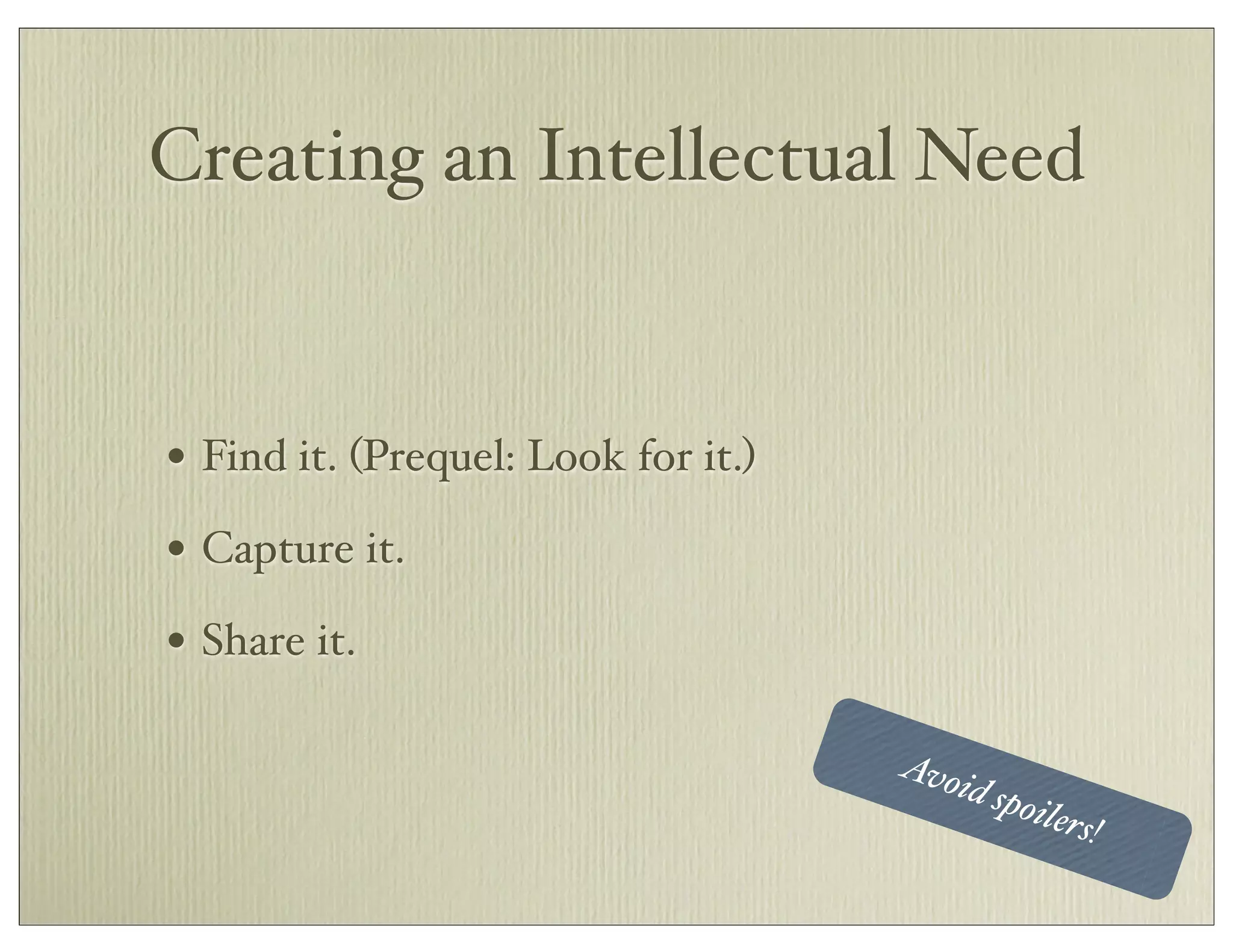
Creating an Intellectual Need
• Find it. (Prequel: Look for it.)
• Capture it.
• Share it.
Avoid spoilers!
1.) Find it. (Look for it.)
Where are the problems that
promote creative thinking?
How was this discovered...
Can we replicate in the classroom?
Right angles are 90
degrees.
Right angles are
important.
Are you mad that I just
told you right angles are
90 degrees?
Or that they are
important?
What was it like to be
the person who
discovered right angles?
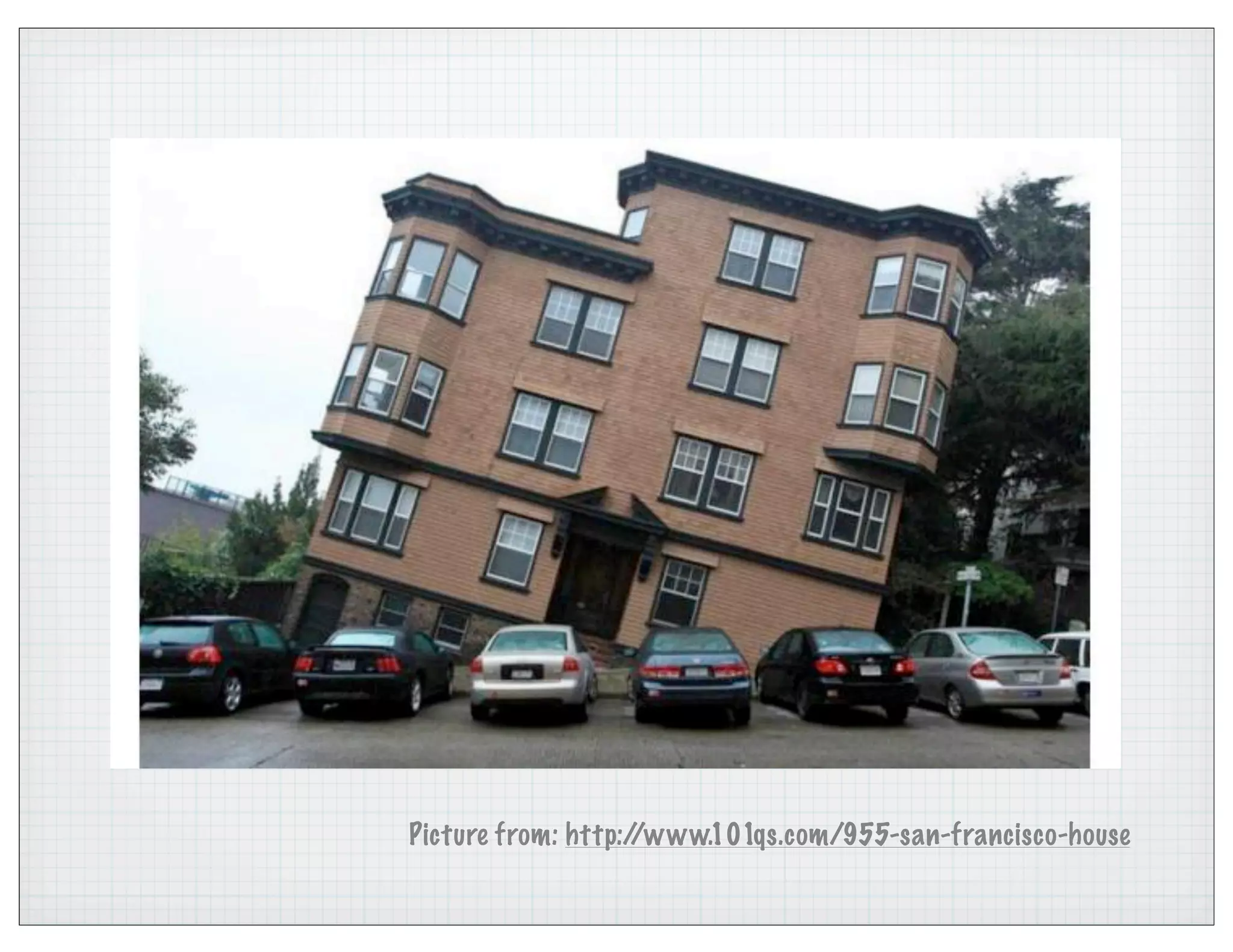
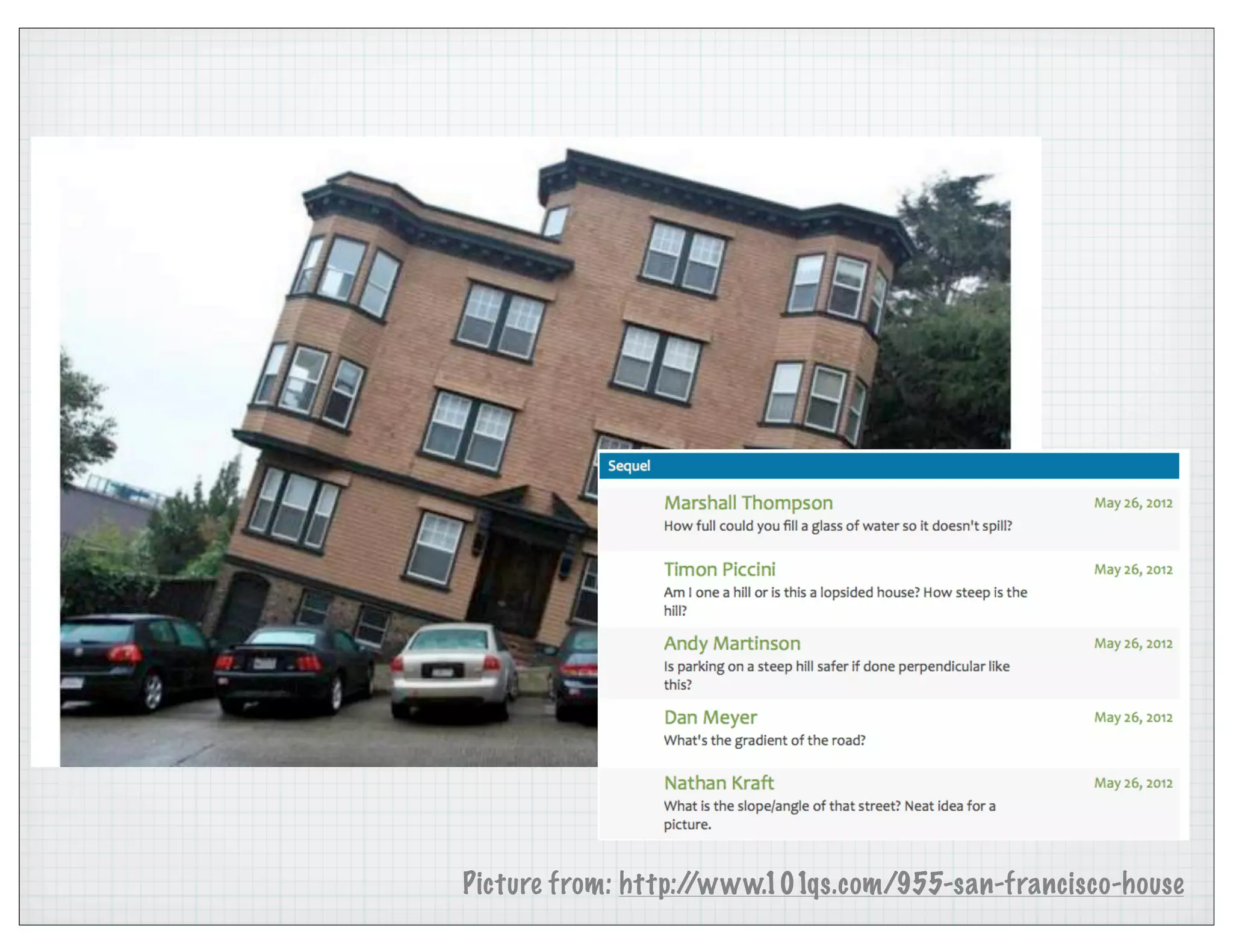
Picture from: http://www.101qs.com/955-san-francisco-house
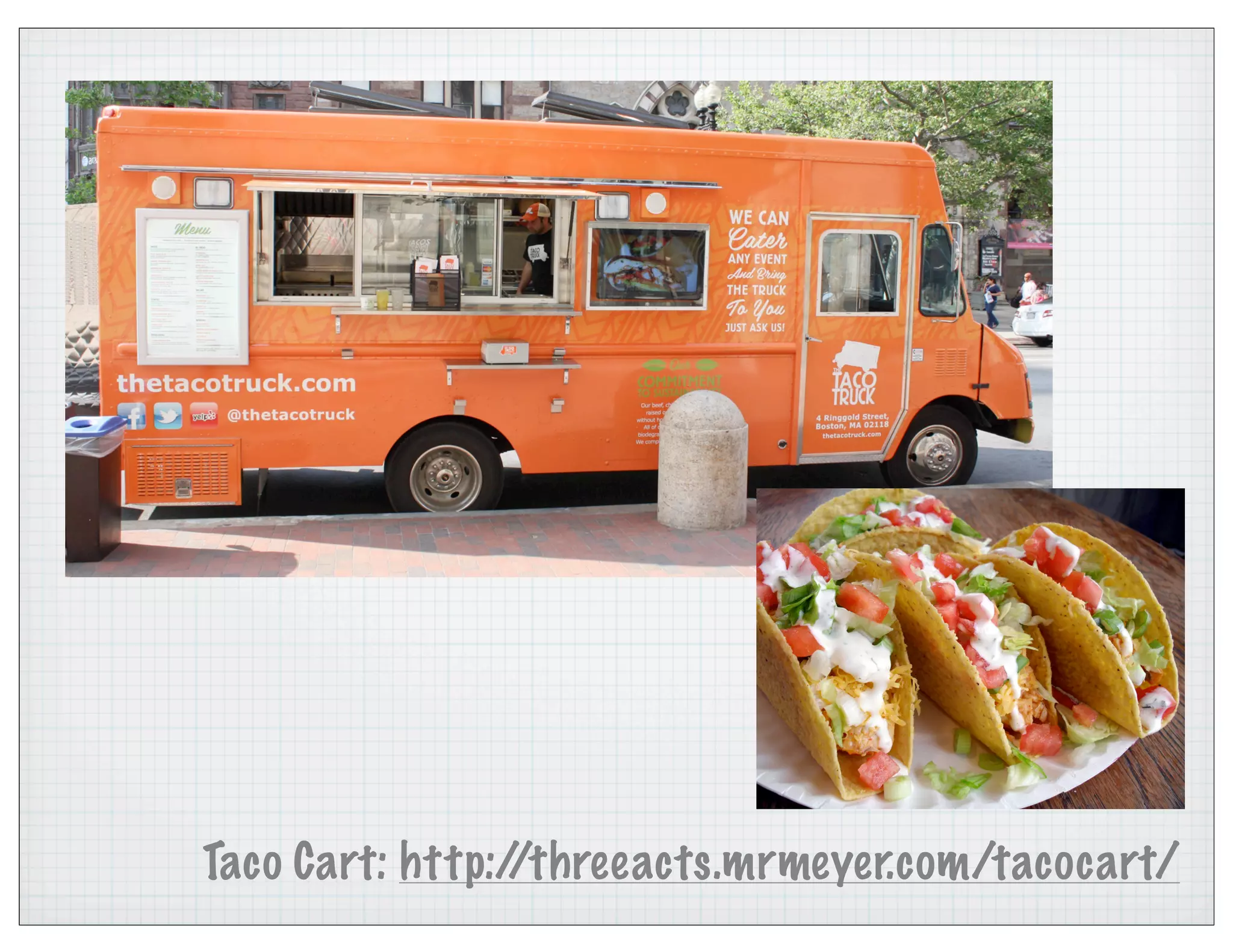
How can teachers be less
helpful?
Taco Cart: http://threeacts.mrmeyer.com/tacocart/
What can be debated?
Was this a good idea?
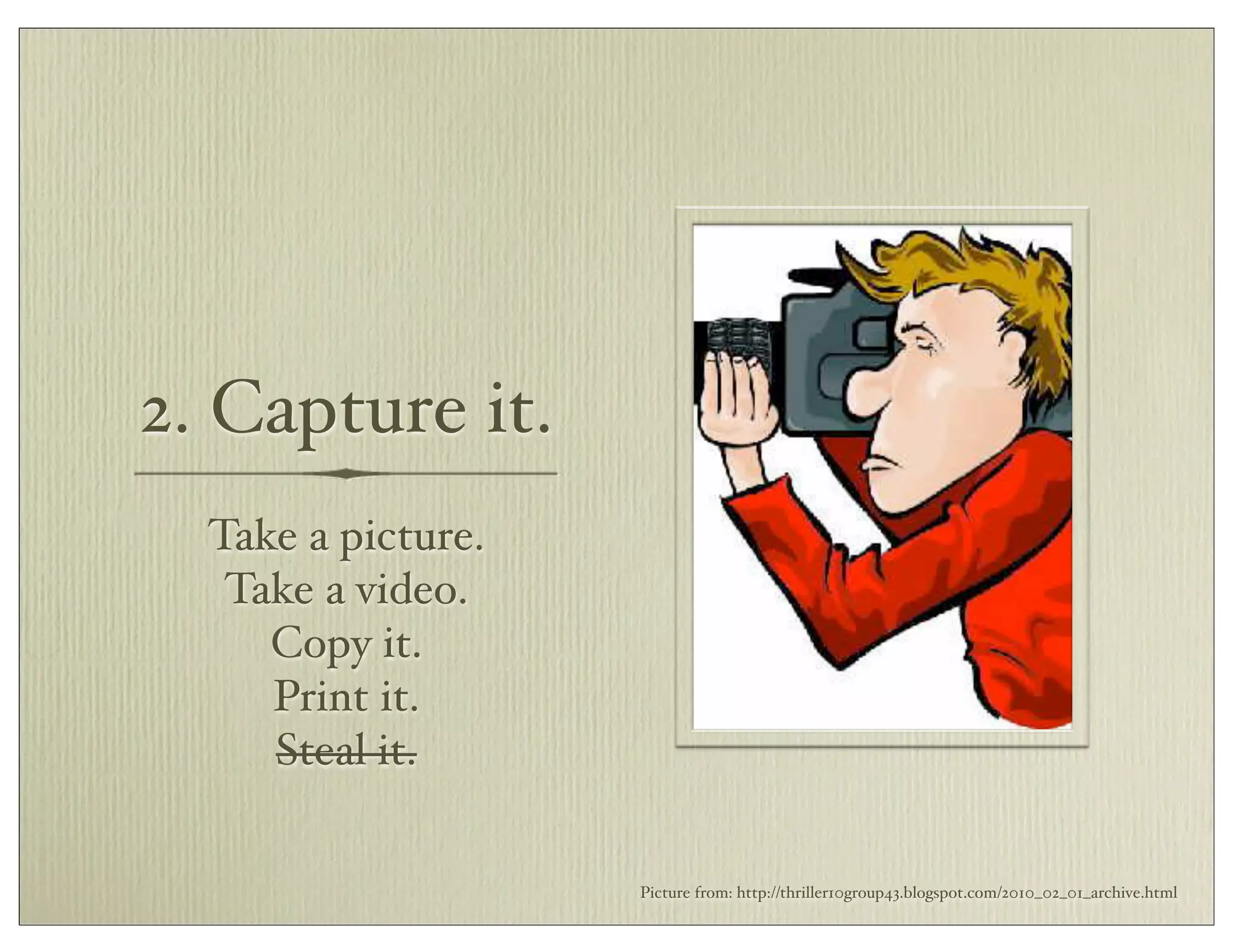
2. Capture it.
Take a picture.
Take a video.
Copy it.
Print it.
Steal it.
Picture from: http://thriller10group43.blogspot.com/2010_02_01_archive.html
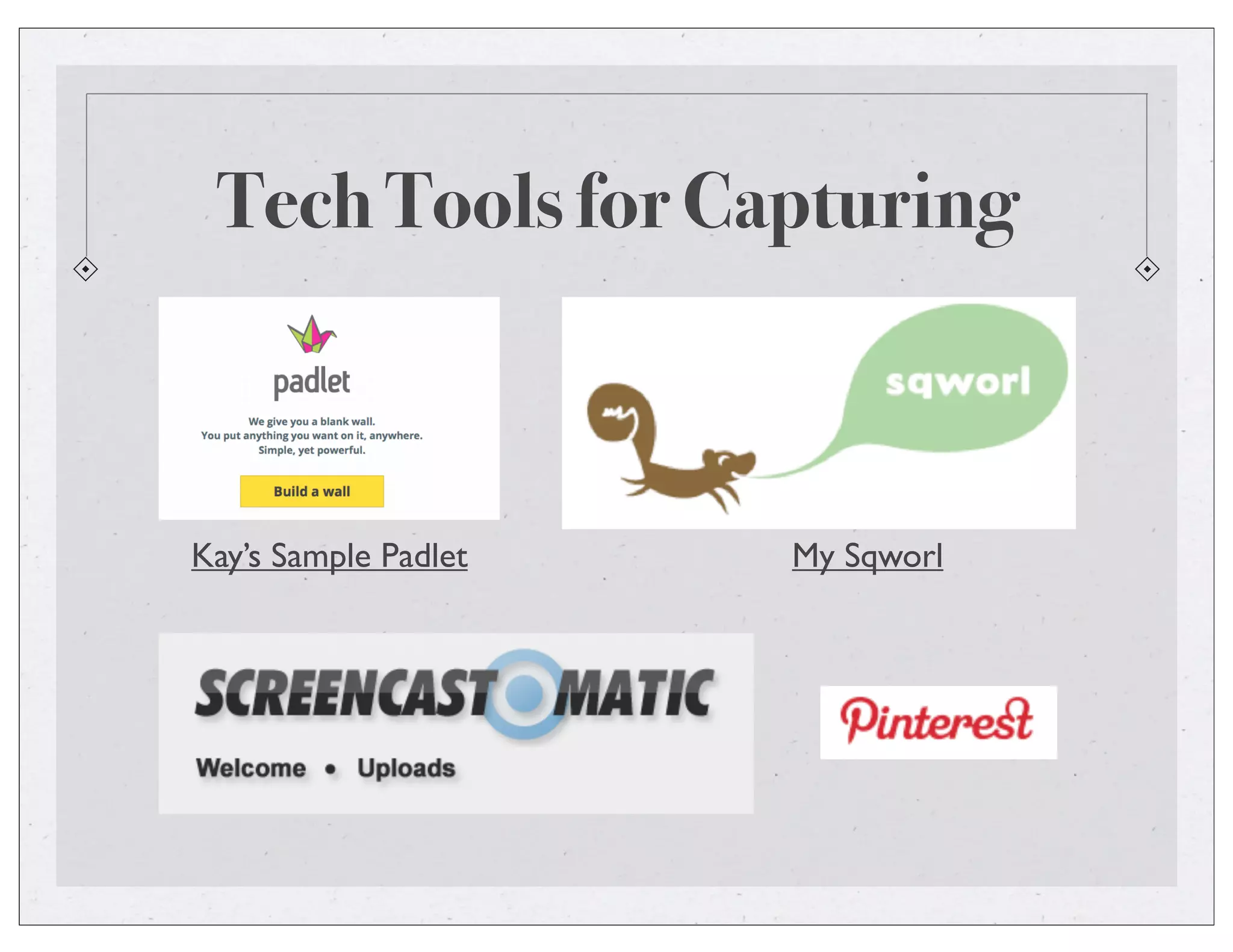
Tech Tools for Capturing
Kay’s Sample Padlet My Sqworl
Low Tech
3. Share it.
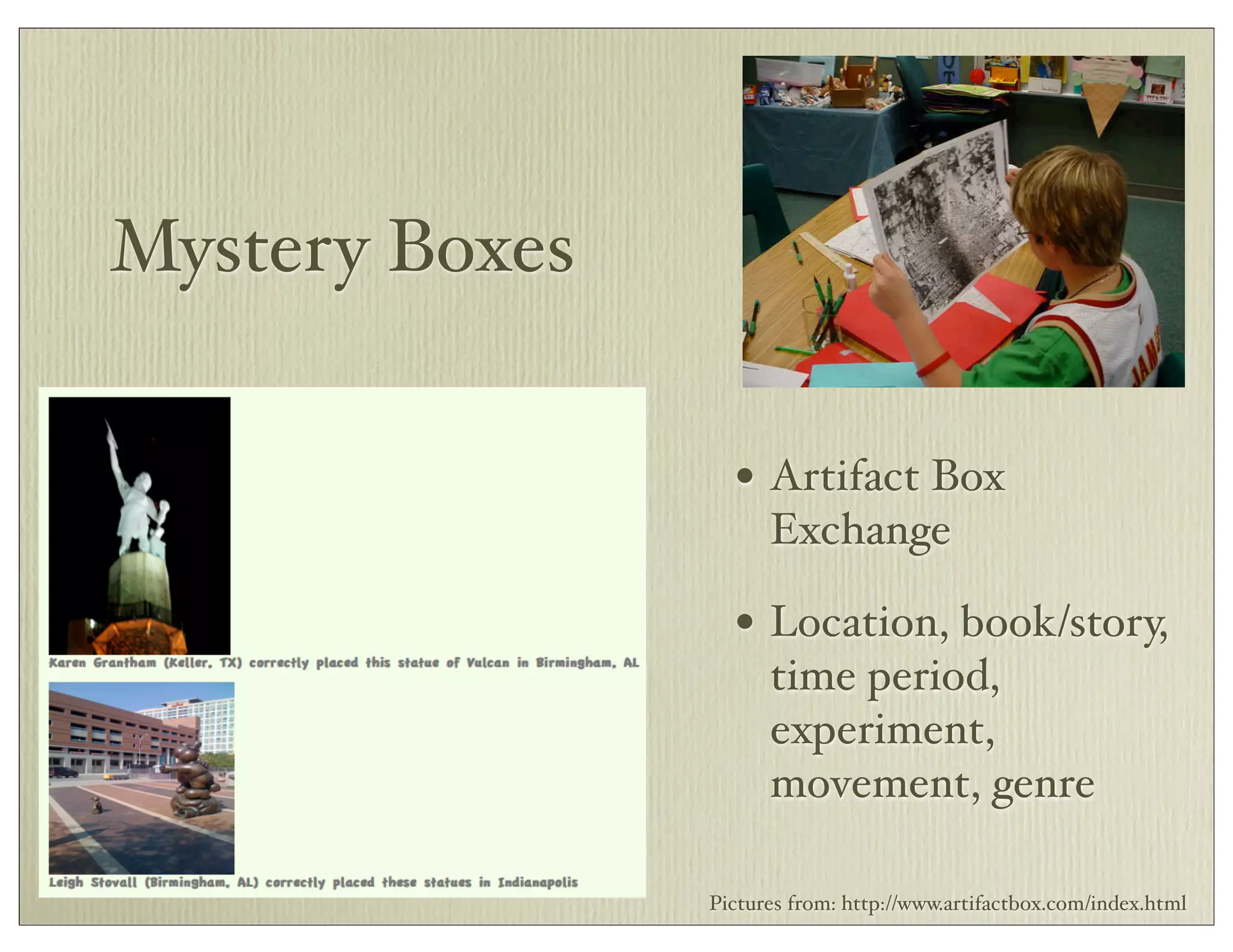
Mystery Boxes
• Artifact Box
Exchange
• Location, book/story,
time period,
experiment,
movement, genre
Pictures from: http://www.artifactbox.com/index.html
A few ideas...
• Pictures, graphs, videos
• Incremental revealing of information and data
• Short term or longer term projects
TRY IT...
• Where could the students be the discovers?
• Where is there too much information that
spoils their experience?
• How could you reframe the topic to promote
perplexity?
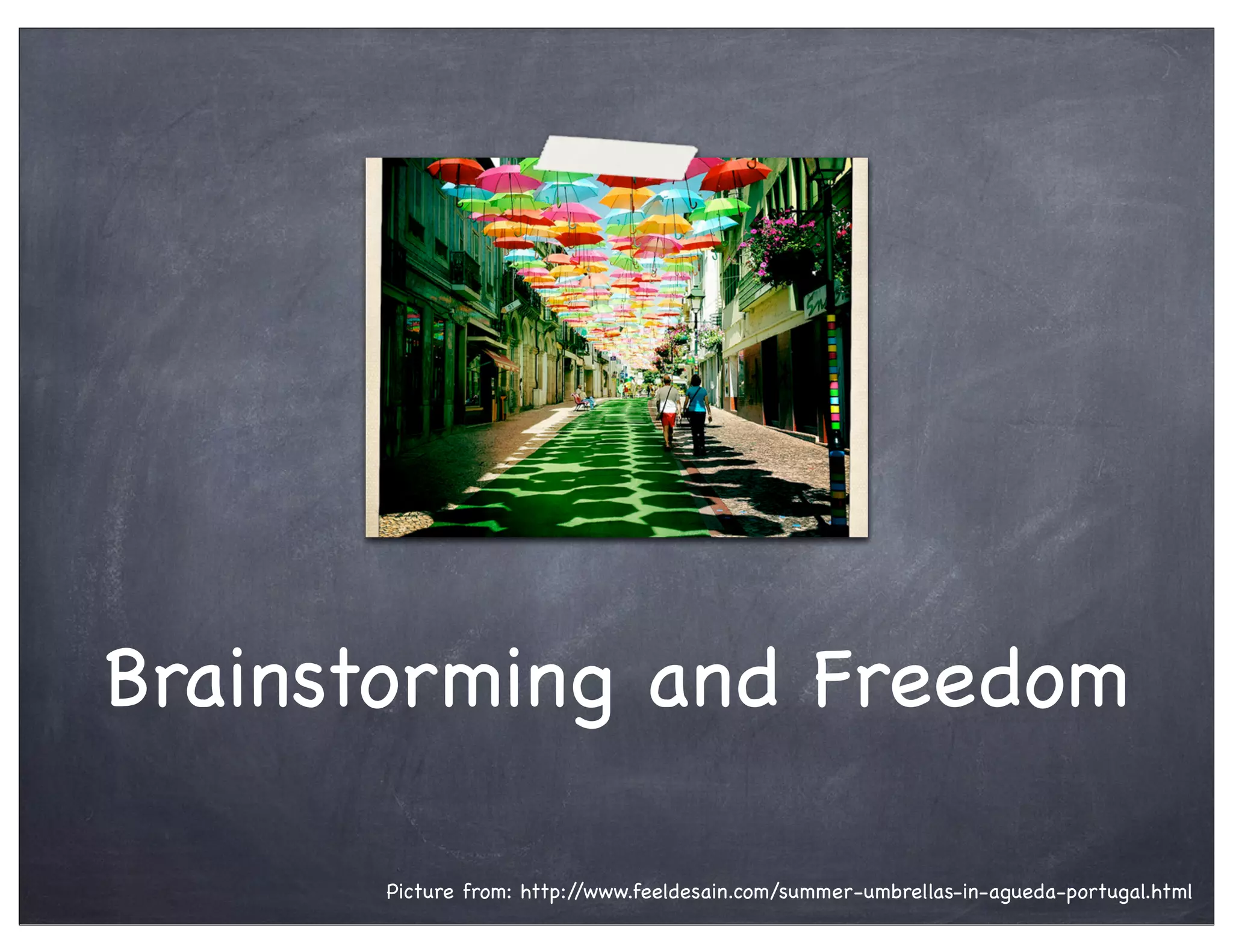
Brainstorming and Freedom
Picture from: http://www.feeldesain.com/summer-umbrellas-in-agueda-portugal.html
Before students can
brainstorm, teachers
must ask
“brainstorm-able”
questions.
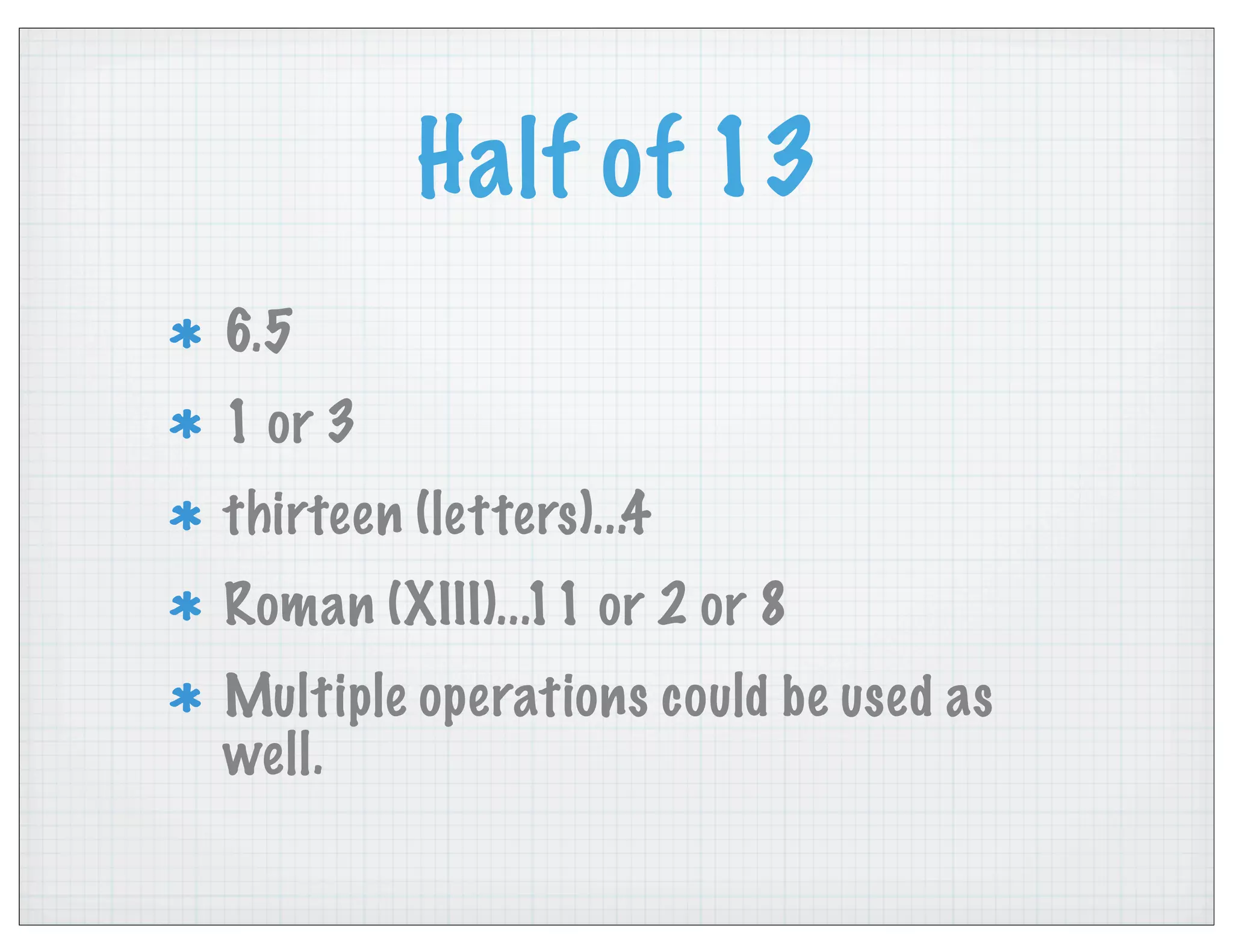
What is half of 13?
Half of 13
6.5
1 or 3
thirteen (letters)...4
Roman (XIII)...11 or 2 or 8
Multiple operations could be used as
well.
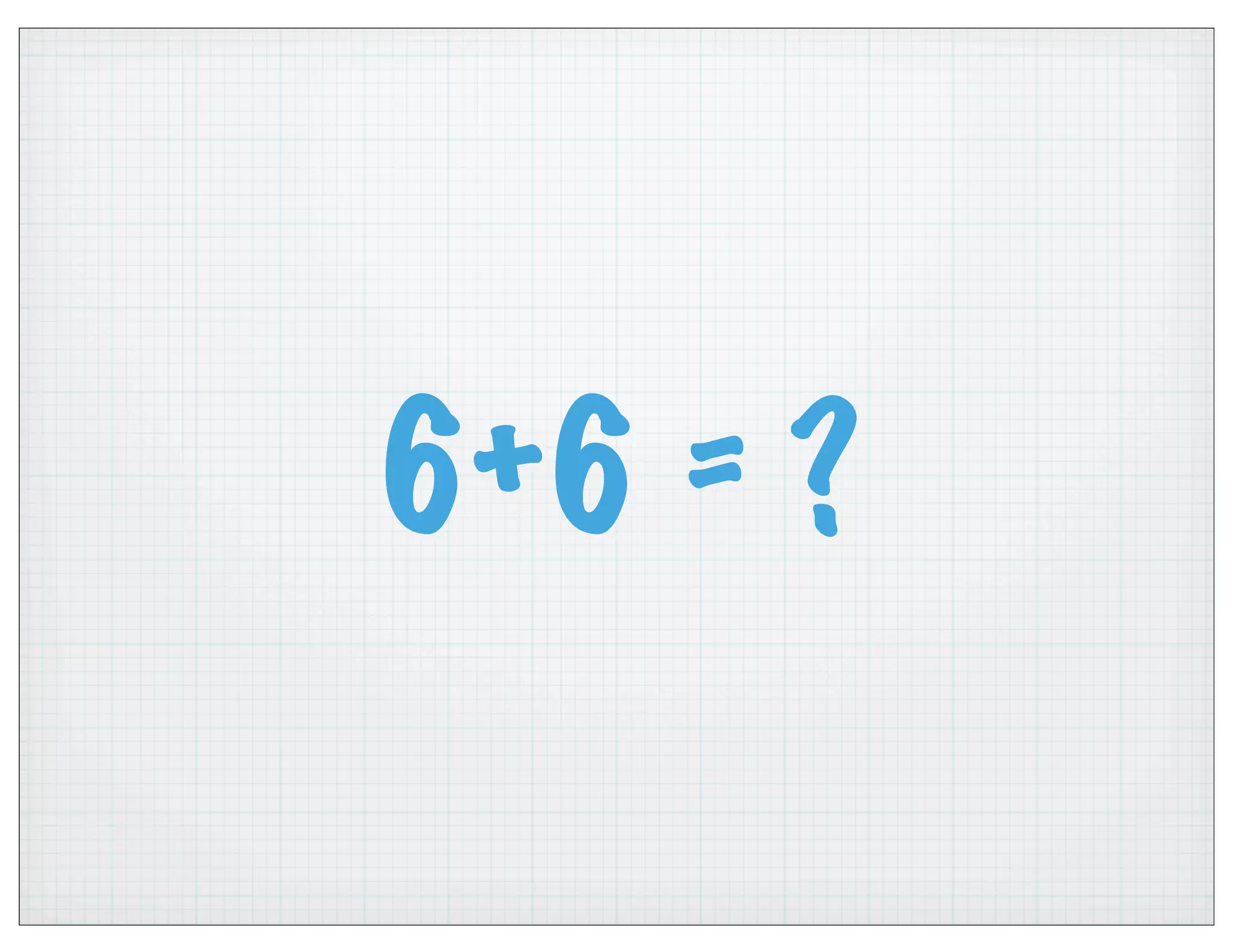
6+6 = ?
12
Who brainstorms when?
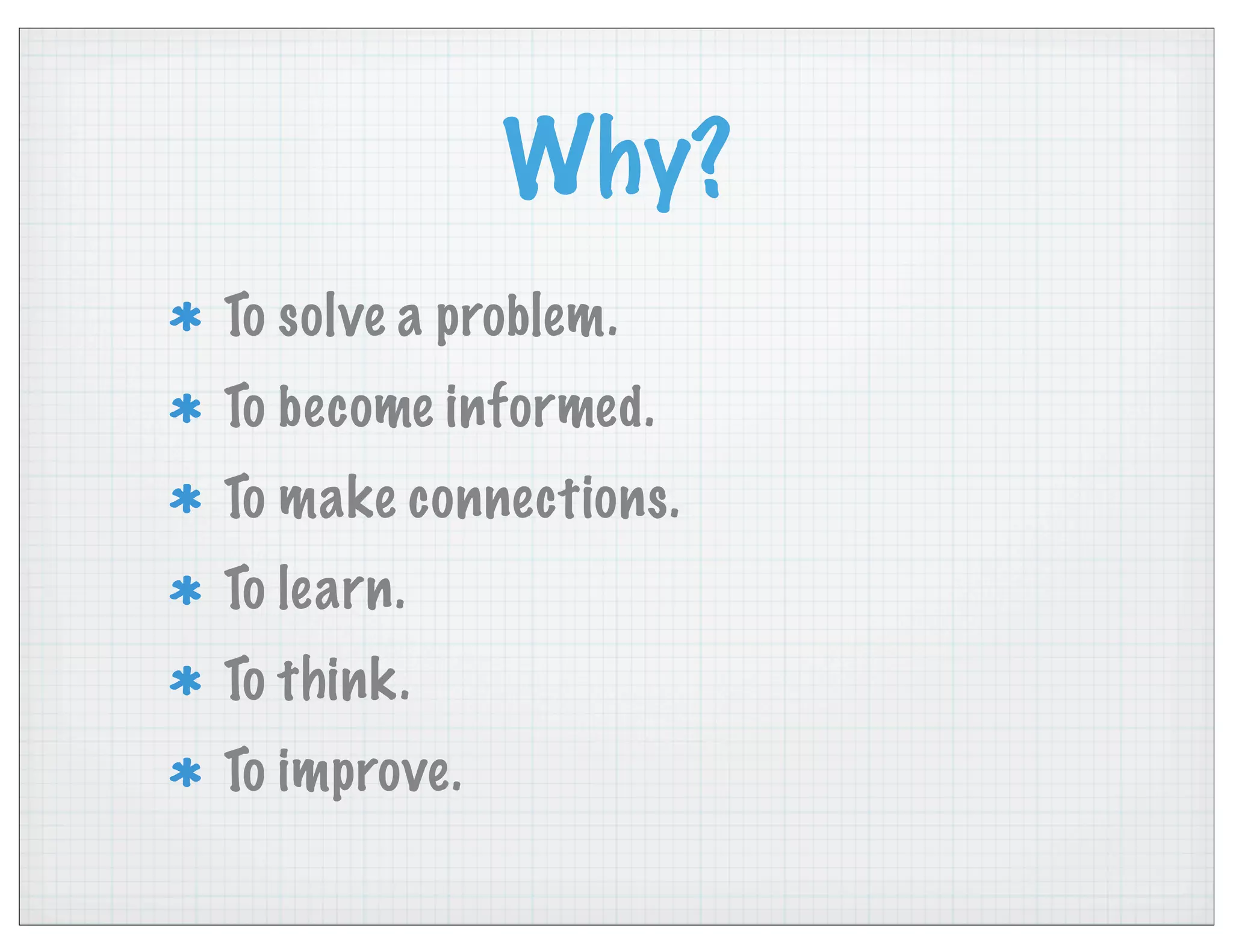
Why?
To solve a problem.
To become informed.
To make connections.
To learn.
To think.
To improve.
To limit yourself to your
first idea is a disaster
for your imagination.
-Michael Michalko
Types of Brainstorming
• Analogical Thinking
• SCAMPER
Framing
“brainstorm-able”
questions will make
you a better
question asker.
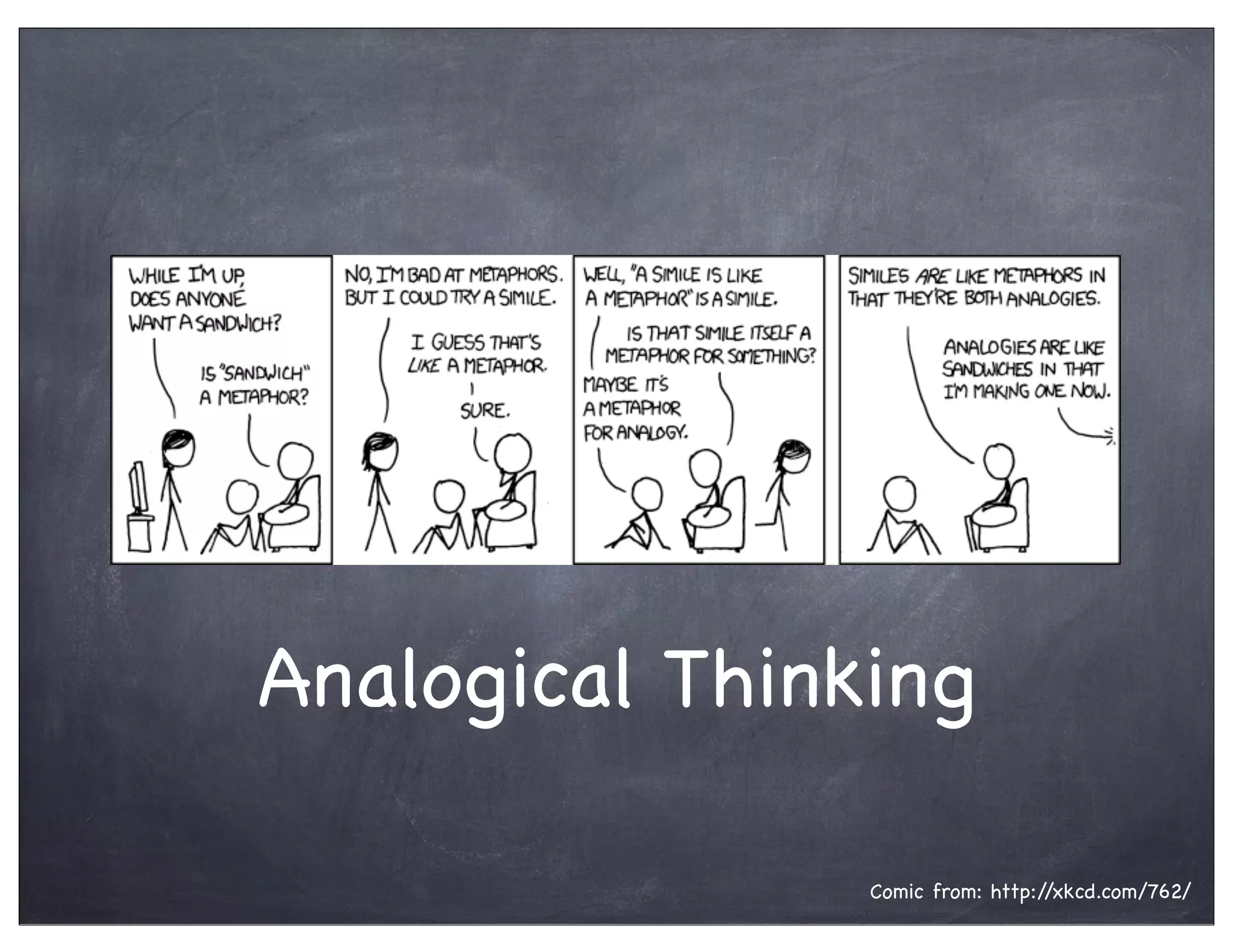
Analogical Thinking
Comic from: http://xkcd.com/762/
Why do we use analogies?
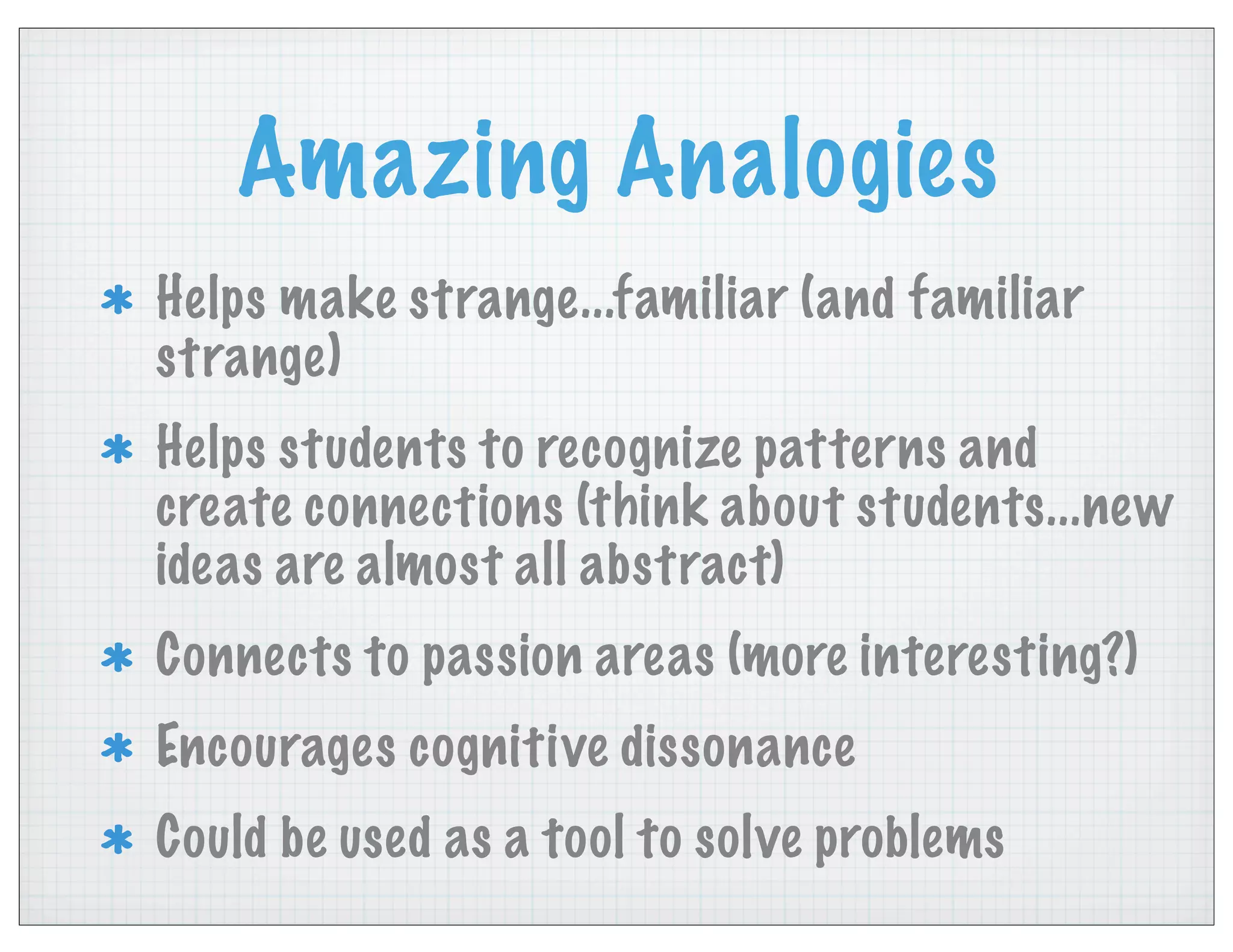
Amazing Analogies
Helps make strange...familiar (and familiar
strange)
Helps students to recognize patterns and
create connections (think about students...new
ideas are almost all abstract)
Connects to passion areas (more interesting?)
Encourages cognitive dissonance
Could be used as a tool to solve problems
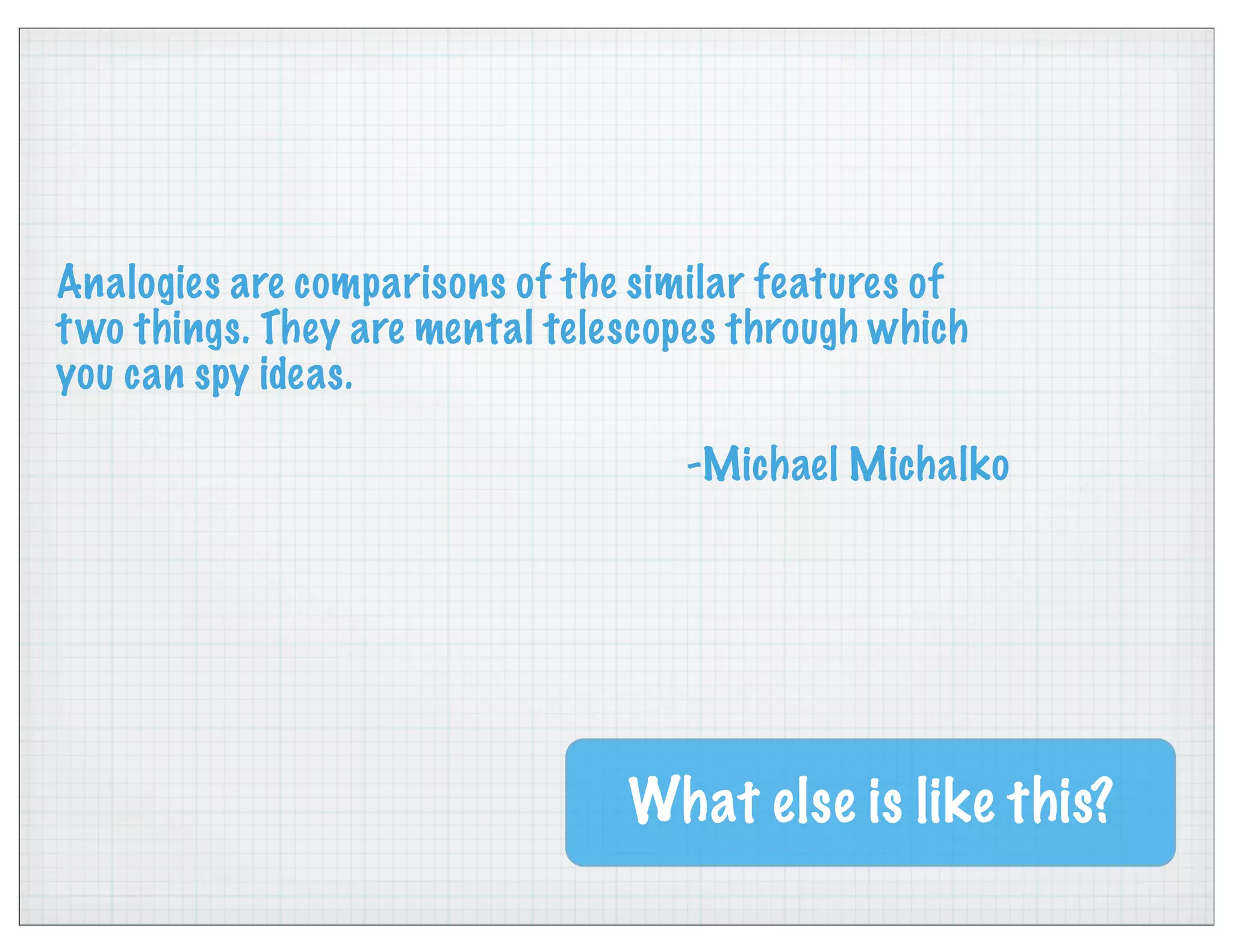
Analogies are comparisons of the similar features of
two things. They are mental telescopes through which
you can spy ideas.
-Michael Michalko
What else is like this?
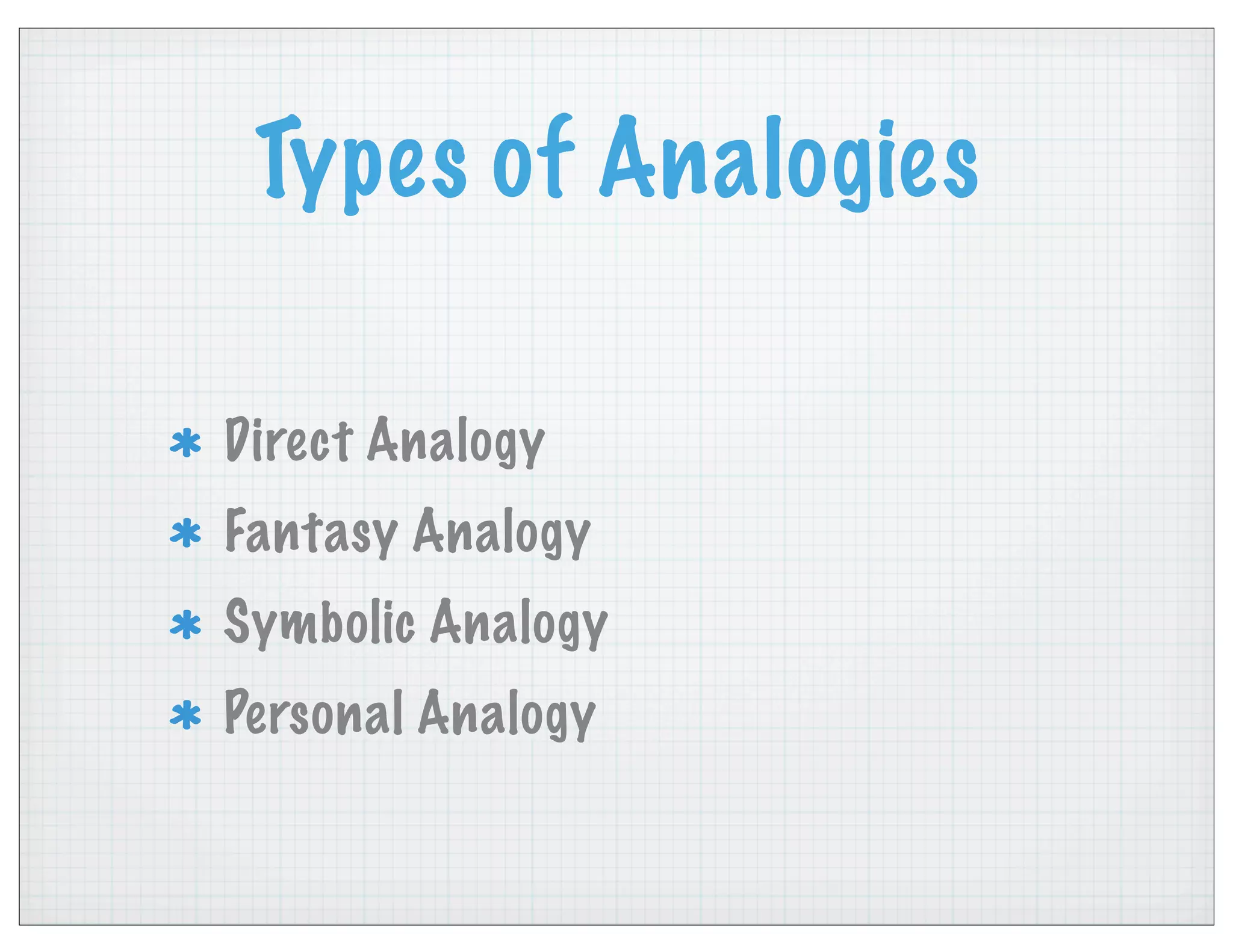
Types of Analogies
Direct Analogy
Fantasy Analogy
Symbolic Analogy
Personal Analogy
Direct Analogies
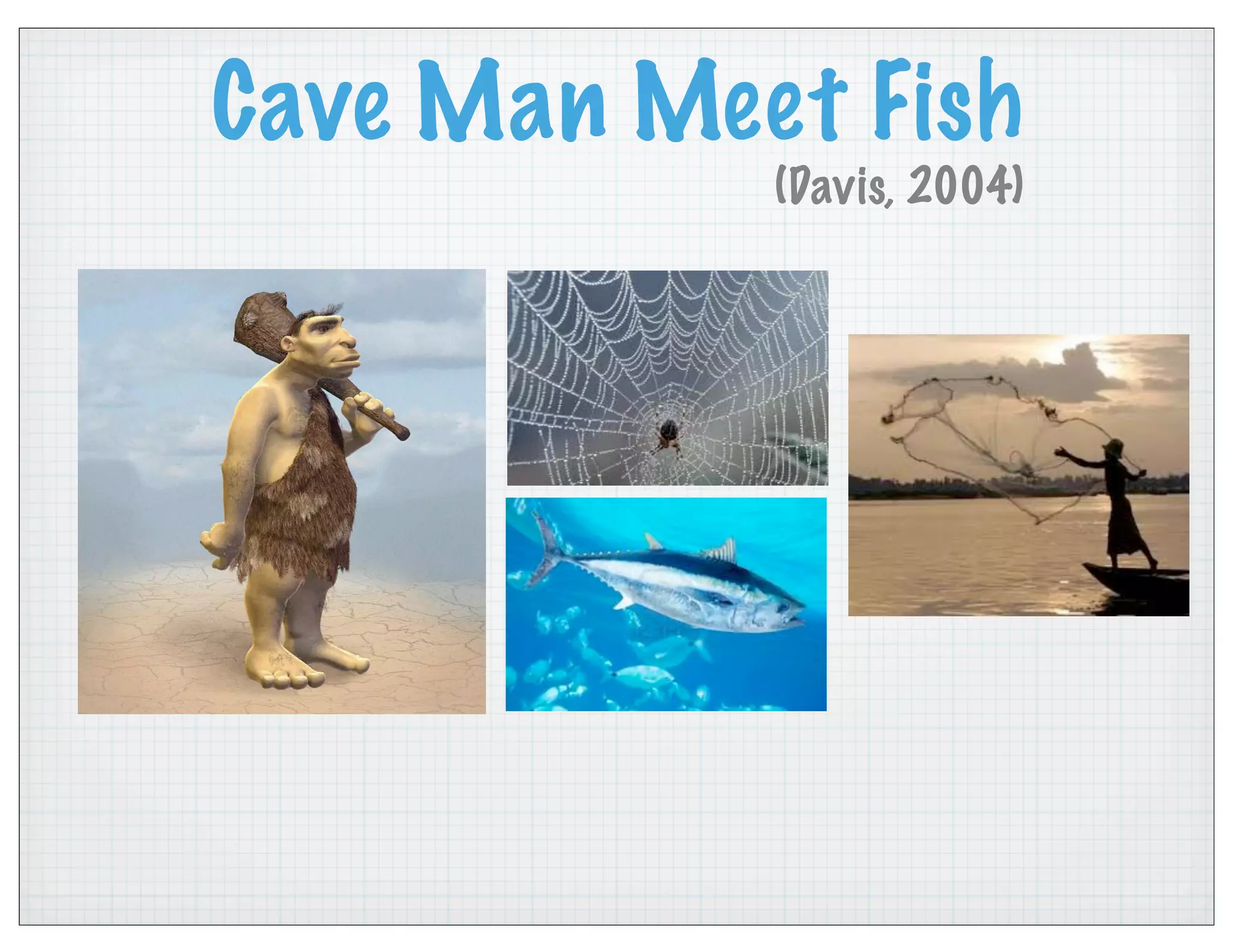
Cave Man Meet Fish
(Davis, 2004)
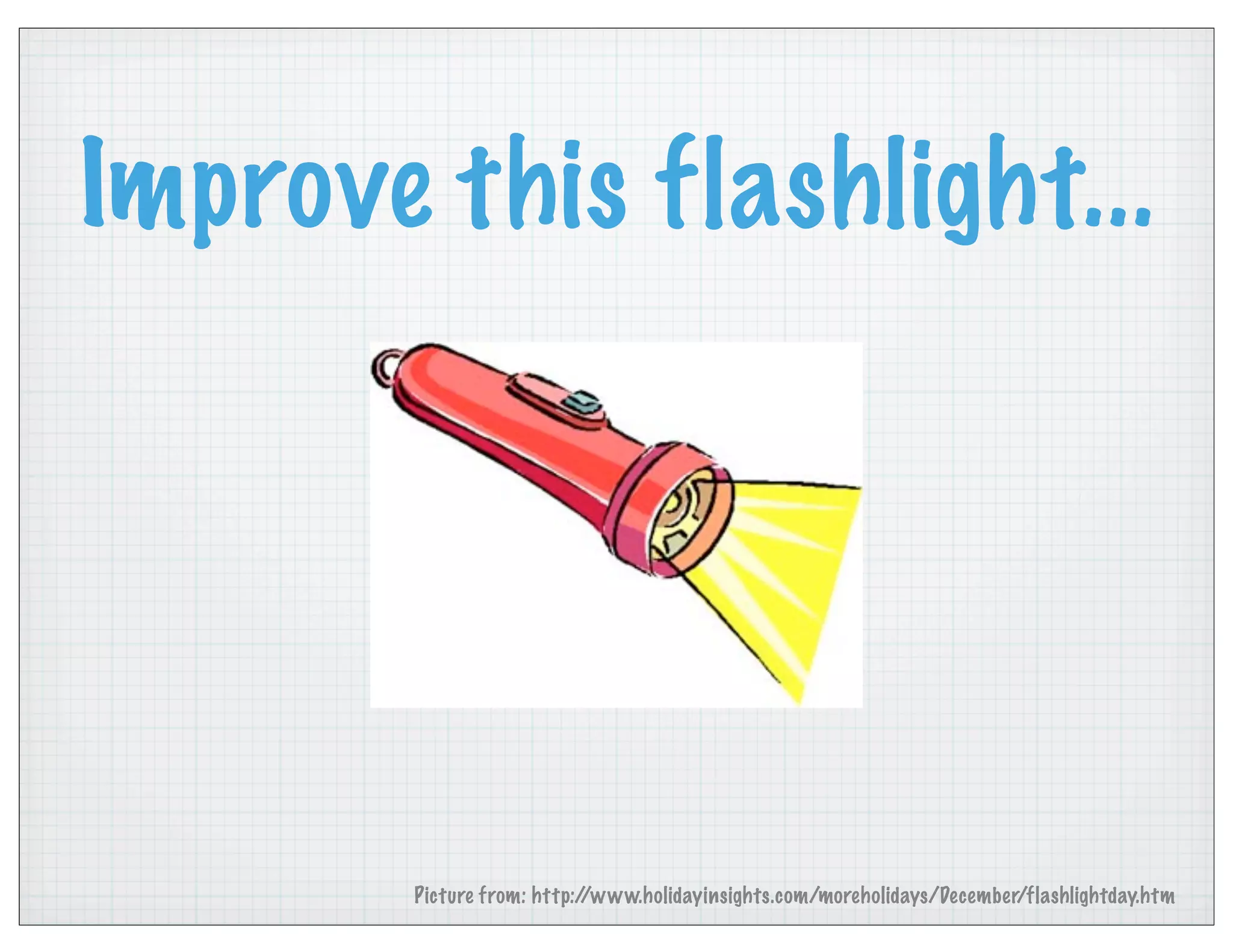
Improve this flashlight...
Picture from: http://www.holidayinsights.com/moreholidays/December/flashlightday.htm
...by attending medical
school?
Pictures from: http://www.holidayinsights.com/moreholidays/December/flashlightday.htm
And: http://feministing.com/2011/09/07/new-study-lgbt-issues-barely-taught-in-medical-
school/
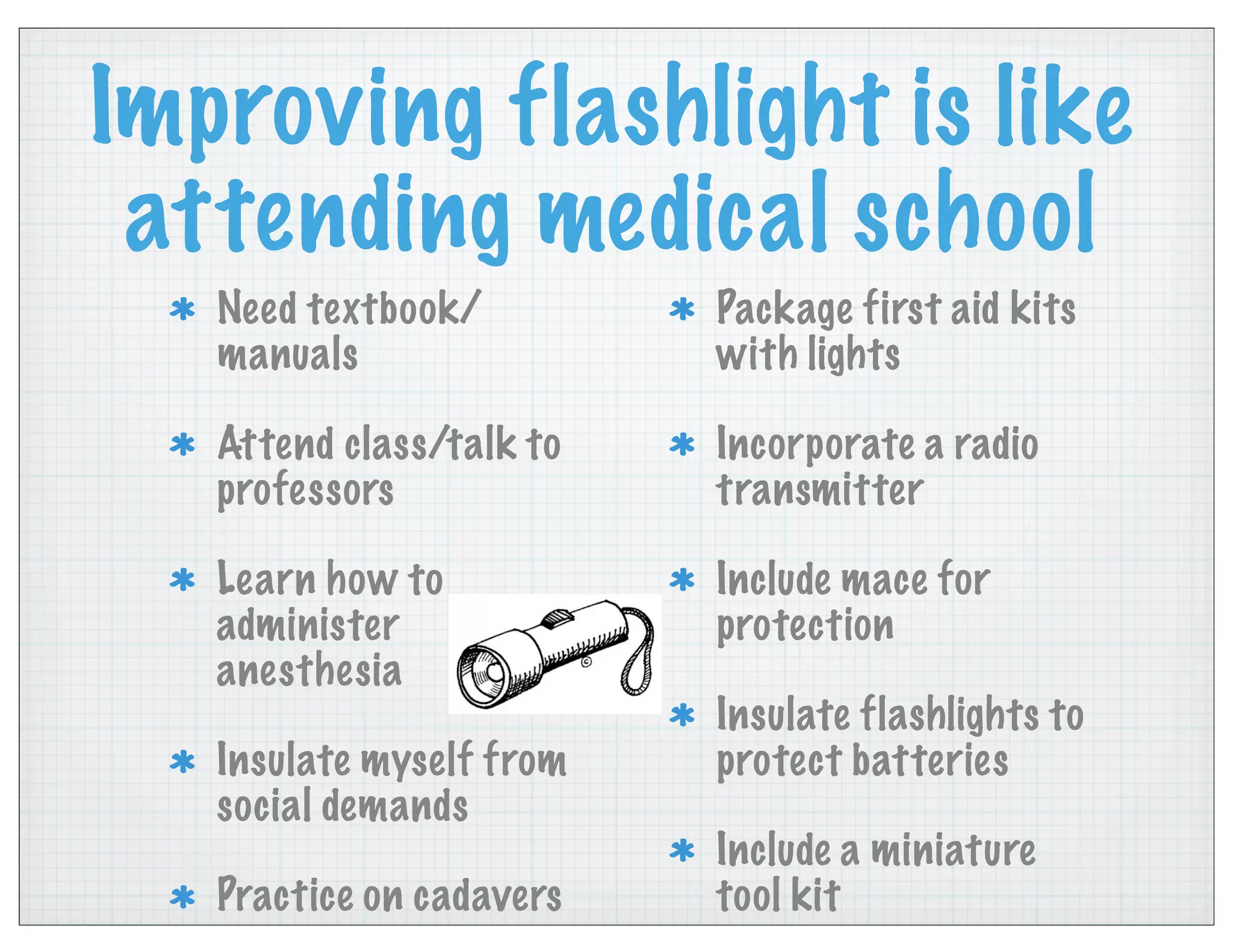
Improving flashlight is like
attending medical school
Need textbook/
manuals
Attend class/talk to
professors
Learn how to
administer
anesthesia
Insulate myself from
social demands
Practice on cadavers
Package first aid kits
with lights
Incorporate a radio
transmitter
Include mace for
protection
Insulate flashlights to
protect batteries
Include a miniature
tool kit
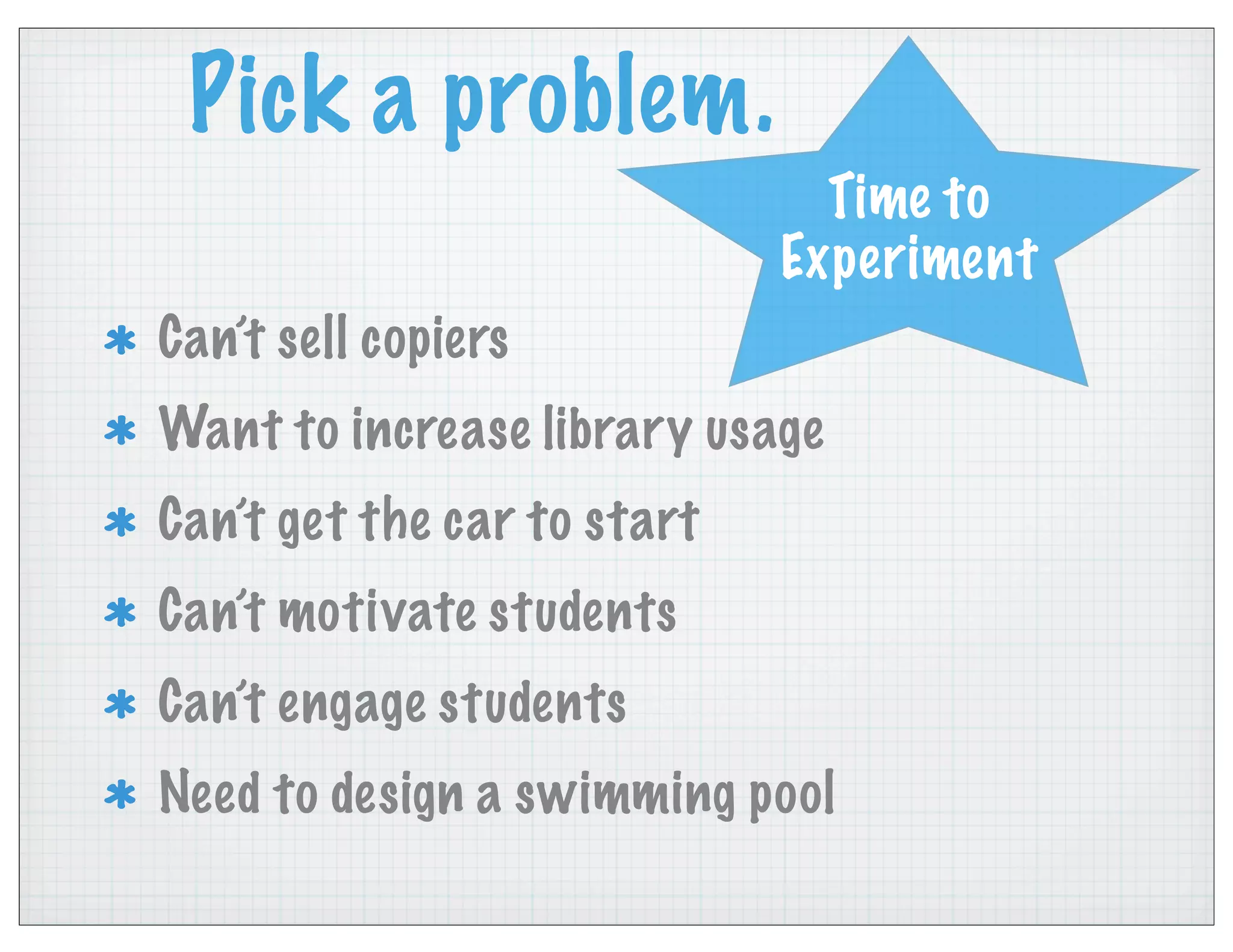
Pick a problem.
Can’t sell copiers
Want to increase library usage
Can’t get the car to start
Can’t motivate students
Can’t engage students
Need to design a swimming pool
Time to
Experiment
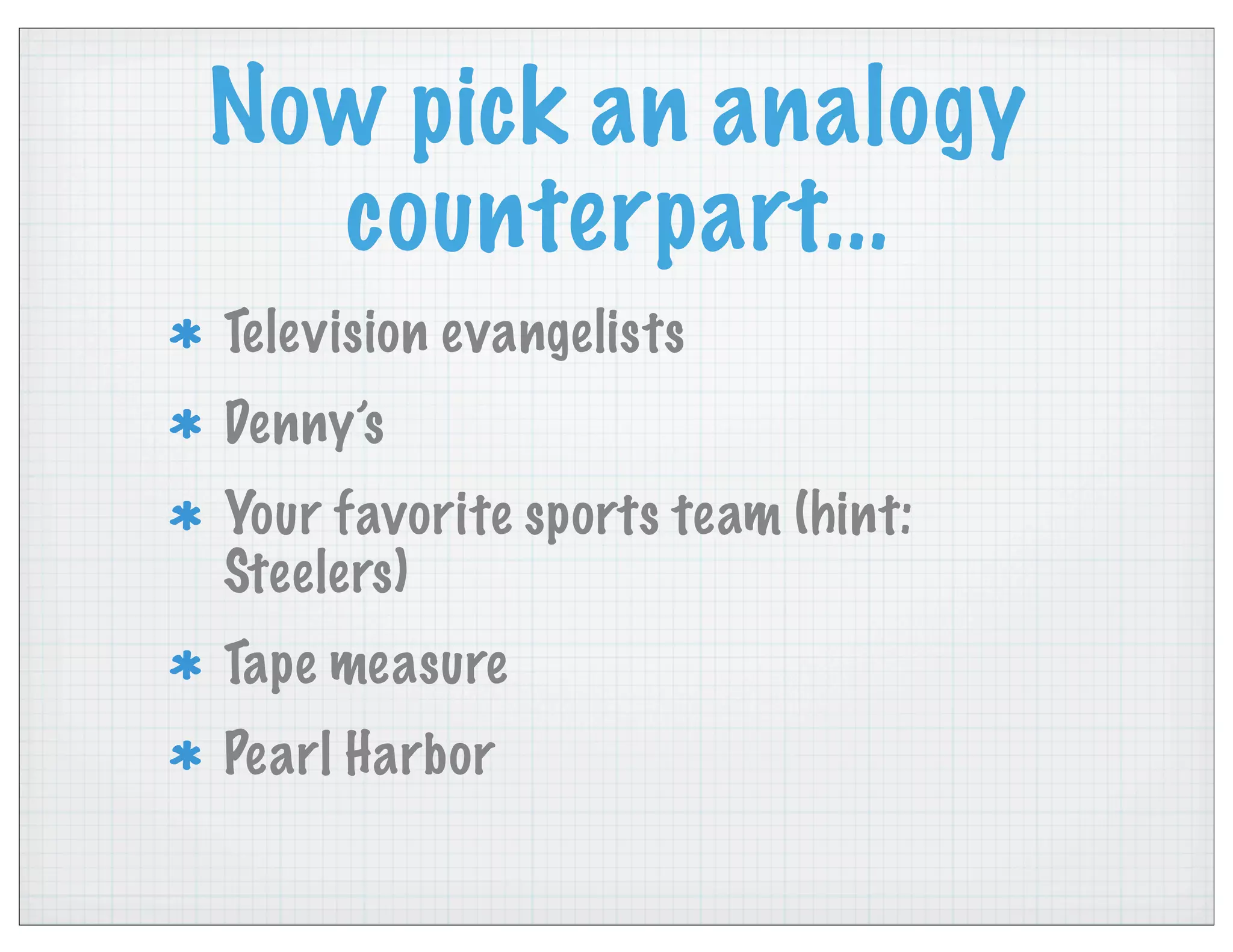
Now pick an analogy
counterpart...
Television evangelists
Denny’s
Your favorite sports team (hint:
Steelers)
Tape measure
Pearl Harbor
Brainstorm the
characteristics of
your counterpart.
Apply those
characteristics to
your problem.
What are some
potential solutions?
Make the familiar
strange.
State your challenge.
Choose a key word or phrase.
Choose a parallel or distant field/idea.
List the images you you associate with
your chosen field.
Look for similarities and connections
between the two.
The Steps
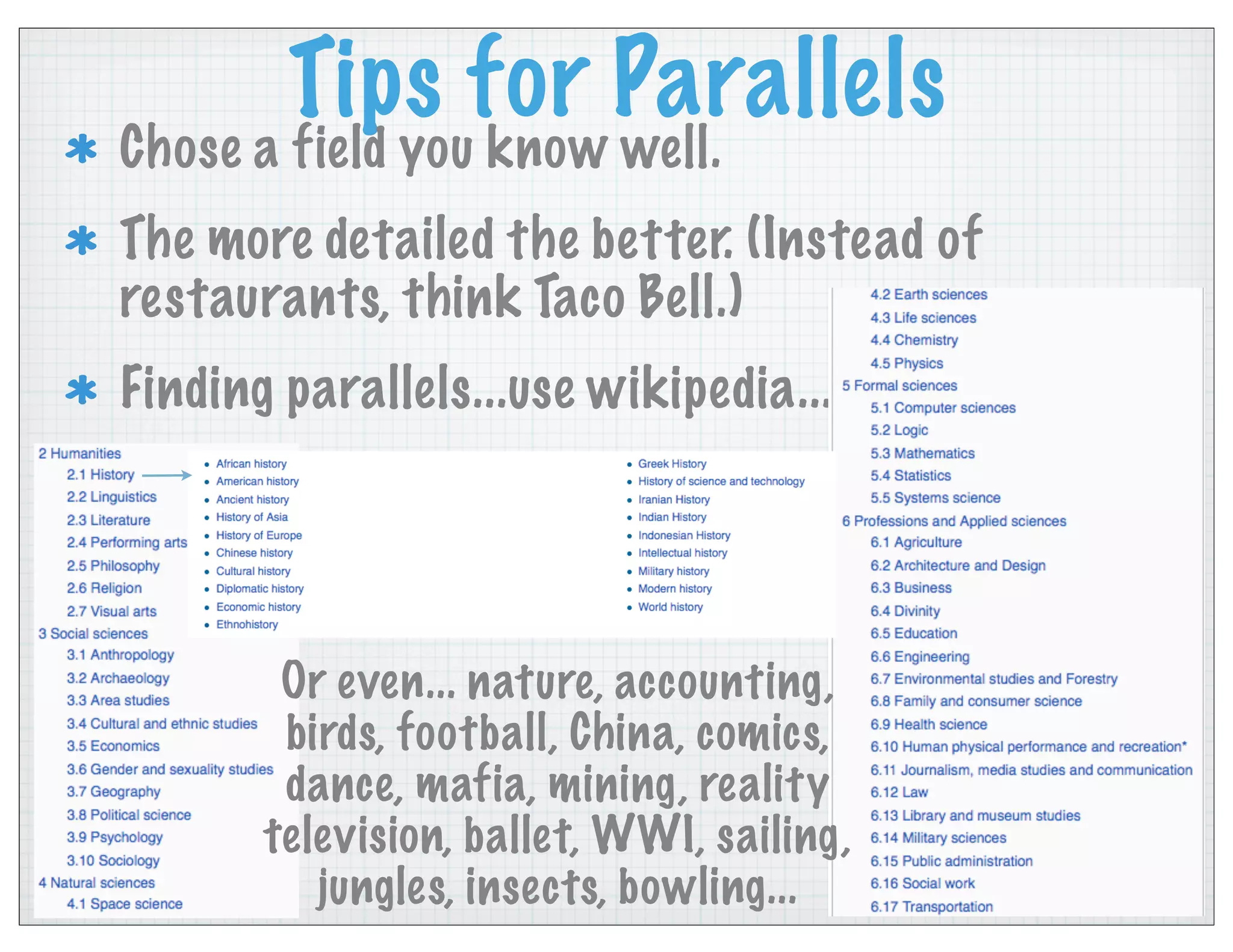
Tips for Parallels
Chose a field you know well.
The more detailed the better. (Instead of
restaurants, think Taco Bell.)
Finding parallels...use wikipedia....
Or even... nature, accounting,
birds, football, China, comics,
dance, mafia, mining, reality
television, ballet, WWI, sailing,
jungles, insects, bowling...
Imagine this in the
classroom...
How could you scaffold students?
Part of the inherent purpose is to
make the strange familiar.
That is the first problem to
address.
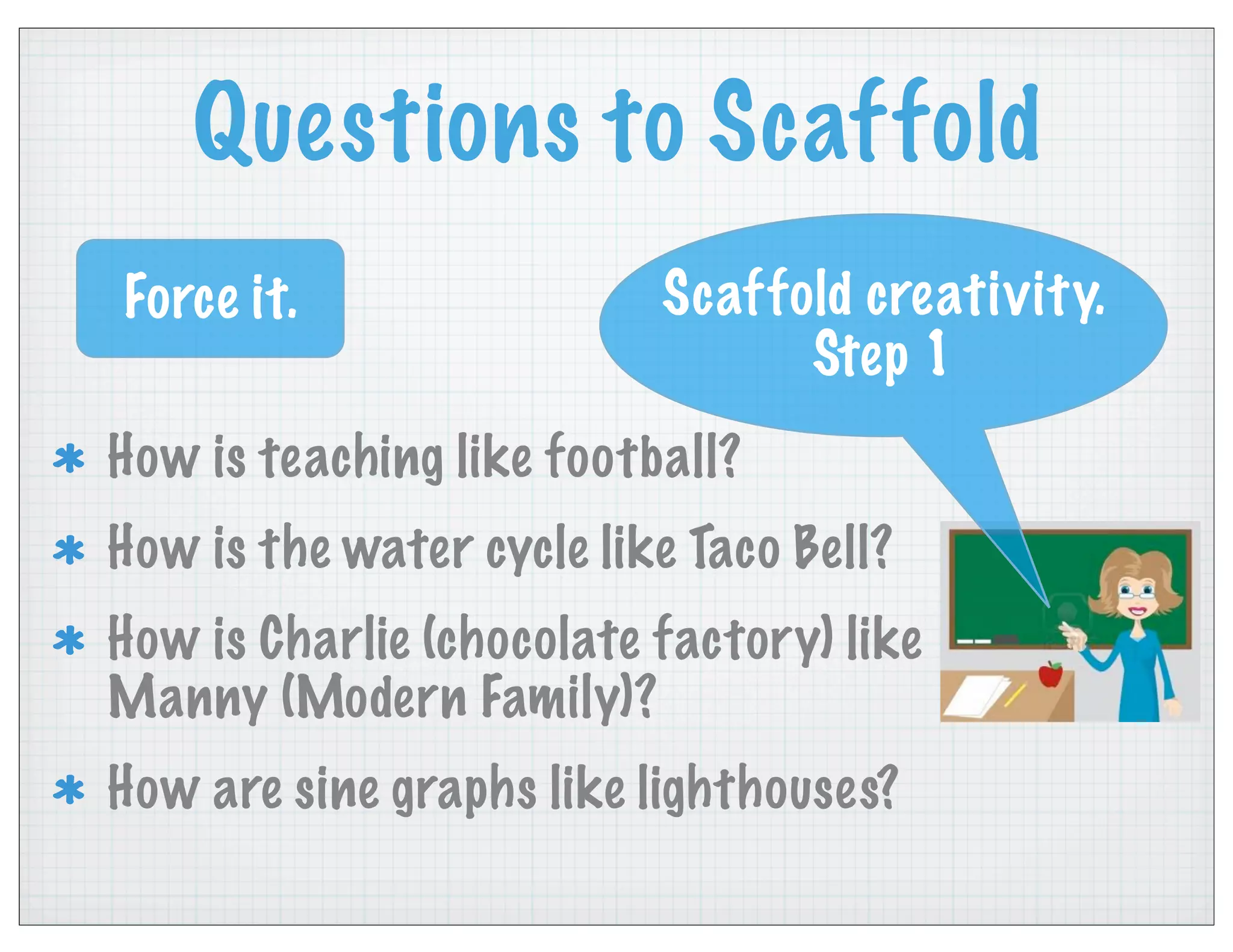
Questions to Scaffold
How is teaching like football?
How is the water cycle like Taco Bell?
How is Charlie (chocolate factory) like
Manny (Modern Family)?
How are sine graphs like lighthouses?
Scaffold creativity.
Step 1
Force it.
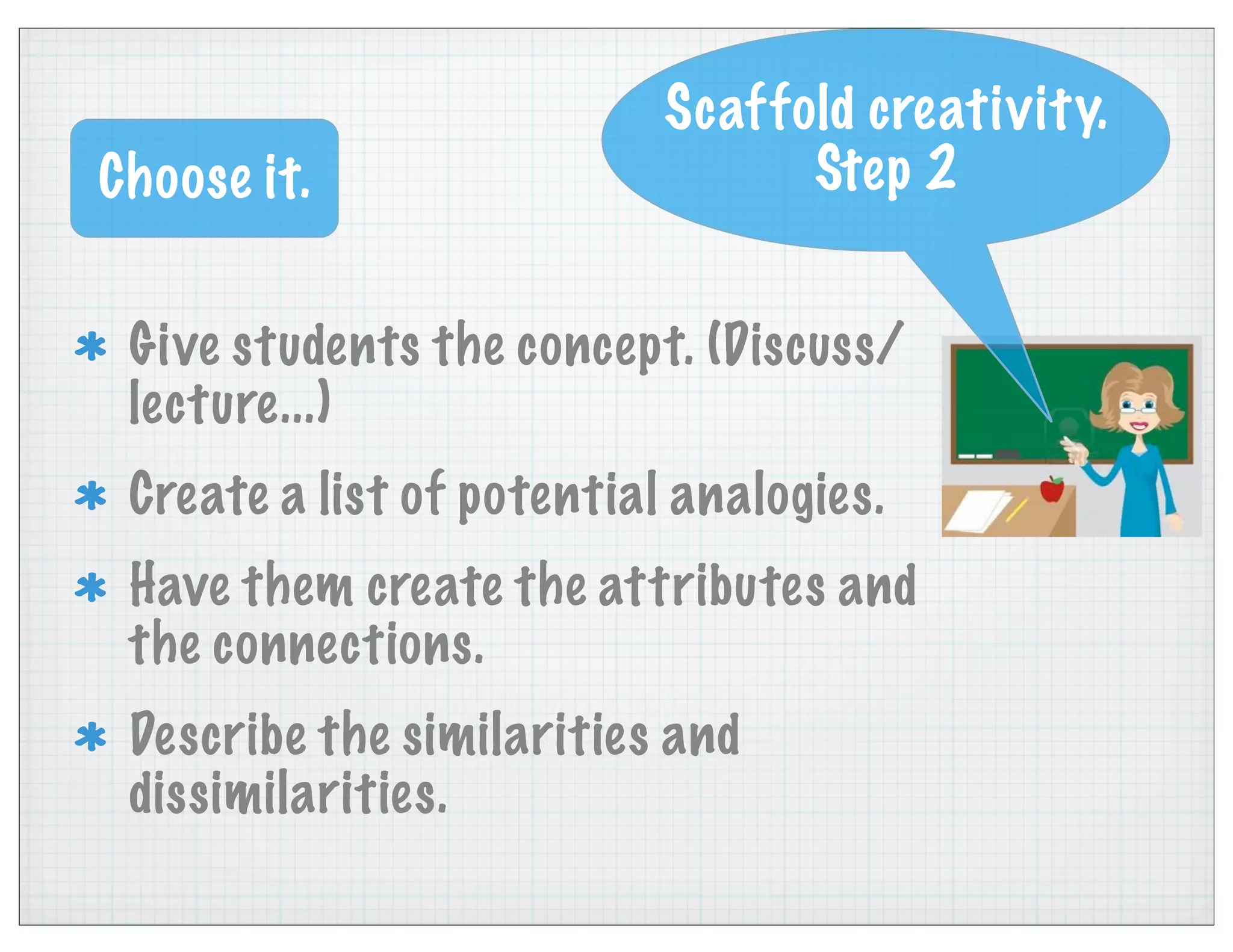
Give students the concept. (Discuss/
lecture...)
Create a list of potential analogies.
Have them create the attributes and
the connections.
Describe the similarities and
dissimilarities.
Scaffold creativity.
Step 2Choose it.
Design your own analogy.
Scaffold creativity.
Step 3
Create it.
Other Analogies
Fantasy Analogy: Fantastic,
farfetched, craziest situation possible.
Symbolic Analogy: Oxymorons
Personal Analogy: Empathy, become the
challenge/concept.
Fantasy Analogy
How do we in our wildest dreams imagine this to
operate?
Apply to our original problem...
How could this problem solve itself?
Examples: How can clothes iron themselves? How
can a refrigerator defrost itself? How can we get
the School Board to want to give us more supplies?
Symbolic Analogies
Compressed conflict
Brainstorm oxymorons. Do they suggest
new ideas?
Gentle toughness for new tires, careful
haste for school evacuation...
Personal Analogy
What if you were in the analogy?
What if you were a rain drop in the
water cycle?
What if...
TRY IT...
• When could students assume the role of what
they are studying?
• What direct analogies could you force?
• When could you let them create their own?
• How could they demonstrate these analogies?
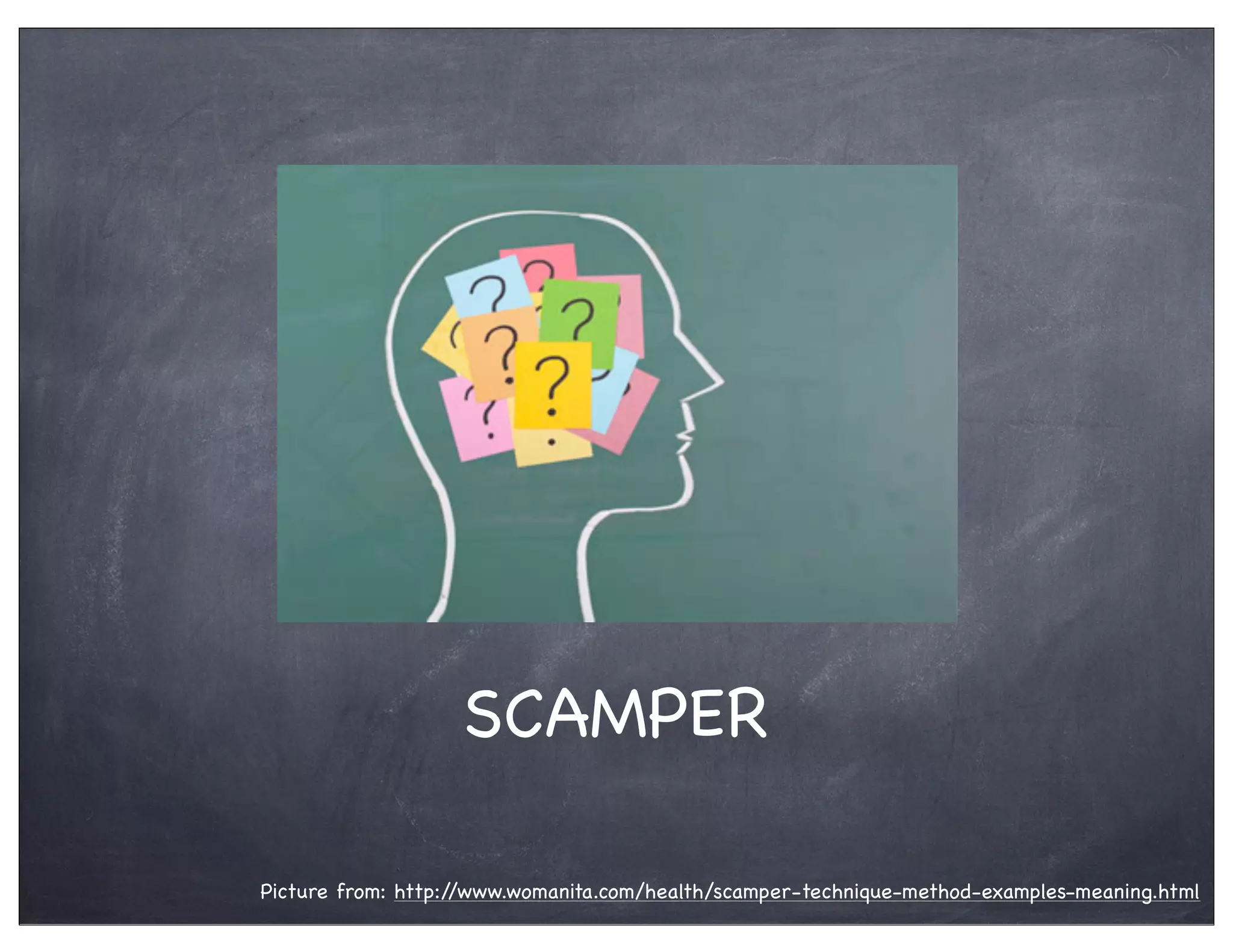
SCAMPER
Picture from: http://www.womanita.com/health/scamper-technique-method-examples-meaning.html
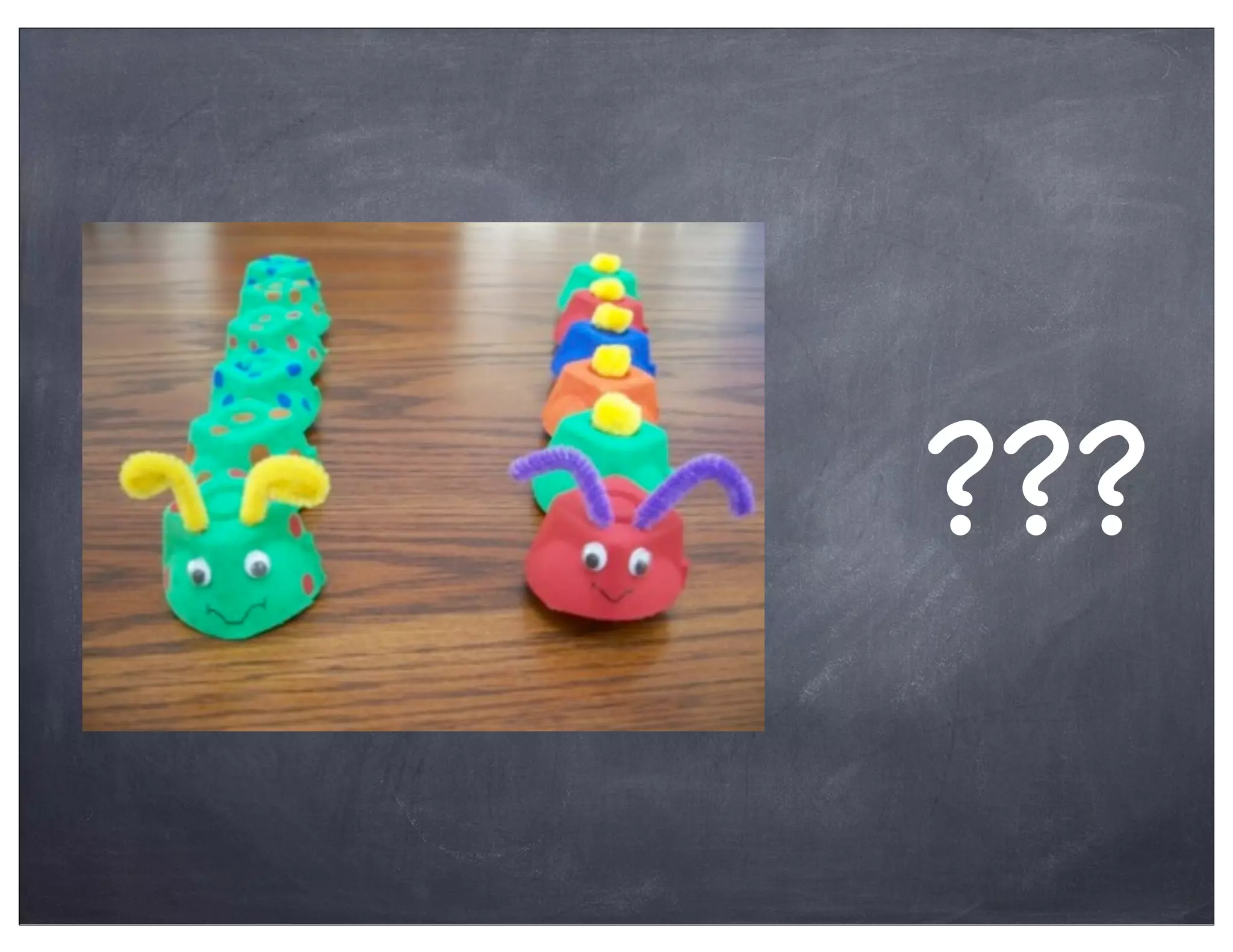
???
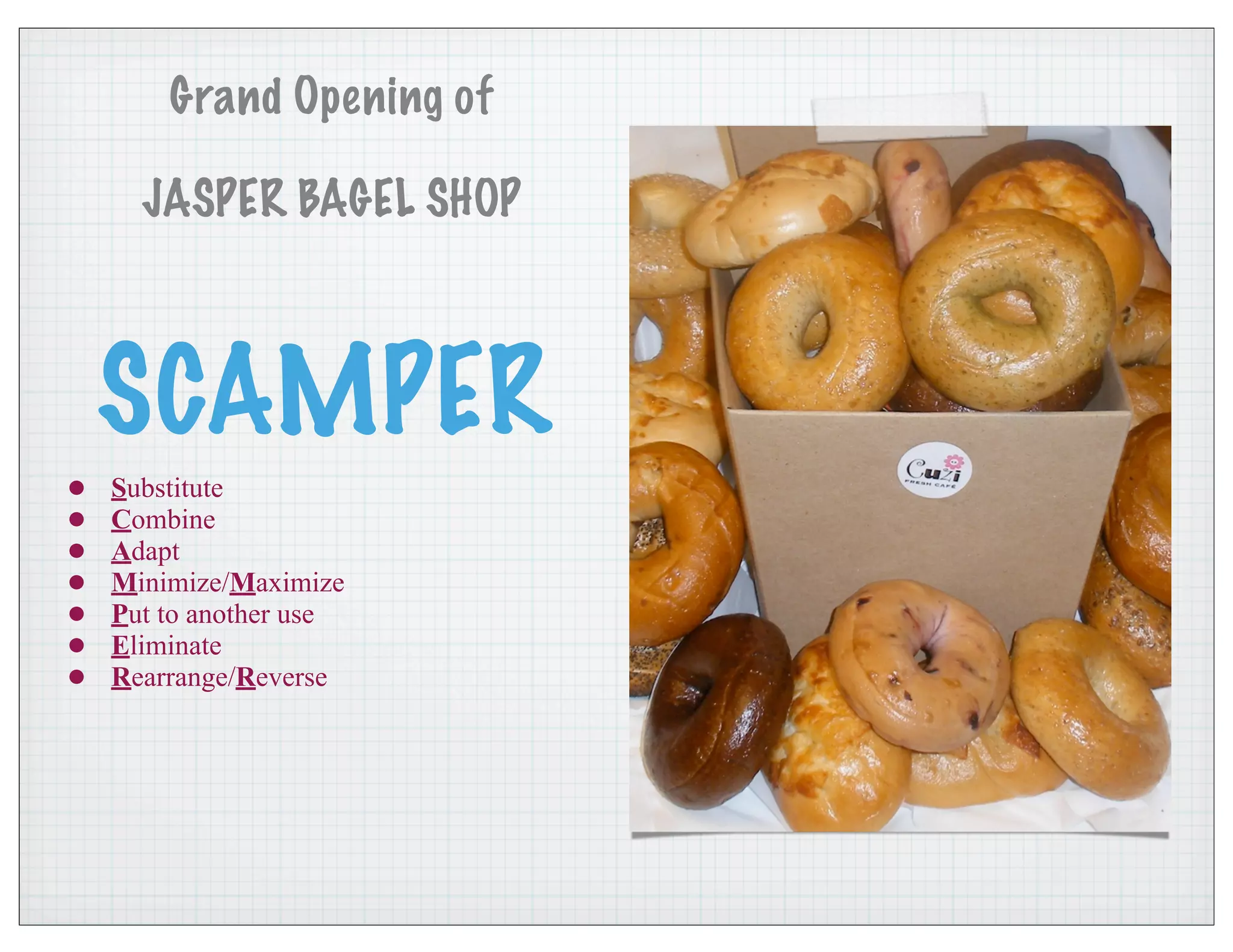
SCAMPER
• Substitute
• Combine
• Adapt
• Minimize/Maximize
• Put to another use
• Eliminate
• Rearrange/Reverse
Grand Opening of
JASPER BAGEL SHOP
Substitute
What can be substituted? Who else? What else?
Can the rules be changed?
Are there other ingredients? Other materials?
Other processes? procedures?
Other power? places? approaches?
What else instead?
Combine
What ideas can be combined?
Can we combine purposes?
How about an assortment?
How about a blend? an alloy? an ensemble?
Combine units?
What other article could be merged with
this?
How could we package a combination?
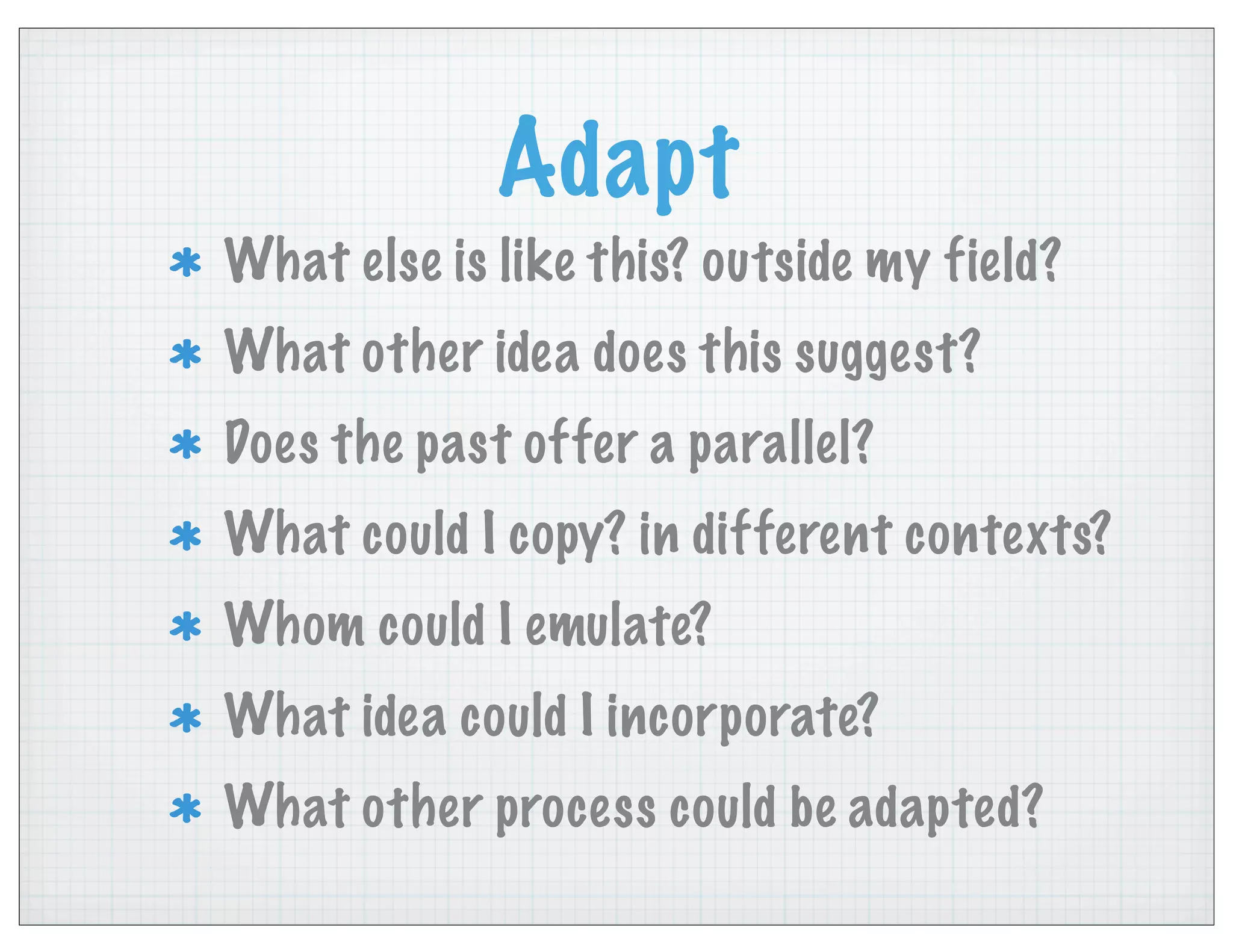
Adapt
What else is like this? outside my field?
What other idea does this suggest?
Does the past offer a parallel?
What could I copy? in different contexts?
Whom could I emulate?
What idea could I incorporate?
What other process could be adapted?
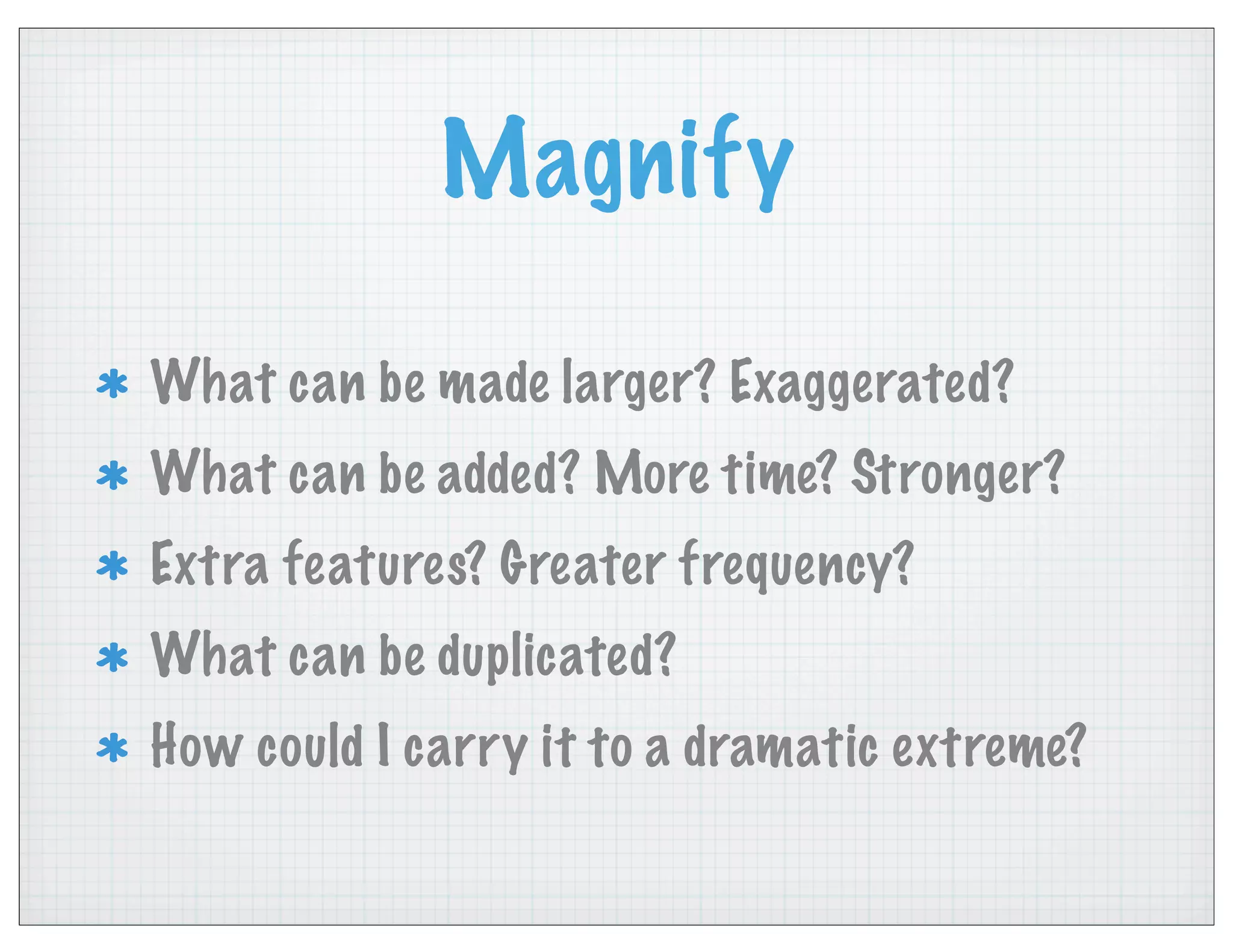
Magnify
What can be made larger? Exaggerated?
What can be added? More time? Stronger?
Extra features? Greater frequency?
What can be duplicated?
How could I carry it to a dramatic extreme?
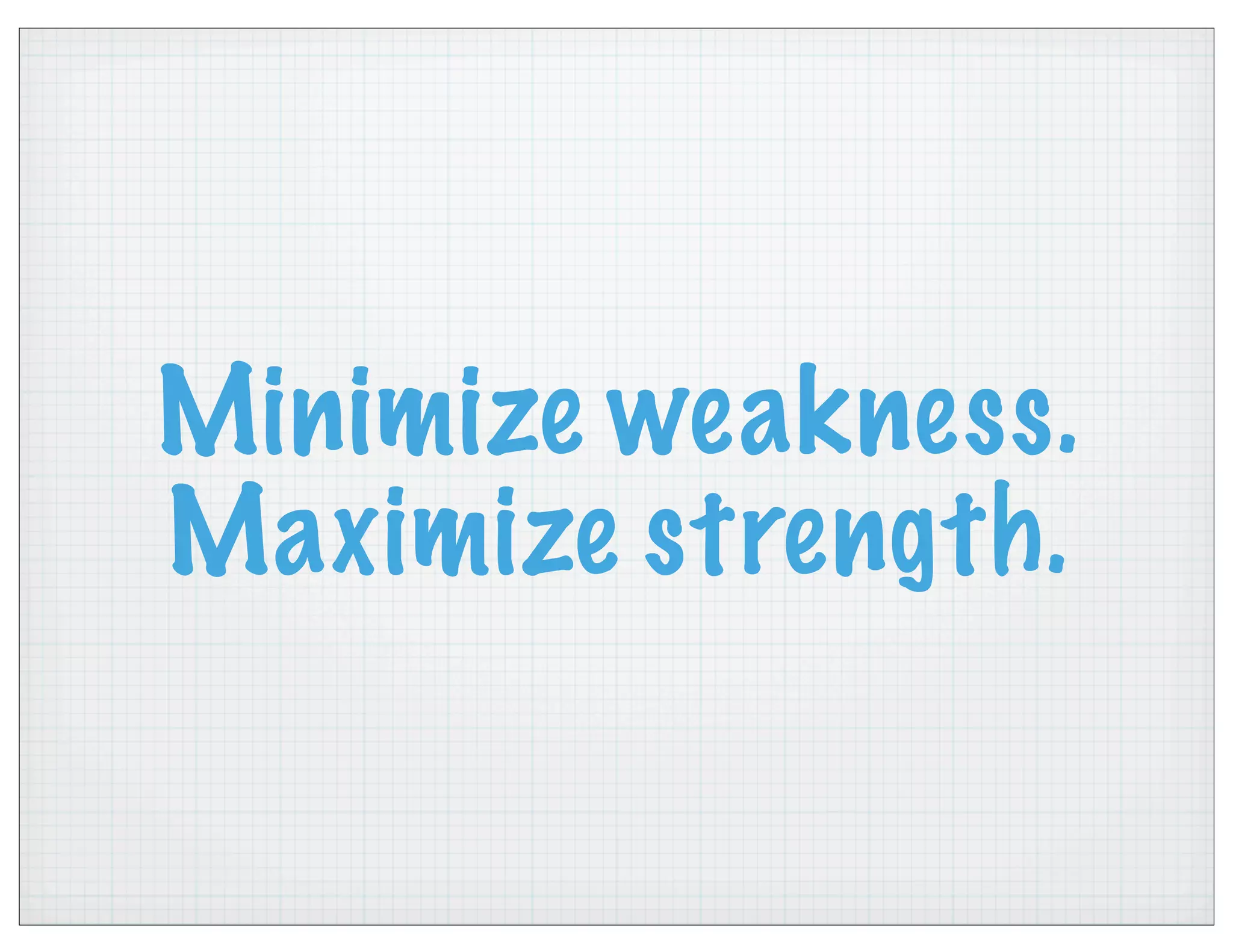
Minimize weakness.
Maximize strength.
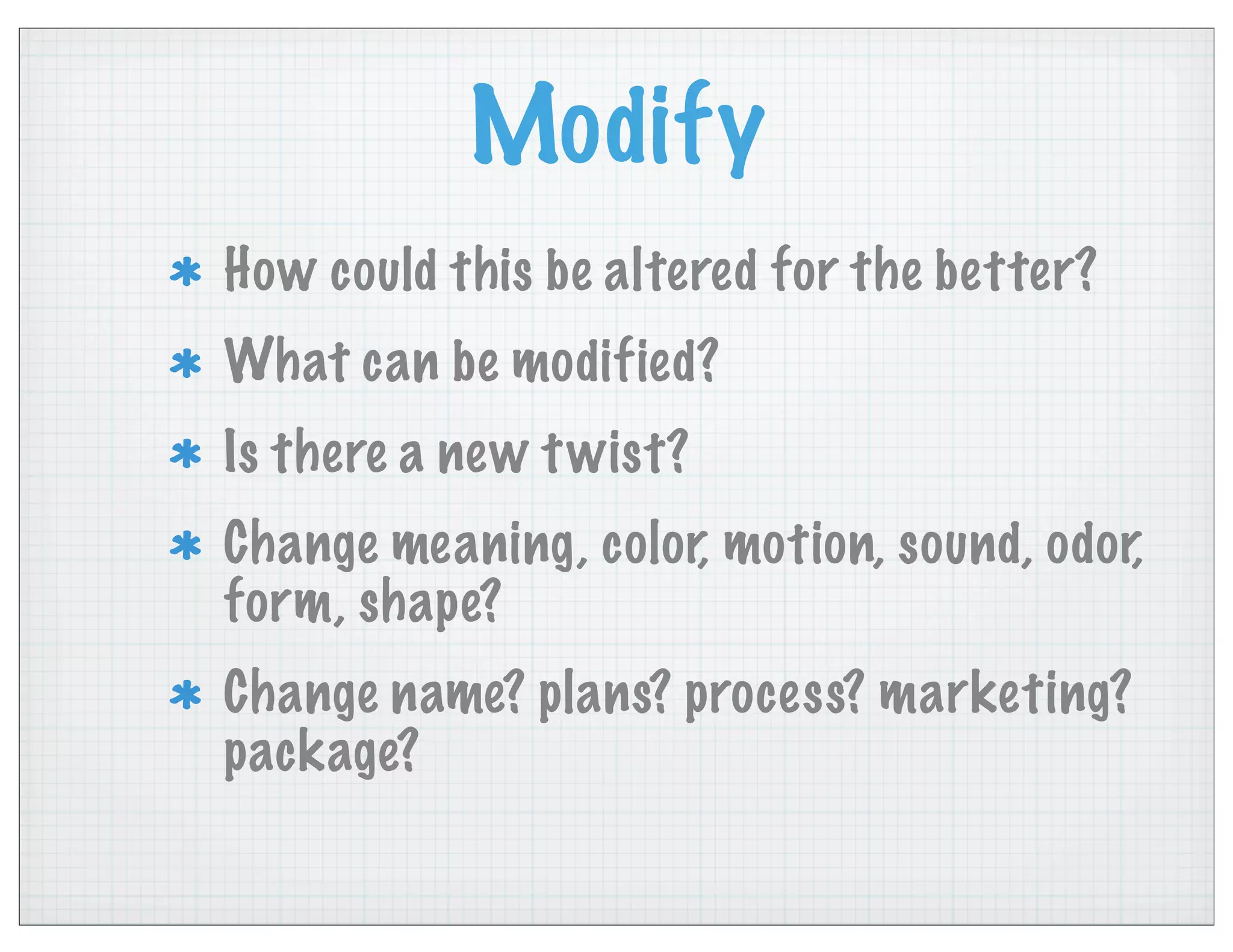
Modify
How could this be altered for the better?
What can be modified?
Is there a new twist?
Change meaning, color, motion, sound, odor,
form, shape?
Change name? plans? process? marketing?
package?
Put to other uses...
What else can this be used for?
Are there new ways to use it as is?
Other uses to modify?
What else can be made from this?
Other extensions? Markets?
Eliminate
What if this were smaller?
What should I eliminate? omit?
Should I divide it? split it up? separate
it?
Understate? streamline? make
miniature? condense? compact?
Subtract? Delete?
Rearrange
What other arrangements might be better?
Interchange components?
Other patterns? layouts? sequences? orders?
Transpose cause and effect?
Change pace? schedule?
Try it...
In what ways might I improve my
teaching?
How will I encourage students to use
SCAMPER?
How can I play with this concept?
Implementation Ideas
Business Class
Writing
Theory Development
Question Development
Teaching Improvement
Problem Refinement
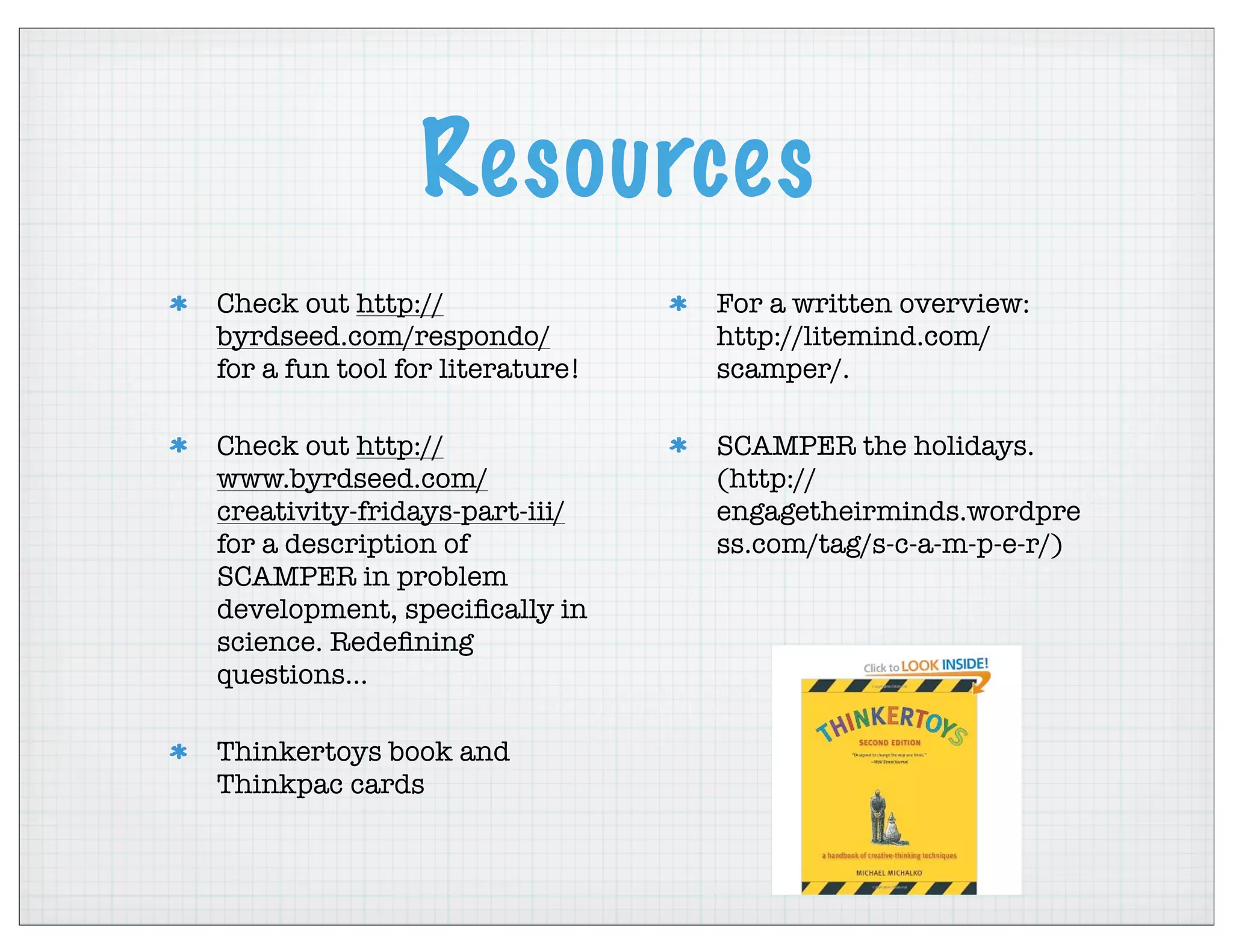
Resources
Check out http://
byrdseed.com/respondo/
for a fun tool for literature!
Check out http://
www.byrdseed.com/
creativity-fridays-part-iii/
for a description of
SCAMPER in problem
development, specifically in
science. Redefining
questions...
Thinkertoys book and
Thinkpac cards
For a written overview:
http://litemind.com/
scamper/.
SCAMPER the holidays.
(http://
engagetheirminds.wordpre
ss.com/tag/s-c-a-m-p-e-r/)
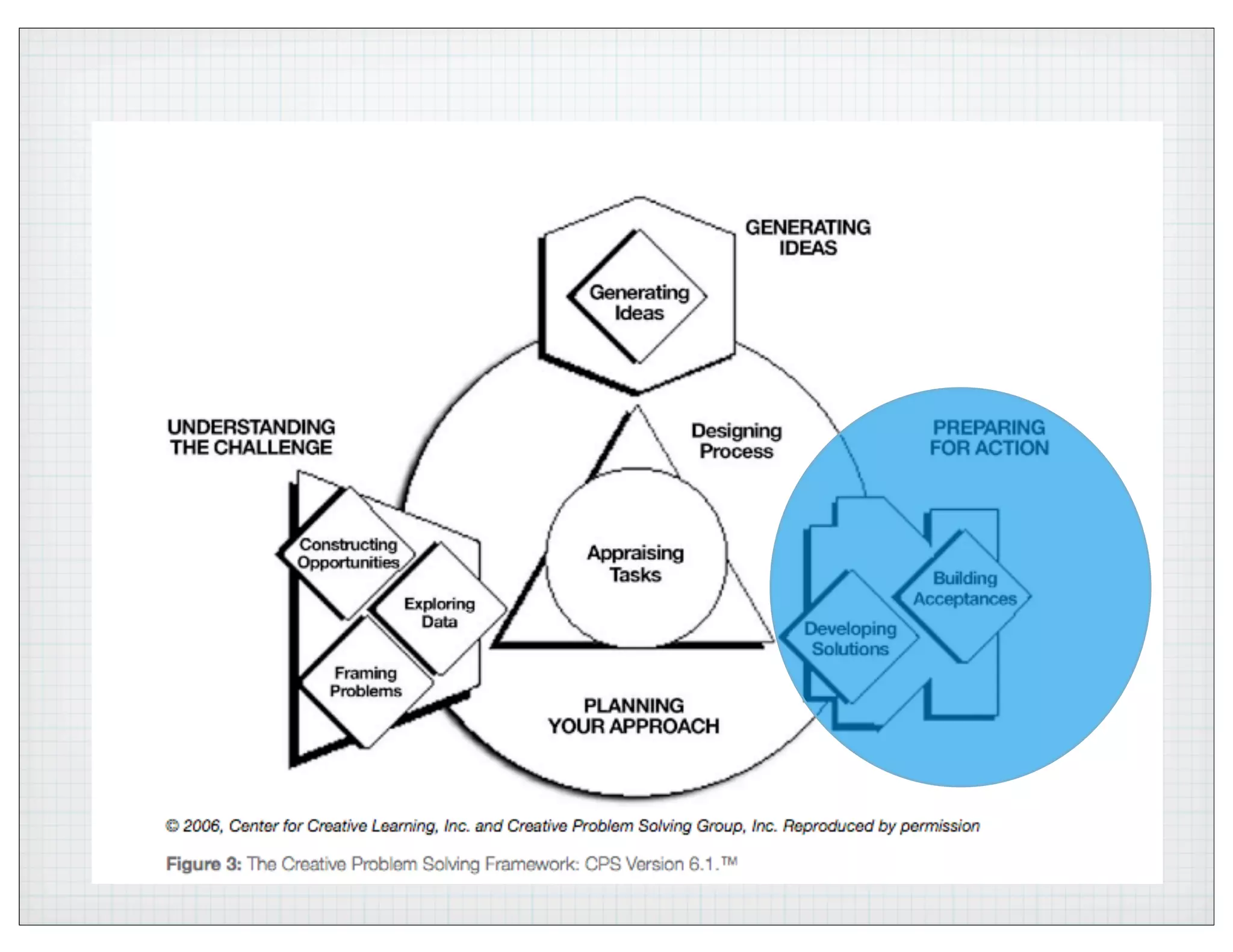
Creative Problem Solving
Picture from: http://softwarecreation.org/2010/how-to-become-an-expert-creative-problem-solving/
What is it?
PBL: Project or Problem Based Learning
Inquiry Based Learning
CPS: Creative Problem Solving
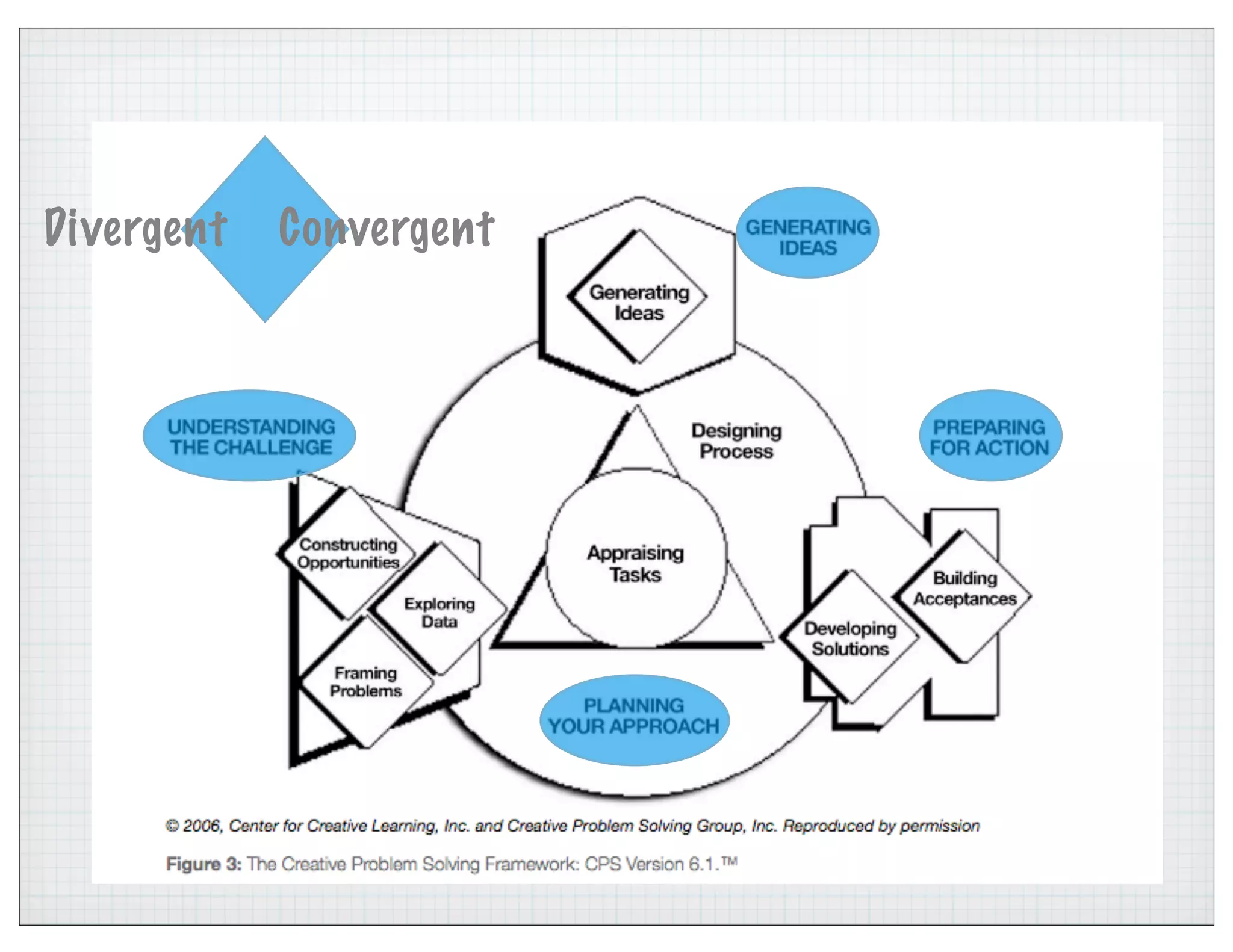
Divergent Convergent
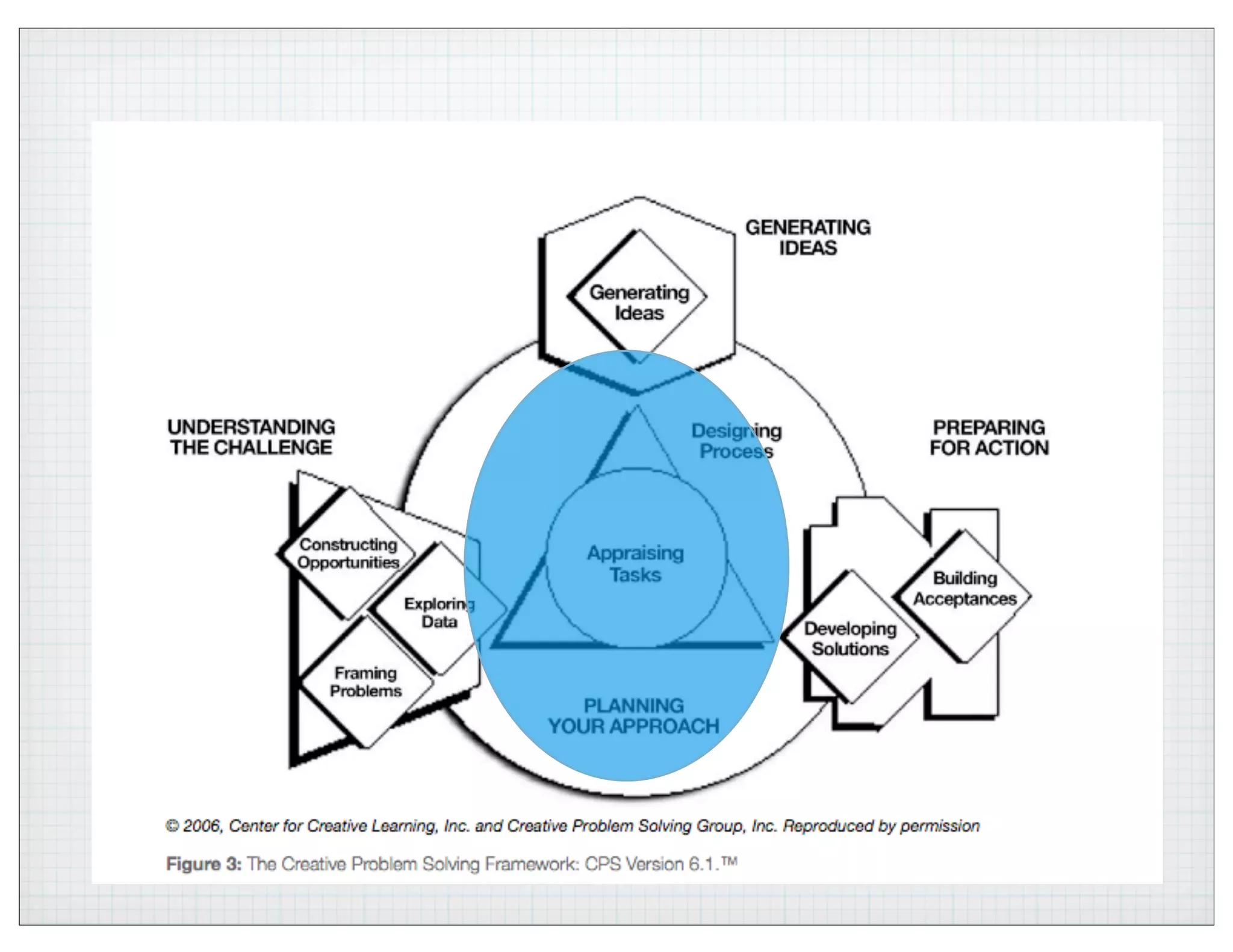
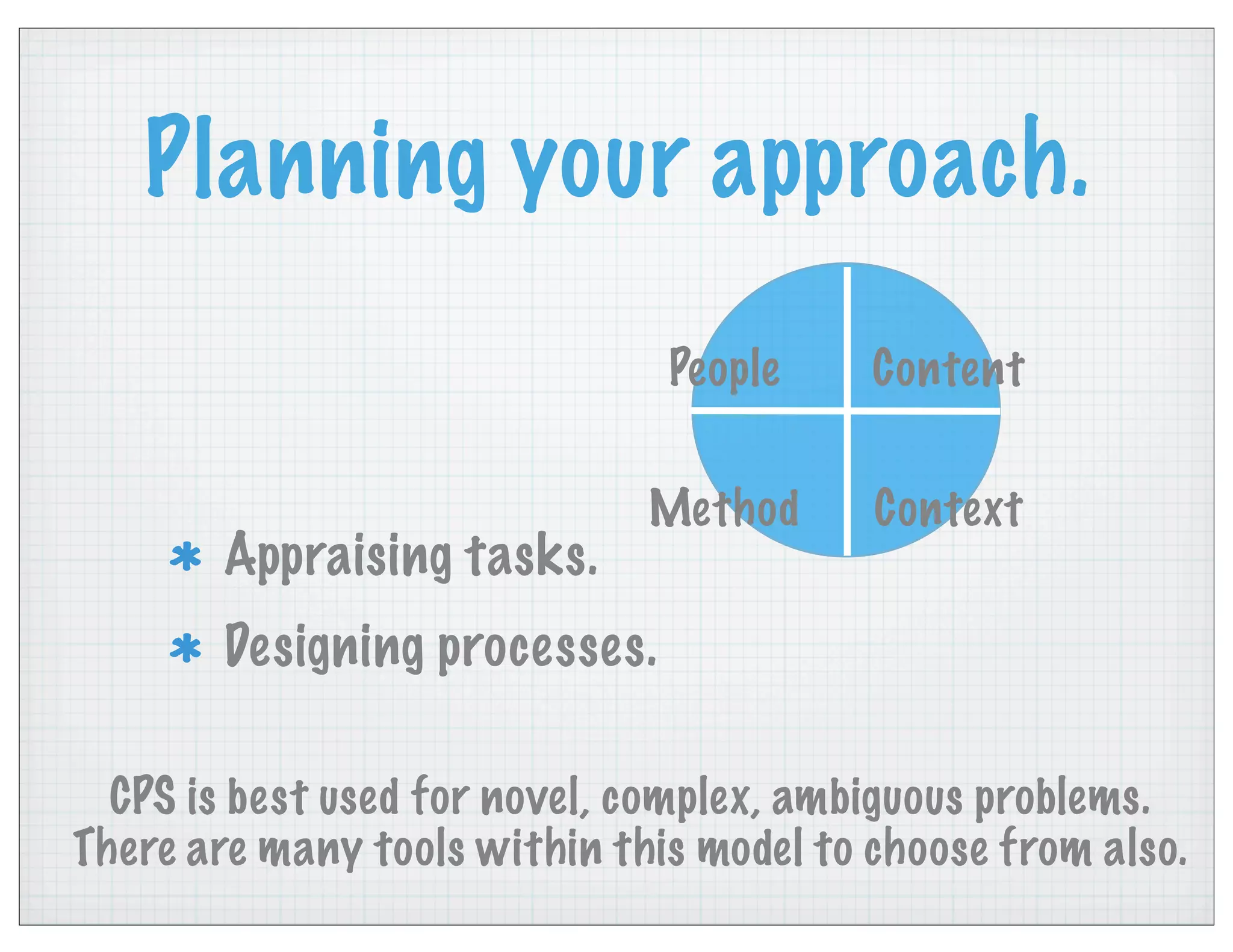
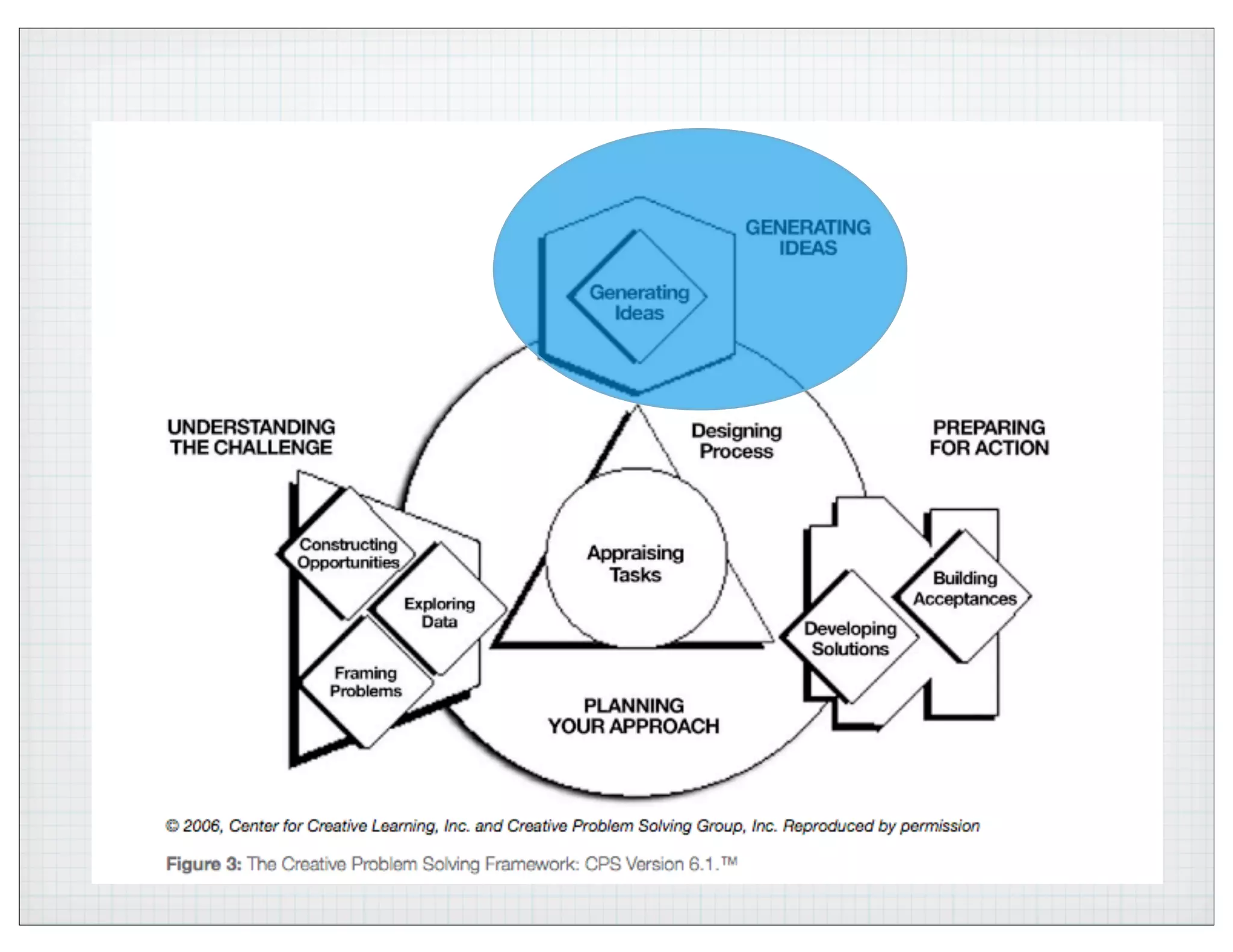
Planning your approach.
Appraising tasks.
Designing processes.
People Content
Method Context
CPS is best used for novel, complex, ambiguous problems.
There are many tools within this model to choose from also.
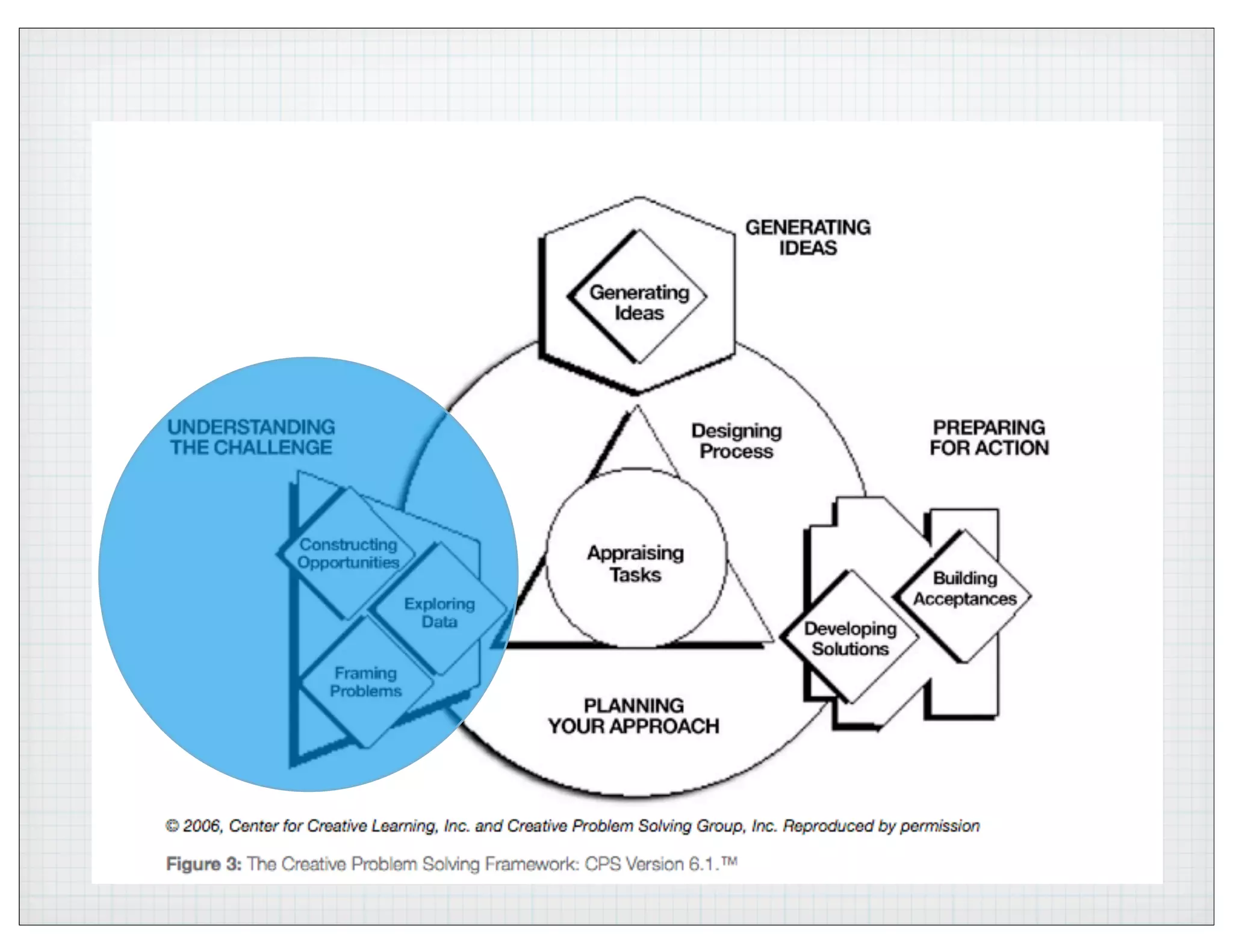
Why is understanding
the challenge important?
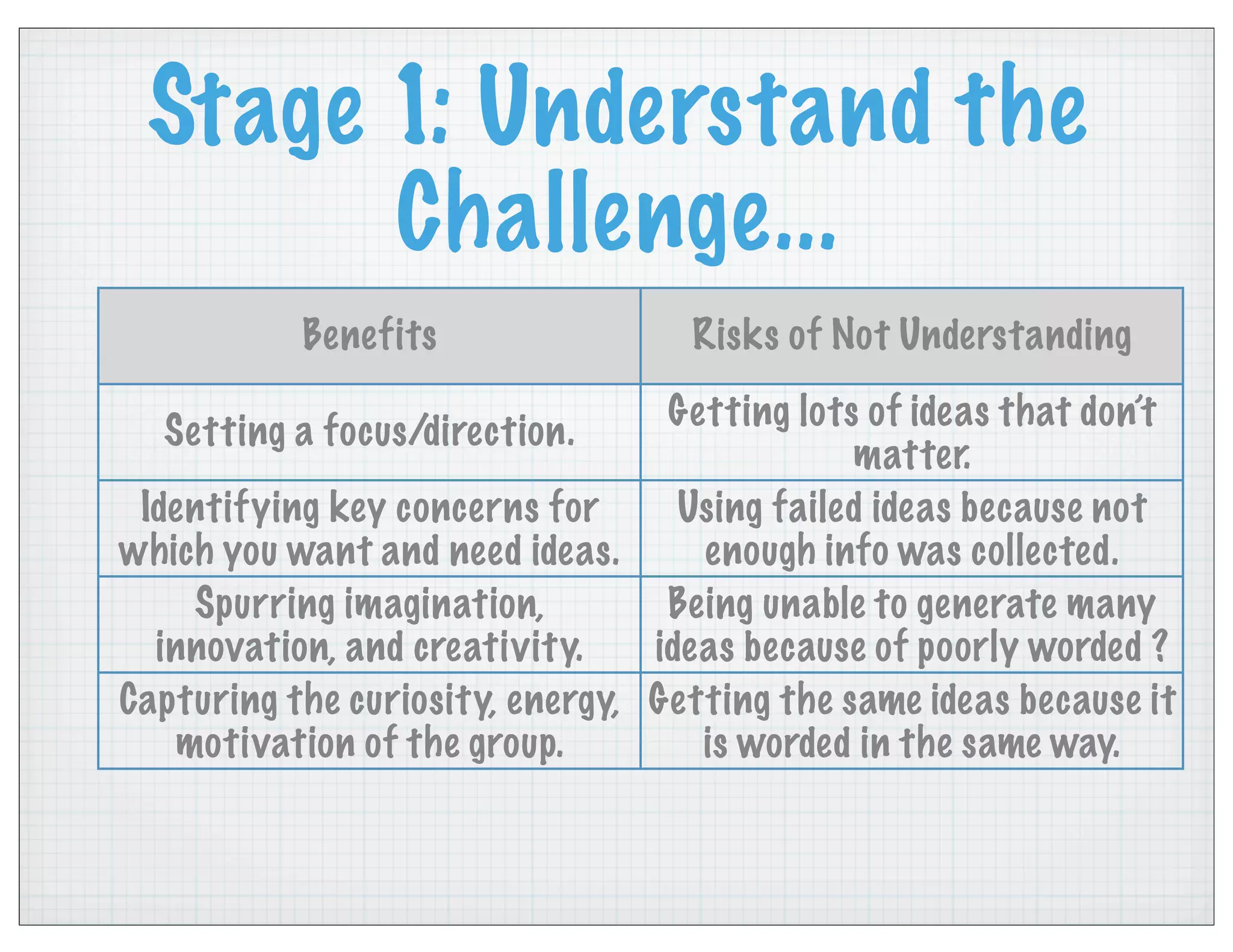
Stage 1: Understand the
Challenge...
Benefits Risks of Not Understanding
Setting a focus/direction. Getting lots of ideas that don’t
matter.
Identifying key concerns for
which you want and need ideas.
Using failed ideas because not
enough info was collected.
Spurring imagination,
innovation, and creativity.
Being unable to generate many
ideas because of poorly worded ?
Capturing the curiosity, energy,
motivation of the group.
Getting the same ideas because it
is worded in the same way.
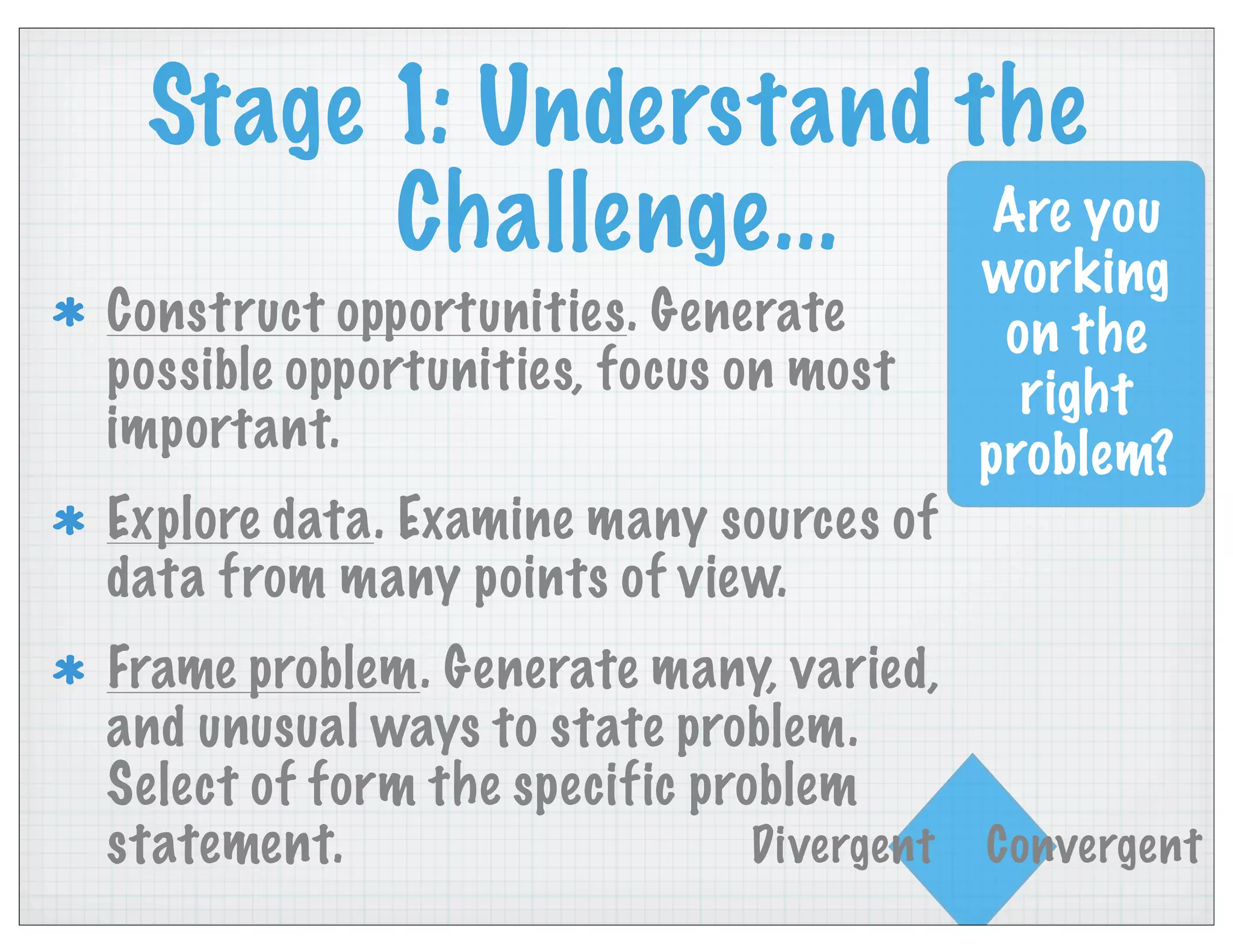
Stage 1: Understand the
Challenge...
Construct opportunities. Generate
possible opportunities, focus on most
important.
Explore data. Examine many sources of
data from many points of view.
Frame problem. Generate many, varied,
and unusual ways to state problem.
Select of form the specific problem
statement.
Are you
working
on the
right
problem?
Divergent Convergent
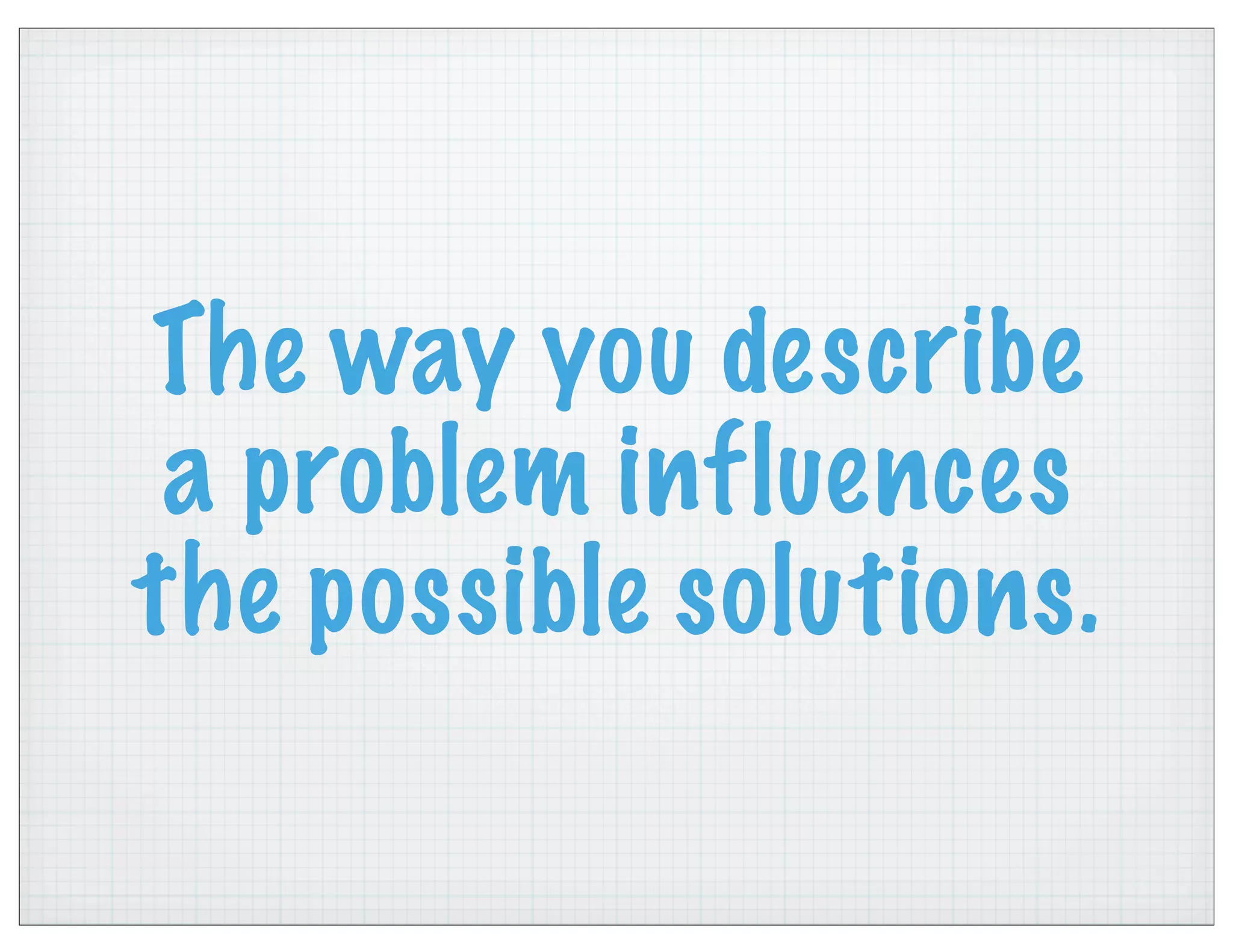
The way you describe
a problem influences
the possible solutions.
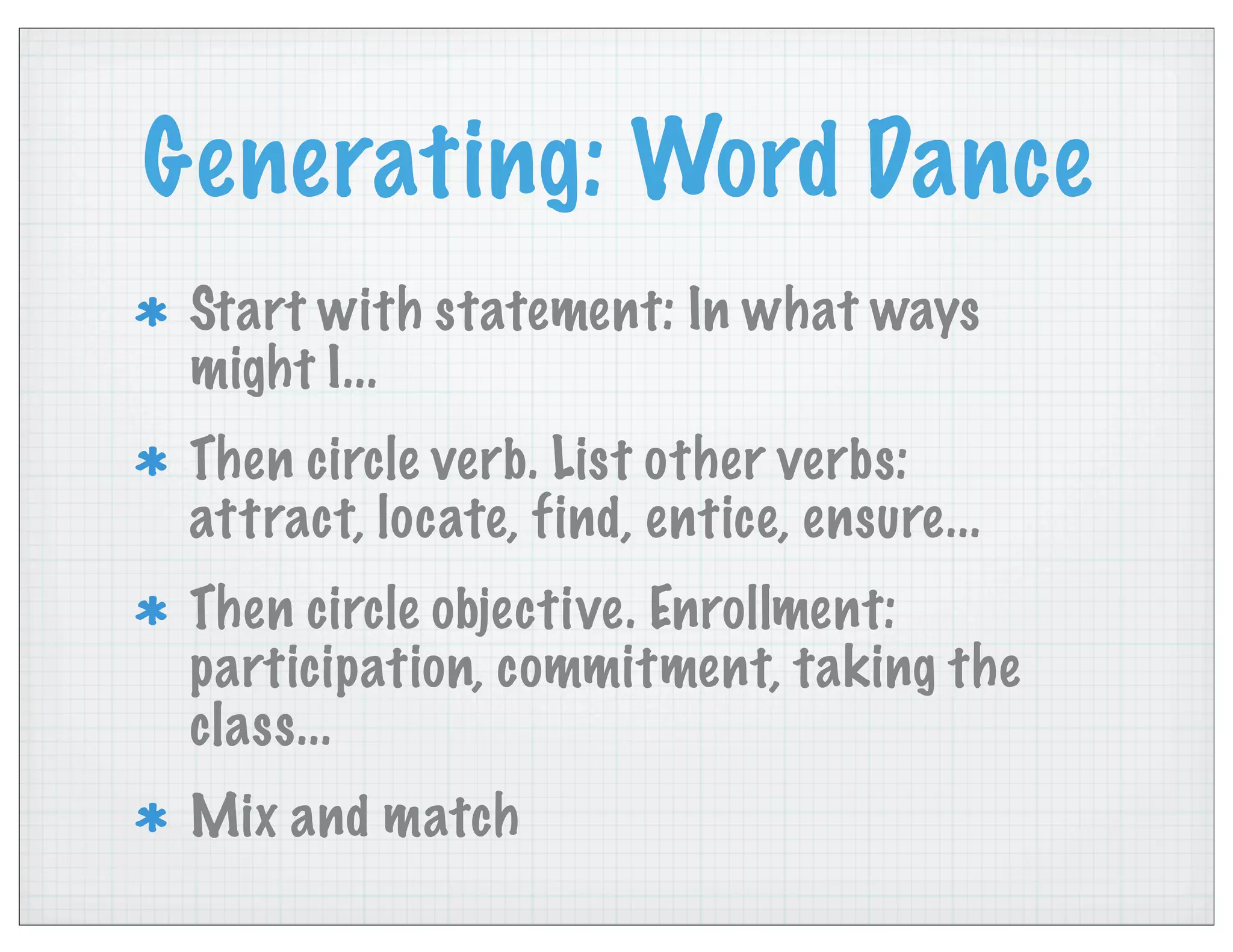
Generating: Word Dance
Start with statement: In what ways
might I...
Then circle verb. List other verbs:
attract, locate, find, entice, ensure...
Then circle objective. Enrollment:
participation, commitment, taking the
class...
Mix and match
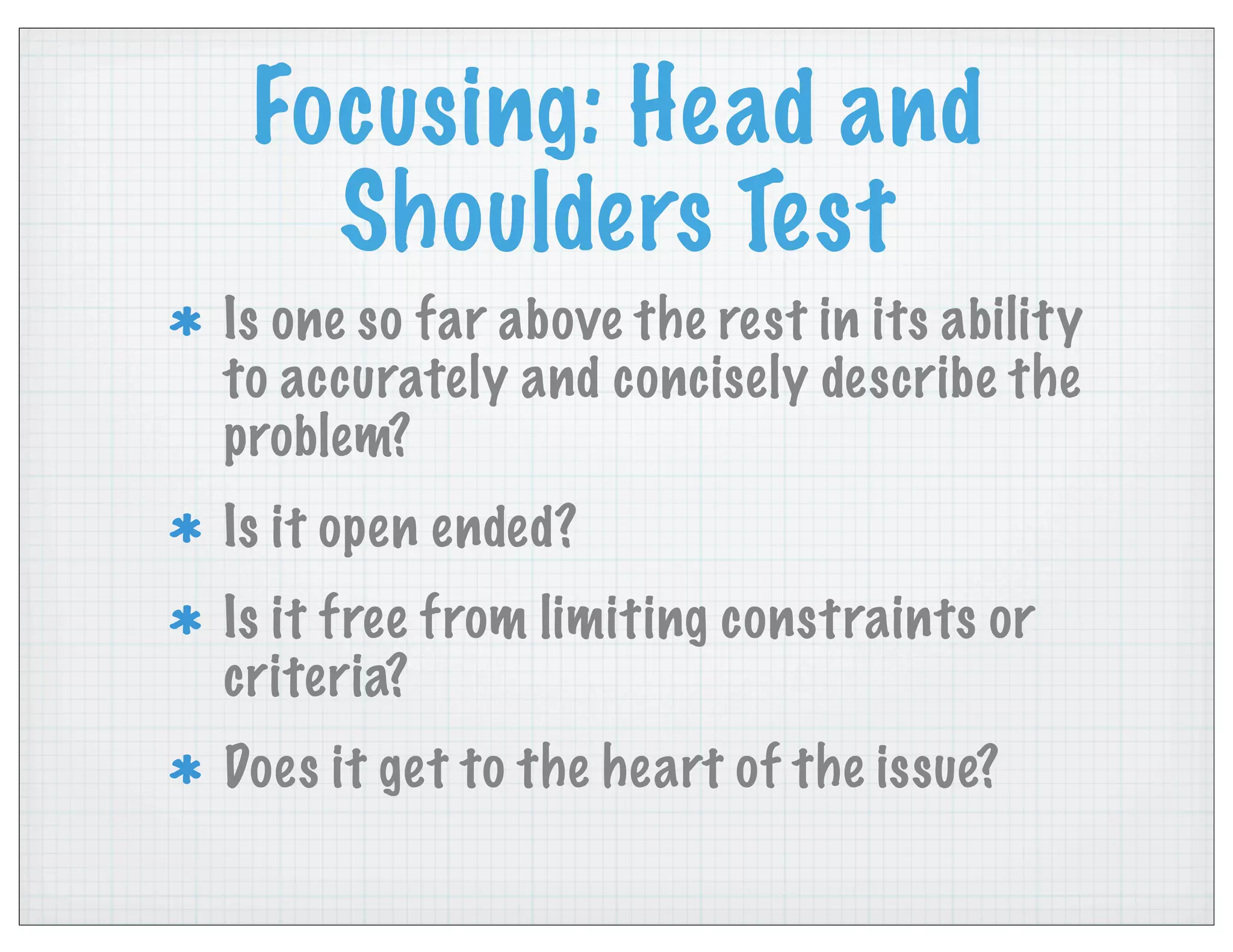
Focusing: Head and
Shoulders Test
Is one so far above the rest in its ability
to accurately and concisely describe the
problem?
Is it open ended?
Is it free from limiting constraints or
criteria?
Does it get to the heart of the issue?
Focusing: Hits and Hot
Spots
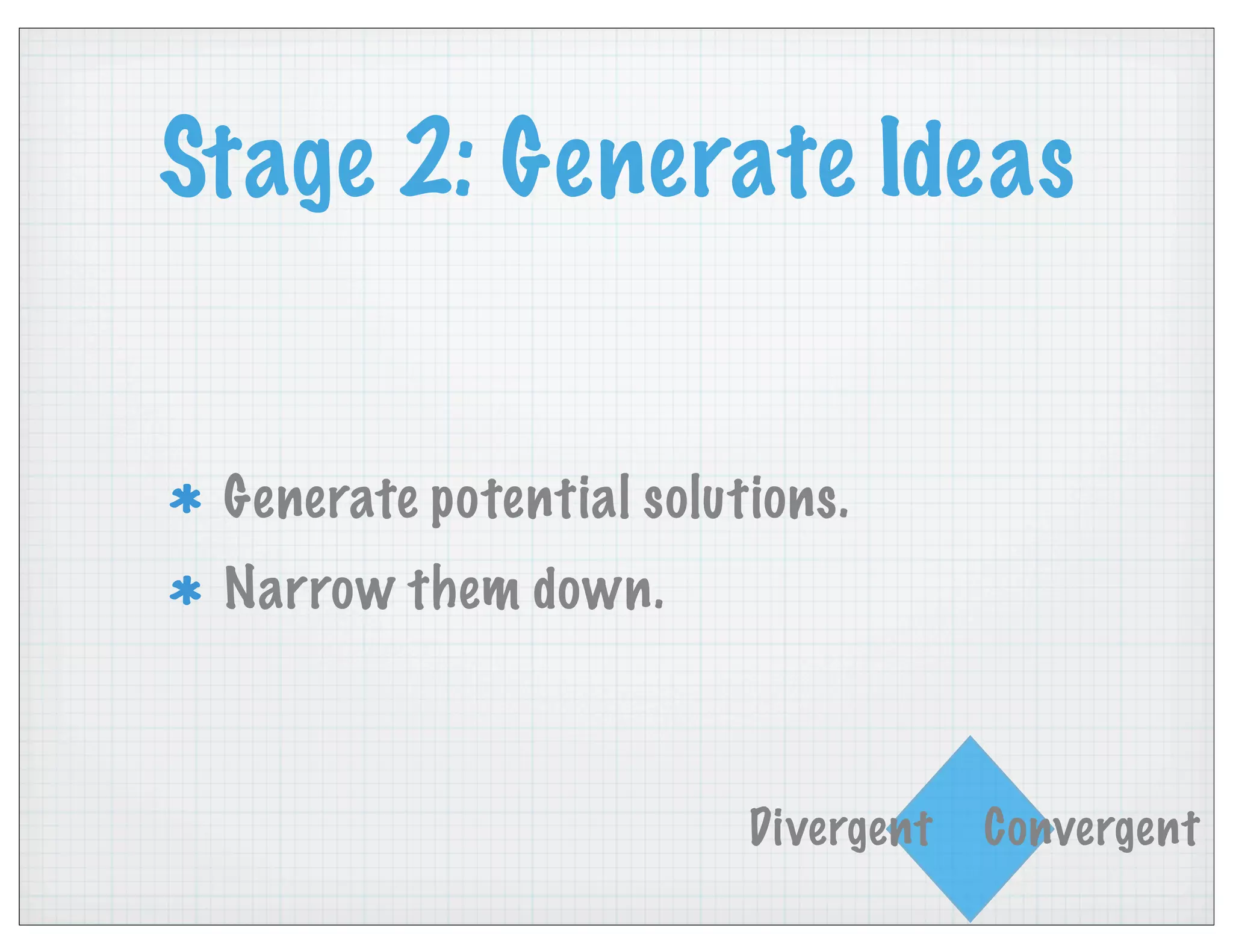
Stage 2: Generate Ideas
Generate potential solutions.
Narrow them down.
Divergent Convergent
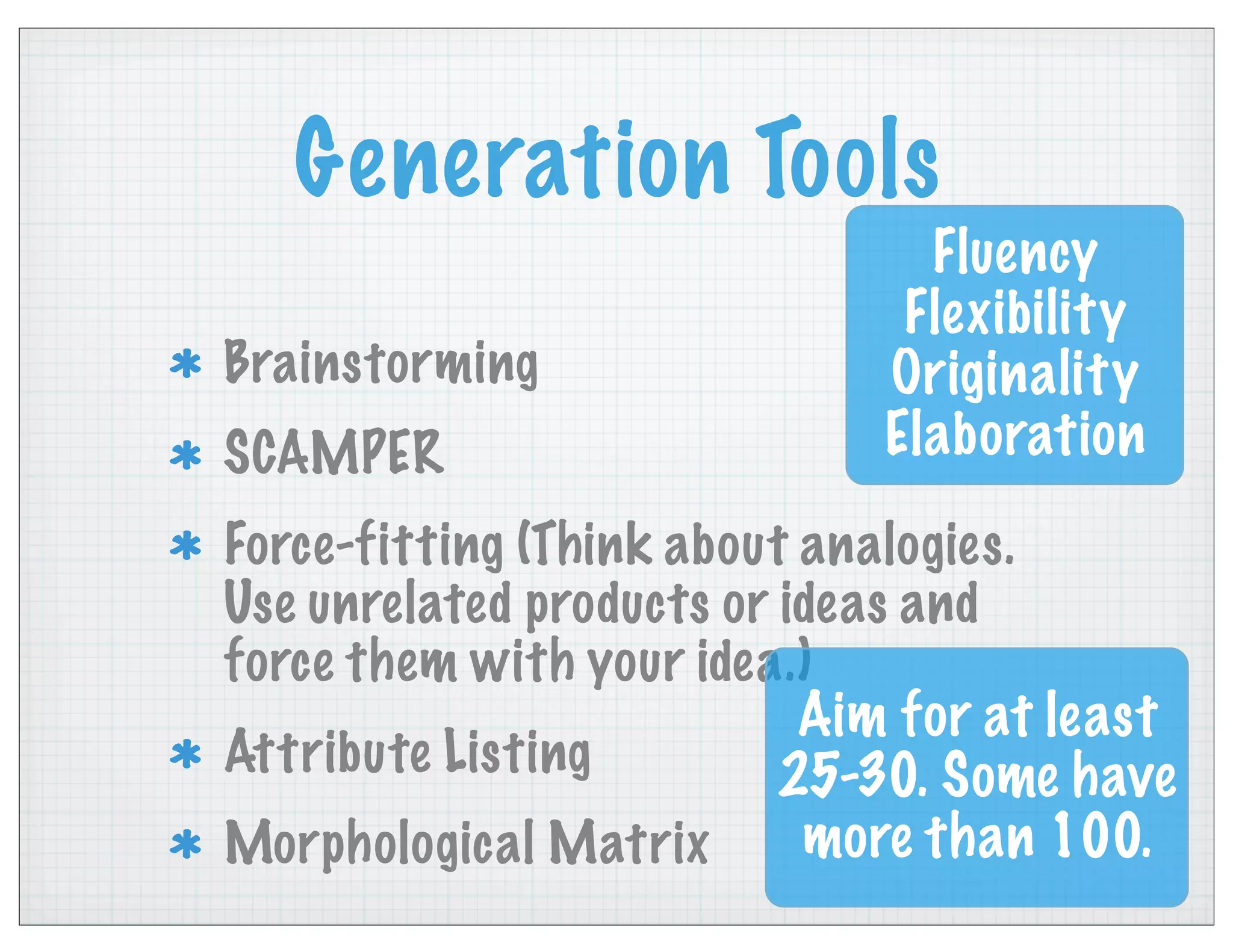
Generation Tools
Brainstorming
SCAMPER
Force-fitting (Think about analogies.
Use unrelated products or ideas and
force them with your idea.)
Attribute Listing
Morphological Matrix
Fluency
Flexibility
Originality
Elaboration
Aim for at least
25-30. Some have
more than 100.
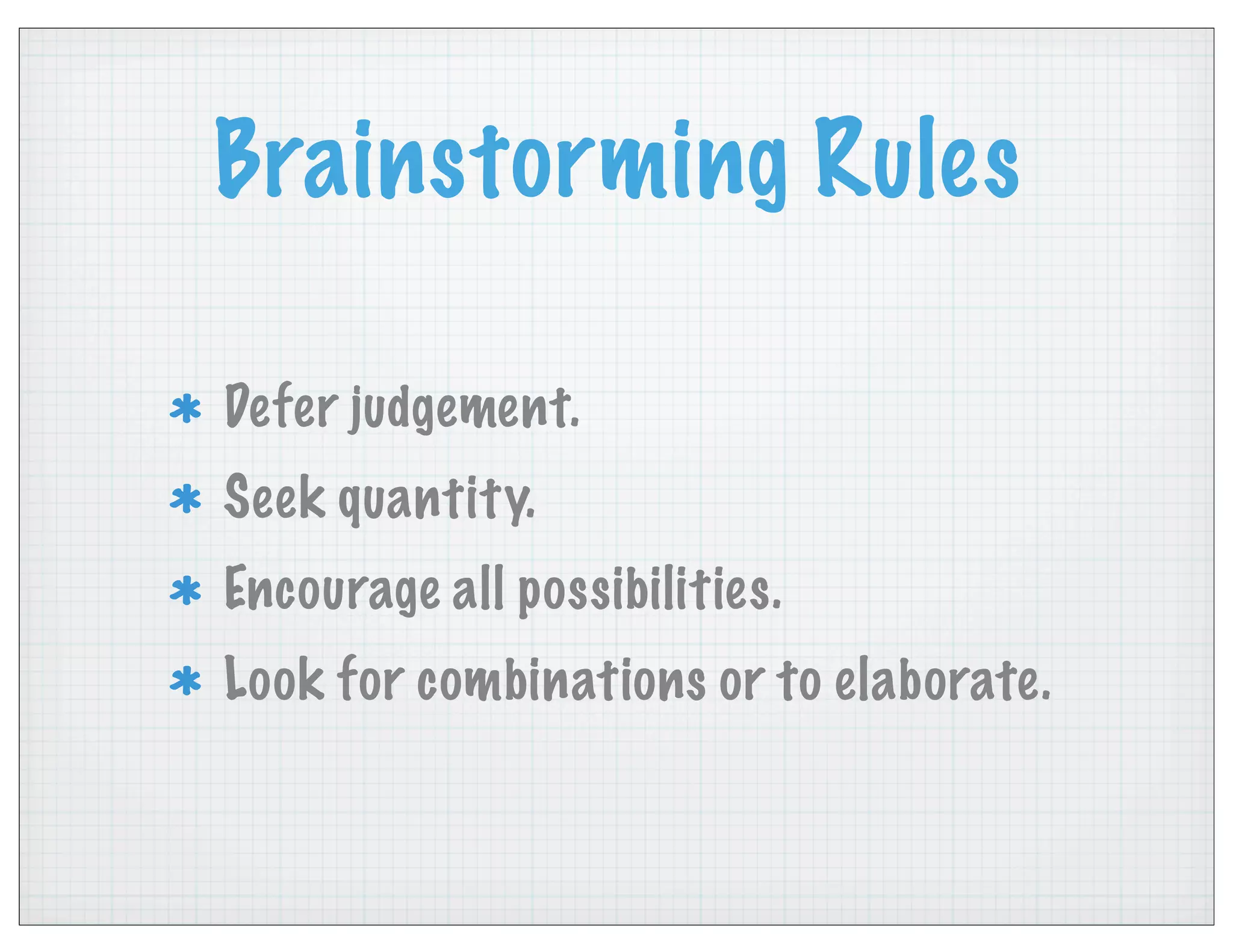
Brainstorming Rules
Defer judgement.
Seek quantity.
Encourage all possibilities.
Look for combinations or to elaborate.
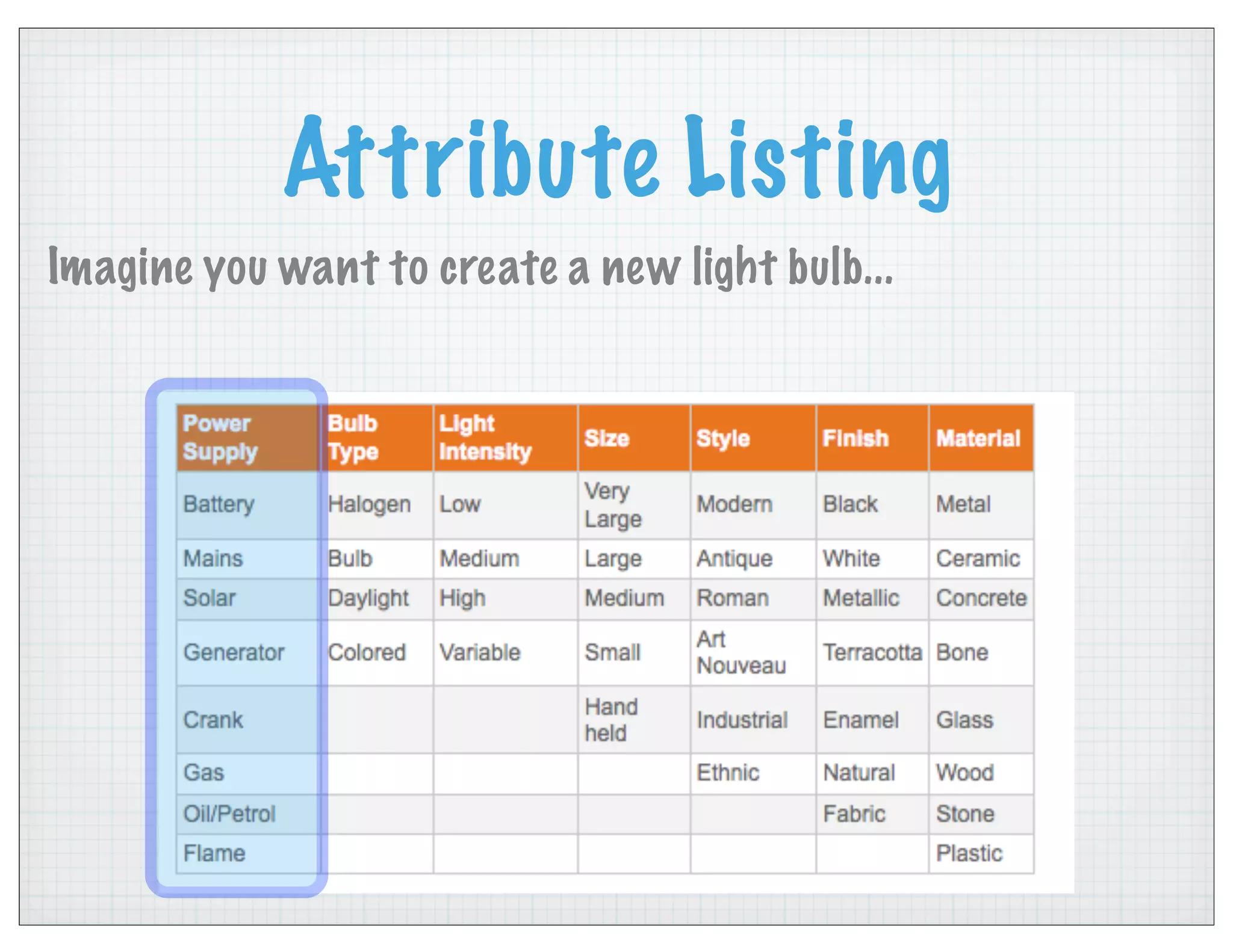
Attribute Listing
Imagine you want to create a new light bulb...
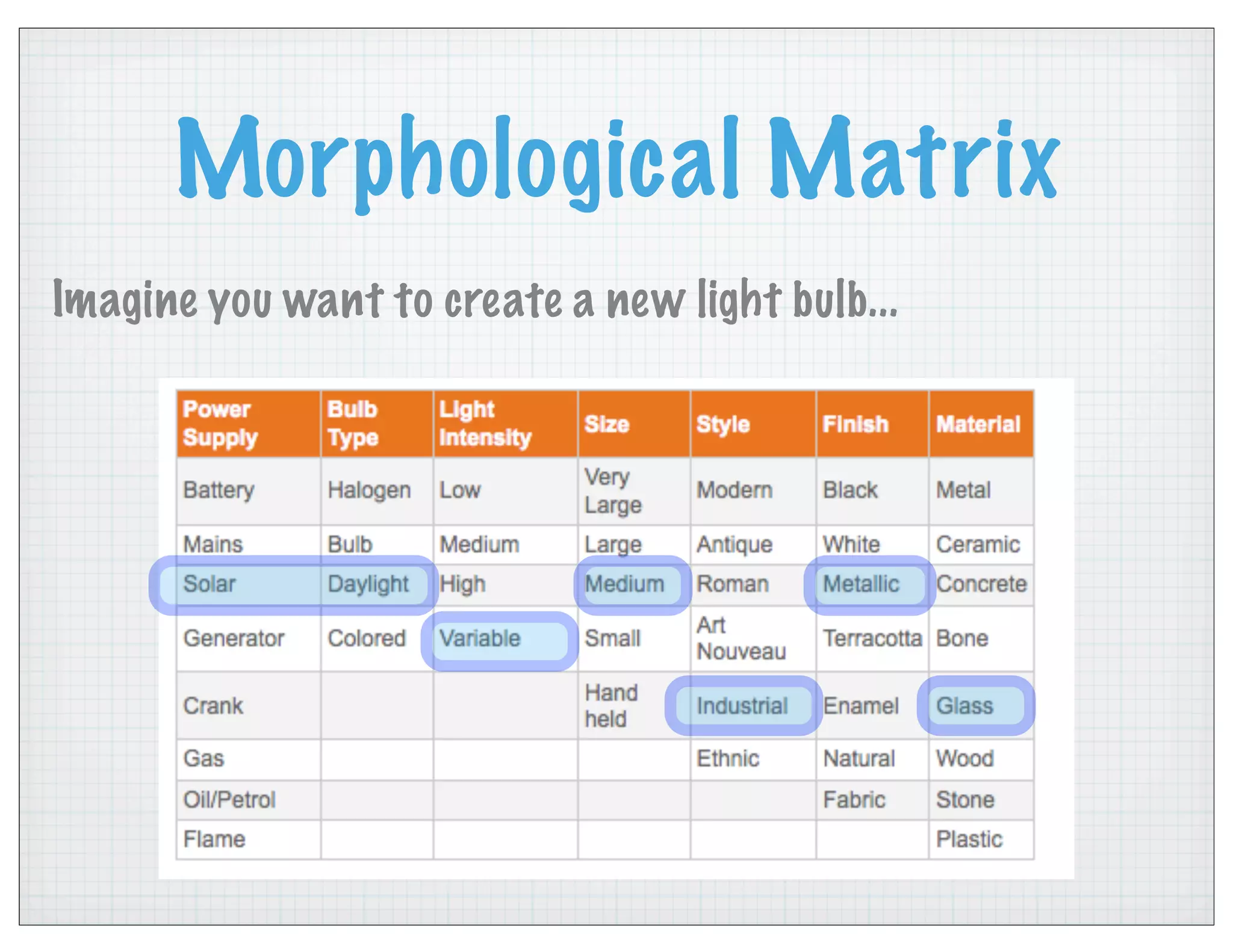
Morphological Matrix
Imagine you want to create a new light bulb...
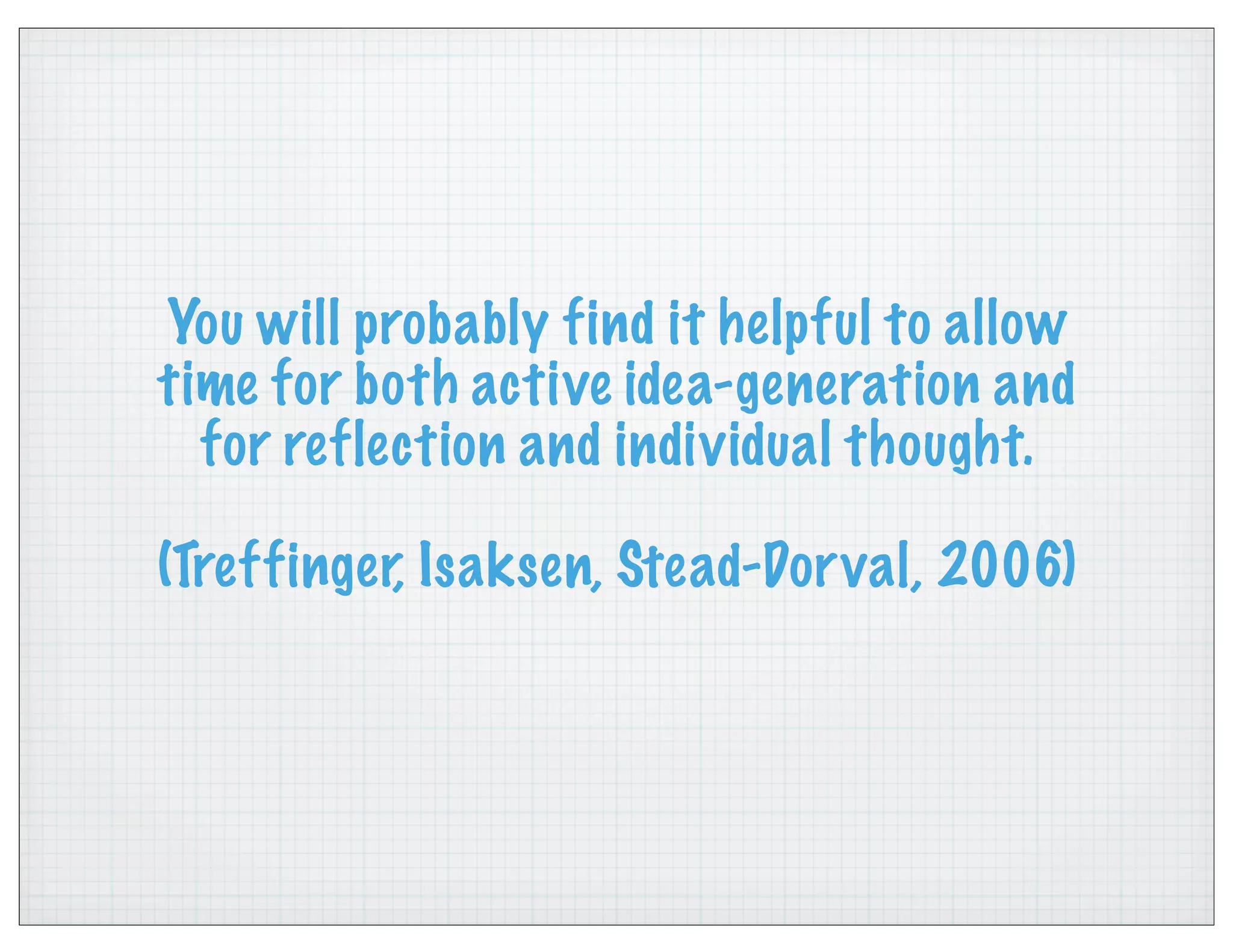
You will probably find it helpful to allow
time for both active idea-generation and
for reflection and individual thought.
(Treffinger, Isaksen, Stead-Dorval, 2006)
Narrowing Tools
Hits and Hot Spots
ALoU: Advantages, Limitations, Ways to
Overcome, Unique Features
PCA: Paired Comparison Analysis
Sequencing: Short, medium, long term
actions
Evaluation Matrix: Using specific
criteria, evaluate each option.
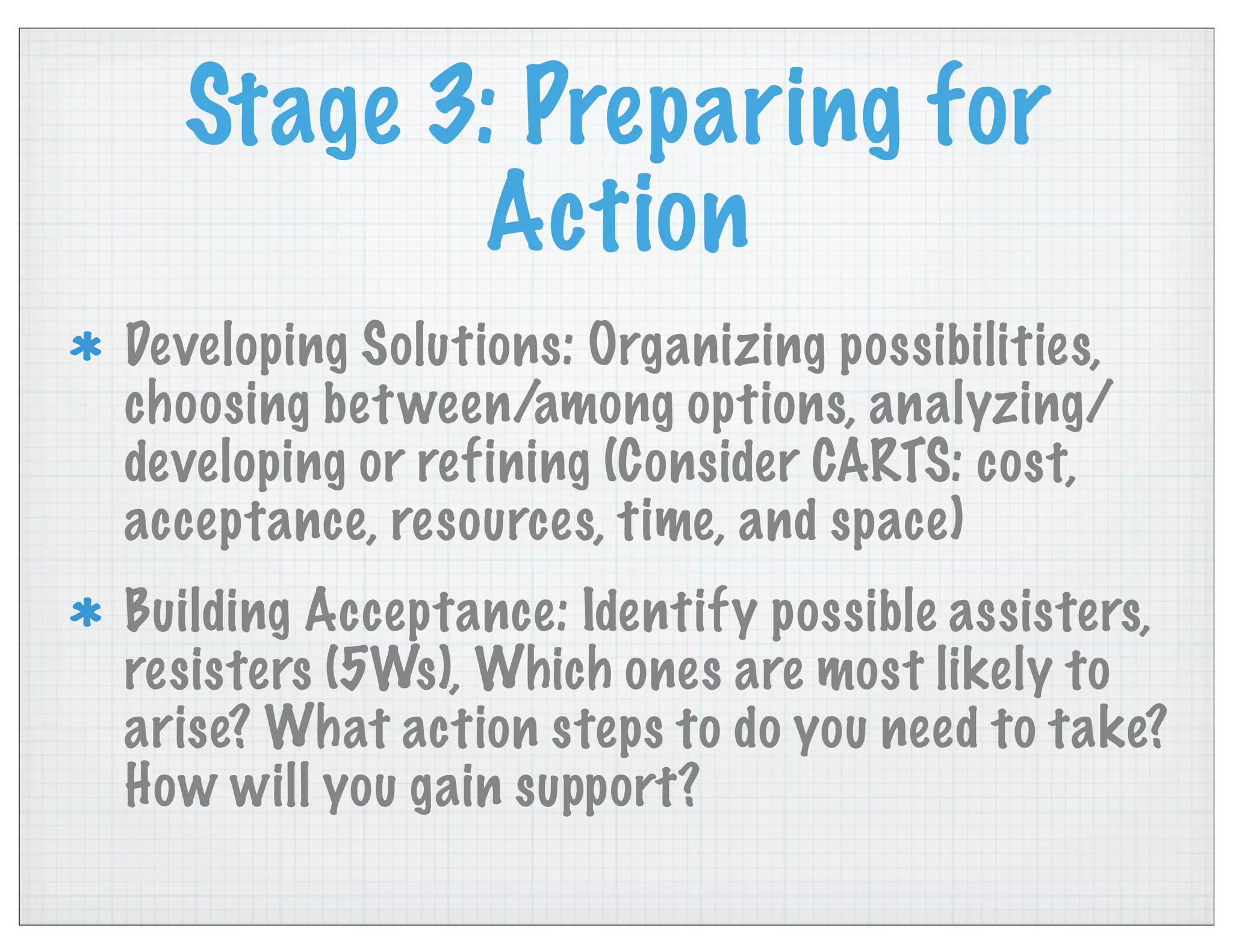
Stage 3: Preparing for
Action
Developing Solutions: Organizing possibilities,
choosing between/among options, analyzing/
developing or refining (Consider CARTS: cost,
acceptance, resources, time, and space)
Building Acceptance: Identify possible assisters,
resisters (5Ws), Which ones are most likely to
arise? What action steps to do you need to take?
How will you gain support?
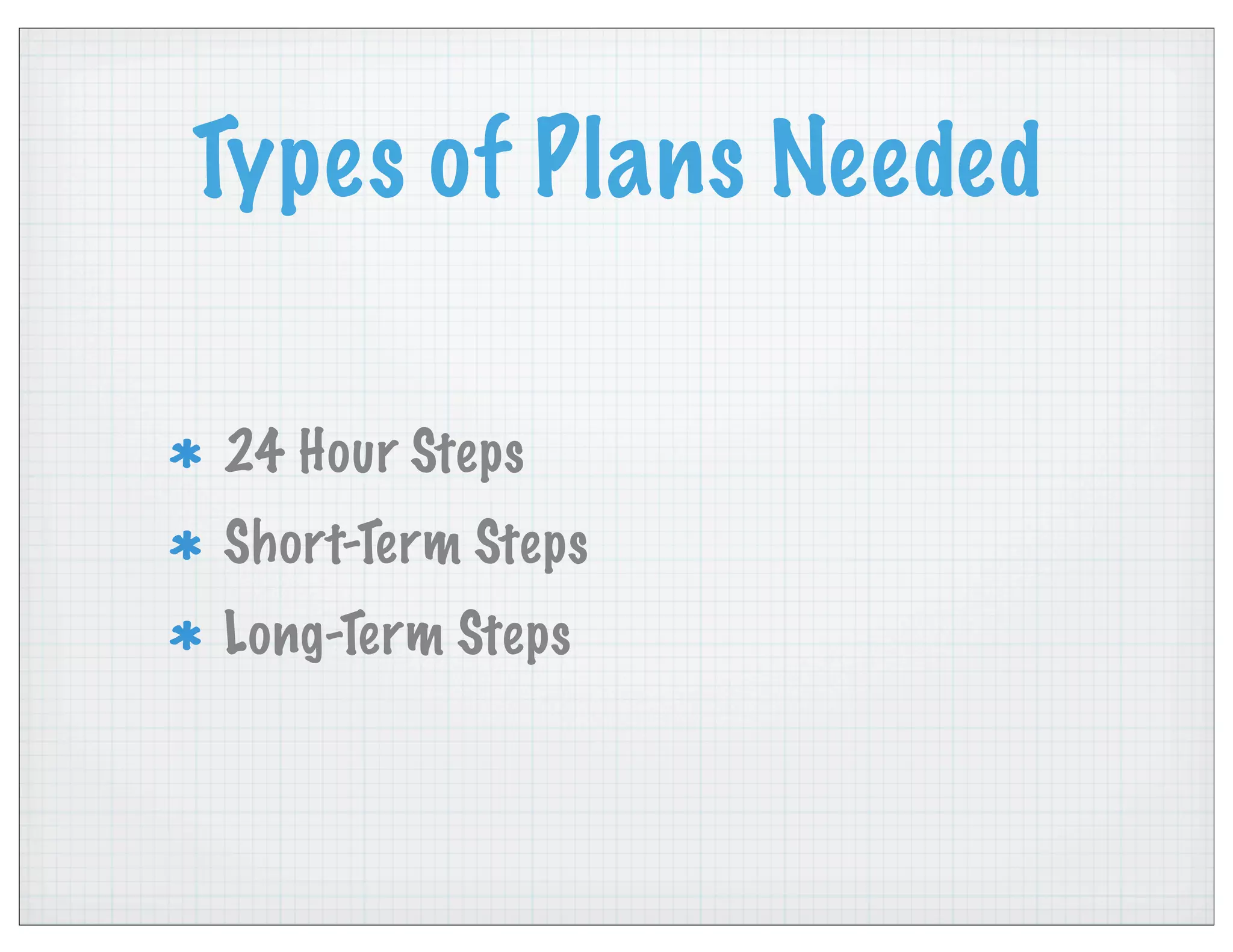
Types of Plans Needed
24 Hour Steps
Short-Term Steps
Long-Term Steps
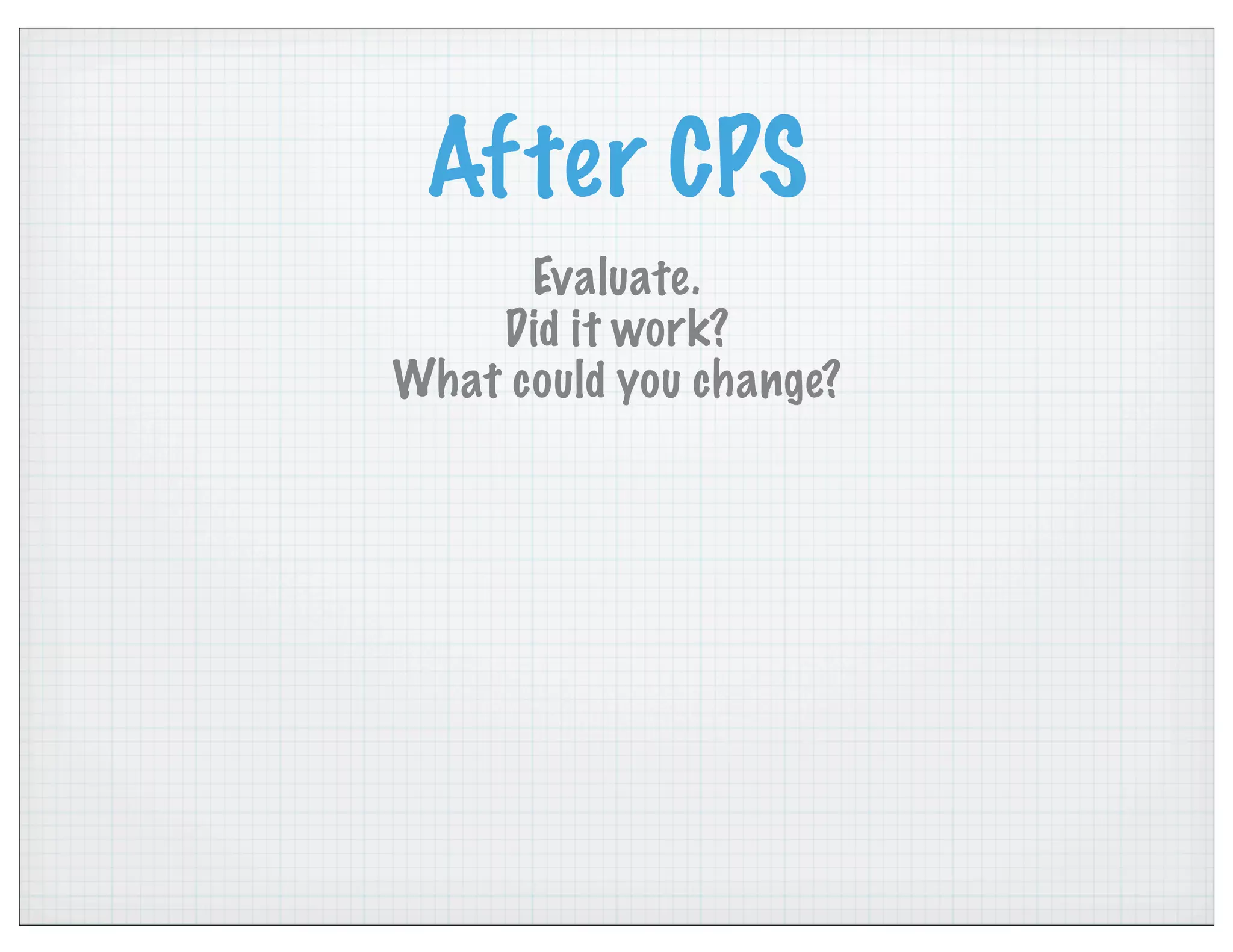
After CPS
Evaluate.
Did it work?
What could you change?
Seeing it action...
Edutopia’s video: http://
www.edutopia.org/project-based-
learning-introduction-video
It actually changed my life: http://
www.youtube.com/watch?
v=uZxYSe26O9I
High Tech High: http://
www.youtube.com/watch?
v=xfP53Alnbhk
What can you learn from this film?
Try it...
What are some problems that would
allow you to work through the CPS
process in your classroom?
Thank you.
lmrubenstein@bsu.edu

Integrating Creativity into Core Content Jasper 2014

  • 1.
    INTEGRATING CREATIVITY INTOCORE CONTENT Lisa DaVia Rubenstein, Ph.D.
  • 2.
    Outline for theDay 9:00-9:10 Introduction: Purpose Finding 9:10-10:20 Session 1: Visions of Storytellers 10:20-10:30 Break 10:30-11:45 Session 2: Mysterious Problems: Creating an Intellectual Need 11:45-12:15 Lunch 12:15-1:30 Session 3: Brainstorming and Freedom 1:30-1:40 Break 1:40-3:00 Session 4: Creative Problem Solving
  • 3.
    Purpose Finding Picture from:http://www.psmag.com/navigation/health-and-behavior/sense-of-purpose-strengthens-immune-system-63586/
  • 4.
  • 5.
    Facets of Creativity Novelproduct that is useful Elaboration, flexibility, fluency, and originality Person, product, process, press (environment)
  • 6.
  • 7.
  • 8.
    IF IT ISIMPORTANT... ARE WE DEVELOPING IT WITHIN OUR STUDENTS?
  • 9.
    CREATIVITY IN THE CLASSROOM Westby  &  Dawson,  1995 Beghetto,  2007;  Beghetto,  2009 Dobbins,  2009
  • 10.
  • 13.
  • 14.
    Visions of Storytellers Picturefrom: http://www.brandstories.net/2013/07/27/what-makes-for-an-exceptional-brand-storyteller/
  • 15.
    Think about your favoritemovie. What makes a movie successful?
  • 17.
    What about your leastfavorite Movie?
  • 19.
    Can we applythis to our classrooms?
  • 20.
    Importance of Visual Organization Manyremember visual images better than words. Study: 2,560 images 1 per 10 seconds, 280 pairs, 85-95% rate of identification Creative people illustrate their thoughts.
  • 21.
    If I can’tpicture it, I can’t understand it. -Albert Einstein
  • 22.
    “There is nomore powerful way to prove that we know something well than to draw a simple picture of it. And there is no more powerful way to see solutions than to pick up a pen and draw out the pieces of our problem.”
  • 23.
  • 24.
  • 25.
    Visual Thinking Strategies Storyboarding Mind Mapping FlowCharts, Concept Maps, Graphic Organizers
  • 27.
    From the filmindustry... Review of the Shots: http:// www.youtube.com/watch? feature=endscreen&NR=1&v=DVXMQM UDlTs From Pixar and Lord of the Rings: http://www.youtube.com/watch? v=t3mAHQuBqQI
  • 28.
    Examining 2 Typesof Shots Stepping Forward The Tease
  • 29.
    Stepping Forward How doesthis apply to education?
  • 30.
    Stepping Forward Pattern Establishthe shot. Where are we? Move slowly inward. Each prop has a purpose. (large chair) Continue to move in as long as there is something worth moving into. (object, face...) Don’t jump too fast from shots. When there is new information, move back out. What is the most important thing to be looking at?
  • 31.
    The Tease... Start onsomething really close. Educational application?
  • 32.
    There are 5more if you are curious... See “The 7 Hidden Patterns of Successful Storyboards” video.
  • 33.
    You have beenhired by Disney to design a storyboard for a movie about...
  • 34.
  • 35.
    “Whether you areretelling a fairy tale or telling a complex plot from a novel, simple often turns out better.”
  • 40.
  • 43.
  • 44.
    Why should teachers thinkabout storyboards?
  • 45.
    How can storyboards helpin education? Teachers: To organize a lesson by seeing the big picture. Teachers: To think about the purpose of each scene or lesson component. Students: To make sense of a story or problem. Students: To create a new story or project. (Engaging visually with the content.)
  • 46.
  • 47.
  • 49.
  • 51.
  • 52.
    TRY IT... • Wherecould students use storyboards to clarify the story? • Where could they design their own story? • Would any of the other visual thinking strategies work better? • How could you encourage them to use this strategy on their own?
  • 53.
    Mysterious Problems: Creating an IntellectualNeed Picture from: http://titusboy25.deviantart.com/art/Mysterious-Times-169273883
  • 55.
    Why are spoilersso frustrating?
  • 56.
  • 57.
  • 58.
  • 60.
    Creating an IntellectualNeed • Find it. (Prequel: Look for it.) • Capture it. • Share it. Avoid spoilers!
  • 61.
    1.) Find it.(Look for it.) Where are the problems that promote creative thinking?
  • 62.
    How was thisdiscovered... Can we replicate in the classroom?
  • 63.
    Right angles are90 degrees. Right angles are important.
  • 64.
    Are you madthat I just told you right angles are 90 degrees? Or that they are important?
  • 65.
    What was itlike to be the person who discovered right angles?
  • 66.
  • 67.
  • 68.
    How can teachersbe less helpful?
  • 69.
  • 70.
    What can bedebated?
  • 71.
    Was this agood idea?
  • 72.
    2. Capture it. Takea picture. Take a video. Copy it. Print it. Steal it. Picture from: http://thriller10group43.blogspot.com/2010_02_01_archive.html
  • 73.
    Tech Tools forCapturing Kay’s Sample Padlet My Sqworl
  • 74.
  • 75.
  • 76.
    Mystery Boxes • ArtifactBox Exchange • Location, book/story, time period, experiment, movement, genre Pictures from: http://www.artifactbox.com/index.html
  • 77.
    A few ideas... •Pictures, graphs, videos • Incremental revealing of information and data • Short term or longer term projects
  • 78.
    TRY IT... • Wherecould the students be the discovers? • Where is there too much information that spoils their experience? • How could you reframe the topic to promote perplexity?
  • 79.
    Brainstorming and Freedom Picturefrom: http://www.feeldesain.com/summer-umbrellas-in-agueda-portugal.html
  • 80.
    Before students can brainstorm,teachers must ask “brainstorm-able” questions.
  • 81.
  • 82.
    Half of 13 6.5 1or 3 thirteen (letters)...4 Roman (XIII)...11 or 2 or 8 Multiple operations could be used as well.
  • 83.
  • 84.
  • 85.
  • 86.
    Why? To solve aproblem. To become informed. To make connections. To learn. To think. To improve.
  • 87.
    To limit yourselfto your first idea is a disaster for your imagination. -Michael Michalko
  • 88.
    Types of Brainstorming •Analogical Thinking • SCAMPER Framing “brainstorm-able” questions will make you a better question asker.
  • 89.
    Analogical Thinking Comic from:http://xkcd.com/762/
  • 91.
    Why do weuse analogies?
  • 92.
    Amazing Analogies Helps makestrange...familiar (and familiar strange) Helps students to recognize patterns and create connections (think about students...new ideas are almost all abstract) Connects to passion areas (more interesting?) Encourages cognitive dissonance Could be used as a tool to solve problems
  • 93.
    Analogies are comparisonsof the similar features of two things. They are mental telescopes through which you can spy ideas. -Michael Michalko What else is like this?
  • 94.
    Types of Analogies DirectAnalogy Fantasy Analogy Symbolic Analogy Personal Analogy
  • 95.
  • 96.
    Cave Man MeetFish (Davis, 2004)
  • 97.
    Improve this flashlight... Picturefrom: http://www.holidayinsights.com/moreholidays/December/flashlightday.htm
  • 98.
    ...by attending medical school? Picturesfrom: http://www.holidayinsights.com/moreholidays/December/flashlightday.htm And: http://feministing.com/2011/09/07/new-study-lgbt-issues-barely-taught-in-medical- school/
  • 99.
    Improving flashlight islike attending medical school Need textbook/ manuals Attend class/talk to professors Learn how to administer anesthesia Insulate myself from social demands Practice on cadavers Package first aid kits with lights Incorporate a radio transmitter Include mace for protection Insulate flashlights to protect batteries Include a miniature tool kit
  • 100.
    Pick a problem. Can’tsell copiers Want to increase library usage Can’t get the car to start Can’t motivate students Can’t engage students Need to design a swimming pool Time to Experiment
  • 101.
    Now pick ananalogy counterpart... Television evangelists Denny’s Your favorite sports team (hint: Steelers) Tape measure Pearl Harbor
  • 102.
  • 103.
  • 104.
  • 105.
    Make the familiar strange. Stateyour challenge. Choose a key word or phrase. Choose a parallel or distant field/idea. List the images you you associate with your chosen field. Look for similarities and connections between the two. The Steps
  • 106.
    Tips for Parallels Chosea field you know well. The more detailed the better. (Instead of restaurants, think Taco Bell.) Finding parallels...use wikipedia.... Or even... nature, accounting, birds, football, China, comics, dance, mafia, mining, reality television, ballet, WWI, sailing, jungles, insects, bowling...
  • 107.
    Imagine this inthe classroom... How could you scaffold students? Part of the inherent purpose is to make the strange familiar. That is the first problem to address.
  • 108.
    Questions to Scaffold Howis teaching like football? How is the water cycle like Taco Bell? How is Charlie (chocolate factory) like Manny (Modern Family)? How are sine graphs like lighthouses? Scaffold creativity. Step 1 Force it.
  • 109.
    Give students theconcept. (Discuss/ lecture...) Create a list of potential analogies. Have them create the attributes and the connections. Describe the similarities and dissimilarities. Scaffold creativity. Step 2Choose it.
  • 110.
    Design your ownanalogy. Scaffold creativity. Step 3 Create it.
  • 111.
    Other Analogies Fantasy Analogy:Fantastic, farfetched, craziest situation possible. Symbolic Analogy: Oxymorons Personal Analogy: Empathy, become the challenge/concept.
  • 112.
    Fantasy Analogy How dowe in our wildest dreams imagine this to operate? Apply to our original problem... How could this problem solve itself? Examples: How can clothes iron themselves? How can a refrigerator defrost itself? How can we get the School Board to want to give us more supplies?
  • 113.
    Symbolic Analogies Compressed conflict Brainstormoxymorons. Do they suggest new ideas? Gentle toughness for new tires, careful haste for school evacuation...
  • 114.
    Personal Analogy What ifyou were in the analogy? What if you were a rain drop in the water cycle? What if...
  • 115.
    TRY IT... • Whencould students assume the role of what they are studying? • What direct analogies could you force? • When could you let them create their own? • How could they demonstrate these analogies?
  • 116.
  • 117.
  • 118.
    SCAMPER • Substitute • Combine •Adapt • Minimize/Maximize • Put to another use • Eliminate • Rearrange/Reverse Grand Opening of JASPER BAGEL SHOP
  • 119.
    Substitute What can besubstituted? Who else? What else? Can the rules be changed? Are there other ingredients? Other materials? Other processes? procedures? Other power? places? approaches? What else instead?
  • 120.
    Combine What ideas canbe combined? Can we combine purposes? How about an assortment? How about a blend? an alloy? an ensemble? Combine units? What other article could be merged with this? How could we package a combination?
  • 121.
    Adapt What else islike this? outside my field? What other idea does this suggest? Does the past offer a parallel? What could I copy? in different contexts? Whom could I emulate? What idea could I incorporate? What other process could be adapted?
  • 122.
    Magnify What can bemade larger? Exaggerated? What can be added? More time? Stronger? Extra features? Greater frequency? What can be duplicated? How could I carry it to a dramatic extreme?
  • 123.
  • 124.
    Modify How could thisbe altered for the better? What can be modified? Is there a new twist? Change meaning, color, motion, sound, odor, form, shape? Change name? plans? process? marketing? package?
  • 125.
    Put to otheruses... What else can this be used for? Are there new ways to use it as is? Other uses to modify? What else can be made from this? Other extensions? Markets?
  • 126.
    Eliminate What if thiswere smaller? What should I eliminate? omit? Should I divide it? split it up? separate it? Understate? streamline? make miniature? condense? compact? Subtract? Delete?
  • 127.
    Rearrange What other arrangementsmight be better? Interchange components? Other patterns? layouts? sequences? orders? Transpose cause and effect? Change pace? schedule?
  • 128.
    Try it... In whatways might I improve my teaching? How will I encourage students to use SCAMPER? How can I play with this concept?
  • 129.
    Implementation Ideas Business Class Writing TheoryDevelopment Question Development Teaching Improvement Problem Refinement
  • 130.
    Resources Check out http:// byrdseed.com/respondo/ fora fun tool for literature! Check out http:// www.byrdseed.com/ creativity-fridays-part-iii/ for a description of SCAMPER in problem development, specifically in science. Redefining questions... Thinkertoys book and Thinkpac cards For a written overview: http://litemind.com/ scamper/. SCAMPER the holidays. (http:// engagetheirminds.wordpre ss.com/tag/s-c-a-m-p-e-r/)
  • 131.
    Creative Problem Solving Picturefrom: http://softwarecreation.org/2010/how-to-become-an-expert-creative-problem-solving/
  • 132.
    What is it? PBL:Project or Problem Based Learning Inquiry Based Learning CPS: Creative Problem Solving
  • 133.
  • 135.
    Planning your approach. Appraisingtasks. Designing processes. People Content Method Context CPS is best used for novel, complex, ambiguous problems. There are many tools within this model to choose from also.
  • 137.
    Why is understanding thechallenge important?
  • 138.
    Stage 1: Understandthe Challenge... Benefits Risks of Not Understanding Setting a focus/direction. Getting lots of ideas that don’t matter. Identifying key concerns for which you want and need ideas. Using failed ideas because not enough info was collected. Spurring imagination, innovation, and creativity. Being unable to generate many ideas because of poorly worded ? Capturing the curiosity, energy, motivation of the group. Getting the same ideas because it is worded in the same way.
  • 139.
    Stage 1: Understandthe Challenge... Construct opportunities. Generate possible opportunities, focus on most important. Explore data. Examine many sources of data from many points of view. Frame problem. Generate many, varied, and unusual ways to state problem. Select of form the specific problem statement. Are you working on the right problem? Divergent Convergent
  • 140.
    The way youdescribe a problem influences the possible solutions.
  • 141.
    Generating: Word Dance Startwith statement: In what ways might I... Then circle verb. List other verbs: attract, locate, find, entice, ensure... Then circle objective. Enrollment: participation, commitment, taking the class... Mix and match
  • 142.
    Focusing: Head and ShouldersTest Is one so far above the rest in its ability to accurately and concisely describe the problem? Is it open ended? Is it free from limiting constraints or criteria? Does it get to the heart of the issue?
  • 143.
  • 145.
    Stage 2: GenerateIdeas Generate potential solutions. Narrow them down. Divergent Convergent
  • 146.
    Generation Tools Brainstorming SCAMPER Force-fitting (Thinkabout analogies. Use unrelated products or ideas and force them with your idea.) Attribute Listing Morphological Matrix Fluency Flexibility Originality Elaboration Aim for at least 25-30. Some have more than 100.
  • 147.
    Brainstorming Rules Defer judgement. Seekquantity. Encourage all possibilities. Look for combinations or to elaborate.
  • 148.
    Attribute Listing Imagine youwant to create a new light bulb...
  • 149.
    Morphological Matrix Imagine youwant to create a new light bulb...
  • 150.
    You will probablyfind it helpful to allow time for both active idea-generation and for reflection and individual thought. (Treffinger, Isaksen, Stead-Dorval, 2006)
  • 151.
    Narrowing Tools Hits andHot Spots ALoU: Advantages, Limitations, Ways to Overcome, Unique Features PCA: Paired Comparison Analysis Sequencing: Short, medium, long term actions Evaluation Matrix: Using specific criteria, evaluate each option.
  • 153.
    Stage 3: Preparingfor Action Developing Solutions: Organizing possibilities, choosing between/among options, analyzing/ developing or refining (Consider CARTS: cost, acceptance, resources, time, and space) Building Acceptance: Identify possible assisters, resisters (5Ws), Which ones are most likely to arise? What action steps to do you need to take? How will you gain support?
  • 154.
    Types of PlansNeeded 24 Hour Steps Short-Term Steps Long-Term Steps
  • 155.
    After CPS Evaluate. Did itwork? What could you change?
  • 156.
    Seeing it action... Edutopia’svideo: http:// www.edutopia.org/project-based- learning-introduction-video It actually changed my life: http:// www.youtube.com/watch? v=uZxYSe26O9I High Tech High: http:// www.youtube.com/watch? v=xfP53Alnbhk
  • 157.
    What can youlearn from this film?
  • 158.
    Try it... What aresome problems that would allow you to work through the CPS process in your classroom?
  • 159.