HISTORY OF ARCHITECTURE-I
B.DESIGN 1st YEAR
By: Kriti S. Dhir
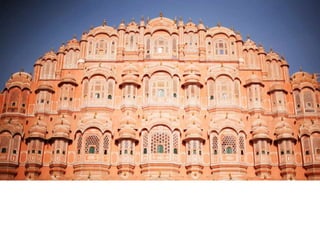
Rajasthan
Rajasthan is the most beautiful and vibrant state or our
country. The unique characteristic of its architecture is very
popular in the whole world. The Rajasthan architecture is
significantly depend on Rajput architecture school which was
mixture of Mughal and Hindu structural design. Grand havelis,
astonishing forts and elaborately carved temples are the vital
portion of architectural heritage of Rajasthan. Rajput’s carries
the credit of creative builders. Few of most striking and splendid
forts along with palaces with parched Aravali land clearly depicts
history of Rajasthan’s celebrated heritage.
Traditional Rajasthani Flavor Into Your Home
The magnificent historic palaces and forts in Rajasthan are
testament to the glory of a bygone era. The region’s culture, too,
is rich with folk arts and crafts, vivid colours like those of the tie-
and-die styles of bandhej and lehariya, and the shimmering
folklore from the Thar desert.
• Here are five design elements that will immediately bring you
closer to tradition, and to Rajasthan.
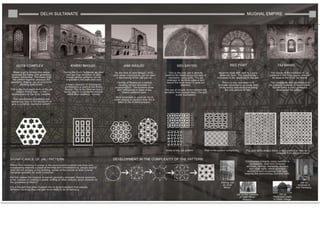
Jalis
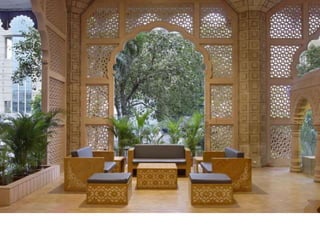
• Jalis are intricately carved lattice screens that allow partial
views, excellent ventilation and filtered light that casts myriad
shadows throughout the day.
• In this example, the arched jalis are carved in sandstone to
make an inside-outside connection and to give a
quintessential Rajasthani look to the grand entrance
foyer. Jalis can also be considered for creating semi-private
partitions, skylights, windows and railings.
• These can be easily fabricated in materials like stone, wood,
MDF and solid surface with CNC machinery.
Jharokhas
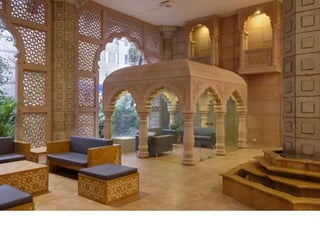
• Jharokhas are traditional balconies (usually made of stone)
that served as viewing platforms in the palace
and havelis (mansions) of Rajasthan and Mughal India.
• These were primarily used by women in purdah (seclusion
from men) to observe the doings in the durbar (court) or
outside the palace, without being seen.
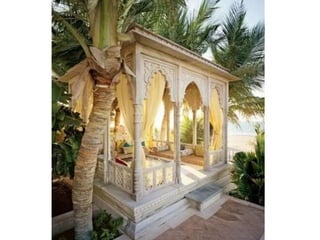
Chhatris or gazebos
• The chhatris (umbrellas or canopies) were a symbol of pride
and honor, not only in Rajasthan but also in the Marathwada
region. They were built as memorials of renowned
personalities. These raised pavilions have a polygonal or
circular plan with peripheral column supports and a domed
roof.
• A chhatri can effortlessly lend a traditional look to the
outdoors.
• Sandstone is available in various shades of beige, pink, red
and brown; the colour is dictated by the content of iron oxide.
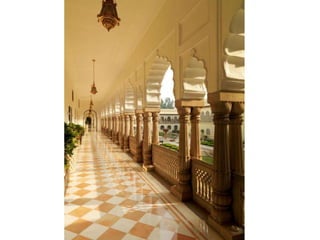
Fluted columns
• These columns are a prominent feature in the interiors
of havelis and palaces of Rajasthan.
• A typical fluted column comprises long vertical grooves that
run along its length; it is further detailed with floral or lotus
patterns on the base and top.
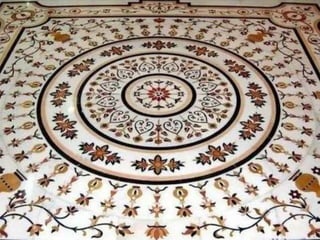
Marble inlay
• Rajasthan is famous for its intricate marble inlay work – a
skilled craft that has been handed over from one generation
to the next.
• The decor of the palaces were given a rich, artistic look with
design elements like marble flooring, marble inlay, and
murals.
• An intricate marble inlay detailed with different colours can
be used on the walls or the floor, to amplify the Rajasthani
look.
• This craft is expensive, so in homes it is usually incorporated
in areas like the entrance foyer, a double-height lobby or
atrium, or a mandir (prayer room), for making maximum
visual impact.
Gujarat
Gujarat is the state of vibrant colours and a beautiful culture.
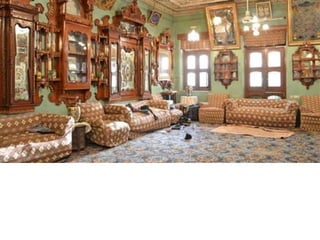
Traditional Gujarati decor comprises wood carvings that provide
an insight into the lovable folklores and religious fables. These
elements are beautifully imbibed into the Gujarati home as part
of its interiors. Ornate forms are an integral component of a
traditional Gujarati home’s interior design.
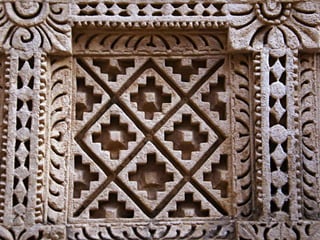
Guajarati Patterns and Motifs
• One of the prime features of a Gujarati home is the several
types of motifs and vernacular artistic impressions it
incorporates in the design of interiors.
• This is visible not just in the form of wood and stone carvings
but also as imprints in their furnishing, as wall and furniture
paintings and so on.
Terminologies uses in their homes
• Coming to the various parts of a Gujarati house, different
parts have different vernacular names and special features.
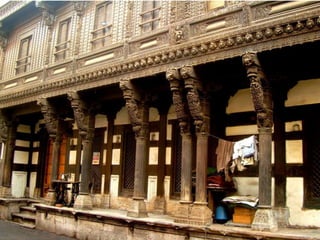
• The entrance to a house, visibly on a higher level or plinth and
to be accessed by a series of steps is known traditionally as
the otla.
• This otla or otla serves a vibrant social function. It is the place
for evening congregations of neighbors, rather a space of
interaction and communication between people.
• Not just friendly discussions, outsiders can be talked to in this
space itself. The space often has columns to support the
shade above
• The next space is more of a buffer space between the house entry
and the inner rooms. This is referred to as the baithak or a sort of
reception for welcoming guests.
• In this baithak visitors can be made to respite if they aren’t that
close to be taken into the more private domains of the house. The
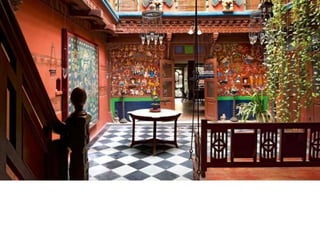
reception then beautifully transits into the open to sky courtyard
which is colloquially termed as the chowk.
• The courtyard is well adorned, surrounded by beautifully carved
wooden facades and vivacious shades. The chowk also serves as a
node, thereby connecting all interior spaces with corridors.
LARGE WINDOWS
• The fenestrations are small, because Gujarat is not a breezy
state to live in. Instead the smaller size of window openings
restricts the scorch sun from penetrating within.
• As most Gujaratis are businessmen, their rooms were
designed based on the privacy gradient of their workspaces
too. The more private offices were allotted upper floors.
• For the roof treatment, Gujarati homes are differentiated into
the sloped roofs covered with clay tiles as well as houses with
flat roofs known as agasi.
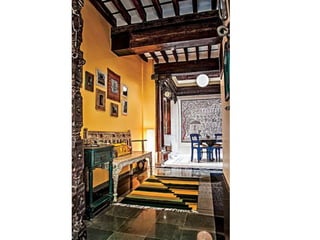
Wooden Carvings and Jalis
• Gujarat homes, especially of the Bohrwad legacy, use ornately
carved wooden facades for their house. The house interiors
showcase an amazing play of light and shadow with the help
of a mass and void banter.
• Symmetry is an integral element, and so is the incorporation
of a variety of hues and shades. The use of jali work is very
prominent in the traditional Pol houses of Ahmedabad, which
serves as a barrier against hot summer air currents.
Wood
• The traditional Gujarati home relied on a lot of timber for
construction as well as for ornamentation, though stone was not
left far behind.
• Being situated on the coast, and having India’s oldest dockyard in
the history of civilization – Lothal – Gujarat has seen import of
items of building construction since ages hence.
• Wood is the chief element, as it was not only easy to mould a
structure with, but also the best for carving out traditional motifs.
• For the dry and hot climatic conditions of Gujarat, wood is a great
alternative.
• Wooden frames, used in conjunction with brick mortar, are known
as the half timber construction technique which is commonly
followed for wooden construction in the state.
Andhra Pradesh
• A significant state in South India, Andhra Pradesh is a land of a
unique culture with rich history and traditions.
• It is a prominent agricultural state and the largest producer of rice
in the country.
• Andhra Pradesh is a state that prides the history of mighty
kingdoms. Various empires influenced each other.
• The heritage architecture of the state depicts the consequence of
this. The primary style is Dravidian.
• It is blended with practices from the dynasties of the Cholas, the
Chalukyas, the Satavahanas, and the Gajapatis.
• The stone structures with intricate engravings of deities and
spiritual symbols adorn most of the Buddhist and Hindu temples
across the state.
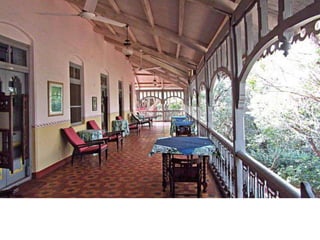
Verandah Design
• Verandah would wrap the entire exterior façade of the home.
• In certain cases a covered walkway leads up to the main
entrance of the house; this walkway has a tiled, sloping roof
with pillars for support.
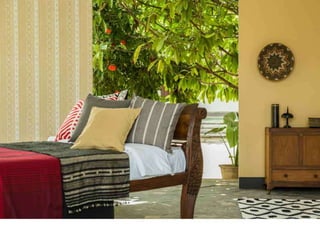
Pitched Roofs
• One of the most recognisable architectural elements of
Andhra style house design are the pitched or sloping roofs
covered in clay roofing tiles.
• These terracotta-hued roofing tiles, like the Mangalore roof
tiles, are hardy and durable.
Carved, wood furniture
• Just like the entrance door and pillars, furniture in traditional
Andhra homes was usually heavy pieces in wood featuring
intricate details and carvings.
• Rosewood, teak wood and jackfruit tree wood are the most
popular ones used by people.
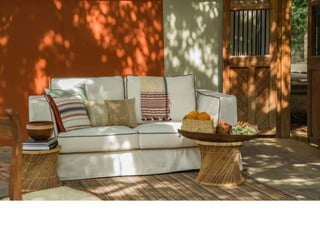
• Rather than upholstered seating, traditional Andhra home
décor items included seating made from wood with rattan,
cane or jute detailing.
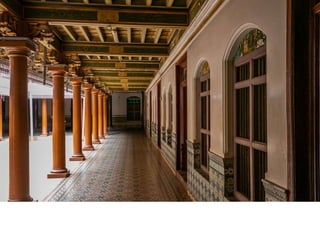
Traditional patterned flooring
• Richly patterned and hued Athangudi tiles are a flooring staple
in Andhra home design.
• These stunning masterpieces can be used as a periphery border
to neutral or solid floor tiles or even across the entire expanse
of the room.
• These handmade tiles come from the Athangudi village in the
Chettinad region but you can also replicate the look with
cement tiles.
Traditional fabrics
• South Indian fabrics, especially silks and fine muslin, are
extremely sought after.
• Add a touch of traditional style to your home with these
exquisitely woven fabrics reimagined as drapes, throws,
cushion covers or even wall art.
Earthy colour Palette
• Typically, the colour palette in Andhra style homes featured
earthy, almost rustic shades.
• This splashes of bright colours, shades of terracotta, brown,
tan, beige, creams and yellows.
• Drawn from their natural surroundings, these colours work
very well with natural elements, ethnic fabrics and wood
details.
Madhya Pradesh
• Apart from the lush forests, exuberant festivity, blissful
solitude and magnificent monuments, this state located in the
central part of the country of India is known for its rich
tradition and culture, which gets reflected from the different
works of art and craft.
• Handicrafts in Madhya Pradesh portray painstaking
craftsmanship and hereditary skills of the inhabitants as well
as add a unique charm to the state's culture.
• Those artistic pieces of crafts work include woven cotton or
silk sarees, fabrics with block prints, stuffed toys, floor
coverings, bamboo work, cane work, jute work, woodcraft,
iron craft, stone craft, metal craft, terracotta, zari work, folk
paintings, ornaments, dolls and paper Mache.
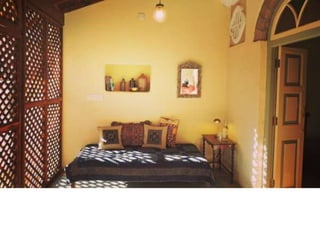
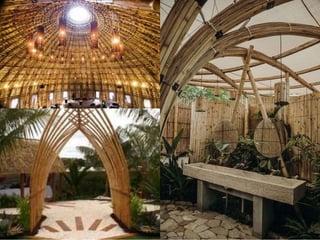
Bamboo and Cane Work
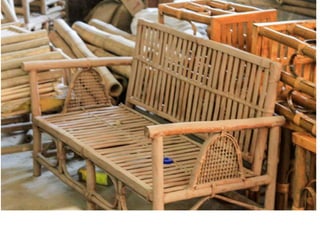
• Bamboo and cane, a significant part of the rural
life, is hugely used to manufacture utility articles
like baskets, fishing traps, agricultural
implements, hunting tools and many more.
• The community manufacturing and selling these
handcrafted items in weekly bazaars are called as
Basod or Basor.
• The tribal communities of Baiga, Gond and Korku
are involved in this craft as well.
• The skilled craftsmen of the areas like Balaghat,
has their traditional techniques and knowledge to
prepare new designed crafted goods to meet the
modern requirements.
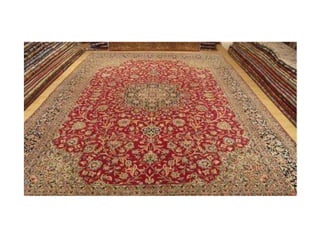
Carpets
• Gwalior is known for carpet weaving since Mughal era.
• Mandla and Shahdol joined this world of craft later.
• Apart from being masters of carpet weaving, the
craftsperson's of these areas excel in dyeing.
• Knotted carpets require emphasis on patterns.
• Vibrant woolen carpets with geometric and floral designs are
an important crafted product.
• These designs are a blend of ancestral motifs and modern
taste.
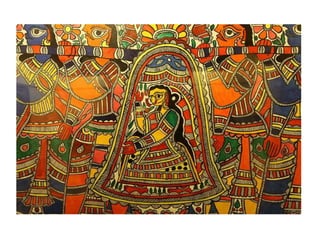
Folk Paintings
• This form of art of Madhya Pradesh has mainly gained its fame from
the areas of Bundelkhand, Chhattisgarh, Malwa, Gondwana and
Nimar.
• These paintings reflect the socio-cultural life of the areas.
• Paintings of local festivals are made of home-made colors by
women.
• Women belonging to the Badi community are famous for making
tattoo.
• is The tribal community of the Bhilala and Bhils usually paints
myths, which famous as Pithora paintings.
• The Malwa and Nimar regions are known for Mandana floor and
wall paintings.
• The specialty of this painting is that drawings are made with white
color on a base made out of a mixture of cow dung and red clay.
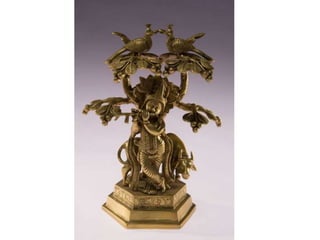
Iron Craft
• Craftsmen from the interiors of the state use iron to create
inimitable forms of crafts.
• Bhatra, Dhruva, Gond and Muria tribes offer gifts like iron
made horses, trishuls etc. to God post their wish fulfillment.
• A traditional custom even includes gifting carved "Deeyas" on
the wedding of daughters.
• Besides tribal statues, they prepare iron goods like candle
stands, furniture, lattice, lamps and several other kinds of
decorative items.
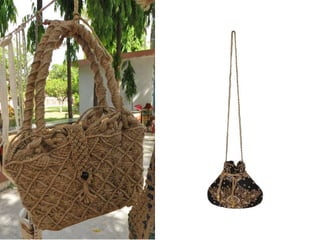
Jute Works
• Jute, the second cheapest textile fiber is widely used for
packaging industrial and agricultural products.
• Apart from its coarse character and heavy texture, the natural
color increases its unique charm.
• Jute items like baskets, hanging lamps, flower vases,
hammocks, swings, purses, footwear, table mats etc. are some
of the major jute works of Bhopal, Gwalior, Indore and Raipur.
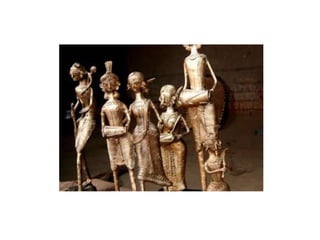
Metal Craft
• Metal craft in Madhya Pradesh is a signature of the excellent
and spontaneous creative skill of the tribal people.
• When you hold a piece in your hand you will feel the pulse
with which these people make it.
• Go to the tribal villages of the state, you will be always
hearing the iron smith's hammer going clang-clang in every
little hut.
• They create the marvelous metal craft which constitute a
mark of their tradition.
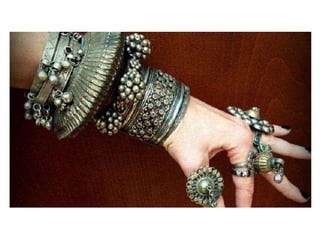
Ornaments
• It seems as all of the joy and spirit are evoked through the
jewelry.
• Ornaments would include big ear and nose rings along with
the heavy metallic bangles in arms as well as feet.
• They often wear waste bands.
• All sorts of ornaments are loving to the hearts of the tribals in
the state of Madhya Pradesh.
• They sometimes weave cotton thread into a broad band to
form a textured or designed base and usually then loop in
buttons, beads or metallic droplets.
• The ornaments made of silver are a delight to the people
living in the state of Madhya Pradesh.
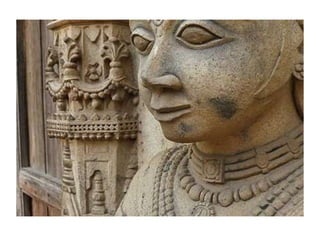
Stone Carving
• Stone carving is one of the oldest form of art and crafts of
Madhya Pradesh.
• Stone sculptures of Khajuraho, Vidisha's rock-cut temples and
the monuments in Gwalior and Orchha prove the prevalence
of stone carvings during the historical times.
• Every region of this state has got their unique and distinct
style.
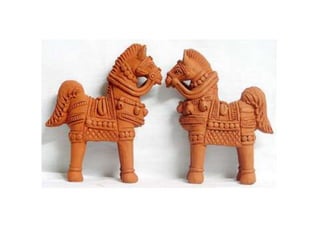
Terracotta
• The terracotta pottery of Madhya Pradesh is marvelous in its
style and representation.
• These people are far from the complications of the modern
civilization.
• They are thereby blessed with simplicity and deep realization
of the basic values of life system along with an enormous
respect towards their deities and rituals.
• The art of terracotta marks the first human attempt of
craftsmanship.
• This is why this art is so popular amongst the aboriginals of
the country.
• There is an interesting practice among the tribes.
• They often offer the terracotta pieces depicting different
animals to the local deity in lieu of sacrifice.
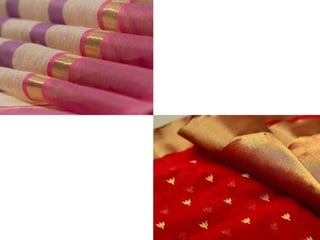
Textile Weaving
• Madhya Pradesh, also known as the "heart of India", is
famous for its extensive history of textiles.
• The most famous textile products in Madhya Pradesh include
the Chanderi and Maheshwari Sarees.
• The handicrafts of Madhya Pradesh are a reflection of the rich
culture and tradition of this state.
Woodcraft
• Woodcraft is a traditional art of India as also of Madhya
Pradesh.
• The works of woodcraft are predominant in various parts of
Madhya Pradesh.
• They are adorned with nicely carved patterns.
• These excellent craftsmanship indicates the rich traditional
heritage of this sphere of art in the central part of the country.
• Woodcraft in Madhya Pradesh exhibits the traditional art of
amazingly beautiful wooden handicrafts.
• These woodcrafts are employed both for utilitarian as well as
architectural purposes.
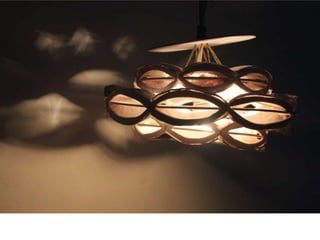
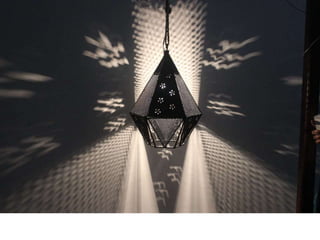
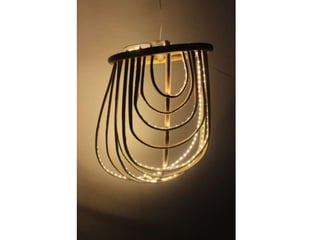
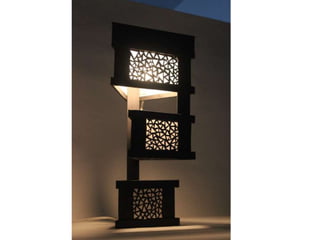
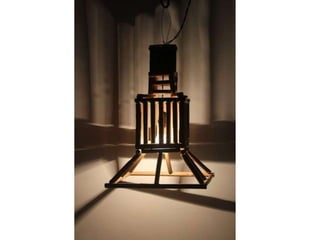
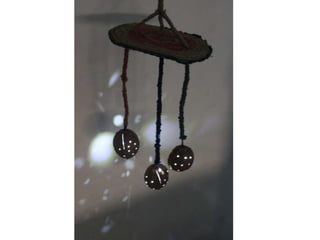
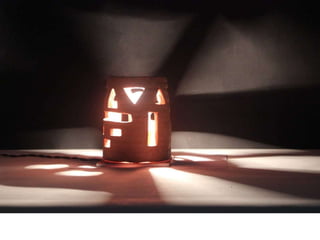
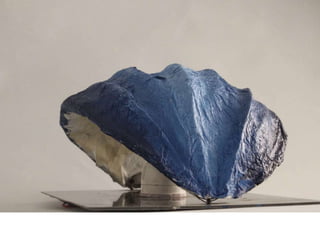
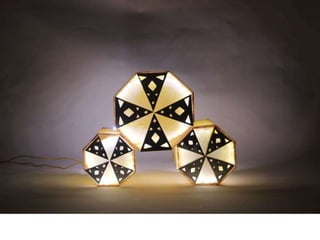
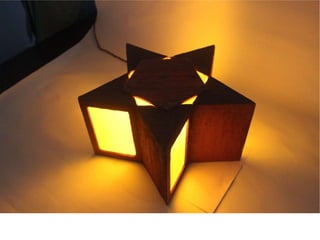
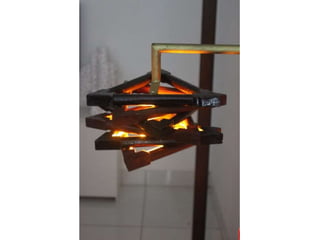
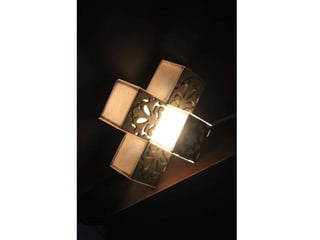
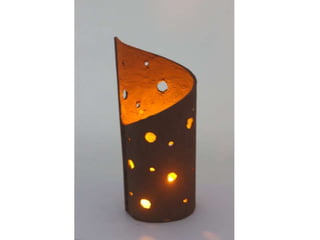
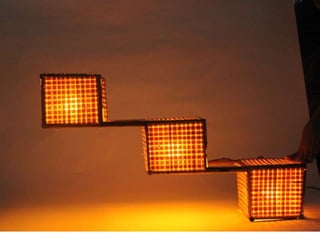
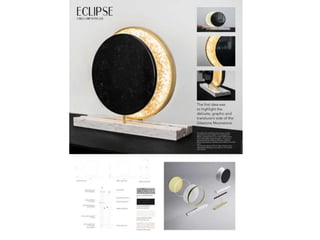
ASSIGNMENT-2
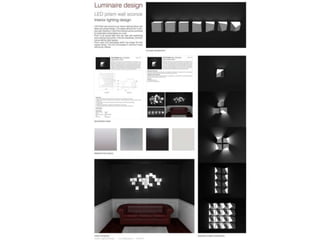
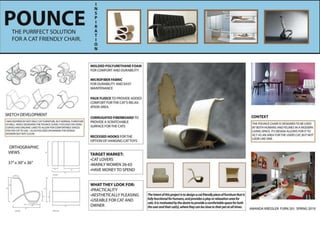
LAMP DESIGN
1) This activity will be in groups.
2) It should be related to the history subject.
Indian Traditional design.pptx

Indian Traditional design.pptx

  • 1.
    HISTORY OF ARCHITECTURE-I B.DESIGN1st YEAR By: Kriti S. Dhir
  • 2.
    Rajasthan Rajasthan is themost beautiful and vibrant state or our country. The unique characteristic of its architecture is very popular in the whole world. The Rajasthan architecture is significantly depend on Rajput architecture school which was mixture of Mughal and Hindu structural design. Grand havelis, astonishing forts and elaborately carved temples are the vital portion of architectural heritage of Rajasthan. Rajput’s carries the credit of creative builders. Few of most striking and splendid forts along with palaces with parched Aravali land clearly depicts history of Rajasthan’s celebrated heritage.
  • 4.
    Traditional Rajasthani FlavorInto Your Home The magnificent historic palaces and forts in Rajasthan are testament to the glory of a bygone era. The region’s culture, too, is rich with folk arts and crafts, vivid colours like those of the tie- and-die styles of bandhej and lehariya, and the shimmering folklore from the Thar desert. • Here are five design elements that will immediately bring you closer to tradition, and to Rajasthan.
  • 5.
    Jalis • Jalis areintricately carved lattice screens that allow partial views, excellent ventilation and filtered light that casts myriad shadows throughout the day. • In this example, the arched jalis are carved in sandstone to make an inside-outside connection and to give a quintessential Rajasthani look to the grand entrance foyer. Jalis can also be considered for creating semi-private partitions, skylights, windows and railings. • These can be easily fabricated in materials like stone, wood, MDF and solid surface with CNC machinery.
  • 7.
    Jharokhas • Jharokhas aretraditional balconies (usually made of stone) that served as viewing platforms in the palace and havelis (mansions) of Rajasthan and Mughal India. • These were primarily used by women in purdah (seclusion from men) to observe the doings in the durbar (court) or outside the palace, without being seen.
  • 9.
    Chhatris or gazebos •The chhatris (umbrellas or canopies) were a symbol of pride and honor, not only in Rajasthan but also in the Marathwada region. They were built as memorials of renowned personalities. These raised pavilions have a polygonal or circular plan with peripheral column supports and a domed roof. • A chhatri can effortlessly lend a traditional look to the outdoors. • Sandstone is available in various shades of beige, pink, red and brown; the colour is dictated by the content of iron oxide.
  • 11.
    Fluted columns • Thesecolumns are a prominent feature in the interiors of havelis and palaces of Rajasthan. • A typical fluted column comprises long vertical grooves that run along its length; it is further detailed with floral or lotus patterns on the base and top.
  • 13.
    Marble inlay • Rajasthanis famous for its intricate marble inlay work – a skilled craft that has been handed over from one generation to the next. • The decor of the palaces were given a rich, artistic look with design elements like marble flooring, marble inlay, and murals. • An intricate marble inlay detailed with different colours can be used on the walls or the floor, to amplify the Rajasthani look. • This craft is expensive, so in homes it is usually incorporated in areas like the entrance foyer, a double-height lobby or atrium, or a mandir (prayer room), for making maximum visual impact.
  • 15.
    Gujarat Gujarat is thestate of vibrant colours and a beautiful culture. Traditional Gujarati decor comprises wood carvings that provide an insight into the lovable folklores and religious fables. These elements are beautifully imbibed into the Gujarati home as part of its interiors. Ornate forms are an integral component of a traditional Gujarati home’s interior design.
  • 17.
    Guajarati Patterns andMotifs • One of the prime features of a Gujarati home is the several types of motifs and vernacular artistic impressions it incorporates in the design of interiors. • This is visible not just in the form of wood and stone carvings but also as imprints in their furnishing, as wall and furniture paintings and so on.
  • 19.
    Terminologies uses intheir homes • Coming to the various parts of a Gujarati house, different parts have different vernacular names and special features. • The entrance to a house, visibly on a higher level or plinth and to be accessed by a series of steps is known traditionally as the otla. • This otla or otla serves a vibrant social function. It is the place for evening congregations of neighbors, rather a space of interaction and communication between people. • Not just friendly discussions, outsiders can be talked to in this space itself. The space often has columns to support the shade above
  • 20.
    • The nextspace is more of a buffer space between the house entry and the inner rooms. This is referred to as the baithak or a sort of reception for welcoming guests. • In this baithak visitors can be made to respite if they aren’t that close to be taken into the more private domains of the house. The reception then beautifully transits into the open to sky courtyard which is colloquially termed as the chowk. • The courtyard is well adorned, surrounded by beautifully carved wooden facades and vivacious shades. The chowk also serves as a node, thereby connecting all interior spaces with corridors.
  • 24.
    LARGE WINDOWS • Thefenestrations are small, because Gujarat is not a breezy state to live in. Instead the smaller size of window openings restricts the scorch sun from penetrating within. • As most Gujaratis are businessmen, their rooms were designed based on the privacy gradient of their workspaces too. The more private offices were allotted upper floors. • For the roof treatment, Gujarati homes are differentiated into the sloped roofs covered with clay tiles as well as houses with flat roofs known as agasi.
  • 26.
    Wooden Carvings andJalis • Gujarat homes, especially of the Bohrwad legacy, use ornately carved wooden facades for their house. The house interiors showcase an amazing play of light and shadow with the help of a mass and void banter. • Symmetry is an integral element, and so is the incorporation of a variety of hues and shades. The use of jali work is very prominent in the traditional Pol houses of Ahmedabad, which serves as a barrier against hot summer air currents.
  • 28.
    Wood • The traditionalGujarati home relied on a lot of timber for construction as well as for ornamentation, though stone was not left far behind. • Being situated on the coast, and having India’s oldest dockyard in the history of civilization – Lothal – Gujarat has seen import of items of building construction since ages hence. • Wood is the chief element, as it was not only easy to mould a structure with, but also the best for carving out traditional motifs. • For the dry and hot climatic conditions of Gujarat, wood is a great alternative. • Wooden frames, used in conjunction with brick mortar, are known as the half timber construction technique which is commonly followed for wooden construction in the state.
  • 30.
    Andhra Pradesh • Asignificant state in South India, Andhra Pradesh is a land of a unique culture with rich history and traditions. • It is a prominent agricultural state and the largest producer of rice in the country. • Andhra Pradesh is a state that prides the history of mighty kingdoms. Various empires influenced each other. • The heritage architecture of the state depicts the consequence of this. The primary style is Dravidian. • It is blended with practices from the dynasties of the Cholas, the Chalukyas, the Satavahanas, and the Gajapatis. • The stone structures with intricate engravings of deities and spiritual symbols adorn most of the Buddhist and Hindu temples across the state.
  • 32.
    Verandah Design • Verandahwould wrap the entire exterior façade of the home. • In certain cases a covered walkway leads up to the main entrance of the house; this walkway has a tiled, sloping roof with pillars for support.
  • 34.
    Pitched Roofs • Oneof the most recognisable architectural elements of Andhra style house design are the pitched or sloping roofs covered in clay roofing tiles. • These terracotta-hued roofing tiles, like the Mangalore roof tiles, are hardy and durable.
  • 36.
    Carved, wood furniture •Just like the entrance door and pillars, furniture in traditional Andhra homes was usually heavy pieces in wood featuring intricate details and carvings. • Rosewood, teak wood and jackfruit tree wood are the most popular ones used by people. • Rather than upholstered seating, traditional Andhra home décor items included seating made from wood with rattan, cane or jute detailing.
  • 38.
    Traditional patterned flooring •Richly patterned and hued Athangudi tiles are a flooring staple in Andhra home design. • These stunning masterpieces can be used as a periphery border to neutral or solid floor tiles or even across the entire expanse of the room. • These handmade tiles come from the Athangudi village in the Chettinad region but you can also replicate the look with cement tiles.
  • 40.
    Traditional fabrics • SouthIndian fabrics, especially silks and fine muslin, are extremely sought after. • Add a touch of traditional style to your home with these exquisitely woven fabrics reimagined as drapes, throws, cushion covers or even wall art.
  • 42.
    Earthy colour Palette •Typically, the colour palette in Andhra style homes featured earthy, almost rustic shades. • This splashes of bright colours, shades of terracotta, brown, tan, beige, creams and yellows. • Drawn from their natural surroundings, these colours work very well with natural elements, ethnic fabrics and wood details.
  • 44.
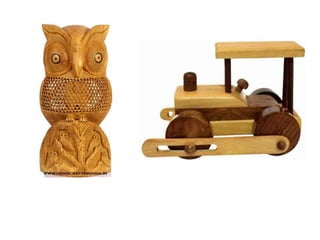
    Madhya Pradesh • Apartfrom the lush forests, exuberant festivity, blissful solitude and magnificent monuments, this state located in the central part of the country of India is known for its rich tradition and culture, which gets reflected from the different works of art and craft. • Handicrafts in Madhya Pradesh portray painstaking craftsmanship and hereditary skills of the inhabitants as well as add a unique charm to the state's culture. • Those artistic pieces of crafts work include woven cotton or silk sarees, fabrics with block prints, stuffed toys, floor coverings, bamboo work, cane work, jute work, woodcraft, iron craft, stone craft, metal craft, terracotta, zari work, folk paintings, ornaments, dolls and paper Mache.
  • 45.
    Bamboo and CaneWork • Bamboo and cane, a significant part of the rural life, is hugely used to manufacture utility articles like baskets, fishing traps, agricultural implements, hunting tools and many more. • The community manufacturing and selling these handcrafted items in weekly bazaars are called as Basod or Basor. • The tribal communities of Baiga, Gond and Korku are involved in this craft as well. • The skilled craftsmen of the areas like Balaghat, has their traditional techniques and knowledge to prepare new designed crafted goods to meet the modern requirements.
  • 48.
    Carpets • Gwalior isknown for carpet weaving since Mughal era. • Mandla and Shahdol joined this world of craft later. • Apart from being masters of carpet weaving, the craftsperson's of these areas excel in dyeing. • Knotted carpets require emphasis on patterns. • Vibrant woolen carpets with geometric and floral designs are an important crafted product. • These designs are a blend of ancestral motifs and modern taste.
  • 50.
    Folk Paintings • Thisform of art of Madhya Pradesh has mainly gained its fame from the areas of Bundelkhand, Chhattisgarh, Malwa, Gondwana and Nimar. • These paintings reflect the socio-cultural life of the areas. • Paintings of local festivals are made of home-made colors by women. • Women belonging to the Badi community are famous for making tattoo. • is The tribal community of the Bhilala and Bhils usually paints myths, which famous as Pithora paintings. • The Malwa and Nimar regions are known for Mandana floor and wall paintings. • The specialty of this painting is that drawings are made with white color on a base made out of a mixture of cow dung and red clay.
  • 52.
    Iron Craft • Craftsmenfrom the interiors of the state use iron to create inimitable forms of crafts. • Bhatra, Dhruva, Gond and Muria tribes offer gifts like iron made horses, trishuls etc. to God post their wish fulfillment. • A traditional custom even includes gifting carved "Deeyas" on the wedding of daughters. • Besides tribal statues, they prepare iron goods like candle stands, furniture, lattice, lamps and several other kinds of decorative items.
  • 54.
    Jute Works • Jute,the second cheapest textile fiber is widely used for packaging industrial and agricultural products. • Apart from its coarse character and heavy texture, the natural color increases its unique charm. • Jute items like baskets, hanging lamps, flower vases, hammocks, swings, purses, footwear, table mats etc. are some of the major jute works of Bhopal, Gwalior, Indore and Raipur.
  • 56.
    Metal Craft • Metalcraft in Madhya Pradesh is a signature of the excellent and spontaneous creative skill of the tribal people. • When you hold a piece in your hand you will feel the pulse with which these people make it. • Go to the tribal villages of the state, you will be always hearing the iron smith's hammer going clang-clang in every little hut. • They create the marvelous metal craft which constitute a mark of their tradition.
  • 58.
    Ornaments • It seemsas all of the joy and spirit are evoked through the jewelry. • Ornaments would include big ear and nose rings along with the heavy metallic bangles in arms as well as feet. • They often wear waste bands. • All sorts of ornaments are loving to the hearts of the tribals in the state of Madhya Pradesh. • They sometimes weave cotton thread into a broad band to form a textured or designed base and usually then loop in buttons, beads or metallic droplets. • The ornaments made of silver are a delight to the people living in the state of Madhya Pradesh.
  • 60.
    Stone Carving • Stonecarving is one of the oldest form of art and crafts of Madhya Pradesh. • Stone sculptures of Khajuraho, Vidisha's rock-cut temples and the monuments in Gwalior and Orchha prove the prevalence of stone carvings during the historical times. • Every region of this state has got their unique and distinct style.
  • 62.
    Terracotta • The terracottapottery of Madhya Pradesh is marvelous in its style and representation. • These people are far from the complications of the modern civilization. • They are thereby blessed with simplicity and deep realization of the basic values of life system along with an enormous respect towards their deities and rituals. • The art of terracotta marks the first human attempt of craftsmanship. • This is why this art is so popular amongst the aboriginals of the country. • There is an interesting practice among the tribes. • They often offer the terracotta pieces depicting different animals to the local deity in lieu of sacrifice.
  • 64.
    Textile Weaving • MadhyaPradesh, also known as the "heart of India", is famous for its extensive history of textiles. • The most famous textile products in Madhya Pradesh include the Chanderi and Maheshwari Sarees. • The handicrafts of Madhya Pradesh are a reflection of the rich culture and tradition of this state.
  • 66.
    Woodcraft • Woodcraft isa traditional art of India as also of Madhya Pradesh. • The works of woodcraft are predominant in various parts of Madhya Pradesh. • They are adorned with nicely carved patterns. • These excellent craftsmanship indicates the rich traditional heritage of this sphere of art in the central part of the country. • Woodcraft in Madhya Pradesh exhibits the traditional art of amazingly beautiful wooden handicrafts. • These woodcrafts are employed both for utilitarian as well as architectural purposes.
  • 68.
    ASSIGNMENT-2 LAMP DESIGN 1) Thisactivity will be in groups. 2) It should be related to the history subject.