How to readscience books
with minimum expense of
your valuable time
By
Mr. K.Vijay M.Sc.(CU), TNSET (LS), NET(LS), (Ph.D.)
Assistant Professor,
Department of Microbiology,
Sacred Heart College (Autonomous),
Tirupattur 635 601,
Tamil Nadu,
India.
2.
Types of Scientificbooks
• Reference books – to get quick specific facts or information or an overview
of a subject.
• Compiled books - A reference source is usually compiled with
chapters contributed by many authors.
• Editor authored - Single or group of author (s) can write and edit
books but with associate editors or reviewers.
• Examples: Lehninger’s principles of Biochemistry, Dictionary, Atlas,
Thesaurus, Encyclopedia, etc.
• Text books - consulted for general and recreational reading by educational
institutions. Follows unique syllabi.
• Examples : Text book of Microbiology by R.C. Dubey, Textbook of
biochemistry for medical students by Vasudevan, Sreekumari S.,
Kannan Vaidyanathan, etc.
3.
How to selectbooks for reading
• Select books based on the generalized title of the subject. Collect from library or take
your personal copy if you have.
• Look at the author affiliations and reputation of publisher, new edition / revised edition,
and Year.
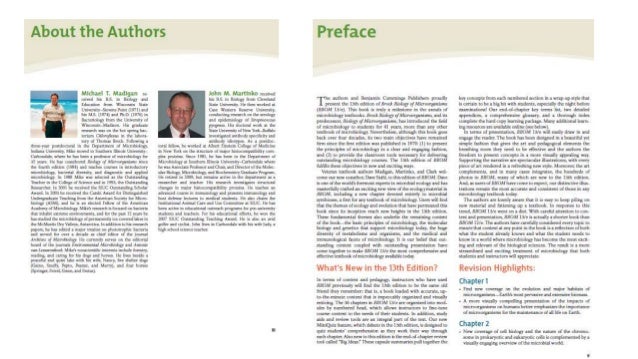
• Give a glance over “About the author” or “About the editors” either placed in front pages
or on the back wrappers.
• Go through the preface provided for the book by eminent writers.
• At this stage, it is your choice whether to choose this book or not. Because you are going
to spend your valuable time, a non-renewable resource of your life.
Note: This applies to both eBooks and hard copy books.
4.
How to readtext books
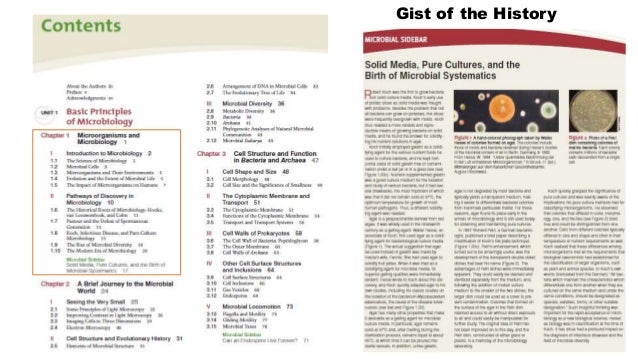
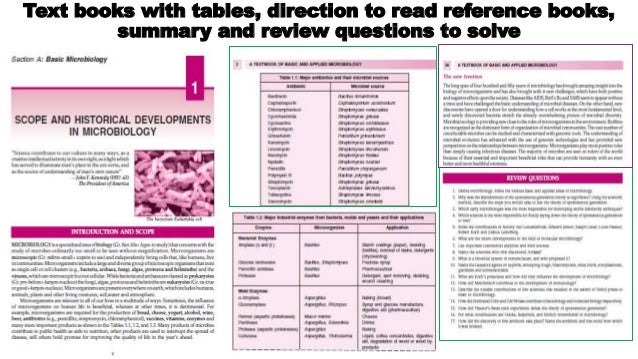
• After selection of your desired book, go through the content page and select your
chapters that matches your units in syllabi.
• Look into each chapter by reading the objectives and summary given for the
chapter. If suitable read through the eligible subtitles which give contents for your
understanding. Failing which, you need to go for your next book of choice.
• Also, you need practice “Activity” content if given.
• Each chapter may contain “Practice question” to recall your read contents. One can
try solving the solution.
• You must go for further reading by selecting books given in “Bibliography”
5.
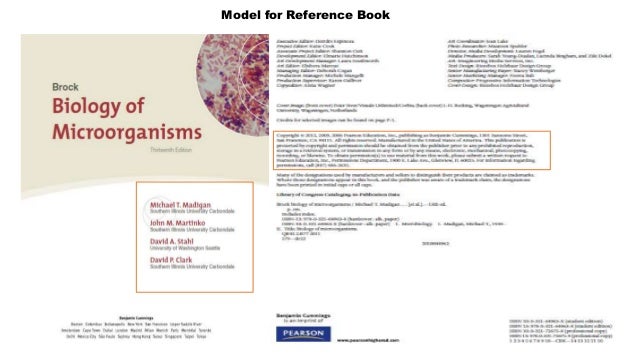
How to readreference books
• After selection of your desired book, go through the content page and select your chapters.
• Usually a broad titles or question tagged titles are found for each chapters / units to enable
the readers to specifically focus on the topic or to find solutions for the scientific
question(s).
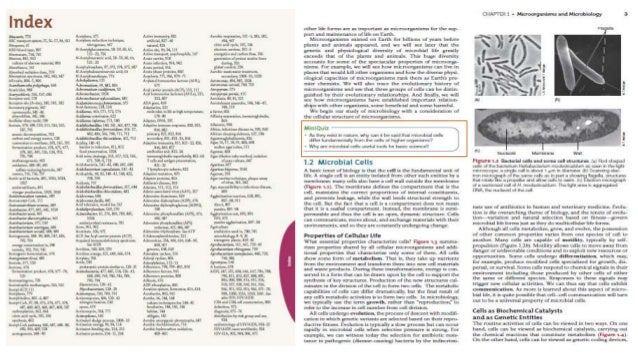
• If you cannot select the appropriate chapter for your topic, get into the index pages printed
at the end of the book.
• Index consists of all the keywords (alphabetically arranged) with page numbers required for
you to easily locate the content within the book.
• However, keywords would be your topic and may be found at many different places in a
book. At this stage, you need locate the place, aspect of its discussion and usage of the topic
“whether all the places have to be chosen for reading or not?”
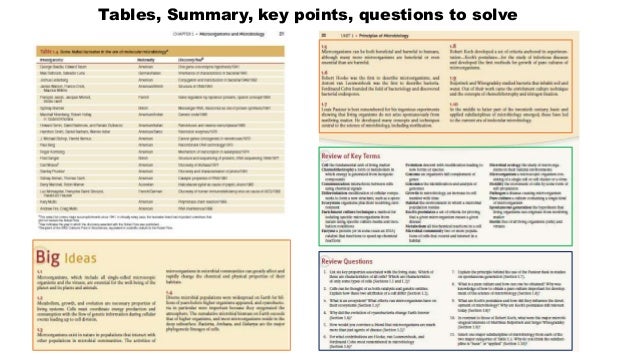
• After location of desired topic, read through the section titled as “quick summary or Gist of
the story or Points to recall or conclusion”. At this place you save your time in selecting the
chapter for detailed reading.
• Go through bibliography of for further back-references (similar books/articles/web
contents) supporting further reading and better understandings.
6.
Tips for reading
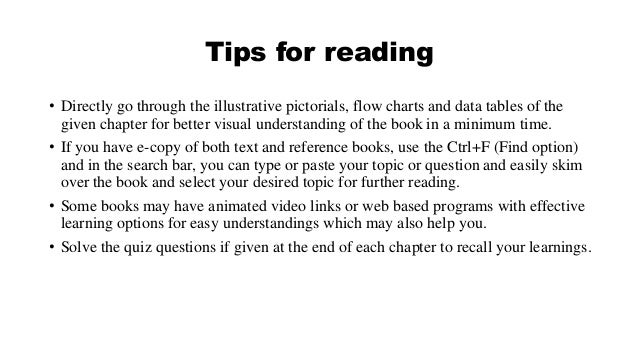
•Directly go through the illustrative pictorials, flow charts and data tables of the
given chapter for better visual understanding of the book in a minimum time.
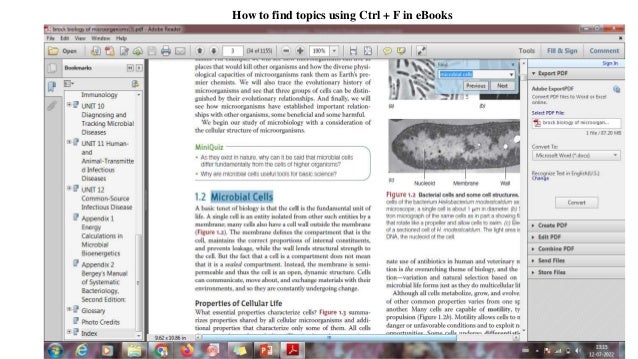
• If you have e-copy of both text and reference books, use the Ctrl+F (Find option)
and in the search bar, you can type or paste your topic or question and easily skim
over the book and select your desired topic for further reading.
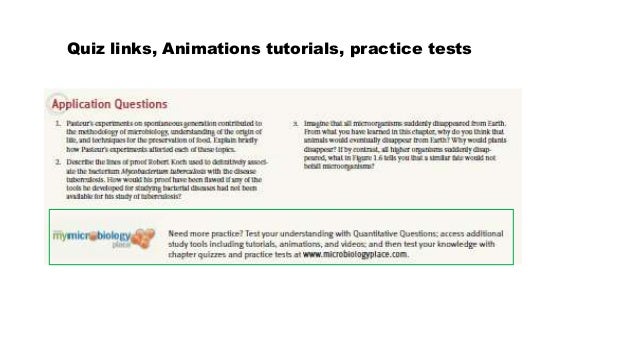
• Some books may have animated video links or web based programs with effective
learning options for easy understandings which may also help you.
• Solve the quiz questions if given at the end of each chapter to recall your learnings.