How to Avoid Mistakes When
Working With Europeans
Jennifer Kumar
July 2, 2016
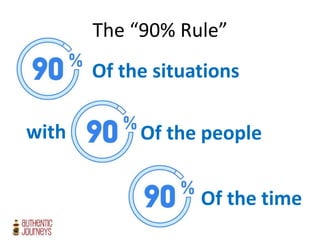
The “90% Rule”
Of the people
Of the situations
with
Of the time
Mistake:
All of Europe Has One Culture
• Media & Assumptions
• Variations in Europe
• European Culture ≠ American
Culture
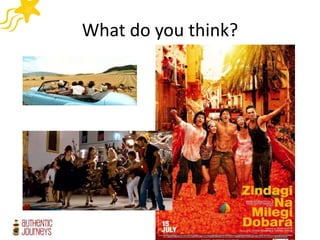
What do you think?
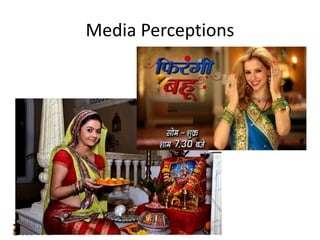
Media Perceptions
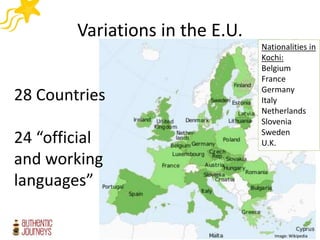
Variations in the E.U.
Image: Wikipedia
28 Countries
24 “official
and working
languages”
Nationalities in
Kochi:
Belgium
France
Germany
Italy
Netherlands
Slovenia
Sweden
U.K.
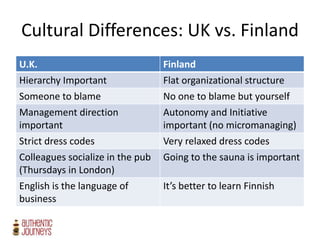
Cultural Differences: UK vs. Finland
U.K. Finland
Hierarchy Important Flat organizational structure
Someone to blame No one to blame but yourself
Management direction
important
Autonomy and Initiative
important (no micromanaging)
Strict dress codes Very relaxed dress codes
Colleagues socialize in the pub
(Thursdays in London)
Going to the sauna is important
English is the language of
business
It’s better to learn Finnish
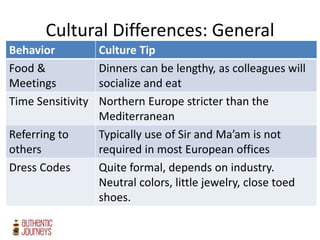
Cultural Differences: General
Behavior Culture Tip
Food &
Meetings
Dinners can be lengthy, as colleagues will
socialize and eat
Time Sensitivity Northern Europe stricter than the
Mediterranean
Referring to
others
Typically use of Sir and Ma’am is not
required in most European offices
Dress Codes Quite formal, depends on industry.
Neutral colors, little jewelry, close toed
shoes.
Cultural Differences: General
Behavior Culture Tip
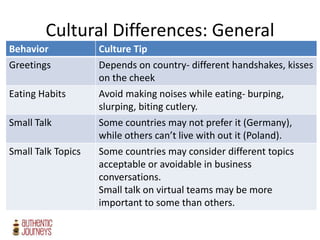
Greetings Depends on country- different handshakes, kisses
on the cheek
Eating Habits Avoid making noises while eating- burping,
slurping, biting cutlery.
Small Talk Some countries may not prefer it (Germany),
while others can’t live with out it (Poland).
Small Talk Topics Some countries may consider different topics
acceptable or avoidable in business
conversations.
Small talk on virtual teams may be more
important to some than others.
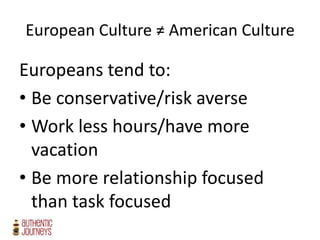
European Culture ≠ American Culture
Europeans tend to:
• Be conservative/risk averse
• Work less hours/have more
vacation
• Be more relationship focused
than task focused
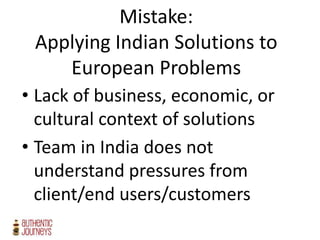
Mistake:
Applying Indian Solutions to
European Problems
• Lack of business, economic, or
cultural context of solutions
• Team in India does not
understand pressures from
client/end users/customers
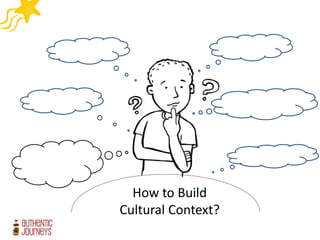
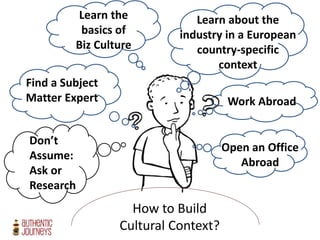
How to Build
Cultural Context?
Learn about the
industry in a European
country-specific
context
Work Abroad
Open an Office
Abroad
Learn the
basics of
Biz Culture
Find a Subject
Matter Expert
Don’t
Assume:
Ask or
Research
How to Build
Cultural Context?
How to Fix a Faux Pas
1. Look for the other’s body language or tone of
voice
2. Use the pleasantries or etiquette of the
country to apologize – through a local phrase
or mannerism
3. In some cases, it may be ok to blame it on
your culture misunderstanding, and ask how
it’s done in their country

How to avoid mistakes while working with Europeans

  • 1.
    How to AvoidMistakes When Working With Europeans Jennifer Kumar July 2, 2016
  • 2.
    The “90% Rule” Ofthe people Of the situations with Of the time
  • 3.
    Mistake: All of EuropeHas One Culture • Media & Assumptions • Variations in Europe • European Culture ≠ American Culture
  • 4.
  • 5.
  • 6.
    Variations in theE.U. Image: Wikipedia 28 Countries 24 “official and working languages” Nationalities in Kochi: Belgium France Germany Italy Netherlands Slovenia Sweden U.K.
  • 7.
    Cultural Differences: UKvs. Finland U.K. Finland Hierarchy Important Flat organizational structure Someone to blame No one to blame but yourself Management direction important Autonomy and Initiative important (no micromanaging) Strict dress codes Very relaxed dress codes Colleagues socialize in the pub (Thursdays in London) Going to the sauna is important English is the language of business It’s better to learn Finnish
  • 8.
    Cultural Differences: General BehaviorCulture Tip Food & Meetings Dinners can be lengthy, as colleagues will socialize and eat Time Sensitivity Northern Europe stricter than the Mediterranean Referring to others Typically use of Sir and Ma’am is not required in most European offices Dress Codes Quite formal, depends on industry. Neutral colors, little jewelry, close toed shoes.
  • 9.
    Cultural Differences: General BehaviorCulture Tip Greetings Depends on country- different handshakes, kisses on the cheek Eating Habits Avoid making noises while eating- burping, slurping, biting cutlery. Small Talk Some countries may not prefer it (Germany), while others can’t live with out it (Poland). Small Talk Topics Some countries may consider different topics acceptable or avoidable in business conversations. Small talk on virtual teams may be more important to some than others.
  • 10.
    European Culture ≠American Culture Europeans tend to: • Be conservative/risk averse • Work less hours/have more vacation • Be more relationship focused than task focused
  • 11.
    Mistake: Applying Indian Solutionsto European Problems • Lack of business, economic, or cultural context of solutions • Team in India does not understand pressures from client/end users/customers
  • 12.
  • 13.
    Learn about the industryin a European country-specific context Work Abroad Open an Office Abroad Learn the basics of Biz Culture Find a Subject Matter Expert Don’t Assume: Ask or Research How to Build Cultural Context?
  • 14.
    How to Fixa Faux Pas 1. Look for the other’s body language or tone of voice 2. Use the pleasantries or etiquette of the country to apologize – through a local phrase or mannerism 3. In some cases, it may be ok to blame it on your culture misunderstanding, and ask how it’s done in their country

Editor's Notes

  • #2 Before the session, break the class into 3 or 4 groups for the several group discussion energizers we have during the session. Each group can have a group name. Welcome participants and hold introductions.
  • #5 Ask audience to consider, “What kind of notions or ideas could people in India get about Spain after watching this movie?”
  • #6 An American’s impression of Indian culture after watching Indian popular media is touched on.
  • #7 Introduce slide, ask participants, “What kind of differences do know about or have personally experienced in visiting different EU countries or interacting with Europeans?”
  • #13 (5-10 min) Ask participants to go to the board and create a mind map or a list on ways they can build cultural context. It may be nice to take photos of their lists and share them over skype. Each group can write their group name near their list or mind map.