SUBMITTED BY:
ARISH KRISHNA
S5 CIVIL ENGINEERING
ROLL NO. 722
REG NO. 2201012656
HIGH PERFORMANCE
CONCRETE (HPC)
1. Introduction.
2. Properties of HPC
3. Materials and Mix Design
4. Fresh Properties
5. Hardened Properties
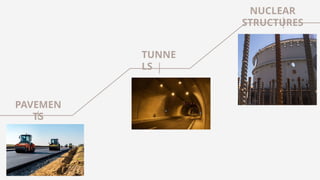
6. Applications
7. Benefits
8. Limitations
9. Examples For HPC
10. Future Directions
11. Conclusion
12. Reference
CONTENTS
INTRODUC
TION
High Performance Concrete is a concrete mixture, which possess
high durability and high strength when compared to conventional
concrete.
I
HPCs are strength, long term durability, serviceability as determined
by crack and deflection control, as well as response to long term
environmental effects.
II
This presentation will explore the unique properties and benefits of
HPC, as well as its potential for revolutionizing the industry.
III High Performance Concrete characteristics are developed for
particular applications and environments.
IV
01
PROPERTIES OF HPC
• High compressive strength (>6,000 psi)
• High durability
• Low shrinkage
• High workability
• Resistance to:
Chemical attacks
Sulfate attack
• Improved toughness
• Enhanced sustainability
• Thermal resistance
02
MATERIALS AND MIX DESIGN
03
Materials
1. Cement:
- High-strength cement (e.g., Type III or IV)
- Supplementary cementitious materials (SCMs) like fly ash, silica fume, or slag cement.
2. Aggregates:
- High-quality, durable aggregates with low absorption and high resistance to abrasion.
- Fine aggregates: quartz, silica, or limestone.
- Coarse aggregates: granite, basalt, or limestone.
3. Admixtures:
- Superplasticizers (high-range water reducers)
- Retarding admixtures (to control setting time)
- Air-entraining admixtures (for freeze-thaw resistance)
- Fly ash or silica fume (as SCMs)
4. Water:
- Low water-cement ratio (w/c) to reduce porosity and improve strength
- High-quality water with low total dissolved solids (TDS)
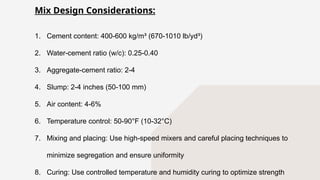
Mix Design Considerations:
1. Cement content: 400-600 kg/m³ (670-1010 lb/yd³)
2. Water-cement ratio (w/c): 0.25-0.40
3. Aggregate-cement ratio: 2-4
4. Slump: 2-4 inches (50-100 mm)
5. Air content: 4-6%
6. Temperature control: 50-90°F (10-32°C)
7. Mixing and placing: Use high-speed mixers and careful placing techniques to
minimize segregation and ensure uniformity
8. Curing: Use controlled temperature and humidity curing to optimize strength
FRESH PROPERTIES
04
• Workability
• Strength
• Modulus of Elasticity
• Durability
• Permeability
• Bleeding and Plastic Shrinkage
HARDENEND PROPERTIES
05
• High Compressive Strength
• Improved durability
• Enhanced Toughness
• Reduced permeability
• Improved Workability
• Improved Resistance to Shrinkage
APPLICATI
ON
BRIDGES
HIGH RISE
BUILDINGS
06
PAVEMEN
TS
NUCLEAR
STRUCTURES
TUNNE
LS
01
02
03
04
Longer spans and fewer beams for the same magnitude of
loading.
Reduced axial shortening of compression supporting
members.
Low creep and shrinkage.
Reduced maintenance and repairs.
BENEFITS
07
01
02
03
04
High Performance Concrete has to be manufactured and placed
much more carefully than normal concrete.
Some special constituents are required which may not be
available in the ready mix concrete plants.
In concrete plant and at delivery site, additional
tests are required. This increases the cost.
An extended quality control is required.
LIMITATIONS
08
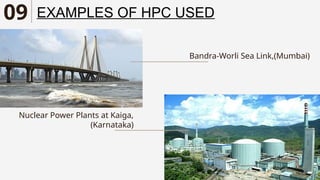
Nuclear Power Plants at Kaiga,
(Karnataka)
Bandra-Worli Sea Link,(Mumbai)
09 EXAMPLES OF HPC USED
Chennai Metro,
Chennai
Signature Tower,
Gurgaon
Sustainability
Increased use in
infrastructure projects
Research and development
Nanotechnology
applications
Ultra-high performance
concrete
Cost reduction
Repair and rehabilitation
Standardization and codes
Education and training
Increased use in building
construction
FUTURE DIRECTIONS
10
11 CONCLUSION
- HPC has high compressive strength, low permeability, and improved resistance to
environmental degradation.
- It is designed to last for decades, with a lifespan of 50-100 years or more.
- HPC is suitable for use in infrastructure projects, building construction, and repair and
rehabilitation projects.
- It offers improved durability, sustainability, and aesthetic appeal.
- HPC is resistant to chemical attack, sulfate attack, and freeze-thaw cycles.
- It has improved workability, reduced shrinkage, and enhanced abrasion resistance.
12 REFERENCE
• "High-Performance Concrete: Properties and Applications" by S. Mindess, J.F. Young, and D.
Darwin (CRC Press, 2003)
• "High-Performance Concrete: A Guide to Best Practices" by the American Concrete Institute (ACI,
2017)
• "High-Performance Concrete: Materials, Properties, and Applications" edited by P.C. Aitcin (Taylor
& Francis, 2017)
• "High-Performance Concrete: A Review of its Properties, Applications, and Future Directions" by
S.A. Ahmed, M. Nehdi, and M.A. ElGawady (Construction and Building Materials, 2020)
CREDITS: This presentation template was
created by Slidesgo, including icons by Flaticon,
and infographics & images by Freepik
THANKS
Does anyone have any questions?

HIgh Performance Concrete (HPC) Civil Engineering

  • 1.
    SUBMITTED BY: ARISH KRISHNA S5CIVIL ENGINEERING ROLL NO. 722 REG NO. 2201012656 HIGH PERFORMANCE CONCRETE (HPC)
  • 2.
    1. Introduction. 2. Propertiesof HPC 3. Materials and Mix Design 4. Fresh Properties 5. Hardened Properties 6. Applications 7. Benefits 8. Limitations 9. Examples For HPC 10. Future Directions 11. Conclusion 12. Reference CONTENTS
  • 3.
    INTRODUC TION High Performance Concreteis a concrete mixture, which possess high durability and high strength when compared to conventional concrete. I HPCs are strength, long term durability, serviceability as determined by crack and deflection control, as well as response to long term environmental effects. II This presentation will explore the unique properties and benefits of HPC, as well as its potential for revolutionizing the industry. III High Performance Concrete characteristics are developed for particular applications and environments. IV 01
  • 4.
    PROPERTIES OF HPC •High compressive strength (>6,000 psi) • High durability • Low shrinkage • High workability • Resistance to: Chemical attacks Sulfate attack • Improved toughness • Enhanced sustainability • Thermal resistance 02
  • 5.
    MATERIALS AND MIXDESIGN 03 Materials 1. Cement: - High-strength cement (e.g., Type III or IV) - Supplementary cementitious materials (SCMs) like fly ash, silica fume, or slag cement. 2. Aggregates: - High-quality, durable aggregates with low absorption and high resistance to abrasion. - Fine aggregates: quartz, silica, or limestone. - Coarse aggregates: granite, basalt, or limestone.
  • 6.
    3. Admixtures: - Superplasticizers(high-range water reducers) - Retarding admixtures (to control setting time) - Air-entraining admixtures (for freeze-thaw resistance) - Fly ash or silica fume (as SCMs) 4. Water: - Low water-cement ratio (w/c) to reduce porosity and improve strength - High-quality water with low total dissolved solids (TDS)
  • 7.
    Mix Design Considerations: 1.Cement content: 400-600 kg/m³ (670-1010 lb/yd³) 2. Water-cement ratio (w/c): 0.25-0.40 3. Aggregate-cement ratio: 2-4 4. Slump: 2-4 inches (50-100 mm) 5. Air content: 4-6% 6. Temperature control: 50-90°F (10-32°C) 7. Mixing and placing: Use high-speed mixers and careful placing techniques to minimize segregation and ensure uniformity 8. Curing: Use controlled temperature and humidity curing to optimize strength
  • 8.
    FRESH PROPERTIES 04 • Workability •Strength • Modulus of Elasticity • Durability • Permeability • Bleeding and Plastic Shrinkage
  • 9.
    HARDENEND PROPERTIES 05 • HighCompressive Strength • Improved durability • Enhanced Toughness • Reduced permeability • Improved Workability • Improved Resistance to Shrinkage
  • 10.
  • 11.
  • 12.
    01 02 03 04 Longer spans andfewer beams for the same magnitude of loading. Reduced axial shortening of compression supporting members. Low creep and shrinkage. Reduced maintenance and repairs. BENEFITS 07
  • 13.
    01 02 03 04 High Performance Concretehas to be manufactured and placed much more carefully than normal concrete. Some special constituents are required which may not be available in the ready mix concrete plants. In concrete plant and at delivery site, additional tests are required. This increases the cost. An extended quality control is required. LIMITATIONS 08
  • 14.
    Nuclear Power Plantsat Kaiga, (Karnataka) Bandra-Worli Sea Link,(Mumbai) 09 EXAMPLES OF HPC USED
  • 15.
  • 16.
    Sustainability Increased use in infrastructureprojects Research and development Nanotechnology applications Ultra-high performance concrete Cost reduction Repair and rehabilitation Standardization and codes Education and training Increased use in building construction FUTURE DIRECTIONS 10
  • 17.
    11 CONCLUSION - HPChas high compressive strength, low permeability, and improved resistance to environmental degradation. - It is designed to last for decades, with a lifespan of 50-100 years or more. - HPC is suitable for use in infrastructure projects, building construction, and repair and rehabilitation projects. - It offers improved durability, sustainability, and aesthetic appeal. - HPC is resistant to chemical attack, sulfate attack, and freeze-thaw cycles. - It has improved workability, reduced shrinkage, and enhanced abrasion resistance.
  • 18.
    12 REFERENCE • "High-PerformanceConcrete: Properties and Applications" by S. Mindess, J.F. Young, and D. Darwin (CRC Press, 2003) • "High-Performance Concrete: A Guide to Best Practices" by the American Concrete Institute (ACI, 2017) • "High-Performance Concrete: Materials, Properties, and Applications" edited by P.C. Aitcin (Taylor & Francis, 2017) • "High-Performance Concrete: A Review of its Properties, Applications, and Future Directions" by S.A. Ahmed, M. Nehdi, and M.A. ElGawady (Construction and Building Materials, 2020)
  • 19.
    CREDITS: This presentationtemplate was created by Slidesgo, including icons by Flaticon, and infographics & images by Freepik THANKS Does anyone have any questions?