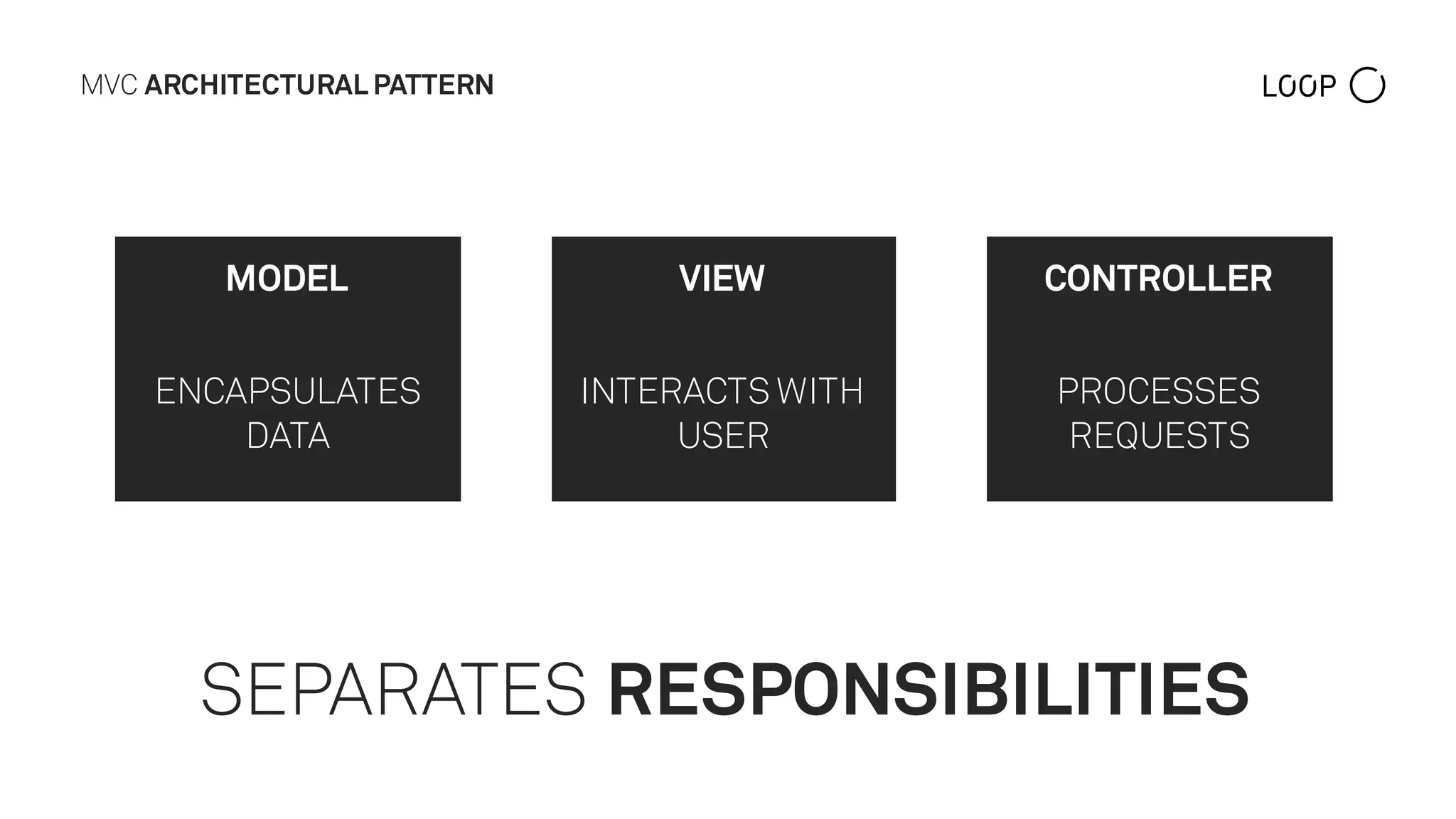
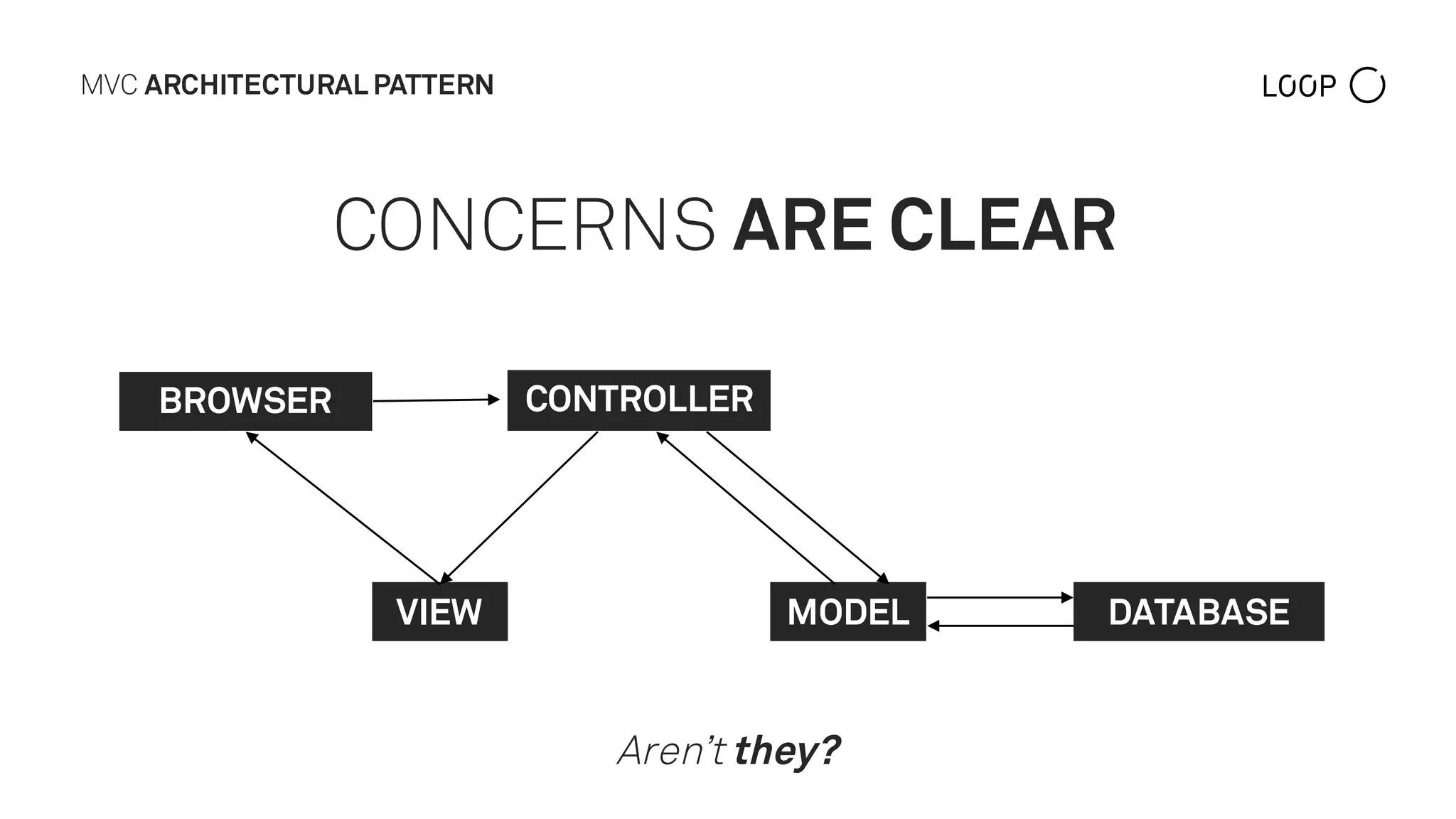
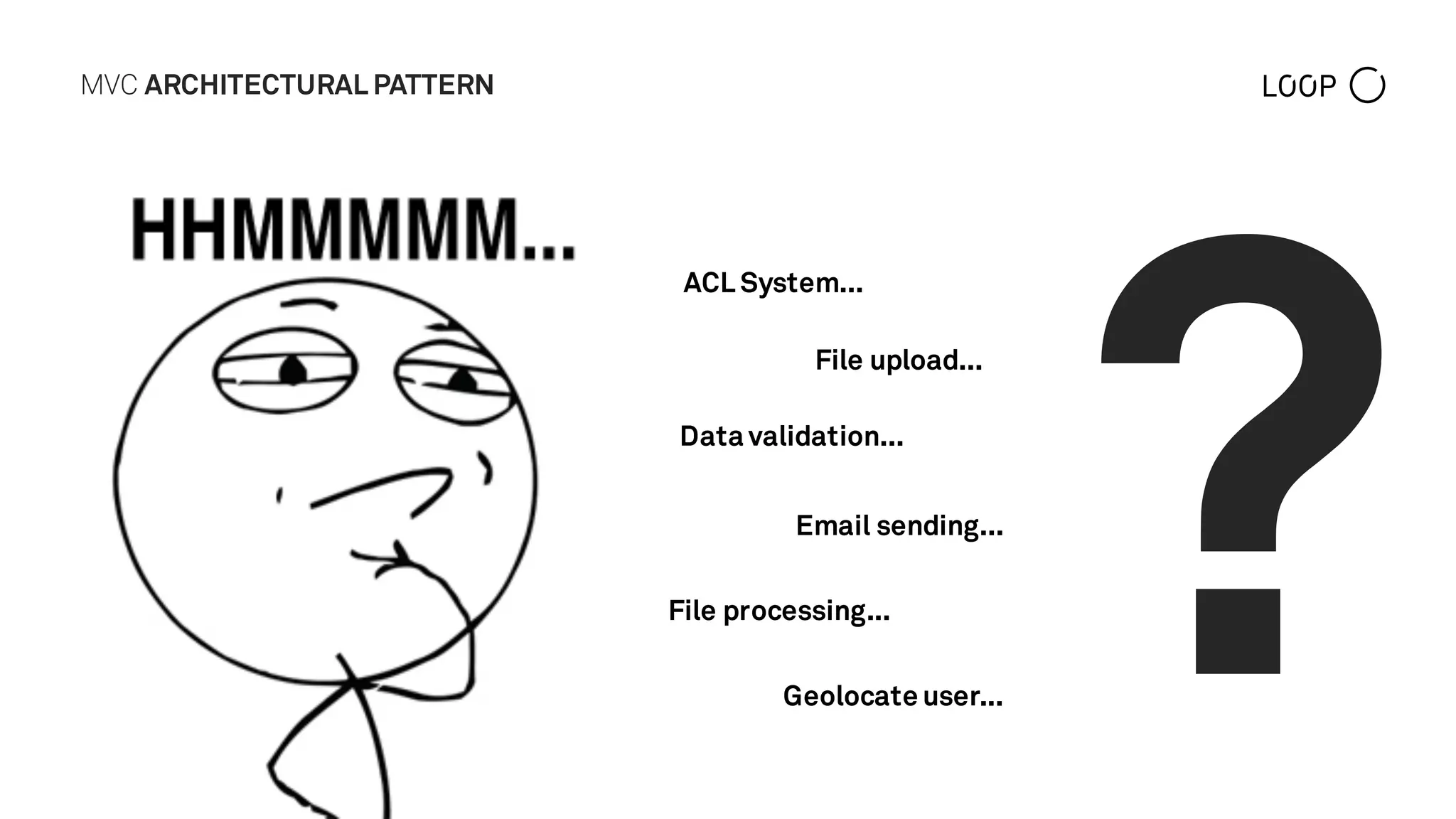
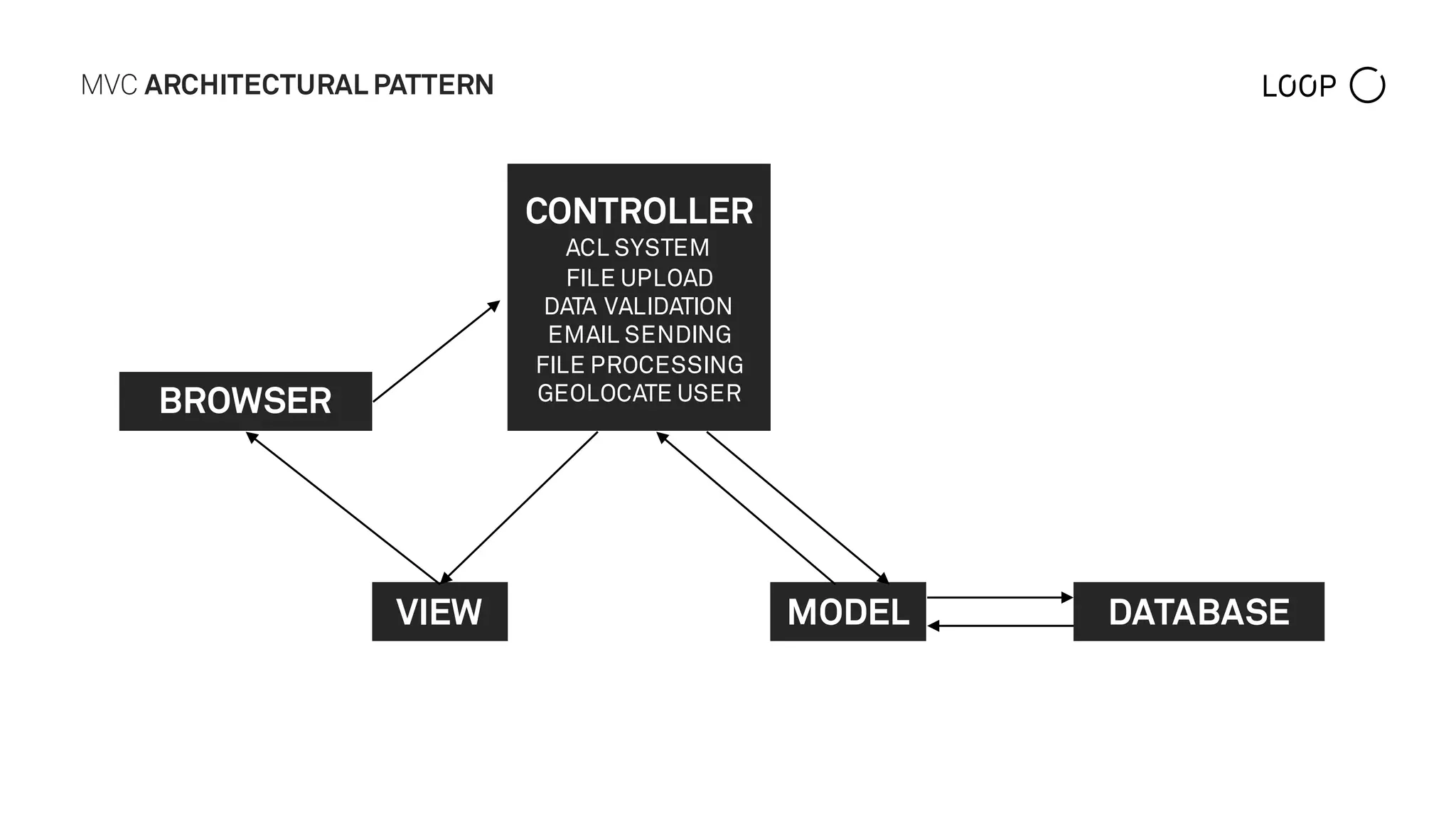
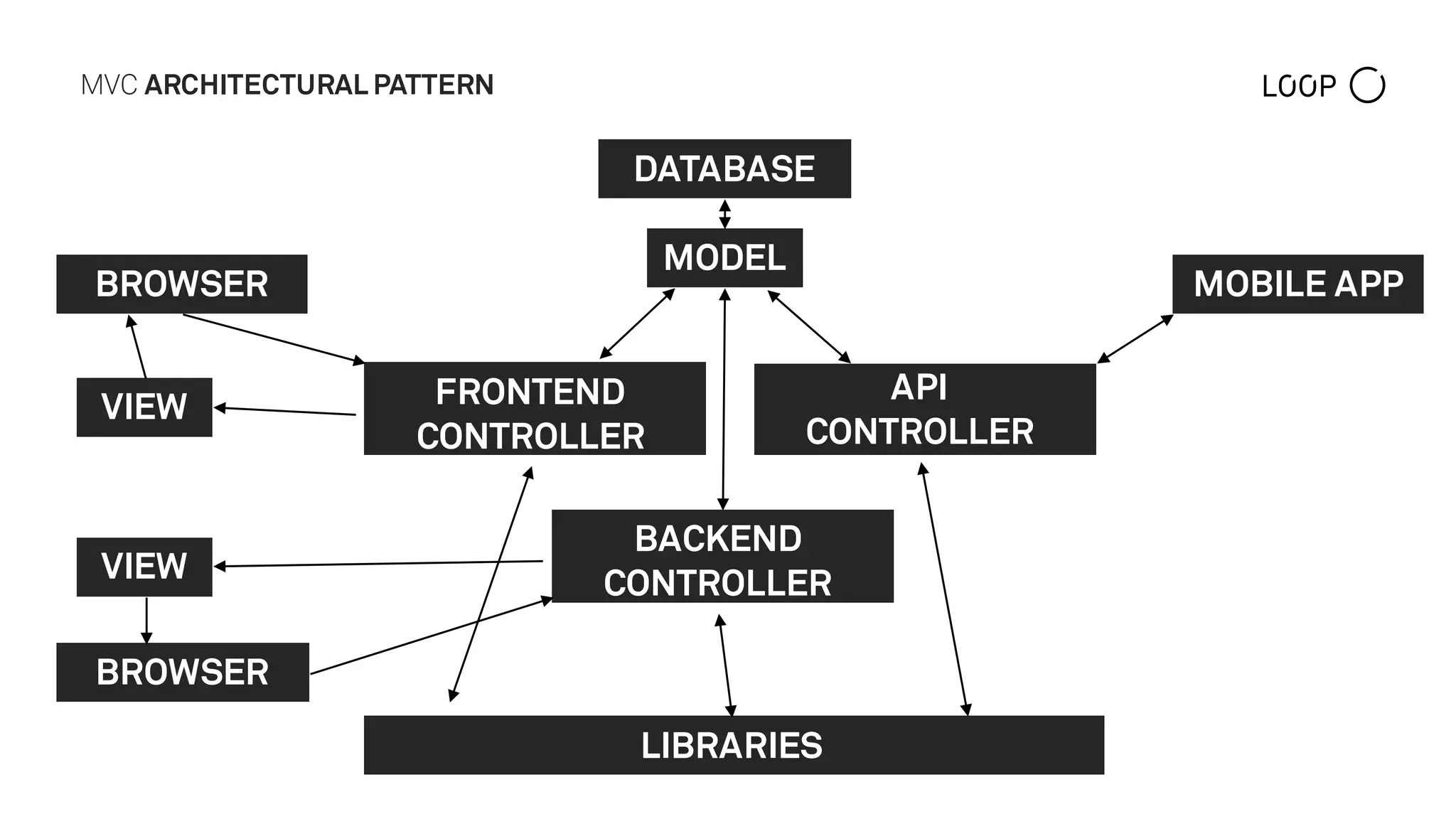
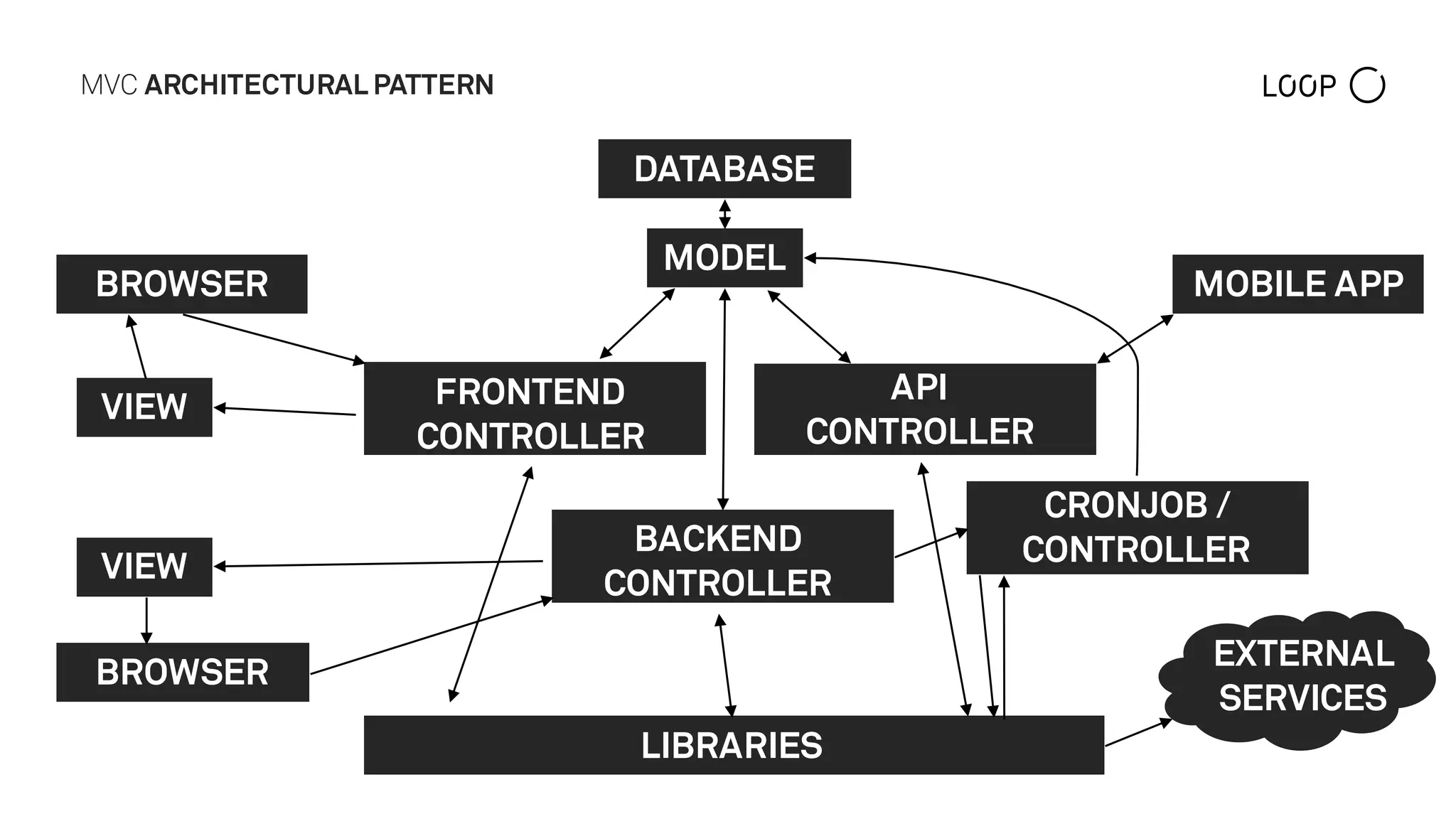
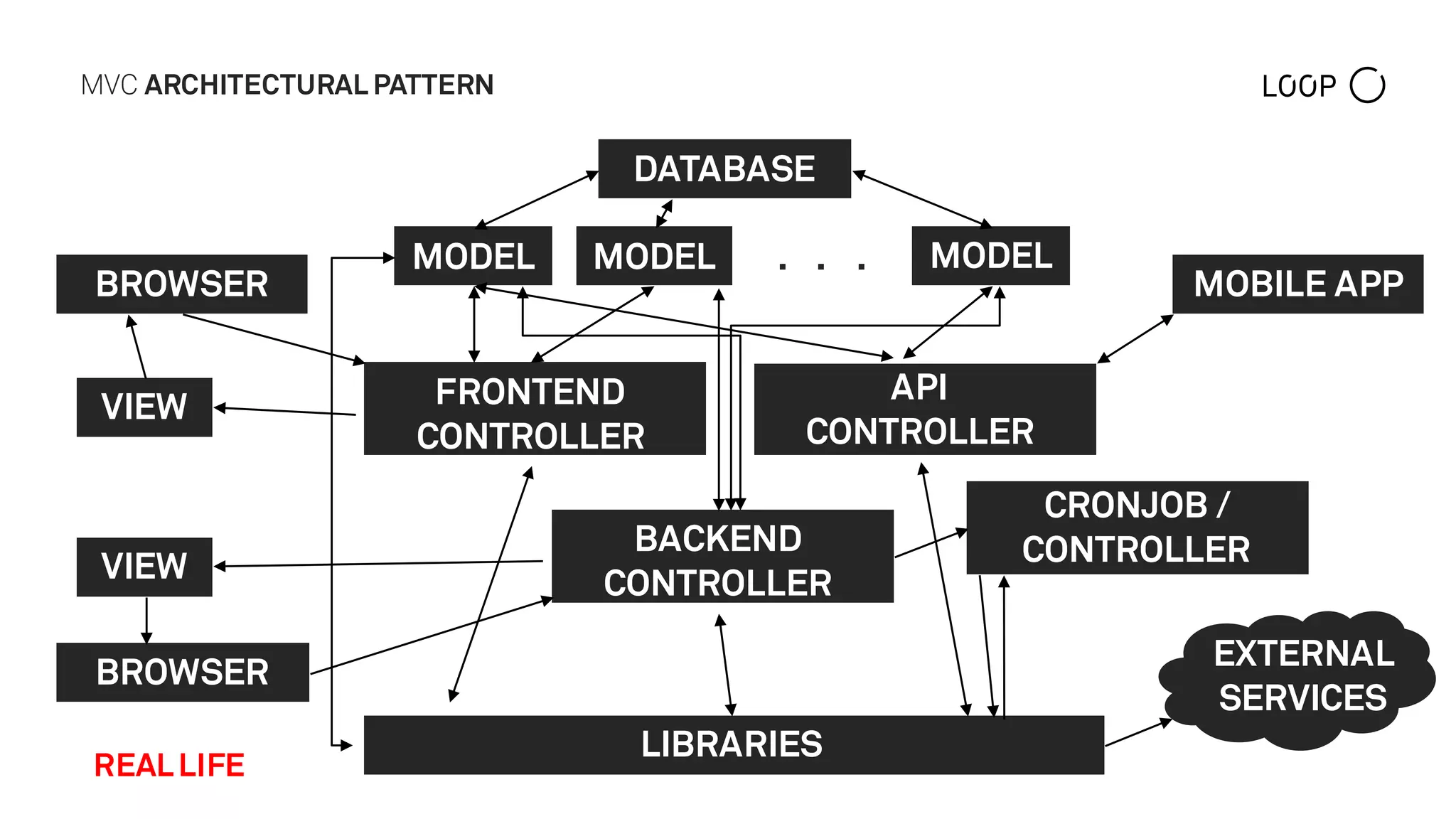
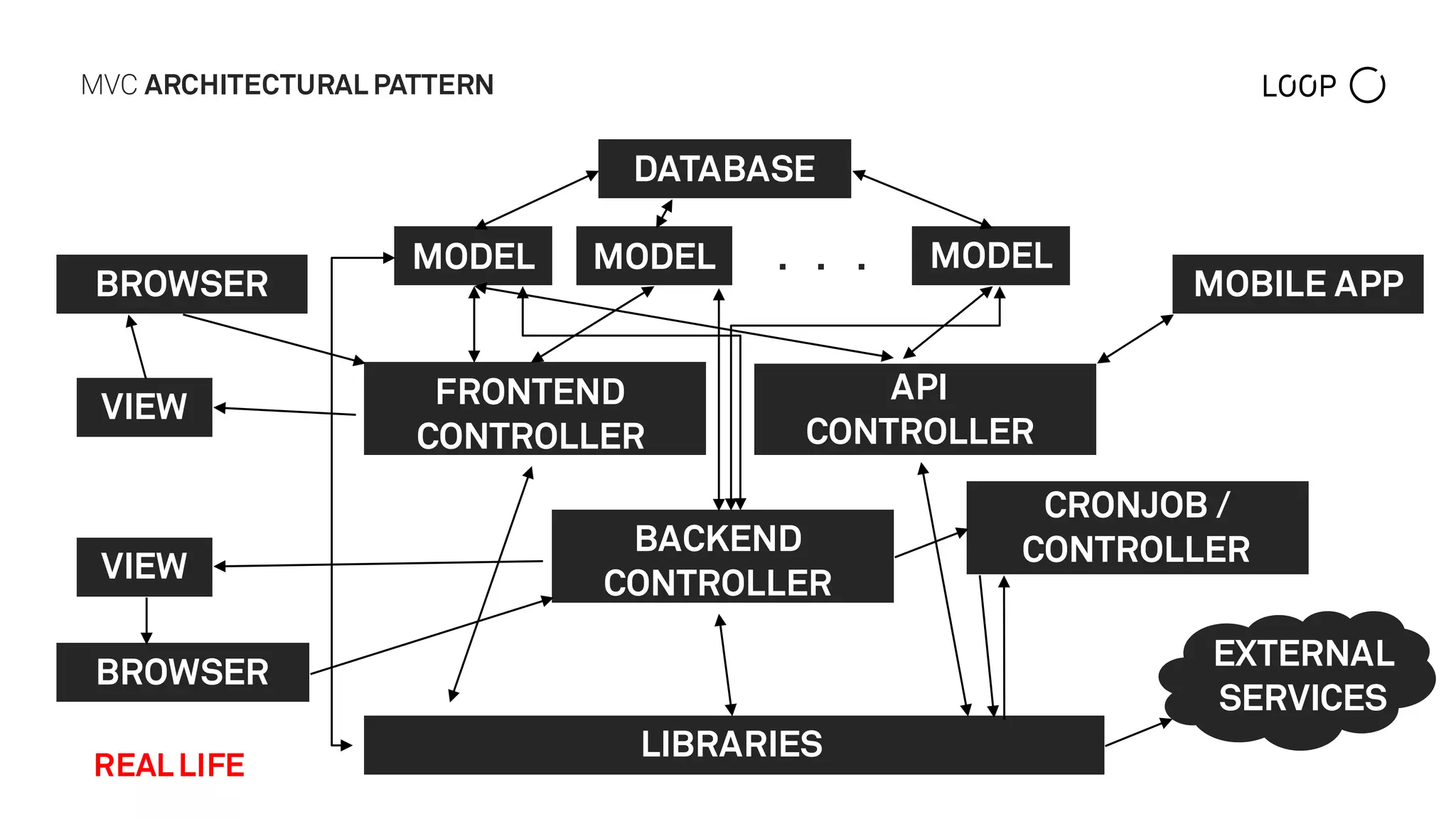
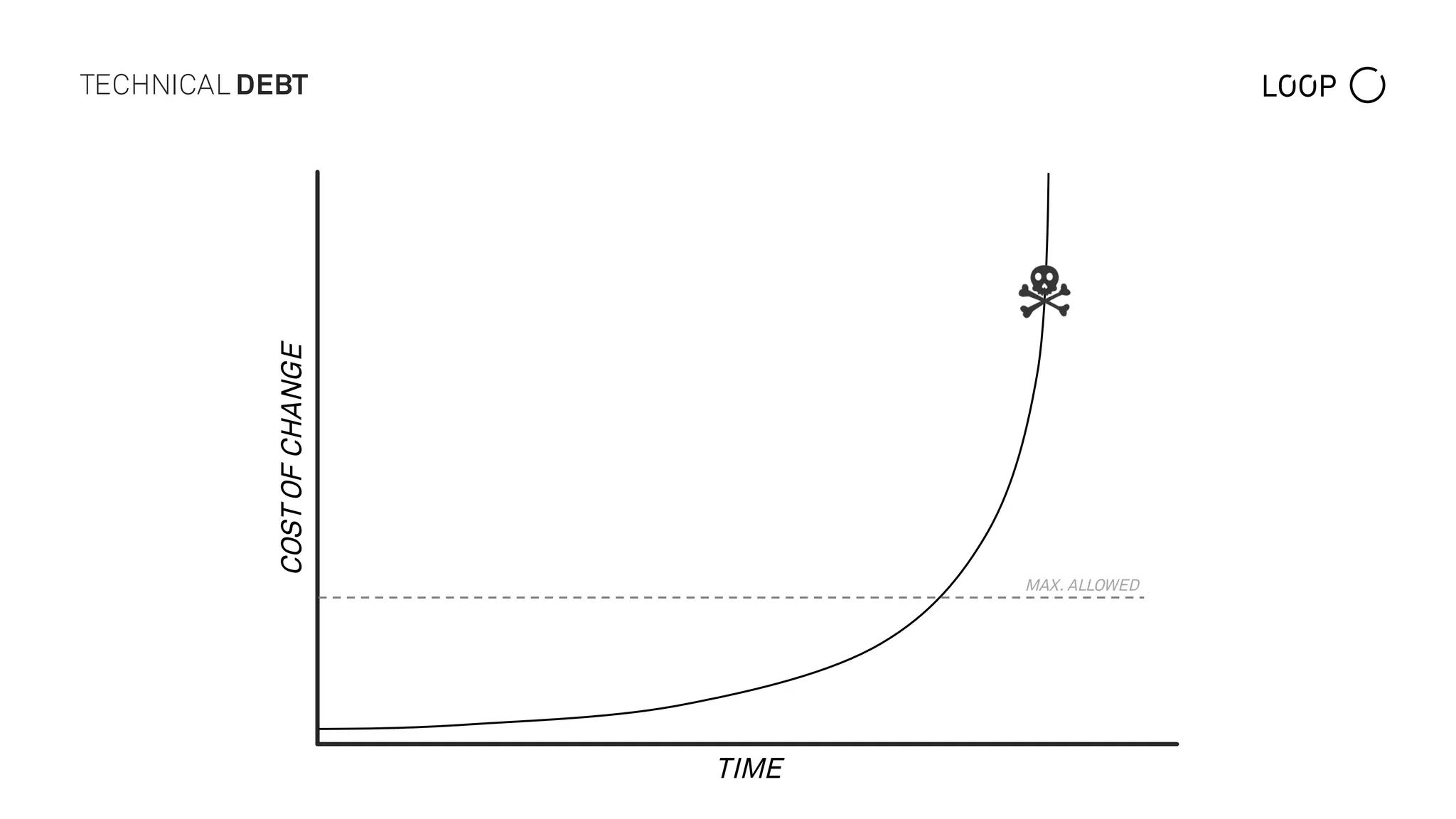
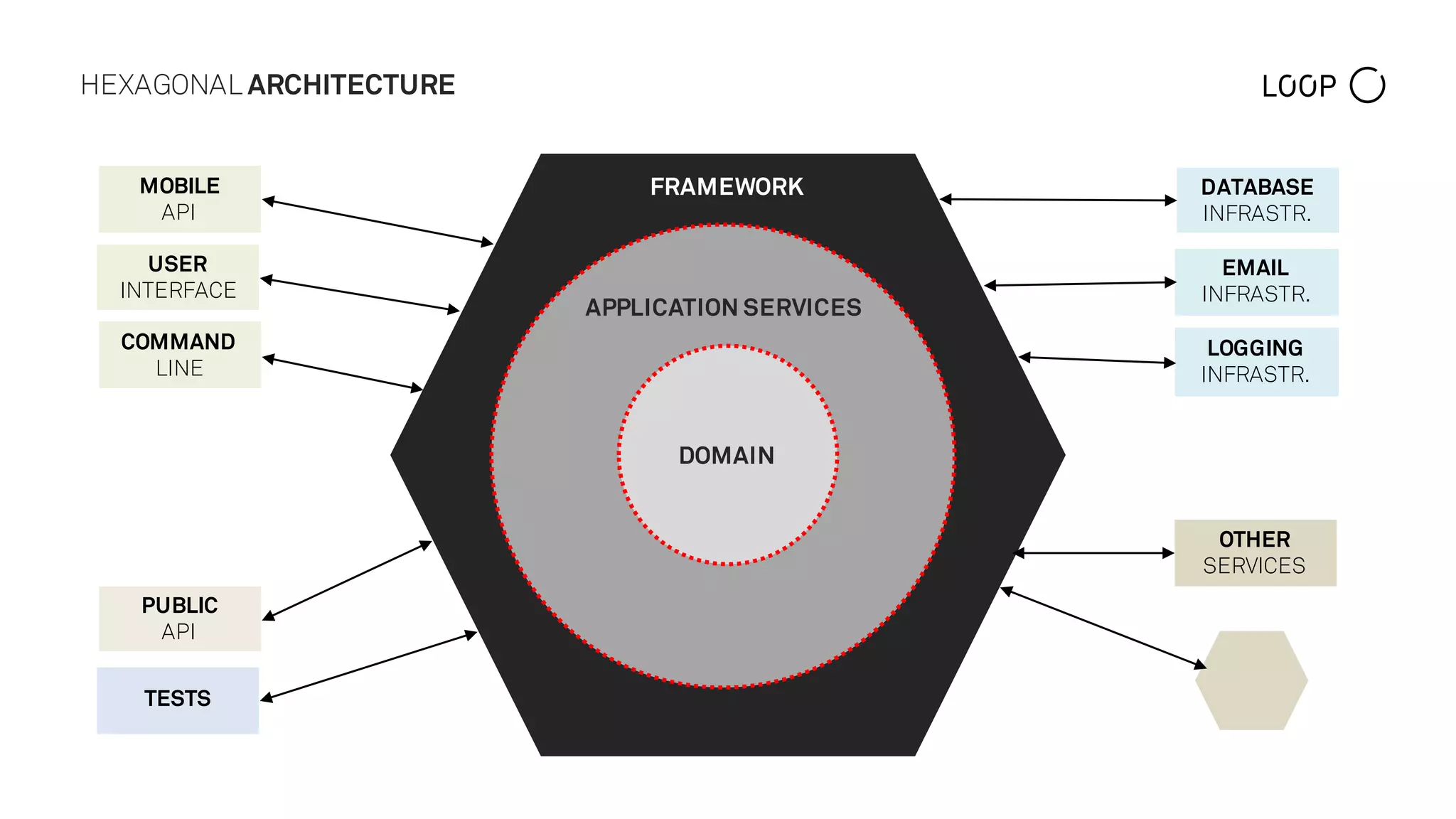
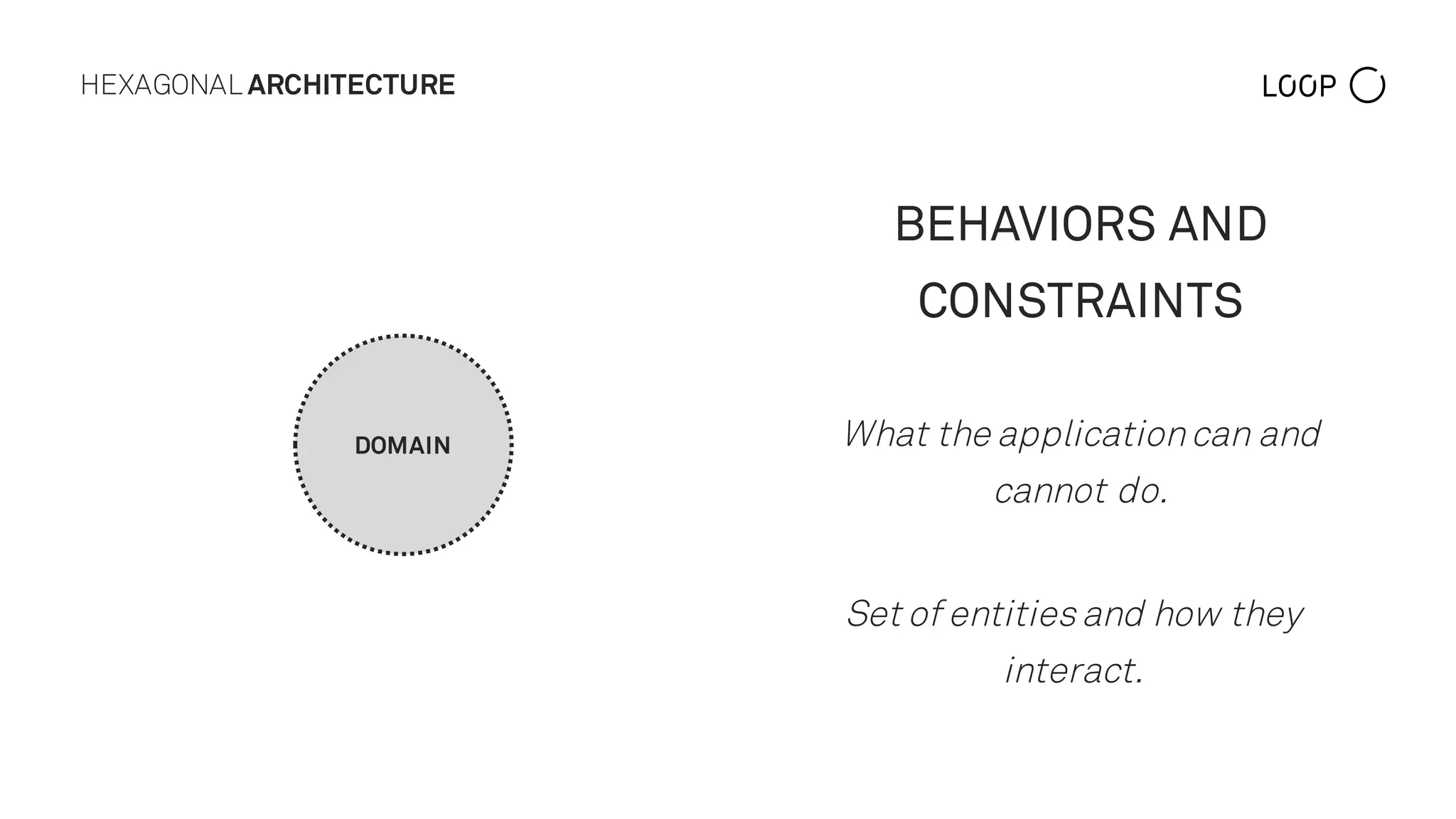
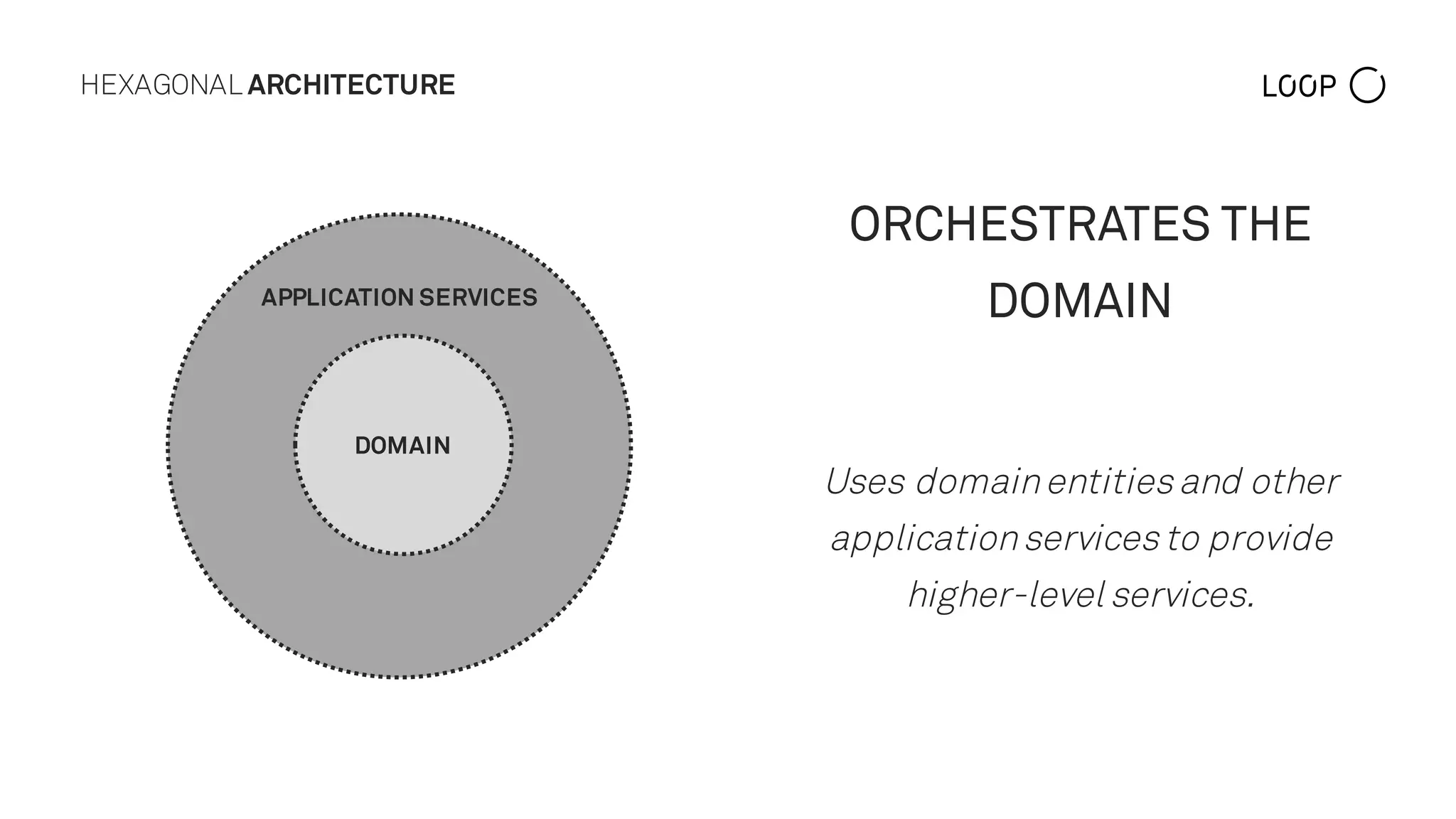
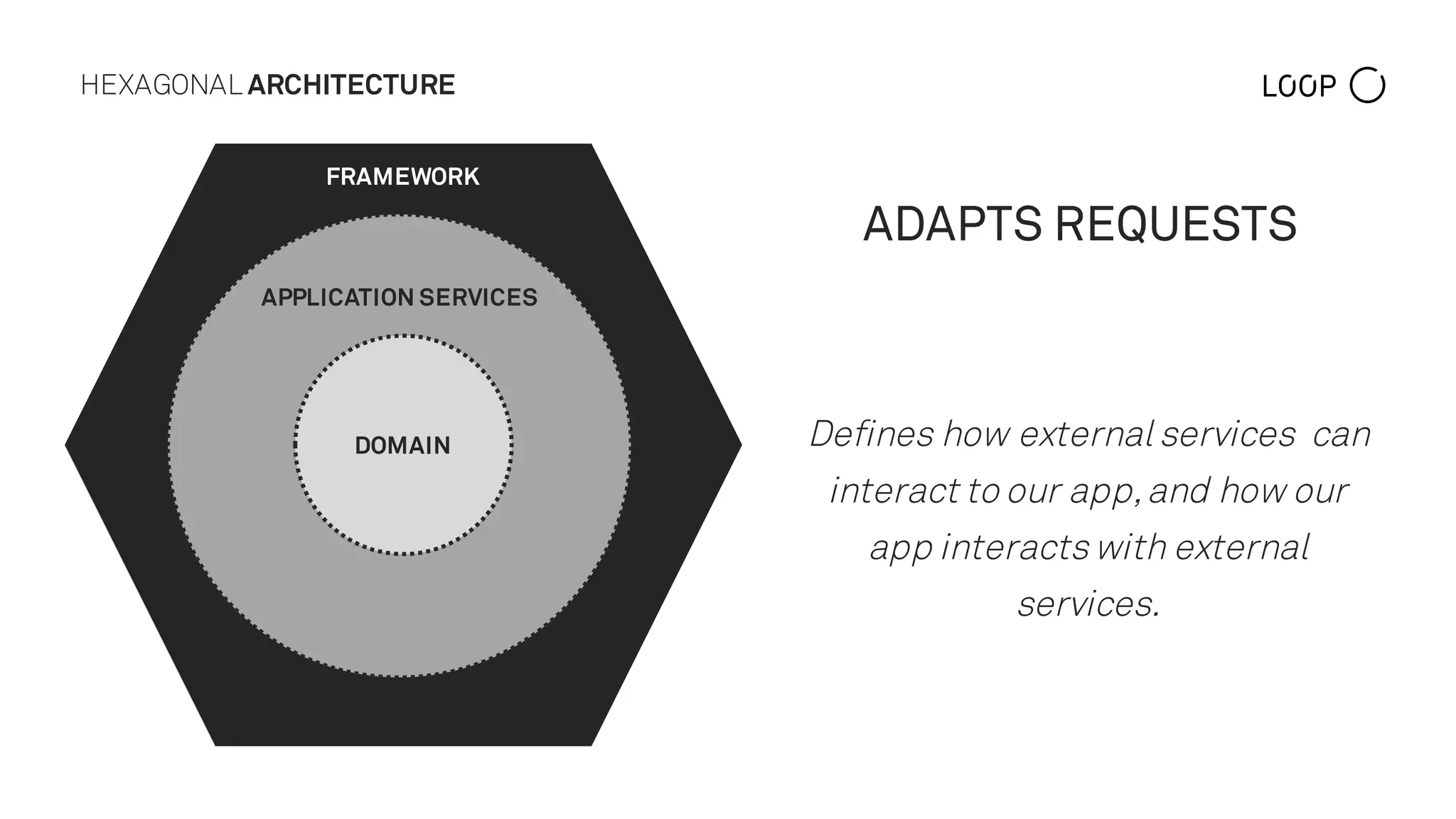
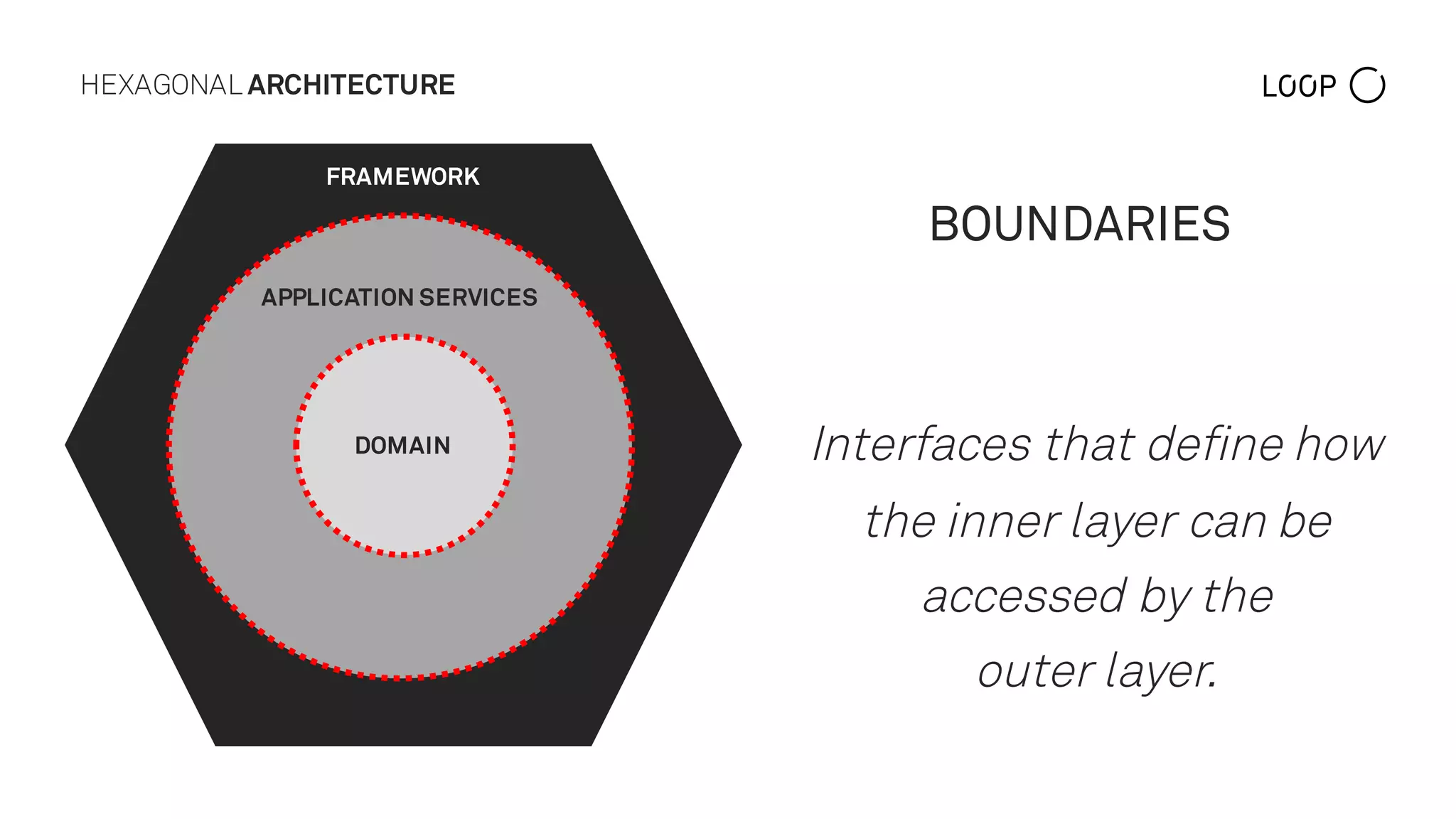
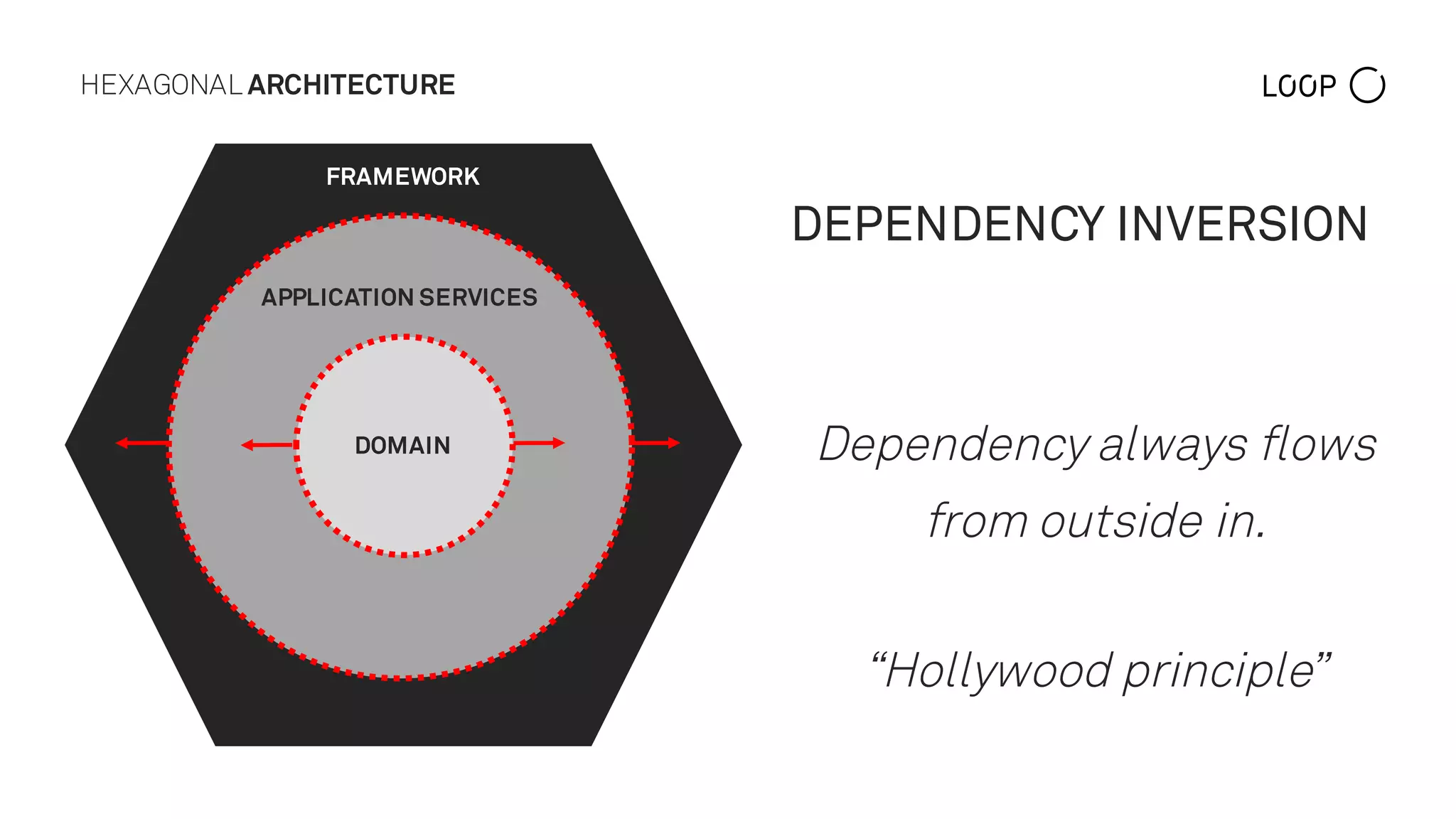
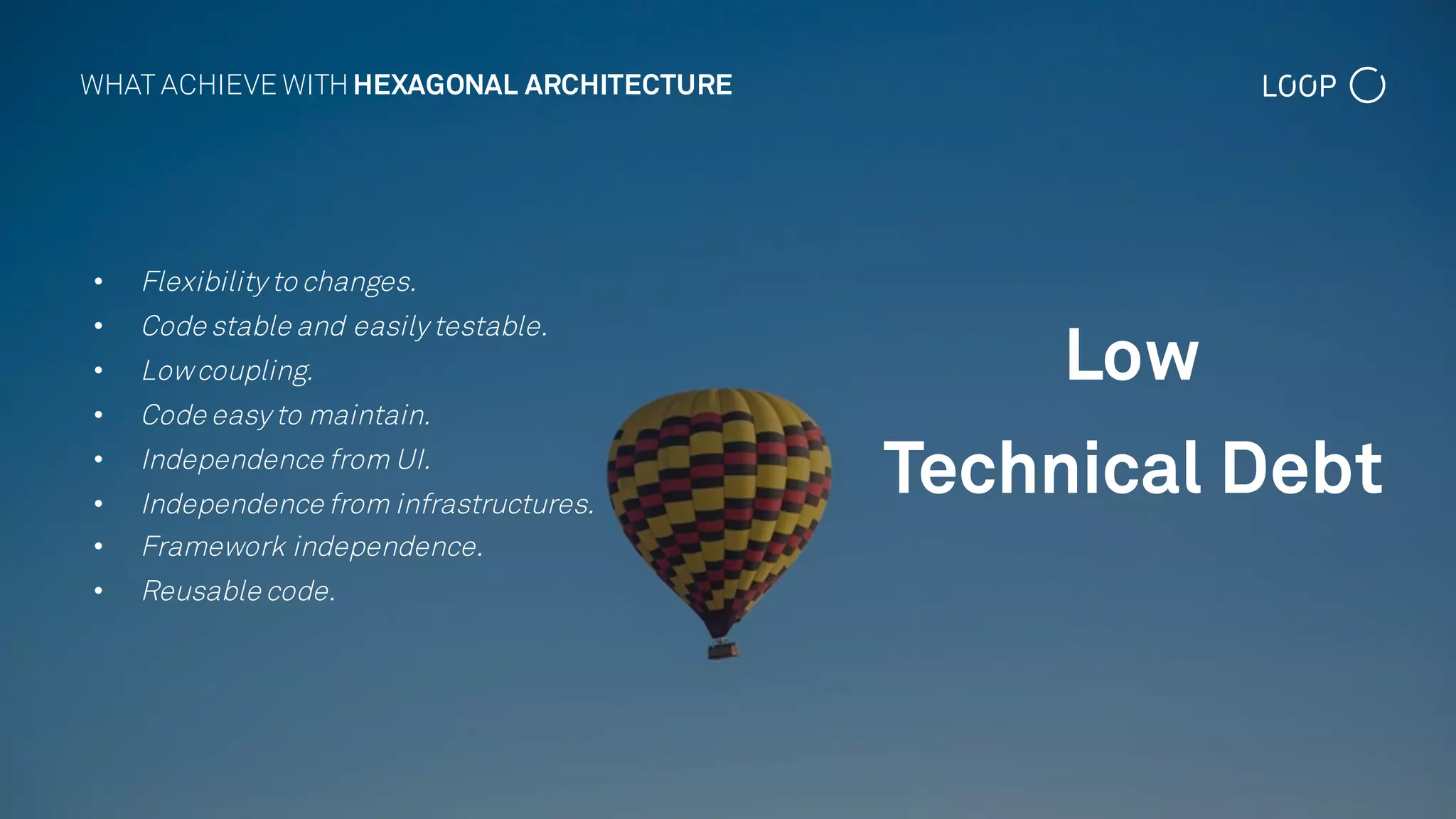
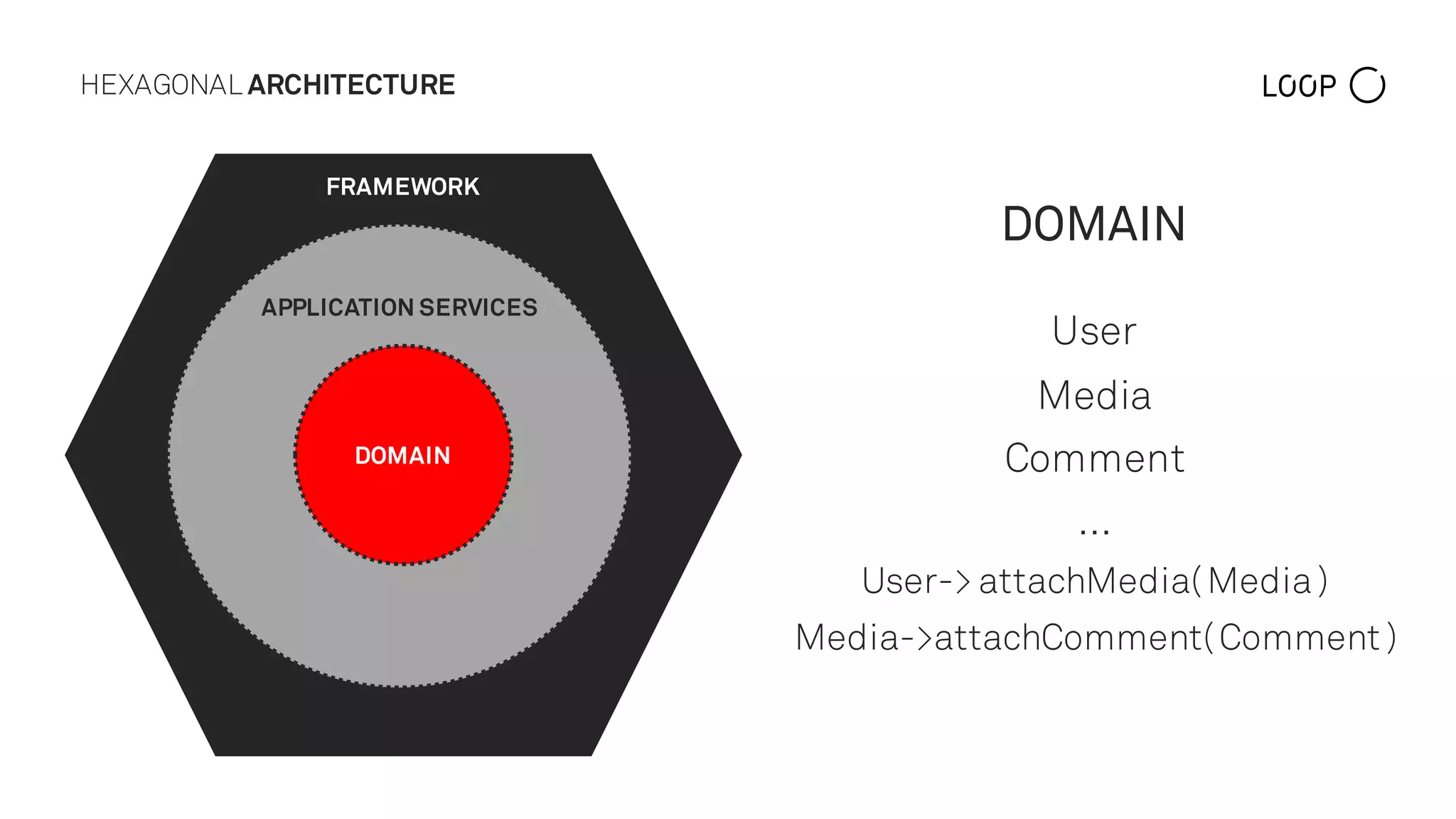
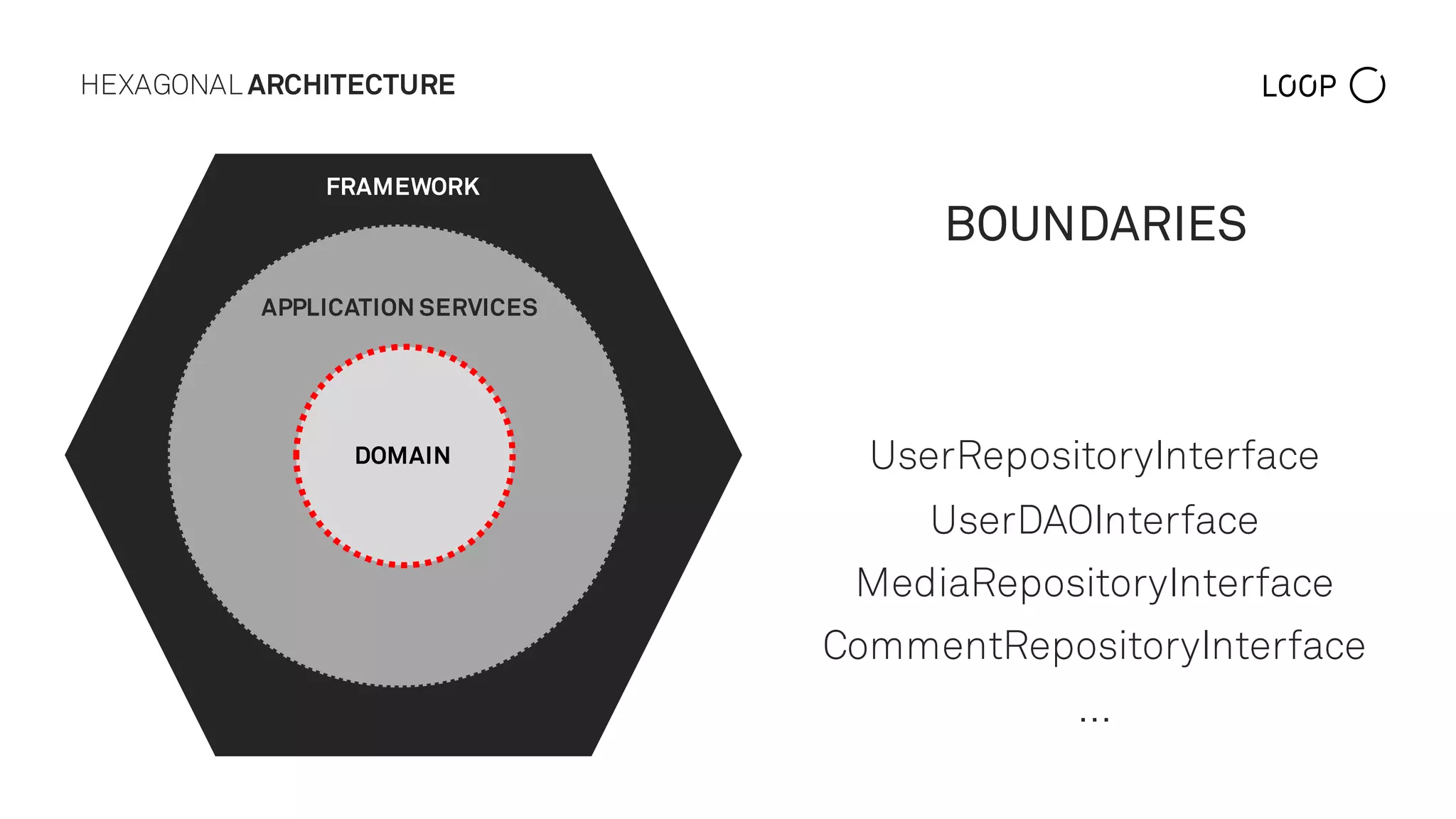
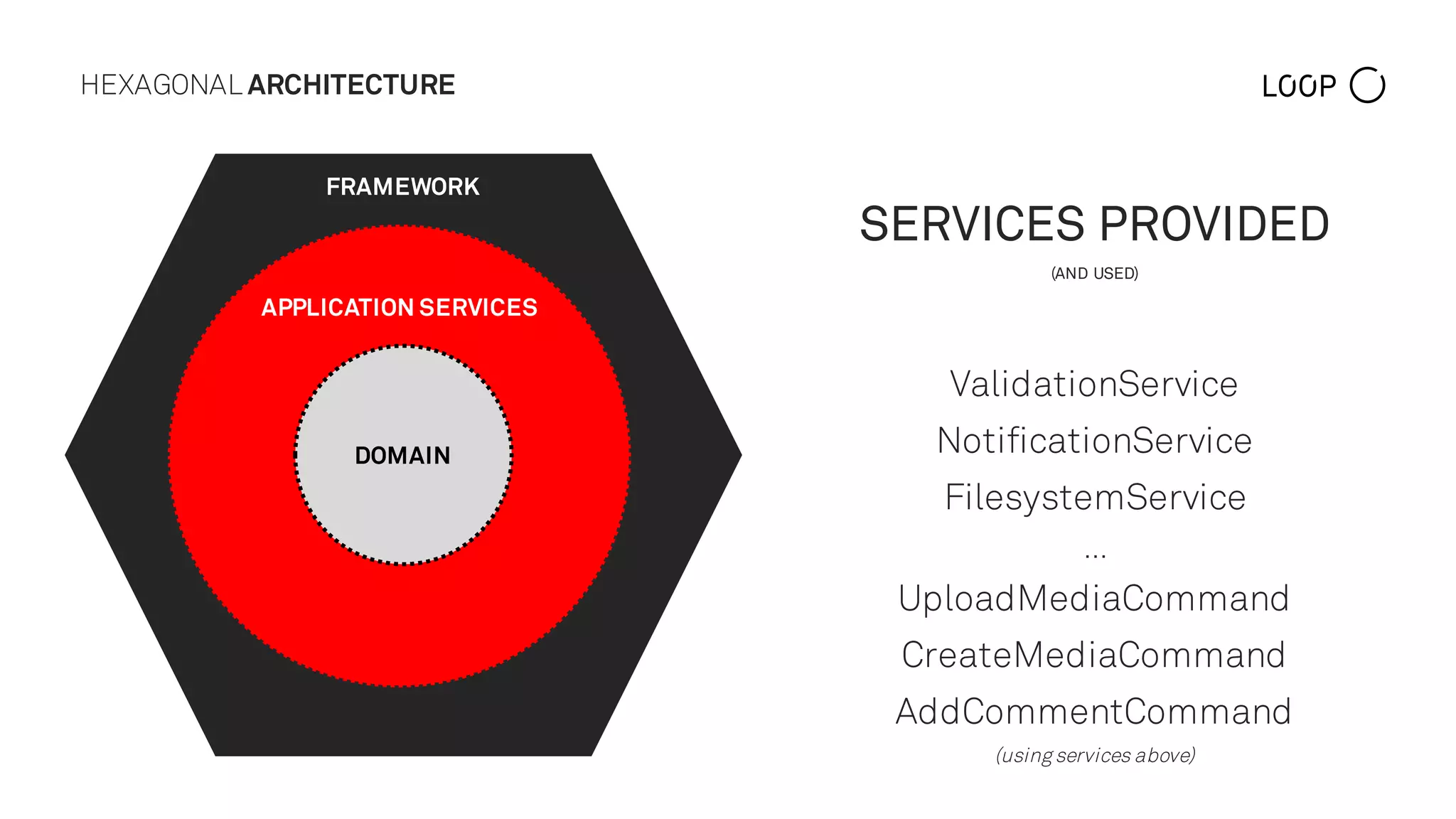
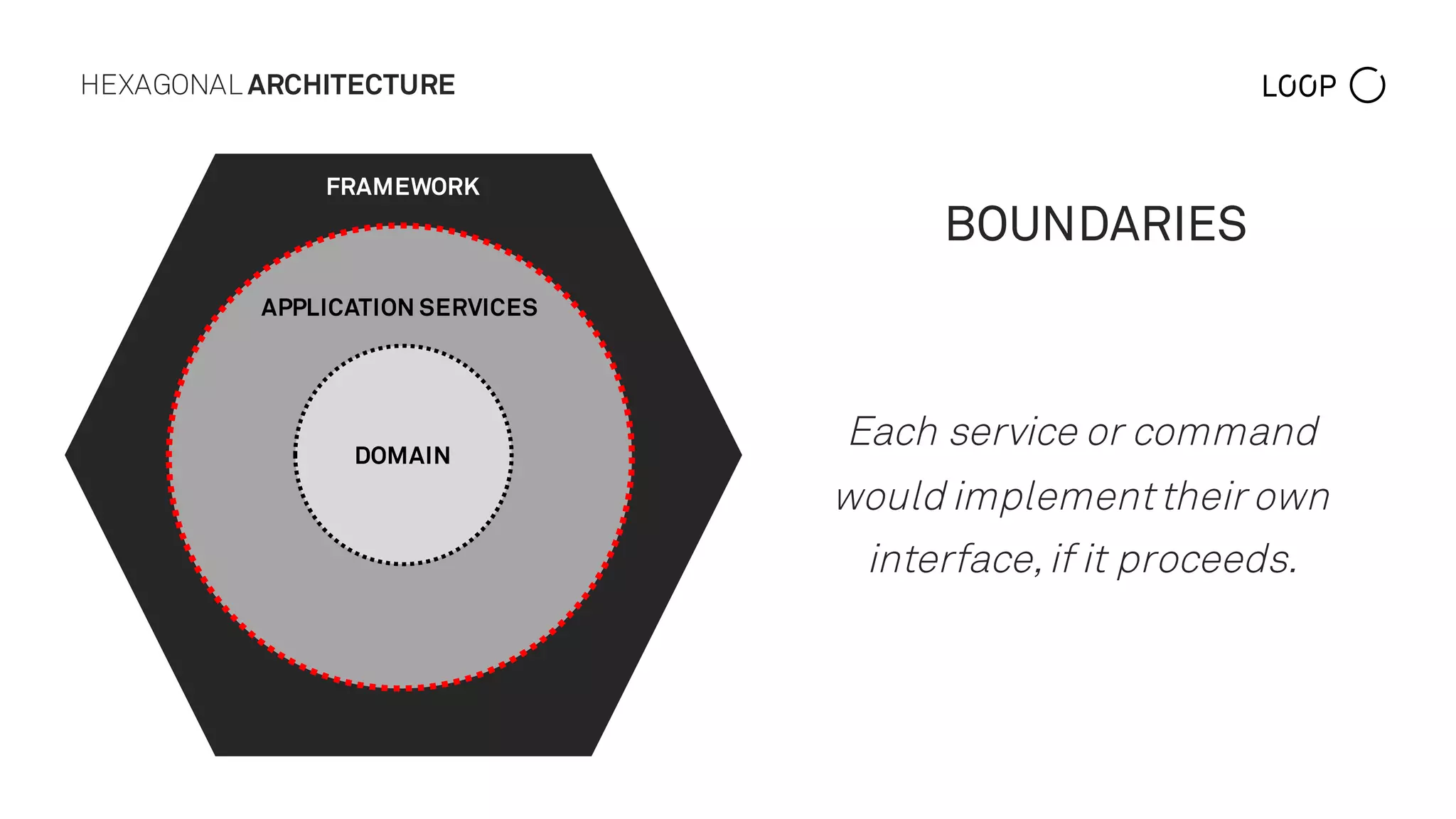
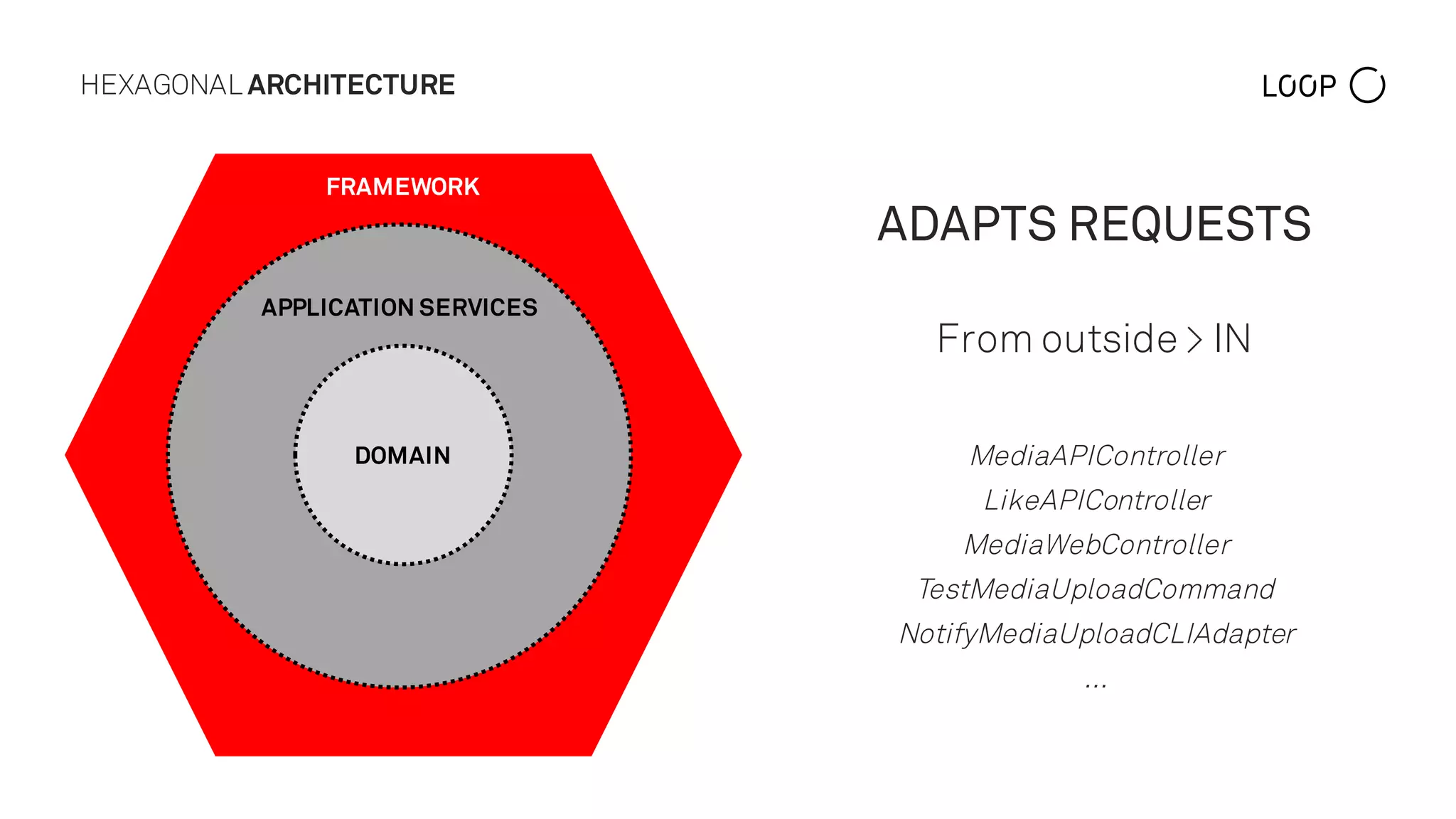
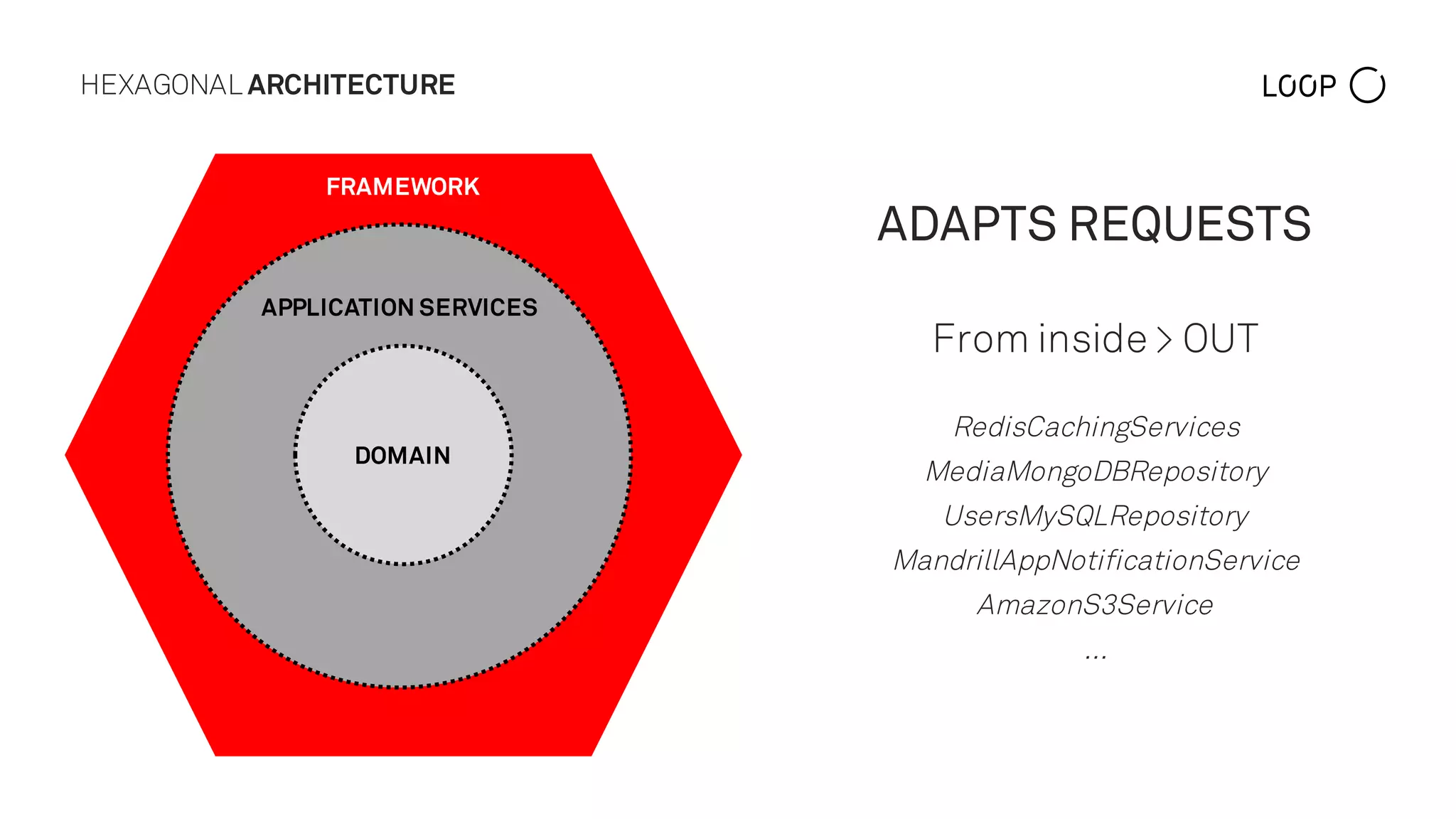
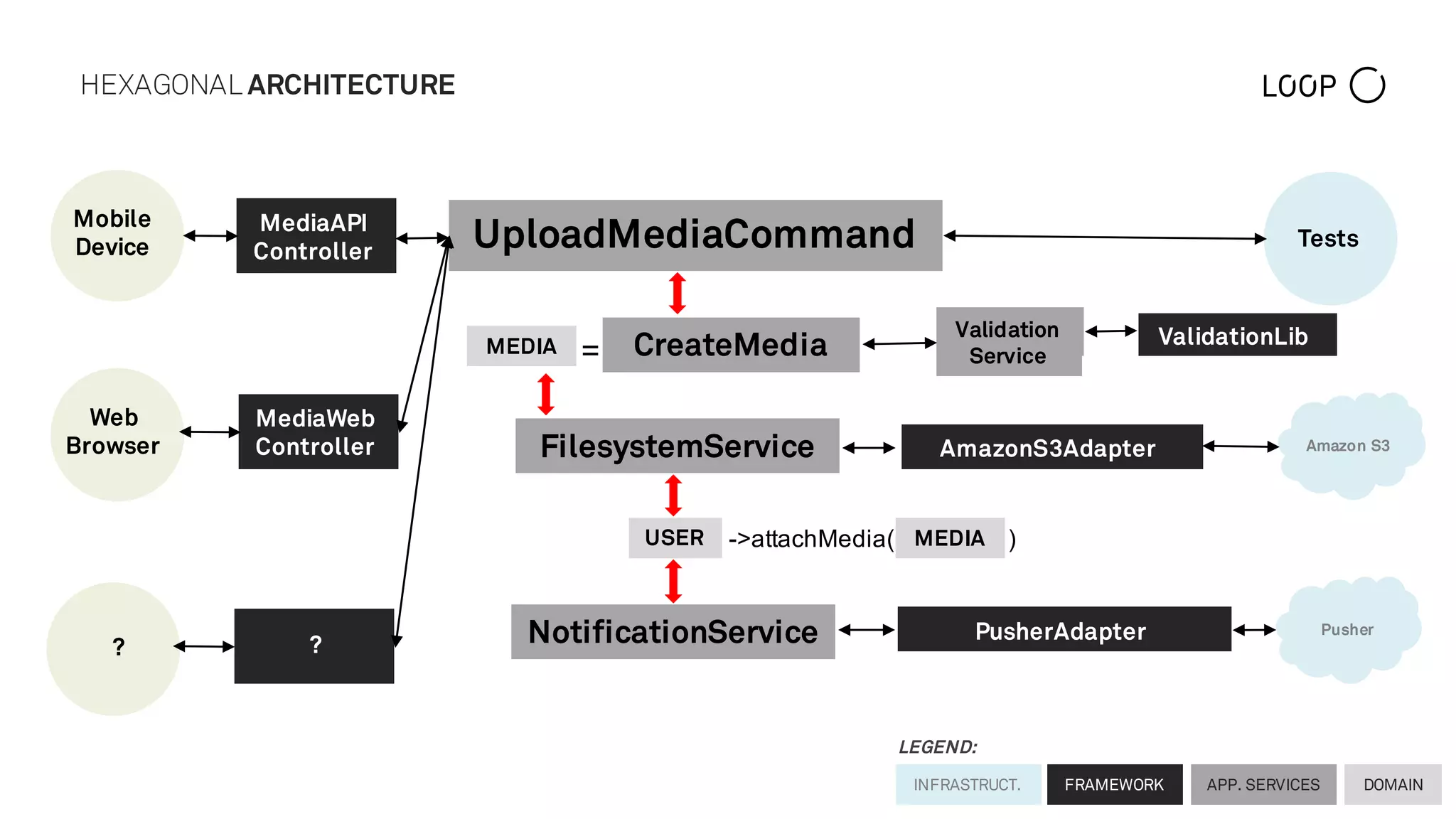
This document discusses hexagonal architecture, also known as ports and adapters. It begins by explaining how web applications have evolved from static pages to dynamic pages supported across multiple devices. It then discusses limitations of the traditional MVC pattern, such as increasing complexity and technical debt over time. Hexagonal architecture is introduced as an alternative that separates the core domain and application services from external interfaces and infrastructure. This improves flexibility, reusability, and independence from frameworks. The document provides an example of how hexagonal architecture structures a media sharing application. It concludes by recapping the benefits of hexagonal architecture and inviting questions.