Summary
• GE- AUS based MNC, presence in more than
100 countries today
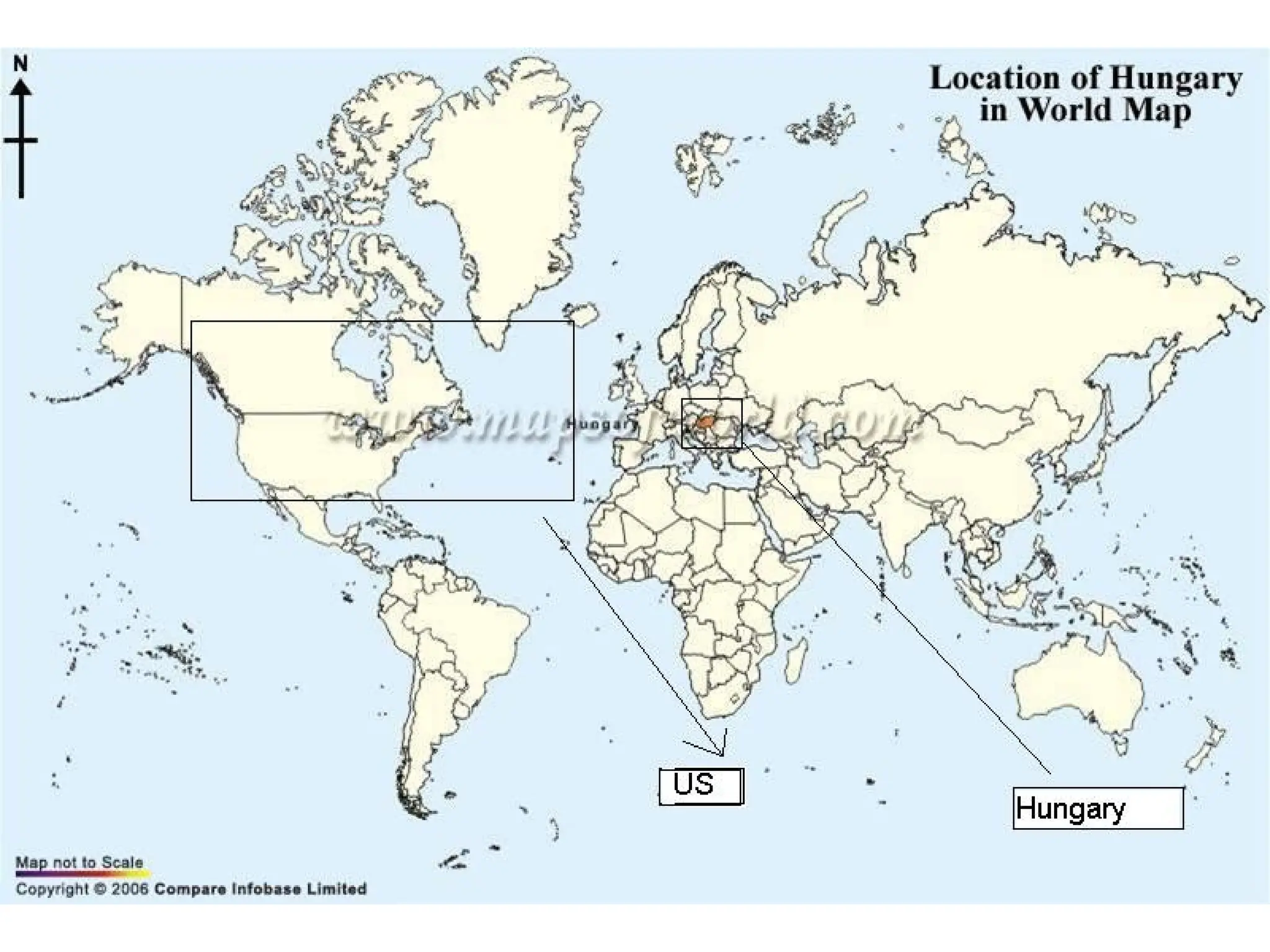
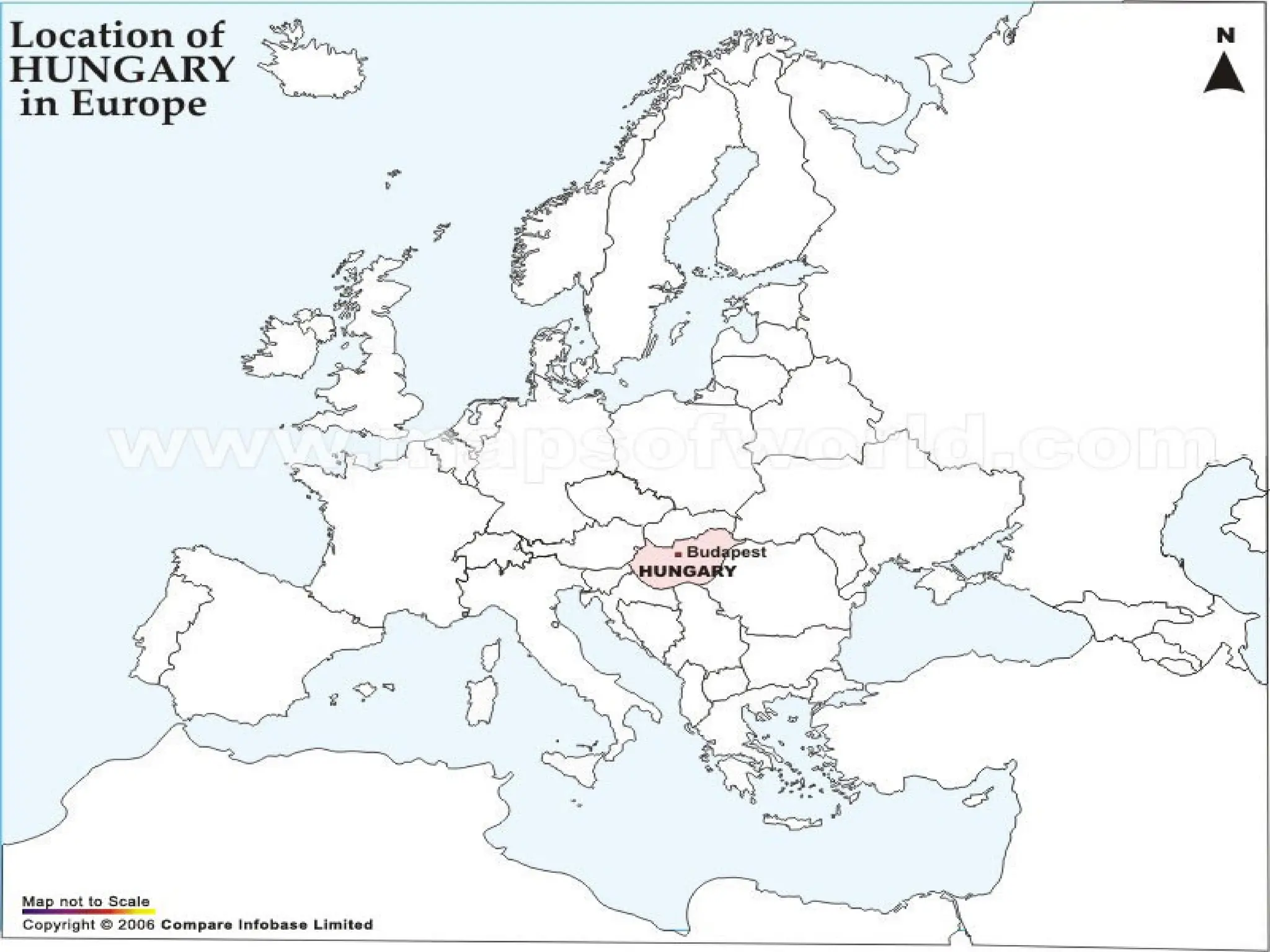
• Tungsram – Hungary (Europe), The industrial
gem of Hungary
• Majority investment in 1989(51%)
• Complete acquisition in 1994.
• In 1996 was renamed GE Lighting Tungsram
3.
Reason for choosingTungsram in particular
• Tungsram had a 6 % European share and 3 %global share
• GE had only 1/3 share in Western Europe which was much
less as compared to that of Tungsram..
• only plant capable of this type of modernization
• no risk factor of entering a new market
• a low-cost export platform
• great location
• Low wages, skilled and ample workers, and
improving laws
5.
Problems:
• American vs.European culture
• Change in the political systems.
- fall of communism in 1989.
- all abandoned Communist rule 1990
• Wage problems
• Divesting in subsidiaries not accepted
6.
Working Culture
Tungsram:
• incentivesthat are more
individual than team-based.
• individualism, universalism, and
self-confidence
• no long-term job guarantee
• empowerment: delegating down
the chain of command.
• ambitious targets.
• "what is good and right can be
defined and always applies.“
GE
• individualistic in certain respects
• Community orientation
• Tungsram's culture was cradle-to-
grave
• families had three or four
generations of Tungsram
employees.
• “circumstances and particular
relationships influence how I act.”.
7.
Clash of Cultures:
Tungsram-Hungary
•Americans felt they are
lackadaisical
• Expected high wages from
GE
• emphasizes that the
prime duty of
management is to serve
the stockholders' interest
GE- America
• Hungarians felt they are
pushy
• Expected cheap labour
• Leans more toward the
view that employee
interests should be on or
near par with owner
interests.
8.
Statements made bythe Hungarians:
• “GE's corporate strategy is to make everyone
insecure”
• The owner assesses us from the United States,
where the structure of the economy and industrial
relations are different.
• "GE Brings a Good Thing to an End."
9.
Business Ethics:
• Confidentialtelephone line disapproved : Its called
hated political "snitching" thus communication
msimatch.
• The Americans wanted strong sales and marketing
functions that would pamper customers.
• The Hungarians believed that these things took care
of themselves
10.
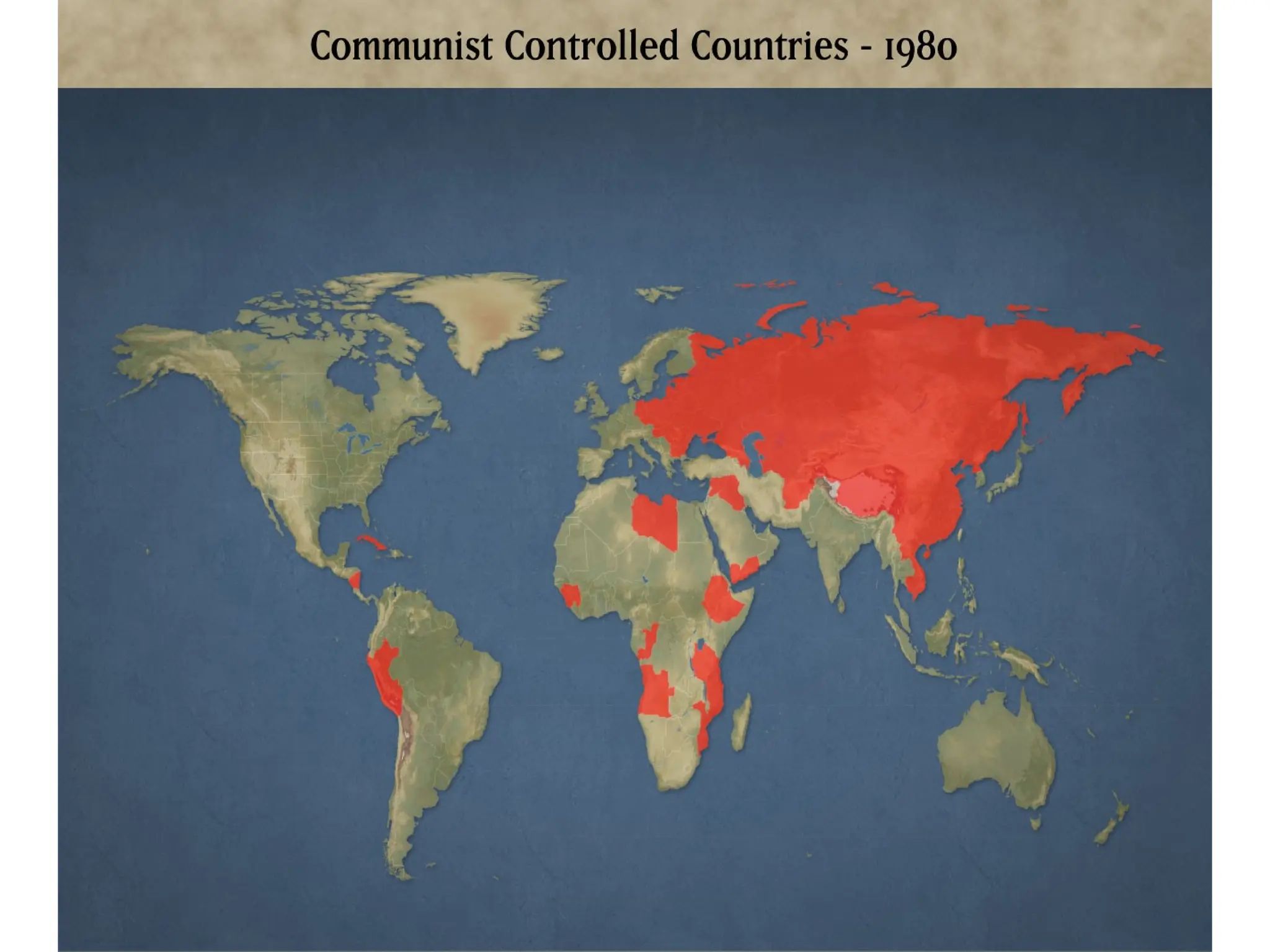
Other communist countriesGE took over:
• GE had a presence in china since 1910 but got
finally established finally in 1994
• Vietnam was taken over in 1963
• Cuba has not established yet
• North Korea not established yet
Why did Tungsramget ready for getting acquired
when it was an industrial gem for Hungary?
• Finance, production methods & standards were far less as
compared to the west.
• needed a modernized way of manufacturing and
reconstruction
• needed substantial new investments and comprehensive
restructuring
• Overstaffing, major problem
• bureaucracy so cumbersome that 24 signatures were required
for a purchase order
• accumulated large government debts
15.
Q. 2. Werethey over confident that they will
reap profits immediately once they settled
down in Hungary?
• The status of Tungsram before acquisition by
GE.
• Tungsram was one of Hungary's few
successful exporters.
• It had captured a 6-percent share of the West
European market.
16.
Q.3. Why didthey have to layoff 9000
employees when they formed an even more
big company?
• It was a part of the deal agreement.
• It was a part of disinvestment from the loss
making subsidiaries
17.
Q.4. How didGE survive after so many
problems?
• Introduced “Work outs”
• work-outs:
the frank, open discussions among sections of the workforce,
introduced to tackle corporate bureaucracy and allow
employees to find ways of doing their jobs better.
• POLICY OF –
“By and large if those people do not respond to work-out they
are not with us”
18.
5. What werethe different expectations of both
parties with the acquisition?
• GE was attracted to Tungsram by Hungary’s low
wage rates and exporting to Western Europe.
• GE believed that Hungary’s shift from a totalitarian
communist country with a state owned and planned
economic system to a politically democratic country
with a largely free market economic system would
create enormous long run business opportunities.
Year wise events
•1989- acquisition
• 1990- Hungary changed to democracy
• 1991 – heavy losses
• 1992- record $105 million loss, reduction to 9000 people of
Tungsram's workforce
• 1993- about to acquire Tungsram fully, but employees felt
being ruled by an “outsider” company. Also established in
Pakistan, Vietnam
21.
Cont..
• 1994- turneda $105 million loss in working profit, created
1,400 jobs more and valuable retraining for remaining
workforce.
• 1995- 90 per cent of GE’s European output was concentrated
in Hungary
• 1996- company renamed to GE lighting Tungsram, Mexico
• 2004- for the first time two Hungarian GE employees received
a global GE award:
• 2006 - 16 to 17 percent share of the West European lighting
market, a 16 to 17 percent share of the East European market