Download to read offline

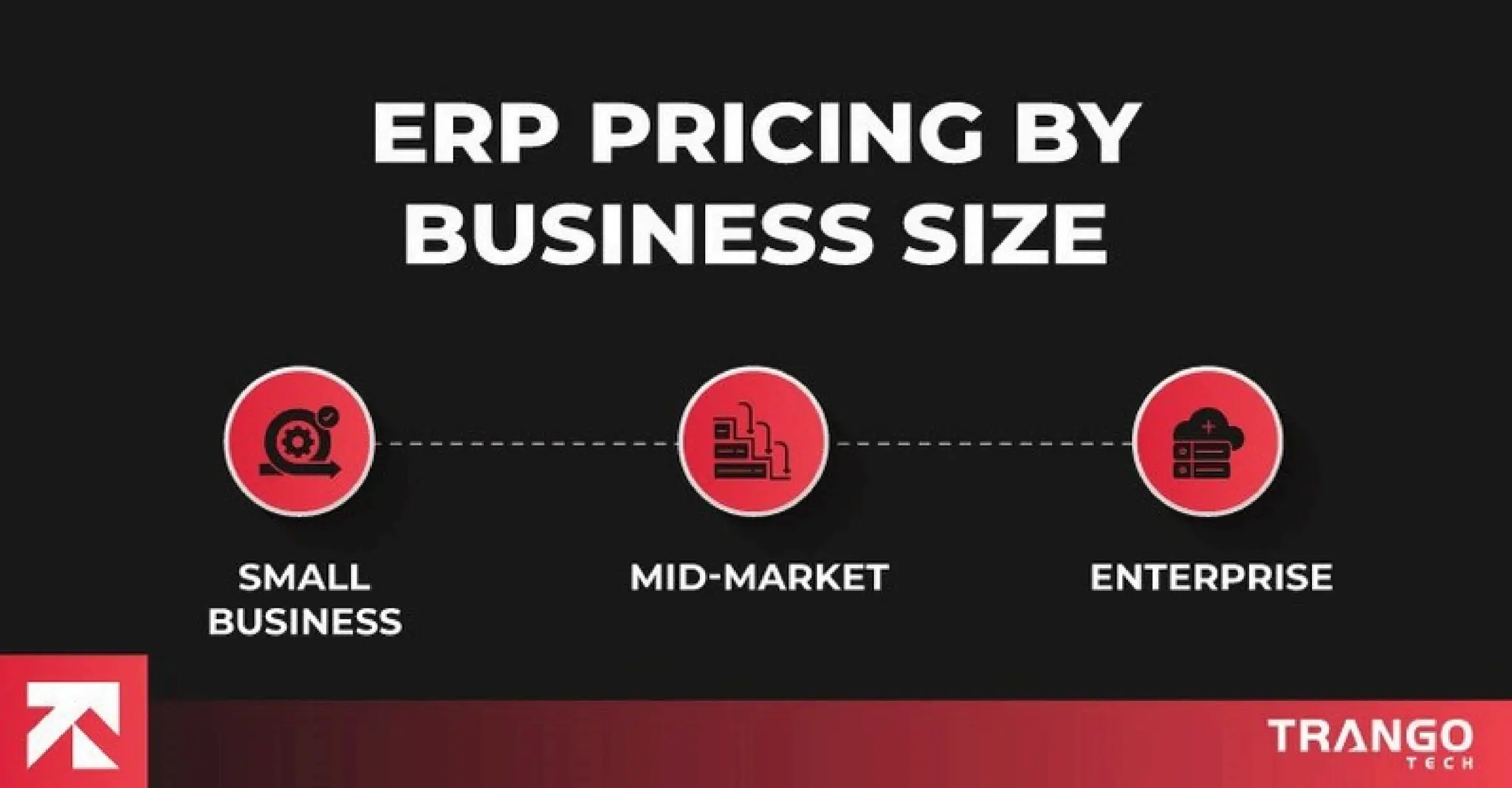
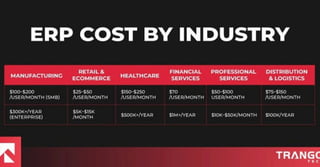

ERP software integrates core business functions like finance, HR, supply chain, and customer service into one unified platform, enhancing efficiency and visibility. The cost of ERP software depends on factors such as business size, user count, deployment model (cloud, on-premises, or hybrid), and customization level. Cloud ERP offers lower upfront costs and scalability, while on-premises ERP provides full control but higher capital investment. Implementation, training, data migration, and ongoing maintenance also add to total costs. Businesses should map their requirements, choose the right modules, and work with a reliable ERP partner like a Microsoft Dynamics 365 Partner to optimize ROI. Ultimately, ERP is a long-term investment that drives digital transformation, operational efficiency, and growth.


