1
MEDIA ARTS
English4 LSB-1 Final Presentation
HirokI NAGANUMA
!
New media art is a genre that encompasses artworks created with new media technologies, including digital art, computer graphics, computer animation, virtual art,
Internet art, interactive art, video games, computer robotics, 3d printing, and art as biotechnology.The term differentiates itself by its resulting cultural objects and social
events, which can be seen in opposition to those deriving from old visual arts (i.e. traditional painting, sculpture, etc.).This concern with medium is a key feature of
much contemporary art and indeed many art schools and major Universities now offer majors in "New Genres" or "New Media"[1] and a growing number of graduate
programs have emerged internationally.[2] New Media Art often involves interaction between artist and observer or between observers and the artwork, which
responds to them.Yet, as several theorists and curators have noted, such forms of interaction, social exchange, participation, and transformation do not distinguish new
media art but rather serve as a common ground that has parallels in other strands of contemporary art practice.[3] Such insights emphasize the forms of cultural
practice that arise concurrently with emerging technological platforms, and question the focus on technological media, per se.	

!
New Media concerns are often derived from the telecommunications, mass media and digital electronic modes of delivering the artworks involve, with practices
ranging from conceptual to virtual art, performance to installation.	

The origins of new media art can be traced to the moving photographic inventions of the late 19th century such as the zoetrope (1834), the praxinoscope (1877) and
Eadweard Muybridge's zoopraxiscope (1879). From the 1920s through the 1950s, various forms of kinetic and light art, fromThomas Wilfred's 'Lumia' (1919) and
'Clavilux' light organs to JeanTinguely's self-destructing sculpture 'Homage to NewYork' (1960) can be seen as progenitors of new media art.	

!
In 1958 WolfVostell becomes the first artist who incorporates a television set into one of his works.The Black Room Cycle.[4]This installation is part of the collection
of the Berlinische Galerie.	

!
During the 1960s the development of then new technologies of video produced the new media art experiments of Nam June Paik, and WolfVostell with the
installation 6TV Dé-coll/age in 1963 at the Smolin Gallery in NewYork.[5] A. Michael Noll, and multimedia performances of E.A.T., Fluxus and Happening. In 1983, Roy
Ascott introduced the concept of "distributed authorship" in his worldwide telematic project La Plissure duTexte [6] for Frank Popper's "Electra" at the Musée d'Art
Moderne de laVille de Paris .The development of computer graphics at the end of the 1980s and real time technologies then in the 1990s combined with the
spreading of the Web and the Internet favored the emergence of new and various forms of interactivity art by Lynn Hershman Leeson, David Rokeby, Ken Rinaldo,
Perry Hoberman; telematic art by Roy Ascott; Internet art byVuk Ćosić, Jodi; virtual and immersive art by Jeffrey Shaw, Maurice Benayoun and large scale urban
installation by Rafael Lozano-Hemmer.	

Simultaneously advances in biotechnology have also allowed artists like Eduardo Kac to begin exploring DNA and genetics as a new art medium.	

!
New Media Art influences on new media art have been the theories developed around hypertext, databases, and networks. Important thinkers in this regard have
beenVannevar Bush andTheodor Nelson, whereas comparable ideas can be found in the literary works of Jorge Luis Borges, Italo Calvino, and Julio Cortázar.These
elements have been especially revolutionary for the field of narrative and anti-narrative studies, leading explorations into areas such as non-linear and interactive
narratives.
It is a joke
In Brief
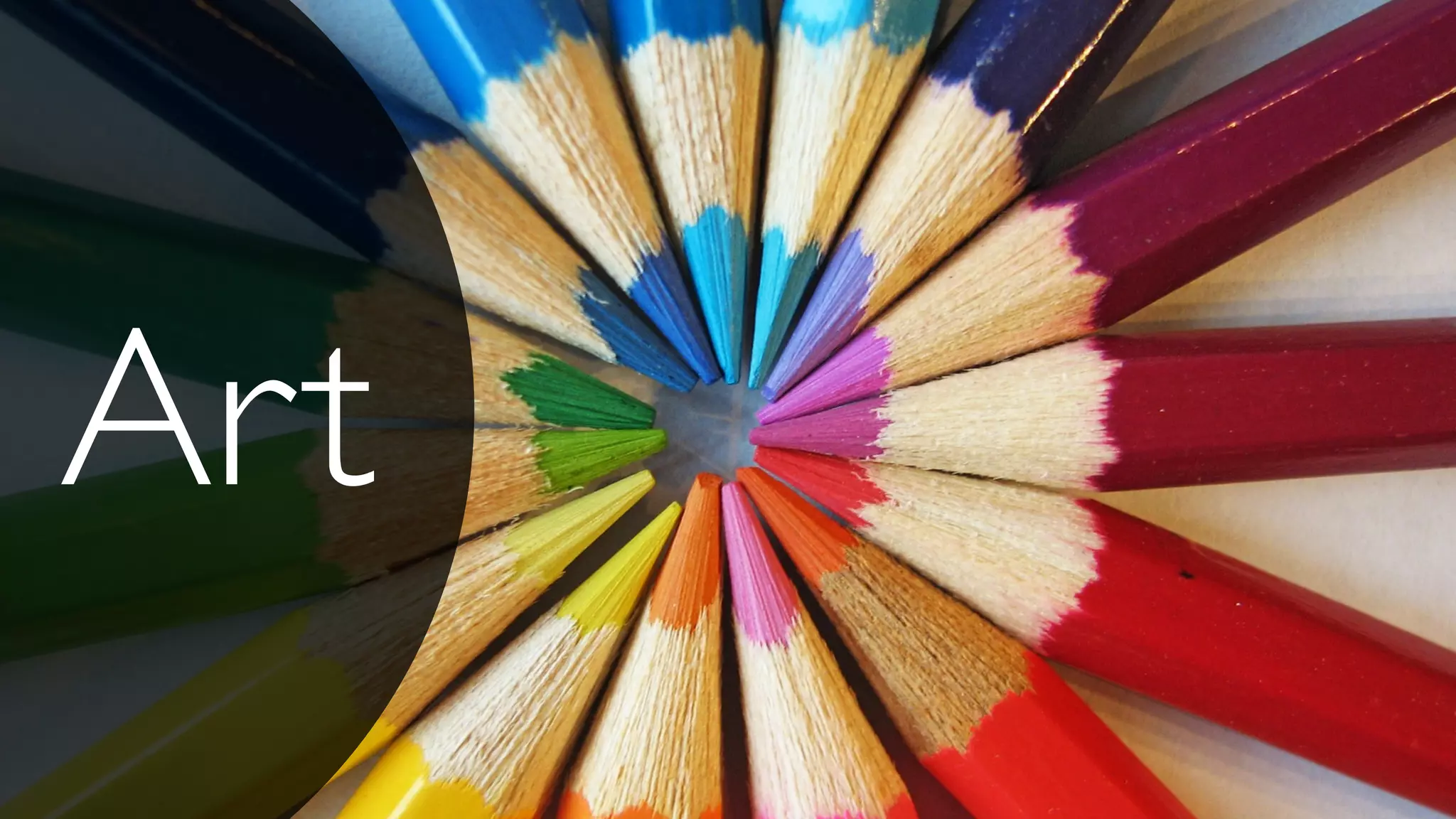
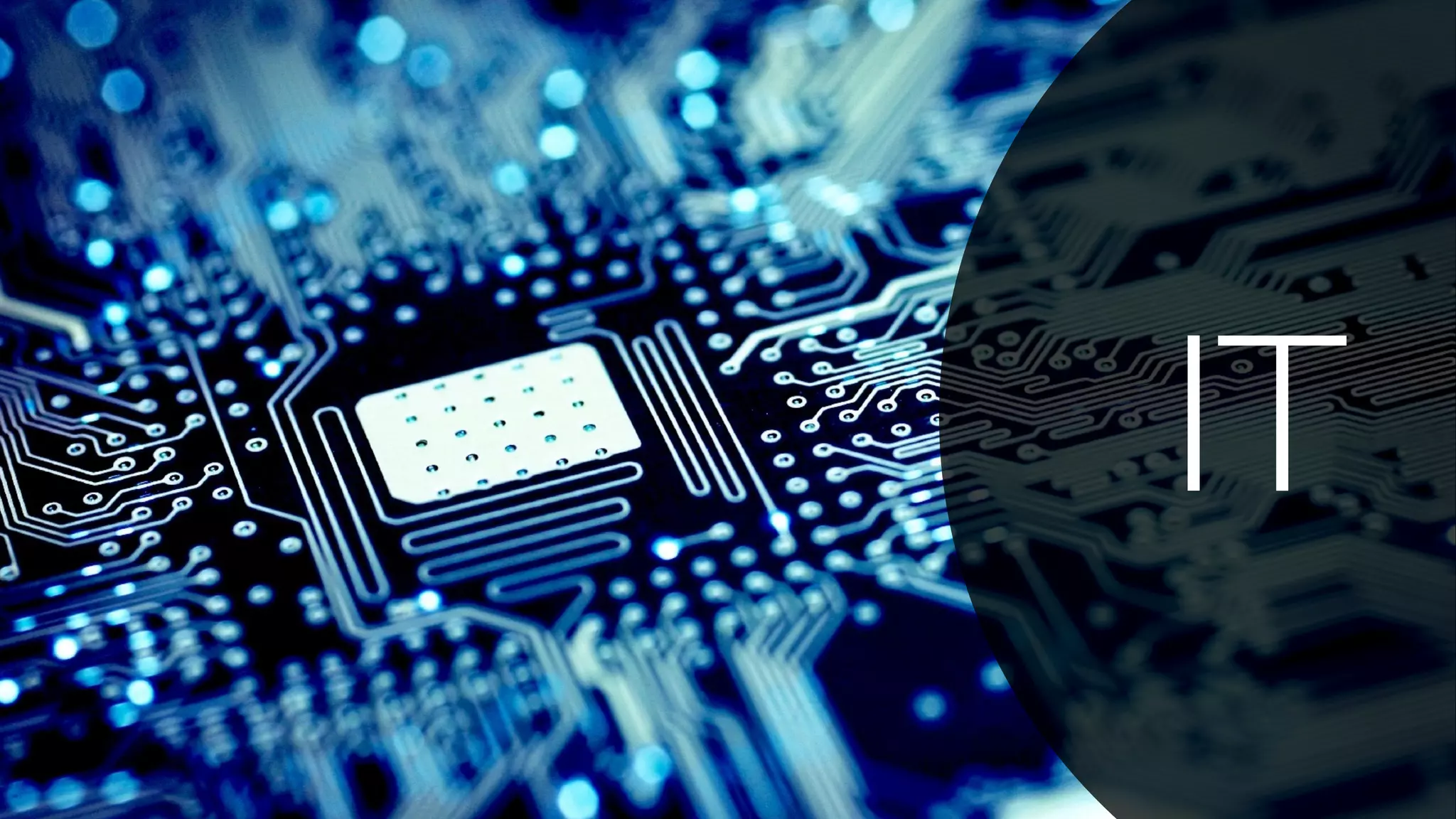
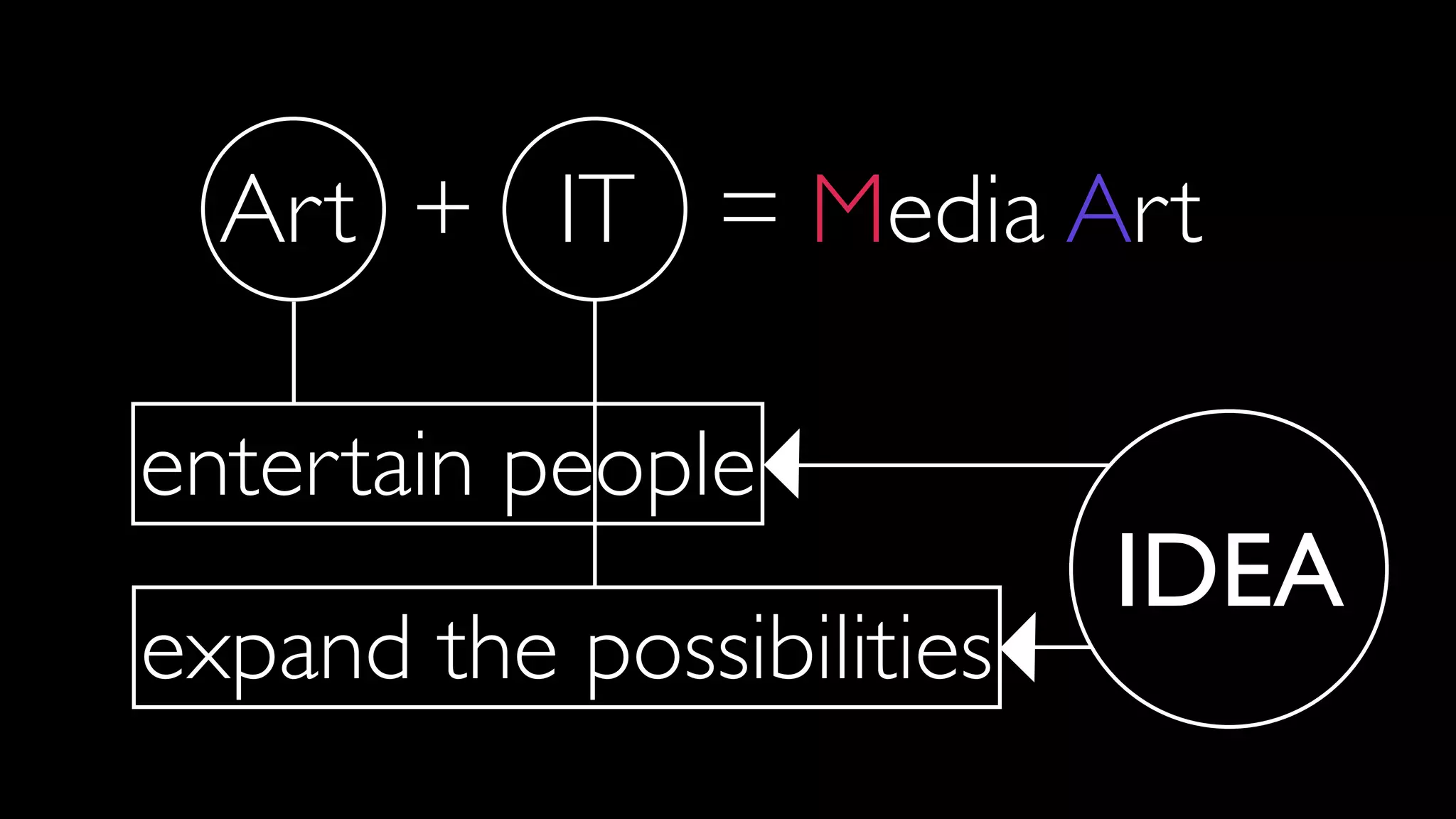
Art + IT = Media Art
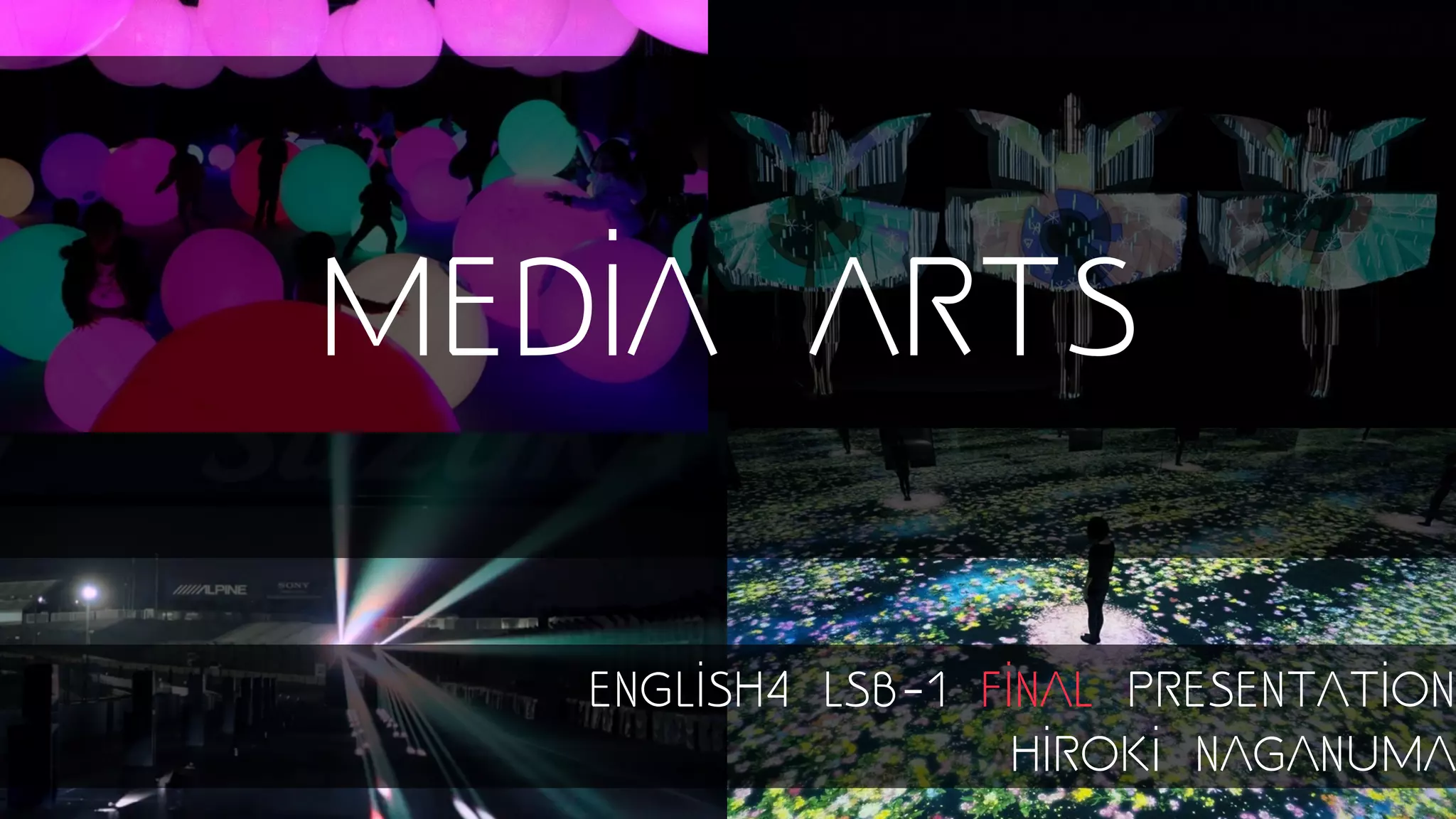
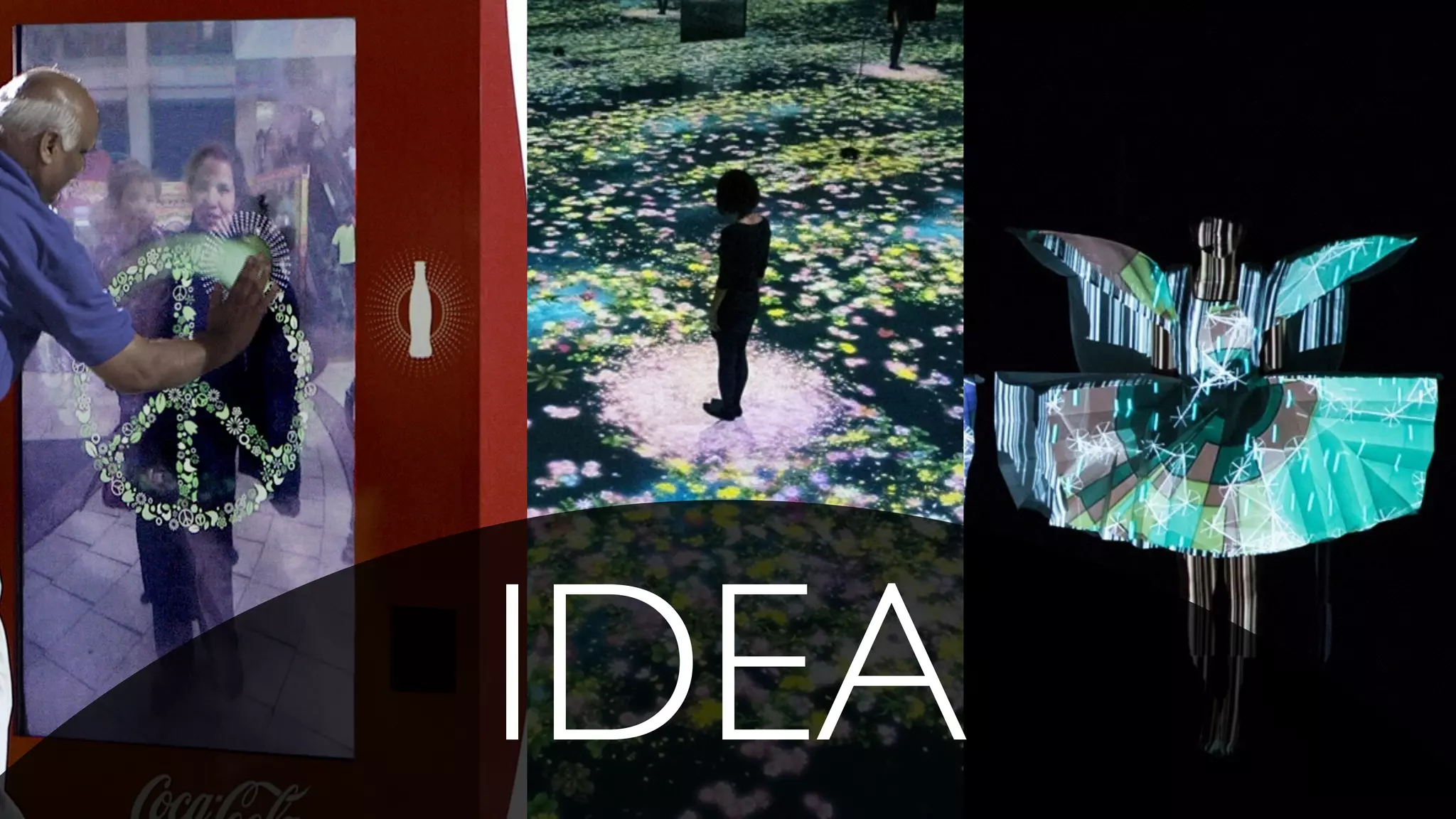
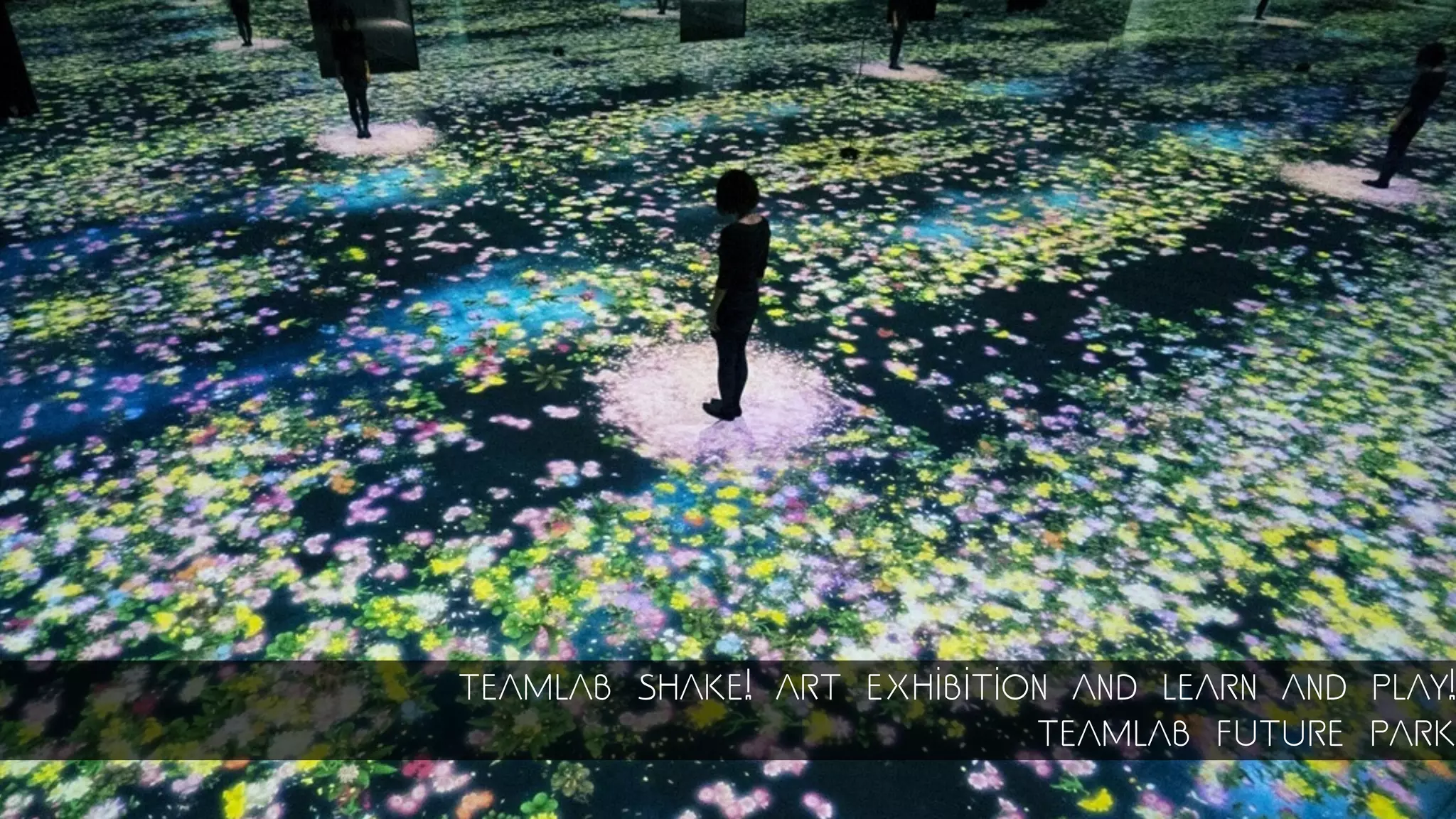
teamLab Shake! Art Exhibition and Learn and Play!
teamLab future park
perfume dance + projection mapping
Like that.
A project I introduce is …
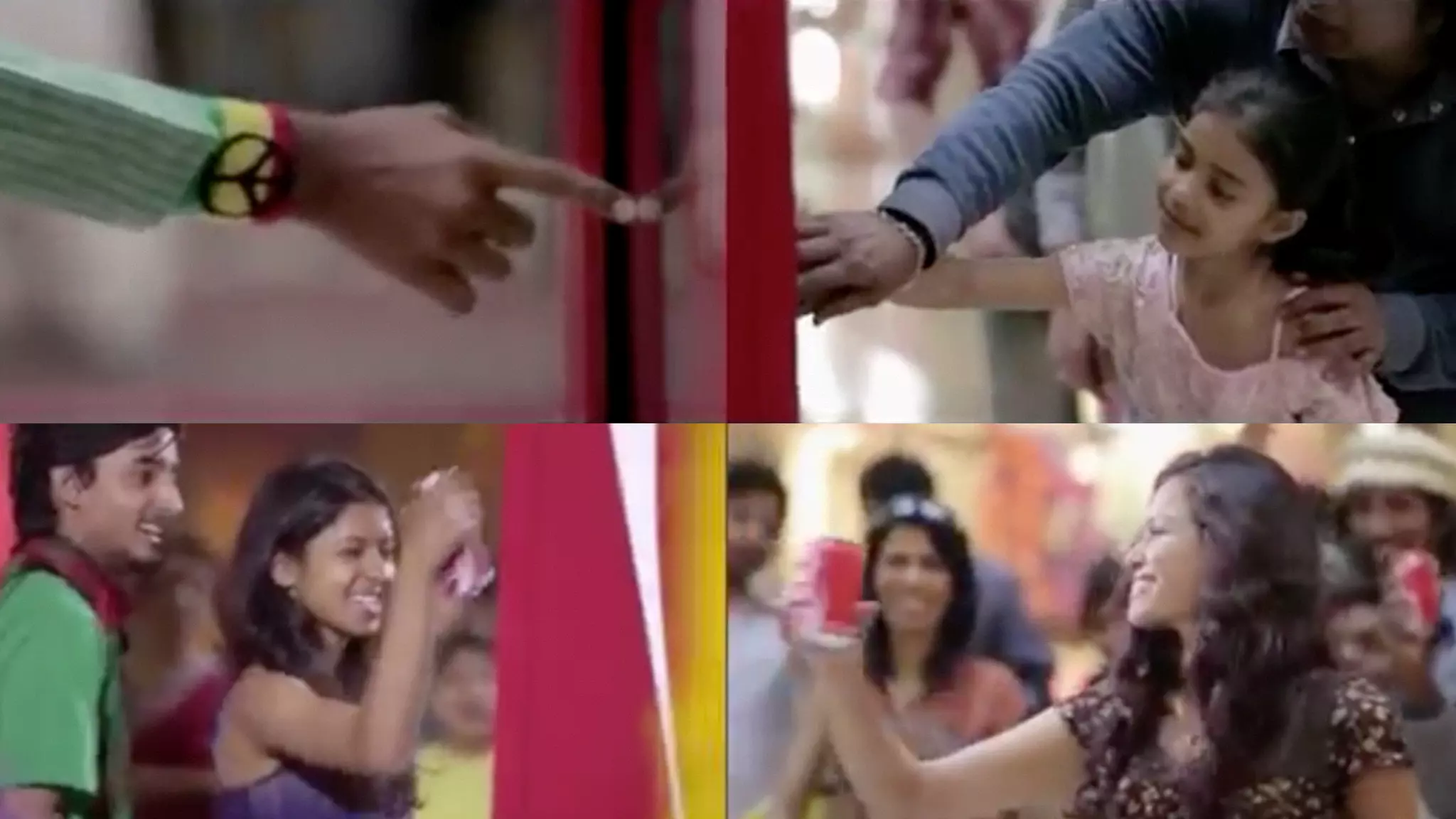
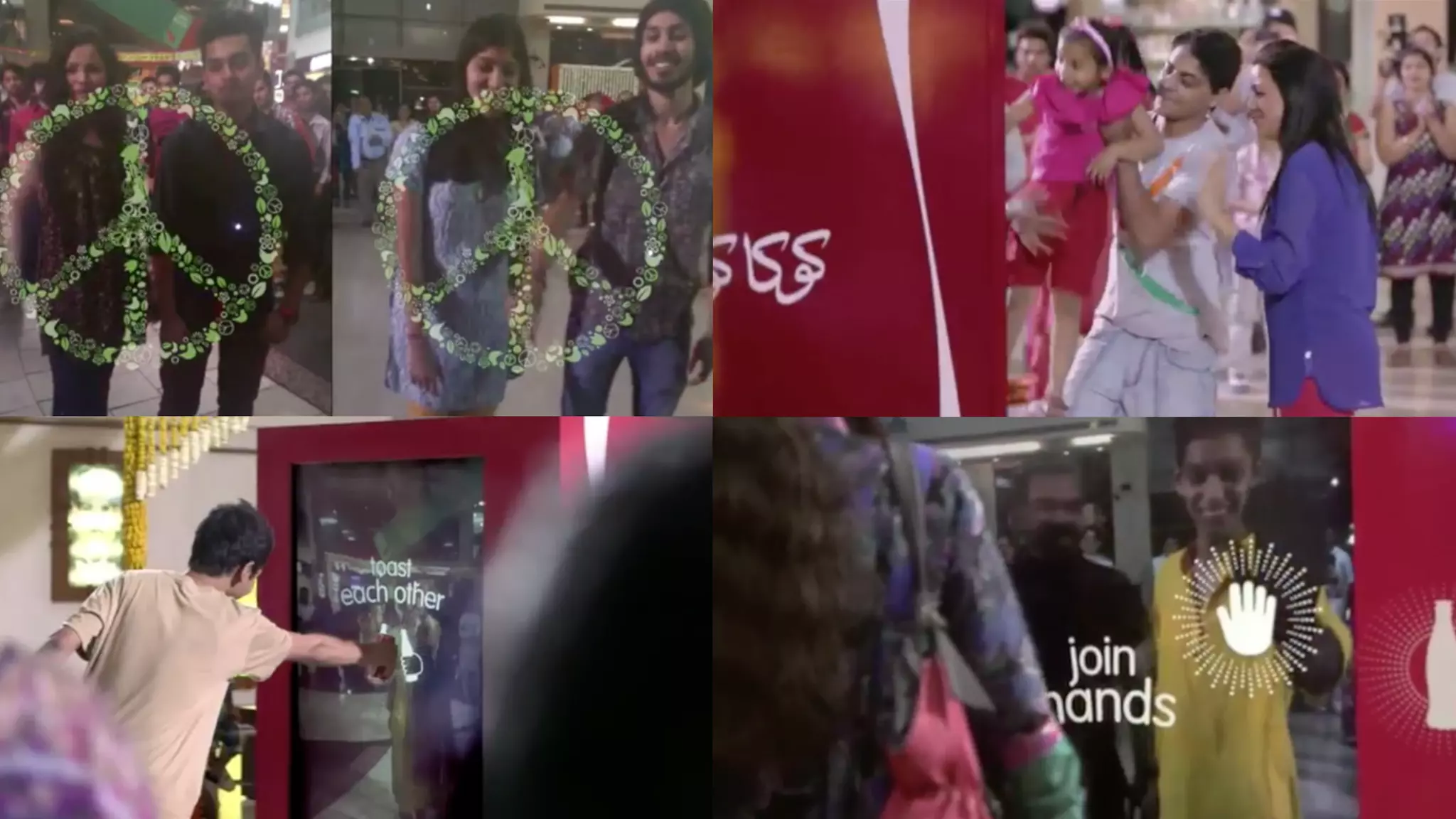
Action of Coca-ColaAction of Coca-Cola
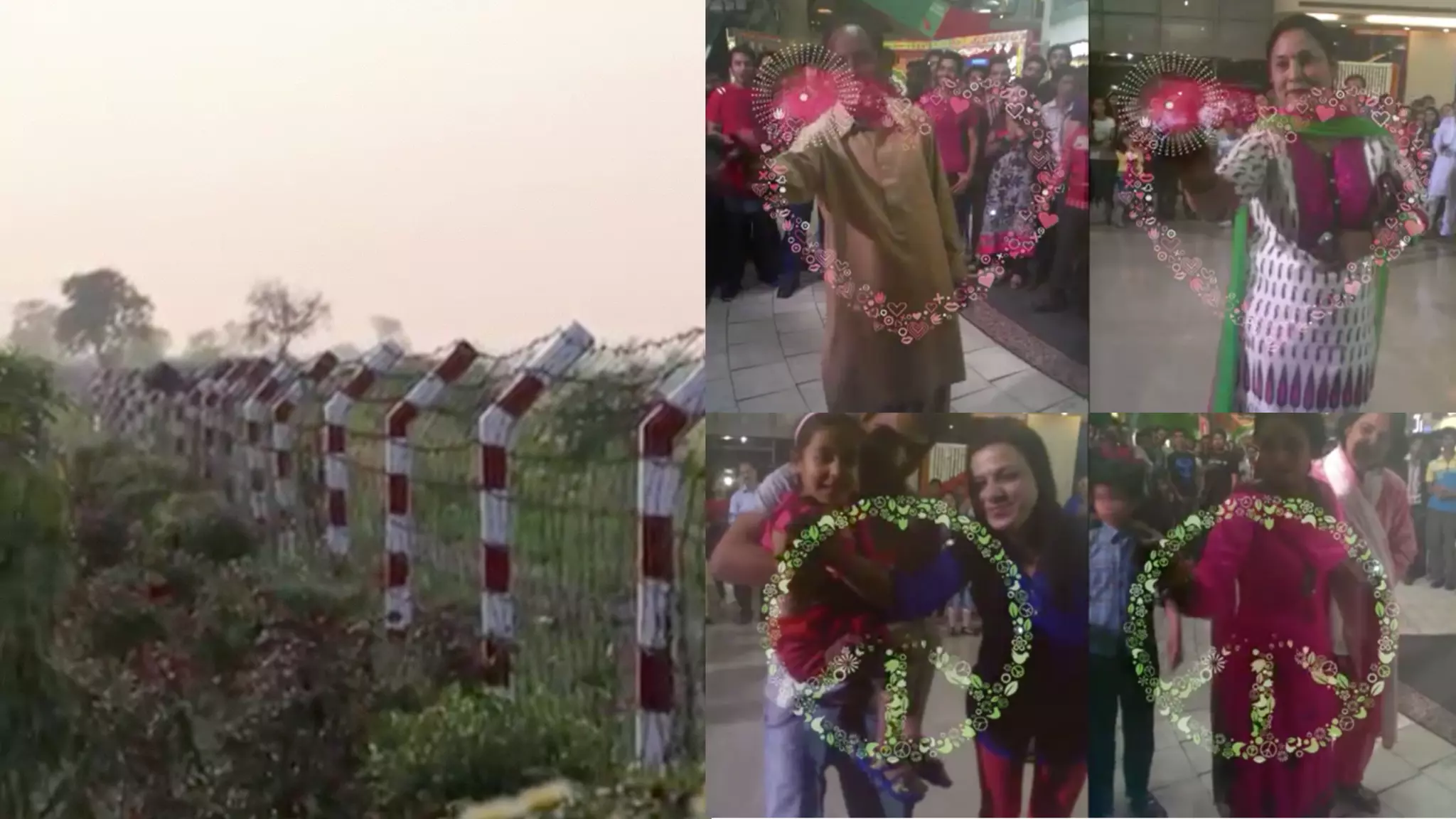
Coca-Cola Small World Machines
Confict
Zone
India and Pakistan are on bad terms	

because of territory problem
>Background
take action
Coca-Cola Small World Machines
↓
I’ll show VIDEO
Bringing 	

India & Pakistan 	

Together
I summarize video	

200sec→30sec
Are you ready ?
Coca-Cola says
A moment of Happiness
has the power to bring the world closer together
In March 2013, Coca-Cola set out to show that
what unites us
is stronger than what divides us
this project remind people of neediness to exchange ideas
This project’s meaning
SummarySummary
Art
IT
IDEA
teamLab Shake! Art Exhibition and Learn and Play!
teamLab future park
perfume dance + projection mapping
Coca-Cola Small World Machines
Art + IT = Media Art
expand the possibilities
entertain people
IDEA
Art + IT = Media Art
expand the possibilities
entertain people
IDEA
Art + IT = Media Art
IDEA
+
Making the World Better
IDEA +
Making the World Better
Art + IT = Media Art
Thank you for listening

English4lsb1

  • 1.
    1 MEDIA ARTS English4 LSB-1Final Presentation HirokI NAGANUMA
  • 2.
    ! New media artis a genre that encompasses artworks created with new media technologies, including digital art, computer graphics, computer animation, virtual art, Internet art, interactive art, video games, computer robotics, 3d printing, and art as biotechnology.The term differentiates itself by its resulting cultural objects and social events, which can be seen in opposition to those deriving from old visual arts (i.e. traditional painting, sculpture, etc.).This concern with medium is a key feature of much contemporary art and indeed many art schools and major Universities now offer majors in "New Genres" or "New Media"[1] and a growing number of graduate programs have emerged internationally.[2] New Media Art often involves interaction between artist and observer or between observers and the artwork, which responds to them.Yet, as several theorists and curators have noted, such forms of interaction, social exchange, participation, and transformation do not distinguish new media art but rather serve as a common ground that has parallels in other strands of contemporary art practice.[3] Such insights emphasize the forms of cultural practice that arise concurrently with emerging technological platforms, and question the focus on technological media, per se. ! New Media concerns are often derived from the telecommunications, mass media and digital electronic modes of delivering the artworks involve, with practices ranging from conceptual to virtual art, performance to installation. The origins of new media art can be traced to the moving photographic inventions of the late 19th century such as the zoetrope (1834), the praxinoscope (1877) and Eadweard Muybridge's zoopraxiscope (1879). From the 1920s through the 1950s, various forms of kinetic and light art, fromThomas Wilfred's 'Lumia' (1919) and 'Clavilux' light organs to JeanTinguely's self-destructing sculpture 'Homage to NewYork' (1960) can be seen as progenitors of new media art. ! In 1958 WolfVostell becomes the first artist who incorporates a television set into one of his works.The Black Room Cycle.[4]This installation is part of the collection of the Berlinische Galerie. ! During the 1960s the development of then new technologies of video produced the new media art experiments of Nam June Paik, and WolfVostell with the installation 6TV Dé-coll/age in 1963 at the Smolin Gallery in NewYork.[5] A. Michael Noll, and multimedia performances of E.A.T., Fluxus and Happening. In 1983, Roy Ascott introduced the concept of "distributed authorship" in his worldwide telematic project La Plissure duTexte [6] for Frank Popper's "Electra" at the Musée d'Art Moderne de laVille de Paris .The development of computer graphics at the end of the 1980s and real time technologies then in the 1990s combined with the spreading of the Web and the Internet favored the emergence of new and various forms of interactivity art by Lynn Hershman Leeson, David Rokeby, Ken Rinaldo, Perry Hoberman; telematic art by Roy Ascott; Internet art byVuk Ćosić, Jodi; virtual and immersive art by Jeffrey Shaw, Maurice Benayoun and large scale urban installation by Rafael Lozano-Hemmer. Simultaneously advances in biotechnology have also allowed artists like Eduardo Kac to begin exploring DNA and genetics as a new art medium. ! New Media Art influences on new media art have been the theories developed around hypertext, databases, and networks. Important thinkers in this regard have beenVannevar Bush andTheodor Nelson, whereas comparable ideas can be found in the literary works of Jorge Luis Borges, Italo Calvino, and Julio Cortázar.These elements have been especially revolutionary for the field of narrative and anti-narrative studies, leading explorations into areas such as non-linear and interactive narratives.
  • 3.
    It is ajoke
  • 4.
    In Brief Art +IT = Media Art
  • 5.
    teamLab Shake! ArtExhibition and Learn and Play! teamLab future park
  • 6.
    perfume dance +projection mapping
  • 7.
  • 8.
    A project Iintroduce is …
  • 9.
  • 10.
  • 11.
    Confict Zone India and Pakistanare on bad terms because of territory problem >Background
  • 13.
  • 14.
    Coca-Cola Small WorldMachines ↓ I’ll show VIDEO Bringing India & Pakistan Together
  • 15.
  • 16.
  • 19.
  • 20.
    A moment ofHappiness
  • 21.
    has the powerto bring the world closer together
  • 23.
    In March 2013,Coca-Cola set out to show that
  • 24.
    what unites us isstronger than what divides us
  • 26.
    this project remindpeople of neediness to exchange ideas This project’s meaning
  • 27.
  • 28.
  • 29.
  • 30.
  • 31.
    teamLab Shake! ArtExhibition and Learn and Play! teamLab future park
  • 32.
    perfume dance +projection mapping
  • 33.
  • 34.
    Art + IT= Media Art expand the possibilities entertain people IDEA
  • 35.
    Art + IT= Media Art expand the possibilities entertain people IDEA
  • 36.
    Art + IT= Media Art IDEA + Making the World Better
  • 37.
    IDEA + Making theWorld Better Art + IT = Media Art
  • 38.
    Thank you forlistening