 Provide a wide range of professional
development opportunities to enable
education providers to meet the requirements
that are set out in the Statutory Framework
for the Early Years Foundation Stage.
 Learn how to set performance objectives for
Early Years Foundation Stage (EYFS), and see
example objectives with suggested success
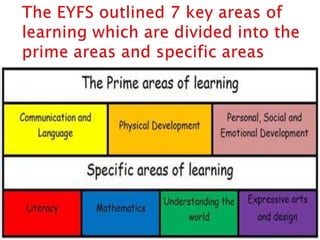
criteria for meeting them.

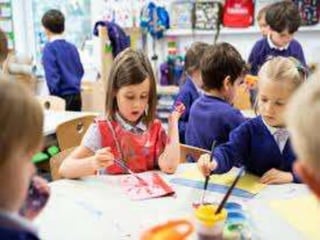
The Early Years Foundation Stage (E.Y.F.S.) is
the stage of education for children from birth
to the end of the Reception year.
 EYFS sets standards for the learning,
development and care of children from birth
to 5 years old.
 It is based on the recognition that children
learn best through play and active learning.
 All schools and FME (Federal Ministry of
Education) registered early years providers
must follow the EYFS standards, including
child minders, preschools, nurseries and
school reception classes. It was introduced as
part of the 2006 childcare act and must be
followed by all FME registered settings and
child minders.
 The ways in which the child engages with
other people and their environment underpin
learning and development across all areas
and support the child to remain an effective
and motivated learner.
 Learning and development are the two key
areas in EYFS.
 Playing and exploring - finding out and
exploring- playing with what they know
 Active learning being involved and
concentrating- enjoying achieving what they
set out to do- Creating and thinking - having
their own ideas critically - making links-
choosing ways to do things.
 Every child has a unique set of barriers and
strengths when it comes to learning and
development. Any good EYFS teacher will
know how to adapt to each strong and weak
area of a child’s learning curve and be
prepared for any eventuality and challenge.
 EYFS teachers must set up experiences and
exercises that allow children to become aware
of themselves in a positive way.
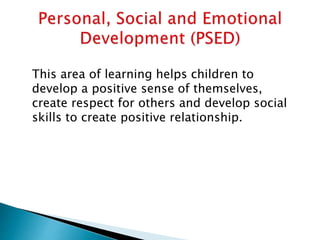
This area of learning helps children to
develop a positive sense of themselves,
create respect for others and develop social
skills to create positive relationship.
Children at the expected level of development
will:
 Show an understanding of their own feelings
and those of others, and begin to regulate
their behaviour accordingly;
 Work and play cooperatively and take turns
with others; Form positive attachments to
adults and friendships with peers;
 Be confident to try new activities and show
independence, resilience and perseverance in
the face of challenge;
 It involves allowing each child the opportunity
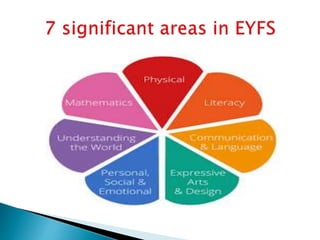
to explore each language while developing
their confidence and communication skills
Children at the expected level of development
will:
 Listen attentively and respond to what they
hear with relevant questions, comments and
actions when being read to and during whole
class discussions and small group
interactions
 Make comments about what they have heard
and ask questions to clarify their
understanding;
 Offer explanations for why things might
happen, making use of recently introduced
vocabulary from stories, non-fiction, rhymes
and poems when appropriate
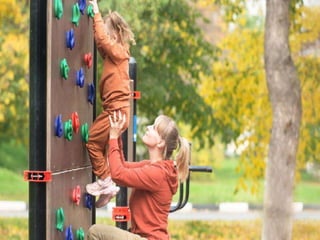
 This area provides children with the chance to
be active and interactive, developing their
movement, coordination and control
Children at the expected level of development
will:
 Negotiate space and obstacles safely, with
consideration for themselves and others;
 Demonstrate strength, balance and
coordination when playing;
 Move energetically, such as running, jumping,
dancing, hopping, skipping and climbing.
 Use a range of small tools, including scissors,
paintbrushes and cutlery; Begin to show
accuracy and care when drawing.
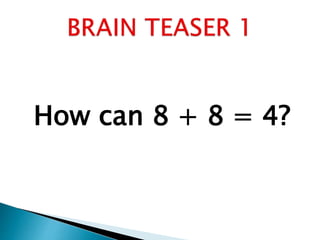
How can 8 + 8 = 4?
What is special about these
words:
job, polish, herb?
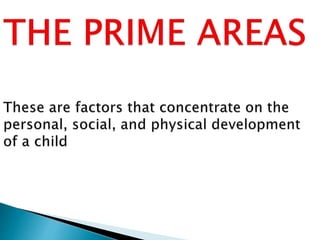
These are the primary methods that enable
children to learn and develop.
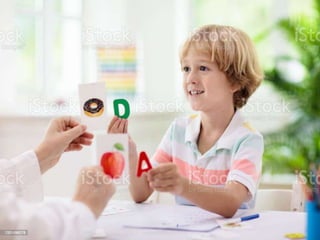
 This area of learning encourages children to
link sounds and letters to be able to read and
write.
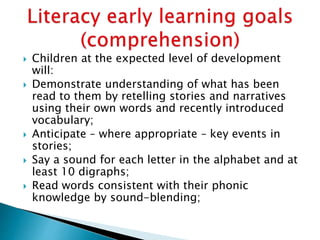
 Children at the expected level of development
will:
 Demonstrate understanding of what has been
read to them by retelling stories and narratives
using their own words and recently introduced
vocabulary;
 Anticipate – where appropriate – key events in
stories;
 Say a sound for each letter in the alphabet and at
least 10 digraphs;
 Read words consistent with their phonic
knowledge by sound-blending;
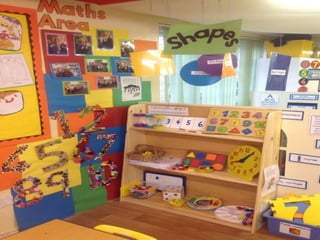
 It provides children with the opportunity to
improve their skills using numbers, counting,
calculating simple sums and describing
shapes.
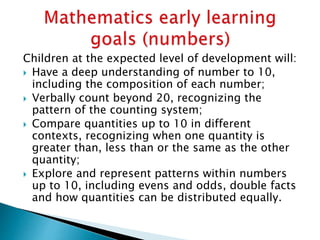
Children at the expected level of development will:
 Have a deep understanding of number to 10,
including the composition of each number;
 Verbally count beyond 20, recognizing the
pattern of the counting system;
 Compare quantities up to 10 in different
contexts, recognizing when one quantity is
greater than, less than or the same as the other
quantity;
 Explore and represent patterns within numbers
up to 10, including evens and odds, double facts
and how quantities can be distributed equally.
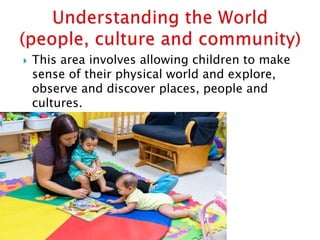
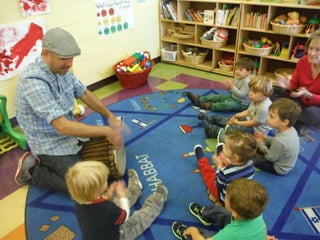
 This area involves allowing children to make
sense of their physical world and explore,
observe and discover places, people and
cultures.
Children at the expected level of development will:
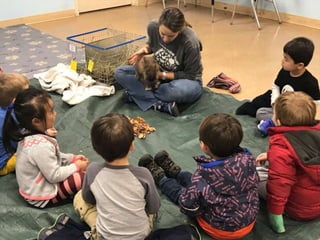
 Explore the natural world around them, asking
questions about it; making observations and drawing
pictures of animals and plants; know about everyday
technology and learn what it is used for; find out
about past events in their lives and their families'
lives; find out about different communities and
traditions.
 Know some similarities and differences between the
natural world around them and contrasting
environments, drawing on their experiences and what
has been read in class;
 Understand some important processes and changes
in the natural world around them, including the
seasons and changing states of matter.
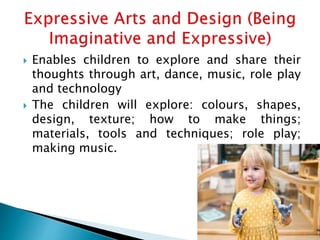
 Enables children to explore and share their
thoughts through art, dance, music, role play
and technology
 The children will explore: colours, shapes,
design, texture; how to make things;
materials, tools and techniques; role play;
making music.
Children at the expected level of development will:
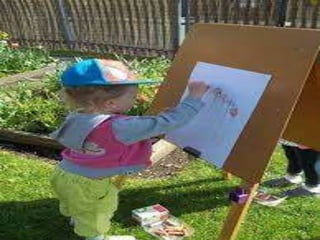
 Safely use and explore a variety of materials, tools and
techniques, experimenting with colour, design, texture,
form and function;
 Share their creations, explaining the process they have
used;
 Make use of props and materials when role playing
characters in narratives and stories.
 Invent, adapt and recount narratives and stories with peers
and their teacher;
 Sing a range of well-known nursery rhymes and songs;
 Perform songs, rhymes, poems and stories with others,
and – when appropriate – try to move in time with music.
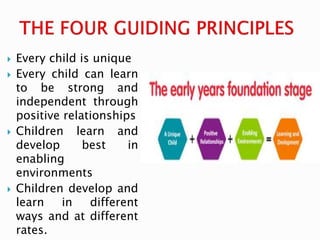
 Every child is unique
 Every child can learn
to be strong and
independent through
positive relationships
 Children learn and
develop best in
enabling
environments
 Children develop and
learn in different
ways and at different
rates.
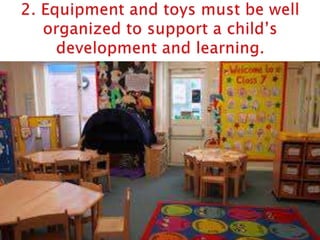
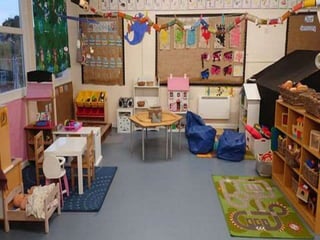
An appropriate environment,
indoors or outdoors, is key to
both the safety and effective
learning and development of a
child. Below are a few areas to
retain suitable premises and
environment;
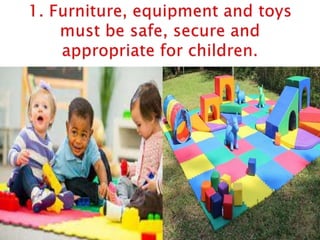
3. Both the premises and
equipment must be suitable
for children with disabilities
and reflect the ethic, cultural
and social diversity that we
have in the society.
 Assessment in the Foundation Stage,
assessment is carried out through
spontaneous and focused observations and
adult led activities. Photographs are also
taken as a record of the children completing
various activities.
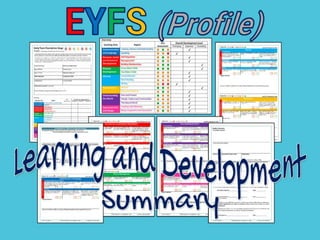
What is the Early Years Foundation Stage Profile?
The EYFS Profile is a government handbook that is
produced to help EYFS practitioners make accurate
judgments about a child's progress. Built around
examining children's development based on the 7
Areas of Learning and the developmental outcomes
of the EYFS Statutory Framework, the assessment
provides a clear evaluation of development, strengths
and areas of improvement for each child.
The EYFS framework requires the EYFS
profile assessment to be carried out in the final term
of the year when a child turns five.
 The EYFS profile is a statutory assessment of
children's development at the end of the early
years foundation stage (known as a
summative assessment) and is made up of an
assessment of the child's outcomes in
relation to the 17 early learning goals (ELGs).
 Choose a topic and link the
teaching to any 3 areas of
development.
 Plan an indoor or outdoor activity
for the topic.
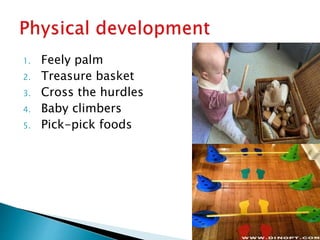
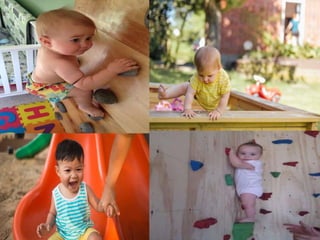
1. Feely palm
2. Treasure basket
3. Cross the hurdles
4. Baby climbers
5. Pick-pick foods
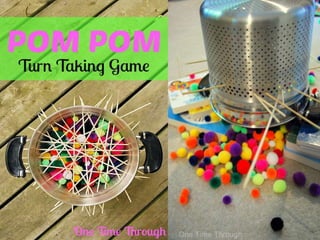
1. pom-pom avalanche (group activity)
2. Story tablets
3. Let’s talk
4. I spy
5. I can remember
6. Reach for me
1. Feeling games
2. Resolving our differences (solution centres)
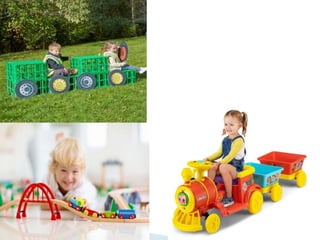
3. Train ride
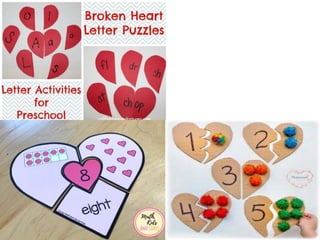
4. Heart puzzle games
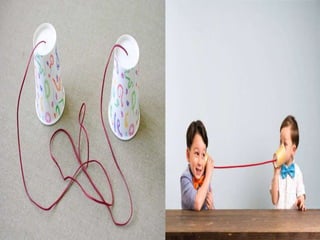
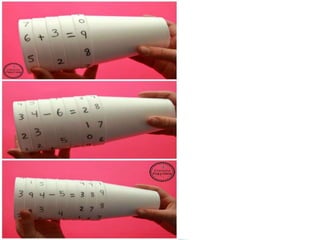
1. Spinning cups
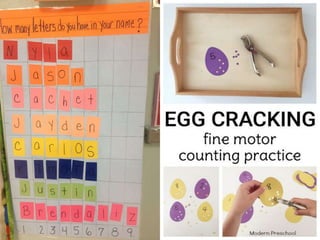
2. How many letters in your name
3. Egg cracking
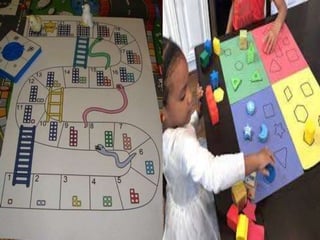
4. Board game
5. Shape and colour sorting
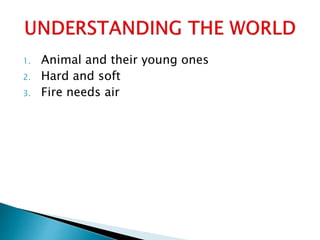
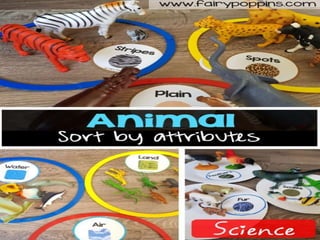
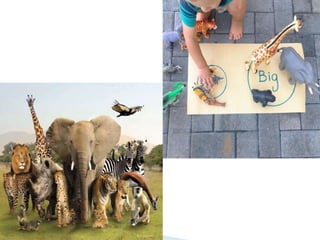
1. Animal and their young ones
2. Hard and soft
3. Fire needs air
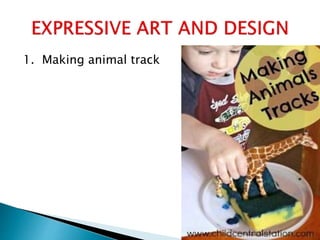
1. Making animal track
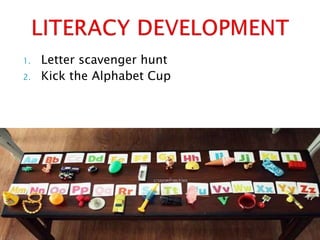
1. Letter scavenger hunt
2. Kick the Alphabet Cup
Early year foundation school power point presentation.pptx

Early year foundation school power point presentation.pptx

  • 5.
     Provide awide range of professional development opportunities to enable education providers to meet the requirements that are set out in the Statutory Framework for the Early Years Foundation Stage.  Learn how to set performance objectives for Early Years Foundation Stage (EYFS), and see example objectives with suggested success criteria for meeting them.
  • 6.
     The Early YearsFoundation Stage (E.Y.F.S.) is the stage of education for children from birth to the end of the Reception year.  EYFS sets standards for the learning, development and care of children from birth to 5 years old.  It is based on the recognition that children learn best through play and active learning.
  • 7.
     All schoolsand FME (Federal Ministry of Education) registered early years providers must follow the EYFS standards, including child minders, preschools, nurseries and school reception classes. It was introduced as part of the 2006 childcare act and must be followed by all FME registered settings and child minders.
  • 8.
     The waysin which the child engages with other people and their environment underpin learning and development across all areas and support the child to remain an effective and motivated learner.  Learning and development are the two key areas in EYFS.
  • 9.
     Playing andexploring - finding out and exploring- playing with what they know  Active learning being involved and concentrating- enjoying achieving what they set out to do- Creating and thinking - having their own ideas critically - making links- choosing ways to do things.
  • 12.
     Every childhas a unique set of barriers and strengths when it comes to learning and development. Any good EYFS teacher will know how to adapt to each strong and weak area of a child’s learning curve and be prepared for any eventuality and challenge.  EYFS teachers must set up experiences and exercises that allow children to become aware of themselves in a positive way.
  • 16.
    This area oflearning helps children to develop a positive sense of themselves, create respect for others and develop social skills to create positive relationship.
  • 18.
    Children at theexpected level of development will:  Show an understanding of their own feelings and those of others, and begin to regulate their behaviour accordingly;  Work and play cooperatively and take turns with others; Form positive attachments to adults and friendships with peers;  Be confident to try new activities and show independence, resilience and perseverance in the face of challenge;
  • 20.
     It involvesallowing each child the opportunity to explore each language while developing their confidence and communication skills
  • 22.
    Children at theexpected level of development will:  Listen attentively and respond to what they hear with relevant questions, comments and actions when being read to and during whole class discussions and small group interactions  Make comments about what they have heard and ask questions to clarify their understanding;
  • 23.
     Offer explanationsfor why things might happen, making use of recently introduced vocabulary from stories, non-fiction, rhymes and poems when appropriate
  • 26.
     This areaprovides children with the chance to be active and interactive, developing their movement, coordination and control
  • 27.
    Children at theexpected level of development will:  Negotiate space and obstacles safely, with consideration for themselves and others;  Demonstrate strength, balance and coordination when playing;  Move energetically, such as running, jumping, dancing, hopping, skipping and climbing.  Use a range of small tools, including scissors, paintbrushes and cutlery; Begin to show accuracy and care when drawing.
  • 32.
    How can 8+ 8 = 4?
  • 34.
    What is specialabout these words: job, polish, herb?
  • 36.
    These are theprimary methods that enable children to learn and develop.
  • 37.
     This areaof learning encourages children to link sounds and letters to be able to read and write.
  • 38.
     Children atthe expected level of development will:  Demonstrate understanding of what has been read to them by retelling stories and narratives using their own words and recently introduced vocabulary;  Anticipate – where appropriate – key events in stories;  Say a sound for each letter in the alphabet and at least 10 digraphs;  Read words consistent with their phonic knowledge by sound-blending;
  • 42.
     It provideschildren with the opportunity to improve their skills using numbers, counting, calculating simple sums and describing shapes.
  • 43.
    Children at theexpected level of development will:  Have a deep understanding of number to 10, including the composition of each number;  Verbally count beyond 20, recognizing the pattern of the counting system;  Compare quantities up to 10 in different contexts, recognizing when one quantity is greater than, less than or the same as the other quantity;  Explore and represent patterns within numbers up to 10, including evens and odds, double facts and how quantities can be distributed equally.
  • 46.
     This areainvolves allowing children to make sense of their physical world and explore, observe and discover places, people and cultures.
  • 47.
    Children at theexpected level of development will:  Explore the natural world around them, asking questions about it; making observations and drawing pictures of animals and plants; know about everyday technology and learn what it is used for; find out about past events in their lives and their families' lives; find out about different communities and traditions.  Know some similarities and differences between the natural world around them and contrasting environments, drawing on their experiences and what has been read in class;  Understand some important processes and changes in the natural world around them, including the seasons and changing states of matter.
  • 51.
     Enables childrento explore and share their thoughts through art, dance, music, role play and technology  The children will explore: colours, shapes, design, texture; how to make things; materials, tools and techniques; role play; making music.
  • 52.
    Children at theexpected level of development will:  Safely use and explore a variety of materials, tools and techniques, experimenting with colour, design, texture, form and function;  Share their creations, explaining the process they have used;  Make use of props and materials when role playing characters in narratives and stories.  Invent, adapt and recount narratives and stories with peers and their teacher;  Sing a range of well-known nursery rhymes and songs;  Perform songs, rhymes, poems and stories with others, and – when appropriate – try to move in time with music.
  • 58.
     Every childis unique  Every child can learn to be strong and independent through positive relationships  Children learn and develop best in enabling environments  Children develop and learn in different ways and at different rates.
  • 59.
    An appropriate environment, indoorsor outdoors, is key to both the safety and effective learning and development of a child. Below are a few areas to retain suitable premises and environment;
  • 63.
    3. Both thepremises and equipment must be suitable for children with disabilities and reflect the ethic, cultural and social diversity that we have in the society.
  • 64.
     Assessment inthe Foundation Stage, assessment is carried out through spontaneous and focused observations and adult led activities. Photographs are also taken as a record of the children completing various activities.
  • 65.
    What is theEarly Years Foundation Stage Profile? The EYFS Profile is a government handbook that is produced to help EYFS practitioners make accurate judgments about a child's progress. Built around examining children's development based on the 7 Areas of Learning and the developmental outcomes of the EYFS Statutory Framework, the assessment provides a clear evaluation of development, strengths and areas of improvement for each child. The EYFS framework requires the EYFS profile assessment to be carried out in the final term of the year when a child turns five.
  • 66.
     The EYFSprofile is a statutory assessment of children's development at the end of the early years foundation stage (known as a summative assessment) and is made up of an assessment of the child's outcomes in relation to the 17 early learning goals (ELGs).
  • 68.
     Choose atopic and link the teaching to any 3 areas of development.  Plan an indoor or outdoor activity for the topic.
  • 70.
    1. Feely palm 2.Treasure basket 3. Cross the hurdles 4. Baby climbers 5. Pick-pick foods
  • 72.
    1. pom-pom avalanche(group activity) 2. Story tablets 3. Let’s talk 4. I spy 5. I can remember 6. Reach for me
  • 75.
    1. Feeling games 2.Resolving our differences (solution centres) 3. Train ride 4. Heart puzzle games
  • 78.
    1. Spinning cups 2.How many letters in your name 3. Egg cracking 4. Board game 5. Shape and colour sorting
  • 82.
    1. Animal andtheir young ones 2. Hard and soft 3. Fire needs air
  • 85.
  • 87.
    1. Letter scavengerhunt 2. Kick the Alphabet Cup