
Digital Risk Society
Sociocultural approaches
• Risk has become an increasingly pervasive aspect of everyday life
• Risk is a central aspect of concepts of selfhood
• Risk is seen as able to be managed by human intervention
• Risk is associated with notions of choice, responsibility and blame
The big sociological questions
• Why are some phenomena singled out and named as ‘risks’?
• How do people learn about these risks?
• Who are blamed for creating risks?
• What social groups are singled out as ‘risky’?
• How do people conceptualise risk?
• What practices do they engage in to avoid risk?
• Why might they chose to court risk?
Risk society
• Draws from Beck’s and Giddens’ writings on late modernity
• Late modernity has generated risks due to post-industrial
development
• Late modernity also reflexive: critical of itself
• Characterised by individualisation – breaking down of traditional
norms and values
• All this leads to the perception that risk is widespread, uncontained
and human-made
Digitising risk
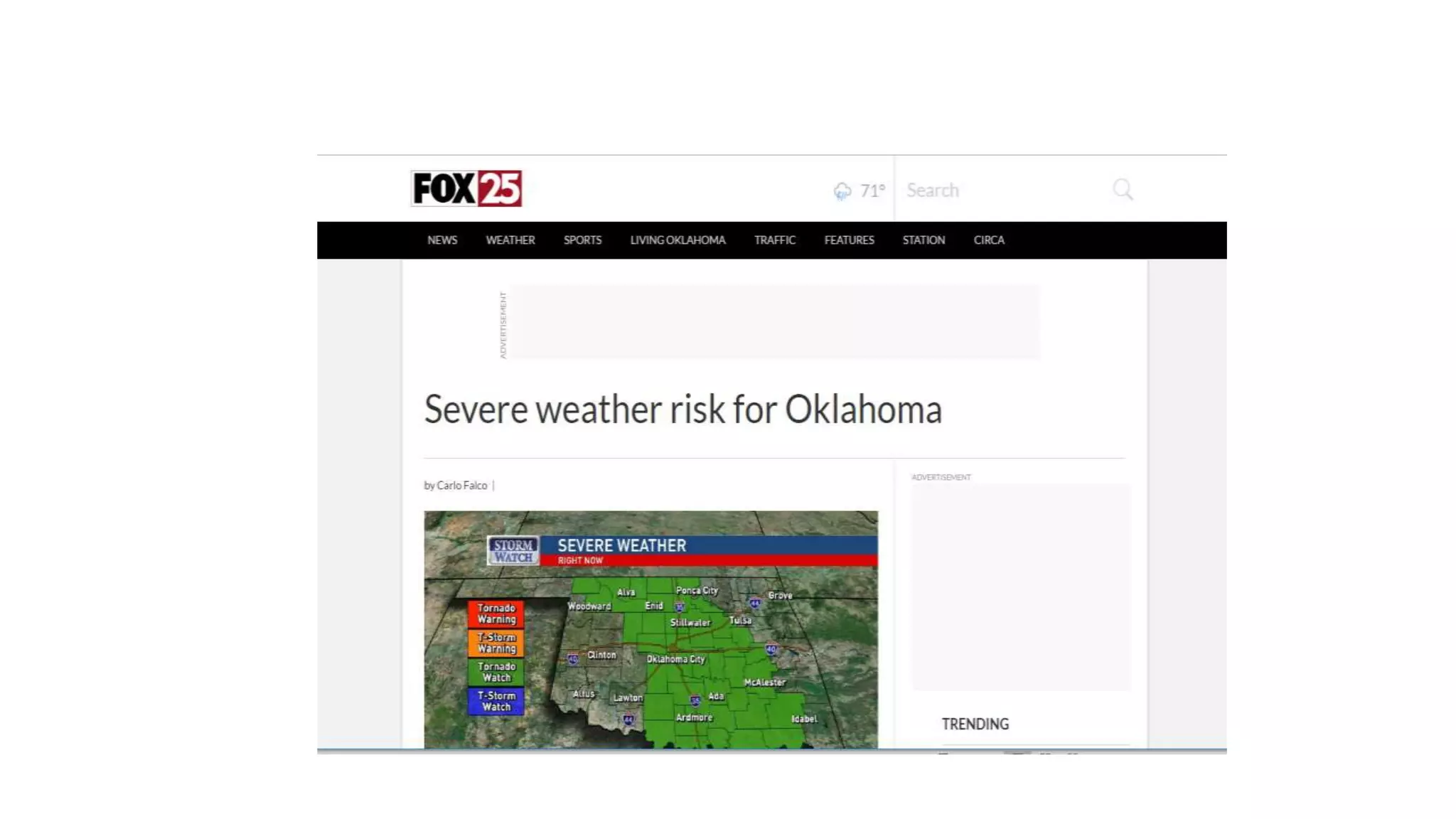
• How digital technologies identify and publicise risks:
• Online news sites, social media, apps, image-sharing sites, Wikipedia,
blogs, discussion groups
• Problem of misinformation, hoaxes and pranks, fake news
Risks of digital technologies
• Cybercrime
• Hacking
• Data breaches and leakages
• Cyberbullying
• Paedophilia
• The dark web
• Bugs and viruses
• Scams
• Dataveillance
• The web never forgets
• Vigilantism and trolling
Digital social inequalities
• Lack of access
• Lack of skills
• Increasing disadvantage and marginalisation
• Exclusion
• Algorithmic discrimination

Digital risk society

  • 1.
  • 2.
    Sociocultural approaches • Riskhas become an increasingly pervasive aspect of everyday life • Risk is a central aspect of concepts of selfhood • Risk is seen as able to be managed by human intervention • Risk is associated with notions of choice, responsibility and blame
  • 3.
    The big sociologicalquestions • Why are some phenomena singled out and named as ‘risks’? • How do people learn about these risks? • Who are blamed for creating risks? • What social groups are singled out as ‘risky’? • How do people conceptualise risk? • What practices do they engage in to avoid risk? • Why might they chose to court risk?
  • 11.
    Risk society • Drawsfrom Beck’s and Giddens’ writings on late modernity • Late modernity has generated risks due to post-industrial development • Late modernity also reflexive: critical of itself • Characterised by individualisation – breaking down of traditional norms and values • All this leads to the perception that risk is widespread, uncontained and human-made
  • 12.
    Digitising risk • Howdigital technologies identify and publicise risks: • Online news sites, social media, apps, image-sharing sites, Wikipedia, blogs, discussion groups • Problem of misinformation, hoaxes and pranks, fake news
  • 13.
    Risks of digitaltechnologies • Cybercrime • Hacking • Data breaches and leakages • Cyberbullying • Paedophilia • The dark web • Bugs and viruses • Scams • Dataveillance • The web never forgets • Vigilantism and trolling
  • 14.
    Digital social inequalities •Lack of access • Lack of skills • Increasing disadvantage and marginalisation • Exclusion • Algorithmic discrimination