MANAGEMENT OF
DIABETIC NEPHROPATHY
DR ELSATHOMAS
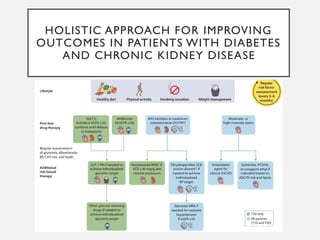
HOLISTIC APPROACH FOR IMPROVING
OUTCOMES IN PATIENTS WITH DIABETES
AND CHRONIC KIDNEY DISEASE
LIFESTYLE INTERVENTIONS IN
PATIENTS WITH DIABETES AND CKD
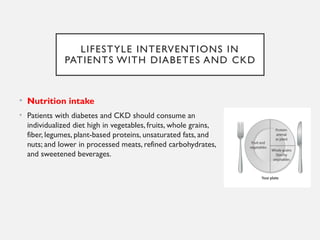
• Nutrition intake
• Patients with diabetes and CKD should consume an
individualized diet high in vegetables, fruits, whole grains,
fiber, legumes, plant-based proteins, unsaturated fats, and
nuts; and lower in processed meats, refined carbohydrates,
and sweetened beverages.
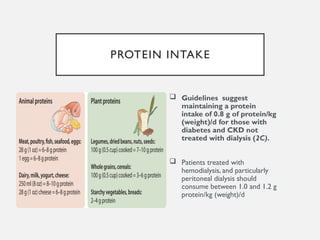
PROTEIN INTAKE
 Guidelines suggest
maintaining a protein
intake of 0.8 g of protein/kg
(weight)/d for those with
diabetes and CKD not
treated with dialysis (2C).
 Patients treated with
hemodialysis, and particularly
peritoneal dialysis should
consume between 1.0 and 1.2 g
protein/kg (weight)/d
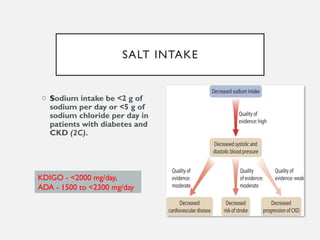
SALT INTAKE
o Sodium intake be <2 g of
sodium per day or <5 g of
sodium chloride per day in
patients with diabetes and
CKD (2C).
KDIGO - <2000 mg/day,
ADA - 1500 to <2300 mg/day
SMOKING
• Smoking Appears to promote onset and progression of diabetic kidney disease
• Several studies have reported a higher prevalence of microalbuminuria and
macroalbuminuria and reduced GFR (<60 mL/min/1.73 m 2 ) among patients
with type 2 diabetes who smoked compared with their nonsmoking
counterparts
• Precise mechanism not clear - One hypothesis is activation of multiple
cellular pathways in smokers with diabetes results in accumulation of reactive
oxygen species and a loss of kidney redox homeostasis
WEIGHT LOSS
• Weight Loss Goal should be individualized to the patient and should be both
achievable and maintainable; NKF recommends a target BMI of 18.5-24.9 (ie, within
the normal range) for patients with diabetes and CKD
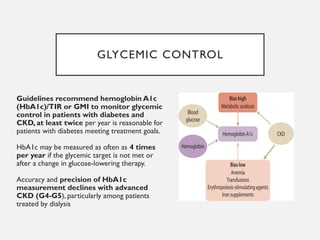
GLYCEMIC CONTROL
GLYCEMIC CONTROL
Guidelines recommend hemoglobin A1c
(HbA1c)/TIR or GMI to monitor glycemic
control in patients with diabetes and
CKD, at least twice per year is reasonable for
patients with diabetes meeting treatment goals.
HbA1c may be measured as often as 4 times
per year if the glycemic target is not met or
after a change in glucose-lowering therapy.
Accuracy and precision of HbA1c
measurement declines with advanced
CKD (G4-G5), particularly among patients
treated by dialysis
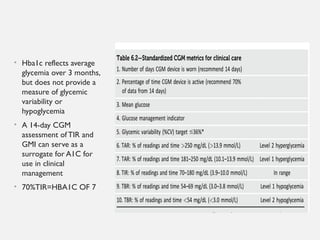
• Hba1c reflects average
glycemia over 3 months,
but does not provide a
measure of glycemic
variability or
hypoglycemia
• A 14-day CGM
assessment of TIR and
GMI can serve as a
surrogate for A1C for
use in clinical
management
• 70%TIR=HBA1C OF 7
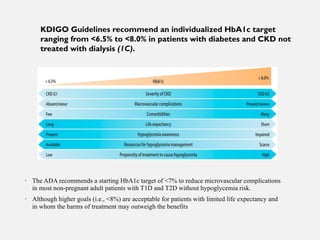
• The ADA recommends a starting HbA1c target of <7% to reduce microvascular complications
in most non-pregnant adult patients with T1D and T2D without hypoglycemia risk.
• Although higher goals (i.e., <8%) are acceptable for patients with limited life expectancy and
in whom the harms of treatment may outweigh the benefits
KDIGO Guidelines recommend an individualized HbA1c target
ranging from <6.5% to <8.0% in patients with diabetes and CKD not
treated with dialysis (1C).
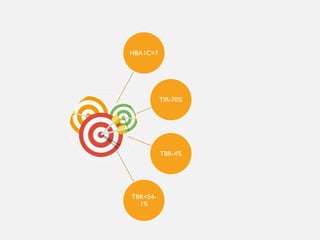
HBA1C=7
TIR-70%
TBR-4%
TBR<54-
1%
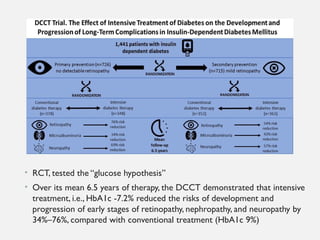
• RCT, tested the “glucose hypothesis”
• Over its mean 6.5 years of therapy, the DCCT demonstrated that intensive
treatment, i.e., HbA1c -7.2% reduced the risks of development and
progression of early stages of retinopathy, nephropathy, and neuropathy by
34%–76%, compared with conventional treatment (HbA1c 9%)
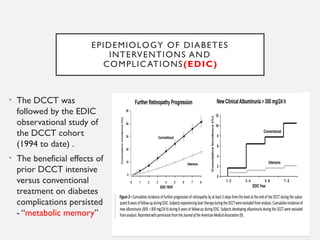
EPIDEMIOLOGY OF DIABETES
INTERVENTIONS AND
COMPLICATIONS(EDIC)
• The DCCT was
followed by the EDIC
observational study of
the DCCT cohort
(1994 to date) .
• The beneficial effects of
prior DCCT intensive
versus conventional
treatment on diabetes
complications persisted
- “metabolic memory”
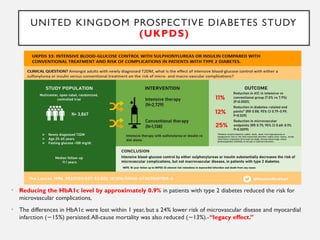
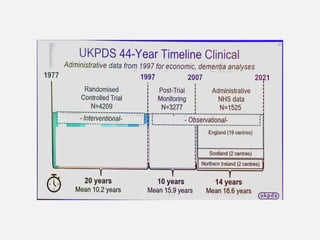
UNITED KINGDOM PROSPECTIVE DIABETES STUDY
(UKPDS)
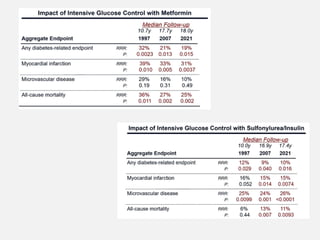
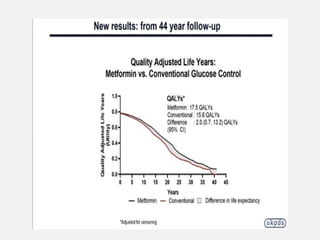
• Reducing the HbA1c level by approximately 0.9% in patients with type 2 diabetes reduced the risk for
microvascular complications,
• The differences in HbA1c were lost within 1 year, but a 24% lower risk of microvascular disease and myocardial
infarction ( 15%) persisted.All-cause mortality was also reduced ( 13%).-
− − “legacy effect.”
ANTIDIABETC
MEDICATIONS
METFORMIN
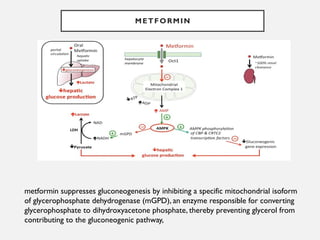
metformin suppresses gluconeogenesis by inhibiting a specific mitochondrial isoform
of glycerophosphate dehydrogenase (mGPD), an enzyme responsible for converting
glycerophosphate to dihydroxyacetone phosphate, thereby preventing glycerol from
contributing to the gluconeogenic pathway,
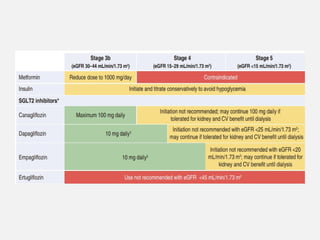
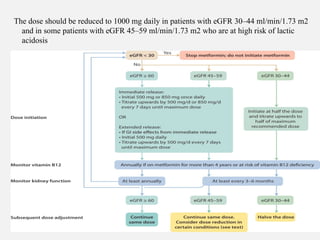
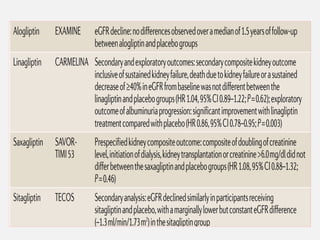
The dose should be reduced to 1000 mg daily in patients with eGFR 30–44 ml/min/1.73 m2
and in some patients with eGFR 45–59 ml/min/1.73 m2 who are at high risk of lactic
acidosis
METFORMIN IS CONTRAINDICATED IN PATIENTS WITH
FACTORS PREDISPOSING TO LACTIC ACIDOSIS.
Impaired kidney function (estimated glomerular filtration rate [eGFR]
Concurrent active or progressive severe liver disease
Active alcohol abuse
Unstable or acute heart failure at risk of hypoperfusion
Past history of lactic acidosis during metformin therapy
Decreased tissue perfusion or hemodynamic instability due to infection or other causes
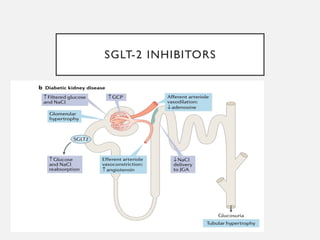
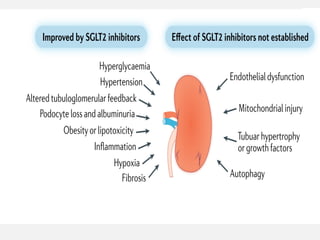
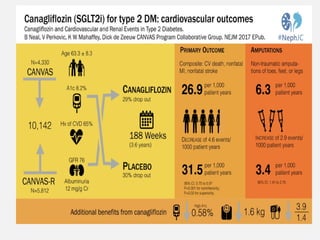
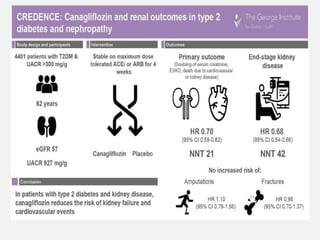
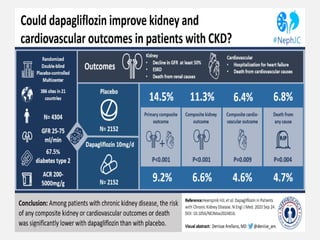
SGLT-2 INHIBITORS
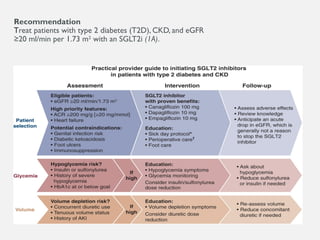
Recommendation
Treat patients with type 2 diabetes (T2D), CKD, and eGFR
≥20 ml/min per 1.73 m2
with an SGLT2i (1A).
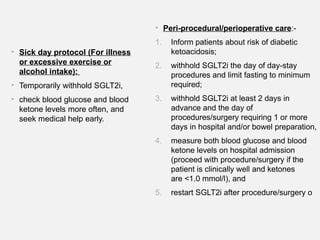
• Sick day protocol (For illness
or excessive exercise or
alcohol intake):
• Temporarily withhold SGLT2i,
• check blood glucose and blood
ketone levels more often, and
seek medical help early.
• Peri-procedural/perioperative care:-
1. Inform patients about risk of diabetic
ketoacidosis;
2. withhold SGLT2i the day of day-stay
procedures and limit fasting to minimum
required;
3. withhold SGLT2i at least 2 days in
advance and the day of
procedures/surgery requiring 1 or more
days in hospital and/or bowel preparation,
4. measure both blood glucose and blood
ketone levels on hospital admission
(proceed with procedure/surgery if the
patient is clinically well and ketones
are <1.0 mmol/l), and
5. restart SGLT2i after procedure/surgery o
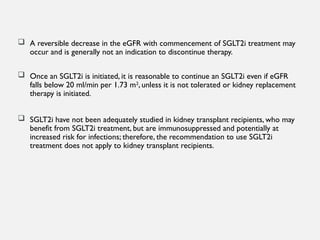
 A reversible decrease in the eGFR with commencement of SGLT2i treatment may
occur and is generally not an indication to discontinue therapy.
 Once an SGLT2i is initiated, it is reasonable to continue an SGLT2i even if eGFR
falls below 20 ml/min per 1.73 m2
, unless it is not tolerated or kidney replacement
therapy is initiated.
 SGLT2i have not been adequately studied in kidney transplant recipients, who may
benefit from SGLT2i treatment, but are immunosuppressed and potentially at
increased risk for infections; therefore, the recommendation to use SGLT2i
treatment does not apply to kidney transplant recipients.
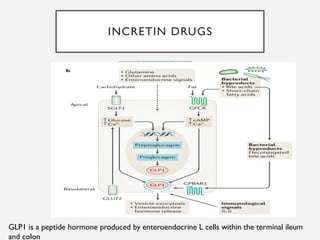
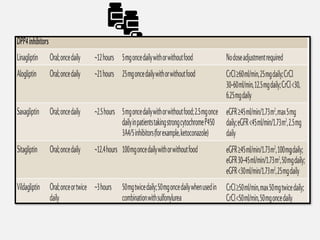
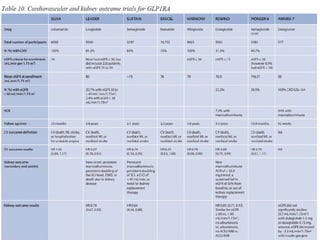
INCRETIN DRUGS
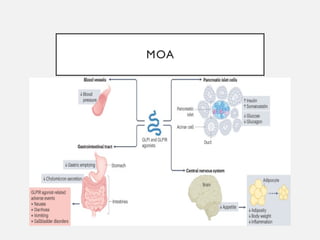
GLP1 is a peptide hormone produced by enteroendocrine L cells within the terminal ileum
and colon
MOA
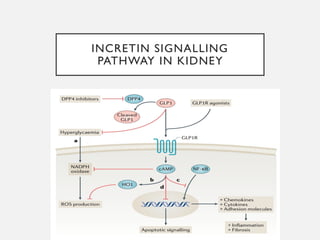
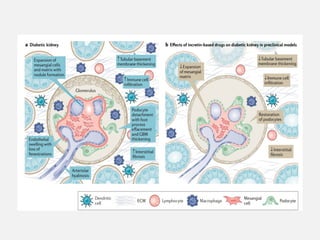
INCRETIN SIGNALLING
PATHWAY IN KIDNEY
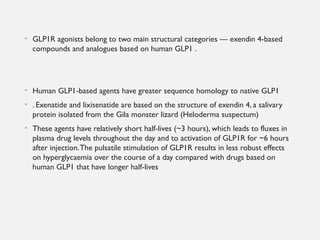
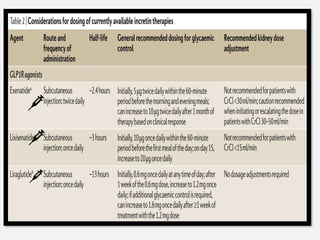
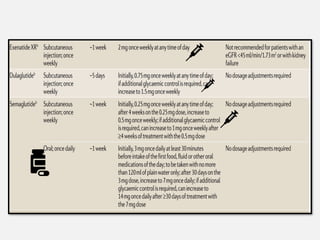
• GLP1R agonists belong to two main structural categories — exendin 4-based
compounds and analogues based on human GLP1 .
• Human GLP1-based agents have greater sequence homology to native GLP1
• . Exenatide and lixisenatide are based on the structure of exendin 4, a salivary
protein isolated from the Gila monster lizard (Heloderma suspectum)
• These agents have relatively short half-lives (~3 hours), which leads to fluxes in
plasma drug levels throughout the day and to activation of GLP1R for ~6 hours
after injection.The pulsatile stimulation of GLP1R results in less robust effects
on hyperglycaemia over the course of a day compared with drugs based on
human GLP1 that have longer half-lives
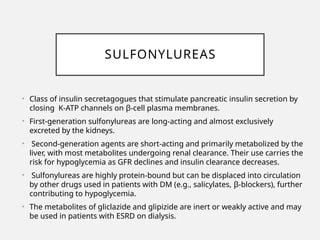
SULFONYLUREAS
• Class of insulin secretagogues that stimulate pancreatic insulin secretion by
closing K-ATP channels on β-cell plasma membranes.
• First-generation sulfonylureas are long-acting and almost exclusively
excreted by the kidneys.
• Second-generation agents are short-acting and primarily metabolized by the
liver, with most metabolites undergoing renal clearance. Their use carries the
risk for hypoglycemia as GFR declines and insulin clearance decreases.
• Sulfonylureas are highly protein-bound but can be displaced into circulation
by other drugs used in patients with DM (e.g., salicylates, β-blockers), further
contributing to hypoglycemia.
• The metabolites of gliclazide and glipizide are inert or weakly active and may
be used in patients with ESRD on dialysis.
THIAZOLIDINEDIONES
• Peroxisome proliferator-activated receptor (PPAR)modulators, which
work to increase insulin sensitivity.
• Their use is limited by causing weight gain and fluid retention
through transcriptional upregulation of tubular amiloride-sensitive
sodium channels.
• Rosiglitazone was withdrawn from the market because of the
increased risk for myocardial infarction reported with its use,
although pioglitazone remains in use.
• Higher rates of bone fractures also have been reported
Α-GLUCOSIDASE INHIBITORS
• α-Glucosidase hydrolyses complex starches to
oligosaccharides in the lumen of the small
intestine, releasing glucose.
• Inhibition of this enzyme maintains less glucose
absorption, and thus should be taken at the start
of meals.
BP MANAGEMENT
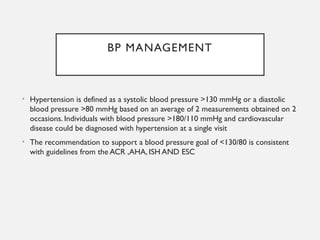
• Hypertension is defined as a systolic blood pressure >130 mmHg or a diastolic
blood pressure >80 mmHg based on an average of 2 measurements obtained on 2
occasions. Individuals with blood pressure >180/110 mmHg and cardiovascular
disease could be diagnosed with hypertension at a single visit
• The recommendation to support a blood pressure goal of <130/80 is consistent
with guidelines from the ACR ,AHA, ISH AND ESC
ACEI AND ARB
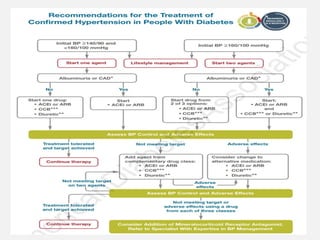
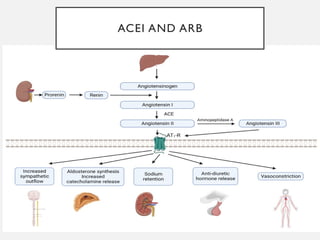
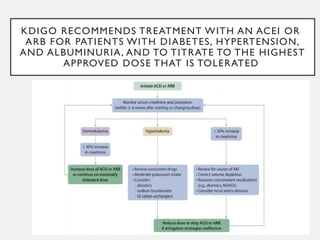
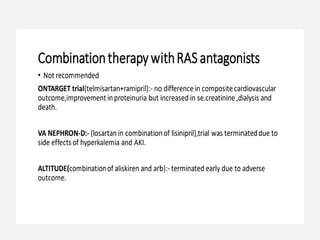
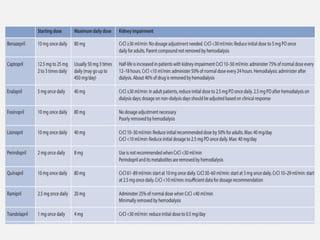
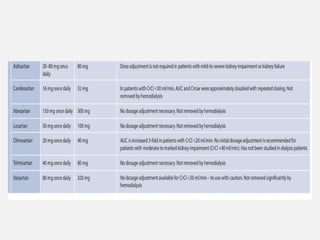
KDIGO RECOMMENDS TREATMENT WITH AN ACEI OR
ARB FOR PATIENTS WITH DIABETES, HYPERTENSION,
AND ALBUMINURIA, AND TO TITRATE TO THE HIGHEST
APPROVED DOSE THAT IS TOLERATED
• For patients with diabetes, albuminuria, and normal blood pressure,
treatment with an ACEi or ARB may be considered.
• A small percentage (3.5%) of patients in the RENAAL trial, and
30.9% (163 of 527) of randomized patients in the INNOVATION
study were normotensive, suggesting that use of RAS blockade
may be beneficial in patients without hypertension
• Available data suggest that ACEi and ARB treatments are not
beneficial for patients with neither albuminuria nor elevated blood
pressure
CCB
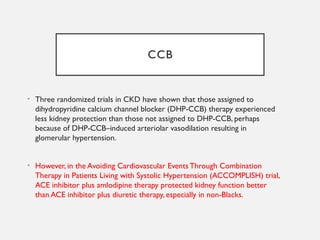
• Three randomized trials in CKD have shown that those assigned to
dihydropyridine calcium channel blocker (DHP-CCB) therapy experienced
less kidney protection than those not assigned to DHP-CCB, perhaps
because of DHP-CCB–induced arteriolar vasodilation resulting in
glomerular hypertension.
• However, in the Avoiding Cardiovascular Events Through Combination
Therapy in Patients Living with Systolic Hypertension (ACCOMPLISH) trial,
ACE inhibitor plus amlodipine therapy protected kidney function better
than ACE inhibitor plus diuretic therapy, especially in non-Blacks.
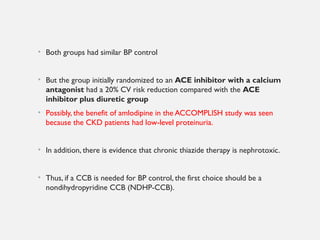
• Both groups had similar BP control
• But the group initially randomized to an ACE inhibitor with a calcium
antagonist had a 20% CV risk reduction compared with the ACE
inhibitor plus diuretic group
• Possibly, the benefit of amlodipine in the ACCOMPLISH study was seen
because the CKD patients had low-level proteinuria.
• In addition, there is evidence that chronic thiazide therapy is nephrotoxic.
• Thus, if a CCB is needed for BP control, the first choice should be a
nondihydropyridine CCB (NDHP-CCB).
PATHWAY 2 TRIAL
• Addition of Spironolactone to A+C+D in resistant HTN is
better than a Beta or a Alpha Blocker.
LIPID MANAGEMENT
• Diabetic dyslipidemia is characterized by elevated triglyceride levels, low high-density lipoprotein
cholesterol (HDL-C) levels, and an excess of highly atherogenic, small, dense low- density
lipoprotein cholesterol (LDL-C)
• Statin therapy is a cornerstone of therapy for the primary and secondary prevention of ASCVD
among people with diabetes and CKD.
• The 2013 KDIGO Clinical Practice Guideline for Lipid Management in Chronic Kidney Disease
recommended statin initiation for most adults with diabetes and CKD who are not treated with
dialysis.
(i) adults >50 years old with CKD and eGFR < 60 ml/min/1.73 m2 (grade 1B recommendation) and
(ii) adults aged 18–49 years with CKD with diabetes, known coronary heart disease, prior ischemic
stroke, or estimated 10-year incidence of coronary heart disease death or nonfatal MI >10% (grade
2A recommendation).
• In nondialysis CKD patients, a beneficial effect on lowering cholesterol was
confirmed in the Study of Heart and Renal Protection (SHARP), which included
more than 9000 patients with a wide range of CKD and no history of CVD,
randomized to simvastatin and ezetimibe or placebo.A 17% reduction in adverse
CV outcomes was seen for every 33 mg/dl reduction in LDL-C, whether the CKD
subject was diabetic or nondiabetic, with no impact on mortality.
• However, in DM dialysis patients the AURORA, SHARP, and 4D trials did not show
significant reductions in CV events or mortality despite LDL-C falling by up to 42%.
• Ezetimibe is an appropriate alternative first-line agent for patients who cannot
tolerate statins, and fibrates should be used as primary therapy in patients whose
triglyceride levels exceed 400 mg/dL
• Statin/fibrate combinations should be used with caution because of an increased risk
of rhabdomyolysis. This risk appears to be greater among patients with kidney
impairment and appears to be lower with fenofibrate than with gemfibrozil
ANTITHROMBOTIC THERAPY
• Hyperglycemia has a procoagulant effect on platelet aggregation independent of insulin levels, and
hyperinsulinemia itself carries an inhibitory effect on fibrinolysis and thus significantly increases the risk
for thrombosis. Platelet reactivity is known to increase with advancing CKD
• AntithromboticTherapy Review of trials suggests that aspirin may offer a modest benefit in reducing
cardiovascular risk in patients with diabetes, although the evidence is equivocal
• Current ADA diabetes management guidelines, endorsed by AHA and ACR, recommend low-dose aspirin
(75-162 mg/d) for primary prevention in patients at increased cardiovascular risk (ie, a 10-year risk of
>10%) and for those with diabetes and existing cardiovascular disease
• Antithrombotic Therapy Clopidogrel at 75 mg/d is a useful alternative for patients unable to tolerate
aspirin, and dual antiplatelet therapy for 1 year with aspirin plus clopidogrel should be considered for
patients experiencing an acute coronary syndrome
• THANKYOU

DIABETIC NEPHROPATHY-management.pptx recent

  • 1.
  • 2.
    HOLISTIC APPROACH FORIMPROVING OUTCOMES IN PATIENTS WITH DIABETES AND CHRONIC KIDNEY DISEASE
  • 3.
    LIFESTYLE INTERVENTIONS IN PATIENTSWITH DIABETES AND CKD • Nutrition intake • Patients with diabetes and CKD should consume an individualized diet high in vegetables, fruits, whole grains, fiber, legumes, plant-based proteins, unsaturated fats, and nuts; and lower in processed meats, refined carbohydrates, and sweetened beverages.
  • 4.
    PROTEIN INTAKE  Guidelinessuggest maintaining a protein intake of 0.8 g of protein/kg (weight)/d for those with diabetes and CKD not treated with dialysis (2C).  Patients treated with hemodialysis, and particularly peritoneal dialysis should consume between 1.0 and 1.2 g protein/kg (weight)/d
  • 5.
    SALT INTAKE o Sodiumintake be <2 g of sodium per day or <5 g of sodium chloride per day in patients with diabetes and CKD (2C). KDIGO - <2000 mg/day, ADA - 1500 to <2300 mg/day
  • 6.
    SMOKING • Smoking Appearsto promote onset and progression of diabetic kidney disease • Several studies have reported a higher prevalence of microalbuminuria and macroalbuminuria and reduced GFR (<60 mL/min/1.73 m 2 ) among patients with type 2 diabetes who smoked compared with their nonsmoking counterparts • Precise mechanism not clear - One hypothesis is activation of multiple cellular pathways in smokers with diabetes results in accumulation of reactive oxygen species and a loss of kidney redox homeostasis
  • 7.
    WEIGHT LOSS • WeightLoss Goal should be individualized to the patient and should be both achievable and maintainable; NKF recommends a target BMI of 18.5-24.9 (ie, within the normal range) for patients with diabetes and CKD
  • 8.
  • 9.
    GLYCEMIC CONTROL Guidelines recommendhemoglobin A1c (HbA1c)/TIR or GMI to monitor glycemic control in patients with diabetes and CKD, at least twice per year is reasonable for patients with diabetes meeting treatment goals. HbA1c may be measured as often as 4 times per year if the glycemic target is not met or after a change in glucose-lowering therapy. Accuracy and precision of HbA1c measurement declines with advanced CKD (G4-G5), particularly among patients treated by dialysis
  • 10.
    • Hba1c reflectsaverage glycemia over 3 months, but does not provide a measure of glycemic variability or hypoglycemia • A 14-day CGM assessment of TIR and GMI can serve as a surrogate for A1C for use in clinical management • 70%TIR=HBA1C OF 7
  • 11.
    • The ADArecommends a starting HbA1c target of <7% to reduce microvascular complications in most non-pregnant adult patients with T1D and T2D without hypoglycemia risk. • Although higher goals (i.e., <8%) are acceptable for patients with limited life expectancy and in whom the harms of treatment may outweigh the benefits KDIGO Guidelines recommend an individualized HbA1c target ranging from <6.5% to <8.0% in patients with diabetes and CKD not treated with dialysis (1C).
  • 12.
  • 13.
    • RCT, testedthe “glucose hypothesis” • Over its mean 6.5 years of therapy, the DCCT demonstrated that intensive treatment, i.e., HbA1c -7.2% reduced the risks of development and progression of early stages of retinopathy, nephropathy, and neuropathy by 34%–76%, compared with conventional treatment (HbA1c 9%)
  • 14.
    EPIDEMIOLOGY OF DIABETES INTERVENTIONSAND COMPLICATIONS(EDIC) • The DCCT was followed by the EDIC observational study of the DCCT cohort (1994 to date) . • The beneficial effects of prior DCCT intensive versus conventional treatment on diabetes complications persisted - “metabolic memory”
  • 15.
    UNITED KINGDOM PROSPECTIVEDIABETES STUDY (UKPDS) • Reducing the HbA1c level by approximately 0.9% in patients with type 2 diabetes reduced the risk for microvascular complications, • The differences in HbA1c were lost within 1 year, but a 24% lower risk of microvascular disease and myocardial infarction ( 15%) persisted.All-cause mortality was also reduced ( 13%).- − − “legacy effect.”
  • 17.
  • 21.
    METFORMIN metformin suppresses gluconeogenesisby inhibiting a specific mitochondrial isoform of glycerophosphate dehydrogenase (mGPD), an enzyme responsible for converting glycerophosphate to dihydroxyacetone phosphate, thereby preventing glycerol from contributing to the gluconeogenic pathway,
  • 22.
    The dose shouldbe reduced to 1000 mg daily in patients with eGFR 30–44 ml/min/1.73 m2 and in some patients with eGFR 45–59 ml/min/1.73 m2 who are at high risk of lactic acidosis
  • 23.
    METFORMIN IS CONTRAINDICATEDIN PATIENTS WITH FACTORS PREDISPOSING TO LACTIC ACIDOSIS. Impaired kidney function (estimated glomerular filtration rate [eGFR] Concurrent active or progressive severe liver disease Active alcohol abuse Unstable or acute heart failure at risk of hypoperfusion Past history of lactic acidosis during metformin therapy Decreased tissue perfusion or hemodynamic instability due to infection or other causes
  • 27.
  • 30.
    Recommendation Treat patients withtype 2 diabetes (T2D), CKD, and eGFR ≥20 ml/min per 1.73 m2 with an SGLT2i (1A).
  • 31.
    • Sick dayprotocol (For illness or excessive exercise or alcohol intake): • Temporarily withhold SGLT2i, • check blood glucose and blood ketone levels more often, and seek medical help early. • Peri-procedural/perioperative care:- 1. Inform patients about risk of diabetic ketoacidosis; 2. withhold SGLT2i the day of day-stay procedures and limit fasting to minimum required; 3. withhold SGLT2i at least 2 days in advance and the day of procedures/surgery requiring 1 or more days in hospital and/or bowel preparation, 4. measure both blood glucose and blood ketone levels on hospital admission (proceed with procedure/surgery if the patient is clinically well and ketones are <1.0 mmol/l), and 5. restart SGLT2i after procedure/surgery o
  • 32.
     A reversibledecrease in the eGFR with commencement of SGLT2i treatment may occur and is generally not an indication to discontinue therapy.  Once an SGLT2i is initiated, it is reasonable to continue an SGLT2i even if eGFR falls below 20 ml/min per 1.73 m2 , unless it is not tolerated or kidney replacement therapy is initiated.  SGLT2i have not been adequately studied in kidney transplant recipients, who may benefit from SGLT2i treatment, but are immunosuppressed and potentially at increased risk for infections; therefore, the recommendation to use SGLT2i treatment does not apply to kidney transplant recipients.
  • 37.
    INCRETIN DRUGS GLP1 isa peptide hormone produced by enteroendocrine L cells within the terminal ileum and colon
  • 38.
  • 39.
  • 41.
    • GLP1R agonistsbelong to two main structural categories — exendin 4-based compounds and analogues based on human GLP1 . • Human GLP1-based agents have greater sequence homology to native GLP1 • . Exenatide and lixisenatide are based on the structure of exendin 4, a salivary protein isolated from the Gila monster lizard (Heloderma suspectum) • These agents have relatively short half-lives (~3 hours), which leads to fluxes in plasma drug levels throughout the day and to activation of GLP1R for ~6 hours after injection.The pulsatile stimulation of GLP1R results in less robust effects on hyperglycaemia over the course of a day compared with drugs based on human GLP1 that have longer half-lives
  • 47.
    SULFONYLUREAS • Class ofinsulin secretagogues that stimulate pancreatic insulin secretion by closing K-ATP channels on β-cell plasma membranes. • First-generation sulfonylureas are long-acting and almost exclusively excreted by the kidneys. • Second-generation agents are short-acting and primarily metabolized by the liver, with most metabolites undergoing renal clearance. Their use carries the risk for hypoglycemia as GFR declines and insulin clearance decreases. • Sulfonylureas are highly protein-bound but can be displaced into circulation by other drugs used in patients with DM (e.g., salicylates, β-blockers), further contributing to hypoglycemia. • The metabolites of gliclazide and glipizide are inert or weakly active and may be used in patients with ESRD on dialysis.
  • 48.
    THIAZOLIDINEDIONES • Peroxisome proliferator-activatedreceptor (PPAR)modulators, which work to increase insulin sensitivity. • Their use is limited by causing weight gain and fluid retention through transcriptional upregulation of tubular amiloride-sensitive sodium channels. • Rosiglitazone was withdrawn from the market because of the increased risk for myocardial infarction reported with its use, although pioglitazone remains in use. • Higher rates of bone fractures also have been reported
  • 49.
    Α-GLUCOSIDASE INHIBITORS • α-Glucosidasehydrolyses complex starches to oligosaccharides in the lumen of the small intestine, releasing glucose. • Inhibition of this enzyme maintains less glucose absorption, and thus should be taken at the start of meals.
  • 50.
    BP MANAGEMENT • Hypertensionis defined as a systolic blood pressure >130 mmHg or a diastolic blood pressure >80 mmHg based on an average of 2 measurements obtained on 2 occasions. Individuals with blood pressure >180/110 mmHg and cardiovascular disease could be diagnosed with hypertension at a single visit • The recommendation to support a blood pressure goal of <130/80 is consistent with guidelines from the ACR ,AHA, ISH AND ESC
  • 53.
  • 54.
    KDIGO RECOMMENDS TREATMENTWITH AN ACEI OR ARB FOR PATIENTS WITH DIABETES, HYPERTENSION, AND ALBUMINURIA, AND TO TITRATE TO THE HIGHEST APPROVED DOSE THAT IS TOLERATED
  • 55.
    • For patientswith diabetes, albuminuria, and normal blood pressure, treatment with an ACEi or ARB may be considered. • A small percentage (3.5%) of patients in the RENAAL trial, and 30.9% (163 of 527) of randomized patients in the INNOVATION study were normotensive, suggesting that use of RAS blockade may be beneficial in patients without hypertension • Available data suggest that ACEi and ARB treatments are not beneficial for patients with neither albuminuria nor elevated blood pressure
  • 65.
    CCB • Three randomizedtrials in CKD have shown that those assigned to dihydropyridine calcium channel blocker (DHP-CCB) therapy experienced less kidney protection than those not assigned to DHP-CCB, perhaps because of DHP-CCB–induced arteriolar vasodilation resulting in glomerular hypertension. • However, in the Avoiding Cardiovascular Events Through Combination Therapy in Patients Living with Systolic Hypertension (ACCOMPLISH) trial, ACE inhibitor plus amlodipine therapy protected kidney function better than ACE inhibitor plus diuretic therapy, especially in non-Blacks.
  • 66.
    • Both groupshad similar BP control • But the group initially randomized to an ACE inhibitor with a calcium antagonist had a 20% CV risk reduction compared with the ACE inhibitor plus diuretic group • Possibly, the benefit of amlodipine in the ACCOMPLISH study was seen because the CKD patients had low-level proteinuria. • In addition, there is evidence that chronic thiazide therapy is nephrotoxic. • Thus, if a CCB is needed for BP control, the first choice should be a nondihydropyridine CCB (NDHP-CCB).
  • 67.
    PATHWAY 2 TRIAL •Addition of Spironolactone to A+C+D in resistant HTN is better than a Beta or a Alpha Blocker.
  • 68.
    LIPID MANAGEMENT • Diabeticdyslipidemia is characterized by elevated triglyceride levels, low high-density lipoprotein cholesterol (HDL-C) levels, and an excess of highly atherogenic, small, dense low- density lipoprotein cholesterol (LDL-C) • Statin therapy is a cornerstone of therapy for the primary and secondary prevention of ASCVD among people with diabetes and CKD. • The 2013 KDIGO Clinical Practice Guideline for Lipid Management in Chronic Kidney Disease recommended statin initiation for most adults with diabetes and CKD who are not treated with dialysis. (i) adults >50 years old with CKD and eGFR < 60 ml/min/1.73 m2 (grade 1B recommendation) and (ii) adults aged 18–49 years with CKD with diabetes, known coronary heart disease, prior ischemic stroke, or estimated 10-year incidence of coronary heart disease death or nonfatal MI >10% (grade 2A recommendation).
  • 69.
    • In nondialysisCKD patients, a beneficial effect on lowering cholesterol was confirmed in the Study of Heart and Renal Protection (SHARP), which included more than 9000 patients with a wide range of CKD and no history of CVD, randomized to simvastatin and ezetimibe or placebo.A 17% reduction in adverse CV outcomes was seen for every 33 mg/dl reduction in LDL-C, whether the CKD subject was diabetic or nondiabetic, with no impact on mortality. • However, in DM dialysis patients the AURORA, SHARP, and 4D trials did not show significant reductions in CV events or mortality despite LDL-C falling by up to 42%. • Ezetimibe is an appropriate alternative first-line agent for patients who cannot tolerate statins, and fibrates should be used as primary therapy in patients whose triglyceride levels exceed 400 mg/dL • Statin/fibrate combinations should be used with caution because of an increased risk of rhabdomyolysis. This risk appears to be greater among patients with kidney impairment and appears to be lower with fenofibrate than with gemfibrozil
  • 70.
    ANTITHROMBOTIC THERAPY • Hyperglycemiahas a procoagulant effect on platelet aggregation independent of insulin levels, and hyperinsulinemia itself carries an inhibitory effect on fibrinolysis and thus significantly increases the risk for thrombosis. Platelet reactivity is known to increase with advancing CKD • AntithromboticTherapy Review of trials suggests that aspirin may offer a modest benefit in reducing cardiovascular risk in patients with diabetes, although the evidence is equivocal • Current ADA diabetes management guidelines, endorsed by AHA and ACR, recommend low-dose aspirin (75-162 mg/d) for primary prevention in patients at increased cardiovascular risk (ie, a 10-year risk of >10%) and for those with diabetes and existing cardiovascular disease • Antithrombotic Therapy Clopidogrel at 75 mg/d is a useful alternative for patients unable to tolerate aspirin, and dual antiplatelet therapy for 1 year with aspirin plus clopidogrel should be considered for patients experiencing an acute coronary syndrome
  • 71.

Editor's Notes

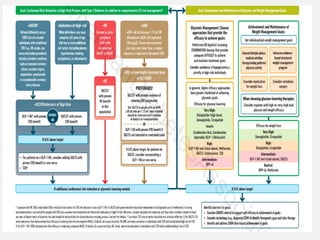
  • #2 People with diabetes and chronic kidney disease (CKD) should be treated with a comprehensive approach to improve kidney and cardiovascular outcomes. This approach should include a foundation of lifestyle modification and self-management for all patients, and additional interventions as needed to further control risk factors. Glycemic control is based on insulin for type 1 diabetes (T1D) and a combination of metformin and sodium–glucose cotransporter-2 inhibitors (SGLT2i) for type 2 diabetes (T2D). Metformin may be given when estimated glomerular filtration rate (eGFR) $30 ml/min per 1.73 m2 , and SGLT2i should be initiated when eGFR is $20 ml/min per 1.73 m2 and continued as tolerated, until dialysis or transplantation is initiated. Renin–angiotensin system (RAS) inhibition is recommended for patients with albuminuria and hypertension (HTN). A statin is recommended for all patients with T1D or T2D and CKD. Glucagon-like peptide-1 receptor agonists (GLP-1 RA) are preferred glucoselowering drugs for people T2D if SGLT2i and metformin are insufficient to meet glycemic targets or if they are unable to use SGLT2i or metformin. A nonsteroidal mineralocorticoid receptor antagonist (ns-MRA) can be added to first-line therapy for patients with T2D and high residual risks of kidney disease progression and cardiovascular events, as evidenced by persistent albuminuria (>30 mg/g [>3 mg/mmol]). Aspirin generally should be used lifelong for secondary prevention among those with established cardiovascular disease and may be considered for primary prevention among patients with high risk of atherosclerotic cardiovascular disease (ASCVD)
  • #9 Hyperinsulinemia,rbc life span decreases by 30-7-,carbamylated hemoglobin molecule in ureamic environment becomes resistant to glycosylation
  • #13 that hyperglycemia is a direct cause of the development and progression of microvascular complications.
  • #14 prior period of hyperglycemia increases the long-term risk of complications
  • #16 All three trials were conducted in relatively older participants with a longer known duration of diabetes (mean duration 8–11 years)and either CVD or multiple cardiovascularrisk factors
  • #21 metformin suppresses gluconeogenesis by inhibiting a specific mitochondrial isoform of glycerophosphate dehydrogenase (mGPD), an enzyme responsible for converting glycerophosphate to dihydroxyacetone phosphate, thereby preventing glycerol from contributing to the gluconeogenic pathway, In addition, inhibition of mGPD leads to accumulationof cytoplasmic NADH and a decrease in the conversion of lactate to pyruvate, limiting lactate contributions to hepatic gluconeogenesis. Excess glycerol and lactate are released into the plasma. AMPK-dependent inhibitory phosphorylation of acetylCoA carboxylases Acc1 and Acc2 suppresses lipogenesis and lowers cellular fatty acid synthesis in liver and muscle
  • #25 In the (UKPDS), patients with type 2 diabetes and obesity who were assigned initially to receive metformin rather than sulfonylurea or insulin therapy had a decreased risk of the aggregate diabetes related endpoint (endpoints included both macrovascular and microvascular complications) and all-cause mortality . During the postinterventional observation period of the UKPDS, reductions in the risk of macrovascular complications were maintained in the metformin group
  • #27 Filtered glucose is reabsorbed in the proximal tubule by two sodium-dependent glucose transporters, SGLT1 and SGLT2, with SGLT2 responsible for the bulk (~90%) of glucose absorption. increased filtered load of glucose leads to an increase in sodium-coupled glucose reabsorption by the proximal tubule and decreased sodium delivery to the macula densa. This decrease in sodium delivery to the JGA results in intrarenal activation of the RAAS, efferent arteriolar vasoconstriction, glomerular hypertension and kidney hyperfiltration. Decreased delivery of sodium to the macula densa also inhibits ATP conversion into adenosine, leading to reduced levels of this potent vasoconstrictor and resulting in vasodilation of the afferent arteriole, enhanced renal plasma flow (RPF), increased intraglomerular pressure and ultimately hyperfiltration
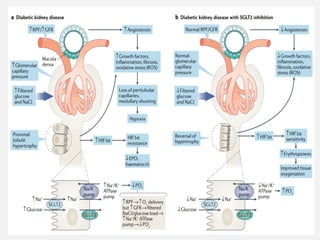
  • #28 The increase in plasma glucose concentration and elevated renal plasma flow (RPF) and glomerular filtration rate (GFR) results in an increase in the filtered load of glucose and sodium, leading to augmented glucose and sodium reabsorption by sodium–glucose co-transporter 2 (SGLT2) in the proximal tubule. The increase in intracellular sodium must be transported out of the proximal tubule by the Na+/K+ ATPase pump, an energy demanding process that requires oxygen and predisposes to hypoxia, which promotes fibrosis, the release of growth factors and inflammatory molecules, and the generation of reactive oxygen species (ROS). In addition, loss of peritubular capillaries can lead to shunting of blood flow by the medullary region of the kidney, further contributing to renal hypoxia The glucosuric effect reduces the plasma glucose concentration, while normalization of tubuloglomerular feedback reduces GFR, both contributing to a decrease in the filtered load of glucose and sodium and further reducing the need for oxygen to drive the Na+K+ ATPase pump. Correction of renal hypoxia increases sensitivity to HIF1α, leading to an increase in EPO levels and erythropoiesis. Amelioration of hypoxia attenuates inflammation, fibrosis and the generation of ROS.
  • #37 GLP1 is a peptide hormone produced by enteroendocrine L cells within the terminal ileum and colon, and by a population of neurons in the solitary nucleus within the brainstem The presence of monosaccharides in the intestine, including glucose, galactose, fructose and methyl-α-glucopyranoside, stimulate postprandial increases in GLP1 Inflammatory mediators and bacterial metabolites also stimulate GLP1 release
  • #39 GLP1R agonists reduce the production of reactive oxygen species (ROS) through receptor-mediated and non-receptor-mediated mechanisms. Haem oxygenase 1 (HO1) is upregulated by GLP1R agonists and protects against oxidative stress in ischaemia–reperfusion injury128,212. c | GLP1R activation inhibits the binding of nuclear factor-κB (NF-κB) p65 to its target genes, which may reduce the downstream expression of chemokines, cytokines
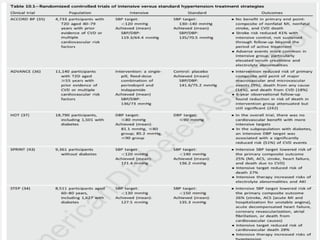
  • #51 ACTION TO CONTRROL CARDIOVASCULAR DISEASE IN DIABETES ACTION IN DIABETES AND VASCULAR DISEASE HOT-HYPERTENSION OPTIMAL TREATMENT TRIAL SPRINT-SYSTOLIC BLOOD PRESSURE INTERVENTION TRIAL STEP-STRATEGY OF BLOOD PRESSURE INTERVENTION IN THE ELDERLY HYPRTENSIVE PATIENTS
  • #52 The presence of albuminuria is associated with an increased risk of progression of CKD and the development of kidney failure in patients with CKD and diabetes. the degree of albuminuria correlates with the risks for kidney failure the albuminuria-lowering effect is dose-related (but has side effects as well). Thus, for maximal effect, start at a low dose and then uptitrate