Standards of Medical Care in
Diabetesd2014
Diabetes mellitus is a complex, chronic illness requiring continuous medical care
with multifactorial risk reduction strategies beyond glycemic control. Ongoing
patient self-management education and support are critical to preventing acute
complications and reducing the risk of long-term complications. Significant
evidence exists that supports a range of interventions to improve diabetes
outcomes.
The American Diabetes Association’s (ADA’s) Standards of Care are intended to
provide clinicians, patients, researchers, payers, and other interested
individuals with the components of diabetes care, general treatment goals,
and tools to evaluate the quality of care. The Standards of Care
recommendations are not intended to preclude clinical judgment and must be
applied in the context of excellent clinical care and with adjustments for
individual preferences, comorbidities, and other patient factors. For
more detailed information about management of diabetes, refer to
references 1,2.
The recommendations include screening, diagnostic, and therapeutic actions that
are known or believed to favorably affect health outcomes of patients with
diabetes. Many of these interventions have also been shown to be cost-effective
(3). A grading system (Table 1) developed by ADA and modeled after existing
methods was used to clarify and codify the evidence that forms the basis for the
recommendations. The letters A, B, C, or E show the evidence level that supports
each recommendation. The Standards of Care conclude with evidence and
recommendations for strategies to improve the process of diabetes care. It must
be emphasized that clinical evidence and expert recommendations alone cannot
improve patients’ lives, but must be effectively translated into clinical
management.
I. CLASSIFICATION AND DIAGNOSIS
A. Classification
Diabetes can be classified into four clinical categories:
c Type 1 diabetes (due to b-cell destruction, usually leading to absolute insulin
deficiency)
c Type 2 diabetes (due to a progressive insulin secretory defect on the background
of insulin resistance)
c Other specific types of diabetes due to other causes, e.g., genetic defects in b-cell
function, genetic defects in insulin action, diseases of the exocrine pancreas (such
as cystic fibrosis), and drug- or chemical-induced (such as in the treatment of HIV/
AIDS or after organ transplantation)
c Gestational diabetes mellitus (GDM) (diabetes diagnosed during pregnancy that
is not clearly overt diabetes)
Some patients cannot be clearly classified as type 1 or type 2 diabetic.
Clinical presentation and disease progression vary considerably in both types of
diabetes. Occasionally, patients diagnosed with type 2 diabetes may present
with ketoacidosis. Children with type 1 diabetes typically present with the
hallmark symptoms of polyuria/polydipsia and occasionally with diabetic
ketoacidosis (DKA). However, difficulties in diagnosis may occur in children,
adolescents, and adults, with the true diagnosis becoming more obvious
over time.
Originally approved 1988. Most recent review/
revision October 2013.
DOI: 10.2337/dc14-S014
© 2014 by the American Diabetes Association.
See http://creativecommons.org/licenses/by-
nc-nd/3.0/ for details.
American Diabetes Association
S14 Diabetes Care Volume 37, Supplement 1, January 2014
POSITIONSTATEMENT
B. Diagnosis of Diabetes
Diabetes is usually diagnosed based on
plasma glucose criteria, either the
fasting plasma glucose (FPG) or the 2-h
plasma glucose (2-h PG) value after a
75-g oral glucose tolerance test (OGTT)
(4). Recently, an International Expert
Committee added the A1C (threshold
$6.5%) as a third option to diagnose
diabetes (5) (Table 2).
A1C
The A1C test should be performed
using a method that is certified by the
National Glycohemoglobin
Standardization Program (NGSP) and
standardized or traceable to the
Diabetes Control and Complications
Trial (DCCT) reference assay. Although
point-of-care (POC) A1C assays may be
NGSP-certified, proficiency testing is not
mandated for performing the test, so
use of these assays for diagnostic
purposes may be problematic.
Epidemiological data show a similar
relationship of A1C with the risk of
retinopathy as seen with FPG and 2-h
PG. The A1C has several advantages to
the FPG and OGTT, including greater
convenience (fasting not required),
possibly greater preanalytical stability,
and less day-to-day perturbations
during stress and illness. These
advantages must be balanced by greater
cost, the limited availability of A1C
testing in certain regions of the
developing world, and the incomplete
correlation between A1C and average
glucose in certain individuals.
Race/Ethnicity
A1C levels may vary with patients’ race/
ethnicity (6,7). Glycation rates may differ
by race. For example, African Americans
mayhave higherratesofglycation, butthis
is controversial. A recent epidemiological
study found that, when matched for FPG,
African Americans (with and without
diabetes) had higher A1C than non-
Hispanic whites, but also had higher levels
of fructosamine and glycated albumin and
lower levels of 1,5 anhydroglucitol,
suggesting that their glycemic burden
(particularly postprandially) may be
higher (8). Epidemiological studies
forming the framework for
recommending A1C to diagnose diabetes
have all been in adult populations. It is
unclear if the same A1C cut point should
be used to diagnose children or
adolescents with diabetes (9,10).
Anemias/Hemoglobinopathies
Interpreting A1C levels in the presence of
certain anemias and hemoglobinopathies
is particularly problematic. For patients
with an abnormalhemoglobin but normal
red cell turnover, such as sickle cell trait,
an A1C assay without interference from
abnormal hemoglobins should be used.
An updated list is available at www.ngsp.
org/interf.asp. In situations of abnormal
red cell turnover, such as pregnancy,
recent blood loss or transfusion, or some
anemias, only blood glucose criteria
should be used to diagnose diabetes.
Fasting and Two-Hour Plasma
Glucose
In addition to the A1C test, the FPG and
2-h PG may also be used to diagnose
diabetes. The current diagnostic criteria
for diabetes are summarized in Table 2.
The concordance between the FPG and
2-h PG tests is ,100%. The concordance
between A1C and either glucose-based
test is also imperfect. National Health and
Nutrition Examination Survey (NHANES)
data indicate that the A1C cut point of
$6.5% identifies one-third fewer cases of
undiagnosed diabetes than a fasting
glucose cut point of $126 mg/dL (7.0
mmol/L) (11). Numerous studies have
confirmed that, at these cut points, the
2-h OGTT value diagnoses more screened
people with diabetes (12). In reality, a
large portion of the diabetic population
remains undiagnosed. Of note, the lower
sensitivity of A1C at the designated cut
point may be offset by the test’s ability to
facilitate the diagnosis.
As with most diagnostic tests, a test
result should be repeated when feasible
Table 1—ADA evidence grading system for Clinical Practice Recommendations
Level of
evidence Description
A Clear evidence from well-conducted, generalizable RCTs that are adequately
powered, including:
c Evidence from a well-conducted multicenter trial
c Evidence from a meta-analysis that incorporated quality ratings in the analysis
Compelling nonexperimental evidence, i.e., “all or none” rule developed
by the Center for Evidence-Based Medicine at the University of Oxford
Supportive evidence from well-conducted RCTs that are adequately powered,
including:
c Evidence from a well-conducted trial at one or more institutions
c Evidence from a meta-analysis that incorporated quality ratings in the analysis
B Supportive evidence from well-conducted cohort studies
c Evidence from a well-conducted prospective cohort study or registry
c Evidence from a well-conducted meta-analysis of cohort studies
Supportive evidence from a well-conducted case-control study
C Supportive evidence from poorly controlled or uncontrolled studies
c Evidence from randomized clinical trials with one or more major or three
or more minor methodological flaws that could invalidate the results
c Evidence from observational studies with high potential for bias (such as case
series with comparison with historical controls)
c Evidence from case series or case reports
Conflicting evidence with the weight of evidence supporting the recommendation
E Expert consensus or clinical experience
Table 2—Criteria for the diagnosis of
diabetes
A1C $6.5%. The test should be performed
in a laboratory using a method that is
NGSP certified and standardized to the
DCCT assay.*
OR
FPG $126 mg/dL (7.0 mmol/L). Fasting
is defined as no caloric intake for at
least 8 h.*
OR
Two-hour PG $200 mg/dL (11.1 mmol/L)
during an OGTT. The test should be
performed as described by the WHO,
using a glucose load containing the
equivalent of 75 g anhydrous glucose
dissolved in water.*
OR
In a patient with classic symptoms of
hyperglycemia or hyperglycemic crisis,
a random plasma glucose $200 mg/dL
(11.1 mmol/L).
*In the absence of unequivocal
hyperglycemia, result should be confirmed
by repeat testing.
care.diabetesjournals.org Position Statement S15
to rule out laboratory error (e.g., an
elevated A1C should be repeated when
feasible, and not necessarily in 3 months).
Unless there is a clear clinical diagnosis
(e.g., a patient in a hyperglycemic crisis or
classic symptoms of hyperglycemia and a
random plasma glucose $200 mg/dL), it
is preferable that the same test be
repeated for confirmation, since there
will be a greater likelihood of
concurrence. For example, if the A1C is
7.0% and a repeat result is 6.8%, the
diagnosis of diabetes is confirmed. If two
different tests (such as A1C and FPG) are
both above the diagnostic threshold, this
also confirms the diagnosis.
On the other hand, if a patient has
discordant results on two different
tests, then the test result that is above
the diagnostic cut point should be
repeated. The diagnosis is made on the
basis of the confirmed test. For example,
if a patient meets the diabetes criterion of
the A1C (two results $6.5%) but not the
FPG (,126 mg/dL or 7.0 mmol/L), or
vice versa, that person should be
considered to have diabetes.
Since there is preanalytic and analytic
variability ofall the tests,itispossible that
an abnormal result (i.e., above the
diagnostic threshold), when repeated,
will produce a value below the diagnostic
cut point. This is least likely for A1C,
somewhat more likely for FPG, and most
likely for the 2-h PG. Barring a laboratory
error, such patients will likely have test
results near the margins of the diagnostic
threshold. The health care professional
might opt to follow the patient closely
and repeat the test in 3–6 months.
C. Categories of Increased Risk for
Diabetes (Prediabetes)
In 1997 and 2003, the Expert Committee
on Diagnosis and Classification of
Diabetes Mellitus (13,14) recognized a
group of individuals whose glucose
levels did not meet the criteria for
diabetes, but were too high to be
considered normal. These persons were
defined as having impaired fasting
glucose (IFG) (FPG levels 100–125 mg/dL
[5.6–6.9 mmol/L]), or impaired glucose
tolerance (IGT) (2-h PG OGTT values of
140–199 mg/dL [7.8–11.0 mmol/L]).
It should be noted that the World Health
Organization (WHO) and a number of
other diabetes organizations define the
cutoff for IFG at 110 mg/dL (6.1 mmol/L).
“Prediabetes” is the term used for
individuals with IFG and/or IGT,
indicating the relatively high risk for the
future development of diabetes. IFG and
IGT should not be viewed as clinical
entities in their own right but rather risk
factors for diabetes and cardiovascular
disease (CVD). IFG and IGT are
associated with obesity (especially
abdominal or visceral obesity),
dyslipidemia with high triglycerides
and/or low HDL cholesterol, and
hypertension.
As with the glucose measures, several
prospective studies that used A1C to
predict the progression to diabetes
demonstrated a strong, continuous
association between A1C and
subsequent diabetes. In a systematic
review of 44,203 individuals from 16
cohort studies with a follow-up interval
averaging 5.6 years (range 2.8–12
years), those with an A1C between 5.5
and 6.0% had a substantially increased
risk of diabetes (5-year incidences from
9 to 25%). An A1C range of 6.0–6.5%
had a 5-year risk of developing diabetes
between 25–50%, and a relative risk
(RR) 20 times higher compared with an
A1C of 5.0% (15). In a community-based
study of African American and non-
Hispanic white adults without diabetes,
baseline A1C was a stronger predictor of
subsequent diabetes and
cardiovascular events than fasting
glucose (16). Other analyses suggest
that an A1C of 5.7% is associated with
similar diabetes risk to the high-risk
participants in the Diabetes Prevention
Program (DPP) (17).
Hence, it is reasonable to consider an
A1C range of 5.7–6.4% as identifying
individuals with prediabetes. As with
those with IFG and IGT, individuals with
an A1C of 5.7–6.4% should be informed
of their increased risk for diabetes and
CVD and counseled about effective
strategies to lower their risks (see
Section IV). Similar to glucose
measurements, the continuum of risk
is curvilinear, so as A1C rises, the
diabetes risk rises disproportionately
(15). Aggressive interventions and
vigilant follow-up should be pursued
for those considered at very high risk
(e.g., those with A1Cs .6.0%). Table 3
summarizes the categories of
prediabetes.
II. TESTING FOR DIABETES IN
ASYMPTOMATIC PATIENTS
Recommendations
c Testing to detect type 2 diabetes and
prediabetes in asymptomatic people
should be considered in adults of any
age who are overweight or obese
(BMI $25 kg/m2
) and who have one
or more additional risk factors for
diabetes (Table 4). In those without
these risk factors, testing should
begin at age 45 years. B
c If tests are normal, repeat testing
at least at 3-year intervals is
reasonable. E
c To test for diabetes or prediabetes,
the A1C, FPG, or 2-h 75-g OGTT are
appropriate. B
c In those identified with prediabetes,
identify and, if appropriate, treat
other CVD risk factors. B
The same tests are used for both
screening and diagnosing diabetes.
Diabetes may be identified anywhere
along the spectrum of clinical scenarios:
from a seemingly low-risk individual who
happens to have glucose testing, to a
higher-risk individual whom the provider
tests because of high suspicion of
diabetes, and finally, to the symptomatic
patient. The discussion herein is primarily
framed as testing for diabetes in
asymptomatic individuals. The same
assays used for testing will also detect
individuals with prediabetes.
A. Testing for Type 2 Diabetes and
Risk of Future Diabetes in Adults
Prediabetes and diabetes meet
established criteria for conditions in
which early detection is appropriate.
Both conditions are common, are
increasing in prevalence, and impose
Table 3—Categories of increased risk
for diabetes (prediabetes)*
FPG 100 mg/dL (5.6 mmol/L) to 125 mg/dL
(6.9 mmol/L) (IFG)
OR
2-h PG in the 75-g OGTT 140 mg/dL
(7.8 mmol/L) to 199 mg/dL
(11.0 mmol/L) (IGT)
OR
A1C 5.7–6.4%
*For all three tests, risk is continuous,
extending below the lower limit of the range
and becoming disproportionately greater at
higher ends of the range.
S16 Position Statement Diabetes Care Volume 37, Supplement 1, January 2014
significant public health burdens. There is
often a long presymptomatic phase
before the diagnosis of type 2 diabetes is
made. Simple tests to detect preclinical
disease are readily available. The duration
of glycemic burden is a strong predictor
of adverse outcomes, and effective
interventions exist to prevent progression
of prediabetes to diabetes (see Section IV)
and to reduce risk of complications of
diabetes (see Section VI).
Type 2 diabetes is frequently not
diagnosed until complications appear.
Approximately one-fourth of the U.S.
population may have undiagnosed
diabetes. Mass screening of asymptomatic
individuals has not effectively identified
those with prediabetes or diabetes, and
rigorous clinical trials to provide such
proof are unlikely to occur. In a large
randomized controlled trial (RCT) in
Europe, general practice patients between
the ages of 40–69 years were screened for
diabetes, then randomized by practice to
routine diabetes care or intensive
treatmentofmultipleriskfactors.After5.3
years of follow-up, CVD risk factors were
modestly but significantly improved with
intensive treatment. Incidence of first CVD
event and mortality rates were not
significantly different between groups
(18). This study would seem to add
support for early treatment of screen-
detected diabetes, as risk factor control
was excellent even in the routine
treatment arm and both groups had lower
event rates than predicted. The absence
of a control unscreened arm limits the
ability to definitely prove that screening
impacts outcomes. Mathematical
modeling studies suggest that screening,
independent of risk factors, beginning at
age 30 or 45 years is highly cost-effective
(,$11,000 per quality-adjusted life-year
gained) (19).
BMI Cut Points
Testing recommendations for diabetes
in asymptomatic, undiagnosed adults
are listed in Table 4. Testing should be
considered in adults of any age with BMI
$25 kg/m2
and one or more of the
known risk factors for diabetes. In
addition to the listed risk factors, certain
medications, such as glucocorticoids
and antipsychotics (20), are known to
increase the risk of type 2 diabetes.
There is compelling evidence that lower
BMI cut points suggest diabetes risk in
some racial and ethnic groups. In a large
multiethnic cohort study, for an
equivalent incidence rate of diabetes
conferred by a BMI of 30 kg/m2
in non-
Hispanic whites, the BMI cutoff value
was 24 kg/m2
in South Asians, 25 kg/m2
in Chinese, and 26 kg/m2
in African
Americans (21). Disparities in screening
rates, not explainable by insurance
status, are highlighted by evidence that
despite much higher prevalence of type 2
diabetes, ethnic minorities in an insured
population are no more likely than non-
Hispanic whites to be screened for
diabetes (22). Because age is a major risk
factorfor diabetes, inthose withoutthese
risk factors, testing should begin at age
45 years.
The A1C, FPG, or the 2-h OGTT are
appropriate for testing. It should be
noted that the tests do not necessarily
detect diabetes in the same individuals.
The efficacy of interventions for primary
prevention of type 2 diabetes (23–29)
has primarily been demonstrated
among individuals with IGT, not for
individuals with isolated IFG or for
individuals with specific A1C levels.
Testing Interval
The appropriate interval between tests
is not known (30). The rationale for the
3-year interval is that false negatives will
be repeated before substantial time
elapses. It is also unlikely that an
individual will develop significant
complications of diabetes within 3 years
of a negative test result. In the modeling
study, repeat screening every 3 or 5 years
was cost-effective (19).
Community Screening
Testing should be carried out within the
health care setting because of the need
for follow-up and discussion of abnormal
results. Community screening outside a
health care setting is not recommended
because people with positive tests may
not seek, or have access to, appropriate
follow-up testing and care. Conversely,
there may be failure to ensure
appropriate repeat testing for individuals
who test negative. Community screening
may also be poorly targeted; i.e., it may
fail to reach the groups most at risk and
inappropriately test those at low risk or
even those already diagnosed.
B. Screening for Type 2 Diabetes in
Children
Recommendation
c Testing to detect type 2 diabetes and
prediabetes should be considered in
children and adolescents who are
overweight and who have two or
more additional risk factors for
diabetes (Table 5). E
In the last decade, the incidence of type 2
diabetes in adolescents has increased
dramatically, especially in minority
populations (31). As with adult
recommendations, children and youth at
increased risk for the presence or the
development oftype 2 diabetes should be
tested within the health care setting (32).
Table 4—Criteria for testing for diabetes in asymptomatic adult individuals
1. Testing should be considered in all adults who are overweight (BMI $25 kg/m2
*) and have
additional risk factors:
c physical inactivity
c first-degree relative with diabetes
c high-risk race/ethnicity (e.g., African American, Latino, Native American, Asian
American, Pacific Islander)
c women who delivered a baby weighing .9 lb or were diagnosed with GDM
c hypertension ($140/90 mmHg or on therapy for hypertension)
c HDL cholesterol level ,35 mg/dL (0.90 mmol/L) and/or a triglyceride level
.250 mg/dL (2.82 mmol/L)
c women with polycystic ovarian syndrome
c A1C $5.7%, IGT, or IFG on previous testing
c other clinical conditions associated with insulin resistance (e.g., severe obesity,
acanthosis nigricans)
c history of CVD
2. In the absence of the above criteria, testing for diabetes should begin at age 45 years.
3. If results are normal, testing should be repeated at least at 3-year intervals, with
consideration of more frequent testing depending on initial results (e.g., those with
prediabetes should be tested yearly) and risk status.
*At-risk BMI may be lower in some ethnic groups.
care.diabetesjournals.org Position Statement S17
A1C in Pediatrics
Recent studies question the validity of
A1Cinthe pediatricpopulation, especially
in ethnic minorities, and suggest OGTT or
FPG as more suitable diagnostic tests
(33). However, many of these studies do
not recognize that diabetes diagnostic
criteria are based upon long-term health
outcomes, and validations are not
currently available in the pediatric
population (34). ADA acknowledges the
limited data supporting A1C for
diagnosing diabetes in children and
adolescents. However, aside from rare
instances, such as cystic fibrosis and
hemoglobinopathies, ADA continues to
recommend A1C in this cohort (35,36).
The modified recommendations of the
ADA consensus statement “Type 2
DiabetesinChildrenandAdolescents” are
summarized in Table 5.
C. Screening for Type 1 Diabetes
Recommendation
c Inform type 1 diabetic patients of the
opportunity to have their relatives
screened for type 1 diabetes risk in the
setting of a clinical research study. E
Type 1 diabetic patients often present
with acute symptoms of diabetes and
markedly elevated blood glucose levels,
and some cases are diagnosed with life-
threatening ketoacidosis. The incidence
and prevalence of type 1 diabetes is
increasing (31,37,38). Several studies
suggestthatmeasuringisletautoantibodies
in relatives of those with type 1 diabetes
may identify individuals who are at risk for
developing type 1 diabetes. Such testing,
coupled with education about diabetes
symptoms and close follow-up in an
observational clinical study, may enable
earlier identification of type 1 diabetes
onset. A recent study reported the risk of
progression to type 1 diabetes from the
time of seroconversion to autoantibody
positivity in three pediatric cohorts from
Finland, Germany, and the U.S. Of the 585
children who developed more than two
autoantibodies, nearly 70% developed type
1 diabetes within 10 years and 84% within
15 years (39,40). These findings are highly
significant because, while the German
group was recruited from offspring of
parents with type 1 diabetes, the Finnish
and Colorado groups were recruited from
the general population. Remarkably, the
findings in all three groups were the same,
suggesting that the same sequence of
events led to clinical disease in both
“sporadic” and genetic cases of type 1
diabetes. There is evidence to suggest that
early diagnosis may limit acute
complications (39) and extend long-term
endogenous insulin production (41). While
there is currently a lack of accepted
screening programs, one should consider
referring relatives of those with type 1
diabetes for antibody testing for risk
assessment in the setting of a clinical
research study (http://www2.
diabetestrialnet.org).
Widespread clinical testing of
asymptomatic low-risk individuals is not
currently recommended. Higher-risk
individuals may be screened, but only in
the context of a clinical research setting.
Individuals who screen positive will be
counseled about the risk of developing
diabetes, diabetes symptoms, and the
prevention of DKA. Numerous clinical
studiesarebeingconductedtotestvarious
methods of preventing type 1 diabetes in
those with evidence of autoimmunity
(www.clinicaltrials.gov).
III. DETECTION AND DIAGNOSIS OF
GESTATIONAL DIABETES MELLITUS
Recommendations
c Screen for undiagnosed type 2
diabetes at the first prenatal visit in
those with risk factors, using standard
diagnostic criteria. B
c Screen for GDM at 24–28 weeks of
gestation in pregnant women not
previously known to have diabetes. A
c Screen women with GDM for
persistent diabetes at 6–12 weeks
postpartum, using the OGTT and
nonpregnancy diagnostic criteria. E
c Women with a history of GDM should
have lifelong screening for the
development of diabetes or
prediabetes at least every 3 years. B
c Women with a history of GDM found
to have prediabetes should receive
lifestyle interventions or metformin
to prevent diabetes. A
c Further research is needed to
establish a uniform approach to
diagnosing GDM. E
For many years, GDM was defined as
any degree of glucose intolerance with
onset or first recognition during
pregnancy (13), whether or not the
condition persisted after pregnancy,
and not excluding the possibility that
unrecognized glucose intolerance may
have antedated or begun concomitantly
with the pregnancy. This definition
facilitated a uniform strategy for
detection and classification of GDM, but
its limitations were recognized for many
years. As the ongoing epidemic of
obesity and diabetes has led to more
type 2 diabetes in women of
childbearing age, the number of
pregnant women with undiagnosed
type 2 diabetes has increased (42).
Because of this, it is reasonable to
screen women with risk factors for type
2 diabetes (Table 4) at their initial
prenatal visit, using standard diagnostic
criteria (Table 2). Women with diabetes
in the first trimester should receive a
diagnosis of overt, not gestational,
diabetes.
GDM carries risks for the mother and
neonate. Not all adverse outcomes are
of equal clinical importance. The
Hyperglycemia and Adverse Pregnancy
Outcome (HAPO) study (43), a large-
scale (;25,000 pregnant women)
multinational epidemiological study,
demonstrated that risk of adverse
maternal, fetal, and neonatal
outcomes continuously increased as a
function of maternal glycemia at 24–28
Table 5—Testing for type 2 diabetes
in asymptomatic children*
Criteria
c Overweight (BMI .85th percentile for
age and sex, weight for height .85th
percentile, or weight .120% of ideal
for height)
Plus any two of the following risk factors:
c Family history of type 2 diabetes in
first- or second-degree relative
c Race/ethnicity (Native American,
African American, Latino, Asian
American, Pacific Islander)
c Signs of insulin resistance or
conditions associated with insulin
resistance (acanthosis nigricans,
hypertension, dyslipidemia,
polycystic ovarian syndrome, or
small-for-gestational-age birth weight)
c Maternal history of diabetes or GDM
during the child’s gestation
Age of initiation: age 10 years or at onset
of puberty, if puberty occurs at
a younger age
Frequency: every 3 years
*Persons aged 18 years and younger.
S18 Position Statement Diabetes Care Volume 37, Supplement 1, January 2014
weeks, even within ranges previously
considered normal for pregnancy. For
most complications, there was no
threshold for risk. These results have
led to careful reconsideration of the
diagnostic criteria for GDM. GDM
screening can be accomplished with
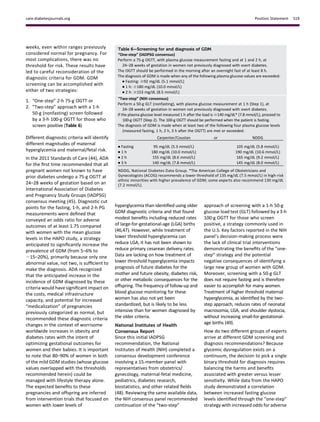
either of two strategies:
1. “One-step” 2-h 75-g OGTT or
2. “Two-step” approach with a 1-h
50-g (nonfasting) screen followed
by a 3-h 100-g OGTT for those who
screen positive (Table 6)
Different diagnostic criteria will identify
different magnitudes of maternal
hyperglycemia and maternal/fetal risk.
In the 2011 Standards of Care (44), ADA
for the first time recommended that all
pregnant women not known to have
prior diabetes undergo a 75-g OGTT at
24–28 weeks of gestation based on an
International Association of Diabetes
and Pregnancy Study Groups (IADPSG)
consensus meeting (45). Diagnostic cut
points for the fasting, 1-h, and 2-h PG
measurements were defined that
conveyed an odds ratio for adverse
outcomes of at least 1.75 compared
with women with the mean glucose
levels in the HAPO study, a strategy
anticipated to significantly increase the
prevalence of GDM (from 5–6% to
;15–20%), primarily because only one
abnormal value, not two, is sufficient to
make the diagnosis. ADA recognized
that the anticipated increase in the
incidence of GDM diagnosed by these
criteria would have significant impact on
the costs, medical infrastructure
capacity, and potential for increased
“medicalization” of pregnancies
previously categorized as normal, but
recommended these diagnostic criteria
changes in the context of worrisome
worldwide increases in obesity and
diabetes rates with the intent of
optimizing gestational outcomes for
women and their babies. It is important
to note that 80–90% of women in both
of the mild GDM studies (whose glucose
values overlapped with the thresholds
recommended herein) could be
managed with lifestyle therapy alone.
The expected benefits to these
pregnancies and offspring are inferred
from intervention trials that focused on
women with lower levels of
hyperglycemia than identified using older
GDM diagnostic criteria and that found
modest benefits including reduced rates
of large-for-gestational-age (LGA) births
(46,47). However, while treatment of
lower threshold hyperglycemia can
reduce LGA, it has not been shown to
reduce primary cesarean delivery rates.
Data are lacking on how treatment of
lower threshold hyperglycemia impacts
prognosis of future diabetes for the
mother and future obesity, diabetes risk,
or other metabolic consequences for the
offspring. The frequency of follow-up and
blood glucose monitoring for these
women has also not yet been
standardized, but is likely to be less
intensive than for women diagnosed by
the older criteria.
National Institutes of Health
Consensus Report
Since this initial IADPSG
recommendation, the National
Institutes of Health (NIH) completed a
consensus development conference
involving a 15-member panel with
representatives from obstetrics/
gynecology, maternal-fetal medicine,
pediatrics, diabetes research,
biostatistics, and other related fields
(48). Reviewing the same available data,
the NIH consensus panel recommended
continuation of the “two-step”
approach of screening with a 1-h 50-g
glucose load test (GLT) followed by a 3-h
100-g OGTT for those who screen
positive, a strategy commonly used in
the U.S. Key factors reported in the NIH
panel’s decision-making process were
the lack of clinical trial interventions
demonstrating the benefits of the “one-
step” strategy and the potential
negative consequences of identifying a
large new group of women with GDM.
Moreover, screening with a 50-g GLT
does not require fasting and is therefore
easier to accomplish for many women.
Treatment of higher threshold maternal
hyperglycemia, as identified by the two-
step approach, reduces rates of neonatal
macrosomia, LGA, and shoulder dystocia,
without increasing small-for-gestational-
age births (49).
How do two different groups of experts
arrive at different GDM screening and
diagnosis recommendations? Because
glycemic dysregulation exists on a
continuum, the decision to pick a single
binary threshold for diagnosis requires
balancing the harms and benefits
associated with greater versus lesser
sensitivity. While data from the HAPO
study demonstrated a correlation
between increased fasting glucose
levels identified through the “one-step”
strategy with increased odds for adverse
Table 6—Screening for and diagnosis of GDM
“One-step” (IADPSG consensus)
Perform a 75-g OGTT, with plasma glucose measurement fasting and at 1 and 2 h, at
24–28 weeks of gestation in women not previously diagnosed with overt diabetes.
The OGTT should be performed in the morning after an overnight fast of at least 8 h.
The diagnosis of GDM is made when any of the following plasma glucose values are exceeded:
c Fasting: $92 mg/dL (5.1 mmol/L)
c 1 h: $180 mg/dL (10.0 mmol/L)
c 2 h: $153 mg/dL (8.5 mmol/L)
“Two-step” (NIH consensus)
Perform a 50-g GLT (nonfasting), with plasma glucose measurement at 1 h (Step 1), at
24–28 weeks of gestation in women not previously diagnosed with overt diabetes.
If the plasma glucose level measured 1 h after the load is $140 mg/dL* (7.8 mmol/L), proceed to
100-g OGTT (Step 2). The 100-g OGTT should be performed when the patient is fasting.
The diagnosis of GDM is made when at least two of the following four plasma glucose levels
(measured fasting, 1 h, 2 h, 3 h after the OGTT) are met or exceeded:
Carpenter/Coustan or NDDG
c Fasting 95 mg/dL (5.3 mmol/L) 105 mg/dL (5.8 mmol/L)
c 1 h 180 mg/dL (10.0 mmol/L) 190 mg/dL (10.6 mmol/L)
c 2 h 155 mg/dL (8.6 mmol/L) 165 mg/dL (9.2 mmol/L)
c 3 h 140 mg/dL (7.8 mmol/L) 145 mg/dL (8.0 mmol/L)
NDDG, National Diabetes Data Group. *The American College of Obstetricians and
Gynecologists (ACOG) recommends a lower threshold of 135 mg/dL (7.5 mmol/L) in high-risk
ethnic minorities with higher prevalence of GDM; some experts also recommend 130 mg/dL
(7.2 mmol/L).
care.diabetesjournals.org Position Statement S19
pregnancy outcomes, this large
observational study was not designed
to determine the benefit of
intervention. Moreover, there are no
available cost-effective analyses to
examine the balance of achieved
benefits versus the increased costs
generated by this strategy.
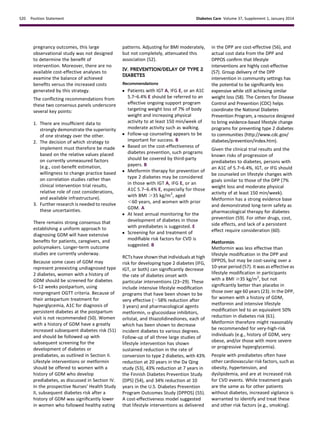
The conflicting recommendations from
these two consensus panels underscore
several key points:
1. There are insufficient data to
strongly demonstrate the superiority
of one strategy over the other.
2. The decision of which strategy to
implement must therefore be made
based on the relative values placed
on currently unmeasured factors
(e.g., cost-benefit estimation,
willingness to change practice based
on correlation studies rather than
clinical intervention trial results,
relative role of cost considerations,
and available infrastructure).
3. Further research is needed to resolve
these uncertainties.
There remains strong consensus that
establishing a uniform approach to
diagnosing GDM will have extensive
benefits for patients, caregivers, and
policymakers. Longer-term outcome
studies are currently underway.
Because some cases of GDM may
represent preexisting undiagnosed type
2 diabetes, women with a history of
GDM should be screened for diabetes
6–12 weeks postpartum, using
nonpregnant OGTT criteria. Because of
their antepartum treatment for
hyperglycemia, A1C for diagnosis of
persistent diabetes at the postpartum
visit is not recommended (50). Women
with a history of GDM have a greatly
increased subsequent diabetes risk (51)
and should be followed up with
subsequent screening for the
development of diabetes or
prediabetes, as outlined in Section II.
Lifestyle interventions or metformin
should be offered to women with a
history of GDM who develop
prediabetes, as discussed in Section IV.
In the prospective Nurses’ Health Study
II, subsequent diabetes risk after a
history of GDM was significantly lower
in women who followed healthy eating
patterns. Adjusting for BMI moderately,
but not completely, attenuated this
association (52).
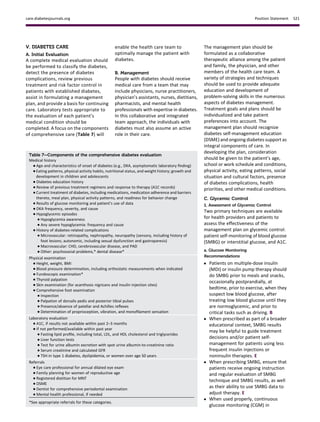
IV. PREVENTION/DELAY OF TYPE 2
DIABETES
Recommendations
c Patients with IGT A, IFG E, or an A1C
5.7–6.4% E should be referred to an
effective ongoing support program
targeting weight loss of 7% of body
weight and increasing physical
activity to at least 150 min/week of
moderate activity such as walking.
c Follow-up counseling appears to be
important for success. B
c Based on the cost-effectiveness of
diabetes prevention, such programs
should be covered by third-party
payers. B
c Metformin therapy for prevention of
type 2 diabetes may be considered
in those with IGT A, IFG E, or an
A1C 5.7–6.4% E, especially for those
with BMI .35 kg/m2
, aged
,60 years, and women with prior
GDM. A
c At least annual monitoring for the
development of diabetes in those
with prediabetes is suggested. E
c Screening for and treatment of
modifiable risk factors for CVD is
suggested. B
RCTs have shown that individuals at high
risk for developing type 2 diabetes (IFG,
IGT, or both) can significantly decrease
the rate of diabetes onset with
particular interventions (23–29). These
include intensive lifestyle modification
programs that have been shown to be
very effective (;58% reduction after
3 years) and pharmacological agents
metformin, a-glucosidase inhibitors,
orlistat, and thiazolidinediones, each of
which has been shown to decrease
incident diabetes to various degrees.
Follow-up of all three large studies of
lifestyle intervention has shown
sustained reduction in the rate of
conversion to type 2 diabetes, with 43%
reduction at 20 years in the Da Qing
study (53), 43% reduction at 7 years in
the Finnish Diabetes Prevention Study
(DPS) (54), and 34% reduction at 10
years in the U.S. Diabetes Prevention
Program Outcomes Study (DPPOS) (55).
A cost-effectiveness model suggested
that lifestyle interventions as delivered
in the DPP are cost-effective (56), and
actual cost data from the DPP and
DPPOS confirm that lifestyle
interventions are highly cost-effective
(57). Group delivery of the DPP
intervention in community settings has
the potential to be significantly less
expensive while still achieving similar
weight loss (58). The Centers for Disease
Control and Prevention (CDC) helps
coordinate the National Diabetes
Prevention Program, a resource designed
to bring evidence-based lifestyle change
programs for preventing type 2 diabetes
to communities (http://www.cdc.gov/
diabetes/prevention/index.htm).
Given the clinical trial results and the
known risks of progression of
prediabetes to diabetes, persons with
an A1C of 5.7–6.4%, IGT, or IFG should
be counseled on lifestyle changes with
goals similar to those of the DPP (7%
weight loss and moderate physical
activity of at least 150 min/week).
Metformin has a strong evidence base
and demonstrated long-term safety as
pharmacological therapy for diabetes
prevention (59). For other drugs, cost,
side effects, and lack of a persistent
effect require consideration (60).
Metformin
Metformin was less effective than
lifestyle modification in the DPP and
DPPOS, but may be cost-saving over a
10-year period (57). It was as effective as
lifestyle modification in participants
with a BMI $35 kg/m2
, but not
significantly better than placebo in
those over age 60 years (23). In the DPP,
for women with a history of GDM,
metformin and intensive lifestyle
modification led to an equivalent 50%
reduction in diabetes risk (61).
Metformin therefore might reasonably
be recommended for very-high-risk
individuals (e.g., history of GDM, very
obese, and/or those with more severe
or progressive hyperglycemia).
People with prediabetes often have
other cardiovascular risk factors, such as
obesity, hypertension, and
dyslipidemia, and are at increased risk
for CVD events. While treatment goals
are the same as for other patients
without diabetes, increased vigilance is
warranted to identify and treat these
and other risk factors (e.g., smoking).
S20 Position Statement Diabetes Care Volume 37, Supplement 1, January 2014
V. DIABETES CARE
A. Initial Evaluation
A complete medical evaluation should
be performed to classify the diabetes,
detect the presence of diabetes
complications, review previous
treatment and risk factor control in
patients with established diabetes,
assist in formulating a management
plan, and provide a basis for continuing
care. Laboratory tests appropriate to
the evaluation of each patient’s
medical condition should be
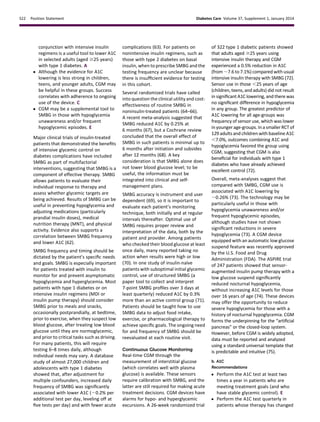
completed. A focus on the components
of comprehensive care (Table 7) will
enable the health care team to
optimally manage the patient with
diabetes.
B. Management
People with diabetes should receive
medical care from a team that may
include physicians, nurse practitioners,
physician’s assistants, nurses, dietitians,
pharmacists, and mental health
professionals with expertise in diabetes.
In this collaborative and integrated
team approach, the individuals with
diabetes must also assume an active
role in their care.
The management plan should be
formulated as a collaborative
therapeutic alliance among the patient
and family, the physician, and other
members of the health care team. A
variety of strategies and techniques
should be used to provide adequate
education and development of
problem-solving skills in the numerous
aspects of diabetes management.
Treatment goals and plans should be
individualized and take patient
preferences into account. The
management plan should recognize
diabetes self-management education
(DSME) and ongoing diabetes support as
integral components of care. In
developing the plan, consideration
should be given to the patient’s age,
school or work schedule and conditions,
physical activity, eating patterns, social
situation and cultural factors, presence
of diabetes complications, health
priorities, and other medical conditions.
C. Glycemic Control
1. Assessment of Glycemic Control
Two primary techniques are available
for health providers and patients to
assess the effectiveness of the
management plan on glycemic control:
patient self-monitoring of blood glucose
(SMBG) or interstitial glucose, and A1C.
a. Glucose Monitoring
Recommendations
c Patients on multiple-dose insulin
(MDI) or insulin pump therapy should
do SMBG prior to meals and snacks,
occasionally postprandially, at
bedtime, prior to exercise, when they
suspect low blood glucose, after
treating low blood glucose until they
are normoglycemic, and prior to
critical tasks such as driving. B
c When prescribed as part of a broader
educational context, SMBG results
may be helpful to guide treatment
decisions and/or patient self-
management for patients using less
frequent insulin injections or
noninsulin therapies. E
c When prescribing SMBG, ensure that
patients receive ongoing instruction
and regular evaluation of SMBG
technique and SMBG results, as well
as their ability to use SMBG data to
adjust therapy. E
c When used properly, continuous
glucose monitoring (CGM) in
Table 7—Components of the comprehensive diabetes evaluation
Medical history
c Age and characteristics of onset of diabetes (e.g., DKA, asymptomatic laboratory finding)
c Eating patterns, physical activity habits, nutritional status, and weight history; growth and
development in children and adolescents
c Diabetes education history
c Review of previous treatment regimens and response to therapy (A1C records)
c Current treatment of diabetes, including medications, medication adherence and barriers
thereto, meal plan, physical activity patterns, and readiness for behavior change
c Results of glucose monitoring and patient’s use of data
c DKA frequency, severity, and cause
c Hypoglycemic episodes
c Hypoglycemia awareness
c Any severe hypoglycemia: frequency and cause
c History of diabetes-related complications
c Microvascular: retinopathy, nephropathy, neuropathy (sensory, including history of
foot lesions; autonomic, including sexual dysfunction and gastroparesis)
c Macrovascular: CHD, cerebrovascular disease, and PAD
c Other: psychosocial problems,* dental disease*
Physical examination
c Height, weight, BMI
c Blood pressure determination, including orthostatic measurements when indicated
c Fundoscopic examination*
c Thyroid palpation
c Skin examination (for acanthosis nigricans and insulin injection sites)
c Comprehensive foot examination
c Inspection
c Palpation of dorsalis pedis and posterior tibial pulses
c Presence/absence of patellar and Achilles reflexes
c Determination of proprioception, vibration, and monofilament sensation
Laboratory evaluation
c A1C, if results not available within past 2–3 months
c If not performed/available within past year
c Fasting lipid profile, including total, LDL, and HDL cholesterol and triglycerides
c Liver function tests
c Test for urine albumin excretion with spot urine albumin-to-creatinine ratio
c Serum creatinine and calculated GFR
c TSH in type 1 diabetes, dyslipidemia, or women over age 50 years
Referrals
c Eye care professional for annual dilated eye exam
c Family planning for women of reproductive age
c Registered dietitian for MNT
c DSME
c Dentist for comprehensive periodontal examination
c Mental health professional, if needed
*See appropriate referrals for these categories.
care.diabetesjournals.org Position Statement S21
conjunction with intensive insulin
regimens is a useful tool to lower A1C
in selected adults (aged $25 years)
with type 1 diabetes. A
c Although the evidence for A1C
lowering is less strong in children,
teens, and younger adults, CGM may
be helpful in these groups. Success
correlates with adherence to ongoing
use of the device. C
c CGM may be a supplemental tool to
SMBG in those with hypoglycemia
unawareness and/or frequent
hypoglycemic episodes. E
Major clinical trials of insulin-treated
patients that demonstrated the benefits
of intensive glycemic control on
diabetes complications have included
SMBG as part of multifactorial
interventions, suggesting that SMBG is a
component of effective therapy. SMBG
allows patients to evaluate their
individual response to therapy and
assess whether glycemic targets are
being achieved. Results of SMBG can be
useful in preventing hypoglycemia and
adjusting medications (particularly
prandial insulin doses), medical
nutrition therapy (MNT), and physical
activity. Evidence also supports a
correlation between SMBG frequency
and lower A1C (62).
SMBG frequency and timing should be
dictated by the patient’s specific needs
and goals. SMBG is especially important
for patients treated with insulin to
monitor for and prevent asymptomatic
hypoglycemia and hyperglycemia. Most
patients with type 1 diabetes or on
intensive insulin regimens (MDI or
insulin pump therapy) should consider
SMBG prior to meals and snacks,
occasionally postprandially, at bedtime,
prior to exercise, when they suspect low
blood glucose, after treating low blood
glucose until they are normoglycemic,
and prior to critical tasks such as driving.
For many patients, this will require
testing 6–8 times daily, although
individual needs may vary. A database
study of almost 27,000 children and
adolescents with type 1 diabetes
showed that, after adjustment for
multiple confounders, increased daily
frequency of SMBG was significantly
associated with lower A1C (20.2% per
additional test per day, leveling off at
five tests per day) and with fewer acute
complications (63). For patients on
nonintensive insulin regimens, such as
those with type 2 diabetes on basal
insulin, when to prescribe SMBG and the
testing frequency are unclear because
there is insufficient evidence for testing
in this cohort.
Several randomized trials have called
into question the clinical utility and cost-
effectiveness of routine SMBG in
noninsulin-treated patients (64–66).
A recent meta-analysis suggested that
SMBG reduced A1C by 0.25% at
6 months (67), but a Cochrane review
concluded that the overall effect of
SMBG in such patients is minimal up to
6 months after initiation and subsides
after 12 months (68). A key
consideration is that SMBG alone does
not lower blood glucose level; to be
useful, the information must be
integrated into clinical and self-
management plans.
SMBG accuracy is instrument and user
dependent (69), so it is important to
evaluate each patient’s monitoring
technique, both initially and at regular
intervals thereafter. Optimal use of
SMBG requires proper review and
interpretation of the data, both by the
patient and provider. Among patients
who checked their blood glucose at least
once daily, many reported taking no
action when results were high or low
(70). In one study of insulin-na¨ıve
patients with suboptimal initial glycemic
control, use of structured SMBG (a
paper tool to collect and interpret
7-point SMBG profiles over 3 days at
least quarterly) reduced A1C by 0.3%
more than an active control group (71).
Patients should be taught how to use
SMBG data to adjust food intake,
exercise, or pharmacological therapy to
achieve specific goals. The ongoing need
for and frequency of SMBG should be
reevaluated at each routine visit.
Continuous Glucose Monitoring
Real-time CGM through the
measurement of interstitial glucose
(which correlates well with plasma
glucose) is available. These sensors
require calibration with SMBG, and the
latter are still required for making acute
treatment decisions. CGM devices have
alarms for hypo- and hyperglycemic
excursions. A 26-week randomized trial
of 322 type 1 diabetic patients showed
that adults aged $25 years using
intensive insulin therapy and CGM
experienced a 0.5% reduction in A1C
(from ;7.6 to 7.1%) compared with usual
intensive insulin therapy with SMBG (72).
Sensor use in those ,25 years of age
(children, teens, and adults) did not result
in significant A1C lowering, and there was
no significant difference in hypoglycemia
in any group. The greatest predictor of
A1C lowering for all age-groups was
frequency of sensor use, which was lower
in younger age-groups. In a smaller RCT of
129 adults and children with baseline A1C
,7.0%, outcomes combining A1C and
hypoglycemia favored the group using
CGM, suggesting that CGM is also
beneficial for individuals with type 1
diabetes who have already achieved
excellent control (72).
Overall, meta-analyses suggest that
compared with SMBG, CGM use is
associated with A1C lowering by
;0.26% (73). The technology may be
particularly useful in those with
hypoglycemia unawareness and/or
frequent hypoglycemic episodes,
although studies have not shown
significant reductions in severe
hypoglycemia (73). A CGM device
equipped with an automatic low glucose
suspend feature was recently approved
by the U.S. Food and Drug
Administration (FDA). The ASPIRE trial
of 247 patients showed that sensor-
augmented insulin pump therapy with a
low glucose suspend significantly
reduced nocturnal hypoglycemia,
without increasing A1C levels for those
over 16 years of age (74). These devices
may offer the opportunity to reduce
severe hypoglycemia for those with a
history of nocturnal hypoglycemia. CGM
forms the underpinning for the “artificial
pancreas” or the closed-loop system.
However, before CGM is widely adopted,
data must be reported and analyzed
using a standard universal template that
is predictable and intuitive (75).
b. A1C
Recommendations
c Perform the A1C test at least two
times a year in patients who are
meeting treatment goals (and who
have stable glycemic control). E
c Perform the A1C test quarterly in
patients whose therapy has changed
S22 Position Statement Diabetes Care Volume 37, Supplement 1, January 2014
or who are not meeting glycemic
goals. E
c Use of POC testing for A1C provides
the opportunity for more timely
treatment changes. E
A1C reflects average glycemia over
several months (69) and has strong
predictive value for diabetes
complications (76,77). Thus, A1C testing
should be performed routinely in all
patients with diabetes: at initial
assessment and as part of continuing
care. Measurement approximately
every 3 months determines whether a
patient’s glycemic targets have been
reached and maintained. The frequency
of A1C testing should be dependent on
the clinical situation, the treatment
regimen used, and the clinician’s
judgment. Some patients with stable
glycemia well within target may do well
with testing only twice per year.
Unstable or highly intensively managed
patients (e.g., pregnant type 1 diabetic
women) may require testing more
frequently than every 3 months.
A1C Limitations
As mentioned above, the A1C test is
subject to certain limitations.
Conditions that affect erythrocyte
turnover (hemolysis, blood loss) and
hemoglobin variants must be
considered, particularly when the A1C
result does not correlate with the
patient’s clinical situation (69). A1C also
does not provide a measure of glycemic
variability or hypoglycemia. For patients
prone to glycemic variability, especially
type 1 diabetic patients or type 2
diabetic patients with severe insulin
deficiency, glycemic control is best
evaluated by the combination of results
from self-monitoring and the A1C. The
A1C may also confirm the accuracy of
the patient’s meter (or the patient’s
reported SMBG results) and the
adequacy of the SMBG testing schedule.
A1C and Plasma Glucose
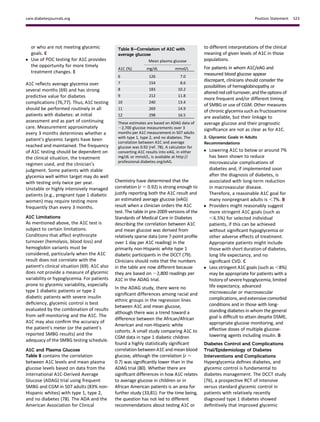
Table 8 contains the correlation
between A1C levels and mean plasma
glucose levels based on data from the
international A1C-Derived Average
Glucose (ADAG) trial using frequent
SMBG and CGM in 507 adults (83% non-
Hispanic whites) with type 1, type 2,
and no diabetes (78). The ADA and the
American Association for Clinical
Chemistry have determined that the
correlation (r 5 0.92) is strong enough to
justify reporting both the A1C result and
an estimated average glucose (eAG)
result when a clinician orders the A1C
test. The table in pre-2009 versions of the
Standards of Medical Care in Diabetes
describing the correlation between A1C
and mean glucose was derived from
relatively sparse data (one 7-point profile
over 1 day per A1C reading) in the
primarily non-Hispanic white type 1
diabetic participants in the DCCT (79).
Clinicians should note that the numbers
in the table are now different because
they are based on ;2,800 readings per
A1C in the ADAG trial.
In the ADAG study, there were no
significant differences among racial and
ethnic groups in the regression lines
between A1C and mean glucose,
although there was a trend toward a
difference between the African/African
American and non-Hispanic white
cohorts. A small study comparing A1C to
CGM data in type 1 diabetic children
found a highly statistically significant
correlation between A1C and mean blood
glucose, although the correlation (r 5
0.7) was significantly lower than in the
ADAG trial (80). Whether there are
significant differences in how A1C relates
to average glucose in children or in
African American patients is an area for
further study (33,81). For the time being,
the question has not led to different
recommendations about testing A1C or
to different interpretations of the clinical
meaning of given levels of A1C in those
populations.
For patients in whom A1C/eAG and
measured blood glucose appear
discrepant, clinicians should consider the
possibilities of hemoglobinopathy or
alteredredcellturnover,andtheoptionsof
more frequent and/or different timing
of SMBG or use of CGM. Other measures
of chronic glycemia such as fructosamine
are available, but their linkage to
average glucose and their prognostic
significance are not as clear as for A1C.
2. Glycemic Goals in Adults
Recommendations
c Lowering A1C to below or around 7%
has been shown to reduce
microvascular complications of
diabetes and, if implemented soon
after the diagnosis of diabetes, is
associated with long-term reduction
in macrovascular disease.
Therefore, a reasonable A1C goal for
many nonpregnant adults is ,7%. B
c Providers might reasonably suggest
more stringent A1C goals (such as
,6.5%) for selected individual
patients, if this can be achieved
without significant hypoglycemia or
other adverse effects of treatment.
Appropriate patients might include
those with short duration of diabetes,
long life expectancy, and no
significant CVD. C
c Less stringent A1C goals (such as ,8%)
may be appropriate for patients with a
history ofseverehypoglycemia,limited
life expectancy, advanced
microvascular or macrovascular
complications, and extensive comorbid
conditions and in those with long-
standing diabetes in whom the general
goal is difficult to attain despite DSME,
appropriate glucose monitoring, and
effective doses of multiple glucose-
lowering agents including insulin. B
Diabetes Control and Complications
Trial/Epidemiology of Diabetes
Interventions and Complications
Hyperglycemia defines diabetes, and
glycemic control is fundamental to
diabetes management. The DCCT study
(76), a prospective RCT of intensive
versus standard glycemic control in
patients with relatively recently
diagnosed type 1 diabetes showed
definitively that improved glycemic
Table 8—Correlation of A1C with
average glucose
A1C (%)
Mean plasma glucose
mg/dL mmol/L
6 126 7.0
7 154 8.6
8 183 10.2
9 212 11.8
10 240 13.4
11 269 14.9
12 298 16.5
These estimates are based on ADAG data of
;2,700 glucose measurements over 3
months per A1C measurement in 507 adults
with type 1, type 2, and no diabetes. The
correlation between A1C and average
glucose was 0.92 (ref. 78). A calculator for
converting A1C results into eAG, in either
mg/dL or mmol/L, is available at http://
professional.diabetes.org/eAG.
care.diabetesjournals.org Position Statement S23
control is associated with significantly
decreased rates of microvascular
(retinopathy and nephropathy) and
neuropathic complications. Follow-up
of the DCCT cohorts in the Epidemiology
of Diabetes Interventions and
Complications (EDIC) study (82,83)
demonstrated persistence of these
microvascular benefits in previously
intensively treated subjects, even
though their glycemic control
approximated that of previous standard
arm subjects during follow-up.
Kumamoto and UK Prospective
Diabetes Study
The Kumamoto (84) and UK Prospective
Diabetes Study (UKPDS) (85,86)
confirmed that intensive glycemic
control was associated with significantly
decreased rates of microvascular and
neuropathic complications in type 2
diabetic patients. Long-term follow-up
of the UKPDS cohorts showed enduring
effects of early glycemic control on most
microvascular complications (87). Three
landmark trials (ACCORD, ADVANCE,
and VADT, described in further detail
below) were designed to examine the
impact of intensive A1C control on CVD
outcomes and showed that lower A1C
levels were associated with reduced
onset or progression of microvascular
complications (88–90).
Epidemiological analyses of the DCCT
and UKPDS (76,77) demonstrate a
curvilinear relationship between
A1C and microvascular complications.
Such analyses suggest that, on a
population level, the greatest number of
complications will be averted by taking
patients from very poor control to fair/
good control. These analyses also
suggest that further lowering of A1C
from 7 to 6% is associated with further
reduction in the risk of microvascular
complications, though the absolute risk
reductions become much smaller. Given
the substantially increased risk of
hypoglycemia in type 1 diabetes trials,
and now seen in recent type 2 diabetes
trials, the risks of lower glycemic targets
may outweigh the potential benefits on
microvascular complications on a
population level. The concerning
mortality findings in the ACCORD trial
(91) and the relatively much greater
effort required to achieve near-
euglycemia should also be considered
when setting glycemic targets.
However, based on physician judgment
and patient preferences, select patients,
especially those with little comorbidity
and long life expectancy, may benefit
from adopting more intensive glycemic
targets (e.g., A1C target ,6.5%) as long
as significant hypoglycemia does not
become a barrier.
Cardiovascular Disease Outcomes
CVD is a more common cause of death
than microvascular complications in
populations with diabetes. However, it
is less clearly impacted by hyperglycemia
levels or intensity of glycemic control. In
the DCCT, there was a trend toward lower
risk of CVD events with intensive control.
In the 9-year post-DCCT follow-up of the
EDIC cohort, participants previously
randomized to the intensive arm had a
significant 57% reduction in the risk of
nonfatal myocardial infarction (MI),
stroke, or CVD death compared with those
previously in the standard arm (92). The
benefit of intensiveglycemiccontrolin this
type 1 diabetic cohort has recently been
shown to persist for several decades (93).
In type 2 diabetes, there is evidence that
more intensive treatment of glycemia in
newlydiagnosedpatientsmayreducelong-
term CVD rates. During the UKPDS trial,
there was a 16% reduction in CVD events
(combined fatal or nonfatal MI and sudden
death) in the intensive glycemic control
arm that did not reach statistical
significance (P 5 0.052), and there was no
suggestion of benefit on other CVD
outcomes (e.g., stroke). However, after
10 years of follow-up, those originally
randomized to intensive glycemic control
had significant long-term reductions in MI
(15% with sulfonylurea or insulin as initial
pharmacotherapy, 33% with metformin as
initial pharmacotherapy) and in all-cause
mortality (13% and 27%, respectively) (87).
The Action to Control Cardiovascular Risk
in Diabetes (ACCORD), Action in Diabetes
and Vascular Disease: Preterax and
Diamicron Modified Release Controlled
Evaluation (ADVANCE), and the Veterans
Affairs Diabetes Trial (VADT) studies
suggested no significant reduction in CVD
outcomes with intensive glycemic control
in participants who had more advanced
type 2 diabetes than UKPDS participants.
All three trials were conducted in
participants with more long-standing
diabetes (mean duration 8–11 years) and
either known CVD or multiple
cardiovascular risk factors. Details of
these studies are reviewed extensively in
an ADA position statement (94).
ACCORD
The ACCORD study participants had
either known CVD or two or more major
cardiovascular risk factors and were
randomized to intensive glycemic
control (goal A1C ,6%) or standard
glycemic control (goal A1C 7–8%). The
glycemic control comparison was halted
early due to an increased mortality rate
in the intensive compared with the
standard arm (1.41 vs. 1.14%/year;
hazard ratio [HR] 1.22 [95% CI 1.01–
1.46]); with a similar increase in
cardiovascular deaths. Initial analysis of
the ACCORD data (evaluating variables
including weight gain, use of any specific
drug or drug combination, and
hypoglycemia) did not identify a clear
explanation for the excess mortality in
the intensive arm (91). A subsequent
analysis showed no increase in mortality
in the intensive arm participants who
achieved A1C levels below 7%, nor in
those who lowered their A1C quickly
after trial enrollment. There was no A1C
level at which intensive versus standard
arm participants had significantly
lower mortality. The highest risk for
mortality was observed in intensive arm
participants with the highest A1C levels
(95). Severe hypoglycemia was
significantly more likely in participants
randomized to the intensive glycemic
control arm. Unlike the DCCT, where
lower achieved A1C levels were related
to significantly increased rates of severe
hypoglycemia, in ACCORD every 1%
decline in A1C from baseline to 4
months into the trial was associated
with a significant decrease in the rate of
severe hypoglycemia in both arms (95).
ADVANCE
The primary outcome of ADVANCE was a
combination of microvascular events
(nephropathy and retinopathy) and
major adverse cardiovascular events
(MI, stroke, and cardiovascular death).
Intensive glycemic control (A1C ,6.5%,
vs. treatment to local standards)
significantly reduced the primary end
point, primarily due to a significant
reduction in the microvascular
outcome, specifically development of
albuminuria (.300 mg/24 h), with
S24 Position Statement Diabetes Care Volume 37, Supplement 1, January 2014
no significant reduction in the
macrovascular outcome. There was no
difference in overall or cardiovascular
mortality between the two arms (89).
VADT
The primary outcome of the VADT was a
composite of CVD events. The trial
randomized type 2 diabetic participants
who were uncontrolled on insulin or on
maximal dose oral agents (median entry
A1C 9.4%) to a strategy of intensive
glycemic control (goal A1C ,6.0%) or
standard glycemic control, with a
planned A1C separation of at least 1.5%.
The cumulative primary outcome was
nonsignificantly lower in the intensive
arm (88). An ancillary study of the VADT
demonstrated that intensive glycemic
control significantly reduced the
primary CVD outcome in individuals
with less atherosclerosis at baseline but
not in persons with more extensive
baseline atherosclerosis (96). A post hoc
analysis showed that mortality in the
intensive versus standard glycemic
control arm was related to duration of
diabetes at study enrollment. Those
with diabetes duration less than 15
years had a mortality benefit in the
intensive arm, while those with duration
of 20 years or more had higher mortality
in the intensive arm (97).
The evidence for a cardiovascular
benefit of intensive glycemic control
primarily rests on long-term follow-up
of study cohorts treated early in the
course of type 1 and type 2 diabetes,
and a subset analyses of ACCORD,
ADVANCE, and VADT. A group-level
meta-analysis of the latter three trials
suggests that glucose lowering has a
modest (9%) but statistically significant
reduction in major CVD outcomes,
primarily nonfatal MI, with no
significant effect on mortality. However,
heterogeneity of the mortality effects
across studies was noted. A prespecified
subgroup analysis suggested that major
CVD outcome reduction occurred in
patients without known CVD at baseline
(HR 0.84 [95% CI 0.74–0.94]) (98).
Conversely, the mortality findings in
ACCORD and subgroup analyses of the
VADT suggest that the potential risks of
intensive glycemic control may
outweigh its benefits in some patients.
Those with long duration of diabetes,
known history of severe hypoglycemia,
advanced atherosclerosis, and advanced
age/frailty may benefit from less
aggressive targets. Providers should be
vigilant in preventing severe
hypoglycemia in patients with advanced
disease and should not aggressively
attempt to achieve near-normal A1C
levels in patients in whom such targets
cannot be safely and reasonably
achieved. Severe or frequent
hypoglycemia is an absolute indication
for the modification of treatment
regimens, including setting higher
glycemic goals. Many factors, including
patient preferences, should be taken into
account when developing a patient’s
individualized goals (99) (Fig. 1).
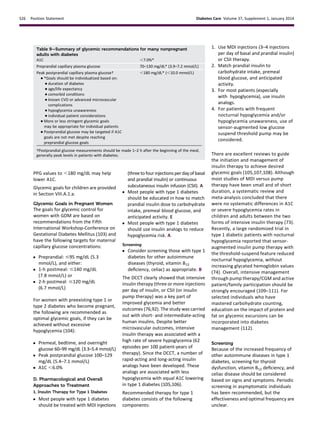
Glycemic Goals
Recommended glycemic goals for many
nonpregnant adults are shown in
Table 9. The recommendations are
based on those for A1C values, with
blood glucose levels that appear to
correlate with achievement of an A1C of
,7%. The issue of pre- versus
postprandial SMBG targets is complex
(100). Elevated postchallenge (2-h
OGTT) glucose values have been
associated with increased cardiovascular
risk independent of FPG in some
epidemiological studies. In diabetic
subjects, surrogate measures of vascular
pathology, such as endothelial
dysfunction, are negatively affected by
postprandial hyperglycemia (101). It is
clear that postprandial hyperglycemia,
like preprandial hyperglycemia,
contributes to elevated A1C levels, with
its relative contribution being greater at
A1C levelsthat are closer to7%. However,
outcome studies have clearly shown
A1C to be the primary predictor of
complications, and landmark glycemic
control trials such as the DCCT and UKPDS
relied overwhelmingly on preprandial
SMBG. Additionally, an RCT in patients
with known CVD found no CVD benefit of
insulin regimens targeting postprandial
glucose compared with those targeting
preprandial glucose (102). A reasonable
recommendation for postprandial testing
and targets is that for individuals who
have premeal glucose values within
target but have A1C values above
target, monitoring postprandial plasma
glucose (PPG) 1–2 h after the start of the
meal and treatment aimed at reducing
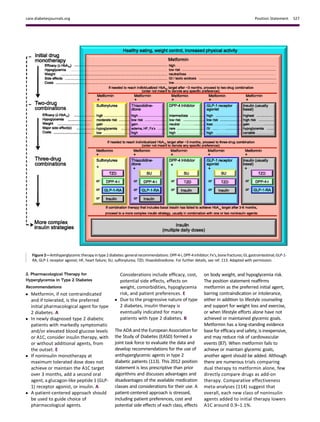
Figure 1—Approach to management of hyperglycemia. Depiction of the elements of decision
making used to determine appropriate efforts to achieve glycemic targets. Characteristics/
predicaments toward the left justify more stringent efforts to lower A1C, whereas those toward
the right are compatible with less stringent efforts. Where possible, such decisions should be
made in conjunction with the patient, reflecting his or her preferences, needs, and values. This
“scale” is not designed to be applied rigidly but to be used as a broad construct to help guide
clinical decisions. Adapted with permission from Ismail-Beigi et al. (99).
care.diabetesjournals.org Position Statement S25
PPG values to ,180 mg/dL may help
lower A1C.
Glycemic goals for children are provided
in Section VIII.A.1.a.
Glycemic Goals in Pregnant Women
The goals for glycemic control for
women with GDM are based on
recommendations from the Fifth
International Workshop-Conference on
Gestational Diabetes Mellitus (103) and
have the following targets for maternal
capillary glucose concentrations:
c Preprandial: #95 mg/dL (5.3
mmol/L), and either:
c 1-h postmeal: #140 mg/dL
(7.8 mmol/L) or
c 2-h postmeal: #120 mg/dL
(6.7 mmol/L)
For women with preexisting type 1 or
type 2 diabetes who become pregnant,
the following are recommended as
optimal glycemic goals, if they can be
achieved without excessive
hypoglycemia (104):
c Premeal, bedtime, and overnight
glucose 60–99 mg/dL (3.3–5.4 mmol/L)
c Peak postprandial glucose 100–129
mg/dL (5.4–7.1 mmol/L)
c A1C ,6.0%
D. Pharmacological and Overall
Approaches to Treatment
1. Insulin Therapy for Type 1 Diabetes
c Most people with type 1 diabetes
should be treated with MDI injections
(three to four injections per day of basal
and prandial insulin) or continuous
subcutaneous insulin infusion (CSII). A
c Most people with type 1 diabetes
should be educated in how to match
prandial insulin dose to carbohydrate
intake, premeal blood glucose, and
anticipated activity. E
c Most people with type 1 diabetes
should use insulin analogs to reduce
hypoglycemia risk. A
Screening
c Consider screening those with type 1
diabetes for other autoimmune
diseases (thyroid, vitamin B12
deficiency, celiac) as appropriate. B
The DCCT clearly showed that intensive
insulin therapy (three or more injections
per day of insulin, or CSII (or insulin
pump therapy) was a key part of
improved glycemia and better
outcomes (76,92). The study was carried
out with short- and intermediate-acting
human insulins. Despite better
microvascular outcomes, intensive
insulin therapy was associated with a
high rate of severe hypoglycemia (62
episodes per 100 patient-years of
therapy). Since the DCCT, a number of
rapid-acting and long-acting insulin
analogs have been developed. These
analogs are associated with less
hypoglycemia with equal A1C lowering
in type 1 diabetes (105,106).
Recommended therapy for type 1
diabetes consists of the following
components:
1. Use MDI injections (3–4 injections
per day of basal and prandial insulin)
or CSII therapy.
2. Match prandial insulin to
carbohydrate intake, premeal
blood glucose, and anticipated
activity.
3. For most patients (especially
with hypoglycemia), use insulin
analogs.
4. For patients with frequent
nocturnal hypoglycemia and/or
hypoglycemia unawareness, use of
sensor-augmented low glucose
suspend threshold pump may be
considered.
There are excellent reviews to guide
the initiation and management of
insulin therapy to achieve desired
glycemic goals (105,107,108). Although
most studies of MDI versus pump
therapy have been small and of short
duration, a systematic review and
meta-analysis concluded that there
were no systematic differences in A1C
or severe hypoglycemia rates in
children and adults between the two
forms of intensive insulin therapy (73).
Recently, a large randomized trial in
type 1 diabetic patients with nocturnal
hypoglycemia reported that sensor-
augmented insulin pump therapy with
the threshold-suspend feature reduced
nocturnal hypoglycemia, without
increasing glycated hemoglobin values
(74). Overall, intensive management
through pump therapy/CGM and active
patient/family participation should be
strongly encouraged (109–111). For
selected individuals who have
mastered carbohydrate counting,
education on the impact of protein and
fat on glycemic excursions can be
incorporated into diabetes
management (112).
Screening
Because of the increased frequency of
other autoimmune diseases in type 1
diabetes, screening for thyroid
dysfunction, vitamin B12 deficiency, and
celiac disease should be considered
based on signs and symptoms. Periodic
screening in asymptomatic individuals
has been recommended, but the
effectiveness and optimal frequency are
unclear.
Table 9—Summary of glycemic recommendations for many nonpregnant
adults with diabetes
A1C ,7.0%*
Preprandial capillary plasma glucose 70–130 mg/dL* (3.9–7.2 mmol/L)
Peak postprandial capillary plasma glucose† ,180 mg/dL* (,10.0 mmol/L)
c *Goals should be individualized based on:
c duration of diabetes
c age/life expectancy
c comorbid conditions
c known CVD or advanced microvascular
complications
c hypoglycemia unawareness
c individual patient considerations
c More or less stringent glycemic goals
may be appropriate for individual patients
c Postprandial glucose may be targeted if A1C
goals are not met despite reaching
preprandial glucose goals
†Postprandial glucose measurements should be made 1–2 h after the beginning of the meal,
generally peak levels in patients with diabetes.
S26 Position Statement Diabetes Care Volume 37, Supplement 1, January 2014
2. Pharmacological Therapy for
Hyperglycemia in Type 2 Diabetes
Recommendations
c Metformin, if not contraindicated
and if tolerated, is the preferred
initial pharmacological agent for type
2 diabetes. A
c In newly diagnosed type 2 diabetic
patients with markedly symptomatic
and/or elevated blood glucose levels
or A1C, consider insulin therapy, with
or without additional agents, from
the outset. E
c If noninsulin monotherapy at
maximum tolerated dose does not
achieve or maintain the A1C target
over 3 months, add a second oral
agent, a glucagon-like peptide 1 (GLP-
1) receptor agonist, or insulin. A
c A patient-centered approach should
be used to guide choice of
pharmacological agents.
Considerations include efficacy, cost,
potential side effects, effects on
weight, comorbidities, hypoglycemia
risk, and patient preferences. E
c Due to the progressive nature of type
2 diabetes, insulin therapy is
eventually indicated for many
patients with type 2 diabetes. B
The ADA and the European Association for
the Study of Diabetes (EASD) formed a
joint task force to evaluate the data and
develop recommendations for the use of
antihyperglycemic agents in type 2
diabetic patients (113). This 2012 position
statement is less prescriptive than prior
algorithms and discusses advantages and
disadvantages of the available medication
classes and considerations for their use. A
patient-centered approach is stressed,
including patient preferences, cost and
potential side effects of each class, effects
on body weight, and hypoglycemia risk.
The position statement reaffirms
metformin as the preferred initial agent,
barring contraindication or intolerance,
either in addition to lifestyle counseling
and support for weight loss and exercise,
or when lifestyle efforts alone have not
achieved or maintained glycemic goals.
Metformin has a long-standing evidence
base for efficacy and safety, is inexpensive,
and may reduce risk of cardiovascular
events (87). When metformin fails to
achieve or maintain glycemic goals,
another agent should be added. Although
there are numerous trials comparing
dual therapy to metformin alone, few
directly compare drugs as add-on
therapy. Comparative effectiveness
meta-analyses (114) suggest that
overall, each new class of noninsulin
agents added to initial therapy lowers
A1C around 0.9–1.1%.
Figure 2—Antihyperglycemictherapyintype2diabetes:generalrecommendations.DPP-4-i,DPP-4inhibitor;Fx’s,bonefractures;GI,gastrointestinal;GLP-1-
RA, GLP-1 receptor agonist; HF, heart failure; SU, sulfonylurea; TZD, thiazolidinedione. For further details, see ref. 113. Adapted with permission.
care.diabetesjournals.org Position Statement S27
Many patients with type 2 diabetes
eventually require and benefit from
insulin therapy. The progressive nature
of type 2 diabetes and its therapies
should be regularly and objectively
explained to patients. Providers should
avoid using insulin as a threat or
describing it as a failure or punishment.
Equipping patients with an algorithm for
self-titration of insulin doses based on
SMBG results improves glycemic control
in type 2 diabetic patients initiating
insulin (115). Refer to the ADA-EASD
position statement for more details on
pharmacotherapy for hyperglycemia in
type 2 diabetes (113) (Fig. 2).
E. Medical Nutrition Therapy
General Recommendations
c Nutrition therapy is recommended
for all people with type 1 and type 2
diabetes as an effective component
of the overall treatment plan. A
c Individuals who have prediabetes or
diabetes should receive
individualized MNT as needed to
achieve treatment goals, preferably
provided by a registered dietitian
familiar with the components of
diabetes MNT. A
c Because diabetes nutrition therapy
can result in cost savings B and
improved outcomes such as
reduction in A1C A, nutrition therapy
should be adequately reimbursed by
insurance and other payers. E
Energy Balance, Overweight, and Obesity
c For overweight or obese adults with
type 2 diabetes or at risk for diabetes,
reducing energy intake while
maintaining a healthful eating
pattern is recommended to promote
weight loss. A
c Modest weight loss may provide
clinical benefits (improved glycemia,
blood pressure, and/or lipids) in some
individuals with diabetes, especially
those early in the disease process. To
achieve modest weight loss,
intensive lifestyle interventions
(counseling about nutrition therapy,
physical activity, and behavior
change) with ongoing support are
recommended. A
Eating Patterns and Macronutrient
Distribution
c Evidence suggests that there is not an
ideal percentage of calories from
carbohydrate, protein, and fat for all
people with diabetes B; therefore,
macronutrient distribution should be
based on individualized assessment
of current eating patterns,
preferences, and metabolic goals. E
c A variety of eating patterns
(combinations of different foods or
food groups) are acceptable for the
management of diabetes. Personal
preference (e.g., tradition, culture,
religion, health beliefs and goals,
economics) and metabolic goals
should be considered when
recommending one eating pattern
over another. E
Carbohydrate Amount and Quality
c Monitoring carbohydrate intake,
whether by carbohydrate counting
or experience-based estimation,
remains a key strategy in achieving
glycemic control. B
c For good health, carbohydrate intake
from vegetables, fruits, whole grains,
legumes, and dairy products should
be advised over intake from other
carbohydrate sources, especially
those that contain added fats, sugars,
or sodium. B
c Substituting low-glycemic load foods
for higher-glycemic load foods may
modestly improve glycemic control. C
c People with diabetes should consume
at least the amount of fiber and whole
grains recommended for the general
public. C
c While substituting sucrose-
containing foods for isocaloric
amounts of other carbohydrates may
have similar blood glucose effects,
consumption should be minimized to
avoid displacing nutrient-dense food
choices. A
c People with diabetes and those at risk
for diabetes should limit or avoid
intake of sugar-sweetened beverages
(from any caloric sweetener including
high-fructose corn syrup and sucrose)
to reduce risk for weight gain and
worsening of cardiometabolic risk
profile. B
Dietary Fat Quantity and Quality
c Evidence is inconclusive for an ideal
amount of total fat intake for people
with diabetes; therefore, goals should
be individualized. C Fat quality
appears to be far more important
than quantity. B
c In people with type 2 diabetes, a
Mediterranean-style, MUFA-rich
eating pattern may benefit glycemic
control and CVD risk factors and
can therefore be recommended as
an effective alternative to a lower-
fat, higher-carbohydrate eating
pattern. B
c As recommended for the general
public, an increase in foods
containing long-chain n-3 fatty acids
(EPA and DHA) (from fatty fish)
and n-3 linolenic acid (ALA) is
recommended for individuals with
diabetes because of their beneficial
effects on lipoproteins, prevention of
heart disease, and associations with
positive health outcomes in
observational studies. B
c The amount of dietary saturated fat,
cholesterol, and trans fat
recommended for people with
diabetes is the same as that
recommended for the general
population. C
Supplements for Diabetes Management
c There is no clear evidence of benefit
from vitamin or mineral
supplementation in people with
diabetes who do not have underlying
deficiencies. C
c Routine supplementation with
antioxidants, such as vitamins E and C
and carotene, is not advised because of
lack of evidence of efficacy and concern
related to long-term safety. A
c Evidence does not support
recommending n-3 (EPA and DHA)
supplements for people with
diabetes for the prevention or
treatment of cardiovascular
events. A
c There is insufficient evidence to
support the routine use of
micronutrients such as chromium,
magnesium, and vitamin D to
improve glycemic control in people
with diabetes. C
c There is insufficient evidence to
support the use of cinnamon or other
herbs/supplements for the treatment
of diabetes. C
c It is reasonable for individualized
meal planning to include optimization
of food choices to meet
recommended daily allowance/
dietary reference intake for all
micronutrients. E
S28 Position Statement Diabetes Care Volume 37, Supplement 1, January 2014
Alcohol
c If adults with diabetes choose to
drink alcohol, they should be advised
to do so in moderation (one drink
per day or less for adult women and
two drinks per day or less for adult
men). E
c Alcohol consumption may place
people with diabetes at increased risk
for delayed hypoglycemia, especially
if taking insulin or insulin
secretagogues. Education and
awareness regarding the recognition
and management of delayed
hypoglycemia is warranted. C
Sodium
c The recommendation for the general
population to reduce sodium to
,2,300 mg/day is also appropriate
for people with diabetes. B
c For individuals with both diabetes
and hypertension, further reduction
in sodium intake should be
individualized. B
Primary Prevention of Type 2 Diabetes
c Among individuals at high risk for
developing type 2 diabetes,
structured programs that emphasize
lifestyle changes that include
moderate weight loss (7% of body
weight) and regular physical activity
(150 min/week), with dietary
strategies including reduced calories
and reduced intake of dietary fat, can
reduce the risk for developing
diabetes and are therefore
recommended. A
c Individuals at high risk for type 2
diabetes should be encouraged to
achieve the U.S. Department of
Agriculture (USDA) recommendation
for dietary fiber (14 g fiber/1,000 kcal)
and foods containing whole grains
(one-half of grain intake). B
The ADA recently released an updated
position statement on nutrition therapy
for adults living with diabetes (116).
Nutrition therapy is an integral
component of diabetes prevention,
management, and self-management
education. All individuals with diabetes
should receive individualized MNT
preferably provided by a registered
dietitian who is knowledgeable and
skilled in providing diabetes MNT.
Comprehensive group diabetes
education programs including nutrition
therapy or individualized education
sessions have reported A1C decreases
of 0.3–1% for type 1 diabetes (117–120)
and 0.5–2% for type 2 diabetes
(85,121–137).
Individuals with type 1 diabetes should
be offered intensive insulin therapy
education using the carbohydrate-
counting meal planning approach
(117,119,120,124,138–140); this
approach has been shown to improve
glycemic control (139,141). Consistent
carbohydrate intake with respect to
time and amount can result in improved
glycemic control for individuals using
fixed daily insulin doses (142,143). A
simple diabetes meal planning approach
such as portion control or healthful food
choices may be better suited for
individuals with health literacy and
numeracy concerns (125–127).
Weight loss of 2–8 kg may provide
clinical benefits in those with type 2
diabetes, especially early in the disease
process (144–146). Weight loss studies
have used a variety of energy-restricted
eating patterns, with no clear evidence
that one eating pattern or optimal
macronutrient distribution was ideal.
Although several studies resulted in
improvements in A1C at 1 year
(144,145,147–149), not all weight loss
interventions led to 1-year A1C
improvements (128,150–154). The most
consistently identified changes in
cardiovascular risk factors were an
increase in HDL cholesterol (144,145,
147,149,153,155), decrease in
triglycerides (144,145,149,155,156)
and decrease in blood pressure
(144,145,147,151,153,155).
Intensive lifestyle programs with
frequent follow-up are required to
achieve significant reductions in excess
body weight and improve clinical
indicators (145,146). Several studies
have attempted to identify the optimal
mix of macronutrients for meal plans of
people with diabetes. However, a recent
systematic review (157) found that
there was no ideal macronutrient
distribution and that macronutrient
proportions should be individualized.
Studies show that people with diabetes
on average eat about 45% of their
calories from carbohydrate, ;36–40%
of calories from fat, and ;16–18% from
protein (158–160). A variety of eating
patterns have been shown to be
effective in managing diabetes,
including Mediterranean-style
(144,146,169), Dietary Approaches to
Stop Hypertension (DASH)-style (161),
plant-based (vegan or vegetarian) (129),
lower-fat (145), and
lower-carbohydrate patterns
(144,163).
Studies examining the ideal amount of
carbohydrate intake for people with
diabetes are inconclusive, although
monitoring carbohydrate intake and
considering the available insulin are key
strategies for improving postprandial
glucose control (117,142,143,158). The
literature concerning glycemic index
and glycemic load in individuals with
diabetes is complex, although
reductions in A1C of 20.2% to 20.5%
have been demonstrated in some
studies. In many studies, it is often
difficult to discern the independent
effect of fiber compared with that of
glycemic index on glycemic control and
other outcomes. Improvements in CVD
risk measures are mixed (164). Recent
studies have shown modest effect of
fiber on lowering preprandial glucose
and mixed results on improving CVD risk
factors. A systematic review (157) found
consumption of whole grains was not
associated with improvements in glycemic
control in people with type 2 diabetes,
although it may reduce systemic
inflammation. One study did find a
potential benefit of whole grain intake in
reducing mortality and CVD (165).
Limited research exists concerning the
ideal amount of fat for individuals with
diabetes. The Institute of Medicine has
defined an acceptable macronutrient
distribution range (AMDR) for all adults
for total fat of 20–35% of energy with no
tolerable upper intake level defined.
This AMDR was based on evidence for
CHD risk with a low intake of fat and high
intake of carbohydrate, and evidence
for increased obesity and CHD with high
intake of fat (166). The type of fatty
acids consumed is more important than
total amount of fat when looking at
metabolic goals and risk of CVD
(146,167,168).
Multiple RCTs including patients with
type 2 diabetes have reported improved
care.diabetesjournals.org Position Statement S29
glycemic control and/or blood lipids
when a Mediterranean-style, MUFA-
rich eating pattern was consumed
(144,146,151,169–171). Some of these
studies also included caloric restriction,
which may have contributed to
improvements in glycemic control or
blood lipids (169,170). The ideal ratio of
n-6 to n-3 fatty acids has not been
determined; however, PUFA and MUFA
are recommended substitutes for
saturated or trans fat (167,172).
A recent systematic review (157)
concluded that supplementation with
n-3 fatty acids did not improve
glycemic control but that higher dose
supplementation decreased
triglycerides in individuals with type 2
diabetes. Six short-duration RCTs
comparing n-3 supplements to placebo
published since the systematic review
reported minimal or no beneficial
effects (173,174) or mixed/
inconsistent beneficial effects
(175–177) on CVD risk factors and
other health issues. Three longer-
duration studies also reported mixed
outcomes (178–180). Thus, RCTs do
not support recommending n-3
supplements for primary or secondary
prevention of CVD. Little evidence has
been published about the relationship
between dietary intake of saturated
fatty acids and dietary cholesterol and
glycemic control and CVD risk in people
with diabetes. Therefore, people with
diabetes should follow the guidelines
for the general population for the
recommended intakes of saturated fat,
dietary cholesterol, and trans fat (167).
Published data on the effects of plant
stanols and sterols on CVD risk in
individuals with diabetes include four
RCTs that reported beneficial effects for
total, LDL, and non-HDL cholesterol
(181–184).
There is limited evidence that the use of
vitamin, mineral, or herbal supplements
is necessary in the management of
diabetes (185–201).
Limited studies have been published on
sodium reduction in people with
diabetes. A recent Cochrane review
found that decreasing sodium intake
reduces blood pressure in those with
diabetes (202). However, two other
studies in type 1 diabetes (203) and type
2 diabetes (204) have warranted caution
for universal sodium restriction to 1,500
mg in this population. For individuals
with diabetes and hypertension, setting a
sodium intake goal of ,2,300 mg/day
should be considered only on an
individual basis. Goal sodium intake
recommendations should take into
account palatability, availability, additional
cost of specialty low sodium products, and
the difficulty of achieving both low sodium
recommendations and a nutritionally
adequate diet (205). For complete
discussion and references of all
recommendations, see “Nutrition Therapy
Recommendations for the Management
of Adults With Diabetes” (116).
F. Diabetes Self-Management
Education and Support
Recommendations
c People with diabetes should receive
DSME and diabetes self-management
support (DSMS) according to National
Standards for Diabetes Self-
Management Education and Support
when their diabetes is diagnosed and
as needed thereafter. B
c Effective self-management and
quality of life are the key outcomes of
DSME and DSMS and should be
measured and monitored as part of
care. C
c DSME and DSMS should address
psychosocial issues, since emotional
well-being is associated with positive
diabetes outcomes. C
c DSME and DSMS programs are
appropriate venues for people with
prediabetes to receive education and
support to develop and maintain
behaviors that can prevent or delay
the onset of diabetes. C
c Because DSME and DSMS can result
in cost-savings and improved
outcomes B, DSME and DSMS should
be adequately reimbursed by third-
party payers. E
DSME and DSMS are the ongoing
processes of facilitating the knowledge,
skill, and ability necessary for diabetes
self-care. This process incorporates the
needs, goals, and life experiences of the
person with diabetes. The overall
objectives of DSME and DSMS are to
support informed decision making, self-
care behaviors, problem solving, and
active collaboration with the health care
team to improve clinical outcomes,
health status, and quality of life in a
cost-effective manner (206).
DSME and DSMS are essential elements
of diabetes care (207–209), and the current
National Standards for Diabetes Self-
Management Education and Support (206)
are based on evidence for their benefits.
Education helps people with diabetes
initiate effective self-management and
cope with diabetes when they are first
diagnosed. Ongoing DSME and DSMS also
help people with diabetes maintain
effective self-management throughout a
lifetime of diabetes as they face new
challenges and treatment advances
become available. DSME enables patients
(including youth) to optimize metabolic
control, prevent and manage
complications, and maximize quality of life,
in a cost-effective manner (208,210).
Current best practice of DSME is a skills-
based approach that focuses on helping
those with diabetes make informed self-
management choices (206,208). DSME
has changed from a didactic approach
focusing on providing information
to more theoretically based
empowerment models that focus on
helping those with diabetes make
informed self-management decisions
(208). Diabetes care has shifted to an
approach that is more patient centered
and places the person with diabetes and
his or her family at the center of the care
model working in collaboration with
health care professionals. Patient-
centered care is respectful of and
responsive to individual patient
preferences, needs, and values and
ensures that patient values guide all
decision making (211).
Evidence for the Benefits of Diabetes
Self-Management Education and
Support
Multiple studies have found that DSME
is associated with improved diabetes
knowledge and improved self-care
behavior (206,207), improved clinical
outcomes such as lower A1C (209,212–
216), lower self-reported weight (207),
improved quality of life (213,216,217),
healthy coping (218,219), and lower
costs (220,221). Better outcomes were
reported for DSME interventions that
were longer and included follow-up
support (DSMS) (207,222–224), that
S30 Position Statement Diabetes Care Volume 37, Supplement 1, January 2014
were culturally (225,226) and age
appropriate (227,228) and were tailored
to individual needs and preferences,
and that addressed psychosocial issues
and incorporated behavioral strategies
(207,208,218,219,229–231). Both
individual and group approaches have
been found effective (232,233). There is
growing evidence for the role of a
community health workers (234) and
peer (235–239) and lay leaders (240) in
delivering DSME and DSMS as part of
the DSME/S team (241).
Diabetes education is associated with
increased use of primary and preventive
services (220,242,243) and lower use of
acute, inpatient hospital services (220).
Patients who participate in diabetes
education are more likely to follow best
practice treatment recommendations,
particularly among the Medicare
population, and have lower Medicare and
commercial claim costs (221,242).
The National Standards for Diabetes
Self-Management Education and
Support
The National Standards for Diabetes
Self-Management Education and Support
are designed to define quality DSME and
DSMS and to assist diabetes educators
in a variety of settings to provide
evidence-based education and self-
management support (206). The
standards are reviewed and updated
every 5 years by a task force representing
key organizations involved in the field of
diabetes education and care.
Diabetes Self-Management Education
and Support Providers and People
With Prediabetes
The standards for DSME and DSMS also
apply to the education and support of
people with prediabetes. Currently, there
are significant barriers to the provision of
education and support to those with
prediabetes. However, the strategies for
supporting successful behavior change
and the healthy behaviors recommended
for people with prediabetes are largely
identicalto thoseforpeoplewithdiabetes.
As barriers to care are overcome,
providers of DSME and DSMS, given their
training and experience, are particularly
well equipped to assist people with
prediabetesin developingandmaintaining
behaviors that can prevent or delay the
onset of diabetes (206,244,245).
Reimbursement for Diabetes Self-
Management Education and Support
DSME, when provided by a program that
meets national standards for DSME and
is recognized by ADA or other approval
bodies, is reimbursed as part of the
Medicare program as overseen by the
Centers for Medicare and Medicaid
Services (CMS). DSME is also covered
by most health insurance plans.
Although DSMS has been shown to be
instrumental for improving outcomes,
as described in “Evidence for the
Benefits of Diabetes Self-Management
Education and Support,” and can be
provided in formats such as phone calls
and via telehealth, it currently has
limited reimbursement as face-to-face
visits included as follow-up to DSME.
G. Physical Activity
Recommendations
c As is the case for all children, children
with diabetes or prediabetes should
be encouraged to engage in at least
60 min of physical activity each day. B
c Adults with diabetes should be advised
to perform at least 150 min/week of
moderate-intensity aerobic physical
activity (50–70% of maximum heart
rate), spread over at least 3 days/week
with no more than 2 consecutive days
without exercise. A
c In the absence of contraindications,
adults with type 2 diabetes should be
encouraged to perform resistance
training at least twice per week. A
Exercise is an important part of the
diabetes management plan. Regular
exercise has been shown to improve
blood glucose control, reduce
cardiovascular risk factors, contribute to
weight loss, and improve well-being.
Furthermore, regular exercise may
prevent type 2 diabetes in high-risk
individuals (23–25). Structured exercise
interventions of at least 8 weeks’
duration have been shown to lower A1C
by an average of 0.66% in people with
type 2 diabetes, even with no significant
change in BMI (246). There are
considerable data for the health
benefits (e.g., increased cardiovascular
fitness, muscle strength, improved
insulin sensitivity, etc.) of regular
physical activity for those with type 1
diabetes (247). Higher levels of exercise
intensity are associated with greater
improvements in A1C and in fitness
(248). Other benefits include slowing
the decline in mobility among
overweight patients with diabetes
(249). A joint position statement of ADA
and the American College of Sports
Medicine summarizes the evidence for
the benefits of exercise in people with
type 2 diabetes (250).
Frequency and Type of Exercise
The U.S. Department of Health and
Human Services’ Physical Activity
Guidelines for Americans (251) suggest
that adults over age 18 years do 150
min/week of moderate-intensity, or 75
min/week of vigorous aerobic physical
activity, or an equivalent combination of
the two. In addition, the guidelines
suggest that adults also do muscle-
strengthening activities that involve all
major muscle groups 2 or more days/
week. The guidelines suggest that adults
over age 65 years, or those with
disabilities, follow the adult guidelines if
possible or (if this is not possible) be as
physically active as they are able.
Studies included in the meta-analysis of
effects of exercise interventions on
glycemic control (246) had a mean of 3.4
sessions/week, with a mean of 49 min/
session. The DPP lifestyle intervention,
which included 150 min/week of
moderate-intensity exercise, had a
beneficial effect on glycemia in those
with prediabetes. Therefore, it seems
reasonable to recommend that people
with diabetes follow the physical
activity guidelines for the general
population.
Progressive resistance exercise
improves insulin sensitivity in older men
with type 2 diabetes to the same or
even a greater extent as aerobic
exercise (252). Clinical trials have
provided strong evidence for the A1C
lowering value of resistance training in
older adults with type 2 diabetes
(253,254), and for an additive benefit of
combined aerobic and resistance
exercise in adults with type 2 diabetes
(255,256). In the absence of
contraindications, patients with type 2
diabetes should be encouraged to do at
least two weekly sessions of resistance
exercise (exercise with free weights or
weight machines), with each session
consisting of at least one set of five or
care.diabetesjournals.org Position Statement S31
more different resistance exercises
involving the large muscle groups (250).
Pre-exercise Evaluation of the
Diabetic Patient
As discussed more fully in Section VI.A.5,
the area of screening asymptomatic
diabetic patients for coronary artery
disease (CAD) remains unclear. An ADA
consensus statement on this issue
concluded that routine screening is not
recommended (257). Providers should
use clinical judgment in this area.
Certainly, high-risk patients should be
encouraged to start with short periods
of low-intensity exercise and increase
the intensity and duration slowly.
Providers should assess patients for
conditions that might contraindicate
certain types of exercise or predispose
to injury, such as uncontrolled
hypertension, severe autonomic
neuropathy, severe peripheral
neuropathy or history of foot lesions,
and unstable proliferative retinopathy.
The patient’s age and previous physical
activity level should be considered. For
type 1 diabetic patients, the provider
should customize the exercise regimen
to the individual’s needs. Those with
complications may require a more
thorough evaluation (247).
Exercise in the Presence of
Nonoptimal Glycemic Control
Hyperglycemia. When people with type 1
diabetes are deprived of insulin for
12–48 h and are ketotic, exercise can
worsen hyperglycemia and ketosis
(258); therefore, vigorous activity
should be avoided in the presence of
ketosis. However, it is not necessary to
postpone exercise based simply on
hyperglycemia, provided the patient
feels well and urine and/or blood
ketones are negative.
Hypoglycemia. In individuals taking
insulin and/or insulin secretagogues,
physical activity can cause hypoglycemia
if medication dose or carbohydrate
consumption is not altered. For
individuals on these therapies, added
carbohydrate should be ingested if pre-
exercise glucose levels are ,100 mg/dL
(5.6 mmol/L). Hypoglycemia is less
common in diabetic individuals who are
not treated with insulin or insulin
secretagogues, and no preventive
measures for hypoglycemia are usually
advised in these cases.
Exercise in the Presence of Specific
Long-Term Complications of Diabetes
Retinopathy. In the presence of
proliferative diabetic retinopathy
(PDR) or severe non-PDR (NPDR),
vigorous aerobic or resistance
exercise may be contraindicated
because of the risk of triggering
vitreous hemorrhage or retinal
detachment (259).
Peripheral Neuropathy. Decreased pain
sensation and a higher pain threshold in
the extremities result in increased risk of
skin breakdown and infection and of
Charcot joint destruction with some
forms of exercise. However, studies
have shown that moderate-intensity
walking may not lead to increased risk of
foot ulcers or reulceration in those with
peripheral neuropathy (260). In
addition, 150 min/week of moderate
exercise was reported to improve
outcomes in patients with milder forms
of neuropathy (260a). All individuals
with peripheral neuropathy should wear
proper footwear and examine their feet
daily to detect lesions early. Anyone
with a foot injury or open sore should be
restricted to non–weight-bearing
activities.
Autonomic Neuropathy. Autonomic
neuropathy can increase the risk of
exercise-induced injury or adverse
event through decreased cardiac
responsiveness to exercise, postural
hypotension, impaired thermoregulation,
impaired night vision due to impaired
papillary reaction, and higher
susceptibility to hypoglycemia (454).
Cardiovascular autonomic neuropathy
(CAN) is also an independent risk
factor for cardiovascular death and
silent myocardial ischemia (261).
Therefore, individuals with diabetic
autonomic neuropathy should
undergo cardiac investigation before
beginning physical activity more
intense than that to which they are
accustomed.
Albuminuria and Nephropathy. Physical
activity can acutely increase urinary
protein excretion. However, there is no
evidence that vigorous exercise
increases the rate of progression of
diabetic kidney disease and likely no
need for any specific exercise
restrictions for people with diabetic
kidney disease (262).
H. Psychosocial Assessment and Care
Recommendations
c It is reasonable to include assessment
ofthe patient’s psychological andsocial
situation as an ongoing part of the
medical management of diabetes. B
c Psychosocial screening and follow-up
may include, but are not limited to,
attitudes about the illness,
expectations for medical
management and outcomes, affect/
mood, general and diabetes-related
quality of life, resources (financial,
social, and emotional), and
psychiatric history. E
c Routinely screen for psychosocial
problems such as depression and
diabetes-related distress, anxiety,
eating disorders, and cognitive
impairment. B
Emotional well-being is an important part
of diabetes care and self-management.
Psychological and social problems can
impair the individual’s (263–265) or
family’s ability (266) to carry out diabetes
care tasks and therefore compromise
health status. There are opportunities for
the clinician to routinely assess
psychosocial status in a timely and
efficient manner so that referral for
appropriate services can be
accomplished. A systematic review and
meta-analysis showed that psychosocial
interventions modestly but significantly
improved A1C (standardized mean
difference 20.29%) and mental health
outcomes. However, there was a limited
association between the effects on A1C
and mental health, and no intervention
characteristics predicted benefit on both
outcomes (267).
Screening
Key opportunities for routine screening of
psychosocial status occur at diagnosis,
during regularly scheduled management
visits, during hospitalizations, with the
discovery of complications, or when
problems with glucose control, quality of
life, or self-management are identified.
Patients are likely to exhibit psychological
vulnerability at diagnosis and when their
medical status changes, e.g., end of the
honeymoon period, when the need for
intensified treatment is evident, and
when complications are discovered.
Depression affects about 20–25% of
people with diabetes (268) and increases
the risk for MI and post-MI (269) and
S32 Position Statement Diabetes Care Volume 37, Supplement 1, January 2014
all-cause mortality (270). There appears
to be a bidirectional relationship with
both diabetes (271) and metabolic
syndrome (272) and depression.
Diabetes-related distress is distinct from
clinical depression and is very common
(273–276) among people with diabetes
and their family members (266).
Prevalence is reported as 18–45%, with
an incidence of 38–48% over 18 months.
High levels of distress are significantly
linked to A1C, self-efficacy, dietary and
exercise behaviors (219,274), and
medication taking (277). Other issues
known to impact self-management and
health outcomes include but are not
limited to attitudes about the illness,
expectations for medical management
and outcomes, anxiety, general and
diabetes-related quality of life, resources
(financial, social, and emotional) (278)
and psychiatric history (279,280).
Screeningtools areavailablefor anumber
of these areas (229,281,282).
Referral to Mental Health Specialist
Indications for referral to a mental
health specialist familiar with diabetes
management may include gross
disregard for the medical regimen (by
self or others) (283), depression,
possibility of self-harm, debilitating
anxiety (alone or with depression),
indications of an eating disorder (284),
or cognitive functioning that
significantly impairs judgment. It is
preferable to incorporate
psychological assessment and
treatment into routine care rather than
waiting for a specific problem or
deterioration in metabolic or
psychological status (229,273). In the
recent DAWN2 study, significant
diabetes-related distress was reported
by 44.6% of the participants, but only
23.7% reported that their health care
team asked them how diabetes
impacted their life (273).
Although the clinician may not feel
qualified to treat psychological
problems (285), using the patient-
provider relationship as a foundation
can increase the likelihood that the
patient will accept referral for other
services. Collaborative care
interventions and use of a team
approach have demonstrated efficacy in
diabetes and depression (286,287), and
interventions to enhance self-
management and address severe
distress have demonstrated efficacy in
diabetes-related distress (219).
I. When Treatment Goals Are Not Met
Some people with diabetes and their
health care providers may not achieve
the desired treatment goals (Table 9).
Rethinking the treatment regimen may
require assessment of barriers including
income, health literacy, diabetes-
related distress, depression, and
competing demands, including those
related to family responsibilities and
dynamics. Other strategies may include
culturally appropriate and enhanced
DSME and DSMS, comanagement with a
diabetes team, referral to a medical
social worker for assistance with
insurance coverage, assessing
medication-taking behaviors, or change
in pharmacological therapy. Initiation of
or increase in SMBG, use of CGM,
frequent contact with the patient, or
referral to a mental health professional
or physician with special expertise in
diabetes may be useful.
J. Intercurrent Illness
The stress of illness, trauma, and/or
surgery frequently aggravates glycemic
control and may precipitate DKA or
nonketotic hyperosmolar state, life-
threatening conditions that require
immediate medical care to prevent
complications and death. Any condition
leading to deterioration in glycemic
control necessitates more frequent
monitoring of blood glucose and (in
ketosis-prone patients) urine or blood
ketones. If accompanied by ketosis,
vomiting, or alteration in level of
consciousness, marked hyperglycemia
requires temporary adjustment of the
treatment regimen and immediate
interaction with the diabetes care team.
The patient treated with noninsulin
therapies or MNT alone may
temporarily require insulin. Adequate
fluid and caloric intake must be assured.
Infection or dehydration is more likely
to necessitate hospitalization of the
person with diabetes than the person
without diabetes.
The hospitalized patient should be
treated by a physician with expertise in
diabetes management. For further
information on management of patients
with hyperglycemia in the hospital, see
Section IX.A. For further information on
management of DKA or hyperglycemic
nonketotic hyperosmolar state, refer to
the ADA statement on hyperglycemic
crises (288).
K. Hypoglycemia
Recommendations
c Individuals at risk for hypoglycemia
should be asked about symptomatic
and asymptomatic hypoglycemia at
each encounter. C
c Glucose (15–20 g) is the preferred
treatment for the conscious
individual with hypoglycemia,
although any form of carbohydrate
that contains glucose may be used.
After 15 min of treatment, if SMBG
shows continued hypoglycemia, the
treatment should be repeated. Once
SMBG returns to normal, the
individual should consume a meal or
snack to prevent recurrence of
hypoglycemia. E
c Glucagon should be prescribed for
all individuals at significant risk of
severe hypoglycemia, and caregivers
or family members of these
individuals should be instructed on
its administration. Glucagon
administration is not limited to
health care professionals. E
c Hypoglycemia unawareness or one or
more episodes of severe hypoglycemia
should trigger re-evaluation of the
treatment regimen. E
c Insulin-treated patients with
hypoglycemia unawareness or an
episode of severe hypoglycemia
should be advised to raise their
glycemic targets to strictly avoid
further hypoglycemia for at least
several weeks, to partially reverse
hypoglycemia unawareness and
reduce risk of future episodes. A
c Ongoing assessment of cognitive
function is suggested with increased
vigilance for hypoglycemia by the
clinician, patient, and caregivers if
low cognition and/or declining
cognition is found. B
Hypoglycemia is the leading limiting
factor in the glycemic management of
type 1 and insulin-treated type 2
diabetes (289). Mild hypoglycemia may
be inconvenient or frightening to
patients with diabetes. Severe
care.diabetesjournals.org Position Statement S33
hypoglycemia can cause acute harm to
the person with diabetes or others,
especially if it causes falls, motor vehicle
accidents, or other injury. A large cohort
study suggested that among older
adults with type 2 diabetes, a history of
severe hypoglycemia was associated
with greater risk of dementia (290).
Conversely, in a substudy of the
ACCORD trial, cognitive impairment at
baseline or decline in cognitive function
during the trial was significantly
associated with subsequent episodes of
severe hypoglycemia (291). Evidence
from the DCCT/EDIC trial, which
involved younger adults and
adolescents with type 1 diabetes,
suggested no association of frequency
of severe hypoglycemia with cognitive
decline (292), as discussed in Section
VIII.A.1.a.
As described in Section V.b.2, severe
hypoglycemia was associated with
mortality in participants in both the
standard and intensive glycemia arms
of the ACCORD trial, but the
relationships with achieved A1C and
treatment intensity were not
straightforward. An association of
severe hypoglycemia with mortality
was also found in the ADVANCE trial
(293). An association of self-reported
severe hypoglycemia with 5-year
mortality has also been reported in
clinical practice (294).
In 2013, ADA and The Endocrine Society
published a consensus report on the
impact and treatment of hypoglycemia
on diabetic patients. Severe
hypoglycemia was defined as an event
requiring assistance of another person.
Young children with type 1 diabetes and
the elderly were noted as particularly
vulnerable due to their limited ability to
recognize hypoglycemic symptoms and
effectively communicate their needs.
The report recommended that short-
acting insulin sliding scales, often used in
long-term care facilities, should be
avoided and complex regimens
simplified. Individualized patient
education, dietary intervention (e.g.,
bedtime snack to prevent overnight
hypoglycemia), exercise management,
medication adjustment, glucose
monitoring, and routine clinical
surveillance may improve patient
outcomes (295).
Hypoglycemia treatment requires
ingestion of glucose- or carbohydrate-
containing foods. The acute glycemic
response correlates better with the
glucose content than with the
carbohydrate content of the food. Pure
glucose is the preferred treatment, but
any form of carbohydrate that contains
glucose will raise blood glucose. Added
fat mayretard and thenprolong the acute
glycemic response. Ongoing insulin
activity or insulin secretagogues may lead
to recurrent hypoglycemia unless further
food is ingested after recovery.
Glucagon
Those in close contact with, or having
custodial care of, people with
hypoglycemia-prone diabetes (family
members, roommates, school
personnel, child care providers,
correctional institution staff, or
coworkers) should be instructed on use
of glucagon kits. An individual does not
need to be a health care professional to
safely administer glucagon. A glucagon
kit requires a prescription. Care should
be taken to ensure that glucagon kits are
not expired.
Hypoglycemia Prevention
Hypoglycemia prevention is a critical
component of diabetes management.
SMBG and, for some patients, CGM are
key tools to assess therapy and detect
incipient hypoglycemia. Patients should
understand situations that increase their
risk of hypoglycemia, such as when
fasting for tests or procedures, during or
after intense exercise, and during sleep,
and that hypoglycemia may increase the
risk of harm to self or others, such as with
driving. Teaching people with diabetes to
balance insulin use, carbohydrate intake,
and exercise is a necessary but not
always sufficient strategy for prevention.
In type 1 diabetes and severely insulin-
deficient type 2 diabetes, hypoglycemia
unawareness, or hypoglycemia-
associated autonomic failure, can
severely compromise stringent diabetes
control and quality of life. The deficient
counter-regulatory hormone release and
autonomic responses in this syndrome
are both risk factors for, and caused by,
hypoglycemia. A corollary to this “vicious
cycle” is that several weeks of avoidance
of hypoglycemia has been demonstrated
to improve counter-regulation and
awareness to some extent in many
patients (296). Hence, patients with one
or more episodes of severe hypoglycemia
may benefit from at least short-term
relaxation of glycemic targets.
L. Bariatric Surgery
Recommendations
c Bariatric surgery may be considered
for adults with BMI .35 kg/m2
and
type 2 diabetes, especially if diabetes
or associated comorbidities are
difficult to control with lifestyle and
pharmacological therapy. B
c Patients with type 2 diabetes who
have undergone bariatric surgery
need lifelong lifestyle support and
medical monitoring. B
c Although small trials have shown
glycemic benefit of bariatric surgery
in patients with type 2 diabetes and
BMI 30–35 kg/m2
, there is currently
insufficient evidence to generally
recommend surgery in patients with
BMI ,35 kg/m2
outside of a research
protocol. E
c The long-term benefits, cost-
effectiveness, and risks of bariatric
surgery in individuals with type 2
diabetes should be studied in well-
designed controlled trials with
optimal medical and lifestyle therapy
as the comparator. E
Bariatric and metabolic surgeries, either
gastric banding or procedures that involve
bypassing, transposing, or resecting
sections of the small intestine, when part
of a comprehensive team approach, can
be an effective weight loss treatment for
severe obesity, and national guidelines
support its consideration for people with
type 2 diabetes who have BMI exceeding
35 kg/m2
.
Advantages
Bariatric surgery has been shown to lead
to near- or complete normalization of
glycemia in ;40–95% of patients with
type 2 diabetes, depending on the study
and the surgical procedure (297–300).
A meta-analysis of bariatric surgery
studies involving 3,188 patients with
diabetes reported that 78% had
remission of diabetes (normalization of
blood glucose levels in the absence of
medications) and that the remission
rates were sustained in studies that had
follow-up exceeding 2 years (301).
Remission rates tend to be lower with
procedures that only constrict the
S34 Position Statement Diabetes Care Volume 37, Supplement 1, January 2014
stomach and higher with those that
bypass portions of the small intestine.
Additionally, intestinal bypass procedures
may have glycemic effects that are
independent of their effects on weight,
perhaps involving the incretin axis.
There is also evidence for diabetes
remission following bariatric surgery in
persons with type 2 diabetes who are
less severely obese. One randomized
trial compared adjustable gastric
banding to “best available” medical and
lifestyle therapy in subjects with type 2
diabetes and BMI 30–40 kg/m2
(302).
Overall, 73% of surgically treated
patients achieved “remission” of their
diabetes, compared with 13% of those
treated medically. The latter group lost
only 1.7% of body weight, suggesting
that their therapy was not optimal.
Overall the trial had 60 subjects, and
only 13 had a BMI under 35 kg/m2
,
making it difficult to generalize these
results widely to diabetic patients who
are less severely obese or with longer
duration of diabetes. In a recent
nonrandomized study of 66 people with
BMI 30–35 kg/m2
, 88% of participants
had remission of their type 2 diabetes
up to 6 years after surgery (303).
Disadvantages
Bariatric surgery is costly in the short
term and has associated risks. Morbidity
and mortality rates directly related to the
surgery have been reduced considerably
in recent years, with 30-day mortality
rates now 0.28%, similar to those of
laparoscopic cholecystectomy (304).
Longer-term concerns include vitamin
and mineral deficiencies, osteoporosis,
and rare but often severe hypoglycemia
from insulin hypersecretion. Cohort
studies attempting to match subjects
suggest that the procedure may reduce
longer-term mortality rates (305).
Retrospective analyses and modeling
studies suggest that these procedures
may be cost-effective for patients with
type 2 diabetes, when one considers
reduction in subsequent health care costs
(297,306–308).
Caution about the benefits of bariatric
surgery is warranted. A propensity
score-adjusted analyses of older
severely obese patients with high
baseline mortality in Veterans Affairs
Medical Centers found that bariatric
surgery was not associated with
decreased mortality compared with
usual care (mean follow-up 6.7 years)
(309). A study that followed patients
who had undergone laparoscopic
adjustable gastric banding (LAGB) for
12 years found that 60% were satisfied
with the procedure. Nearly one out of
three patients experienced band erosion,
and almost half had required removal of
their bands. The authors’ conclusion was
that “LAGB appears to result in relatively
poor long-term outcomes” (310).
Understanding the mechanisms of
glycemic improvement, long-term
benefits, and risks of bariatric surgery in
individuals with type 2 diabetes,
especially those who are not severely
obese, will require well designed clinical
trials, with optimal medical and lifestyle
therapy, and cardiovascular risk factors as
the comparator.
M. Immunization
Recommendations
c Annually provide an influenza vaccine
to all diabetic patients $6 months of
age. C
c Administer pneumococcal
polysaccharide vaccine to all diabetic
patients $2 years of age. A one-time
revaccination is recommended for
individuals .65 years of age who
have been immunized .5 years ago.
Other indications for repeat
vaccination include nephrotic
syndrome, chronic renal disease, and
other immunocompromised states,
such as after transplantation. C
c Administer hepatitis B vaccination to
unvaccinated adults with diabetes who
are aged 19–59 years. C
c Consider administering hepatitis B
vaccination to unvaccinated adults
with diabetes who are aged $60
years. C
Influenza and pneumonia are common,
preventable infectious diseases
associated with high mortality and
morbidity in the elderly and in people
with chronic diseases. Though there are
limited studies reporting the morbidity
and mortality of influenza and
pneumococcal pneumonia specifically in
people with diabetes, observational
studies of patients with a variety of
chronic illnesses, including diabetes,
show that these conditions are
associated with an increase in
hospitalizations for influenza and its
complications. People with diabetes
may be at increased risk of the
bacteremic form of pneumococcal
infection and have been reported to
have a high risk of nosocomial
bacteremia, which has a mortality rate
as high as 50% (311).
Safe and effective vaccines that greatly
reduce the risk of serious complications
from these diseases are available
(312,313). In a case-control series,
influenza vaccine was shown to reduce
diabetes-related hospital admission by
as much as 79% during flu epidemics
(312). There is sufficient evidence to
support that people with diabetes
have appropriate serologic and clinical
responses to these vaccinations.
The CDC Advisory Committee on
Immunization Practices recommends
influenza and pneumococcal vaccines for
all individuals with diabetes (http://
www.cdc.gov/vaccines/recs/).
Hepatitis B Vaccine
Late in 2012, the Advisory Committee
on Immunization Practices of the CDC
recommended that all previously
unvaccinated adults with diabetes aged
19–59 years be vaccinated against
hepatitis B virus (HBV) as soon as
possible after a diagnosis of diabetes is
made. Additionally, after assessing risk
and likelihood of an adequate immune
response, vaccinations for those aged
60 years and over should also be
considered (314). At least 29 outbreaks
of HBV in long-term care facilities and
hospitals have been reported to the
CDC, with the majority involving adults
with diabetes receiving “assisted blood
glucose monitoring,” in which such
monitoring is done by a health care
professional with responsibility for
more than one patient. HBV is highly
transmissible and stable for long
periods of time on surfaces such as
lancing devices and blood glucose
meters, even when no blood is visible.
Blood sufficient to transmit the virus
has also been found in the reservoirs of
insulin pens, resulting in warnings
against sharing such devices between
patients.
CDC analyses suggest that, excluding
persons with HBV-related risk
behaviors, acute HBV infection is about
twice as high among adults with
care.diabetesjournals.org Position Statement S35
diabetes aged 23 years and over
compared with adults without diabetes.
Seroprevalence of antibody to HBV core
antigen, suggesting past or current
infection, is 60% higher among adults
with diabetes than those without, and
there is some evidence that diabetes
imparts a higher HBV case fatality rate.
The age differentiation in the
recommendations stems from CDC
economic models suggesting that
vaccination of adults with diabetes
who were aged 20–59 years would cost
an estimated $75,000 per quality-
adjusted life-year saved, while cost per
quality-adjusted life-year saved
increased significantly at higher ages.
In addition to competing causes of
mortality in older adults, the immune
response to the vaccine declines with
age (314).
These new recommendations regarding
HBV vaccinations serve as a reminder to
clinicians that children and adults with
diabetes need a number of vaccinations,
both those specifically indicated
because of diabetes as well as those
recommended for the general
population (http://www.cdc.gov/
vaccines/recs/).
VI. PREVENTION AND
MANAGEMENT OF DIABETES
COMPLICATIONS
For prevention and management of
diabetes complications in children and
adolescents, please refer to Section VIII.
Diabetes Care in Specific Populations.
A. Cardiovascular Disease
CVD is the major cause of morbidity and
mortality for individuals with diabetes,
and the largest contributor to the direct
and indirect costs of diabetes. The
common conditions coexisting with type
2 diabetes (e.g., hypertension and
dyslipidemia) are clear risk factors for
CVD, and diabetes itself confers
independent risk. Numerous studies
have shown the efficacy of controlling
individual cardiovascular risk factors in
preventing or slowing CVD in people
with diabetes. Large benefits are seen
when multiple risk factors are addressed
globally (315,316). There is evidence
that measures of 10-year CHD risk
among U.S. adults with diabetes have
improved significantly over the past
decade (317).
1. Hypertension/Blood Pressure Control
Recommendations
Screening and Diagnosis
c Blood pressure should be measured
at every routine visit. Patients found
to have elevated blood pressure
should have blood pressure
confirmed on a separate day. B
Goals
c People with diabetes and
hypertension should be treated to a
systolic blood pressure (SBP) goal of
,140 mmHg. B
c Lower systolic targets, such as ,130
mmHg, may be appropriate for
certain individuals, such as younger
patients, if it can be achieved without
undue treatment burden. C
c Patients with diabetes should be
treated to a diastolic blood pressure
(DBP) ,80 mmHg. B
Treatment
c Patients with blood pressure .120/80
mmHg should be advised on lifestyle
changes to reduce blood pressure. B
c Patients with confirmed blood
pressure higher than 140/80 mmHg
should, in addition to lifestyle
therapy, have prompt initiation and
timely subsequent titration of
pharmacological therapy to achieve
blood pressure goals. B
c Lifestyle therapy for elevated blood
pressure consists of weight loss, if
overweight; DASH-style dietary
pattern including reducing sodium
and increasing potassium intake;
moderation of alcohol intake; and
increased physical activity. B
c Pharmacological therapy for patients
with diabetes and hypertension
should comprise a regimen that
includes either an ACE inhibitor or an
angiotensin receptor blocker (ARB). If
one class is not tolerated, the other
should be substituted. C
c Multiple-drug therapy (two or more
agents at maximal doses) is generally
required to achieve blood pressure
targets. B
c Administer one or more
antihypertensive medications at
bedtime. A
c If ACE inhibitors, ARBs, or diuretics
are used, serum creatinine/estimated
glomerular filtration rate (eGFR) and
serum potassium levels should be
monitored. E
c In pregnant patients with diabetes
and chronic hypertension, blood
pressure target goals of 110–129/
65–79 mmHg are suggested in the
interest of long-term maternal health
and minimizing impaired fetal
growth. ACE inhibitors and ARBs are
contraindicated during pregnancy. E
Hypertension is a common comorbidity
of diabetes, affecting the majority of
patients, with prevalence depending on
type of diabetes, age, obesity, and
ethnicity. Hypertension is a major risk
factor for both CVD and microvascular
complications. In type 1 diabetes,
hypertension is often the result of
underlying nephropathy, while in type 2
diabetes it usually coexists with other
cardiometabolic risk factors.
Screening and Diagnosis
Blood pressure measurement should be
done by a trained individual and follow
the guidelines established for
nondiabetic individuals: measurement
in the seated position, with feet on the
floor and arm supported at heart level,
after 5 min of rest. Cuff size should be
appropriate for the upper arm
circumference. Elevated values should
be confirmed on a separate day.
Home blood pressure self-monitoring and
24-h ambulatory blood pressure
monitoring may provide additional
evidence of “white coat” and masked
hypertension and other discrepancies
between office and “true” blood pressure.
Studies in nondiabetic populations found
that home measurements may better
correlate with CVD risk than office
measurements (318,319). However, most
of the evidence of benefits of
hypertension treatment in people with
diabetes is based on office measurements.
Treatment Goals
Epidemiological analyses show that
blood pressures .115/75 mmHg are
associated with increased
cardiovascular event rates and mortality
in individuals with diabetes (320–322)
and that SBP .120 mmHg predict long-
term end-stage renal disease (ESRD).
Randomized clinical trials have
demonstrated the benefit (reduction of
CHD events, stroke, and nephropathy)
of lowering blood pressure to ,140
mmHg systolic and ,80 mmHg
diastolic in individuals with diabetes
S36 Position Statement Diabetes Care Volume 37, Supplement 1, January 2014
(320,323–325). There is limited evidence
for the benefits of lower SBP targets.
The ACCORD trial examined whether a
lower SBP of ,120 mmHg provides
greater cardiovascular protection
than an SBP level of 130–140 mmHg in
patients with type 2 diabetes at high risk
for CVD (326). The HR for the primary
end point (nonfatal MI, nonfatal stroke,
and CVD death) in the intensive (blood
pressure 11/64 on 3.4 medications)
versus standard group (blood pressure
143/70 on 2.1 medications) was 0.88
(95% CI 0.73–1.06; P 5 0.20). Of the
prespecified secondary end points, only
stroke and nonfatal stroke were
statistically significantly reduced by
intensive blood pressure treatment.
The number needed to treat to prevent
one stroke over the course of 5 years
with intensive blood pressure
management was 89. Serious adverse
event rates (including syncope and
hyperkalemia) were higher with
intensive targets (3.3% vs. 1.3%; P 5
0.001). Albuminuria rates were reduced
with more intensive blood pressure
goals, but there were no differences in
renal function nor in other
microvascular complications.
The ADVANCE trial (treatment with an
ACE inhibitor and a thiazide-type diuretic)
showed a reduced death rate but not in
the composite macrovascular outcome.
However, the ADVANCE trial had no
specified targets for the randomized
comparison and the mean SBP in the
intensive group (135 mmHg) was not as
low as the mean SBP even in the ACCORD
standard-therapy group (327). Post hoc
analysis of achieved blood pressure in
several hypertension treatment trials
have suggested no benefit of lower
achieved SBP. As an example, among
6,400 patients with diabetes and CAD
enrolled in one trial, “tight control”
(achieved SBP ,130 mmHg) was not
associated with improved cardiovascular
outcomes compared with “usual care”
(achieved SBP 130–140 mmHg) (328).
Similar findings emerged from an analysis
of another trial. Those with SBP (,115
mmHg) had increased rates of CVD
events, although they had lower rates of
stroke (329).
Observational data, including that
derived from clinical trials, may be
inappropriate for defining blood
pressure targets, since sicker patients
may have low blood pressures or,
conversely, healthier or more adherent
patients may achieve goals more
readily. A recent meta-analysis of
randomized trials of adults with type 2
diabetes comparing prespecified blood
pressure targets found no significant
reduction in mortality or nonfatal MI.
There was a statistically significant 35%
relative reduction in stroke, but the
absolute risk reduction was only 1%
(330). Microvascular complications
were not examined. Another meta-
analysis that included both trials
comparing blood pressure goals and
trials comparing treatment strategies
concluded that a systolic treatment goal
of 130–135 mmHg was acceptable. With
goals ,130 mmHg, there were greater
reductions in stroke, a 10% reduction in
mortality, but no reduction of other
CVD events and increased rates of
serious adverse events. SBP ,130
mmHg was associated with reduced
onset and progression of albuminuria.
However, there was heterogeneity in
the measure, rates of more advanced
renal disease outcomes were not
affected, and there were no significant
changes in retinopathy or neuropathy
(331).
The clear body of evidence that SBP
.140 mmHg is harmful suggests that
clinicians should promptly initiate and
titrate therapy in an ongoing fashion to
achieve and maintain SBP ,140 mmHg
in virtually all patients. Additionally,
patients with long life expectancy (in
whom there may be renal benefits from
long-term stricter blood pressure
control) or those in whom stroke risk is a
concern might, as part of shared
decision making, appropriately have
lower systolic targets such as ,130
mmHg. This is especially true if it can be
achieved with few drugs and without
side effects of therapy.
Treatment Strategies
Although there are no well-controlled
studies of diet and exercise in the
treatment of elevated blood pressure or
hypertension in individuals with
diabetes, the DASH study in nondiabetic
individuals has shown antihypertensive
effects similar to pharmacological
monotherapy. Lifestyle therapy consists
of reducing sodium intake (,1,500 mg/
day) and excess body weight; increasing
consumption of fruits, vegetables (8–10
servings per day), and low-fat dairy
products (2–3 servings per day);
avoiding excessive alcohol consumption
(no more than 2 servings per day in men
and no more than 1 serving per day in
women) (332); and increasing activity
levels (320). These nonpharmacological
strategies may also positively affect
glycemia and lipid control and as a result
should be encouraged in those with
even mildly elevated blood pressure.
Their effects on cardiovascular events
have not been established.
Nonpharmacological therapy is
reasonable in diabetic individuals with
mildly elevated blood pressure (SBP
.120 mmHg or DBP .80 mmHg). If the
blood pressure is confirmed to be $140
mmHg systolic and/or $80 mmHg
diastolic, pharmacological therapy
should be initiated along with
nonpharmacological therapy (320).
Lowering of blood pressure with
regimens based on a variety of
antihypertensive drugs, including ACE
inhibitors, ARBs, b-blockers, diuretics,
and calcium channel blockers, has been
shown to be effective in reducing
cardiovascular events. Several studies
suggested that ACE inhibitors may be
superior to dihydropyridine calcium
channel blockers in reducing
cardiovascular events (333–335).
However, several studies have shown
no specific advantage to ACE inhibitors
as initial treatment of hypertension in
the general hypertensive population,
but rather an advantage on
cardiovascular outcomes of initial
therapy with low-dose thiazide
diuretics (320,336,337).
In people with diabetes, inhibitors of the
renin-angiotensin system (RAS) may
have unique advantages for initial or
early therapy of hypertension. In a
nonhypertension trial of high-risk
individuals, including a large subset with
diabetes, an ACE inhibitor reduced CVD
outcomes (338). In patients with
congestive heart failure (CHF), including
diabetic subgroups, ARBs have been
shown to reduce major CVD outcomes
(339–342), and in type 2 diabetic
patients with significant nephropathy,
ARBs were superior to calcium channel
care.diabetesjournals.org Position Statement S37
blockers for reducing heart failure (343).
Though evidence for distinct
advantages of RAS inhibitors on CVD
outcomes in diabetes remains
conflicting (323,337), the high CVD
risks associated with diabetes, and the
high prevalence of undiagnosed CVD,
may still favor recommendations for
their use as first-line hypertension
therapy in people with diabetes (320).
The blood pressure arm of the ADVANCE
trial demonstrated that routine
administration of a fixed combination of
the ACE inhibitor perindopril and the
diuretic indapamide significantly
reduced combined microvascular and
macrovascular outcomes, as well as CVD
and total mortality. The improved
outcomes could also have been due to
lower achieved blood pressure in the
perindopril-indapamide arm (327).
Another trial showed a decrease in
morbidity and mortality in those receiving
benazepril and amlodipine versus
benazepril and hydrochlorothiazide
(HCTZ). The compelling benefits of RAS
inhibitors in diabetic patients with
albuminuria or renal insufficiency
provide additional rationale for these
agents (see Section VI.B). If needed to
achieve blood pressure targets,
amlodipine, HCTZ, or chlorthalidone can
be added. If eGFR is ,30 mL/min/m2
,
a loop diuretic, rather than HCTZ or
chlorthalidone should be prescribed.
Titration of and/or addition of further
blood pressure medications should be
made in timely fashion to overcome
clinical inertia in achieving blood
pressure targets.
Health information technology
potentially can be used as a safe and
effective tool to enable attainment of
blood pressure goals. Using a
telemonitoring intervention to direct
titrations of antihypertensive
medications between medical office
visits has been demonstrated to have a
profound impact on SBP control (344).
An important caveat is that most
patients with hypertension require
multiple-drug therapy to reach
treatment goals (320). Identifying and
addressing barriers to medication
adherence (such as cost and side
effects) should routinely be done. If
blood pressure is refractory despite
confirmed adherence to optimal doses
of at least three antihypertensive agents
of different classifications, one of which
should be a diuretic, clinicians should
consider an evaluation for secondary
forms of hypertension. Growing
evidence suggests that there is an
association between increase in sleep-
time blood pressure and incidence of
CVD events. A recent RCT of 448
participants with type 2 diabetes and
hypertension demonstrated reduced
cardiovascular events and mortality
with median follow-up of 5.4 years if at
least one antihypertensive medication
was given at bedtime (345).
Pregnancy and Antihypertensives
In a pregnancy complicated by diabetes
and chronic hypertension, target blood
pressure goals of SBP 110–129 mmHg
and DBP 65–79 mmHg are reasonable,
as they contribute to improved long-
term maternal health. Lower blood
pressure levels may be associated with
impaired fetal growth. During
pregnancy, treatment with ACE
inhibitors and ARBs is contraindicated,
since they may cause fetal damage.
Antihypertensive drugs known to be
effective and safe in pregnancy include
methyldopa, labetalol, diltiazem,
clonidine, and prazosin. Chronic diuretic
use during pregnancy has been
associated with restricted maternal
plasma volume, which may reduce
uteroplacental perfusion (346).
2. Dyslipidemia/Lipid Management
Recommendations
Screening
c In most adult patients with diabetes,
measure fasting lipid profile at least
annually. B
c In adults with low-risk lipid values
(LDL cholesterol ,100 mg/dL, HDL
cholesterol .50 mg/dL, and
triglycerides ,150 mg/dL), lipid
assessments may be repeated every 2
years. E
Treatment Recommendations and Goals
c Lifestyle modification focusing on the
reduction of saturated fat, trans fat, and
cholesterol intake; increase of n-3 fatty
acids, viscous fiber and plant stanols/
sterols; weight loss (if indicated); and
increased physical activity should be
recommended to improve the lipid
profile in patients with diabetes. A
c Statin therapy should be added to
lifestyle therapy, regardless of baseline
lipid levels, for diabetic patients:
c with overt CVD A
c without CVD whoareover the ageof40
years and have one or more other CVD
risk factors (family history of CVD,
hypertension, smoking, dyslipidemia,
or albuminuria). A
c For lower-risk patients than the above
(e.g., without overt CVD and under the
age of 40 years), statin therapy should
be considered in addition to lifestyle
therapy if LDL cholesterol remains
above 100 mg/dL or in those with
multiple CVD risk factors. C
c In individuals without overt CVD,
the goal is LDL cholesterol ,100
mg/dL (2.6 mmol/L). B
c In individuals with overt CVD, a lower
LDL cholesterol goal of ,70 mg/dL
(1.8 mmol/L), with a high dose of a
statin, is an option. B
c Ifdrug-treatedpatientsdonotreachthe
above targets on maximum tolerated
statin therapy, a reduction in LDL
cholesterol of ;30–40% from baseline
is an alternative therapeutic goal. B
c Triglyceride levels ,150 mg/dL (1.7
mmol/L) and HDL cholesterol .40
mg/dL (1.0 mmol/L) in men and .50
mg/dL (1.3 mmol/L) in women are
desirable. C However, LDL
cholesterol–targeted statin therapy
remains the preferred strategy. A
c Combination therapy has been shown
not to provide additional
cardiovascular benefit above statin
therapy alone and is not generally
recommended. A
c Statin therapy is contraindicated in
pregnancy. B
Evidence for Benefits of Lipid-
Lowering Therapy
Patients with type 2 diabetes have an
increased prevalence of lipid
abnormalities, contributing to their high
risk of CVD. Multiple clinical trials have
demonstrated significant effects of
pharmacological (primarily statin)
therapy on CVD outcomes in subjects
with CHD and for primary CVD
prevention (347,348). Subanalyses of
diabetic subgroups of larger trials
(349–353) and trials specifically in
subjects with diabetes (354,355) showed
significant primary and secondary
prevention of CVD events 1/2 CHD
S38 Position Statement Diabetes Care Volume 37, Supplement 1, January 2014
deaths in diabetic patients. Meta-
analyses including data from over
18,000 patients with diabetes from
14 randomized trials of statin therapy
(mean follow-up 4.3 years),
demonstrate a 9% proportional
reduction in all-cause mortality, and
13% reduction in vascular mortality,
for each mmol/L reduction in LDL
cholesterol (356). As in those without
diabetes, absolute reductions in “hard”
CVD outcomes (CHD death and
nonfatal MI) are greatest in people
with high baseline CVD risk (known
CVD and/or very high LDL cholesterol
levels), but the overall benefits of
statin therapy in people with diabetes
at moderate or high risk for CVD are
convincing (357,358).
Diabetes With Statin Use
There is an increased risk of incident
diabetes with statin use (359,360),
which may be limited to those with
diabetes risk factors. These patients
may benefit additionally from diabetes
screening when on statin therapy. In an
analysis of one of the initial studies
suggesting that statins are linked to risk
of diabetes, the cardiovascular event
rate reduction with statins outweighed
the risk of incident diabetes even for
patients at highest risk for diabetes
(361). The absolute risk increase was
small (over 5 years of follow-up, 1.2% of
participants on placebo developed
diabetes and 1.5% on rosuvastatin)
(362). A meta-analysis of 13 randomized
statin trials with 91,140 participants
showed an odds ratio of 1.09 for a new
diagnosis ofdiabetes, so that (on average)
treatment of 255 patients with statins for
4 years resulted in one additional case
of diabetes, while simultaneously
preventing 5.4 vascular events among
those255patients(360).The relativerisk-
benefit ratio favoring statins is further
supported by meta-analysis of individual
data of over 170,000 persons from 27
randomized trials. This demonstrated
that individuals at low risk of vascular
disease, including those undergoing
primary prevention, received benefits
from statins that included reductions in
major vascular events and vascular death
without increase in incidence of cancer or
deaths from other causes (348).
Low levels of HDL cholesterol, often
associated with elevated triglyceride
levels, are the most prevalent pattern of
dyslipidemia in persons with type 2
diabetes. However, the evidence base
for drugs that target these lipid fractions
is significantly less robust than that for
statin therapy (363). Nicotinic acid has
been shown to reduce CVD outcomes
(364), although the study was done in a
nondiabetic cohort. Gemfibrozil has
been shown to decrease rates of CVD
events in subjects without diabetes
(365,366) and in a subgroup with diabetes
in one of the larger trials (365). However,
in a large trial specific to diabetic patients,
fenofibrate failed to reduce overall
cardiovascular outcomes (367).
Combination Therapy
Combination therapy, with a statin
and a fibrate or statin and niacin, may be
efficacious for treatment for all three
lipid fractions, but this combination is
associated with an increased risk for
abnormal transaminase levels, myositis,
or rhabdomyolysis. The risk of
rhabdomyolysis is higher with higher
doses of statins and with renal
insufficiency and seems to be lower when
statins are combined with fenofibrate
than gemfibrozil (368). In the ACCORD
study, the combination of fenofibrate and
simvastatin did not reduce the rate of fatal
cardiovascular events, nonfatal MI, or
nonfatal stroke, as compared with
simvastatin alone, in patients with type 2
diabetes who were at high risk for CVD.
Prespecified subgroup analyses suggested
heterogeneity in treatment effects
according to sex, with a benefit of
combination therapyformenandpossible
harm for women, and a possible benefit
for patients with both triglyceride level
$204 mg/dL and HDL cholesterol level
#34 mg/dL (369). The AIM-HIGH trial
randomized over 3,000 patients (about
one-third with diabetes) with established
CVD, low levels of HDL cholesterol, and
triglyceride levels of 150–400 mg/dL to
statin therapy plus extended release
niacin or matching placebo. The trial was
halted early due to lack of efficacy on the
primary CVD outcome (first event of the
composite of death from coronary heart
disease (CHD), nonfatal MI, ischemic
stroke, hospitalization for an acute
coronary syndrome, or symptom-driven
coronary or cerebral revascularization)
and a possible increase in ischemic stroke
in those on combination therapy (370).
Hence, combination lipid-lowering
therapy cannot be broadly
recommended.
Dyslipidemia Treatment and Target
Lipid Levels
Unless they have severe
hypertriglyceridemia at risk for
pancreatitis, for most diabetic patients
the first priority of dyslipidemia therapy
is to lower LDL cholesterol to ,100
mg/dL (2.60 mmol/L) (371). Lifestyle
intervention, including MNT, increased
physical activity, weight loss, and
smoking cessation, may allow some
patients to reach lipid goals. Nutrition
intervention should be tailored
according to each patient’s age,
diabetes type, pharmacological
treatment, lipid levels, and other
medical conditions. Recommendations
should focus on the reduction of
saturated fat, cholesterol, and trans
unsaturated fat intake and increases in
n-3 fatty acids, viscous fiber (such as in
oats, legumes, and citrus), and plant
stanols/sterols. Glycemic control can also
beneficially modify plasma lipid levels,
particularly in patients with very high
triglycerides and poor glycemic control.
In those with clinical CVD or over age
40 years with other CVD risk factors,
pharmacological treatment should be
added to lifestyle therapy regardless of
baseline lipid levels. Statins are the
drugs of choice for LDL cholesterol
lowering and cardioprotection. In
patients other than those described
above, statin treatment should be
considered if there is an inadequate LDL
cholesterol response to lifestyle
modifications and improved glucose
control or if the patient has increased
cardiovascular risk (e.g., multiple
cardiovascular risk factors or long
diabetes duration).
Very little clinical trial evidence exists
for type 2 diabetic patients under the
age of 40 years or for type 1 diabetic
patients of any age. In the Heart
Protection Study (lower age limit 40
years), the subgroup of ;600 patients
with type 1 diabetes had a
proportionately similar reduction in risk
to patients with type 2 diabetes,
although not statistically significant
(350). Although the data are not
definitive, similar lipid-lowering goals
for both type 1 and type 2 diabetic
care.diabetesjournals.org Position Statement S39
patients should be considered,
particularly if they have other
cardiovascular risk factors.
Alternative Lipoprotein Goals
Most trials of statins and CVD outcome
tested specific doses of statins against
placebo or other statins, rather than
aiming for specific LDL cholesterol goals
(372). Placebo-controlled trials generally
achieved LDL cholesterol reductions of
30–40% from baseline. Hence, LDL
cholesterol lowering of this magnitude is
an acceptable outcome for patients who
cannot reach LDL cholesterol goals due to
severe baseline elevations in LDL
cholesterol and/or intolerance of
maximal, or any, statin doses.
Additionally for those with baseline LDL
cholesterol minimally above 100 mg/dL,
prescribing statin therapy to lower LDL
cholesterol about 30–40% from baseline
is probably more effective than
prescribing just enough to get LDL
cholesterol slightly below 100 mg/dL.
Clinical trials in high-risk patients, such
as those with acute coronary syndromes
or previous cardiovascular events (373–
375), have demonstrated that more
aggressive therapy with high doses of
statins to achieve an LDL cholesterol of
,70 mg/dL led to a significant reduction
in further events. A reduction in LDL
cholesterol to ,70 mg/dL is an option in
very-high-risk diabetic patients with
overt CVD (371). Some experts
recommend a greater focus on non-HDL
cholesterol, apolipoprotein B (apoB), or
lipoprotein particle measurements to
assess residual CVD risk in statin-treated
patients who are likely to have small LDL
particles, such as people with diabetes
(376), but it is unclear whether clinical
management would change with these
measurements.
In individual patients, the high variable
response seen with LDL cholesterol
lowering with statins is poorly
understood (377). Reduction of CVD
events with statins correlates very
closely with LDL cholesterol lowering
(347). If initial attempts to prescribe a
statin leads to side effects, clinicians
should attempt to find a dose or
alternative statin that is tolerable.
There is evidence for significant LDL
cholesterol lowering from even
extremely low, less than daily, statin
doses (378). When maximally tolerated
doses of statins fail to significantly lower
LDL cholesterol (,30% reduction from
the patient’s baseline), there is no
strong evidence that combination
therapy should be used to achieve
additional LDL cholesterol lowering.
Niacin, fenofibrate, ezetimibe, and bile
acid sequestrants all offer additional LDL
cholesterol lowering to statins alone.
However, there is insufficient evidence
that such combination therapy for LDL
cholesterol lowering provides a
significant increment in CVD risk
reduction over statin therapy alone.
Treatment of Other Lipoprotein
Fractions or Targets
Hypertriglyceridemia should be
addressed with dietary and lifestyle
changes. Severe hypertriglyceridemia
(.1,000 mg/dL) may warrant
immediate pharmacological therapy
(fibric acid derivative, niacin, or fish oil)
to reduce the risk of acute pancreatitis.
If severe hypertriglyceridemia is absent,
then therapy targeting HDL cholesterol
or triglycerides lacks the strong
evidence base of statin therapy. If the
HDL cholesterol is ,40 mg/dL and the
LDL cholesterol between 100 and 129
mg/dL, a fibrate or niacin might be used,
especially if a patient is intolerant to
statins. Niacin is the most effective drug
for raising HDL cholesterol. It can
significantly increase blood glucose at
high doses, but at modest doses
(750–2,000 mg/day), significant
improvements in LDL cholesterol, HDL
cholesterol, and triglyceride levels are
accompanied by only modest changes in
glucose that are generally amenable to
adjustment of diabetes therapy
(370,379,380).
Table 10 summarizes common
treatment goals for A1C, blood
pressure, and LDL cholesterol.
3. Antiplatelet Agents
Recommendations
c Consider aspirin therapy (75–162 mg/
day) as a primary prevention strategy in
those with type 1 or type 2 diabetes at
increased cardiovascular risk (10-year
risk .10%). This includes most men
aged .50 years or women aged .60
years who have at least one additional
major risk factor (family history of CVD,
hypertension, smoking, dyslipidemia, or
albuminuria). C
c Aspirin should not be recommended
for CVD prevention for adults with
diabetes at low CVD risk (10-year CVD
risk ,5%, such as in men aged ,50
years and women aged ,60 years
with no major additional CVD risk
factors), since the potential adverse
effects from bleeding likely offset the
potential benefits. C
c In patients in these age-groups
with multiple other risk factors (e.g.,
10-year risk 5–10%), clinical judgment
is required. E
c Use aspirin therapy (75–162 mg/day)
as a secondary prevention strategy in
those with diabetes with a history of
CVD. A
c For patients with CVD and documented
aspirin allergy, clopidogrel (75 mg/day)
should be used. B
c Dual antiplatelet therapy is
reasonable for up to a year after an
acute coronary syndrome. B
Aspirin has been shown to be effective
in reducing cardiovascular morbidity
and mortality in high-risk patients with
Table 10—Summary of recommendations for glycemic, blood pressure, and lipid
control for most adults with diabetes
A1C ,7.0%*
Blood pressure ,140/80 mmHg**
Lipids
LDL cholesterol ,100 mg/dL (,2.6 mmol/L)†
Statin therapy for those with history of MI or age over 40
plus other risk factors
*More or less stringent glycemic goals may be appropriate for individual patients. Goals should
be individualized based on duration of diabetes, age/life expectancy, comorbid conditions,
known CVD or advanced microvascular complications, hypoglycemia unawareness, and
individual patient considerations. **Based on patient characteristics and response to therapy,
lower SBP targets may be appropriate. †In individuals with overt CVD, a lower LDL cholesterol
goal of ,70 mg/dL (1.8 mmol/L), using a high dose of a statin, is an option.
S40 Position Statement Diabetes Care Volume 37, Supplement 1, January 2014
previous MI or stroke (secondary
prevention). Its net benefit in primary
prevention among patients with no
previous cardiovascular events is more
controversial, both for patients with and
without a history of diabetes (381,382).
Two RCTs of aspirin specifically in
patients with diabetes failed to show a
significant reduction in CVD end points,
raising further questions about the
efficacy of aspirin for primary
prevention in people with diabetes
(190,383).
The Antithrombotic Trialists’ (ATT)
collaborators published an individual
patient-level meta-analysis of the six
large trials of aspirin for primary
prevention in the general population.
These trials collectively enrolled over
95,000 participants, including almost
4,000 with diabetes. Overall, they found
that aspirin reduced the risk of vascular
events by 12% (RR 0.88 [95% CI 0.82–
0.94]). The largest reduction was for
nonfatal MI with little effect on CHD
death (RR 0.95 [95% CI 0.78–1.15]) or
total stroke. There was some evidence
of a difference in aspirin effect by sex:
aspirin significantly reduced CVD events
in men, but not in women. Conversely,
aspirin had no effect on stroke in men but
significantly reduced stroke in women.
Notably, sex differences in aspirin’s
effects have not been observed in studies
of secondary prevention (381). In the six
trials examined by the ATT collaborators,
the effects of aspirin on major vascular
events were similar for patients with or
without diabetes: RR 0.88 (95% CI 0.67–
1.15) and 0.87 (0.79–0.96), respectively.
The confidence interval was wider for
those with diabetes because of their
smaller number.
Based on the currently available
evidence, aspirin appears to have a
modest effect on ischemic vascular
events with the absolute decrease in
events depending on the underlying
CVD risk. The main adverse effects
appear to be an increased risk of
gastrointestinal bleeding. The excess
risk may be as high as 1–5 per 1,000 per
year in real-world settings. In adults
with CVD risk greater than 1% per year,
the number of CVD events prevented
will be similar to or greater than the
number of episodes of bleeding
induced, although these complications
do not have equal effects on long-term
health (384).
In 2010, a position statement of the
ADA, the American Heart Association
(AHA), and the American College of
Cardiology Foundation (ACCF)
recommends that low-dose (75–162
mg/day) aspirin for primary prevention
is reasonable for adults with diabetes
and no previous history of vascular
disease who are at increased CVD risk
(10-year risk of CVD events over 10%) and
who are not at increased risk for bleeding.
This generally includes most men over
age 50 years and women over age 60
years who also have one or more of the
following major risk factors: 1) smoking,
2) hypertension, 3) dyslipidemia,4) family
history of premature CVD, and 5)
albuminuria (385).
However, aspirin is no longer
recommended for those at low CVD risk
(women under age 60 years and men
under age 50 years with no major CVD
risk factors; 10-year CVD risk under 5%)
as the low benefit is likely to be
outweighed by the risks of significant
bleeding. Clinical judgment should be
used for those at intermediate risk
(younger patients with one or more risk
factors or older patients with no risk
factors; those with 10-year CVD risk of
5–10%) until further research is available.
Aspirin use in patients under the age of
21 years is contraindicated due to the
associated risk of Reye syndrome.
Average daily dosages used in most
clinical trials involving patients with
diabetes ranged from 50 to 650 mg but
were mostly in the range of 100 to 325
mg/day. There is little evidence to
support any specific dose, but using the
lowest possible dosage may help reduce
side effects (386). In the U.S., the most
common low dose tablet is 81 mg.
Although platelets from patients with
diabetes have altered function, it is
unclear what, if any, impact that finding
has on the required dose of aspirin for
cardioprotective effects in the patient
with diabetes. Many alternate pathways
for platelet activation exist that are
independent of thromboxane A2 and
thus not sensitive to the effects of
aspirin (387). Therefore, while “aspirin
resistance” appears higher in the
diabetic patients when measured by a
variety of ex vivo and in vitro methods
(platelet aggrenometry, measurement
of thromboxane B2), these observations
alone are insufficient to empirically
recommend higher doses of aspirin be
used in the diabetic patient at this time.
A P2Y12 receptor antagonist in
combination with aspirin should be used
for at least 1 year in patients following
an acute coronary syndrome. Evidence
supports use of either ticagrelor or
clopidogrel if no percutaneous coronary
intervention (PCI) was performed, and
the use of clopidogrel, ticagrelor, or
prasugrel if PCI was performed (388).
4. Smoking Cessation
Recommendations
c Advise all patients not to smoke or
use tobacco products. A
c Include smoking cessation
counseling and other forms of
treatment as a routine component of
diabetes care. B
Results from epidemiological, case-
control, and cohort studies provide
convincing evidence to support the
causal link between cigarette smoking
and health risks. Much of the work
documenting the effect of smoking on
health did not separately discuss results
on subsets of individuals with diabetes,
but suggests that the identified risks are
at least equivalent to those found in the
general population. Other studies of
individuals with diabetes consistently
demonstrate that smokers (and persons
exposed to second-hand smoke) have a
heightened risk of CVD, premature
death, and increased rate of
microvascular complications of
diabetes. Smoking may have a role in the
development of type 2 diabetes. One
study in smokers with newly diagnosed
type 2 diabetes found that smoking
cessation was associated with
amelioration of metabolic parameters
and reduced blood pressure and
albuminuria at 1 year (389).
The routine and thorough assessment
of tobacco use is key to prevent smoking
or encourage cessation. Numerous
large randomized clinical trials
have demonstrated the efficacy and
cost-effectiveness of brief counseling
in smoking cessation, including the use
of quitlines, in reducing tobacco use.
care.diabetesjournals.org Position Statement S41
For the patient motivated to quit, the
addition of pharmacological therapy to
counseling is more effective than either
treatment alone. Special considerations
should include assessment of level
of nicotine dependence, which is
associated with difficulty in quitting and
relapse (390). Although some patients
may gain weight in the period shortly
after smoking cessation, recent research
has demonstrated that this weight gain
does not diminish the substantial CVD
risk benefit realized from smoking
cessation (391).
5. Cardiovascular Disease
Recommendations
Screening
c In asymptomatic patients, routine
screening for CAD is not
recommended because it does not
improve outcomes as long as CVD risk
factors are treated. A
Treatment
c In patients with known CVD, consider
ACE inhibitor therapy C and use
aspirin and statin therapy A (if not
contraindicated) to reduce the risk of
cardiovascular events.
c In patients with a prior MI, b-blockers
should be continued for at least 2
years after the event. B
c In patients with symptomatic heart
failure, avoid thiazolidinedione
treatment. C
c In patients with stable CHF,
metformin may be used if renal
function is normal but should be
avoided in unstable or hospitalized
patients with CHF. B
In all patients with diabetes,
cardiovascular risk factors should be
assessed at least annually. These risk
factors include dyslipidemia,
hypertension, smoking, a positive family
history of premature coronary disease,
and the presence of albuminuria.
Abnormal risk factors should be treated
as described elsewhere in these
guidelines. Intensive lifestyle
intervention focusing on weight loss
through decreased caloric intake and
increased physical activity as performed
in the Look AHEAD trial may be
considered for improving glucose
control, fitness, and some CVD risk
factors. However, it is not
recommended to reduce CVD events in
overweight or obese adults with type 2
diabetes (155). Patients at increased
CVD risk should receive aspirin and a
statin, and ACE inhibitor or ARB
therapy if hypertensive, unless there
are contraindications to a particular
drug class. While clear benefit exists
for ACE inhibitor and ARB therapy in
patients with nephropathy or
hypertension, the benefits in patients
with CVD in the absence of these
conditions are less clear, especially
when LDL cholesterol is concomitantly
controlled (392,393).
Candidates for advanced or invasive
cardiac testing include those with
1) typical or atypical cardiac symptoms
and 2) an abnormal resting ECG. The
screening of asymptomatic patients
with high CVD risk is not recommended
(257), in part because these high-risk
patients should already be receiving
intensive medical therapy, an approach
that provides similar benefit as invasive
revascularization (394,395). There is
also some evidence that silent MI may
reverse over time, adding to the
controversy concerning aggressive
screening strategies (396). Finally, a
recent randomized observational trial
demonstrated no clinical benefit to
routine screening of asymptomatic
patients with type 2 diabetes and
normal ECGs (397). Despite abnormal
myocardial perfusion imaging in more
than one in five patients, cardiac
outcomes were essentially equal (and
very low) in screened versus unscreened
patients. Accordingly, the overall
effectiveness, especially the cost-
effectiveness, of such an indiscriminate
screening strategy is now questioned.
Despite the intuitive appeal, recent
studies have found that a risk factor–
based approach to the initial diagnostic
evaluation and subsequent follow-up
for CAD fails to identify which patients
with type 2 diabetes will have silent
ischemia on screening tests (398,399).
The effectiveness of newer noninvasive
CAD screening methods, such as
computed tomography (CT) and CT
angiography, to identify patient
subgroups for different treatment
strategies remains unproven. Although
asymptomatic diabetic patients found
to have a higher coronary disease
burden have more future cardiac events
(400–402), the role of these tests
beyond risk stratification is not clear.
Their routine use leads to radiation
exposure and may result in unnecessary
invasive testing such as coronary
angiography and revascularization
procedures. The ultimate balance of
benefit, cost, and risks of such an
approach in asymptomatic patients
remains controversial, particularly in
the modern setting of aggressive CVD
risk factor control.
A systematic review of 34,000 patients
showed that metformin is as safe as
other glucose-lowering treatments in
patients with diabetes and CHF, even in
those with reduced left ventricular
ejection fraction or concomitant chronic
kidney disease (CKD); however,
metformin should be avoided in
hospitalized patients (403).
B. Nephropathy
General Recommendations
c Optimize glucose control to reduce
the risk or slow the progression of
nephropathy. A
c Optimize blood pressure control to
reduce the risk or slow the
progression of nephropathy. A
Screening
c Perform an annual test to quantitate
urine albumin excretion in type 1
diabetic patients with diabetes
duration of $5 years and in all type 2
diabetic patients starting at
diagnosis. B
Treatment
c An ACE inhibitor or ARB for the
primary prevention of diabetic kidney
disease is not recommended in
diabetic patients with normal blood
pressure and albumin excretion ,30
mg/24 h. B
c Either ACE inhibitors or ARBs (but not
both in combination) are
recommended for the treatment of
the nonpregnant patient with
modestly elevated (30–299 mg/24 h)
C or higher levels (.300 mg/24 h) of
urinary albumin excretion. A
c For people with diabetes and diabetic
kidney disease (albuminuria .30 mg/
24 h), reducing the amount of dietary
protein below usual intake is not
recommended because it does not
S42 Position Statement Diabetes Care Volume 37, Supplement 1, January 2014
alter glycemic measures,
cardiovascular risk measures, or the
course of GFR decline. A
c When ACE inhibitors, ARBs, or
diuretics are used, monitor serum
creatinine and potassium levels for
the development of increased
creatinine or changes in potassium. E
c Continued monitoring of urine
albumin excretion to assess both
response to therapy and
progression of disease is
reasonable. E
c When eGFR is ,60 mL/min/1.73 m2
,
evaluate and manage potential
complications of CKD. E
c Consider referral to a physician
experienced in the care of kidney
disease for uncertainty about the
etiology of kidney disease, difficult
management issues, or advanced
kidney disease. B
To be consistent with newer
nomenclature intended to emphasize
the continuous nature of albuminuria
as a risk factor, the terms
“microalbuminuria” (30–299 mg/24 h)
and “macroalbuminuria” (.300
mg/24 h) will no longer be used, but
rather referred to as persistent
albuminuria at levels 30–299 mg/24 h
and levels $300 mg/24 h. Normal
albumin excretion is currently defined
as ,30 mg/24 h.
Diabetic nephropathy occurs in 20–40%
of patients with diabetes and is the
single leading cause of ESRD. Persistent
albuminuria in the range of 30–299 mg/
24 h has been shown to be an early stage
of diabetic nephropathy in type 1
diabetes and a marker for development
of nephropathy in type 2 diabetes. It is a
well-established marker of increased
CVD risk (404–406). However, there is
increasing evidence of spontaneous
remission of albumin levels 30–299 mg/
24 h in up to 40% of patients with type 1
diabetes. About 30–40% remain with
30–299 mg/24 h and do not progress to
more elevated levels of albuminuria
($300 mg/24 h) over 5–10 years of
follow-up (407–410). Patients with
persistent albuminuria (30–299 mg/24 h)
who progress to more significant levels
($300 mg/24 h are likely to progress to
ESRD (411,412).
A number of interventions have been
demonstrated to reduce the risk and
slow the progression of renal disease.
Intensive diabetes management
with the goal of achieving near-
normoglycemia has been shown in large
prospective randomized studies to
delay the onset and progression of
increased urinary albumin excretion in
patients with type 1 (413) and type 2
(85,86,89,90) diabetes. The UKPDS
provided strong evidence that blood
pressure control can reduce the
development of nephropathy (323). In
addition, large prospective randomized
studies in patients with type 1 diabetes
have demonstrated that achievement
of lower levels of SBP (,140 mmHg)
resulting from treatment using ACE
inhibitors provides a selective benefit
over other antihypertensive drug
classes in delaying the progression of
increased urinary albumin excretion
and can slow the decline in GFR in
patients with higher levels of
albuminuria (414,415). In type 2
diabetes with hypertension and
normoalbuminuria, RAS inhibition has
been demonstrated to delay onset of
elevated albuminuria (416,417). In the
latter study, there was an unexpected
higher rate of fatal cardiovascular
events with olmesartan among patients
with preexisting CHD.
ACE inhibitors have been shown to
reduce major CVD outcomes (i.e., MI,
stroke, death) in patients with diabetes
(338), thus further supporting the use of
these agents in patients with elevated
albuminuria, a CVD risk factor. ARBs do
not prevent onset of elevated
albuminuria in normotensive patients
with type 1 or type 2 diabetes (418,419);
however, ARBs have been shown to
reduce the progression rate of albumin
levels from 30 to 299 mg/24 h to levels
$300 mg/24 h as well as ESRD in
patients with type 2 diabetes (420–422).
Some evidence suggests that ARBs have a
smaller magnitude of rise in potassium
compared with ACE inhibitors in people
with nephropathy (423).
In the absence of side effects or adverse
events (e.g., hyperkalemia or acute
kidney injury), it is suggested to titrate
up to the maximum approved dose for
the treatment of hypertension.
Combinations of drugs that block the
renin-angiotensin-aldosterone system
(e.g., an ACE inhibitor plus an ARB, a
mineralocorticoid antagonist, or a direct
renin inhibitor) provide additional
lowering of albuminuria (424–427).
However, such combinations have been
found to provide no additional
cardiovascular benefit and have higher
adverse event rates (428). At least one
randomized clinical trial has shown an
increase in adverse events, particularly
impaired kidney function and
hyperkalemia, compared with either
agent alone, despite a reduction in
albuminuria using combination therapy
(410).
Diuretics, calcium channel blockers, and
b-blockers should be used as additional
therapy to further lower blood pressure
in patients already treated with ACE
inhibitors or ARBs (343) or as alternate
therapy in the rare individual unable to
tolerate ACE inhibitors or ARBs.
Studies in patients with varying stages of
nephropathy have shown that protein
restriction of dietary protein helps slow
the progression of albuminuria, GFR
decline, and occurrence of ESRD (429–
432), although more recent studies have
provided conflicting results (157).
Dietary protein restriction might be
considered particularly in patients
whose nephropathy seems to be
progressing despite optimal glucose and
blood pressure control and use of ACE
inhibitor and/or ARBs (432).
Assessment of Albuminuria Status and
Renal Function
Screening for increased urinary albumin
excretion can be performed by
measurement of the albumin-to-
creatinine ratio in a random spot
collection; 24-h or timed collections are
more burdensome and add little to
prediction or accuracy (433,434).
Measurement of a spot urine for
albumin alone (whether by
immunoassay or by using a dipstick test
specific for albuminuria) without
simultaneously measuring urine
creatinine is less expensive but
susceptible to false-negative and
-positive determinations as a result of
variation in urine concentration due to
hydration and other factors.
Abnormalities of albumin excretion and
the linkage between albumin-to-creatinine
care.diabetesjournals.org Position Statement S43
ratio and 24-h albumin excretion
are defined in Table 11. Because of
variability in urinary albumin
excretion, two of three specimens
collected within a 3- to 6-month period
should be abnormal before considering a
patient to have developed increased
urinary albumin excretion or had a
progression in albuminuria. Exercise
within 24 h, infection, fever, CHF,
marked hyperglycemia, and marked
hypertension may elevate urinary
albumin excretion over baseline
values.
Information on presence of abnormal
urine albumin excretion in addition to
level of GFR may be used to stage CKD.
The National Kidney Foundation
classification (Table 12) is primarily
based on GFR levels and may be
superseded by other systems in which
staging includes other variables such as
urinary albumin excretion (435).
Studies have found decreased GFR in
the absence of increased urine albumin
excretion in a substantial percentage
of adults with diabetes (436).
Substantial evidence shows that in
patients with type 1 diabetes and
persistent albumin levels 30–299
mg/24 h, screening with albumin
excretion rate alone would miss .20%
of progressive disease (410). Serum
creatinine with estimated GFR should
therefore be assessed at least annually
in all adults with diabetes, regardless
of the degree of urine albumin
excretion.
Serum creatinine should be used to
estimate GFR and to stage the level of
CKD, if present. eGFR is commonly
coreported by laboratories or can be
estimated using formulae such as the
Modification of Diet in Renal Disease
(MDRD) study equation (437) or the
CKD-EPI equation. GFR calculators are
available at http://www.nkdep.nih.gov.
The role of continued annual
quantitative assessment of albumin
excretion after diagnosis of albuminuria
and institution of ACE inhibitor or ARB
therapy and blood pressure control is
unclear. Continued surveillance can
assess both response to therapy and
progression of disease. Some suggest
that reducing albuminuria to the normal
(,30 mg/g) or near-normal range may
improve renal and cardiovascular
prognosis, but this approach has not
been formally evaluated in prospective
trials, and more recent evidence
reported spontaneous remission of
albuminuria in up to 40% of type 1
diabetic patients.
Conversely, patients with increasing
albumin levels, declining GFR, increasing
blood pressure, retinopathy,
macrovascular disease, elevated lipids
and/or uric acid concentrations, or
a family history of CKD are more likely to
experience a progression of diabetic
kidney disease (410).
Complications of kidney disease
correlate with level of kidney function.
When the eGFR is ,60 mL/min/1.73 m2
,
screening for complications of CKD is
indicated (Table 13). Early vaccination
against HBV is indicated in patients likely
to progress to end-stage kidney disease.
Consider referral to a physician
experienced in the care of kidney
disease when there is uncertainty about
the etiology of kidney disease (heavy
proteinuria, active urine sediment,
absence of retinopathy, rapid decline in
GFR, and resistant hypertension). Other
triggers for referral may include difficult
management issues (anemia, secondary
hyperparathyroidism, metabolic bone
disease, or electrolyte disturbance) or
advanced kidney disease. The threshold
for referral may vary depending on the
frequency with which a provider
encounters diabetic patients with
significant kidney disease. Consultation
with a nephrologist when stage 4 CKD
develops has been found to reduce cost,
improve quality of care, and keep
people off dialysis longer (438).
However, nonrenal specialists should
not delay educating their patients about
the progressive nature of diabetic
kidney disease, the renal preservation
benefits of aggressive treatment of
blood pressure, blood glucose, and
hyperlipidemia, and the potential need
for renal transplant.
C. Retinopathy
General Recommendations
c Optimize glycemic control to reduce
the risk or slow the progression of
retinopathy. A
c Optimize blood pressure control to
reduce the risk or slow the
progression of retinopathy. A
Screening
c Adults with type 1 diabetes should
have an initial dilated and
comprehensive eye examination by
an ophthalmologist or optometrist
within 5 years after the onset of
diabetes. B
c Patients with type 2 diabetes should
have an initial dilated and
comprehensive eye examination by
an ophthalmologist or optometrist
shortly after the diagnosis of
diabetes. B
c If there is no evidence of retinopathy
for one or more eye exams, then
exams every 2 years may be
considered. If diabetic retinopathy is
present, subsequent examinations
for type 1 and type 2 diabetic patients
Table 11—Definitions of
abnormalities in albumin excretion
Category
Spot collection
(mg/mg creatinine)
Normal ,30
Increased urinary
albumin excretion*
$30
*Historically, ratios between 30 and 299
have been called microalbuminuria and
those 300 or greater have been called
macroalbuminuria (or clinical albuminuria).
Table 12—Stages of chronic kidney disease
Stage Description
GFR (mL/min/1.73 m2
body
surface area)
1 Kidney damage* with normal or increased GFR $90
2 Kidney damage* with mildly decreased GFR 60–89
3 Moderately decreased GFR 30–59
4 Severely decreased GFR 15–29
5 Kidney failure ,15 or dialysis
*Kidney damage defined as abnormalities on pathologic, urine, blood, or imaging tests. Adapted
from Levey et al. (434).
S44 Position Statement Diabetes Care Volume 37, Supplement 1, January 2014
should be repeated annually by an
ophthalmologist or optometrist. If
retinopathy is progressing or sight
threatening, then examinations will
be required more frequently. B
c High-quality fundus photographs can
detect most clinically significant
diabetic retinopathy. Interpretation
of the images should be performed
by a trained eye care provider. While
retinal photography may serve as a
screening tool for retinopathy, it is
not a substitute for a comprehensive
eye exam, which should be
performed at least initially and at
intervals thereafter as recommended
by an eye care professional. E
c Women with preexisting diabetes
who are planning pregnancy or who
have become pregnant should have a
comprehensive eye examination
and be counseled on the risk of
development and/or progression
of diabetic retinopathy. Eye
examination should occur in the first
trimester with close follow-up
throughout pregnancy and for 1 year
postpartum. B
Treatment
c Promptly refer patients with any level
of macular edema, severe NPDR, or
any PDR to an ophthalmologist who is
knowledgeable and experienced in
the management and treatment of
diabetic retinopathy. A
c Laser photocoagulation therapy is
indicated to reduce the risk of vision
loss in patients with high-risk PDR,
clinically significant macular edema,
and in some cases severe NPDR. A
c Anti-vascular endothelial growth
factor (VEGF) therapy is indicated for
diabetic macular edema. A
c The presence of retinopathy is not a
contraindication to aspirin therapy
for cardioprotection, as this therapy
does not increase the risk of retinal
hemorrhage. A
Diabetic retinopathy is a highly specific
vascular complication of both type 1 and
type 2 diabetes, with prevalence
strongly related to the duration of
diabetes. Diabetic retinopathy is the
most frequent cause of new cases of
blindness among adults aged 20–74
years. Glaucoma, cataracts, and other
disorders of the eye occur earlier and
more frequently in people with
diabetes.
In addition to duration of diabetes,
factors that increase the risk of, or are
associated with, retinopathy include
chronic hyperglycemia (439),
nephropathy (440), and hypertension
(441). Intensive diabetes management
with the goal of achieving near-
normoglycemia has been shown in large
prospective randomized studies to
prevent and/or delay the onset and
progression of diabetic retinopathy
(76,85,86,442). Lowering blood
pressure has been shown to decrease
the progression of retinopathy (323),
although tight targets (systolic ,120
mmHg) do not impart additional benefit
(442). Several case series and a
controlled prospective study suggest
that pregnancy in type 1 diabetic
patients may aggravate retinopathy
(443,444). Laser photocoagulation
surgery can minimize this risk (444).
One of the main motivations for
screening for diabetic retinopathy is the
long-established efficacy of laser
photocoagulation surgery in preventing
visual loss. Two large trials, the Diabetic
Retinopathy Study (DRS) in patients
with PDR and the Early Treatment
Diabetic Retinopathy Study (ETDRS) in
patients with macular edema, provide
the strongest support for the
therapeutic benefits of
photocoagulation surgery. The DRS
(445) showed that panretinal
photocoagulation surgery reduced the
risk of severe vision loss from PDR from
15.9% in untreated eyes to 6.4% in
treated eyes, with greatest risk-benefit
ratio in those with baseline disease (disc
neovascularization or vitreous
hemorrhage).
The ETDRS (446) established the benefit
of focal laser photocoagulation surgery
in eyes with macular edema, particularly
those with clinically significant macular
edema, with reduction of doubling of
the visual angle (e.g., 20/50 to 20/100)
from 20% in untreated eyes to 8%
in treated eyes. The ETDRS also
verified the benefits of panretinal
photocoagulation for high-risk PDR and
in older-onset patients with severe
NPDR or less-than-high-risk PDR.
Laser photocoagulation surgery in both
trials was beneficial in reducing the risk
of further visual loss, but generally not
beneficial in reversing already
diminished acuity. Recombinant
monoclonal neutralizing antibody to
VEGF improves vision and reduces the
need for laser photocoagulation in
patients with macular edema (447).
Other emerging therapies for
retinopathy include sustained
intravitreal delivery of fluocinolone
(448) and the possibility of prevention
with fenofibrate (449,450).
The preventive effects of therapy and
the fact that patients with PDR or
macular edema may be asymptomatic
Table 13—Management of CKD in diabetes
GFR Recommended
All patients Yearly measurement of creatinine, urinary albumin excretion, potassium
45–60 Referral to a nephrologist if possibility for nondiabetic kidney disease exists
(duration of type 1 diabetes ,10 years, heavy proteinuria, abnormal
findings on renal ultrasound, resistant hypertension, rapid fall in GFR, or
active urinary sediment on ultrasound)
Consider need for dose adjustment of medications
Monitor eGFR every 6 months
Monitor electrolytes, bicarbonate, hemoglobin, calcium, phosphorus,
parathyroid hormone at least yearly
Assure vitamin D sufficiency
Consider bone density testing
Referral for dietary counseling
30–44 Monitor eGFR every 3 months
Monitor electrolytes, bicarbonate, calcium, phosphorus, parathyroid
hormone, hemoglobin, albumin, weight every 3–6 months
Consider need for dose adjustment of medications
,30 Referral to a nephrologist
Adapted from http://www.kidney.org/professionals/KDOQI/guideline_diabetes.
care.diabetesjournals.org Position Statement S45
provide strong support for a screening
program to detect diabetic
retinopathy. Because retinopathy is
estimated to take at least 5 years to
develop after the onset of
hyperglycemia, patients with type 1
diabetes should have an initial dilated
and comprehensive eye examination
within 5 years after the diabetes (451).
Patients with type 2 diabetes, who
may have had years of undiagnosed
diabetes and who have a significant
risk of prevalent diabetic retinopathy
at time of diagnosis should have an
initial dilated and comprehensive eye
examination. Examinations should be
performed by an ophthalmologist or
optometrist who is knowledgeable
and experienced in diagnosing
diabetic retinopathy. Subsequent
examinations for type 1 and type 2
diabetic patients are generally
repeated annually. Exams every 2 years
may be cost-effective after one or
more normal eye exams, and in a
population with well-controlled type 2
diabetes there was essentially no risk
of development of significant
retinopathy with a 3-year interval
after a normal examination (452).
Examinations will be required more
frequently if retinopathy is
progressing.
Retinal photography, with remote
reading by experts, has great potential
in areas where qualified eye care
professionals are not available. It may
also enhance efficiency and reduce costs
when the expertise of ophthalmologists
can be used for more complex
examinations and for therapy (453). In-
person exams are still necessary when
the photos are unacceptable and for
follow-up of abnormalities detected.
Photos are not a substitute for a
comprehensive eye exam, which should
be performed at least initially and at
intervals thereafter as recommended by
an eye care professional. Results of eye
examinations should be documented
and transmitted to the referring health
care professional.
D. Neuropathy
Recommendations
c All patients should be screened for
distal symmetric polyneuropathy
(DPN) starting at diagnosis of type 2
diabetes and 5 years after the
diagnosis of type 1 diabetes and at
least annually thereafter, using
simple clinical tests. B
c Electrophysiological testing or
referral to a neurologist is rarely
needed, except in situations
where the clinical features are
atypical. E
c Screening for signs and symptoms of
CAN should be instituted at diagnosis
of type 2 diabetes and 5 years after
the diagnosis of type 1 diabetes.
Special testing is rarely needed and
may not affect management or
outcomes. E
c Medications for the relief of specific
symptoms related to painful DPN and
autonomic neuropathy are
recommended because they may
reduce pain B and improve quality of
life. E
The diabetic neuropathies are
heterogeneous with diverse clinical
manifestations. They may be focal or
diffuse. The most prevalent
neuropathies are chronic sensorimotor
DPN and autonomic neuropathy.
Although DPN is a diagnosis of
exclusion, complex investigations or
referral for neurology consultation to
exclude other conditions is rarely
needed.
The early recognition and appropriate
management of neuropathy in the
patient with diabetes is important for a
number of reasons:
1. Nondiabetic neuropathies may be
present in patients with diabetes and
may be treatable.
2. A number of treatment options exist
for symptomatic diabetic
neuropathy.
3. Up to 50% of DPN may be
asymptomatic and patients are at
risk for insensate injury to their feet.
4. Autonomic neuropathy and
particularly CAN is an independent
risk factor for cardiovascular
mortality (261,454).
Specific treatment for the underlying
nerve damage is currently not
available, other than improved
glycemic control, which may modestly
slow progression in type 2 diabetes
(90) but not reverse neuronal loss.
Effective symptomatic treatments are
available for the neuropathic pain of
DPN such as neuropathic pain (455)
and for limited symptoms of
autonomic neuropathy.
Diagnosis of Neuropathy
Distal Symmetric Polyneuropathy. Patients
with diabetes should be screened
annually for DPN symptoms using
simple clinical tests. Symptoms vary
according to the class of sensory fibers
involved. The most common symptoms
are induced by the involvement of small
fibers and include pain, dysesthesias
(unpleasant abnormal sensations of
burning and tingling associated with
peripheral nerve lesions), and
numbness. Clinical tests include
assessment of vibration threshold
using a 128-Hz tuning fork, pinprick
sensation and light touch perception
using a 10-g monofilament, and ankle
reflexes. Assessment should follow the
typical DPN pattern, starting distally
(the dorsal aspect of the hallux) on both
sides and move proximally until
threshold is detected. Several clinical
instruments that combine more than
one test have .87% sensitivity in
detecting DPN (83,456,457).
In patients with severe or atypical
neuropathy, causes other than diabetes
should always be considered, such as
neurotoxic medications, heavy metal
poisoning, alcohol abuse, vitamin B12
deficiency (especially in those taking
metformin for prolonged periods) (458),
renal disease, chronic inflammatory
demyelinating neuropathy, inherited
neuropathies, and vasculitis (459).
Diabetic Autonomic Neuropathy. The
symptoms and signs of autonomic
dysfunction should be elicited carefully
during the history and physical
examination. Major clinical
manifestations of diabetic autonomic
neuropathy include resting tachycardia,
exercise intolerance, orthostatic
hypotension, constipation,
gastroparesis, erectile dysfunction,
sudomotor dysfunction, impaired
neurovascular function, and,
potentially, autonomic failure in
response to hypoglycemia.
Cardiovascular Autonomic Neuropathy.
CAN is the most studied and clinically
important form of diabetic autonomic
S46 Position Statement Diabetes Care Volume 37, Supplement 1, January 2014
neuropathy because of its association
with mortality risk independent of
other cardiovascular risk factors
(261,397). In early stages CAN may be
completely asymptomatic and detected
by changes in heart rate variability and
abnormal cardiovascular reflex tests
(R-R response to deep breathing,
standing and Valsalva maneuver).
Advanced disease may be indicated by
resting tachycardia (.100 bpm) and
orthostasis (a fall in SBP .20 mmHg or
DBP of at least 10 mmHg upon standing
without an appropriate heart rate
response). The standard cardiovascular
reflex testing, especially the deep-
breathing test, is noninvasive, easy to
perform, reliable, and reproducible and
has prognostic value. Although some
societies have developed guidelines for
screening for CAN, the benefits of
sophisticated testing beyond risk
stratification are not clear (460).
Gastrointestinal Neuropathies.
Gastrointestinal neuropathies (e.g.,
esophageal enteropathy, gastroparesis,
constipation, diarrhea, fecal
incontinence) may involve any section
of thegastrointestinal tract. Gastroparesis
should be suspected in individuals with
erratic glucose control or with upper
gastrointestinal symptoms without other
identified cause. Evaluation ofsolid-phase
gastric emptying using double-isotope
scintigraphymay be doneif symptoms are
suggestive,but test results often correlate
poorly with symptoms. Constipation is
the most common lower-gastrointestinal
symptom but can alternate with episodes
of diarrhea.
Genitourinary Tract Disturbances.
Diabetic autonomic neuropathy is also
associated with genitourinary tract
disturbances. In men, diabetic
autonomic neuropathy may cause
erectile dysfunction and/or retrograde
ejaculation. Evaluation of bladder
dysfunction should be performed for
individuals with diabetes who have
recurrent urinary tract infections,
pyelonephritis, incontinence, or a
palpable bladder.
Treatment
Glycemic Control. Tight and stable
glycemic control, implemented as early
as possible has been shown to
effectively prevent the development of
DPN and autonomic neuropathy in
patients with type 1 diabetes for many
years (461–464). While the evidence is
not as strong for type 2 diabetes as for
type 1 diabetes, some studies have
demonstrated a modest slowing of
progression (90,465) without reversal of
neuronal loss. Several observational
studies further suggest that neuropathic
symptoms improve not only with
optimization of control but also with the
avoidance of extreme blood glucose
fluctuations.
Distal Symmetric Polyneuropathy. DPN
symptoms, and especially neuropathic
pain, can be severe, have sudden onset,
and are associated with lower quality of
life, limited mobility, depression, and
social dysfunction (466). There is limited
clinical evidence regarding the most
effective treatments for individual
patient needs given the wide range of
available medications (467,468). Two
drugs have been approved for relief of
DPN pain in the U.S.dpregabalin and
duloxetinedbut neither of these
affords complete relief, even when used
in combination. Venlafaxine,
amitriptyline, gabapentin, valproate,
opioids (morphine sulfate, tramadol,
and oxycodone controlled-release) may
also be effective and could be
considered for treatment of painful
DPN. Head-to-head treatment
comparisons and studies that include
quality-of-life outcomes are rare, so
treatment decisions must often follow a
trial-and-error approach. Given the
range of partially effective treatment
options, a tailored and step-wise
pharmacological strategy with careful
attention to relative symptom
improvement, medication adherence,
and medication side effects is
recommended to achieve pain reduction
and improve quality of life (455).
Autonomic Neuropathy. An intensive
multifactorial cardiovascular risk
intervention targeting glucose, blood
pressure, lipids, smoking, and other
lifestylefactors has beenshown toreduce
the progression and development of CAN
among patients with type 2 diabetes
(469).
Orthostatic Hypotension. Treatment of
orthostatic hypotension is challenging.
The therapeutic goal is to minimize
postural symptoms rather than to
restore normotension. Most patients
require the use of both pharmacological
and nonpharmacological measures
(e.g., avoiding medications that
aggravate hypotension, using
compressive garments over the legs and
abdomen).
Gastroparesis Symptoms. Gastroparesis
symptoms may improve with dietary
changes and prokinetic agents such as
erythromycin. Recently, the European
Medicines Agency (www.ema.europa.
eu/docs/en_GB/document_library/
Press_release/2013/07/WC500146614.
pdf) decided that risks of extrapyramidal
symptoms with metoclopramide
outweigh benefits. In Europe,
metoclopramide use is now restricted
to a maximum use of 5 days and is no
longer indicated for the long-term
treatment of gastroparesis. Although the
FDA decision is pending, it is suggested
that metoclopramide be reserved to only
the most severe cases that are
unresponsive to other therapies. Side
effects should be closely monitored.
Erectile Dysfunction. Treatments for
erectile dysfunction may include
phosphodiesterase type 5 inhibitors,
intracorporeal or intraurethral
prostaglandins, vacuum devices, or
penile prostheses. Interventions for
other manifestations of autonomic
neuropathy are described in the ADA
statement on neuropathy (468). As with
DPN treatments, these interventions do
not change the underlying pathology
and natural history of the disease
process, but may have a positive impact
on the quality of life of the patient.
E. Foot Care
Recommendations
c For all patients with diabetes,
perform an annual comprehensive
foot examination to identify risk
factors predictive of ulcers and
amputations. The foot examination
should include inspection,
assessment of foot pulses, and testing
for loss of protective sensation (LOPS)
(10-g monofilament plus testing any
one of the following: vibration using
128-Hz tuning fork, pinprick
sensation, ankle reflexes, or vibration
perception threshold). B
c Provide general foot self-care
education to all patients with
diabetes. B
care.diabetesjournals.org Position Statement S47
c A multidisciplinary approach is
recommended for individuals with
foot ulcers and high-risk feet,
especially those with a history of prior
ulcer or amputation. B
c Refer patients who smoke, have LOPS
and structural abnormalities, or have
history of prior lower-extremity
complications to foot care specialists
for ongoing preventive care and
lifelong surveillance. C
c Initial screening for peripheral
arterial disease (PAD) should
include a history for claudication and
an assessment of the pedal pulses.
Consider obtaining an ankle-brachial
index (ABI), as many patients with
PAD are asymptomatic. C
c Refer patients with significant
claudication or a positive ABI for
further vascular assessment and
consider exercise, medications, and
surgical options. C
Amputation and foot ulceration,
consequences of diabetic neuropathy
and/or PAD, are common and are major
causes of morbidity and disability in
people with diabetes. Loss of 10-g
monofilament perception and reduced
vibration perception predict foot
ulcers (468). Early recognition and
management of risk factors can prevent
or delay adverse outcomes.
The risk of ulcers or amputations is
increased in people who have the
following risk factors:
c Previous amputation
c Past foot ulcer history
c Peripheral neuropathy
c Foot deformity
c Peripheral vascular disease
c Visual impairment
c Diabetic nephropathy (especially
patients on dialysis)
c Poor glycemic control
c Cigarette smoking
In 2008, ADA published screening
recommendations (470). Clinicians are
encouraged to review this report for
further details and practical descriptions
of how to perform components of the
comprehensive foot examination.
Examination
All adults with diabetes should
undergo a comprehensive foot
examination to identify high-risk
conditions at least annually. Clinicians
should ask about history of previous
foot ulceration or amputation,
neuropathic or peripheral vascular
symptoms, impaired vision, tobacco
use, and foot care practices. A general
inspection of skin integrity and
musculoskeletal deformities should be
done in a well-lit room. Vascular
assessment would include inspection
and assessment of pedal pulses.
The neurological exam recommended is
designed to identify LOPS rather than
early neuropathy. The clinical
examination to identify LOPS is simple
and requires no expensive equipment.
Five simple clinical tests (use of a 10-g
monofilament, vibration testing using a
128-Hz tuning fork, tests of pinprick
sensation, ankle reflex assessment, and
testing vibration perception threshold
with a biothesiometer), each with
evidence from well-conducted
prospective clinical cohort studies, are
considered useful in the diagnosis of
LOPS in the diabetic foot. The task force
agreed that any of the five tests listed
could be used by clinicians to identify
LOPS, although ideally two of these
should be regularly performed during
the screening examdnormally the 10-g
monofilament and one other test. One
or more abnormal tests would suggest
LOPS, while at least two normal tests
(and no abnormal test) would rule out
LOPS. The last test listed, vibration
assessment using a biothesiometer or
similar instrument, is widely used in the
U.S.; however, identification of the
patient with LOPS can easily be carried
out without this or other expensive
equipment.
Screening
Initial screening for PAD should
include a history for claudication and an
assessment of the pedal pulses. A
diagnostic ABI should be performed in
any patient with symptoms of PAD. Due
to the high estimated prevalence of PAD
in patients with diabetes and the fact
that many patients with PAD are
asymptomatic, an ADA consensus
statement on PAD (471) suggested
that a screening ABI be performed in
patients over 50 years of age and be
considered in patients under 50 years of
age who have other PAD risk factors
(e.g., smoking, hypertension,
hyperlipidemia, or duration of diabetes
.10 years). Refer patients with
significant symptoms or a positive ABI
for further vascular assessment and
consider exercise, medications, and
surgical options (471).
Patient Education
Patients with diabetes and high-risk foot
conditions should be educated
regarding their risk factors and
appropriate management. Patients at
risk should understand the implications
of LOPS, the importance of foot
monitoring on a daily basis, the proper
care of the foot, including nail and skin
care, and the selection of appropriate
footwear. Patients with LOPS should be
educated on ways to substitute other
sensory modalities (hand palpation,
visual inspection) for surveillance of
early foot problems. Patients’
understanding of these issues and their
physical ability to conduct proper foot
surveillance and care should be
assessed. Patients with visual
difficulties, physical constraints
preventing movement, or cognitive
problems that impair their ability to
assess the condition of the foot and to
institute appropriate responses will
need other people, such as family
members, to assist in their care.
Treatment
People with neuropathy or evidence of
increased plantar pressure (e.g.,
erythema, warmth, callus, or measured
pressure) may be adequately managed
with well-fitted walking shoes or athletic
shoes that cushion the feet and
redistribute pressure. Callus can be
debrided with a scalpel by a foot care
specialist or other health professional
with experience and training in foot
care. People with bony deformities (e.g.,
hammertoes, prominent metatarsal
heads, bunions) may need extra-wide
or -deep shoes. People with extreme
bony deformities (e.g., Charcot foot)
who cannot be accommodated with
commercial therapeutic footwear may
need custom-molded shoes.
Most diabetic foot infections are
polymicrobial, with aerobic gram-
positive cocci (GPC), and especially
staphylococci, the most common
causative organisms.
S48 Position Statement Diabetes Care Volume 37, Supplement 1, January 2014
Wounds without evidence of soft tissue
or bone infection do not require
antibiotic therapy.
Empiric antibiotic therapy can be
narrowly targeted at GPC in many
acutely infected patients, but those at
risk for infection with antibiotic-
resistant organisms or with chronic,
previously treated, or severe infections
require broader spectrum regimens and
should be referred to specialized care
centers (472). Foot ulcers and wound
care may require care by a podiatrist,
orthopedic or vascular surgeon, or
rehabilitation specialist experienced in
the management of individuals with
diabetes. Guidelines for treatment of
diabetic foot ulcers have recently been
updated (472).
VII. ASSESSMENT OF COMMON
COMORBID CONDITIONS
Recommendation
c Consider assessing for and addressing
common comorbid conditions that
may complicate the management of
diabetes. B
Improved disease prevention and
treatment efficacy means that patients
with diabetes are living longer, often
with multiple comorbidities requiring
complicated medical regimens (473). In
addition to the commonly appreciated
comorbidities of obesity, hypertension,
and dyslipidemia, diabetes
management is often complicated by
concurrent conditions such as heart
failure, depression and anxiety, arthritis,
and other diseases or conditions at rates
higher than those of age-matched
people without diabetes. These
concurrent conditions present clinical
challenges related to polypharmacy,
prevalent symptoms, and complexity of
care (474–477).
Depression
As discussed in Section V.H, depression,
anxiety, and other mental health
symptoms are highly prevalent in
people with diabetes and are associated
with worse outcomes.
Obstructive Sleep Apnea
Age-adjusted rates of obstructive sleep
apnea, a risk factor for CVD, are
significantly higher (4- to 10-fold) with
obesity, especially with central obesity,
in men and women (478). The
prevalence in general populations with
type 2 diabetes may be up to 23% (479)
and in obese participants enrolled in the
Look AHEAD trial exceeded 80% (480).
Treatment of sleep apnea significantly
improves quality of life and blood
pressure control. The evidence for a
treatment effect on glycemic control is
mixed (481).
Fatty Liver Disease
Unexplained elevations of hepatic
transaminase concentrations are
significantly associated with higher BMI,
waist circumference, triglycerides, and
fasting insulin, and with lower HDL
cholesterol. In a prospective analysis,
diabetes was significantly associated
with incident nonalcoholic chronic liver
disease and with hepatocellular
carcinoma (482). Interventions that
improve metabolic abnormalities in
patients with diabetes (weight loss,
glycemic control, treatment with
specific drugs for hyperglycemia or
dyslipidemia) are also beneficial for
fatty liver disease (483).
Cancer
Diabetes (possibly only type 2 diabetes)
is associated with increased risk of
cancers of the liver, pancreas,
endometrium, colon/rectum, breast,
and bladder (484). The association may
result from shared risk factors between
type 2 diabetes and cancer (obesity, age,
physical inactivity) but may also be due
to hyperinsulinemia or hyperglycemia
(485,486). Patients with diabetes
should be encouraged to undergo
recommended age- and sex-appropriate
cancer screenings and to reduce their
modifiable cancer risk factors (obesity,
smoking, physical inactivity).
Fractures
Age-matched hip fracture risk is
significantly increased in both type 1
(summary RR 6.3) and type 2 diabetes
(summary RR 1.7) in both sexes (487).
Type 1 diabetes is associated with
osteoporosis, but in type 2 diabetes
an increased risk of hip fracture is
seen despite higher bone mineral
density (BMD) (488). In three large
observational studies of older adults,
femoral neck BMD T score and the WHO
Fracture Risk Algorithm (FRAX) score
were associated with hip and nonspine
fracture, although fracture risk was
higher in diabetic participants
compared with participants without
diabetes for a given T score and age or
for a given FRAX score risk (489). It is
appropriate to assess fracture history
and risk factors in older patients with
diabetes and recommend BMD testing if
appropriate for the patient’s age and
sex. Prevention strategies are the same
as for the general population. For type 2
diabetic patients with fracture risk
factors, avoiding use of
thiazolidinediones is warranted.
Cognitive Impairment
Diabetes is associated with significantly
increased risk and rate of cognitive
decline and increased risk of dementia
(490,491). In a 15-year prospective
study of community-dwelling people
over the age of 60 years, the presence of
diabetes at baseline significantly
increased the age- and sex-adjusted
incidence of all-cause dementia,
Alzheimer disease, and vascular
dementia compared with rates in those
with normal glucose tolerance (492).
In a substudy of the ACCORD study,
there were no differences in cognitive
outcomes between intensive and
standard glycemic control, although
there was significantly less of a
decrement in total brain volume by MRI
in participants in the intensive arm
(493). The effects of hyperglycemia and
insulin on the brain are areas of intense
research interest.
Low Testosterone in Men
Mean levels of testosterone are lower in
men with diabetes compared with age-
matched men without diabetes, but
obesity is a major confounder (494).
Treatment in asymptomatic men is
controversial. The evidence for effects
of testosterone replacement on
outcomes is mixed, and recent
guidelines suggest that screening and
treatment of men without symptoms
are not recommended (495).
Periodontal Disease
Periodontal disease is more severe, but
not necessarily more prevalent, in
patients with diabetes than in those
without (496). Current evidence
suggests that periodontal disease
adversely affects diabetes outcomes,
although evidence for treatment
benefits is currently lacking (477).
care.diabetesjournals.org Position Statement S49
Hearing Impairment
Hearing impairment, both high
frequency and low/mid frequency, is
more common in people with diabetes,
perhaps due to neuropathy and/or
vascular disease. In NHANES analysis,
hearing impairment was about twice as
great in people with diabetes compared
with those without, after adjusting for
age and other risk factors for hearing
impairment (497).
VIII. DIABETES CARE IN SPECIFIC
POPULATIONS
A. Children and Adolescents
1. Type 1 Diabetes
Three-quarters of all cases of type 1
diabetes are diagnosed in individuals
,18 years of age. The provider must
consider the unique aspects of care
and management of children and
adolescents with type 1 diabetes, such
as changes in insulin sensitivity related
to sexual maturity and physical growth,
ability to provide self-care, supervision
in child care and school, and unique
neurological vulnerability to
hypoglycemia and DKA. Attention to
family dynamics, developmental stages,
and physiological differences related to
sexual maturity are all essential in
developing and implementing an
optimal diabetes regimen. Due to the
paucity of clinical research in children,
the recommendations for children and
adolescents are less likely to be based
on clinical trial evidence. However,
expert opinion and a review of available
and relevant experimental data are
summarized in the ADA statement on
care of children and adolescents with
type 1 diabetes (498).
The care of a child or adolescent with
type 1 diabetes should be provided by a
multidisciplinary team of specialists
trained in pediatric diabetes
management. At the very least,
education of the child and family should
be provided by health care providers
trained and experienced in childhood
diabetes and sensitive to the challenges
posed by diabetes in this age-group. It is
essential that DSME, MNT, and
psychosocial support be provided at
diagnosis and regularly thereafter by
individuals experienced with the
educational, nutritional, behavioral, and
emotional needs of the growing child
and family. The balance between adult
supervision and self-care should be
defined at the first interaction and re-
evaluated at each clinic visit. This
relationship will evolve as the child
reaches physical, psychological, and
emotional maturity.
a. Glycemic Control
Recommendation
c Consider age when setting glycemic
goals in children and adolescents with
type 1 diabetes. E
Current standards for diabetes
management reflect the need to lower
glucose as safely possible. This should
be done with step-wise goals. Special
consideration should be given to the
unique risks of hypoglycemia in young
children. For young children (,7 years
old), glycemic goals may need to be
modified since most at that age have a
form of “hypoglycemic unawareness,”
including immaturity of and a relative
inability to recognize and respond to
hypoglycemic symptoms. This places
them at greater risk for severe
hypoglycemia. While it was previously
thought that young children were at risk
for cognitive impairment after episodes
of severe hypoglycemia, current data
have not confirmed this (295,499,500).
Furthermore, new therapeutic
modalities, such as rapid and long-acting
insulin analogs, technological advances
(e.g., low glucose suspend), and
education may mitigate the incidence
of severe hypoglycemia (501). In
adolescents, the DCCT demonstrated
that near-normalization of blood glucose
levels was more difficult to achieve
compared with adults. Nevertheless, the
increased frequency of basal-bolus
regimens and insulin pumps in youth
from infancy through adolescence has
been associated with more children
reaching ADA blood glucose targets
(502–504) in those families in which
both parents and the child with diabetes
participate jointly to perform the
required diabetes-related tasks.
Furthermore, studies documenting
neurocognitive imaging differences of
hyperglycemia in children provide
another compelling motivation for
achieving glycemic targets (505).
In selecting glycemic goals, the long-
term health benefits of achieving a
lower A1C should be balanced against
the risks of hypoglycemia and the
developmental burdens of intensive
regimens in children and youth. Age-
specific glycemic and A1C goals are
presented in Table 14.
b. Screening and Management of
Complications
i. Nephropathy
Recommendations
Screening
c Annual screening for albumin levels,
with a random spot urine sample for
albumin-to-creatinine ratio (ACR),
should be considered for the child at
the start of puberty or at age $10
years, whichever is earlier, once the
youth has had diabetes for 5 years. B
Treatment
c Treatment with an ACE inhibitor,
titrated to normalization of albumin
excretion, should be considered
when elevated ACR is subsequently
confirmed on two additional
specimens from different days. This
should be obtained over a 6-month
interval following efforts to improve
glycemic control and normalize blood
pressure for age. E
Recent research demonstrates the
importance of good glycemic and blood
pressue control, especially as diabetes
duration increases (506).
ii. Hypertension
Recommendations
Screening
c Blood pressure should be measured at
each routine visit. Children found to have
high-normal blood pressure or
hypertensionshouldhavebloodpressure
confirmed on a separate day. B
Treatment
c Initial treatment of high-normal
blood pressure (SBP or DBP
consistently above the 90th
percentile for age, sex, and height)
includes dietary intervention and
exercise, aimed at weight control
and increased physical activity, if
appropriate. If target blood pressure
is not reached with 3–6 months
of lifestyle intervention,
pharmacological treatment should
be considered. E
S50 Position Statement Diabetes Care Volume 37, Supplement 1, January 2014
c Pharmacological treatment of
hypertension (SBP or DBP
consistently above the 95th
percentile for age, sex, and height or
consistently .130/80 mmHg, if 95%
exceeds that value) should be
considered as soon as the diagnosis is
confirmed. E
c ACE inhibitors should be considered
for the initial pharmacological
treatment of hypertension, following
appropriate reproductive counseling
due to its potential teratogenic
effects. E
c The goal of treatment is blood
pressure consistently ,130/80 or
below the 90th percentile for
age, sex, and height, whichever is
lower. E
Blood pressure measurements should
be determined correctly, using the
appropriate size cuff, and with the child
seated and relaxed. Hypertension
should be confirmed on at least three
separate days. Normal blood pressure
levels for age, sex, and height
and appropriate methods for
determinations are available online at
www.nhlbi.nih.gov/health/prof/heart/
hbp/hbp_ped.pdf.
iii. Dyslipidemia
Recommendations
Screening
c If there is a family history of
hypercholesterolemia or a
cardiovascular event before age 55
years, or if family history is unknown,
then consider obtaining a fasting lipid
profile in children .2 years of age soon
after the diagnosis (after glucose
control has been established). If family
history is not of concern, then consider
thefirst lipid screeningat puberty ($10
years). For children diagnosed with
diabetes at or after puberty, consider
obtaining a fasting lipid profile soon
after the diagnosis (after glucose
control has been established). E
c For both age-groups, if lipids are
abnormal, annual monitoring is
reasonable. If LDL cholesterol values
are within the accepted risk levels
(,100 mg/dL [2.6 mmol/L]), a lipid
profile repeated every 5 years is
reasonable. E
Treatment
c Initial therapy may consist of
optimization of glucose control and
MNT using a Step 2 AHA diet aimed
at a decrease in the amount of
saturated fat in the diet. E
c After the age of 10 years, the addition
of a statin in patients who, after MNT
and lifestyle changes, have LDL
cholesterol .160 mg/dL (4.1 mmol/L)
or LDL cholesterol .130 mg/dL (3.4
mmol/L) and one or more CVD risk
factors is reasonable. E
c The goal of therapy is an LDL
cholesterol value ,100 mg/dL
(2.6 mmol/L). E
Children diagnosed with type 1 diabetes
have a high risk of early subclinical
(507,508) and clinical (509) CVD.
Although intervention data are lacking,
the AHA categorizes children with type 1
diabetes in the highest tier for
cardiovascular risk and recommends
both lifestyle and pharmacological
treatment for those with elevated LDL
cholesterol levels (510,511). Initial
therapy should be with a Step 2 AHA
diet, which restricts saturated fat to 7%
of total calories and restricts dietary
cholesterol to 200 mg/day. Data from
randomized clinical trials in children as
young as 7 months of age indicate that
this diet is safe and does not interfere
with normal growth and development
(512,513). Abnormal results from a
random lipid panel should be confirmed
with a fasting lipid panel. Evidence has
shown that improved glucose control
correlates with a more favorable lipid
profile. However, improved glycemic
control alone will not reverse significant
dyslipidemia (514). Neither long-term
safety nor cardiovascular outcome
efficacy of statin therapy has been
established for children. However,
studies have shown short-term safety
equivalent to that seen in adults and
efficacy in lowering LDL cholesterol
levels, improving endothelial function
and causing regression of carotid
intimal thickening (515–517). Statins
are not approved for use under the age
of 10 years, and statin treatment
Table 14—Plasma blood glucose and A1C goals for type 1 diabetes by age-group
Values by age (years)
Plasma blood glucose goal range
(mg/dL)
A1C RationaleBefore meals Bedtime/overnight
Toddlers and preschoolers (0–6) 100–180 110–200 ,8.5% c Vulnerability to hypoglycemia
c Insulin sensitivity
c Unpredictability in dietary intake and physical activity
c A lower goal (,8.0%) is reasonable if it can be achieved
without excessive hypoglycemia
School age (6–12) 90–180 100–180 ,8% c Vulnerability of hypoglycemia
c A lower goal (,7.5%) is reasonable if it can be achieved
without excessive hypoglycemia
Adolescents and young adults (13–19) 90–130 90–150 ,7.5% c A lower goal (,7.0%) is reasonable if it can be achieved
without excessive hypoglycemia
Key concepts in setting glycemic goals:
c Goals should be individualized and lower goals may be reasonable based on benefit-risk assessment.
c Blood glucose goals should be modified in children with frequent hypoglycemia or hypoglycemia unawareness.
c Postprandial blood glucose values should be measured when there is a discrepancy between preprandial blood glucose values and A1C levels and
to help assess glycemia in those on basal-bolus regimens.
care.diabetesjournals.org Position Statement S51
should generally not be used in
children with type 1 diabetes prior
to this age. For postpubertal girls,
issues of pregnancy prevention are
paramount, since statins are category X
in pregnancy (see Section VIII.B for
more information).
iv. Retinopathy
Recommendations
c An initial dilated and comprehensive
eye examination should be
considered for the child at the start of
puberty or at age $10 years,
whichever is earlier, once the youth
has had diabetes for 3–5 years. B
c After the initial examination, annual
routine follow-up is generally
recommended. Less frequent
examinations may be acceptable on
the advice of an eye care
professional. E
Although retinopathy (like albuminuria)
most commonly occurs after the onset
of puberty and after 5–10 years of
diabetes duration (518), it has been
reported in prepubertal children and
with diabetes duration of only 1–2
years. Referrals should be made to eye
care professionals with expertise in
diabetic retinopathy, an understanding
of retinopathy risk in the pediatric
population, and experience in
counseling the pediatric patient and
family on the importance of early
prevention/intervention.
v. Celiac Disease
Recommendations
c Consider screening children with type
1 diabetes for celiac disease by
measuring IgA antitissue
transglutaminase or antiendomysial
antibodies, with documentation of
normal total serum IgA levels, soon
after the diagnosis of diabetes. E
c Testing should be considered in
children with a positive family history
of celiac disease, growth failure,
failure to gain weight, weight loss,
diarrhea, flatulence, abdominal pain,
or signs of malabsorption or in
children with frequent unexplained
hypoglycemia or deterioration in
glycemic control. E
c Considerreferraltoagastroenterologist
for evaluation with possible endoscopy
and biopsy for confirmation of celiac
disease in asymptomatic children with
positive antibodies. E
c Children with biopsy-confirmed
celiac disease should be placed on a
gluten-free diet and have
consultation with a dietitian
experienced in managing both
diabetes and celiac disease. B
Celiac disease is an immune-mediated
disorder that occurs with increased
frequency in patients with type 1
diabetes (1–16% of individuals
compared with 0.3–1% in the general
population) (519,520). Symptoms of
celiac disease include diarrhea, weight
loss or poor weight gain, growth
failure, abdominal pain, chronic
fatigue, malnutrition due to
malabsorption, and other
gastrointestinal problems, and
unexplained hypoglycemia or erratic
blood glucose concentrations.
Screening
Screening for celiac disease includes
measuring serum levels of tissue
transglutaminase or antiendomysial
antibodies, then small-bowel biopsy in
antibody-positive children. European
guidelines on screening for celiac disease
in children (not specific to children with
type 1 diabetes) suggested that biopsy
may not be necessary in symptomatic
children with positive antibodies, as long
as further testing such as genetic or HLA
testing was supportive, but that
asymptomatic at-risk children should
have biopsies (521). One small study that
included children with and without type 1
diabetes suggested that antibody-
positive but biopsy-negative children
were similar clinically to those who were
biopsy-positive.
Treatment
Biopsy-negative children had benefits
from a gluten-free diet, but worsening
on a usual diet (522). This was a small
study, and children with type 1 diabetes
already follow a careful diet. However, it
is difficult to advocate for not
confirming the diagnosis by biopsy
before recommending a lifelong gluten-
free diet, especially in asymptomatic
children. In symptomatic children with
type 1 diabetes and celiac disease,
gluten-free diets reduce symptoms and
rates of hypoglycemia (523).
vi. Hypothyroidism
Recommendations
c Consider screening children with type
1 diabetes for antithyroid peroxidase
and antithyroglobulin antibodies
soon after diagnosis. E
c Measuring thyroid-stimulating
hormone (TSH) concentrations soon
after diagnosis of type 1 diabetes,
after metabolic control has been
established, is reasonable. If normal,
consider rechecking every 1–2 years,
especially if the patient develops
symptoms of thyroid dysfunction,
thyromegaly, an abnormal growth
rate, or unusual glycemic variation. E
Autoimmune thyroid disease is the most
common autoimmune disorder
associated with diabetes, occurring in
17–30% of patients with type 1 diabetes
(524). About one-quarter of type 1
diabetic children have thyroid
autoantibodies at the time of diagnosis
(525), and the presence of thyroid
autoantibodies is predictive of thyroid
dysfunction, generally hypothyroidism
but less commonly hyperthyroidism
(526). Subclinical hypothyroidism may
be associated with increased risk of
symptomatic hypoglycemia (527) and
with reduced linear growth (528).
Hyperthyroidism alters glucose
metabolism, potentially resulting in
deterioration of metabolic control.
c. Self-Management
No matter how sound the medical
regimen, it can only be as good as the
ability of the family and/or individual to
implement it. Family involvement
remains an important component of
optimal diabetes management
throughout childhood and adolescence.
Health care providers who care for
children and adolescents, therefore,
must be capable of evaluating the
educational, behavioral, emotional, and
psychosocial factors that impact
implementation of a treatment plan and
must work with the individual and
family to overcome barriers or redefine
goals as appropriate.
d. School and Day Care
Since a large portion of a child’s day is
spent in school, close communication
with and cooperation of school or day
care personnel is essential for optimal
S52 Position Statement Diabetes Care Volume 37, Supplement 1, January 2014
diabetes management, safety, and
maximal academic opportunities. See
the ADA position statement “Diabetes
Care in the School and Day Care Setting”
(529) for further discussion.
e. Transition From Pediatric to Adult
Care
Recommendations
c As teens transition into emerging
adulthood, health care providers
and families must recognize their
many vulnerabilities B and
prepare the developing teen,
beginning in early to mid
adolescence and at least 1 year prior
to the transition. E
c Both pediatricians and adult health
care providers should assist in
providing support and links to
resources for the teen and emerging
adult. B
Care and close supervision of diabetes
management is increasingly shifted
from parents and other older adults
throughout childhood and adolescence;
however, the shift from pediatrics to
adult health care providers often occurs
very abruptly as the older teen enters
the next developmental stage referred
to as emerging adulthood (530),
a critical period for young people who
have diabetes. During this period of
major life transitions, youth begin to
move out of their parents’ home and
must become more fully responsible for
their diabetes care including the many
aspects of self-management, making
medical appointments, and financing
health care once they are no longer
covered under their parents health
insurance (531,532). In addition to
lapses in health care, this is also a period
of deterioration in glycemic control,
increased occurrence of acute
complications, psycho-social-
emotional-behavioral issues, and
emergence of chronic complications
(531–534).
Though scientific evidence continues to
be limited, it is clear that early and
ongoing attention be given to
comprehensive and coordinated
planning for seamless transition of all
youth from pediatric to adult health
care (531,532). A comprehensive
discussion regarding the challenges
faced during this period, including
specific recommendations, is found
in the ADA position statement
“Diabetes Care for Emerging Adults:
Recommendations for Transition From
Pediatric to Adult Diabetes Care
Systems” (532).
The National Diabetes Education
Program (NDEP) has materials available
to facilitate the transition process
(http://ndep.nih.gov/transitions/), and
The Endocrine Society in collaboration
with ADA and other organizations has
developed transition tools for clinicians
and youth/families (http://www.endo-
society.org/clinicalpractice/
transition_of_care.cfm).
2. Type 2 Diabetes
The CDC recently published projections
for type 2 diabetes prevalence using the
SEARCH database. Assuming a 2.3%
annual increase, the prevalence of type
2 diabetes in those under 20 years of age
will quadruple in 40 years (31,38). Given
the current obesity epidemic,
distinguishing between type 1 and type
2 diabetes in children can be difficult.
Autoantigens and ketosis may be
present in a substantial number of
patients with features of type 2 diabetes
(including obesity and acanthosis
nigricans). Such a distinction at
diagnosis is critical since treatment
regimens, educational approaches,
dietary counsel, and outcomes will
differ markedly between the two
diagnoses.
Type 2 diabetes has a significant
incidence of comorbidities already
present at the time of diagnosis (535). It
is recommended that blood pressure
measurement, a fasting lipid profile,
assessment for albumin excretion, and
dilated eye examination be performed
at diagnosis. Thereafter, screening
guidelines and treatment
recommendations for hypertension,
dyslipidemia, albumin excretion, and
retinopathy in youth with type 2
diabetes are similar to those for youth
with type 1 diabetes. Additional
problems that may need to be
addressed include polycystic ovarian
disease and the various comorbidities
associated with pediatric obesity such as
sleep apnea, hepatic steatosis,
orthopedic complications, and
psychosocial concerns. The ADA
consensus statement on this subject
(32) provides guidance on the
prevention, screening, and treatment of
type 2 diabetes and its comorbidities in
young people.
3. Monogenic Diabetes Syndromes
Monogenic forms of diabetes
(neonatal diabetes or maturity-onset
diabetes of the young) represent a
small fraction of children with diabetes
(,5%), but readily available
commercial genetic testing now
enables a true genetic diagnosis with
increasing frequency. It is important
to correctly diagnose one of the
monogenic forms of diabetes, as these
children may be incorrectly diagnosed
with type 1 or type 2 diabetes, leading
to suboptimal treatment regimens and
delays in diagnosing other family
members.
The diagnosis of monogenic diabetes
should be considered in children with
the following situations:
c Diabetes diagnosed within the first six
months of life.
c Strong family history of diabetes but
without typical features of type 2
diabetes (nonobese, low-risk ethnic
group).
c Mild fasting hyperglycemia (100–150
mg/dL [5.5–8.5 mmol]), especially if
young and nonobese.
c Diabetes but with negative auto-
antibodies without signs of obesity or
insulin resistance.
A recent international consensus
document discusses in further detail the
diagnosis and management of children
with monogenic forms of diabetes
(536).
B. Preconception Care
Recommendations
c A1C levels should be as close to
normal as possible (,7%) in an
individual patient before conception
is attempted. B
c Starting at puberty, preconception
counseling should be incorporated in
the routine diabetes clinic visit for all
women of childbearing potential. B
c Women with diabetes who are
contemplating pregnancy should be
evaluated and, if indicated, treated for
diabetic retinopathy, nephropathy,
neuropathy, and CVD. B
care.diabetesjournals.org Position Statement S53
c Medications used by such women
should be evaluated prior to
conception, since drugs commonly
used to treat diabetes and its
complications may be
contraindicated or not recommended
in pregnancy, including statins, ACE
inhibitors, ARBs, and most noninsulin
therapies. E
c Since many pregnancies are
unplanned, consider the potential
risks and benefits of medications that
are contraindicated in pregnancy in
all women of childbearing potential
and counsel women using such
medications accordingly. E
Major congenital malformations remain
the leading cause of mortality and
serious morbidity in infants of mothers
with type 1 and type 2 diabetes.
Observational studies indicate that the
risk of malformations increases
continuously with increasing maternal
glycemia during the first 6–8 weeks of
gestation, as defined by first-trimester
A1C concentrations. There is no
threshold for A1C values below which
risk disappears entirely. However,
malformation rates above the 1–2%
background rate of nondiabetic
pregnancies appear to be limited to
pregnancies in which first-trimester A1C
concentrations are .1% above the
normal range for a nondiabetic
pregnant woman.
Preconception Care
Preconception care of diabetes appears
to reduce the risk of congenital
malformations. Five nonrandomized
studies compared rates of major
malformations in infants between
women who participated in
preconception diabetes care programs
and women who initiated intensive
diabetes management after they were
already pregnant. The preconception
care programs were multidisciplinary
and designed to train patients in
diabetes self-management with diet,
intensified insulin therapy, and SMBG.
Goals were set to achieve normal blood
glucose concentrations, and .80% of
subjects achieved normal A1C
concentrations before they became
pregnant. In all five studies, the
incidence of major congenital
malformations in women who
participated in preconception care
(range 1.0–1.7% of infants) was much
lower than the incidence in women who
did not participate (range 1.4–10.9% of
infants) (104). One limitation of these
studies is that participation in
preconception care was self-selected
rather than randomized. Thus, it is
impossible to be certain that the lower
malformation rates resulted fully from
improved diabetes care. Nonetheless,
the evidence supports the concept that
malformations can be reduced or
prevented by careful management of
diabetes before pregnancy (537).
Planned pregnancies greatly facilitate
preconception diabetes care.
Unfortunately, nearly two-thirds of
pregnancies in women with diabetes are
unplanned, potentially leading to
malformations in infants of diabetic
mothers. To minimize the occurrence of
these devastating malformations,
beginning at the onset of puberty or at
diagnosis, all women with diabetes with
childbearing potential should receive
1) education about the risk of
malformations associated with
unplanned pregnancies and poor
metabolic control and 2) use of effective
contraception at all times, unless the
patient has good metabolic control and
is actively trying to conceive. A recent
study showed that preconception
counseling using simple educational
tools enabled adolescent girls to make
well-informed decisions lasting up to 9
months (538).
Women contemplating pregnancy need
to be seen frequently by a
multidisciplinary team experienced in
diabetes management both before and
during pregnancy. The goals of
preconception care are to 1) involve and
empower the patient on diabetes
management, 2) achieve the lowest A1C
test results possible without excessive
hypoglycemia, 3) assure effective
contraception until stable and
acceptable glycemia is achieved, and 4)
identify, evaluate, and treat long-term
diabetes complications such as
retinopathy, nephropathy, neuropathy,
hypertension, and CHD (104).
Drugs Contraindicated in Pregnancy
Drugs commonly used in the diabetes
treatment may be relatively or
absolutely contraindicated during
pregnancy. Statins are category X
(contraindicated for use in pregnancy)
and should be discontinued before
conception, as should ACE inhibitors
(539). ARBs are category C (risk cannot
be ruled out) in the first trimester but
category D (positive evidence of risk) in
later pregnancy and should generally be
discontinued before pregnancy. Since
many pregnancies are unplanned,
health care professionals caring for any
woman of childbearing potential should
consider the potential risks and benefits
of medications that are contraindicated
in pregnancy. Women using
medications such as statins or ACE
inhibitors need ongoing family planning
counseling. Among the oral antidiabetic
agents, metformin and acarbose are
classified as category B (no evidence of
risk in humans) and all others as
category C. Potential risks and benefits
of oral antidiabetic agents in the
preconception period must be carefully
weighed, recognizing that data are
insufficient to establish the safety of
these agents in pregnancy.
For further discussion of preconception
care, see the ADA consensus statement
on preexisting diabetes and pregnancy
(104) and the position statement (540).
C. Older Adults
Recommendations
c Older adults who are functional,
cognitively intact, and have
significant life expectancy should
receive diabetes care with goals
similar to those developed for
younger adults. E
c Glycemic goals for some older adults
might reasonably be relaxed, using
individual criteria, but hyperglycemia
leading to symptoms or risk of acute
hyperglycemic complications should
be avoided in all patients. E
c Other cardiovascular risk factors
should be treated in older adults with
consideration of the time frame of
benefit and the individual patient.
Treatment of hypertension is
indicated in virtually all older adults,
and lipid and aspirin therapy may
benefit those with life expectancy at
least equal to the time frame of
primary or secondary prevention
trials. E
S54 Position Statement Diabetes Care Volume 37, Supplement 1, January 2014
c Screening for diabetes complications
should be individualized in older
adults, but particular attention
should be paid to complications
that would lead to functional
impairment. E
Diabetes is an important health
condition for the aging population; at
least 20% of patients over the age of 65
years have diabetes, and this number
can be expected to grow rapidly in the
coming decades. Older individuals with
diabetes have higher rates of premature
death, functional disability, and
coexisting illnesses such as
hypertension, CHD, and stroke than
those without diabetes. Older adults
with diabetes are also at greater risk
than other older adults for several
common geriatric syndromes, such as
polypharmacy, depression, cognitive
impairment, urinary incontinence,
injurious falls, and persistent pain.
A consensus report on diabetes
and older adults (541) influenced
the following discussion and
recommendations. The care of older
adults with diabetes is complicated by
their clinical and functional
heterogeneity. Some older individuals
developed diabetes years earlier and
may have significant complications;
others who are newly diagnosed may
have had years of undiagnosed diabetes
with resultant complications or may
have truly recent-onset disease and few
or no complications. Some older adults
with diabetes are frail and have other
underlying chronic conditions,
substantial diabetes-related
comorbidity, or limited physical or
cognitive functioning. Other older
individuals with diabetes have little
comorbidity and are active. Life
expectancies are highly variable for this
population, but often longer than
clinicians realize. Providers caring for
older adults with diabetes must take this
heterogeneity into consideration when
setting and prioritizing treatment goals
(Table 15).
There are few long-term studies in older
adults demonstrating the benefits of
intensive glycemic, blood pressure, and
lipid control. Patients who can be
expected to live long enough to reap the
benefits of long-term intensive diabetes
management, who have good cognitive
and functional function, and who choose
to do so via shared decision making may
be treated using therapeutic
interventions and goals similar to those
for younger adults with diabetes. As with
all patients, DSME and ongoing DSMS are
vital components of diabetes care for
older adults and their caregivers.
For patients with advanced diabetes
complications, life-limiting comorbid
illness, or substantial cognitive or
functional impairment, it is reasonable
to set less intensive glycemic target
goals. These patients are less likely to
benefit from reducing the risk of
microvascular complications and more
likely to suffer serious adverse effects
from hypoglycemia. However, patients
with poorly controlled diabetes may be
subject to acute complications of
diabetes, including dehydration, poor
wound healing, and hyperglycemic
hyperosmolar coma. Glycemic goals at a
minimum should avoid these
consequences.
Table 15—Framework for considering treatment goals for glycemia, blood pressure, and dyslipidemia in older adults
with diabetes
Patient characteristics/
health status Rationale
Reasonable
A1C goal‡
Fasting or
preprandial
glucose (mg/dL)
Bedtime
glucose
(mg/dL)
Blood
pressure
(mmHg) Lipids
Healthy (few coexisting
chronic illnesses, intact
cognitive and functional
status)
Longer remaining life
expectancy
,7.5% 90–130 90–150 ,140/80 Statin unless
contraindicated or not
tolerated
Complex/intermediate
(multiple coexisting
chronic illnesses* or 21
instrumental ADL
impairments or mild-to-
moderate cognitive
impairment)
Intermediate remaining
life expectancy, high
treatment burden,
hypoglycemia
vulnerability, fall risk
,8.0% 90–150 100–180 ,140/80 Statin unless
contraindicated or not
tolerated
Very complex/poor health
(long-term care or end-
stage chronic illnesses**
or moderate-to-severe
cognitive impairment or
21 ADL dependencies)
Limited remaining life
expectancy makes
benefit uncertain
,8.5%† 100–180 110–200 ,150/90 Consider likelihood of
benefit with statin
(secondary prevention
more so than primary)
This represents a consensus framework for considering treatment goals for glycemia, blood pressure, and dyslipidemia in older adults with diabetes.
The patient characteristic categories are general concepts. Not every patient will clearly fall into a particular category. Consideration of patient/
caregiver preferences is an important aspect of treatment individualization. Additionally, a patient’s health status and preferences may change over
time. ADL, activities of daily living. ‡A lower goal may be set for an individual if achievable without recurrent or severe hypoglycemia or undue
treatment burden. *Coexisting chronic illnesses are conditions serious enough to require medications or lifestyle management and may include
arthritis, cancer, CHF, depression, emphysema, falls, hypertension, incontinence, stage 3 or worse CKD, MI, and stroke. By multiple, we mean at least
three, but many patients may have five or more (132). **The presence of a single end-stage chronic illness such as stage 3-4 CHF or oxygen-
dependent lung disease, CKD requiring dialysis, or uncontrolled metastatic cancer may cause significant symptoms or impairment of functional
status and significantly reduce life expectancy. †A1C of 8.5% equates to an eAG of ;200 mg/dL. Looser glycemic targets than this may expose
patients to acute risks from glycosuria, dehydration, hyperglycemic hyperosmolar syndrome, and poor wound healing.
care.diabetesjournals.org Position Statement S55
Although hyperglycemia control may be
important in older individuals with
diabetes, greater reductions in morbidity
and mortality may result from control of
othercardiovascularriskfactorsratherthan
from tight glycemic control alone. There is
strong evidence from clinical trials of the
valueoftreatinghypertensionintheelderly
(542,543). There is less evidence for lipid-
lowering and aspirin therapy, although the
benefits of these interventions for primary
and secondary prevention are likely to
apply to older adults whose life
expectancies equal or exceed the time
frames seen in clinical trials.
Special care is required in prescribing
and monitoring pharmacological
therapy in older adults. Costs may be a
significant factor, especially since
older adults tend to be on many
medications. Metformin may be
contraindicated because of renal
insufficiency or significant heart failure.
Thiazolidinediones, if used at all, should
be used very cautiously in those with, or
at risk for, CHF, and have also been
associated with fractures. Sulfonylureas,
other insulin secretagogues, and insulin
can cause hypoglycemia. Insulin use
requires that patients or caregivers have
good visual and motor skills and
cognitive ability. DPP-4 inhibitors have
few side effects, but their costs may be a
barrier to some older patients; the latter
is also the case for GLP-1 agonists.
Screening for diabetes complications in
older adults also should be
individualized. Particular attention
should be paid to complications that can
develop over short periods of time and/
or that would significantly impair
functional status, such as visual and
lower-extremity complications.
D. Cystic Fibrosis–Related Diabetes
Recommendations
c Annual screening for CFRD with OGTT
should begin by age 10 years in all
patients with cystic fibrosis who do not
have CFRD. B A1C as a screening test
for CFRD is not recommended. B
c During a period of stable health, the
diagnosis of CFRD can be made in
cystic fibrosis patients according to
usual glucose criteria. E
c Patients with CFRD should be treated
with insulin to attain individualized
glycemic goals. A
c Annual monitoring for complications
of diabetes is recommended,
beginning 5 years after the diagnosis
of CFRD. E
CFRD is the most common comorbidity
in persons with cystic fibrosis, occurring
in about 20% of adolescents and 40–
50% of adults. Diabetes in this
population is associated with worse
nutritional status, more severe
inflammatory lung disease, and greater
mortality from respiratory failure.
Insulin insufficiency related to partial
fibrotic destruction of the islet mass is
the primary defect in CFRD. Genetically
determined function of the remaining
b-cells and insulin resistance associated
with infection and inflammation may
also play a role. Encouraging data
suggest that improved screening
(544,545) and aggressive insulin therapy
have narrowed the gap in mortality
between cystic fibrosis patients with
and without diabetes, and have
eliminated the sex difference in
mortality (546). Recent trials comparing
insulin with oral repaglinide showed no
significant difference between the
groups. Insulin remains the most widely
used therapy for CFRD (547).
Recommendations for the clinical
management of CFRD can be found in
the recent ADA position statement on
this topic (548).
IX. DIABETES CARE IN SPECIFIC
SETTINGS
A. Diabetes Care in the Hospital
Recommendations
c Diabetes discharge planning should
start at hospital admission, and clear
diabetes management instructions
should be provided at discharge. E
c The sole use of sliding scale insulin in
the inpatient hospital setting is
discouraged. E
c All patients with diabetes admitted to
the hospital should have their
diabetes clearly identified in the
medical record. E
c All patients with diabetes should have
an order for blood glucose monitoring,
with results available to all members of
the health care team. E
c Goals for blood glucose levels:
 Critically ill patients: Insulin
therapy should be initiated for
treatment of persistent
hyperglycemia starting at a
threshold of no greater than 180
mg/dL (10 mmol/L). Once insulin
therapy is started, a glucose range
of 140–180 mg/dL (7.8–10 mmol/L)
is recommended for the majority of
critically ill patients. A
 More stringent goals, such as 110–
140 mg/dL (6.1–7.8 mmol/L) may
be appropriate for selected
patients, as long as this can be
achieved without significant
hypoglycemia. C
 Critically ill patients require an
intravenous insulin protocol that
has demonstrated efficacy and
safety in achieving the desired
glucose range without increasing
risk for severe hypoglycemia. E
 Non–critically ill patients: There is
no clear evidence for specific
blood glucose goals. If treated
with insulin, the premeal blood
glucose targets generally ,140
mg/dL (7.8 mmol/L) with random
blood glucose ,180 mg/dL (10.0
mmol/L) are reasonable,
provided these targets can be
safely achieved. More stringent
targets may be appropriate in
stable patients with previous
tight glycemic control. Less
stringent targets may be
appropriate in those with severe
comorbidities. E
 Scheduled subcutaneous insulin
with basal, nutritional, and
correctional components is the
preferred method for achieving
and maintaining glucose control in
non–critically ill patients. C
 Glucose monitoring should be
initiated in any patient not known
to be diabetic who receives
therapy associated with high risk
for hyperglycemia, including
high-dose glucocorticoid
therapy, initiation of enteral or
parenteral nutrition, or other
medications such as octreotide or
immunosuppressive medications. B
If hyperglycemia is documented
and persistent, consider treating
such patients to the same glycemic
goals as in patients with known
diabetes. E
 A hypoglycemia management
protocol should be adopted and
S56 Position Statement Diabetes Care Volume 37, Supplement 1, January 2014
implemented by each hospital or
hospital system. A plan for
preventing and treating
hypoglycemia should be
established for each patient.
Episodes of hypoglycemia in the
hospital should be documented in
the medical record and tracked. E
 Consider obtaining an A1C in
patients with diabetes admitted to
the hospital if the result of testing
in the previous 2–3 months is not
available. E
 Consider obtaining an A1C in
patients with risk factors for
undiagnosed diabetes who exhibit
hyperglycemia in the hospital. E
 Patients with hyperglycemia in the
hospital who do not have a prior
diagnosis of diabetes should have
appropriate plans for follow-up
testing and care documented at
discharge. E
Hyperglycemia in the hospital can
represent previously known diabetes,
previously undiagnosed diabetes, or
hospital-related hyperglycemia (fasting
blood glucose $126 mg/dL or random
blood glucose $200 mg/dL occurring
during the hospitalization that reverts to
normal after hospital discharge). The
difficulty distinguishing between the
second and third categories during the
hospitalization may be overcome by
measuring an A1C in undiagnosed
patients with hyperglycemia, as long as
conditions interfering with A1C utility
(hemolysis, blood transfusion) have not
occurred. Hyperglycemia management
in the hospital has been considered
secondary in importance to the
condition that prompted admission.
However, a body of literature now
supports targeted glucose control in the
hospital setting for potential improved
clinical outcomes. Hyperglycemia in the
hospital may result from stress,
decompensation of type 1 or type 2 or
other forms of diabetes, and/or may be
iatrogenic due to withholding of
antihyperglycemic medications or
administration of hyperglycemia-
provoking agents such as
glucocorticoids or vasopressors.
There is substantial observational
evidence linking hyperglycemia in
hospitalized patients (with or without
diabetes) to poor outcomes. Cohort
studies as well as a few early RCTs
suggested that intensive treatment of
hyperglycemia improved hospital
outcomes (549–551). In general, these
studies were heterogeneous in terms of
patient population, blood glucose
targets and insulin protocols used,
provision of nutritional support and the
proportion of patients receiving insulin,
which limits the ability to make
meaningful comparisons among them.
Trials in critically ill patients have failed
to show a significant improvement in
mortality with intensive glycemic
control (552,553) or have even shown
increased mortality risk (554).
Moreover, these recent RCTs have
highlighted the risk of severe
hypoglycemia resulting from such
efforts (552–557).
The largest study to date, NICE-
SUGAR, a multicenter, multinational
RCT, compared the effect of intensive
glycemic control (target 81–108 mg/dL,
mean blood glucose attained
115 mg/dL) to standard glycemic
control (target 144–180 mg/dL, mean
blood glucose attained 144 mg/dL) on
outcomes among 6,104 critically ill
participants, almost all of whom
required mechanical ventilation (554).
Ninety-day mortality was significantly
higher in the intensive versus the
conventional group in both surgical and
medical patients, as was mortality from
cardiovascular causes. Severe
hypoglycemia was also more common
in the intensively treated group (6.8%
vs. 0.5%; P , 0.001). The precise reason
for the increased mortality in the
tightly controlled group is unknown.
The study results lie in stark contrast
to a 2001 single-center study that
reported a 42% relative reduction
in intensive care unit (ICU) mortality in
critically ill surgical patients treated
to a target blood glucose of 80–110 mg/dL
(549). Importantly, the control group in
NICE-SUGAR had reasonably good blood
glucose management, maintained at a
mean glucose of 144 mg/dL, only
29 mg/dL above the intensively managed
patients. This study’s findings do not
disprove the notion that glycemic control
in the ICU is important. However, they do
strongly suggest that it may not be
necessary to target blood glucose values
,140 mg/dL and that a highly stringent
target of ,110 mg/dL may actually be
dangerous.
In a meta-analysis of 26 trials (N 5
13,567), which included the NICE-
SUGAR data, the pooled RR of death
with intensive insulin therapy was 0.93
as compared with conventional therapy
(95% CI 0.83–1.04) (557). Approximately
half of these trials reported
hypoglycemia, with a pooled RR of
intensive therapy of 6.0 (95% CI 4.5–
8.0). The specific ICU setting influenced
the findings, with patients in surgical
ICUs appearing to benefit from intensive
insulin therapy (RR 0.63 [95% CI 0.44–
0.91]), while those in other medical and
mixed critical care settings did not. It
was concluded that, overall, intensive
insulin therapy increased the risk of
hypoglycemia but provided no overall
benefit on mortality in the critically ill,
although a possible mortality benefit to
patients admitted to the surgical ICU
was suggested.
1. Glycemic Targets in Hospitalized
Patients
Definition of Glucose Abnormalities in
the Hospital Setting
Hyperglycemia in the hospital has been
defined as any blood glucose .140 mg/
dL (7.8 mmol/L). Levels that are
significantly and persistently above this
may require treatment in hospitalized
patients. A1C values .6.5% suggest, in
undiagnosed patients, that diabetes
preceded hospitalization (558).
Hypoglycemia has been defined as any
blood glucose ,70 mg/dL (3.9 mmol/L).
This is the standard definition in
outpatients and correlates with the
initial threshold for the release of
counter-regulatory hormones. Severe
hypoglycemia in hospitalized patients
has been defined by many as ,40 mg/
dL (2.2 mmol/L), although this is lower
than the ;50 mg/dL (2.8 mmol/L) level
at which cognitive impairment begins in
normal individuals (559). Both hyper-
and hypoglycemia among inpatients are
associated with adverse short- and
long-term outcomes. Early recognition
and treatment of mild to moderate
hypoglycemia (40–69 mg/dL [2.2–3.8
mmol/L]) can prevent deterioration to a
more severe episode with potential
adverse sequelae (560).
care.diabetesjournals.org Position Statement S57
Critically Ill Patients
Based on the weight of the available
evidence, for the majority of critically ill
patients in the ICU setting, insulin
infusion should be used to control
hyperglycemia, with a starting threshold
of no higher than 180 mg/dL (10.0
mmol/L). Once intravenous insulin is
started, the glucose level should be
maintained between 140 and 180 mg/dL
(7.8 and 10.0 mmol/L). Greater benefit
maybe realized at the lower end of this
range. Although strong evidence is
lacking, lower glucose targets may be
appropriate in selected patients. One
small study suggested that ICU patients
treated to targets of 120–140 had less
negative nitrogen balance than those
treated to higher targets (561).
However, targets ,110 mg/dL
(6.1 mmol/L) are not recommended.
Insulin infusion protocols with
demonstrated safety and efficacy,
resulting in low rates of hypoglycemia,
are highly recommended (560).
Non–critically Ill Patients
With no prospective RCT data to inform
specific glycemic targets in non–
critically ill patients, recommendations
are based on clinical experience and
judgment (562). For the majority of
non–critically ill patients treated with
insulin, premeal glucose targets should
generally be ,140 mg/dL (7.8 mmol/L)
with random blood glucose ,180 mg/dL
(10.0 mmol/L), as long as these targets
can be safely achieved. To avoid
hypoglycemia, consideration should be
given to reassessing the insulin regimen
if blood glucose levels fall below
100 mg/dL (5.6 mmol/L). Modifying the
regimen is required when blood glucose
values are ,70 mg/dL (3.9 mmol/L),
unless the event is easily explained by
other factors (such as a missed meal).
There is some evidence that systematic
attention to hyperglycemia in the
emergency room leads to better
glycemic control in the hospital for
those subsequently admitted (563).
Patients with a prior history of
successful tight glycemic control in the
outpatient setting who are clinically
stable may be maintained with a glucose
range below the aforementioned cut
points. Conversely, higher glucose
ranges may be acceptable in terminally
ill patients or in patients with severe
comorbidities, as well as in those in
patient-care settings where frequent
glucose monitoring or close nursing
supervision is not feasible.
Clinical judgment, combined with
ongoing assessment of the patient’s
clinical status, including changes in the
trajectory of glucose measures, the
severity of illness, nutritional status, or
concomitant medications that might
affect glucose levels (e.g., steroids,
octreotide) must be incorporated into
the day-to-day decisions regarding
insulin dosing (560).
2. Antihyperglycemic Agents in
Hospitalized Patients
In most clinical situations in the hospital,
insulin therapy is the preferred method
of glycemic control (560). In the ICU,
intravenous infusion is the preferred
route of insulin administration. When
the patient is transitioned off
intravenous insulin to subcutaneous
therapy, precautions should be taken to
prevent hyperglycemia escape
(564,565). Outside of critical care units,
scheduled subcutaneous insulin that
delivers basal, nutritional, and
correctional (supplemental)
components is recommended. Typical
dosing schemes are based on body
weight, with some evidence that
patients with renal insufficiency should
be treated with lower doses (566).
The sole use of sliding scale insulin is
strongly discouraged in hospitalized
patients. A more physiological insulin
regimen including basal, prandial, and
correctional insulin is recommended.
The insulin regimen must also
incorporate prandial carbohydrate
intake (567). For type 1 diabetic
patients, dosing insulin solely based on
premeal glucose would likely deliver
suboptimal insulin doses and may
potentially lead to DKA. It increases both
hypoglycemia and hyperglycemia risks
and has been shown in a randomized
trial to be associated with adverse
outcomes in general surgery patients
with type 2 diabetes (568). The reader is
referred to publications and reviews
that describe currently available insulin
preparations and protocols and provide
guidance in use of insulin therapy in
specific clinical settings including
parenteral nutrition (569), enteral tube
feedings and with high dose
glucocorticoid therapy (560).
There are no data on the safety and
efficacy of oral agents and injectable
noninsulin therapies such as GLP-1
analogs and pramlintide in the hospital.
They appear to have a limited role in
hyperglycemia management in
conjunction with acute illness.
Continuation of these agents may be
appropriate in selected stable patients
who are expected to consume meals at
regular intervals. They may be initiated
or resumed in anticipation of discharge
once the patient is clinically stable.
Specific caution is required with
metformin, due to the possibility that a
contraindication may develop during
the hospitalization, such as renal
insufficiency, unstable hemodynamic
status, or need for an imaging study that
requires a radiocontrast dye.
3. Preventing Hypoglycemia
Patients with or without diabetes may
experience hypoglycemia in the hospital
setting in association with altered
nutritional state, heart failure, renal or
liver disease, malignancy, infection, or
sepsis. Additional triggering events
leading to iatrogenic hypoglycemia
include sudden reduction of
corticosteroid dose, altered ability of
the patient to report symptoms,
reduced oral intake, emesis, new NPO
status, inappropriate timing of short- or
rapid-acting insulin in relation to meals,
reduced infusion rate of intravenous
dextrose, and unexpected interruption
of enteral feedings or parenteral
nutrition.
Despite the preventable nature of
many inpatient episodes of
hypoglycemia, institutions are more
likely to have nursing protocols for
hypoglycemia treatment than for its
prevention. Tracking such episodes
and analyzing their causes are
important quality improvement
activities (295).
4. Diabetes Care Providers in the
Hospital
Inpatient diabetes management may be
effectively championed and/or provided
by primary care physicians,
endocrinologists, intensivists, or
hospitalists. Involvement of
appropriately trained specialists or
S58 Position Statement Diabetes Care Volume 37, Supplement 1, January 2014
specialty teams may reduce length of
stay, improve glycemic control, and
improve outcomes (560). Standardized
orders for scheduled and correction-
dose insulin should be implemented,
and sole reliance on a sliding scale
regimen strongly discouraged. As
hospitals move to comply with
“meaningful use” regulations for
electronic health records, as mandated
by the Health Information Technology
Act, efforts should be made to assure
that all components of structured
insulin order sets are incorporated into
electronic insulin order sets (570,571).
A team approach is needed to establish
hospital pathways. To achieve glycemic
targets associated with improved
hospital outcomes, hospitals will need
multidisciplinary support to develop
insulin management protocols that
effectively and safely enable
achievement of glycemic targets (572).
5. Self-Management in the Hospital
Diabetes self-management inthe hospital
may be appropriate for competent youth
and adult patients who have a stable level
of consciousness and reasonably stable
daily insulin requirements, successfully
conduct self-management of diabetes at
home, have physical skills needed to
successfully self-administer insulin and
perform SMBG, have adequate oral
intake, are proficient in carbohydrate
counting, use multiple daily insulin
injections or insulin pump therapy, and
understand sick-day management. The
patient and physician, in consultation
with nursing staff, must agree that
patient self-management is appropriate
while hospitalized.
Patients who use CSII pump therapy in
the outpatient setting can be candidates
for diabetes self-management in the
hospital, provided that they have the
mental and physical capacity to do so
(560). A hospital policy and procedures
delineating inpatient guidelines for CSII
therapy are advisable, and availability
of hospital personnel with expertise in
CSII therapy is essential. It is important
that nursing personnel document basal
rates and bolus doses taken on a daily
basis.
6. MNT in the Hospital
The goals of MNT are to optimize
glycemic control, provide adequate
calories to meet metabolic demands,
and create a discharge plan for follow-
up care (551,573). The ADA does not
endorse any single meal plan or
specified percentages of macronutrients,
and the term “ADA diet” should no
longer be used. Current nutrition
recommendations advise
individualization based on treatment
goals, physiological parameters, and
medication use. Consistent
carbohydrate meal plans are preferred
by many hospitals since they facilitate
matching the prandial insulin dose to the
amount of carbohydrate consumed
(574). Because of the complexity of
nutrition issues in the hospital, a
registered dietitian, knowledgeable and
skilled in MNT, should serve as an
inpatient team member. The dietitian is
responsible for integrating information
about the patient’s clinical condition,
eating, and lifestyle habits and for
establishing treatment goals in order to
determine a realistic plan for nutrition
therapy (116).
7. Bedside Blood Glucose Monitoring
Bedside POC blood glucose monitoring
is used to guide insulin dosing. In the
patient receiving nutrition, the timing
of glucose monitoring should match
carbohydrate exposure. In the patient
not receiving nutrition, glucose
monitoring is performed every 4–6 h
(575,576). More frequent blood glucose
testing ranging from every 30 min to
every 2 h is required for patients on
intravenous insulin infusions.
Safety standards should be established
for blood glucose monitoring
prohibiting sharing of finger-stick
lancing devices, lancets, needles, and
meters to reduce the risk of
transmission of blood-borne diseases.
Shared lancing devices carry essentially
the same risk as sharing syringes and
needles (577).
Accuracy of blood glucose
measurements using POC meters has
limitations that must be considered.
Although the FDA allows a 1/2 20%
error for blood glucose meters,
questions about the appropriateness of
these criteria have been raised (388).
Glucose measures differ significantly
between plasma and whole blood, terms
that are often used interchangeably and
can lead to misinterpretation. Most
commercially available capillary blood
glucose meters introduce a correction
factor of ;1.12 to report a “plasma-
adjusted” value (578).
Significant discrepancies between
capillary, venous, and arterial plasma
samples have been observed in patients
with low or high hemoglobin
concentrations, hypoperfusion, and the
presence of interfering substances
particularly maltose, as contained in
immunoglobulins (579). Analytical
variability has been described with
several meters (580). Increasingly
newer generation POC blood glucose
meters correct for variation in
hematocrit and for interfering
substances. Any glucose result that
does not correlate with the patient’s
status should be confirmed through
conventional laboratory sampling of
plasma glucose. The FDA has become
increasingly concerned about the use of
POC blood glucose meters in the
hospital and is presently reviewing
matters related to their use.
8. Discharge Planning and DSME
Transition from the acute care setting
is a high-risk time for all patients, not
just those with diabetes or new
hyperglycemia. Although there is an
extensive literature concerning safe
transition within and from the hospital,
little of it is specific to diabetes (581).
Diabetes discharge planning is not a
separate entity, but is an important part
of an overall discharge plan. As such,
discharge planning begins at
admission to the hospital and is
updated as projected patient needs
change.
Inpatients may be discharged to varied
settings, including home (with or without
visiting nurse services), assisted living,
rehabilitation, or skilled nursing facilities.
The latter two sites are generally staffed
by health professionals, so diabetes
discharge planning will be limited to
communication of medication and diet
orders. For the patient who is discharged
to assisted living or to home, the optimal
program will need to consider the type
and severity ofdiabetes, the effects ofthe
patient’s illness on blood glucose levels,
and the capacities and desires of the
patient. Smooth transition to outpatient
care should be ensured. The Agency for
Healthcare Research and Quality
care.diabetesjournals.org Position Statement S59
recommends that, at a minimum,
discharge plans include the following:
c Medication reconciliation: the
patient’s medications must be cross-
checked to ensure that no chronic
medications were stopped and to
ensure the safety of new
prescriptions.
c Prescriptions for new or changed
medication should be filled and
reviewed with the patient and
family at or before discharge
c Structured discharge
communication: Information on
medication changes, pending tests
and studies, and follow-up needs
must be accurately and promptly
communicated to outpatient
physicians.
c Discharge summaries should be
transmittedtothe primaryphysician
as soon as possible after discharge.
c Appointment keeping behavior is
enhanced when the inpatient team
schedules outpatient medical
follow-up prior to discharge. Ideally
the inpatient care providers or case
managers/discharge planners will
schedule follow-up visit(s) with
the appropriate professionals,
including primary care provider,
endocrinologist, and diabetes
educator (582).
Teaching diabetes self-management to
patients in hospitals is a challenging
task. Patients are ill, under increased
stress related to their hospitalization
and diagnosis, and in an environment
not conducive to learning. Ideally,
people with diabetes should be taught
at a time and place conducive to
learning: as an outpatient in a
recognized program of diabetes
education. For the hospitalized patient,
diabetes “survival skills” education is
generally a feasible approach to provide
sufficient information and training to
enable safe care at home. Patients
hospitalized because of a crisis related
to diabetes management or poor care at
home require education to prevent
subsequent episodes of hospitalization.
Assessing the need for a home health
referral or referral to an outpatient
diabetes education program should be
part of discharge planning for all
patients.
DSME should start upon admission or as
soon as feasible, especially in those new
to insulin therapy or in whom the
diabetes regimen has been substantially
altered during the hospitalization.
It is recommended that the following
areas of knowledge be reviewed and
addressed prior to hospital discharge:
c Identification of the health care
provider who will provide diabetes
care after discharge
c Level of understanding related to the
diagnosis of diabetes, SMBG, and
explanationofhomebloodglucosegoals
c Definition, recognition, treatment,
and prevention of hyperglycemia and
hypoglycemia
c Information on consistent eating
patterns
c When and how to take blood
glucose–lowering medications
including insulin administration (if
going home on insulin)
c Sick-day management
c Proper use and disposal of needles
and syringes
It is important that patients be provided
with appropriate durable medical
equipment, medication, supplies and
prescriptions at the time of discharge in
order to avoid a potentially dangerous
hiatus in care. These supplies/
prescriptions should include the
following:
c Insulin (vials or pens) if needed
c Syringes or pen needles (if needed)
c Oral medications (if needed)
c Blood glucose meter and strips
c Lancets and lancing device
c Urine ketone strips (type 1)
c Glucagon emergency kit (insulin
treated)
c Medical alert application/charm
More expanded diabetes education can
be arranged in the community. An
outpatient follow-up visit with the
primary care provider, endocrinologist,
or diabetes educator within 1 month of
discharge is advised for all patients
having hyperglycemia in the hospital.
Clear communication with outpatient
providers either directly or via hospital
discharge summaries facilitates safe
transitions to outpatient care. Providing
information regarding the cause or the
plan for determining the cause of
hyperglycemia, related complications
and comorbidities, and recommended
treatments can assist outpatient
providers as they assume ongoing
care.
B. Diabetes and Employment
Any person with diabetes, whether
insulin treated or noninsulin treated,
should be eligible for any employment
for which he or she is otherwise
qualified. Employment decisions should
never be based on generalizations or
stereotypes regarding the effects of
diabetes. When questions arise about
the medical fitness of a person with
diabetes for a particular job, a health
care professional with expertise in
treating diabetes should perform an
individualized assessment. See the ADA
position statement on diabetes and
employment (583).
C. Diabetes and Driving
A large percentage of people with
diabetes in the U.S. and elsewhere
seek a license to drive, either for
personal or employment purposes.
There has been considerable debate
whether, and the extent to which,
diabetes may be a relevant factor in
determining the driver ability and
eligibility for a license.
People with diabetes are subject to a
great variety of licensing requirements
applied by both state and federal
jurisdictions, which may lead to loss of
employment or significant restrictions
on a person’s license. Presence of a
medical condition that can lead to
significantly impaired consciousness or
cognition may lead to drivers being
evaluated for fitness to drive. For
diabetes, this typically arises when
the person has had a hypoglycemic
episode behind the wheel, even if
this did not lead to a motor vehicle
accident.
Epidemiological and simulator data
suggest that people with insulin-treated
diabetes have a small increase in risk of
motor vehicle accidents, primarily due
to hypoglycemia and decreased
awareness of hypoglycemia. This
increase (RR 1.12–1.19) is much smaller
than the risks associated with teenage
male drivers (RR 42), driving at night
(RR 142), driving on rural roads
S60 Position Statement Diabetes Care Volume 37, Supplement 1, January 2014
compared with urban roads (RR 9.2),
and obstructive sleep apnea (RR 2.4), all
of which are accepted for unrestricted
licensure.
The ADA position statement on diabetes
and driving (584) recommends against
blanket restrictions based on the
diagnosis of diabetes and urges
individual assessment by a health care
professional knowledgeable in diabetes
if restrictions on licensure are being
considered. Patients should be
evaluated for decreased awareness of
hypoglycemia, hypoglycemia episodes
while driving, or severe hypoglycemia.
Patients with retinopathy or peripheral
neuropathy require assessment to
determine if those complications
interfere with operation of a motor
vehicle. Health care professionals
should be cognizant of the potential risk
of driving with diabetes and counsel
their patients about detecting and
avoiding hypoglycemia while driving.
D. Diabetes Management in
Correctional Institutions
People with diabetes in correctional
facilities should receive care that meets
national standards. Because it is
estimated that nearly 80,000 inmates
have diabetes, correctional institutions
should have written policies and
procedures for the management of
diabetes and for training of medical and
correctional staff in diabetes care
practices. See the ADA position
statement on diabetes management in
correctional institutions (585) for
further discussion.
X. STRATEGIES FOR IMPROVING
DIABETES CARE
Recommendations
c Care should be aligned with
components of the Chronic Care
Model (CCM) to ensure productive
interactions between a prepared
proactive practice team and an
informed activated patient. A
c When feasible, care systems should
support team-based care, community
involvement, patient registries, and
embedded decision support tools to
meet patient needs. B
c Treatment decisions should be timely
and based on evidence-based
guidelines that are tailored to
individual patient preferences,
prognoses, and comorbidities. B
c A patient-centered communication
style should be used that
incorporates patient preferences,
assesses literacy and numeracy,
and addresses cultural barriers to
care. B
There has been steady improvement in
the proportion of diabetic patients
achieving recommended levels of A1C,
blood pressure, and LDL cholesterol in
the last 10 years, both in primary care
settings and in endocrinology practices.
Mean A1C nationally has declined from
7.82% in 1999–2000 to 7.18% in 2004
based on NHANES data (586). This has
been accompanied by improvements in
lipids and blood pressure control and led
to substantial reductions in end-stage
microvascular complications in those
with diabetes. Nevertheless, between
33.4 to 48.7% of patients with diabetes
still do not meet targets for glycemic,
blood pressure, and cholesterol control,
and only 14.3% meet targets for the
combination of all three measures and
nonsmoking status (317). Evidence also
suggests that progress in risk factor
control (particularly tobacco use) may
be slowing (317,587). Certain patient
groups, such as patients with complex
comorbidities, financial or other social
hardships, and/or limited English
proficiency, may present particular
challenges to goal-based care (588,589).
Persistent variation in quality of
diabetes care across providers and
across practice settings even after
adjusting for patient factors indicates
that there remains potential for
substantial further improvements in
diabetes care.
While numerous interventions to
improve adherence to the
recommended standards have been
implemented, a major barrier to optimal
care is a delivery system that too often is
fragmented, lacks clinical information
capabilities, often duplicates services,
and is poorly designed for the
coordinated delivery of chronic care.
The CCM has been shown to be an
effective framework for improving the
quality of diabetes care (590). The CCM
includes six core elements for the
provision of optimal care of patients
with chronic disease: 1) delivery system
design (moving from a reactive to a
proactive care delivery system where
planned visits are coordinated through a
team-based approach, 2) self-
management support, 3) decision
support (basing care on evidence-
based, effective care guidelines),
4) clinical information systems (using
registries that can provide patient-
specific and population-based support
to the care team), 5) community
resources and policies (identifying or
developing resources to support
healthy lifestyles), and 6) health
systems (to create a quality-oriented
culture). Redefinition of the roles of the
clinic staff and promoting self-
management on the part of the patient
are fundamental to the successful
implementation of the CCM (591).
Collaborative, multidisciplinary teams
are best suited to provide such care for
people with chronic conditions such as
diabetes and to facilitate patients’
performance of appropriate self-
management (222,224,287,592).
NDEP maintains an online resource
(www.betterdiabetescare.nih.gov) to
help health care professionals design
and implement more effective health
care delivery systems for those with
diabetes. Three specific objectives, with
references to literature that outlines
practical strategies to achieve each, are
outlined below.
Objective 1: Optimize Provider and
Team Behavior
The care team should prioritize timely
and appropriate intensification of
lifestyle and/or pharmaceutical
therapy of patients who have not
achieved beneficial levels of blood
pressure, lipid, or glucose control (593).
Strategies such as explicit goal setting
with patients (594); identifying and
addressing language, numeracy, or
cultural barriers to care (595–598);
integrating evidence-based guidelines
and clinical information tools into the
process of care (599–601); and
incorporating care management teams
including nurses, pharmacists, and
other providers (602–604) have each
been shown to optimize provider and
team behavior and thereby catalyze
reduction in A1C, blood pressure, and
LDL cholesterol.
care.diabetesjournals.org Position Statement S61
Objective 2: Support Patient Behavior
Change
Successful diabetes care requires a
systematic approach to supporting
patients’ behavior change efforts,
including 1) healthy lifestyle changes
(physical activity, healthy eating,
nonuse of tobacco, weight
management, effective coping);
2) disease self-management (medication
taking and management and self-
monitoring of glucose and blood
pressure when clinically appropriate);
and 3) prevention of diabetes
complications (self-monitoring of foot
health; active participation in screening
for eye, foot, and renal complications;
and immunizations). High-quality DSME
has been shown to improve patient self-
management, satisfaction, and glucose
control (242,605), as has delivery of
ongoing DSMS, so that gains achieved
during DSME are sustained (606–608).
National DSME standards call for an
integrated approach that includes
clinical content and skills, behavioral
strategies (goal setting, problem
solving) and addressing emotional
concerns in each needed curriculum
content area.
Objective 3: Change the System of
Care
The most successful practices have an
institutional priority for providing high
quality of care (609). Changes that have
been shown to increase quality of
diabetes care include basing care on
evidence-based guidelines (610),
expanding the role of teams and staff
(602,611), redesigning the processes of
care (612), implementing electronic
health record tools (613,614), activating
and educating patients (615,616), and
identifying and/or developing and
engaging community resources and
public policy that support healthy
lifestyles (617). Recent initiatives such
as the Patient-Centered Medical Home
show promise to improve outcomes
through coordinated primary care and
offer new opportunities for team-
based chronic disease care (618).
Alterations in reimbursement that
reward the provision of appropriate
and high-quality care rather than
visit-based billing (619) and that can
accommodate the need to personalize
care goals may provide additional
incentives to improve diabetes
care (620).
It is clear that optimal diabetes
management requires an organized,
systematic approach and involvement
of a coordinated team of dedicated
health care professionals working in an
environment where patient-centered
high-quality care is a priority.
References
1. American Diabetes Association. Medical
Management of Type 1 Diabetes.
Alexandria, VA, American Diabetes
Association, 2012
2. American Diabetes Association. Medical
Management of Type 2 Diabetes.
Alexandria, VA, American Diabetes
Association, 2012
3. Li R, Zhang P, Barker LE, Chowdhury FM,
Zhang X. Cost-effectiveness of
interventions to prevent and control
diabetes mellitus: a systematic review.
Diabetes Care 2010;33:1872–1894
4. American Diabetes Association. Diagnosis
and classification of diabetes mellitus.
Diabetes Care 2014;37(Suppl. 1):S81–S90
5. International Expert Committee.
International Expert Committee report on
the role of the A1C assay in the diagnosis
of diabetes. Diabetes Care 2009;32:
1327–1334
6. Ziemer DC, Kolm P, Weintraub WS, et al.
Glucose-independent, black-white
differences in hemoglobin A1c levels:
a cross-sectional analysis of 2 studies. Ann
Intern Med 2010;152:770–777
7. Kumar PR, Bhansali A, Ravikiran M, et al.
Utility of glycated hemoglobin in
diagnosing type 2 diabetes mellitus:
a community-based study. J Clin
Endocrinol Metab 2010;95:2832–2835
8. Selvin E, Steffes MW, Ballantyne CM,
Hoogeveen RC, Coresh J, Brancati FL.
Racial differences in glycemic markers:
a cross-sectional analysis of community-
based data. Ann Intern Med 2011;154:
303–309
9. Nowicka P, Santoro N, Liu H, et al. Utility of
hemoglobin A(1c) for diagnosing
prediabetes and diabetes in obese
children and adolescents. Diabetes Care
2011;34:1306–1311
10. Garc´ıa de Guadiana Romualdo L, Gonz´alez
Morales M, Albaladejo Ot´on MD. The
value of hemoglobin A1c for diagnosis of
diabetes mellitus and other changes in
carbohydrate metabolism in women with
recent gestational diabetes mellitus.
Endocrinology Nutrition 2012;59:362–366
[in Spanish]
11. Cowie CC, Rust KF, Byrd-Holt DD, et al.
Prevalence of diabetes and high risk for
diabetes using A1C criteria in the U.S.
population in 1988–2006. Diabetes Care
2010;33:562–568
12. Pic´on MJ, Murri M, Mu~noz A, Fern´andez-
Garc´ıa JC, Gomez-Huelgas R, Tinahones FJ.
Hemoglobin A1c versus oral glucose
tolerance test in postpartum diabetes
screening. Diabetes Care 2012;35:1648–
1653
13. Expert Committee on the Diagnosis and
Classification of Diabetes Mellitus. Report
of the Expert Committee on the Diagnosis
and Classification of Diabetes Mellitus.
Diabetes Care 1997;20:1183–1197
14. Genuth S, Alberti KG, Bennett P, et al.;
Expert Committee on the Diagnosis and
Classification of Diabetes Mellitus. Follow-
up report on the diagnosis of diabetes
mellitus. Diabetes Care 2003;26:3160–
3167
15. Zhang X, Gregg EW, Williamson DF, et al.
A1C level and future risk of diabetes:
a systematic review. Diabetes Care 2010;
33:1665–1673
16. Selvin E, Steffes MW, Zhu H, et al. Glycated
hemoglobin, diabetes, and cardiovascular
risk in nondiabetic adults. N Engl J Med
2010;362:800–811
17. Ackermann RT, Cheng YJ, Williamson DF,
Gregg EW. Identifying adults at high risk
for diabetes and cardiovascular disease
using hemoglobin A1c National Health and
Nutrition Examination Survey 2005–2006.
Am J Prev Med 2011;40:11–17
18. Griffin SJ, Borch-Johnsen K, Davies MJ,
et al. Effect of early intensive
multifactorial therapy on 5-year
cardiovascular outcomes in individuals with
type 2 diabetes detected by screening
(ADDITION-Europe): a cluster-randomised
trial. Lancet 2011;378:156–167
19. Kahn R, Alperin P, Eddy D, et al. Age at
initiation and frequency of screening to
detect type 2 diabetes: a cost-
effectiveness analysis. Lancet 2010;375:
1365–1374
20. Erickson SC, Le L, Zakharyan A, et al. New-
onset treatment-dependent diabetes
mellitus and hyperlipidemia associated
with atypical antipsychotic use in older
adults without schizophrenia or bipolar
disorder. J Am Geriatr Soc 2012;60:474–
479
21. Chiu M, Austin PC, Manuel DG, Shah BR,
Tu JV. Deriving ethnic-specific BMI cutoff
points for assessing diabetes risk.
Diabetes Care 2011;34:1741–1748
22. Sheehy A, Pandhi N, Coursin DB, et al.
Minority status and diabetes screening in
an ambulatory population. Diabetes Care
2011;34:1289–1294
23. Knowler WC, Barrett-Connor E, Fowler SE,
et al.; Diabetes Prevention Program
Research Group. Reduction in the
incidence of type 2 diabetes with lifestyle
intervention or metformin. N Engl J Med
2002;346:393–403
S62 Position Statement Diabetes Care Volume 37, Supplement 1, January 2014
24. Tuomilehto J, Lindstr¨om J, Eriksson JG,
et al.; Finnish Diabetes Prevention Study
Group. Prevention of type 2 diabetes
mellitus by changes in lifestyle among
subjects with impaired glucose
tolerance. N Engl J Med 2001;344:1343–
1350
25. Pan XR, Li GW, Hu YH, et al. Effects of diet
and exercise in preventing NIDDM in
people with impaired glucose tolerance.
The Da Qing IGT and Diabetes Study.
Diabetes Care 1997;20:537–544
26. Buchanan TA, Xiang AH, Peters RK, et al.
Preservation of pancreatic beta-cell
function and prevention of type 2 diabetes
by pharmacological treatment of insulin
resistance in high-risk Hispanic women.
Diabetes 2002;51:2796–2803
27. Chiasson JL, Josse RG, Gomis R, Hanefeld
M, Karasik A, Laakso M; STOP-NIDDM Trial
Research Group. Acarbose for prevention
of type 2 diabetes mellitus: the STOP-
NIDDM randomised trial. Lancet 2002;
359:2072–2077
28. Gerstein HC, Yusuf S, Bosch J, et al.;
DREAM (Diabetes REduction Assessment
with ramipril and rosiglitazone
Medication) Trial Investigators. Effect of
rosiglitazone on the frequency of diabetes
in patients with impaired glucose
tolerance or impaired fasting glucose:
a randomised controlled trial. Lancet
2006;368:1096–1105
29. Ramachandran A, Snehalatha C, Mary S,
Mukesh B, Bhaskar AD, Vijay V; Indian
Diabetes Prevention Programme (IDPP).
The Indian Diabetes Prevention
Programme shows that lifestyle
modification and metformin prevent type
2 diabetes in Asian Indian subjects with
impaired glucose tolerance (IDPP-1).
Diabetologia 2006;49:289–297
30. Johnson SL, Tabaei BP, Herman WH. The
efficacy and cost of alternative strategies
for systematic screening for type 2 diabetes
in the U.S. population 45–74 years of age.
Diabetes Care 2005;28:307–311
31. Imperatore G, Boyle JP, Thompson TJ,
et al.; SEARCH for Diabetes in Youth Study
Group. Projections of type 1 and type 2
diabetes burden in the U.S. population
aged ,20 years through 2050: dynamic
modeling of incidence, mortality, and
population growth. Diabetes Care 2012;
35:2515–2520
32. American Diabetes Association. Type 2
diabetes in children and adolescents.
Diabetes Care 2000;23:381–389
33. Buse JB, Kaufman FR, Linder B, Hirst K, El
Ghormli L, Willi S; HEALTHY Study Group.
Diabetes screening with hemoglobin A(1c)
versus fasting plasma glucose in a
multiethnic middle-school cohort.
Diabetes Care 2013;36:429–435
34. Kapadia C, Zeitler P; Drugs and
Therapeutics Committee of the Pediatric
Endocrine Society. Hemoglobin A1c
measurement for the diagnosis of type 2
diabetes in children. Int J Pediatr
Endocrinol 2012;2012:31
35. Kester LM, Hey H, Hannon TS. Using
hemoglobin A1c for prediabetes and
diabetes diagnosis in adolescents: can
adult recommendations be upheld for
pediatric use?J Adolesc Health 2012;50:
321–323
36. Wu EL, Kazzi NG, Lee JM. Cost-
effectiveness of screening strategies for
identifying pediatric diabetes mellitus and
dysglycemia. JAMA Pediatr 2013;167:32–
39
37. Lipman TH, Levitt Katz LE, Ratcliffe SJ, et al.
Increasing incidence of type 1 diabetes in
youth: twenty years of the Philadelphia
Pediatric Diabetes Registry. Diabetes Care
2013;36:1597–1603
38. Pettitt DJ, Talton J, Dabelea D, et al.
Prevalence of diabetes mellitus in U.S.
youth in 2009: the SEARCH for Diabetes in
Youth Study. Diabetes Care. 16 September
2013 [Epub ahead of print]
39. Ziegler AG, Rewers M, Simell O, et al.
Seroconversion to multiple islet
autoantibodies and risk of progression to
diabetes in children. JAMA 2013;309:
2473–2479
40. Sosenko JM, Skyler JS, Palmer JP, et al.;
Type 1 Diabetes TrialNet Study Group;
Diabetes Prevention Trial-Type 1 Study
Group. The prediction of type 1 diabetes
by multiple autoantibody levels and their
incorporation into an autoantibody risk
score in relatives of type 1 diabetic
patients. Diabetes Care 2013;36:2615–
2620
41. Sorensen JS, Johannesen J, Pociot F, et al.;
the Danish Society for Diabetes in
Childhood and Adolescence. Residual
b-cell function 3 to 6 years after onset of
type 1 diabetes reduces risk of severe
hypoglycemia in children and adolescents.
Diabetes Care 2013;36:3454–3459
42. Lawrence JM, Contreras R, Chen W, Sacks
DA. Trends in the prevalence of
preexisting diabetes and gestational
diabetes mellitus among a racially/
ethnically diverse population of pregnant
women, 1999–2005. Diabetes Care 2008;
31:899–904
43. Metzger BE, Lowe LP, Dyer AR, et al.;
HAPO Study Cooperative Research Group.
Hyperglycemia and adverse pregnancy
outcomes. N Engl J Med 2008;358:1991–
2002
44. American Diabetes Association. Standards
of medical care in diabetesd2011.
Diabetes Care 2011;34(Suppl. 1):S11–S61
45. Metzger BE, Gabbe SG, Persson B, et al.;
International Association of Diabetes and
Pregnancy Study Groups Consensus Panel.
International Association of Diabetes
and Pregnancy Study Groups
recommendations on the diagnosis
and classification of hyperglycemia
in pregnancy. Diabetes Care 2010;33:
676–682
46. Landon MB, Spong CY, Thom E, et al.;
Eunice Kennedy Shriver National Institute
of Child Health and Human Development
Maternal-Fetal Medicine Units Network.
A multicenter, randomized trial of
treatment for mild gestational diabetes.
N Engl J Med 2009;361:1339–1348
47. Crowther CA, Hiller JE, Moss JR, McPhee
AJ, Jeffries WS, Robinson JS; Australian
Carbohydrate Intolerance Study in
Pregnant Women (ACHOIS) Trial Group.
Effect of treatment of gestational diabetes
mellitus on pregnancy outcomes. N Engl J
Med 2005;352:2477–2486
48. Vandorsten JP, Dodson WC, Espeland MA,
et al. NIH consensus development
conference: diagnosing gestational
diabetes mellitus. NIH Consens State Sci
Statements 2013;29:1–31
49. Horvath K, Koch K, Jeitler K, et al. Effects of
treatment in women with gestational
diabetes mellitus: systematic review and
meta-analysis. BMJ 2010;340:c1395
50. Kim C, Herman WH, Cheung NW,
Gunderson EP, Richardson C. Comparison
of hemoglobin A1c with fasting plasma
glucose and 2-h postchallenge glucose for
risk stratification among women with
recent gestational diabetes mellitus.
Diabetes Care 2011;34:1949–1951
51. Kim C, Newton KM, Knopp RH. Gestational
diabetes and the incidence of type 2
diabetes: a systematic review. Diabetes
Care 2002;25:1862–1868
52. Tobias DK, Hu FB, Chavarro J, Rosner B,
Mozaffarian D, Zhang C. Healthful dietary
patterns and type 2 diabetes mellitus risk
among women with a history of
gestational diabetes mellitus. Arch Intern
Med 2012;172:1566–1572
53. Li G, Zhang P, Wang J, et al. The long-term
effect of lifestyle interventions to prevent
diabetes in the China Da Qing Diabetes
Prevention Study: a 20-year follow-up
study. Lancet 2008;371:1783–1789
54. Lindstr¨om J, Ilanne-Parikka P, Peltonen M,
et al.; Finnish Diabetes Prevention Study
Group. Sustained reduction in the
incidence of type 2 diabetes by lifestyle
intervention: follow-up of the Finnish
Diabetes Prevention Study. Lancet 2006;
368:1673–1679
55. Knowler WC, Fowler SE, Hamman RF,
et al.; Diabetes Prevention Program
Research Group. 10-year follow-up of
diabetes incidence and weight loss in the
Diabetes Prevention Program Outcomes
Study. Lancet 2009;374:1677–1686
56. Herman WH, Hoerger TJ, Brandle M, et al.;
Diabetes Prevention Program Research
Group. The cost-effectiveness of lifestyle
modification or metformin in preventing
care.diabetesjournals.org Position Statement S63
type 2 diabetes in adults with impaired
glucose tolerance. Ann Intern Med 2005;
142:323–332
57. Diabetes Prevention Program Research
Group. The 10-year cost-effectiveness of
lifestyle intervention or metformin for
diabetes prevention: an intent-to-treat
analysis of the DPP/DPPOS. Diabetes Care
2012;35:723–730
58. Ackermann RT, Finch EA, Brizendine E,
Zhou H, Marrero DG. Translating the
Diabetes Prevention Program into the
community. The DEPLOY Pilot Study. Am J
Prev Med 2008;35:357–363
59. Diabetes Prevention Program Research
Group. Long-term safety, tolerability, and
weight loss associated with metformin in
the Diabetes Prevention Program
Outcomes Study. Diabetes Care 2012;35:
731–737
60. DREAM Trial Investigators. Incidence of
diabetes following ramipril or
rosiglitazone withdrawal. Diabetes Care
2011;34:1265–1269
61. Ratner RE, Christophi CA, Metzger BE,
et al.; Diabetes Prevention Program
Research Group. Prevention of diabetes in
women with a history of gestational
diabetes: effects of metformin and
lifestyle interventions. J Clin Endocrinol
Metab 2008;93:4774–4779
62. Miller KM, Beck RW, Bergenstal RM, et al.;
T1D Exchange Clinic Network. Evidence
of a strong association between frequency
of self-monitoring of blood glucose and
hemoglobin A1c levels in T1D Exchange
clinic registry participants. Diabetes Care
2013;36:2009–2014
63. Ziegler R, Heidtmann B, Hilgard D, Hofer S,
Rosenbauer J, Holl R; DPV-Wiss-Initiative.
Frequency of SMBG correlates with HbA1c
and acute complications in children and
adolescents with type 1 diabetes. Pediatr
Diabetes 2011;12:11–17
64. Farmer A, Wade A, Goyder E, et al. Impact
of self monitoring of blood glucose in the
management of patients with non-insulin
treated diabetes: open parallel group
randomised trial. BMJ 2007;335:132
65. O’Kane MJ, Bunting B, Copeland M, Coates
VE; ESMON Study Group. Efficacy of self
monitoring of blood glucose in patients
with newly diagnosed type 2 diabetes
(ESMON study): randomised controlled
trial. BMJ 2008;336:1174–1177
66. Simon J, Gray A, Clarke P, Wade A, Neil A,
Farmer A; Diabetes Glycaemic Education
and Monitoring Trial Group. Cost
effectiveness of self monitoring of blood
glucose in patients with non-insulin
treated type 2 diabetes: economic
evaluation of data from the DiGEM trial.
BMJ 2008;336:1177–1180
67. Willett LR. ACP Journal Club. Meta-
analysis: self-monitoring in non-insulin-
treated type 2 diabetes improved HbA1c
by 0.25%. Ann Intern Med 2012;156:JC6–
JC12
68. Malanda UL, Welschen LMC, Riphagen II,
Dekker JM, Nijpels G, Bot SD. Self-
monitoring of blood glucose in patients
with type 2 diabetes mellitus who are not
using insulin. Cochrane Database Syst Rev
2012;(1):CD005060
69. Sacks DB, Arnold M, Bakris GL, et al.;
National Academy of Clinical
Biochemistry. Position statement
executive summary: guidelines and
recommendations for laboratory analysis
in the diagnosis and management of
diabetes mellitus. Diabetes Care 2011;34:
1419–1423
70. Wang J, Zgibor J, Matthews JT, Charron-
Prochownik D, Sereika SM, Siminerio L.
Self-monitoring of blood glucose is
associated with problem-solving skills in
hyperglycemia and hypoglycemia.
Diabetes Educ 2012;38:207–218
71. Polonsky WH, Fisher L, Schikman CH, et al.
Structured self-monitoring of blood
glucose significantly reduces A1C levels in
poorly controlled, noninsulin-treated type
2 diabetes: results from the Structured
Testing Program study. Diabetes Care
2011;34:262–267
72. Tamborlane WV, Beck RW, Bode BW,
et al.; Juvenile Diabetes Research
Foundation Continuous Glucose
Monitoring Study Group. Continuous
glucose monitoring and intensive
treatment of type 1 diabetes. N Engl J Med
2008;359:1464–1476
73. Yeh HC, Brown TT, Maruthur N, et al.
Comparative effectiveness and safety of
methods of insulin delivery and glucose
monitoring for diabetes mellitus:
a systematic review and meta-analysis.
Ann Intern Med 2012;157:336–347
74. Bergenstal RM, Klonoff DC, Garg SK, et al.;
ASPIRE In-Home Study Group. Threshold-
based insulin-pump interruption for
reduction of hypoglycemia. N Engl J Med
2013;369:224–232
75. Bergenstal RM, Ahmann AJ, Bailey T, et al.
Recommendations for standardizing
glucose reporting and analysis to optimize
clinical decision making in diabetes: the
Ambulatory Glucose Profile (AGP).
Diabetes Technol Ther 2013;15:
198–211
76. The Diabetes Control and Complications
Trial Research Group. The effect of
intensive treatment of diabetes on the
development and progression of long-
term complications in insulin-dependent
diabetes mellitus. N Engl J Med 1993;329:
977–986
77. Stratton IM, Adler AI, Neil HA, et al.
Association of glycaemia with
macrovascular and microvascular
complications of type 2 diabetes (UKPDS
35): prospective observational study. BMJ
2000;321:405–412
78. Nathan DM, Kuenen J, Borg R, Zheng H,
Schoenfeld D, Heine RJ; A1c-Derived
Average Glucose Study Group. Translating
the A1C assay into estimated average
glucose values. Diabetes Care 2008;31:
1473–1478
79. Rohlfing CL, Wiedmeyer HM, Little RR,
England JD, Tennill A, Goldstein DE.
Defining the relationship between plasma
glucose and HbA(1c): analysis of glucose
profiles and HbA(1c) in the Diabetes
Control and Complications Trial. Diabetes
Care 2002;25:275–278
80. Wilson DM, Kollman; Diabetes Research in
Children Network (DirecNet) Study Group.
Relationship of A1C to glucose
concentrations in children with type 1
diabetes: assessments by high-frequency
glucose determinations by sensors.
Diabetes Care 2008;31:381–385
81. Kamps JL, Hempe JM, Chalew SA. Racial
disparity in A1C independent of mean
blood glucose in children with type 1
diabetes. Diabetes Care 2010;33:1025–
1027
82. The Diabetes Control and Complications
Trial/Epidemiology of Diabetes
Interventions and Complications Research
Group. Retinopathy and nephropathy in
patients with type 1 diabetes four years
after a trial of intensive therapy. N Engl J
Med 2000;342:381–389
83. Martin CL, Albers J, Herman WH, et al.;
DCCT/EDIC Research Group. Neuropathy
among the diabetes control and
complications trial cohort 8 years after
trial completion. Diabetes Care 2006;29:
340–344
84. Ohkubo Y, Kishikawa H, Araki E, et al.
Intensive insulin therapy prevents the
progression of diabetic microvascular
complications in Japanese patients with
non-insulin-dependent diabetes mellitus:
a randomized prospective 6-year study.
Diabetes Res Clin Pract 1995;28:103–117
85. UK Prospective Diabetes Study (UKPDS)
Group. Effect of intensive blood-glucose
control with metformin on complications
in overweight patients with type 2
diabetes (UKPDS 34). Lancet 1998;352:
854–865
86. UK Prospective Diabetes Study (UKPDS)
Group. Intensive blood-glucose control
with sulphonylureas or insulin compared
with conventional treatment and risk of
complications in patients with type 2
diabetes (UKPDS 33). Lancet 1998;352:
837–853
87. Holman RR, Paul SK, Bethel MA, Matthews
DR, Neil HA. 10-year follow-up of intensive
glucose control in type 2 diabetes. N Engl J
Med 2008;359:1577–1589
88. Duckworth W, Abraira C, Moritz T, et al.;
VADT Investigators. Glucose control and
vascular complications in veterans with
type 2 diabetes. N Engl J Med 2009;360:
129–139
S64 Position Statement Diabetes Care Volume 37, Supplement 1, January 2014
89. Patel A, MacMahon S, Chalmers J, et al.;
ADVANCE Collaborative Group. Intensive
blood glucose control and vascular
outcomes in patients with type 2 diabetes.
N Engl J Med 2008;358:2560–2572
90. Ismail-Beigi F, Craven T, Banerji MA, et al.;
ACCORD trial group. Effect of intensive
treatment of hyperglycaemia on
microvascular outcomes in type 2
diabetes: an analysis of the ACCORD
randomised trial. Lancet 2010;376:
419–430
91. Gerstein HC, Miller ME, Byington RP, et al.;
Action to Control Cardiovascular Risk in
Diabetes Study Group. Effects of intensive
glucose lowering in type 2 diabetes. N Engl
J Med 2008;358:2545–2559
92. Nathan DM, Cleary PA, Backlund JY, et al.;
Diabetes Control and Complications Trial/
Epidemiology of Diabetes Interventions
and Complications (DCCT/EDIC) Study
Research Group. Intensive diabetes
treatment and cardiovascular disease in
patients with type 1 diabetes. N Engl J
Med 2005;353:2643–2653
93. Nathan DM, Zinman B, Cleary PA, et al.;
Diabetes Control and Complications Trial/
Epidemiology of Diabetes Interventions
and Complications (DCCT/EDIC) Research
Group. Modern-day clinical course of type
1 diabetes mellitus after 30 years’
duration: the Diabetes Control and
Complications Trial/Epidemiology of
Diabetes Interventions and Complications
and Pittsburgh Epidemiology of Diabetes
Complications experience (1983–2005).
Arch Intern Med 2009;169:1307–1316
94. Skyler JS, Bergenstal R, Bonow RO, et al.;
American Diabetes Association; American
College of Cardiology Foundation;
American Heart Association. Intensive
glycemic control and the prevention of
cardiovascular events: implications of the
ACCORD, ADVANCE, and VA Diabetes
Trials: a position statement of the
American Diabetes Association and a
scientific statement of the American
College of Cardiology Foundation and the
American Heart Association. Diabetes
Care 2009;32:187–192
95. Riddle MC, Ambrosius WT, Brillon DJ,
et al.; Action to Control Cardiovascular
Risk in Diabetes Investigators.
Epidemiologic relationships between A1C
and all-cause mortality during a median
3.4-year follow-up of glycemic treatment
in the ACCORD trial. Diabetes Care 2010;
33:983–990
96. Reaven PD, Moritz TE, Schwenke DC, et al.
Intensive glucose lowering therapy
reduces cardiovascular disease events
in Veterans Affairs Diabetes Trial
participants with lower calcified coronary
atherosclerosis. Diabetes 2009;58:
2642–2648
97. Duckworth WC, Abraira C, Moritz TE, et al.;
Investigators of the VADT. The duration of
diabetes affects the response to intensive
glucose control in type 2 subjects: the VA
Diabetes Trial. J Diabetes Complications
2011;25:355–361
98. Turnbull FM, Abraira C, Anderson RJ, et al.;
Control Group. Intensive glucose control
and macrovascular outcomes in type 2
diabetes [published correction appears in
Diabetologia 2009;52:2470]. Diabetologia
2009;52:2288–2298
99. Ismail-Beigi F, Moghissi E, Tiktin M, Hirsch
IB, Inzucchi SE, Genuth S. Individualizing
glycemic targets in type 2 diabetes
mellitus: implications of recent clinical
trials. Ann Intern Med 2011;154:
554–559
100. American Diabetes Association.
Postprandial blood glucose. Diabetes Care
2001;24:775–778
101. Ceriello A, Taboga C, Tonutti L, et al.
Evidence for an independent and
cumulative effect of postprandial
hypertriglyceridemia and hyperglycemia
on endothelial dysfunction and oxidative
stress generation: effects of short- and
long-term simvastatin treatment.
Circulation 2002;106:1211–1218
102. Raz I, Wilson PW, Strojek K, et al. Effects of
prandial versus fasting glycemia on
cardiovascular outcomes in type 2
diabetes: the HEART2D trial. Diabetes
Care 2009;32:381–386
103. Metzger BE, Buchanan TA, Coustan DR,
et al. Summary and recommendations of
the Fifth International Workshop-
Conference on Gestational Diabetes
Mellitus. Diabetes Care 2007;30(Suppl. 2):
S251–S260
104. Kitzmiller JL, Block JM, Brown FM, et al.
Managing preexisting diabetes for
pregnancy: summary of evidence and
consensus recommendations for care.
Diabetes Care 2008;31:1060–1079
105. DeWitt DE, Hirsch IB. Outpatient insulin
therapy in type 1 and type 2 diabetes
mellitus: scientific review. JAMA 2003;
289:2254–2264
106. Rosenstock J, Dailey G, Massi-Benedetti
M, Fritsche A, Lin Z, Salzman A. Reduced
hypoglycemia risk with insulin glargine:
a meta-analysis comparing insulin glargine
with human NPH insulin in type 2
diabetes. Diabetes Care 2005;28:950–955
107. American Diabetes Association. Intensive
Diabetes Management. Alexandria, VA,
American Diabetes Association, 2009
108. Mooradian AD, Bernbaum M, Albert SG.
Narrative review: a rational approach to
starting insulin therapy. Ann Intern Med
2006;145:125–134
109. Wood JR, Miller KM, Maahs DM, et al.; T1D
Exchange Clinic Network. Most youth with
type 1 diabetes in the T1D Exchange Clinic
Registry do not meet American Diabetes
Association or International Society for
Pediatric and Adolescent Diabetes clinical
guidelines. Diabetes Care 2013;36:2035–
2037
110. Kmietowicz Z. Insulin pumps improve
control and reduce complications in
children with type 1 diabetes. BMJ 2013;
347:f5154
111. Phillip M, Battelino T, Atlas E, et al.
Nocturnal glucose control with an artificial
pancreas at a diabetes camp. N Engl J Med
2013;368:824–833
112. Wolpert HA, Atakov-Castillo A, Smith SA,
Steil GM. Dietary fat acutely increases
glucose concentrations and insulin
requirements in patients with type 1
diabetes: implications for carbohydrate-
based bolus dose calculation and intensive
diabetes management. Diabetes Care
2013;36:810–816
113. Inzucchi SE, Bergenstal RM, Buse JB, et al.;
American Diabetes Association (ADA);
European Association for the Study of
Diabetes (EASD). Management of
hyperglycemia in type 2 diabetes:
a patient-centered approach. Position
statement of the American Diabetes
Association (ADA) and the European
Association for the Study of Diabetes
(EASD). Diabetes Care 2012;35:1364–
1379
114. Bennett WL, Maruthur NM, Singh S, et al.
Comparative effectiveness and safety of
medications for type 2 diabetes: an
update including new drugs and 2-drug
combinations. Ann Intern Med 2011;154:
602–613
115. Blonde L, Merilainen M, Karwe V, Raskin P;
TITRATE Study Group. Patient-directed
titration for achieving glycaemic goals
using a once-daily basal insulin analogue:
an assessment of two different fasting
plasma glucose targetsdthe TITRATE
study. Diabetes Obes Metab 2009;11:
623–631
116. Evert AB, Boucher JL, Cypress M, et al.
Nutrition therapy recommendations for the
management of adults with diabetes.
Diabetes Care2014;37(Suppl. 1):S120–S143
117. DAFNE Study Group. Training in flexible,
intensive insulin management to enable
dietary freedom in people with type 1
diabetes: Dose Adjustment for Normal
Eating (DAFNE) randomised controlled
trial. BMJ 2002;325:746
118. Kulkarni K, Castle G, Gregory R, et al.; the
Diabetes Care and Education Dietetic
Practice Group. Nutrition Practice
Guidelines for Type 1 Diabetes Mellitus
positively affect dietitian practices and
patient outcomes. J Am Diet Assoc 1998;
98:62–70
119. Rossi MC, Nicolucci A, Di Bartolo P, et al.
Diabetes Interactive Diary: a new
telemedicine system enabling flexible diet
and insulin therapy while improving
quality of life: an open-label,
international, multicenter, randomized
study. Diabetes Care 2010;33:109–115
care.diabetesjournals.org Position Statement S65
120. Laurenzi A, Bolla AM, Panigoni G, et al.
Effects of carbohydrate counting on
glucose control and quality of life over
24 weeks in adult patients with type 1
diabetes on continuous subcutaneous
insulin infusion: a randomized,
prospective clinical trial (GIOCAR).
Diabetes Care 2011;34:823–827
121. Ash S, Reeves MM, Yeo S, Morrison G,
Carey D, Capra S. Effect of intensive
dietetic interventions on weight and
glycaemic control in overweight men with
type II diabetes: a randomised trial. Int J
Obes Relat Metab Disord 2003;27:797–
802
122. Rickheim PL, Weaver TW, Flader JL,
Kendall DM. Assessment of group versus
individual diabetes education:
a randomized study. Diabetes Care 2002;
25:269–274
123. Miller CK, Edwards L, Kissling G, Sanville L.
Nutrition education improves metabolic
outcomes among older adults with
diabetes mellitus: results from a
randomized controlled trial. Prev Med
2002;34:252–259
124. Scavone G, Manto A, Pitocco D, et al.
Effect of carbohydrate counting and
medical nutritional therapy on glycaemic
control in type 1 diabetic subjects: a pilot
study. Diabet Med 2010;27:477–479
125. Goldhaber-Fiebert JD, Goldhaber-Fiebert
SN, Trist´an ML, Nathan DM. Randomized
controlled community-based nutrition
and exercise intervention improves
glycemia and cardiovascular risk factors in
type 2 diabetic patients in rural Costa Rica.
Diabetes Care 2003;26:24–29
126. Ziemer DC, Berkowitz KJ, Panayioto RM,
et al. A simple meal plan emphasizing
healthy food choices is as effective as an
exchange-based meal plan for urban
African Americans with type 2 diabetes.
Diabetes Care 2003;26:1719–1724
127. Takahashi M, Araki A, Ito H. Development
of a new method for simple dietary
education in elderly patients with
diabetes mellitus. Nihon Rohen Igakkai
Zasshi 2002;39:527–532 [in Japanese]
128. Wolf AM, Conaway MR, Crowther JQ,
et al.; Improving Control with Activity and
Nutrition (ICAN) Study. Translating
lifestyle intervention to practice in obese
patients with type 2 diabetes: Improving
Control with Activity and Nutrition (ICAN)
study. Diabetes Care 2004;27:1570–1576
129. Barnard ND, Cohen J, Jenkins DJ, et al.
A low-fat vegan diet improves glycemic
control and cardiovascular risk factors in a
randomized clinical trial in individuals with
type 2 diabetes. Diabetes Care 2006;29:
1777–1783
130. Nield L, Moore HJ, Hooper L, et al. Dietary
advice for treatment of type 2 diabetes
mellitus in adults. Cochrane Database Syst
Rev 2007;(3):CD004097
131. Davis RM, Hitch AD, Salaam MM, Herman
WH, Zimmer-Galler IE, Mayer-Davis EJ.
TeleHealth improves diabetes self-
management in an underserved
community: Diabetes TeleCare. Diabetes
Care 2010;33:1712–1717
132. Huang MC, Hsu CC, Wang HS, Shin SJ.
Prospective randomized controlled trial to
evaluate effectiveness of registered
dietitian-led diabetes management on
glycemic and diet control in a primary care
setting in Taiwan. Diabetes Care 2010;33:
233–239
133. Al-Shookri A, Khor GL, Chan YM, Loke SC,
Al-Maskari M. Effectiveness of medical
nutrition treatment delivered by dietitians
on glycaemic outcomes and lipid profiles
of Arab, Omani patients with type 2
diabetes. Diabet Med 2012;29:236–244
134. Coppell KJ, Kataoka M, Williams SM,
Chisholm AW, Vorgers SM, Mann JI.
Nutritional intervention in patients with
type 2 diabetes who are hyperglycaemic
despite optimised drug
treatmentdLifestyle Over and Above
Drugs in Diabetes (LOADD) study:
randomised controlled trial. BMJ 2010;
341:c3337
135. Tan MY, Magarey JM, Chee SS, Lee LF, Tan
MH. A brief structured education
programme enhances self-care practices
and improves glycaemic control in
Malaysians with poorly controlled diabetes.
Health Educ Res 2011;26:896–907
136. Battista MC, Labont´e M, M´enard J, et al.
Dietitian-coached management in
combination with annual endocrinologist
follow up improves global metabolic and
cardiovascular health in diabetic
participants after 24 months. Appl Physiol
Nutr Metab 2012;37:610–620
137. Franz MJ, Monk A, Barry B, et al.
Effectiveness of medical nutrition therapy
provided by dietitians in the management
of non-insulin-dependent diabetes
mellitus: a randomized, controlled clinical
trial. J Am Diet Assoc 1995;95:1009–1017
138. Graber AL, Elasy TA, Quinn D, Wolff K,
Brown A. Improving glycemic control in
adults with diabetes mellitus: shared
responsibility in primary care practices.
South Med J 2002;95:684–690
139. S¨amann A, M¨uhlhauser I, Bender R, Kloos
Ch, M¨uller UA. Glycaemic control and
severe hypoglycaemia following training
in flexible, intensive insulin therapy to
enable dietary freedom in people with
type 1 diabetes: a prospective
implementation study. Diabetologia 2005;
48:1965–1970
140. Lowe J, Linjawi S, Mensch M, James K,
Attia J. Flexible eating and flexible insulin
dosing in patients with diabetes: Results
of an intensive self-management course.
Diabetes Res Clin Pract 2008;80:439–443
141. McIntyre HD, Knight BA, Harvey DM, Noud
MN, Hagger VL, Gilshenan KS. Dose
adjustment for normal eating (DAFNE)d
an audit of outcomes in Australia. Med J
Aust 2010;192:637–640
142. Wolever TM, Hamad S, Chiasson JL, et al.
Day-to-day consistency in amount and
source of carbohydrate intake associated
with improved blood glucose control in
type 1 diabetes. J Am Coll Nutr 1999;18:
242–247
143. Rabasa-Lhoret R, Garon J, Langelier H,
Poisson D, Chiasson JL. Effects of meal
carbohydrate content on insulin
requirements in type 1 diabetic patients
treated intensively with the basal-bolus
(ultralente-regular) insulin regimen.
Diabetes Care 1999;22:667–673
144. Esposito K, Maiorino MI, Ciotola M, et al.
Effects of a Mediterranean-style diet on
the need for antihyperglycemic drug
therapy in patients with newly diagnosed
type 2 diabetes: a randomized trial. Ann
Intern Med 2009;151:306–314
145. Pi-Sunyer X, Blackburn G, Brancati FL,
et al.; Look AHEAD Research Group.
Reduction in weight and cardiovascular
disease risk factors in individuals with type
2 diabetes: one-year results of the Look
AHEAD trial. Diabetes Care 2007;30:1374–
1383
146. Estruch R, Ros E, Salas-Salvad´o J, et al.;
PREDIMED Study Investigators. Primary
prevention of cardiovascular disease
with a Mediterranean diet. N Engl J Med
2013;368:1279–1290
147. Metz JA, Stern JS, Kris-Etherton P, et al. A
randomized trial of improved weight loss
with a prepared meal plan in overweight
and obese patients: impact on
cardiovascular risk reduction. Arch Intern
Med 2000;160:2150–2158
148. West DS, DiLillo V, Bursac Z, Gore SA,
Greene PG. Motivational interviewing
improves weight loss in women with type
2 diabetes. Diabetes Care 2007;30:1081–
1087
149. Larsen RN, Mann NJ, Maclean E, Shaw JE.
The effect of high-protein, low-
carbohydrate diets in the treatment of
type 2 diabetes: a 12 month randomised
controlled trial. Diabetologia 2011;54:
731–740
150. Li Z, Hong K, Saltsman P, et al. Long-term
efficacy of soy-based meal replacements
vs an individualized diet plan in obese
type II DM patients: relative effects on
weight loss, metabolic parameters, and
C-reactive protein. Eur J Clin Nutr 2005;
59:411–418
151. Brehm BJ, Lattin BL, Summer SS, et al.
One-year comparison of a high-
monounsaturated fat diet with a high-
carbohydrate diet in type 2 diabetes.
Diabetes Care 2009;32:215–220
152. Davis NJ, Tomuta N, Schechter C, et al.
Comparative study of the effects of a
1-year dietary intervention of a
S66 Position Statement Diabetes Care Volume 37, Supplement 1, January 2014
low-carbohydrate diet versus a low-fat diet
on weight and glycemic control in type 2
diabetes.DiabetesCare2009;32:1147–1152
153. Guldbrand H, Dizdar B, Bunjaku B, et al. In
type 2 diabetes, randomisation to advice
to follow a low-carbohydrate diet
transiently improves glycaemic control
compared with advice to follow a low-fat
diet producing a similar weight loss.
Diabetologia 2012;55:2118–2127
154. Krebs JD, Elley CR, Parry-Strong A, et al.
The Diabetes Excess Weight Loss (DEWL)
Trial: a randomised controlled trial of
high-protein versus high-carbohydrate
diets over 2 years in type 2 diabetes.
Diabetologia 2012;55:905–914
155. Wing RR, Bolin P, Brancati FL, et al.; Look
AHEAD Research Group. Cardiovascular
effects of intensive lifestyle intervention
in type 2 diabetes. N Engl J Med 2013;369:
145–154
156. Li TY, Brennan AM, Wedick NM,
Mantzoros C, Rifai N, Hu FB. Regular
consumption of nuts is associated with a
lower risk of cardiovascular disease in
women with type 2 diabetes. J Nutr 2009;
139:1333–1338
157. Wheeler ML, Dunbar SA, Jaacks LM, et al.
Macronutrients, food groups, and eating
patterns in the management of diabetes:
a systematic review of the literature,
2010. Diabetes Care 2012;35:434–445
158. Delahanty LM, Nathan DM, Lachin JM,
et al.; Diabetes Control and Complications
Trial/Epidemiology of Diabetes.
Association of diet with glycated
hemoglobin during intensive treatment of
type 1 diabetes in the Diabetes Control
and Complications Trial. Am J Clin Nutr
2009;89:518–524
159. Vitolins MZ, Anderson AM, Delahanty L,
et al.; Look AHEAD Research Group. Action
for Health in Diabetes (Look AHEAD) trial:
baseline evaluation of selected nutrients
and food group intake. J Am Diet Assoc
2009;109:1367–1375
160. Oza-Frank R, Cheng YJ, Narayan KM, Gregg
EW. Trends in nutrient intake among
adults with diabetes in the United States:
1988–2004. J Am Diet Assoc 2009;109:
1173–1178
161. Azadbakht L, Fard NR, Karimi M, et al.
Effects of the Dietary Approaches to Stop
Hypertension (DASH) eating plan on
cardiovascular risks among type 2 diabetic
patients: a randomized crossover clinical
trial. Diabetes Care 2011;34:55–57
162. Turner-McGrievy GM, Barnard ND, Cohen
J, Jenkins DJ, Gloede L, Green AA. Changes
in nutrient intake and dietary quality
among participants with type 2 diabetes
following a low-fat vegan diet or a
conventional diabetes diet for 22 weeks.
J Am Diet Assoc 2008;108:1636–1645
163. Stern L, Iqbal N, Seshadri P, et al. The
effects of low-carbohydrate versus
conventional weight loss diets in severely
obese adults: one-year follow-up of a
randomized trial. Ann Intern Med 2004;
140:778–785
164. Thomas D, Elliott EJ. Low glycaemic index,
or low glycaemic load, diets for diabetes
mellitus. Cochrane Database Syst Rev
2009;(1):CD006296
165. He M, van Dam RM, Rimm E, Hu FB, Qi L.
Whole-grain, cereal fiber, bran, and germ
intake and the risks of all-cause and
cardiovascular disease-specific mortality
among women with type 2 diabetes
mellitus. Circulation 2010;121:2162–2168
166. Institute of Medicine. Dietary Reference
Intakes: Energy, Carbohydrate, Fiber, Fat,
Fatty Acids, Cholesterol, Protein, and
Amino Acids. Washington, D.C., National
Academies Press, 2002
167. U.S. Department of Health and Human
Services. U.S. Department of Agriculture:
Dietary Guideline for Americans, 2010.
[article online], 2013. Available from
www.health.gov/dietaryguidelines/.
Accessed 1 October 2013
168. Ros E. Dietary cis-monounsaturated fatty
acids and metabolic control in type 2
diabetes. Am J Clin Nutr 2003;78(Suppl.):
617S–625S
169. Elhayany A, Lustman A, Abel R, Attal-
Singer J, Vinker S. A low carbohydrate
Mediterranean diet improves
cardiovascular risk factors and diabetes
control among overweight patients with
type 2 diabetes mellitus: a 1-year
prospective randomized intervention
study. Diabetes Obes Metab 2010;12:
204–209
170. Shai I, Schwarzfuchs D, Henkin Y, et al.;
Dietary Intervention Randomized
Controlled Trial (DIRECT) Group. Weight
loss with a low-carbohydrate,
Mediterranean, or low-fat diet. N Engl J
Med 2008;359:229–241
171. Brunerova L, Smejkalova V, Potockova J,
Andel M. A comparison of the influence
of a high-fat diet enriched in
monounsaturated fatty acids and
conventional diet on weight loss and
metabolic parameters in obese non-
diabetic and type 2 diabetic patients.
Diabet Med 2007;24:533–540
172. Harris WS, Mozaffarian D, Rimm E, et al.
Omega-6 fatty acids and risk for
cardiovascular disease: a science advisory
from the American Heart Association
Nutrition Subcommittee of the Council on
Nutrition, Physical Activity, and
Metabolism; Council on Cardiovascular
Nursing; and Council on Epidemiology and
Prevention. Circulation 2009;119:902–
907
173. Crochemore IC, Souza AF, de Souza AC,
Rosado EL. v-3 Polyunsaturated fatty acid
supplementation does not influence body
composition, insulin resistance, and
lipemia in women with type 2 diabetes
and obesity. Nutr Clin Pract 2012;27:
553–560
174. Bot M, Pouwer F, Assies J, Jansen EH,
Beekman AT, de Jonge P. Supplementation
with eicosapentaenoic omega-3 fatty acid
does not influence serum brain-derived
neurotrophic factor in diabetes mellitus
patients with major depression:
a randomized controlled pilot study.
Neuropsychobiology 2011;63:219–223
175. Mas E, Woodman RJ, Burke V, et al. The
omega-3 fatty acids EPA and DHA
decrease plasma F(2)-isoprostanes:
results from two placebo-controlled
interventions. Free Radic Res 2010;44:
983–990
176. Wong CY, Yiu KH, Li SW, et al. Fish-oil
supplement has neutral effects on
vascular and metabolic function but
improves renal function in patients with
type 2 diabetes mellitus. Diabet Med
2010;27:54–60
177. Malekshahi Moghadam A, Saedisomeolia
A, Djalali M, Djazayery A, Pooya S, Sojoudi
F. Efficacy of omega-3 fatty acid
supplementation on serum levels of
tumour necrosis factor-alpha, C-reactive
protein and interleukin-2 in type 2
diabetes mellitus patients. Singapore Med
J 2012;53:615–619
178. Holman RR, Paul S, Farmer A, Tucker L,
Stratton IM, Neil HA; Atorvastatin in
Factorial with Omega-3 EE90 Risk
Reduction in Diabetes Study Group.
Atorvastatin in Factorial with Omega-3
EE90 Risk Reduction in Diabetes
(AFORRD): a randomised controlled trial.
Diabetologia 2009;52:50–59
179. Kromhout D, Geleijnse JM, de Goede J,
et al. n-3 Fatty acids, ventricular
arrhythmia-related events, and fatal
myocardial infarction in postmyocardial
infarction patients with diabetes.
Diabetes Care 2011;34:2515–2520
180. Bosch J, Gerstein HC, Dagenais GR, et al.;
ORIGIN Trial Investigators. n-3 Fatty acids
and cardiovascular outcomes in patients
with dysglycemia. N Engl J Med 2012;367:
309–318
181. Hallikainen M, Kurl S, Laakso M, Miettinen
TA, Gylling H. Plant stanol esters lower LDL
cholesterol level in statin-treated
subjects with type 1 diabetes by
interfering the absorption and synthesis
of cholesterol. Atherosclerosis 2011;217:
473–478
182. Hallikainen M, Lyyra-Laitinen T, Laitinen T,
Moilanen L, Miettinen TA, Gylling H.
Effects of plant stanol esters on serum
cholesterol concentrations, relative
markers of cholesterol metabolism and
endothelial function in type 1 diabetes.
Atherosclerosis 2008;199:432–439
183. Lau VW, Journoud M, Jones PJ. Plant
sterols are efficacious in lowering plasma
LDL and non-HDL cholesterol in
hypercholesterolemic type 2 diabetic and
care.diabetesjournals.org Position Statement S67
nondiabetic persons. Am J Clin Nutr 2005;
81:1351–1358
184. Lee YM, Haastert B, Scherbaum W, Hauner
H. A phytosterol-enriched spread
improves the lipid profile of subjects with
type 2 diabetes mellitusda randomized
controlled trial under free-living
conditions. Eur J Nutr 2003;42:111–117
185. Stampfer MJ, Hennekens CH, Manson JE,
Colditz GA, Rosner B, Willett WC. Vitamin
E consumption and the risk of coronary
disease in women. N Engl J Med 1993;328:
1444–1449
186. Yochum LA, Folsom AR, Kushi LH. Intake of
antioxidant vitamins and risk of death
from stroke in postmenopausal women.
Am J Clin Nutr 2000;72:476–483
187. Hasanain B, Mooradian AD. Antioxidant
vitamins and their influence in diabetes
mellitus. Curr Diab Rep 2002;2:448–456
188. Lonn E, Yusuf S, Hoogwerf B, et al.; HOPE
Study; MICRO-HOPE Study. Effects of
vitamin E on cardiovascular and
microvascular outcomes in high-risk
patients with diabetes: results of the
HOPE study and MICRO-HOPE substudy.
Diabetes Care 2002;25:1919–1927
189. Miller ER 3rd, Pastor-Barriuso R, Dalal D,
Riemersma RA, Appel LJ, Guallar E.
Meta-analysis: high-dosage vitamin E
supplementation may increase all-cause
mortality. Ann Intern Med 2005;142:
37–46
190. Belch J, MacCuish A, Campbell I, et al.;
Prevention of Progression of Arterial
Disease and Diabetes Study Group;
Diabetes Registry Group; Royal College of
Physicians Edinburgh. The Prevention of
Progression of Arterial Disease and
Diabetes (POPADAD) trial: factorial
randomised placebo controlled trial of
aspirin and antioxidants in patients
with diabetes and asymptomatic
peripheral arterial disease. BMJ 2008;337:
a1840
191. Kataja-Tuomola MK, Kontto JP, M¨annist¨o
S, Albanes D, Virtamo JR. Effect of alpha-
tocopherol and beta-carotene
supplementation on macrovascular
complications and total mortality from
diabetes: results of the ATBC Study. Ann
Med 2010;42:178–186
192. Balk EM, Tatsioni A, Lichtenstein AH, Lau J,
Pittas AG. Effect of chromium
supplementation on glucose metabolism
and lipids: a systematic review of
randomized controlled trials. Diabetes
Care 2007;30:2154–2163
193. Rodr´ıguez-Mor´an M, Guerrero-Romero F.
Oral magnesium supplementation
improves insulin sensitivity and metabolic
control in type 2 diabetic subjects:
a randomized double-blind controlled
trial. Diabetes Care 2003;26:1147–1152
194. de Valk HW, Verkaaik R, van Rijn HJ,
Geerdink RA, Struyvenberg A. Oral
magnesium supplementation in insulin-
requiring type 2 diabetic patients. Diabet
Med 1998;15:503–507
195. Jorde R, Figenschau Y. Supplementation
with cholecalciferol does not improve
glycaemic control in diabetic subjects with
normal serum 25-hydroxyvitamin D levels.
Eur J Nutr 2009;48:349–354
196. Patel P, Poretsky L, Liao E. Lack of effect of
subtherapeutic vitamin D treatment on
glycemic and lipid parameters in type 2
diabetes: a pilot prospective randomized
trial. J Diabetes 2010;2:36–40
197. Parekh D, Sarathi V, Shivane VK, Bandgar
TR, Menon PS, Shah NS. Pilot study to
evaluate the effect of short-term
improvement in vitamin D status on
glucose tolerance in patients with type 2
diabetes mellitus. Endocr Pract 2010;16:
600–608
198. Nikooyeh B, Neyestani TR, Farvid M, et al.
Daily consumption of vitamin D- or
vitamin D 1 calcium-fortified yogurt drink
improved glycemic control in patients
with type 2 diabetes: a randomized clinical
trial. Am J Clin Nutr 2011;93:764–771
199. Soric MM, Renner ET, Smith SR. Effect of
daily vitamin D supplementation on
HbA1c in patients with uncontrolled type
2 diabetes mellitus: a pilot study. J
Diabetes 2012;4:104–105
200. Leach MJ, Kumar S. Cinnamon for diabetes
mellitus. Cochrane Database Syst Rev
2012;(9):CD007170
201. Yeh GY, Eisenberg DM, Kaptchuk TJ,
Phillips RS. Systematic review of herbs and
dietary supplements for glycemic control
in diabetes. Diabetes Care 2003;26:1277–
1294
202. Bray GA, Vollmer WM, Sacks FM,
Obarzanek E, Svetkey LP, Appel LJ; DASH
Collaborative Research Group. A further
subgroup analysis of the effects of the
DASH diet and three dietary sodium levels
on blood pressure: results of the DASH-
Sodium Trial. Am J Cardiol 2004;94:222–
227
203. Thomas MC, Moran J, Forsblom C, et al.;
FinnDiane Study Group. The association
between dietary sodium intake, ESRD, and
all-cause mortality in patients with type 1
diabetes. Diabetes Care 2011;34:861–
866
204. Ekinci EI, Clarke S, Thomas MC, et al.
Dietary salt intake and mortality in
patients with type 2 diabetes. Diabetes
Care 2011;34:703–709
205. Maillot M, Drewnowski A. A conflict
between nutritionally adequate diets and
meeting the 2010 dietary guidelines for
sodium. Am J Prev Med 2012;42:174–179
206. Haas L, Maryniuk M, Beck J, et al.; 2012
Standards Revision Task Force. National
standards for diabetes self-management
education and support. Diabetes Care
2014;37(Suppl. 1):S144–S153
207. Norris SL, Engelgau MM, Narayan KM.
Effectiveness of self-management
training in type 2 diabetes:
a systematic review of randomized
controlled trials. Diabetes Care 2001;24:
561–587
208. Marrero DG, Ard J, Delamater AM, et al.
Twenty-first century behavioral medicine:
a context for empowering clinicians and
patients with diabetes: a consensus
report. Diabetes Care 2013;36:463–470
209. Norris SL, Lau J, Smith SJ, Schmid CH,
Engelgau MM. Self-management
education for adults with type 2 diabetes:
a meta-analysis of the effect on glycemic
control. Diabetes Care 2002;25:1159–
1171
210. Martin D, Lange K, Sima A, et al.; SWEET
group. Recommendations for age-
appropriate education of children and
adolescents with diabetes and their
parents in the European Union. Pediatr
Diabetes 2012;13(Suppl. 16):20–28
211. Committee on Quality of Health Care in
America. Institute of Medicine. Crossing
the Quality Chasm: A New Health System
for the 21st Century. Washington,
National Academy Press, 2001
212. Barker JM, Goehrig SH, Barriga K, et al.;
DAISY study. Clinical characteristics of
children diagnosed with type 1 diabetes
through intensive screening and
follow-up. Diabetes Care 2004;27:1399–
1404
213. Heinrich E, Nicolaas C, de Vries NK. Self-
management interventions for type 2
diabetes: a systematic review. Eur
Diabetes Nurs 2010;7:71–76
214. Frosch DL, Uy V, Ochoa S, Mangione CM.
Evaluation of a behavior support
intervention for patients with poorly
controlled diabetes. Arch Intern Med
2011;171:2011–2017
215. McGowan P. The efficacy of diabetes
patient education and self-management
education in type 2 diabetes. Can J
Diabetes 2011;35:46–53
216. Cooke D, Bond R, Lawton J, et al.; U.K.
NIHR DAFNE Study Group. Structured
type 1 diabetes education delivered
within routine care: impact on glycemic
control and diabetes-specific quality of
life. Diabetes Care 2013;36:270–272
217. Cochran J, Conn VS. Meta-analysis of
quality of life outcomes following diabetes
self-management training. Diabetes Educ
2008;34:815–823
218. Thorpe CT, Fahey LE, Johnson H,
Deshpande M, Thorpe JM, Fisher EB.
Facilitating healthy coping in patients with
diabetes: a systematic review. Diabetes
Educ 2013;39:33–52
219. Fisher L, Hessler D, Glasgow RE, et al.
REDEEM: a pragmatic trial to reduce
diabetes distress. Diabetes Care 2013;36:
2551–2558
S68 Position Statement Diabetes Care Volume 37, Supplement 1, January 2014
220. Robbins JM, Thatcher GE, Webb DA,
Valdmanis VG. Nutritionist visits, diabetes
classes, and hospitalization rates and
charges: the Urban Diabetes Study.
Diabetes Care 2008;31:655–660
221. Duncan I, Ahmed T, Li QE, et al. Assessing
the value of the diabetes educator.
Diabetes Educ 2011;37:638–657
222. Piatt GA, Anderson RM, Brooks MM, et al.
3-year follow-up of clinical and behavioral
improvements following a multifaceted
diabetes care intervention: results of a
randomized controlled trial. Diabetes
Educ 2010;36:301–309
223. Tang TS, Funnell MM, Brown MB,
Kurlander JE. Self-management support in
“real-world” settings: an empowerment-
based intervention. Patient Educ Couns
2010;79:178–184
224. Renders CM, Valk GD, Griffin S, Wagner
EH, Eijk JT, Assendelft WJ. Interventions to
improve the management of diabetes
mellitus in primary care, outpatient and
community settings. Cochrane Database
Syst Rev 2001;(1):CD001481
225. Glazier RH, Bajcar J, Kennie NR, Willson K.
A systematic review of interventions to
improve diabetes care in socially
disadvantaged populations. Diabetes Care
2006;29:1675–1688
226. Hawthorne K, Robles Y, Cannings-John R,
Edwards AG. Culturally appropriate health
education for type 2 diabetes mellitus in
ethnic minority groups. Cochrane
Database Syst Rev 2008;(3):CD006424
227. Sarkisian CA, Brown AF, Norris KC, Wintz
RL, Mangione CM. A systematic review of
diabetes self-care interventions for older,
African American, or Latino adults.
Diabetes Educ 2003;29:467–479
228. Chodosh J, Morton SC, Mojica W, et al.
Meta-analysis: chronic disease self-
management programs for older adults.
Ann Intern Med 2005;143:427–438
229. Peyrot M, Rubin RR. Behavioral and
psychosocial interventions in diabetes:
a conceptual review. Diabetes Care 2007;
30:2433–2440
230. Anderson DR, Christison-Legay J, Proctor-
Gray E. Self-management goal setting in a
community health center: the impact of
goal attainment on diabetes outcomes.
Diabetes Spectrum 2010;23:97–105
231. Naik AD, Palmer N, Petersen NJ, et al.
Comparative effectiveness of goal setting
in diabetes mellitus group clinics:
randomized clinical trial. Arch Intern Med
2011;171:453–459
232. Deakin T, McShane CE, Cade JE, Williams
RD. Group based training for self-
management strategies in people with
type 2 diabetes mellitus. Cochrane
Database Syst Rev 2005;(2):CD003417
233. Duke SA, Colagiuri S, Colagiuri R.
Individual patient education for people
with type 2 diabetes mellitus. Cochrane
Database Syst Rev 2009;(1):CD005268
234. Shah M, Kaselitz E, Heisler M. The role of
community health workers in diabetes:
update on current literature. Curr Diab
Rep 2013;13:163–171
235. Heisler M, Vijan S, Makki F, Piette JD.
Diabetes control with reciprocal peer
support versus nurse care management:
a randomized trial. Ann Intern Med 2010;
153:507–515
236. Heisler M. Different models to mobilize
peer support to improve diabetes self-
management and clinical outcomes:
evidence, logistics, evaluation
considerations and needs for future
research [retraction of: Heisler M. In: Fam
Pract 2012;29:497]. Fam Pract 2010;27
(Suppl. 1):i23–i32
237. Long JA, Jahnle EC, Richardson DM,
Loewenstein G, Volpp KG. Peer mentoring
and financial incentives to improve
glucose control in African American
veterans: a randomized trial. Ann Intern
Med 2012;156:416–424
238. Dale JR, Williams SM, Bowyer V. What
is the effect of peer support on diabetes
outcomes in adults? A systematic
review. Diabet Med 2012;29:1361–
1377
239. Moskowitz D, Thom DH, Hessler D, Ghorob
A, Bodenheimer T. Peer coaching to
improve diabetes self-management:
which patients benefit most?J Gen Intern
Med 2013;28:938–942
240. Foster G, Taylor SJ, Eldridge SE, Ramsay J,
Griffiths CJ. Self-management education
programmes by lay leaders for people
with chronic conditions. Cochrane
Database Syst Rev 2007;(4):CD005108
241. Siminerio L, Ruppert KM, Gabbay RA. Who
can provide diabetes self-management
support in primary care? Findings from a
randomized controlled trial. Diabetes
Educ 2013;39:705–713
242. Duncan I, Birkmeyer C, Coughlin S, Li QE,
Sherr D, Boren S. Assessing the value of
diabetes education. Diabetes Educ 2009;
35:752–760
243. Johnson TM, Murray MR, Huang Y.
Associations between self-management
education and comprehensive diabetes
clinical care. Diabetes Spectrum 2010;23:
41–46
244. Kramer MK, McWilliams JR, Chen HY,
Siminerio LM. A community-based
diabetes prevention program: evaluation
of the group lifestyle balance program
delivered by diabetes educators. Diabetes
Educ 2011;37:659–668
245. Piatt GA, Seidel MC, Powell RO, Zgibor JC.
Comparative effectiveness of lifestyle
intervention efforts in the community:
results of the Rethinking Eating and
ACTivity (REACT) study. Diabetes Care
2013;36:202–209
246. Boul´e NG, Haddad E, Kenny GP, Wells GA,
Sigal RJ. Effects of exercise on glycemic
control and body mass in type 2 diabetes
mellitus: a meta-analysis of controlled
clinical trials. JAMA 2001;286:1218–1227
247. Colberg SR, Riddell MC. Physical Activity:
Regulation of Glucose Metabolism,
Clinicial Management Strategies, and
Weight Control. Alexandria, VA, American
Diabetes Association, 2013
248. Boul´e NG, Kenny GP, Haddad E, Wells GA,
Sigal RJ. Meta-analysis of the effect of
structured exercise training on
cardiorespiratory fitness in type 2
diabetes mellitus. Diabetologia 2003;46:
1071–1081
249. Rejeski WJ, Ip EH, Bertoni AG, et al.; Look
AHEAD Research Group. Lifestyle change
and mobility in obese adults with type 2
diabetes. N Engl J Med 2012;366:1209–
1217
250. Colberg SR, Sigal RJ, Fernhall B, et al.;
American College of Sports Medicine;
American Diabetes Association. Exercise
and type 2 diabetes. The American College
of Sports Medicine and the American
Diabetes Association: joint position
statement. Diabetes Care 2010;33:2692–
2696
251. U.S. Department of Health and Human
Services. Physical Activity Guidelines for
Americans [article online], 2008. Available
from http://www.health.gov/
paguidelines/guidelines/default.aspx
252. Cauza E, Hanusch-Enserer U, Strasser B,
et al. The relative benefits of endurance
and strength training on the metabolic
factors and muscle function of people
with type 2 diabetes mellitus. Arch Phys
Med Rehabil 2005;86:1527–1533
253. Dunstan DW, Daly RM, Owen N, et al.
High-intensity resistance training
improves glycemic control in older
patients with type 2 diabetes. Diabetes
Care 2002;25:1729–1736
254. Castaneda C, Layne JE, Munoz-Orians L,
et al. A randomized controlled trial of
resistance exercise training to improve
glycemic control in older adults with type
2 diabetes. Diabetes Care 2002;25:2335–
2341
255. Sigal RJ, Kenny GP, Wasserman DH,
Castaneda-Sceppa C. Physical activity/
exercise and type 2 diabetes. Diabetes
Care 2004;27:2518–2539
256. Church TS, Blair SN, Cocreham S, et al.
Effects of aerobic and resistance training
on hemoglobin A1c levels in patients with
type 2 diabetes: a randomized controlled
trial. JAMA 2010;304:2253–2262
257. Bax JJ, Young LH, Frye RL, Bonow RO,
Steinberg HO, Barrett EJ; American
Diabetes Association. Screening for
coronary artery disease in patients with
diabetes. Diabetes Care 2007;30:2729–
2736
care.diabetesjournals.org Position Statement S69
258. Berger M, Berchtold P, C¨uppers HJ, et al.
Metabolic and hormonal effects of
muscular exercise in juvenile type
diabetics. Diabetologia 1977;13:355–365
259. Aiello LP, Wong J, Cavallerano J, Bursell SE,
Aiello LM. Retinopathy. In Handbook of
Exercise in Diabetes. 2nd ed.Ruderman N,
Devlin JT, Kriska A, Eds. Alexandria, VA,
American Diabetes Association, 2002, p.
401–413
260. Lemaster JW, Reiber GE, Smith DG,
Heagerty PJ, Wallace C. Daily weight-
bearing activity does not increase the risk
of diabetic foot ulcers. Med Sci Sports
Exerc 2003;35:1093–1099
260a. Smith AG, Russell J, Feldman EL, et al.
Lifestyle intervention for pre-diabetic
neuropathy. Diabetes Care 2006;29;
1294–1299
261. Pop-Busui R, Evans GW, Gerstein HC,
et al.; Action to Control Cardiovascular
Risk in Diabetes Study Group. Effects of
cardiac autonomic dysfunction on
mortality risk in the Action to Control
Cardiovascular Risk in Diabetes
(ACCORD) trial. Diabetes Care 2010;33:
1578–1584
262. Mogensen CE. Nephropathy. In Handbook
of Exercise in Diabetes. 2nd ed.Ruderman
N, Devlin JT, Kriska A, Eds. Alexandria, VA,
American Diabetes Association, 2002, p.
433–449
263. Anderson RJ, Grigsby AB, Freedland KE,
et al. Anxiety and poor glycemic control:
a meta-analytic review of the literature.
Int J Psychiatry Med 2002;32:235–247
264. Delahanty LM, Grant RW, Wittenberg E,
et al. Association of diabetes-related
emotional distress with diabetes
treatment in primary care patients with
type 2 diabetes. Diabet Med 2007;24:48–
54
265. Anderson RJ, Freedland KE, Clouse RE,
Lustman PJ. The prevalence of comorbid
depression in adults with diabetes:
a meta-analysis. Diabetes Care 2001;24:
1069–1078
266. Kovacs Burns K, Nicolucci A, Holt RI, et al.;
DAWN2 Study Group. Diabetes Attitudes,
Wishes and Needs second study
(DAWN2Ô): cross-national benchmarking
indicators for family members living with
people with diabetes. Diabet Med 2013;
30:778–788
267. Harkness E, Macdonald W, Valderas J,
Coventry P, Gask L, Bower P. Identifying
psychosocial interventions that improve
both physical and mental health in
patients with diabetes: a systematic
review and meta-analysis. Diabetes Care
2010;33:926–930
268. Bot M, Pouwer F, Zuidersma M, van Melle
JP, de Jonge P. Association of coexisting
diabetes and depression with mortality
after myocardial infarction. Diabetes Care
2012;35:503–509
269. Scherrer JF, Garfield LD, Chrusciel T, et al.
Increased risk of myocardial infarction in
depressed patients with type 2 diabetes.
Diabetes Care 2011;34:1729–1734
270. Sullivan MD, O’Connor P, Feeney P, et al.
Depression predicts all-cause mortality:
epidemiological evaluation from the
ACCORD HRQL substudy. Diabetes Care
2012;35:1708–1715
271. Chen PC, Chan YT, Chen HF, Ko MC, Li CY.
Population-based cohort analyses of the
bidirectional relationship between type 2
diabetes and depression. Diabetes Care
2013;36:376–382
272. Pan A, Keum N, Okereke OI, et al.
Bidirectional association between
depression and metabolic syndrome:
a systematic review and meta-analysis of
epidemiological studies. Diabetes Care
2012;35:1171–1180
273. Nicolucci A, Kovacs Burns K, Holt RI, et al.;
DAWN2 Study Group. Diabetes Attitudes,
Wishes and Needs second study
(DAWN2Ô): cross-national benchmarking
of diabetes-related psychosocial
outcomes for people with diabetes.
Diabet Med 2013;30:767–777
274. Fisher L, Hessler DM, Polonsky WH,
Mullan J. When is diabetes distress
clinically meaningful? Establishing cut
points for the Diabetes Distress Scale.
Diabetes Care 2012;35:259–264
275. Fisher L, Skaff MM, Mullan JT, et al. Clinical
depression versus distress among patients
with type 2 diabetes: not just a question of
semantics. Diabetes Care 2007;30:542–548
276. Fisher L, Glasgow RE, Strycker LA. The
relationship between diabetes distress
and clinical depression with glycemic
control among patients with type 2
diabetes. Diabetes Care 2010;33:1034–
1036
277. Aikens JE. Prospective associations
between emotional distress and poor
outcomes in type 2 diabetes. Diabetes
Care 2012;35:2472–2478
278. Gary TL, Safford MM, Gerzoff RB, et al.
Perception of neighborhood problems,
health behaviors, and diabetes outcomes
among adults with diabetes in managed
care: the Translating Research Into Action
for Diabetes (TRIAD) study. Diabetes Care
2008;31:273–278
279. Katon W, Fan MY, Un¨utzer J, Taylor J,
Pincus H, Schoenbaum M. Depression and
diabetes: a potentially lethal combination.
J Gen Intern Med 2008;23:1571–1575
280. Zhang X, Norris SL, Gregg EW, Cheng YJ,
Beckles G, Kahn HS. Depressive symptoms
and mortality among persons with and
without diabetes. Am J Epidemiol 2005;
161:652–660
281. Fisher L, Glasgow RE, Mullan JT, Skaff MM,
Polonsky WH. Development of a brief
diabetes distress screening instrument.
Ann Fam Med 2008;6:246–252
282. McGuire BE, Morrison TG, Hermanns N,
et al. Short-form measures of diabetes-
related emotional distress: the Problem
Areas in Diabetes Scale (PAID)-5 and
PAID-1. Diabetologia 2010;53:66–69
283. Rubin RR, Peyrot M. Psychological issues
and treatments for people with diabetes. J
Clin Psychol 2001;57:457–478
284. Young-Hyman DL, Davis CL. Disordered
eating behavior in individuals with
diabetes: importance of context,
evaluation, and classification. Diabetes
Care 2010;33:683–689
285. Beverly EA, Hultgren BA, Brooks KM,
Ritholz MD, Abrahamson MJ, Weinger K.
Understanding physicians’ challenges
when treating type 2 diabetic patients’
social and emotional difficulties:
a qualitative study. Diabetes Care 2011;
34:1086–1088
286. Ciechanowski P. Diapression: an
integrated model for understanding the
experience of individuals with co-occuring
diabetes and depression. Clin Diabetes
2011;29:43–50
287. Katon WJ, Lin EH, Von Korff M, et al.
Collaborative care for patients with
depression and chronic illnesses. N Engl J
Med 2010;363:2611–2620
288. Kitabchi AE, Umpierrez GE, Miles JM,
Fisher JN. Hyperglycemic crises in adult
patients with diabetes. Diabetes Care
2009;32:1335–1343
289. Cryer PE. Hypoglycaemia: the limiting
factor in the glycaemic management of
type I and type II diabetes. Diabetologia
2002;45:937–948
290. Whitmer RA, Karter AJ, Yaffe K,
Quesenberry CP Jr, Selby JV. Hypoglycemic
episodes and risk of dementia in older
patients with type 2 diabetes mellitus. JAMA
2009;301:1565–1572
291. Punthakee Z, Miller ME, Launer LJ, et al.;
ACCORD Group of Investigators; ACCORD-
MIND Investigators. Poor cognitive
function and risk of severe hypoglycemia
in type 2 diabetes: post hoc epidemiologic
analysis of the ACCORD trial. Diabetes
Care 2012;35:787–793
292. Jacobson AM, Musen G, Ryan CM, et al.;
Diabetes Control and Complications Trial/
Epidemiology of Diabetes Interventions
and Complications Study Research Group.
Long-term effect of diabetes and its
treatment on cognitive function. N Engl J
Med 2007;356:1842–1852
293. Zoungas S, Patel A, Chalmers J, et al.;
ADVANCE Collaborative Group. Severe
hypoglycemia and risks of vascular events
and death. N Engl J Med 2010;363:1410–
1418
294. McCoy RG, Van Houten HK, Ziegenfuss JY,
Shah ND, Wermers RA, Smith SA.
Increased mortality of patients with
diabetes reporting severe hypoglycemia.
Diabetes Care 2012;35:1897–1901
S70 Position Statement Diabetes Care Volume 37, Supplement 1, January 2014
295. Seaquist ER, Anderson J, Childs B, et al.
Hypoglycemia and diabetes: a report of a
workgroup of the American Diabetes
Association and The Endocrine Society.
Diabetes Care 2013;36:1384–1395
296. Cryer PE. Diverse causes of hypoglycemia-
associated autonomic failure in diabetes.
N Engl J Med 2004;350:2272–2279
297. Ikramuddin S, Korner J, Lee WJ, et al. Roux-
en-Y gastric bypass vs intensive medical
management for the control of type 2
diabetes, hypertension, and
hyperlipidemia: the Diabetes Surgery
Study randomized clinical trial. JAMA
2013;309:2240–2249
298. Schauer PR, Kashyap SR, Wolski K, et al.
Bariatric surgery versus intensive medical
therapy in obese patients with diabetes.
N Engl J Med 2012;366:1567–1576
299. Mingrone G, Panunzi S, De Gaetano A,
et al. Bariatric surgery versus conventional
medical therapy for type 2 diabetes.
N Engl J Med 2012;366:1577–1585
300. Dorman RB, Serrot FJ, Miller CJ, et al. Case-
matched outcomes in bariatric surgery for
treatment of type 2 diabetes in the
morbidly obese patient. Ann Surg 2012;
255:287–293
301. Buchwald H, Estok R, Fahrbach K, et al.
Weight and type 2 diabetes after bariatric
surgery: systematic review and meta-
analysis. Am J Med 2009;122:248–256.e5
302. Dixon JB, O’Brien PE, Playfair J, et al.
Adjustable gastric banding and
conventional therapy for type 2 diabetes:
a randomized controlled trial. JAMA 2008;
299:316–323
303. Cohen RV, Pinheiro JC, Schiavon CA, Salles
JE, Wajchenberg BL, Cummings DE. Effects
of gastric bypass surgery in patients with
type 2 diabetes and only mild obesity.
Diabetes Care 2012;35:1420–1428
304. Buchwald H, Estok R, Fahrbach K, Banel D,
Sledge I. Trends in mortality in bariatric
surgery: a systematic review and meta-
analysis. Surgery 2007;142:621–632;
discussion 632–635
305. Sj¨ostr¨om L, Narbro K, Sj¨ostr¨om CD, et al.;
Swedish Obese Subjects Study. Effects of
bariatric surgery on mortality in Swedish
obese subjects. N Engl J Med 2007;357:
741–752
306. Hoerger TJ, Zhang P, Segel JE, Kahn HS,
Barker LE, Couper S. Cost-effectiveness of
bariatric surgery for severely obese adults
with diabetes. Diabetes Care 2010;33:
1933–1939
307. Makary MA, Clark JM, Shore AD, et al.
Medication utilization and annual health
care costs in patients with type 2 diabetes
mellitus before and after bariatric surgery
[published correction appears in Arch Surg
2011;146:659]. Arch Surg 2010;145:726–731
308. Keating CL, Dixon JB, Moodie ML, Peeters
A, Playfair J, O’Brien PE. Cost-efficacy of
surgically induced weight loss for the
management of type 2 diabetes:
a randomized controlled trial. Diabetes
Care 2009;32:580–584
309. Maciejewski ML, Livingston EH, Smith VA,
et al. Survival among high-risk patients
after bariatric surgery. JAMA 2011;305:
2419–2426
310. Himpens J, Cadi`ere GB, Bazi M, Vouche M,
Cadi`ere B, Dapri G. Long-term outcomes
of laparoscopic adjustable gastric
banding. Arch Surg 2011;146:802–807
311. Smith SA, Poland GA. Use of influenza and
pneumococcal vaccines in people with
diabetes. Diabetes Care 2000;23:95–108
312. Colquhoun AJ, Nicholson KG, Botha JL,
Raymond NT. Effectiveness of influenza
vaccine in reducing hospital admissions in
people with diabetes. Epidemiol Infect
1997;119:335–341
313. Bridges CB, Fukuda K, Uyeki TM, Cox NJ,
Singleton JA; Centers for Disease Control
and Prevention, Advisory Committee on
Immunization Practices. Prevention and
control of influenza. Recommendations of
the Advisory Committee on Immunization
Practices (ACIP). MMWR Recomm Rep
2002;51(RR-3):1–31
314. Centers for Disease Control and
Prevention. Use of hepatitis B vaccination
for adults with diabetes mellitus:
recommendations of the Advisory
Committe on Immunization Practices
(ACIP). MMWR Morb Mortal Wkly Rep
2011;60:1709–1711
315. Buse JB, Ginsberg HN, Bakris GL, et al.;
American Heart Association; American
Diabetes Association. Primary prevention
of cardiovascular diseases in people with
diabetes mellitus: a scientific statement
from the American Heart Association and
the American Diabetes Association.
Diabetes Care 2007;30:162–172
316. Gaede P, Lund-Andersen H, Parving HH,
Pedersen O. Effect of a multifactorial
intervention on mortality in type 2
diabetes. N Engl J Med 2008;358:580–591
317. Ali MK, Bullard KM, Saaddine JB, Cowie CC,
Imperatore G, Gregg EW. Achievement of
goals in U.S. diabetes care, 1999–2010. N
Engl J Med 2013;368:1613–1624
318. Bobrie G, Gen`es N, Vaur L, et al. Is
“isolated home” hypertension as opposed
to “isolated office” hypertension a sign of
greater cardiovascular risk?Arch Intern
Med 2001;161:2205–2211
319. Sega R, Facchetti R, Bombelli M, et al.
Prognostic value of ambulatory and home
blood pressures compared with office
blood pressure in the general population:
follow-up results from the Pressioni
Arteriose Monitorate e Loro Associazioni
(PAMELA) study. Circulation 2005;111:
1777–1783
320. Chobanian AV, Bakris GL, Black HR, et al.;
National Heart, Lung, and Blood Institute
Joint National Committee on
Prevention, Detection, Evaluation, and
Treatment of High Blood Pressure;
National High Blood Pressure Education
Program Coordinating Committee. The
Seventh Report of the Joint National
Committee on Prevention, Detection,
Evaluation, and Treatment of High Blood
Pressure: the JNC 7 report. JAMA 2003;
289:2560–2572
321. Lewington S, Clarke R, Qizilbash N, Peto R,
Collins R; Prospective Studies
Collaboration. Age-specific relevance of
usual blood pressure to vascular
mortality: a meta-analysis of individual
data for one million adults in 61
prospective studies. Lancet 2002;360:
1903–1913
322. Stamler J, Vaccaro O, Neaton JD,
Wentworth D. Diabetes, other risk factors,
and 12-yr cardiovascular mortality for
men screened in the Multiple Risk Factor
Intervention Trial. Diabetes Care 1993;16:
434–444
323. UK Prospective Diabetes Study Group.
Tight blood pressure control and risk of
macrovascular and microvascular
complications in type 2 diabetes: UKPDS
38. BMJ 1998;317:703–713
324. Hansson L, Zanchetti A, Carruthers SG,
et al.; HOT Study Group. Effects of
intensive blood-pressure lowering and
low-dose aspirin in patients with
hypertension: principal results of the
Hypertension Optimal Treatment (HOT)
randomised trial. Lancet 1998;351:1755–
1762
325. Adler AI, Stratton IM, Neil HA, et al.
Association of systolic blood pressure with
macrovascular and microvascular
complications of type 2 diabetes (UKPDS
36): prospective observational study. BMJ
2000;321:412–419
326. Cushman WC, Evans GW, Byington RP,
et al.; ACCORD Study Group. Effects of
intensive blood-pressure control in type 2
diabetes mellitus. N Engl J Med 2010;362:
1575–1585
327. Patel A, MacMahon S, Chalmers J, et al.;
ADVANCE Collaborative Group. Effects
of a fixed combination of perindopril and
indapamide on macrovascular and
microvascular outcomes in patients with
type 2 diabetes mellitus (the ADVANCE
trial): a randomised controlled trial.
Lancet 2007;370:829–840
328. Cooper-DeHoff RM, Gong Y, Handberg
EM, et al. Tight blood pressure control and
cardiovascular outcomes among
hypertensive patients with diabetes and
coronary artery disease. JAMA 2010;304:
61–68
329. Sleight P, Redon J, Verdecchia P, et al.;
ONTARGET investigators. Prognostic value
of blood pressure in patients with high
vascular risk in the Ongoing Telmisartan
Alone and in combination with Ramipril
care.diabetesjournals.org Position Statement S71
Global Endpoint Trial study. J Hypertens
2009;27:1360–1369
330. McBrien K, Rabi DM, Campbell N, et al.
Intensive and standard blood pressure
targets in patients with type 2 diabetes
mellitus: systematic review and meta-
analysis. Arch Intern Med 2012;172:1296–
1303
331. Bangalore S, Kumar S, Lobach I, Messerli
FH. Blood pressure targets in subjects with
type 2 diabetes mellitus/impaired fasting
glucose: observations from traditional and
bayesian random-effects meta-analyses of
randomized trials. Circulation 2011;123:
2799–2810
332. Sacks FM, Svetkey LP, Vollmer WM, et al.;
DASH-Sodium Collaborative Research
Group. Effects on blood pressure of
reduced dietary sodium and the Dietary
Approaches to Stop Hypertension (DASH)
diet. N Engl J Med 2001;344:3–10
333. Tatti P, Pahor M, Byington RP, et al.
Outcome results of the Fosinopril Versus
Amlodipine Cardiovascular Events
Randomized Trial (FACET) in patients with
hypertension and NIDDM. Diabetes Care
1998;21:597–603
334. Estacio RO, Jeffers BW, Hiatt WR,
Biggerstaff SL, Gifford N, Schrier RW. The
effect of nisoldipine as compared with
enalapril on cardiovascular outcomes in
patients with non-insulin-dependent
diabetes and hypertension. N Engl J Med
1998;338:645–652
335. Schrier RW, Estacio RO, Mehler PS, Hiatt
WR. Appropriate blood pressure control in
hypertensive and normotensive type 2
diabetes mellitus: a summary of the ABCD
trial. Nat Clin Pract Nephrol 2007;3:428–
438
336. ALLHAT Officers and Coordinators for the
ALLHAT Collaborative Research Group.
Major outcomes in high-risk hypertensive
patients randomized to angiotensin-
converting enzyme inhibitor or calcium
channel blocker vs diuretic: the
Antihypertensive and Lipid-Lowering
Treatment to Prevent Heart Attack Trial
(ALLHAT). JAMA 2002;288:2981–2997
337. Psaty BM, Smith NL, Siscovick DS, et al.
Health outcomes associated with
antihypertensive therapies used as first-
line agents. A systematic review and meta-
analysis. JAMA 1997;277:739–745
338. Heart Outcomes Prevention Evaluation
Study Investigators. Effects of ramipril on
cardiovascular and microvascular
outcomes in people with diabetes
mellitus: results of the HOPE study and
MICRO-HOPE substudy. Lancet 2000;355:
253–259
339. McMurray JJ, Ostergren J, Swedberg K,
et al.; CHARM Investigators and
Committees. Effects of candesartan in
patients with chronic heart failure and
reduced left-ventricular systolic function
taking angiotensin-converting-enzyme
inhibitors: the CHARM-Added trial. Lancet
2003;362:767–771
340. Pfeffer MA, Swedberg K, Granger CB,
et al.; CHARM Investigators and
Committees. Effects of candesartan on
mortality and morbidity in patients with
chronic heart failure: the CHARM-Overall
programme. Lancet 2003;362:759–766
341. Granger CB, McMurray JJ, Yusuf S, et al.;
CHARM Investigators and Committees.
Effects of candesartan in patients with
chronic heart failure and reduced left-
ventricular systolic function intolerant to
angiotensin-converting-enzyme
inhibitors: the CHARM-Alternative trial.
Lancet 2003;362:772–776
342. Lindholm LH, Ibsen H, Dahl¨of B, et al.; LIFE
Study Group. Cardiovascular morbidity
and mortality in patients with diabetes in
the Losartan Intervention For Endpoint
reduction in hypertension study (LIFE):
a randomised trial against atenolol. Lancet
2002;359:1004–1010
343. Berl T, Hunsicker LG, Lewis JB, et al.;
Irbesartan Diabetic Nephropathy Trial.
Collaborative Study Group. Cardiovascular
outcomes in the Irbesartan Diabetic
Nephropathy Trial of patients with type 2
diabetes and overt nephropathy. Ann
Intern Med 2003;138:542–549
344. McManus RJ, Mant J, Bray EP, et al.
Telemonitoring and self-management in
the control of hypertension (TASMINH2):
a randomised controlled trial. Lancet
2010;376:163–172
345. Hermida RC, Ayala DE, Moj´on A,
Fern´andez JR. Influence of time of day of
blood pressure-lowering treatment on
cardiovascular risk in hypertensive
patients with type 2 diabetes. Diabetes
Care 2011;34:1270–1276
346. Sibai BM. Treatment of hypertension in
pregnant women. N Engl J Med 1996;335:
257–265
347. Baigent C, Keech A, Kearney PM, et al.;
Cholesterol Treatment Trialists’ (CTT)
Collaborators. Efficacy and safety of
cholesterol-lowering treatment:
prospective meta-analysis of data from
90,056 participants in 14 randomised trials
of statins. Lancet 2005;366:1267–1278
348. Mihaylova B, Emberson J, Blackwell L,
et al.; Cholesterol Treatment Trialists’
(CTT) Collaborators. The effects of
lowering LDL cholesterol with statin
therapy in people at low risk of vascular
disease: meta-analysis of individual data
from 27 randomised trials. Lancet 2012;
380:581–590
349. Py˘or¨al¨a K, Pedersen TR, Kjekshus J,
Faergeman O, Olsson AG, Thorgeirsson G.
Cholesterol lowering with simvastatin
improves prognosis of diabetic patients
with coronary heart disease. A subgroup
analysis of the Scandinavian Simvastatin
Survival Study (4S). Diabetes Care 1997;
20:614–620
350. Collins R, Armitage J, Parish S, Sleigh P,
Peto R; Heart Protection Study
Collaborative Group. MRC/BHF Heart
Protection Study of cholesterol-lowering
with simvastatin in 5963 people with
diabetes: a randomised placebo-
controlled trial. Lancet 2003;361:2005–
2016
351. Goldberg RB, Mellies MJ, Sacks FM, et al.;
The Care Investigators. Cardiovascular
events and their reduction with
pravastatin in diabetic and glucose-
intolerant myocardial infarction survivors
with average cholesterol levels: subgroup
analyses in the Cholesterol And Recurrent
Events (CARE) trial. Circulation 1998;98:
2513–2519
352. Shepherd J, Barter P, Carmena R, et al.
Effect of lowering LDL cholesterol
substantially below currently
recommended levels in patients with
coronary heart disease and diabetes: the
Treating to New Targets (TNT) study.
Diabetes Care 2006;29:1220–1226
353. Sever PS, Poulter NR, Dahl¨of B, et al.
Reduction in cardiovascular events with
atorvastatin in 2,532 patients with type 2
diabetes: Anglo-Scandinavian Cardiac
Outcomes TrialdLipid-Lowering Arm
(ASCOT-LLA). Diabetes Care 2005;28:
1151–1157
354. Knopp RH, d’Emden M, Smilde JG, Pocock
SJ. Efficacy and safety of atorvastatin in
the prevention of cardiovascular end
points in subjects with type 2 diabetes: the
Atorvastatin Study for Prevention of
Coronary Heart Disease Endpoints in non-
insulin-dependent diabetes mellitus
(ASPEN). Diabetes Care 2006;29:1478–
1485
355. Colhoun HM, Betteridge DJ, Durrington
PN, et al.; CARDS investigators. Primary
prevention of cardiovascular disease with
atorvastatin in type 2 diabetes in the
Collaborative Atorvastatin Diabetes Study
(CARDS): multicentre randomised
placebo-controlled trial. Lancet 2004;364:
685–696
356. Kearney PM, Blackwell L, Collins R, et al.;
Cholesterol Treatment Trialists’ (CTT)
Collaborators. Efficacy of cholesterol-
lowering therapy in 18,686 people with
diabetes in 14 randomised trials of
statins: a meta-analysis. Lancet 2008;371:
117–125
357. Taylor F, Huffman MD, Macedo AF, et al.
Statins for the primary prevention of
cardiovascular disease. Cochrane
Database Syst Rev 2013;(1):CD004816
358. Carter AA, Gomes T, Camacho X, Juurlink
DN, Shah BR, Mamdani MM. Risk of
incident diabetes among patients treated
with statins: population based study. BMJ
2013;346:f2610
359. Rajpathak SN, Kumbhani DJ, Crandall J,
Barzilai N, Alderman M, Ridker PM. Statin
therapy and risk of developing type 2
S72 Position Statement Diabetes Care Volume 37, Supplement 1, January 2014
diabetes: a meta-analysis. Diabetes Care
2009;32:1924–1929
360. Sattar N, Preiss D, Murray HM, et al. Statins
and risk of incident diabetes: a collaborative
meta-analysis of randomised statin trials.
Lancet 2010;375:735–742
361. Ridker PM, Danielson E, Fonseca FA, et al.;
JUPITER Study Group. Rosuvastatin to
prevent vascular events in men and
women with elevated C-reactive protein.
N Engl J Med 2008;359:2195–2207
362. Ridker PM, Pradhan A, MacFadyen JG,
Libby P, Glynn RJ. Cardiovascular benefits
and diabetes risks of statin therapy in
primary prevention: an analysis from the
JUPITER trial. Lancet 2012;380:565–571
363. Singh IM, Shishehbor MH, Ansell BJ. High-
density lipoprotein as a therapeutic
target: a systematic review. JAMA 2007;
298:786–798
364. Canner PL, Berge KG, Wenger NK, et al.
Fifteen year mortality in Coronary Drug
Project patients: long-term benefit with
niacin. J Am Coll Cardiol 1986;8:1245–
1255
365. Rubins HB, Robins SJ, Collins D, et al.;
Veterans Affairs High-Density Lipoprotein
Cholesterol Intervention Trial Study
Group. Gemfibrozil for the secondary
prevention of coronary heart disease in
men with low levels of high-density
lipoprotein cholesterol. N Engl J Med
1999;341:410–418
366. Frick MH, Elo O, Haapa K, et al. Helsinki
Heart Study: primary-prevention trial with
gemfibrozil in middle-aged men with
dyslipidemia. Safety of treatment,
changes in risk factors, and incidence of
coronary heart disease. N Engl J Med
1987;317:1237–1245
367. Keech A, Simes RJ, Barter P, et al.; FIELD
study investigators. Effects of long-term
fenofibrate therapy on cardiovascular
events in 9795 people with type 2
diabetes mellitus (the FIELD study):
randomised controlled trial. Lancet 2005;
366:1849–1861
368. Jones PH, Davidson MH. Reporting rate of
rhabdomyolysis with fenofibrate 1 statin
versus gemfibrozil 1 any statin. Am J
Cardiol 2005;95:120–122
369. Ginsberg HN, Elam MB, Lovato LC, et al.;
ACCORD Study Group. Effects of
combination lipid therapy in type 2
diabetes mellitus. N Engl J Med 2010;362:
1563–1574
370. Boden WE, Probstfield JL, Anderson T,
et al.; AIM-HIGH Investigators. Niacin in
patients with low HDL cholesterol levels
receiving intensive statin therapy. N Engl J
Med 2011;365:2255–2267
371. Grundy SM, Cleeman JI, Merz CN, et al.;
National Heart, Lung, and Blood Institute;
American College of Cardiology
Foundation; American Heart Association.
Implications of recent clinical trials for the
National Cholesterol Education Program
Adult Treatment Panel III guidelines.
Circulation 2004;110:227–239
372. Hayward RA, Hofer TP, Vijan S. Narrative
review: lack of evidence for recommended
low-density lipoprotein treatment
targets: a solvable problem. Ann Intern
Med 2006;145:520–530
373. Cannon CP, Braunwald E, McCabe CH,
et al.; Pravastatin or Atorvastatin
Evaluation and Infection Therapy-
Thrombolysis in Myocardial Infarction 22
Investigators. Intensive versus moderate
lipid lowering with statins after acute
coronary syndromes. N Engl J Med 2004;
350:1495–1504
374. de Lemos JA, Blazing MA, Wiviott SD, et al.
Early intensive vs a delayed conservative
simvastatin strategy in patients with acute
coronary syndromes: phase Z of the A to Z
trial. JAMA 2004;292:1307–1316
375. Nissen SE, Tuzcu EM, Schoenhagen P,
et al.; REVERSAL Investigators. Effect of
intensive compared with moderate lipid-
lowering therapy on progression of
coronary atherosclerosis: a randomized
controlled trial. JAMA 2004;291:1071–
1080
376. Brunzell JD, Davidson M, Furberg CD,
et al.; American Diabetes Association;
American College of Cardiology
Foundation. Lipoprotein management in
patients with cardiometabolic risk:
consensus statement from the American
Diabetes Association and the American
College of Cardiology Foundation.
Diabetes Care 2008;31:811–822
377. Chasman DI, Posada D, Subrahmanyan L,
Cook NR, Stanton VP Jr, Ridker PM.
Pharmacogenetic study of statin therapy
and cholesterol reduction. JAMA 2004;
291:2821–2827
378. Meek C, Wierzbicki AS, Jewkes C, et al.
Daily and intermittent rosuvastatin 5 mg
therapy in statin intolerant patients: an
observational study. Curr Med Res Opin
2012;28:371–378
379. Elam MB, Hunninghake DB, Davis KB, et al.
Effect of niacin on lipid and lipoprotein
levels and glycemic control in patients
with diabetes and peripheral arterial
disease. The ADMIT study: a randomized
trial. JAMA 2000;284:1263–1270
380. Grundy SM, Vega GL, McGovern ME, et al.;
Diabetes Multicenter Research Group.
Efficacy, safety, and tolerability of once-
daily niacin for the treatment of
dyslipidemia associated with type 2
diabetes: results of the assessment of
diabetes control and evaluation of the
efficacy of niaspan trial. Arch Intern Med
2002;162:1568–1576
381. Baigent C, Blackwell L, Collins R, et al.;
Antithrombotic Trialists’ (ATT)
Collaboration. Aspirin in the primary and
secondary prevention of vascular disease:
collaborative meta-analysis of individual
participant data from randomised trials.
Lancet 2009;373:1849–1860
382. Perk J, De Backer G, Gohlke H, et al.;
European Association for Cardiovascular
Prevention  Rehabilitation (EACPR); ESC
Committee for Practice Guidelines (CPG).
European guidelines on cardiovascular
disease prevention in clinical practice
(version 2012). The Fifth Joint Task Force
of the European Society of Cardiology and
Other Societies on Cardiovascular Disease
Prevention in Clinical Practice (constituted
by representatives of nine societies and by
invited experts). Eur Heart J 2012;33:
1635–1701
383. Ogawa H, Nakayama M, Morimoto T,
et al.; Japanese Primary Prevention of
Atherosclerosis With Aspirin for Diabetes
(JPAD) Trial Investigators. Low-dose
aspirin for primary prevention of
atherosclerotic events in patients with
type 2 diabetes: a randomized controlled
trial. JAMA 2008;300:2134–2141
384. Pignone M, Earnshaw S, Tice JA, Pletcher
MJ. Aspirin, statins, or both drugs for the
primary prevention of coronary heart
disease eventsin men: a cost-utilityanalysis.
Ann Intern Med 2006;144:326–336
385. Pignone M, Alberts MJ, Colwell JA, et al.;
American Diabetes Association; American
Heart Association; American College of
Cardiology Foundation. Aspirin for
primary prevention of cardiovascular
events in people with diabetes: a position
statement of the American Diabetes
Association, a scientific statement of the
American Heart Association, and an expert
consensus document of the American
College of Cardiology Foundation.
Diabetes Care 2010;33:1395–1402
386. Campbell CL, Smyth S, Montalescot G,
Steinhubl SR. Aspirin dose for the
prevention of cardiovascular disease:
a systematic review. JAMA 2007;297:
2018–2024
387. Dav`ı G, Patrono C. Platelet activation and
atherothrombosis. N Engl J Med 2007;357:
2482–2494
388. Vandvik PO, Lincoff AM, Gore JM, et al.
Primary and secondary prevention of
cardiovascular disease: Antithrombotic
Therapy and Prevention of Thrombosis,
9th ed: American College of Chest
Physicians Evidence-Based Clinical
Practice Guidelines. Chest 2012;141:
e637S–e668S
389. Voulgari C, Katsilambros N, Tentolouris N.
Smoking cessation predicts amelioration
of microalbuminuria in newly diagnosed
type 2 diabetes mellitus: a 1-year
prospective study. Metabolism 2011;60:
1456–1464
390. Ranney L, Melvin C, Lux L, McClain E, Lohr
KN. Systematic review: smoking cessation
intervention strategies for adults and
adults in special populations. Ann Intern
Med 2006;145:845–856
care.diabetesjournals.org Position Statement S73
391. Clair C, Rigotti NA, Porneala B, et al.
Association of smoking cessation and
weight change with cardiovascular
disease among adults with and without
diabetes. JAMA 2013;309:1014–1021
392. Braunwald E, Domanski MJ, Fowler SE,
et al.; PEACE Trial Investigators.
Angiotensin-converting-enzyme
inhibition in stable coronary artery
disease. N Engl J Med 2004;351:2058–
2068
393. Yusuf S, Teo K, Anderson C, et al.;
Telmisartan Randomised AssessmeNt
Study in ACE iNtolerant subjects with
cardiovascular Disease (TRANSCEND)
Investigators. Effects of the angiotensin-
receptor blocker telmisartan on
cardiovascular events in high-risk patients
intolerant to angiotensin-converting
enzyme inhibitors: a randomised
controlled trial. Lancet 2008;372:1174–
1183
394. Boden WE, O’Rourke RA, Teo KK, et al.;
COURAGE Trial Research Group. Optimal
medical therapy with or without PCI for
stable coronary disease. N Engl J Med
2007;356:1503–1516
395. Frye RL, August P, Brooks MM, et al.; BARI
2D Study Group. A randomized trial of
therapies for type 2 diabetes and coronary
artery disease. N Engl J Med 2009;360:
2503–2515
396. Wackers FJ, Chyun DA, Young LH, et al.;
Detection of Ischemia in Asymptomatic
Diabetics (DIAD) Investigators. Resolution
of asymptomatic myocardial ischemia in
patients with type 2 diabetes in the
Detection of Ischemia in Asymptomatic
Diabetics (DIAD) study. Diabetes Care
2007;30:2892–2898
397. Young LH, Wackers FJ, Chyun DA, et al.;
DIAD Investigators. Cardiac outcomes
after screening for asymptomatic
coronary artery disease in patients with
type 2 diabetes: the DIAD study:
a randomized controlled trial. JAMA 2009;
301:1547–1555
398. Wackers FJ, Young LH, Inzucchi SE, et al.;
Detection of Ischemia in Asymptomatic
Diabetics Investigators. Detection of silent
myocardial ischemia in asymptomatic
diabetic subjects: the DIAD study.
Diabetes Care 2004;27:1954–1961
399. Scognamiglio R, Negut C, Ramondo A,
Tiengo A, Avogaro A. Detection of
coronary artery disease in asymptomatic
patients with type 2 diabetes mellitus.
J Am Coll Cardiol 2006;47:65–71
400. Hadamitzky M, Hein F, Meyer T, et al.
Prognostic value of coronary computed
tomographic angiography in diabetic
patients without known coronary artery
disease. Diabetes Care 2010;33:1358–
1363
401. Elkeles RS, Godsland IF, Feher MD, et al.;
PREDICT Study Group. Coronary calcium
measurement improves prediction of
cardiovascular events in asymptomatic
patients with type 2 diabetes: the PREDICT
study. Eur Heart J 2008;29:2244–2251
402. Choi EK, Chun EJ, Choi SI, et al. Assessment
of subclinical coronary atherosclerosis in
asymptomatic patients with type 2
diabetes mellitus with single photon
emission computed tomography and
coronary computed tomography
angiography. Am J Cardiol 2009;104:890–
896
403. Eurich DT, Weir DL, Majumdar SR, et al.
Comparative safety and effectiveness of
metformin in patients with diabetes
mellitus and heart failure: systematic
review of observational studies involving
34,000 patients. Circ Heart Fail 2013;6:
395–402
404. Krolewski AS, Niewczas MA, Skupien J,
et al. Early progressive renal decline
precedes the onset of microalbuminuria
and its progression to macroalbuminuria.
Diabetes Care 2014;37:226–234
405. Garg JP, Bakris GL. Microalbuminuria:
marker of vascular dysfunction, risk factor
for cardiovascular disease. Vasc Med
2002;7:35–43
406. Klausen K, Borch-Johnsen K, Feldt-
Rasmussen B, et al. Very low levels of
microalbuminuria are associated with
increased risk of coronary heart disease
and death independently of renal
function, hypertension, and diabetes.
Circulation 2004;110:32–35
407. de Boer IH, Rue TC, Cleary PA, et al.;
Diabetes Control and Complications
Trial/Epidemiology of Diabetes
Interventions and Complications Study
Research Group. Long-term renal
outcomes of patients with type 1
diabetes mellitus and microalbuminuria:
an analysis of the Diabetes Control and
Complications Trial/Epidemiology of
Diabetes Interventions and
Complications cohort. Arch Intern Med
2011;171:412–420
408. Molitch ME, Steffes M, Sun W, et al.;
Epidemiology of Diabetes Interventions
and Complications Study Group.
Development and progression of renal
insufficiency with and without
albuminuria in adults with type 1 diabetes
in the Diabetes Control and Complications
Trial and the Epidemiology of Diabetes
Interventions and Complications Study.
Diabetes Care 2010;33:1536–1543
409. de Boer IH, Sun W, Cleary PA, et al.; DCCT/
EDIC Research Group. Intensive diabetes
therapy and glomerular filtration rate in
type 1 diabetes. N Engl J Med 2011;365:
2366–2376
410. National Kidney Foundation. KDOQI
clinical practice guidline for diabetes and
CKD: 2012 update. Am J Kidney Dis 2012;
60:850–886
411. Gall MA, Hougaard P, Borch-Johnsen K,
Parving HH. Risk factors for development
of incipient and overt diabetic
nephropathy in patients with non-insulin
dependent diabetes mellitus: prospective,
observational study. BMJ 1997;314:783–
788
412. Ravid M, Lang R, Rachmani R, Lishner M.
Long-term renoprotective effect of
angiotensin-converting enzyme inhibition
in non-insulin-dependent diabetes
mellitus. A 7-year follow-up study. Arch
Intern Med 1996;156:286–289
413. The Diabetes Control and Complications
(DCCT) Research Group. Effect of intensive
therapy on the development and
progression of diabetic nephropathy in
the Diabetes Control and Complications
Trial. Kidney Int 1995;47:1703–1720
414. Lewis EJ, Hunsicker LG, Bain RP, Rohde RD;
the Collaborative Study Group. The effect
of angiotensin-converting-enzyme
inhibition on diabetic nephropathy. N Engl
J Med 1993;329:1456–1462
415. Laffel LM, McGill JB, Gans DJ; North
American Microalbuminuria Study Group.
The beneficial effect of angiotensin-
converting enzyme inhibition with
captopril on diabetic nephropathy in
normotensive IDDM patients with
microalbuminuria. Am J Med 1995;99:
497–504
416. Remuzzi G, Macia M, Ruggenenti P.
Prevention and treatment of diabetic
renal disease in type 2 diabetes: the
BENEDICT study. J Am Soc Nephrol 2006;
17(Suppl. 2):S90–S97
417. Haller H, Ito S, Izzo JL Jr, et al.; ROADMAP
Trial Investigators. Olmesartan for the
delay or prevention of microalbuminuria
in type 2 diabetes. N Engl J Med 2011;364:
907–917
418. Bilous R, Chaturvedi N, Sjølie AK,
et al. Effect of candesartan on
microalbuminuria and albumin excretion
rate in diabetes: three randomized trials.
Ann Intern Med 2009;151:11–20, W3-4
419. Mauer M, Zinman B, Gardiner R, et al.
Renal and retinal effects of enalapril and
losartan in type 1 diabetes. N Engl J Med
2009;361:40–51
420. Lewis EJ, Hunsicker LG, Clarke WR,
et al.; Collaborative Study Group.
Renoprotective effect of the angiotensin-
receptor antagonist irbesartan in patients
with nephropathy due to type 2 diabetes.
N Engl J Med 2001;345:851–860
421. Brenner BM, Cooper ME, de Zeeuw D,
et al.; RENAAL Study Investigators. Effects
of losartan on renal and cardiovascular
outcomes in patients with type 2 diabetes
and nephropathy. N Engl J Med 2001;345:
861–869
422. Parving HH, Lehnert H, Br¨ochner-
Mortensen J, Gomis R, Andersen S, Arner
P; Irbesartan in Patients with Type 2
Diabetes and Microalbuminuria Study
Group. The effect of irbesartan on the
S74 Position Statement Diabetes Care Volume 37, Supplement 1, January 2014
development of diabetic nephropathy in
patients with type 2 diabetes. N Engl J
Med 2001;345:870–878
423. Pepine CJ, Handberg EM, Cooper-DeHoff
RM, et al.; INVEST Investigators. A calcium
antagonist vs a non-calcium antagonist
hypertension treatment strategy for
patients with coronary artery disease. The
International Verapamil-Trandolapril
Study (INVEST): a randomized controlled
trial. JAMA 2003;290:2805–2816
424. Mogensen CE, Neldam S, Tikkanen I, et al.
Randomised controlled trial of dual
blockade of renin-angiotensin system in
patients with hypertension,
microalbuminuria, and non-insulin
dependent diabetes: the candesartan and
lisinopril microalbuminuria (CALM) study.
BMJ 2000;321:1440–1444
425. Schjoedt KJ, Jacobsen P, Rossing K,
Boomsma F, Parving HH. Dual blockade of
the renin-angiotensin-aldosterone system
in diabetic nephropathy: the role of
aldosterone. Horm Metab Res 2005;37
(Suppl. 1):4–8
426. Schjoedt KJ, Rossing K, Juhl TR, et al.
Beneficial impact of spironolactone in
diabetic nephropathy. Kidney Int 2005;68:
2829–2836
427. Parving HH, Persson F, Lewis JB, Lewis EJ,
Hollenberg NK; AVOID Study
Investigators. Aliskiren combined with
losartan in type 2 diabetes and
nephropathy. N Engl J Med 2008;358:
2433–2446
428. Yusuf S, Teo KK, Pogue J, et al.; ONTARGET
Investigators. Telmisartan, ramipril, or
both in patients at high risk for vascular
events. N Engl J Med 2008;358:1547–1559
429. Pijls LT, de Vries H, Donker AJ, van Eijk JT.
The effect of protein restriction on
albuminuria in patients with type 2
diabetes mellitus: a randomized trial.
Nephrol Dial Transplant 1999;14:1445–
1453
430. Pedrini MT, Levey AS, Lau J, Chalmers TC,
Wang PH. The effect of dietary protein
restriction on the progression of diabetic
and nondiabetic renal diseases: a meta-
analysis. Ann Intern Med 1996;124:627–
632
431. Hansen HP, Tauber-Lassen E, Jensen BR,
Parving HH. Effect of dietary protein
restriction on prognosis in patients with
diabetic nephropathy. Kidney Int 2002;62:
220–228
432. Kasiske BL, Lakatua JD, Ma JZ, Louis TA.
A meta-analysis of the effects of dietary
protein restriction on the rate of decline in
renal function. Am J Kidney Dis 1998;31:
954–961
433. Eknoyan G, Hostetter T, Bakris GL, et al.
Proteinuria and other markers of chronic
kidney disease: a position statement of
the National Kidney Foundation (NKF) and
the National Institute of Diabetes and
Digestive and Kidney Diseases (NIDDK).
Am J Kidney Dis 2003;42:617–622
434. Levey AS, Coresh J, Balk E, et al.; National
Kidney Foundation. National Kidney
Foundation practice guidelines for chronic
kidney disease: evaluation, classification,
and stratification. Ann Intern Med 2003;
139:137–147
435. Kramer H, Molitch ME. Screening for
kidney disease in adults with diabetes.
Diabetes Care 2005;28:1813–1816
436. Kramer HJ, Nguyen QD, Curhan G, Hsu CY.
Renal insufficiency in the absence of
albuminuria and retinopathy among
adults with type 2 diabetes mellitus. JAMA
2003;289:3273–3277
437. Levey AS, Bosch JP, Lewis JB, Greene T,
Rogers N, Roth D; Modification of Diet in
Renal Disease Study Group. A more
accurate method to estimate glomerular
filtration rate from serum creatinine:
a new prediction equation. Ann Intern
Med 1999;130:461–470
438. Levinsky NG. Specialist evaluation in
chronic kidney disease: too little, too late.
Ann Intern Med 2002;137:542–543
439. Klein R. Hyperglycemia and microvascular
and macrovascular disease in diabetes.
Diabetes Care 1995;18:258–268
440. Estacio RO, McFarling E, Biggerstaff S,
Jeffers BW, Johnson D, Schrier RW. Overt
albuminuria predicts diabetic retinopathy
in Hispanics with NIDDM. Am J Kidney Dis
1998;31:947–953
441. Leske MC, Wu SY, Hennis A, et al.;
Barbados Eye Study Group.
Hyperglycemia, blood pressure, and the
9-year incidence of diabetic retinopathy:
the Barbados Eye Studies. Ophthalmology
2005;112:799–805
442. Chew EY, Ambrosius WT, Davis MD, et al.;
ACCORD Study Group; ACCORD Eye
Study Group. Effects of medical
therapies on retinopathy progression in
type 2 diabetes. N Engl J Med 2010;363:
233–244
443. Fong DS, Aiello LP, Ferris FL 3rd, Klein R.
Diabetic retinopathy. Diabetes Care 2004;
27:2540–2553
444. Diabetes Control and Complications
Trial Research Group. Effect of
pregnancy on microvascular
complications in the diabetes control and
complications trial. Diabetes Care 2000;
23:1084–1091
445. The Diabetic Retinopathy Study Research
Group. Preliminary report on effects of
photocoagulation therapy. Am J
Ophthalmol 1976;81:383–396
446. ETDRS. Photocoagulation for diabetic
macular edema. Early Treatment Diabetic
Retinopathy Study report number 1. Early
Treatment Diabetic Retinopathy Study
research group. Arch Ophthalmol 1985;
103:1796–1806
447. Nguyen QD, Brown DM, Marcus DM, et al.;
RISE and RIDE Research Group.
Ranibizumab for diabetic macular edema:
results from 2 phase III randomized trials:
RISE and RIDE. Ophthalmology 2012;119:
789–801
448. Pearson PA, Comstock TL, Ip M, et al.
Fluocinolone acetonide intravitreal
implant for diabetic macular edema:
a 3-year multicenter, randomized,
controlled clinical trial. Ophthalmology
2011;118:1580–1587
449. Chew EY, Ambrosius WT. Update of the
ACCORD Eye Study. N Engl J Med 2011;
364:188–189
450. Keech AC, Mitchell P, Summanen PA,
et al.; FIELD study investigators. Effect of
fenofibrate on the need for laser
treatment for diabetic retinopathy (FIELD
study): a randomised controlled trial.
Lancet 2007;370:1687–1697
451. Hooper P, Boucher MC, Cruess A, et al.
Canadian Ophthalmological Society
evidence-based clinical practice
guidelines for the management of diabetic
retinopathy. Can J Ophthalmol 2012;47
(Suppl.):S1–S30, S31–S54
452. Agardh E, Tababat-Khani P. Adopting
3-year screening intervals for sight-
threatening retinal vascular lesions in type
2 diabetic subjects without retinopathy.
Diabetes Care 2011;34:1318–1319
453. Ahmed J, Ward TP, Bursell SE, Aiello LM,
Cavallerano JD, Vigersky RA. The
sensitivity and specificity of nonmydriatic
digital stereoscopic retinal imaging in
detecting diabetic retinopathy. Diabetes
Care 2006;29:2205–2209
454. Spallone V, Ziegler D, Freeman R, et al.;
Toronto Consensus Panel on Diabetic
Neuropathy. Cardiovascular autonomic
neuropathy in diabetes: clinical impact,
assessment, diagnosis, and management.
Diabetes Metab Res Rev 2011;27:639–
653
455. Bril V, England J, Franklin GM, et al.;
American Academy of Neurology;
American Association of Neuromuscular
and Electrodiagnostic Medicine; American
Academy of Physical Medicine and
Rehabilitation. Evidence-based guideline:
treatment of painful diabetic neuropathy:
report of the American Academy of
Neurology, the American Association of
Neuromuscular and Electrodiagnostic
Medicine, and the American Academy of
Physical Medicine and Rehabilitation
[published correction appears in
Neurology 2011;77:603]. Neurology 2011;
76:1758–1765
456. Pop-Busui R, Lu J, Brooks MM, et al.
Impact of glycemic control strategies on
the progression of diabetic peripheral
neuropathy in the Bypass Angioplasty
Revascularization Investigation 2 Diabetes
(BARI 2D) cohort. Diabetes Care 2013;36:
3208–3215
care.diabetesjournals.org Position Statement S75
457. Herman WH, Pop-Busui R, Braffett BH,
et al.; DCCT/EDIC Research Group. Use of
the Michigan Neuropathy Screening
Instrument as a measure of distal
symmetrical peripheral neuropathy in
type 1 diabetes: results from the Diabetes
Control and Complications Trial/
Epidemiology of Diabetes Interventions
and Complications. Diabet Med 2012;29:
937–944
458. Wile DJ, Toth C. Association of metformin,
elevated homocysteine, and
methylmalonic acid levels and clinically
worsened diabetic peripheral neuropathy.
Diabetes Care 2010;33:156–161
459. Freeman R. Not all neuropathy in diabetes
is of diabetic etiology: differential
diagnosis of diabetic neuropathy. Curr
Diab Rep 2009;9:423–431
460. Spallone V, Bellavere F, Scionti L, et al.;
Diabetic Neuropathy Study Group of the
Italian Society of Diabetology.
Recommendations for the use of
cardiovascular tests in diagnosing diabetic
autonomic neuropathy. Nutr Metab
Cardiovasc Dis 2011;21:69–78
461. Diabetes Control and Complications Trial
(DCCT) Research Group. Effect of intensive
diabetes treatment on nerve conduction
in the Diabetes Control and Complications
Trial. Ann Neurol 1995;38:869–880
462. CDC Study Group. The effect of intensive
diabetes therapy on measures of
autonomic nervous system function in
the Diabetes Control and Complications
Trial (DCCT). Diabetologia 1998;41:416–
423
463. Albers JW, Herman WH, Pop-Busui R,
et al.; Diabetes Control and Complications
Trial /Epidemiology of Diabetes
Interventions and Complications Research
Group. Effect of prior intensive insulin
treatment during the Diabetes Control
and Complications Trial (DCCT) on
peripheral neuropathy in type 1 diabetes
during the Epidemiology of Diabetes
Interventions and Complications (EDIC)
Study. Diabetes Care 2010;33:1090–1096
464. Pop-Busui R, Low PA, Waberski BH, et al.;
DCCT/EDIC Research Group. Effects of
prior intensive insulin therapy on cardiac
autonomic nervous system function in
type 1 diabetes mellitus: the Diabetes
Control and Complications Trial/
Epidemiology of Diabetes Interventions
and Complications study (DCCT/EDIC).
Circulation 2009;119:2886–2893
465. Callaghan BC, Little AA, Feldman EL,
Hughes RA. Enhanced glucose control for
preventing and treating diabetic
neuropathy. Cochrane Database Syst Rev
2012;(6):CD007543
466. Sadosky A, Schaefer C, Mann R, et al.
Burden of illness associated with painful
diabetic peripheral neuropathy among
adults seeking treatment in the US: results
from a retrospective chart review and
cross-sectional survey. Diabetes Metab
Syndr Obes 2013;6:79–92
467. Snedecor SJ, Sudharshan L, Cappelleri JC,
Sadosky A, Mehta S, Botteman M.
Systematic review and meta-analysis of
pharmacological therapies for painful
diabetic peripheral neuropathy. Pain
Pract. 28 March 2013 [Epub ahead of
print]
468. Boulton AJ, Vinik AI, Arezzo JC, et al.;
American Diabetes Association. Diabetic
neuropathies: a statement by the
American Diabetes Association. Diabetes
Care 2005;28:956–962
469. Gaede P, Vedel P, Larsen N, Jensen GV,
Parving HH, Pedersen O. Multifactorial
intervention and cardiovascular disease in
patients with type 2 diabetes. N Engl J
Med 2003;348:383–393
470. Boulton AJ, Armstrong DG, Albert SF,
et al.; American Diabetes Association;
American Association of Clinical
Endocrinologists. Comprehensive foot
examination and risk assessment: a report
of the task force of the foot care interest
groupofthe AmericanDiabetesAssociation,
with endorsement by the American
Association of Clinical Endocrinologists.
Diabetes Care 2008;31:1679–1685
471. American Diabetes Association.
Peripheral arterial disease in people with
diabetes. Diabetes Care 2003;26:3333–
3341
472. Lipsky BA, Berendt AR, Cornia PB, et al.;
Infectious Diseases Society of America.
2012 Infectious Diseases Society of
America clinical practice guideline for the
diagnosis and treatment of diabetic foot
infections. Clin Infect Dis 2012;54:e132–
e173
473. Selvin E, Coresh J, Brancati FL. The burden
and treatment of diabetes in elderly
individuals in the U.S. Diabetes Care 2006;
29:2415–2419
474. Grant RW, Ashburner JM, Hong CS, Chang
Y, Barry MJ, Atlas SJ. Defining patient
complexity from the primary care
physician’s perspective: a cohort study
[published correction appears in Ann
Intern Med 2012;157:152]. Ann Intern
Med 2011;155:797–804
475. Tinetti ME, Fried TR, Boyd CM. Designing
health care for the most common chronic
conditiondmultimorbidity. JAMA 2012;
307:2493–2494
476. Sudore RL, Karter AJ, Huang ES, et al.
Symptom burden of adults with type 2
diabetes across the disease course:
Diabetes  Aging Study. J Gen Intern Med
2012;27:1674–1681
477. Borgnakke WS, Yl¨ostalo PV, Taylor GW,
Genco RJ. Effect of periodontal disease
on diabetes: systematic review of
epidemiologic observational evidence.
J Periodontol 2013;84(Suppl.):S135–
S152
478. Li C, Ford ES, Zhao G, Croft JB, Balluz LS,
Mokdad AH. Prevalence of self-reported
clinically diagnosed sleep apnea according
to obesity status in men and women:
National Health and Nutrition
Examination Survey, 2005–2006. Prev
Med 2010;51:18–23
479. West SD, Nicoll DJ, Stradling JR.
Prevalence of obstructive sleep apnoea in
men with type 2 diabetes. Thorax 2006;61:
945–950
480. Foster GD, Sanders MH, Millman R, et al.;
Sleep AHEAD Research Group. Obstructive
sleep apnea among obese patients with
type 2 diabetes. Diabetes Care 2009;32:
1017–1019
481. Shaw JE, Punjabi NM, Wilding JP, Alberti
KG, Zimmet PZ; International Diabetes
Federation Taskforce on Epidemiology
and Prevention. Sleep-disordered
breathing and type 2 diabetes: a report
from the International Diabetes
Federation Taskforce on Epidemiology
and Prevention. Diabetes Res Clin Pract
2008;81:2–12
482. El-Serag HB, Tran T, Everhart JE. Diabetes
increases the risk of chronic liver disease
and hepatocellular carcinoma.
Gastroenterology 2004;126:460–468
483. American Gastroenterological
Association. American
Gastroenterological Association medical
position statement: nonalcoholic fatty
liver disease. Gastroenterology 2002;123:
1702–1704
484. Suh S, Kim KW. Diabetes and cancer: is
diabetes causally related to cancer?
Diabetes Metab J 2011;35:193–198
485. International Diabetes Federation. Oral
Health for People with Diabetes. Brussels,
International Diabetes Federation, 2009
486. Giovannucci E, Harlan DM, Archer MC,
et al. Diabetes and cancer: a consensus
report. Diabetes Care 2010;33:1674–1685
487. Janghorbani M, Van Dam RM, Willett WC,
Hu FB. Systematic review of type 1 and
type 2 diabetes mellitus and risk of
fracture. Am J Epidemiol 2007;166:495–
505
488. Vestergaard P. Discrepancies in bone
mineral density and fracture risk in
patients with type 1 and type 2
diabetesda meta-analysis. Osteoporos
Int 2007;18:427–444
489. Schwartz AV, Vittinghoff E, Bauer DC,
et al.; Study of Osteoporotic Fractures
(SOF) Research Group; Osteoporotic
Fractures in Men (MrOS) Research Group;
Health, Aging, and Body Composition
(Health ABC) Research Group. Association
of BMD and FRAX score with risk of
fracture in older adults with type 2
diabetes. JAMA 2011;305:2184–2192
490. Cukierman T, Gerstein HC, Williamson JD.
Cognitive decline and dementia in
diabetesdsystematic overview of
S76 Position Statement Diabetes Care Volume 37, Supplement 1, January 2014
prospective observational studies.
Diabetologia 2005;48:2460–2469
491. Biessels GJ, Staekenborg S, Brunner E,
Brayne C, Scheltens P. Risk of dementia in
diabetes mellitus: a systematic review.
Lancet Neurol 2006;5:64–74
492. Ohara T, Doi Y, Ninomiya T, et al. Glucose
tolerance status and risk of dementia in
the community: the Hisayama study.
Neurology 2011;77:1126–1134
493. Launer LJ, Miller ME, Williamson JD, et al.;
ACCORD MIND investigators. Effects of
intensive glucose lowering on brain
structure and function in people with type
2 diabetes (ACCORD MIND): a randomised
open-label substudy. Lancet Neurol 2011;
10:969–977
494. Dhindsa S, Miller MG, McWhirter CL, et al.
Testosterone concentrations in diabetic
and nondiabetic obese men. Diabetes
Care 2010;33:1186–1192
495. Bhasin S, Cunningham GR, Hayes FJ, et al.;
Task Force, Endocrine Society.
Testosterone therapy in men with
androgen deficiency syndromes: an
Endocrine Society clinical practice
guideline. J Clin Endocrinol Metab 2010;
95:2536–2559
496. Khader YS, Dauod AS, El-Qaderi SS,
Alkafajei A, Batayha WQ. Periodontal
status of diabetics compared with
nondiabetics: a meta-analysis. J Diabetes
Complications 2006;20:59–68
497. Bainbridge KE, Hoffman HJ, Cowie CC.
Diabetes and hearing impairment in the
United States: audiometric evidence from
the National Health and Nutrition
Examination Survey, 1999 to 2004. Ann
Intern Med 2008;149:1–10
498. Silverstein J, Klingensmith G, Copeland KC,
et al.; American Diabetes Association.
Care of children and adolescents with type
1 diabetes: a statement of the American
Diabetes Association. Diabetes Care 2005;
28:186–212
499. Wysocki T, Harris MA, Mauras N, et al.
Absence of adverse effects of severe
hypoglycemia on cognitive function in
school-aged children with diabetes over 18
months. Diabetes Care 2003;26:1100–1105
500. Blasetti A, Chiuri RM, Tocco AM, et al.
The effect of recurrent severe
hypoglycemia on cognitive performance
in children with type 1 diabetes: a meta-
analysis. J Child Neurol 2011;26:1383–
1391
501. Cooper MN, O’Connell SM, Davis EA, Jones
TW. A population-based study of risk
factors for severe hypoglycaemia in a
contemporary cohort of childhood-onset
type 1 diabetes. Diabetologia 2013;56:
2164–2170
502. Zuijdwijk CS, Cuerden M, Mahmud FH.
Social determinants of health on glycemic
control in pediatric type 1 diabetes.
J Pediatr 2013;162:730–735
503. Nimri R, Weintrob N, Benzaquen H, Ofan
R, Fayman G, Phillip M. Insulin pump
therapy in youth with type 1 diabetes:
a retrospective paired study. Pediatrics
2006;117:2126–2131
504. Doyle EA, Weinzimer SA, Steffen AT,
Ahern JA, Vincent M, Tamborlane WV. A
randomized, prospective trial comparing
the efficacy of continuous subcutaneous
insulin infusion with multiple daily
injections using insulin glargine. Diabetes
Care 2004;27:1554–1558
505. Perantie DC, Wu J, Koller JM, et al.
Regional brain volume differences
associated with hyperglycemia and severe
hypoglycemia in youth with type 1
diabetes. Diabetes Care 2007;30:2331–
2337
506. Daniels M, DuBose SN, Maahs DM, et al.;
T1D Exchange Clinic Network. Factors
associated with microalbuminuria in 7,549
children and adolescents with type 1
diabetes in the T1D Exchange clinic
registry. Diabetes Care 2013;36:2639–
2645
507. H¨ortenhuber T, Rami-Mehar B, Satler M,
et al. Endothelial progenitor cells are
related to glycemic control in children
with type 1 diabetes over time. Diabetes
Care 2013;36:1647–1653
508. Haller MJ, Samyn M, Nichols WW, et al.
Radial artery tonometry demonstrates
arterial stiffness in children with type 1
diabetes. Diabetes Care 2004;27:2911–
2917
509. Orchard TJ, Forrest KY, Kuller LH, Becker
DJ; Pittsburgh Epidemiology of Diabetes
Complications Study. Lipid and blood
pressure treatment goals for type 1
diabetes: 10-year incidence data from the
Pittsburgh Epidemiology of Diabetes
Complications Study. Diabetes Care 2001;
24:1053–1059
510. Kavey RE, Allada V, Daniels SR, et al.
Cardiovascular risk reduction in high-risk
pediatric patients: a scientific statement
from the American Heart Association
Expert Panel on Population and
Prevention Science; the Councils on
Cardiovascular Disease in the Young,
Epidemiology and Prevention, Nutrition,
Physical Activity and Metabolism, High
Blood Pressure Research, Cardiovascular
Nursing, and the Kidney in Heart Disease;
and the Interdisciplinary Working Group
on Quality of Care and Outcomes
Research: endorsed by the American
Academy of Pediatrics. Circulation 2006;
114:2710–2738
511. McCrindle BW, Urbina EM, Dennison BA,
et al. Drug therapy of high-risk lipid
abnormalities in children and
adolescents: a scientific statement from
the American Heart Association
Atherosclerosis, Hypertension, and
Obesity in Youth Committee, Council of
Cardiovascular Disease in the Young, with
the Council on Cardiovascular Nursing.
Circulation 2007;115:1948–1967
512. Salo P, Viikari J, H¨am¨al¨ainen M, et al.
Serum cholesterol ester fatty acids in
7- and 13-month-old children in a
prospective randomized trial of a low-
saturated fat, low-cholesterol diet: the
STRIP baby project. Special Turku coronary
Risk factor Intervention Project for
children. Acta Paediatr 1999;88:505–512
513. The Dietary Intervention Study in Children
(DISC); Writing Group for the DISC
Collaborative Research Group. Efficacy
and safety of lowering dietary intake of fat
and cholesterol in children with elevated
low-density lipoprotein cholesterol. JAMA
1995;273:1429–1435
514. Maahs DM, Dabelea D, D’Agostino RB Jr,
et al.; SEARCH for Diabetes in Youth Study.
Glucose control predicts 2-year change in
lipid profile in youth with type 1 diabetes.
J Pediatr 2013;162:101–107.e1
515. McCrindle BW, Ose L, Marais AD.
Efficacy and safety of atorvastatin in
children and adolescents with familial
hypercholesterolemia or severe
hyperlipidemia: a multicenter,
randomized, placebo-controlled trial.
J Pediatr 2003;143:74–80
516. de Jongh S, Lilien MR, op’t Roodt J, Stroes
ES, Bakker HD, Kastelein JJ. Early statin
therapy restores endothelial function in
children with familial
hypercholesterolemia. J Am Coll Cardiol
2002;40:2117–2121
517. Wiegman A, Hutten BA, de Groot E,
et al. Efficacy and safety of statin
therapy in children with familial
hypercholesterolemia: a randomized
controlled trial. JAMA 2004;292:331–337
518. Cho YH, Craig ME, Hing S, et al.
Microvascular complications assessment
in adolescents with 2- to 5-yr duration of
type 1 diabetes from 1990 to 2006. Pediatr
Diabetes 2011;12:682–689
519. Holmes GK. Screening for coeliac disease
in type 1 diabetes. Arch Dis Child 2002;87:
495–498
520. Rewers M, Liu E, Simmons J, Redondo MJ,
Hoffenberg EJ. Celiac disease associated
with type 1 diabetes mellitus. Endocrinol
Metab Clin North Am 2004;33:197–214
521. Husby S, Koletzko S, Korponay-Szab´o IR,
et al.; ESPGHAN Working Group on Coeliac
Disease Diagnosis; ESPGHAN
Gastroenterology Committee; European
Society for Pediatric Gastroenterology,
Hepatology, and Nutrition. European
Society for Pediatric Gastroenterology,
Hepatology, and Nutrition guidelines for
the diagnosis of coeliac disease. J Pediatr
Gastroenterol Nutr 2012;54:136–160
522. Kurppa K, Ashorn M, Iltanen S, et al.
Celiac disease without villous atrophy
in children: a prospective study. J Pediatr
2010;157:373–380.e1
care.diabetesjournals.org Position Statement S77
523. Abid N, McGlone O, Cardwell C, McCallion
W, Carson D. Clinical and metabolic effects
of gluten free diet in children with type 1
diabetes and coeliac disease. Pediatr
Diabetes 2011;12:322–325
524. Rold´an MB, Alonso M, Barrio R. Thyroid
autoimmunity in children and adolescents
with Type 1 diabetes mellitus. Diabetes
Nutr Metab 1999;12:27–31
525. Triolo TM, Armstrong TK, McFann K, et al.
Additional autoimmune disease found in
33% of patients at type 1 diabetes onset.
Diabetes Care 2011;34:1211–1213
526. Kordonouri O, Deiss D, Danne T, Dorow A,
Bassir C, Gr¨uters-Kieslich A. Predictivity of
thyroid autoantibodies for the
development of thyroid disorders in
children and adolescents with type 1
diabetes. Diabet Med 2002;19:518–521
527. Mohn A, Di Michele S, Di Luzio R, Tumini S,
Chiarelli F. The effect of subclinical
hypothyroidism on metabolic control in
children and adolescents with type 1
diabetes mellitus. Diabet Med 2002;19:
70–73
528. Chase HP, Garg SK, Cockerham RS, Wilcox
WD, Walravens PA. Thyroid hormone
replacement and growth of children with
subclinical hypothyroidism and diabetes.
Diabet Med 1990;7:299–303
529. American Diabetes Association. Diabetes
care in the school and day care setting.
Diabetes Care 2014;37(Suppl. 1):S91–S96
530. Arnett JJ. Emerging adulthood. A theory of
development from the late teens through
the twenties. Am Psychol 2000;55:469–
480
531. Weissberg-Benchell J, Wolpert H,
Anderson BJ. Transitioning from pediatric
to adult care: a new approach to the post-
adolescent young person with type 1
diabetes. Diabetes Care 2007;30:2441–
2446
532. Peters A, Laffel L, the American Diabetes
Association Transitions Working Group.
Diabetes care for emerging adults:
recommendations for transition from
pediatric to adult diabetes care systems:
a position statement of the American
Diabetes Association, with representation
by the American College of Osteopathic
Family Physicians, the American Academy
of Pediatrics, the American Association of
Clinical Endocrinologists, the American
Osteopathic Association, the Centers for
Disease Control and Prevention, Children
with Diabetes, The Endocrine Society, the
International Society for Pediatric and
Adolescent Diabetes, Juvenile Diabetes
Research Foundation International, the
National Diabetes Education Program, and
the Pediatric Endocrine Society (formerly
Lawson Wilkins Pediatric Endocrine
Society). Diabetes Care 2011;34:2477–
2485
533. Bryden KS, Peveler RC, Stein A, Neil A,
Mayou RA, Dunger DB. Clinical and
psychological course of diabetes from
adolescence to young adulthood:
a longitudinal cohort study. Diabetes Care
2001;24:1536–1540
534. Laing SP, Jones ME, Swerdlow AJ, Burden
AC, Gatling W. Psychosocial and
socioeconomic risk factors for premature
death in young people with type 1 diabetes.
Diabetes Care 2005;28:1618–1623
535. Eppens MC, Craig ME, Cusumano J, et al.
Prevalence of diabetes complications in
adolescents with type 2 compared with
type 1 diabetes. Diabetes Care 2006;29:
1300–1306
536. Hattersley A, Bruining J, Shield J, Njolstad
P, Donaghue KC. The diagnosis and
management of monogenic diabetes in
children and adolescents. Pediatr
Diabetes 2009;10(Suppl. 12):33–42
537. Kitzmiller JL, Wallerstein R, Correa A, Kwan
S. Preconception care for women with
diabetes and prevention of major
congenital malformations. Birth Defects
Res A Clin Mol Teratol 2010;88:791–803
538. Charron-Prochownik D, Sereika SM,
Becker D, et al. Long-term effects of the
booster-enhanced READY-Girls
preconception counseling program on
intentions and behaviors for family
planning in teens with diabetes. Diabetes
Care 2013;36:3870–3874
539. Cooper WO, Hernandez-Diaz S, Arbogast
PG, et al. Major congenital malformations
after first-trimester exposure to ACE
inhibitors. N Engl J Med 2006;354:2443–
2451
540. American Diabetes Association.
Preconception care of women with
diabetes. Diabetes Care 2004;27(Suppl.
1):S76–S78
541. Kirkman MS, Briscoe VJ, Clark N, et al.
Diabetes in older adults. Diabetes Care
2012;35:2650–2664
542. Curb JD, Pressel SL, Cutler JA, et al.;
Systolic Hypertension in the Elderly
Program Cooperative Research Group.
Effect of diuretic-based antihypertensive
treatment on cardiovascular disease risk
in older diabetic patients with isolated
systolic hypertension. JAMA 1996;276:
1886–1892
543. Beckett NS, Peters R, Fletcher AE, et al.;
HYVET Study Group. Treatment of
hypertension in patients 80 years of age or
older. N Engl J Med 2008;358:1887–1898
544. Kern AS, Prestridge AL. Improving
screening for cystic fibrosis-related
diabetes at a pediatric cystic fibrosis
program. Pediatrics 2013;132:e512–e518
545. Waugh N, Royle P, Craigie I, et al.
Screening for cystic fibrosis-related
diabetes: a systematic review. Health
Technol Assess 2012;16:iii–iv, 1–179
546. Moran A, Dunitz J, Nathan B, Saeed A,
Holme B, Thomas W. Cystic fibrosis-related
diabetes: current trends in prevalence,
incidence, and mortality. Diabetes Care
2009;32:1626–1631
547. Onady GM, Stolfi A. Insulin and oral agents
for managing cystic fibrosis-related
diabetes. Cochrane Database Syst Rev
2013;(7):CD004730
548. Moran A, Brunzell C, Cohen RC, et al.;
CFRD Guidelines Committee. Clinical care
guidelines for cystic fibrosis-related
diabetes: a position statement of the
American Diabetes Association and a
clinical practice guideline of the Cystic
Fibrosis Foundation, endorsed by the
Pediatric Endocrine Society. Diabetes Care
2010;33:2697–2708
549. van den Berghe G, Wouters P, Weekers F,
et al. Intensive insulin therapy in critically
ill patients. N Engl J Med 2001;345:1359–
1367
550. Malmberg K, Norhammar A, Wedel H,
Ryd´en L. Glycometabolic state at
admission: important risk marker of
mortality in conventionally treated
patients with diabetes mellitus and acute
myocardial infarction: long-term results
from the Diabetes and Insulin-Glucose
Infusion in Acute Myocardial Infarction
(DIGAMI) study. Circulation 1999;99:
2626–2632
551. Clement S, Braithwaite SS, Magee MF,
et al.; American Diabetes Association
Diabetes in Hospitals Writing Committee.
Management of diabetes and
hyperglycemia in hospitals [published
correction appears in Diabetes Care 2004;
27:856 and 2044;27:155]. Diabetes Care
2004;27:553–591
552. Wiener RS, Wiener DC, Larson RJ. Benefits
and risks of tight glucose control in
critically ill adults: a meta-analysis. JAMA
2008;300:933–944
553. Brunkhorst FM, Engel C, Bloos F, et al.;
German Competence Network Sepsis
(SepNet). Intensive insulin therapy and
pentastarch resuscitation in severe sepsis.
N Engl J Med 2008;358:125–139
554. Finfer S, Chittock DR, Su SY, et al.; NICE-
SUGAR Study Investigators. Intensive
versus conventional glucose control in
critically ill patients. N Engl J Med 2009;
360:1283–1297
555. Krinsley JS, Grover A. Severe
hypoglycemia in critically ill patients: risk
factors and outcomes. Crit Care Med
2007;35:2262–2267
556. Van den Berghe G, Wilmer A, Hermans G,
et al.Intensive insulintherapyinthe medical
ICU. N Engl J Med 2006;354:449–461
557. Griesdale DE, de Souza RJ, van Dam RM,
et al. Intensive insulin therapy and
mortality among critically ill patients:
a meta-analysis including NICE-SUGAR
study data. CMAJ 2009;180:821–827
558. Saudek CD, Herman WH, Sacks DB,
Bergenstal RM, Edelman D, Davidson MB.
S78 Position Statement Diabetes Care Volume 37, Supplement 1, January 2014
A new look at screening and diagnosing
diabetes mellitus. J Clin Endocrinol Metab
2008;93:2447–2453
559. Cryer PE, Davis SN, Shamoon H.
Hypoglycemia in diabetes. Diabetes Care
2003;26:1902–1912
560. Moghissi ES, Korytkowski MT, DiNardo M,
et al.; American Association of Clinical
Endocrinologists; American Diabetes
Association. American Association of
Clinical Endocrinologists and American
Diabetes Association consensus
statement on inpatient glycemic control.
Diabetes Care 2009;32:1119–1131
561. Hsu CW, Sun SF, Lin SL, Huang HH, Wong
KF. Moderate glucose control results in
less negative nitrogen balances in medical
intensive care unit patients:
a randomized, controlled study. Crit Care
2012;16:R56
562. Umpierrez GE, Hellman R, Korytkowski
MT, et al.; Endocrine Society.
Management of hyperglycemia in
hospitalized patients in non-critical care
setting: an Endocrine Society clinical
practice guideline. J Clin Endocrinol Metab
2012;97:16–38
563. Bernard JB, Munoz C, Harper J, Muriello
M, Rico E, Baldwin D. Treatment of
inpatient hyperglycemia beginning in the
emergency department: a randomized
trial using insulins aspart and detemir
compared with usual care. J Hosp Med
2011;6:279–284
564. Czosnowski QA, Swanson JM, Lobo BL,
Broyles JE, Deaton PR, Finch CK.
Evaluation of glycemic control following
discontinuation of an intensive insulin
protocol. J Hosp Med 2009;4:28–34
565. Shomali MI, Herr DL, Hill PC, Pehlivanova
M, Sharretts JM, Magee MF. Conversion
from intravenous insulin to subcutaneous
insulin after cardiovascular surgery:
transition to target study. Diabetes
Technol Ther 2011;13:121–126
566. Baldwin D, Zander J, Munoz C, et al. A
randomized trial of two weight-based
doses of insulin glargine and glulisine in
hospitalized subjects with type 2 diabetes
and renal insufficiency. Diabetes Care
2012;35:1970–1974
567. Draznin B, Gilden J, Golden SH, et al.;
PRIDE investigators. Pathways to quality
inpatient management of hyperglycemia
and diabetes: a call to action. Diabetes
Care 2013;36:1807–1814
568. Umpierrez GE, Smiley D, Jacobs S, et al.
Randomized study of basal-bolus insulin
therapy in the inpatient management of
patients with type 2 diabetes undergoing
general surgery (RABBIT 2 surgery).
Diabetes Care 2011;34:256–261
569. Pasquel FJ, Spiegelman R, McCauley M,
et al. Hyperglycemia during total
parenteral nutrition: an important marker
of poor outcome and mortality in
hospitalized patients. Diabetes Care 2010;
33:739–741
570. Schnipper JL, Liang CL, Ndumele CD,
Pendergrass ML. Effects of a computerized
order set on the inpatient management of
hyperglycemia: a cluster-randomized
controlled trial. Endocr Pract 2010;16:
209–218
571. Wexler DJ, Shrader P, Burns SM, Cagliero
E. Effectiveness of a computerized insulin
order template in general medical
inpatients with type 2 diabetes: a cluster
randomized trial. Diabetes Care 2010;33:
2181–2183
572. Furnary AP, Braithwaite SS. Effects of
outcome on in-hospital transition from
intravenous insulin infusion to
subcutaneous therapy. Am J Cardiol 2006;
98:557–564
573. Schafer RG, Bohannon B, Franz MJ, et al.;
American Diabetes Association. Diabetes
nutrition recommendations for health
care institutions. Diabetes Care 2004;27
(Suppl. 1):S55–S57
574. Curll M, Dinardo M, Noschese M,
Korytkowski MT. Menu selection,
glycaemic control and satisfaction with
standard and patient-controlled
consistent carbohydrate meal plans in
hospitalised patients with diabetes. Qual
Saf Health Care 2010;19:355–359
575. Korytkowski MT, Salata RJ, Koerbel GL,
et al. Insulin therapy and glycemic control
in hospitalized patients with diabetes
during enteral nutrition therapy:
a randomized controlled clinical trial.
Diabetes Care 2009;32:594–596
576. Umpierrez GE. Basal versus sliding-scale
regular insulin in hospitalized patients with
hyperglycemia during enteral nutrition
therapy. Diabetes Care 2009;32:751–753
577. Klonoff DC, Perz JF. Assisted monitoring of
blood glucose: special safety needs for a
new paradigm in testing glucose. J
Diabetes Sci Tech 2010;4:1027–1031
578. D’Orazio P, Burnett RW, Fogh-Andersen N,
et al.; International Federation of Clinical
Chemistry Scientific Division Working
Group on Selective Electrodes and Point of
Care Testing. Approved IFCC
recommendation on reporting results for
blood glucose (abbreviated). Clin Chem
2005;51:1573–1576
579. Dungan K, Chapman J, Braithwaite SS,
Buse J. Glucose measurement:
confounding issues in setting targets for
inpatient management. Diabetes Care
2007;30:403–409
580. Boyd JC, Bruns DE. Quality specifications
for glucose meters: assessment by
simulation modeling of errors in insulin
dose. Clin Chem 2001;47:209–214
581. Shepperd S, McClaran J, Phillips CO, et al.
Discharge planning from hospital to home.
Cochrane Database Syst Rev 2010;(1):
CD000313
582. Agency for Healthcare Research and
Quality. Adverse Events after hospital
discharge [Internet], 2010. Available from
http://psnet.ahrq.gov/primer.aspx?
primerID511
583. American Diabetes Association. Diabetes
and employment. Diabetes Care 2014;37
(Suppl. 1):S112–S117
584. American Diabetes Association. Diabetes
and driving. Diabetes Care 2014;37
(Suppl. 1):S97–S103
585. American Diabetes Association. Diabetes
management in correctional institutions.
Diabetes Care2014;37(Suppl. 1):S104–S111
586. Hoerger TJ, Segel JE, Gregg EW, Saaddine
JB. Is glycemic control improving in U.S.
adults?Diabetes Care 2008;31:81–86
587. Wang J, Geiss LS, Cheng YJ, et al. Long-
term and recent progress in blood
pressure levels among U.S. adults with
diagnosed diabetes, 1988–2008. Diabetes
Care 2011;34:1579–1581
588. Kerr EA, Heisler M, Krein SL, et al. Beyond
comorbidity counts: how do comorbidity
type and severity influence diabetes
patients’ treatment priorities and self-
management? J Gen Intern Med 2007;22:
1635–1640
589. Fernandez A, Schillinger D, Warton EM,
et al. Language barriers, physician-patient
language concordance, and glycemic
control among insured Latinos with
diabetes: the Diabetes Study of Northern
California (DISTANCE). J Gen Intern Med
2011;26:170–176
590. Stellefson M, Dipnarine K, Stopka C. The
chronic care model and diabetes
management in US primary care settings:
a systematic review. Prev Chronic Dis
2013;10:E26
591. Coleman K, Austin BT, Brach C, Wagner EH.
Evidence on the chronic care model in the
new millennium. Health Aff (Millwood)
2009;28:75–85
592. Parchman ML, Zeber JE, Romero RR, Pugh
JA. Risk of coronary artery disease in type
2 diabetes and the delivery of care
consistent with the chronic care model in
primary care settings: a STARNet study.
Med Care 2007;45:1129–1134
593. Davidson MB. How our current medical
care system fails people with diabetes:
lack of timely, appropriate clinical
decisions. Diabetes Care 2009;32:370–372
594. Grant RW, Pabon-Nau L, Ross KM, Youatt
EJ, Pandiscio JC, Park ER. Diabetes oral
medication initiation and intensification:
patient views compared with current
treatment guidelines. Diabetes Educ 2011;
37:78–84
595. Schillinger D, Piette J, Grumbach K, et al.
Closing the loop: physician
communication with diabetic patients
who have low health literacy. Arch Intern
Med 2003;163:83–90
care.diabetesjournals.org Position Statement S79
596. Rosal MC, Ockene IS, Restrepo A, et al.
Randomized trial of a literacy-sensitive,
culturally tailored diabetes self-
management intervention for low-income
Latinos: Latinos en Control. Diabetes Care
2011;34:838–844
597. Osborn CY, Cavanaugh K, Wallston KA,
et al. Health literacy explains racial
disparities in diabetes medication
adherence. J Health Commun 2011;16
(Suppl. 3):268–278
598. Rothman R, Malone R, Bryant B, Horlen C,
DeWalt D, Pignone M. The relationship
between literacy and glycemic control in a
diabetes disease-management program.
Diabetes Educ 2004;30:263–273
599. O’Connor PJ, Sperl-Hillen JM, Rush WA,
et al. Impact of electronic health record
clinical decision support on diabetes care:
a randomized trial. Ann Fam Med 2011;9:
12–21
600. Garg AX, Adhikari NK, McDonald H, et al.
Effects of computerized clinical decision
support systems on practitioner
performance and patient outcomes:
a systematic review. JAMA 2005;293:1223–
1238
601. Smith SA, Shah ND, Bryant SC, et al.;
Evidens Research Group. Chronic care model
andsharedcareindiabetes:randomizedtrial
of an electronic decision support system.
Mayo Clin Proc 2008;83:747–757
602. Jaffe MG, Lee GA, Young JD, Sidney S, Go
AS. Improved blood pressure control
associated with a large-scale hypertension
program. JAMA 2013;310:699–705
603. Davidson MB, Ansari A, Karlan VJ. Effect
of a nurse-directed diabetes disease
management program on urgent care/
emergency room visits and
hospitalizations in a minority population.
Diabetes Care 2007;30:224–227
604. Stone RA, Rao RH, Sevick MA, et al. Active
care management supported by home
telemonitoring in veterans with type 2
diabetes: the DiaTel randomized
controlled trial. Diabetes Care 2010;33:
478–484
605. Berikai P, Meyer PM, Kazlauskaite R, Savoy
B, Kozik K, Fogelfeld L. Gain in patients’
knowledge of diabetes management
targets is associated with better glycemic
control. Diabetes Care 2007;30:1587–
1589
606. Funnell MM, Brown TL, Childs BP, et al.
National Standards for Diabetes Self-
Management Education. Diabetes Care
2007;30:1630–1637
607. Klein S, Sheard NF, Pi-Sunyer X, et al.
Weight management through lifestyle
modification for the prevention and
management of type 2 diabetes: rationale
and strategies: a statement of the
American Diabetes Association, the North
American Association for the Study of
Obesity, and the American Society for
Clinical Nutrition. Diabetes Care 2004;27:
2067–2073
608. Norris SL, Zhang X, Avenell A, et al. Efficacy
of pharmacotherapy for weight loss in
adults with type 2 diabetes mellitus:
a meta-analysis. Arch Intern Med 2004;
164:1395–1404
609. Tricco AC, Ivers NM, Grimshaw JM, et al.
Effectiveness of quality improvement
strategies on the management of
diabetes: a systematic review and meta-
analysis. Lancet 2012;379:2252–2261
610. O’Connor PJ, Bodkin NL, Fradkin J, et al.
Diabetes performance measures: current
status and future directions. Diabetes
Care 2011;34:1651–1659
611. Peikes D, Chen A, Schore J, Brown R.
Effects of care coordination on
hospitalization, quality of care, and health
care expenditures among Medicare
beneficiaries: 15 randomized trials. JAMA
2009;301:603–618
612. Feifer C, Nemeth L, Nietert PJ, et al.
Different paths to high-quality care:
three archetypes of top-performing
practice sites. Ann Fam Med 2007;5:233–
241
613. Reed M, Huang J, Graetz I, et al.
Outpatient electronic health records and
the clinical care and outcomes of patients
with diabetes mellitus. Ann Intern Med
2012;157:482–489
614. Cebul RD, Love TE, Jain AK, Hebert CJ.
Electronic health records and quality of
diabetes care. N Engl J Med 2011;365:
825–833
615. Battersby M, Von Korff M, Schaefer J, et al.
Twelve evidence-based principles for
implementing self-management support
in primary care. Jt Comm J Qual Patient Saf
2010;36:561–570
616. Grant RW, Wald JS, Schnipper JL, et al.
Practice-linked online personal health
records for type 2 diabetes mellitus:
a randomized controlled trial. Arch Intern
Med 2008;168:1776–1782
617. Pullen-Smith B, Carter-Edwards L,
Leathers KH. Community health
ambassadors: a model for engaging
community leaders to promote better
health in North Carolina. J Public
Health Manag Pract 2008;14(Suppl.):
S73–S81
618. Bojadzievski T, Gabbay RA. Patient-
centered medical home and diabetes.
Diabetes Care 2011;34:1047–1053
619. Rosenthal MB, Cutler DM, Feder J.
The ACO rulesdstriking the balance
between participation and
transformative potential. N Engl J Med
2011;365:e6
620. Washington AE, Lipstein SH. The Patient-
Centered Outcomes Research
Institutedpromoting better information,
decisions, and health. N Engl J Med 2011;
365:e31
S80 Position Statement Diabetes Care Volume 37, Supplement 1, January 2014

Diabetes Care 2014

  • 1.
    Standards of MedicalCare in Diabetesd2014 Diabetes mellitus is a complex, chronic illness requiring continuous medical care with multifactorial risk reduction strategies beyond glycemic control. Ongoing patient self-management education and support are critical to preventing acute complications and reducing the risk of long-term complications. Significant evidence exists that supports a range of interventions to improve diabetes outcomes. The American Diabetes Association’s (ADA’s) Standards of Care are intended to provide clinicians, patients, researchers, payers, and other interested individuals with the components of diabetes care, general treatment goals, and tools to evaluate the quality of care. The Standards of Care recommendations are not intended to preclude clinical judgment and must be applied in the context of excellent clinical care and with adjustments for individual preferences, comorbidities, and other patient factors. For more detailed information about management of diabetes, refer to references 1,2. The recommendations include screening, diagnostic, and therapeutic actions that are known or believed to favorably affect health outcomes of patients with diabetes. Many of these interventions have also been shown to be cost-effective (3). A grading system (Table 1) developed by ADA and modeled after existing methods was used to clarify and codify the evidence that forms the basis for the recommendations. The letters A, B, C, or E show the evidence level that supports each recommendation. The Standards of Care conclude with evidence and recommendations for strategies to improve the process of diabetes care. It must be emphasized that clinical evidence and expert recommendations alone cannot improve patients’ lives, but must be effectively translated into clinical management. I. CLASSIFICATION AND DIAGNOSIS A. Classification Diabetes can be classified into four clinical categories: c Type 1 diabetes (due to b-cell destruction, usually leading to absolute insulin deficiency) c Type 2 diabetes (due to a progressive insulin secretory defect on the background of insulin resistance) c Other specific types of diabetes due to other causes, e.g., genetic defects in b-cell function, genetic defects in insulin action, diseases of the exocrine pancreas (such as cystic fibrosis), and drug- or chemical-induced (such as in the treatment of HIV/ AIDS or after organ transplantation) c Gestational diabetes mellitus (GDM) (diabetes diagnosed during pregnancy that is not clearly overt diabetes) Some patients cannot be clearly classified as type 1 or type 2 diabetic. Clinical presentation and disease progression vary considerably in both types of diabetes. Occasionally, patients diagnosed with type 2 diabetes may present with ketoacidosis. Children with type 1 diabetes typically present with the hallmark symptoms of polyuria/polydipsia and occasionally with diabetic ketoacidosis (DKA). However, difficulties in diagnosis may occur in children, adolescents, and adults, with the true diagnosis becoming more obvious over time. Originally approved 1988. Most recent review/ revision October 2013. DOI: 10.2337/dc14-S014 © 2014 by the American Diabetes Association. See http://creativecommons.org/licenses/by- nc-nd/3.0/ for details. American Diabetes Association S14 Diabetes Care Volume 37, Supplement 1, January 2014 POSITIONSTATEMENT
  • 2.
    B. Diagnosis ofDiabetes Diabetes is usually diagnosed based on plasma glucose criteria, either the fasting plasma glucose (FPG) or the 2-h plasma glucose (2-h PG) value after a 75-g oral glucose tolerance test (OGTT) (4). Recently, an International Expert Committee added the A1C (threshold $6.5%) as a third option to diagnose diabetes (5) (Table 2). A1C The A1C test should be performed using a method that is certified by the National Glycohemoglobin Standardization Program (NGSP) and standardized or traceable to the Diabetes Control and Complications Trial (DCCT) reference assay. Although point-of-care (POC) A1C assays may be NGSP-certified, proficiency testing is not mandated for performing the test, so use of these assays for diagnostic purposes may be problematic. Epidemiological data show a similar relationship of A1C with the risk of retinopathy as seen with FPG and 2-h PG. The A1C has several advantages to the FPG and OGTT, including greater convenience (fasting not required), possibly greater preanalytical stability, and less day-to-day perturbations during stress and illness. These advantages must be balanced by greater cost, the limited availability of A1C testing in certain regions of the developing world, and the incomplete correlation between A1C and average glucose in certain individuals. Race/Ethnicity A1C levels may vary with patients’ race/ ethnicity (6,7). Glycation rates may differ by race. For example, African Americans mayhave higherratesofglycation, butthis is controversial. A recent epidemiological study found that, when matched for FPG, African Americans (with and without diabetes) had higher A1C than non- Hispanic whites, but also had higher levels of fructosamine and glycated albumin and lower levels of 1,5 anhydroglucitol, suggesting that their glycemic burden (particularly postprandially) may be higher (8). Epidemiological studies forming the framework for recommending A1C to diagnose diabetes have all been in adult populations. It is unclear if the same A1C cut point should be used to diagnose children or adolescents with diabetes (9,10). Anemias/Hemoglobinopathies Interpreting A1C levels in the presence of certain anemias and hemoglobinopathies is particularly problematic. For patients with an abnormalhemoglobin but normal red cell turnover, such as sickle cell trait, an A1C assay without interference from abnormal hemoglobins should be used. An updated list is available at www.ngsp. org/interf.asp. In situations of abnormal red cell turnover, such as pregnancy, recent blood loss or transfusion, or some anemias, only blood glucose criteria should be used to diagnose diabetes. Fasting and Two-Hour Plasma Glucose In addition to the A1C test, the FPG and 2-h PG may also be used to diagnose diabetes. The current diagnostic criteria for diabetes are summarized in Table 2. The concordance between the FPG and 2-h PG tests is ,100%. The concordance between A1C and either glucose-based test is also imperfect. National Health and Nutrition Examination Survey (NHANES) data indicate that the A1C cut point of $6.5% identifies one-third fewer cases of undiagnosed diabetes than a fasting glucose cut point of $126 mg/dL (7.0 mmol/L) (11). Numerous studies have confirmed that, at these cut points, the 2-h OGTT value diagnoses more screened people with diabetes (12). In reality, a large portion of the diabetic population remains undiagnosed. Of note, the lower sensitivity of A1C at the designated cut point may be offset by the test’s ability to facilitate the diagnosis. As with most diagnostic tests, a test result should be repeated when feasible Table 1—ADA evidence grading system for Clinical Practice Recommendations Level of evidence Description A Clear evidence from well-conducted, generalizable RCTs that are adequately powered, including: c Evidence from a well-conducted multicenter trial c Evidence from a meta-analysis that incorporated quality ratings in the analysis Compelling nonexperimental evidence, i.e., “all or none” rule developed by the Center for Evidence-Based Medicine at the University of Oxford Supportive evidence from well-conducted RCTs that are adequately powered, including: c Evidence from a well-conducted trial at one or more institutions c Evidence from a meta-analysis that incorporated quality ratings in the analysis B Supportive evidence from well-conducted cohort studies c Evidence from a well-conducted prospective cohort study or registry c Evidence from a well-conducted meta-analysis of cohort studies Supportive evidence from a well-conducted case-control study C Supportive evidence from poorly controlled or uncontrolled studies c Evidence from randomized clinical trials with one or more major or three or more minor methodological flaws that could invalidate the results c Evidence from observational studies with high potential for bias (such as case series with comparison with historical controls) c Evidence from case series or case reports Conflicting evidence with the weight of evidence supporting the recommendation E Expert consensus or clinical experience Table 2—Criteria for the diagnosis of diabetes A1C $6.5%. The test should be performed in a laboratory using a method that is NGSP certified and standardized to the DCCT assay.* OR FPG $126 mg/dL (7.0 mmol/L). Fasting is defined as no caloric intake for at least 8 h.* OR Two-hour PG $200 mg/dL (11.1 mmol/L) during an OGTT. The test should be performed as described by the WHO, using a glucose load containing the equivalent of 75 g anhydrous glucose dissolved in water.* OR In a patient with classic symptoms of hyperglycemia or hyperglycemic crisis, a random plasma glucose $200 mg/dL (11.1 mmol/L). *In the absence of unequivocal hyperglycemia, result should be confirmed by repeat testing. care.diabetesjournals.org Position Statement S15
  • 3.
    to rule outlaboratory error (e.g., an elevated A1C should be repeated when feasible, and not necessarily in 3 months). Unless there is a clear clinical diagnosis (e.g., a patient in a hyperglycemic crisis or classic symptoms of hyperglycemia and a random plasma glucose $200 mg/dL), it is preferable that the same test be repeated for confirmation, since there will be a greater likelihood of concurrence. For example, if the A1C is 7.0% and a repeat result is 6.8%, the diagnosis of diabetes is confirmed. If two different tests (such as A1C and FPG) are both above the diagnostic threshold, this also confirms the diagnosis. On the other hand, if a patient has discordant results on two different tests, then the test result that is above the diagnostic cut point should be repeated. The diagnosis is made on the basis of the confirmed test. For example, if a patient meets the diabetes criterion of the A1C (two results $6.5%) but not the FPG (,126 mg/dL or 7.0 mmol/L), or vice versa, that person should be considered to have diabetes. Since there is preanalytic and analytic variability ofall the tests,itispossible that an abnormal result (i.e., above the diagnostic threshold), when repeated, will produce a value below the diagnostic cut point. This is least likely for A1C, somewhat more likely for FPG, and most likely for the 2-h PG. Barring a laboratory error, such patients will likely have test results near the margins of the diagnostic threshold. The health care professional might opt to follow the patient closely and repeat the test in 3–6 months. C. Categories of Increased Risk for Diabetes (Prediabetes) In 1997 and 2003, the Expert Committee on Diagnosis and Classification of Diabetes Mellitus (13,14) recognized a group of individuals whose glucose levels did not meet the criteria for diabetes, but were too high to be considered normal. These persons were defined as having impaired fasting glucose (IFG) (FPG levels 100–125 mg/dL [5.6–6.9 mmol/L]), or impaired glucose tolerance (IGT) (2-h PG OGTT values of 140–199 mg/dL [7.8–11.0 mmol/L]). It should be noted that the World Health Organization (WHO) and a number of other diabetes organizations define the cutoff for IFG at 110 mg/dL (6.1 mmol/L). “Prediabetes” is the term used for individuals with IFG and/or IGT, indicating the relatively high risk for the future development of diabetes. IFG and IGT should not be viewed as clinical entities in their own right but rather risk factors for diabetes and cardiovascular disease (CVD). IFG and IGT are associated with obesity (especially abdominal or visceral obesity), dyslipidemia with high triglycerides and/or low HDL cholesterol, and hypertension. As with the glucose measures, several prospective studies that used A1C to predict the progression to diabetes demonstrated a strong, continuous association between A1C and subsequent diabetes. In a systematic review of 44,203 individuals from 16 cohort studies with a follow-up interval averaging 5.6 years (range 2.8–12 years), those with an A1C between 5.5 and 6.0% had a substantially increased risk of diabetes (5-year incidences from 9 to 25%). An A1C range of 6.0–6.5% had a 5-year risk of developing diabetes between 25–50%, and a relative risk (RR) 20 times higher compared with an A1C of 5.0% (15). In a community-based study of African American and non- Hispanic white adults without diabetes, baseline A1C was a stronger predictor of subsequent diabetes and cardiovascular events than fasting glucose (16). Other analyses suggest that an A1C of 5.7% is associated with similar diabetes risk to the high-risk participants in the Diabetes Prevention Program (DPP) (17). Hence, it is reasonable to consider an A1C range of 5.7–6.4% as identifying individuals with prediabetes. As with those with IFG and IGT, individuals with an A1C of 5.7–6.4% should be informed of their increased risk for diabetes and CVD and counseled about effective strategies to lower their risks (see Section IV). Similar to glucose measurements, the continuum of risk is curvilinear, so as A1C rises, the diabetes risk rises disproportionately (15). Aggressive interventions and vigilant follow-up should be pursued for those considered at very high risk (e.g., those with A1Cs .6.0%). Table 3 summarizes the categories of prediabetes. II. TESTING FOR DIABETES IN ASYMPTOMATIC PATIENTS Recommendations c Testing to detect type 2 diabetes and prediabetes in asymptomatic people should be considered in adults of any age who are overweight or obese (BMI $25 kg/m2 ) and who have one or more additional risk factors for diabetes (Table 4). In those without these risk factors, testing should begin at age 45 years. B c If tests are normal, repeat testing at least at 3-year intervals is reasonable. E c To test for diabetes or prediabetes, the A1C, FPG, or 2-h 75-g OGTT are appropriate. B c In those identified with prediabetes, identify and, if appropriate, treat other CVD risk factors. B The same tests are used for both screening and diagnosing diabetes. Diabetes may be identified anywhere along the spectrum of clinical scenarios: from a seemingly low-risk individual who happens to have glucose testing, to a higher-risk individual whom the provider tests because of high suspicion of diabetes, and finally, to the symptomatic patient. The discussion herein is primarily framed as testing for diabetes in asymptomatic individuals. The same assays used for testing will also detect individuals with prediabetes. A. Testing for Type 2 Diabetes and Risk of Future Diabetes in Adults Prediabetes and diabetes meet established criteria for conditions in which early detection is appropriate. Both conditions are common, are increasing in prevalence, and impose Table 3—Categories of increased risk for diabetes (prediabetes)* FPG 100 mg/dL (5.6 mmol/L) to 125 mg/dL (6.9 mmol/L) (IFG) OR 2-h PG in the 75-g OGTT 140 mg/dL (7.8 mmol/L) to 199 mg/dL (11.0 mmol/L) (IGT) OR A1C 5.7–6.4% *For all three tests, risk is continuous, extending below the lower limit of the range and becoming disproportionately greater at higher ends of the range. S16 Position Statement Diabetes Care Volume 37, Supplement 1, January 2014
  • 4.
    significant public healthburdens. There is often a long presymptomatic phase before the diagnosis of type 2 diabetes is made. Simple tests to detect preclinical disease are readily available. The duration of glycemic burden is a strong predictor of adverse outcomes, and effective interventions exist to prevent progression of prediabetes to diabetes (see Section IV) and to reduce risk of complications of diabetes (see Section VI). Type 2 diabetes is frequently not diagnosed until complications appear. Approximately one-fourth of the U.S. population may have undiagnosed diabetes. Mass screening of asymptomatic individuals has not effectively identified those with prediabetes or diabetes, and rigorous clinical trials to provide such proof are unlikely to occur. In a large randomized controlled trial (RCT) in Europe, general practice patients between the ages of 40–69 years were screened for diabetes, then randomized by practice to routine diabetes care or intensive treatmentofmultipleriskfactors.After5.3 years of follow-up, CVD risk factors were modestly but significantly improved with intensive treatment. Incidence of first CVD event and mortality rates were not significantly different between groups (18). This study would seem to add support for early treatment of screen- detected diabetes, as risk factor control was excellent even in the routine treatment arm and both groups had lower event rates than predicted. The absence of a control unscreened arm limits the ability to definitely prove that screening impacts outcomes. Mathematical modeling studies suggest that screening, independent of risk factors, beginning at age 30 or 45 years is highly cost-effective (,$11,000 per quality-adjusted life-year gained) (19). BMI Cut Points Testing recommendations for diabetes in asymptomatic, undiagnosed adults are listed in Table 4. Testing should be considered in adults of any age with BMI $25 kg/m2 and one or more of the known risk factors for diabetes. In addition to the listed risk factors, certain medications, such as glucocorticoids and antipsychotics (20), are known to increase the risk of type 2 diabetes. There is compelling evidence that lower BMI cut points suggest diabetes risk in some racial and ethnic groups. In a large multiethnic cohort study, for an equivalent incidence rate of diabetes conferred by a BMI of 30 kg/m2 in non- Hispanic whites, the BMI cutoff value was 24 kg/m2 in South Asians, 25 kg/m2 in Chinese, and 26 kg/m2 in African Americans (21). Disparities in screening rates, not explainable by insurance status, are highlighted by evidence that despite much higher prevalence of type 2 diabetes, ethnic minorities in an insured population are no more likely than non- Hispanic whites to be screened for diabetes (22). Because age is a major risk factorfor diabetes, inthose withoutthese risk factors, testing should begin at age 45 years. The A1C, FPG, or the 2-h OGTT are appropriate for testing. It should be noted that the tests do not necessarily detect diabetes in the same individuals. The efficacy of interventions for primary prevention of type 2 diabetes (23–29) has primarily been demonstrated among individuals with IGT, not for individuals with isolated IFG or for individuals with specific A1C levels. Testing Interval The appropriate interval between tests is not known (30). The rationale for the 3-year interval is that false negatives will be repeated before substantial time elapses. It is also unlikely that an individual will develop significant complications of diabetes within 3 years of a negative test result. In the modeling study, repeat screening every 3 or 5 years was cost-effective (19). Community Screening Testing should be carried out within the health care setting because of the need for follow-up and discussion of abnormal results. Community screening outside a health care setting is not recommended because people with positive tests may not seek, or have access to, appropriate follow-up testing and care. Conversely, there may be failure to ensure appropriate repeat testing for individuals who test negative. Community screening may also be poorly targeted; i.e., it may fail to reach the groups most at risk and inappropriately test those at low risk or even those already diagnosed. B. Screening for Type 2 Diabetes in Children Recommendation c Testing to detect type 2 diabetes and prediabetes should be considered in children and adolescents who are overweight and who have two or more additional risk factors for diabetes (Table 5). E In the last decade, the incidence of type 2 diabetes in adolescents has increased dramatically, especially in minority populations (31). As with adult recommendations, children and youth at increased risk for the presence or the development oftype 2 diabetes should be tested within the health care setting (32). Table 4—Criteria for testing for diabetes in asymptomatic adult individuals 1. Testing should be considered in all adults who are overweight (BMI $25 kg/m2 *) and have additional risk factors: c physical inactivity c first-degree relative with diabetes c high-risk race/ethnicity (e.g., African American, Latino, Native American, Asian American, Pacific Islander) c women who delivered a baby weighing .9 lb or were diagnosed with GDM c hypertension ($140/90 mmHg or on therapy for hypertension) c HDL cholesterol level ,35 mg/dL (0.90 mmol/L) and/or a triglyceride level .250 mg/dL (2.82 mmol/L) c women with polycystic ovarian syndrome c A1C $5.7%, IGT, or IFG on previous testing c other clinical conditions associated with insulin resistance (e.g., severe obesity, acanthosis nigricans) c history of CVD 2. In the absence of the above criteria, testing for diabetes should begin at age 45 years. 3. If results are normal, testing should be repeated at least at 3-year intervals, with consideration of more frequent testing depending on initial results (e.g., those with prediabetes should be tested yearly) and risk status. *At-risk BMI may be lower in some ethnic groups. care.diabetesjournals.org Position Statement S17
  • 5.
    A1C in Pediatrics Recentstudies question the validity of A1Cinthe pediatricpopulation, especially in ethnic minorities, and suggest OGTT or FPG as more suitable diagnostic tests (33). However, many of these studies do not recognize that diabetes diagnostic criteria are based upon long-term health outcomes, and validations are not currently available in the pediatric population (34). ADA acknowledges the limited data supporting A1C for diagnosing diabetes in children and adolescents. However, aside from rare instances, such as cystic fibrosis and hemoglobinopathies, ADA continues to recommend A1C in this cohort (35,36). The modified recommendations of the ADA consensus statement “Type 2 DiabetesinChildrenandAdolescents” are summarized in Table 5. C. Screening for Type 1 Diabetes Recommendation c Inform type 1 diabetic patients of the opportunity to have their relatives screened for type 1 diabetes risk in the setting of a clinical research study. E Type 1 diabetic patients often present with acute symptoms of diabetes and markedly elevated blood glucose levels, and some cases are diagnosed with life- threatening ketoacidosis. The incidence and prevalence of type 1 diabetes is increasing (31,37,38). Several studies suggestthatmeasuringisletautoantibodies in relatives of those with type 1 diabetes may identify individuals who are at risk for developing type 1 diabetes. Such testing, coupled with education about diabetes symptoms and close follow-up in an observational clinical study, may enable earlier identification of type 1 diabetes onset. A recent study reported the risk of progression to type 1 diabetes from the time of seroconversion to autoantibody positivity in three pediatric cohorts from Finland, Germany, and the U.S. Of the 585 children who developed more than two autoantibodies, nearly 70% developed type 1 diabetes within 10 years and 84% within 15 years (39,40). These findings are highly significant because, while the German group was recruited from offspring of parents with type 1 diabetes, the Finnish and Colorado groups were recruited from the general population. Remarkably, the findings in all three groups were the same, suggesting that the same sequence of events led to clinical disease in both “sporadic” and genetic cases of type 1 diabetes. There is evidence to suggest that early diagnosis may limit acute complications (39) and extend long-term endogenous insulin production (41). While there is currently a lack of accepted screening programs, one should consider referring relatives of those with type 1 diabetes for antibody testing for risk assessment in the setting of a clinical research study (http://www2. diabetestrialnet.org). Widespread clinical testing of asymptomatic low-risk individuals is not currently recommended. Higher-risk individuals may be screened, but only in the context of a clinical research setting. Individuals who screen positive will be counseled about the risk of developing diabetes, diabetes symptoms, and the prevention of DKA. Numerous clinical studiesarebeingconductedtotestvarious methods of preventing type 1 diabetes in those with evidence of autoimmunity (www.clinicaltrials.gov). III. DETECTION AND DIAGNOSIS OF GESTATIONAL DIABETES MELLITUS Recommendations c Screen for undiagnosed type 2 diabetes at the first prenatal visit in those with risk factors, using standard diagnostic criteria. B c Screen for GDM at 24–28 weeks of gestation in pregnant women not previously known to have diabetes. A c Screen women with GDM for persistent diabetes at 6–12 weeks postpartum, using the OGTT and nonpregnancy diagnostic criteria. E c Women with a history of GDM should have lifelong screening for the development of diabetes or prediabetes at least every 3 years. B c Women with a history of GDM found to have prediabetes should receive lifestyle interventions or metformin to prevent diabetes. A c Further research is needed to establish a uniform approach to diagnosing GDM. E For many years, GDM was defined as any degree of glucose intolerance with onset or first recognition during pregnancy (13), whether or not the condition persisted after pregnancy, and not excluding the possibility that unrecognized glucose intolerance may have antedated or begun concomitantly with the pregnancy. This definition facilitated a uniform strategy for detection and classification of GDM, but its limitations were recognized for many years. As the ongoing epidemic of obesity and diabetes has led to more type 2 diabetes in women of childbearing age, the number of pregnant women with undiagnosed type 2 diabetes has increased (42). Because of this, it is reasonable to screen women with risk factors for type 2 diabetes (Table 4) at their initial prenatal visit, using standard diagnostic criteria (Table 2). Women with diabetes in the first trimester should receive a diagnosis of overt, not gestational, diabetes. GDM carries risks for the mother and neonate. Not all adverse outcomes are of equal clinical importance. The Hyperglycemia and Adverse Pregnancy Outcome (HAPO) study (43), a large- scale (;25,000 pregnant women) multinational epidemiological study, demonstrated that risk of adverse maternal, fetal, and neonatal outcomes continuously increased as a function of maternal glycemia at 24–28 Table 5—Testing for type 2 diabetes in asymptomatic children* Criteria c Overweight (BMI .85th percentile for age and sex, weight for height .85th percentile, or weight .120% of ideal for height) Plus any two of the following risk factors: c Family history of type 2 diabetes in first- or second-degree relative c Race/ethnicity (Native American, African American, Latino, Asian American, Pacific Islander) c Signs of insulin resistance or conditions associated with insulin resistance (acanthosis nigricans, hypertension, dyslipidemia, polycystic ovarian syndrome, or small-for-gestational-age birth weight) c Maternal history of diabetes or GDM during the child’s gestation Age of initiation: age 10 years or at onset of puberty, if puberty occurs at a younger age Frequency: every 3 years *Persons aged 18 years and younger. S18 Position Statement Diabetes Care Volume 37, Supplement 1, January 2014
  • 6.
    weeks, even withinranges previously considered normal for pregnancy. For most complications, there was no threshold for risk. These results have led to careful reconsideration of the diagnostic criteria for GDM. GDM screening can be accomplished with either of two strategies: 1. “One-step” 2-h 75-g OGTT or 2. “Two-step” approach with a 1-h 50-g (nonfasting) screen followed by a 3-h 100-g OGTT for those who screen positive (Table 6) Different diagnostic criteria will identify different magnitudes of maternal hyperglycemia and maternal/fetal risk. In the 2011 Standards of Care (44), ADA for the first time recommended that all pregnant women not known to have prior diabetes undergo a 75-g OGTT at 24–28 weeks of gestation based on an International Association of Diabetes and Pregnancy Study Groups (IADPSG) consensus meeting (45). Diagnostic cut points for the fasting, 1-h, and 2-h PG measurements were defined that conveyed an odds ratio for adverse outcomes of at least 1.75 compared with women with the mean glucose levels in the HAPO study, a strategy anticipated to significantly increase the prevalence of GDM (from 5–6% to ;15–20%), primarily because only one abnormal value, not two, is sufficient to make the diagnosis. ADA recognized that the anticipated increase in the incidence of GDM diagnosed by these criteria would have significant impact on the costs, medical infrastructure capacity, and potential for increased “medicalization” of pregnancies previously categorized as normal, but recommended these diagnostic criteria changes in the context of worrisome worldwide increases in obesity and diabetes rates with the intent of optimizing gestational outcomes for women and their babies. It is important to note that 80–90% of women in both of the mild GDM studies (whose glucose values overlapped with the thresholds recommended herein) could be managed with lifestyle therapy alone. The expected benefits to these pregnancies and offspring are inferred from intervention trials that focused on women with lower levels of hyperglycemia than identified using older GDM diagnostic criteria and that found modest benefits including reduced rates of large-for-gestational-age (LGA) births (46,47). However, while treatment of lower threshold hyperglycemia can reduce LGA, it has not been shown to reduce primary cesarean delivery rates. Data are lacking on how treatment of lower threshold hyperglycemia impacts prognosis of future diabetes for the mother and future obesity, diabetes risk, or other metabolic consequences for the offspring. The frequency of follow-up and blood glucose monitoring for these women has also not yet been standardized, but is likely to be less intensive than for women diagnosed by the older criteria. National Institutes of Health Consensus Report Since this initial IADPSG recommendation, the National Institutes of Health (NIH) completed a consensus development conference involving a 15-member panel with representatives from obstetrics/ gynecology, maternal-fetal medicine, pediatrics, diabetes research, biostatistics, and other related fields (48). Reviewing the same available data, the NIH consensus panel recommended continuation of the “two-step” approach of screening with a 1-h 50-g glucose load test (GLT) followed by a 3-h 100-g OGTT for those who screen positive, a strategy commonly used in the U.S. Key factors reported in the NIH panel’s decision-making process were the lack of clinical trial interventions demonstrating the benefits of the “one- step” strategy and the potential negative consequences of identifying a large new group of women with GDM. Moreover, screening with a 50-g GLT does not require fasting and is therefore easier to accomplish for many women. Treatment of higher threshold maternal hyperglycemia, as identified by the two- step approach, reduces rates of neonatal macrosomia, LGA, and shoulder dystocia, without increasing small-for-gestational- age births (49). How do two different groups of experts arrive at different GDM screening and diagnosis recommendations? Because glycemic dysregulation exists on a continuum, the decision to pick a single binary threshold for diagnosis requires balancing the harms and benefits associated with greater versus lesser sensitivity. While data from the HAPO study demonstrated a correlation between increased fasting glucose levels identified through the “one-step” strategy with increased odds for adverse Table 6—Screening for and diagnosis of GDM “One-step” (IADPSG consensus) Perform a 75-g OGTT, with plasma glucose measurement fasting and at 1 and 2 h, at 24–28 weeks of gestation in women not previously diagnosed with overt diabetes. The OGTT should be performed in the morning after an overnight fast of at least 8 h. The diagnosis of GDM is made when any of the following plasma glucose values are exceeded: c Fasting: $92 mg/dL (5.1 mmol/L) c 1 h: $180 mg/dL (10.0 mmol/L) c 2 h: $153 mg/dL (8.5 mmol/L) “Two-step” (NIH consensus) Perform a 50-g GLT (nonfasting), with plasma glucose measurement at 1 h (Step 1), at 24–28 weeks of gestation in women not previously diagnosed with overt diabetes. If the plasma glucose level measured 1 h after the load is $140 mg/dL* (7.8 mmol/L), proceed to 100-g OGTT (Step 2). The 100-g OGTT should be performed when the patient is fasting. The diagnosis of GDM is made when at least two of the following four plasma glucose levels (measured fasting, 1 h, 2 h, 3 h after the OGTT) are met or exceeded: Carpenter/Coustan or NDDG c Fasting 95 mg/dL (5.3 mmol/L) 105 mg/dL (5.8 mmol/L) c 1 h 180 mg/dL (10.0 mmol/L) 190 mg/dL (10.6 mmol/L) c 2 h 155 mg/dL (8.6 mmol/L) 165 mg/dL (9.2 mmol/L) c 3 h 140 mg/dL (7.8 mmol/L) 145 mg/dL (8.0 mmol/L) NDDG, National Diabetes Data Group. *The American College of Obstetricians and Gynecologists (ACOG) recommends a lower threshold of 135 mg/dL (7.5 mmol/L) in high-risk ethnic minorities with higher prevalence of GDM; some experts also recommend 130 mg/dL (7.2 mmol/L). care.diabetesjournals.org Position Statement S19
  • 7.
    pregnancy outcomes, thislarge observational study was not designed to determine the benefit of intervention. Moreover, there are no available cost-effective analyses to examine the balance of achieved benefits versus the increased costs generated by this strategy. The conflicting recommendations from these two consensus panels underscore several key points: 1. There are insufficient data to strongly demonstrate the superiority of one strategy over the other. 2. The decision of which strategy to implement must therefore be made based on the relative values placed on currently unmeasured factors (e.g., cost-benefit estimation, willingness to change practice based on correlation studies rather than clinical intervention trial results, relative role of cost considerations, and available infrastructure). 3. Further research is needed to resolve these uncertainties. There remains strong consensus that establishing a uniform approach to diagnosing GDM will have extensive benefits for patients, caregivers, and policymakers. Longer-term outcome studies are currently underway. Because some cases of GDM may represent preexisting undiagnosed type 2 diabetes, women with a history of GDM should be screened for diabetes 6–12 weeks postpartum, using nonpregnant OGTT criteria. Because of their antepartum treatment for hyperglycemia, A1C for diagnosis of persistent diabetes at the postpartum visit is not recommended (50). Women with a history of GDM have a greatly increased subsequent diabetes risk (51) and should be followed up with subsequent screening for the development of diabetes or prediabetes, as outlined in Section II. Lifestyle interventions or metformin should be offered to women with a history of GDM who develop prediabetes, as discussed in Section IV. In the prospective Nurses’ Health Study II, subsequent diabetes risk after a history of GDM was significantly lower in women who followed healthy eating patterns. Adjusting for BMI moderately, but not completely, attenuated this association (52). IV. PREVENTION/DELAY OF TYPE 2 DIABETES Recommendations c Patients with IGT A, IFG E, or an A1C 5.7–6.4% E should be referred to an effective ongoing support program targeting weight loss of 7% of body weight and increasing physical activity to at least 150 min/week of moderate activity such as walking. c Follow-up counseling appears to be important for success. B c Based on the cost-effectiveness of diabetes prevention, such programs should be covered by third-party payers. B c Metformin therapy for prevention of type 2 diabetes may be considered in those with IGT A, IFG E, or an A1C 5.7–6.4% E, especially for those with BMI .35 kg/m2 , aged ,60 years, and women with prior GDM. A c At least annual monitoring for the development of diabetes in those with prediabetes is suggested. E c Screening for and treatment of modifiable risk factors for CVD is suggested. B RCTs have shown that individuals at high risk for developing type 2 diabetes (IFG, IGT, or both) can significantly decrease the rate of diabetes onset with particular interventions (23–29). These include intensive lifestyle modification programs that have been shown to be very effective (;58% reduction after 3 years) and pharmacological agents metformin, a-glucosidase inhibitors, orlistat, and thiazolidinediones, each of which has been shown to decrease incident diabetes to various degrees. Follow-up of all three large studies of lifestyle intervention has shown sustained reduction in the rate of conversion to type 2 diabetes, with 43% reduction at 20 years in the Da Qing study (53), 43% reduction at 7 years in the Finnish Diabetes Prevention Study (DPS) (54), and 34% reduction at 10 years in the U.S. Diabetes Prevention Program Outcomes Study (DPPOS) (55). A cost-effectiveness model suggested that lifestyle interventions as delivered in the DPP are cost-effective (56), and actual cost data from the DPP and DPPOS confirm that lifestyle interventions are highly cost-effective (57). Group delivery of the DPP intervention in community settings has the potential to be significantly less expensive while still achieving similar weight loss (58). The Centers for Disease Control and Prevention (CDC) helps coordinate the National Diabetes Prevention Program, a resource designed to bring evidence-based lifestyle change programs for preventing type 2 diabetes to communities (http://www.cdc.gov/ diabetes/prevention/index.htm). Given the clinical trial results and the known risks of progression of prediabetes to diabetes, persons with an A1C of 5.7–6.4%, IGT, or IFG should be counseled on lifestyle changes with goals similar to those of the DPP (7% weight loss and moderate physical activity of at least 150 min/week). Metformin has a strong evidence base and demonstrated long-term safety as pharmacological therapy for diabetes prevention (59). For other drugs, cost, side effects, and lack of a persistent effect require consideration (60). Metformin Metformin was less effective than lifestyle modification in the DPP and DPPOS, but may be cost-saving over a 10-year period (57). It was as effective as lifestyle modification in participants with a BMI $35 kg/m2 , but not significantly better than placebo in those over age 60 years (23). In the DPP, for women with a history of GDM, metformin and intensive lifestyle modification led to an equivalent 50% reduction in diabetes risk (61). Metformin therefore might reasonably be recommended for very-high-risk individuals (e.g., history of GDM, very obese, and/or those with more severe or progressive hyperglycemia). People with prediabetes often have other cardiovascular risk factors, such as obesity, hypertension, and dyslipidemia, and are at increased risk for CVD events. While treatment goals are the same as for other patients without diabetes, increased vigilance is warranted to identify and treat these and other risk factors (e.g., smoking). S20 Position Statement Diabetes Care Volume 37, Supplement 1, January 2014
  • 8.
    V. DIABETES CARE A.Initial Evaluation A complete medical evaluation should be performed to classify the diabetes, detect the presence of diabetes complications, review previous treatment and risk factor control in patients with established diabetes, assist in formulating a management plan, and provide a basis for continuing care. Laboratory tests appropriate to the evaluation of each patient’s medical condition should be completed. A focus on the components of comprehensive care (Table 7) will enable the health care team to optimally manage the patient with diabetes. B. Management People with diabetes should receive medical care from a team that may include physicians, nurse practitioners, physician’s assistants, nurses, dietitians, pharmacists, and mental health professionals with expertise in diabetes. In this collaborative and integrated team approach, the individuals with diabetes must also assume an active role in their care. The management plan should be formulated as a collaborative therapeutic alliance among the patient and family, the physician, and other members of the health care team. A variety of strategies and techniques should be used to provide adequate education and development of problem-solving skills in the numerous aspects of diabetes management. Treatment goals and plans should be individualized and take patient preferences into account. The management plan should recognize diabetes self-management education (DSME) and ongoing diabetes support as integral components of care. In developing the plan, consideration should be given to the patient’s age, school or work schedule and conditions, physical activity, eating patterns, social situation and cultural factors, presence of diabetes complications, health priorities, and other medical conditions. C. Glycemic Control 1. Assessment of Glycemic Control Two primary techniques are available for health providers and patients to assess the effectiveness of the management plan on glycemic control: patient self-monitoring of blood glucose (SMBG) or interstitial glucose, and A1C. a. Glucose Monitoring Recommendations c Patients on multiple-dose insulin (MDI) or insulin pump therapy should do SMBG prior to meals and snacks, occasionally postprandially, at bedtime, prior to exercise, when they suspect low blood glucose, after treating low blood glucose until they are normoglycemic, and prior to critical tasks such as driving. B c When prescribed as part of a broader educational context, SMBG results may be helpful to guide treatment decisions and/or patient self- management for patients using less frequent insulin injections or noninsulin therapies. E c When prescribing SMBG, ensure that patients receive ongoing instruction and regular evaluation of SMBG technique and SMBG results, as well as their ability to use SMBG data to adjust therapy. E c When used properly, continuous glucose monitoring (CGM) in Table 7—Components of the comprehensive diabetes evaluation Medical history c Age and characteristics of onset of diabetes (e.g., DKA, asymptomatic laboratory finding) c Eating patterns, physical activity habits, nutritional status, and weight history; growth and development in children and adolescents c Diabetes education history c Review of previous treatment regimens and response to therapy (A1C records) c Current treatment of diabetes, including medications, medication adherence and barriers thereto, meal plan, physical activity patterns, and readiness for behavior change c Results of glucose monitoring and patient’s use of data c DKA frequency, severity, and cause c Hypoglycemic episodes c Hypoglycemia awareness c Any severe hypoglycemia: frequency and cause c History of diabetes-related complications c Microvascular: retinopathy, nephropathy, neuropathy (sensory, including history of foot lesions; autonomic, including sexual dysfunction and gastroparesis) c Macrovascular: CHD, cerebrovascular disease, and PAD c Other: psychosocial problems,* dental disease* Physical examination c Height, weight, BMI c Blood pressure determination, including orthostatic measurements when indicated c Fundoscopic examination* c Thyroid palpation c Skin examination (for acanthosis nigricans and insulin injection sites) c Comprehensive foot examination c Inspection c Palpation of dorsalis pedis and posterior tibial pulses c Presence/absence of patellar and Achilles reflexes c Determination of proprioception, vibration, and monofilament sensation Laboratory evaluation c A1C, if results not available within past 2–3 months c If not performed/available within past year c Fasting lipid profile, including total, LDL, and HDL cholesterol and triglycerides c Liver function tests c Test for urine albumin excretion with spot urine albumin-to-creatinine ratio c Serum creatinine and calculated GFR c TSH in type 1 diabetes, dyslipidemia, or women over age 50 years Referrals c Eye care professional for annual dilated eye exam c Family planning for women of reproductive age c Registered dietitian for MNT c DSME c Dentist for comprehensive periodontal examination c Mental health professional, if needed *See appropriate referrals for these categories. care.diabetesjournals.org Position Statement S21
  • 9.
    conjunction with intensiveinsulin regimens is a useful tool to lower A1C in selected adults (aged $25 years) with type 1 diabetes. A c Although the evidence for A1C lowering is less strong in children, teens, and younger adults, CGM may be helpful in these groups. Success correlates with adherence to ongoing use of the device. C c CGM may be a supplemental tool to SMBG in those with hypoglycemia unawareness and/or frequent hypoglycemic episodes. E Major clinical trials of insulin-treated patients that demonstrated the benefits of intensive glycemic control on diabetes complications have included SMBG as part of multifactorial interventions, suggesting that SMBG is a component of effective therapy. SMBG allows patients to evaluate their individual response to therapy and assess whether glycemic targets are being achieved. Results of SMBG can be useful in preventing hypoglycemia and adjusting medications (particularly prandial insulin doses), medical nutrition therapy (MNT), and physical activity. Evidence also supports a correlation between SMBG frequency and lower A1C (62). SMBG frequency and timing should be dictated by the patient’s specific needs and goals. SMBG is especially important for patients treated with insulin to monitor for and prevent asymptomatic hypoglycemia and hyperglycemia. Most patients with type 1 diabetes or on intensive insulin regimens (MDI or insulin pump therapy) should consider SMBG prior to meals and snacks, occasionally postprandially, at bedtime, prior to exercise, when they suspect low blood glucose, after treating low blood glucose until they are normoglycemic, and prior to critical tasks such as driving. For many patients, this will require testing 6–8 times daily, although individual needs may vary. A database study of almost 27,000 children and adolescents with type 1 diabetes showed that, after adjustment for multiple confounders, increased daily frequency of SMBG was significantly associated with lower A1C (20.2% per additional test per day, leveling off at five tests per day) and with fewer acute complications (63). For patients on nonintensive insulin regimens, such as those with type 2 diabetes on basal insulin, when to prescribe SMBG and the testing frequency are unclear because there is insufficient evidence for testing in this cohort. Several randomized trials have called into question the clinical utility and cost- effectiveness of routine SMBG in noninsulin-treated patients (64–66). A recent meta-analysis suggested that SMBG reduced A1C by 0.25% at 6 months (67), but a Cochrane review concluded that the overall effect of SMBG in such patients is minimal up to 6 months after initiation and subsides after 12 months (68). A key consideration is that SMBG alone does not lower blood glucose level; to be useful, the information must be integrated into clinical and self- management plans. SMBG accuracy is instrument and user dependent (69), so it is important to evaluate each patient’s monitoring technique, both initially and at regular intervals thereafter. Optimal use of SMBG requires proper review and interpretation of the data, both by the patient and provider. Among patients who checked their blood glucose at least once daily, many reported taking no action when results were high or low (70). In one study of insulin-na¨ıve patients with suboptimal initial glycemic control, use of structured SMBG (a paper tool to collect and interpret 7-point SMBG profiles over 3 days at least quarterly) reduced A1C by 0.3% more than an active control group (71). Patients should be taught how to use SMBG data to adjust food intake, exercise, or pharmacological therapy to achieve specific goals. The ongoing need for and frequency of SMBG should be reevaluated at each routine visit. Continuous Glucose Monitoring Real-time CGM through the measurement of interstitial glucose (which correlates well with plasma glucose) is available. These sensors require calibration with SMBG, and the latter are still required for making acute treatment decisions. CGM devices have alarms for hypo- and hyperglycemic excursions. A 26-week randomized trial of 322 type 1 diabetic patients showed that adults aged $25 years using intensive insulin therapy and CGM experienced a 0.5% reduction in A1C (from ;7.6 to 7.1%) compared with usual intensive insulin therapy with SMBG (72). Sensor use in those ,25 years of age (children, teens, and adults) did not result in significant A1C lowering, and there was no significant difference in hypoglycemia in any group. The greatest predictor of A1C lowering for all age-groups was frequency of sensor use, which was lower in younger age-groups. In a smaller RCT of 129 adults and children with baseline A1C ,7.0%, outcomes combining A1C and hypoglycemia favored the group using CGM, suggesting that CGM is also beneficial for individuals with type 1 diabetes who have already achieved excellent control (72). Overall, meta-analyses suggest that compared with SMBG, CGM use is associated with A1C lowering by ;0.26% (73). The technology may be particularly useful in those with hypoglycemia unawareness and/or frequent hypoglycemic episodes, although studies have not shown significant reductions in severe hypoglycemia (73). A CGM device equipped with an automatic low glucose suspend feature was recently approved by the U.S. Food and Drug Administration (FDA). The ASPIRE trial of 247 patients showed that sensor- augmented insulin pump therapy with a low glucose suspend significantly reduced nocturnal hypoglycemia, without increasing A1C levels for those over 16 years of age (74). These devices may offer the opportunity to reduce severe hypoglycemia for those with a history of nocturnal hypoglycemia. CGM forms the underpinning for the “artificial pancreas” or the closed-loop system. However, before CGM is widely adopted, data must be reported and analyzed using a standard universal template that is predictable and intuitive (75). b. A1C Recommendations c Perform the A1C test at least two times a year in patients who are meeting treatment goals (and who have stable glycemic control). E c Perform the A1C test quarterly in patients whose therapy has changed S22 Position Statement Diabetes Care Volume 37, Supplement 1, January 2014
  • 10.
    or who arenot meeting glycemic goals. E c Use of POC testing for A1C provides the opportunity for more timely treatment changes. E A1C reflects average glycemia over several months (69) and has strong predictive value for diabetes complications (76,77). Thus, A1C testing should be performed routinely in all patients with diabetes: at initial assessment and as part of continuing care. Measurement approximately every 3 months determines whether a patient’s glycemic targets have been reached and maintained. The frequency of A1C testing should be dependent on the clinical situation, the treatment regimen used, and the clinician’s judgment. Some patients with stable glycemia well within target may do well with testing only twice per year. Unstable or highly intensively managed patients (e.g., pregnant type 1 diabetic women) may require testing more frequently than every 3 months. A1C Limitations As mentioned above, the A1C test is subject to certain limitations. Conditions that affect erythrocyte turnover (hemolysis, blood loss) and hemoglobin variants must be considered, particularly when the A1C result does not correlate with the patient’s clinical situation (69). A1C also does not provide a measure of glycemic variability or hypoglycemia. For patients prone to glycemic variability, especially type 1 diabetic patients or type 2 diabetic patients with severe insulin deficiency, glycemic control is best evaluated by the combination of results from self-monitoring and the A1C. The A1C may also confirm the accuracy of the patient’s meter (or the patient’s reported SMBG results) and the adequacy of the SMBG testing schedule. A1C and Plasma Glucose Table 8 contains the correlation between A1C levels and mean plasma glucose levels based on data from the international A1C-Derived Average Glucose (ADAG) trial using frequent SMBG and CGM in 507 adults (83% non- Hispanic whites) with type 1, type 2, and no diabetes (78). The ADA and the American Association for Clinical Chemistry have determined that the correlation (r 5 0.92) is strong enough to justify reporting both the A1C result and an estimated average glucose (eAG) result when a clinician orders the A1C test. The table in pre-2009 versions of the Standards of Medical Care in Diabetes describing the correlation between A1C and mean glucose was derived from relatively sparse data (one 7-point profile over 1 day per A1C reading) in the primarily non-Hispanic white type 1 diabetic participants in the DCCT (79). Clinicians should note that the numbers in the table are now different because they are based on ;2,800 readings per A1C in the ADAG trial. In the ADAG study, there were no significant differences among racial and ethnic groups in the regression lines between A1C and mean glucose, although there was a trend toward a difference between the African/African American and non-Hispanic white cohorts. A small study comparing A1C to CGM data in type 1 diabetic children found a highly statistically significant correlation between A1C and mean blood glucose, although the correlation (r 5 0.7) was significantly lower than in the ADAG trial (80). Whether there are significant differences in how A1C relates to average glucose in children or in African American patients is an area for further study (33,81). For the time being, the question has not led to different recommendations about testing A1C or to different interpretations of the clinical meaning of given levels of A1C in those populations. For patients in whom A1C/eAG and measured blood glucose appear discrepant, clinicians should consider the possibilities of hemoglobinopathy or alteredredcellturnover,andtheoptionsof more frequent and/or different timing of SMBG or use of CGM. Other measures of chronic glycemia such as fructosamine are available, but their linkage to average glucose and their prognostic significance are not as clear as for A1C. 2. Glycemic Goals in Adults Recommendations c Lowering A1C to below or around 7% has been shown to reduce microvascular complications of diabetes and, if implemented soon after the diagnosis of diabetes, is associated with long-term reduction in macrovascular disease. Therefore, a reasonable A1C goal for many nonpregnant adults is ,7%. B c Providers might reasonably suggest more stringent A1C goals (such as ,6.5%) for selected individual patients, if this can be achieved without significant hypoglycemia or other adverse effects of treatment. Appropriate patients might include those with short duration of diabetes, long life expectancy, and no significant CVD. C c Less stringent A1C goals (such as ,8%) may be appropriate for patients with a history ofseverehypoglycemia,limited life expectancy, advanced microvascular or macrovascular complications, and extensive comorbid conditions and in those with long- standing diabetes in whom the general goal is difficult to attain despite DSME, appropriate glucose monitoring, and effective doses of multiple glucose- lowering agents including insulin. B Diabetes Control and Complications Trial/Epidemiology of Diabetes Interventions and Complications Hyperglycemia defines diabetes, and glycemic control is fundamental to diabetes management. The DCCT study (76), a prospective RCT of intensive versus standard glycemic control in patients with relatively recently diagnosed type 1 diabetes showed definitively that improved glycemic Table 8—Correlation of A1C with average glucose A1C (%) Mean plasma glucose mg/dL mmol/L 6 126 7.0 7 154 8.6 8 183 10.2 9 212 11.8 10 240 13.4 11 269 14.9 12 298 16.5 These estimates are based on ADAG data of ;2,700 glucose measurements over 3 months per A1C measurement in 507 adults with type 1, type 2, and no diabetes. The correlation between A1C and average glucose was 0.92 (ref. 78). A calculator for converting A1C results into eAG, in either mg/dL or mmol/L, is available at http:// professional.diabetes.org/eAG. care.diabetesjournals.org Position Statement S23
  • 11.
    control is associatedwith significantly decreased rates of microvascular (retinopathy and nephropathy) and neuropathic complications. Follow-up of the DCCT cohorts in the Epidemiology of Diabetes Interventions and Complications (EDIC) study (82,83) demonstrated persistence of these microvascular benefits in previously intensively treated subjects, even though their glycemic control approximated that of previous standard arm subjects during follow-up. Kumamoto and UK Prospective Diabetes Study The Kumamoto (84) and UK Prospective Diabetes Study (UKPDS) (85,86) confirmed that intensive glycemic control was associated with significantly decreased rates of microvascular and neuropathic complications in type 2 diabetic patients. Long-term follow-up of the UKPDS cohorts showed enduring effects of early glycemic control on most microvascular complications (87). Three landmark trials (ACCORD, ADVANCE, and VADT, described in further detail below) were designed to examine the impact of intensive A1C control on CVD outcomes and showed that lower A1C levels were associated with reduced onset or progression of microvascular complications (88–90). Epidemiological analyses of the DCCT and UKPDS (76,77) demonstrate a curvilinear relationship between A1C and microvascular complications. Such analyses suggest that, on a population level, the greatest number of complications will be averted by taking patients from very poor control to fair/ good control. These analyses also suggest that further lowering of A1C from 7 to 6% is associated with further reduction in the risk of microvascular complications, though the absolute risk reductions become much smaller. Given the substantially increased risk of hypoglycemia in type 1 diabetes trials, and now seen in recent type 2 diabetes trials, the risks of lower glycemic targets may outweigh the potential benefits on microvascular complications on a population level. The concerning mortality findings in the ACCORD trial (91) and the relatively much greater effort required to achieve near- euglycemia should also be considered when setting glycemic targets. However, based on physician judgment and patient preferences, select patients, especially those with little comorbidity and long life expectancy, may benefit from adopting more intensive glycemic targets (e.g., A1C target ,6.5%) as long as significant hypoglycemia does not become a barrier. Cardiovascular Disease Outcomes CVD is a more common cause of death than microvascular complications in populations with diabetes. However, it is less clearly impacted by hyperglycemia levels or intensity of glycemic control. In the DCCT, there was a trend toward lower risk of CVD events with intensive control. In the 9-year post-DCCT follow-up of the EDIC cohort, participants previously randomized to the intensive arm had a significant 57% reduction in the risk of nonfatal myocardial infarction (MI), stroke, or CVD death compared with those previously in the standard arm (92). The benefit of intensiveglycemiccontrolin this type 1 diabetic cohort has recently been shown to persist for several decades (93). In type 2 diabetes, there is evidence that more intensive treatment of glycemia in newlydiagnosedpatientsmayreducelong- term CVD rates. During the UKPDS trial, there was a 16% reduction in CVD events (combined fatal or nonfatal MI and sudden death) in the intensive glycemic control arm that did not reach statistical significance (P 5 0.052), and there was no suggestion of benefit on other CVD outcomes (e.g., stroke). However, after 10 years of follow-up, those originally randomized to intensive glycemic control had significant long-term reductions in MI (15% with sulfonylurea or insulin as initial pharmacotherapy, 33% with metformin as initial pharmacotherapy) and in all-cause mortality (13% and 27%, respectively) (87). The Action to Control Cardiovascular Risk in Diabetes (ACCORD), Action in Diabetes and Vascular Disease: Preterax and Diamicron Modified Release Controlled Evaluation (ADVANCE), and the Veterans Affairs Diabetes Trial (VADT) studies suggested no significant reduction in CVD outcomes with intensive glycemic control in participants who had more advanced type 2 diabetes than UKPDS participants. All three trials were conducted in participants with more long-standing diabetes (mean duration 8–11 years) and either known CVD or multiple cardiovascular risk factors. Details of these studies are reviewed extensively in an ADA position statement (94). ACCORD The ACCORD study participants had either known CVD or two or more major cardiovascular risk factors and were randomized to intensive glycemic control (goal A1C ,6%) or standard glycemic control (goal A1C 7–8%). The glycemic control comparison was halted early due to an increased mortality rate in the intensive compared with the standard arm (1.41 vs. 1.14%/year; hazard ratio [HR] 1.22 [95% CI 1.01– 1.46]); with a similar increase in cardiovascular deaths. Initial analysis of the ACCORD data (evaluating variables including weight gain, use of any specific drug or drug combination, and hypoglycemia) did not identify a clear explanation for the excess mortality in the intensive arm (91). A subsequent analysis showed no increase in mortality in the intensive arm participants who achieved A1C levels below 7%, nor in those who lowered their A1C quickly after trial enrollment. There was no A1C level at which intensive versus standard arm participants had significantly lower mortality. The highest risk for mortality was observed in intensive arm participants with the highest A1C levels (95). Severe hypoglycemia was significantly more likely in participants randomized to the intensive glycemic control arm. Unlike the DCCT, where lower achieved A1C levels were related to significantly increased rates of severe hypoglycemia, in ACCORD every 1% decline in A1C from baseline to 4 months into the trial was associated with a significant decrease in the rate of severe hypoglycemia in both arms (95). ADVANCE The primary outcome of ADVANCE was a combination of microvascular events (nephropathy and retinopathy) and major adverse cardiovascular events (MI, stroke, and cardiovascular death). Intensive glycemic control (A1C ,6.5%, vs. treatment to local standards) significantly reduced the primary end point, primarily due to a significant reduction in the microvascular outcome, specifically development of albuminuria (.300 mg/24 h), with S24 Position Statement Diabetes Care Volume 37, Supplement 1, January 2014
  • 12.
    no significant reductionin the macrovascular outcome. There was no difference in overall or cardiovascular mortality between the two arms (89). VADT The primary outcome of the VADT was a composite of CVD events. The trial randomized type 2 diabetic participants who were uncontrolled on insulin or on maximal dose oral agents (median entry A1C 9.4%) to a strategy of intensive glycemic control (goal A1C ,6.0%) or standard glycemic control, with a planned A1C separation of at least 1.5%. The cumulative primary outcome was nonsignificantly lower in the intensive arm (88). An ancillary study of the VADT demonstrated that intensive glycemic control significantly reduced the primary CVD outcome in individuals with less atherosclerosis at baseline but not in persons with more extensive baseline atherosclerosis (96). A post hoc analysis showed that mortality in the intensive versus standard glycemic control arm was related to duration of diabetes at study enrollment. Those with diabetes duration less than 15 years had a mortality benefit in the intensive arm, while those with duration of 20 years or more had higher mortality in the intensive arm (97). The evidence for a cardiovascular benefit of intensive glycemic control primarily rests on long-term follow-up of study cohorts treated early in the course of type 1 and type 2 diabetes, and a subset analyses of ACCORD, ADVANCE, and VADT. A group-level meta-analysis of the latter three trials suggests that glucose lowering has a modest (9%) but statistically significant reduction in major CVD outcomes, primarily nonfatal MI, with no significant effect on mortality. However, heterogeneity of the mortality effects across studies was noted. A prespecified subgroup analysis suggested that major CVD outcome reduction occurred in patients without known CVD at baseline (HR 0.84 [95% CI 0.74–0.94]) (98). Conversely, the mortality findings in ACCORD and subgroup analyses of the VADT suggest that the potential risks of intensive glycemic control may outweigh its benefits in some patients. Those with long duration of diabetes, known history of severe hypoglycemia, advanced atherosclerosis, and advanced age/frailty may benefit from less aggressive targets. Providers should be vigilant in preventing severe hypoglycemia in patients with advanced disease and should not aggressively attempt to achieve near-normal A1C levels in patients in whom such targets cannot be safely and reasonably achieved. Severe or frequent hypoglycemia is an absolute indication for the modification of treatment regimens, including setting higher glycemic goals. Many factors, including patient preferences, should be taken into account when developing a patient’s individualized goals (99) (Fig. 1). Glycemic Goals Recommended glycemic goals for many nonpregnant adults are shown in Table 9. The recommendations are based on those for A1C values, with blood glucose levels that appear to correlate with achievement of an A1C of ,7%. The issue of pre- versus postprandial SMBG targets is complex (100). Elevated postchallenge (2-h OGTT) glucose values have been associated with increased cardiovascular risk independent of FPG in some epidemiological studies. In diabetic subjects, surrogate measures of vascular pathology, such as endothelial dysfunction, are negatively affected by postprandial hyperglycemia (101). It is clear that postprandial hyperglycemia, like preprandial hyperglycemia, contributes to elevated A1C levels, with its relative contribution being greater at A1C levelsthat are closer to7%. However, outcome studies have clearly shown A1C to be the primary predictor of complications, and landmark glycemic control trials such as the DCCT and UKPDS relied overwhelmingly on preprandial SMBG. Additionally, an RCT in patients with known CVD found no CVD benefit of insulin regimens targeting postprandial glucose compared with those targeting preprandial glucose (102). A reasonable recommendation for postprandial testing and targets is that for individuals who have premeal glucose values within target but have A1C values above target, monitoring postprandial plasma glucose (PPG) 1–2 h after the start of the meal and treatment aimed at reducing Figure 1—Approach to management of hyperglycemia. Depiction of the elements of decision making used to determine appropriate efforts to achieve glycemic targets. Characteristics/ predicaments toward the left justify more stringent efforts to lower A1C, whereas those toward the right are compatible with less stringent efforts. Where possible, such decisions should be made in conjunction with the patient, reflecting his or her preferences, needs, and values. This “scale” is not designed to be applied rigidly but to be used as a broad construct to help guide clinical decisions. Adapted with permission from Ismail-Beigi et al. (99). care.diabetesjournals.org Position Statement S25
  • 13.
    PPG values to,180 mg/dL may help lower A1C. Glycemic goals for children are provided in Section VIII.A.1.a. Glycemic Goals in Pregnant Women The goals for glycemic control for women with GDM are based on recommendations from the Fifth International Workshop-Conference on Gestational Diabetes Mellitus (103) and have the following targets for maternal capillary glucose concentrations: c Preprandial: #95 mg/dL (5.3 mmol/L), and either: c 1-h postmeal: #140 mg/dL (7.8 mmol/L) or c 2-h postmeal: #120 mg/dL (6.7 mmol/L) For women with preexisting type 1 or type 2 diabetes who become pregnant, the following are recommended as optimal glycemic goals, if they can be achieved without excessive hypoglycemia (104): c Premeal, bedtime, and overnight glucose 60–99 mg/dL (3.3–5.4 mmol/L) c Peak postprandial glucose 100–129 mg/dL (5.4–7.1 mmol/L) c A1C ,6.0% D. Pharmacological and Overall Approaches to Treatment 1. Insulin Therapy for Type 1 Diabetes c Most people with type 1 diabetes should be treated with MDI injections (three to four injections per day of basal and prandial insulin) or continuous subcutaneous insulin infusion (CSII). A c Most people with type 1 diabetes should be educated in how to match prandial insulin dose to carbohydrate intake, premeal blood glucose, and anticipated activity. E c Most people with type 1 diabetes should use insulin analogs to reduce hypoglycemia risk. A Screening c Consider screening those with type 1 diabetes for other autoimmune diseases (thyroid, vitamin B12 deficiency, celiac) as appropriate. B The DCCT clearly showed that intensive insulin therapy (three or more injections per day of insulin, or CSII (or insulin pump therapy) was a key part of improved glycemia and better outcomes (76,92). The study was carried out with short- and intermediate-acting human insulins. Despite better microvascular outcomes, intensive insulin therapy was associated with a high rate of severe hypoglycemia (62 episodes per 100 patient-years of therapy). Since the DCCT, a number of rapid-acting and long-acting insulin analogs have been developed. These analogs are associated with less hypoglycemia with equal A1C lowering in type 1 diabetes (105,106). Recommended therapy for type 1 diabetes consists of the following components: 1. Use MDI injections (3–4 injections per day of basal and prandial insulin) or CSII therapy. 2. Match prandial insulin to carbohydrate intake, premeal blood glucose, and anticipated activity. 3. For most patients (especially with hypoglycemia), use insulin analogs. 4. For patients with frequent nocturnal hypoglycemia and/or hypoglycemia unawareness, use of sensor-augmented low glucose suspend threshold pump may be considered. There are excellent reviews to guide the initiation and management of insulin therapy to achieve desired glycemic goals (105,107,108). Although most studies of MDI versus pump therapy have been small and of short duration, a systematic review and meta-analysis concluded that there were no systematic differences in A1C or severe hypoglycemia rates in children and adults between the two forms of intensive insulin therapy (73). Recently, a large randomized trial in type 1 diabetic patients with nocturnal hypoglycemia reported that sensor- augmented insulin pump therapy with the threshold-suspend feature reduced nocturnal hypoglycemia, without increasing glycated hemoglobin values (74). Overall, intensive management through pump therapy/CGM and active patient/family participation should be strongly encouraged (109–111). For selected individuals who have mastered carbohydrate counting, education on the impact of protein and fat on glycemic excursions can be incorporated into diabetes management (112). Screening Because of the increased frequency of other autoimmune diseases in type 1 diabetes, screening for thyroid dysfunction, vitamin B12 deficiency, and celiac disease should be considered based on signs and symptoms. Periodic screening in asymptomatic individuals has been recommended, but the effectiveness and optimal frequency are unclear. Table 9—Summary of glycemic recommendations for many nonpregnant adults with diabetes A1C ,7.0%* Preprandial capillary plasma glucose 70–130 mg/dL* (3.9–7.2 mmol/L) Peak postprandial capillary plasma glucose† ,180 mg/dL* (,10.0 mmol/L) c *Goals should be individualized based on: c duration of diabetes c age/life expectancy c comorbid conditions c known CVD or advanced microvascular complications c hypoglycemia unawareness c individual patient considerations c More or less stringent glycemic goals may be appropriate for individual patients c Postprandial glucose may be targeted if A1C goals are not met despite reaching preprandial glucose goals †Postprandial glucose measurements should be made 1–2 h after the beginning of the meal, generally peak levels in patients with diabetes. S26 Position Statement Diabetes Care Volume 37, Supplement 1, January 2014
  • 14.
    2. Pharmacological Therapyfor Hyperglycemia in Type 2 Diabetes Recommendations c Metformin, if not contraindicated and if tolerated, is the preferred initial pharmacological agent for type 2 diabetes. A c In newly diagnosed type 2 diabetic patients with markedly symptomatic and/or elevated blood glucose levels or A1C, consider insulin therapy, with or without additional agents, from the outset. E c If noninsulin monotherapy at maximum tolerated dose does not achieve or maintain the A1C target over 3 months, add a second oral agent, a glucagon-like peptide 1 (GLP- 1) receptor agonist, or insulin. A c A patient-centered approach should be used to guide choice of pharmacological agents. Considerations include efficacy, cost, potential side effects, effects on weight, comorbidities, hypoglycemia risk, and patient preferences. E c Due to the progressive nature of type 2 diabetes, insulin therapy is eventually indicated for many patients with type 2 diabetes. B The ADA and the European Association for the Study of Diabetes (EASD) formed a joint task force to evaluate the data and develop recommendations for the use of antihyperglycemic agents in type 2 diabetic patients (113). This 2012 position statement is less prescriptive than prior algorithms and discusses advantages and disadvantages of the available medication classes and considerations for their use. A patient-centered approach is stressed, including patient preferences, cost and potential side effects of each class, effects on body weight, and hypoglycemia risk. The position statement reaffirms metformin as the preferred initial agent, barring contraindication or intolerance, either in addition to lifestyle counseling and support for weight loss and exercise, or when lifestyle efforts alone have not achieved or maintained glycemic goals. Metformin has a long-standing evidence base for efficacy and safety, is inexpensive, and may reduce risk of cardiovascular events (87). When metformin fails to achieve or maintain glycemic goals, another agent should be added. Although there are numerous trials comparing dual therapy to metformin alone, few directly compare drugs as add-on therapy. Comparative effectiveness meta-analyses (114) suggest that overall, each new class of noninsulin agents added to initial therapy lowers A1C around 0.9–1.1%. Figure 2—Antihyperglycemictherapyintype2diabetes:generalrecommendations.DPP-4-i,DPP-4inhibitor;Fx’s,bonefractures;GI,gastrointestinal;GLP-1- RA, GLP-1 receptor agonist; HF, heart failure; SU, sulfonylurea; TZD, thiazolidinedione. For further details, see ref. 113. Adapted with permission. care.diabetesjournals.org Position Statement S27
  • 15.
    Many patients withtype 2 diabetes eventually require and benefit from insulin therapy. The progressive nature of type 2 diabetes and its therapies should be regularly and objectively explained to patients. Providers should avoid using insulin as a threat or describing it as a failure or punishment. Equipping patients with an algorithm for self-titration of insulin doses based on SMBG results improves glycemic control in type 2 diabetic patients initiating insulin (115). Refer to the ADA-EASD position statement for more details on pharmacotherapy for hyperglycemia in type 2 diabetes (113) (Fig. 2). E. Medical Nutrition Therapy General Recommendations c Nutrition therapy is recommended for all people with type 1 and type 2 diabetes as an effective component of the overall treatment plan. A c Individuals who have prediabetes or diabetes should receive individualized MNT as needed to achieve treatment goals, preferably provided by a registered dietitian familiar with the components of diabetes MNT. A c Because diabetes nutrition therapy can result in cost savings B and improved outcomes such as reduction in A1C A, nutrition therapy should be adequately reimbursed by insurance and other payers. E Energy Balance, Overweight, and Obesity c For overweight or obese adults with type 2 diabetes or at risk for diabetes, reducing energy intake while maintaining a healthful eating pattern is recommended to promote weight loss. A c Modest weight loss may provide clinical benefits (improved glycemia, blood pressure, and/or lipids) in some individuals with diabetes, especially those early in the disease process. To achieve modest weight loss, intensive lifestyle interventions (counseling about nutrition therapy, physical activity, and behavior change) with ongoing support are recommended. A Eating Patterns and Macronutrient Distribution c Evidence suggests that there is not an ideal percentage of calories from carbohydrate, protein, and fat for all people with diabetes B; therefore, macronutrient distribution should be based on individualized assessment of current eating patterns, preferences, and metabolic goals. E c A variety of eating patterns (combinations of different foods or food groups) are acceptable for the management of diabetes. Personal preference (e.g., tradition, culture, religion, health beliefs and goals, economics) and metabolic goals should be considered when recommending one eating pattern over another. E Carbohydrate Amount and Quality c Monitoring carbohydrate intake, whether by carbohydrate counting or experience-based estimation, remains a key strategy in achieving glycemic control. B c For good health, carbohydrate intake from vegetables, fruits, whole grains, legumes, and dairy products should be advised over intake from other carbohydrate sources, especially those that contain added fats, sugars, or sodium. B c Substituting low-glycemic load foods for higher-glycemic load foods may modestly improve glycemic control. C c People with diabetes should consume at least the amount of fiber and whole grains recommended for the general public. C c While substituting sucrose- containing foods for isocaloric amounts of other carbohydrates may have similar blood glucose effects, consumption should be minimized to avoid displacing nutrient-dense food choices. A c People with diabetes and those at risk for diabetes should limit or avoid intake of sugar-sweetened beverages (from any caloric sweetener including high-fructose corn syrup and sucrose) to reduce risk for weight gain and worsening of cardiometabolic risk profile. B Dietary Fat Quantity and Quality c Evidence is inconclusive for an ideal amount of total fat intake for people with diabetes; therefore, goals should be individualized. C Fat quality appears to be far more important than quantity. B c In people with type 2 diabetes, a Mediterranean-style, MUFA-rich eating pattern may benefit glycemic control and CVD risk factors and can therefore be recommended as an effective alternative to a lower- fat, higher-carbohydrate eating pattern. B c As recommended for the general public, an increase in foods containing long-chain n-3 fatty acids (EPA and DHA) (from fatty fish) and n-3 linolenic acid (ALA) is recommended for individuals with diabetes because of their beneficial effects on lipoproteins, prevention of heart disease, and associations with positive health outcomes in observational studies. B c The amount of dietary saturated fat, cholesterol, and trans fat recommended for people with diabetes is the same as that recommended for the general population. C Supplements for Diabetes Management c There is no clear evidence of benefit from vitamin or mineral supplementation in people with diabetes who do not have underlying deficiencies. C c Routine supplementation with antioxidants, such as vitamins E and C and carotene, is not advised because of lack of evidence of efficacy and concern related to long-term safety. A c Evidence does not support recommending n-3 (EPA and DHA) supplements for people with diabetes for the prevention or treatment of cardiovascular events. A c There is insufficient evidence to support the routine use of micronutrients such as chromium, magnesium, and vitamin D to improve glycemic control in people with diabetes. C c There is insufficient evidence to support the use of cinnamon or other herbs/supplements for the treatment of diabetes. C c It is reasonable for individualized meal planning to include optimization of food choices to meet recommended daily allowance/ dietary reference intake for all micronutrients. E S28 Position Statement Diabetes Care Volume 37, Supplement 1, January 2014
  • 16.
    Alcohol c If adultswith diabetes choose to drink alcohol, they should be advised to do so in moderation (one drink per day or less for adult women and two drinks per day or less for adult men). E c Alcohol consumption may place people with diabetes at increased risk for delayed hypoglycemia, especially if taking insulin or insulin secretagogues. Education and awareness regarding the recognition and management of delayed hypoglycemia is warranted. C Sodium c The recommendation for the general population to reduce sodium to ,2,300 mg/day is also appropriate for people with diabetes. B c For individuals with both diabetes and hypertension, further reduction in sodium intake should be individualized. B Primary Prevention of Type 2 Diabetes c Among individuals at high risk for developing type 2 diabetes, structured programs that emphasize lifestyle changes that include moderate weight loss (7% of body weight) and regular physical activity (150 min/week), with dietary strategies including reduced calories and reduced intake of dietary fat, can reduce the risk for developing diabetes and are therefore recommended. A c Individuals at high risk for type 2 diabetes should be encouraged to achieve the U.S. Department of Agriculture (USDA) recommendation for dietary fiber (14 g fiber/1,000 kcal) and foods containing whole grains (one-half of grain intake). B The ADA recently released an updated position statement on nutrition therapy for adults living with diabetes (116). Nutrition therapy is an integral component of diabetes prevention, management, and self-management education. All individuals with diabetes should receive individualized MNT preferably provided by a registered dietitian who is knowledgeable and skilled in providing diabetes MNT. Comprehensive group diabetes education programs including nutrition therapy or individualized education sessions have reported A1C decreases of 0.3–1% for type 1 diabetes (117–120) and 0.5–2% for type 2 diabetes (85,121–137). Individuals with type 1 diabetes should be offered intensive insulin therapy education using the carbohydrate- counting meal planning approach (117,119,120,124,138–140); this approach has been shown to improve glycemic control (139,141). Consistent carbohydrate intake with respect to time and amount can result in improved glycemic control for individuals using fixed daily insulin doses (142,143). A simple diabetes meal planning approach such as portion control or healthful food choices may be better suited for individuals with health literacy and numeracy concerns (125–127). Weight loss of 2–8 kg may provide clinical benefits in those with type 2 diabetes, especially early in the disease process (144–146). Weight loss studies have used a variety of energy-restricted eating patterns, with no clear evidence that one eating pattern or optimal macronutrient distribution was ideal. Although several studies resulted in improvements in A1C at 1 year (144,145,147–149), not all weight loss interventions led to 1-year A1C improvements (128,150–154). The most consistently identified changes in cardiovascular risk factors were an increase in HDL cholesterol (144,145, 147,149,153,155), decrease in triglycerides (144,145,149,155,156) and decrease in blood pressure (144,145,147,151,153,155). Intensive lifestyle programs with frequent follow-up are required to achieve significant reductions in excess body weight and improve clinical indicators (145,146). Several studies have attempted to identify the optimal mix of macronutrients for meal plans of people with diabetes. However, a recent systematic review (157) found that there was no ideal macronutrient distribution and that macronutrient proportions should be individualized. Studies show that people with diabetes on average eat about 45% of their calories from carbohydrate, ;36–40% of calories from fat, and ;16–18% from protein (158–160). A variety of eating patterns have been shown to be effective in managing diabetes, including Mediterranean-style (144,146,169), Dietary Approaches to Stop Hypertension (DASH)-style (161), plant-based (vegan or vegetarian) (129), lower-fat (145), and lower-carbohydrate patterns (144,163). Studies examining the ideal amount of carbohydrate intake for people with diabetes are inconclusive, although monitoring carbohydrate intake and considering the available insulin are key strategies for improving postprandial glucose control (117,142,143,158). The literature concerning glycemic index and glycemic load in individuals with diabetes is complex, although reductions in A1C of 20.2% to 20.5% have been demonstrated in some studies. In many studies, it is often difficult to discern the independent effect of fiber compared with that of glycemic index on glycemic control and other outcomes. Improvements in CVD risk measures are mixed (164). Recent studies have shown modest effect of fiber on lowering preprandial glucose and mixed results on improving CVD risk factors. A systematic review (157) found consumption of whole grains was not associated with improvements in glycemic control in people with type 2 diabetes, although it may reduce systemic inflammation. One study did find a potential benefit of whole grain intake in reducing mortality and CVD (165). Limited research exists concerning the ideal amount of fat for individuals with diabetes. The Institute of Medicine has defined an acceptable macronutrient distribution range (AMDR) for all adults for total fat of 20–35% of energy with no tolerable upper intake level defined. This AMDR was based on evidence for CHD risk with a low intake of fat and high intake of carbohydrate, and evidence for increased obesity and CHD with high intake of fat (166). The type of fatty acids consumed is more important than total amount of fat when looking at metabolic goals and risk of CVD (146,167,168). Multiple RCTs including patients with type 2 diabetes have reported improved care.diabetesjournals.org Position Statement S29
  • 17.
    glycemic control and/orblood lipids when a Mediterranean-style, MUFA- rich eating pattern was consumed (144,146,151,169–171). Some of these studies also included caloric restriction, which may have contributed to improvements in glycemic control or blood lipids (169,170). The ideal ratio of n-6 to n-3 fatty acids has not been determined; however, PUFA and MUFA are recommended substitutes for saturated or trans fat (167,172). A recent systematic review (157) concluded that supplementation with n-3 fatty acids did not improve glycemic control but that higher dose supplementation decreased triglycerides in individuals with type 2 diabetes. Six short-duration RCTs comparing n-3 supplements to placebo published since the systematic review reported minimal or no beneficial effects (173,174) or mixed/ inconsistent beneficial effects (175–177) on CVD risk factors and other health issues. Three longer- duration studies also reported mixed outcomes (178–180). Thus, RCTs do not support recommending n-3 supplements for primary or secondary prevention of CVD. Little evidence has been published about the relationship between dietary intake of saturated fatty acids and dietary cholesterol and glycemic control and CVD risk in people with diabetes. Therefore, people with diabetes should follow the guidelines for the general population for the recommended intakes of saturated fat, dietary cholesterol, and trans fat (167). Published data on the effects of plant stanols and sterols on CVD risk in individuals with diabetes include four RCTs that reported beneficial effects for total, LDL, and non-HDL cholesterol (181–184). There is limited evidence that the use of vitamin, mineral, or herbal supplements is necessary in the management of diabetes (185–201). Limited studies have been published on sodium reduction in people with diabetes. A recent Cochrane review found that decreasing sodium intake reduces blood pressure in those with diabetes (202). However, two other studies in type 1 diabetes (203) and type 2 diabetes (204) have warranted caution for universal sodium restriction to 1,500 mg in this population. For individuals with diabetes and hypertension, setting a sodium intake goal of ,2,300 mg/day should be considered only on an individual basis. Goal sodium intake recommendations should take into account palatability, availability, additional cost of specialty low sodium products, and the difficulty of achieving both low sodium recommendations and a nutritionally adequate diet (205). For complete discussion and references of all recommendations, see “Nutrition Therapy Recommendations for the Management of Adults With Diabetes” (116). F. Diabetes Self-Management Education and Support Recommendations c People with diabetes should receive DSME and diabetes self-management support (DSMS) according to National Standards for Diabetes Self- Management Education and Support when their diabetes is diagnosed and as needed thereafter. B c Effective self-management and quality of life are the key outcomes of DSME and DSMS and should be measured and monitored as part of care. C c DSME and DSMS should address psychosocial issues, since emotional well-being is associated with positive diabetes outcomes. C c DSME and DSMS programs are appropriate venues for people with prediabetes to receive education and support to develop and maintain behaviors that can prevent or delay the onset of diabetes. C c Because DSME and DSMS can result in cost-savings and improved outcomes B, DSME and DSMS should be adequately reimbursed by third- party payers. E DSME and DSMS are the ongoing processes of facilitating the knowledge, skill, and ability necessary for diabetes self-care. This process incorporates the needs, goals, and life experiences of the person with diabetes. The overall objectives of DSME and DSMS are to support informed decision making, self- care behaviors, problem solving, and active collaboration with the health care team to improve clinical outcomes, health status, and quality of life in a cost-effective manner (206). DSME and DSMS are essential elements of diabetes care (207–209), and the current National Standards for Diabetes Self- Management Education and Support (206) are based on evidence for their benefits. Education helps people with diabetes initiate effective self-management and cope with diabetes when they are first diagnosed. Ongoing DSME and DSMS also help people with diabetes maintain effective self-management throughout a lifetime of diabetes as they face new challenges and treatment advances become available. DSME enables patients (including youth) to optimize metabolic control, prevent and manage complications, and maximize quality of life, in a cost-effective manner (208,210). Current best practice of DSME is a skills- based approach that focuses on helping those with diabetes make informed self- management choices (206,208). DSME has changed from a didactic approach focusing on providing information to more theoretically based empowerment models that focus on helping those with diabetes make informed self-management decisions (208). Diabetes care has shifted to an approach that is more patient centered and places the person with diabetes and his or her family at the center of the care model working in collaboration with health care professionals. Patient- centered care is respectful of and responsive to individual patient preferences, needs, and values and ensures that patient values guide all decision making (211). Evidence for the Benefits of Diabetes Self-Management Education and Support Multiple studies have found that DSME is associated with improved diabetes knowledge and improved self-care behavior (206,207), improved clinical outcomes such as lower A1C (209,212– 216), lower self-reported weight (207), improved quality of life (213,216,217), healthy coping (218,219), and lower costs (220,221). Better outcomes were reported for DSME interventions that were longer and included follow-up support (DSMS) (207,222–224), that S30 Position Statement Diabetes Care Volume 37, Supplement 1, January 2014
  • 18.
    were culturally (225,226)and age appropriate (227,228) and were tailored to individual needs and preferences, and that addressed psychosocial issues and incorporated behavioral strategies (207,208,218,219,229–231). Both individual and group approaches have been found effective (232,233). There is growing evidence for the role of a community health workers (234) and peer (235–239) and lay leaders (240) in delivering DSME and DSMS as part of the DSME/S team (241). Diabetes education is associated with increased use of primary and preventive services (220,242,243) and lower use of acute, inpatient hospital services (220). Patients who participate in diabetes education are more likely to follow best practice treatment recommendations, particularly among the Medicare population, and have lower Medicare and commercial claim costs (221,242). The National Standards for Diabetes Self-Management Education and Support The National Standards for Diabetes Self-Management Education and Support are designed to define quality DSME and DSMS and to assist diabetes educators in a variety of settings to provide evidence-based education and self- management support (206). The standards are reviewed and updated every 5 years by a task force representing key organizations involved in the field of diabetes education and care. Diabetes Self-Management Education and Support Providers and People With Prediabetes The standards for DSME and DSMS also apply to the education and support of people with prediabetes. Currently, there are significant barriers to the provision of education and support to those with prediabetes. However, the strategies for supporting successful behavior change and the healthy behaviors recommended for people with prediabetes are largely identicalto thoseforpeoplewithdiabetes. As barriers to care are overcome, providers of DSME and DSMS, given their training and experience, are particularly well equipped to assist people with prediabetesin developingandmaintaining behaviors that can prevent or delay the onset of diabetes (206,244,245). Reimbursement for Diabetes Self- Management Education and Support DSME, when provided by a program that meets national standards for DSME and is recognized by ADA or other approval bodies, is reimbursed as part of the Medicare program as overseen by the Centers for Medicare and Medicaid Services (CMS). DSME is also covered by most health insurance plans. Although DSMS has been shown to be instrumental for improving outcomes, as described in “Evidence for the Benefits of Diabetes Self-Management Education and Support,” and can be provided in formats such as phone calls and via telehealth, it currently has limited reimbursement as face-to-face visits included as follow-up to DSME. G. Physical Activity Recommendations c As is the case for all children, children with diabetes or prediabetes should be encouraged to engage in at least 60 min of physical activity each day. B c Adults with diabetes should be advised to perform at least 150 min/week of moderate-intensity aerobic physical activity (50–70% of maximum heart rate), spread over at least 3 days/week with no more than 2 consecutive days without exercise. A c In the absence of contraindications, adults with type 2 diabetes should be encouraged to perform resistance training at least twice per week. A Exercise is an important part of the diabetes management plan. Regular exercise has been shown to improve blood glucose control, reduce cardiovascular risk factors, contribute to weight loss, and improve well-being. Furthermore, regular exercise may prevent type 2 diabetes in high-risk individuals (23–25). Structured exercise interventions of at least 8 weeks’ duration have been shown to lower A1C by an average of 0.66% in people with type 2 diabetes, even with no significant change in BMI (246). There are considerable data for the health benefits (e.g., increased cardiovascular fitness, muscle strength, improved insulin sensitivity, etc.) of regular physical activity for those with type 1 diabetes (247). Higher levels of exercise intensity are associated with greater improvements in A1C and in fitness (248). Other benefits include slowing the decline in mobility among overweight patients with diabetes (249). A joint position statement of ADA and the American College of Sports Medicine summarizes the evidence for the benefits of exercise in people with type 2 diabetes (250). Frequency and Type of Exercise The U.S. Department of Health and Human Services’ Physical Activity Guidelines for Americans (251) suggest that adults over age 18 years do 150 min/week of moderate-intensity, or 75 min/week of vigorous aerobic physical activity, or an equivalent combination of the two. In addition, the guidelines suggest that adults also do muscle- strengthening activities that involve all major muscle groups 2 or more days/ week. The guidelines suggest that adults over age 65 years, or those with disabilities, follow the adult guidelines if possible or (if this is not possible) be as physically active as they are able. Studies included in the meta-analysis of effects of exercise interventions on glycemic control (246) had a mean of 3.4 sessions/week, with a mean of 49 min/ session. The DPP lifestyle intervention, which included 150 min/week of moderate-intensity exercise, had a beneficial effect on glycemia in those with prediabetes. Therefore, it seems reasonable to recommend that people with diabetes follow the physical activity guidelines for the general population. Progressive resistance exercise improves insulin sensitivity in older men with type 2 diabetes to the same or even a greater extent as aerobic exercise (252). Clinical trials have provided strong evidence for the A1C lowering value of resistance training in older adults with type 2 diabetes (253,254), and for an additive benefit of combined aerobic and resistance exercise in adults with type 2 diabetes (255,256). In the absence of contraindications, patients with type 2 diabetes should be encouraged to do at least two weekly sessions of resistance exercise (exercise with free weights or weight machines), with each session consisting of at least one set of five or care.diabetesjournals.org Position Statement S31
  • 19.
    more different resistanceexercises involving the large muscle groups (250). Pre-exercise Evaluation of the Diabetic Patient As discussed more fully in Section VI.A.5, the area of screening asymptomatic diabetic patients for coronary artery disease (CAD) remains unclear. An ADA consensus statement on this issue concluded that routine screening is not recommended (257). Providers should use clinical judgment in this area. Certainly, high-risk patients should be encouraged to start with short periods of low-intensity exercise and increase the intensity and duration slowly. Providers should assess patients for conditions that might contraindicate certain types of exercise or predispose to injury, such as uncontrolled hypertension, severe autonomic neuropathy, severe peripheral neuropathy or history of foot lesions, and unstable proliferative retinopathy. The patient’s age and previous physical activity level should be considered. For type 1 diabetic patients, the provider should customize the exercise regimen to the individual’s needs. Those with complications may require a more thorough evaluation (247). Exercise in the Presence of Nonoptimal Glycemic Control Hyperglycemia. When people with type 1 diabetes are deprived of insulin for 12–48 h and are ketotic, exercise can worsen hyperglycemia and ketosis (258); therefore, vigorous activity should be avoided in the presence of ketosis. However, it is not necessary to postpone exercise based simply on hyperglycemia, provided the patient feels well and urine and/or blood ketones are negative. Hypoglycemia. In individuals taking insulin and/or insulin secretagogues, physical activity can cause hypoglycemia if medication dose or carbohydrate consumption is not altered. For individuals on these therapies, added carbohydrate should be ingested if pre- exercise glucose levels are ,100 mg/dL (5.6 mmol/L). Hypoglycemia is less common in diabetic individuals who are not treated with insulin or insulin secretagogues, and no preventive measures for hypoglycemia are usually advised in these cases. Exercise in the Presence of Specific Long-Term Complications of Diabetes Retinopathy. In the presence of proliferative diabetic retinopathy (PDR) or severe non-PDR (NPDR), vigorous aerobic or resistance exercise may be contraindicated because of the risk of triggering vitreous hemorrhage or retinal detachment (259). Peripheral Neuropathy. Decreased pain sensation and a higher pain threshold in the extremities result in increased risk of skin breakdown and infection and of Charcot joint destruction with some forms of exercise. However, studies have shown that moderate-intensity walking may not lead to increased risk of foot ulcers or reulceration in those with peripheral neuropathy (260). In addition, 150 min/week of moderate exercise was reported to improve outcomes in patients with milder forms of neuropathy (260a). All individuals with peripheral neuropathy should wear proper footwear and examine their feet daily to detect lesions early. Anyone with a foot injury or open sore should be restricted to non–weight-bearing activities. Autonomic Neuropathy. Autonomic neuropathy can increase the risk of exercise-induced injury or adverse event through decreased cardiac responsiveness to exercise, postural hypotension, impaired thermoregulation, impaired night vision due to impaired papillary reaction, and higher susceptibility to hypoglycemia (454). Cardiovascular autonomic neuropathy (CAN) is also an independent risk factor for cardiovascular death and silent myocardial ischemia (261). Therefore, individuals with diabetic autonomic neuropathy should undergo cardiac investigation before beginning physical activity more intense than that to which they are accustomed. Albuminuria and Nephropathy. Physical activity can acutely increase urinary protein excretion. However, there is no evidence that vigorous exercise increases the rate of progression of diabetic kidney disease and likely no need for any specific exercise restrictions for people with diabetic kidney disease (262). H. Psychosocial Assessment and Care Recommendations c It is reasonable to include assessment ofthe patient’s psychological andsocial situation as an ongoing part of the medical management of diabetes. B c Psychosocial screening and follow-up may include, but are not limited to, attitudes about the illness, expectations for medical management and outcomes, affect/ mood, general and diabetes-related quality of life, resources (financial, social, and emotional), and psychiatric history. E c Routinely screen for psychosocial problems such as depression and diabetes-related distress, anxiety, eating disorders, and cognitive impairment. B Emotional well-being is an important part of diabetes care and self-management. Psychological and social problems can impair the individual’s (263–265) or family’s ability (266) to carry out diabetes care tasks and therefore compromise health status. There are opportunities for the clinician to routinely assess psychosocial status in a timely and efficient manner so that referral for appropriate services can be accomplished. A systematic review and meta-analysis showed that psychosocial interventions modestly but significantly improved A1C (standardized mean difference 20.29%) and mental health outcomes. However, there was a limited association between the effects on A1C and mental health, and no intervention characteristics predicted benefit on both outcomes (267). Screening Key opportunities for routine screening of psychosocial status occur at diagnosis, during regularly scheduled management visits, during hospitalizations, with the discovery of complications, or when problems with glucose control, quality of life, or self-management are identified. Patients are likely to exhibit psychological vulnerability at diagnosis and when their medical status changes, e.g., end of the honeymoon period, when the need for intensified treatment is evident, and when complications are discovered. Depression affects about 20–25% of people with diabetes (268) and increases the risk for MI and post-MI (269) and S32 Position Statement Diabetes Care Volume 37, Supplement 1, January 2014
  • 20.
    all-cause mortality (270).There appears to be a bidirectional relationship with both diabetes (271) and metabolic syndrome (272) and depression. Diabetes-related distress is distinct from clinical depression and is very common (273–276) among people with diabetes and their family members (266). Prevalence is reported as 18–45%, with an incidence of 38–48% over 18 months. High levels of distress are significantly linked to A1C, self-efficacy, dietary and exercise behaviors (219,274), and medication taking (277). Other issues known to impact self-management and health outcomes include but are not limited to attitudes about the illness, expectations for medical management and outcomes, anxiety, general and diabetes-related quality of life, resources (financial, social, and emotional) (278) and psychiatric history (279,280). Screeningtools areavailablefor anumber of these areas (229,281,282). Referral to Mental Health Specialist Indications for referral to a mental health specialist familiar with diabetes management may include gross disregard for the medical regimen (by self or others) (283), depression, possibility of self-harm, debilitating anxiety (alone or with depression), indications of an eating disorder (284), or cognitive functioning that significantly impairs judgment. It is preferable to incorporate psychological assessment and treatment into routine care rather than waiting for a specific problem or deterioration in metabolic or psychological status (229,273). In the recent DAWN2 study, significant diabetes-related distress was reported by 44.6% of the participants, but only 23.7% reported that their health care team asked them how diabetes impacted their life (273). Although the clinician may not feel qualified to treat psychological problems (285), using the patient- provider relationship as a foundation can increase the likelihood that the patient will accept referral for other services. Collaborative care interventions and use of a team approach have demonstrated efficacy in diabetes and depression (286,287), and interventions to enhance self- management and address severe distress have demonstrated efficacy in diabetes-related distress (219). I. When Treatment Goals Are Not Met Some people with diabetes and their health care providers may not achieve the desired treatment goals (Table 9). Rethinking the treatment regimen may require assessment of barriers including income, health literacy, diabetes- related distress, depression, and competing demands, including those related to family responsibilities and dynamics. Other strategies may include culturally appropriate and enhanced DSME and DSMS, comanagement with a diabetes team, referral to a medical social worker for assistance with insurance coverage, assessing medication-taking behaviors, or change in pharmacological therapy. Initiation of or increase in SMBG, use of CGM, frequent contact with the patient, or referral to a mental health professional or physician with special expertise in diabetes may be useful. J. Intercurrent Illness The stress of illness, trauma, and/or surgery frequently aggravates glycemic control and may precipitate DKA or nonketotic hyperosmolar state, life- threatening conditions that require immediate medical care to prevent complications and death. Any condition leading to deterioration in glycemic control necessitates more frequent monitoring of blood glucose and (in ketosis-prone patients) urine or blood ketones. If accompanied by ketosis, vomiting, or alteration in level of consciousness, marked hyperglycemia requires temporary adjustment of the treatment regimen and immediate interaction with the diabetes care team. The patient treated with noninsulin therapies or MNT alone may temporarily require insulin. Adequate fluid and caloric intake must be assured. Infection or dehydration is more likely to necessitate hospitalization of the person with diabetes than the person without diabetes. The hospitalized patient should be treated by a physician with expertise in diabetes management. For further information on management of patients with hyperglycemia in the hospital, see Section IX.A. For further information on management of DKA or hyperglycemic nonketotic hyperosmolar state, refer to the ADA statement on hyperglycemic crises (288). K. Hypoglycemia Recommendations c Individuals at risk for hypoglycemia should be asked about symptomatic and asymptomatic hypoglycemia at each encounter. C c Glucose (15–20 g) is the preferred treatment for the conscious individual with hypoglycemia, although any form of carbohydrate that contains glucose may be used. After 15 min of treatment, if SMBG shows continued hypoglycemia, the treatment should be repeated. Once SMBG returns to normal, the individual should consume a meal or snack to prevent recurrence of hypoglycemia. E c Glucagon should be prescribed for all individuals at significant risk of severe hypoglycemia, and caregivers or family members of these individuals should be instructed on its administration. Glucagon administration is not limited to health care professionals. E c Hypoglycemia unawareness or one or more episodes of severe hypoglycemia should trigger re-evaluation of the treatment regimen. E c Insulin-treated patients with hypoglycemia unawareness or an episode of severe hypoglycemia should be advised to raise their glycemic targets to strictly avoid further hypoglycemia for at least several weeks, to partially reverse hypoglycemia unawareness and reduce risk of future episodes. A c Ongoing assessment of cognitive function is suggested with increased vigilance for hypoglycemia by the clinician, patient, and caregivers if low cognition and/or declining cognition is found. B Hypoglycemia is the leading limiting factor in the glycemic management of type 1 and insulin-treated type 2 diabetes (289). Mild hypoglycemia may be inconvenient or frightening to patients with diabetes. Severe care.diabetesjournals.org Position Statement S33
  • 21.
    hypoglycemia can causeacute harm to the person with diabetes or others, especially if it causes falls, motor vehicle accidents, or other injury. A large cohort study suggested that among older adults with type 2 diabetes, a history of severe hypoglycemia was associated with greater risk of dementia (290). Conversely, in a substudy of the ACCORD trial, cognitive impairment at baseline or decline in cognitive function during the trial was significantly associated with subsequent episodes of severe hypoglycemia (291). Evidence from the DCCT/EDIC trial, which involved younger adults and adolescents with type 1 diabetes, suggested no association of frequency of severe hypoglycemia with cognitive decline (292), as discussed in Section VIII.A.1.a. As described in Section V.b.2, severe hypoglycemia was associated with mortality in participants in both the standard and intensive glycemia arms of the ACCORD trial, but the relationships with achieved A1C and treatment intensity were not straightforward. An association of severe hypoglycemia with mortality was also found in the ADVANCE trial (293). An association of self-reported severe hypoglycemia with 5-year mortality has also been reported in clinical practice (294). In 2013, ADA and The Endocrine Society published a consensus report on the impact and treatment of hypoglycemia on diabetic patients. Severe hypoglycemia was defined as an event requiring assistance of another person. Young children with type 1 diabetes and the elderly were noted as particularly vulnerable due to their limited ability to recognize hypoglycemic symptoms and effectively communicate their needs. The report recommended that short- acting insulin sliding scales, often used in long-term care facilities, should be avoided and complex regimens simplified. Individualized patient education, dietary intervention (e.g., bedtime snack to prevent overnight hypoglycemia), exercise management, medication adjustment, glucose monitoring, and routine clinical surveillance may improve patient outcomes (295). Hypoglycemia treatment requires ingestion of glucose- or carbohydrate- containing foods. The acute glycemic response correlates better with the glucose content than with the carbohydrate content of the food. Pure glucose is the preferred treatment, but any form of carbohydrate that contains glucose will raise blood glucose. Added fat mayretard and thenprolong the acute glycemic response. Ongoing insulin activity or insulin secretagogues may lead to recurrent hypoglycemia unless further food is ingested after recovery. Glucagon Those in close contact with, or having custodial care of, people with hypoglycemia-prone diabetes (family members, roommates, school personnel, child care providers, correctional institution staff, or coworkers) should be instructed on use of glucagon kits. An individual does not need to be a health care professional to safely administer glucagon. A glucagon kit requires a prescription. Care should be taken to ensure that glucagon kits are not expired. Hypoglycemia Prevention Hypoglycemia prevention is a critical component of diabetes management. SMBG and, for some patients, CGM are key tools to assess therapy and detect incipient hypoglycemia. Patients should understand situations that increase their risk of hypoglycemia, such as when fasting for tests or procedures, during or after intense exercise, and during sleep, and that hypoglycemia may increase the risk of harm to self or others, such as with driving. Teaching people with diabetes to balance insulin use, carbohydrate intake, and exercise is a necessary but not always sufficient strategy for prevention. In type 1 diabetes and severely insulin- deficient type 2 diabetes, hypoglycemia unawareness, or hypoglycemia- associated autonomic failure, can severely compromise stringent diabetes control and quality of life. The deficient counter-regulatory hormone release and autonomic responses in this syndrome are both risk factors for, and caused by, hypoglycemia. A corollary to this “vicious cycle” is that several weeks of avoidance of hypoglycemia has been demonstrated to improve counter-regulation and awareness to some extent in many patients (296). Hence, patients with one or more episodes of severe hypoglycemia may benefit from at least short-term relaxation of glycemic targets. L. Bariatric Surgery Recommendations c Bariatric surgery may be considered for adults with BMI .35 kg/m2 and type 2 diabetes, especially if diabetes or associated comorbidities are difficult to control with lifestyle and pharmacological therapy. B c Patients with type 2 diabetes who have undergone bariatric surgery need lifelong lifestyle support and medical monitoring. B c Although small trials have shown glycemic benefit of bariatric surgery in patients with type 2 diabetes and BMI 30–35 kg/m2 , there is currently insufficient evidence to generally recommend surgery in patients with BMI ,35 kg/m2 outside of a research protocol. E c The long-term benefits, cost- effectiveness, and risks of bariatric surgery in individuals with type 2 diabetes should be studied in well- designed controlled trials with optimal medical and lifestyle therapy as the comparator. E Bariatric and metabolic surgeries, either gastric banding or procedures that involve bypassing, transposing, or resecting sections of the small intestine, when part of a comprehensive team approach, can be an effective weight loss treatment for severe obesity, and national guidelines support its consideration for people with type 2 diabetes who have BMI exceeding 35 kg/m2 . Advantages Bariatric surgery has been shown to lead to near- or complete normalization of glycemia in ;40–95% of patients with type 2 diabetes, depending on the study and the surgical procedure (297–300). A meta-analysis of bariatric surgery studies involving 3,188 patients with diabetes reported that 78% had remission of diabetes (normalization of blood glucose levels in the absence of medications) and that the remission rates were sustained in studies that had follow-up exceeding 2 years (301). Remission rates tend to be lower with procedures that only constrict the S34 Position Statement Diabetes Care Volume 37, Supplement 1, January 2014
  • 22.
    stomach and higherwith those that bypass portions of the small intestine. Additionally, intestinal bypass procedures may have glycemic effects that are independent of their effects on weight, perhaps involving the incretin axis. There is also evidence for diabetes remission following bariatric surgery in persons with type 2 diabetes who are less severely obese. One randomized trial compared adjustable gastric banding to “best available” medical and lifestyle therapy in subjects with type 2 diabetes and BMI 30–40 kg/m2 (302). Overall, 73% of surgically treated patients achieved “remission” of their diabetes, compared with 13% of those treated medically. The latter group lost only 1.7% of body weight, suggesting that their therapy was not optimal. Overall the trial had 60 subjects, and only 13 had a BMI under 35 kg/m2 , making it difficult to generalize these results widely to diabetic patients who are less severely obese or with longer duration of diabetes. In a recent nonrandomized study of 66 people with BMI 30–35 kg/m2 , 88% of participants had remission of their type 2 diabetes up to 6 years after surgery (303). Disadvantages Bariatric surgery is costly in the short term and has associated risks. Morbidity and mortality rates directly related to the surgery have been reduced considerably in recent years, with 30-day mortality rates now 0.28%, similar to those of laparoscopic cholecystectomy (304). Longer-term concerns include vitamin and mineral deficiencies, osteoporosis, and rare but often severe hypoglycemia from insulin hypersecretion. Cohort studies attempting to match subjects suggest that the procedure may reduce longer-term mortality rates (305). Retrospective analyses and modeling studies suggest that these procedures may be cost-effective for patients with type 2 diabetes, when one considers reduction in subsequent health care costs (297,306–308). Caution about the benefits of bariatric surgery is warranted. A propensity score-adjusted analyses of older severely obese patients with high baseline mortality in Veterans Affairs Medical Centers found that bariatric surgery was not associated with decreased mortality compared with usual care (mean follow-up 6.7 years) (309). A study that followed patients who had undergone laparoscopic adjustable gastric banding (LAGB) for 12 years found that 60% were satisfied with the procedure. Nearly one out of three patients experienced band erosion, and almost half had required removal of their bands. The authors’ conclusion was that “LAGB appears to result in relatively poor long-term outcomes” (310). Understanding the mechanisms of glycemic improvement, long-term benefits, and risks of bariatric surgery in individuals with type 2 diabetes, especially those who are not severely obese, will require well designed clinical trials, with optimal medical and lifestyle therapy, and cardiovascular risk factors as the comparator. M. Immunization Recommendations c Annually provide an influenza vaccine to all diabetic patients $6 months of age. C c Administer pneumococcal polysaccharide vaccine to all diabetic patients $2 years of age. A one-time revaccination is recommended for individuals .65 years of age who have been immunized .5 years ago. Other indications for repeat vaccination include nephrotic syndrome, chronic renal disease, and other immunocompromised states, such as after transplantation. C c Administer hepatitis B vaccination to unvaccinated adults with diabetes who are aged 19–59 years. C c Consider administering hepatitis B vaccination to unvaccinated adults with diabetes who are aged $60 years. C Influenza and pneumonia are common, preventable infectious diseases associated with high mortality and morbidity in the elderly and in people with chronic diseases. Though there are limited studies reporting the morbidity and mortality of influenza and pneumococcal pneumonia specifically in people with diabetes, observational studies of patients with a variety of chronic illnesses, including diabetes, show that these conditions are associated with an increase in hospitalizations for influenza and its complications. People with diabetes may be at increased risk of the bacteremic form of pneumococcal infection and have been reported to have a high risk of nosocomial bacteremia, which has a mortality rate as high as 50% (311). Safe and effective vaccines that greatly reduce the risk of serious complications from these diseases are available (312,313). In a case-control series, influenza vaccine was shown to reduce diabetes-related hospital admission by as much as 79% during flu epidemics (312). There is sufficient evidence to support that people with diabetes have appropriate serologic and clinical responses to these vaccinations. The CDC Advisory Committee on Immunization Practices recommends influenza and pneumococcal vaccines for all individuals with diabetes (http:// www.cdc.gov/vaccines/recs/). Hepatitis B Vaccine Late in 2012, the Advisory Committee on Immunization Practices of the CDC recommended that all previously unvaccinated adults with diabetes aged 19–59 years be vaccinated against hepatitis B virus (HBV) as soon as possible after a diagnosis of diabetes is made. Additionally, after assessing risk and likelihood of an adequate immune response, vaccinations for those aged 60 years and over should also be considered (314). At least 29 outbreaks of HBV in long-term care facilities and hospitals have been reported to the CDC, with the majority involving adults with diabetes receiving “assisted blood glucose monitoring,” in which such monitoring is done by a health care professional with responsibility for more than one patient. HBV is highly transmissible and stable for long periods of time on surfaces such as lancing devices and blood glucose meters, even when no blood is visible. Blood sufficient to transmit the virus has also been found in the reservoirs of insulin pens, resulting in warnings against sharing such devices between patients. CDC analyses suggest that, excluding persons with HBV-related risk behaviors, acute HBV infection is about twice as high among adults with care.diabetesjournals.org Position Statement S35
  • 23.
    diabetes aged 23years and over compared with adults without diabetes. Seroprevalence of antibody to HBV core antigen, suggesting past or current infection, is 60% higher among adults with diabetes than those without, and there is some evidence that diabetes imparts a higher HBV case fatality rate. The age differentiation in the recommendations stems from CDC economic models suggesting that vaccination of adults with diabetes who were aged 20–59 years would cost an estimated $75,000 per quality- adjusted life-year saved, while cost per quality-adjusted life-year saved increased significantly at higher ages. In addition to competing causes of mortality in older adults, the immune response to the vaccine declines with age (314). These new recommendations regarding HBV vaccinations serve as a reminder to clinicians that children and adults with diabetes need a number of vaccinations, both those specifically indicated because of diabetes as well as those recommended for the general population (http://www.cdc.gov/ vaccines/recs/). VI. PREVENTION AND MANAGEMENT OF DIABETES COMPLICATIONS For prevention and management of diabetes complications in children and adolescents, please refer to Section VIII. Diabetes Care in Specific Populations. A. Cardiovascular Disease CVD is the major cause of morbidity and mortality for individuals with diabetes, and the largest contributor to the direct and indirect costs of diabetes. The common conditions coexisting with type 2 diabetes (e.g., hypertension and dyslipidemia) are clear risk factors for CVD, and diabetes itself confers independent risk. Numerous studies have shown the efficacy of controlling individual cardiovascular risk factors in preventing or slowing CVD in people with diabetes. Large benefits are seen when multiple risk factors are addressed globally (315,316). There is evidence that measures of 10-year CHD risk among U.S. adults with diabetes have improved significantly over the past decade (317). 1. Hypertension/Blood Pressure Control Recommendations Screening and Diagnosis c Blood pressure should be measured at every routine visit. Patients found to have elevated blood pressure should have blood pressure confirmed on a separate day. B Goals c People with diabetes and hypertension should be treated to a systolic blood pressure (SBP) goal of ,140 mmHg. B c Lower systolic targets, such as ,130 mmHg, may be appropriate for certain individuals, such as younger patients, if it can be achieved without undue treatment burden. C c Patients with diabetes should be treated to a diastolic blood pressure (DBP) ,80 mmHg. B Treatment c Patients with blood pressure .120/80 mmHg should be advised on lifestyle changes to reduce blood pressure. B c Patients with confirmed blood pressure higher than 140/80 mmHg should, in addition to lifestyle therapy, have prompt initiation and timely subsequent titration of pharmacological therapy to achieve blood pressure goals. B c Lifestyle therapy for elevated blood pressure consists of weight loss, if overweight; DASH-style dietary pattern including reducing sodium and increasing potassium intake; moderation of alcohol intake; and increased physical activity. B c Pharmacological therapy for patients with diabetes and hypertension should comprise a regimen that includes either an ACE inhibitor or an angiotensin receptor blocker (ARB). If one class is not tolerated, the other should be substituted. C c Multiple-drug therapy (two or more agents at maximal doses) is generally required to achieve blood pressure targets. B c Administer one or more antihypertensive medications at bedtime. A c If ACE inhibitors, ARBs, or diuretics are used, serum creatinine/estimated glomerular filtration rate (eGFR) and serum potassium levels should be monitored. E c In pregnant patients with diabetes and chronic hypertension, blood pressure target goals of 110–129/ 65–79 mmHg are suggested in the interest of long-term maternal health and minimizing impaired fetal growth. ACE inhibitors and ARBs are contraindicated during pregnancy. E Hypertension is a common comorbidity of diabetes, affecting the majority of patients, with prevalence depending on type of diabetes, age, obesity, and ethnicity. Hypertension is a major risk factor for both CVD and microvascular complications. In type 1 diabetes, hypertension is often the result of underlying nephropathy, while in type 2 diabetes it usually coexists with other cardiometabolic risk factors. Screening and Diagnosis Blood pressure measurement should be done by a trained individual and follow the guidelines established for nondiabetic individuals: measurement in the seated position, with feet on the floor and arm supported at heart level, after 5 min of rest. Cuff size should be appropriate for the upper arm circumference. Elevated values should be confirmed on a separate day. Home blood pressure self-monitoring and 24-h ambulatory blood pressure monitoring may provide additional evidence of “white coat” and masked hypertension and other discrepancies between office and “true” blood pressure. Studies in nondiabetic populations found that home measurements may better correlate with CVD risk than office measurements (318,319). However, most of the evidence of benefits of hypertension treatment in people with diabetes is based on office measurements. Treatment Goals Epidemiological analyses show that blood pressures .115/75 mmHg are associated with increased cardiovascular event rates and mortality in individuals with diabetes (320–322) and that SBP .120 mmHg predict long- term end-stage renal disease (ESRD). Randomized clinical trials have demonstrated the benefit (reduction of CHD events, stroke, and nephropathy) of lowering blood pressure to ,140 mmHg systolic and ,80 mmHg diastolic in individuals with diabetes S36 Position Statement Diabetes Care Volume 37, Supplement 1, January 2014
  • 24.
    (320,323–325). There islimited evidence for the benefits of lower SBP targets. The ACCORD trial examined whether a lower SBP of ,120 mmHg provides greater cardiovascular protection than an SBP level of 130–140 mmHg in patients with type 2 diabetes at high risk for CVD (326). The HR for the primary end point (nonfatal MI, nonfatal stroke, and CVD death) in the intensive (blood pressure 11/64 on 3.4 medications) versus standard group (blood pressure 143/70 on 2.1 medications) was 0.88 (95% CI 0.73–1.06; P 5 0.20). Of the prespecified secondary end points, only stroke and nonfatal stroke were statistically significantly reduced by intensive blood pressure treatment. The number needed to treat to prevent one stroke over the course of 5 years with intensive blood pressure management was 89. Serious adverse event rates (including syncope and hyperkalemia) were higher with intensive targets (3.3% vs. 1.3%; P 5 0.001). Albuminuria rates were reduced with more intensive blood pressure goals, but there were no differences in renal function nor in other microvascular complications. The ADVANCE trial (treatment with an ACE inhibitor and a thiazide-type diuretic) showed a reduced death rate but not in the composite macrovascular outcome. However, the ADVANCE trial had no specified targets for the randomized comparison and the mean SBP in the intensive group (135 mmHg) was not as low as the mean SBP even in the ACCORD standard-therapy group (327). Post hoc analysis of achieved blood pressure in several hypertension treatment trials have suggested no benefit of lower achieved SBP. As an example, among 6,400 patients with diabetes and CAD enrolled in one trial, “tight control” (achieved SBP ,130 mmHg) was not associated with improved cardiovascular outcomes compared with “usual care” (achieved SBP 130–140 mmHg) (328). Similar findings emerged from an analysis of another trial. Those with SBP (,115 mmHg) had increased rates of CVD events, although they had lower rates of stroke (329). Observational data, including that derived from clinical trials, may be inappropriate for defining blood pressure targets, since sicker patients may have low blood pressures or, conversely, healthier or more adherent patients may achieve goals more readily. A recent meta-analysis of randomized trials of adults with type 2 diabetes comparing prespecified blood pressure targets found no significant reduction in mortality or nonfatal MI. There was a statistically significant 35% relative reduction in stroke, but the absolute risk reduction was only 1% (330). Microvascular complications were not examined. Another meta- analysis that included both trials comparing blood pressure goals and trials comparing treatment strategies concluded that a systolic treatment goal of 130–135 mmHg was acceptable. With goals ,130 mmHg, there were greater reductions in stroke, a 10% reduction in mortality, but no reduction of other CVD events and increased rates of serious adverse events. SBP ,130 mmHg was associated with reduced onset and progression of albuminuria. However, there was heterogeneity in the measure, rates of more advanced renal disease outcomes were not affected, and there were no significant changes in retinopathy or neuropathy (331). The clear body of evidence that SBP .140 mmHg is harmful suggests that clinicians should promptly initiate and titrate therapy in an ongoing fashion to achieve and maintain SBP ,140 mmHg in virtually all patients. Additionally, patients with long life expectancy (in whom there may be renal benefits from long-term stricter blood pressure control) or those in whom stroke risk is a concern might, as part of shared decision making, appropriately have lower systolic targets such as ,130 mmHg. This is especially true if it can be achieved with few drugs and without side effects of therapy. Treatment Strategies Although there are no well-controlled studies of diet and exercise in the treatment of elevated blood pressure or hypertension in individuals with diabetes, the DASH study in nondiabetic individuals has shown antihypertensive effects similar to pharmacological monotherapy. Lifestyle therapy consists of reducing sodium intake (,1,500 mg/ day) and excess body weight; increasing consumption of fruits, vegetables (8–10 servings per day), and low-fat dairy products (2–3 servings per day); avoiding excessive alcohol consumption (no more than 2 servings per day in men and no more than 1 serving per day in women) (332); and increasing activity levels (320). These nonpharmacological strategies may also positively affect glycemia and lipid control and as a result should be encouraged in those with even mildly elevated blood pressure. Their effects on cardiovascular events have not been established. Nonpharmacological therapy is reasonable in diabetic individuals with mildly elevated blood pressure (SBP .120 mmHg or DBP .80 mmHg). If the blood pressure is confirmed to be $140 mmHg systolic and/or $80 mmHg diastolic, pharmacological therapy should be initiated along with nonpharmacological therapy (320). Lowering of blood pressure with regimens based on a variety of antihypertensive drugs, including ACE inhibitors, ARBs, b-blockers, diuretics, and calcium channel blockers, has been shown to be effective in reducing cardiovascular events. Several studies suggested that ACE inhibitors may be superior to dihydropyridine calcium channel blockers in reducing cardiovascular events (333–335). However, several studies have shown no specific advantage to ACE inhibitors as initial treatment of hypertension in the general hypertensive population, but rather an advantage on cardiovascular outcomes of initial therapy with low-dose thiazide diuretics (320,336,337). In people with diabetes, inhibitors of the renin-angiotensin system (RAS) may have unique advantages for initial or early therapy of hypertension. In a nonhypertension trial of high-risk individuals, including a large subset with diabetes, an ACE inhibitor reduced CVD outcomes (338). In patients with congestive heart failure (CHF), including diabetic subgroups, ARBs have been shown to reduce major CVD outcomes (339–342), and in type 2 diabetic patients with significant nephropathy, ARBs were superior to calcium channel care.diabetesjournals.org Position Statement S37
  • 25.
    blockers for reducingheart failure (343). Though evidence for distinct advantages of RAS inhibitors on CVD outcomes in diabetes remains conflicting (323,337), the high CVD risks associated with diabetes, and the high prevalence of undiagnosed CVD, may still favor recommendations for their use as first-line hypertension therapy in people with diabetes (320). The blood pressure arm of the ADVANCE trial demonstrated that routine administration of a fixed combination of the ACE inhibitor perindopril and the diuretic indapamide significantly reduced combined microvascular and macrovascular outcomes, as well as CVD and total mortality. The improved outcomes could also have been due to lower achieved blood pressure in the perindopril-indapamide arm (327). Another trial showed a decrease in morbidity and mortality in those receiving benazepril and amlodipine versus benazepril and hydrochlorothiazide (HCTZ). The compelling benefits of RAS inhibitors in diabetic patients with albuminuria or renal insufficiency provide additional rationale for these agents (see Section VI.B). If needed to achieve blood pressure targets, amlodipine, HCTZ, or chlorthalidone can be added. If eGFR is ,30 mL/min/m2 , a loop diuretic, rather than HCTZ or chlorthalidone should be prescribed. Titration of and/or addition of further blood pressure medications should be made in timely fashion to overcome clinical inertia in achieving blood pressure targets. Health information technology potentially can be used as a safe and effective tool to enable attainment of blood pressure goals. Using a telemonitoring intervention to direct titrations of antihypertensive medications between medical office visits has been demonstrated to have a profound impact on SBP control (344). An important caveat is that most patients with hypertension require multiple-drug therapy to reach treatment goals (320). Identifying and addressing barriers to medication adherence (such as cost and side effects) should routinely be done. If blood pressure is refractory despite confirmed adherence to optimal doses of at least three antihypertensive agents of different classifications, one of which should be a diuretic, clinicians should consider an evaluation for secondary forms of hypertension. Growing evidence suggests that there is an association between increase in sleep- time blood pressure and incidence of CVD events. A recent RCT of 448 participants with type 2 diabetes and hypertension demonstrated reduced cardiovascular events and mortality with median follow-up of 5.4 years if at least one antihypertensive medication was given at bedtime (345). Pregnancy and Antihypertensives In a pregnancy complicated by diabetes and chronic hypertension, target blood pressure goals of SBP 110–129 mmHg and DBP 65–79 mmHg are reasonable, as they contribute to improved long- term maternal health. Lower blood pressure levels may be associated with impaired fetal growth. During pregnancy, treatment with ACE inhibitors and ARBs is contraindicated, since they may cause fetal damage. Antihypertensive drugs known to be effective and safe in pregnancy include methyldopa, labetalol, diltiazem, clonidine, and prazosin. Chronic diuretic use during pregnancy has been associated with restricted maternal plasma volume, which may reduce uteroplacental perfusion (346). 2. Dyslipidemia/Lipid Management Recommendations Screening c In most adult patients with diabetes, measure fasting lipid profile at least annually. B c In adults with low-risk lipid values (LDL cholesterol ,100 mg/dL, HDL cholesterol .50 mg/dL, and triglycerides ,150 mg/dL), lipid assessments may be repeated every 2 years. E Treatment Recommendations and Goals c Lifestyle modification focusing on the reduction of saturated fat, trans fat, and cholesterol intake; increase of n-3 fatty acids, viscous fiber and plant stanols/ sterols; weight loss (if indicated); and increased physical activity should be recommended to improve the lipid profile in patients with diabetes. A c Statin therapy should be added to lifestyle therapy, regardless of baseline lipid levels, for diabetic patients: c with overt CVD A c without CVD whoareover the ageof40 years and have one or more other CVD risk factors (family history of CVD, hypertension, smoking, dyslipidemia, or albuminuria). A c For lower-risk patients than the above (e.g., without overt CVD and under the age of 40 years), statin therapy should be considered in addition to lifestyle therapy if LDL cholesterol remains above 100 mg/dL or in those with multiple CVD risk factors. C c In individuals without overt CVD, the goal is LDL cholesterol ,100 mg/dL (2.6 mmol/L). B c In individuals with overt CVD, a lower LDL cholesterol goal of ,70 mg/dL (1.8 mmol/L), with a high dose of a statin, is an option. B c Ifdrug-treatedpatientsdonotreachthe above targets on maximum tolerated statin therapy, a reduction in LDL cholesterol of ;30–40% from baseline is an alternative therapeutic goal. B c Triglyceride levels ,150 mg/dL (1.7 mmol/L) and HDL cholesterol .40 mg/dL (1.0 mmol/L) in men and .50 mg/dL (1.3 mmol/L) in women are desirable. C However, LDL cholesterol–targeted statin therapy remains the preferred strategy. A c Combination therapy has been shown not to provide additional cardiovascular benefit above statin therapy alone and is not generally recommended. A c Statin therapy is contraindicated in pregnancy. B Evidence for Benefits of Lipid- Lowering Therapy Patients with type 2 diabetes have an increased prevalence of lipid abnormalities, contributing to their high risk of CVD. Multiple clinical trials have demonstrated significant effects of pharmacological (primarily statin) therapy on CVD outcomes in subjects with CHD and for primary CVD prevention (347,348). Subanalyses of diabetic subgroups of larger trials (349–353) and trials specifically in subjects with diabetes (354,355) showed significant primary and secondary prevention of CVD events 1/2 CHD S38 Position Statement Diabetes Care Volume 37, Supplement 1, January 2014
  • 26.
    deaths in diabeticpatients. Meta- analyses including data from over 18,000 patients with diabetes from 14 randomized trials of statin therapy (mean follow-up 4.3 years), demonstrate a 9% proportional reduction in all-cause mortality, and 13% reduction in vascular mortality, for each mmol/L reduction in LDL cholesterol (356). As in those without diabetes, absolute reductions in “hard” CVD outcomes (CHD death and nonfatal MI) are greatest in people with high baseline CVD risk (known CVD and/or very high LDL cholesterol levels), but the overall benefits of statin therapy in people with diabetes at moderate or high risk for CVD are convincing (357,358). Diabetes With Statin Use There is an increased risk of incident diabetes with statin use (359,360), which may be limited to those with diabetes risk factors. These patients may benefit additionally from diabetes screening when on statin therapy. In an analysis of one of the initial studies suggesting that statins are linked to risk of diabetes, the cardiovascular event rate reduction with statins outweighed the risk of incident diabetes even for patients at highest risk for diabetes (361). The absolute risk increase was small (over 5 years of follow-up, 1.2% of participants on placebo developed diabetes and 1.5% on rosuvastatin) (362). A meta-analysis of 13 randomized statin trials with 91,140 participants showed an odds ratio of 1.09 for a new diagnosis ofdiabetes, so that (on average) treatment of 255 patients with statins for 4 years resulted in one additional case of diabetes, while simultaneously preventing 5.4 vascular events among those255patients(360).The relativerisk- benefit ratio favoring statins is further supported by meta-analysis of individual data of over 170,000 persons from 27 randomized trials. This demonstrated that individuals at low risk of vascular disease, including those undergoing primary prevention, received benefits from statins that included reductions in major vascular events and vascular death without increase in incidence of cancer or deaths from other causes (348). Low levels of HDL cholesterol, often associated with elevated triglyceride levels, are the most prevalent pattern of dyslipidemia in persons with type 2 diabetes. However, the evidence base for drugs that target these lipid fractions is significantly less robust than that for statin therapy (363). Nicotinic acid has been shown to reduce CVD outcomes (364), although the study was done in a nondiabetic cohort. Gemfibrozil has been shown to decrease rates of CVD events in subjects without diabetes (365,366) and in a subgroup with diabetes in one of the larger trials (365). However, in a large trial specific to diabetic patients, fenofibrate failed to reduce overall cardiovascular outcomes (367). Combination Therapy Combination therapy, with a statin and a fibrate or statin and niacin, may be efficacious for treatment for all three lipid fractions, but this combination is associated with an increased risk for abnormal transaminase levels, myositis, or rhabdomyolysis. The risk of rhabdomyolysis is higher with higher doses of statins and with renal insufficiency and seems to be lower when statins are combined with fenofibrate than gemfibrozil (368). In the ACCORD study, the combination of fenofibrate and simvastatin did not reduce the rate of fatal cardiovascular events, nonfatal MI, or nonfatal stroke, as compared with simvastatin alone, in patients with type 2 diabetes who were at high risk for CVD. Prespecified subgroup analyses suggested heterogeneity in treatment effects according to sex, with a benefit of combination therapyformenandpossible harm for women, and a possible benefit for patients with both triglyceride level $204 mg/dL and HDL cholesterol level #34 mg/dL (369). The AIM-HIGH trial randomized over 3,000 patients (about one-third with diabetes) with established CVD, low levels of HDL cholesterol, and triglyceride levels of 150–400 mg/dL to statin therapy plus extended release niacin or matching placebo. The trial was halted early due to lack of efficacy on the primary CVD outcome (first event of the composite of death from coronary heart disease (CHD), nonfatal MI, ischemic stroke, hospitalization for an acute coronary syndrome, or symptom-driven coronary or cerebral revascularization) and a possible increase in ischemic stroke in those on combination therapy (370). Hence, combination lipid-lowering therapy cannot be broadly recommended. Dyslipidemia Treatment and Target Lipid Levels Unless they have severe hypertriglyceridemia at risk for pancreatitis, for most diabetic patients the first priority of dyslipidemia therapy is to lower LDL cholesterol to ,100 mg/dL (2.60 mmol/L) (371). Lifestyle intervention, including MNT, increased physical activity, weight loss, and smoking cessation, may allow some patients to reach lipid goals. Nutrition intervention should be tailored according to each patient’s age, diabetes type, pharmacological treatment, lipid levels, and other medical conditions. Recommendations should focus on the reduction of saturated fat, cholesterol, and trans unsaturated fat intake and increases in n-3 fatty acids, viscous fiber (such as in oats, legumes, and citrus), and plant stanols/sterols. Glycemic control can also beneficially modify plasma lipid levels, particularly in patients with very high triglycerides and poor glycemic control. In those with clinical CVD or over age 40 years with other CVD risk factors, pharmacological treatment should be added to lifestyle therapy regardless of baseline lipid levels. Statins are the drugs of choice for LDL cholesterol lowering and cardioprotection. In patients other than those described above, statin treatment should be considered if there is an inadequate LDL cholesterol response to lifestyle modifications and improved glucose control or if the patient has increased cardiovascular risk (e.g., multiple cardiovascular risk factors or long diabetes duration). Very little clinical trial evidence exists for type 2 diabetic patients under the age of 40 years or for type 1 diabetic patients of any age. In the Heart Protection Study (lower age limit 40 years), the subgroup of ;600 patients with type 1 diabetes had a proportionately similar reduction in risk to patients with type 2 diabetes, although not statistically significant (350). Although the data are not definitive, similar lipid-lowering goals for both type 1 and type 2 diabetic care.diabetesjournals.org Position Statement S39
  • 27.
    patients should beconsidered, particularly if they have other cardiovascular risk factors. Alternative Lipoprotein Goals Most trials of statins and CVD outcome tested specific doses of statins against placebo or other statins, rather than aiming for specific LDL cholesterol goals (372). Placebo-controlled trials generally achieved LDL cholesterol reductions of 30–40% from baseline. Hence, LDL cholesterol lowering of this magnitude is an acceptable outcome for patients who cannot reach LDL cholesterol goals due to severe baseline elevations in LDL cholesterol and/or intolerance of maximal, or any, statin doses. Additionally for those with baseline LDL cholesterol minimally above 100 mg/dL, prescribing statin therapy to lower LDL cholesterol about 30–40% from baseline is probably more effective than prescribing just enough to get LDL cholesterol slightly below 100 mg/dL. Clinical trials in high-risk patients, such as those with acute coronary syndromes or previous cardiovascular events (373– 375), have demonstrated that more aggressive therapy with high doses of statins to achieve an LDL cholesterol of ,70 mg/dL led to a significant reduction in further events. A reduction in LDL cholesterol to ,70 mg/dL is an option in very-high-risk diabetic patients with overt CVD (371). Some experts recommend a greater focus on non-HDL cholesterol, apolipoprotein B (apoB), or lipoprotein particle measurements to assess residual CVD risk in statin-treated patients who are likely to have small LDL particles, such as people with diabetes (376), but it is unclear whether clinical management would change with these measurements. In individual patients, the high variable response seen with LDL cholesterol lowering with statins is poorly understood (377). Reduction of CVD events with statins correlates very closely with LDL cholesterol lowering (347). If initial attempts to prescribe a statin leads to side effects, clinicians should attempt to find a dose or alternative statin that is tolerable. There is evidence for significant LDL cholesterol lowering from even extremely low, less than daily, statin doses (378). When maximally tolerated doses of statins fail to significantly lower LDL cholesterol (,30% reduction from the patient’s baseline), there is no strong evidence that combination therapy should be used to achieve additional LDL cholesterol lowering. Niacin, fenofibrate, ezetimibe, and bile acid sequestrants all offer additional LDL cholesterol lowering to statins alone. However, there is insufficient evidence that such combination therapy for LDL cholesterol lowering provides a significant increment in CVD risk reduction over statin therapy alone. Treatment of Other Lipoprotein Fractions or Targets Hypertriglyceridemia should be addressed with dietary and lifestyle changes. Severe hypertriglyceridemia (.1,000 mg/dL) may warrant immediate pharmacological therapy (fibric acid derivative, niacin, or fish oil) to reduce the risk of acute pancreatitis. If severe hypertriglyceridemia is absent, then therapy targeting HDL cholesterol or triglycerides lacks the strong evidence base of statin therapy. If the HDL cholesterol is ,40 mg/dL and the LDL cholesterol between 100 and 129 mg/dL, a fibrate or niacin might be used, especially if a patient is intolerant to statins. Niacin is the most effective drug for raising HDL cholesterol. It can significantly increase blood glucose at high doses, but at modest doses (750–2,000 mg/day), significant improvements in LDL cholesterol, HDL cholesterol, and triglyceride levels are accompanied by only modest changes in glucose that are generally amenable to adjustment of diabetes therapy (370,379,380). Table 10 summarizes common treatment goals for A1C, blood pressure, and LDL cholesterol. 3. Antiplatelet Agents Recommendations c Consider aspirin therapy (75–162 mg/ day) as a primary prevention strategy in those with type 1 or type 2 diabetes at increased cardiovascular risk (10-year risk .10%). This includes most men aged .50 years or women aged .60 years who have at least one additional major risk factor (family history of CVD, hypertension, smoking, dyslipidemia, or albuminuria). C c Aspirin should not be recommended for CVD prevention for adults with diabetes at low CVD risk (10-year CVD risk ,5%, such as in men aged ,50 years and women aged ,60 years with no major additional CVD risk factors), since the potential adverse effects from bleeding likely offset the potential benefits. C c In patients in these age-groups with multiple other risk factors (e.g., 10-year risk 5–10%), clinical judgment is required. E c Use aspirin therapy (75–162 mg/day) as a secondary prevention strategy in those with diabetes with a history of CVD. A c For patients with CVD and documented aspirin allergy, clopidogrel (75 mg/day) should be used. B c Dual antiplatelet therapy is reasonable for up to a year after an acute coronary syndrome. B Aspirin has been shown to be effective in reducing cardiovascular morbidity and mortality in high-risk patients with Table 10—Summary of recommendations for glycemic, blood pressure, and lipid control for most adults with diabetes A1C ,7.0%* Blood pressure ,140/80 mmHg** Lipids LDL cholesterol ,100 mg/dL (,2.6 mmol/L)† Statin therapy for those with history of MI or age over 40 plus other risk factors *More or less stringent glycemic goals may be appropriate for individual patients. Goals should be individualized based on duration of diabetes, age/life expectancy, comorbid conditions, known CVD or advanced microvascular complications, hypoglycemia unawareness, and individual patient considerations. **Based on patient characteristics and response to therapy, lower SBP targets may be appropriate. †In individuals with overt CVD, a lower LDL cholesterol goal of ,70 mg/dL (1.8 mmol/L), using a high dose of a statin, is an option. S40 Position Statement Diabetes Care Volume 37, Supplement 1, January 2014
  • 28.
    previous MI orstroke (secondary prevention). Its net benefit in primary prevention among patients with no previous cardiovascular events is more controversial, both for patients with and without a history of diabetes (381,382). Two RCTs of aspirin specifically in patients with diabetes failed to show a significant reduction in CVD end points, raising further questions about the efficacy of aspirin for primary prevention in people with diabetes (190,383). The Antithrombotic Trialists’ (ATT) collaborators published an individual patient-level meta-analysis of the six large trials of aspirin for primary prevention in the general population. These trials collectively enrolled over 95,000 participants, including almost 4,000 with diabetes. Overall, they found that aspirin reduced the risk of vascular events by 12% (RR 0.88 [95% CI 0.82– 0.94]). The largest reduction was for nonfatal MI with little effect on CHD death (RR 0.95 [95% CI 0.78–1.15]) or total stroke. There was some evidence of a difference in aspirin effect by sex: aspirin significantly reduced CVD events in men, but not in women. Conversely, aspirin had no effect on stroke in men but significantly reduced stroke in women. Notably, sex differences in aspirin’s effects have not been observed in studies of secondary prevention (381). In the six trials examined by the ATT collaborators, the effects of aspirin on major vascular events were similar for patients with or without diabetes: RR 0.88 (95% CI 0.67– 1.15) and 0.87 (0.79–0.96), respectively. The confidence interval was wider for those with diabetes because of their smaller number. Based on the currently available evidence, aspirin appears to have a modest effect on ischemic vascular events with the absolute decrease in events depending on the underlying CVD risk. The main adverse effects appear to be an increased risk of gastrointestinal bleeding. The excess risk may be as high as 1–5 per 1,000 per year in real-world settings. In adults with CVD risk greater than 1% per year, the number of CVD events prevented will be similar to or greater than the number of episodes of bleeding induced, although these complications do not have equal effects on long-term health (384). In 2010, a position statement of the ADA, the American Heart Association (AHA), and the American College of Cardiology Foundation (ACCF) recommends that low-dose (75–162 mg/day) aspirin for primary prevention is reasonable for adults with diabetes and no previous history of vascular disease who are at increased CVD risk (10-year risk of CVD events over 10%) and who are not at increased risk for bleeding. This generally includes most men over age 50 years and women over age 60 years who also have one or more of the following major risk factors: 1) smoking, 2) hypertension, 3) dyslipidemia,4) family history of premature CVD, and 5) albuminuria (385). However, aspirin is no longer recommended for those at low CVD risk (women under age 60 years and men under age 50 years with no major CVD risk factors; 10-year CVD risk under 5%) as the low benefit is likely to be outweighed by the risks of significant bleeding. Clinical judgment should be used for those at intermediate risk (younger patients with one or more risk factors or older patients with no risk factors; those with 10-year CVD risk of 5–10%) until further research is available. Aspirin use in patients under the age of 21 years is contraindicated due to the associated risk of Reye syndrome. Average daily dosages used in most clinical trials involving patients with diabetes ranged from 50 to 650 mg but were mostly in the range of 100 to 325 mg/day. There is little evidence to support any specific dose, but using the lowest possible dosage may help reduce side effects (386). In the U.S., the most common low dose tablet is 81 mg. Although platelets from patients with diabetes have altered function, it is unclear what, if any, impact that finding has on the required dose of aspirin for cardioprotective effects in the patient with diabetes. Many alternate pathways for platelet activation exist that are independent of thromboxane A2 and thus not sensitive to the effects of aspirin (387). Therefore, while “aspirin resistance” appears higher in the diabetic patients when measured by a variety of ex vivo and in vitro methods (platelet aggrenometry, measurement of thromboxane B2), these observations alone are insufficient to empirically recommend higher doses of aspirin be used in the diabetic patient at this time. A P2Y12 receptor antagonist in combination with aspirin should be used for at least 1 year in patients following an acute coronary syndrome. Evidence supports use of either ticagrelor or clopidogrel if no percutaneous coronary intervention (PCI) was performed, and the use of clopidogrel, ticagrelor, or prasugrel if PCI was performed (388). 4. Smoking Cessation Recommendations c Advise all patients not to smoke or use tobacco products. A c Include smoking cessation counseling and other forms of treatment as a routine component of diabetes care. B Results from epidemiological, case- control, and cohort studies provide convincing evidence to support the causal link between cigarette smoking and health risks. Much of the work documenting the effect of smoking on health did not separately discuss results on subsets of individuals with diabetes, but suggests that the identified risks are at least equivalent to those found in the general population. Other studies of individuals with diabetes consistently demonstrate that smokers (and persons exposed to second-hand smoke) have a heightened risk of CVD, premature death, and increased rate of microvascular complications of diabetes. Smoking may have a role in the development of type 2 diabetes. One study in smokers with newly diagnosed type 2 diabetes found that smoking cessation was associated with amelioration of metabolic parameters and reduced blood pressure and albuminuria at 1 year (389). The routine and thorough assessment of tobacco use is key to prevent smoking or encourage cessation. Numerous large randomized clinical trials have demonstrated the efficacy and cost-effectiveness of brief counseling in smoking cessation, including the use of quitlines, in reducing tobacco use. care.diabetesjournals.org Position Statement S41
  • 29.
    For the patientmotivated to quit, the addition of pharmacological therapy to counseling is more effective than either treatment alone. Special considerations should include assessment of level of nicotine dependence, which is associated with difficulty in quitting and relapse (390). Although some patients may gain weight in the period shortly after smoking cessation, recent research has demonstrated that this weight gain does not diminish the substantial CVD risk benefit realized from smoking cessation (391). 5. Cardiovascular Disease Recommendations Screening c In asymptomatic patients, routine screening for CAD is not recommended because it does not improve outcomes as long as CVD risk factors are treated. A Treatment c In patients with known CVD, consider ACE inhibitor therapy C and use aspirin and statin therapy A (if not contraindicated) to reduce the risk of cardiovascular events. c In patients with a prior MI, b-blockers should be continued for at least 2 years after the event. B c In patients with symptomatic heart failure, avoid thiazolidinedione treatment. C c In patients with stable CHF, metformin may be used if renal function is normal but should be avoided in unstable or hospitalized patients with CHF. B In all patients with diabetes, cardiovascular risk factors should be assessed at least annually. These risk factors include dyslipidemia, hypertension, smoking, a positive family history of premature coronary disease, and the presence of albuminuria. Abnormal risk factors should be treated as described elsewhere in these guidelines. Intensive lifestyle intervention focusing on weight loss through decreased caloric intake and increased physical activity as performed in the Look AHEAD trial may be considered for improving glucose control, fitness, and some CVD risk factors. However, it is not recommended to reduce CVD events in overweight or obese adults with type 2 diabetes (155). Patients at increased CVD risk should receive aspirin and a statin, and ACE inhibitor or ARB therapy if hypertensive, unless there are contraindications to a particular drug class. While clear benefit exists for ACE inhibitor and ARB therapy in patients with nephropathy or hypertension, the benefits in patients with CVD in the absence of these conditions are less clear, especially when LDL cholesterol is concomitantly controlled (392,393). Candidates for advanced or invasive cardiac testing include those with 1) typical or atypical cardiac symptoms and 2) an abnormal resting ECG. The screening of asymptomatic patients with high CVD risk is not recommended (257), in part because these high-risk patients should already be receiving intensive medical therapy, an approach that provides similar benefit as invasive revascularization (394,395). There is also some evidence that silent MI may reverse over time, adding to the controversy concerning aggressive screening strategies (396). Finally, a recent randomized observational trial demonstrated no clinical benefit to routine screening of asymptomatic patients with type 2 diabetes and normal ECGs (397). Despite abnormal myocardial perfusion imaging in more than one in five patients, cardiac outcomes were essentially equal (and very low) in screened versus unscreened patients. Accordingly, the overall effectiveness, especially the cost- effectiveness, of such an indiscriminate screening strategy is now questioned. Despite the intuitive appeal, recent studies have found that a risk factor– based approach to the initial diagnostic evaluation and subsequent follow-up for CAD fails to identify which patients with type 2 diabetes will have silent ischemia on screening tests (398,399). The effectiveness of newer noninvasive CAD screening methods, such as computed tomography (CT) and CT angiography, to identify patient subgroups for different treatment strategies remains unproven. Although asymptomatic diabetic patients found to have a higher coronary disease burden have more future cardiac events (400–402), the role of these tests beyond risk stratification is not clear. Their routine use leads to radiation exposure and may result in unnecessary invasive testing such as coronary angiography and revascularization procedures. The ultimate balance of benefit, cost, and risks of such an approach in asymptomatic patients remains controversial, particularly in the modern setting of aggressive CVD risk factor control. A systematic review of 34,000 patients showed that metformin is as safe as other glucose-lowering treatments in patients with diabetes and CHF, even in those with reduced left ventricular ejection fraction or concomitant chronic kidney disease (CKD); however, metformin should be avoided in hospitalized patients (403). B. Nephropathy General Recommendations c Optimize glucose control to reduce the risk or slow the progression of nephropathy. A c Optimize blood pressure control to reduce the risk or slow the progression of nephropathy. A Screening c Perform an annual test to quantitate urine albumin excretion in type 1 diabetic patients with diabetes duration of $5 years and in all type 2 diabetic patients starting at diagnosis. B Treatment c An ACE inhibitor or ARB for the primary prevention of diabetic kidney disease is not recommended in diabetic patients with normal blood pressure and albumin excretion ,30 mg/24 h. B c Either ACE inhibitors or ARBs (but not both in combination) are recommended for the treatment of the nonpregnant patient with modestly elevated (30–299 mg/24 h) C or higher levels (.300 mg/24 h) of urinary albumin excretion. A c For people with diabetes and diabetic kidney disease (albuminuria .30 mg/ 24 h), reducing the amount of dietary protein below usual intake is not recommended because it does not S42 Position Statement Diabetes Care Volume 37, Supplement 1, January 2014
  • 30.
    alter glycemic measures, cardiovascularrisk measures, or the course of GFR decline. A c When ACE inhibitors, ARBs, or diuretics are used, monitor serum creatinine and potassium levels for the development of increased creatinine or changes in potassium. E c Continued monitoring of urine albumin excretion to assess both response to therapy and progression of disease is reasonable. E c When eGFR is ,60 mL/min/1.73 m2 , evaluate and manage potential complications of CKD. E c Consider referral to a physician experienced in the care of kidney disease for uncertainty about the etiology of kidney disease, difficult management issues, or advanced kidney disease. B To be consistent with newer nomenclature intended to emphasize the continuous nature of albuminuria as a risk factor, the terms “microalbuminuria” (30–299 mg/24 h) and “macroalbuminuria” (.300 mg/24 h) will no longer be used, but rather referred to as persistent albuminuria at levels 30–299 mg/24 h and levels $300 mg/24 h. Normal albumin excretion is currently defined as ,30 mg/24 h. Diabetic nephropathy occurs in 20–40% of patients with diabetes and is the single leading cause of ESRD. Persistent albuminuria in the range of 30–299 mg/ 24 h has been shown to be an early stage of diabetic nephropathy in type 1 diabetes and a marker for development of nephropathy in type 2 diabetes. It is a well-established marker of increased CVD risk (404–406). However, there is increasing evidence of spontaneous remission of albumin levels 30–299 mg/ 24 h in up to 40% of patients with type 1 diabetes. About 30–40% remain with 30–299 mg/24 h and do not progress to more elevated levels of albuminuria ($300 mg/24 h) over 5–10 years of follow-up (407–410). Patients with persistent albuminuria (30–299 mg/24 h) who progress to more significant levels ($300 mg/24 h are likely to progress to ESRD (411,412). A number of interventions have been demonstrated to reduce the risk and slow the progression of renal disease. Intensive diabetes management with the goal of achieving near- normoglycemia has been shown in large prospective randomized studies to delay the onset and progression of increased urinary albumin excretion in patients with type 1 (413) and type 2 (85,86,89,90) diabetes. The UKPDS provided strong evidence that blood pressure control can reduce the development of nephropathy (323). In addition, large prospective randomized studies in patients with type 1 diabetes have demonstrated that achievement of lower levels of SBP (,140 mmHg) resulting from treatment using ACE inhibitors provides a selective benefit over other antihypertensive drug classes in delaying the progression of increased urinary albumin excretion and can slow the decline in GFR in patients with higher levels of albuminuria (414,415). In type 2 diabetes with hypertension and normoalbuminuria, RAS inhibition has been demonstrated to delay onset of elevated albuminuria (416,417). In the latter study, there was an unexpected higher rate of fatal cardiovascular events with olmesartan among patients with preexisting CHD. ACE inhibitors have been shown to reduce major CVD outcomes (i.e., MI, stroke, death) in patients with diabetes (338), thus further supporting the use of these agents in patients with elevated albuminuria, a CVD risk factor. ARBs do not prevent onset of elevated albuminuria in normotensive patients with type 1 or type 2 diabetes (418,419); however, ARBs have been shown to reduce the progression rate of albumin levels from 30 to 299 mg/24 h to levels $300 mg/24 h as well as ESRD in patients with type 2 diabetes (420–422). Some evidence suggests that ARBs have a smaller magnitude of rise in potassium compared with ACE inhibitors in people with nephropathy (423). In the absence of side effects or adverse events (e.g., hyperkalemia or acute kidney injury), it is suggested to titrate up to the maximum approved dose for the treatment of hypertension. Combinations of drugs that block the renin-angiotensin-aldosterone system (e.g., an ACE inhibitor plus an ARB, a mineralocorticoid antagonist, or a direct renin inhibitor) provide additional lowering of albuminuria (424–427). However, such combinations have been found to provide no additional cardiovascular benefit and have higher adverse event rates (428). At least one randomized clinical trial has shown an increase in adverse events, particularly impaired kidney function and hyperkalemia, compared with either agent alone, despite a reduction in albuminuria using combination therapy (410). Diuretics, calcium channel blockers, and b-blockers should be used as additional therapy to further lower blood pressure in patients already treated with ACE inhibitors or ARBs (343) or as alternate therapy in the rare individual unable to tolerate ACE inhibitors or ARBs. Studies in patients with varying stages of nephropathy have shown that protein restriction of dietary protein helps slow the progression of albuminuria, GFR decline, and occurrence of ESRD (429– 432), although more recent studies have provided conflicting results (157). Dietary protein restriction might be considered particularly in patients whose nephropathy seems to be progressing despite optimal glucose and blood pressure control and use of ACE inhibitor and/or ARBs (432). Assessment of Albuminuria Status and Renal Function Screening for increased urinary albumin excretion can be performed by measurement of the albumin-to- creatinine ratio in a random spot collection; 24-h or timed collections are more burdensome and add little to prediction or accuracy (433,434). Measurement of a spot urine for albumin alone (whether by immunoassay or by using a dipstick test specific for albuminuria) without simultaneously measuring urine creatinine is less expensive but susceptible to false-negative and -positive determinations as a result of variation in urine concentration due to hydration and other factors. Abnormalities of albumin excretion and the linkage between albumin-to-creatinine care.diabetesjournals.org Position Statement S43
  • 31.
    ratio and 24-halbumin excretion are defined in Table 11. Because of variability in urinary albumin excretion, two of three specimens collected within a 3- to 6-month period should be abnormal before considering a patient to have developed increased urinary albumin excretion or had a progression in albuminuria. Exercise within 24 h, infection, fever, CHF, marked hyperglycemia, and marked hypertension may elevate urinary albumin excretion over baseline values. Information on presence of abnormal urine albumin excretion in addition to level of GFR may be used to stage CKD. The National Kidney Foundation classification (Table 12) is primarily based on GFR levels and may be superseded by other systems in which staging includes other variables such as urinary albumin excretion (435). Studies have found decreased GFR in the absence of increased urine albumin excretion in a substantial percentage of adults with diabetes (436). Substantial evidence shows that in patients with type 1 diabetes and persistent albumin levels 30–299 mg/24 h, screening with albumin excretion rate alone would miss .20% of progressive disease (410). Serum creatinine with estimated GFR should therefore be assessed at least annually in all adults with diabetes, regardless of the degree of urine albumin excretion. Serum creatinine should be used to estimate GFR and to stage the level of CKD, if present. eGFR is commonly coreported by laboratories or can be estimated using formulae such as the Modification of Diet in Renal Disease (MDRD) study equation (437) or the CKD-EPI equation. GFR calculators are available at http://www.nkdep.nih.gov. The role of continued annual quantitative assessment of albumin excretion after diagnosis of albuminuria and institution of ACE inhibitor or ARB therapy and blood pressure control is unclear. Continued surveillance can assess both response to therapy and progression of disease. Some suggest that reducing albuminuria to the normal (,30 mg/g) or near-normal range may improve renal and cardiovascular prognosis, but this approach has not been formally evaluated in prospective trials, and more recent evidence reported spontaneous remission of albuminuria in up to 40% of type 1 diabetic patients. Conversely, patients with increasing albumin levels, declining GFR, increasing blood pressure, retinopathy, macrovascular disease, elevated lipids and/or uric acid concentrations, or a family history of CKD are more likely to experience a progression of diabetic kidney disease (410). Complications of kidney disease correlate with level of kidney function. When the eGFR is ,60 mL/min/1.73 m2 , screening for complications of CKD is indicated (Table 13). Early vaccination against HBV is indicated in patients likely to progress to end-stage kidney disease. Consider referral to a physician experienced in the care of kidney disease when there is uncertainty about the etiology of kidney disease (heavy proteinuria, active urine sediment, absence of retinopathy, rapid decline in GFR, and resistant hypertension). Other triggers for referral may include difficult management issues (anemia, secondary hyperparathyroidism, metabolic bone disease, or electrolyte disturbance) or advanced kidney disease. The threshold for referral may vary depending on the frequency with which a provider encounters diabetic patients with significant kidney disease. Consultation with a nephrologist when stage 4 CKD develops has been found to reduce cost, improve quality of care, and keep people off dialysis longer (438). However, nonrenal specialists should not delay educating their patients about the progressive nature of diabetic kidney disease, the renal preservation benefits of aggressive treatment of blood pressure, blood glucose, and hyperlipidemia, and the potential need for renal transplant. C. Retinopathy General Recommendations c Optimize glycemic control to reduce the risk or slow the progression of retinopathy. A c Optimize blood pressure control to reduce the risk or slow the progression of retinopathy. A Screening c Adults with type 1 diabetes should have an initial dilated and comprehensive eye examination by an ophthalmologist or optometrist within 5 years after the onset of diabetes. B c Patients with type 2 diabetes should have an initial dilated and comprehensive eye examination by an ophthalmologist or optometrist shortly after the diagnosis of diabetes. B c If there is no evidence of retinopathy for one or more eye exams, then exams every 2 years may be considered. If diabetic retinopathy is present, subsequent examinations for type 1 and type 2 diabetic patients Table 11—Definitions of abnormalities in albumin excretion Category Spot collection (mg/mg creatinine) Normal ,30 Increased urinary albumin excretion* $30 *Historically, ratios between 30 and 299 have been called microalbuminuria and those 300 or greater have been called macroalbuminuria (or clinical albuminuria). Table 12—Stages of chronic kidney disease Stage Description GFR (mL/min/1.73 m2 body surface area) 1 Kidney damage* with normal or increased GFR $90 2 Kidney damage* with mildly decreased GFR 60–89 3 Moderately decreased GFR 30–59 4 Severely decreased GFR 15–29 5 Kidney failure ,15 or dialysis *Kidney damage defined as abnormalities on pathologic, urine, blood, or imaging tests. Adapted from Levey et al. (434). S44 Position Statement Diabetes Care Volume 37, Supplement 1, January 2014
  • 32.
    should be repeatedannually by an ophthalmologist or optometrist. If retinopathy is progressing or sight threatening, then examinations will be required more frequently. B c High-quality fundus photographs can detect most clinically significant diabetic retinopathy. Interpretation of the images should be performed by a trained eye care provider. While retinal photography may serve as a screening tool for retinopathy, it is not a substitute for a comprehensive eye exam, which should be performed at least initially and at intervals thereafter as recommended by an eye care professional. E c Women with preexisting diabetes who are planning pregnancy or who have become pregnant should have a comprehensive eye examination and be counseled on the risk of development and/or progression of diabetic retinopathy. Eye examination should occur in the first trimester with close follow-up throughout pregnancy and for 1 year postpartum. B Treatment c Promptly refer patients with any level of macular edema, severe NPDR, or any PDR to an ophthalmologist who is knowledgeable and experienced in the management and treatment of diabetic retinopathy. A c Laser photocoagulation therapy is indicated to reduce the risk of vision loss in patients with high-risk PDR, clinically significant macular edema, and in some cases severe NPDR. A c Anti-vascular endothelial growth factor (VEGF) therapy is indicated for diabetic macular edema. A c The presence of retinopathy is not a contraindication to aspirin therapy for cardioprotection, as this therapy does not increase the risk of retinal hemorrhage. A Diabetic retinopathy is a highly specific vascular complication of both type 1 and type 2 diabetes, with prevalence strongly related to the duration of diabetes. Diabetic retinopathy is the most frequent cause of new cases of blindness among adults aged 20–74 years. Glaucoma, cataracts, and other disorders of the eye occur earlier and more frequently in people with diabetes. In addition to duration of diabetes, factors that increase the risk of, or are associated with, retinopathy include chronic hyperglycemia (439), nephropathy (440), and hypertension (441). Intensive diabetes management with the goal of achieving near- normoglycemia has been shown in large prospective randomized studies to prevent and/or delay the onset and progression of diabetic retinopathy (76,85,86,442). Lowering blood pressure has been shown to decrease the progression of retinopathy (323), although tight targets (systolic ,120 mmHg) do not impart additional benefit (442). Several case series and a controlled prospective study suggest that pregnancy in type 1 diabetic patients may aggravate retinopathy (443,444). Laser photocoagulation surgery can minimize this risk (444). One of the main motivations for screening for diabetic retinopathy is the long-established efficacy of laser photocoagulation surgery in preventing visual loss. Two large trials, the Diabetic Retinopathy Study (DRS) in patients with PDR and the Early Treatment Diabetic Retinopathy Study (ETDRS) in patients with macular edema, provide the strongest support for the therapeutic benefits of photocoagulation surgery. The DRS (445) showed that panretinal photocoagulation surgery reduced the risk of severe vision loss from PDR from 15.9% in untreated eyes to 6.4% in treated eyes, with greatest risk-benefit ratio in those with baseline disease (disc neovascularization or vitreous hemorrhage). The ETDRS (446) established the benefit of focal laser photocoagulation surgery in eyes with macular edema, particularly those with clinically significant macular edema, with reduction of doubling of the visual angle (e.g., 20/50 to 20/100) from 20% in untreated eyes to 8% in treated eyes. The ETDRS also verified the benefits of panretinal photocoagulation for high-risk PDR and in older-onset patients with severe NPDR or less-than-high-risk PDR. Laser photocoagulation surgery in both trials was beneficial in reducing the risk of further visual loss, but generally not beneficial in reversing already diminished acuity. Recombinant monoclonal neutralizing antibody to VEGF improves vision and reduces the need for laser photocoagulation in patients with macular edema (447). Other emerging therapies for retinopathy include sustained intravitreal delivery of fluocinolone (448) and the possibility of prevention with fenofibrate (449,450). The preventive effects of therapy and the fact that patients with PDR or macular edema may be asymptomatic Table 13—Management of CKD in diabetes GFR Recommended All patients Yearly measurement of creatinine, urinary albumin excretion, potassium 45–60 Referral to a nephrologist if possibility for nondiabetic kidney disease exists (duration of type 1 diabetes ,10 years, heavy proteinuria, abnormal findings on renal ultrasound, resistant hypertension, rapid fall in GFR, or active urinary sediment on ultrasound) Consider need for dose adjustment of medications Monitor eGFR every 6 months Monitor electrolytes, bicarbonate, hemoglobin, calcium, phosphorus, parathyroid hormone at least yearly Assure vitamin D sufficiency Consider bone density testing Referral for dietary counseling 30–44 Monitor eGFR every 3 months Monitor electrolytes, bicarbonate, calcium, phosphorus, parathyroid hormone, hemoglobin, albumin, weight every 3–6 months Consider need for dose adjustment of medications ,30 Referral to a nephrologist Adapted from http://www.kidney.org/professionals/KDOQI/guideline_diabetes. care.diabetesjournals.org Position Statement S45
  • 33.
    provide strong supportfor a screening program to detect diabetic retinopathy. Because retinopathy is estimated to take at least 5 years to develop after the onset of hyperglycemia, patients with type 1 diabetes should have an initial dilated and comprehensive eye examination within 5 years after the diabetes (451). Patients with type 2 diabetes, who may have had years of undiagnosed diabetes and who have a significant risk of prevalent diabetic retinopathy at time of diagnosis should have an initial dilated and comprehensive eye examination. Examinations should be performed by an ophthalmologist or optometrist who is knowledgeable and experienced in diagnosing diabetic retinopathy. Subsequent examinations for type 1 and type 2 diabetic patients are generally repeated annually. Exams every 2 years may be cost-effective after one or more normal eye exams, and in a population with well-controlled type 2 diabetes there was essentially no risk of development of significant retinopathy with a 3-year interval after a normal examination (452). Examinations will be required more frequently if retinopathy is progressing. Retinal photography, with remote reading by experts, has great potential in areas where qualified eye care professionals are not available. It may also enhance efficiency and reduce costs when the expertise of ophthalmologists can be used for more complex examinations and for therapy (453). In- person exams are still necessary when the photos are unacceptable and for follow-up of abnormalities detected. Photos are not a substitute for a comprehensive eye exam, which should be performed at least initially and at intervals thereafter as recommended by an eye care professional. Results of eye examinations should be documented and transmitted to the referring health care professional. D. Neuropathy Recommendations c All patients should be screened for distal symmetric polyneuropathy (DPN) starting at diagnosis of type 2 diabetes and 5 years after the diagnosis of type 1 diabetes and at least annually thereafter, using simple clinical tests. B c Electrophysiological testing or referral to a neurologist is rarely needed, except in situations where the clinical features are atypical. E c Screening for signs and symptoms of CAN should be instituted at diagnosis of type 2 diabetes and 5 years after the diagnosis of type 1 diabetes. Special testing is rarely needed and may not affect management or outcomes. E c Medications for the relief of specific symptoms related to painful DPN and autonomic neuropathy are recommended because they may reduce pain B and improve quality of life. E The diabetic neuropathies are heterogeneous with diverse clinical manifestations. They may be focal or diffuse. The most prevalent neuropathies are chronic sensorimotor DPN and autonomic neuropathy. Although DPN is a diagnosis of exclusion, complex investigations or referral for neurology consultation to exclude other conditions is rarely needed. The early recognition and appropriate management of neuropathy in the patient with diabetes is important for a number of reasons: 1. Nondiabetic neuropathies may be present in patients with diabetes and may be treatable. 2. A number of treatment options exist for symptomatic diabetic neuropathy. 3. Up to 50% of DPN may be asymptomatic and patients are at risk for insensate injury to their feet. 4. Autonomic neuropathy and particularly CAN is an independent risk factor for cardiovascular mortality (261,454). Specific treatment for the underlying nerve damage is currently not available, other than improved glycemic control, which may modestly slow progression in type 2 diabetes (90) but not reverse neuronal loss. Effective symptomatic treatments are available for the neuropathic pain of DPN such as neuropathic pain (455) and for limited symptoms of autonomic neuropathy. Diagnosis of Neuropathy Distal Symmetric Polyneuropathy. Patients with diabetes should be screened annually for DPN symptoms using simple clinical tests. Symptoms vary according to the class of sensory fibers involved. The most common symptoms are induced by the involvement of small fibers and include pain, dysesthesias (unpleasant abnormal sensations of burning and tingling associated with peripheral nerve lesions), and numbness. Clinical tests include assessment of vibration threshold using a 128-Hz tuning fork, pinprick sensation and light touch perception using a 10-g monofilament, and ankle reflexes. Assessment should follow the typical DPN pattern, starting distally (the dorsal aspect of the hallux) on both sides and move proximally until threshold is detected. Several clinical instruments that combine more than one test have .87% sensitivity in detecting DPN (83,456,457). In patients with severe or atypical neuropathy, causes other than diabetes should always be considered, such as neurotoxic medications, heavy metal poisoning, alcohol abuse, vitamin B12 deficiency (especially in those taking metformin for prolonged periods) (458), renal disease, chronic inflammatory demyelinating neuropathy, inherited neuropathies, and vasculitis (459). Diabetic Autonomic Neuropathy. The symptoms and signs of autonomic dysfunction should be elicited carefully during the history and physical examination. Major clinical manifestations of diabetic autonomic neuropathy include resting tachycardia, exercise intolerance, orthostatic hypotension, constipation, gastroparesis, erectile dysfunction, sudomotor dysfunction, impaired neurovascular function, and, potentially, autonomic failure in response to hypoglycemia. Cardiovascular Autonomic Neuropathy. CAN is the most studied and clinically important form of diabetic autonomic S46 Position Statement Diabetes Care Volume 37, Supplement 1, January 2014
  • 34.
    neuropathy because ofits association with mortality risk independent of other cardiovascular risk factors (261,397). In early stages CAN may be completely asymptomatic and detected by changes in heart rate variability and abnormal cardiovascular reflex tests (R-R response to deep breathing, standing and Valsalva maneuver). Advanced disease may be indicated by resting tachycardia (.100 bpm) and orthostasis (a fall in SBP .20 mmHg or DBP of at least 10 mmHg upon standing without an appropriate heart rate response). The standard cardiovascular reflex testing, especially the deep- breathing test, is noninvasive, easy to perform, reliable, and reproducible and has prognostic value. Although some societies have developed guidelines for screening for CAN, the benefits of sophisticated testing beyond risk stratification are not clear (460). Gastrointestinal Neuropathies. Gastrointestinal neuropathies (e.g., esophageal enteropathy, gastroparesis, constipation, diarrhea, fecal incontinence) may involve any section of thegastrointestinal tract. Gastroparesis should be suspected in individuals with erratic glucose control or with upper gastrointestinal symptoms without other identified cause. Evaluation ofsolid-phase gastric emptying using double-isotope scintigraphymay be doneif symptoms are suggestive,but test results often correlate poorly with symptoms. Constipation is the most common lower-gastrointestinal symptom but can alternate with episodes of diarrhea. Genitourinary Tract Disturbances. Diabetic autonomic neuropathy is also associated with genitourinary tract disturbances. In men, diabetic autonomic neuropathy may cause erectile dysfunction and/or retrograde ejaculation. Evaluation of bladder dysfunction should be performed for individuals with diabetes who have recurrent urinary tract infections, pyelonephritis, incontinence, or a palpable bladder. Treatment Glycemic Control. Tight and stable glycemic control, implemented as early as possible has been shown to effectively prevent the development of DPN and autonomic neuropathy in patients with type 1 diabetes for many years (461–464). While the evidence is not as strong for type 2 diabetes as for type 1 diabetes, some studies have demonstrated a modest slowing of progression (90,465) without reversal of neuronal loss. Several observational studies further suggest that neuropathic symptoms improve not only with optimization of control but also with the avoidance of extreme blood glucose fluctuations. Distal Symmetric Polyneuropathy. DPN symptoms, and especially neuropathic pain, can be severe, have sudden onset, and are associated with lower quality of life, limited mobility, depression, and social dysfunction (466). There is limited clinical evidence regarding the most effective treatments for individual patient needs given the wide range of available medications (467,468). Two drugs have been approved for relief of DPN pain in the U.S.dpregabalin and duloxetinedbut neither of these affords complete relief, even when used in combination. Venlafaxine, amitriptyline, gabapentin, valproate, opioids (morphine sulfate, tramadol, and oxycodone controlled-release) may also be effective and could be considered for treatment of painful DPN. Head-to-head treatment comparisons and studies that include quality-of-life outcomes are rare, so treatment decisions must often follow a trial-and-error approach. Given the range of partially effective treatment options, a tailored and step-wise pharmacological strategy with careful attention to relative symptom improvement, medication adherence, and medication side effects is recommended to achieve pain reduction and improve quality of life (455). Autonomic Neuropathy. An intensive multifactorial cardiovascular risk intervention targeting glucose, blood pressure, lipids, smoking, and other lifestylefactors has beenshown toreduce the progression and development of CAN among patients with type 2 diabetes (469). Orthostatic Hypotension. Treatment of orthostatic hypotension is challenging. The therapeutic goal is to minimize postural symptoms rather than to restore normotension. Most patients require the use of both pharmacological and nonpharmacological measures (e.g., avoiding medications that aggravate hypotension, using compressive garments over the legs and abdomen). Gastroparesis Symptoms. Gastroparesis symptoms may improve with dietary changes and prokinetic agents such as erythromycin. Recently, the European Medicines Agency (www.ema.europa. eu/docs/en_GB/document_library/ Press_release/2013/07/WC500146614. pdf) decided that risks of extrapyramidal symptoms with metoclopramide outweigh benefits. In Europe, metoclopramide use is now restricted to a maximum use of 5 days and is no longer indicated for the long-term treatment of gastroparesis. Although the FDA decision is pending, it is suggested that metoclopramide be reserved to only the most severe cases that are unresponsive to other therapies. Side effects should be closely monitored. Erectile Dysfunction. Treatments for erectile dysfunction may include phosphodiesterase type 5 inhibitors, intracorporeal or intraurethral prostaglandins, vacuum devices, or penile prostheses. Interventions for other manifestations of autonomic neuropathy are described in the ADA statement on neuropathy (468). As with DPN treatments, these interventions do not change the underlying pathology and natural history of the disease process, but may have a positive impact on the quality of life of the patient. E. Foot Care Recommendations c For all patients with diabetes, perform an annual comprehensive foot examination to identify risk factors predictive of ulcers and amputations. The foot examination should include inspection, assessment of foot pulses, and testing for loss of protective sensation (LOPS) (10-g monofilament plus testing any one of the following: vibration using 128-Hz tuning fork, pinprick sensation, ankle reflexes, or vibration perception threshold). B c Provide general foot self-care education to all patients with diabetes. B care.diabetesjournals.org Position Statement S47
  • 35.
    c A multidisciplinaryapproach is recommended for individuals with foot ulcers and high-risk feet, especially those with a history of prior ulcer or amputation. B c Refer patients who smoke, have LOPS and structural abnormalities, or have history of prior lower-extremity complications to foot care specialists for ongoing preventive care and lifelong surveillance. C c Initial screening for peripheral arterial disease (PAD) should include a history for claudication and an assessment of the pedal pulses. Consider obtaining an ankle-brachial index (ABI), as many patients with PAD are asymptomatic. C c Refer patients with significant claudication or a positive ABI for further vascular assessment and consider exercise, medications, and surgical options. C Amputation and foot ulceration, consequences of diabetic neuropathy and/or PAD, are common and are major causes of morbidity and disability in people with diabetes. Loss of 10-g monofilament perception and reduced vibration perception predict foot ulcers (468). Early recognition and management of risk factors can prevent or delay adverse outcomes. The risk of ulcers or amputations is increased in people who have the following risk factors: c Previous amputation c Past foot ulcer history c Peripheral neuropathy c Foot deformity c Peripheral vascular disease c Visual impairment c Diabetic nephropathy (especially patients on dialysis) c Poor glycemic control c Cigarette smoking In 2008, ADA published screening recommendations (470). Clinicians are encouraged to review this report for further details and practical descriptions of how to perform components of the comprehensive foot examination. Examination All adults with diabetes should undergo a comprehensive foot examination to identify high-risk conditions at least annually. Clinicians should ask about history of previous foot ulceration or amputation, neuropathic or peripheral vascular symptoms, impaired vision, tobacco use, and foot care practices. A general inspection of skin integrity and musculoskeletal deformities should be done in a well-lit room. Vascular assessment would include inspection and assessment of pedal pulses. The neurological exam recommended is designed to identify LOPS rather than early neuropathy. The clinical examination to identify LOPS is simple and requires no expensive equipment. Five simple clinical tests (use of a 10-g monofilament, vibration testing using a 128-Hz tuning fork, tests of pinprick sensation, ankle reflex assessment, and testing vibration perception threshold with a biothesiometer), each with evidence from well-conducted prospective clinical cohort studies, are considered useful in the diagnosis of LOPS in the diabetic foot. The task force agreed that any of the five tests listed could be used by clinicians to identify LOPS, although ideally two of these should be regularly performed during the screening examdnormally the 10-g monofilament and one other test. One or more abnormal tests would suggest LOPS, while at least two normal tests (and no abnormal test) would rule out LOPS. The last test listed, vibration assessment using a biothesiometer or similar instrument, is widely used in the U.S.; however, identification of the patient with LOPS can easily be carried out without this or other expensive equipment. Screening Initial screening for PAD should include a history for claudication and an assessment of the pedal pulses. A diagnostic ABI should be performed in any patient with symptoms of PAD. Due to the high estimated prevalence of PAD in patients with diabetes and the fact that many patients with PAD are asymptomatic, an ADA consensus statement on PAD (471) suggested that a screening ABI be performed in patients over 50 years of age and be considered in patients under 50 years of age who have other PAD risk factors (e.g., smoking, hypertension, hyperlipidemia, or duration of diabetes .10 years). Refer patients with significant symptoms or a positive ABI for further vascular assessment and consider exercise, medications, and surgical options (471). Patient Education Patients with diabetes and high-risk foot conditions should be educated regarding their risk factors and appropriate management. Patients at risk should understand the implications of LOPS, the importance of foot monitoring on a daily basis, the proper care of the foot, including nail and skin care, and the selection of appropriate footwear. Patients with LOPS should be educated on ways to substitute other sensory modalities (hand palpation, visual inspection) for surveillance of early foot problems. Patients’ understanding of these issues and their physical ability to conduct proper foot surveillance and care should be assessed. Patients with visual difficulties, physical constraints preventing movement, or cognitive problems that impair their ability to assess the condition of the foot and to institute appropriate responses will need other people, such as family members, to assist in their care. Treatment People with neuropathy or evidence of increased plantar pressure (e.g., erythema, warmth, callus, or measured pressure) may be adequately managed with well-fitted walking shoes or athletic shoes that cushion the feet and redistribute pressure. Callus can be debrided with a scalpel by a foot care specialist or other health professional with experience and training in foot care. People with bony deformities (e.g., hammertoes, prominent metatarsal heads, bunions) may need extra-wide or -deep shoes. People with extreme bony deformities (e.g., Charcot foot) who cannot be accommodated with commercial therapeutic footwear may need custom-molded shoes. Most diabetic foot infections are polymicrobial, with aerobic gram- positive cocci (GPC), and especially staphylococci, the most common causative organisms. S48 Position Statement Diabetes Care Volume 37, Supplement 1, January 2014
  • 36.
    Wounds without evidenceof soft tissue or bone infection do not require antibiotic therapy. Empiric antibiotic therapy can be narrowly targeted at GPC in many acutely infected patients, but those at risk for infection with antibiotic- resistant organisms or with chronic, previously treated, or severe infections require broader spectrum regimens and should be referred to specialized care centers (472). Foot ulcers and wound care may require care by a podiatrist, orthopedic or vascular surgeon, or rehabilitation specialist experienced in the management of individuals with diabetes. Guidelines for treatment of diabetic foot ulcers have recently been updated (472). VII. ASSESSMENT OF COMMON COMORBID CONDITIONS Recommendation c Consider assessing for and addressing common comorbid conditions that may complicate the management of diabetes. B Improved disease prevention and treatment efficacy means that patients with diabetes are living longer, often with multiple comorbidities requiring complicated medical regimens (473). In addition to the commonly appreciated comorbidities of obesity, hypertension, and dyslipidemia, diabetes management is often complicated by concurrent conditions such as heart failure, depression and anxiety, arthritis, and other diseases or conditions at rates higher than those of age-matched people without diabetes. These concurrent conditions present clinical challenges related to polypharmacy, prevalent symptoms, and complexity of care (474–477). Depression As discussed in Section V.H, depression, anxiety, and other mental health symptoms are highly prevalent in people with diabetes and are associated with worse outcomes. Obstructive Sleep Apnea Age-adjusted rates of obstructive sleep apnea, a risk factor for CVD, are significantly higher (4- to 10-fold) with obesity, especially with central obesity, in men and women (478). The prevalence in general populations with type 2 diabetes may be up to 23% (479) and in obese participants enrolled in the Look AHEAD trial exceeded 80% (480). Treatment of sleep apnea significantly improves quality of life and blood pressure control. The evidence for a treatment effect on glycemic control is mixed (481). Fatty Liver Disease Unexplained elevations of hepatic transaminase concentrations are significantly associated with higher BMI, waist circumference, triglycerides, and fasting insulin, and with lower HDL cholesterol. In a prospective analysis, diabetes was significantly associated with incident nonalcoholic chronic liver disease and with hepatocellular carcinoma (482). Interventions that improve metabolic abnormalities in patients with diabetes (weight loss, glycemic control, treatment with specific drugs for hyperglycemia or dyslipidemia) are also beneficial for fatty liver disease (483). Cancer Diabetes (possibly only type 2 diabetes) is associated with increased risk of cancers of the liver, pancreas, endometrium, colon/rectum, breast, and bladder (484). The association may result from shared risk factors between type 2 diabetes and cancer (obesity, age, physical inactivity) but may also be due to hyperinsulinemia or hyperglycemia (485,486). Patients with diabetes should be encouraged to undergo recommended age- and sex-appropriate cancer screenings and to reduce their modifiable cancer risk factors (obesity, smoking, physical inactivity). Fractures Age-matched hip fracture risk is significantly increased in both type 1 (summary RR 6.3) and type 2 diabetes (summary RR 1.7) in both sexes (487). Type 1 diabetes is associated with osteoporosis, but in type 2 diabetes an increased risk of hip fracture is seen despite higher bone mineral density (BMD) (488). In three large observational studies of older adults, femoral neck BMD T score and the WHO Fracture Risk Algorithm (FRAX) score were associated with hip and nonspine fracture, although fracture risk was higher in diabetic participants compared with participants without diabetes for a given T score and age or for a given FRAX score risk (489). It is appropriate to assess fracture history and risk factors in older patients with diabetes and recommend BMD testing if appropriate for the patient’s age and sex. Prevention strategies are the same as for the general population. For type 2 diabetic patients with fracture risk factors, avoiding use of thiazolidinediones is warranted. Cognitive Impairment Diabetes is associated with significantly increased risk and rate of cognitive decline and increased risk of dementia (490,491). In a 15-year prospective study of community-dwelling people over the age of 60 years, the presence of diabetes at baseline significantly increased the age- and sex-adjusted incidence of all-cause dementia, Alzheimer disease, and vascular dementia compared with rates in those with normal glucose tolerance (492). In a substudy of the ACCORD study, there were no differences in cognitive outcomes between intensive and standard glycemic control, although there was significantly less of a decrement in total brain volume by MRI in participants in the intensive arm (493). The effects of hyperglycemia and insulin on the brain are areas of intense research interest. Low Testosterone in Men Mean levels of testosterone are lower in men with diabetes compared with age- matched men without diabetes, but obesity is a major confounder (494). Treatment in asymptomatic men is controversial. The evidence for effects of testosterone replacement on outcomes is mixed, and recent guidelines suggest that screening and treatment of men without symptoms are not recommended (495). Periodontal Disease Periodontal disease is more severe, but not necessarily more prevalent, in patients with diabetes than in those without (496). Current evidence suggests that periodontal disease adversely affects diabetes outcomes, although evidence for treatment benefits is currently lacking (477). care.diabetesjournals.org Position Statement S49
  • 37.
    Hearing Impairment Hearing impairment,both high frequency and low/mid frequency, is more common in people with diabetes, perhaps due to neuropathy and/or vascular disease. In NHANES analysis, hearing impairment was about twice as great in people with diabetes compared with those without, after adjusting for age and other risk factors for hearing impairment (497). VIII. DIABETES CARE IN SPECIFIC POPULATIONS A. Children and Adolescents 1. Type 1 Diabetes Three-quarters of all cases of type 1 diabetes are diagnosed in individuals ,18 years of age. The provider must consider the unique aspects of care and management of children and adolescents with type 1 diabetes, such as changes in insulin sensitivity related to sexual maturity and physical growth, ability to provide self-care, supervision in child care and school, and unique neurological vulnerability to hypoglycemia and DKA. Attention to family dynamics, developmental stages, and physiological differences related to sexual maturity are all essential in developing and implementing an optimal diabetes regimen. Due to the paucity of clinical research in children, the recommendations for children and adolescents are less likely to be based on clinical trial evidence. However, expert opinion and a review of available and relevant experimental data are summarized in the ADA statement on care of children and adolescents with type 1 diabetes (498). The care of a child or adolescent with type 1 diabetes should be provided by a multidisciplinary team of specialists trained in pediatric diabetes management. At the very least, education of the child and family should be provided by health care providers trained and experienced in childhood diabetes and sensitive to the challenges posed by diabetes in this age-group. It is essential that DSME, MNT, and psychosocial support be provided at diagnosis and regularly thereafter by individuals experienced with the educational, nutritional, behavioral, and emotional needs of the growing child and family. The balance between adult supervision and self-care should be defined at the first interaction and re- evaluated at each clinic visit. This relationship will evolve as the child reaches physical, psychological, and emotional maturity. a. Glycemic Control Recommendation c Consider age when setting glycemic goals in children and adolescents with type 1 diabetes. E Current standards for diabetes management reflect the need to lower glucose as safely possible. This should be done with step-wise goals. Special consideration should be given to the unique risks of hypoglycemia in young children. For young children (,7 years old), glycemic goals may need to be modified since most at that age have a form of “hypoglycemic unawareness,” including immaturity of and a relative inability to recognize and respond to hypoglycemic symptoms. This places them at greater risk for severe hypoglycemia. While it was previously thought that young children were at risk for cognitive impairment after episodes of severe hypoglycemia, current data have not confirmed this (295,499,500). Furthermore, new therapeutic modalities, such as rapid and long-acting insulin analogs, technological advances (e.g., low glucose suspend), and education may mitigate the incidence of severe hypoglycemia (501). In adolescents, the DCCT demonstrated that near-normalization of blood glucose levels was more difficult to achieve compared with adults. Nevertheless, the increased frequency of basal-bolus regimens and insulin pumps in youth from infancy through adolescence has been associated with more children reaching ADA blood glucose targets (502–504) in those families in which both parents and the child with diabetes participate jointly to perform the required diabetes-related tasks. Furthermore, studies documenting neurocognitive imaging differences of hyperglycemia in children provide another compelling motivation for achieving glycemic targets (505). In selecting glycemic goals, the long- term health benefits of achieving a lower A1C should be balanced against the risks of hypoglycemia and the developmental burdens of intensive regimens in children and youth. Age- specific glycemic and A1C goals are presented in Table 14. b. Screening and Management of Complications i. Nephropathy Recommendations Screening c Annual screening for albumin levels, with a random spot urine sample for albumin-to-creatinine ratio (ACR), should be considered for the child at the start of puberty or at age $10 years, whichever is earlier, once the youth has had diabetes for 5 years. B Treatment c Treatment with an ACE inhibitor, titrated to normalization of albumin excretion, should be considered when elevated ACR is subsequently confirmed on two additional specimens from different days. This should be obtained over a 6-month interval following efforts to improve glycemic control and normalize blood pressure for age. E Recent research demonstrates the importance of good glycemic and blood pressue control, especially as diabetes duration increases (506). ii. Hypertension Recommendations Screening c Blood pressure should be measured at each routine visit. Children found to have high-normal blood pressure or hypertensionshouldhavebloodpressure confirmed on a separate day. B Treatment c Initial treatment of high-normal blood pressure (SBP or DBP consistently above the 90th percentile for age, sex, and height) includes dietary intervention and exercise, aimed at weight control and increased physical activity, if appropriate. If target blood pressure is not reached with 3–6 months of lifestyle intervention, pharmacological treatment should be considered. E S50 Position Statement Diabetes Care Volume 37, Supplement 1, January 2014
  • 38.
    c Pharmacological treatmentof hypertension (SBP or DBP consistently above the 95th percentile for age, sex, and height or consistently .130/80 mmHg, if 95% exceeds that value) should be considered as soon as the diagnosis is confirmed. E c ACE inhibitors should be considered for the initial pharmacological treatment of hypertension, following appropriate reproductive counseling due to its potential teratogenic effects. E c The goal of treatment is blood pressure consistently ,130/80 or below the 90th percentile for age, sex, and height, whichever is lower. E Blood pressure measurements should be determined correctly, using the appropriate size cuff, and with the child seated and relaxed. Hypertension should be confirmed on at least three separate days. Normal blood pressure levels for age, sex, and height and appropriate methods for determinations are available online at www.nhlbi.nih.gov/health/prof/heart/ hbp/hbp_ped.pdf. iii. Dyslipidemia Recommendations Screening c If there is a family history of hypercholesterolemia or a cardiovascular event before age 55 years, or if family history is unknown, then consider obtaining a fasting lipid profile in children .2 years of age soon after the diagnosis (after glucose control has been established). If family history is not of concern, then consider thefirst lipid screeningat puberty ($10 years). For children diagnosed with diabetes at or after puberty, consider obtaining a fasting lipid profile soon after the diagnosis (after glucose control has been established). E c For both age-groups, if lipids are abnormal, annual monitoring is reasonable. If LDL cholesterol values are within the accepted risk levels (,100 mg/dL [2.6 mmol/L]), a lipid profile repeated every 5 years is reasonable. E Treatment c Initial therapy may consist of optimization of glucose control and MNT using a Step 2 AHA diet aimed at a decrease in the amount of saturated fat in the diet. E c After the age of 10 years, the addition of a statin in patients who, after MNT and lifestyle changes, have LDL cholesterol .160 mg/dL (4.1 mmol/L) or LDL cholesterol .130 mg/dL (3.4 mmol/L) and one or more CVD risk factors is reasonable. E c The goal of therapy is an LDL cholesterol value ,100 mg/dL (2.6 mmol/L). E Children diagnosed with type 1 diabetes have a high risk of early subclinical (507,508) and clinical (509) CVD. Although intervention data are lacking, the AHA categorizes children with type 1 diabetes in the highest tier for cardiovascular risk and recommends both lifestyle and pharmacological treatment for those with elevated LDL cholesterol levels (510,511). Initial therapy should be with a Step 2 AHA diet, which restricts saturated fat to 7% of total calories and restricts dietary cholesterol to 200 mg/day. Data from randomized clinical trials in children as young as 7 months of age indicate that this diet is safe and does not interfere with normal growth and development (512,513). Abnormal results from a random lipid panel should be confirmed with a fasting lipid panel. Evidence has shown that improved glucose control correlates with a more favorable lipid profile. However, improved glycemic control alone will not reverse significant dyslipidemia (514). Neither long-term safety nor cardiovascular outcome efficacy of statin therapy has been established for children. However, studies have shown short-term safety equivalent to that seen in adults and efficacy in lowering LDL cholesterol levels, improving endothelial function and causing regression of carotid intimal thickening (515–517). Statins are not approved for use under the age of 10 years, and statin treatment Table 14—Plasma blood glucose and A1C goals for type 1 diabetes by age-group Values by age (years) Plasma blood glucose goal range (mg/dL) A1C RationaleBefore meals Bedtime/overnight Toddlers and preschoolers (0–6) 100–180 110–200 ,8.5% c Vulnerability to hypoglycemia c Insulin sensitivity c Unpredictability in dietary intake and physical activity c A lower goal (,8.0%) is reasonable if it can be achieved without excessive hypoglycemia School age (6–12) 90–180 100–180 ,8% c Vulnerability of hypoglycemia c A lower goal (,7.5%) is reasonable if it can be achieved without excessive hypoglycemia Adolescents and young adults (13–19) 90–130 90–150 ,7.5% c A lower goal (,7.0%) is reasonable if it can be achieved without excessive hypoglycemia Key concepts in setting glycemic goals: c Goals should be individualized and lower goals may be reasonable based on benefit-risk assessment. c Blood glucose goals should be modified in children with frequent hypoglycemia or hypoglycemia unawareness. c Postprandial blood glucose values should be measured when there is a discrepancy between preprandial blood glucose values and A1C levels and to help assess glycemia in those on basal-bolus regimens. care.diabetesjournals.org Position Statement S51
  • 39.
    should generally notbe used in children with type 1 diabetes prior to this age. For postpubertal girls, issues of pregnancy prevention are paramount, since statins are category X in pregnancy (see Section VIII.B for more information). iv. Retinopathy Recommendations c An initial dilated and comprehensive eye examination should be considered for the child at the start of puberty or at age $10 years, whichever is earlier, once the youth has had diabetes for 3–5 years. B c After the initial examination, annual routine follow-up is generally recommended. Less frequent examinations may be acceptable on the advice of an eye care professional. E Although retinopathy (like albuminuria) most commonly occurs after the onset of puberty and after 5–10 years of diabetes duration (518), it has been reported in prepubertal children and with diabetes duration of only 1–2 years. Referrals should be made to eye care professionals with expertise in diabetic retinopathy, an understanding of retinopathy risk in the pediatric population, and experience in counseling the pediatric patient and family on the importance of early prevention/intervention. v. Celiac Disease Recommendations c Consider screening children with type 1 diabetes for celiac disease by measuring IgA antitissue transglutaminase or antiendomysial antibodies, with documentation of normal total serum IgA levels, soon after the diagnosis of diabetes. E c Testing should be considered in children with a positive family history of celiac disease, growth failure, failure to gain weight, weight loss, diarrhea, flatulence, abdominal pain, or signs of malabsorption or in children with frequent unexplained hypoglycemia or deterioration in glycemic control. E c Considerreferraltoagastroenterologist for evaluation with possible endoscopy and biopsy for confirmation of celiac disease in asymptomatic children with positive antibodies. E c Children with biopsy-confirmed celiac disease should be placed on a gluten-free diet and have consultation with a dietitian experienced in managing both diabetes and celiac disease. B Celiac disease is an immune-mediated disorder that occurs with increased frequency in patients with type 1 diabetes (1–16% of individuals compared with 0.3–1% in the general population) (519,520). Symptoms of celiac disease include diarrhea, weight loss or poor weight gain, growth failure, abdominal pain, chronic fatigue, malnutrition due to malabsorption, and other gastrointestinal problems, and unexplained hypoglycemia or erratic blood glucose concentrations. Screening Screening for celiac disease includes measuring serum levels of tissue transglutaminase or antiendomysial antibodies, then small-bowel biopsy in antibody-positive children. European guidelines on screening for celiac disease in children (not specific to children with type 1 diabetes) suggested that biopsy may not be necessary in symptomatic children with positive antibodies, as long as further testing such as genetic or HLA testing was supportive, but that asymptomatic at-risk children should have biopsies (521). One small study that included children with and without type 1 diabetes suggested that antibody- positive but biopsy-negative children were similar clinically to those who were biopsy-positive. Treatment Biopsy-negative children had benefits from a gluten-free diet, but worsening on a usual diet (522). This was a small study, and children with type 1 diabetes already follow a careful diet. However, it is difficult to advocate for not confirming the diagnosis by biopsy before recommending a lifelong gluten- free diet, especially in asymptomatic children. In symptomatic children with type 1 diabetes and celiac disease, gluten-free diets reduce symptoms and rates of hypoglycemia (523). vi. Hypothyroidism Recommendations c Consider screening children with type 1 diabetes for antithyroid peroxidase and antithyroglobulin antibodies soon after diagnosis. E c Measuring thyroid-stimulating hormone (TSH) concentrations soon after diagnosis of type 1 diabetes, after metabolic control has been established, is reasonable. If normal, consider rechecking every 1–2 years, especially if the patient develops symptoms of thyroid dysfunction, thyromegaly, an abnormal growth rate, or unusual glycemic variation. E Autoimmune thyroid disease is the most common autoimmune disorder associated with diabetes, occurring in 17–30% of patients with type 1 diabetes (524). About one-quarter of type 1 diabetic children have thyroid autoantibodies at the time of diagnosis (525), and the presence of thyroid autoantibodies is predictive of thyroid dysfunction, generally hypothyroidism but less commonly hyperthyroidism (526). Subclinical hypothyroidism may be associated with increased risk of symptomatic hypoglycemia (527) and with reduced linear growth (528). Hyperthyroidism alters glucose metabolism, potentially resulting in deterioration of metabolic control. c. Self-Management No matter how sound the medical regimen, it can only be as good as the ability of the family and/or individual to implement it. Family involvement remains an important component of optimal diabetes management throughout childhood and adolescence. Health care providers who care for children and adolescents, therefore, must be capable of evaluating the educational, behavioral, emotional, and psychosocial factors that impact implementation of a treatment plan and must work with the individual and family to overcome barriers or redefine goals as appropriate. d. School and Day Care Since a large portion of a child’s day is spent in school, close communication with and cooperation of school or day care personnel is essential for optimal S52 Position Statement Diabetes Care Volume 37, Supplement 1, January 2014
  • 40.
    diabetes management, safety,and maximal academic opportunities. See the ADA position statement “Diabetes Care in the School and Day Care Setting” (529) for further discussion. e. Transition From Pediatric to Adult Care Recommendations c As teens transition into emerging adulthood, health care providers and families must recognize their many vulnerabilities B and prepare the developing teen, beginning in early to mid adolescence and at least 1 year prior to the transition. E c Both pediatricians and adult health care providers should assist in providing support and links to resources for the teen and emerging adult. B Care and close supervision of diabetes management is increasingly shifted from parents and other older adults throughout childhood and adolescence; however, the shift from pediatrics to adult health care providers often occurs very abruptly as the older teen enters the next developmental stage referred to as emerging adulthood (530), a critical period for young people who have diabetes. During this period of major life transitions, youth begin to move out of their parents’ home and must become more fully responsible for their diabetes care including the many aspects of self-management, making medical appointments, and financing health care once they are no longer covered under their parents health insurance (531,532). In addition to lapses in health care, this is also a period of deterioration in glycemic control, increased occurrence of acute complications, psycho-social- emotional-behavioral issues, and emergence of chronic complications (531–534). Though scientific evidence continues to be limited, it is clear that early and ongoing attention be given to comprehensive and coordinated planning for seamless transition of all youth from pediatric to adult health care (531,532). A comprehensive discussion regarding the challenges faced during this period, including specific recommendations, is found in the ADA position statement “Diabetes Care for Emerging Adults: Recommendations for Transition From Pediatric to Adult Diabetes Care Systems” (532). The National Diabetes Education Program (NDEP) has materials available to facilitate the transition process (http://ndep.nih.gov/transitions/), and The Endocrine Society in collaboration with ADA and other organizations has developed transition tools for clinicians and youth/families (http://www.endo- society.org/clinicalpractice/ transition_of_care.cfm). 2. Type 2 Diabetes The CDC recently published projections for type 2 diabetes prevalence using the SEARCH database. Assuming a 2.3% annual increase, the prevalence of type 2 diabetes in those under 20 years of age will quadruple in 40 years (31,38). Given the current obesity epidemic, distinguishing between type 1 and type 2 diabetes in children can be difficult. Autoantigens and ketosis may be present in a substantial number of patients with features of type 2 diabetes (including obesity and acanthosis nigricans). Such a distinction at diagnosis is critical since treatment regimens, educational approaches, dietary counsel, and outcomes will differ markedly between the two diagnoses. Type 2 diabetes has a significant incidence of comorbidities already present at the time of diagnosis (535). It is recommended that blood pressure measurement, a fasting lipid profile, assessment for albumin excretion, and dilated eye examination be performed at diagnosis. Thereafter, screening guidelines and treatment recommendations for hypertension, dyslipidemia, albumin excretion, and retinopathy in youth with type 2 diabetes are similar to those for youth with type 1 diabetes. Additional problems that may need to be addressed include polycystic ovarian disease and the various comorbidities associated with pediatric obesity such as sleep apnea, hepatic steatosis, orthopedic complications, and psychosocial concerns. The ADA consensus statement on this subject (32) provides guidance on the prevention, screening, and treatment of type 2 diabetes and its comorbidities in young people. 3. Monogenic Diabetes Syndromes Monogenic forms of diabetes (neonatal diabetes or maturity-onset diabetes of the young) represent a small fraction of children with diabetes (,5%), but readily available commercial genetic testing now enables a true genetic diagnosis with increasing frequency. It is important to correctly diagnose one of the monogenic forms of diabetes, as these children may be incorrectly diagnosed with type 1 or type 2 diabetes, leading to suboptimal treatment regimens and delays in diagnosing other family members. The diagnosis of monogenic diabetes should be considered in children with the following situations: c Diabetes diagnosed within the first six months of life. c Strong family history of diabetes but without typical features of type 2 diabetes (nonobese, low-risk ethnic group). c Mild fasting hyperglycemia (100–150 mg/dL [5.5–8.5 mmol]), especially if young and nonobese. c Diabetes but with negative auto- antibodies without signs of obesity or insulin resistance. A recent international consensus document discusses in further detail the diagnosis and management of children with monogenic forms of diabetes (536). B. Preconception Care Recommendations c A1C levels should be as close to normal as possible (,7%) in an individual patient before conception is attempted. B c Starting at puberty, preconception counseling should be incorporated in the routine diabetes clinic visit for all women of childbearing potential. B c Women with diabetes who are contemplating pregnancy should be evaluated and, if indicated, treated for diabetic retinopathy, nephropathy, neuropathy, and CVD. B care.diabetesjournals.org Position Statement S53
  • 41.
    c Medications usedby such women should be evaluated prior to conception, since drugs commonly used to treat diabetes and its complications may be contraindicated or not recommended in pregnancy, including statins, ACE inhibitors, ARBs, and most noninsulin therapies. E c Since many pregnancies are unplanned, consider the potential risks and benefits of medications that are contraindicated in pregnancy in all women of childbearing potential and counsel women using such medications accordingly. E Major congenital malformations remain the leading cause of mortality and serious morbidity in infants of mothers with type 1 and type 2 diabetes. Observational studies indicate that the risk of malformations increases continuously with increasing maternal glycemia during the first 6–8 weeks of gestation, as defined by first-trimester A1C concentrations. There is no threshold for A1C values below which risk disappears entirely. However, malformation rates above the 1–2% background rate of nondiabetic pregnancies appear to be limited to pregnancies in which first-trimester A1C concentrations are .1% above the normal range for a nondiabetic pregnant woman. Preconception Care Preconception care of diabetes appears to reduce the risk of congenital malformations. Five nonrandomized studies compared rates of major malformations in infants between women who participated in preconception diabetes care programs and women who initiated intensive diabetes management after they were already pregnant. The preconception care programs were multidisciplinary and designed to train patients in diabetes self-management with diet, intensified insulin therapy, and SMBG. Goals were set to achieve normal blood glucose concentrations, and .80% of subjects achieved normal A1C concentrations before they became pregnant. In all five studies, the incidence of major congenital malformations in women who participated in preconception care (range 1.0–1.7% of infants) was much lower than the incidence in women who did not participate (range 1.4–10.9% of infants) (104). One limitation of these studies is that participation in preconception care was self-selected rather than randomized. Thus, it is impossible to be certain that the lower malformation rates resulted fully from improved diabetes care. Nonetheless, the evidence supports the concept that malformations can be reduced or prevented by careful management of diabetes before pregnancy (537). Planned pregnancies greatly facilitate preconception diabetes care. Unfortunately, nearly two-thirds of pregnancies in women with diabetes are unplanned, potentially leading to malformations in infants of diabetic mothers. To minimize the occurrence of these devastating malformations, beginning at the onset of puberty or at diagnosis, all women with diabetes with childbearing potential should receive 1) education about the risk of malformations associated with unplanned pregnancies and poor metabolic control and 2) use of effective contraception at all times, unless the patient has good metabolic control and is actively trying to conceive. A recent study showed that preconception counseling using simple educational tools enabled adolescent girls to make well-informed decisions lasting up to 9 months (538). Women contemplating pregnancy need to be seen frequently by a multidisciplinary team experienced in diabetes management both before and during pregnancy. The goals of preconception care are to 1) involve and empower the patient on diabetes management, 2) achieve the lowest A1C test results possible without excessive hypoglycemia, 3) assure effective contraception until stable and acceptable glycemia is achieved, and 4) identify, evaluate, and treat long-term diabetes complications such as retinopathy, nephropathy, neuropathy, hypertension, and CHD (104). Drugs Contraindicated in Pregnancy Drugs commonly used in the diabetes treatment may be relatively or absolutely contraindicated during pregnancy. Statins are category X (contraindicated for use in pregnancy) and should be discontinued before conception, as should ACE inhibitors (539). ARBs are category C (risk cannot be ruled out) in the first trimester but category D (positive evidence of risk) in later pregnancy and should generally be discontinued before pregnancy. Since many pregnancies are unplanned, health care professionals caring for any woman of childbearing potential should consider the potential risks and benefits of medications that are contraindicated in pregnancy. Women using medications such as statins or ACE inhibitors need ongoing family planning counseling. Among the oral antidiabetic agents, metformin and acarbose are classified as category B (no evidence of risk in humans) and all others as category C. Potential risks and benefits of oral antidiabetic agents in the preconception period must be carefully weighed, recognizing that data are insufficient to establish the safety of these agents in pregnancy. For further discussion of preconception care, see the ADA consensus statement on preexisting diabetes and pregnancy (104) and the position statement (540). C. Older Adults Recommendations c Older adults who are functional, cognitively intact, and have significant life expectancy should receive diabetes care with goals similar to those developed for younger adults. E c Glycemic goals for some older adults might reasonably be relaxed, using individual criteria, but hyperglycemia leading to symptoms or risk of acute hyperglycemic complications should be avoided in all patients. E c Other cardiovascular risk factors should be treated in older adults with consideration of the time frame of benefit and the individual patient. Treatment of hypertension is indicated in virtually all older adults, and lipid and aspirin therapy may benefit those with life expectancy at least equal to the time frame of primary or secondary prevention trials. E S54 Position Statement Diabetes Care Volume 37, Supplement 1, January 2014
  • 42.
    c Screening fordiabetes complications should be individualized in older adults, but particular attention should be paid to complications that would lead to functional impairment. E Diabetes is an important health condition for the aging population; at least 20% of patients over the age of 65 years have diabetes, and this number can be expected to grow rapidly in the coming decades. Older individuals with diabetes have higher rates of premature death, functional disability, and coexisting illnesses such as hypertension, CHD, and stroke than those without diabetes. Older adults with diabetes are also at greater risk than other older adults for several common geriatric syndromes, such as polypharmacy, depression, cognitive impairment, urinary incontinence, injurious falls, and persistent pain. A consensus report on diabetes and older adults (541) influenced the following discussion and recommendations. The care of older adults with diabetes is complicated by their clinical and functional heterogeneity. Some older individuals developed diabetes years earlier and may have significant complications; others who are newly diagnosed may have had years of undiagnosed diabetes with resultant complications or may have truly recent-onset disease and few or no complications. Some older adults with diabetes are frail and have other underlying chronic conditions, substantial diabetes-related comorbidity, or limited physical or cognitive functioning. Other older individuals with diabetes have little comorbidity and are active. Life expectancies are highly variable for this population, but often longer than clinicians realize. Providers caring for older adults with diabetes must take this heterogeneity into consideration when setting and prioritizing treatment goals (Table 15). There are few long-term studies in older adults demonstrating the benefits of intensive glycemic, blood pressure, and lipid control. Patients who can be expected to live long enough to reap the benefits of long-term intensive diabetes management, who have good cognitive and functional function, and who choose to do so via shared decision making may be treated using therapeutic interventions and goals similar to those for younger adults with diabetes. As with all patients, DSME and ongoing DSMS are vital components of diabetes care for older adults and their caregivers. For patients with advanced diabetes complications, life-limiting comorbid illness, or substantial cognitive or functional impairment, it is reasonable to set less intensive glycemic target goals. These patients are less likely to benefit from reducing the risk of microvascular complications and more likely to suffer serious adverse effects from hypoglycemia. However, patients with poorly controlled diabetes may be subject to acute complications of diabetes, including dehydration, poor wound healing, and hyperglycemic hyperosmolar coma. Glycemic goals at a minimum should avoid these consequences. Table 15—Framework for considering treatment goals for glycemia, blood pressure, and dyslipidemia in older adults with diabetes Patient characteristics/ health status Rationale Reasonable A1C goal‡ Fasting or preprandial glucose (mg/dL) Bedtime glucose (mg/dL) Blood pressure (mmHg) Lipids Healthy (few coexisting chronic illnesses, intact cognitive and functional status) Longer remaining life expectancy ,7.5% 90–130 90–150 ,140/80 Statin unless contraindicated or not tolerated Complex/intermediate (multiple coexisting chronic illnesses* or 21 instrumental ADL impairments or mild-to- moderate cognitive impairment) Intermediate remaining life expectancy, high treatment burden, hypoglycemia vulnerability, fall risk ,8.0% 90–150 100–180 ,140/80 Statin unless contraindicated or not tolerated Very complex/poor health (long-term care or end- stage chronic illnesses** or moderate-to-severe cognitive impairment or 21 ADL dependencies) Limited remaining life expectancy makes benefit uncertain ,8.5%† 100–180 110–200 ,150/90 Consider likelihood of benefit with statin (secondary prevention more so than primary) This represents a consensus framework for considering treatment goals for glycemia, blood pressure, and dyslipidemia in older adults with diabetes. The patient characteristic categories are general concepts. Not every patient will clearly fall into a particular category. Consideration of patient/ caregiver preferences is an important aspect of treatment individualization. Additionally, a patient’s health status and preferences may change over time. ADL, activities of daily living. ‡A lower goal may be set for an individual if achievable without recurrent or severe hypoglycemia or undue treatment burden. *Coexisting chronic illnesses are conditions serious enough to require medications or lifestyle management and may include arthritis, cancer, CHF, depression, emphysema, falls, hypertension, incontinence, stage 3 or worse CKD, MI, and stroke. By multiple, we mean at least three, but many patients may have five or more (132). **The presence of a single end-stage chronic illness such as stage 3-4 CHF or oxygen- dependent lung disease, CKD requiring dialysis, or uncontrolled metastatic cancer may cause significant symptoms or impairment of functional status and significantly reduce life expectancy. †A1C of 8.5% equates to an eAG of ;200 mg/dL. Looser glycemic targets than this may expose patients to acute risks from glycosuria, dehydration, hyperglycemic hyperosmolar syndrome, and poor wound healing. care.diabetesjournals.org Position Statement S55
  • 43.
    Although hyperglycemia controlmay be important in older individuals with diabetes, greater reductions in morbidity and mortality may result from control of othercardiovascularriskfactorsratherthan from tight glycemic control alone. There is strong evidence from clinical trials of the valueoftreatinghypertensionintheelderly (542,543). There is less evidence for lipid- lowering and aspirin therapy, although the benefits of these interventions for primary and secondary prevention are likely to apply to older adults whose life expectancies equal or exceed the time frames seen in clinical trials. Special care is required in prescribing and monitoring pharmacological therapy in older adults. Costs may be a significant factor, especially since older adults tend to be on many medications. Metformin may be contraindicated because of renal insufficiency or significant heart failure. Thiazolidinediones, if used at all, should be used very cautiously in those with, or at risk for, CHF, and have also been associated with fractures. Sulfonylureas, other insulin secretagogues, and insulin can cause hypoglycemia. Insulin use requires that patients or caregivers have good visual and motor skills and cognitive ability. DPP-4 inhibitors have few side effects, but their costs may be a barrier to some older patients; the latter is also the case for GLP-1 agonists. Screening for diabetes complications in older adults also should be individualized. Particular attention should be paid to complications that can develop over short periods of time and/ or that would significantly impair functional status, such as visual and lower-extremity complications. D. Cystic Fibrosis–Related Diabetes Recommendations c Annual screening for CFRD with OGTT should begin by age 10 years in all patients with cystic fibrosis who do not have CFRD. B A1C as a screening test for CFRD is not recommended. B c During a period of stable health, the diagnosis of CFRD can be made in cystic fibrosis patients according to usual glucose criteria. E c Patients with CFRD should be treated with insulin to attain individualized glycemic goals. A c Annual monitoring for complications of diabetes is recommended, beginning 5 years after the diagnosis of CFRD. E CFRD is the most common comorbidity in persons with cystic fibrosis, occurring in about 20% of adolescents and 40– 50% of adults. Diabetes in this population is associated with worse nutritional status, more severe inflammatory lung disease, and greater mortality from respiratory failure. Insulin insufficiency related to partial fibrotic destruction of the islet mass is the primary defect in CFRD. Genetically determined function of the remaining b-cells and insulin resistance associated with infection and inflammation may also play a role. Encouraging data suggest that improved screening (544,545) and aggressive insulin therapy have narrowed the gap in mortality between cystic fibrosis patients with and without diabetes, and have eliminated the sex difference in mortality (546). Recent trials comparing insulin with oral repaglinide showed no significant difference between the groups. Insulin remains the most widely used therapy for CFRD (547). Recommendations for the clinical management of CFRD can be found in the recent ADA position statement on this topic (548). IX. DIABETES CARE IN SPECIFIC SETTINGS A. Diabetes Care in the Hospital Recommendations c Diabetes discharge planning should start at hospital admission, and clear diabetes management instructions should be provided at discharge. E c The sole use of sliding scale insulin in the inpatient hospital setting is discouraged. E c All patients with diabetes admitted to the hospital should have their diabetes clearly identified in the medical record. E c All patients with diabetes should have an order for blood glucose monitoring, with results available to all members of the health care team. E c Goals for blood glucose levels: Critically ill patients: Insulin therapy should be initiated for treatment of persistent hyperglycemia starting at a threshold of no greater than 180 mg/dL (10 mmol/L). Once insulin therapy is started, a glucose range of 140–180 mg/dL (7.8–10 mmol/L) is recommended for the majority of critically ill patients. A More stringent goals, such as 110– 140 mg/dL (6.1–7.8 mmol/L) may be appropriate for selected patients, as long as this can be achieved without significant hypoglycemia. C Critically ill patients require an intravenous insulin protocol that has demonstrated efficacy and safety in achieving the desired glucose range without increasing risk for severe hypoglycemia. E Non–critically ill patients: There is no clear evidence for specific blood glucose goals. If treated with insulin, the premeal blood glucose targets generally ,140 mg/dL (7.8 mmol/L) with random blood glucose ,180 mg/dL (10.0 mmol/L) are reasonable, provided these targets can be safely achieved. More stringent targets may be appropriate in stable patients with previous tight glycemic control. Less stringent targets may be appropriate in those with severe comorbidities. E Scheduled subcutaneous insulin with basal, nutritional, and correctional components is the preferred method for achieving and maintaining glucose control in non–critically ill patients. C Glucose monitoring should be initiated in any patient not known to be diabetic who receives therapy associated with high risk for hyperglycemia, including high-dose glucocorticoid therapy, initiation of enteral or parenteral nutrition, or other medications such as octreotide or immunosuppressive medications. B If hyperglycemia is documented and persistent, consider treating such patients to the same glycemic goals as in patients with known diabetes. E A hypoglycemia management protocol should be adopted and S56 Position Statement Diabetes Care Volume 37, Supplement 1, January 2014
  • 44.
    implemented by eachhospital or hospital system. A plan for preventing and treating hypoglycemia should be established for each patient. Episodes of hypoglycemia in the hospital should be documented in the medical record and tracked. E Consider obtaining an A1C in patients with diabetes admitted to the hospital if the result of testing in the previous 2–3 months is not available. E Consider obtaining an A1C in patients with risk factors for undiagnosed diabetes who exhibit hyperglycemia in the hospital. E Patients with hyperglycemia in the hospital who do not have a prior diagnosis of diabetes should have appropriate plans for follow-up testing and care documented at discharge. E Hyperglycemia in the hospital can represent previously known diabetes, previously undiagnosed diabetes, or hospital-related hyperglycemia (fasting blood glucose $126 mg/dL or random blood glucose $200 mg/dL occurring during the hospitalization that reverts to normal after hospital discharge). The difficulty distinguishing between the second and third categories during the hospitalization may be overcome by measuring an A1C in undiagnosed patients with hyperglycemia, as long as conditions interfering with A1C utility (hemolysis, blood transfusion) have not occurred. Hyperglycemia management in the hospital has been considered secondary in importance to the condition that prompted admission. However, a body of literature now supports targeted glucose control in the hospital setting for potential improved clinical outcomes. Hyperglycemia in the hospital may result from stress, decompensation of type 1 or type 2 or other forms of diabetes, and/or may be iatrogenic due to withholding of antihyperglycemic medications or administration of hyperglycemia- provoking agents such as glucocorticoids or vasopressors. There is substantial observational evidence linking hyperglycemia in hospitalized patients (with or without diabetes) to poor outcomes. Cohort studies as well as a few early RCTs suggested that intensive treatment of hyperglycemia improved hospital outcomes (549–551). In general, these studies were heterogeneous in terms of patient population, blood glucose targets and insulin protocols used, provision of nutritional support and the proportion of patients receiving insulin, which limits the ability to make meaningful comparisons among them. Trials in critically ill patients have failed to show a significant improvement in mortality with intensive glycemic control (552,553) or have even shown increased mortality risk (554). Moreover, these recent RCTs have highlighted the risk of severe hypoglycemia resulting from such efforts (552–557). The largest study to date, NICE- SUGAR, a multicenter, multinational RCT, compared the effect of intensive glycemic control (target 81–108 mg/dL, mean blood glucose attained 115 mg/dL) to standard glycemic control (target 144–180 mg/dL, mean blood glucose attained 144 mg/dL) on outcomes among 6,104 critically ill participants, almost all of whom required mechanical ventilation (554). Ninety-day mortality was significantly higher in the intensive versus the conventional group in both surgical and medical patients, as was mortality from cardiovascular causes. Severe hypoglycemia was also more common in the intensively treated group (6.8% vs. 0.5%; P , 0.001). The precise reason for the increased mortality in the tightly controlled group is unknown. The study results lie in stark contrast to a 2001 single-center study that reported a 42% relative reduction in intensive care unit (ICU) mortality in critically ill surgical patients treated to a target blood glucose of 80–110 mg/dL (549). Importantly, the control group in NICE-SUGAR had reasonably good blood glucose management, maintained at a mean glucose of 144 mg/dL, only 29 mg/dL above the intensively managed patients. This study’s findings do not disprove the notion that glycemic control in the ICU is important. However, they do strongly suggest that it may not be necessary to target blood glucose values ,140 mg/dL and that a highly stringent target of ,110 mg/dL may actually be dangerous. In a meta-analysis of 26 trials (N 5 13,567), which included the NICE- SUGAR data, the pooled RR of death with intensive insulin therapy was 0.93 as compared with conventional therapy (95% CI 0.83–1.04) (557). Approximately half of these trials reported hypoglycemia, with a pooled RR of intensive therapy of 6.0 (95% CI 4.5– 8.0). The specific ICU setting influenced the findings, with patients in surgical ICUs appearing to benefit from intensive insulin therapy (RR 0.63 [95% CI 0.44– 0.91]), while those in other medical and mixed critical care settings did not. It was concluded that, overall, intensive insulin therapy increased the risk of hypoglycemia but provided no overall benefit on mortality in the critically ill, although a possible mortality benefit to patients admitted to the surgical ICU was suggested. 1. Glycemic Targets in Hospitalized Patients Definition of Glucose Abnormalities in the Hospital Setting Hyperglycemia in the hospital has been defined as any blood glucose .140 mg/ dL (7.8 mmol/L). Levels that are significantly and persistently above this may require treatment in hospitalized patients. A1C values .6.5% suggest, in undiagnosed patients, that diabetes preceded hospitalization (558). Hypoglycemia has been defined as any blood glucose ,70 mg/dL (3.9 mmol/L). This is the standard definition in outpatients and correlates with the initial threshold for the release of counter-regulatory hormones. Severe hypoglycemia in hospitalized patients has been defined by many as ,40 mg/ dL (2.2 mmol/L), although this is lower than the ;50 mg/dL (2.8 mmol/L) level at which cognitive impairment begins in normal individuals (559). Both hyper- and hypoglycemia among inpatients are associated with adverse short- and long-term outcomes. Early recognition and treatment of mild to moderate hypoglycemia (40–69 mg/dL [2.2–3.8 mmol/L]) can prevent deterioration to a more severe episode with potential adverse sequelae (560). care.diabetesjournals.org Position Statement S57
  • 45.
    Critically Ill Patients Basedon the weight of the available evidence, for the majority of critically ill patients in the ICU setting, insulin infusion should be used to control hyperglycemia, with a starting threshold of no higher than 180 mg/dL (10.0 mmol/L). Once intravenous insulin is started, the glucose level should be maintained between 140 and 180 mg/dL (7.8 and 10.0 mmol/L). Greater benefit maybe realized at the lower end of this range. Although strong evidence is lacking, lower glucose targets may be appropriate in selected patients. One small study suggested that ICU patients treated to targets of 120–140 had less negative nitrogen balance than those treated to higher targets (561). However, targets ,110 mg/dL (6.1 mmol/L) are not recommended. Insulin infusion protocols with demonstrated safety and efficacy, resulting in low rates of hypoglycemia, are highly recommended (560). Non–critically Ill Patients With no prospective RCT data to inform specific glycemic targets in non– critically ill patients, recommendations are based on clinical experience and judgment (562). For the majority of non–critically ill patients treated with insulin, premeal glucose targets should generally be ,140 mg/dL (7.8 mmol/L) with random blood glucose ,180 mg/dL (10.0 mmol/L), as long as these targets can be safely achieved. To avoid hypoglycemia, consideration should be given to reassessing the insulin regimen if blood glucose levels fall below 100 mg/dL (5.6 mmol/L). Modifying the regimen is required when blood glucose values are ,70 mg/dL (3.9 mmol/L), unless the event is easily explained by other factors (such as a missed meal). There is some evidence that systematic attention to hyperglycemia in the emergency room leads to better glycemic control in the hospital for those subsequently admitted (563). Patients with a prior history of successful tight glycemic control in the outpatient setting who are clinically stable may be maintained with a glucose range below the aforementioned cut points. Conversely, higher glucose ranges may be acceptable in terminally ill patients or in patients with severe comorbidities, as well as in those in patient-care settings where frequent glucose monitoring or close nursing supervision is not feasible. Clinical judgment, combined with ongoing assessment of the patient’s clinical status, including changes in the trajectory of glucose measures, the severity of illness, nutritional status, or concomitant medications that might affect glucose levels (e.g., steroids, octreotide) must be incorporated into the day-to-day decisions regarding insulin dosing (560). 2. Antihyperglycemic Agents in Hospitalized Patients In most clinical situations in the hospital, insulin therapy is the preferred method of glycemic control (560). In the ICU, intravenous infusion is the preferred route of insulin administration. When the patient is transitioned off intravenous insulin to subcutaneous therapy, precautions should be taken to prevent hyperglycemia escape (564,565). Outside of critical care units, scheduled subcutaneous insulin that delivers basal, nutritional, and correctional (supplemental) components is recommended. Typical dosing schemes are based on body weight, with some evidence that patients with renal insufficiency should be treated with lower doses (566). The sole use of sliding scale insulin is strongly discouraged in hospitalized patients. A more physiological insulin regimen including basal, prandial, and correctional insulin is recommended. The insulin regimen must also incorporate prandial carbohydrate intake (567). For type 1 diabetic patients, dosing insulin solely based on premeal glucose would likely deliver suboptimal insulin doses and may potentially lead to DKA. It increases both hypoglycemia and hyperglycemia risks and has been shown in a randomized trial to be associated with adverse outcomes in general surgery patients with type 2 diabetes (568). The reader is referred to publications and reviews that describe currently available insulin preparations and protocols and provide guidance in use of insulin therapy in specific clinical settings including parenteral nutrition (569), enteral tube feedings and with high dose glucocorticoid therapy (560). There are no data on the safety and efficacy of oral agents and injectable noninsulin therapies such as GLP-1 analogs and pramlintide in the hospital. They appear to have a limited role in hyperglycemia management in conjunction with acute illness. Continuation of these agents may be appropriate in selected stable patients who are expected to consume meals at regular intervals. They may be initiated or resumed in anticipation of discharge once the patient is clinically stable. Specific caution is required with metformin, due to the possibility that a contraindication may develop during the hospitalization, such as renal insufficiency, unstable hemodynamic status, or need for an imaging study that requires a radiocontrast dye. 3. Preventing Hypoglycemia Patients with or without diabetes may experience hypoglycemia in the hospital setting in association with altered nutritional state, heart failure, renal or liver disease, malignancy, infection, or sepsis. Additional triggering events leading to iatrogenic hypoglycemia include sudden reduction of corticosteroid dose, altered ability of the patient to report symptoms, reduced oral intake, emesis, new NPO status, inappropriate timing of short- or rapid-acting insulin in relation to meals, reduced infusion rate of intravenous dextrose, and unexpected interruption of enteral feedings or parenteral nutrition. Despite the preventable nature of many inpatient episodes of hypoglycemia, institutions are more likely to have nursing protocols for hypoglycemia treatment than for its prevention. Tracking such episodes and analyzing their causes are important quality improvement activities (295). 4. Diabetes Care Providers in the Hospital Inpatient diabetes management may be effectively championed and/or provided by primary care physicians, endocrinologists, intensivists, or hospitalists. Involvement of appropriately trained specialists or S58 Position Statement Diabetes Care Volume 37, Supplement 1, January 2014
  • 46.
    specialty teams mayreduce length of stay, improve glycemic control, and improve outcomes (560). Standardized orders for scheduled and correction- dose insulin should be implemented, and sole reliance on a sliding scale regimen strongly discouraged. As hospitals move to comply with “meaningful use” regulations for electronic health records, as mandated by the Health Information Technology Act, efforts should be made to assure that all components of structured insulin order sets are incorporated into electronic insulin order sets (570,571). A team approach is needed to establish hospital pathways. To achieve glycemic targets associated with improved hospital outcomes, hospitals will need multidisciplinary support to develop insulin management protocols that effectively and safely enable achievement of glycemic targets (572). 5. Self-Management in the Hospital Diabetes self-management inthe hospital may be appropriate for competent youth and adult patients who have a stable level of consciousness and reasonably stable daily insulin requirements, successfully conduct self-management of diabetes at home, have physical skills needed to successfully self-administer insulin and perform SMBG, have adequate oral intake, are proficient in carbohydrate counting, use multiple daily insulin injections or insulin pump therapy, and understand sick-day management. The patient and physician, in consultation with nursing staff, must agree that patient self-management is appropriate while hospitalized. Patients who use CSII pump therapy in the outpatient setting can be candidates for diabetes self-management in the hospital, provided that they have the mental and physical capacity to do so (560). A hospital policy and procedures delineating inpatient guidelines for CSII therapy are advisable, and availability of hospital personnel with expertise in CSII therapy is essential. It is important that nursing personnel document basal rates and bolus doses taken on a daily basis. 6. MNT in the Hospital The goals of MNT are to optimize glycemic control, provide adequate calories to meet metabolic demands, and create a discharge plan for follow- up care (551,573). The ADA does not endorse any single meal plan or specified percentages of macronutrients, and the term “ADA diet” should no longer be used. Current nutrition recommendations advise individualization based on treatment goals, physiological parameters, and medication use. Consistent carbohydrate meal plans are preferred by many hospitals since they facilitate matching the prandial insulin dose to the amount of carbohydrate consumed (574). Because of the complexity of nutrition issues in the hospital, a registered dietitian, knowledgeable and skilled in MNT, should serve as an inpatient team member. The dietitian is responsible for integrating information about the patient’s clinical condition, eating, and lifestyle habits and for establishing treatment goals in order to determine a realistic plan for nutrition therapy (116). 7. Bedside Blood Glucose Monitoring Bedside POC blood glucose monitoring is used to guide insulin dosing. In the patient receiving nutrition, the timing of glucose monitoring should match carbohydrate exposure. In the patient not receiving nutrition, glucose monitoring is performed every 4–6 h (575,576). More frequent blood glucose testing ranging from every 30 min to every 2 h is required for patients on intravenous insulin infusions. Safety standards should be established for blood glucose monitoring prohibiting sharing of finger-stick lancing devices, lancets, needles, and meters to reduce the risk of transmission of blood-borne diseases. Shared lancing devices carry essentially the same risk as sharing syringes and needles (577). Accuracy of blood glucose measurements using POC meters has limitations that must be considered. Although the FDA allows a 1/2 20% error for blood glucose meters, questions about the appropriateness of these criteria have been raised (388). Glucose measures differ significantly between plasma and whole blood, terms that are often used interchangeably and can lead to misinterpretation. Most commercially available capillary blood glucose meters introduce a correction factor of ;1.12 to report a “plasma- adjusted” value (578). Significant discrepancies between capillary, venous, and arterial plasma samples have been observed in patients with low or high hemoglobin concentrations, hypoperfusion, and the presence of interfering substances particularly maltose, as contained in immunoglobulins (579). Analytical variability has been described with several meters (580). Increasingly newer generation POC blood glucose meters correct for variation in hematocrit and for interfering substances. Any glucose result that does not correlate with the patient’s status should be confirmed through conventional laboratory sampling of plasma glucose. The FDA has become increasingly concerned about the use of POC blood glucose meters in the hospital and is presently reviewing matters related to their use. 8. Discharge Planning and DSME Transition from the acute care setting is a high-risk time for all patients, not just those with diabetes or new hyperglycemia. Although there is an extensive literature concerning safe transition within and from the hospital, little of it is specific to diabetes (581). Diabetes discharge planning is not a separate entity, but is an important part of an overall discharge plan. As such, discharge planning begins at admission to the hospital and is updated as projected patient needs change. Inpatients may be discharged to varied settings, including home (with or without visiting nurse services), assisted living, rehabilitation, or skilled nursing facilities. The latter two sites are generally staffed by health professionals, so diabetes discharge planning will be limited to communication of medication and diet orders. For the patient who is discharged to assisted living or to home, the optimal program will need to consider the type and severity ofdiabetes, the effects ofthe patient’s illness on blood glucose levels, and the capacities and desires of the patient. Smooth transition to outpatient care should be ensured. The Agency for Healthcare Research and Quality care.diabetesjournals.org Position Statement S59
  • 47.
    recommends that, ata minimum, discharge plans include the following: c Medication reconciliation: the patient’s medications must be cross- checked to ensure that no chronic medications were stopped and to ensure the safety of new prescriptions. c Prescriptions for new or changed medication should be filled and reviewed with the patient and family at or before discharge c Structured discharge communication: Information on medication changes, pending tests and studies, and follow-up needs must be accurately and promptly communicated to outpatient physicians. c Discharge summaries should be transmittedtothe primaryphysician as soon as possible after discharge. c Appointment keeping behavior is enhanced when the inpatient team schedules outpatient medical follow-up prior to discharge. Ideally the inpatient care providers or case managers/discharge planners will schedule follow-up visit(s) with the appropriate professionals, including primary care provider, endocrinologist, and diabetes educator (582). Teaching diabetes self-management to patients in hospitals is a challenging task. Patients are ill, under increased stress related to their hospitalization and diagnosis, and in an environment not conducive to learning. Ideally, people with diabetes should be taught at a time and place conducive to learning: as an outpatient in a recognized program of diabetes education. For the hospitalized patient, diabetes “survival skills” education is generally a feasible approach to provide sufficient information and training to enable safe care at home. Patients hospitalized because of a crisis related to diabetes management or poor care at home require education to prevent subsequent episodes of hospitalization. Assessing the need for a home health referral or referral to an outpatient diabetes education program should be part of discharge planning for all patients. DSME should start upon admission or as soon as feasible, especially in those new to insulin therapy or in whom the diabetes regimen has been substantially altered during the hospitalization. It is recommended that the following areas of knowledge be reviewed and addressed prior to hospital discharge: c Identification of the health care provider who will provide diabetes care after discharge c Level of understanding related to the diagnosis of diabetes, SMBG, and explanationofhomebloodglucosegoals c Definition, recognition, treatment, and prevention of hyperglycemia and hypoglycemia c Information on consistent eating patterns c When and how to take blood glucose–lowering medications including insulin administration (if going home on insulin) c Sick-day management c Proper use and disposal of needles and syringes It is important that patients be provided with appropriate durable medical equipment, medication, supplies and prescriptions at the time of discharge in order to avoid a potentially dangerous hiatus in care. These supplies/ prescriptions should include the following: c Insulin (vials or pens) if needed c Syringes or pen needles (if needed) c Oral medications (if needed) c Blood glucose meter and strips c Lancets and lancing device c Urine ketone strips (type 1) c Glucagon emergency kit (insulin treated) c Medical alert application/charm More expanded diabetes education can be arranged in the community. An outpatient follow-up visit with the primary care provider, endocrinologist, or diabetes educator within 1 month of discharge is advised for all patients having hyperglycemia in the hospital. Clear communication with outpatient providers either directly or via hospital discharge summaries facilitates safe transitions to outpatient care. Providing information regarding the cause or the plan for determining the cause of hyperglycemia, related complications and comorbidities, and recommended treatments can assist outpatient providers as they assume ongoing care. B. Diabetes and Employment Any person with diabetes, whether insulin treated or noninsulin treated, should be eligible for any employment for which he or she is otherwise qualified. Employment decisions should never be based on generalizations or stereotypes regarding the effects of diabetes. When questions arise about the medical fitness of a person with diabetes for a particular job, a health care professional with expertise in treating diabetes should perform an individualized assessment. See the ADA position statement on diabetes and employment (583). C. Diabetes and Driving A large percentage of people with diabetes in the U.S. and elsewhere seek a license to drive, either for personal or employment purposes. There has been considerable debate whether, and the extent to which, diabetes may be a relevant factor in determining the driver ability and eligibility for a license. People with diabetes are subject to a great variety of licensing requirements applied by both state and federal jurisdictions, which may lead to loss of employment or significant restrictions on a person’s license. Presence of a medical condition that can lead to significantly impaired consciousness or cognition may lead to drivers being evaluated for fitness to drive. For diabetes, this typically arises when the person has had a hypoglycemic episode behind the wheel, even if this did not lead to a motor vehicle accident. Epidemiological and simulator data suggest that people with insulin-treated diabetes have a small increase in risk of motor vehicle accidents, primarily due to hypoglycemia and decreased awareness of hypoglycemia. This increase (RR 1.12–1.19) is much smaller than the risks associated with teenage male drivers (RR 42), driving at night (RR 142), driving on rural roads S60 Position Statement Diabetes Care Volume 37, Supplement 1, January 2014
  • 48.
    compared with urbanroads (RR 9.2), and obstructive sleep apnea (RR 2.4), all of which are accepted for unrestricted licensure. The ADA position statement on diabetes and driving (584) recommends against blanket restrictions based on the diagnosis of diabetes and urges individual assessment by a health care professional knowledgeable in diabetes if restrictions on licensure are being considered. Patients should be evaluated for decreased awareness of hypoglycemia, hypoglycemia episodes while driving, or severe hypoglycemia. Patients with retinopathy or peripheral neuropathy require assessment to determine if those complications interfere with operation of a motor vehicle. Health care professionals should be cognizant of the potential risk of driving with diabetes and counsel their patients about detecting and avoiding hypoglycemia while driving. D. Diabetes Management in Correctional Institutions People with diabetes in correctional facilities should receive care that meets national standards. Because it is estimated that nearly 80,000 inmates have diabetes, correctional institutions should have written policies and procedures for the management of diabetes and for training of medical and correctional staff in diabetes care practices. See the ADA position statement on diabetes management in correctional institutions (585) for further discussion. X. STRATEGIES FOR IMPROVING DIABETES CARE Recommendations c Care should be aligned with components of the Chronic Care Model (CCM) to ensure productive interactions between a prepared proactive practice team and an informed activated patient. A c When feasible, care systems should support team-based care, community involvement, patient registries, and embedded decision support tools to meet patient needs. B c Treatment decisions should be timely and based on evidence-based guidelines that are tailored to individual patient preferences, prognoses, and comorbidities. B c A patient-centered communication style should be used that incorporates patient preferences, assesses literacy and numeracy, and addresses cultural barriers to care. B There has been steady improvement in the proportion of diabetic patients achieving recommended levels of A1C, blood pressure, and LDL cholesterol in the last 10 years, both in primary care settings and in endocrinology practices. Mean A1C nationally has declined from 7.82% in 1999–2000 to 7.18% in 2004 based on NHANES data (586). This has been accompanied by improvements in lipids and blood pressure control and led to substantial reductions in end-stage microvascular complications in those with diabetes. Nevertheless, between 33.4 to 48.7% of patients with diabetes still do not meet targets for glycemic, blood pressure, and cholesterol control, and only 14.3% meet targets for the combination of all three measures and nonsmoking status (317). Evidence also suggests that progress in risk factor control (particularly tobacco use) may be slowing (317,587). Certain patient groups, such as patients with complex comorbidities, financial or other social hardships, and/or limited English proficiency, may present particular challenges to goal-based care (588,589). Persistent variation in quality of diabetes care across providers and across practice settings even after adjusting for patient factors indicates that there remains potential for substantial further improvements in diabetes care. While numerous interventions to improve adherence to the recommended standards have been implemented, a major barrier to optimal care is a delivery system that too often is fragmented, lacks clinical information capabilities, often duplicates services, and is poorly designed for the coordinated delivery of chronic care. The CCM has been shown to be an effective framework for improving the quality of diabetes care (590). The CCM includes six core elements for the provision of optimal care of patients with chronic disease: 1) delivery system design (moving from a reactive to a proactive care delivery system where planned visits are coordinated through a team-based approach, 2) self- management support, 3) decision support (basing care on evidence- based, effective care guidelines), 4) clinical information systems (using registries that can provide patient- specific and population-based support to the care team), 5) community resources and policies (identifying or developing resources to support healthy lifestyles), and 6) health systems (to create a quality-oriented culture). Redefinition of the roles of the clinic staff and promoting self- management on the part of the patient are fundamental to the successful implementation of the CCM (591). Collaborative, multidisciplinary teams are best suited to provide such care for people with chronic conditions such as diabetes and to facilitate patients’ performance of appropriate self- management (222,224,287,592). NDEP maintains an online resource (www.betterdiabetescare.nih.gov) to help health care professionals design and implement more effective health care delivery systems for those with diabetes. Three specific objectives, with references to literature that outlines practical strategies to achieve each, are outlined below. Objective 1: Optimize Provider and Team Behavior The care team should prioritize timely and appropriate intensification of lifestyle and/or pharmaceutical therapy of patients who have not achieved beneficial levels of blood pressure, lipid, or glucose control (593). Strategies such as explicit goal setting with patients (594); identifying and addressing language, numeracy, or cultural barriers to care (595–598); integrating evidence-based guidelines and clinical information tools into the process of care (599–601); and incorporating care management teams including nurses, pharmacists, and other providers (602–604) have each been shown to optimize provider and team behavior and thereby catalyze reduction in A1C, blood pressure, and LDL cholesterol. care.diabetesjournals.org Position Statement S61
  • 49.
    Objective 2: SupportPatient Behavior Change Successful diabetes care requires a systematic approach to supporting patients’ behavior change efforts, including 1) healthy lifestyle changes (physical activity, healthy eating, nonuse of tobacco, weight management, effective coping); 2) disease self-management (medication taking and management and self- monitoring of glucose and blood pressure when clinically appropriate); and 3) prevention of diabetes complications (self-monitoring of foot health; active participation in screening for eye, foot, and renal complications; and immunizations). High-quality DSME has been shown to improve patient self- management, satisfaction, and glucose control (242,605), as has delivery of ongoing DSMS, so that gains achieved during DSME are sustained (606–608). National DSME standards call for an integrated approach that includes clinical content and skills, behavioral strategies (goal setting, problem solving) and addressing emotional concerns in each needed curriculum content area. Objective 3: Change the System of Care The most successful practices have an institutional priority for providing high quality of care (609). Changes that have been shown to increase quality of diabetes care include basing care on evidence-based guidelines (610), expanding the role of teams and staff (602,611), redesigning the processes of care (612), implementing electronic health record tools (613,614), activating and educating patients (615,616), and identifying and/or developing and engaging community resources and public policy that support healthy lifestyles (617). Recent initiatives such as the Patient-Centered Medical Home show promise to improve outcomes through coordinated primary care and offer new opportunities for team- based chronic disease care (618). Alterations in reimbursement that reward the provision of appropriate and high-quality care rather than visit-based billing (619) and that can accommodate the need to personalize care goals may provide additional incentives to improve diabetes care (620). It is clear that optimal diabetes management requires an organized, systematic approach and involvement of a coordinated team of dedicated health care professionals working in an environment where patient-centered high-quality care is a priority. References 1. American Diabetes Association. Medical Management of Type 1 Diabetes. Alexandria, VA, American Diabetes Association, 2012 2. American Diabetes Association. Medical Management of Type 2 Diabetes. Alexandria, VA, American Diabetes Association, 2012 3. Li R, Zhang P, Barker LE, Chowdhury FM, Zhang X. Cost-effectiveness of interventions to prevent and control diabetes mellitus: a systematic review. Diabetes Care 2010;33:1872–1894 4. American Diabetes Association. Diagnosis and classification of diabetes mellitus. Diabetes Care 2014;37(Suppl. 1):S81–S90 5. International Expert Committee. International Expert Committee report on the role of the A1C assay in the diagnosis of diabetes. Diabetes Care 2009;32: 1327–1334 6. Ziemer DC, Kolm P, Weintraub WS, et al. Glucose-independent, black-white differences in hemoglobin A1c levels: a cross-sectional analysis of 2 studies. Ann Intern Med 2010;152:770–777 7. Kumar PR, Bhansali A, Ravikiran M, et al. Utility of glycated hemoglobin in diagnosing type 2 diabetes mellitus: a community-based study. J Clin Endocrinol Metab 2010;95:2832–2835 8. Selvin E, Steffes MW, Ballantyne CM, Hoogeveen RC, Coresh J, Brancati FL. Racial differences in glycemic markers: a cross-sectional analysis of community- based data. Ann Intern Med 2011;154: 303–309 9. Nowicka P, Santoro N, Liu H, et al. Utility of hemoglobin A(1c) for diagnosing prediabetes and diabetes in obese children and adolescents. Diabetes Care 2011;34:1306–1311 10. Garc´ıa de Guadiana Romualdo L, Gonz´alez Morales M, Albaladejo Ot´on MD. The value of hemoglobin A1c for diagnosis of diabetes mellitus and other changes in carbohydrate metabolism in women with recent gestational diabetes mellitus. Endocrinology Nutrition 2012;59:362–366 [in Spanish] 11. Cowie CC, Rust KF, Byrd-Holt DD, et al. Prevalence of diabetes and high risk for diabetes using A1C criteria in the U.S. population in 1988–2006. Diabetes Care 2010;33:562–568 12. Pic´on MJ, Murri M, Mu~noz A, Fern´andez- Garc´ıa JC, Gomez-Huelgas R, Tinahones FJ. Hemoglobin A1c versus oral glucose tolerance test in postpartum diabetes screening. Diabetes Care 2012;35:1648– 1653 13. Expert Committee on the Diagnosis and Classification of Diabetes Mellitus. Report of the Expert Committee on the Diagnosis and Classification of Diabetes Mellitus. Diabetes Care 1997;20:1183–1197 14. Genuth S, Alberti KG, Bennett P, et al.; Expert Committee on the Diagnosis and Classification of Diabetes Mellitus. Follow- up report on the diagnosis of diabetes mellitus. Diabetes Care 2003;26:3160– 3167 15. Zhang X, Gregg EW, Williamson DF, et al. A1C level and future risk of diabetes: a systematic review. Diabetes Care 2010; 33:1665–1673 16. Selvin E, Steffes MW, Zhu H, et al. Glycated hemoglobin, diabetes, and cardiovascular risk in nondiabetic adults. N Engl J Med 2010;362:800–811 17. Ackermann RT, Cheng YJ, Williamson DF, Gregg EW. Identifying adults at high risk for diabetes and cardiovascular disease using hemoglobin A1c National Health and Nutrition Examination Survey 2005–2006. Am J Prev Med 2011;40:11–17 18. Griffin SJ, Borch-Johnsen K, Davies MJ, et al. Effect of early intensive multifactorial therapy on 5-year cardiovascular outcomes in individuals with type 2 diabetes detected by screening (ADDITION-Europe): a cluster-randomised trial. Lancet 2011;378:156–167 19. Kahn R, Alperin P, Eddy D, et al. Age at initiation and frequency of screening to detect type 2 diabetes: a cost- effectiveness analysis. Lancet 2010;375: 1365–1374 20. Erickson SC, Le L, Zakharyan A, et al. New- onset treatment-dependent diabetes mellitus and hyperlipidemia associated with atypical antipsychotic use in older adults without schizophrenia or bipolar disorder. J Am Geriatr Soc 2012;60:474– 479 21. Chiu M, Austin PC, Manuel DG, Shah BR, Tu JV. Deriving ethnic-specific BMI cutoff points for assessing diabetes risk. Diabetes Care 2011;34:1741–1748 22. Sheehy A, Pandhi N, Coursin DB, et al. Minority status and diabetes screening in an ambulatory population. Diabetes Care 2011;34:1289–1294 23. Knowler WC, Barrett-Connor E, Fowler SE, et al.; Diabetes Prevention Program Research Group. Reduction in the incidence of type 2 diabetes with lifestyle intervention or metformin. N Engl J Med 2002;346:393–403 S62 Position Statement Diabetes Care Volume 37, Supplement 1, January 2014
  • 50.
    24. Tuomilehto J,Lindstr¨om J, Eriksson JG, et al.; Finnish Diabetes Prevention Study Group. Prevention of type 2 diabetes mellitus by changes in lifestyle among subjects with impaired glucose tolerance. N Engl J Med 2001;344:1343– 1350 25. Pan XR, Li GW, Hu YH, et al. Effects of diet and exercise in preventing NIDDM in people with impaired glucose tolerance. The Da Qing IGT and Diabetes Study. Diabetes Care 1997;20:537–544 26. Buchanan TA, Xiang AH, Peters RK, et al. Preservation of pancreatic beta-cell function and prevention of type 2 diabetes by pharmacological treatment of insulin resistance in high-risk Hispanic women. Diabetes 2002;51:2796–2803 27. Chiasson JL, Josse RG, Gomis R, Hanefeld M, Karasik A, Laakso M; STOP-NIDDM Trial Research Group. Acarbose for prevention of type 2 diabetes mellitus: the STOP- NIDDM randomised trial. Lancet 2002; 359:2072–2077 28. Gerstein HC, Yusuf S, Bosch J, et al.; DREAM (Diabetes REduction Assessment with ramipril and rosiglitazone Medication) Trial Investigators. Effect of rosiglitazone on the frequency of diabetes in patients with impaired glucose tolerance or impaired fasting glucose: a randomised controlled trial. Lancet 2006;368:1096–1105 29. Ramachandran A, Snehalatha C, Mary S, Mukesh B, Bhaskar AD, Vijay V; Indian Diabetes Prevention Programme (IDPP). The Indian Diabetes Prevention Programme shows that lifestyle modification and metformin prevent type 2 diabetes in Asian Indian subjects with impaired glucose tolerance (IDPP-1). Diabetologia 2006;49:289–297 30. Johnson SL, Tabaei BP, Herman WH. The efficacy and cost of alternative strategies for systematic screening for type 2 diabetes in the U.S. population 45–74 years of age. Diabetes Care 2005;28:307–311 31. Imperatore G, Boyle JP, Thompson TJ, et al.; SEARCH for Diabetes in Youth Study Group. Projections of type 1 and type 2 diabetes burden in the U.S. population aged ,20 years through 2050: dynamic modeling of incidence, mortality, and population growth. Diabetes Care 2012; 35:2515–2520 32. American Diabetes Association. Type 2 diabetes in children and adolescents. Diabetes Care 2000;23:381–389 33. Buse JB, Kaufman FR, Linder B, Hirst K, El Ghormli L, Willi S; HEALTHY Study Group. Diabetes screening with hemoglobin A(1c) versus fasting plasma glucose in a multiethnic middle-school cohort. Diabetes Care 2013;36:429–435 34. Kapadia C, Zeitler P; Drugs and Therapeutics Committee of the Pediatric Endocrine Society. Hemoglobin A1c measurement for the diagnosis of type 2 diabetes in children. Int J Pediatr Endocrinol 2012;2012:31 35. Kester LM, Hey H, Hannon TS. Using hemoglobin A1c for prediabetes and diabetes diagnosis in adolescents: can adult recommendations be upheld for pediatric use?J Adolesc Health 2012;50: 321–323 36. Wu EL, Kazzi NG, Lee JM. Cost- effectiveness of screening strategies for identifying pediatric diabetes mellitus and dysglycemia. JAMA Pediatr 2013;167:32– 39 37. Lipman TH, Levitt Katz LE, Ratcliffe SJ, et al. Increasing incidence of type 1 diabetes in youth: twenty years of the Philadelphia Pediatric Diabetes Registry. Diabetes Care 2013;36:1597–1603 38. Pettitt DJ, Talton J, Dabelea D, et al. Prevalence of diabetes mellitus in U.S. youth in 2009: the SEARCH for Diabetes in Youth Study. Diabetes Care. 16 September 2013 [Epub ahead of print] 39. Ziegler AG, Rewers M, Simell O, et al. Seroconversion to multiple islet autoantibodies and risk of progression to diabetes in children. JAMA 2013;309: 2473–2479 40. Sosenko JM, Skyler JS, Palmer JP, et al.; Type 1 Diabetes TrialNet Study Group; Diabetes Prevention Trial-Type 1 Study Group. The prediction of type 1 diabetes by multiple autoantibody levels and their incorporation into an autoantibody risk score in relatives of type 1 diabetic patients. Diabetes Care 2013;36:2615– 2620 41. Sorensen JS, Johannesen J, Pociot F, et al.; the Danish Society for Diabetes in Childhood and Adolescence. Residual b-cell function 3 to 6 years after onset of type 1 diabetes reduces risk of severe hypoglycemia in children and adolescents. Diabetes Care 2013;36:3454–3459 42. Lawrence JM, Contreras R, Chen W, Sacks DA. Trends in the prevalence of preexisting diabetes and gestational diabetes mellitus among a racially/ ethnically diverse population of pregnant women, 1999–2005. Diabetes Care 2008; 31:899–904 43. Metzger BE, Lowe LP, Dyer AR, et al.; HAPO Study Cooperative Research Group. Hyperglycemia and adverse pregnancy outcomes. N Engl J Med 2008;358:1991– 2002 44. American Diabetes Association. Standards of medical care in diabetesd2011. Diabetes Care 2011;34(Suppl. 1):S11–S61 45. Metzger BE, Gabbe SG, Persson B, et al.; International Association of Diabetes and Pregnancy Study Groups Consensus Panel. International Association of Diabetes and Pregnancy Study Groups recommendations on the diagnosis and classification of hyperglycemia in pregnancy. Diabetes Care 2010;33: 676–682 46. Landon MB, Spong CY, Thom E, et al.; Eunice Kennedy Shriver National Institute of Child Health and Human Development Maternal-Fetal Medicine Units Network. A multicenter, randomized trial of treatment for mild gestational diabetes. N Engl J Med 2009;361:1339–1348 47. Crowther CA, Hiller JE, Moss JR, McPhee AJ, Jeffries WS, Robinson JS; Australian Carbohydrate Intolerance Study in Pregnant Women (ACHOIS) Trial Group. Effect of treatment of gestational diabetes mellitus on pregnancy outcomes. N Engl J Med 2005;352:2477–2486 48. Vandorsten JP, Dodson WC, Espeland MA, et al. NIH consensus development conference: diagnosing gestational diabetes mellitus. NIH Consens State Sci Statements 2013;29:1–31 49. Horvath K, Koch K, Jeitler K, et al. Effects of treatment in women with gestational diabetes mellitus: systematic review and meta-analysis. BMJ 2010;340:c1395 50. Kim C, Herman WH, Cheung NW, Gunderson EP, Richardson C. Comparison of hemoglobin A1c with fasting plasma glucose and 2-h postchallenge glucose for risk stratification among women with recent gestational diabetes mellitus. Diabetes Care 2011;34:1949–1951 51. Kim C, Newton KM, Knopp RH. Gestational diabetes and the incidence of type 2 diabetes: a systematic review. Diabetes Care 2002;25:1862–1868 52. Tobias DK, Hu FB, Chavarro J, Rosner B, Mozaffarian D, Zhang C. Healthful dietary patterns and type 2 diabetes mellitus risk among women with a history of gestational diabetes mellitus. Arch Intern Med 2012;172:1566–1572 53. Li G, Zhang P, Wang J, et al. The long-term effect of lifestyle interventions to prevent diabetes in the China Da Qing Diabetes Prevention Study: a 20-year follow-up study. Lancet 2008;371:1783–1789 54. Lindstr¨om J, Ilanne-Parikka P, Peltonen M, et al.; Finnish Diabetes Prevention Study Group. Sustained reduction in the incidence of type 2 diabetes by lifestyle intervention: follow-up of the Finnish Diabetes Prevention Study. Lancet 2006; 368:1673–1679 55. Knowler WC, Fowler SE, Hamman RF, et al.; Diabetes Prevention Program Research Group. 10-year follow-up of diabetes incidence and weight loss in the Diabetes Prevention Program Outcomes Study. Lancet 2009;374:1677–1686 56. Herman WH, Hoerger TJ, Brandle M, et al.; Diabetes Prevention Program Research Group. The cost-effectiveness of lifestyle modification or metformin in preventing care.diabetesjournals.org Position Statement S63
  • 51.
    type 2 diabetesin adults with impaired glucose tolerance. Ann Intern Med 2005; 142:323–332 57. Diabetes Prevention Program Research Group. The 10-year cost-effectiveness of lifestyle intervention or metformin for diabetes prevention: an intent-to-treat analysis of the DPP/DPPOS. Diabetes Care 2012;35:723–730 58. Ackermann RT, Finch EA, Brizendine E, Zhou H, Marrero DG. Translating the Diabetes Prevention Program into the community. The DEPLOY Pilot Study. Am J Prev Med 2008;35:357–363 59. Diabetes Prevention Program Research Group. Long-term safety, tolerability, and weight loss associated with metformin in the Diabetes Prevention Program Outcomes Study. Diabetes Care 2012;35: 731–737 60. DREAM Trial Investigators. Incidence of diabetes following ramipril or rosiglitazone withdrawal. Diabetes Care 2011;34:1265–1269 61. Ratner RE, Christophi CA, Metzger BE, et al.; Diabetes Prevention Program Research Group. Prevention of diabetes in women with a history of gestational diabetes: effects of metformin and lifestyle interventions. J Clin Endocrinol Metab 2008;93:4774–4779 62. Miller KM, Beck RW, Bergenstal RM, et al.; T1D Exchange Clinic Network. Evidence of a strong association between frequency of self-monitoring of blood glucose and hemoglobin A1c levels in T1D Exchange clinic registry participants. Diabetes Care 2013;36:2009–2014 63. Ziegler R, Heidtmann B, Hilgard D, Hofer S, Rosenbauer J, Holl R; DPV-Wiss-Initiative. Frequency of SMBG correlates with HbA1c and acute complications in children and adolescents with type 1 diabetes. Pediatr Diabetes 2011;12:11–17 64. Farmer A, Wade A, Goyder E, et al. Impact of self monitoring of blood glucose in the management of patients with non-insulin treated diabetes: open parallel group randomised trial. BMJ 2007;335:132 65. O’Kane MJ, Bunting B, Copeland M, Coates VE; ESMON Study Group. Efficacy of self monitoring of blood glucose in patients with newly diagnosed type 2 diabetes (ESMON study): randomised controlled trial. BMJ 2008;336:1174–1177 66. Simon J, Gray A, Clarke P, Wade A, Neil A, Farmer A; Diabetes Glycaemic Education and Monitoring Trial Group. Cost effectiveness of self monitoring of blood glucose in patients with non-insulin treated type 2 diabetes: economic evaluation of data from the DiGEM trial. BMJ 2008;336:1177–1180 67. Willett LR. ACP Journal Club. Meta- analysis: self-monitoring in non-insulin- treated type 2 diabetes improved HbA1c by 0.25%. Ann Intern Med 2012;156:JC6– JC12 68. Malanda UL, Welschen LMC, Riphagen II, Dekker JM, Nijpels G, Bot SD. Self- monitoring of blood glucose in patients with type 2 diabetes mellitus who are not using insulin. Cochrane Database Syst Rev 2012;(1):CD005060 69. Sacks DB, Arnold M, Bakris GL, et al.; National Academy of Clinical Biochemistry. Position statement executive summary: guidelines and recommendations for laboratory analysis in the diagnosis and management of diabetes mellitus. Diabetes Care 2011;34: 1419–1423 70. Wang J, Zgibor J, Matthews JT, Charron- Prochownik D, Sereika SM, Siminerio L. Self-monitoring of blood glucose is associated with problem-solving skills in hyperglycemia and hypoglycemia. Diabetes Educ 2012;38:207–218 71. Polonsky WH, Fisher L, Schikman CH, et al. Structured self-monitoring of blood glucose significantly reduces A1C levels in poorly controlled, noninsulin-treated type 2 diabetes: results from the Structured Testing Program study. Diabetes Care 2011;34:262–267 72. Tamborlane WV, Beck RW, Bode BW, et al.; Juvenile Diabetes Research Foundation Continuous Glucose Monitoring Study Group. Continuous glucose monitoring and intensive treatment of type 1 diabetes. N Engl J Med 2008;359:1464–1476 73. Yeh HC, Brown TT, Maruthur N, et al. Comparative effectiveness and safety of methods of insulin delivery and glucose monitoring for diabetes mellitus: a systematic review and meta-analysis. Ann Intern Med 2012;157:336–347 74. Bergenstal RM, Klonoff DC, Garg SK, et al.; ASPIRE In-Home Study Group. Threshold- based insulin-pump interruption for reduction of hypoglycemia. N Engl J Med 2013;369:224–232 75. Bergenstal RM, Ahmann AJ, Bailey T, et al. Recommendations for standardizing glucose reporting and analysis to optimize clinical decision making in diabetes: the Ambulatory Glucose Profile (AGP). Diabetes Technol Ther 2013;15: 198–211 76. The Diabetes Control and Complications Trial Research Group. The effect of intensive treatment of diabetes on the development and progression of long- term complications in insulin-dependent diabetes mellitus. N Engl J Med 1993;329: 977–986 77. Stratton IM, Adler AI, Neil HA, et al. Association of glycaemia with macrovascular and microvascular complications of type 2 diabetes (UKPDS 35): prospective observational study. BMJ 2000;321:405–412 78. Nathan DM, Kuenen J, Borg R, Zheng H, Schoenfeld D, Heine RJ; A1c-Derived Average Glucose Study Group. Translating the A1C assay into estimated average glucose values. Diabetes Care 2008;31: 1473–1478 79. Rohlfing CL, Wiedmeyer HM, Little RR, England JD, Tennill A, Goldstein DE. Defining the relationship between plasma glucose and HbA(1c): analysis of glucose profiles and HbA(1c) in the Diabetes Control and Complications Trial. Diabetes Care 2002;25:275–278 80. Wilson DM, Kollman; Diabetes Research in Children Network (DirecNet) Study Group. Relationship of A1C to glucose concentrations in children with type 1 diabetes: assessments by high-frequency glucose determinations by sensors. Diabetes Care 2008;31:381–385 81. Kamps JL, Hempe JM, Chalew SA. Racial disparity in A1C independent of mean blood glucose in children with type 1 diabetes. Diabetes Care 2010;33:1025– 1027 82. The Diabetes Control and Complications Trial/Epidemiology of Diabetes Interventions and Complications Research Group. Retinopathy and nephropathy in patients with type 1 diabetes four years after a trial of intensive therapy. N Engl J Med 2000;342:381–389 83. Martin CL, Albers J, Herman WH, et al.; DCCT/EDIC Research Group. Neuropathy among the diabetes control and complications trial cohort 8 years after trial completion. Diabetes Care 2006;29: 340–344 84. Ohkubo Y, Kishikawa H, Araki E, et al. Intensive insulin therapy prevents the progression of diabetic microvascular complications in Japanese patients with non-insulin-dependent diabetes mellitus: a randomized prospective 6-year study. Diabetes Res Clin Pract 1995;28:103–117 85. UK Prospective Diabetes Study (UKPDS) Group. Effect of intensive blood-glucose control with metformin on complications in overweight patients with type 2 diabetes (UKPDS 34). Lancet 1998;352: 854–865 86. UK Prospective Diabetes Study (UKPDS) Group. Intensive blood-glucose control with sulphonylureas or insulin compared with conventional treatment and risk of complications in patients with type 2 diabetes (UKPDS 33). Lancet 1998;352: 837–853 87. Holman RR, Paul SK, Bethel MA, Matthews DR, Neil HA. 10-year follow-up of intensive glucose control in type 2 diabetes. N Engl J Med 2008;359:1577–1589 88. Duckworth W, Abraira C, Moritz T, et al.; VADT Investigators. Glucose control and vascular complications in veterans with type 2 diabetes. N Engl J Med 2009;360: 129–139 S64 Position Statement Diabetes Care Volume 37, Supplement 1, January 2014
  • 52.
    89. Patel A,MacMahon S, Chalmers J, et al.; ADVANCE Collaborative Group. Intensive blood glucose control and vascular outcomes in patients with type 2 diabetes. N Engl J Med 2008;358:2560–2572 90. Ismail-Beigi F, Craven T, Banerji MA, et al.; ACCORD trial group. Effect of intensive treatment of hyperglycaemia on microvascular outcomes in type 2 diabetes: an analysis of the ACCORD randomised trial. Lancet 2010;376: 419–430 91. Gerstein HC, Miller ME, Byington RP, et al.; Action to Control Cardiovascular Risk in Diabetes Study Group. Effects of intensive glucose lowering in type 2 diabetes. N Engl J Med 2008;358:2545–2559 92. Nathan DM, Cleary PA, Backlund JY, et al.; Diabetes Control and Complications Trial/ Epidemiology of Diabetes Interventions and Complications (DCCT/EDIC) Study Research Group. Intensive diabetes treatment and cardiovascular disease in patients with type 1 diabetes. N Engl J Med 2005;353:2643–2653 93. Nathan DM, Zinman B, Cleary PA, et al.; Diabetes Control and Complications Trial/ Epidemiology of Diabetes Interventions and Complications (DCCT/EDIC) Research Group. Modern-day clinical course of type 1 diabetes mellitus after 30 years’ duration: the Diabetes Control and Complications Trial/Epidemiology of Diabetes Interventions and Complications and Pittsburgh Epidemiology of Diabetes Complications experience (1983–2005). Arch Intern Med 2009;169:1307–1316 94. Skyler JS, Bergenstal R, Bonow RO, et al.; American Diabetes Association; American College of Cardiology Foundation; American Heart Association. Intensive glycemic control and the prevention of cardiovascular events: implications of the ACCORD, ADVANCE, and VA Diabetes Trials: a position statement of the American Diabetes Association and a scientific statement of the American College of Cardiology Foundation and the American Heart Association. Diabetes Care 2009;32:187–192 95. Riddle MC, Ambrosius WT, Brillon DJ, et al.; Action to Control Cardiovascular Risk in Diabetes Investigators. Epidemiologic relationships between A1C and all-cause mortality during a median 3.4-year follow-up of glycemic treatment in the ACCORD trial. Diabetes Care 2010; 33:983–990 96. Reaven PD, Moritz TE, Schwenke DC, et al. Intensive glucose lowering therapy reduces cardiovascular disease events in Veterans Affairs Diabetes Trial participants with lower calcified coronary atherosclerosis. Diabetes 2009;58: 2642–2648 97. Duckworth WC, Abraira C, Moritz TE, et al.; Investigators of the VADT. The duration of diabetes affects the response to intensive glucose control in type 2 subjects: the VA Diabetes Trial. J Diabetes Complications 2011;25:355–361 98. Turnbull FM, Abraira C, Anderson RJ, et al.; Control Group. Intensive glucose control and macrovascular outcomes in type 2 diabetes [published correction appears in Diabetologia 2009;52:2470]. Diabetologia 2009;52:2288–2298 99. Ismail-Beigi F, Moghissi E, Tiktin M, Hirsch IB, Inzucchi SE, Genuth S. Individualizing glycemic targets in type 2 diabetes mellitus: implications of recent clinical trials. Ann Intern Med 2011;154: 554–559 100. American Diabetes Association. Postprandial blood glucose. Diabetes Care 2001;24:775–778 101. Ceriello A, Taboga C, Tonutti L, et al. Evidence for an independent and cumulative effect of postprandial hypertriglyceridemia and hyperglycemia on endothelial dysfunction and oxidative stress generation: effects of short- and long-term simvastatin treatment. Circulation 2002;106:1211–1218 102. Raz I, Wilson PW, Strojek K, et al. Effects of prandial versus fasting glycemia on cardiovascular outcomes in type 2 diabetes: the HEART2D trial. Diabetes Care 2009;32:381–386 103. Metzger BE, Buchanan TA, Coustan DR, et al. Summary and recommendations of the Fifth International Workshop- Conference on Gestational Diabetes Mellitus. Diabetes Care 2007;30(Suppl. 2): S251–S260 104. Kitzmiller JL, Block JM, Brown FM, et al. Managing preexisting diabetes for pregnancy: summary of evidence and consensus recommendations for care. Diabetes Care 2008;31:1060–1079 105. DeWitt DE, Hirsch IB. Outpatient insulin therapy in type 1 and type 2 diabetes mellitus: scientific review. JAMA 2003; 289:2254–2264 106. Rosenstock J, Dailey G, Massi-Benedetti M, Fritsche A, Lin Z, Salzman A. Reduced hypoglycemia risk with insulin glargine: a meta-analysis comparing insulin glargine with human NPH insulin in type 2 diabetes. Diabetes Care 2005;28:950–955 107. American Diabetes Association. Intensive Diabetes Management. Alexandria, VA, American Diabetes Association, 2009 108. Mooradian AD, Bernbaum M, Albert SG. Narrative review: a rational approach to starting insulin therapy. Ann Intern Med 2006;145:125–134 109. Wood JR, Miller KM, Maahs DM, et al.; T1D Exchange Clinic Network. Most youth with type 1 diabetes in the T1D Exchange Clinic Registry do not meet American Diabetes Association or International Society for Pediatric and Adolescent Diabetes clinical guidelines. Diabetes Care 2013;36:2035– 2037 110. Kmietowicz Z. Insulin pumps improve control and reduce complications in children with type 1 diabetes. BMJ 2013; 347:f5154 111. Phillip M, Battelino T, Atlas E, et al. Nocturnal glucose control with an artificial pancreas at a diabetes camp. N Engl J Med 2013;368:824–833 112. Wolpert HA, Atakov-Castillo A, Smith SA, Steil GM. Dietary fat acutely increases glucose concentrations and insulin requirements in patients with type 1 diabetes: implications for carbohydrate- based bolus dose calculation and intensive diabetes management. Diabetes Care 2013;36:810–816 113. Inzucchi SE, Bergenstal RM, Buse JB, et al.; American Diabetes Association (ADA); European Association for the Study of Diabetes (EASD). Management of hyperglycemia in type 2 diabetes: a patient-centered approach. Position statement of the American Diabetes Association (ADA) and the European Association for the Study of Diabetes (EASD). Diabetes Care 2012;35:1364– 1379 114. Bennett WL, Maruthur NM, Singh S, et al. Comparative effectiveness and safety of medications for type 2 diabetes: an update including new drugs and 2-drug combinations. Ann Intern Med 2011;154: 602–613 115. Blonde L, Merilainen M, Karwe V, Raskin P; TITRATE Study Group. Patient-directed titration for achieving glycaemic goals using a once-daily basal insulin analogue: an assessment of two different fasting plasma glucose targetsdthe TITRATE study. Diabetes Obes Metab 2009;11: 623–631 116. Evert AB, Boucher JL, Cypress M, et al. Nutrition therapy recommendations for the management of adults with diabetes. Diabetes Care2014;37(Suppl. 1):S120–S143 117. DAFNE Study Group. Training in flexible, intensive insulin management to enable dietary freedom in people with type 1 diabetes: Dose Adjustment for Normal Eating (DAFNE) randomised controlled trial. BMJ 2002;325:746 118. Kulkarni K, Castle G, Gregory R, et al.; the Diabetes Care and Education Dietetic Practice Group. Nutrition Practice Guidelines for Type 1 Diabetes Mellitus positively affect dietitian practices and patient outcomes. J Am Diet Assoc 1998; 98:62–70 119. Rossi MC, Nicolucci A, Di Bartolo P, et al. Diabetes Interactive Diary: a new telemedicine system enabling flexible diet and insulin therapy while improving quality of life: an open-label, international, multicenter, randomized study. Diabetes Care 2010;33:109–115 care.diabetesjournals.org Position Statement S65
  • 53.
    120. Laurenzi A,Bolla AM, Panigoni G, et al. Effects of carbohydrate counting on glucose control and quality of life over 24 weeks in adult patients with type 1 diabetes on continuous subcutaneous insulin infusion: a randomized, prospective clinical trial (GIOCAR). Diabetes Care 2011;34:823–827 121. Ash S, Reeves MM, Yeo S, Morrison G, Carey D, Capra S. Effect of intensive dietetic interventions on weight and glycaemic control in overweight men with type II diabetes: a randomised trial. Int J Obes Relat Metab Disord 2003;27:797– 802 122. Rickheim PL, Weaver TW, Flader JL, Kendall DM. Assessment of group versus individual diabetes education: a randomized study. Diabetes Care 2002; 25:269–274 123. Miller CK, Edwards L, Kissling G, Sanville L. Nutrition education improves metabolic outcomes among older adults with diabetes mellitus: results from a randomized controlled trial. Prev Med 2002;34:252–259 124. Scavone G, Manto A, Pitocco D, et al. Effect of carbohydrate counting and medical nutritional therapy on glycaemic control in type 1 diabetic subjects: a pilot study. Diabet Med 2010;27:477–479 125. Goldhaber-Fiebert JD, Goldhaber-Fiebert SN, Trist´an ML, Nathan DM. Randomized controlled community-based nutrition and exercise intervention improves glycemia and cardiovascular risk factors in type 2 diabetic patients in rural Costa Rica. Diabetes Care 2003;26:24–29 126. Ziemer DC, Berkowitz KJ, Panayioto RM, et al. A simple meal plan emphasizing healthy food choices is as effective as an exchange-based meal plan for urban African Americans with type 2 diabetes. Diabetes Care 2003;26:1719–1724 127. Takahashi M, Araki A, Ito H. Development of a new method for simple dietary education in elderly patients with diabetes mellitus. Nihon Rohen Igakkai Zasshi 2002;39:527–532 [in Japanese] 128. Wolf AM, Conaway MR, Crowther JQ, et al.; Improving Control with Activity and Nutrition (ICAN) Study. Translating lifestyle intervention to practice in obese patients with type 2 diabetes: Improving Control with Activity and Nutrition (ICAN) study. Diabetes Care 2004;27:1570–1576 129. Barnard ND, Cohen J, Jenkins DJ, et al. A low-fat vegan diet improves glycemic control and cardiovascular risk factors in a randomized clinical trial in individuals with type 2 diabetes. Diabetes Care 2006;29: 1777–1783 130. Nield L, Moore HJ, Hooper L, et al. Dietary advice for treatment of type 2 diabetes mellitus in adults. Cochrane Database Syst Rev 2007;(3):CD004097 131. Davis RM, Hitch AD, Salaam MM, Herman WH, Zimmer-Galler IE, Mayer-Davis EJ. TeleHealth improves diabetes self- management in an underserved community: Diabetes TeleCare. Diabetes Care 2010;33:1712–1717 132. Huang MC, Hsu CC, Wang HS, Shin SJ. Prospective randomized controlled trial to evaluate effectiveness of registered dietitian-led diabetes management on glycemic and diet control in a primary care setting in Taiwan. Diabetes Care 2010;33: 233–239 133. Al-Shookri A, Khor GL, Chan YM, Loke SC, Al-Maskari M. Effectiveness of medical nutrition treatment delivered by dietitians on glycaemic outcomes and lipid profiles of Arab, Omani patients with type 2 diabetes. Diabet Med 2012;29:236–244 134. Coppell KJ, Kataoka M, Williams SM, Chisholm AW, Vorgers SM, Mann JI. Nutritional intervention in patients with type 2 diabetes who are hyperglycaemic despite optimised drug treatmentdLifestyle Over and Above Drugs in Diabetes (LOADD) study: randomised controlled trial. BMJ 2010; 341:c3337 135. Tan MY, Magarey JM, Chee SS, Lee LF, Tan MH. A brief structured education programme enhances self-care practices and improves glycaemic control in Malaysians with poorly controlled diabetes. Health Educ Res 2011;26:896–907 136. Battista MC, Labont´e M, M´enard J, et al. Dietitian-coached management in combination with annual endocrinologist follow up improves global metabolic and cardiovascular health in diabetic participants after 24 months. Appl Physiol Nutr Metab 2012;37:610–620 137. Franz MJ, Monk A, Barry B, et al. Effectiveness of medical nutrition therapy provided by dietitians in the management of non-insulin-dependent diabetes mellitus: a randomized, controlled clinical trial. J Am Diet Assoc 1995;95:1009–1017 138. Graber AL, Elasy TA, Quinn D, Wolff K, Brown A. Improving glycemic control in adults with diabetes mellitus: shared responsibility in primary care practices. South Med J 2002;95:684–690 139. S¨amann A, M¨uhlhauser I, Bender R, Kloos Ch, M¨uller UA. Glycaemic control and severe hypoglycaemia following training in flexible, intensive insulin therapy to enable dietary freedom in people with type 1 diabetes: a prospective implementation study. Diabetologia 2005; 48:1965–1970 140. Lowe J, Linjawi S, Mensch M, James K, Attia J. Flexible eating and flexible insulin dosing in patients with diabetes: Results of an intensive self-management course. Diabetes Res Clin Pract 2008;80:439–443 141. McIntyre HD, Knight BA, Harvey DM, Noud MN, Hagger VL, Gilshenan KS. Dose adjustment for normal eating (DAFNE)d an audit of outcomes in Australia. Med J Aust 2010;192:637–640 142. Wolever TM, Hamad S, Chiasson JL, et al. Day-to-day consistency in amount and source of carbohydrate intake associated with improved blood glucose control in type 1 diabetes. J Am Coll Nutr 1999;18: 242–247 143. Rabasa-Lhoret R, Garon J, Langelier H, Poisson D, Chiasson JL. Effects of meal carbohydrate content on insulin requirements in type 1 diabetic patients treated intensively with the basal-bolus (ultralente-regular) insulin regimen. Diabetes Care 1999;22:667–673 144. Esposito K, Maiorino MI, Ciotola M, et al. Effects of a Mediterranean-style diet on the need for antihyperglycemic drug therapy in patients with newly diagnosed type 2 diabetes: a randomized trial. Ann Intern Med 2009;151:306–314 145. Pi-Sunyer X, Blackburn G, Brancati FL, et al.; Look AHEAD Research Group. Reduction in weight and cardiovascular disease risk factors in individuals with type 2 diabetes: one-year results of the Look AHEAD trial. Diabetes Care 2007;30:1374– 1383 146. Estruch R, Ros E, Salas-Salvad´o J, et al.; PREDIMED Study Investigators. Primary prevention of cardiovascular disease with a Mediterranean diet. N Engl J Med 2013;368:1279–1290 147. Metz JA, Stern JS, Kris-Etherton P, et al. A randomized trial of improved weight loss with a prepared meal plan in overweight and obese patients: impact on cardiovascular risk reduction. Arch Intern Med 2000;160:2150–2158 148. West DS, DiLillo V, Bursac Z, Gore SA, Greene PG. Motivational interviewing improves weight loss in women with type 2 diabetes. Diabetes Care 2007;30:1081– 1087 149. Larsen RN, Mann NJ, Maclean E, Shaw JE. The effect of high-protein, low- carbohydrate diets in the treatment of type 2 diabetes: a 12 month randomised controlled trial. Diabetologia 2011;54: 731–740 150. Li Z, Hong K, Saltsman P, et al. Long-term efficacy of soy-based meal replacements vs an individualized diet plan in obese type II DM patients: relative effects on weight loss, metabolic parameters, and C-reactive protein. Eur J Clin Nutr 2005; 59:411–418 151. Brehm BJ, Lattin BL, Summer SS, et al. One-year comparison of a high- monounsaturated fat diet with a high- carbohydrate diet in type 2 diabetes. Diabetes Care 2009;32:215–220 152. Davis NJ, Tomuta N, Schechter C, et al. Comparative study of the effects of a 1-year dietary intervention of a S66 Position Statement Diabetes Care Volume 37, Supplement 1, January 2014
  • 54.
    low-carbohydrate diet versusa low-fat diet on weight and glycemic control in type 2 diabetes.DiabetesCare2009;32:1147–1152 153. Guldbrand H, Dizdar B, Bunjaku B, et al. In type 2 diabetes, randomisation to advice to follow a low-carbohydrate diet transiently improves glycaemic control compared with advice to follow a low-fat diet producing a similar weight loss. Diabetologia 2012;55:2118–2127 154. Krebs JD, Elley CR, Parry-Strong A, et al. The Diabetes Excess Weight Loss (DEWL) Trial: a randomised controlled trial of high-protein versus high-carbohydrate diets over 2 years in type 2 diabetes. Diabetologia 2012;55:905–914 155. Wing RR, Bolin P, Brancati FL, et al.; Look AHEAD Research Group. Cardiovascular effects of intensive lifestyle intervention in type 2 diabetes. N Engl J Med 2013;369: 145–154 156. Li TY, Brennan AM, Wedick NM, Mantzoros C, Rifai N, Hu FB. Regular consumption of nuts is associated with a lower risk of cardiovascular disease in women with type 2 diabetes. J Nutr 2009; 139:1333–1338 157. Wheeler ML, Dunbar SA, Jaacks LM, et al. Macronutrients, food groups, and eating patterns in the management of diabetes: a systematic review of the literature, 2010. Diabetes Care 2012;35:434–445 158. Delahanty LM, Nathan DM, Lachin JM, et al.; Diabetes Control and Complications Trial/Epidemiology of Diabetes. Association of diet with glycated hemoglobin during intensive treatment of type 1 diabetes in the Diabetes Control and Complications Trial. Am J Clin Nutr 2009;89:518–524 159. Vitolins MZ, Anderson AM, Delahanty L, et al.; Look AHEAD Research Group. Action for Health in Diabetes (Look AHEAD) trial: baseline evaluation of selected nutrients and food group intake. J Am Diet Assoc 2009;109:1367–1375 160. Oza-Frank R, Cheng YJ, Narayan KM, Gregg EW. Trends in nutrient intake among adults with diabetes in the United States: 1988–2004. J Am Diet Assoc 2009;109: 1173–1178 161. Azadbakht L, Fard NR, Karimi M, et al. Effects of the Dietary Approaches to Stop Hypertension (DASH) eating plan on cardiovascular risks among type 2 diabetic patients: a randomized crossover clinical trial. Diabetes Care 2011;34:55–57 162. Turner-McGrievy GM, Barnard ND, Cohen J, Jenkins DJ, Gloede L, Green AA. Changes in nutrient intake and dietary quality among participants with type 2 diabetes following a low-fat vegan diet or a conventional diabetes diet for 22 weeks. J Am Diet Assoc 2008;108:1636–1645 163. Stern L, Iqbal N, Seshadri P, et al. The effects of low-carbohydrate versus conventional weight loss diets in severely obese adults: one-year follow-up of a randomized trial. Ann Intern Med 2004; 140:778–785 164. Thomas D, Elliott EJ. Low glycaemic index, or low glycaemic load, diets for diabetes mellitus. Cochrane Database Syst Rev 2009;(1):CD006296 165. He M, van Dam RM, Rimm E, Hu FB, Qi L. Whole-grain, cereal fiber, bran, and germ intake and the risks of all-cause and cardiovascular disease-specific mortality among women with type 2 diabetes mellitus. Circulation 2010;121:2162–2168 166. Institute of Medicine. Dietary Reference Intakes: Energy, Carbohydrate, Fiber, Fat, Fatty Acids, Cholesterol, Protein, and Amino Acids. Washington, D.C., National Academies Press, 2002 167. U.S. Department of Health and Human Services. U.S. Department of Agriculture: Dietary Guideline for Americans, 2010. [article online], 2013. Available from www.health.gov/dietaryguidelines/. Accessed 1 October 2013 168. Ros E. Dietary cis-monounsaturated fatty acids and metabolic control in type 2 diabetes. Am J Clin Nutr 2003;78(Suppl.): 617S–625S 169. Elhayany A, Lustman A, Abel R, Attal- Singer J, Vinker S. A low carbohydrate Mediterranean diet improves cardiovascular risk factors and diabetes control among overweight patients with type 2 diabetes mellitus: a 1-year prospective randomized intervention study. Diabetes Obes Metab 2010;12: 204–209 170. Shai I, Schwarzfuchs D, Henkin Y, et al.; Dietary Intervention Randomized Controlled Trial (DIRECT) Group. Weight loss with a low-carbohydrate, Mediterranean, or low-fat diet. N Engl J Med 2008;359:229–241 171. Brunerova L, Smejkalova V, Potockova J, Andel M. A comparison of the influence of a high-fat diet enriched in monounsaturated fatty acids and conventional diet on weight loss and metabolic parameters in obese non- diabetic and type 2 diabetic patients. Diabet Med 2007;24:533–540 172. Harris WS, Mozaffarian D, Rimm E, et al. Omega-6 fatty acids and risk for cardiovascular disease: a science advisory from the American Heart Association Nutrition Subcommittee of the Council on Nutrition, Physical Activity, and Metabolism; Council on Cardiovascular Nursing; and Council on Epidemiology and Prevention. Circulation 2009;119:902– 907 173. Crochemore IC, Souza AF, de Souza AC, Rosado EL. v-3 Polyunsaturated fatty acid supplementation does not influence body composition, insulin resistance, and lipemia in women with type 2 diabetes and obesity. Nutr Clin Pract 2012;27: 553–560 174. Bot M, Pouwer F, Assies J, Jansen EH, Beekman AT, de Jonge P. Supplementation with eicosapentaenoic omega-3 fatty acid does not influence serum brain-derived neurotrophic factor in diabetes mellitus patients with major depression: a randomized controlled pilot study. Neuropsychobiology 2011;63:219–223 175. Mas E, Woodman RJ, Burke V, et al. The omega-3 fatty acids EPA and DHA decrease plasma F(2)-isoprostanes: results from two placebo-controlled interventions. Free Radic Res 2010;44: 983–990 176. Wong CY, Yiu KH, Li SW, et al. Fish-oil supplement has neutral effects on vascular and metabolic function but improves renal function in patients with type 2 diabetes mellitus. Diabet Med 2010;27:54–60 177. Malekshahi Moghadam A, Saedisomeolia A, Djalali M, Djazayery A, Pooya S, Sojoudi F. Efficacy of omega-3 fatty acid supplementation on serum levels of tumour necrosis factor-alpha, C-reactive protein and interleukin-2 in type 2 diabetes mellitus patients. Singapore Med J 2012;53:615–619 178. Holman RR, Paul S, Farmer A, Tucker L, Stratton IM, Neil HA; Atorvastatin in Factorial with Omega-3 EE90 Risk Reduction in Diabetes Study Group. Atorvastatin in Factorial with Omega-3 EE90 Risk Reduction in Diabetes (AFORRD): a randomised controlled trial. Diabetologia 2009;52:50–59 179. Kromhout D, Geleijnse JM, de Goede J, et al. n-3 Fatty acids, ventricular arrhythmia-related events, and fatal myocardial infarction in postmyocardial infarction patients with diabetes. Diabetes Care 2011;34:2515–2520 180. Bosch J, Gerstein HC, Dagenais GR, et al.; ORIGIN Trial Investigators. n-3 Fatty acids and cardiovascular outcomes in patients with dysglycemia. N Engl J Med 2012;367: 309–318 181. Hallikainen M, Kurl S, Laakso M, Miettinen TA, Gylling H. Plant stanol esters lower LDL cholesterol level in statin-treated subjects with type 1 diabetes by interfering the absorption and synthesis of cholesterol. Atherosclerosis 2011;217: 473–478 182. Hallikainen M, Lyyra-Laitinen T, Laitinen T, Moilanen L, Miettinen TA, Gylling H. Effects of plant stanol esters on serum cholesterol concentrations, relative markers of cholesterol metabolism and endothelial function in type 1 diabetes. Atherosclerosis 2008;199:432–439 183. Lau VW, Journoud M, Jones PJ. Plant sterols are efficacious in lowering plasma LDL and non-HDL cholesterol in hypercholesterolemic type 2 diabetic and care.diabetesjournals.org Position Statement S67
  • 55.
    nondiabetic persons. AmJ Clin Nutr 2005; 81:1351–1358 184. Lee YM, Haastert B, Scherbaum W, Hauner H. A phytosterol-enriched spread improves the lipid profile of subjects with type 2 diabetes mellitusda randomized controlled trial under free-living conditions. Eur J Nutr 2003;42:111–117 185. Stampfer MJ, Hennekens CH, Manson JE, Colditz GA, Rosner B, Willett WC. Vitamin E consumption and the risk of coronary disease in women. N Engl J Med 1993;328: 1444–1449 186. Yochum LA, Folsom AR, Kushi LH. Intake of antioxidant vitamins and risk of death from stroke in postmenopausal women. Am J Clin Nutr 2000;72:476–483 187. Hasanain B, Mooradian AD. Antioxidant vitamins and their influence in diabetes mellitus. Curr Diab Rep 2002;2:448–456 188. Lonn E, Yusuf S, Hoogwerf B, et al.; HOPE Study; MICRO-HOPE Study. Effects of vitamin E on cardiovascular and microvascular outcomes in high-risk patients with diabetes: results of the HOPE study and MICRO-HOPE substudy. Diabetes Care 2002;25:1919–1927 189. Miller ER 3rd, Pastor-Barriuso R, Dalal D, Riemersma RA, Appel LJ, Guallar E. Meta-analysis: high-dosage vitamin E supplementation may increase all-cause mortality. Ann Intern Med 2005;142: 37–46 190. Belch J, MacCuish A, Campbell I, et al.; Prevention of Progression of Arterial Disease and Diabetes Study Group; Diabetes Registry Group; Royal College of Physicians Edinburgh. The Prevention of Progression of Arterial Disease and Diabetes (POPADAD) trial: factorial randomised placebo controlled trial of aspirin and antioxidants in patients with diabetes and asymptomatic peripheral arterial disease. BMJ 2008;337: a1840 191. Kataja-Tuomola MK, Kontto JP, M¨annist¨o S, Albanes D, Virtamo JR. Effect of alpha- tocopherol and beta-carotene supplementation on macrovascular complications and total mortality from diabetes: results of the ATBC Study. Ann Med 2010;42:178–186 192. Balk EM, Tatsioni A, Lichtenstein AH, Lau J, Pittas AG. Effect of chromium supplementation on glucose metabolism and lipids: a systematic review of randomized controlled trials. Diabetes Care 2007;30:2154–2163 193. Rodr´ıguez-Mor´an M, Guerrero-Romero F. Oral magnesium supplementation improves insulin sensitivity and metabolic control in type 2 diabetic subjects: a randomized double-blind controlled trial. Diabetes Care 2003;26:1147–1152 194. de Valk HW, Verkaaik R, van Rijn HJ, Geerdink RA, Struyvenberg A. Oral magnesium supplementation in insulin- requiring type 2 diabetic patients. Diabet Med 1998;15:503–507 195. Jorde R, Figenschau Y. Supplementation with cholecalciferol does not improve glycaemic control in diabetic subjects with normal serum 25-hydroxyvitamin D levels. Eur J Nutr 2009;48:349–354 196. Patel P, Poretsky L, Liao E. Lack of effect of subtherapeutic vitamin D treatment on glycemic and lipid parameters in type 2 diabetes: a pilot prospective randomized trial. J Diabetes 2010;2:36–40 197. Parekh D, Sarathi V, Shivane VK, Bandgar TR, Menon PS, Shah NS. Pilot study to evaluate the effect of short-term improvement in vitamin D status on glucose tolerance in patients with type 2 diabetes mellitus. Endocr Pract 2010;16: 600–608 198. Nikooyeh B, Neyestani TR, Farvid M, et al. Daily consumption of vitamin D- or vitamin D 1 calcium-fortified yogurt drink improved glycemic control in patients with type 2 diabetes: a randomized clinical trial. Am J Clin Nutr 2011;93:764–771 199. Soric MM, Renner ET, Smith SR. Effect of daily vitamin D supplementation on HbA1c in patients with uncontrolled type 2 diabetes mellitus: a pilot study. J Diabetes 2012;4:104–105 200. Leach MJ, Kumar S. Cinnamon for diabetes mellitus. Cochrane Database Syst Rev 2012;(9):CD007170 201. Yeh GY, Eisenberg DM, Kaptchuk TJ, Phillips RS. Systematic review of herbs and dietary supplements for glycemic control in diabetes. Diabetes Care 2003;26:1277– 1294 202. Bray GA, Vollmer WM, Sacks FM, Obarzanek E, Svetkey LP, Appel LJ; DASH Collaborative Research Group. A further subgroup analysis of the effects of the DASH diet and three dietary sodium levels on blood pressure: results of the DASH- Sodium Trial. Am J Cardiol 2004;94:222– 227 203. Thomas MC, Moran J, Forsblom C, et al.; FinnDiane Study Group. The association between dietary sodium intake, ESRD, and all-cause mortality in patients with type 1 diabetes. Diabetes Care 2011;34:861– 866 204. Ekinci EI, Clarke S, Thomas MC, et al. Dietary salt intake and mortality in patients with type 2 diabetes. Diabetes Care 2011;34:703–709 205. Maillot M, Drewnowski A. A conflict between nutritionally adequate diets and meeting the 2010 dietary guidelines for sodium. Am J Prev Med 2012;42:174–179 206. Haas L, Maryniuk M, Beck J, et al.; 2012 Standards Revision Task Force. National standards for diabetes self-management education and support. Diabetes Care 2014;37(Suppl. 1):S144–S153 207. Norris SL, Engelgau MM, Narayan KM. Effectiveness of self-management training in type 2 diabetes: a systematic review of randomized controlled trials. Diabetes Care 2001;24: 561–587 208. Marrero DG, Ard J, Delamater AM, et al. Twenty-first century behavioral medicine: a context for empowering clinicians and patients with diabetes: a consensus report. Diabetes Care 2013;36:463–470 209. Norris SL, Lau J, Smith SJ, Schmid CH, Engelgau MM. Self-management education for adults with type 2 diabetes: a meta-analysis of the effect on glycemic control. Diabetes Care 2002;25:1159– 1171 210. Martin D, Lange K, Sima A, et al.; SWEET group. Recommendations for age- appropriate education of children and adolescents with diabetes and their parents in the European Union. Pediatr Diabetes 2012;13(Suppl. 16):20–28 211. Committee on Quality of Health Care in America. Institute of Medicine. Crossing the Quality Chasm: A New Health System for the 21st Century. Washington, National Academy Press, 2001 212. Barker JM, Goehrig SH, Barriga K, et al.; DAISY study. Clinical characteristics of children diagnosed with type 1 diabetes through intensive screening and follow-up. Diabetes Care 2004;27:1399– 1404 213. Heinrich E, Nicolaas C, de Vries NK. Self- management interventions for type 2 diabetes: a systematic review. Eur Diabetes Nurs 2010;7:71–76 214. Frosch DL, Uy V, Ochoa S, Mangione CM. Evaluation of a behavior support intervention for patients with poorly controlled diabetes. Arch Intern Med 2011;171:2011–2017 215. McGowan P. The efficacy of diabetes patient education and self-management education in type 2 diabetes. Can J Diabetes 2011;35:46–53 216. Cooke D, Bond R, Lawton J, et al.; U.K. NIHR DAFNE Study Group. Structured type 1 diabetes education delivered within routine care: impact on glycemic control and diabetes-specific quality of life. Diabetes Care 2013;36:270–272 217. Cochran J, Conn VS. Meta-analysis of quality of life outcomes following diabetes self-management training. Diabetes Educ 2008;34:815–823 218. Thorpe CT, Fahey LE, Johnson H, Deshpande M, Thorpe JM, Fisher EB. Facilitating healthy coping in patients with diabetes: a systematic review. Diabetes Educ 2013;39:33–52 219. Fisher L, Hessler D, Glasgow RE, et al. REDEEM: a pragmatic trial to reduce diabetes distress. Diabetes Care 2013;36: 2551–2558 S68 Position Statement Diabetes Care Volume 37, Supplement 1, January 2014
  • 56.
    220. Robbins JM,Thatcher GE, Webb DA, Valdmanis VG. Nutritionist visits, diabetes classes, and hospitalization rates and charges: the Urban Diabetes Study. Diabetes Care 2008;31:655–660 221. Duncan I, Ahmed T, Li QE, et al. Assessing the value of the diabetes educator. Diabetes Educ 2011;37:638–657 222. Piatt GA, Anderson RM, Brooks MM, et al. 3-year follow-up of clinical and behavioral improvements following a multifaceted diabetes care intervention: results of a randomized controlled trial. Diabetes Educ 2010;36:301–309 223. Tang TS, Funnell MM, Brown MB, Kurlander JE. Self-management support in “real-world” settings: an empowerment- based intervention. Patient Educ Couns 2010;79:178–184 224. Renders CM, Valk GD, Griffin S, Wagner EH, Eijk JT, Assendelft WJ. Interventions to improve the management of diabetes mellitus in primary care, outpatient and community settings. Cochrane Database Syst Rev 2001;(1):CD001481 225. Glazier RH, Bajcar J, Kennie NR, Willson K. A systematic review of interventions to improve diabetes care in socially disadvantaged populations. Diabetes Care 2006;29:1675–1688 226. Hawthorne K, Robles Y, Cannings-John R, Edwards AG. Culturally appropriate health education for type 2 diabetes mellitus in ethnic minority groups. Cochrane Database Syst Rev 2008;(3):CD006424 227. Sarkisian CA, Brown AF, Norris KC, Wintz RL, Mangione CM. A systematic review of diabetes self-care interventions for older, African American, or Latino adults. Diabetes Educ 2003;29:467–479 228. Chodosh J, Morton SC, Mojica W, et al. Meta-analysis: chronic disease self- management programs for older adults. Ann Intern Med 2005;143:427–438 229. Peyrot M, Rubin RR. Behavioral and psychosocial interventions in diabetes: a conceptual review. Diabetes Care 2007; 30:2433–2440 230. Anderson DR, Christison-Legay J, Proctor- Gray E. Self-management goal setting in a community health center: the impact of goal attainment on diabetes outcomes. Diabetes Spectrum 2010;23:97–105 231. Naik AD, Palmer N, Petersen NJ, et al. Comparative effectiveness of goal setting in diabetes mellitus group clinics: randomized clinical trial. Arch Intern Med 2011;171:453–459 232. Deakin T, McShane CE, Cade JE, Williams RD. Group based training for self- management strategies in people with type 2 diabetes mellitus. Cochrane Database Syst Rev 2005;(2):CD003417 233. Duke SA, Colagiuri S, Colagiuri R. Individual patient education for people with type 2 diabetes mellitus. Cochrane Database Syst Rev 2009;(1):CD005268 234. Shah M, Kaselitz E, Heisler M. The role of community health workers in diabetes: update on current literature. Curr Diab Rep 2013;13:163–171 235. Heisler M, Vijan S, Makki F, Piette JD. Diabetes control with reciprocal peer support versus nurse care management: a randomized trial. Ann Intern Med 2010; 153:507–515 236. Heisler M. Different models to mobilize peer support to improve diabetes self- management and clinical outcomes: evidence, logistics, evaluation considerations and needs for future research [retraction of: Heisler M. In: Fam Pract 2012;29:497]. Fam Pract 2010;27 (Suppl. 1):i23–i32 237. Long JA, Jahnle EC, Richardson DM, Loewenstein G, Volpp KG. Peer mentoring and financial incentives to improve glucose control in African American veterans: a randomized trial. Ann Intern Med 2012;156:416–424 238. Dale JR, Williams SM, Bowyer V. What is the effect of peer support on diabetes outcomes in adults? A systematic review. Diabet Med 2012;29:1361– 1377 239. Moskowitz D, Thom DH, Hessler D, Ghorob A, Bodenheimer T. Peer coaching to improve diabetes self-management: which patients benefit most?J Gen Intern Med 2013;28:938–942 240. Foster G, Taylor SJ, Eldridge SE, Ramsay J, Griffiths CJ. Self-management education programmes by lay leaders for people with chronic conditions. Cochrane Database Syst Rev 2007;(4):CD005108 241. Siminerio L, Ruppert KM, Gabbay RA. Who can provide diabetes self-management support in primary care? Findings from a randomized controlled trial. Diabetes Educ 2013;39:705–713 242. Duncan I, Birkmeyer C, Coughlin S, Li QE, Sherr D, Boren S. Assessing the value of diabetes education. Diabetes Educ 2009; 35:752–760 243. Johnson TM, Murray MR, Huang Y. Associations between self-management education and comprehensive diabetes clinical care. Diabetes Spectrum 2010;23: 41–46 244. Kramer MK, McWilliams JR, Chen HY, Siminerio LM. A community-based diabetes prevention program: evaluation of the group lifestyle balance program delivered by diabetes educators. Diabetes Educ 2011;37:659–668 245. Piatt GA, Seidel MC, Powell RO, Zgibor JC. Comparative effectiveness of lifestyle intervention efforts in the community: results of the Rethinking Eating and ACTivity (REACT) study. Diabetes Care 2013;36:202–209 246. Boul´e NG, Haddad E, Kenny GP, Wells GA, Sigal RJ. Effects of exercise on glycemic control and body mass in type 2 diabetes mellitus: a meta-analysis of controlled clinical trials. JAMA 2001;286:1218–1227 247. Colberg SR, Riddell MC. Physical Activity: Regulation of Glucose Metabolism, Clinicial Management Strategies, and Weight Control. Alexandria, VA, American Diabetes Association, 2013 248. Boul´e NG, Kenny GP, Haddad E, Wells GA, Sigal RJ. Meta-analysis of the effect of structured exercise training on cardiorespiratory fitness in type 2 diabetes mellitus. Diabetologia 2003;46: 1071–1081 249. Rejeski WJ, Ip EH, Bertoni AG, et al.; Look AHEAD Research Group. Lifestyle change and mobility in obese adults with type 2 diabetes. N Engl J Med 2012;366:1209– 1217 250. Colberg SR, Sigal RJ, Fernhall B, et al.; American College of Sports Medicine; American Diabetes Association. Exercise and type 2 diabetes. The American College of Sports Medicine and the American Diabetes Association: joint position statement. Diabetes Care 2010;33:2692– 2696 251. U.S. Department of Health and Human Services. Physical Activity Guidelines for Americans [article online], 2008. Available from http://www.health.gov/ paguidelines/guidelines/default.aspx 252. Cauza E, Hanusch-Enserer U, Strasser B, et al. The relative benefits of endurance and strength training on the metabolic factors and muscle function of people with type 2 diabetes mellitus. Arch Phys Med Rehabil 2005;86:1527–1533 253. Dunstan DW, Daly RM, Owen N, et al. High-intensity resistance training improves glycemic control in older patients with type 2 diabetes. Diabetes Care 2002;25:1729–1736 254. Castaneda C, Layne JE, Munoz-Orians L, et al. A randomized controlled trial of resistance exercise training to improve glycemic control in older adults with type 2 diabetes. Diabetes Care 2002;25:2335– 2341 255. Sigal RJ, Kenny GP, Wasserman DH, Castaneda-Sceppa C. Physical activity/ exercise and type 2 diabetes. Diabetes Care 2004;27:2518–2539 256. Church TS, Blair SN, Cocreham S, et al. Effects of aerobic and resistance training on hemoglobin A1c levels in patients with type 2 diabetes: a randomized controlled trial. JAMA 2010;304:2253–2262 257. Bax JJ, Young LH, Frye RL, Bonow RO, Steinberg HO, Barrett EJ; American Diabetes Association. Screening for coronary artery disease in patients with diabetes. Diabetes Care 2007;30:2729– 2736 care.diabetesjournals.org Position Statement S69
  • 57.
    258. Berger M,Berchtold P, C¨uppers HJ, et al. Metabolic and hormonal effects of muscular exercise in juvenile type diabetics. Diabetologia 1977;13:355–365 259. Aiello LP, Wong J, Cavallerano J, Bursell SE, Aiello LM. Retinopathy. In Handbook of Exercise in Diabetes. 2nd ed.Ruderman N, Devlin JT, Kriska A, Eds. Alexandria, VA, American Diabetes Association, 2002, p. 401–413 260. Lemaster JW, Reiber GE, Smith DG, Heagerty PJ, Wallace C. Daily weight- bearing activity does not increase the risk of diabetic foot ulcers. Med Sci Sports Exerc 2003;35:1093–1099 260a. Smith AG, Russell J, Feldman EL, et al. Lifestyle intervention for pre-diabetic neuropathy. Diabetes Care 2006;29; 1294–1299 261. Pop-Busui R, Evans GW, Gerstein HC, et al.; Action to Control Cardiovascular Risk in Diabetes Study Group. Effects of cardiac autonomic dysfunction on mortality risk in the Action to Control Cardiovascular Risk in Diabetes (ACCORD) trial. Diabetes Care 2010;33: 1578–1584 262. Mogensen CE. Nephropathy. In Handbook of Exercise in Diabetes. 2nd ed.Ruderman N, Devlin JT, Kriska A, Eds. Alexandria, VA, American Diabetes Association, 2002, p. 433–449 263. Anderson RJ, Grigsby AB, Freedland KE, et al. Anxiety and poor glycemic control: a meta-analytic review of the literature. Int J Psychiatry Med 2002;32:235–247 264. Delahanty LM, Grant RW, Wittenberg E, et al. Association of diabetes-related emotional distress with diabetes treatment in primary care patients with type 2 diabetes. Diabet Med 2007;24:48– 54 265. Anderson RJ, Freedland KE, Clouse RE, Lustman PJ. The prevalence of comorbid depression in adults with diabetes: a meta-analysis. Diabetes Care 2001;24: 1069–1078 266. Kovacs Burns K, Nicolucci A, Holt RI, et al.; DAWN2 Study Group. Diabetes Attitudes, Wishes and Needs second study (DAWN2Ô): cross-national benchmarking indicators for family members living with people with diabetes. Diabet Med 2013; 30:778–788 267. Harkness E, Macdonald W, Valderas J, Coventry P, Gask L, Bower P. Identifying psychosocial interventions that improve both physical and mental health in patients with diabetes: a systematic review and meta-analysis. Diabetes Care 2010;33:926–930 268. Bot M, Pouwer F, Zuidersma M, van Melle JP, de Jonge P. Association of coexisting diabetes and depression with mortality after myocardial infarction. Diabetes Care 2012;35:503–509 269. Scherrer JF, Garfield LD, Chrusciel T, et al. Increased risk of myocardial infarction in depressed patients with type 2 diabetes. Diabetes Care 2011;34:1729–1734 270. Sullivan MD, O’Connor P, Feeney P, et al. Depression predicts all-cause mortality: epidemiological evaluation from the ACCORD HRQL substudy. Diabetes Care 2012;35:1708–1715 271. Chen PC, Chan YT, Chen HF, Ko MC, Li CY. Population-based cohort analyses of the bidirectional relationship between type 2 diabetes and depression. Diabetes Care 2013;36:376–382 272. Pan A, Keum N, Okereke OI, et al. Bidirectional association between depression and metabolic syndrome: a systematic review and meta-analysis of epidemiological studies. Diabetes Care 2012;35:1171–1180 273. Nicolucci A, Kovacs Burns K, Holt RI, et al.; DAWN2 Study Group. Diabetes Attitudes, Wishes and Needs second study (DAWN2Ô): cross-national benchmarking of diabetes-related psychosocial outcomes for people with diabetes. Diabet Med 2013;30:767–777 274. Fisher L, Hessler DM, Polonsky WH, Mullan J. When is diabetes distress clinically meaningful? Establishing cut points for the Diabetes Distress Scale. Diabetes Care 2012;35:259–264 275. Fisher L, Skaff MM, Mullan JT, et al. Clinical depression versus distress among patients with type 2 diabetes: not just a question of semantics. Diabetes Care 2007;30:542–548 276. Fisher L, Glasgow RE, Strycker LA. The relationship between diabetes distress and clinical depression with glycemic control among patients with type 2 diabetes. Diabetes Care 2010;33:1034– 1036 277. Aikens JE. Prospective associations between emotional distress and poor outcomes in type 2 diabetes. Diabetes Care 2012;35:2472–2478 278. Gary TL, Safford MM, Gerzoff RB, et al. Perception of neighborhood problems, health behaviors, and diabetes outcomes among adults with diabetes in managed care: the Translating Research Into Action for Diabetes (TRIAD) study. Diabetes Care 2008;31:273–278 279. Katon W, Fan MY, Un¨utzer J, Taylor J, Pincus H, Schoenbaum M. Depression and diabetes: a potentially lethal combination. J Gen Intern Med 2008;23:1571–1575 280. Zhang X, Norris SL, Gregg EW, Cheng YJ, Beckles G, Kahn HS. Depressive symptoms and mortality among persons with and without diabetes. Am J Epidemiol 2005; 161:652–660 281. Fisher L, Glasgow RE, Mullan JT, Skaff MM, Polonsky WH. Development of a brief diabetes distress screening instrument. Ann Fam Med 2008;6:246–252 282. McGuire BE, Morrison TG, Hermanns N, et al. Short-form measures of diabetes- related emotional distress: the Problem Areas in Diabetes Scale (PAID)-5 and PAID-1. Diabetologia 2010;53:66–69 283. Rubin RR, Peyrot M. Psychological issues and treatments for people with diabetes. J Clin Psychol 2001;57:457–478 284. Young-Hyman DL, Davis CL. Disordered eating behavior in individuals with diabetes: importance of context, evaluation, and classification. Diabetes Care 2010;33:683–689 285. Beverly EA, Hultgren BA, Brooks KM, Ritholz MD, Abrahamson MJ, Weinger K. Understanding physicians’ challenges when treating type 2 diabetic patients’ social and emotional difficulties: a qualitative study. Diabetes Care 2011; 34:1086–1088 286. Ciechanowski P. Diapression: an integrated model for understanding the experience of individuals with co-occuring diabetes and depression. Clin Diabetes 2011;29:43–50 287. Katon WJ, Lin EH, Von Korff M, et al. Collaborative care for patients with depression and chronic illnesses. N Engl J Med 2010;363:2611–2620 288. Kitabchi AE, Umpierrez GE, Miles JM, Fisher JN. Hyperglycemic crises in adult patients with diabetes. Diabetes Care 2009;32:1335–1343 289. Cryer PE. Hypoglycaemia: the limiting factor in the glycaemic management of type I and type II diabetes. Diabetologia 2002;45:937–948 290. Whitmer RA, Karter AJ, Yaffe K, Quesenberry CP Jr, Selby JV. Hypoglycemic episodes and risk of dementia in older patients with type 2 diabetes mellitus. JAMA 2009;301:1565–1572 291. Punthakee Z, Miller ME, Launer LJ, et al.; ACCORD Group of Investigators; ACCORD- MIND Investigators. Poor cognitive function and risk of severe hypoglycemia in type 2 diabetes: post hoc epidemiologic analysis of the ACCORD trial. Diabetes Care 2012;35:787–793 292. Jacobson AM, Musen G, Ryan CM, et al.; Diabetes Control and Complications Trial/ Epidemiology of Diabetes Interventions and Complications Study Research Group. Long-term effect of diabetes and its treatment on cognitive function. N Engl J Med 2007;356:1842–1852 293. Zoungas S, Patel A, Chalmers J, et al.; ADVANCE Collaborative Group. Severe hypoglycemia and risks of vascular events and death. N Engl J Med 2010;363:1410– 1418 294. McCoy RG, Van Houten HK, Ziegenfuss JY, Shah ND, Wermers RA, Smith SA. Increased mortality of patients with diabetes reporting severe hypoglycemia. Diabetes Care 2012;35:1897–1901 S70 Position Statement Diabetes Care Volume 37, Supplement 1, January 2014
  • 58.
    295. Seaquist ER,Anderson J, Childs B, et al. Hypoglycemia and diabetes: a report of a workgroup of the American Diabetes Association and The Endocrine Society. Diabetes Care 2013;36:1384–1395 296. Cryer PE. Diverse causes of hypoglycemia- associated autonomic failure in diabetes. N Engl J Med 2004;350:2272–2279 297. Ikramuddin S, Korner J, Lee WJ, et al. Roux- en-Y gastric bypass vs intensive medical management for the control of type 2 diabetes, hypertension, and hyperlipidemia: the Diabetes Surgery Study randomized clinical trial. JAMA 2013;309:2240–2249 298. Schauer PR, Kashyap SR, Wolski K, et al. Bariatric surgery versus intensive medical therapy in obese patients with diabetes. N Engl J Med 2012;366:1567–1576 299. Mingrone G, Panunzi S, De Gaetano A, et al. Bariatric surgery versus conventional medical therapy for type 2 diabetes. N Engl J Med 2012;366:1577–1585 300. Dorman RB, Serrot FJ, Miller CJ, et al. Case- matched outcomes in bariatric surgery for treatment of type 2 diabetes in the morbidly obese patient. Ann Surg 2012; 255:287–293 301. Buchwald H, Estok R, Fahrbach K, et al. Weight and type 2 diabetes after bariatric surgery: systematic review and meta- analysis. Am J Med 2009;122:248–256.e5 302. Dixon JB, O’Brien PE, Playfair J, et al. Adjustable gastric banding and conventional therapy for type 2 diabetes: a randomized controlled trial. JAMA 2008; 299:316–323 303. Cohen RV, Pinheiro JC, Schiavon CA, Salles JE, Wajchenberg BL, Cummings DE. Effects of gastric bypass surgery in patients with type 2 diabetes and only mild obesity. Diabetes Care 2012;35:1420–1428 304. Buchwald H, Estok R, Fahrbach K, Banel D, Sledge I. Trends in mortality in bariatric surgery: a systematic review and meta- analysis. Surgery 2007;142:621–632; discussion 632–635 305. Sj¨ostr¨om L, Narbro K, Sj¨ostr¨om CD, et al.; Swedish Obese Subjects Study. Effects of bariatric surgery on mortality in Swedish obese subjects. N Engl J Med 2007;357: 741–752 306. Hoerger TJ, Zhang P, Segel JE, Kahn HS, Barker LE, Couper S. Cost-effectiveness of bariatric surgery for severely obese adults with diabetes. Diabetes Care 2010;33: 1933–1939 307. Makary MA, Clark JM, Shore AD, et al. Medication utilization and annual health care costs in patients with type 2 diabetes mellitus before and after bariatric surgery [published correction appears in Arch Surg 2011;146:659]. Arch Surg 2010;145:726–731 308. Keating CL, Dixon JB, Moodie ML, Peeters A, Playfair J, O’Brien PE. Cost-efficacy of surgically induced weight loss for the management of type 2 diabetes: a randomized controlled trial. Diabetes Care 2009;32:580–584 309. Maciejewski ML, Livingston EH, Smith VA, et al. Survival among high-risk patients after bariatric surgery. JAMA 2011;305: 2419–2426 310. Himpens J, Cadi`ere GB, Bazi M, Vouche M, Cadi`ere B, Dapri G. Long-term outcomes of laparoscopic adjustable gastric banding. Arch Surg 2011;146:802–807 311. Smith SA, Poland GA. Use of influenza and pneumococcal vaccines in people with diabetes. Diabetes Care 2000;23:95–108 312. Colquhoun AJ, Nicholson KG, Botha JL, Raymond NT. Effectiveness of influenza vaccine in reducing hospital admissions in people with diabetes. Epidemiol Infect 1997;119:335–341 313. Bridges CB, Fukuda K, Uyeki TM, Cox NJ, Singleton JA; Centers for Disease Control and Prevention, Advisory Committee on Immunization Practices. Prevention and control of influenza. Recommendations of the Advisory Committee on Immunization Practices (ACIP). MMWR Recomm Rep 2002;51(RR-3):1–31 314. Centers for Disease Control and Prevention. Use of hepatitis B vaccination for adults with diabetes mellitus: recommendations of the Advisory Committe on Immunization Practices (ACIP). MMWR Morb Mortal Wkly Rep 2011;60:1709–1711 315. Buse JB, Ginsberg HN, Bakris GL, et al.; American Heart Association; American Diabetes Association. Primary prevention of cardiovascular diseases in people with diabetes mellitus: a scientific statement from the American Heart Association and the American Diabetes Association. Diabetes Care 2007;30:162–172 316. Gaede P, Lund-Andersen H, Parving HH, Pedersen O. Effect of a multifactorial intervention on mortality in type 2 diabetes. N Engl J Med 2008;358:580–591 317. Ali MK, Bullard KM, Saaddine JB, Cowie CC, Imperatore G, Gregg EW. Achievement of goals in U.S. diabetes care, 1999–2010. N Engl J Med 2013;368:1613–1624 318. Bobrie G, Gen`es N, Vaur L, et al. Is “isolated home” hypertension as opposed to “isolated office” hypertension a sign of greater cardiovascular risk?Arch Intern Med 2001;161:2205–2211 319. Sega R, Facchetti R, Bombelli M, et al. Prognostic value of ambulatory and home blood pressures compared with office blood pressure in the general population: follow-up results from the Pressioni Arteriose Monitorate e Loro Associazioni (PAMELA) study. Circulation 2005;111: 1777–1783 320. Chobanian AV, Bakris GL, Black HR, et al.; National Heart, Lung, and Blood Institute Joint National Committee on Prevention, Detection, Evaluation, and Treatment of High Blood Pressure; National High Blood Pressure Education Program Coordinating Committee. The Seventh Report of the Joint National Committee on Prevention, Detection, Evaluation, and Treatment of High Blood Pressure: the JNC 7 report. JAMA 2003; 289:2560–2572 321. Lewington S, Clarke R, Qizilbash N, Peto R, Collins R; Prospective Studies Collaboration. Age-specific relevance of usual blood pressure to vascular mortality: a meta-analysis of individual data for one million adults in 61 prospective studies. Lancet 2002;360: 1903–1913 322. Stamler J, Vaccaro O, Neaton JD, Wentworth D. Diabetes, other risk factors, and 12-yr cardiovascular mortality for men screened in the Multiple Risk Factor Intervention Trial. Diabetes Care 1993;16: 434–444 323. UK Prospective Diabetes Study Group. Tight blood pressure control and risk of macrovascular and microvascular complications in type 2 diabetes: UKPDS 38. BMJ 1998;317:703–713 324. Hansson L, Zanchetti A, Carruthers SG, et al.; HOT Study Group. Effects of intensive blood-pressure lowering and low-dose aspirin in patients with hypertension: principal results of the Hypertension Optimal Treatment (HOT) randomised trial. Lancet 1998;351:1755– 1762 325. Adler AI, Stratton IM, Neil HA, et al. Association of systolic blood pressure with macrovascular and microvascular complications of type 2 diabetes (UKPDS 36): prospective observational study. BMJ 2000;321:412–419 326. Cushman WC, Evans GW, Byington RP, et al.; ACCORD Study Group. Effects of intensive blood-pressure control in type 2 diabetes mellitus. N Engl J Med 2010;362: 1575–1585 327. Patel A, MacMahon S, Chalmers J, et al.; ADVANCE Collaborative Group. Effects of a fixed combination of perindopril and indapamide on macrovascular and microvascular outcomes in patients with type 2 diabetes mellitus (the ADVANCE trial): a randomised controlled trial. Lancet 2007;370:829–840 328. Cooper-DeHoff RM, Gong Y, Handberg EM, et al. Tight blood pressure control and cardiovascular outcomes among hypertensive patients with diabetes and coronary artery disease. JAMA 2010;304: 61–68 329. Sleight P, Redon J, Verdecchia P, et al.; ONTARGET investigators. Prognostic value of blood pressure in patients with high vascular risk in the Ongoing Telmisartan Alone and in combination with Ramipril care.diabetesjournals.org Position Statement S71
  • 59.
    Global Endpoint Trialstudy. J Hypertens 2009;27:1360–1369 330. McBrien K, Rabi DM, Campbell N, et al. Intensive and standard blood pressure targets in patients with type 2 diabetes mellitus: systematic review and meta- analysis. Arch Intern Med 2012;172:1296– 1303 331. Bangalore S, Kumar S, Lobach I, Messerli FH. Blood pressure targets in subjects with type 2 diabetes mellitus/impaired fasting glucose: observations from traditional and bayesian random-effects meta-analyses of randomized trials. Circulation 2011;123: 2799–2810 332. Sacks FM, Svetkey LP, Vollmer WM, et al.; DASH-Sodium Collaborative Research Group. Effects on blood pressure of reduced dietary sodium and the Dietary Approaches to Stop Hypertension (DASH) diet. N Engl J Med 2001;344:3–10 333. Tatti P, Pahor M, Byington RP, et al. Outcome results of the Fosinopril Versus Amlodipine Cardiovascular Events Randomized Trial (FACET) in patients with hypertension and NIDDM. Diabetes Care 1998;21:597–603 334. Estacio RO, Jeffers BW, Hiatt WR, Biggerstaff SL, Gifford N, Schrier RW. The effect of nisoldipine as compared with enalapril on cardiovascular outcomes in patients with non-insulin-dependent diabetes and hypertension. N Engl J Med 1998;338:645–652 335. Schrier RW, Estacio RO, Mehler PS, Hiatt WR. Appropriate blood pressure control in hypertensive and normotensive type 2 diabetes mellitus: a summary of the ABCD trial. Nat Clin Pract Nephrol 2007;3:428– 438 336. ALLHAT Officers and Coordinators for the ALLHAT Collaborative Research Group. Major outcomes in high-risk hypertensive patients randomized to angiotensin- converting enzyme inhibitor or calcium channel blocker vs diuretic: the Antihypertensive and Lipid-Lowering Treatment to Prevent Heart Attack Trial (ALLHAT). JAMA 2002;288:2981–2997 337. Psaty BM, Smith NL, Siscovick DS, et al. Health outcomes associated with antihypertensive therapies used as first- line agents. A systematic review and meta- analysis. JAMA 1997;277:739–745 338. Heart Outcomes Prevention Evaluation Study Investigators. Effects of ramipril on cardiovascular and microvascular outcomes in people with diabetes mellitus: results of the HOPE study and MICRO-HOPE substudy. Lancet 2000;355: 253–259 339. McMurray JJ, Ostergren J, Swedberg K, et al.; CHARM Investigators and Committees. Effects of candesartan in patients with chronic heart failure and reduced left-ventricular systolic function taking angiotensin-converting-enzyme inhibitors: the CHARM-Added trial. Lancet 2003;362:767–771 340. Pfeffer MA, Swedberg K, Granger CB, et al.; CHARM Investigators and Committees. Effects of candesartan on mortality and morbidity in patients with chronic heart failure: the CHARM-Overall programme. Lancet 2003;362:759–766 341. Granger CB, McMurray JJ, Yusuf S, et al.; CHARM Investigators and Committees. Effects of candesartan in patients with chronic heart failure and reduced left- ventricular systolic function intolerant to angiotensin-converting-enzyme inhibitors: the CHARM-Alternative trial. Lancet 2003;362:772–776 342. Lindholm LH, Ibsen H, Dahl¨of B, et al.; LIFE Study Group. Cardiovascular morbidity and mortality in patients with diabetes in the Losartan Intervention For Endpoint reduction in hypertension study (LIFE): a randomised trial against atenolol. Lancet 2002;359:1004–1010 343. Berl T, Hunsicker LG, Lewis JB, et al.; Irbesartan Diabetic Nephropathy Trial. Collaborative Study Group. Cardiovascular outcomes in the Irbesartan Diabetic Nephropathy Trial of patients with type 2 diabetes and overt nephropathy. Ann Intern Med 2003;138:542–549 344. McManus RJ, Mant J, Bray EP, et al. Telemonitoring and self-management in the control of hypertension (TASMINH2): a randomised controlled trial. Lancet 2010;376:163–172 345. Hermida RC, Ayala DE, Moj´on A, Fern´andez JR. Influence of time of day of blood pressure-lowering treatment on cardiovascular risk in hypertensive patients with type 2 diabetes. Diabetes Care 2011;34:1270–1276 346. Sibai BM. Treatment of hypertension in pregnant women. N Engl J Med 1996;335: 257–265 347. Baigent C, Keech A, Kearney PM, et al.; Cholesterol Treatment Trialists’ (CTT) Collaborators. Efficacy and safety of cholesterol-lowering treatment: prospective meta-analysis of data from 90,056 participants in 14 randomised trials of statins. Lancet 2005;366:1267–1278 348. Mihaylova B, Emberson J, Blackwell L, et al.; Cholesterol Treatment Trialists’ (CTT) Collaborators. The effects of lowering LDL cholesterol with statin therapy in people at low risk of vascular disease: meta-analysis of individual data from 27 randomised trials. Lancet 2012; 380:581–590 349. Py˘or¨al¨a K, Pedersen TR, Kjekshus J, Faergeman O, Olsson AG, Thorgeirsson G. Cholesterol lowering with simvastatin improves prognosis of diabetic patients with coronary heart disease. A subgroup analysis of the Scandinavian Simvastatin Survival Study (4S). Diabetes Care 1997; 20:614–620 350. Collins R, Armitage J, Parish S, Sleigh P, Peto R; Heart Protection Study Collaborative Group. MRC/BHF Heart Protection Study of cholesterol-lowering with simvastatin in 5963 people with diabetes: a randomised placebo- controlled trial. Lancet 2003;361:2005– 2016 351. Goldberg RB, Mellies MJ, Sacks FM, et al.; The Care Investigators. Cardiovascular events and their reduction with pravastatin in diabetic and glucose- intolerant myocardial infarction survivors with average cholesterol levels: subgroup analyses in the Cholesterol And Recurrent Events (CARE) trial. Circulation 1998;98: 2513–2519 352. Shepherd J, Barter P, Carmena R, et al. Effect of lowering LDL cholesterol substantially below currently recommended levels in patients with coronary heart disease and diabetes: the Treating to New Targets (TNT) study. Diabetes Care 2006;29:1220–1226 353. Sever PS, Poulter NR, Dahl¨of B, et al. Reduction in cardiovascular events with atorvastatin in 2,532 patients with type 2 diabetes: Anglo-Scandinavian Cardiac Outcomes TrialdLipid-Lowering Arm (ASCOT-LLA). Diabetes Care 2005;28: 1151–1157 354. Knopp RH, d’Emden M, Smilde JG, Pocock SJ. Efficacy and safety of atorvastatin in the prevention of cardiovascular end points in subjects with type 2 diabetes: the Atorvastatin Study for Prevention of Coronary Heart Disease Endpoints in non- insulin-dependent diabetes mellitus (ASPEN). Diabetes Care 2006;29:1478– 1485 355. Colhoun HM, Betteridge DJ, Durrington PN, et al.; CARDS investigators. Primary prevention of cardiovascular disease with atorvastatin in type 2 diabetes in the Collaborative Atorvastatin Diabetes Study (CARDS): multicentre randomised placebo-controlled trial. Lancet 2004;364: 685–696 356. Kearney PM, Blackwell L, Collins R, et al.; Cholesterol Treatment Trialists’ (CTT) Collaborators. Efficacy of cholesterol- lowering therapy in 18,686 people with diabetes in 14 randomised trials of statins: a meta-analysis. Lancet 2008;371: 117–125 357. Taylor F, Huffman MD, Macedo AF, et al. Statins for the primary prevention of cardiovascular disease. Cochrane Database Syst Rev 2013;(1):CD004816 358. Carter AA, Gomes T, Camacho X, Juurlink DN, Shah BR, Mamdani MM. Risk of incident diabetes among patients treated with statins: population based study. BMJ 2013;346:f2610 359. Rajpathak SN, Kumbhani DJ, Crandall J, Barzilai N, Alderman M, Ridker PM. Statin therapy and risk of developing type 2 S72 Position Statement Diabetes Care Volume 37, Supplement 1, January 2014
  • 60.
    diabetes: a meta-analysis.Diabetes Care 2009;32:1924–1929 360. Sattar N, Preiss D, Murray HM, et al. Statins and risk of incident diabetes: a collaborative meta-analysis of randomised statin trials. Lancet 2010;375:735–742 361. Ridker PM, Danielson E, Fonseca FA, et al.; JUPITER Study Group. Rosuvastatin to prevent vascular events in men and women with elevated C-reactive protein. N Engl J Med 2008;359:2195–2207 362. Ridker PM, Pradhan A, MacFadyen JG, Libby P, Glynn RJ. Cardiovascular benefits and diabetes risks of statin therapy in primary prevention: an analysis from the JUPITER trial. Lancet 2012;380:565–571 363. Singh IM, Shishehbor MH, Ansell BJ. High- density lipoprotein as a therapeutic target: a systematic review. JAMA 2007; 298:786–798 364. Canner PL, Berge KG, Wenger NK, et al. Fifteen year mortality in Coronary Drug Project patients: long-term benefit with niacin. J Am Coll Cardiol 1986;8:1245– 1255 365. Rubins HB, Robins SJ, Collins D, et al.; Veterans Affairs High-Density Lipoprotein Cholesterol Intervention Trial Study Group. Gemfibrozil for the secondary prevention of coronary heart disease in men with low levels of high-density lipoprotein cholesterol. N Engl J Med 1999;341:410–418 366. Frick MH, Elo O, Haapa K, et al. Helsinki Heart Study: primary-prevention trial with gemfibrozil in middle-aged men with dyslipidemia. Safety of treatment, changes in risk factors, and incidence of coronary heart disease. N Engl J Med 1987;317:1237–1245 367. Keech A, Simes RJ, Barter P, et al.; FIELD study investigators. Effects of long-term fenofibrate therapy on cardiovascular events in 9795 people with type 2 diabetes mellitus (the FIELD study): randomised controlled trial. Lancet 2005; 366:1849–1861 368. Jones PH, Davidson MH. Reporting rate of rhabdomyolysis with fenofibrate 1 statin versus gemfibrozil 1 any statin. Am J Cardiol 2005;95:120–122 369. Ginsberg HN, Elam MB, Lovato LC, et al.; ACCORD Study Group. Effects of combination lipid therapy in type 2 diabetes mellitus. N Engl J Med 2010;362: 1563–1574 370. Boden WE, Probstfield JL, Anderson T, et al.; AIM-HIGH Investigators. Niacin in patients with low HDL cholesterol levels receiving intensive statin therapy. N Engl J Med 2011;365:2255–2267 371. Grundy SM, Cleeman JI, Merz CN, et al.; National Heart, Lung, and Blood Institute; American College of Cardiology Foundation; American Heart Association. Implications of recent clinical trials for the National Cholesterol Education Program Adult Treatment Panel III guidelines. Circulation 2004;110:227–239 372. Hayward RA, Hofer TP, Vijan S. Narrative review: lack of evidence for recommended low-density lipoprotein treatment targets: a solvable problem. Ann Intern Med 2006;145:520–530 373. Cannon CP, Braunwald E, McCabe CH, et al.; Pravastatin or Atorvastatin Evaluation and Infection Therapy- Thrombolysis in Myocardial Infarction 22 Investigators. Intensive versus moderate lipid lowering with statins after acute coronary syndromes. N Engl J Med 2004; 350:1495–1504 374. de Lemos JA, Blazing MA, Wiviott SD, et al. Early intensive vs a delayed conservative simvastatin strategy in patients with acute coronary syndromes: phase Z of the A to Z trial. JAMA 2004;292:1307–1316 375. Nissen SE, Tuzcu EM, Schoenhagen P, et al.; REVERSAL Investigators. Effect of intensive compared with moderate lipid- lowering therapy on progression of coronary atherosclerosis: a randomized controlled trial. JAMA 2004;291:1071– 1080 376. Brunzell JD, Davidson M, Furberg CD, et al.; American Diabetes Association; American College of Cardiology Foundation. Lipoprotein management in patients with cardiometabolic risk: consensus statement from the American Diabetes Association and the American College of Cardiology Foundation. Diabetes Care 2008;31:811–822 377. Chasman DI, Posada D, Subrahmanyan L, Cook NR, Stanton VP Jr, Ridker PM. Pharmacogenetic study of statin therapy and cholesterol reduction. JAMA 2004; 291:2821–2827 378. Meek C, Wierzbicki AS, Jewkes C, et al. Daily and intermittent rosuvastatin 5 mg therapy in statin intolerant patients: an observational study. Curr Med Res Opin 2012;28:371–378 379. Elam MB, Hunninghake DB, Davis KB, et al. Effect of niacin on lipid and lipoprotein levels and glycemic control in patients with diabetes and peripheral arterial disease. The ADMIT study: a randomized trial. JAMA 2000;284:1263–1270 380. Grundy SM, Vega GL, McGovern ME, et al.; Diabetes Multicenter Research Group. Efficacy, safety, and tolerability of once- daily niacin for the treatment of dyslipidemia associated with type 2 diabetes: results of the assessment of diabetes control and evaluation of the efficacy of niaspan trial. Arch Intern Med 2002;162:1568–1576 381. Baigent C, Blackwell L, Collins R, et al.; Antithrombotic Trialists’ (ATT) Collaboration. Aspirin in the primary and secondary prevention of vascular disease: collaborative meta-analysis of individual participant data from randomised trials. Lancet 2009;373:1849–1860 382. Perk J, De Backer G, Gohlke H, et al.; European Association for Cardiovascular Prevention Rehabilitation (EACPR); ESC Committee for Practice Guidelines (CPG). European guidelines on cardiovascular disease prevention in clinical practice (version 2012). The Fifth Joint Task Force of the European Society of Cardiology and Other Societies on Cardiovascular Disease Prevention in Clinical Practice (constituted by representatives of nine societies and by invited experts). Eur Heart J 2012;33: 1635–1701 383. Ogawa H, Nakayama M, Morimoto T, et al.; Japanese Primary Prevention of Atherosclerosis With Aspirin for Diabetes (JPAD) Trial Investigators. Low-dose aspirin for primary prevention of atherosclerotic events in patients with type 2 diabetes: a randomized controlled trial. JAMA 2008;300:2134–2141 384. Pignone M, Earnshaw S, Tice JA, Pletcher MJ. Aspirin, statins, or both drugs for the primary prevention of coronary heart disease eventsin men: a cost-utilityanalysis. Ann Intern Med 2006;144:326–336 385. Pignone M, Alberts MJ, Colwell JA, et al.; American Diabetes Association; American Heart Association; American College of Cardiology Foundation. Aspirin for primary prevention of cardiovascular events in people with diabetes: a position statement of the American Diabetes Association, a scientific statement of the American Heart Association, and an expert consensus document of the American College of Cardiology Foundation. Diabetes Care 2010;33:1395–1402 386. Campbell CL, Smyth S, Montalescot G, Steinhubl SR. Aspirin dose for the prevention of cardiovascular disease: a systematic review. JAMA 2007;297: 2018–2024 387. Dav`ı G, Patrono C. Platelet activation and atherothrombosis. N Engl J Med 2007;357: 2482–2494 388. Vandvik PO, Lincoff AM, Gore JM, et al. Primary and secondary prevention of cardiovascular disease: Antithrombotic Therapy and Prevention of Thrombosis, 9th ed: American College of Chest Physicians Evidence-Based Clinical Practice Guidelines. Chest 2012;141: e637S–e668S 389. Voulgari C, Katsilambros N, Tentolouris N. Smoking cessation predicts amelioration of microalbuminuria in newly diagnosed type 2 diabetes mellitus: a 1-year prospective study. Metabolism 2011;60: 1456–1464 390. Ranney L, Melvin C, Lux L, McClain E, Lohr KN. Systematic review: smoking cessation intervention strategies for adults and adults in special populations. Ann Intern Med 2006;145:845–856 care.diabetesjournals.org Position Statement S73
  • 61.
    391. Clair C,Rigotti NA, Porneala B, et al. Association of smoking cessation and weight change with cardiovascular disease among adults with and without diabetes. JAMA 2013;309:1014–1021 392. Braunwald E, Domanski MJ, Fowler SE, et al.; PEACE Trial Investigators. Angiotensin-converting-enzyme inhibition in stable coronary artery disease. N Engl J Med 2004;351:2058– 2068 393. Yusuf S, Teo K, Anderson C, et al.; Telmisartan Randomised AssessmeNt Study in ACE iNtolerant subjects with cardiovascular Disease (TRANSCEND) Investigators. Effects of the angiotensin- receptor blocker telmisartan on cardiovascular events in high-risk patients intolerant to angiotensin-converting enzyme inhibitors: a randomised controlled trial. Lancet 2008;372:1174– 1183 394. Boden WE, O’Rourke RA, Teo KK, et al.; COURAGE Trial Research Group. Optimal medical therapy with or without PCI for stable coronary disease. N Engl J Med 2007;356:1503–1516 395. Frye RL, August P, Brooks MM, et al.; BARI 2D Study Group. A randomized trial of therapies for type 2 diabetes and coronary artery disease. N Engl J Med 2009;360: 2503–2515 396. Wackers FJ, Chyun DA, Young LH, et al.; Detection of Ischemia in Asymptomatic Diabetics (DIAD) Investigators. Resolution of asymptomatic myocardial ischemia in patients with type 2 diabetes in the Detection of Ischemia in Asymptomatic Diabetics (DIAD) study. Diabetes Care 2007;30:2892–2898 397. Young LH, Wackers FJ, Chyun DA, et al.; DIAD Investigators. Cardiac outcomes after screening for asymptomatic coronary artery disease in patients with type 2 diabetes: the DIAD study: a randomized controlled trial. JAMA 2009; 301:1547–1555 398. Wackers FJ, Young LH, Inzucchi SE, et al.; Detection of Ischemia in Asymptomatic Diabetics Investigators. Detection of silent myocardial ischemia in asymptomatic diabetic subjects: the DIAD study. Diabetes Care 2004;27:1954–1961 399. Scognamiglio R, Negut C, Ramondo A, Tiengo A, Avogaro A. Detection of coronary artery disease in asymptomatic patients with type 2 diabetes mellitus. J Am Coll Cardiol 2006;47:65–71 400. Hadamitzky M, Hein F, Meyer T, et al. Prognostic value of coronary computed tomographic angiography in diabetic patients without known coronary artery disease. Diabetes Care 2010;33:1358– 1363 401. Elkeles RS, Godsland IF, Feher MD, et al.; PREDICT Study Group. Coronary calcium measurement improves prediction of cardiovascular events in asymptomatic patients with type 2 diabetes: the PREDICT study. Eur Heart J 2008;29:2244–2251 402. Choi EK, Chun EJ, Choi SI, et al. Assessment of subclinical coronary atherosclerosis in asymptomatic patients with type 2 diabetes mellitus with single photon emission computed tomography and coronary computed tomography angiography. Am J Cardiol 2009;104:890– 896 403. Eurich DT, Weir DL, Majumdar SR, et al. Comparative safety and effectiveness of metformin in patients with diabetes mellitus and heart failure: systematic review of observational studies involving 34,000 patients. Circ Heart Fail 2013;6: 395–402 404. Krolewski AS, Niewczas MA, Skupien J, et al. Early progressive renal decline precedes the onset of microalbuminuria and its progression to macroalbuminuria. Diabetes Care 2014;37:226–234 405. Garg JP, Bakris GL. Microalbuminuria: marker of vascular dysfunction, risk factor for cardiovascular disease. Vasc Med 2002;7:35–43 406. Klausen K, Borch-Johnsen K, Feldt- Rasmussen B, et al. Very low levels of microalbuminuria are associated with increased risk of coronary heart disease and death independently of renal function, hypertension, and diabetes. Circulation 2004;110:32–35 407. de Boer IH, Rue TC, Cleary PA, et al.; Diabetes Control and Complications Trial/Epidemiology of Diabetes Interventions and Complications Study Research Group. Long-term renal outcomes of patients with type 1 diabetes mellitus and microalbuminuria: an analysis of the Diabetes Control and Complications Trial/Epidemiology of Diabetes Interventions and Complications cohort. Arch Intern Med 2011;171:412–420 408. Molitch ME, Steffes M, Sun W, et al.; Epidemiology of Diabetes Interventions and Complications Study Group. Development and progression of renal insufficiency with and without albuminuria in adults with type 1 diabetes in the Diabetes Control and Complications Trial and the Epidemiology of Diabetes Interventions and Complications Study. Diabetes Care 2010;33:1536–1543 409. de Boer IH, Sun W, Cleary PA, et al.; DCCT/ EDIC Research Group. Intensive diabetes therapy and glomerular filtration rate in type 1 diabetes. N Engl J Med 2011;365: 2366–2376 410. National Kidney Foundation. KDOQI clinical practice guidline for diabetes and CKD: 2012 update. Am J Kidney Dis 2012; 60:850–886 411. Gall MA, Hougaard P, Borch-Johnsen K, Parving HH. Risk factors for development of incipient and overt diabetic nephropathy in patients with non-insulin dependent diabetes mellitus: prospective, observational study. BMJ 1997;314:783– 788 412. Ravid M, Lang R, Rachmani R, Lishner M. Long-term renoprotective effect of angiotensin-converting enzyme inhibition in non-insulin-dependent diabetes mellitus. A 7-year follow-up study. Arch Intern Med 1996;156:286–289 413. The Diabetes Control and Complications (DCCT) Research Group. Effect of intensive therapy on the development and progression of diabetic nephropathy in the Diabetes Control and Complications Trial. Kidney Int 1995;47:1703–1720 414. Lewis EJ, Hunsicker LG, Bain RP, Rohde RD; the Collaborative Study Group. The effect of angiotensin-converting-enzyme inhibition on diabetic nephropathy. N Engl J Med 1993;329:1456–1462 415. Laffel LM, McGill JB, Gans DJ; North American Microalbuminuria Study Group. The beneficial effect of angiotensin- converting enzyme inhibition with captopril on diabetic nephropathy in normotensive IDDM patients with microalbuminuria. Am J Med 1995;99: 497–504 416. Remuzzi G, Macia M, Ruggenenti P. Prevention and treatment of diabetic renal disease in type 2 diabetes: the BENEDICT study. J Am Soc Nephrol 2006; 17(Suppl. 2):S90–S97 417. Haller H, Ito S, Izzo JL Jr, et al.; ROADMAP Trial Investigators. Olmesartan for the delay or prevention of microalbuminuria in type 2 diabetes. N Engl J Med 2011;364: 907–917 418. Bilous R, Chaturvedi N, Sjølie AK, et al. Effect of candesartan on microalbuminuria and albumin excretion rate in diabetes: three randomized trials. Ann Intern Med 2009;151:11–20, W3-4 419. Mauer M, Zinman B, Gardiner R, et al. Renal and retinal effects of enalapril and losartan in type 1 diabetes. N Engl J Med 2009;361:40–51 420. Lewis EJ, Hunsicker LG, Clarke WR, et al.; Collaborative Study Group. Renoprotective effect of the angiotensin- receptor antagonist irbesartan in patients with nephropathy due to type 2 diabetes. N Engl J Med 2001;345:851–860 421. Brenner BM, Cooper ME, de Zeeuw D, et al.; RENAAL Study Investigators. Effects of losartan on renal and cardiovascular outcomes in patients with type 2 diabetes and nephropathy. N Engl J Med 2001;345: 861–869 422. Parving HH, Lehnert H, Br¨ochner- Mortensen J, Gomis R, Andersen S, Arner P; Irbesartan in Patients with Type 2 Diabetes and Microalbuminuria Study Group. The effect of irbesartan on the S74 Position Statement Diabetes Care Volume 37, Supplement 1, January 2014
  • 62.
    development of diabeticnephropathy in patients with type 2 diabetes. N Engl J Med 2001;345:870–878 423. Pepine CJ, Handberg EM, Cooper-DeHoff RM, et al.; INVEST Investigators. A calcium antagonist vs a non-calcium antagonist hypertension treatment strategy for patients with coronary artery disease. The International Verapamil-Trandolapril Study (INVEST): a randomized controlled trial. JAMA 2003;290:2805–2816 424. Mogensen CE, Neldam S, Tikkanen I, et al. Randomised controlled trial of dual blockade of renin-angiotensin system in patients with hypertension, microalbuminuria, and non-insulin dependent diabetes: the candesartan and lisinopril microalbuminuria (CALM) study. BMJ 2000;321:1440–1444 425. Schjoedt KJ, Jacobsen P, Rossing K, Boomsma F, Parving HH. Dual blockade of the renin-angiotensin-aldosterone system in diabetic nephropathy: the role of aldosterone. Horm Metab Res 2005;37 (Suppl. 1):4–8 426. Schjoedt KJ, Rossing K, Juhl TR, et al. Beneficial impact of spironolactone in diabetic nephropathy. Kidney Int 2005;68: 2829–2836 427. Parving HH, Persson F, Lewis JB, Lewis EJ, Hollenberg NK; AVOID Study Investigators. Aliskiren combined with losartan in type 2 diabetes and nephropathy. N Engl J Med 2008;358: 2433–2446 428. Yusuf S, Teo KK, Pogue J, et al.; ONTARGET Investigators. Telmisartan, ramipril, or both in patients at high risk for vascular events. N Engl J Med 2008;358:1547–1559 429. Pijls LT, de Vries H, Donker AJ, van Eijk JT. The effect of protein restriction on albuminuria in patients with type 2 diabetes mellitus: a randomized trial. Nephrol Dial Transplant 1999;14:1445– 1453 430. Pedrini MT, Levey AS, Lau J, Chalmers TC, Wang PH. The effect of dietary protein restriction on the progression of diabetic and nondiabetic renal diseases: a meta- analysis. Ann Intern Med 1996;124:627– 632 431. Hansen HP, Tauber-Lassen E, Jensen BR, Parving HH. Effect of dietary protein restriction on prognosis in patients with diabetic nephropathy. Kidney Int 2002;62: 220–228 432. Kasiske BL, Lakatua JD, Ma JZ, Louis TA. A meta-analysis of the effects of dietary protein restriction on the rate of decline in renal function. Am J Kidney Dis 1998;31: 954–961 433. Eknoyan G, Hostetter T, Bakris GL, et al. Proteinuria and other markers of chronic kidney disease: a position statement of the National Kidney Foundation (NKF) and the National Institute of Diabetes and Digestive and Kidney Diseases (NIDDK). Am J Kidney Dis 2003;42:617–622 434. Levey AS, Coresh J, Balk E, et al.; National Kidney Foundation. National Kidney Foundation practice guidelines for chronic kidney disease: evaluation, classification, and stratification. Ann Intern Med 2003; 139:137–147 435. Kramer H, Molitch ME. Screening for kidney disease in adults with diabetes. Diabetes Care 2005;28:1813–1816 436. Kramer HJ, Nguyen QD, Curhan G, Hsu CY. Renal insufficiency in the absence of albuminuria and retinopathy among adults with type 2 diabetes mellitus. JAMA 2003;289:3273–3277 437. Levey AS, Bosch JP, Lewis JB, Greene T, Rogers N, Roth D; Modification of Diet in Renal Disease Study Group. A more accurate method to estimate glomerular filtration rate from serum creatinine: a new prediction equation. Ann Intern Med 1999;130:461–470 438. Levinsky NG. Specialist evaluation in chronic kidney disease: too little, too late. Ann Intern Med 2002;137:542–543 439. Klein R. Hyperglycemia and microvascular and macrovascular disease in diabetes. Diabetes Care 1995;18:258–268 440. Estacio RO, McFarling E, Biggerstaff S, Jeffers BW, Johnson D, Schrier RW. Overt albuminuria predicts diabetic retinopathy in Hispanics with NIDDM. Am J Kidney Dis 1998;31:947–953 441. Leske MC, Wu SY, Hennis A, et al.; Barbados Eye Study Group. Hyperglycemia, blood pressure, and the 9-year incidence of diabetic retinopathy: the Barbados Eye Studies. Ophthalmology 2005;112:799–805 442. Chew EY, Ambrosius WT, Davis MD, et al.; ACCORD Study Group; ACCORD Eye Study Group. Effects of medical therapies on retinopathy progression in type 2 diabetes. N Engl J Med 2010;363: 233–244 443. Fong DS, Aiello LP, Ferris FL 3rd, Klein R. Diabetic retinopathy. Diabetes Care 2004; 27:2540–2553 444. Diabetes Control and Complications Trial Research Group. Effect of pregnancy on microvascular complications in the diabetes control and complications trial. Diabetes Care 2000; 23:1084–1091 445. The Diabetic Retinopathy Study Research Group. Preliminary report on effects of photocoagulation therapy. Am J Ophthalmol 1976;81:383–396 446. ETDRS. Photocoagulation for diabetic macular edema. Early Treatment Diabetic Retinopathy Study report number 1. Early Treatment Diabetic Retinopathy Study research group. Arch Ophthalmol 1985; 103:1796–1806 447. Nguyen QD, Brown DM, Marcus DM, et al.; RISE and RIDE Research Group. Ranibizumab for diabetic macular edema: results from 2 phase III randomized trials: RISE and RIDE. Ophthalmology 2012;119: 789–801 448. Pearson PA, Comstock TL, Ip M, et al. Fluocinolone acetonide intravitreal implant for diabetic macular edema: a 3-year multicenter, randomized, controlled clinical trial. Ophthalmology 2011;118:1580–1587 449. Chew EY, Ambrosius WT. Update of the ACCORD Eye Study. N Engl J Med 2011; 364:188–189 450. Keech AC, Mitchell P, Summanen PA, et al.; FIELD study investigators. Effect of fenofibrate on the need for laser treatment for diabetic retinopathy (FIELD study): a randomised controlled trial. Lancet 2007;370:1687–1697 451. Hooper P, Boucher MC, Cruess A, et al. Canadian Ophthalmological Society evidence-based clinical practice guidelines for the management of diabetic retinopathy. Can J Ophthalmol 2012;47 (Suppl.):S1–S30, S31–S54 452. Agardh E, Tababat-Khani P. Adopting 3-year screening intervals for sight- threatening retinal vascular lesions in type 2 diabetic subjects without retinopathy. Diabetes Care 2011;34:1318–1319 453. Ahmed J, Ward TP, Bursell SE, Aiello LM, Cavallerano JD, Vigersky RA. The sensitivity and specificity of nonmydriatic digital stereoscopic retinal imaging in detecting diabetic retinopathy. Diabetes Care 2006;29:2205–2209 454. Spallone V, Ziegler D, Freeman R, et al.; Toronto Consensus Panel on Diabetic Neuropathy. Cardiovascular autonomic neuropathy in diabetes: clinical impact, assessment, diagnosis, and management. Diabetes Metab Res Rev 2011;27:639– 653 455. Bril V, England J, Franklin GM, et al.; American Academy of Neurology; American Association of Neuromuscular and Electrodiagnostic Medicine; American Academy of Physical Medicine and Rehabilitation. Evidence-based guideline: treatment of painful diabetic neuropathy: report of the American Academy of Neurology, the American Association of Neuromuscular and Electrodiagnostic Medicine, and the American Academy of Physical Medicine and Rehabilitation [published correction appears in Neurology 2011;77:603]. Neurology 2011; 76:1758–1765 456. Pop-Busui R, Lu J, Brooks MM, et al. Impact of glycemic control strategies on the progression of diabetic peripheral neuropathy in the Bypass Angioplasty Revascularization Investigation 2 Diabetes (BARI 2D) cohort. Diabetes Care 2013;36: 3208–3215 care.diabetesjournals.org Position Statement S75
  • 63.
    457. Herman WH,Pop-Busui R, Braffett BH, et al.; DCCT/EDIC Research Group. Use of the Michigan Neuropathy Screening Instrument as a measure of distal symmetrical peripheral neuropathy in type 1 diabetes: results from the Diabetes Control and Complications Trial/ Epidemiology of Diabetes Interventions and Complications. Diabet Med 2012;29: 937–944 458. Wile DJ, Toth C. Association of metformin, elevated homocysteine, and methylmalonic acid levels and clinically worsened diabetic peripheral neuropathy. Diabetes Care 2010;33:156–161 459. Freeman R. Not all neuropathy in diabetes is of diabetic etiology: differential diagnosis of diabetic neuropathy. Curr Diab Rep 2009;9:423–431 460. Spallone V, Bellavere F, Scionti L, et al.; Diabetic Neuropathy Study Group of the Italian Society of Diabetology. Recommendations for the use of cardiovascular tests in diagnosing diabetic autonomic neuropathy. Nutr Metab Cardiovasc Dis 2011;21:69–78 461. Diabetes Control and Complications Trial (DCCT) Research Group. Effect of intensive diabetes treatment on nerve conduction in the Diabetes Control and Complications Trial. Ann Neurol 1995;38:869–880 462. CDC Study Group. The effect of intensive diabetes therapy on measures of autonomic nervous system function in the Diabetes Control and Complications Trial (DCCT). Diabetologia 1998;41:416– 423 463. Albers JW, Herman WH, Pop-Busui R, et al.; Diabetes Control and Complications Trial /Epidemiology of Diabetes Interventions and Complications Research Group. Effect of prior intensive insulin treatment during the Diabetes Control and Complications Trial (DCCT) on peripheral neuropathy in type 1 diabetes during the Epidemiology of Diabetes Interventions and Complications (EDIC) Study. Diabetes Care 2010;33:1090–1096 464. Pop-Busui R, Low PA, Waberski BH, et al.; DCCT/EDIC Research Group. Effects of prior intensive insulin therapy on cardiac autonomic nervous system function in type 1 diabetes mellitus: the Diabetes Control and Complications Trial/ Epidemiology of Diabetes Interventions and Complications study (DCCT/EDIC). Circulation 2009;119:2886–2893 465. Callaghan BC, Little AA, Feldman EL, Hughes RA. Enhanced glucose control for preventing and treating diabetic neuropathy. Cochrane Database Syst Rev 2012;(6):CD007543 466. Sadosky A, Schaefer C, Mann R, et al. Burden of illness associated with painful diabetic peripheral neuropathy among adults seeking treatment in the US: results from a retrospective chart review and cross-sectional survey. Diabetes Metab Syndr Obes 2013;6:79–92 467. Snedecor SJ, Sudharshan L, Cappelleri JC, Sadosky A, Mehta S, Botteman M. Systematic review and meta-analysis of pharmacological therapies for painful diabetic peripheral neuropathy. Pain Pract. 28 March 2013 [Epub ahead of print] 468. Boulton AJ, Vinik AI, Arezzo JC, et al.; American Diabetes Association. Diabetic neuropathies: a statement by the American Diabetes Association. Diabetes Care 2005;28:956–962 469. Gaede P, Vedel P, Larsen N, Jensen GV, Parving HH, Pedersen O. Multifactorial intervention and cardiovascular disease in patients with type 2 diabetes. N Engl J Med 2003;348:383–393 470. Boulton AJ, Armstrong DG, Albert SF, et al.; American Diabetes Association; American Association of Clinical Endocrinologists. Comprehensive foot examination and risk assessment: a report of the task force of the foot care interest groupofthe AmericanDiabetesAssociation, with endorsement by the American Association of Clinical Endocrinologists. Diabetes Care 2008;31:1679–1685 471. American Diabetes Association. Peripheral arterial disease in people with diabetes. Diabetes Care 2003;26:3333– 3341 472. Lipsky BA, Berendt AR, Cornia PB, et al.; Infectious Diseases Society of America. 2012 Infectious Diseases Society of America clinical practice guideline for the diagnosis and treatment of diabetic foot infections. Clin Infect Dis 2012;54:e132– e173 473. Selvin E, Coresh J, Brancati FL. The burden and treatment of diabetes in elderly individuals in the U.S. Diabetes Care 2006; 29:2415–2419 474. Grant RW, Ashburner JM, Hong CS, Chang Y, Barry MJ, Atlas SJ. Defining patient complexity from the primary care physician’s perspective: a cohort study [published correction appears in Ann Intern Med 2012;157:152]. Ann Intern Med 2011;155:797–804 475. Tinetti ME, Fried TR, Boyd CM. Designing health care for the most common chronic conditiondmultimorbidity. JAMA 2012; 307:2493–2494 476. Sudore RL, Karter AJ, Huang ES, et al. Symptom burden of adults with type 2 diabetes across the disease course: Diabetes Aging Study. J Gen Intern Med 2012;27:1674–1681 477. Borgnakke WS, Yl¨ostalo PV, Taylor GW, Genco RJ. Effect of periodontal disease on diabetes: systematic review of epidemiologic observational evidence. J Periodontol 2013;84(Suppl.):S135– S152 478. Li C, Ford ES, Zhao G, Croft JB, Balluz LS, Mokdad AH. Prevalence of self-reported clinically diagnosed sleep apnea according to obesity status in men and women: National Health and Nutrition Examination Survey, 2005–2006. Prev Med 2010;51:18–23 479. West SD, Nicoll DJ, Stradling JR. Prevalence of obstructive sleep apnoea in men with type 2 diabetes. Thorax 2006;61: 945–950 480. Foster GD, Sanders MH, Millman R, et al.; Sleep AHEAD Research Group. Obstructive sleep apnea among obese patients with type 2 diabetes. Diabetes Care 2009;32: 1017–1019 481. Shaw JE, Punjabi NM, Wilding JP, Alberti KG, Zimmet PZ; International Diabetes Federation Taskforce on Epidemiology and Prevention. Sleep-disordered breathing and type 2 diabetes: a report from the International Diabetes Federation Taskforce on Epidemiology and Prevention. Diabetes Res Clin Pract 2008;81:2–12 482. El-Serag HB, Tran T, Everhart JE. Diabetes increases the risk of chronic liver disease and hepatocellular carcinoma. Gastroenterology 2004;126:460–468 483. American Gastroenterological Association. American Gastroenterological Association medical position statement: nonalcoholic fatty liver disease. Gastroenterology 2002;123: 1702–1704 484. Suh S, Kim KW. Diabetes and cancer: is diabetes causally related to cancer? Diabetes Metab J 2011;35:193–198 485. International Diabetes Federation. Oral Health for People with Diabetes. Brussels, International Diabetes Federation, 2009 486. Giovannucci E, Harlan DM, Archer MC, et al. Diabetes and cancer: a consensus report. Diabetes Care 2010;33:1674–1685 487. Janghorbani M, Van Dam RM, Willett WC, Hu FB. Systematic review of type 1 and type 2 diabetes mellitus and risk of fracture. Am J Epidemiol 2007;166:495– 505 488. Vestergaard P. Discrepancies in bone mineral density and fracture risk in patients with type 1 and type 2 diabetesda meta-analysis. Osteoporos Int 2007;18:427–444 489. Schwartz AV, Vittinghoff E, Bauer DC, et al.; Study of Osteoporotic Fractures (SOF) Research Group; Osteoporotic Fractures in Men (MrOS) Research Group; Health, Aging, and Body Composition (Health ABC) Research Group. Association of BMD and FRAX score with risk of fracture in older adults with type 2 diabetes. JAMA 2011;305:2184–2192 490. Cukierman T, Gerstein HC, Williamson JD. Cognitive decline and dementia in diabetesdsystematic overview of S76 Position Statement Diabetes Care Volume 37, Supplement 1, January 2014
  • 64.
    prospective observational studies. Diabetologia2005;48:2460–2469 491. Biessels GJ, Staekenborg S, Brunner E, Brayne C, Scheltens P. Risk of dementia in diabetes mellitus: a systematic review. Lancet Neurol 2006;5:64–74 492. Ohara T, Doi Y, Ninomiya T, et al. Glucose tolerance status and risk of dementia in the community: the Hisayama study. Neurology 2011;77:1126–1134 493. Launer LJ, Miller ME, Williamson JD, et al.; ACCORD MIND investigators. Effects of intensive glucose lowering on brain structure and function in people with type 2 diabetes (ACCORD MIND): a randomised open-label substudy. Lancet Neurol 2011; 10:969–977 494. Dhindsa S, Miller MG, McWhirter CL, et al. Testosterone concentrations in diabetic and nondiabetic obese men. Diabetes Care 2010;33:1186–1192 495. Bhasin S, Cunningham GR, Hayes FJ, et al.; Task Force, Endocrine Society. Testosterone therapy in men with androgen deficiency syndromes: an Endocrine Society clinical practice guideline. J Clin Endocrinol Metab 2010; 95:2536–2559 496. Khader YS, Dauod AS, El-Qaderi SS, Alkafajei A, Batayha WQ. Periodontal status of diabetics compared with nondiabetics: a meta-analysis. J Diabetes Complications 2006;20:59–68 497. Bainbridge KE, Hoffman HJ, Cowie CC. Diabetes and hearing impairment in the United States: audiometric evidence from the National Health and Nutrition Examination Survey, 1999 to 2004. Ann Intern Med 2008;149:1–10 498. Silverstein J, Klingensmith G, Copeland KC, et al.; American Diabetes Association. Care of children and adolescents with type 1 diabetes: a statement of the American Diabetes Association. Diabetes Care 2005; 28:186–212 499. Wysocki T, Harris MA, Mauras N, et al. Absence of adverse effects of severe hypoglycemia on cognitive function in school-aged children with diabetes over 18 months. Diabetes Care 2003;26:1100–1105 500. Blasetti A, Chiuri RM, Tocco AM, et al. The effect of recurrent severe hypoglycemia on cognitive performance in children with type 1 diabetes: a meta- analysis. J Child Neurol 2011;26:1383– 1391 501. Cooper MN, O’Connell SM, Davis EA, Jones TW. A population-based study of risk factors for severe hypoglycaemia in a contemporary cohort of childhood-onset type 1 diabetes. Diabetologia 2013;56: 2164–2170 502. Zuijdwijk CS, Cuerden M, Mahmud FH. Social determinants of health on glycemic control in pediatric type 1 diabetes. J Pediatr 2013;162:730–735 503. Nimri R, Weintrob N, Benzaquen H, Ofan R, Fayman G, Phillip M. Insulin pump therapy in youth with type 1 diabetes: a retrospective paired study. Pediatrics 2006;117:2126–2131 504. Doyle EA, Weinzimer SA, Steffen AT, Ahern JA, Vincent M, Tamborlane WV. A randomized, prospective trial comparing the efficacy of continuous subcutaneous insulin infusion with multiple daily injections using insulin glargine. Diabetes Care 2004;27:1554–1558 505. Perantie DC, Wu J, Koller JM, et al. Regional brain volume differences associated with hyperglycemia and severe hypoglycemia in youth with type 1 diabetes. Diabetes Care 2007;30:2331– 2337 506. Daniels M, DuBose SN, Maahs DM, et al.; T1D Exchange Clinic Network. Factors associated with microalbuminuria in 7,549 children and adolescents with type 1 diabetes in the T1D Exchange clinic registry. Diabetes Care 2013;36:2639– 2645 507. H¨ortenhuber T, Rami-Mehar B, Satler M, et al. Endothelial progenitor cells are related to glycemic control in children with type 1 diabetes over time. Diabetes Care 2013;36:1647–1653 508. Haller MJ, Samyn M, Nichols WW, et al. Radial artery tonometry demonstrates arterial stiffness in children with type 1 diabetes. Diabetes Care 2004;27:2911– 2917 509. Orchard TJ, Forrest KY, Kuller LH, Becker DJ; Pittsburgh Epidemiology of Diabetes Complications Study. Lipid and blood pressure treatment goals for type 1 diabetes: 10-year incidence data from the Pittsburgh Epidemiology of Diabetes Complications Study. Diabetes Care 2001; 24:1053–1059 510. Kavey RE, Allada V, Daniels SR, et al. Cardiovascular risk reduction in high-risk pediatric patients: a scientific statement from the American Heart Association Expert Panel on Population and Prevention Science; the Councils on Cardiovascular Disease in the Young, Epidemiology and Prevention, Nutrition, Physical Activity and Metabolism, High Blood Pressure Research, Cardiovascular Nursing, and the Kidney in Heart Disease; and the Interdisciplinary Working Group on Quality of Care and Outcomes Research: endorsed by the American Academy of Pediatrics. Circulation 2006; 114:2710–2738 511. McCrindle BW, Urbina EM, Dennison BA, et al. Drug therapy of high-risk lipid abnormalities in children and adolescents: a scientific statement from the American Heart Association Atherosclerosis, Hypertension, and Obesity in Youth Committee, Council of Cardiovascular Disease in the Young, with the Council on Cardiovascular Nursing. Circulation 2007;115:1948–1967 512. Salo P, Viikari J, H¨am¨al¨ainen M, et al. Serum cholesterol ester fatty acids in 7- and 13-month-old children in a prospective randomized trial of a low- saturated fat, low-cholesterol diet: the STRIP baby project. Special Turku coronary Risk factor Intervention Project for children. Acta Paediatr 1999;88:505–512 513. The Dietary Intervention Study in Children (DISC); Writing Group for the DISC Collaborative Research Group. Efficacy and safety of lowering dietary intake of fat and cholesterol in children with elevated low-density lipoprotein cholesterol. JAMA 1995;273:1429–1435 514. Maahs DM, Dabelea D, D’Agostino RB Jr, et al.; SEARCH for Diabetes in Youth Study. Glucose control predicts 2-year change in lipid profile in youth with type 1 diabetes. J Pediatr 2013;162:101–107.e1 515. McCrindle BW, Ose L, Marais AD. Efficacy and safety of atorvastatin in children and adolescents with familial hypercholesterolemia or severe hyperlipidemia: a multicenter, randomized, placebo-controlled trial. J Pediatr 2003;143:74–80 516. de Jongh S, Lilien MR, op’t Roodt J, Stroes ES, Bakker HD, Kastelein JJ. Early statin therapy restores endothelial function in children with familial hypercholesterolemia. J Am Coll Cardiol 2002;40:2117–2121 517. Wiegman A, Hutten BA, de Groot E, et al. Efficacy and safety of statin therapy in children with familial hypercholesterolemia: a randomized controlled trial. JAMA 2004;292:331–337 518. Cho YH, Craig ME, Hing S, et al. Microvascular complications assessment in adolescents with 2- to 5-yr duration of type 1 diabetes from 1990 to 2006. Pediatr Diabetes 2011;12:682–689 519. Holmes GK. Screening for coeliac disease in type 1 diabetes. Arch Dis Child 2002;87: 495–498 520. Rewers M, Liu E, Simmons J, Redondo MJ, Hoffenberg EJ. Celiac disease associated with type 1 diabetes mellitus. Endocrinol Metab Clin North Am 2004;33:197–214 521. Husby S, Koletzko S, Korponay-Szab´o IR, et al.; ESPGHAN Working Group on Coeliac Disease Diagnosis; ESPGHAN Gastroenterology Committee; European Society for Pediatric Gastroenterology, Hepatology, and Nutrition. European Society for Pediatric Gastroenterology, Hepatology, and Nutrition guidelines for the diagnosis of coeliac disease. J Pediatr Gastroenterol Nutr 2012;54:136–160 522. Kurppa K, Ashorn M, Iltanen S, et al. Celiac disease without villous atrophy in children: a prospective study. J Pediatr 2010;157:373–380.e1 care.diabetesjournals.org Position Statement S77
  • 65.
    523. Abid N,McGlone O, Cardwell C, McCallion W, Carson D. Clinical and metabolic effects of gluten free diet in children with type 1 diabetes and coeliac disease. Pediatr Diabetes 2011;12:322–325 524. Rold´an MB, Alonso M, Barrio R. Thyroid autoimmunity in children and adolescents with Type 1 diabetes mellitus. Diabetes Nutr Metab 1999;12:27–31 525. Triolo TM, Armstrong TK, McFann K, et al. Additional autoimmune disease found in 33% of patients at type 1 diabetes onset. Diabetes Care 2011;34:1211–1213 526. Kordonouri O, Deiss D, Danne T, Dorow A, Bassir C, Gr¨uters-Kieslich A. Predictivity of thyroid autoantibodies for the development of thyroid disorders in children and adolescents with type 1 diabetes. Diabet Med 2002;19:518–521 527. Mohn A, Di Michele S, Di Luzio R, Tumini S, Chiarelli F. The effect of subclinical hypothyroidism on metabolic control in children and adolescents with type 1 diabetes mellitus. Diabet Med 2002;19: 70–73 528. Chase HP, Garg SK, Cockerham RS, Wilcox WD, Walravens PA. Thyroid hormone replacement and growth of children with subclinical hypothyroidism and diabetes. Diabet Med 1990;7:299–303 529. American Diabetes Association. Diabetes care in the school and day care setting. Diabetes Care 2014;37(Suppl. 1):S91–S96 530. Arnett JJ. Emerging adulthood. A theory of development from the late teens through the twenties. Am Psychol 2000;55:469– 480 531. Weissberg-Benchell J, Wolpert H, Anderson BJ. Transitioning from pediatric to adult care: a new approach to the post- adolescent young person with type 1 diabetes. Diabetes Care 2007;30:2441– 2446 532. Peters A, Laffel L, the American Diabetes Association Transitions Working Group. Diabetes care for emerging adults: recommendations for transition from pediatric to adult diabetes care systems: a position statement of the American Diabetes Association, with representation by the American College of Osteopathic Family Physicians, the American Academy of Pediatrics, the American Association of Clinical Endocrinologists, the American Osteopathic Association, the Centers for Disease Control and Prevention, Children with Diabetes, The Endocrine Society, the International Society for Pediatric and Adolescent Diabetes, Juvenile Diabetes Research Foundation International, the National Diabetes Education Program, and the Pediatric Endocrine Society (formerly Lawson Wilkins Pediatric Endocrine Society). Diabetes Care 2011;34:2477– 2485 533. Bryden KS, Peveler RC, Stein A, Neil A, Mayou RA, Dunger DB. Clinical and psychological course of diabetes from adolescence to young adulthood: a longitudinal cohort study. Diabetes Care 2001;24:1536–1540 534. Laing SP, Jones ME, Swerdlow AJ, Burden AC, Gatling W. Psychosocial and socioeconomic risk factors for premature death in young people with type 1 diabetes. Diabetes Care 2005;28:1618–1623 535. Eppens MC, Craig ME, Cusumano J, et al. Prevalence of diabetes complications in adolescents with type 2 compared with type 1 diabetes. Diabetes Care 2006;29: 1300–1306 536. Hattersley A, Bruining J, Shield J, Njolstad P, Donaghue KC. The diagnosis and management of monogenic diabetes in children and adolescents. Pediatr Diabetes 2009;10(Suppl. 12):33–42 537. Kitzmiller JL, Wallerstein R, Correa A, Kwan S. Preconception care for women with diabetes and prevention of major congenital malformations. Birth Defects Res A Clin Mol Teratol 2010;88:791–803 538. Charron-Prochownik D, Sereika SM, Becker D, et al. Long-term effects of the booster-enhanced READY-Girls preconception counseling program on intentions and behaviors for family planning in teens with diabetes. Diabetes Care 2013;36:3870–3874 539. Cooper WO, Hernandez-Diaz S, Arbogast PG, et al. Major congenital malformations after first-trimester exposure to ACE inhibitors. N Engl J Med 2006;354:2443– 2451 540. American Diabetes Association. Preconception care of women with diabetes. Diabetes Care 2004;27(Suppl. 1):S76–S78 541. Kirkman MS, Briscoe VJ, Clark N, et al. Diabetes in older adults. Diabetes Care 2012;35:2650–2664 542. Curb JD, Pressel SL, Cutler JA, et al.; Systolic Hypertension in the Elderly Program Cooperative Research Group. Effect of diuretic-based antihypertensive treatment on cardiovascular disease risk in older diabetic patients with isolated systolic hypertension. JAMA 1996;276: 1886–1892 543. Beckett NS, Peters R, Fletcher AE, et al.; HYVET Study Group. Treatment of hypertension in patients 80 years of age or older. N Engl J Med 2008;358:1887–1898 544. Kern AS, Prestridge AL. Improving screening for cystic fibrosis-related diabetes at a pediatric cystic fibrosis program. Pediatrics 2013;132:e512–e518 545. Waugh N, Royle P, Craigie I, et al. Screening for cystic fibrosis-related diabetes: a systematic review. Health Technol Assess 2012;16:iii–iv, 1–179 546. Moran A, Dunitz J, Nathan B, Saeed A, Holme B, Thomas W. Cystic fibrosis-related diabetes: current trends in prevalence, incidence, and mortality. Diabetes Care 2009;32:1626–1631 547. Onady GM, Stolfi A. Insulin and oral agents for managing cystic fibrosis-related diabetes. Cochrane Database Syst Rev 2013;(7):CD004730 548. Moran A, Brunzell C, Cohen RC, et al.; CFRD Guidelines Committee. Clinical care guidelines for cystic fibrosis-related diabetes: a position statement of the American Diabetes Association and a clinical practice guideline of the Cystic Fibrosis Foundation, endorsed by the Pediatric Endocrine Society. Diabetes Care 2010;33:2697–2708 549. van den Berghe G, Wouters P, Weekers F, et al. Intensive insulin therapy in critically ill patients. N Engl J Med 2001;345:1359– 1367 550. Malmberg K, Norhammar A, Wedel H, Ryd´en L. Glycometabolic state at admission: important risk marker of mortality in conventionally treated patients with diabetes mellitus and acute myocardial infarction: long-term results from the Diabetes and Insulin-Glucose Infusion in Acute Myocardial Infarction (DIGAMI) study. Circulation 1999;99: 2626–2632 551. Clement S, Braithwaite SS, Magee MF, et al.; American Diabetes Association Diabetes in Hospitals Writing Committee. Management of diabetes and hyperglycemia in hospitals [published correction appears in Diabetes Care 2004; 27:856 and 2044;27:155]. Diabetes Care 2004;27:553–591 552. Wiener RS, Wiener DC, Larson RJ. Benefits and risks of tight glucose control in critically ill adults: a meta-analysis. JAMA 2008;300:933–944 553. Brunkhorst FM, Engel C, Bloos F, et al.; German Competence Network Sepsis (SepNet). Intensive insulin therapy and pentastarch resuscitation in severe sepsis. N Engl J Med 2008;358:125–139 554. Finfer S, Chittock DR, Su SY, et al.; NICE- SUGAR Study Investigators. Intensive versus conventional glucose control in critically ill patients. N Engl J Med 2009; 360:1283–1297 555. Krinsley JS, Grover A. Severe hypoglycemia in critically ill patients: risk factors and outcomes. Crit Care Med 2007;35:2262–2267 556. Van den Berghe G, Wilmer A, Hermans G, et al.Intensive insulintherapyinthe medical ICU. N Engl J Med 2006;354:449–461 557. Griesdale DE, de Souza RJ, van Dam RM, et al. Intensive insulin therapy and mortality among critically ill patients: a meta-analysis including NICE-SUGAR study data. CMAJ 2009;180:821–827 558. Saudek CD, Herman WH, Sacks DB, Bergenstal RM, Edelman D, Davidson MB. S78 Position Statement Diabetes Care Volume 37, Supplement 1, January 2014
  • 66.
    A new lookat screening and diagnosing diabetes mellitus. J Clin Endocrinol Metab 2008;93:2447–2453 559. Cryer PE, Davis SN, Shamoon H. Hypoglycemia in diabetes. Diabetes Care 2003;26:1902–1912 560. Moghissi ES, Korytkowski MT, DiNardo M, et al.; American Association of Clinical Endocrinologists; American Diabetes Association. American Association of Clinical Endocrinologists and American Diabetes Association consensus statement on inpatient glycemic control. Diabetes Care 2009;32:1119–1131 561. Hsu CW, Sun SF, Lin SL, Huang HH, Wong KF. Moderate glucose control results in less negative nitrogen balances in medical intensive care unit patients: a randomized, controlled study. Crit Care 2012;16:R56 562. Umpierrez GE, Hellman R, Korytkowski MT, et al.; Endocrine Society. Management of hyperglycemia in hospitalized patients in non-critical care setting: an Endocrine Society clinical practice guideline. J Clin Endocrinol Metab 2012;97:16–38 563. Bernard JB, Munoz C, Harper J, Muriello M, Rico E, Baldwin D. Treatment of inpatient hyperglycemia beginning in the emergency department: a randomized trial using insulins aspart and detemir compared with usual care. J Hosp Med 2011;6:279–284 564. Czosnowski QA, Swanson JM, Lobo BL, Broyles JE, Deaton PR, Finch CK. Evaluation of glycemic control following discontinuation of an intensive insulin protocol. J Hosp Med 2009;4:28–34 565. Shomali MI, Herr DL, Hill PC, Pehlivanova M, Sharretts JM, Magee MF. Conversion from intravenous insulin to subcutaneous insulin after cardiovascular surgery: transition to target study. Diabetes Technol Ther 2011;13:121–126 566. Baldwin D, Zander J, Munoz C, et al. A randomized trial of two weight-based doses of insulin glargine and glulisine in hospitalized subjects with type 2 diabetes and renal insufficiency. Diabetes Care 2012;35:1970–1974 567. Draznin B, Gilden J, Golden SH, et al.; PRIDE investigators. Pathways to quality inpatient management of hyperglycemia and diabetes: a call to action. Diabetes Care 2013;36:1807–1814 568. Umpierrez GE, Smiley D, Jacobs S, et al. Randomized study of basal-bolus insulin therapy in the inpatient management of patients with type 2 diabetes undergoing general surgery (RABBIT 2 surgery). Diabetes Care 2011;34:256–261 569. Pasquel FJ, Spiegelman R, McCauley M, et al. Hyperglycemia during total parenteral nutrition: an important marker of poor outcome and mortality in hospitalized patients. Diabetes Care 2010; 33:739–741 570. Schnipper JL, Liang CL, Ndumele CD, Pendergrass ML. Effects of a computerized order set on the inpatient management of hyperglycemia: a cluster-randomized controlled trial. Endocr Pract 2010;16: 209–218 571. Wexler DJ, Shrader P, Burns SM, Cagliero E. Effectiveness of a computerized insulin order template in general medical inpatients with type 2 diabetes: a cluster randomized trial. Diabetes Care 2010;33: 2181–2183 572. Furnary AP, Braithwaite SS. Effects of outcome on in-hospital transition from intravenous insulin infusion to subcutaneous therapy. Am J Cardiol 2006; 98:557–564 573. Schafer RG, Bohannon B, Franz MJ, et al.; American Diabetes Association. Diabetes nutrition recommendations for health care institutions. Diabetes Care 2004;27 (Suppl. 1):S55–S57 574. Curll M, Dinardo M, Noschese M, Korytkowski MT. Menu selection, glycaemic control and satisfaction with standard and patient-controlled consistent carbohydrate meal plans in hospitalised patients with diabetes. Qual Saf Health Care 2010;19:355–359 575. Korytkowski MT, Salata RJ, Koerbel GL, et al. Insulin therapy and glycemic control in hospitalized patients with diabetes during enteral nutrition therapy: a randomized controlled clinical trial. Diabetes Care 2009;32:594–596 576. Umpierrez GE. Basal versus sliding-scale regular insulin in hospitalized patients with hyperglycemia during enteral nutrition therapy. Diabetes Care 2009;32:751–753 577. Klonoff DC, Perz JF. Assisted monitoring of blood glucose: special safety needs for a new paradigm in testing glucose. J Diabetes Sci Tech 2010;4:1027–1031 578. D’Orazio P, Burnett RW, Fogh-Andersen N, et al.; International Federation of Clinical Chemistry Scientific Division Working Group on Selective Electrodes and Point of Care Testing. Approved IFCC recommendation on reporting results for blood glucose (abbreviated). Clin Chem 2005;51:1573–1576 579. Dungan K, Chapman J, Braithwaite SS, Buse J. Glucose measurement: confounding issues in setting targets for inpatient management. Diabetes Care 2007;30:403–409 580. Boyd JC, Bruns DE. Quality specifications for glucose meters: assessment by simulation modeling of errors in insulin dose. Clin Chem 2001;47:209–214 581. Shepperd S, McClaran J, Phillips CO, et al. Discharge planning from hospital to home. Cochrane Database Syst Rev 2010;(1): CD000313 582. Agency for Healthcare Research and Quality. Adverse Events after hospital discharge [Internet], 2010. Available from http://psnet.ahrq.gov/primer.aspx? primerID511 583. American Diabetes Association. Diabetes and employment. Diabetes Care 2014;37 (Suppl. 1):S112–S117 584. American Diabetes Association. Diabetes and driving. Diabetes Care 2014;37 (Suppl. 1):S97–S103 585. American Diabetes Association. Diabetes management in correctional institutions. Diabetes Care2014;37(Suppl. 1):S104–S111 586. Hoerger TJ, Segel JE, Gregg EW, Saaddine JB. Is glycemic control improving in U.S. adults?Diabetes Care 2008;31:81–86 587. Wang J, Geiss LS, Cheng YJ, et al. Long- term and recent progress in blood pressure levels among U.S. adults with diagnosed diabetes, 1988–2008. Diabetes Care 2011;34:1579–1581 588. Kerr EA, Heisler M, Krein SL, et al. Beyond comorbidity counts: how do comorbidity type and severity influence diabetes patients’ treatment priorities and self- management? J Gen Intern Med 2007;22: 1635–1640 589. Fernandez A, Schillinger D, Warton EM, et al. Language barriers, physician-patient language concordance, and glycemic control among insured Latinos with diabetes: the Diabetes Study of Northern California (DISTANCE). J Gen Intern Med 2011;26:170–176 590. Stellefson M, Dipnarine K, Stopka C. The chronic care model and diabetes management in US primary care settings: a systematic review. Prev Chronic Dis 2013;10:E26 591. Coleman K, Austin BT, Brach C, Wagner EH. Evidence on the chronic care model in the new millennium. Health Aff (Millwood) 2009;28:75–85 592. Parchman ML, Zeber JE, Romero RR, Pugh JA. Risk of coronary artery disease in type 2 diabetes and the delivery of care consistent with the chronic care model in primary care settings: a STARNet study. Med Care 2007;45:1129–1134 593. Davidson MB. How our current medical care system fails people with diabetes: lack of timely, appropriate clinical decisions. Diabetes Care 2009;32:370–372 594. Grant RW, Pabon-Nau L, Ross KM, Youatt EJ, Pandiscio JC, Park ER. Diabetes oral medication initiation and intensification: patient views compared with current treatment guidelines. Diabetes Educ 2011; 37:78–84 595. Schillinger D, Piette J, Grumbach K, et al. Closing the loop: physician communication with diabetic patients who have low health literacy. Arch Intern Med 2003;163:83–90 care.diabetesjournals.org Position Statement S79
  • 67.
    596. Rosal MC,Ockene IS, Restrepo A, et al. Randomized trial of a literacy-sensitive, culturally tailored diabetes self- management intervention for low-income Latinos: Latinos en Control. Diabetes Care 2011;34:838–844 597. Osborn CY, Cavanaugh K, Wallston KA, et al. Health literacy explains racial disparities in diabetes medication adherence. J Health Commun 2011;16 (Suppl. 3):268–278 598. Rothman R, Malone R, Bryant B, Horlen C, DeWalt D, Pignone M. The relationship between literacy and glycemic control in a diabetes disease-management program. Diabetes Educ 2004;30:263–273 599. O’Connor PJ, Sperl-Hillen JM, Rush WA, et al. Impact of electronic health record clinical decision support on diabetes care: a randomized trial. Ann Fam Med 2011;9: 12–21 600. Garg AX, Adhikari NK, McDonald H, et al. Effects of computerized clinical decision support systems on practitioner performance and patient outcomes: a systematic review. JAMA 2005;293:1223– 1238 601. Smith SA, Shah ND, Bryant SC, et al.; Evidens Research Group. Chronic care model andsharedcareindiabetes:randomizedtrial of an electronic decision support system. Mayo Clin Proc 2008;83:747–757 602. Jaffe MG, Lee GA, Young JD, Sidney S, Go AS. Improved blood pressure control associated with a large-scale hypertension program. JAMA 2013;310:699–705 603. Davidson MB, Ansari A, Karlan VJ. Effect of a nurse-directed diabetes disease management program on urgent care/ emergency room visits and hospitalizations in a minority population. Diabetes Care 2007;30:224–227 604. Stone RA, Rao RH, Sevick MA, et al. Active care management supported by home telemonitoring in veterans with type 2 diabetes: the DiaTel randomized controlled trial. Diabetes Care 2010;33: 478–484 605. Berikai P, Meyer PM, Kazlauskaite R, Savoy B, Kozik K, Fogelfeld L. Gain in patients’ knowledge of diabetes management targets is associated with better glycemic control. Diabetes Care 2007;30:1587– 1589 606. Funnell MM, Brown TL, Childs BP, et al. National Standards for Diabetes Self- Management Education. Diabetes Care 2007;30:1630–1637 607. Klein S, Sheard NF, Pi-Sunyer X, et al. Weight management through lifestyle modification for the prevention and management of type 2 diabetes: rationale and strategies: a statement of the American Diabetes Association, the North American Association for the Study of Obesity, and the American Society for Clinical Nutrition. Diabetes Care 2004;27: 2067–2073 608. Norris SL, Zhang X, Avenell A, et al. Efficacy of pharmacotherapy for weight loss in adults with type 2 diabetes mellitus: a meta-analysis. Arch Intern Med 2004; 164:1395–1404 609. Tricco AC, Ivers NM, Grimshaw JM, et al. Effectiveness of quality improvement strategies on the management of diabetes: a systematic review and meta- analysis. Lancet 2012;379:2252–2261 610. O’Connor PJ, Bodkin NL, Fradkin J, et al. Diabetes performance measures: current status and future directions. Diabetes Care 2011;34:1651–1659 611. Peikes D, Chen A, Schore J, Brown R. Effects of care coordination on hospitalization, quality of care, and health care expenditures among Medicare beneficiaries: 15 randomized trials. JAMA 2009;301:603–618 612. Feifer C, Nemeth L, Nietert PJ, et al. Different paths to high-quality care: three archetypes of top-performing practice sites. Ann Fam Med 2007;5:233– 241 613. Reed M, Huang J, Graetz I, et al. Outpatient electronic health records and the clinical care and outcomes of patients with diabetes mellitus. Ann Intern Med 2012;157:482–489 614. Cebul RD, Love TE, Jain AK, Hebert CJ. Electronic health records and quality of diabetes care. N Engl J Med 2011;365: 825–833 615. Battersby M, Von Korff M, Schaefer J, et al. Twelve evidence-based principles for implementing self-management support in primary care. Jt Comm J Qual Patient Saf 2010;36:561–570 616. Grant RW, Wald JS, Schnipper JL, et al. Practice-linked online personal health records for type 2 diabetes mellitus: a randomized controlled trial. Arch Intern Med 2008;168:1776–1782 617. Pullen-Smith B, Carter-Edwards L, Leathers KH. Community health ambassadors: a model for engaging community leaders to promote better health in North Carolina. J Public Health Manag Pract 2008;14(Suppl.): S73–S81 618. Bojadzievski T, Gabbay RA. Patient- centered medical home and diabetes. Diabetes Care 2011;34:1047–1053 619. Rosenthal MB, Cutler DM, Feder J. The ACO rulesdstriking the balance between participation and transformative potential. N Engl J Med 2011;365:e6 620. Washington AE, Lipstein SH. The Patient- Centered Outcomes Research Institutedpromoting better information, decisions, and health. N Engl J Med 2011; 365:e31 S80 Position Statement Diabetes Care Volume 37, Supplement 1, January 2014