Design for Sign-up
How to motivate people to sign up for your web app
How much time would
people decide to use your
product?
8sec.
What Are They Thinking?
Why should I use this software?
Is this software worth my time?
The Sign-up Hurdle
The Sign-up Hurdle
Different Strokes for Different Folks
Ready to Go
Interested
but Unsure
Fact-finders Skeptical
Make it as easy as possible
to sign up by eliminating
usability problems and
unnecessary friction in the
interface.
The key to designing for
them is to provide multiple
levels of details so that
they can find appropriate
answers to their questions.
Design for them by
providing a solid summary
and how-it-works
information.
Design for them by
providing lots of evidence
that other people are
happy using your software.
Sign-up Framework
Who What Where
When Why How
WHAT
Describe
WHAT it is
WHAT
Describe
WHAT it is
Make it
OBVIOUS
500px
Pinterest
HOW
Show HOW it works
HOW
Show HOW it works
Good how-it-works features provide multiple levels of
detail, at increasing depth of description, allowing
people to dig deeper as needed.
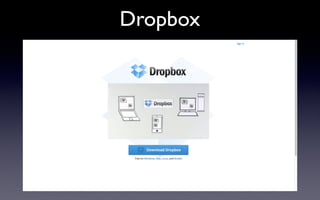
Dropbox
HOW
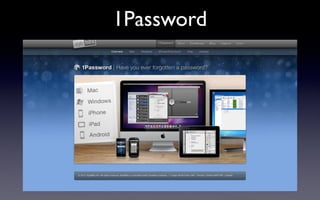
Show the End Result
Showing how your application works is even more
effective when you can show the end result.
1Password
Readibility
WHY
Explain WHY with Benefits
as Well as Features
WHY
Features Benefits
Unlimited server space Access from any browser, anytime
Add tags to your bookmarks Organize your bookmarks in any way you want
Add friends and see their bookmarks Collaborate and share bookmarks with friends
Sort by tag or date Easily refind important bookmarks later
See related bookmarks Find relevant related content
Tumblr
WHO
Give examples of WHO is using it
To make a person’s decision easier,
show them how others have made the
same decision and succeeded. Give
evidence that others are using it.
WHO
Give examples of WHO is using it
• Let people find friends
Facebook, Like!
WHO
Give examples of WHO is using it
• Let people find friends
• Provide testimonials
Basecamp
WHO
Give examples of WHO is using it
• Let people find friends
• Provide testimonials
• Get as specific as you can
The more specific you can get about how to
use your application, the more your software
will resonate with your potential audience.
WHO
Give examples of WHO is using it
• Let people find friends
• Provide testimonials
• Get as specific as you can
• Success stories/case studies
Apple
7:40
WHO
Give examples of WHO is using it
• Let people find friends
• Provide testimonials
• Get as specific as you can
• Success stories/case studies
• Give numbers (when they are big)
Basecamp
WHO
Give examples of WHO is using it
• Let people find friends
• Provide testimonials
• Get as specific as you can
• Success stories/case studies
• Give numbers (when they are big)
• Appeal to Authority
MailChimp
WHO
Give examples of WHO is using it
• Let people find friends
• Provide testimonials
• Get as specific as you can
• Success stories/case studies
• Give numbers (when they are big)
• Appeal to Authority
• Hypotheticals is OK
WHEN
When can people use it?
WHEN
NOWOffer a way for people to try your software out for free
WHEN
NOWPeople don’t realize the value of something until they’ve actually used it
WHERE
What sorts of activities are
people going to use your
software for when they’re
on the move?
Reduce Sign-up Friction
Don’t Make Creating an Account a Requirement
Upon signup, ask only for information that’s absolutely necessary
Progressive engagement
Progressive engagement allows people to get started using software
without committing fully of filling out a sign-up form
Readibility
ThankYou

Design for sign up

  • 1.
    Design for Sign-up Howto motivate people to sign up for your web app
  • 2.
    How much timewould people decide to use your product?
  • 3.
  • 4.
    What Are TheyThinking?
  • 5.
    What Are TheyThinking? Why should I use this software? Is this software worth my time?
  • 6.
  • 7.
    The Sign-up Hurdle DifferentStrokes for Different Folks Ready to Go Interested but Unsure Fact-finders Skeptical Make it as easy as possible to sign up by eliminating usability problems and unnecessary friction in the interface. The key to designing for them is to provide multiple levels of details so that they can find appropriate answers to their questions. Design for them by providing a solid summary and how-it-works information. Design for them by providing lots of evidence that other people are happy using your software.
  • 8.
    Sign-up Framework Who WhatWhere When Why How
  • 9.
  • 10.
  • 11.
  • 12.
  • 13.
  • 14.
    HOW Show HOW itworks Good how-it-works features provide multiple levels of detail, at increasing depth of description, allowing people to dig deeper as needed.
  • 15.
  • 16.
    HOW Show the EndResult Showing how your application works is even more effective when you can show the end result.
  • 17.
  • 18.
  • 19.
    WHY Explain WHY withBenefits as Well as Features
  • 20.
    WHY Features Benefits Unlimited serverspace Access from any browser, anytime Add tags to your bookmarks Organize your bookmarks in any way you want Add friends and see their bookmarks Collaborate and share bookmarks with friends Sort by tag or date Easily refind important bookmarks later See related bookmarks Find relevant related content
  • 21.
  • 22.
    WHO Give examples ofWHO is using it To make a person’s decision easier, show them how others have made the same decision and succeeded. Give evidence that others are using it.
  • 23.
    WHO Give examples ofWHO is using it • Let people find friends
  • 24.
  • 25.
    WHO Give examples ofWHO is using it • Let people find friends • Provide testimonials
  • 26.
  • 27.
    WHO Give examples ofWHO is using it • Let people find friends • Provide testimonials • Get as specific as you can
  • 28.
    The more specificyou can get about how to use your application, the more your software will resonate with your potential audience.
  • 29.
    WHO Give examples ofWHO is using it • Let people find friends • Provide testimonials • Get as specific as you can • Success stories/case studies
  • 30.
  • 31.
    WHO Give examples ofWHO is using it • Let people find friends • Provide testimonials • Get as specific as you can • Success stories/case studies • Give numbers (when they are big)
  • 32.
  • 33.
    WHO Give examples ofWHO is using it • Let people find friends • Provide testimonials • Get as specific as you can • Success stories/case studies • Give numbers (when they are big) • Appeal to Authority
  • 34.
  • 35.
    WHO Give examples ofWHO is using it • Let people find friends • Provide testimonials • Get as specific as you can • Success stories/case studies • Give numbers (when they are big) • Appeal to Authority • Hypotheticals is OK
  • 36.
  • 37.
    WHEN NOWOffer a wayfor people to try your software out for free
  • 38.
    WHEN NOWPeople don’t realizethe value of something until they’ve actually used it
  • 39.
    WHERE What sorts ofactivities are people going to use your software for when they’re on the move?
  • 40.
  • 41.
    Reduce Sign-up Friction Don’tMake Creating an Account a Requirement Upon signup, ask only for information that’s absolutely necessary Progressive engagement Progressive engagement allows people to get started using software without committing fully of filling out a sign-up form
  • 42.
  • 43.