Debriefing
Learn from doing
Debriefing
“Debriefing is the practice of garnering insights and
context from routine efforts and processes by
focusing on the facts of execution” - Yonni Mendes
2020
Why learn from past efforts?
Mistakes
They happen because:
1. People are stupid
2. We’re surrounded by gremlins
3. Ghosts in the machine
4. Corporates are evil
5. Corona and Trump
So why??? Why must mistakes happen?!
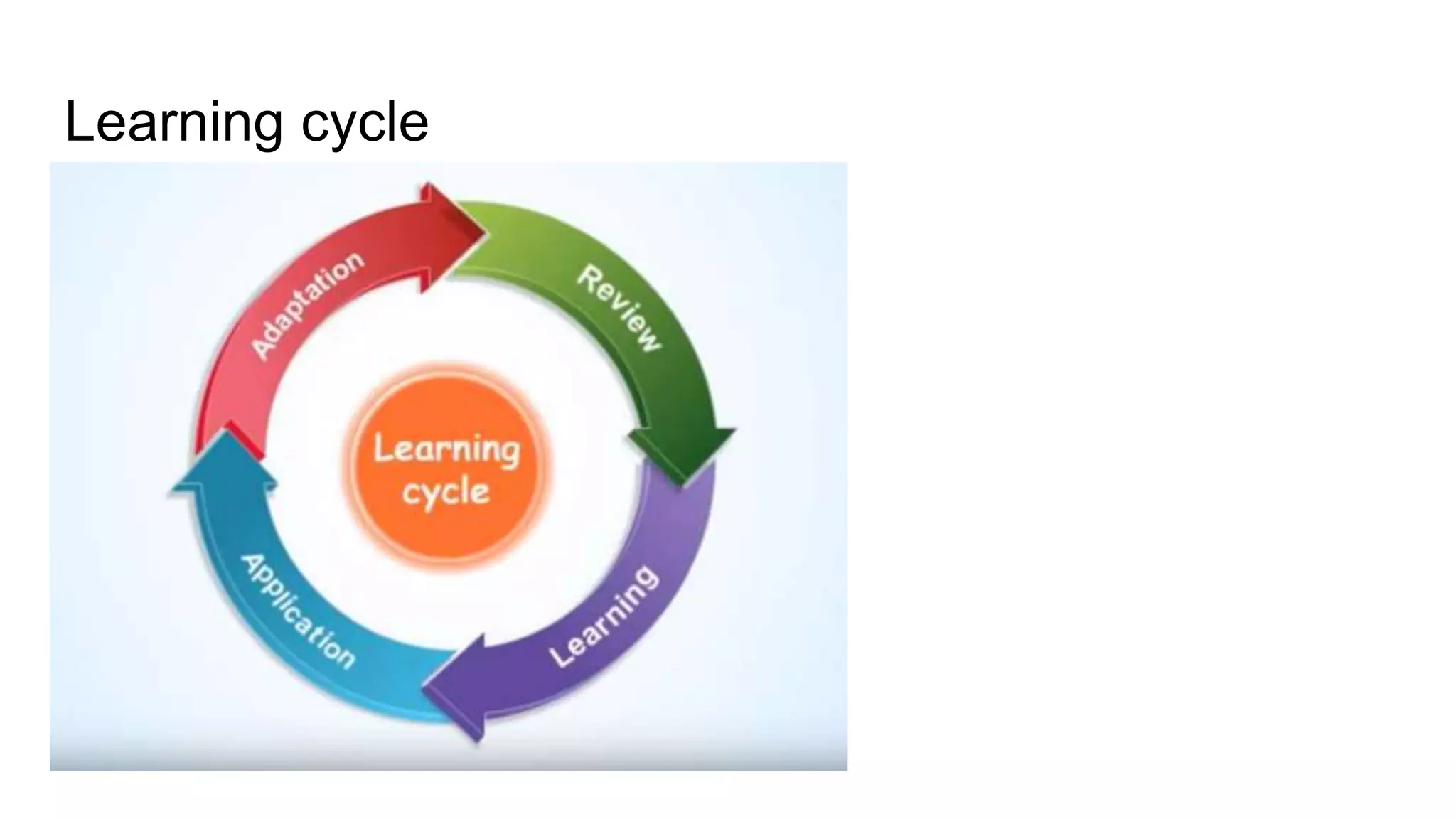
Learning cycle
How does it work?
1. Prepare:
a. Timeline
b. Insights
2. Meeting: Analysis & plan action items
3. Action items execution
Timeline
Collect facts about the execution
Execution: the specific instance of a specific
process
Facts: numbers, dates, log entries, tasks
Collect: order items into a timeline, tell a story
Stick to facts: if it’s not written, it’s a
guess/feeling/biased
Insights
We gain insights from a timeline’s patterns
Pattern: Repeating groups of facts, from past or current instances of a process
Insights: Naming a pattern of facts, adding context, external details, other
related facts
Write down insights.
Avoid binding different insights together
Analysis
By looking at facts and insights we can
interpret events together
Interpretation: Attempt to explain insights or events
using own point of view, opinions and analysis.
Write down analysis and contribute in the debriefing
meeting
This is done before and during the meeting. It is both
a part of the preparation phase and the debriefing
meeting itself.
Action items
We change the world by doing
● Action items must be an action.
● A thing that we can do in reasonable* time to make a difference.
● It’s a specific result of our actions.
Yonni: discuss about improving the
thing
Gal: improve our practice of thinking
about the thing
Omer: rebuild our management console
from legos
Yonni: Decide on improvement
parameters of thing
Gal: Send an email with the best
method of thinking about the thing
Omer: Demo a POC for lego
applications
Before the Meeting
1. Prepare the timeline
2. List your insights
3. Open the timeline to comments
4. Participants must review and add comments and introduce more insights
In the meeting
20 minutes or less if possible:
1. Briefly go over main points of the timeline
2. Go over timeline comments
3. Go over insights and add new insights
20 minutes:
1. Discuss insights and interpretations of events - bulk of the
meeting
Last 10 minutes:
1. List out action items, order them by importance/priority/impact
2. Choose a number of action items (as many as participants in the
room). The other AIs are *deleted*
3. Assign a person to each action item

Debriefing and post-mortems

  • 1.
  • 2.
    Debriefing “Debriefing is thepractice of garnering insights and context from routine efforts and processes by focusing on the facts of execution” - Yonni Mendes 2020 Why learn from past efforts?
  • 3.
    Mistakes They happen because: 1.People are stupid 2. We’re surrounded by gremlins 3. Ghosts in the machine 4. Corporates are evil 5. Corona and Trump So why??? Why must mistakes happen?!
  • 4.
  • 5.
    How does itwork? 1. Prepare: a. Timeline b. Insights 2. Meeting: Analysis & plan action items 3. Action items execution
  • 6.
    Timeline Collect facts aboutthe execution Execution: the specific instance of a specific process Facts: numbers, dates, log entries, tasks Collect: order items into a timeline, tell a story Stick to facts: if it’s not written, it’s a guess/feeling/biased
  • 7.
    Insights We gain insightsfrom a timeline’s patterns Pattern: Repeating groups of facts, from past or current instances of a process Insights: Naming a pattern of facts, adding context, external details, other related facts Write down insights. Avoid binding different insights together
  • 8.
    Analysis By looking atfacts and insights we can interpret events together Interpretation: Attempt to explain insights or events using own point of view, opinions and analysis. Write down analysis and contribute in the debriefing meeting This is done before and during the meeting. It is both a part of the preparation phase and the debriefing meeting itself.
  • 9.
    Action items We changethe world by doing ● Action items must be an action. ● A thing that we can do in reasonable* time to make a difference. ● It’s a specific result of our actions. Yonni: discuss about improving the thing Gal: improve our practice of thinking about the thing Omer: rebuild our management console from legos Yonni: Decide on improvement parameters of thing Gal: Send an email with the best method of thinking about the thing Omer: Demo a POC for lego applications
  • 10.
    Before the Meeting 1.Prepare the timeline 2. List your insights 3. Open the timeline to comments 4. Participants must review and add comments and introduce more insights
  • 11.
    In the meeting 20minutes or less if possible: 1. Briefly go over main points of the timeline 2. Go over timeline comments 3. Go over insights and add new insights 20 minutes: 1. Discuss insights and interpretations of events - bulk of the meeting Last 10 minutes: 1. List out action items, order them by importance/priority/impact 2. Choose a number of action items (as many as participants in the room). The other AIs are *deleted* 3. Assign a person to each action item

Editor's Notes

  • #4 Because our environment is setup in such a way as to allow a mistake So the process of learning from our mistakes is the way we understand the context of our mistakes and choose to correct our environment and processes so that this mistake does not repeat